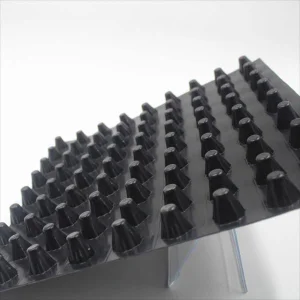
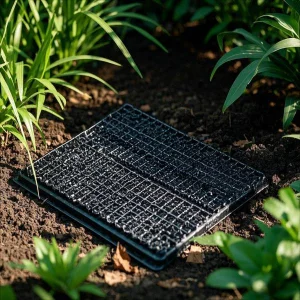
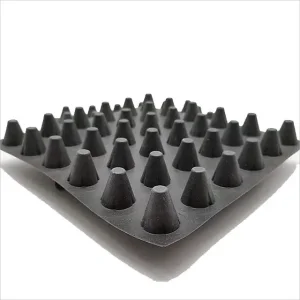
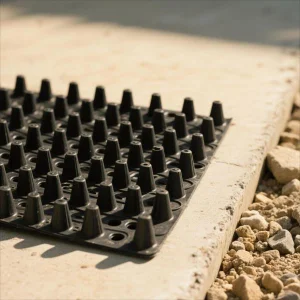
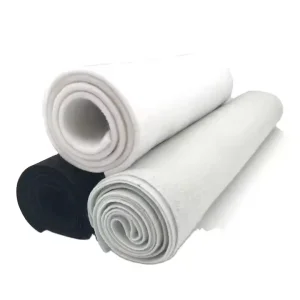
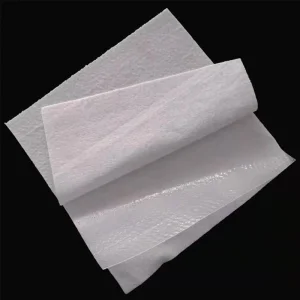
Engineered to handle severe subgrade moisture, soil expansion, and high hydraulic discharge requirements.
Ethiopia's rapid industrialization and urban development—marked by massive transportation networks, logistics centers, and large-scale water conservancy projects—face challenging geological conditions. The East African Rift System produces highly variable soil compositions, including expansive clay soils (commonly known as "black cotton soil"). These soils undergo severe volumetric changes in response to moisture fluctuation, causing significant structural distress to roads, building foundations, and railway embankments.
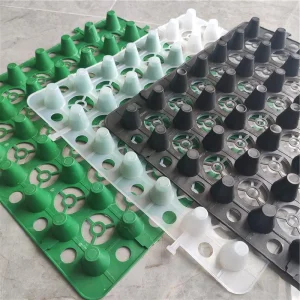
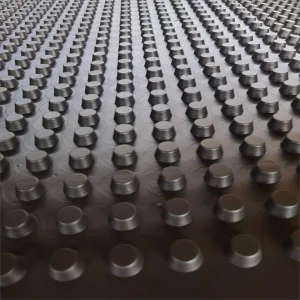
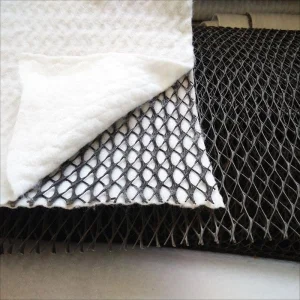
In addition, seasonal monsoon patterns present significant hydraulic engineering challenges. Proper drainage design is critical to maintaining subgrade dry-density, preventing hydro-static pressure buildup, and avoiding structural shear failure. The demand for advanced geosynthetic systems—such as HDPE geomembranes, high-compressive-strength drainage boards, and robust composite geotextiles—has grown rapidly in Ethiopia’s public works sector, especially within the Addis Ababa administrative zone, the Awash River basin development, and agricultural projects across regional states.
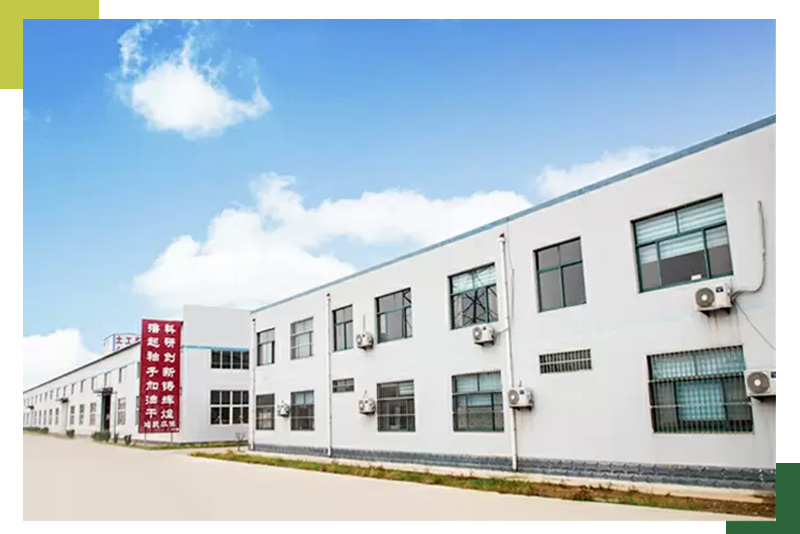
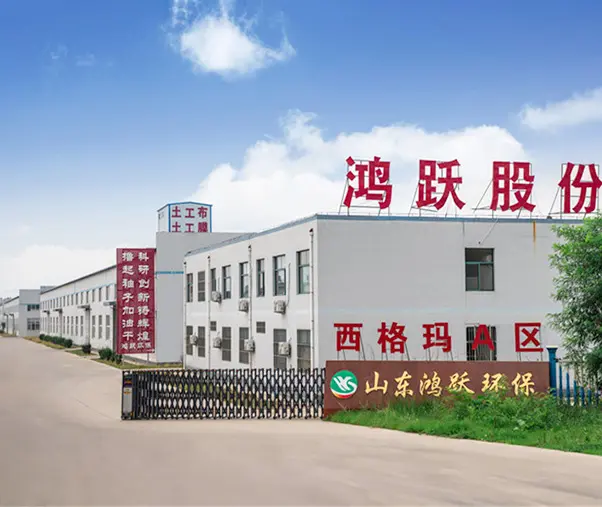
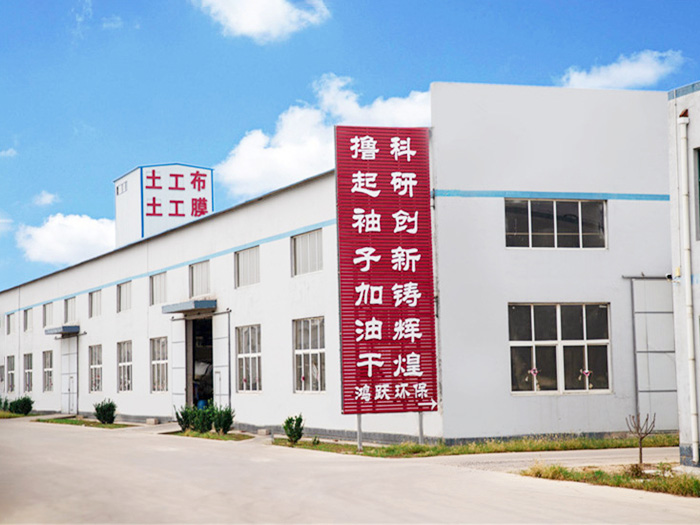
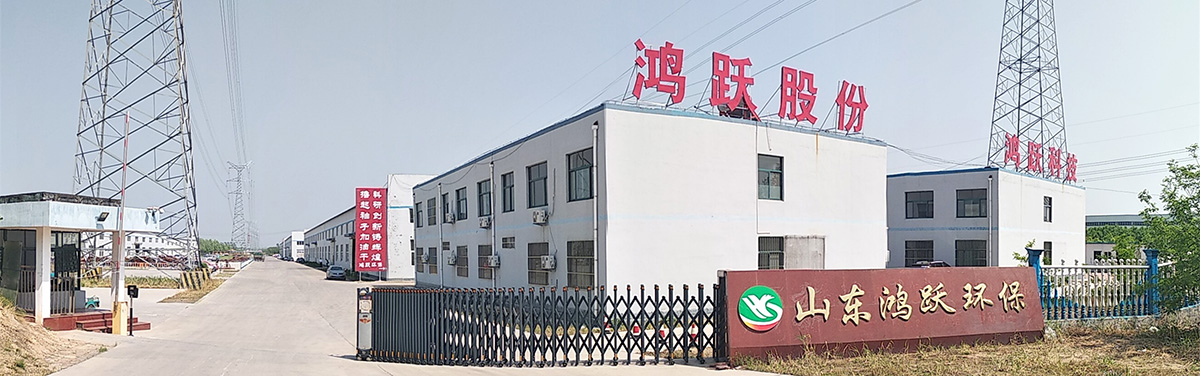
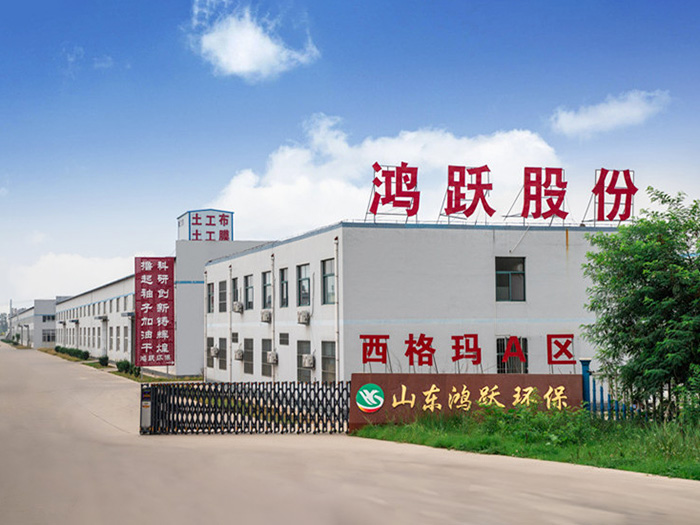
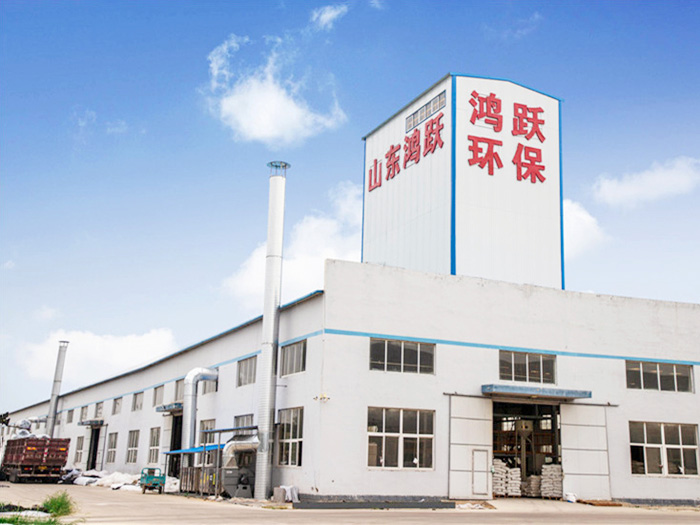
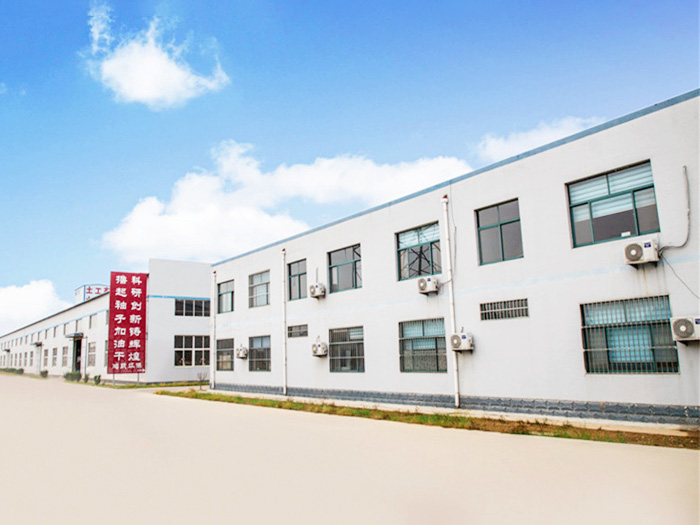
Shandong Hongyue Environmental Engineering Co., Ltd., located at the north end of Fufeng Street, Lingcheng District, Dezhou, Shandong Province, is a scientific and technological geotechnical material manufacturer integrating engineering material production, sales, design and construction services. The company was registered in Lingcheng District Market Supervision and Administration Bureau of Dezhou City on April 6, 2023, with a registered capital of 105 million yuan. It is one of the largest production bases of geotechnical materials in China at present, located in Lingcheng District, Dezhou, Shandong Province, with superior geographical location and convenient transportation.
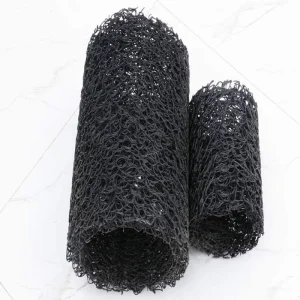
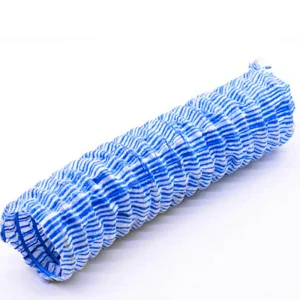
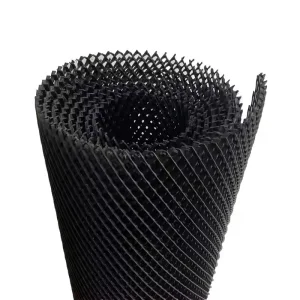
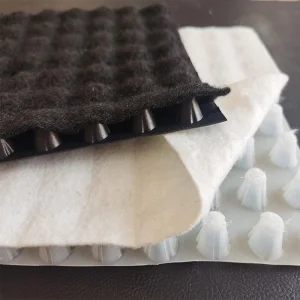
Since the establishment, the company has developed rapidly and its business continues to grow and expand. We mainly deal in geotextiles, geomembranes, composite geomembranes, waterproof boards, bentonite waterproof blankets (GCL), 3D composite drainage nets, (composite) drainage boards, weaving cloth, woven cloth, membrane bags, blind ditches, waterproof and drainage combinations, woven bags, ecological bags, cement blankets, fiber plant blankets, flexible pervious pipes, and related geosynthetics. Our business includes geosynthetics and waterproofing membrane production, sales, construction, and the import and export of goods.
We possess high-quality products and a professional sales and technical team. Our company belongs to the Dezhou Geotextile Association. Our products are widely used in highways, railways, bridges, tunnels, reservoirs, canals, water conservancy, artificial lakes, environmental protection, aviation, mining, agriculture, and other fields.
Ensuring material integrity, consistent density, and strict compliance with global technical requirements.
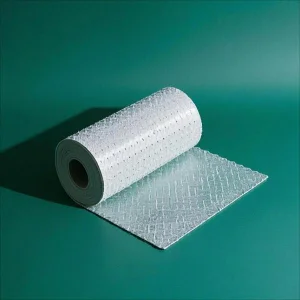
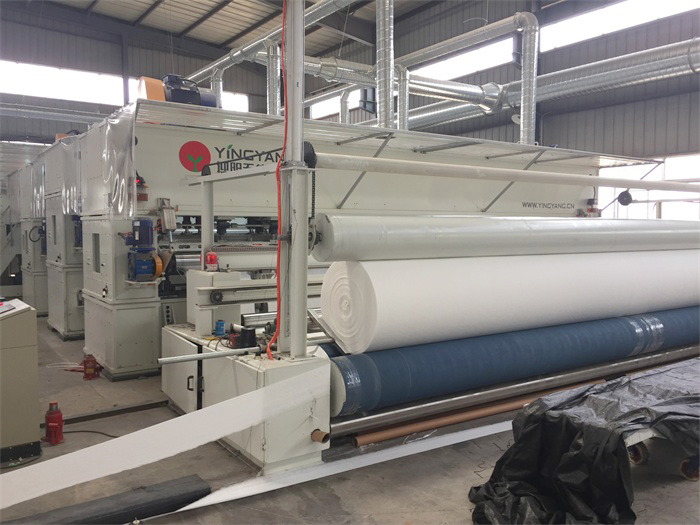
The main raw materials of geotextile are polyester chips, polypropylene filament, and viscose fiber. These raw materials undergo strict entry inspections, testing, and environmental monitoring to ensure high initial polymer purity.
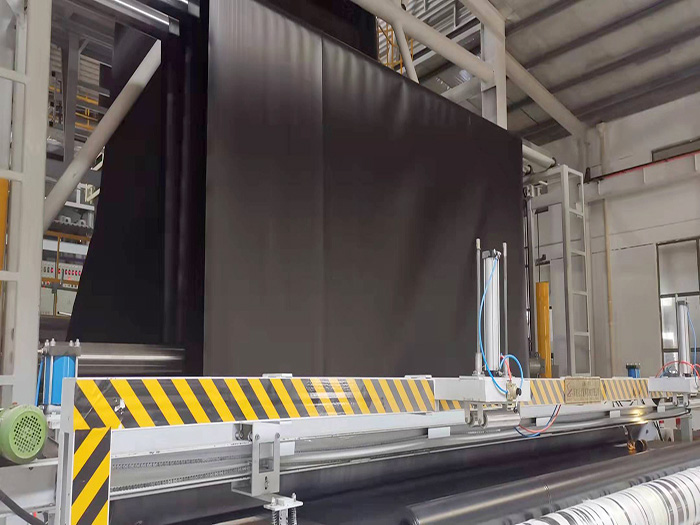
Polyester chips are melted at high temperatures and extruded by a screw extruder. Polypropylene filament and viscose fiber are added for mixing. The melt is sprayed through spinnerets to form a uniform web structure on the conveyor belt.
The web is fed into rollers for draft curing under controlled temperature, speed, and tension. The finished geotextile is rolled, measured, and subjected to physical property, chemical stability, and defect inspections before packaging.
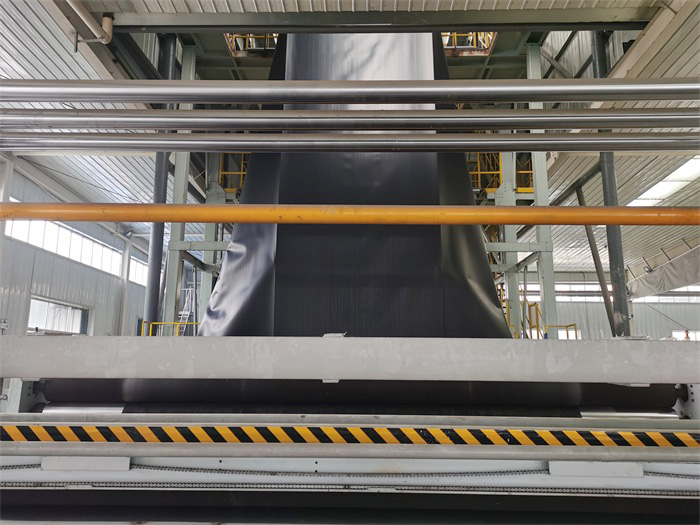
Visualizing our advanced infrastructure, dust-free workshops, and standardized testing laboratories.
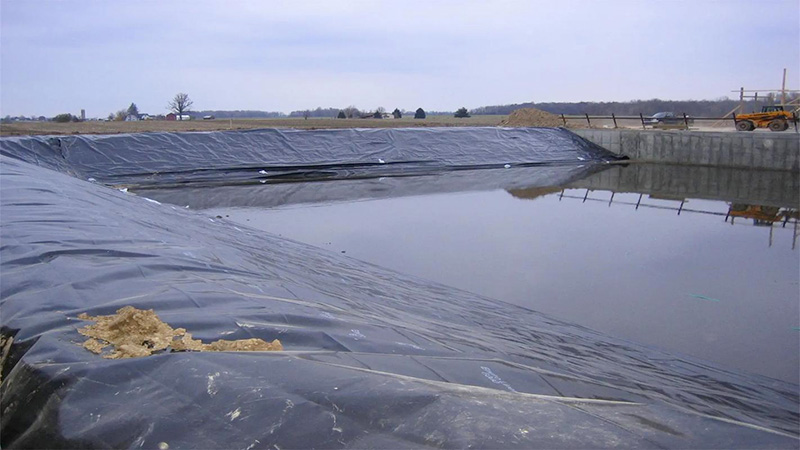
Geomembranes serve as a foundational seepage barrier across modern municipal, industrial, and agricultural projects. High-density polyethylene (HDPE) and linear low-density polyethylene (LLDPE) membranes require precise application technology to perform long-term.
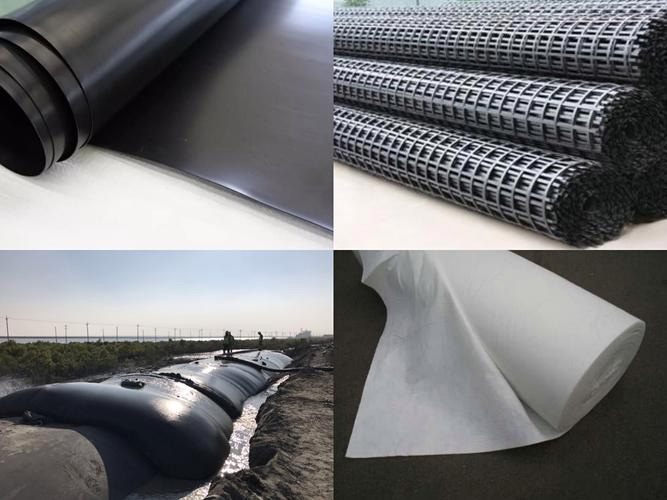
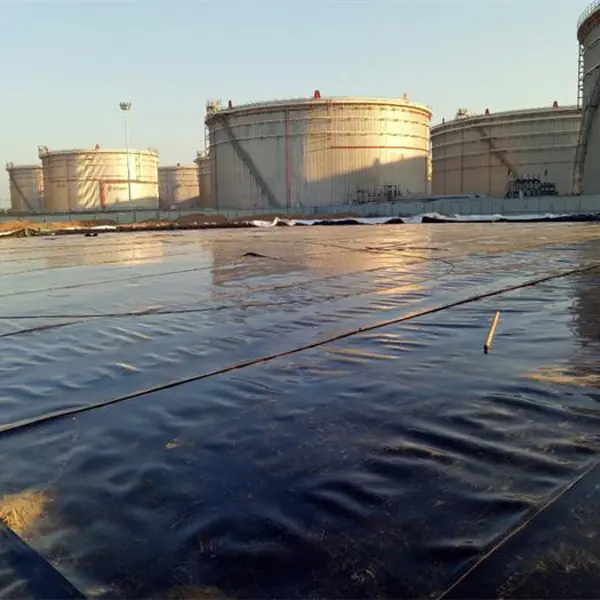
Geomembranes play a key role in water management, preventing seepage in reservoirs, agricultural canals, and municipal containment facilities.
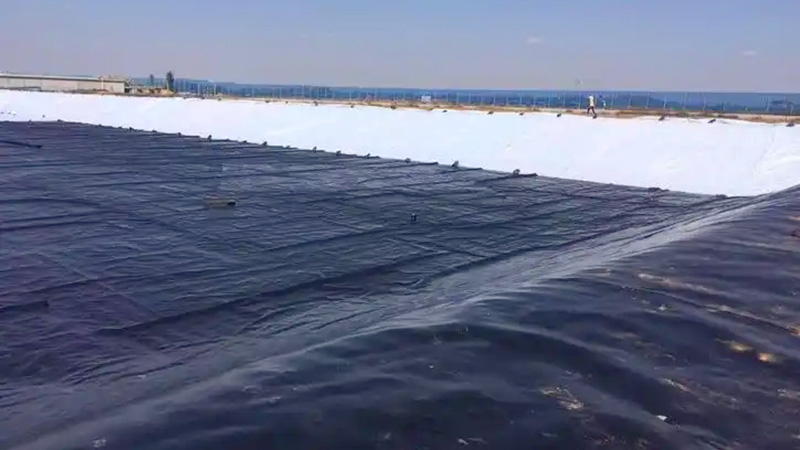
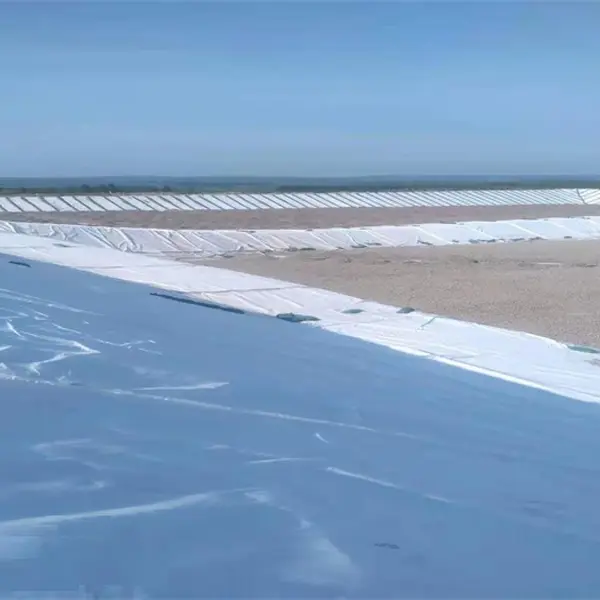
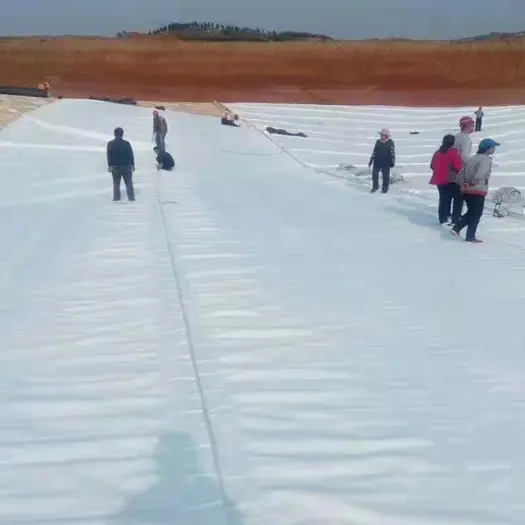
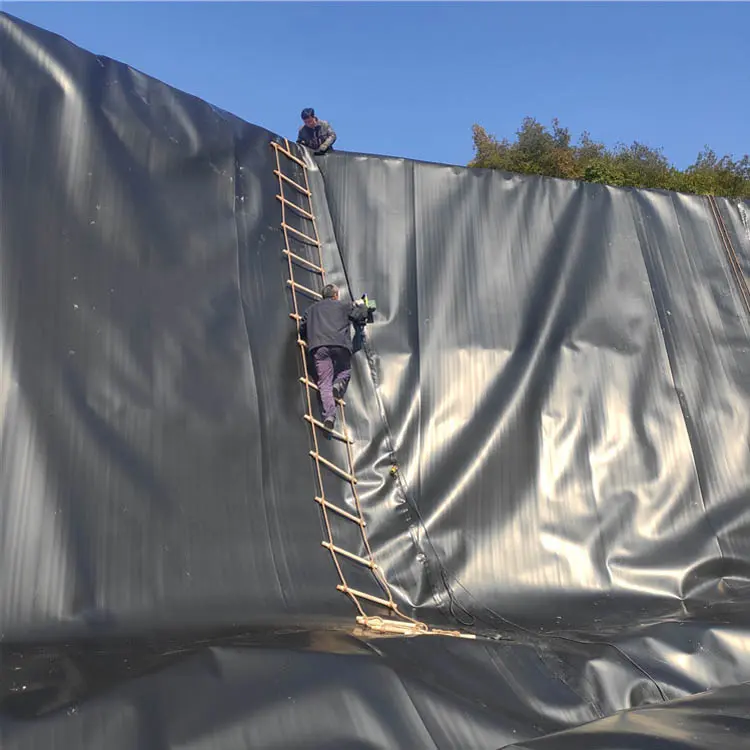
Documenting our geosynthetic installations in critical municipal infrastructure, subgrade stabilization, and environmental barriers.
Explore our full line of materials designed for infrastructure projects in the Ethiopian and broader East African markets.
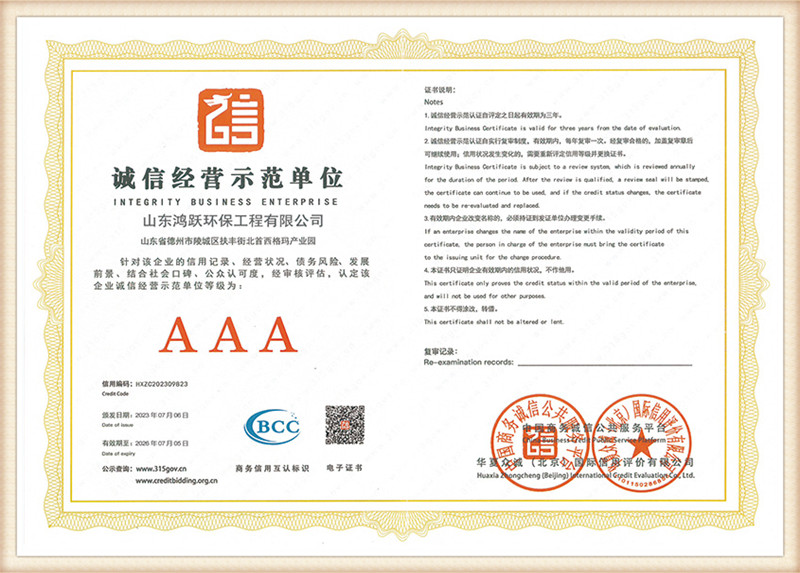
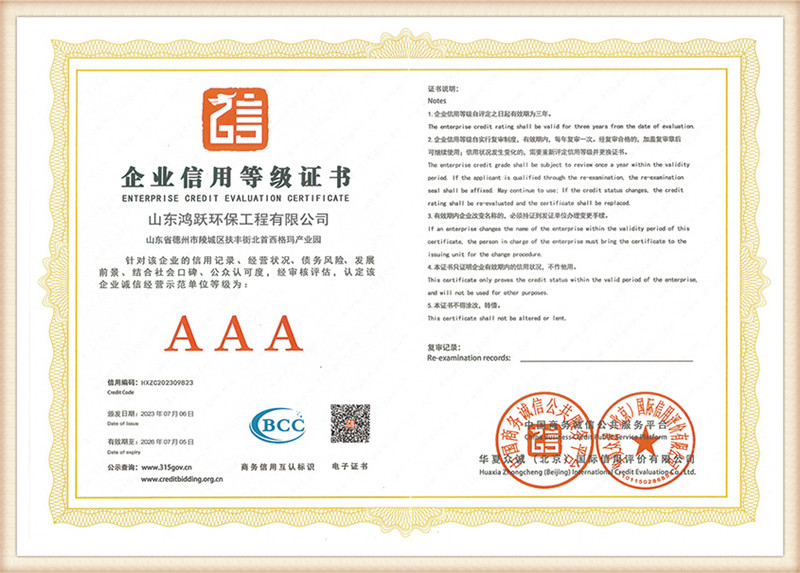
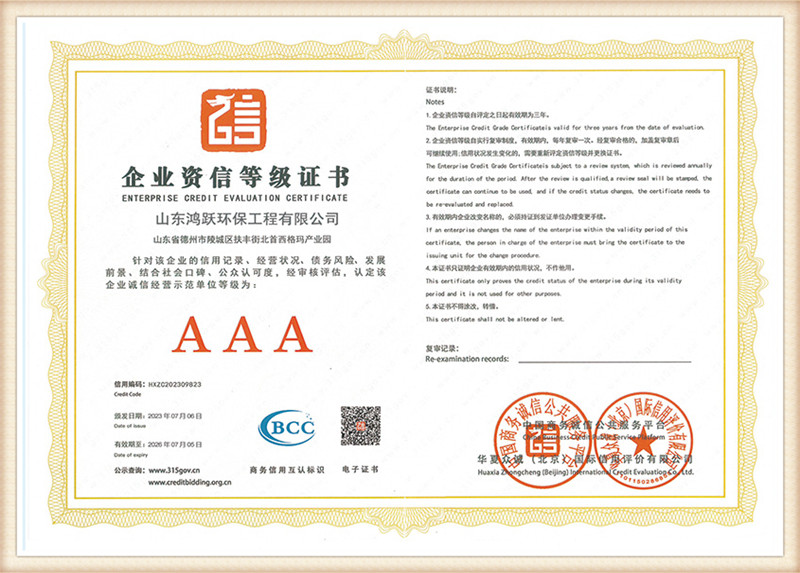
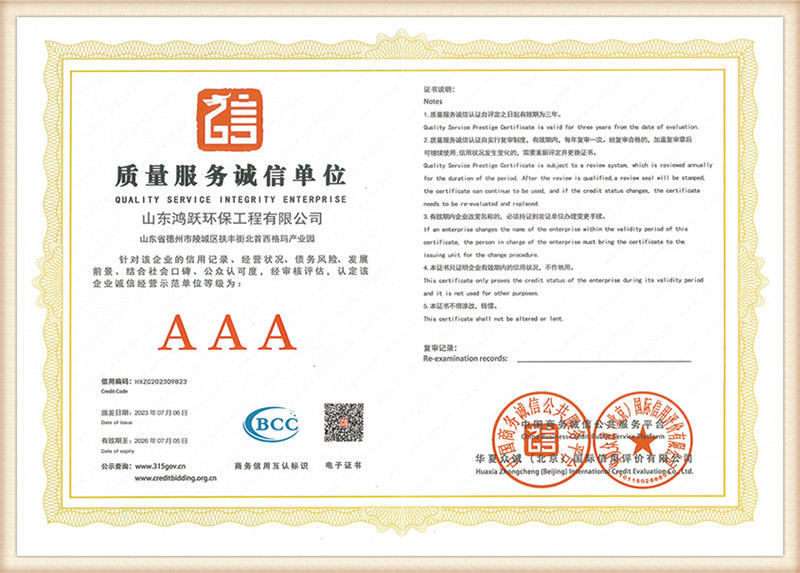
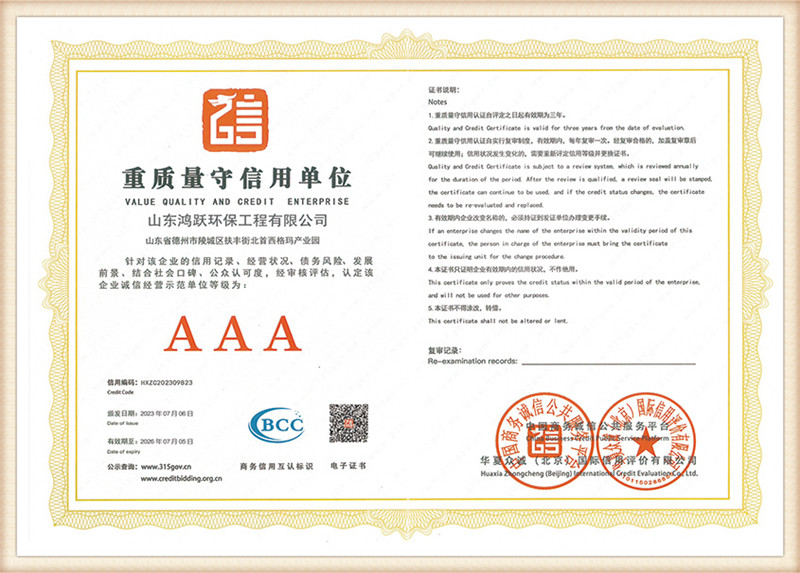
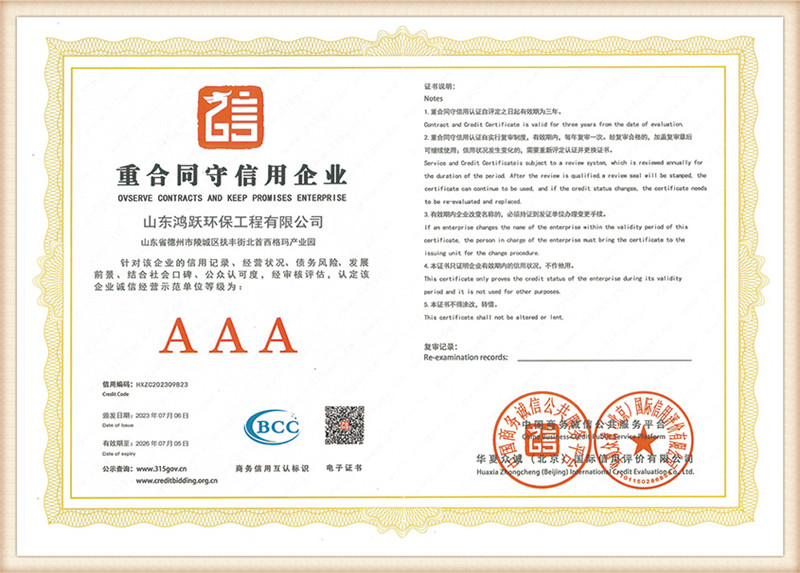
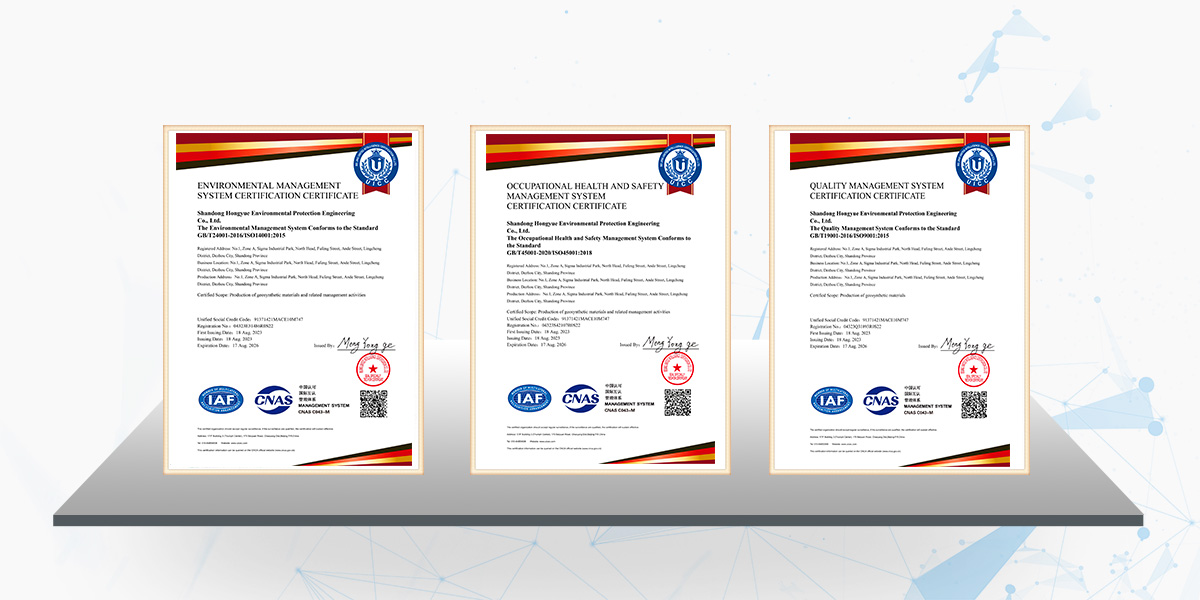
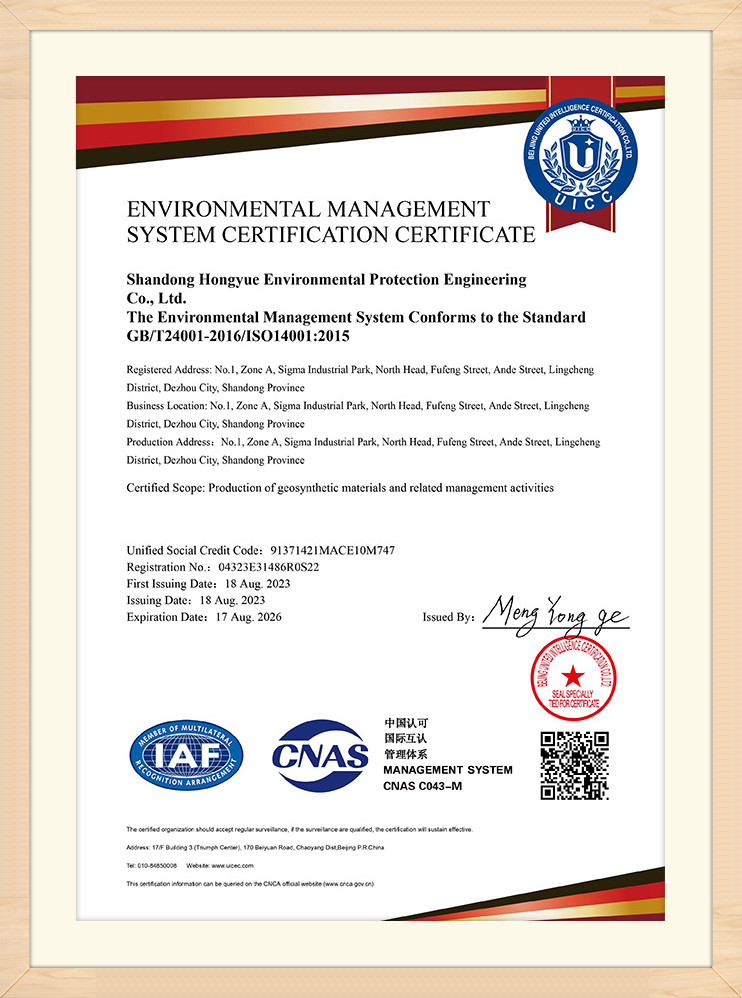
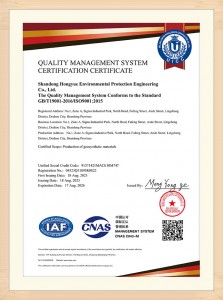
Shandong Hongyue Environmental Engineering Co., Ltd. maintains a complete, scientific management system. We have passed ISO9001 quality system certification, ISO14000 environmental system certification, and ISO45001 occupational health and safety management system certification.
Our products have received honors such as "Green and Environmentally Friendly Building Materials Products", "No Consumer Complaints", "Famous Chinese Brand", "High-Tech Industry", "Quality Service Double Excellent Unit", and "Provincial-Level Poverty Alleviation Leading Enterprise". We utilize advanced production technology and equipment, backed by precise testing instruments to maintain high product performance.
All manufactured products meet or exceed domestic and international standards. They are certified by the China National Testing Center and regularly pass quality inspections commissioned by national quality supervision administrations.
Our engineering and technical teams bring over a decade of experience to large-scale construction sites in both domestic and international markets. We establish regional consulting networks to assist with material selection, site planning, project design, and marketing support.
We work closely with project owners, design institutes, and EPC contractors to develop customized geotechnical solutions. From initial technical consulting to on-site installation guidance, our team supports clients throughout the project lifecycle.
Standard engineering drawings showing proper layout of our geotextiles and geomembranes in infrastructure applications.
Addressing engineering specifications, installation guidelines, and logistical workflows for the Ethiopian and international markets.
 Hongyue