Primary geotechnical systems optimized for volcanic subgrades, high seismic activity, and intensive rainfall conditions within CDMX and surrounding areas.
Mexico City (CDMX) is situated in a high-altitude endorheic basin characterized by highly complex geological stratigraphy. Underlain by thick, soft lacustrine clay deposits of the former Lake Texcoco, the region faces extreme challenges including differential land subsidence, high seismic vulnerability (Zone D classification), and intense convective rainfall during the summer months. Conventional concrete solutions, such as cast-in-place concrete and shotcrete, fail regularly in this environment. The rigid structures are prone to rapid cracking due to ground shifting, resulting in catastrophic seepage, erosion, and structural failure of critical canals and slope systems.
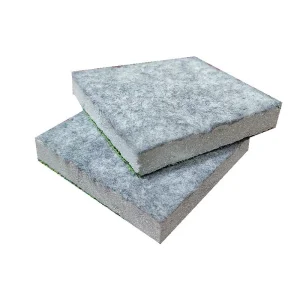
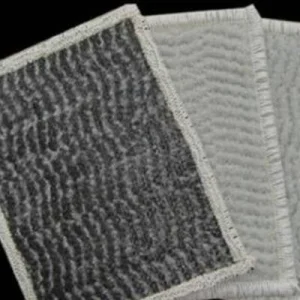
To overcome these geological limitations, modern engineers across Mexico City are transitioning to Geosynthetic Cementitious Composite Mats (GCCMs)—popularly known as Cement Blankets or Concrete Canvas. This advanced building material integrates a flexible 3D fiber matrix impregnated with a dry, proprietary hydraulic cement formulation. Upon hydration, it cures to form a thin, durable, water-resistant, and fire-resistant concrete layer that conforms seamlessly to ground irregularities, adapting to structural shifting without cracking.
Traditional shotcrete requires heavy mobilization of concrete mixers, shotcreting machinery, and highly skilled operators—a significant logistical bottleneck in congested areas like Iztapalapa, Santa Fe, and Álvaro Obregón. Furthermore, shotcrete installation produces massive dust pollution and carbon emissions. In contrast, Hongyue Cement Blankets reduce carbon footprints by up to 90% and can be installed up to ten times faster. Their inherent flexibility handles the regional shear strain without structural degradation, ensuring long-term slope stability and drainage performance.
A leading global manufacturer of geosynthetics and ecological barrier systems.
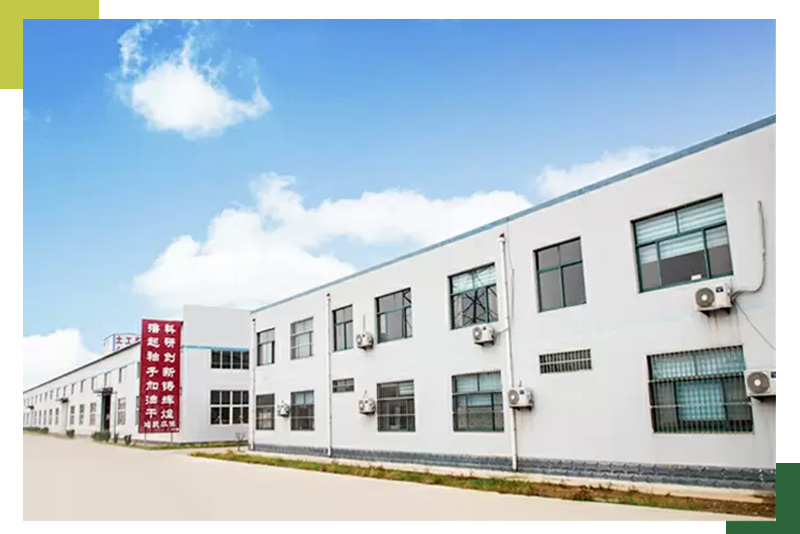
Shandong Hongyue Environmental Engineering Co., Ltd., located at the north end of Fufeng Street, Lingcheng District, Dezhou, Shandong Province, is a scientific and technological geotechnical material manufacturer integrating engineering material production, sales, design, and construction services. The company was registered in Lingcheng District Market Supervision and Administration Bureau of Dezhou City on April 6, 2023, with a registered capital of 105 million yuan. It stands as one of the largest and most advanced production bases of geotechnical materials in China, benefiting from a superior geographical location and highly convenient logistics channels connected to major shipping ports serving Central and South America.
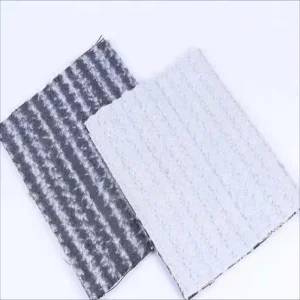
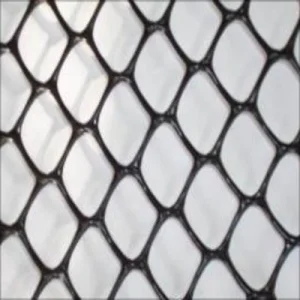
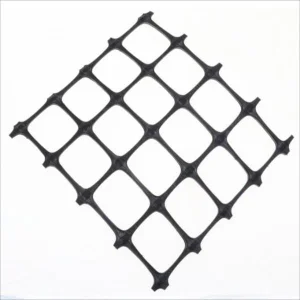
Since the establishment of the company, we have developed rapidly, expanding our scope to serve key municipal, environmental, and hydraulic infrastructure works globally. Our comprehensive product portfolio includes geotextiles, geomembranes, composite geomembranes, waterproof boards, bentonite waterproof blankets (GCLs), 3D composite drainage nets, (composite) drainage boards, woven and non-woven geofabrics, concrete blankets (cement blankets), fiber plant blankets, and flexible pervious pipes. These products are widely deployed in critical sectors such as highways, high-speed rail lines, bridges, tunnels, municipal canals, environmental landfills, mining heap leach pads, and regional agricultural water systems.
We focus on the dynamic R&D and production of advanced geotechnical engineering materials, ensuring tailor-made specifications for different load and moisture requirements.
Our dedicated engineering and technical teams provide 24/7 technical advisory services, structural design assistance, and installation guidance customized for Mexican construction codes.
Utilizing our massive manufacturing plant in Dezhou and established logistics hubs, we guarantee streamlined global shipping and container management directly to Mexico City.
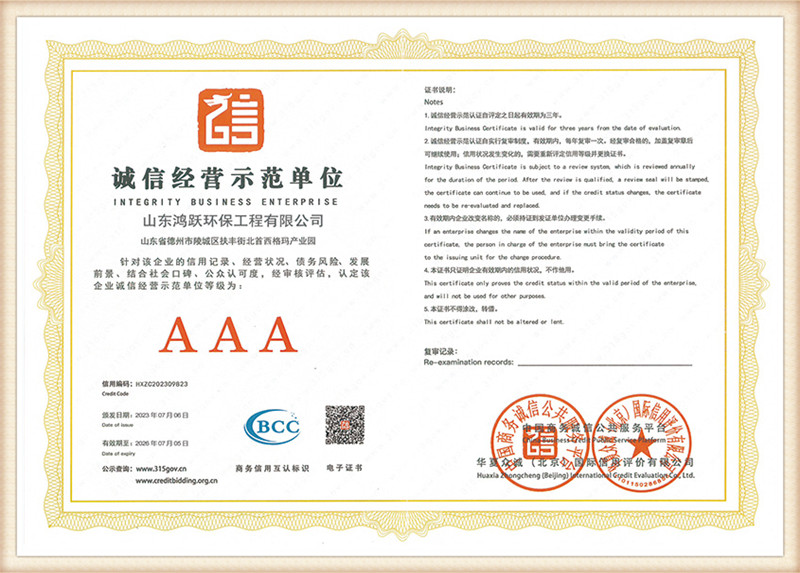
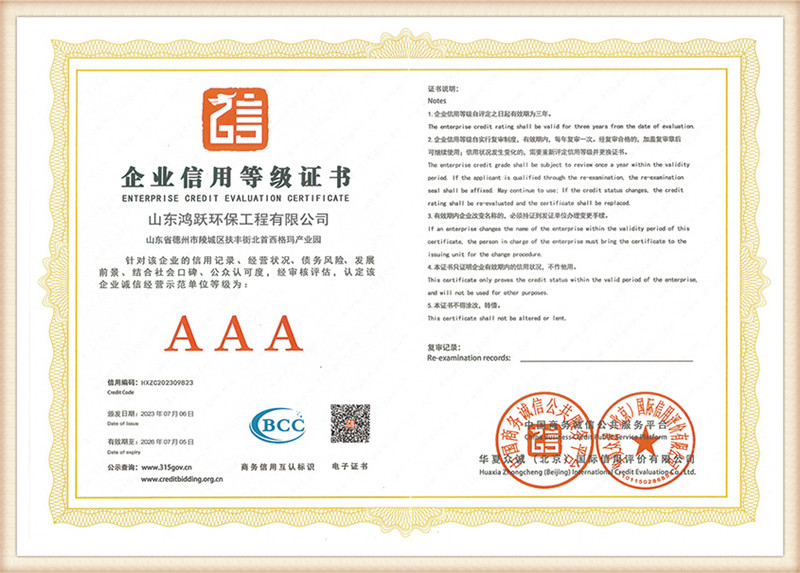
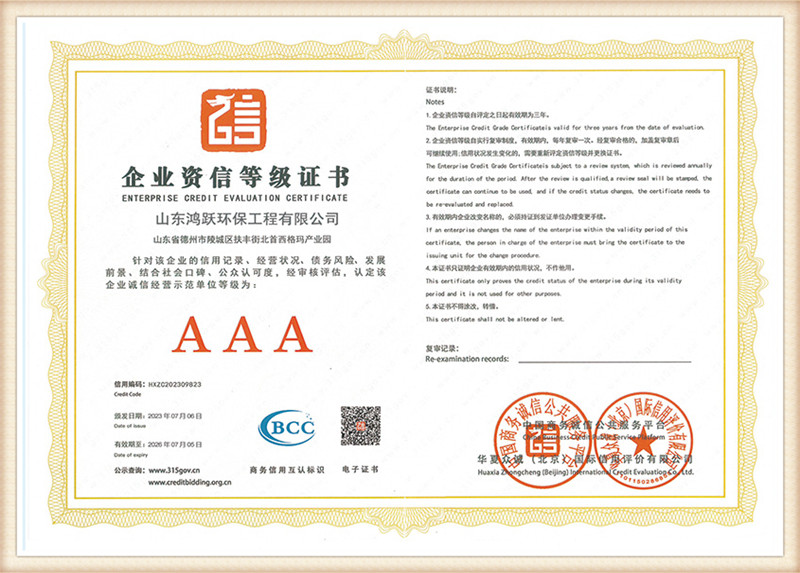
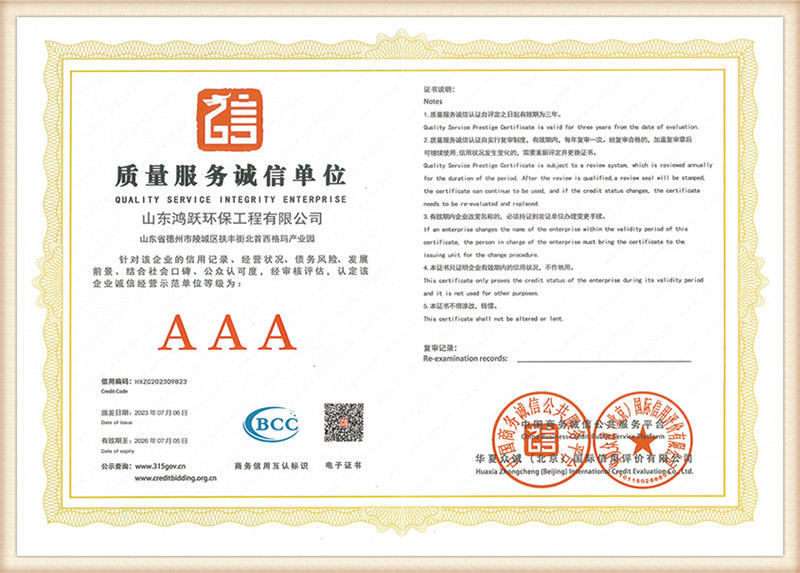
Uncompromising adherence to international standards including ISO 9001, ISO 14001, and ISO 45001.
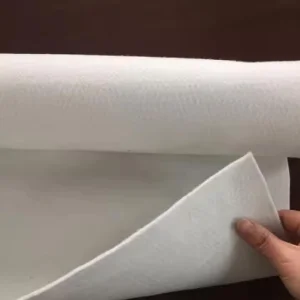
Geotextile is widely used in civil engineering projects for filtration, isolation, reinforcement, and protection. Our manufacturing lines run under strict, real-time parameters to guarantee fiber consistency and mechanical integrity:
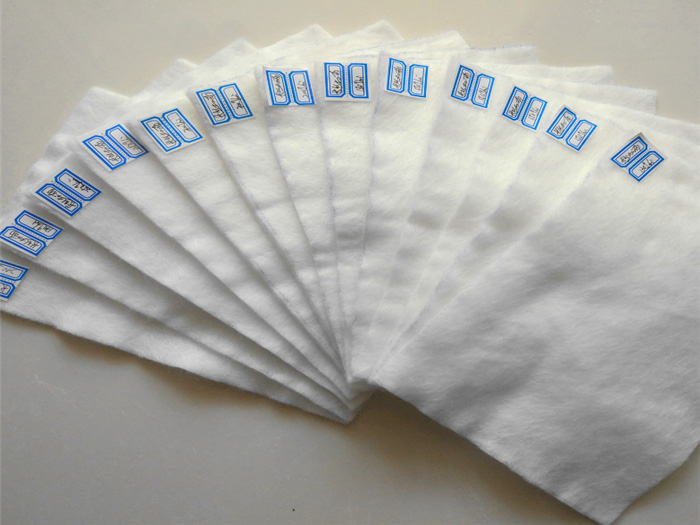
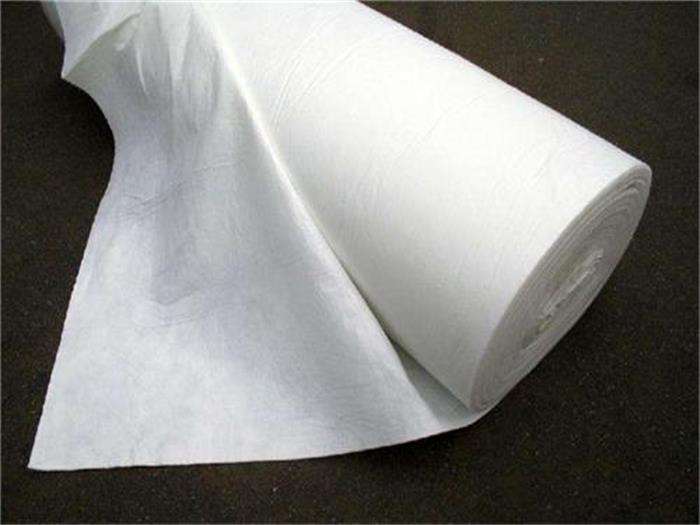
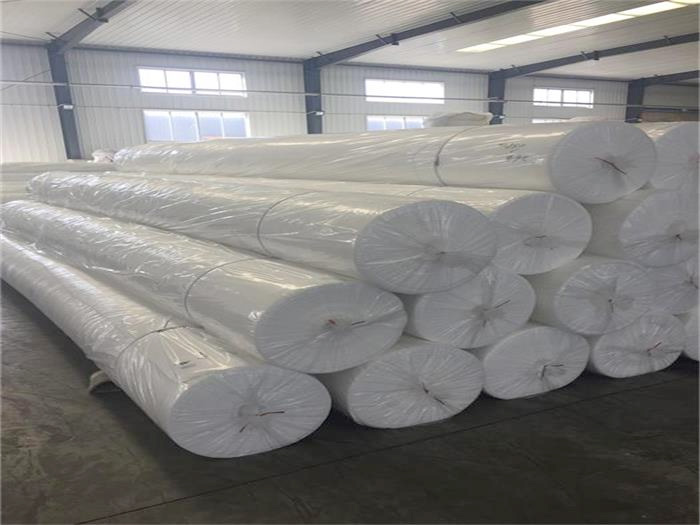
Shandong Hongyue Environmental Protection Engineering Co., Ltd. has successfully passed the ISO9001 international quality system certification, ISO14000 environmental system certification, and ISO45001 occupational health and safety management system certification. Our products have won numerous honors, such as "Green and Environmentally Friendly Building Materials Products", "China Famous Brand", and "High-Tech Industry" awards. Each shipment to Mexico City is accompanied by certificates from the China National Testing Center, confirming compliance with and exceeding of international geotechnical benchmarks.
Practical engineering methodologies to secure effective hydraulic containment and slope stabilization.
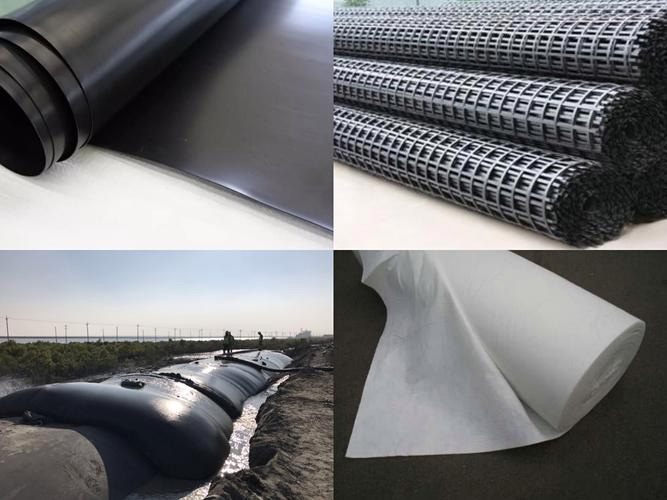
Choosing the correct geomembrane or concrete canvas thickness depends directly on project conditions. For Mexico City projects, we recommend High Density Polyethylene (HDPE) for chemical resistance and municipal landfills, and Linear Low Density Polyethylene (LLDPE) for high-subsidence structures. Recommended thickness ranges from 0.3mm to 2.0mm depending on puncture risks.
Ensure the subgrade is level and free of sharp volcanic rocks or debris. Cement blankets and geomembranes must be deployed in overlapping patterns. For geomembranes, high-temperature dual-track wedge welding is mandatory. For cement blankets, joint sealing is achieved via physical anchoring with screws and butyl tape, followed by controlled water hydration to activate the internal cement matrix.
Regular maintenance ensures optimal performance. Inspect joints and anchoring trenches annually. Clean surfaces of accumulated silt or garbage. Although cement blankets possess extremely high puncture resistance, any localized impact damage can be patched immediately by applying a fresh overlay layer of hydrated cement blanket material.
Proven engineering applications for municipal projects, railway networks, and flood prevention schemes.
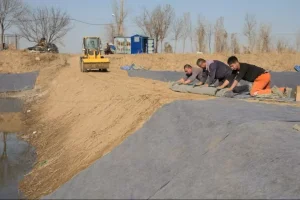
The Grand Canal (Gran Canal de Desagüe) and the Cutzamala system require continuous lining improvements. Water velocity and turbulence often erode traditional clay linings, leading to massive mudslides and structural collapse. Applying Hongyue Concrete Canvas for River Channel Slope Protection locks down the slope face, prevents channel erosion, and eliminates water loss through infiltration. Because the concrete matrix is reinforced by the integrated 3D fiber system, it resists high shear stresses from rapid water flow without deterioration.
In hillsides like Álvaro Obregón and Cuajimalpa, structural movements present constant hazards to residential communities. Unlike traditional sprayed concrete that cracks under shear force, our glass-fiber reinforced cement blankets provide structural flexibility. When seismic shifts occur, the micro-fibers distribute the load, keeping the outer concrete matrix intact and preventing progressive landslides.
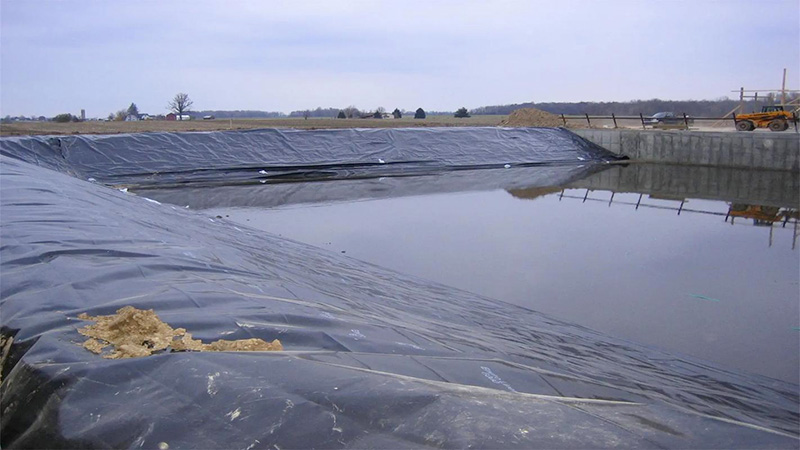
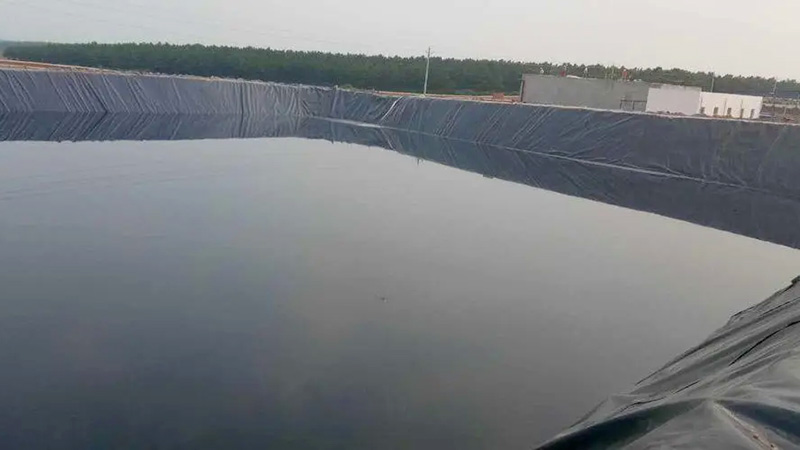
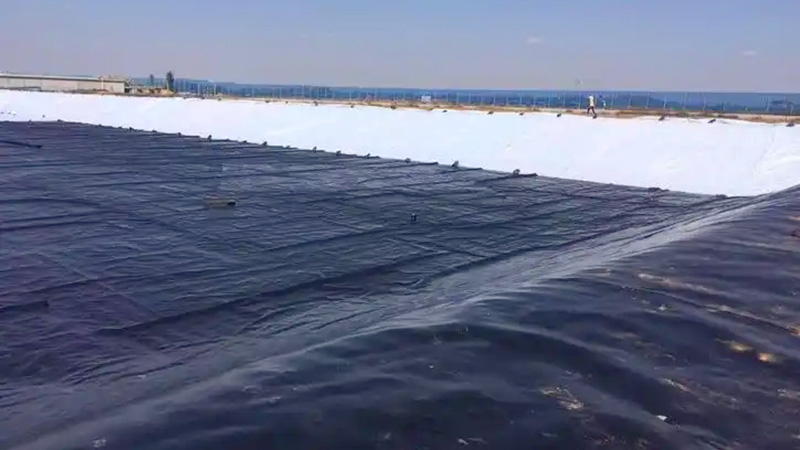
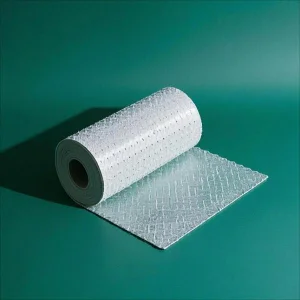
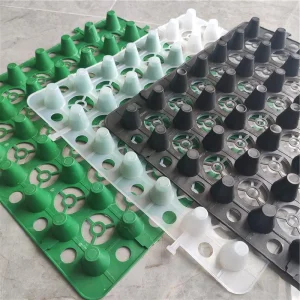
Underground commercial parking structures in major retail corridors across Mexico City face significant pressure from shallow groundwater tables and saturated soils. Utilizing our Storage and Drainage Board for Underground Garage Roofs coupled with bentonite waterproof blankets creates a reliable dual-layer protection system. The system captures and drains excess water, reducing hydrostatic load on structural slabs and protecting concrete foundations from degradation.
Send Inquiry NowPioneering smart, eco-friendly, and highly resilient geosynthetic systems.
As civil engineering focuses on sustainability and digital integration, the technological development of cement blankets and geosynthetics is accelerating. Shandong Hongyue is investing in the next generation of geotechnical engineering solutions to address the infrastructure demands of rapidly growing metropolitan areas like Mexico City:
By integrating industrial pozzolanic active materials and geo-polymers into our cement blankets, we aim to reduce the carbon footprint of our base binder mix, supporting carbon reduction targets for green construction certifications.
Developing concrete matrices that support localized vegetation growth on the outer face. Once hydrated, the cement blanket stabilizes the slope, while its textured top layer acts as a growth medium for native Mexican grasses, turning grey structures green.
Researching the inclusion of optical fiber filaments and conductive carbon nanotubes in our base geotextile webs to detect real-time shear stress and groundwater pressure spikes, warning municipal operators of potential failures before they occur.
A complete suite of reinforcement, drainage, and waterproofing materials engineered for harsh subgrades.
Technical answers to help engineers, project owners, and procurement officers make informed decisions.
 Hongyue