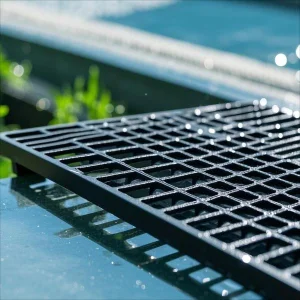
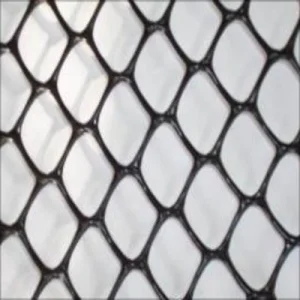
Designed to exceed international standards, providing superior flow rate, high compression resistance, and long-term durability.
In modern civil and environmental engineering, groundwater management and fluid containment represent critical risk vectors. Traditionally, engineers relied on thick layers of natural aggregate (sand, gravel) to facilitate drainage. However, mechanical settling, siltation blockages, and high material transportation costs have driven the adoption of high-performance plastic geonets.
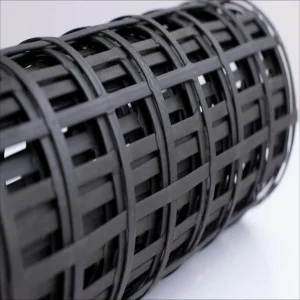
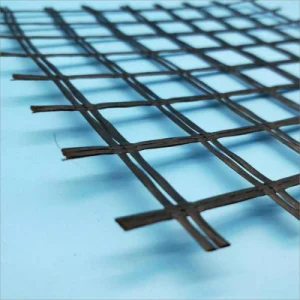
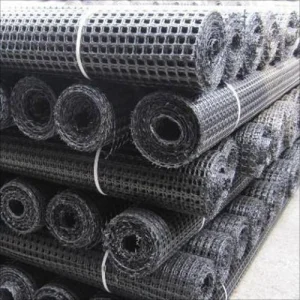
Typically manufactured from High-Density Polyethylene (HDPE) or Linear Low-Density Polyethylene (LLDPE), plastic geonets are defined by their structural ribs intersecting at various angles to create a stable, multi-dimensional flow channel. Under heavy overburden pressure, these structures maintain a high hydraulic transmissivity, effectively replacing up to 30cm of traditional drainage aggregate. This substitution dramatically decreases excavation volume, minimizes structural carbon footprint, and increases available volume capacity for landfills and waste deposits.
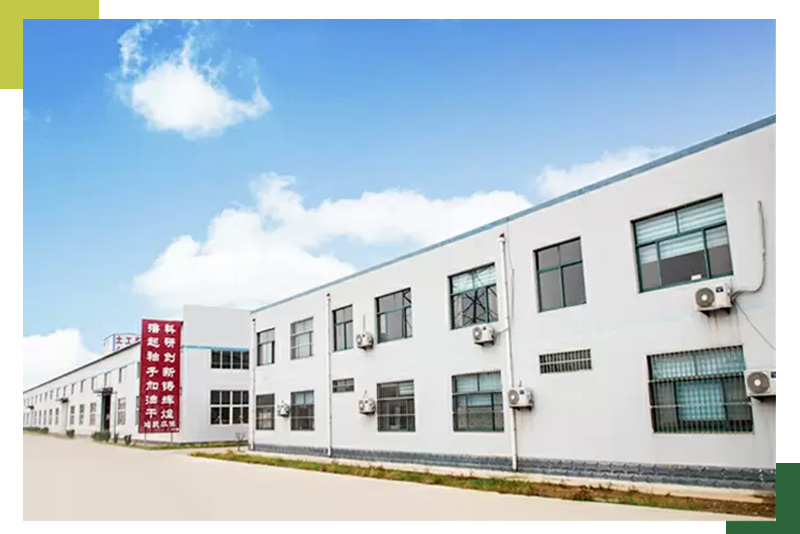
Established as a premier manufacturer in China's geo-synthetics corridor, Shandong Hongyue Environmental Engineering Co., Ltd. is located at the north end of Fufeng Street, Lingcheng District, Dezhou, Shandong Province. With a registered capital of 105 million yuan, we operate one of the largest modern production bases in Dezhou City, specializing in the engineering, design, manufacturing, and international supply of state-of-the-art geotechnical barrier and drainage systems.
Our comprehensive portfolio serves major infrastructure works: railways, highways, municipal environmental landfills, mining facilities, artificial lagoons, and coastal reclamation works. Through integration of design support and state-of-the-art laboratory testing, we deliver unparalleled structural safety for long-term infrastructural investments.
Unlocking mechanical and hydraulic benefits through polymer science and precise thermal extrusion.
By incorporating 2% to 3% premium carbon black additive during extrusion, our plastic geonets demonstrate outstanding resistance to ultra-violet radiation, ensuring performance integrity even when exposed to construction site sunlight.
Designed to support high vertical pressures of landfill heaps and roadway sub-bases, the interlocking ribs undergo minimized deflection over a designed life cycle exceeding 100 years under constant structural load.
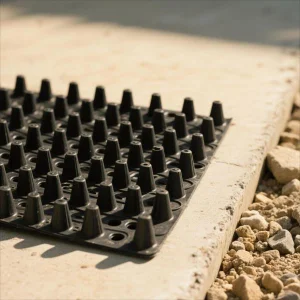
With precise geometric structural cross-sections (Bi-planar and Tri-planar designs), our geonets optimize turbulent fluid dynamics to direct water, landfill leachate, or gases swiftly away from critical containment barrier systems.
Step-by-step insight into how Hongyue converts raw HDPE resin into globally-certified drainage geonets.
First-grade virgin polyethylene chips (HDPE, LLDPE) are mixed with precise proportions of carbon black, anti-oxidants, and UV inhibitors. Every incoming material batch undergoes strict laboratory verification to check melting index, density, and impurity levels.
The prepared resin is fed into a continuous multi-screw extruder where it is melted under high pressure and temperature (up to 240°C) to achieve a homogeneous liquid state. The temperature profiles are monitored in real-time to avoid thermal degradation.
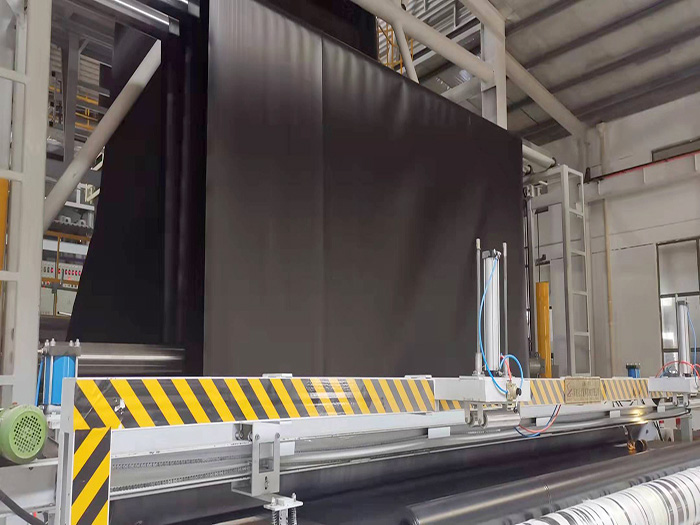
The molten polymer is extruded through a rotating die-head, generating continuous crossing filaments that interlock to form the unique mesh design. Solidification is accelerated in a controlled water bath followed by rolling calenders that set rib thickness and opening dimensions.
For high-strength applications, the geonet is stretched in both longitudinal and transverse directions. This molecular orientation process aligns the polymer chains, dramatically upgrading structural tensile strength and reducing mechanical creep properties.
The cured geonet is automatically wound into rolls, cut to specification, and packaged. Prior to dispatch, samples are cut and sent to the internal QC lab to test chemical resistance, flow rate, tensile resistance, and thickness to ensure full international compliance.
Implementing plastic geonets across complex and high-risk environmental project profiles.
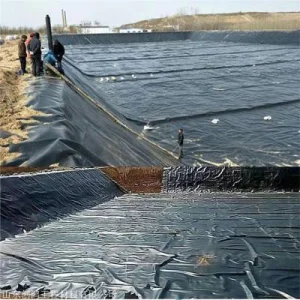
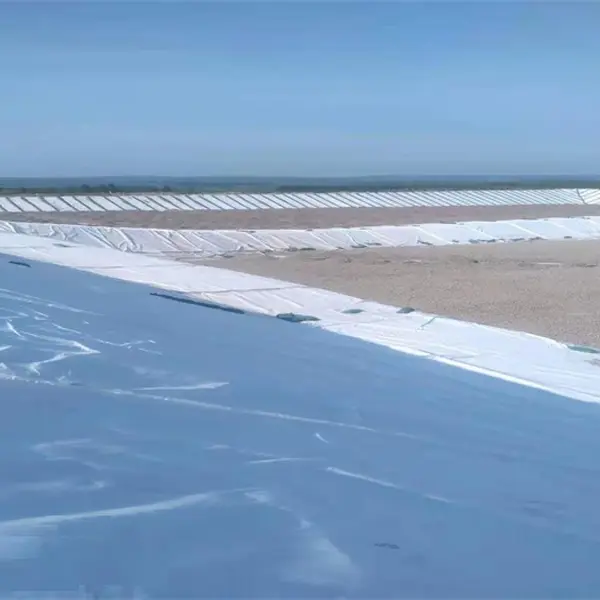
Municipal solid waste (MSW) landfills and hazardous waste containments require absolute barrier systems. In a typical modern double-lining system, the plastic geonet (or composite geonet) is installed between the primary and secondary geomembrane liners. Acting as a rapid leak detection layer, it conveys any escaping fluids immediately to sumps, minimizing environmental risk and ensuring EPA regulatory compliance.
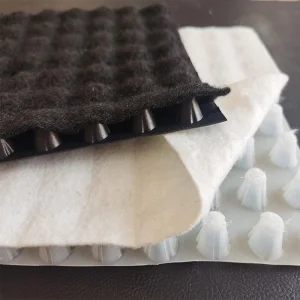
In railway beds and heavy duty highways, sub-grade water accumulation causes severe frost heave and sub-base softening. A composite geonet drainage layer placed beneath the roadbed intercepts capillary water movement and channels away lateral precipitation run-off, protecting structural asphalt and concrete from structural cracking.
Tunnels suffer continuous hydrostatic pressure from surrounding water tables. Installing plastic geonets between the rock wall and the primary concrete lining allows moisture to drain away freely without building up hydrostatic head, preventing internal vault seepage and structural structural rot.
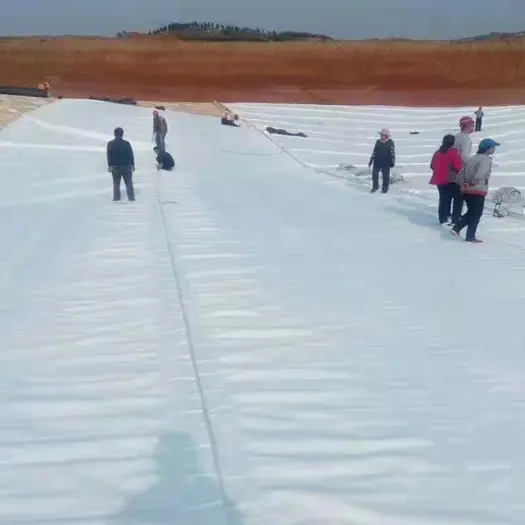
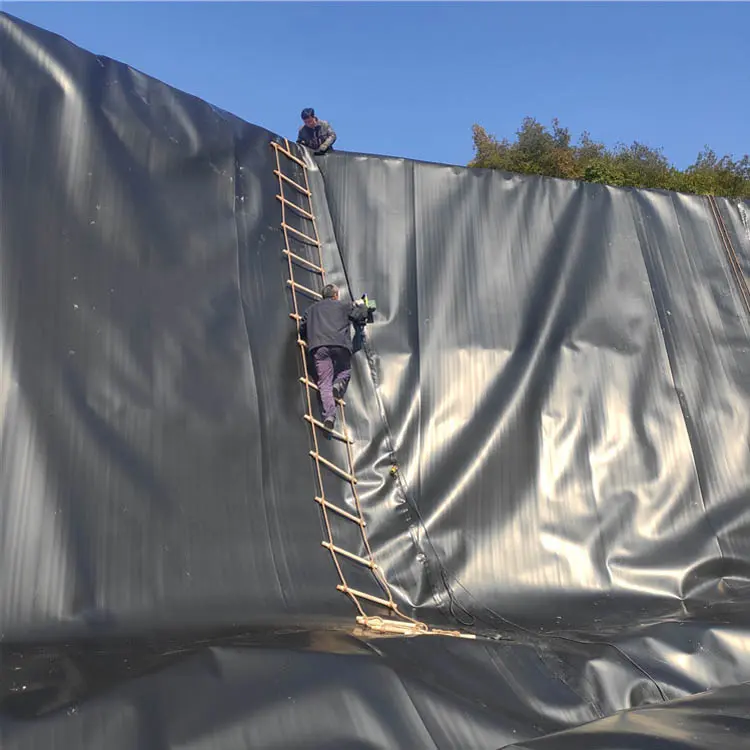
Understanding the variables behind procurement costs: from raw materials to bulk-order logistics.
Wholesale pricing for plastic geonets depends heavily on the polymer weight per square meter, thickness (ranging from 3.0mm to 8.0mm), grid geometry (bi-planar vs. tri-planar), and raw material indices. Below is a guidance framework demonstrating cost breakdowns:
How Hongyue guarantees maximum durability and conformance to international criteria.
Every square meter of plastic geonet shipped must conform to zero-failure tolerances. Our testing center is equipped with advanced optical scanners and hydraulic simulator boxes. Laboratory engineers routinely perform tests on:
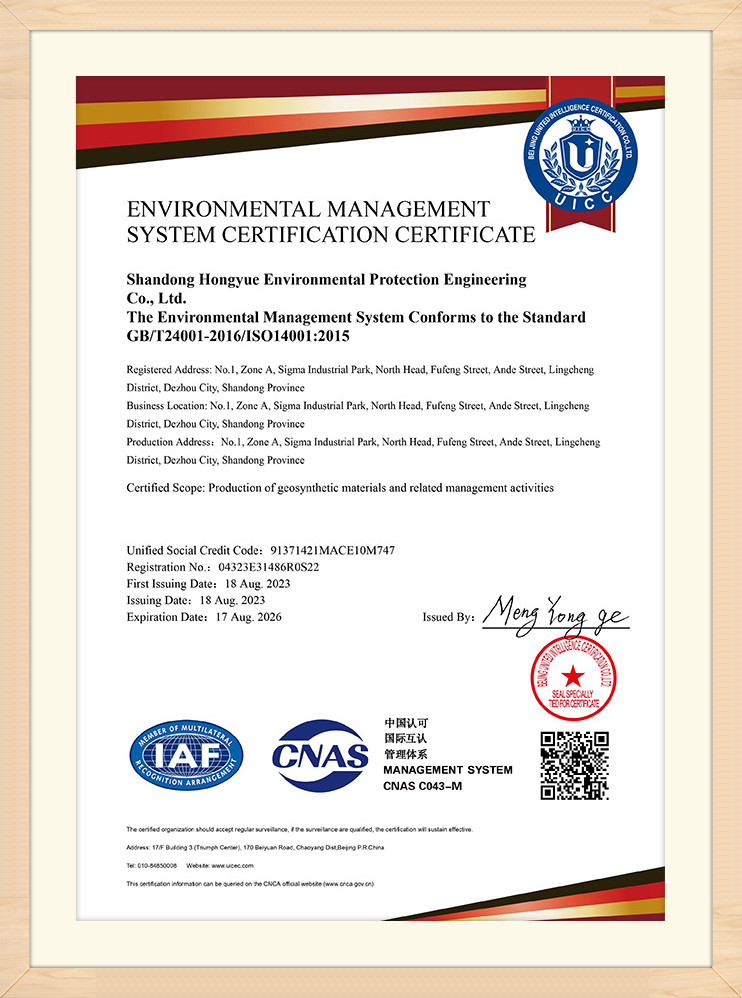
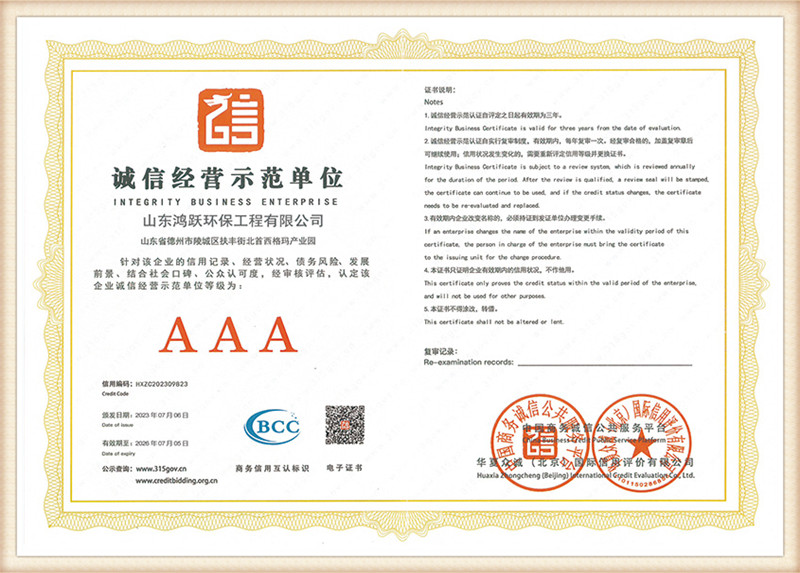
Thanks to these methods, Hongyue products are approved by the China National Testing Center, repeatedly passing national sampling checks commissioned by the State Administration of Quality Supervision and Inspection. We export reliably to Europe, the USA, Australia, and throughout Southeast Asia.
Where is the geosynthetics industry headed? A technical look into the next decade of structural drainage.
To support global carbon-neutrality initiatives, Hongyue's R&D department is currently testing bio-derived polyethylene resins that offer similar chemical stability to oil-based plastics while maintaining lower environmental footprints.
Future geotechnical works will rely on real-time feedback. Integrated fiber-optics and conductive threads are being tested within geonet structures to detect deformation or localized chemical leaks instantly.
By altering the internal crystalline structure of polyethylene during the stretching phase, our engineering lab is designing new polymer blends capable of resisting chemical creep under continuous extreme pressures.
Direct technical answers addressing specific commercial and design queries.
Direct pathways to our specialized barrier, filtration, and containment systems.
 Hongyue