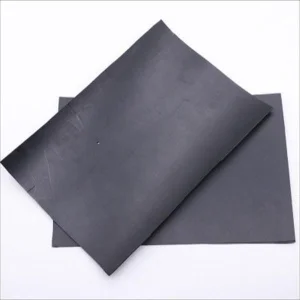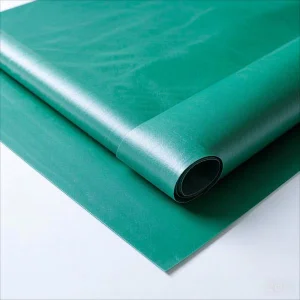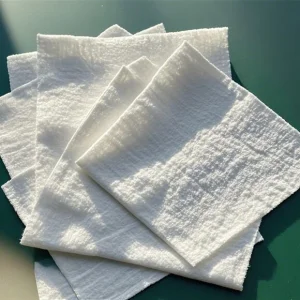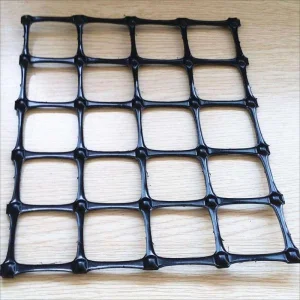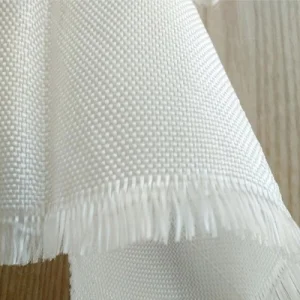
As the global community faces unprecedented challenges in resource conservation and waste management, the demand for engineered barrier systems has skyrocketed. High-Density Polyethylene (HDPE) geomembranes represent the pinnacle of containment technology, providing an impervious barrier against hazardous fluids, industrial waste, and environmental pollutants.
This comprehensive technical guide explores the material science, manufacturing methodologies, application landscapes, and quality assurance protocols that define world-class geomembrane production. Grounded in decades of research and validated by rigorous international standards, high-quality HDPE liners are fundamental to secure environmental engineering.
By preventing hazardous runoffs from infiltrating aquifers and containing critical liquid reserves in arid zones, these systems serve as the silent sentinels of modern sustainable development.
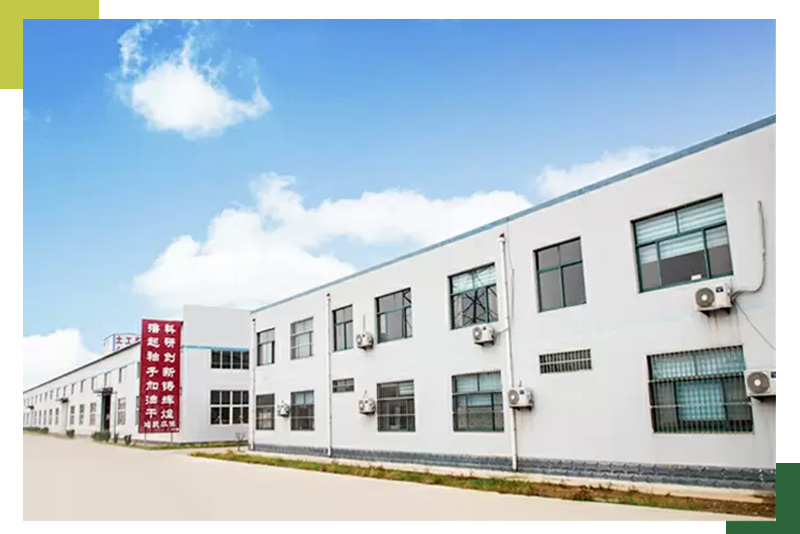
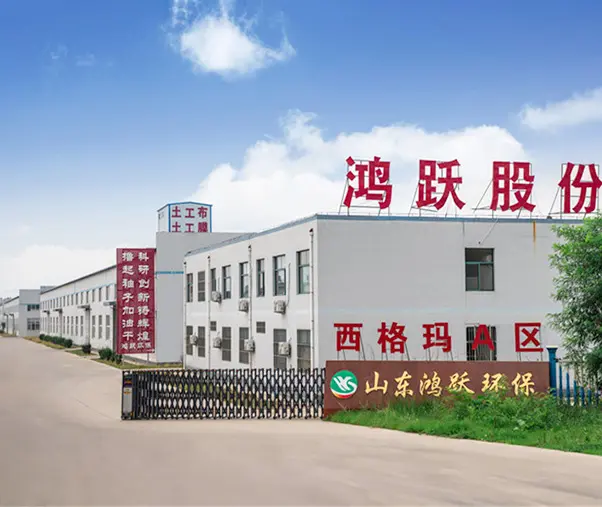
Located at the north end of Fufeng Street, Lingcheng District, Dezhou, Shandong Province, Shandong Hongyue Environmental Engineering Co., Ltd. is a scientific and technological geotechnical material manufacturer integrating engineering material production, sales, design, and construction services.
Registered in the Lingcheng District Market Supervision and Administration Bureau of Dezhou City on April 6, 2023, with a registered capital of 105 million yuan, the company operates as one of the largest production bases of geotechnical materials in China. Dezhou's strategic location ensures excellent logistics, enabling rapid dispatch to domestic ports and global destinations.
Our expansive production footprint handles full-scale raw material formulation, automated melt extrusion, multi-layered blown-film processing, and comprehensive laboratory diagnostics. We maintain a strong commitment to quality and service, positioning ourselves as a trusted partner for environmental engineering firms worldwide.
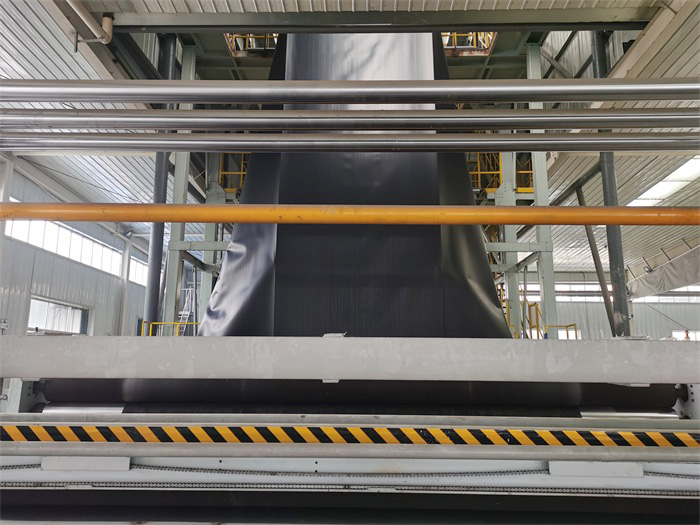
The global market for geosynthetics is experiencing rapid expansion, driven by environmental legislation, mining operations, and water security initiatives. High-quality geomembranes are critical assets for asset protection and regulatory compliance.
National environmental protection agencies worldwide enforce strict zero-leakage standards for municipal solid waste landfills and industrial dumping grounds. HDPE liners serve as the primary containment layer to prevent toxic leachate from entering regional aquifers.
In modern mining operations, heap leaching requires robust geomembranes to withstand acidic and alkaline chemical cycles. Textured and thick HDPE liners ensure slope stability and containment efficiency under high load pressures.
As water scarcity intensifies, agricultural irrigation canals, municipal reservoirs, and artificial lakes rely on geomembranes to eliminate seepage losses. This ensures efficient water delivery and long-term water storage security.
Producing high-grade geomembranes requires precise control over raw material composition, thermal parameters, and extrusion pressures. Our facility utilizes advanced technology to deliver consistent physical and chemical properties.
Quality begins with the selection of raw materials. We use high-molecular-weight virgin HDPE resins combined with precise ratios of carbon black, heat stabilizers, and anti-aging agents. This formulation provides high UV resistance, chemical stability, and long-term mechanical durability.
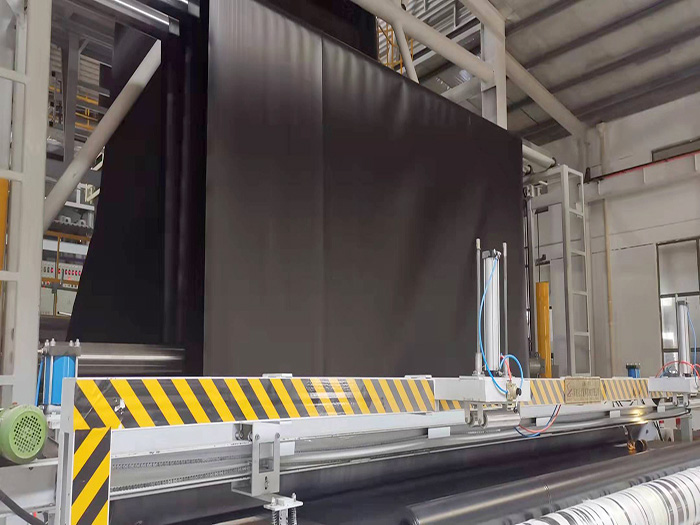
Our manufacturing system processes these materials through advanced extruders, where high-temperature melting and shearing convert the resin into a uniform polymer sheet. The resulting geomembrane maintains a highly stable crystalline structure, offering excellent resistance to stress cracking and chemical degradation.
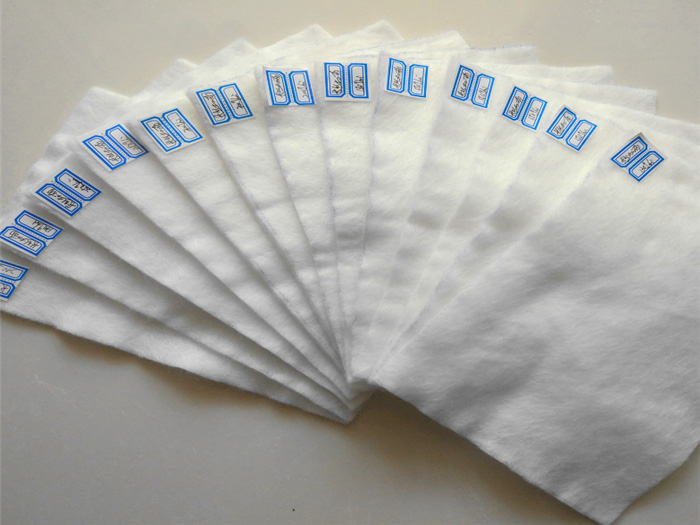
High-grade virgin polyethylene chips, specialized carbon black masterbatches, and anti-oxidant additives are inspected and blended. This step ensures optimal resin distribution and prevents contamination that could compromise physical properties.
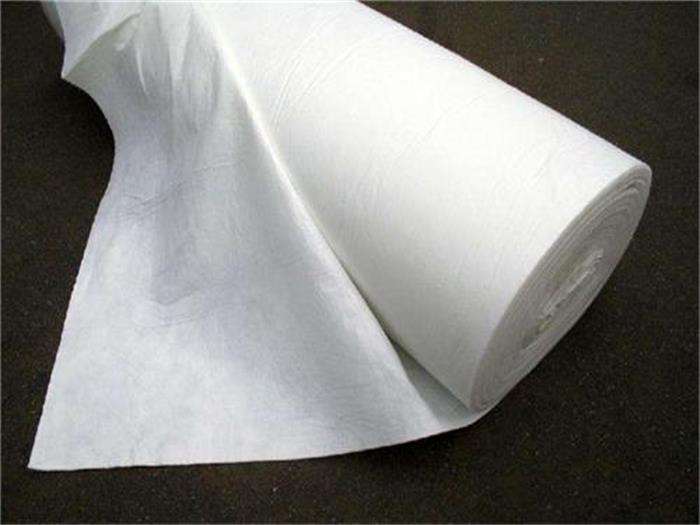
The formulation is fed into a continuous multi-zone screw extruder, heating the mixture to a molten state under precise pressure. Our advanced control systems maintain thermal uniformity to prevent polymer degradation during extrusion.
The molten polymer is extruded through a circular or flat die to form the membrane. Controlled cooling systems solidify the sheet, stabilizing its thickness and crystalline matrix to ensure uniform tensile strength in all directions.
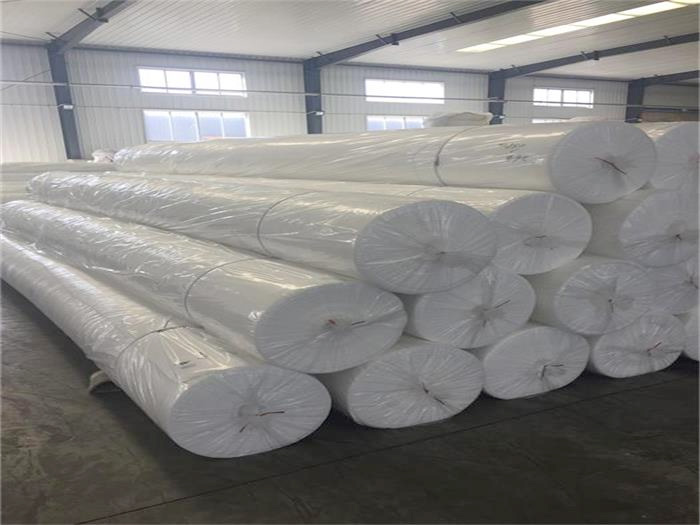
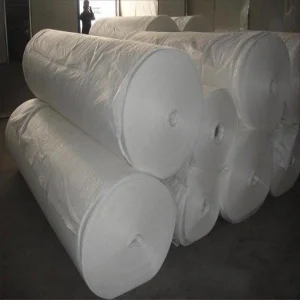
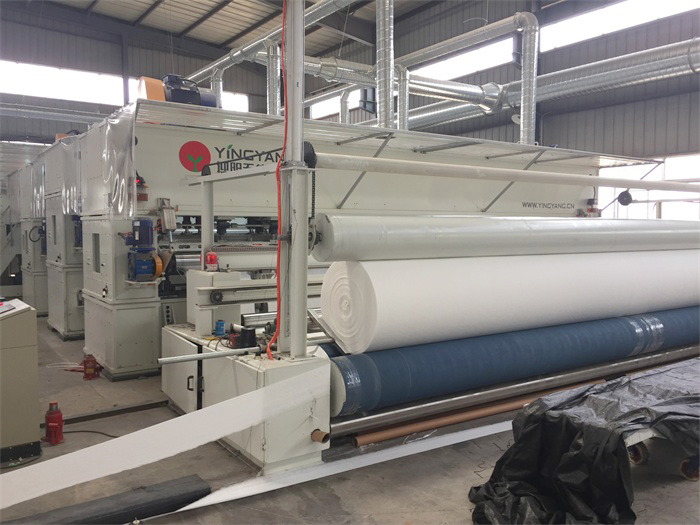
Following crystallization, the geomembrane is wound onto heavy-duty steel cores. Tension controls ensure tight, uniform rolls without wrinkles. Roll dimensions are monitored and labeled for traceability before warehouse storage.
Representative samples from each batch undergo testing in our quality assurance laboratory. We measure thickness, density, tensile properties, puncture resistance, and carbon black dispersion to confirm compliance with ASTM standards before shipment.
Selecting the correct geomembrane thickness and texture is critical to long-term project performance. The table below outlines key parameters for standard HDPE geomembranes across various application scenarios.
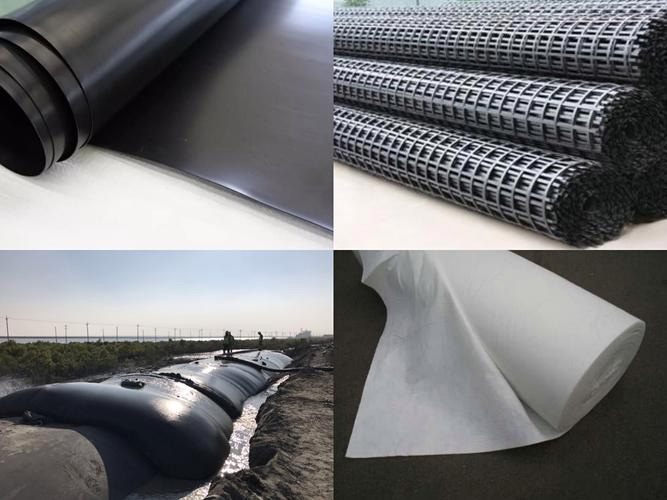
Proper geomembrane selection requires matching application demands with physical properties:
We provide engineered containment systems tailored to the performance and regulatory requirements of major global industries.
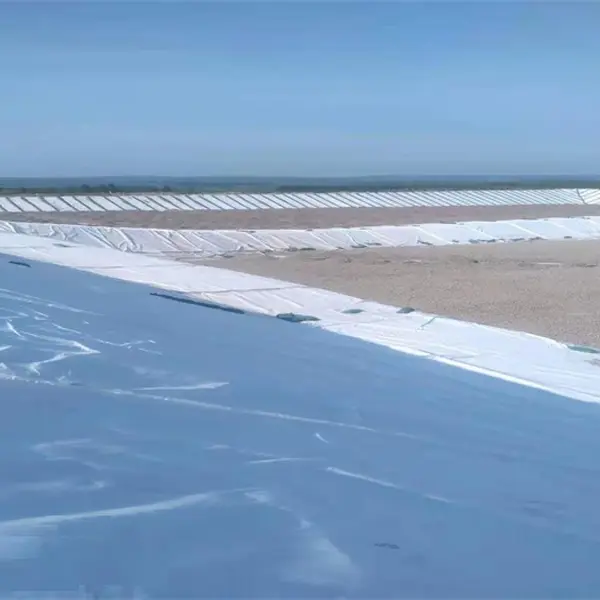
Prevents lateral water seepage in reservoirs, earthen dams, and structural diversion channels, protecting structural stability.
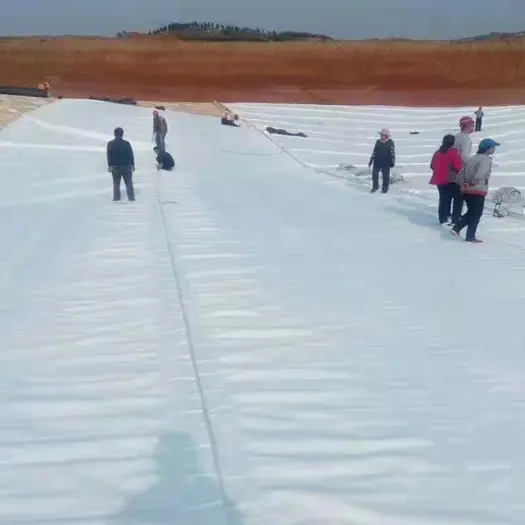
Maintains irrigation efficiency and minimizes water loss in cross-regional agricultural canals.
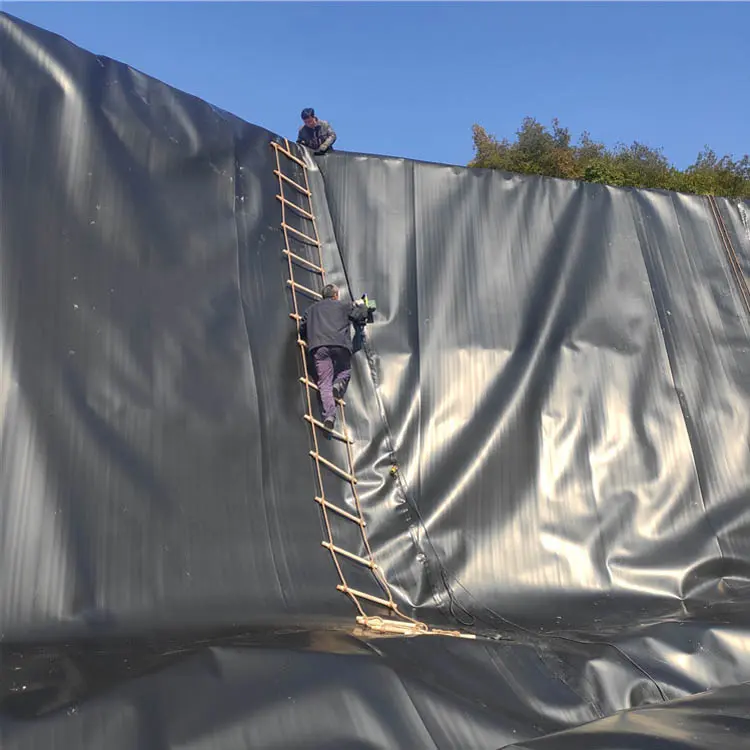
Composite lining systems designed to isolate toxic leachate and prevent groundwater contamination.
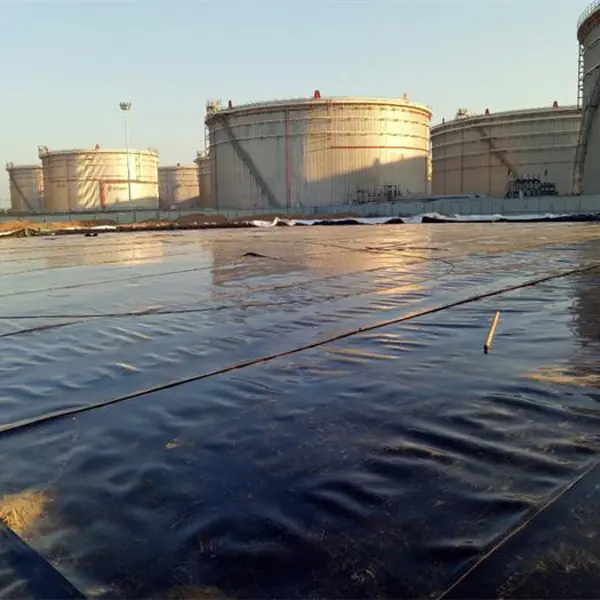
Secondary containment zones designed to isolate fuel spills, preventing soil and groundwater contamination.
We maintain strict quality control throughout our manufacturing process. Our products undergo third-party validation to meet or exceed international geosynthetic standards.
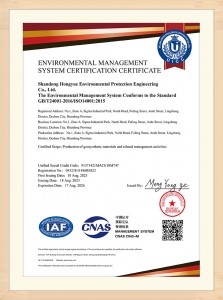
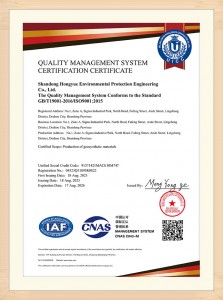
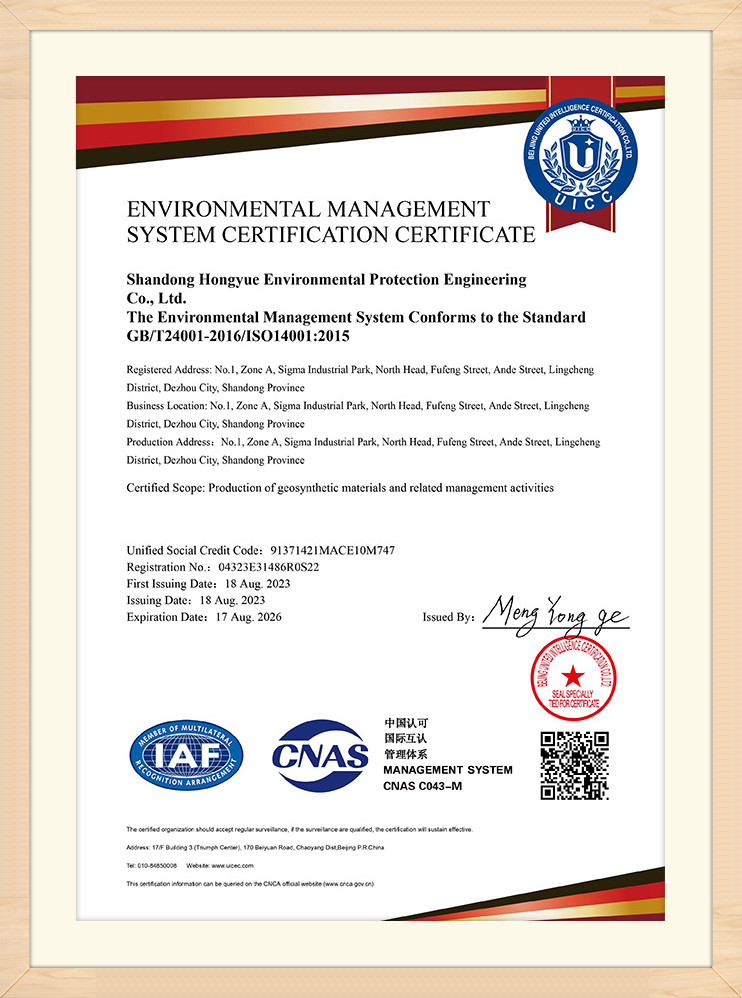
All materials produced by Shandong Hongyue Environmental Engineering Co., Ltd. undergo rigorous evaluation to verify chemical resistance, mechanical strength, and environmental stability. We hold certifications for ISO9001 Quality Management, ISO14000 Environmental Management, and ISO45001 Occupational Health and Safety Management.
Additionally, our products are validated by the China National Testing Center and undergo regular national quality supervision inspections. Our laboratory testing protocols verify:
A containment system is only as reliable as its field installation. Proper subgrade preparation, welding, and quality control are essential to ensuring system integrity.
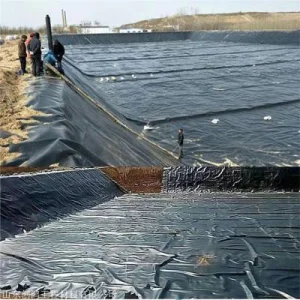
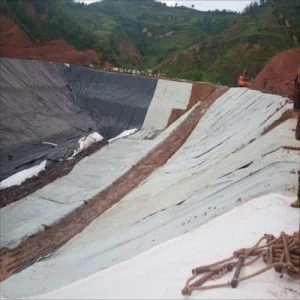
In reservoir construction, geomembranes provide containment across complex geological foundations. Proper subgrade preparation, including the removal of sharp stones and debris, protects the liner from puncture under water pressure.
During dike and levee construction, geomembranes help control seepage and prevent internal erosion, reducing the risk of structural failure during high-water events.
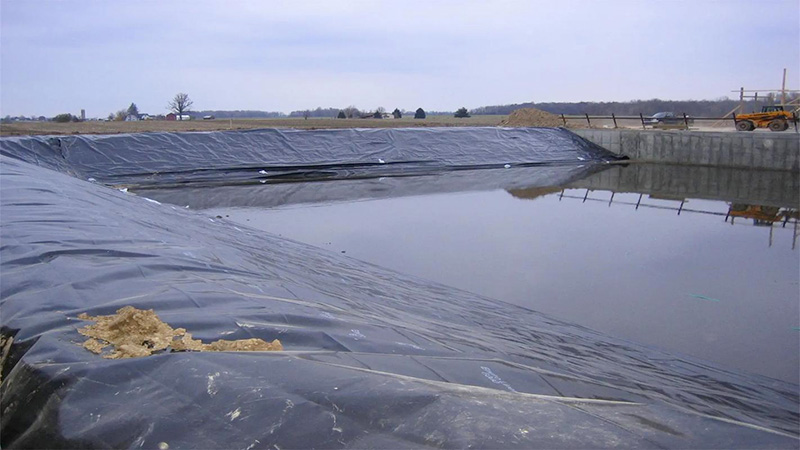
For municipal and agricultural water delivery, geomembranes line the canal beds to control seepage losses. This protects surrounding agricultural land from waterlogging and prevents localized soil salinization.
In erosion-prone areas, geomembranes are combined with concrete blocks or geotextiles to protect channel slopes, stabilizing banks against high-velocity flows.
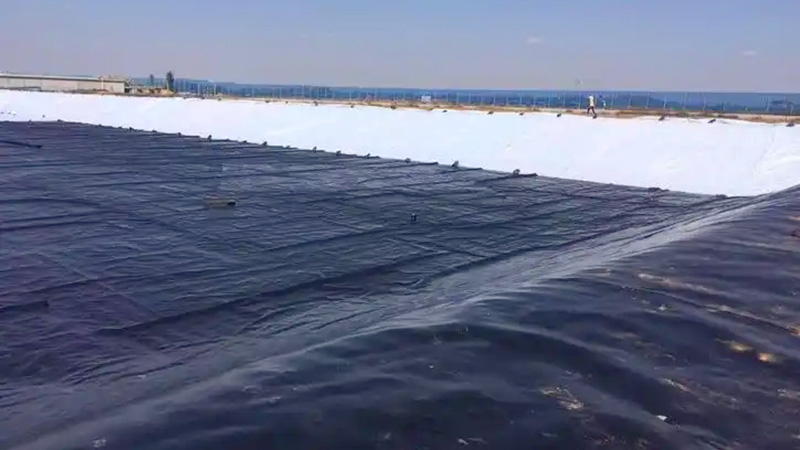
Successful installation relies on proper welding and maintenance protocols:
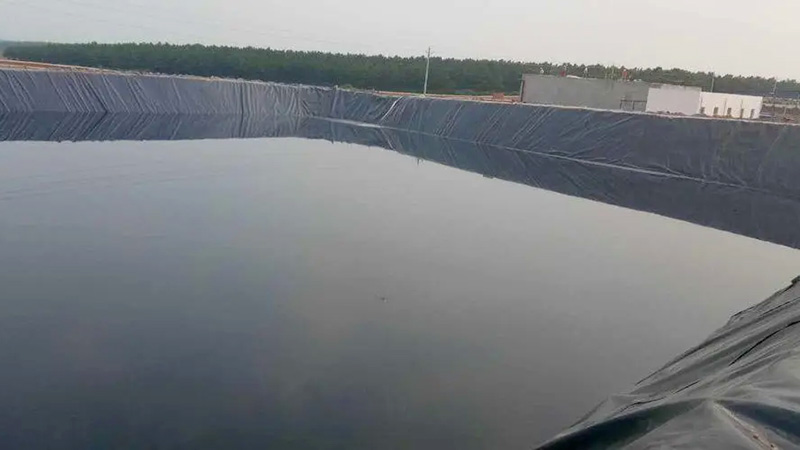
We continue to invest in material science and production technology to meet the evolving demands of environmental containment.
We are developing geomembranes with integrated conductive layers to enable real-time electrical leak location (ELL) testing. This technology allows operators to locate micro-punctures during and after installation, minimizing groundwater contamination risk.
Our research focuses on improving chemical resistance for aggressive leachates. New polymer formulations aim to withstand organic solvents and high temperatures, particularly for industrial waste and mining operations.
We are optimizing stabilizer packages to increase the lifespan of exposed geomembranes. These developments target projects in high-temperature, high-UV regions, such as mine tailing facilities and arid water reservoirs.
Common questions regarding the selection, application, and quality standards of HDPE geomembranes.
 Hongyue