Select high-performance geosynthetics engineered for municipal infrastructure, hydraulic engineering, and environmental barrier control systems.
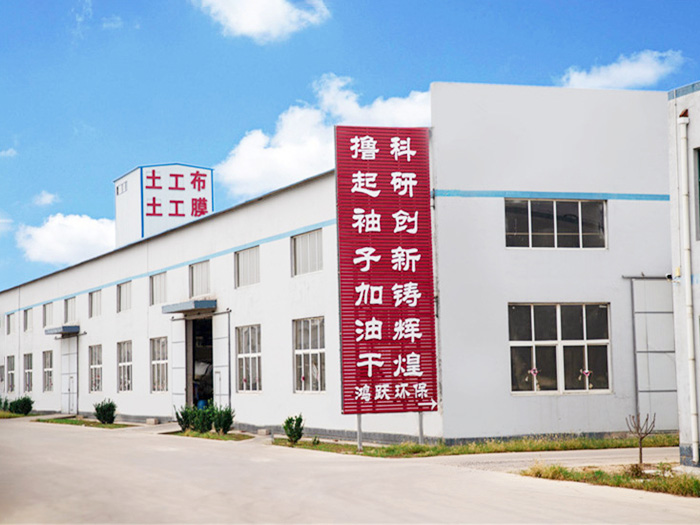
As civil infrastructure designs evolve to meet extreme weather scenarios, geotechnical stability and advanced drainage systems have transitioned from optional safeguards to critical engineering benchmarks. Shandong Hongyue Environmental Engineering Co., Ltd. (established at Dezhou, Shandong Province) stands at the forefront of this industrial transition. Operating with a registered capital of 105 million yuan, our modern manufacturing complex spans advanced extrusion, needle-punching, and composite thermal-bonding lines, establishing the group as a global leader in high-performance geosynthetics.
We work in close cooperation with international design institutes and contractors to offer high-quality alternatives to Geofabrics Limited specifications, optimizing supply chains through direct factory quoting, optimized logistics, and rigorous laboratory verification. Our geographical advantage in Lingcheng District, Dezhou, puts us at the epicenter of China's transportation network, facilitating rapid container transport to global sea ports for onward delivery to Europe, North America, Australia, and ASEAN regions.
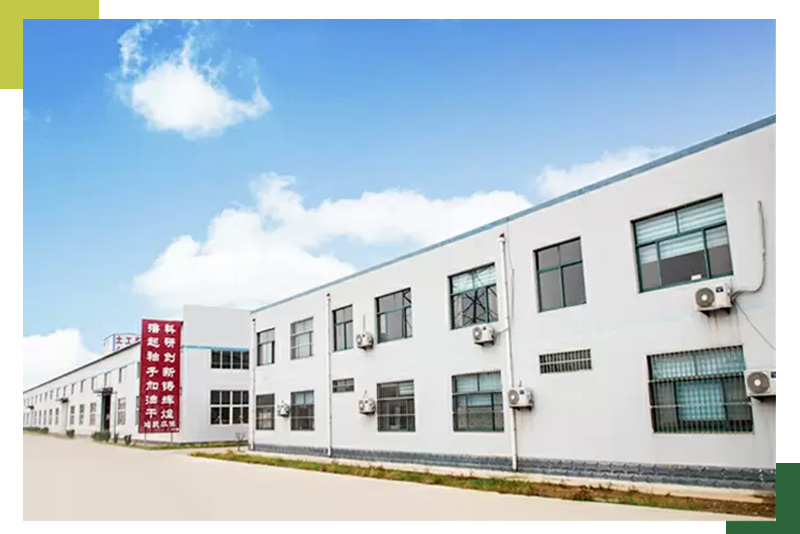
"Sustainable civil engineering demands materials that function reliably under sustained chemical, mechanical, and dynamic loads. Shandong Hongyue products are formulated to exceed standard design life targets of 100 years in buried environmental applications, validated via rigorous multi-axial tension and accelerated chemical aging protocols."
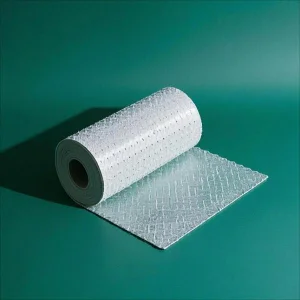
Understanding the manufacturing methodology is critical for structural engineers who specify geofabrics. High-quality non-woven geotextiles require precise control over thermal history and structural configuration during extrusion and mechanical needle-punching. Below is our production process detailing how raw polymer is transformed into structurally stable geotextile rolls.
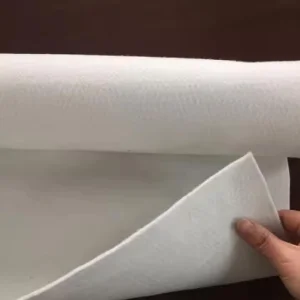
Selection of virgin polyester (PET) chips, polypropylene (PP) filament, and specialized viscose fibers. Incoming polymer batches are analyzed for melt-flow index, molecular weight distribution, and contaminant levels to ensure physical consistency.
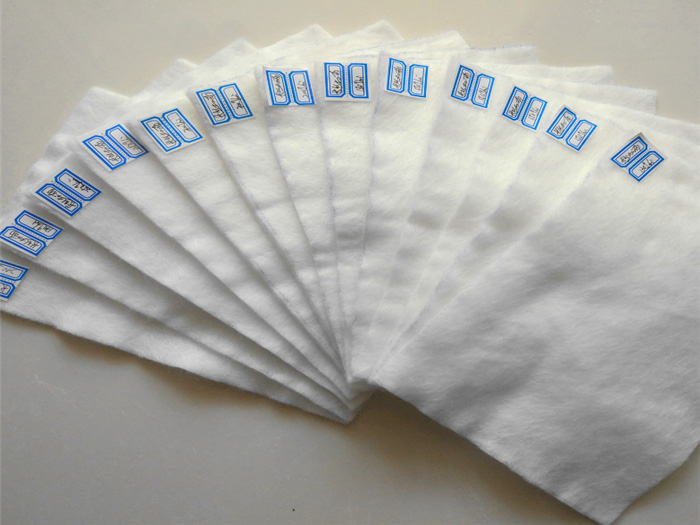
Polyester chips undergo high-temperature drying to eliminate trace moisture, preventing hydrolytic degradation. They are then processed through a co-rotating twin-screw extruder to form homogeneous, continuous micro-filaments under monitored thermal zones.
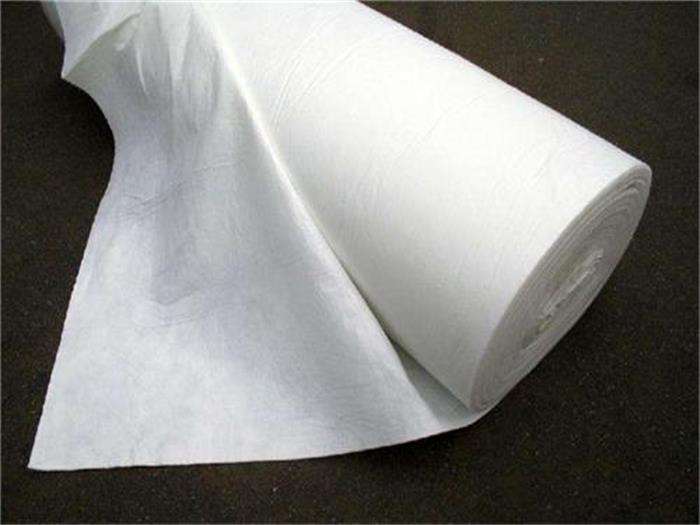
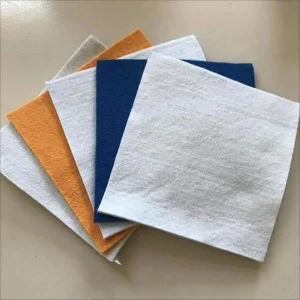
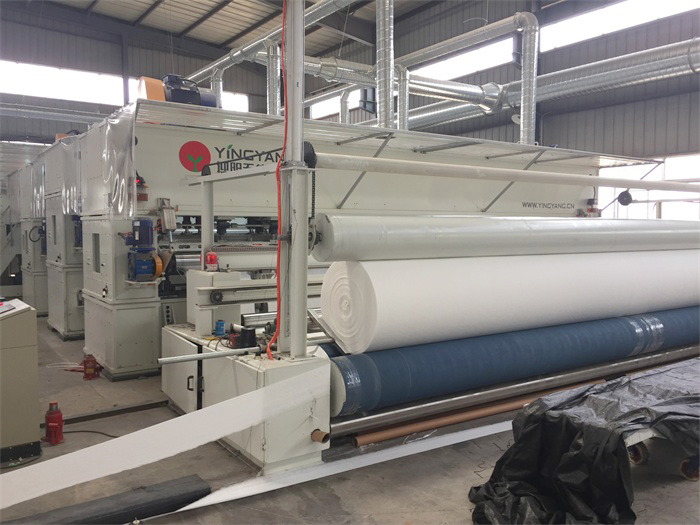
Extruded filaments are distributed dynamically across a moving conveyor belt to form a uniform isotropic web. Multi-board high-speed needle punching lines mechanical link the fibers, establishing the shear and tensile strength parameters of the geofabric.
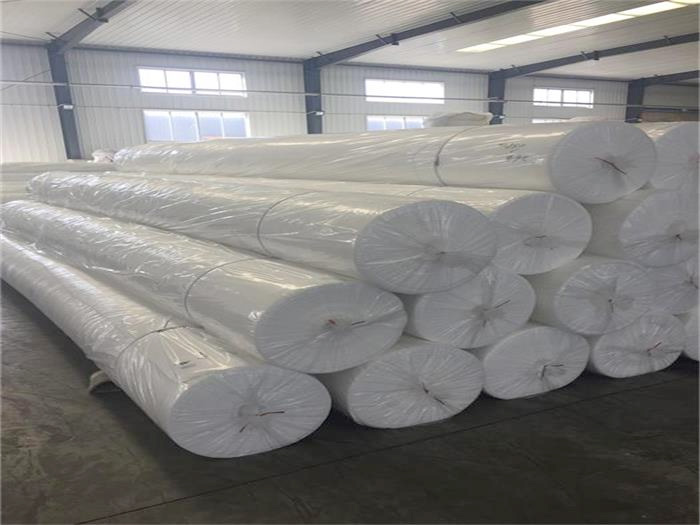
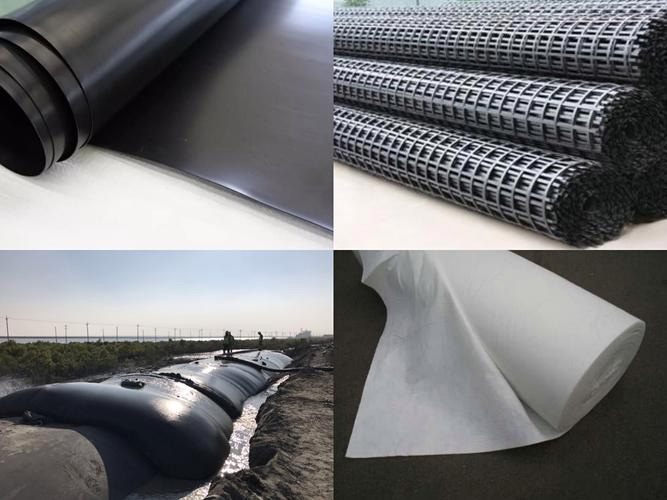
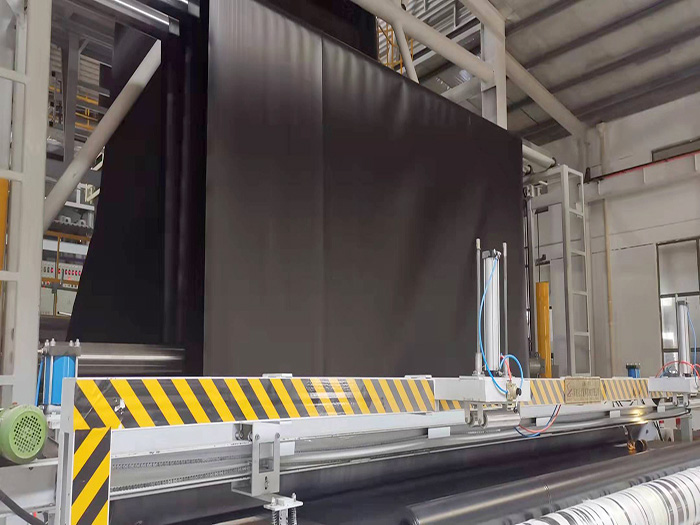
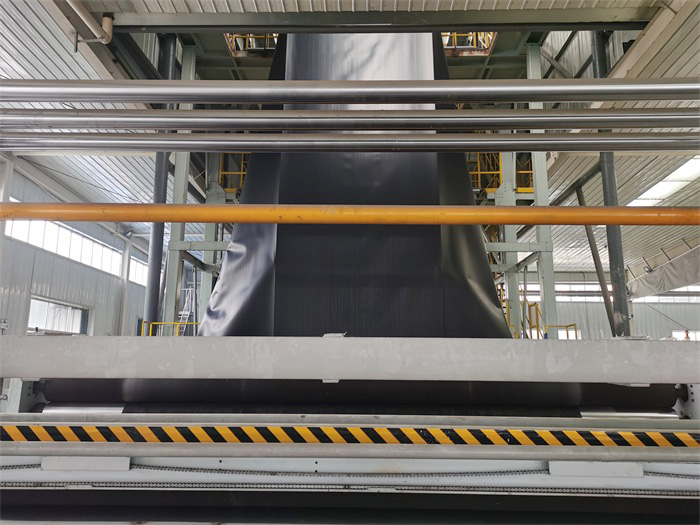
Similarly, our geomembranes (HDPE, LLDPE, and PVC) are manufactured using advanced flat-die calendar extrusion. The inclusion of carbon black (typically 2-3%), along with specialized hindered amine light stabilizers (HALS), prevents photo-oxidation under UV exposure. This process ensures that the liners maintain their barrier functions when exposed to highly acidic or alkaline landfill leachates, municipal waste, and petroleum hydrocarbons.
| Material Category | Primary Polymer | Common Thickness Range | Core Functions | Standard Reference Compliance |
|---|---|---|---|---|
| Non-Woven Geotextile | 100% Virgin Polyester (PET) / PP | 100 g/m² - 1200 g/m² | Subgrade Filtration, Separation, Protection | CRI, ASTM D4632, ASTM D4833 |
| HDPE Geomembrane | High-Density Polyethylene | 0.3 mm - 3.0 mm | Liquid Containment, Anti-Seepage Barrier | GRI GM13, ASTM D5199 |
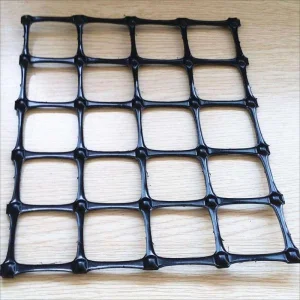
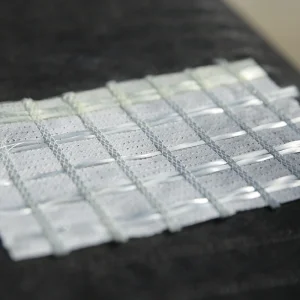
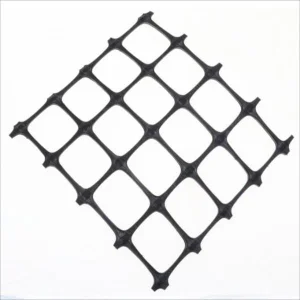
| Composite Geogrid | Polypropylene / High-Tenacity Polyester | Tensile Strength: 20-200 kN/m | Soil Reinforcement, Base Stabilization | ASTM D6637 |
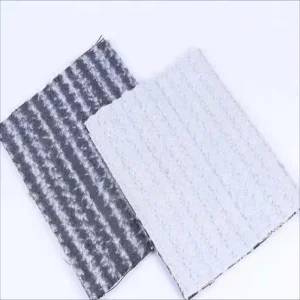
| Bentonite GCL | Sodium Bentonite & Geotextile | 4.0 kg/m² - 6.0 kg/m² | Self-Sealing Hydraulic Barrier | ASTM D5887 |
Geosynthetic applications vary by project scale, load distribution, and environmental chemistry. Shandong Hongyue designs integrated material suites that serve four primary industrial sectors: water conservancy, waste management, municipal transport networks, and mining.
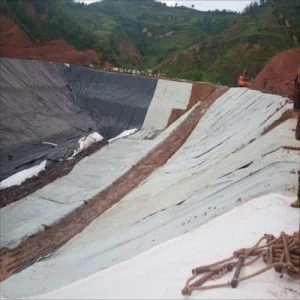
In reservoirs, dams, and irrigation channels, preventing loss of water through permeable sub-soils is critical. By combining a high-strength woven geotextile with a flexible HDPE geomembrane layer, we form composite barrier systems that accommodate structural settlement without tearing. In riverbank stabilization, our geotextiles act as filters that allow pore water to escape while preventing fine soil particles from eroding, stabilizing the riverbanks against fluctuating currents.
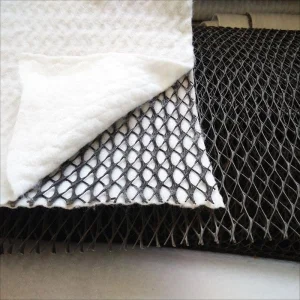
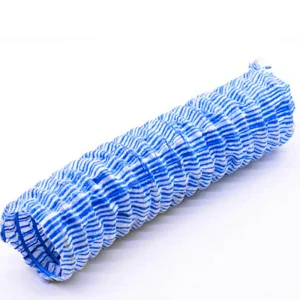
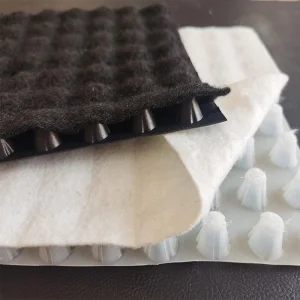
Landfills and industrial tailing ponds generate highly hazardous leachates that must not contaminate adjacent aquifers. We supply composite double-liner containment systems comprising an HDPE Geomembrane, a Geosynthetic Clay Liner (GCL), and a 3D composite drainage net. The drainage net rapidly conveys leachate to collection risers, reducing the head of fluid acting on the primary geomembrane barrier.
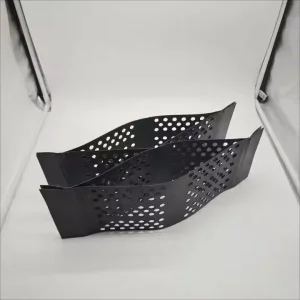
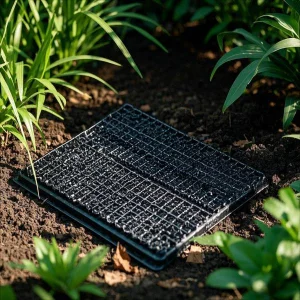
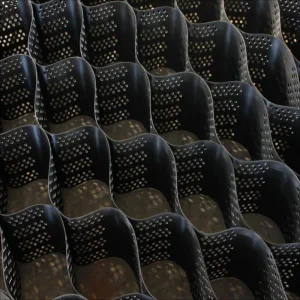
Soft subgrades present significant challenges for highway and railway design. When heavy traffic wheels pass over a weak subgrade, lateral deformation occurs. Installing our high-tenacity plastic geocells or glass-fiber grids confines the aggregate laterally, distributing localized vertical forces over a broader footprint. This decreases fatigue cracking in asphalt overlays and reduces the frequency of maintenance shutdowns.
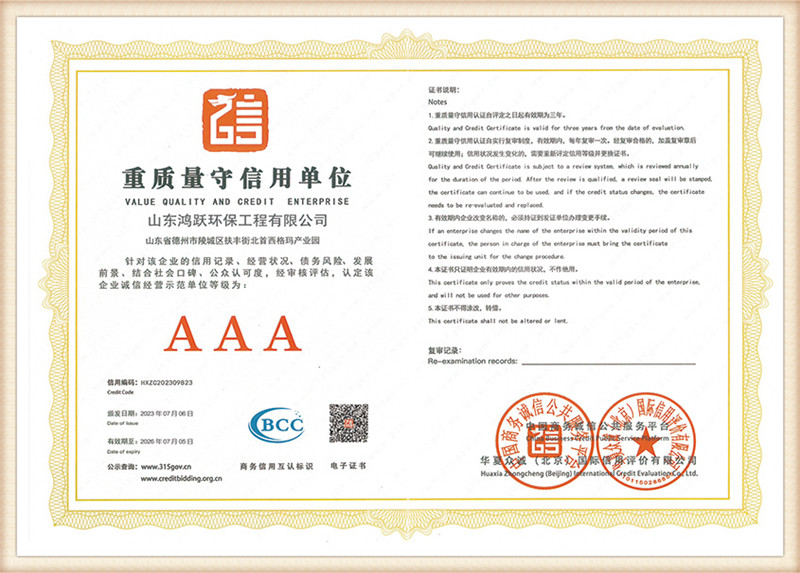
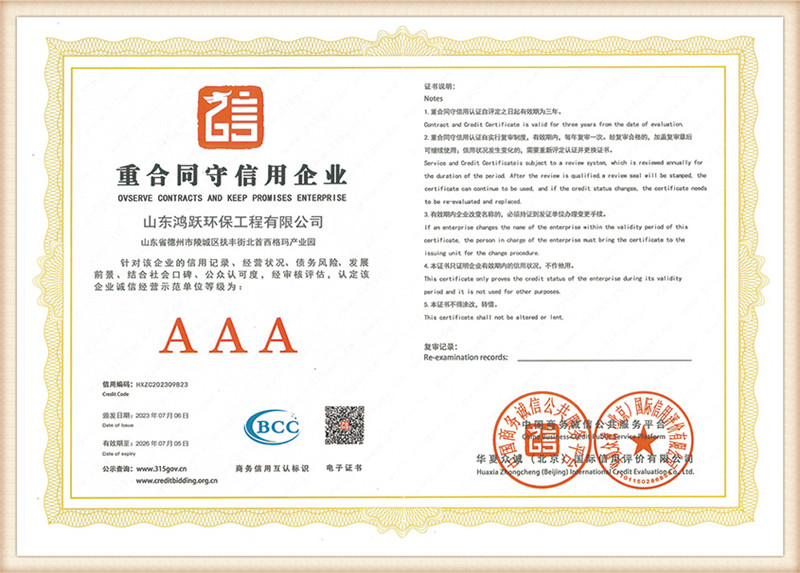
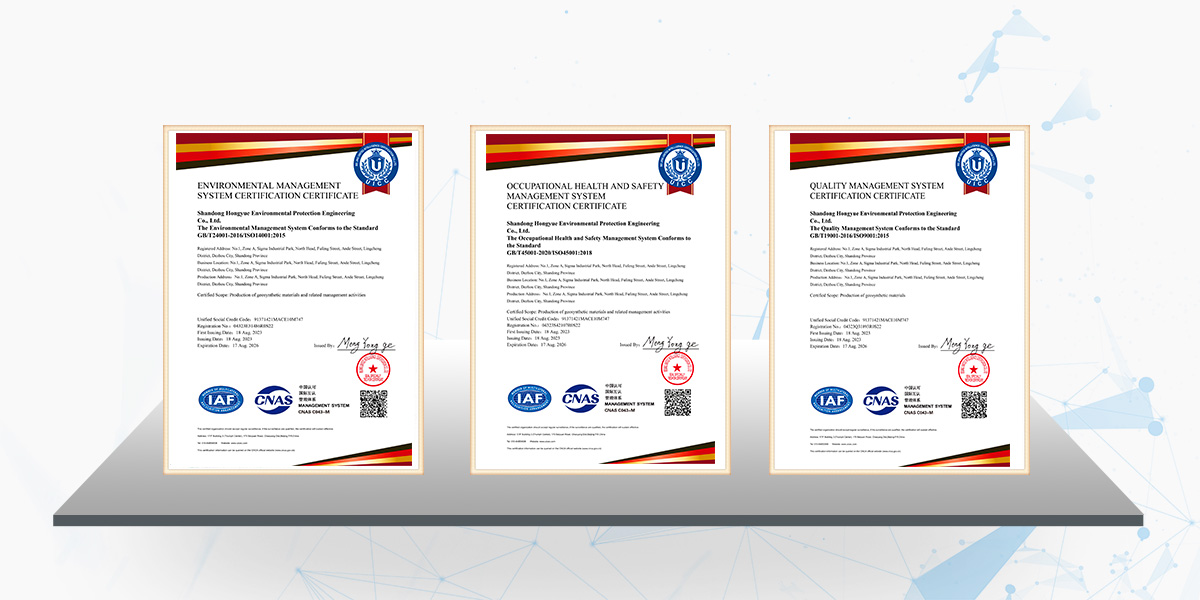
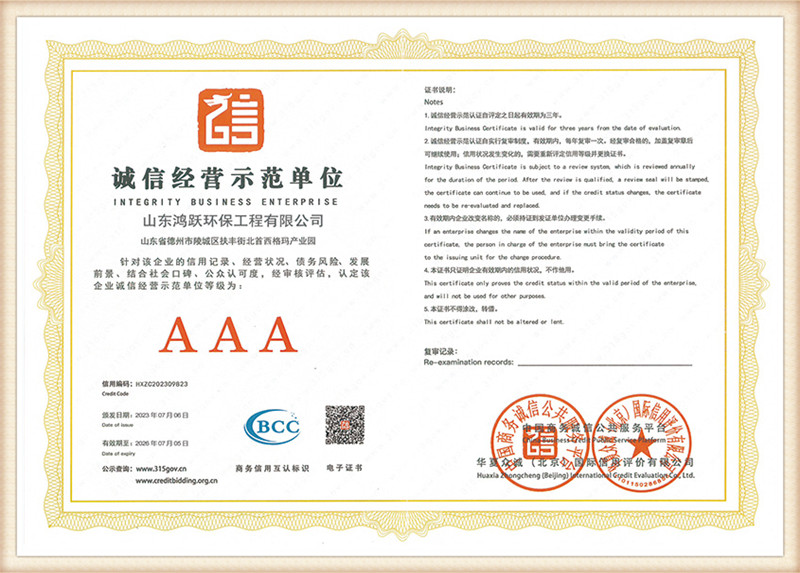
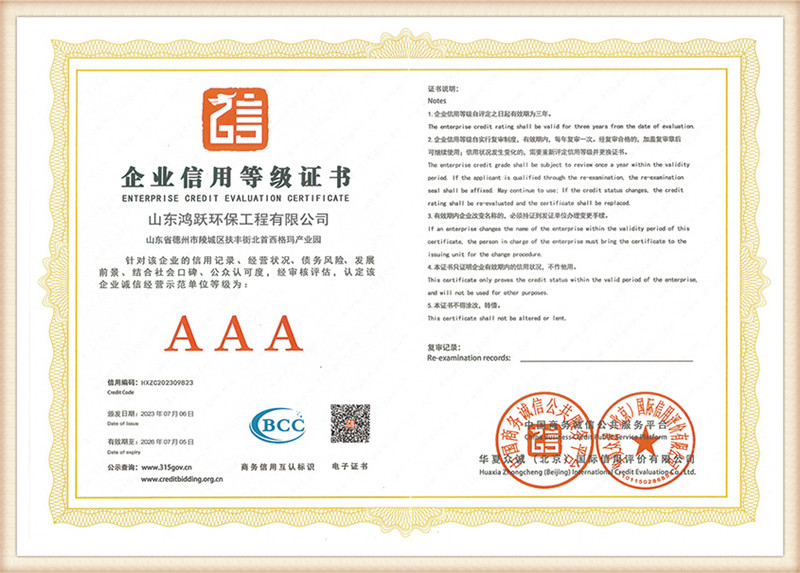
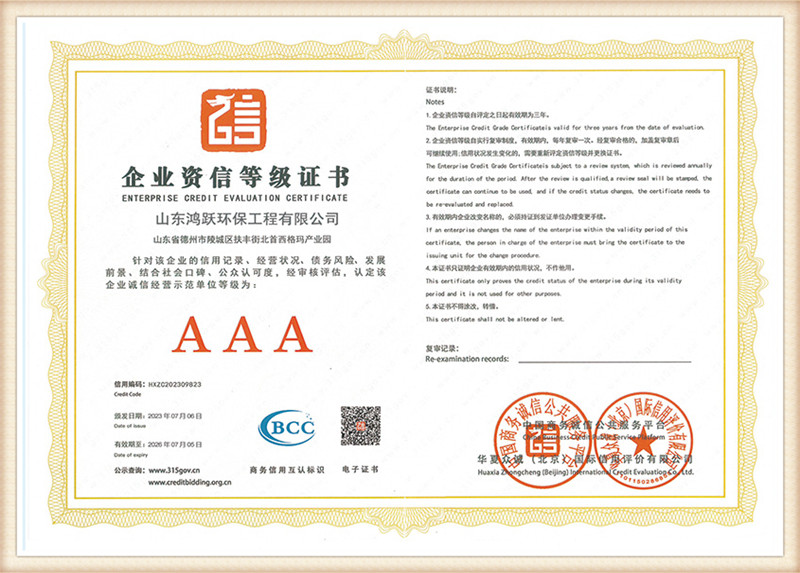
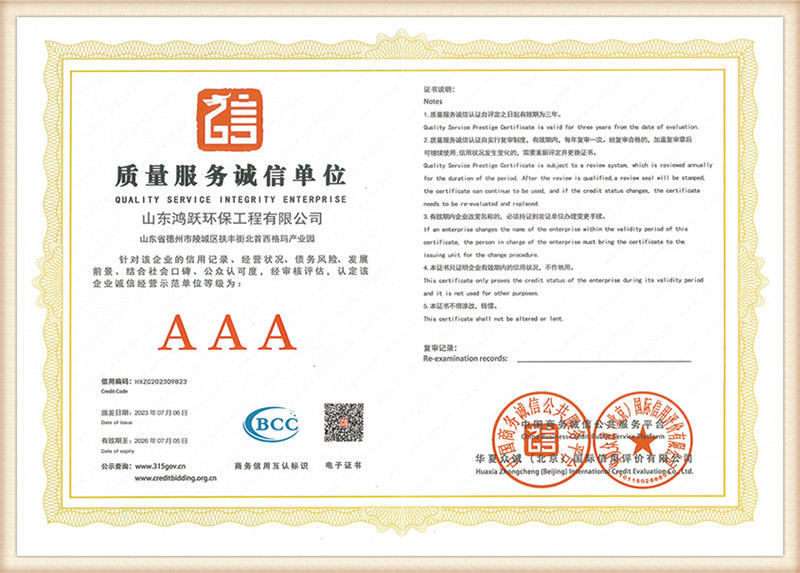
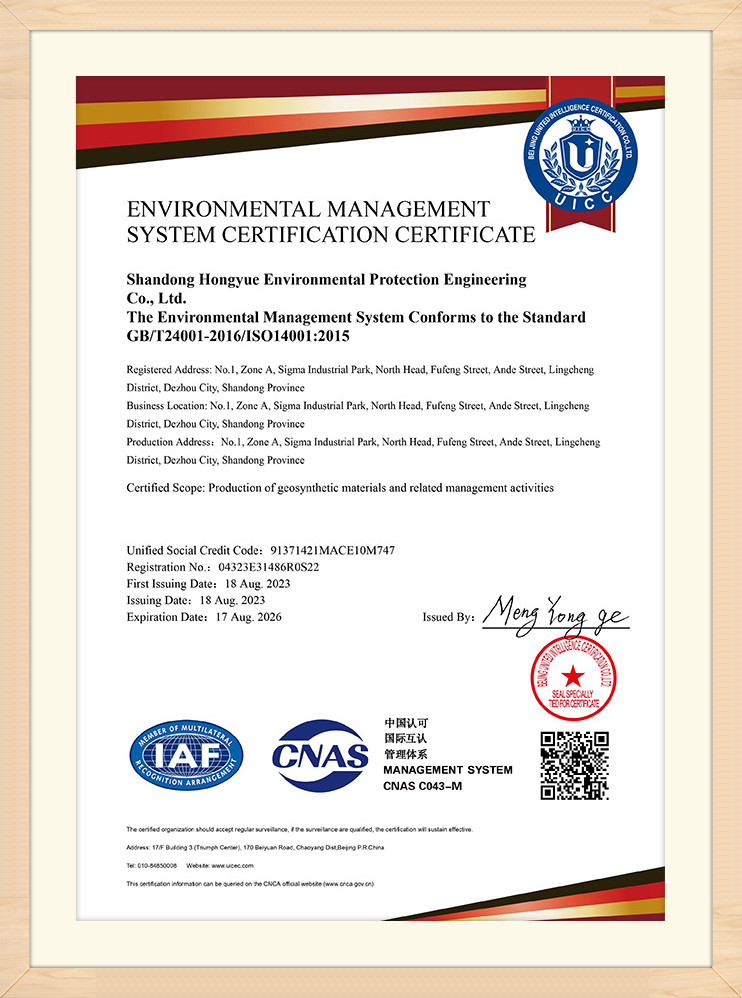
Quality control at Shandong Hongyue is managed via our on-site laboratory, which is calibrated to test products according to ASTM, ISO, and GB standards. We maintain ISO 9001:2015 (Quality Management), ISO 14001:2015 (Environmental Management), and ISO 45001:2018 (Occupational Health & Safety) certifications. This ensures that every roll dispatched to global ports meets the specified mechanical and hydraulic criteria.
Our raw material trace system ensures that each roll is linked back to its specific chemical polymer batch. This level of traceability is essential for municipal infrastructure projects where engineers must sign off on material conformance reports before installation can begin.
As smart cities and environmentally sustainable infrastructure become the global standard, Shandong Hongyue is investing in research to integrate smart monitoring and circular economy practices into our geofabric lines:
Increasing the utilization of high-purity recycled polyester chips from verified post-consumer streams. This reduces the carbon footprint of our geotextiles by up to 35% while maintaining comparable tensile strength and permeability.
Developing conductive geomembranes with integrated carbon-rich micro-layers. These lines allow contractors to perform spark testing across the installed area, identifying punctures as small as 1mm before the liner is backfilled.
Thermal-bonding of non-woven geotextiles with multi-axial geogrids. This single-step product allows contractors to install filtration, separation, and reinforcement in one pass, reducing field labor costs by 40%.
To help engineers and purchasing managers find the right solutions, we have answered the most common technical questions about our geofabrics and pricing structures.
Inside Shandong Hongyue: Advanced manufacturing lines, testing labs, and high-capacity storage yards.
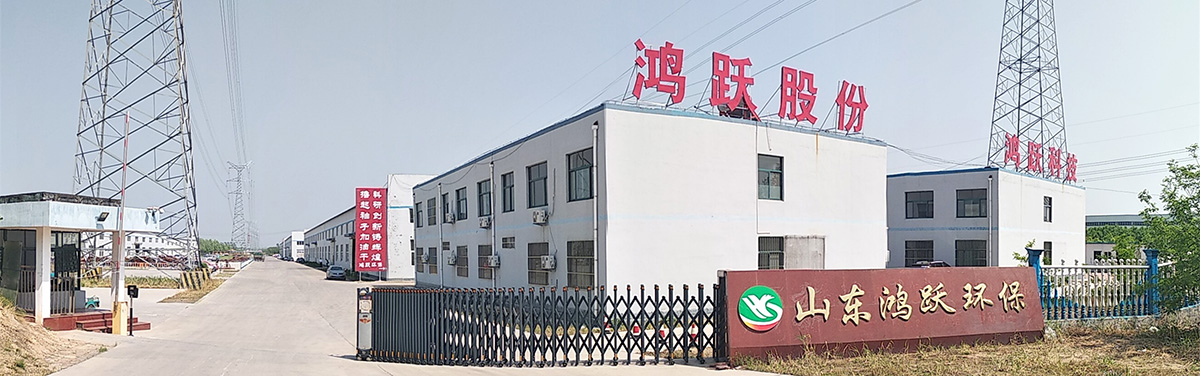
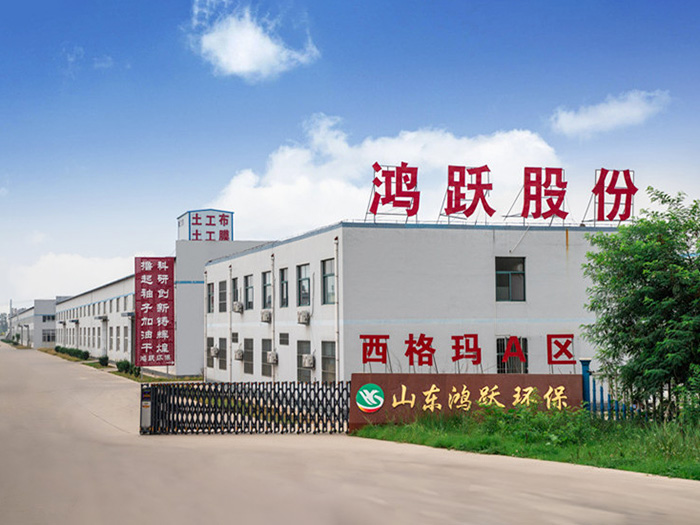
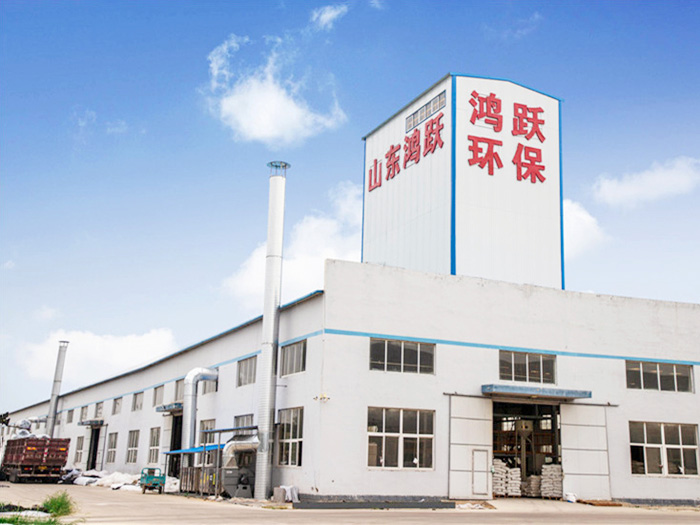
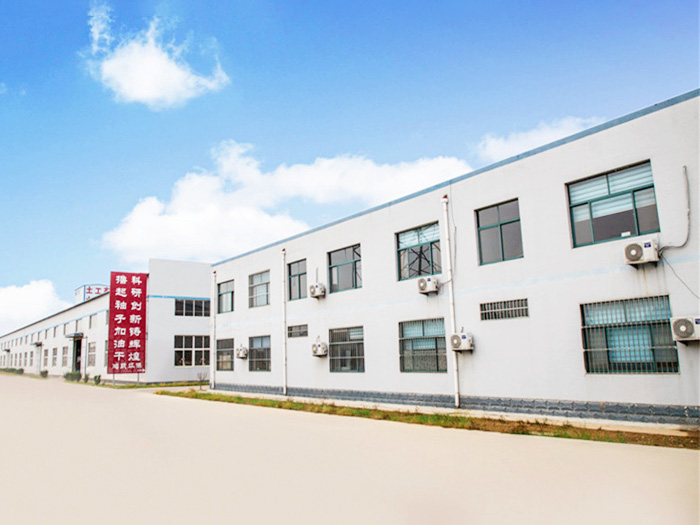
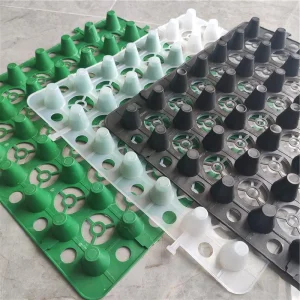
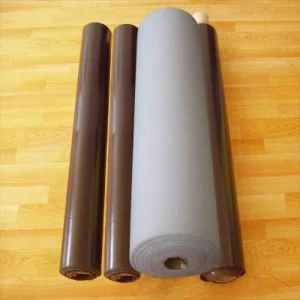
Explore our full line of geosynthetics, featuring composite drainage networks, flexible PVC geomembranes, and geocells.
 Hongyue