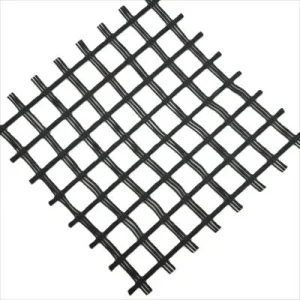
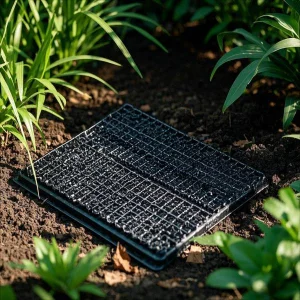
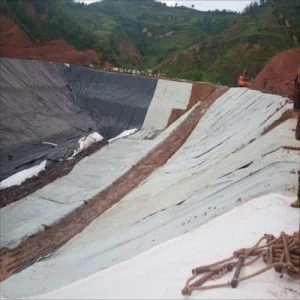
Explore our top-tier range of geotextiles, geogrids, geocells, and cement blanket systems engineered for global infrastructure excellence.
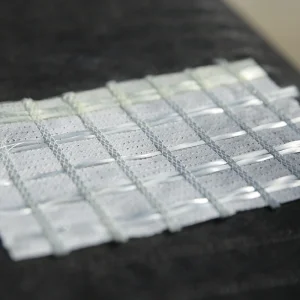
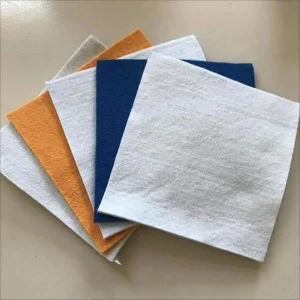
In modern civil engineering, soil stabilization, filtration, and containment require materials that deliver high performance and long-term durability. Geofabric Bidim, which refers to continuous filament needle-punched non-woven polyester (PET) or polypropylene (PP) geotextiles, serves as the standard for critical design criteria. Unlike short-staple non-woven fabrics, Bidim-type geofabrics are manufactured by extruding continuous synthetic filaments, which are then mechanically bonded through needle punching to form a highly isotropic, porous, and cohesive matrix.
Key Functional Roles of Bidim Geofabrics:
Established on April 6, 2023, and registered under the Lingcheng District Market Supervision and Administration Bureau of Dezhou City, Shandong Province, Shandong Hongyue Environmental Engineering Co., Ltd. has quickly positioned itself as a leading manufacturer in China's geotechnical material sector. Operating with a substantial registered capital of 105 million yuan, our state-of-the-art facility occupies a strategic geographic position in Lingcheng District, Dezhou City—a globally recognized hub for geosynthetic engineering materials.
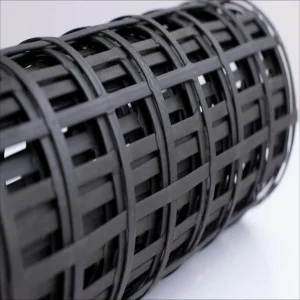
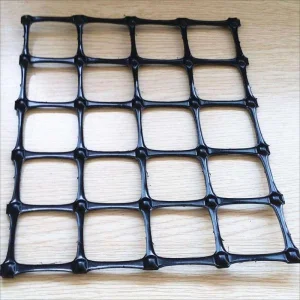
Our company integrates R&D, manufacturing, custom engineering design, and professional installation services. Shandong Hongyue is an active member of the prestigious Dezhou Geotextile Association, collaborating closely with academic institutes and structural engineering firms to pioneer new material breakthroughs. We specialize in geotextiles, geomembranes, composite geomembranes, waterproof boards, bentonite GCLs, 3D drainage nets, geogrids, geocells, concrete blankets, and flexible permeable pipes.
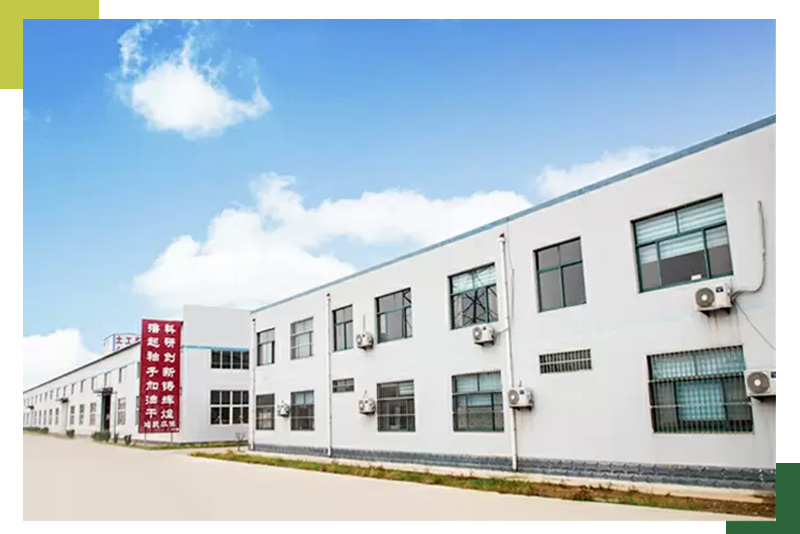
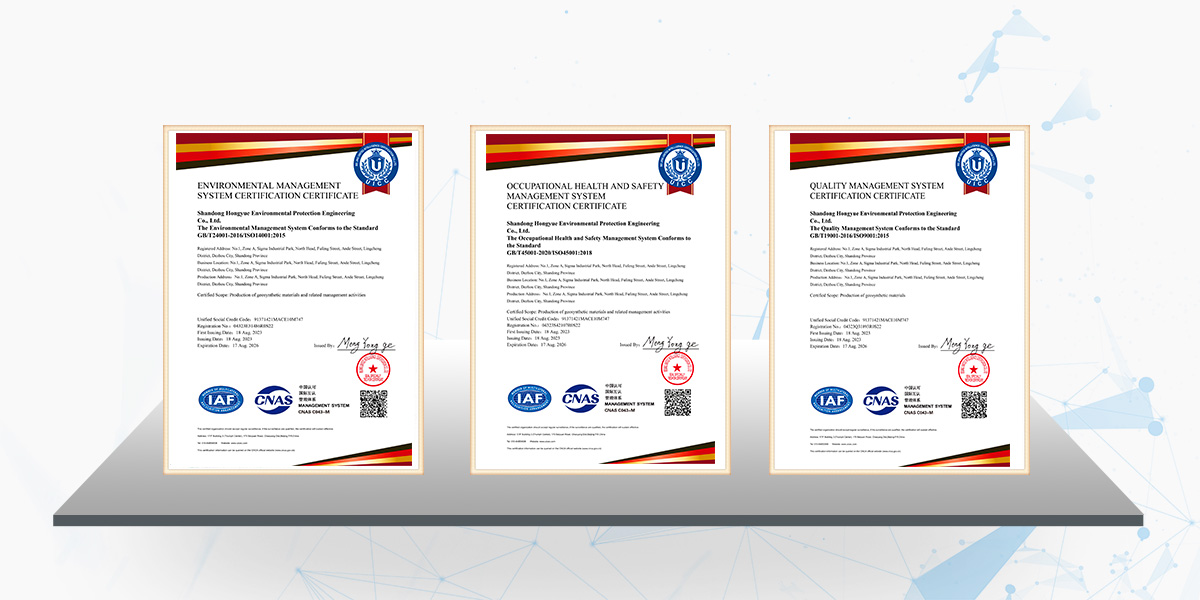
Our international quality management credentials include ISO9001, ISO14000 environmental management, and ISO45001 occupational health and safety systems. Our commitment to excellence has earned us industry recognitions, including "Famous Chinese Brands", "High-Tech Industry Enterprise", and "Quality Service Double Excellent Unit". Our products are exported to Europe, the United States, Australia, Southeast Asia, and the Middle East, serving major national and international infrastructure projects.
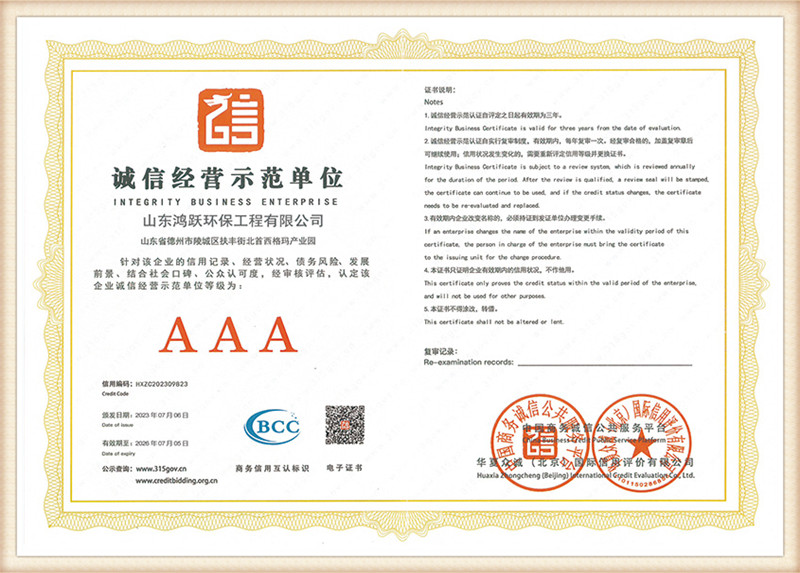
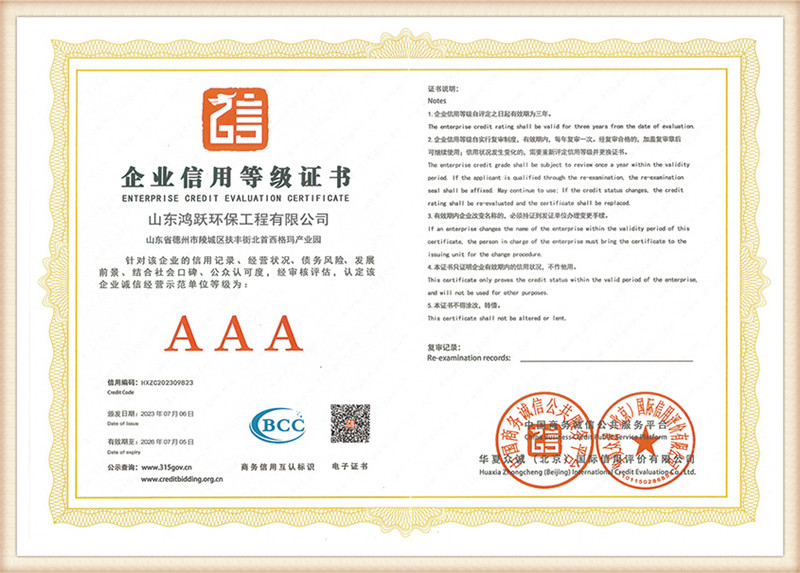
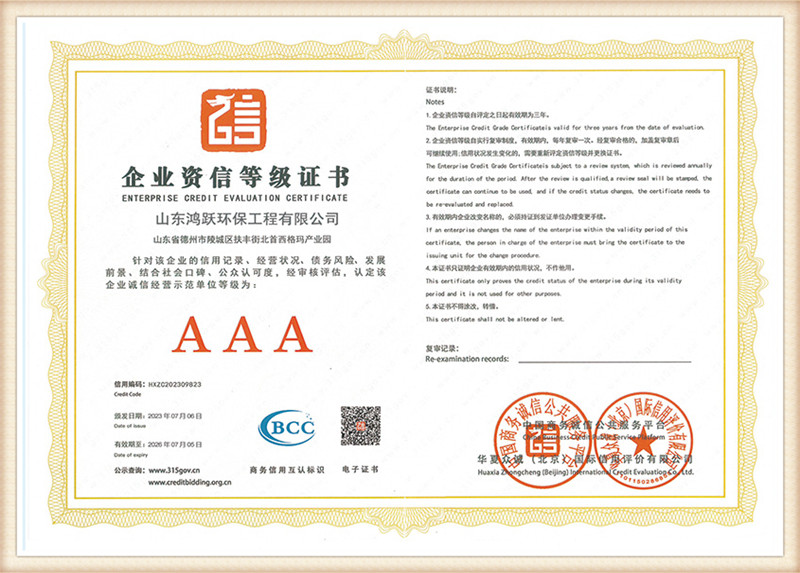
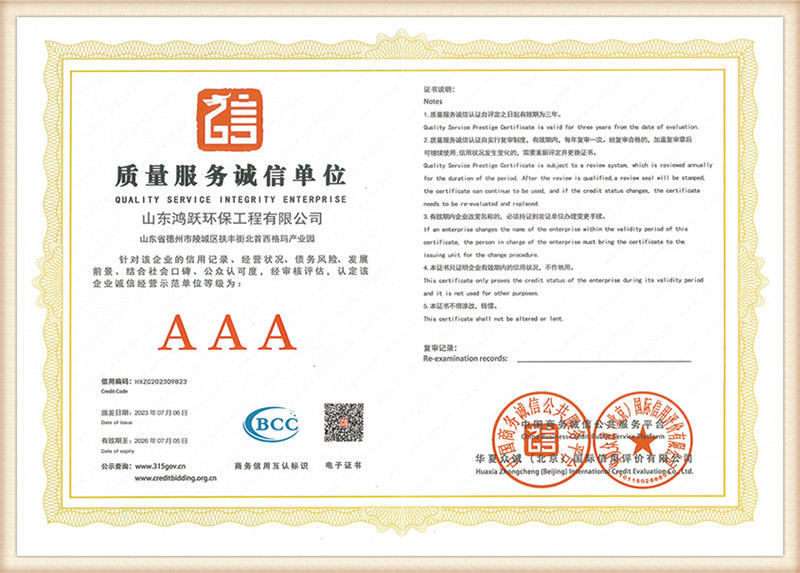
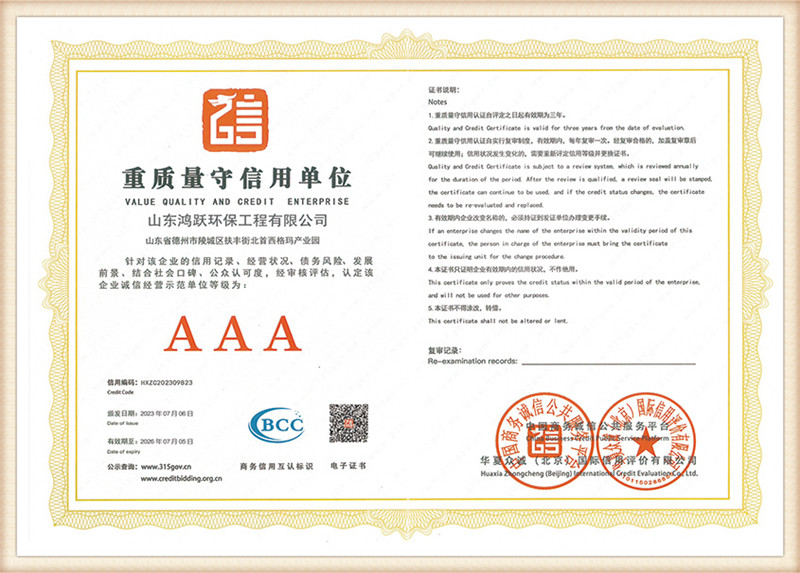
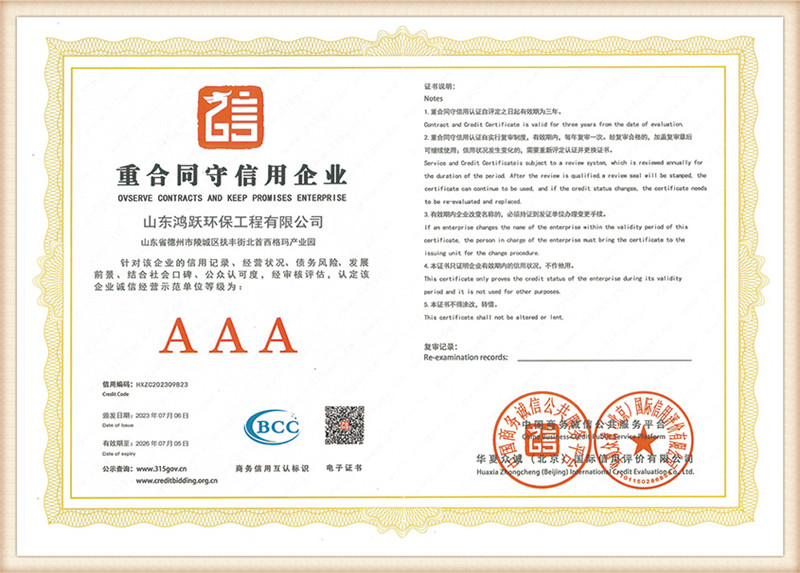
Figure 1: State-of-the-art manufacturing plants and advanced QC labs at Shandong Hongyue's Dezhou production base.
In an era of global economic uncertainty and volatile shipping costs, procurement managers prioritize supply chain resilience and high-precision quality control. Shandong Hongyue addresses these challenges through its Factory 4.0 framework, integrating automated production planning, computerized polymer extrusion lines, and real-time thickness and weight-profile controls.
By consolidating the entire manufacturing process on-site, we reduce dependencies on external material suppliers. Our close proximity to Qingdao Port and key rail logistics centers ensures reliable, cost-efficient, and fast global shipping. We maintain strategic reserves of high-grade raw materials (PET chips, PP granules) to insulate our clients from global chemical market fluctuations and guarantee stable, year-round production.
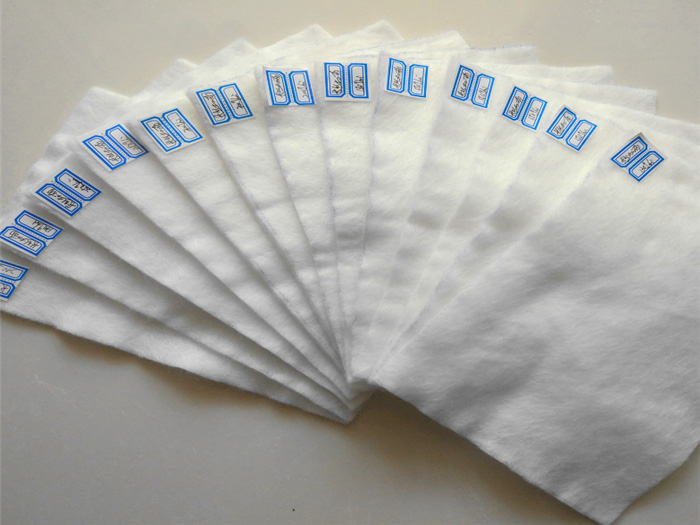
The process begins with high-grade polyester (PET) chips, polypropylene (PP) filament, and viscose fibers. These raw polymers undergo strict quality testing for molecular weight, moisture content, and chemical purity. Approved materials are homogenized in silo mixers to ensure uniform mechanical characteristics throughout the production run.
The homogenized polymer is fed into state-of-the-art screw extruders. Working under precise thermal controls (typically between 260°C and 290°C), the raw material is transformed into a molten state. The system dynamically adjusts pressure metrics to ensure the molten polymer flow is completely uniform, eliminating physical variations in the final fibers.
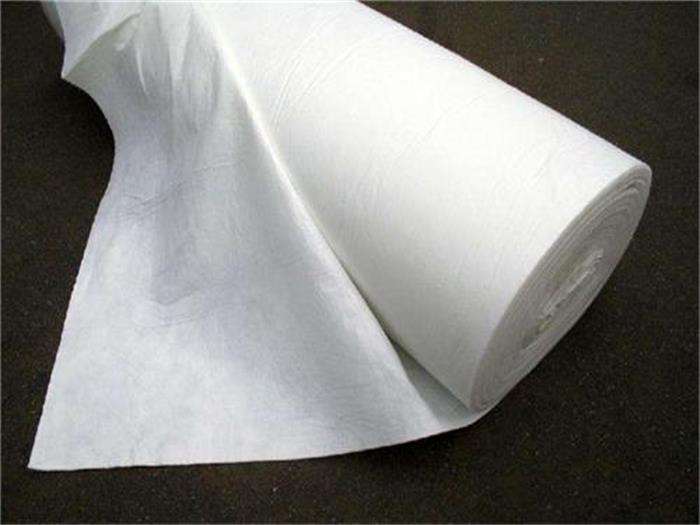
The molten polymer is extruded through custom micro-orifice spinnerets, generating thousands of high-tenacity continuous filaments. High-velocity air currents draw and attenuate these filaments, orienting the polymer chain molecules to maximize tensile strength. The filaments are then deposited onto a moving conveyor belt, forming a uniform three-dimensional network.
The loose filament web enters a multi-stage needle-punching line. Hundreds of heavy-duty needle boards equipped with barbed needles punch through the web at high frequencies. This mechanical action forces the continuous filaments to interlock, creating a robust, isotropic non-woven structure with high tensile strength, elasticity, and void ratios.
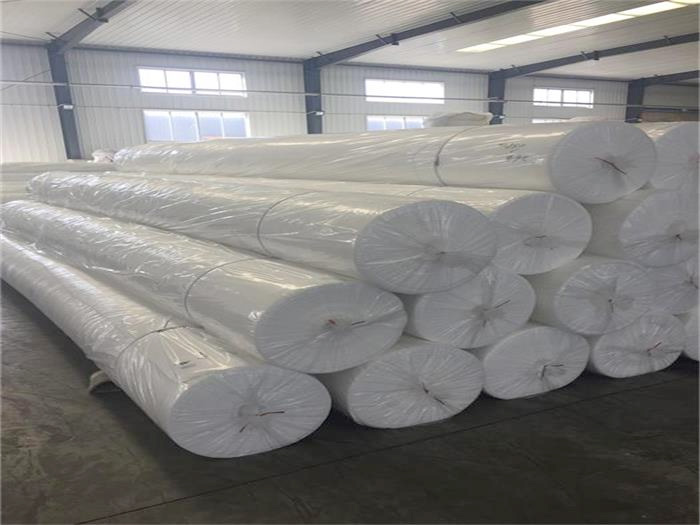
The cured geofabric Bidim is cut and trimmed according to customer specifications (standard widths range from 1.0m to 6.0m). The fabric is wound onto heavy-duty cores. The roll diameter and length are calibrated by laser measurement arrays before the rolls are wrapped in UV-protective geotextile packaging to prevent degradation during transport and site storage.
Samples from every batch undergo rigorous laboratory testing. Our quality monitoring procedures evaluate tensile strength, tear resistance, CBR puncture resistance, water permeability, and pore size distribution ($O_{90}$). Only products meeting or exceeding ASTM, EN, and national standards receive an engineering certificate of compliance for field application.
As civil engineering projects contend with more challenging geological conditions and aggressive climatic variations, the requirements for geotextiles are changing. The R&D team at Shandong Hongyue is actively working on several key initiatives aligned with the future of geosynthetic engineering:
We are developing smart geofabrics integrated with distributed fiber-optic sensors (DFOS). These systems allow operators to monitor soil strain, settlement, temperature changes, and moisture migration in real time, serving as an early-warning system for dams and tunnels.
To address environmental concerns, our technical team is testing biodegradable PLA and natural flax fiber blends. These materials provide high initial structural reinforcement and filtration before degrading naturally once vegetation stabilizes the site.
Using advanced carbon black formulas and hindered amine light stabilizers (HALS), we are engineering geofabrics with superior UV stability, designed to perform in high-exposure applications like open mining and arid landfills.
Shandong Hongyue's materials are engineered to perform within complex structural systems. We offer comprehensive solutions across key industrial and environmental disciplines:
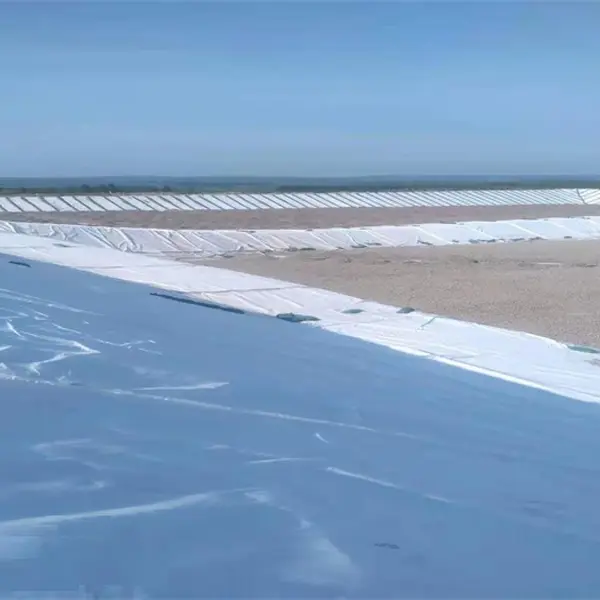
Our composite systems feature high-strength geomembranes laminated with thick non-woven geotextiles. These systems provide puncture protection and seepage control in reservoirs, water transport canals, and artificial lakes, minimizing water loss from subgrade movement.
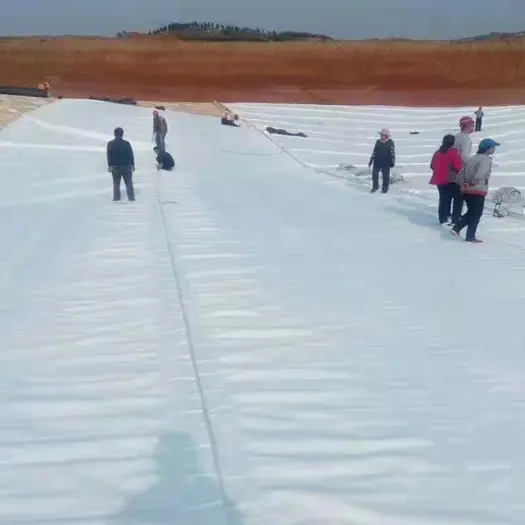
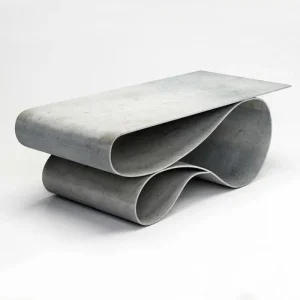
Combining non-woven geotextiles with concrete blankets and geocells prevents bank erosion along high-velocity water channels. The geofabric retains subgrade soil particles while allowing clean groundwater to drain, preventing the buildup of hydrostatic pressure.
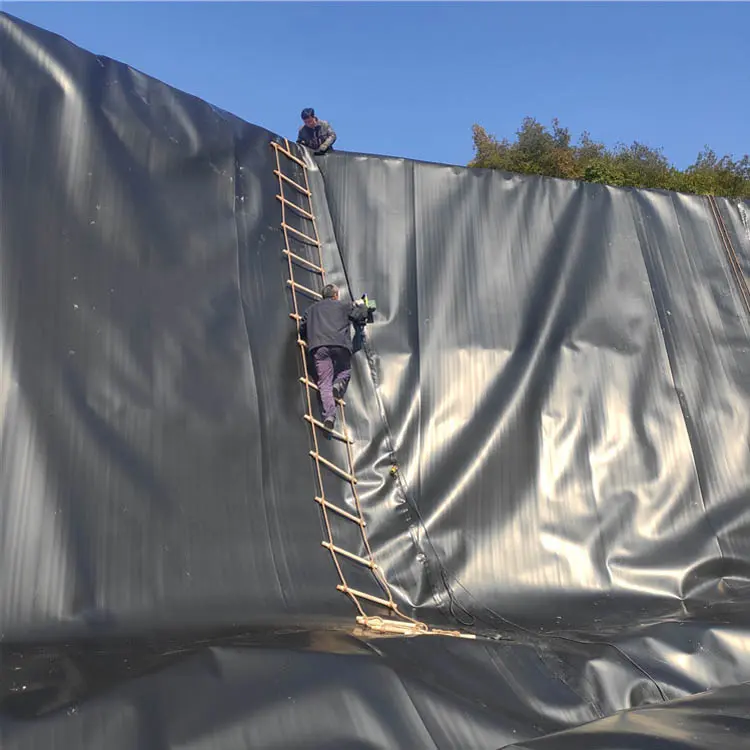
In municipal solid waste (MSW) and hazardous waste landfills, our heavy-weight geofabrics act as cushion layers over HDPE geomembranes, protecting the lining system from gravel backfill and sharp debris during installation and operation.
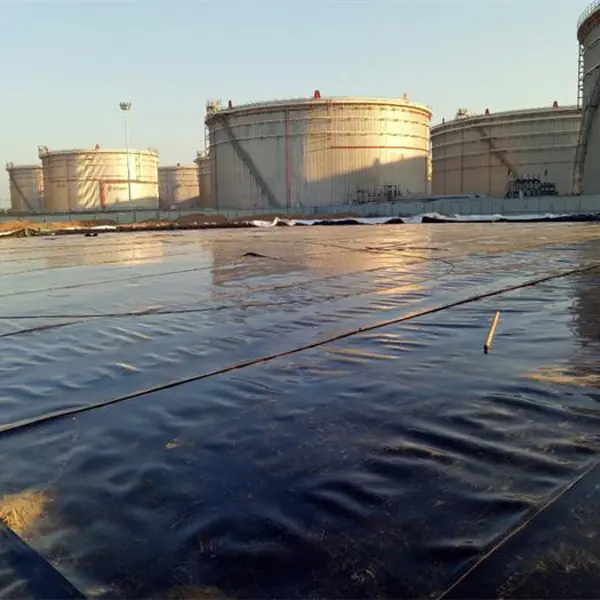
Our dual-barrier geotextile-geomembrane composite sheets provide reliable containment solutions for petrochemical tanks. These systems protect local soils and groundwater from contamination in the event of primary tank leaks or failures.
The performance of geosynthetic systems depends heavily on proper design, selection, and field installation. Shandong Hongyue provides end-to-end technical support to ensure your projects achieve their design service life.
Selecting the right material requires evaluating key engineering and environmental factors:
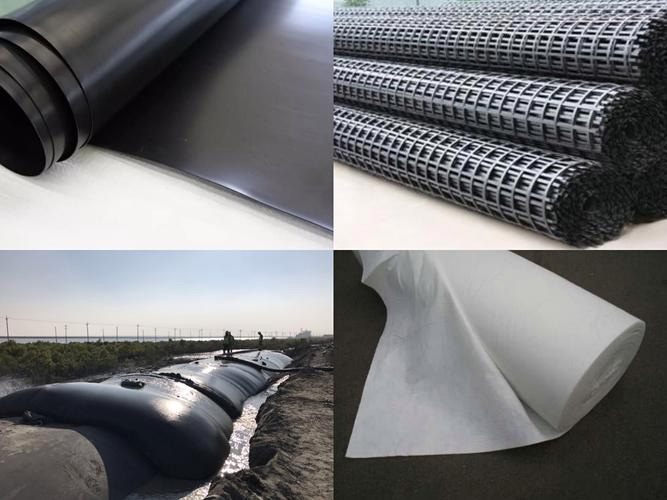
Shandong Hongyue operates a comprehensive quality management system certified under ISO9001, ISO14000, and ISO45001. All raw materials and finished products undergo testing in our ISO-compliant laboratory. We measure tensile strength, puncture resistance, and hydraulic parameters to ensure consistent performance across batches.
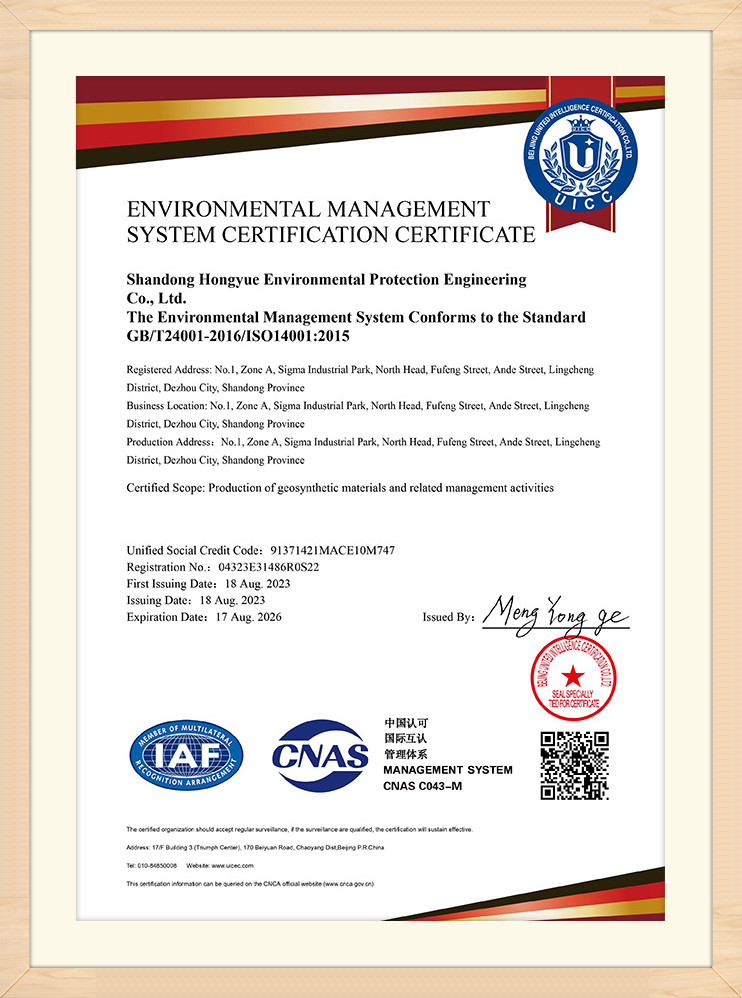
Figure 2: Hongyue's quality control facilities, including tensile testing, puncture testing, and microstructural analysis.
Our testing protocols comply with both national GB/T standards and international benchmarks (including ASTM, EN, and ISO). We work with third-party testing agencies, including the China National Testing Center, to provide independent verification of product performance for major infrastructure projects.
Securing competitive pricing for large-scale infrastructure projects requires understanding the primary factors that influence wholesale geotextile prices. The price per square meter of geofabric Bidim is determined by several key variables:
Geotextile pricing is directly tied to the cost of raw polymers, such as Virgin Polyester (PET) and Polypropylene (PP). Polypropylene generally carries a price premium due to its superior acid and alkali resistance in high-pH environments.
Geotextiles are priced by weight, ranging from light filtration fabrics (100gsm to 200gsm) to heavy protection liners (800gsm+). Heavier fabrics require more raw material per square meter, increasing the unit cost.
Specialized treatments, such as custom UV stabilizer loading, flame retardants, or multi-layer laminations, add to production costs. Projects requiring comprehensive certifications (such as CE, ASTM, and GAI-LAP testing) may see higher unit prices.
Wholesale Procurement Guidelines:
For projects with large-scale geotextile requirements, sourcing directly from factories like Shandong Hongyue offers significant cost advantages. By bypassing intermediaries, importing container-load quantities directly from Qingdao Port helps lower procurement costs.
Shandong Hongyue's materials are designed to address demanding environmental and structural conditions. The following field cases illustrate how our geosynthetics perform in various structural systems:
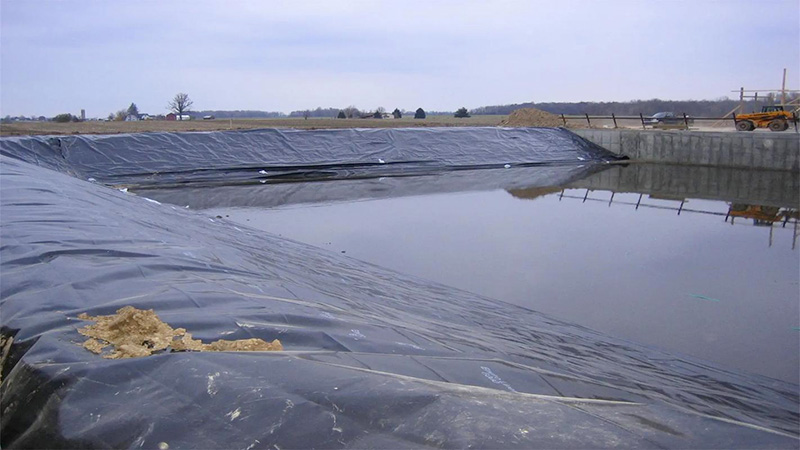
In large-scale water reservoirs, our composite geomembranes are paired with high-performance geofabrics. This configuration prevents seepage through fractured rock subgrades while protecting the barrier liner from mechanical damage.
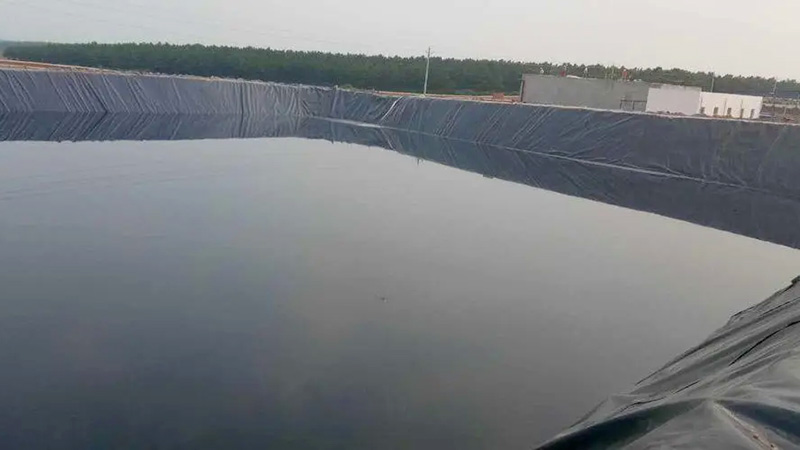
To protect flood-prone areas, our geotextiles provide robust filtration and separation layers under heavy rock armor. The fabric allows excess water pressure to escape without washing away subgrade sands.
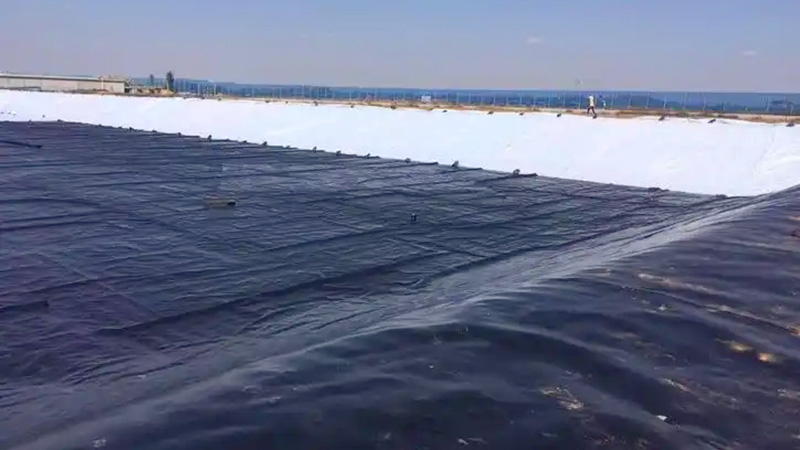
Our integrated systems stabilize river channel banks against erosion. By combining geofabric Bidim with geocells and concrete canvas, we create a durable system that supports natural vegetation growth.
Get answers to common technical, commercial, and installation questions about geofabric Bidim and our product catalog.
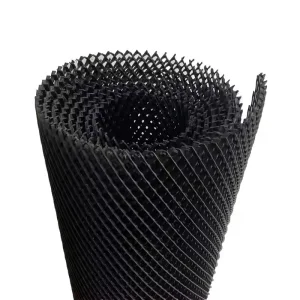
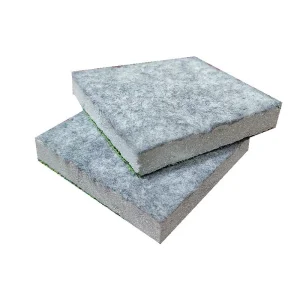
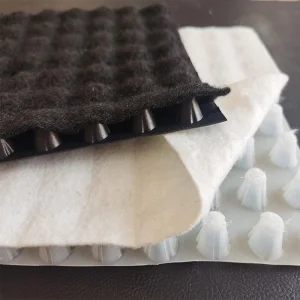
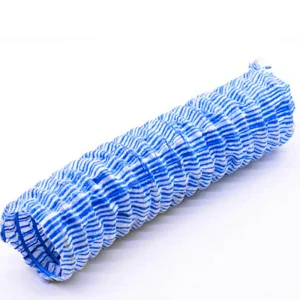
Browse our specialized selection of concrete canvases, composite drainage networks, geocells, and containment liners.
 Hongyue