Explore our industrial-grade, certified geomembranes and geogrids engineered for longevity, high durability, and maximum barrier security.
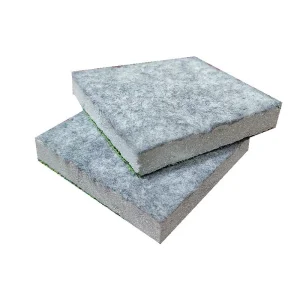
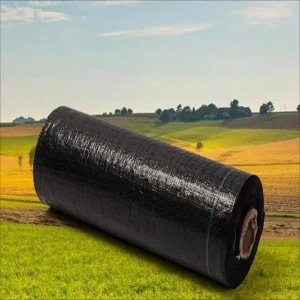
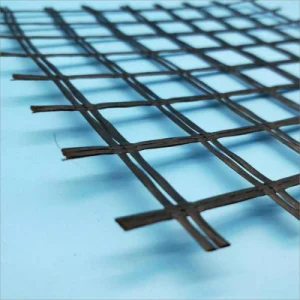
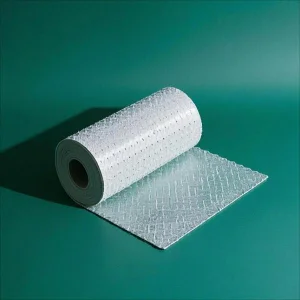
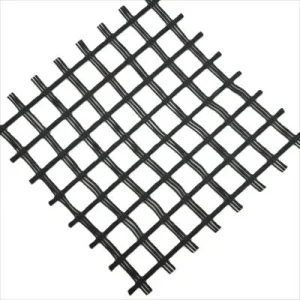
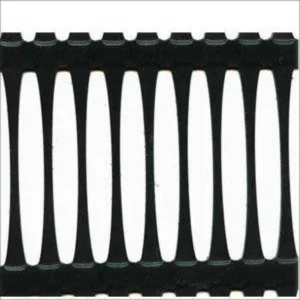
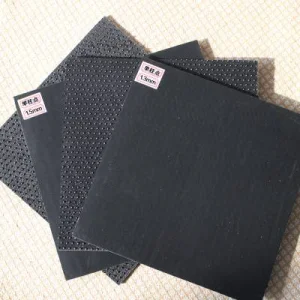
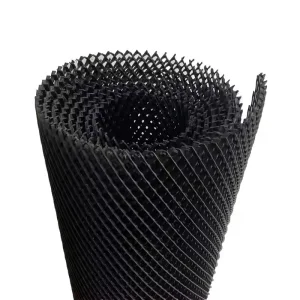
In modern civil construction and ecological infrastructure, geomembrane liners serve as the fundamental barrier against environmental contamination. With global regulations demanding zero-contamination baselines for municipal landfill sites, heap leach pads, and chemical retention ponds, selecting an experienced OEM geomembrane liner exporter becomes paramount. Shandong Hongyue Environmental Engineering Co., Ltd. leads this frontier by manufacturing high-density polyethylene (HDPE), linear low-density polyethylene (LLDPE), and composite membranes that transcend international mechanical thresholds. This publication breaks down the essential selection metrics, manufacturing control workflows, and macro market conditions defining the industry today.
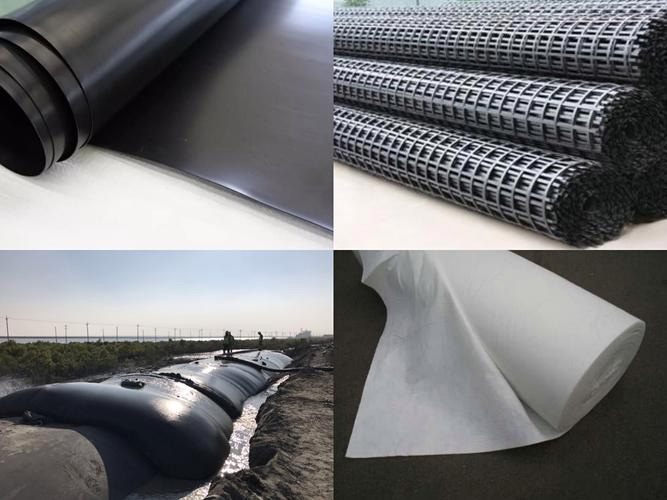
Utilizing high-molecular-weight polyethylene resins combined with Carbon Black and specialized UV stabilizer packs for a projected degradation-free lifespan of over 50 years.
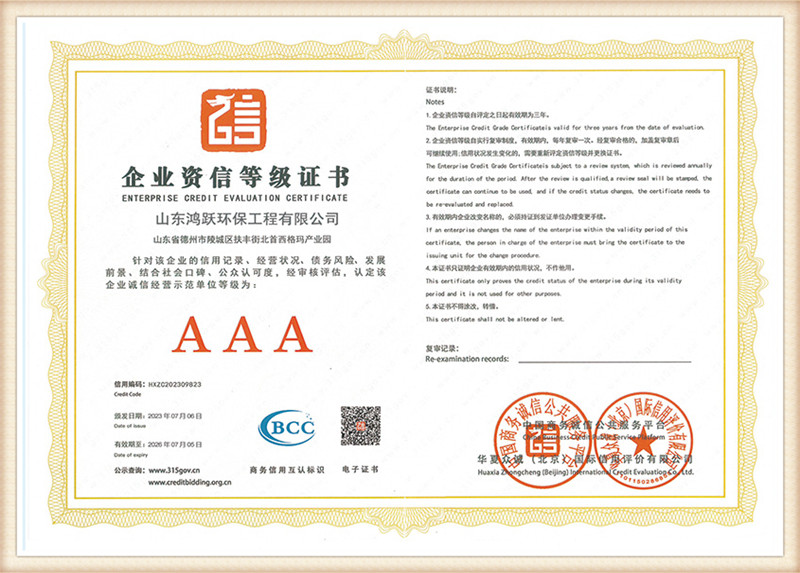
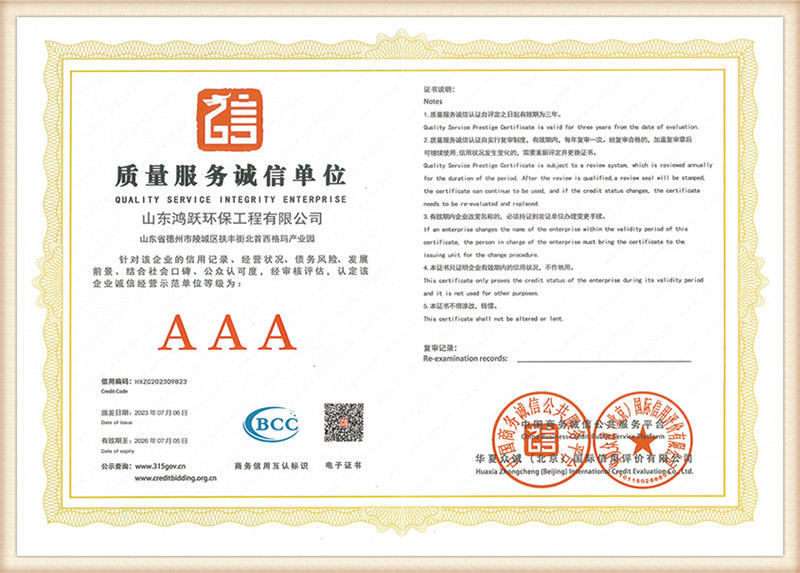
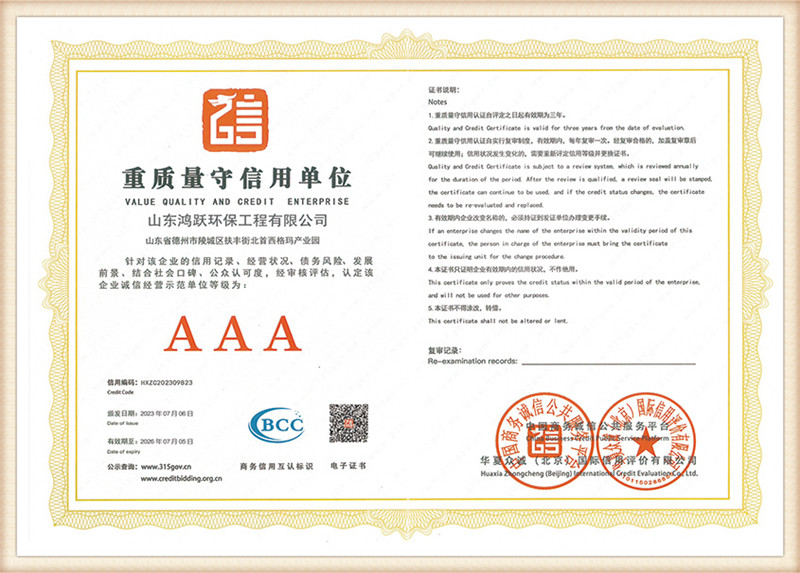
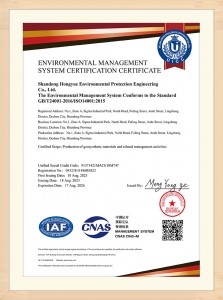
Underpinned by ISO9001, ISO14001, and ISO45001 certificates. All products routinely pass inspections of the China National Testing Center and ASTM testing standards.
A established logistics network spanning Shanghai and Beijing to export to the Americas, Europe, Australia, and parts of the Middle East and Southeast Asia.
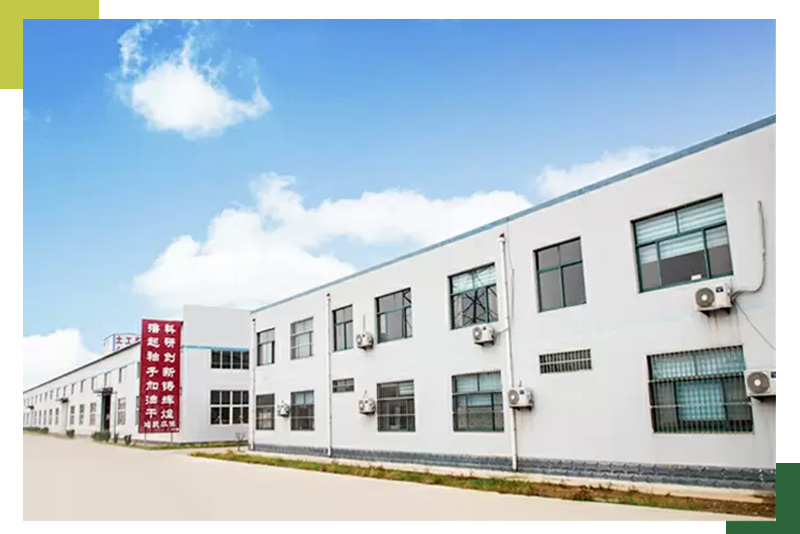
Shandong Hongyue Environmental Engineering Co., Ltd., located at the north end of Fufeng Street, Lingcheng District, Dezhou, Shandong Province, is a scientific and technological geotechnical material manufacturer integrating engineering material production, sales, design and construction services.
Registered on April 6, 2023, with a substantial capital of 105 million yuan, our enterprise operates one of the largest modern manufacturing bases of geotechnical materials in China. Dezhou City, Shandong, is widely recognized as the hub of global geosynthetics, offering us excellent geographical advantages and highly efficient multimodal transportation access to major international ports.
We take pride in our robust scientific team, state-of-the-art testing equipment, and comprehensive engineering design capacities. We have established integrated service hubs in over 40 large and medium-sized cities, including Beijing and Shanghai, to guarantee 24/7 technical advice and project coordination for our international clients.
A comprehensive analysis of evolving containment systems, regulatory expectations, and procurement criteria.
Modern containment regulations (such as EPA Subtitle D landfill standards and European EN protocols) mandate strict design configurations for toxic waste containment and mineral collection facilities. The global shift towards Textured (Rough) Geomembranes is driven by the need for superior friction angles in steep-slope designs, preventing slope slides and cover soil failure. Concurrently, environmental authorities are imposing tighter controls on mine heap leaching processes, requiring thick LLDPE liners with outstanding puncture resistance and high chemical durability.
Furthermore, procurement engineers are transitioning from basic material suppliers to comprehensive engineering partners. Exporters must demonstrate not just raw material certificates, but also complete installation guidance, quality control during welding, and third-party certifications (e.g., GRI-GM13, GRI-GM17).
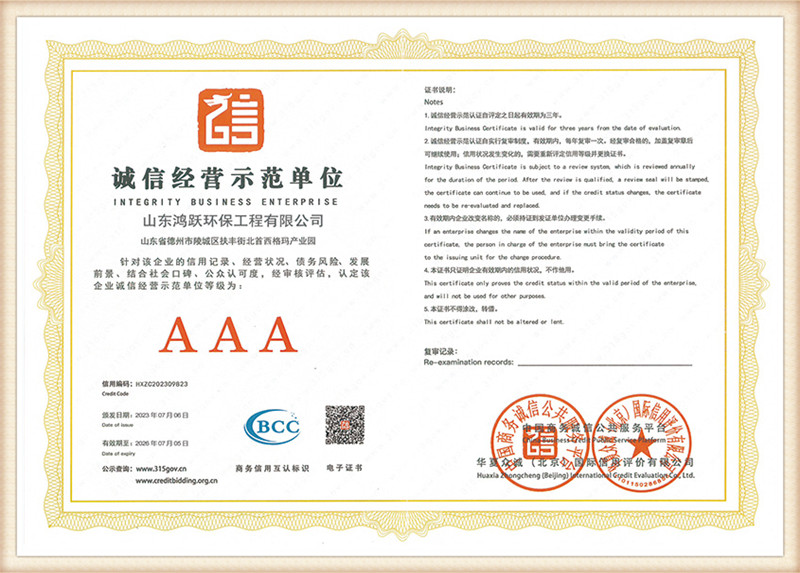
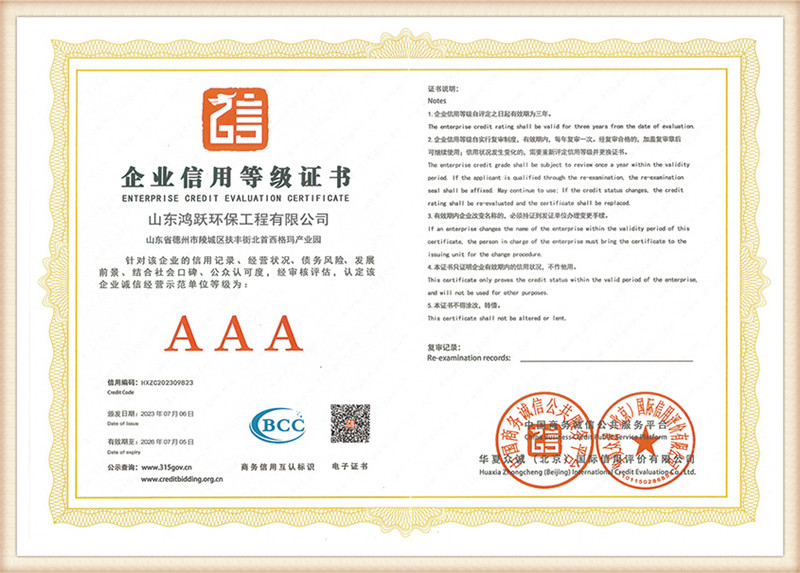
When selecting an OEM geomembrane exporter, engineering departments prioritize these technical parameters:
Comparative structural indicators based on standard ASTM GRI-GM13 requirements for Smooth & Rough HDPE Liners
| Technical Parameter | HDPE Smooth Liner (0.5 - 2.0mm) | HDPE Rough (Textured) Liner | Testing Reference Method |
|---|---|---|---|
| Density (g/cm³) | ≥ 0.940 | ≥ 0.940 | ASTM D1505 / D792 |
| Carbon Black Content | 2.0% - 3.0% | 2.0% - 3.0% | ASTM D4218 / D1603 |
| Tensile Yield Strength (N/mm) | 15 - 29 (Based on thickness) | 15 - 29 (Based on thickness) | ASTM D6693 (Type IV) |
| Tensile Break Strength (N/mm) | 27 - 53 | 11 - 21 | ASTM D6693 (Type IV) |
| Puncture Resistance (N) | 160 - 640 | 150 - 600 | ASTM D4833 / D6241 |
| Standard OIT (minutes) | ≥ 100 | ≥ 100 | ASTM D3895 |
| High Pressure OIT (minutes) | ≥ 400 | ≥ 400 | ASTM D5885 |
How we ensure continuous product stability and optimal mechanical properties on the factory floor.
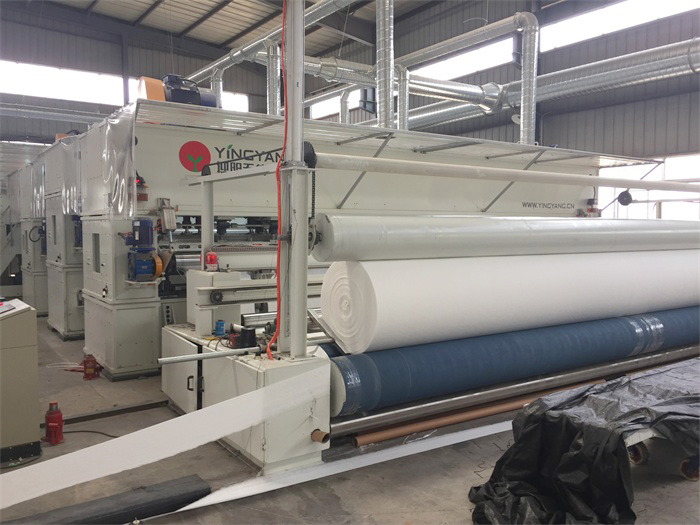
We source top-tier polyester chips, LLDPE, and HDPE resins. Every incoming polymer batch undergoes density and melt flow index (MFI) verification before entering our silos.
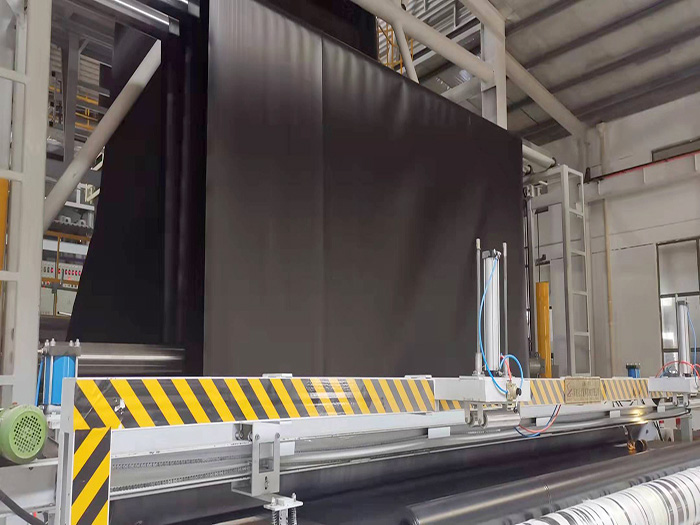
Using state-of-the-art screw extruders, polymers are melted under highly controlled temperature profiles to prevent thermal degradation and guarantee chemical consistency.
The molten polymer is extruded through a T-die or blown-film circular head. For textured surfaces, nitrogen injection or structured rollers create consistent roughness.
Extruded membranes undergo controlled multi-stage cooling and structural relaxation processes to manage internal stress, ensuring excellent dimensional stability.
Fully cured liners are rolled using automatic tension-controlled winders. Coils are measured for thickness, width, and weight, then secured with protective outer packaging.
Samples from both ends of each roll are tested in our in-house lab for tensile parameters, tear strength, puncture, and OIT before shipment release certificates are issued.
Proven execution of composite environmental barrier designs across highly critical municipal, hydraulic, and agricultural structures.
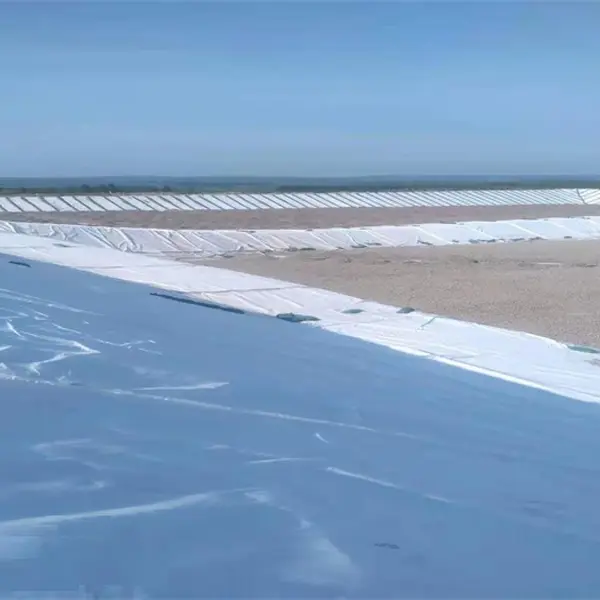
In water storage dams, artificial canals, and municipal water conservation projects, our custom geomembranes prevent subgrade leakage and soil washouts. The liners provide high tensile resistance to counter foundation settlement pressures, ensuring the integrity of the hydraulic structure.
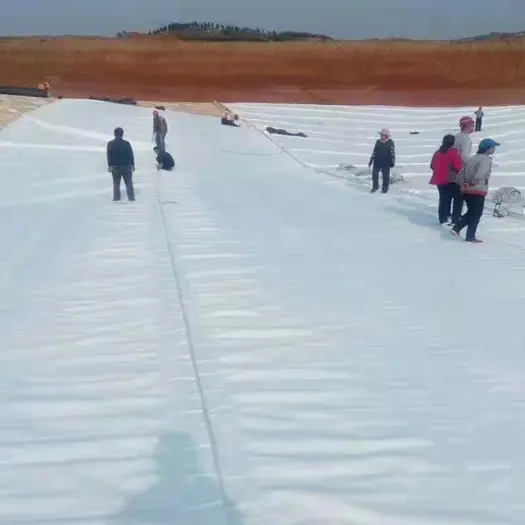
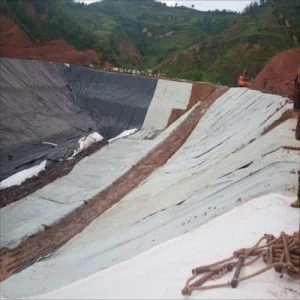
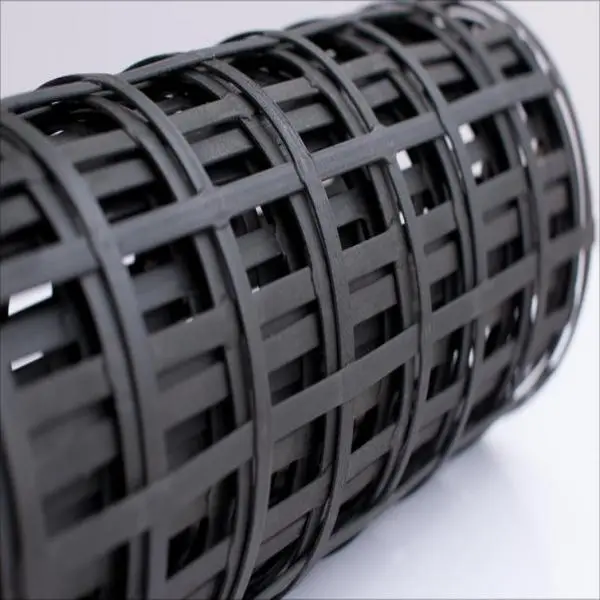
Irrigation channels and dynamic watercourses are prone to severe erosion. Combining high-strength HDPE smooth liners with reinforced glass fiber geogrids or cement blankets creates an unyielding protective interface, preventing slope slippage and water loss.
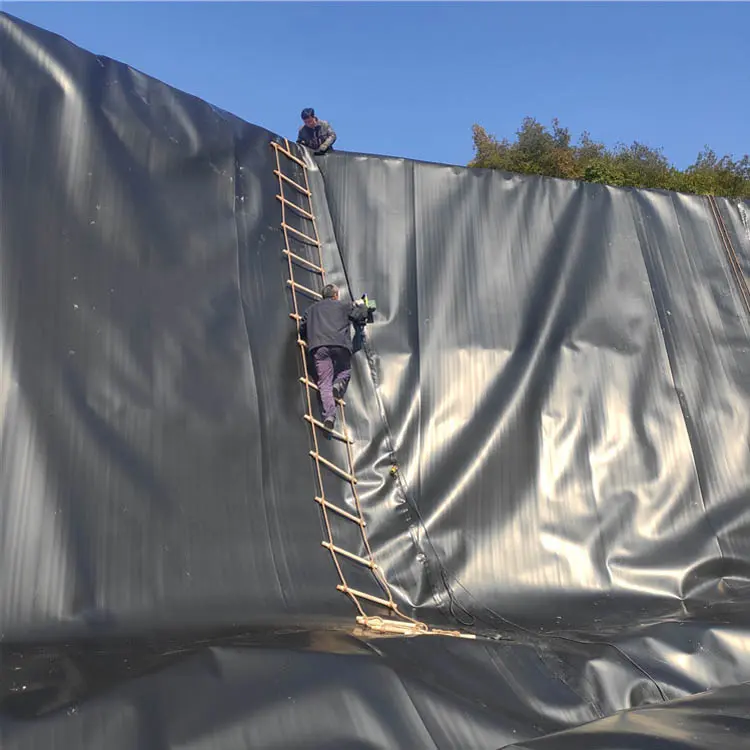
To protect groundwater aquifers, modern landfills use multi-layered composite barrier systems combining HDPE geomembranes, bentonite clay blankets (GCLs), and geocomposite drainage nets. Our materials feature excellent chemical compatibility with aggressive leachate.
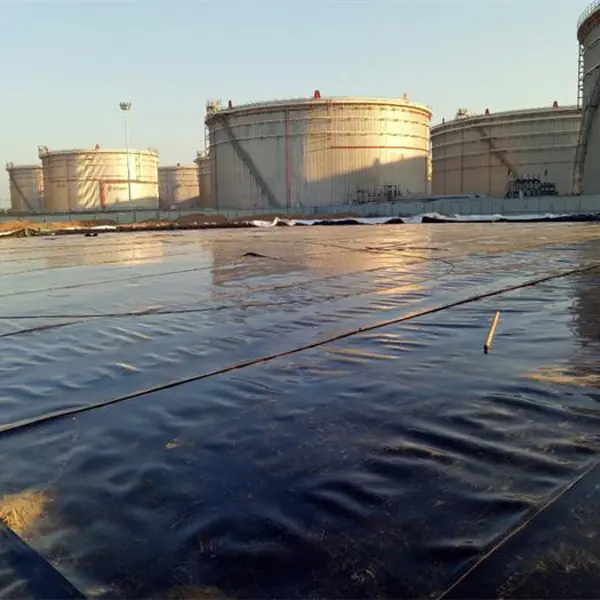
Refinery tank farms require immediate spill containment solutions. Our LLDPE and customized composite geomembranes offer outstanding hydrocarbon resistance, stopping fuel spills and hazardous chemical seepage from contaminating surrounding soil.
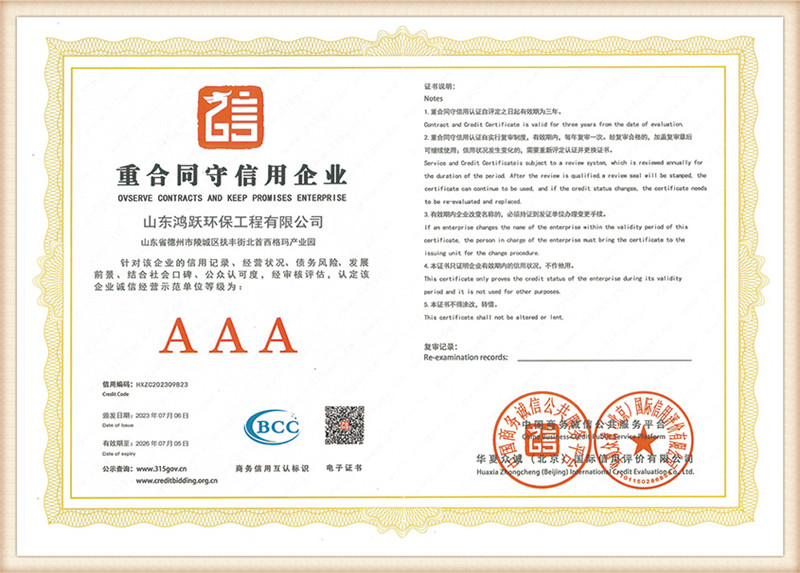
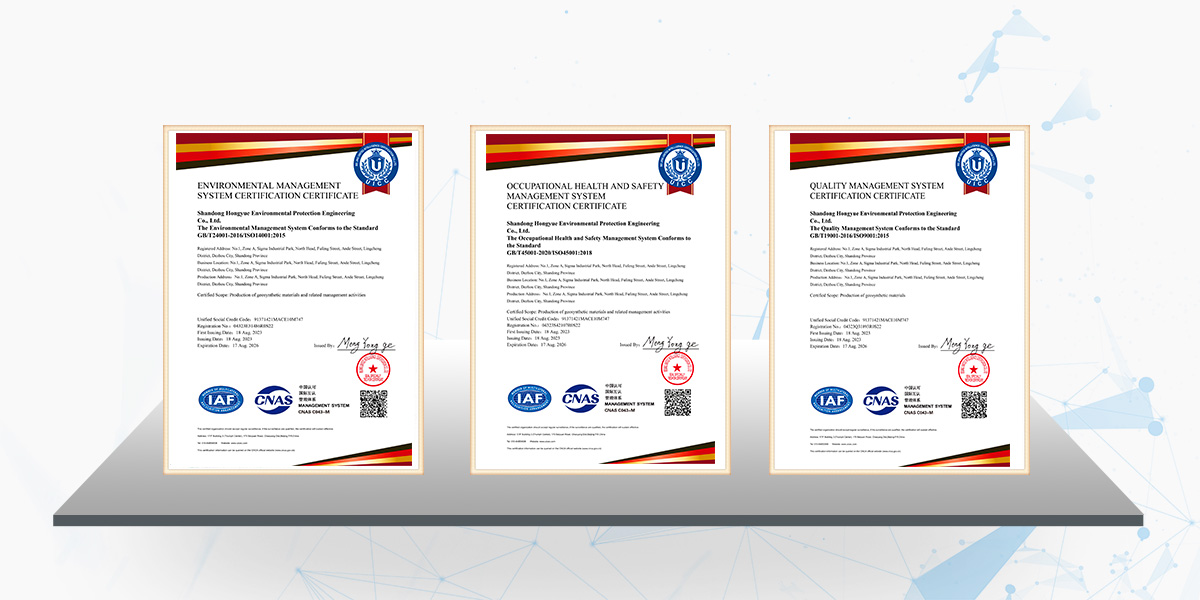
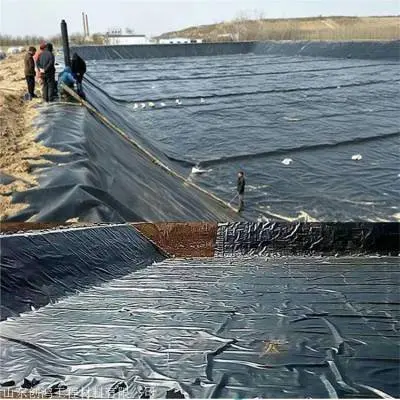
Proper installation determines the success of anti-seepage barrier systems. Subgrades must be rolled and compacted to remove sharp stones, roots, and organic debris. Overlapping adjacent sheets by 100mm to 150mm is recommended before hot-wedge welding.
Hot-Wedge Welding: A specialized double-wedge machine applies heat and pressure, melting the contact surfaces to form an airtight weld with an inspection channel. The seam's integrity is verified using non-destructive pressure testing.
Extrusion Fillet Welding: Primarily used for patches, T-seams, and pipe penetrations. Polyethylene welding rod is extruded into the seam, fusing the sheet edges.
Site Maintenance: Regular inspections should be conducted during and after installation. Backfill protective layers should be carefully placed to avoid puncture damage from heavy equipment.
Shandong Hongyue's materials comply with ASTM testing requirements and have passed evaluations by the China National Testing Center. Every shipping container is packed with batch documentation to ensure traceability at the project destination.
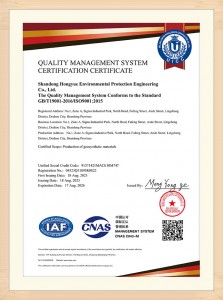
Our QA framework coordinates closely with independent inspectors to ensure all shipments meet specifications.
How we are preparing for the next generation of environmental engineering challenges.
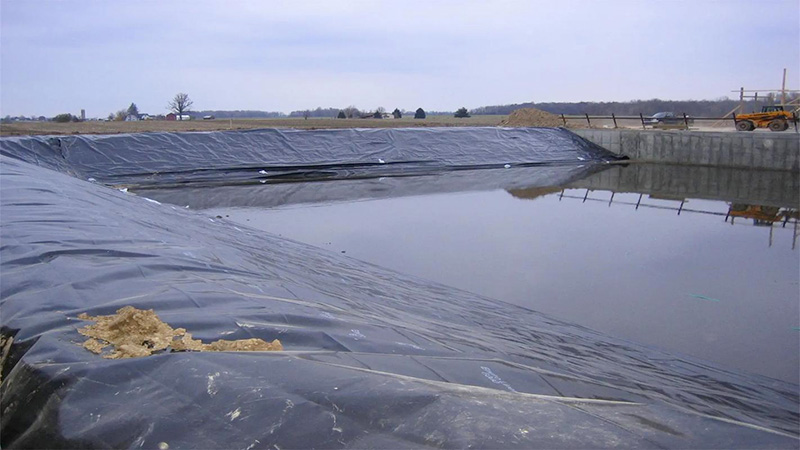
We are investing in advanced geosynthetic technologies, including integrated conductive layers that allow electrical leak location (ELL) surveys post-installation. This method detects microscopic punctures, preventing contamination before systems are filled.
To support global sustainability goals, Shandong Hongyue is also researching bio-based polyethylene alternatives and carbon-neutral production processes, helping reduce the environmental footprint of large infrastructure projects.
Key information regarding ordering, pricing, customization, and logistics.
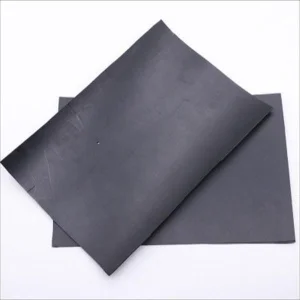
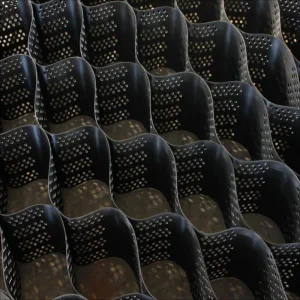
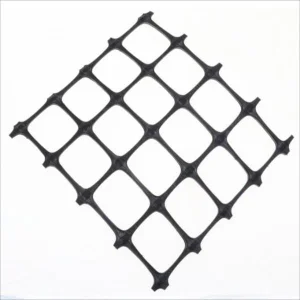
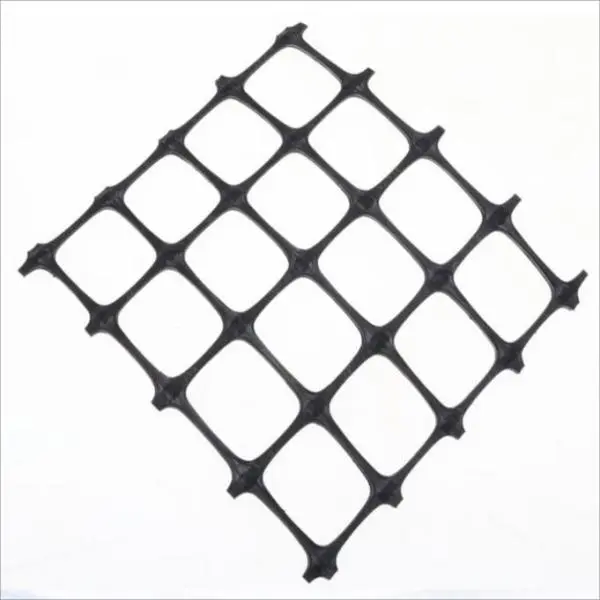
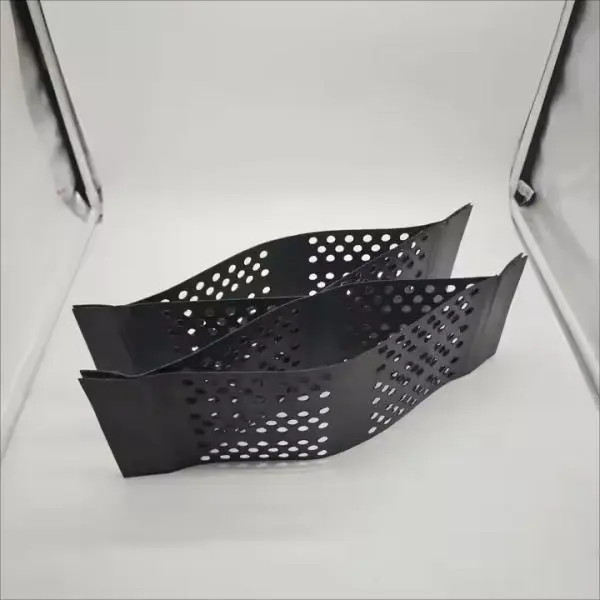
Explore our complete range of high-strength geogrids, geomembranes, and geocells designed to improve stability and prevent seepage in heavy infrastructure projects.
 Hongyue