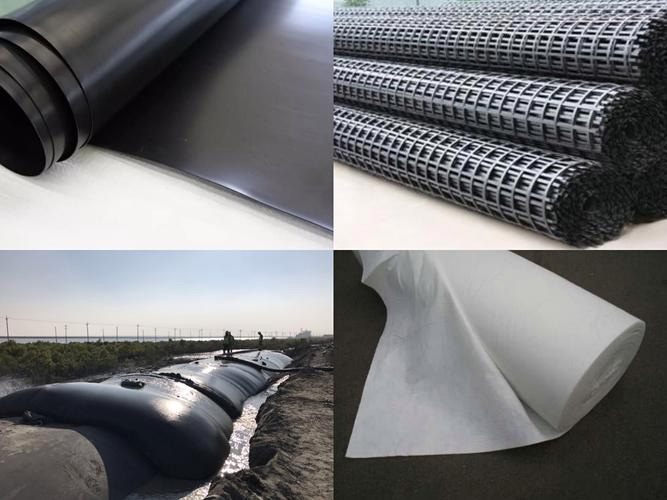
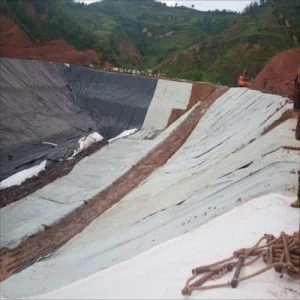
Advanced engineering materials for erosion control, soil stabilization, and infrastructure development.
How Geogrid Engineering Solves Modern Soil Stabilization and Surface Erosion Dynamics
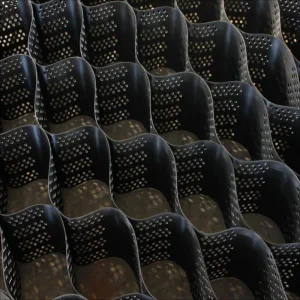
Erosion control geogrids establish structural frameworks that confine soil matrices, preventing lateral migration under critical water flows, heavy precipitation, and high winds. By redistributing shear stress across high-tensile rib junctions, geosynthetic structures preserve topsoil and support vegetation colonization.
Through interlocking mechanisms, aggregate particles nest within aperture structures. This confinement restrains lateral movement, dramatically raising the California Bearing Ratio (CBR) and reducing subgrade stress by distributing loads horizontally over broad structural spans.
Our structures strictly conform to international ASTM standards, ensuring long-term tensile creep resistance, rib junction reliability, and oxidation barriers. Manufactured under tight QA/QC guidelines, they withstand thermal fatigue, biological degradation, and high-alkalinity environments.
Geotechnical Context & Strategic Application: Modern civil works face growing environmental pressures, demanding resilient solutions for unstable soils and eroding slopes. Geogrids serve as the primary structural matrix, reducing carbon footprints relative to concrete bulkheads and massive retaining structures. By using polymeric grids, engineers leverage local infill soils, which lowers freight costs and eliminates energy-intensive mineral imports.
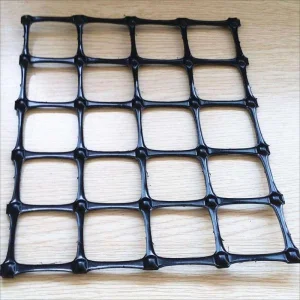
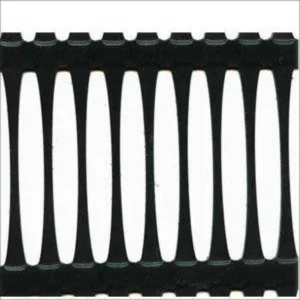
Our solutions span uniaxial geogrids—designed for high-tensile unidirectional loading in MSE retaining walls and steep slope slip protection—and biaxial/multiaxial geogrids that disperse multi-directional traffic loads on subgrades, pavement systems, and rail beds. This structural integration mitigates localized differential settlement, extending pavement lifespans and preventing structural failures.
A Globally Recognized Leader in High-Performance Geotechnical and Anti-seepage Materials
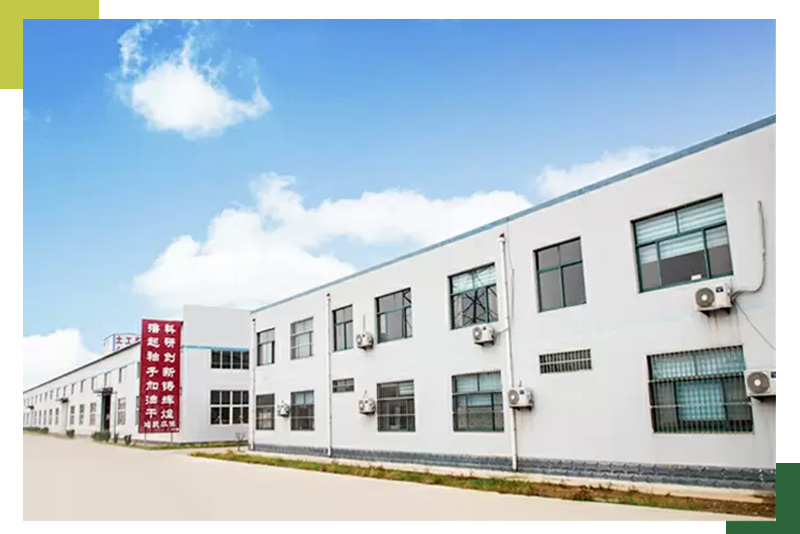
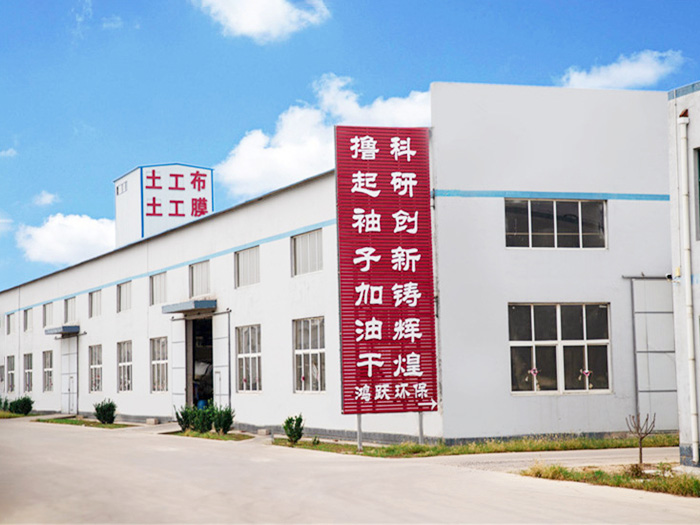
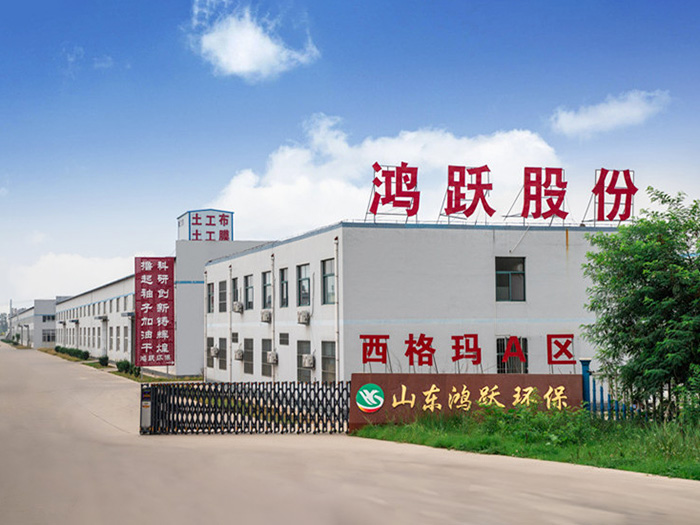
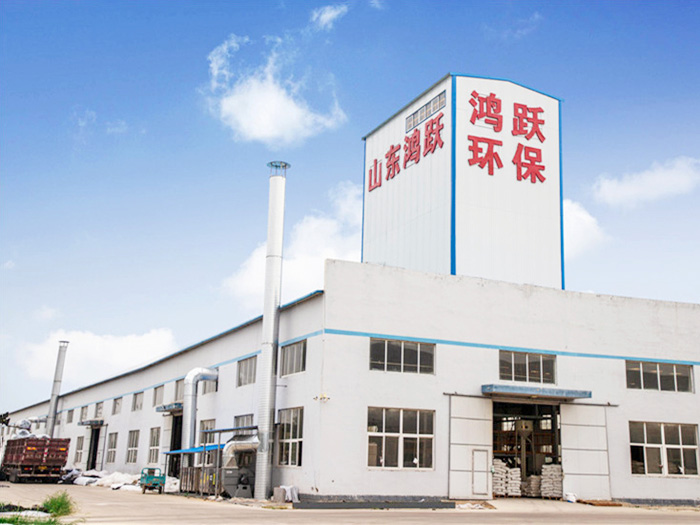
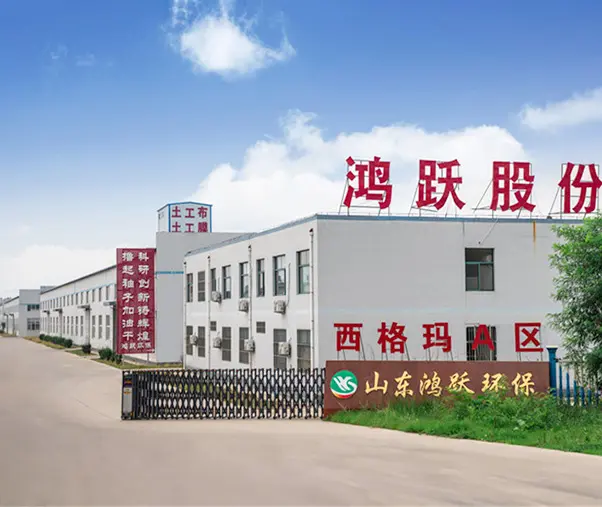
Shandong Hongyue Environmental Engineering Co., Ltd., located at the north end of Fufeng Street, Lingcheng District, Dezhou, Shandong Province, is a scientific and technological geotechnical material manufacturer integrating engineering material production, sales, design and construction services.
The company was registered in Lingcheng District Market Supervision and Administration Bureau of Dezhou City on April 6, 2023, with a registered capital of 105 million yuan. It is one of the largest production bases of geotechnical materials in China at present, located in Lingcheng District, Dezhou, Shandong Province, with superior geographical location and convenient transportation.
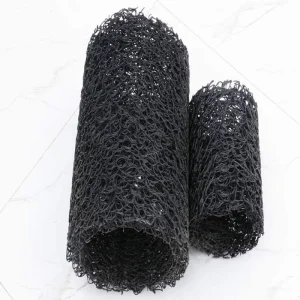
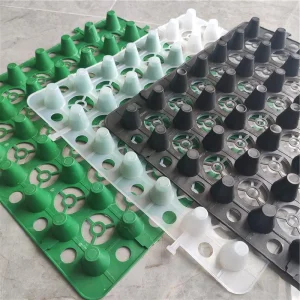
Since the establishment of the company has developed rapidly, business continues to grow and expand. Our company mainly deals in geotextiles, geomembrane, composite geomembrane, waterproof board, bentonite waterproof blanket, 3D composite drainage net, (composite) drainage board, weaving cloth, woven cloth, geotextiles, membrane bags, blind ditches, waterproof and drainage combinations, woven bags, ecological bags, cement blankets, fiber plants blankets, geotextiles, flexible pervious pipes. The business includes geosynthetics, waterproofing membrane production, sales, construction, import and export of goods.
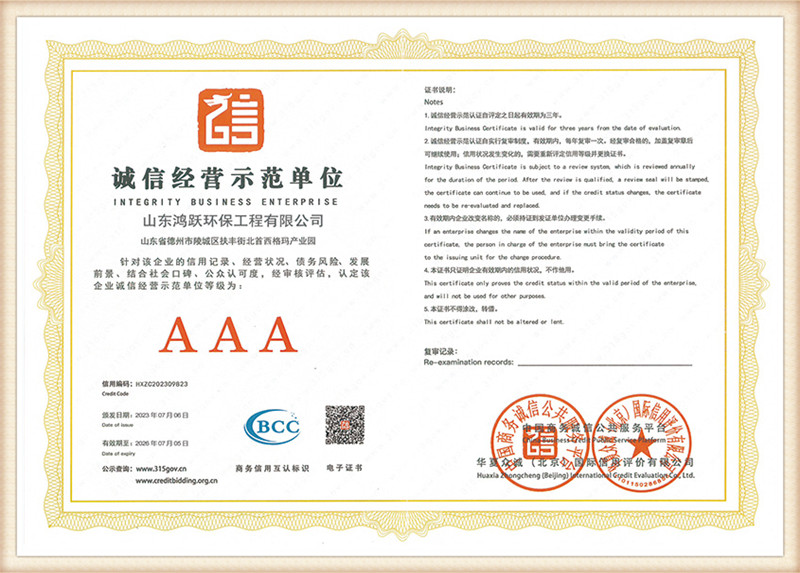
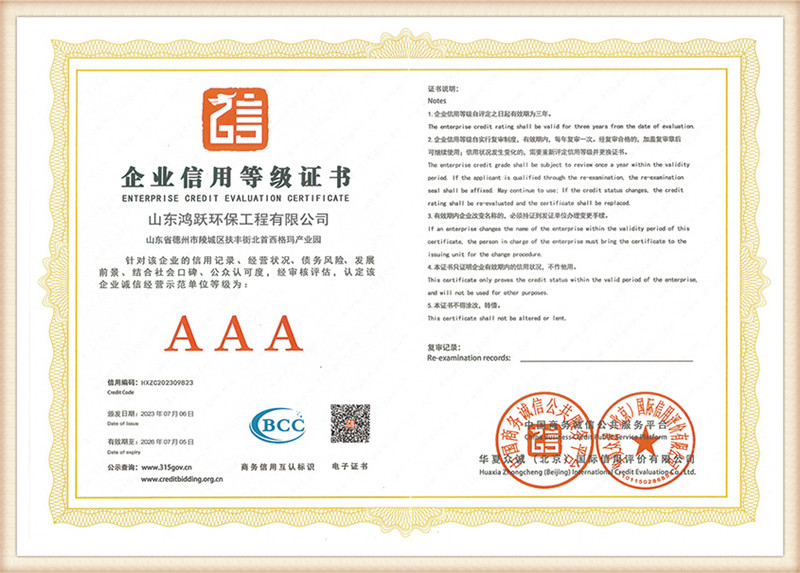
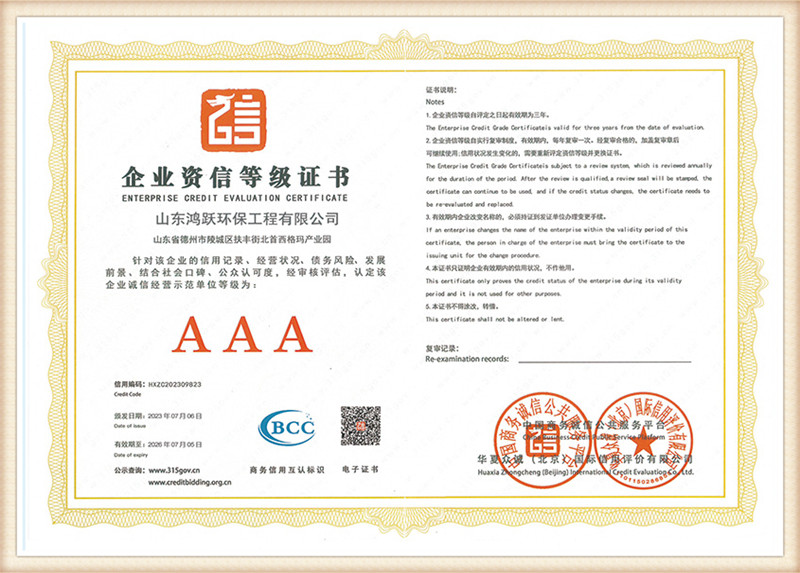
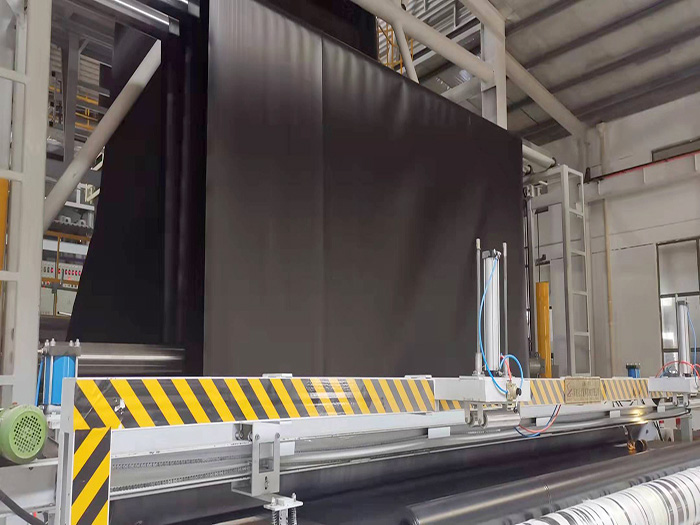
Strategic manufacturing efficiency, technological scale, and strict compliance from Shandong, Dezhou
Shandong Hongyue's operations benefit from a strategic location in the Lingcheng District of Dezhou City, a major cluster for the Chinese geosynthetic industry. With a substantial registered capital of 105 million yuan, the company maintains continuous capacity across massive production lines.
This capital support drives continuous investments in automated control networks, precision extrusion machinery, and online monitoring arrays. Our integration within the Dezhou Geotextile Association facilitates collaborative research and standardized export pricing, enabling us to consistently provide highly competitive OEM quotes for international infrastructure clients.
Core Strategic Advantages:
Standardized workflows, melt extrusion parameters, and mechanical curing methods
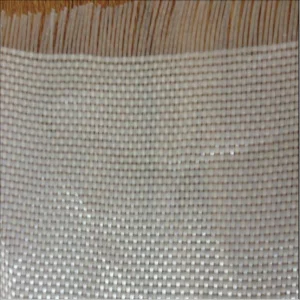
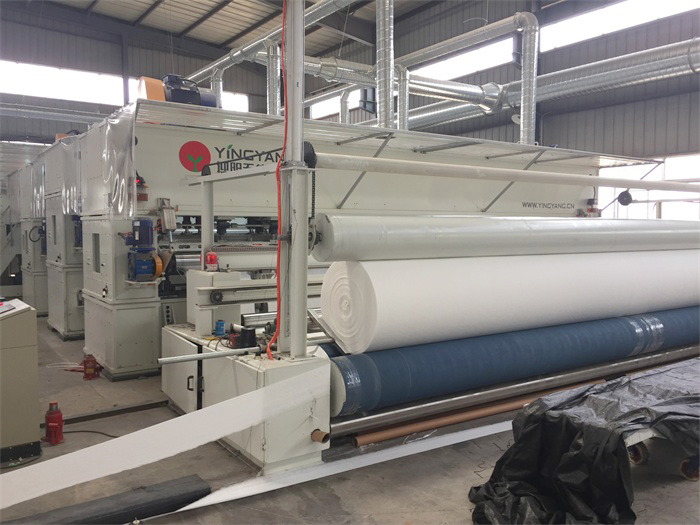
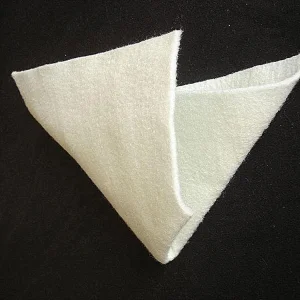
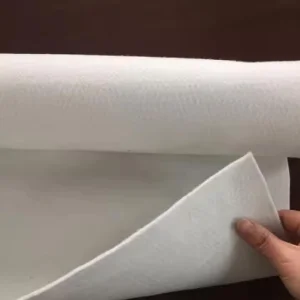
The main raw materials of geotextile are polyester chips, polypropylene filament and viscose fiber. These raw materials need to be inspected, arranged and stored to ensure their quality and stability. Our quality control laboratory runs preliminary density and thermal stability checks to prevent structural defects at the source.
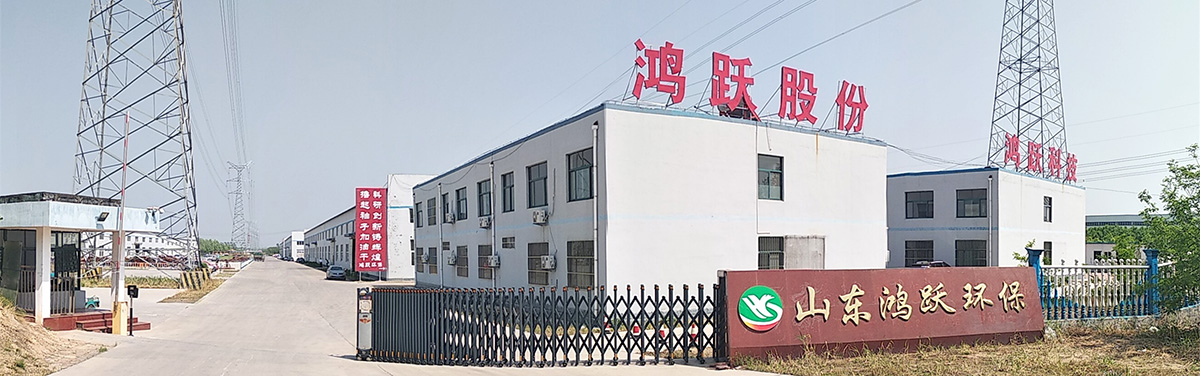
After the polyester slice is melted at high temperatures, it is extruded into a molten state by a screw extruder, and polypropylene filament and viscose fiber are added for mixing. In this process, the temperature, pressure and other parameters need to be precisely controlled to ensure the uniformity and stability of the melting state.
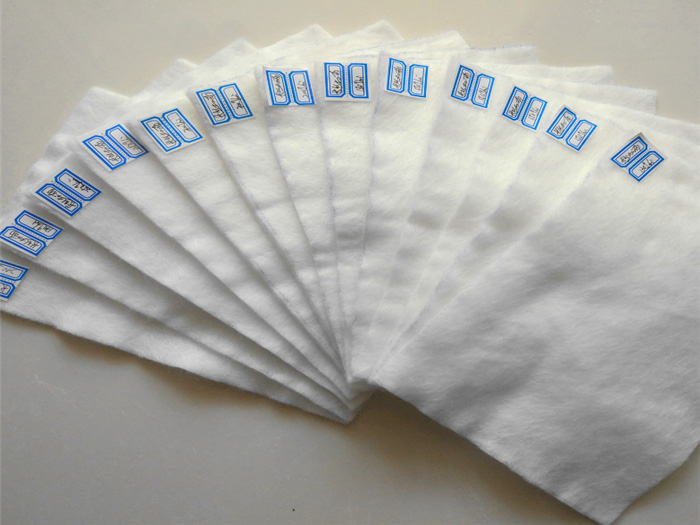
After mixing, the melt is sprayed through the spinneret to form a fibrous substance and form a uniform network structure on the conveyor belt. At this time, it is necessary to control the thickness, uniformity and fiber orientation of the mesh to ensure the physical properties and stability of the geotextile.
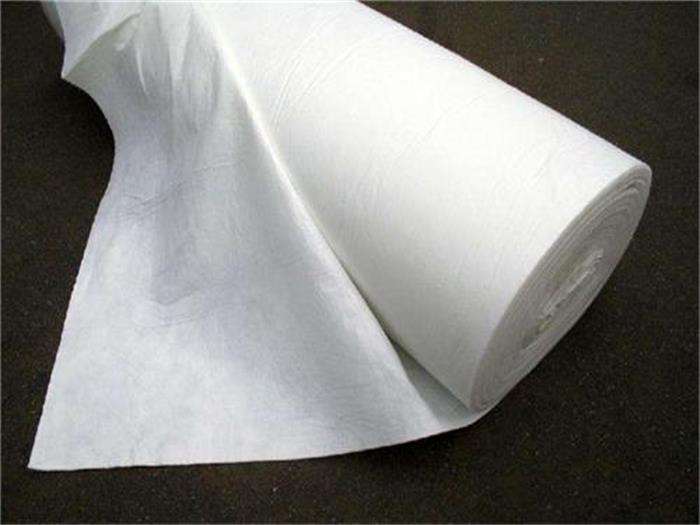
After laying the net into rolls, it is necessary to carry out draft curing treatment. In this process, the temperature, speed and draft ratio need to be precisely controlled to ensure the strength and stability of the geotextile. High-tensile stretching aligns the polymers, maximizing the tensile performance under extreme mechanical stress.
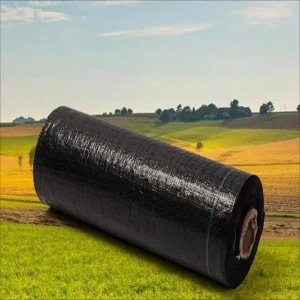
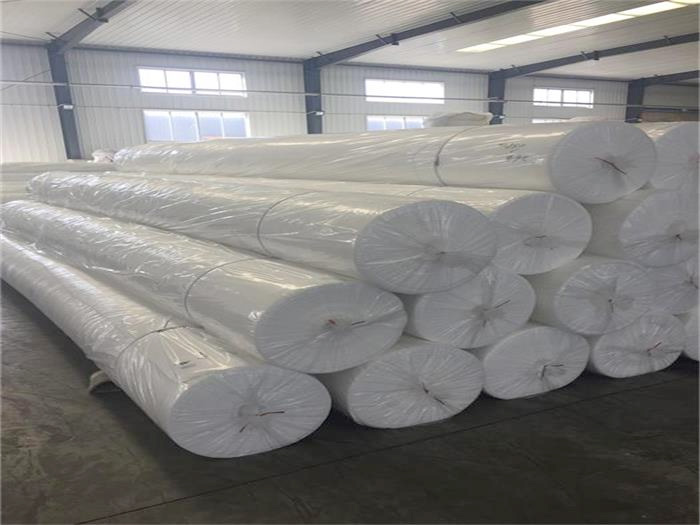
The geotextile after draft curing needs to be rolled up and packed for subsequent construction. In this process, the length, width and thickness of the geotextile need to be measured to ensure that it meets the design requirements. Rolls are wrapped in high-strength protective sleeves to prevent UV damage and abrasion during international sea freight.
At the end of each production link, the quality of geotextile needs to be inspected. The inspection contents include physical property test, chemical property test and appearance quality test. Only geotextiles that meet the quality requirements can be released to the market.
Engineering directives for material selection, field laying, and long-term site maintenance
Choosing the right geomembrane is vital to preventing site migration issues. Key parameters include:
Deploying geosynthetics requires systematic procedures to prevent punctures:
Proactive field maintenance extends the operational life of containment systems:
Verified laboratory protocols supporting our global compliance and certifications
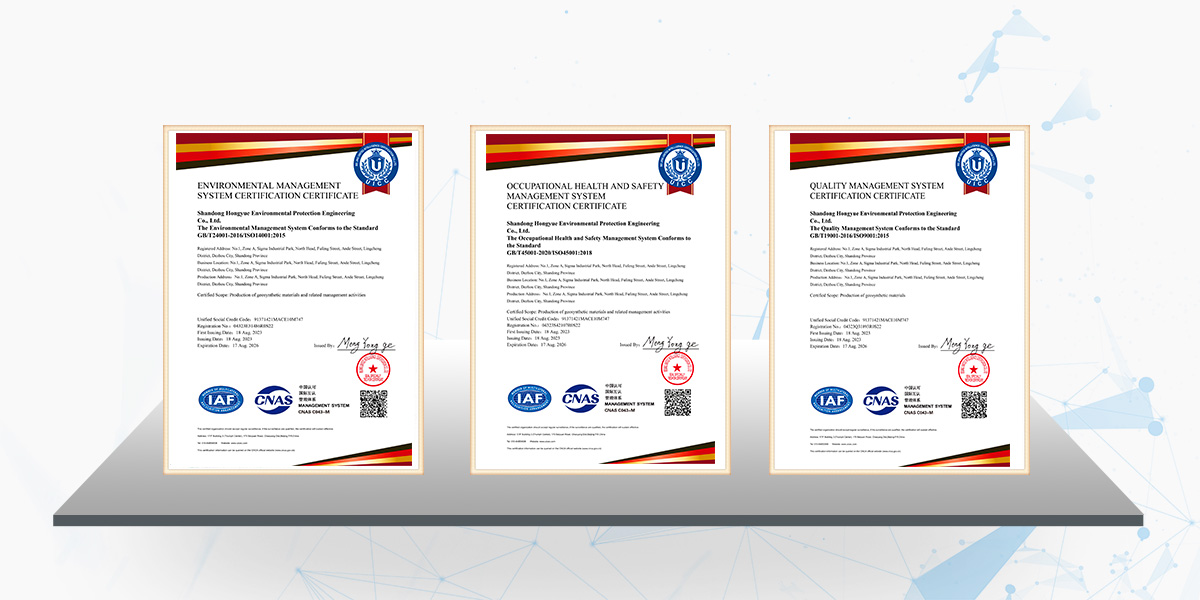
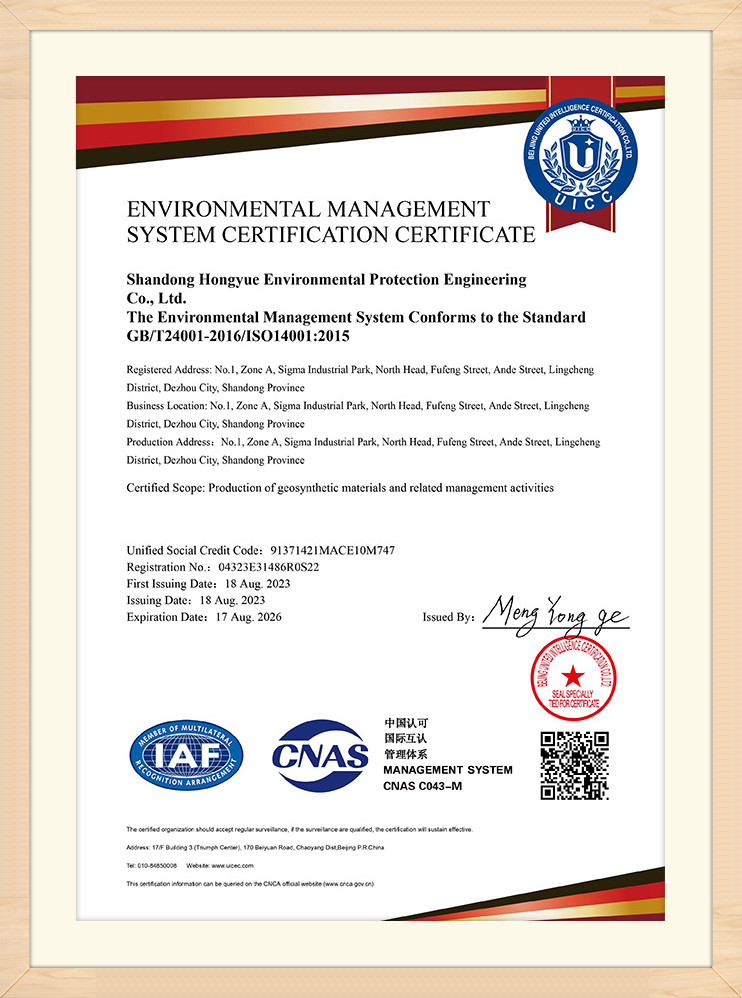
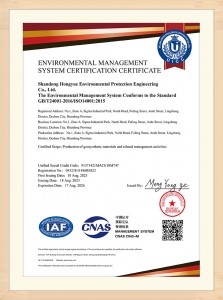
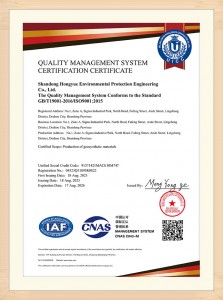
Shandong Hongyue Environmental Engineering Co., Ltd. has established a complete quality management system. The company has passed ISO9001 international quality system certification, ISO14000 environmental system certification, and ISO45001 occupational health and safety management system certification.
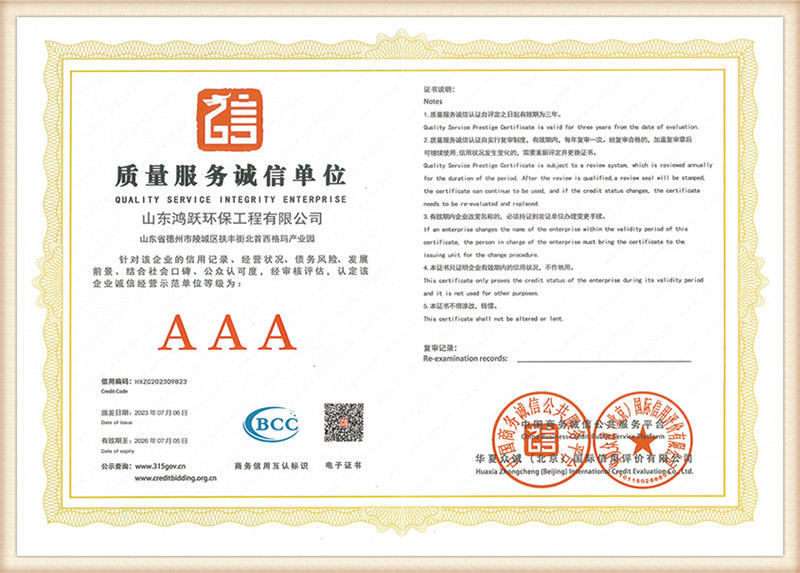
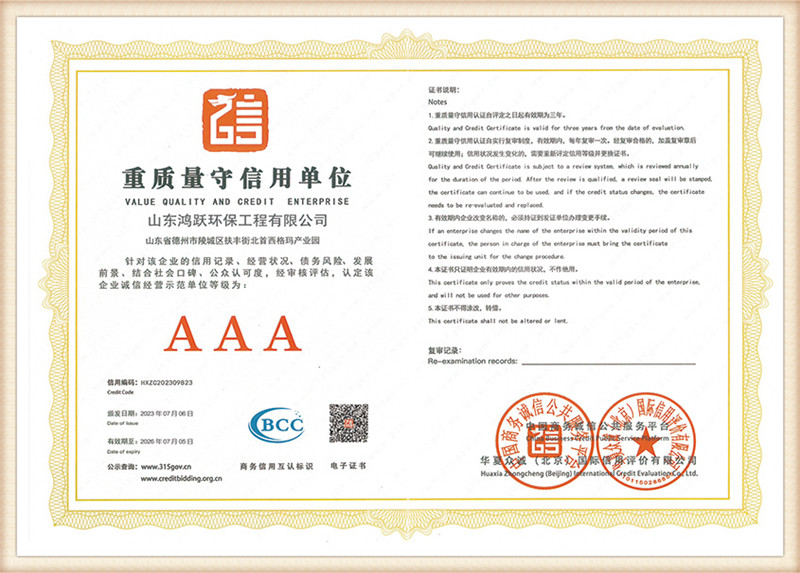
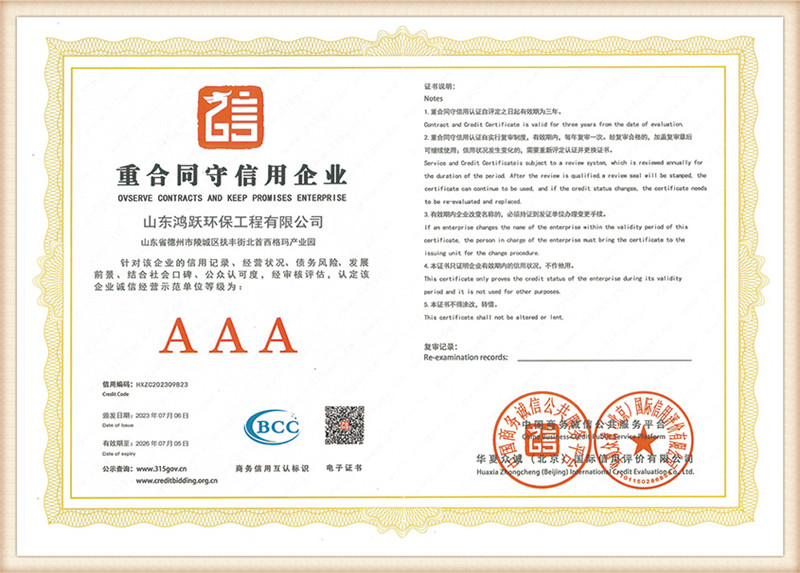
We have won multiple honors such as "green and environmentally friendly building materials products", "no consumer complaints", "famous Chinese brands", "high-tech industries", "quality service double excellent units", and "provincial-level poverty alleviation leading enterprises".
Our products are exported to Europe, the United States, Australia, and regions worldwide, and are widely used in key regional infrastructure projects. Every roll undergoes extensive mechanical testing to meet or exceed ASTM and EN standards before shipping.
Comprehensive systems for environmental containment, hydraulic channels, and reservoirs
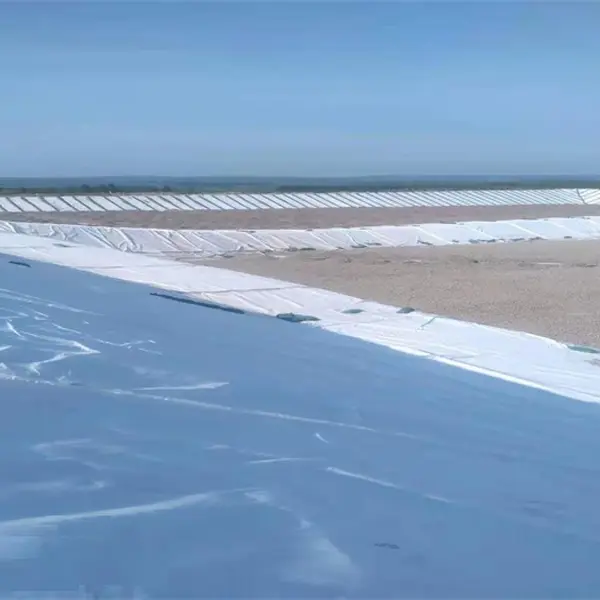
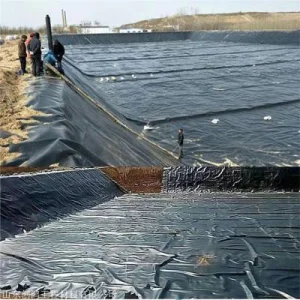
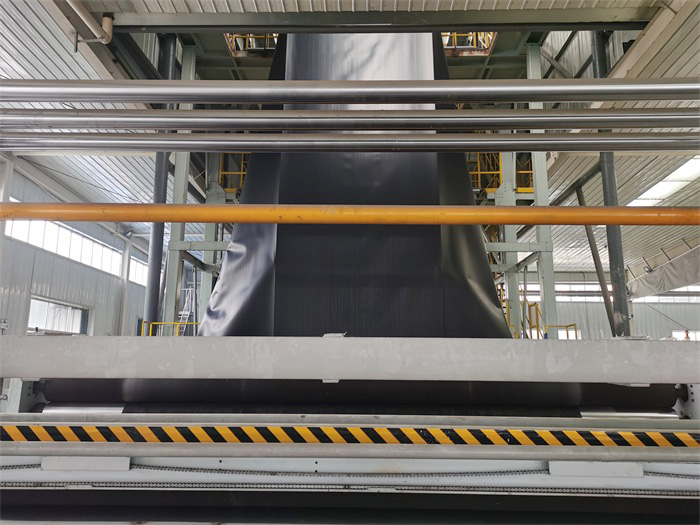
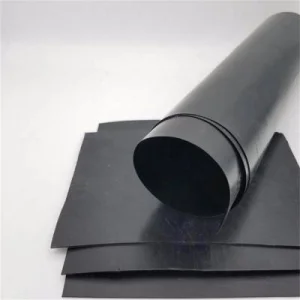
Geomembranes serve as reliable containment barriers in large reservoirs and municipal canals. They prevent subgrade water loss, stabilizing dams and keeping canal systems functional.
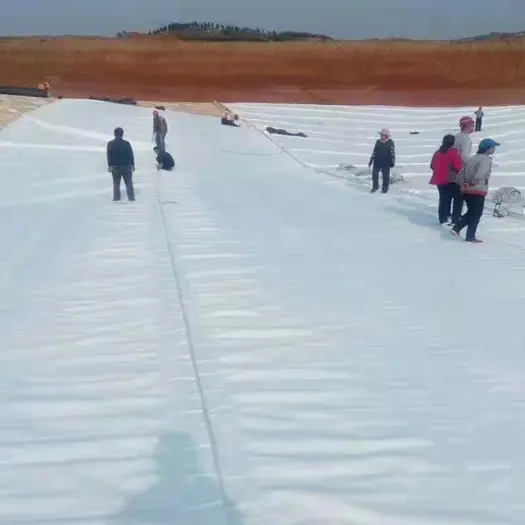
Lining riverways with composite geomembranes limits lateral erosion during floods, preventing bank slumping and maintaining consistent flow paths.
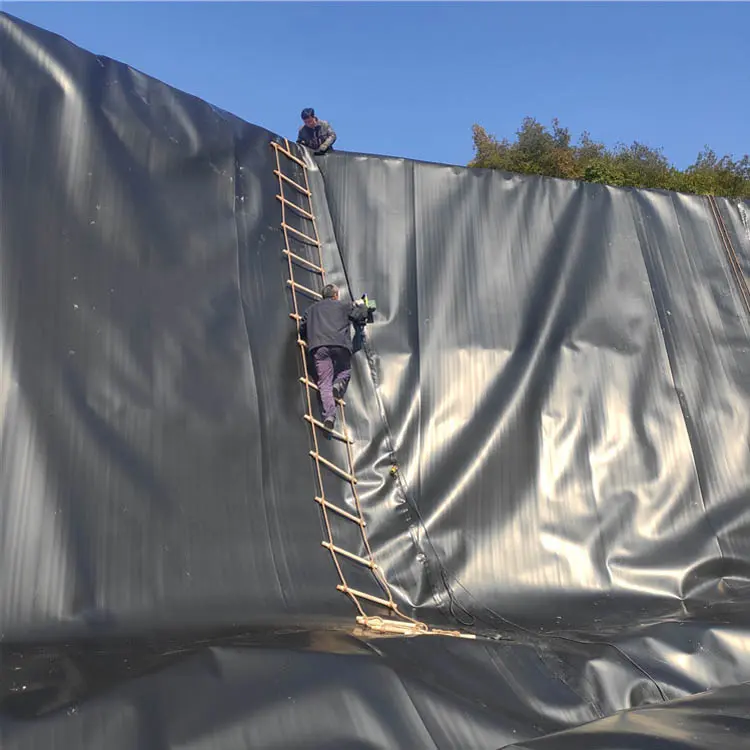
Multi-layered composite geomembranes and geogrids seal landfill bases, containing leachate and protecting local groundwater from industrial contaminants.
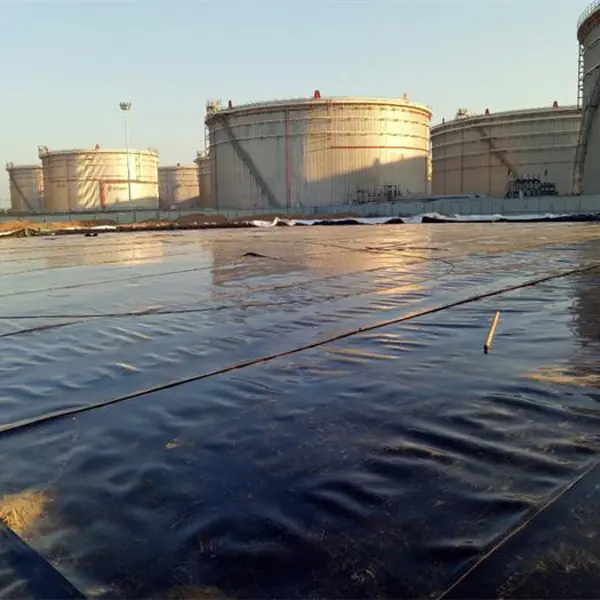
We deploy chemical-resistant geomembranes beneath fuel storage terminals to build secondary containment barriers that protect nearby soils from accidental spills.
Geomembranes serve as reliable containment barriers in hydraulic projects, where their low permeability, light weight, and ease of installation help manage overall project costs.
First of all, in the construction of reservoirs, geomembrane can play a very good anti-seepage role. Because reservoirs are usually built in valleys or low-lying areas, the geological conditions are more complex, so effective measures need to be taken to avoid leakage between the bottom of the reservoir and the surrounding rock. The use of geomembrane can effectively solve this problem, and can also improve the safety and stability of the whole reservoir.
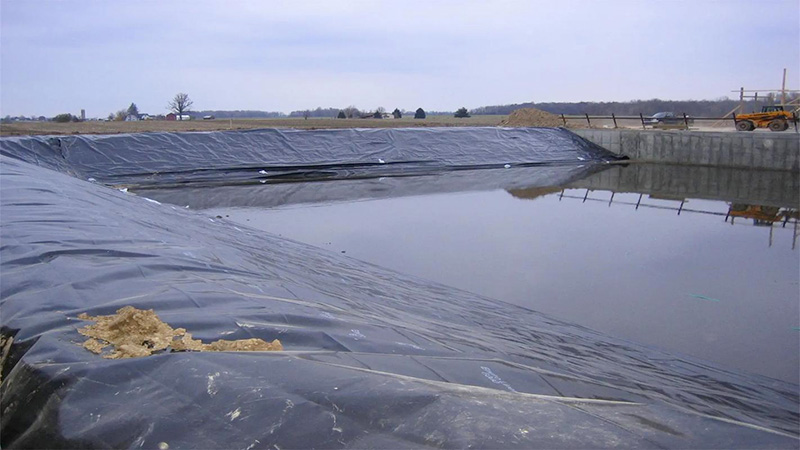
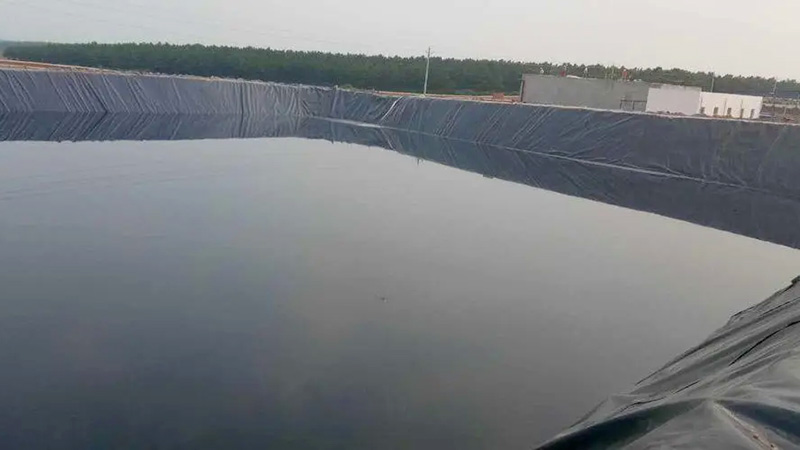
Secondly, it is also necessary to use geomembrane to strengthen the anti-seepage effect during the construction of levees. A dike is a man-made structure whose main purpose is to protect the downstream area from flooding. However, in the construction process, there will be many unpredictable factors leading to loopholes, at this time, it is necessary to use geomembrane for remedial measures.
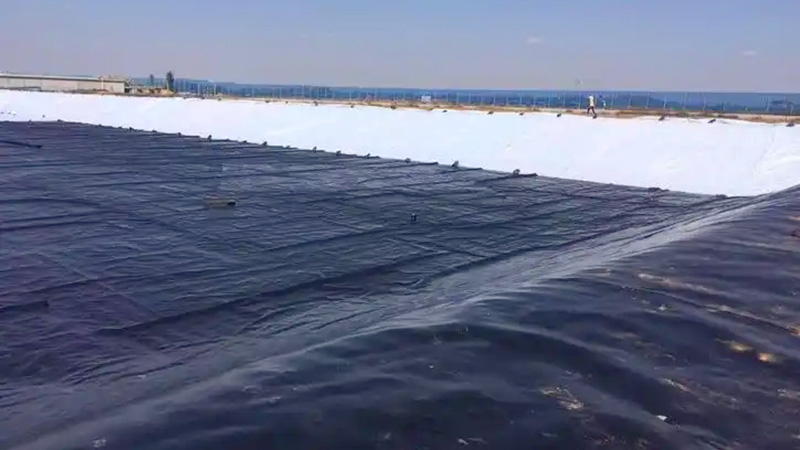
Third, in the river and channel governance, geomembrane also has a wide range of applications. Rivers and channels are very important components of water conservancy projects, they can not only regulate water flow, protect farmland and urban infrastructure, but also improve the ecological environment of the entire region. However, in the governance process will encounter some difficult problems, such as loopholes, landslides and so on. At this time the use of geomembrane can be a good solution to these problems.
Integrating eco-friendly polymer formulations and smart monitoring arrays
We are engineering short-term biodegradable PLA/co-polymer geogrids for temporary slopes. These geogrids support natural vegetation growth, then harmlessly decay over 3 to 5 years once deep root systems stabilize the soil.
Future geogrids will incorporate fiber-optic sensors to monitor structural strain in real time. This allows pipeline and roadway operators to detect subgrade movement and predict slope failures before they happen.
Our team is testing nano-composite carbon black formulations to improve UV resistance. These additives extend the service life of exposed geogrids to over 75 years, even in high-radiation desert environments.
Reliable shipping logistics and engineering documentation for international markets
Exporting geosynthetics requires strict compliance with international testing standards. Our materials are tested to meet the requirements of ASTM (American Society for Testing and Materials), EN (European Standards), and AS/NZS (Australian Standards).
We supply comprehensive documentation with every shipment, including Mill Test Certificates (MTC), raw material traceability reports, and independent lab certifications from the China National Testing Center.
Located in Dezhou, Shandong, we have direct transport links to the ports of Qingdao and Tianjin. This close proximity helps reduce transit times and lower inland freight costs.
We pack all export geogrids and geotextiles in heavy-duty, double-layered woven sleeves. This protective packaging prevents moisture ingress, puncture damage, and UV exposure during sea transit and port storage.
Addressing core technical questions from global procurement managers and structural designers
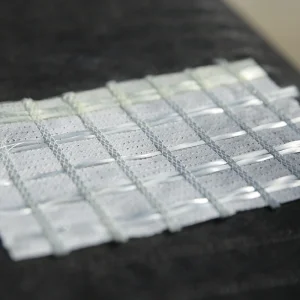
Uniaxial geogrids are designed to handle high tensile loads in a single direction, making them ideal for retaining walls and steep slope reinforcement. Biaxial geogrids distribute tensile forces in two directions (longitudinal and transverse), which is standard for subgrade stabilization under roadways. Triaxial geogrids provide 360-degree load distribution, offering improved aggregate confinement and lateral restraint under multi-directional traffic loads.
We blend finely dispersed carbon black (ranging from 2.0% to 2.5% by weight) into our raw HDPE and PP resins. This carbon black additive absorbs ultraviolet radiation and prevents photo-oxidation. This helps protect the polymer chains from cracking and breakdown, even during prolonged exposure on open construction sites.
Yes. With a registered capital of 105 million yuan and flexible tooling setups, we can customize parameters such as aperture shape, rib thickness, and tensile strength (ranging from 20 kN/m to over 300 kN/m). We can also adjust roll dimensions to match your site requirements, helping reduce onsite cutting waste.
Our quality control labs test every batch in accordance with ASTM D6637 (tensile properties of geogrids) and ASTM D5262 (creep rupture behavior). Our manufacturing processes are certified under ISO9001, ISO14001, and ISO45001. We also provide test reports from the China National Testing Center to ensure compliance with European and Australian import regulations.
When installed according to engineering guidelines and fully buried, our high-density polyethylene (HDPE) geogrids have a design life of over 100 years. They resist biological degradation and chemical attack from soil acids and alkalis, ensuring long-term performance in environmental containment and retaining wall projects.
Our factory in Dezhou is located close to major logistics routes. Standard orders typically ship within 7 to 15 days from the ports of Qingdao or Tianjin. For custom OEM runs, lead times range from 15 to 25 days depending on the specifications. We offer FOB, CIF, and DDU shipping terms to accommodate different global procurement needs.
Comprehensive drainage, stabilization, and containment products for industrial and civil works.
 Hongyue