Explore our premium grade materials engineered for high-performance municipal, commercial, and industrial environmental applications.
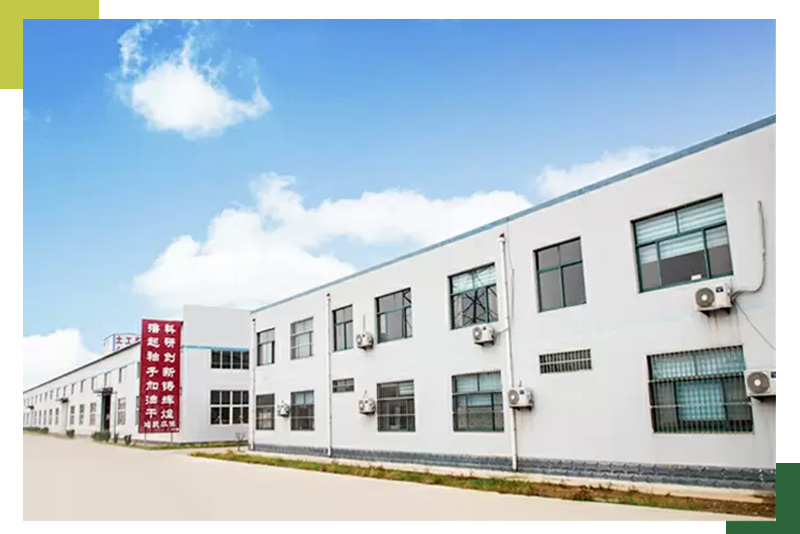
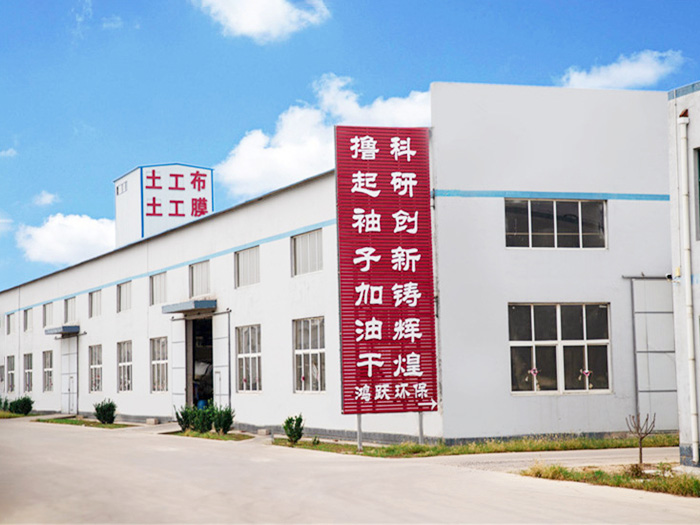
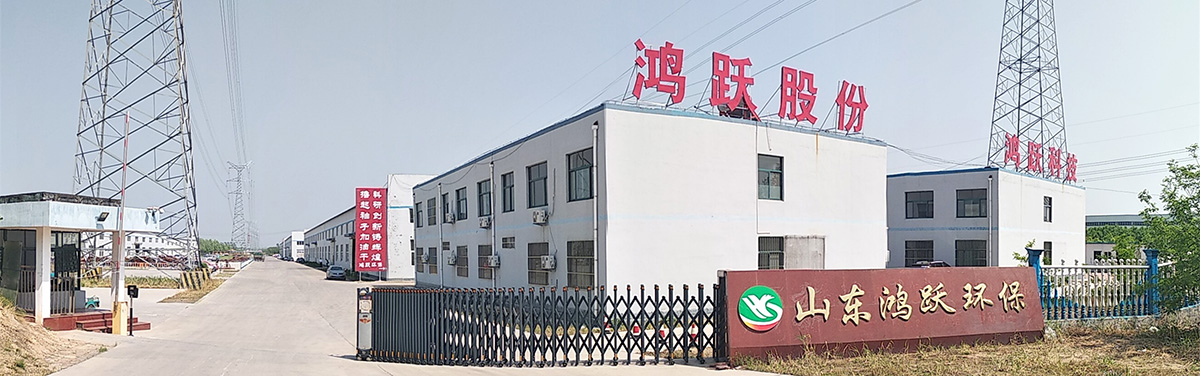
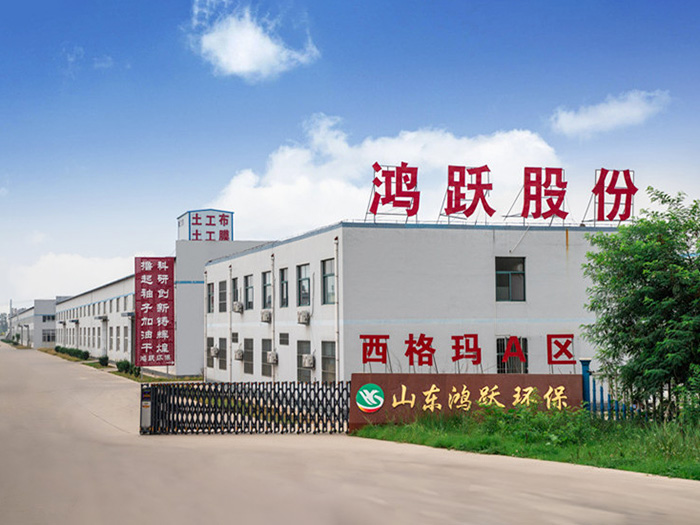
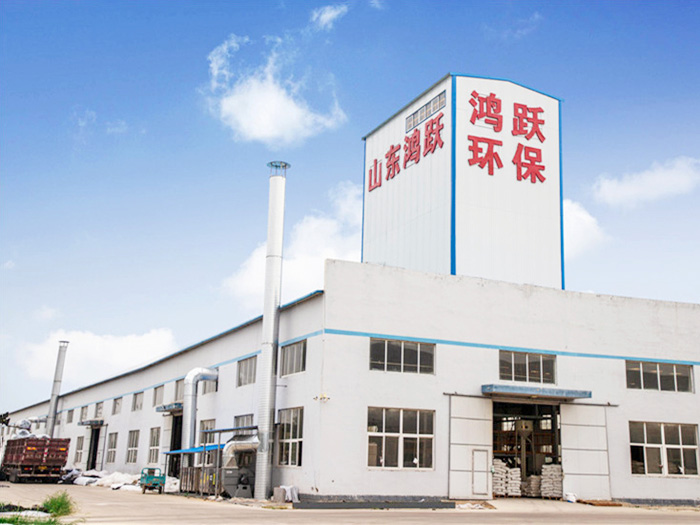
Shandong Hongyue Environmental Engineering Co., Ltd., situated at the northern terminus of Fufeng Street, Lingcheng District, Dezhou, Shandong Province, stands as a premier scientific and technological enterprise. We seamlessly integrate geotechnical material research and development, custom manufacturing, international sales, engineering design, and comprehensive construction consultancy services.
Formally registered with the Lingcheng District Market Supervision and Administration Bureau of Dezhou City with a robust registered capital of 105 million Yuan, Shandong Hongyue has solidified its position as one of the largest and most advanced production bases of geotechnical materials in China. Our geographical location offers superior logistics advantages, connecting our modern facilities directly to major shipping hubs to guarantee efficient global delivery.
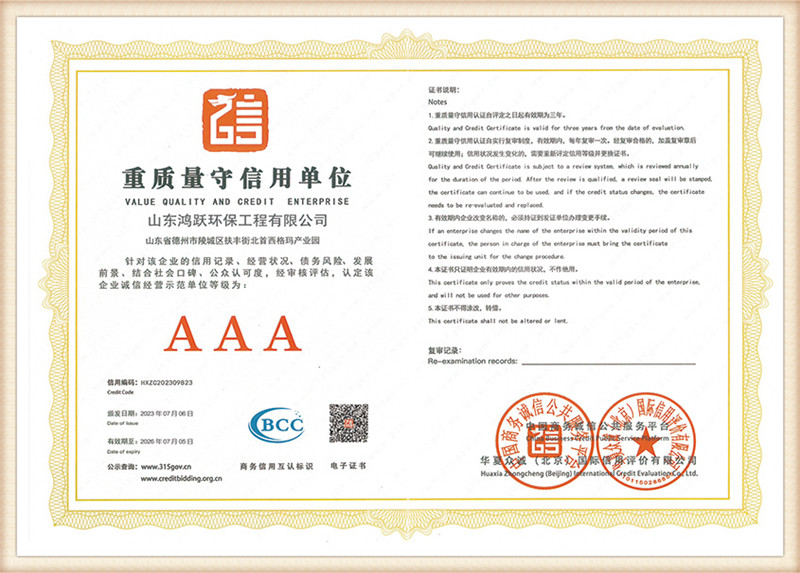
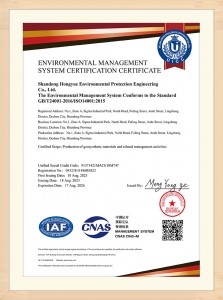
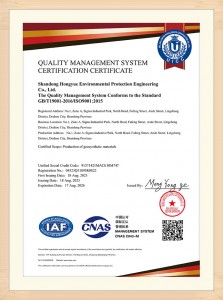
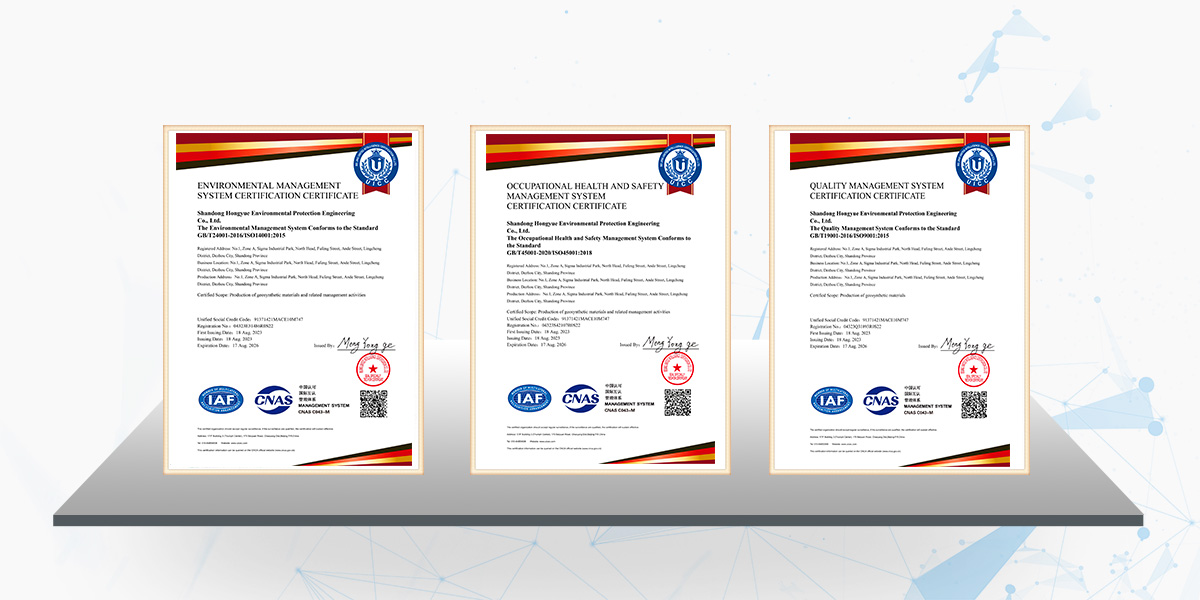
Certified Quality Management
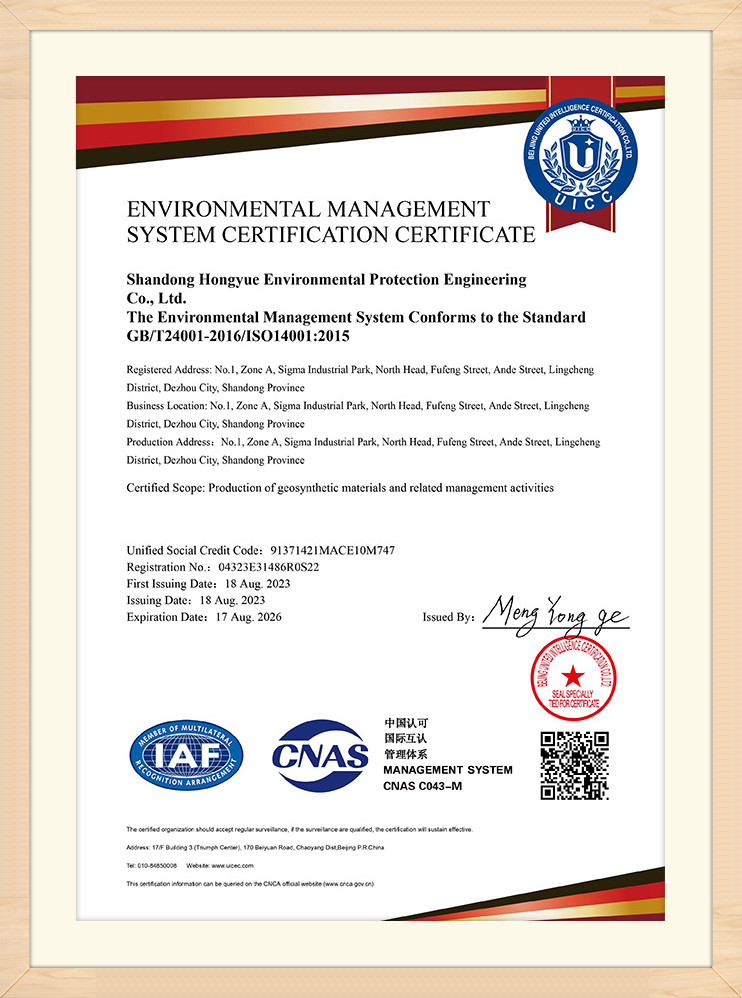
Environmental Compliance Standard
Occupational Health & Safety
How cutting-edge polymer engineering and strict environmental requirements are shaping the future of civil and hydraulic structures.
Modern infrastructure requires geosynthetics that offer minimal environmental footprints. The transition to long-life, recyclable polymers and bio-compatible additives prevents microplastic shedding and preserves structural integrity in sensitive ecosystems.
Geotextile filters are increasingly designed with complex opening sizes (Apparent Opening Size - AOS) and custom cross-plane permeability, facilitating precise soil-water separation under variable dynamic loads like tidal waves and high-speed rail tracks.
Exposure to extreme chemical conditions in industrial waste basins, landfill lining systems, and coastal areas requires geotextiles with advanced anti-oxidation additives and stabilizers to resist thermal decomposition and ultraviolet damage.
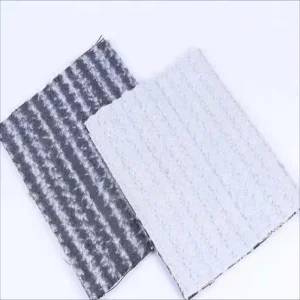
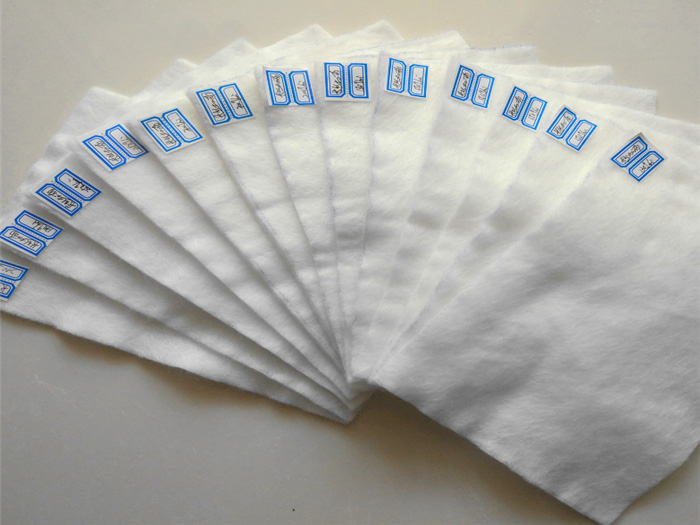
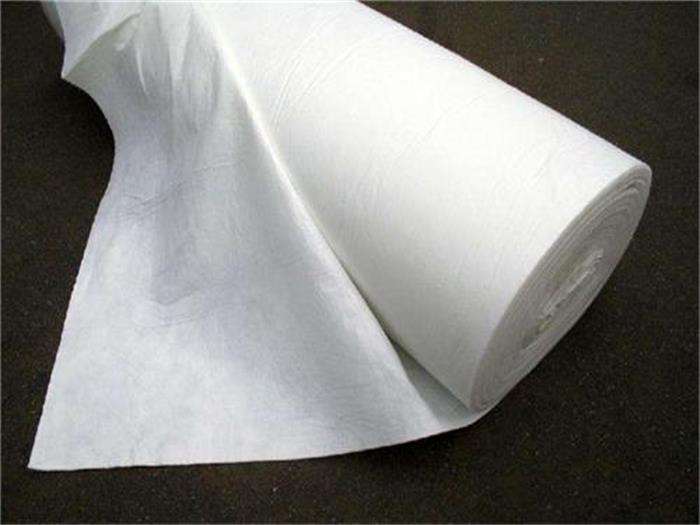
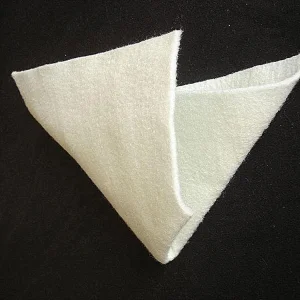
Nonwoven needle-punched geotextiles are critical in modern filtration engineering. By interlocking synthetic fibers mechanically, these fabrics form a complex, three-dimensional pore network. This structure emulates the filtration capability of classic graded sand filters while occupying only a fraction of the physical space. Using nonwoven filters ensures reliable soil containment and high water flow rates, making them the standard choice for drainage, embankment defense, and subgrade stabilization projects.
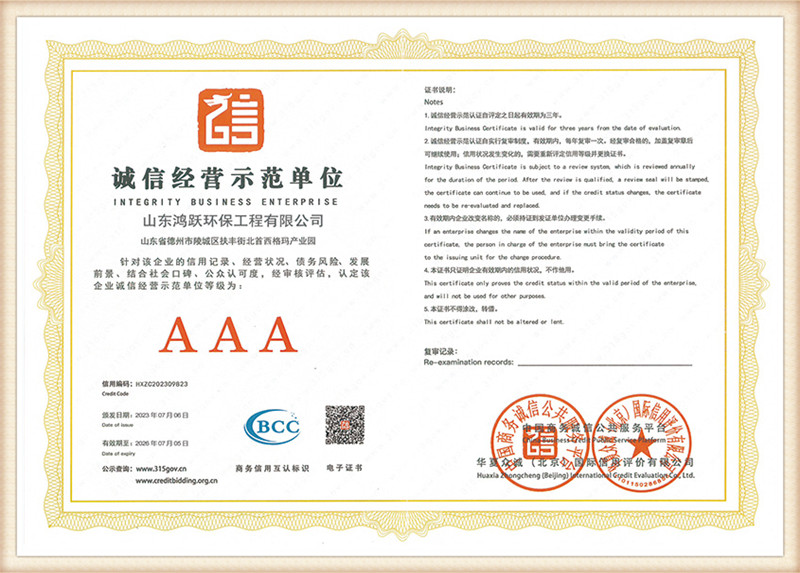
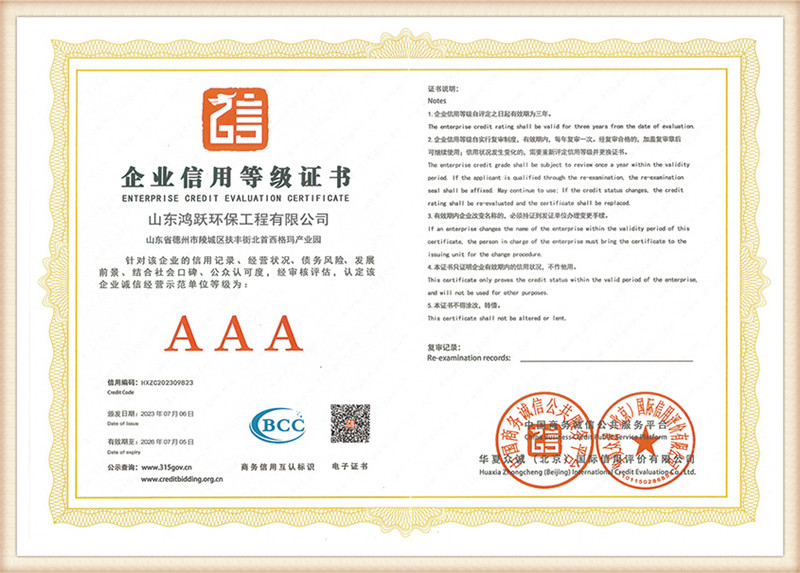
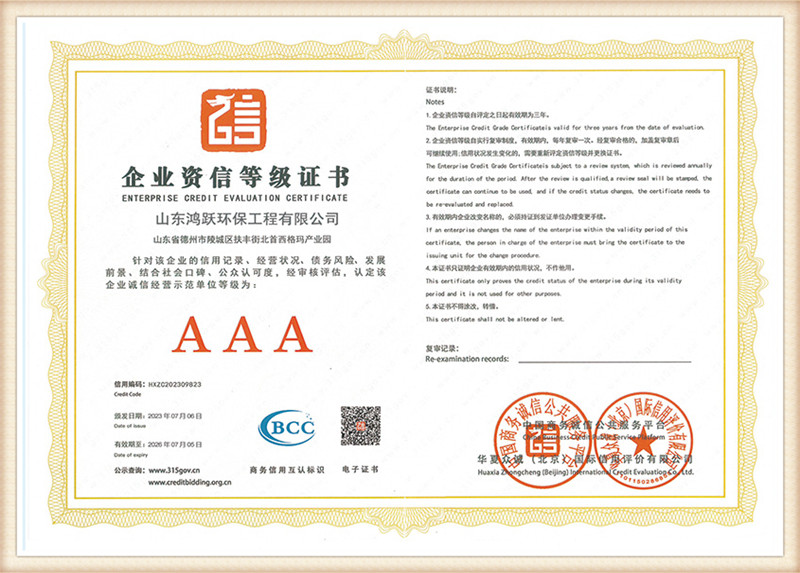
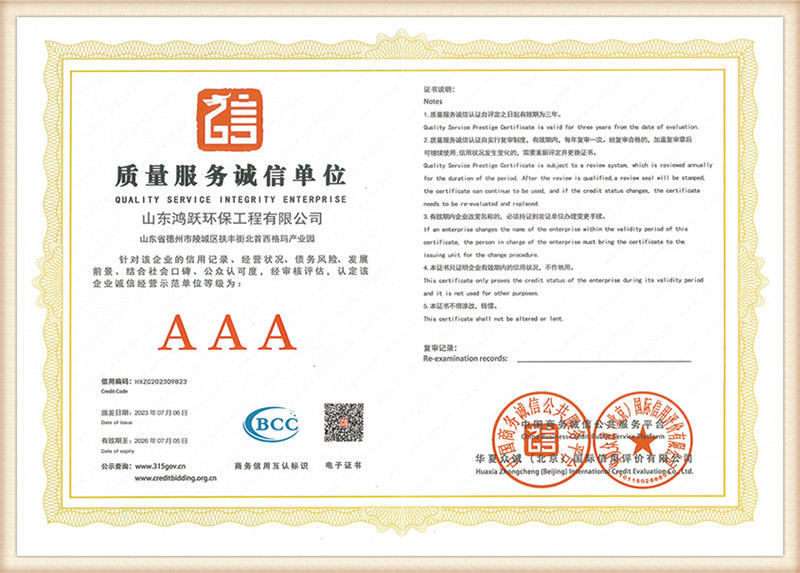
Civil engineering groups and international industrial procurers evaluate geotextile suppliers based on strict regulatory compliance and material durability. Standard certifications such as the European CE Mark and compliance with AASHTO M288 protocols are essential baseline requirements for commercial projects.
Our ODM geotextile filters are engineered to meet and exceed global specifications, ensuring performance consistency across various metrics:
| Geotextile Type / Property | Standard Reference | Typical Range | Key Target Applications |
|---|---|---|---|
| Short Fiber Needle-Punched (PET) | ASTM D4632 / D4533 | 100 g/m² - 1000 g/m² | Railway beds, highway drainage, slope containment |
| Filament Spunbond Geotextile (PP) | ISO 9864 / ASTM D6241 | 120 g/m² - 800 g/m² | Municipal landfills, environmental restoration, deep filtration |
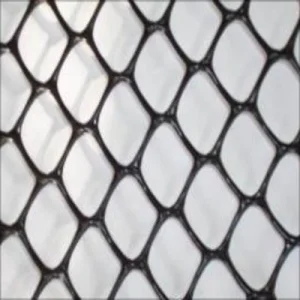
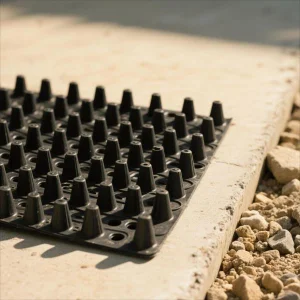
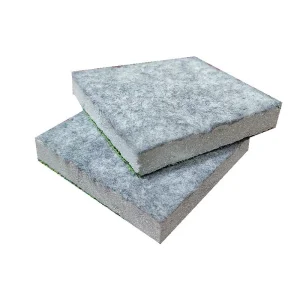
| Composite Drainage Networks | ASTM D4716 (Transmissivity) | Thickness: 5mm - 10mm | Underground garage roofs, tunnel drainage systems |
| Bentonite Geosynthetic Clay Liner (GCL) | ASTM D5887 (Flux) | ≥ 4000 g/m² | Landfill capping, industrial wastewater reservoirs, pond linings |
Leveraging automated production processes and geographic advantages to deliver quality-assured geosynthetic products globally.
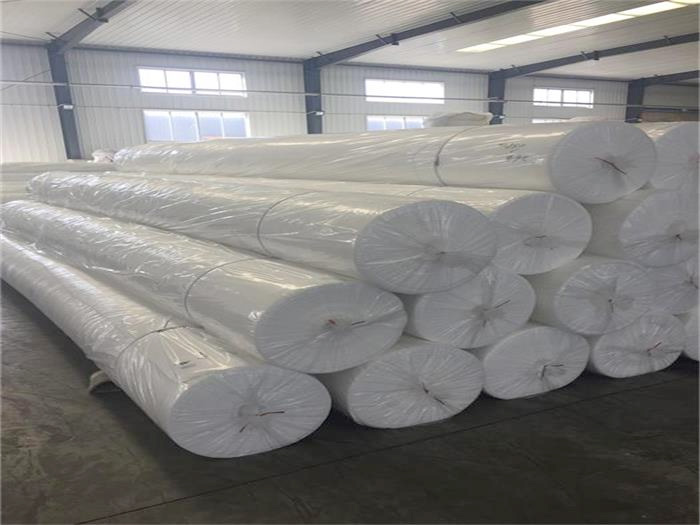
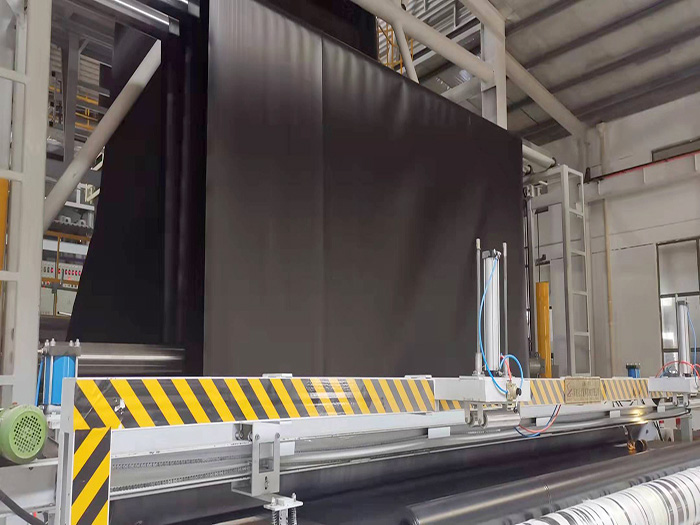
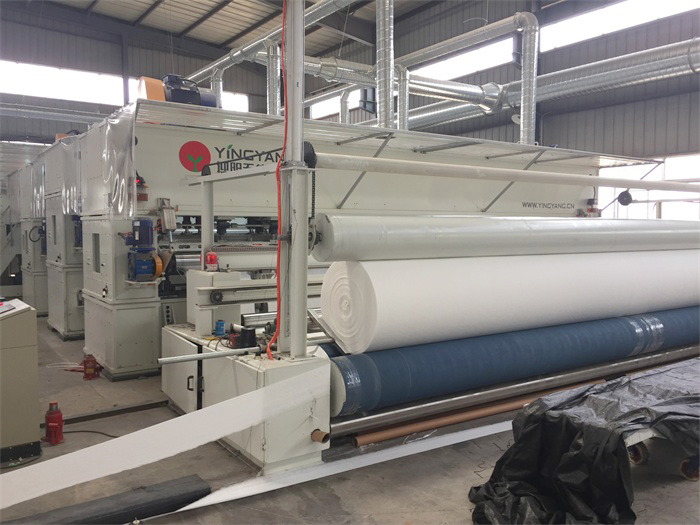
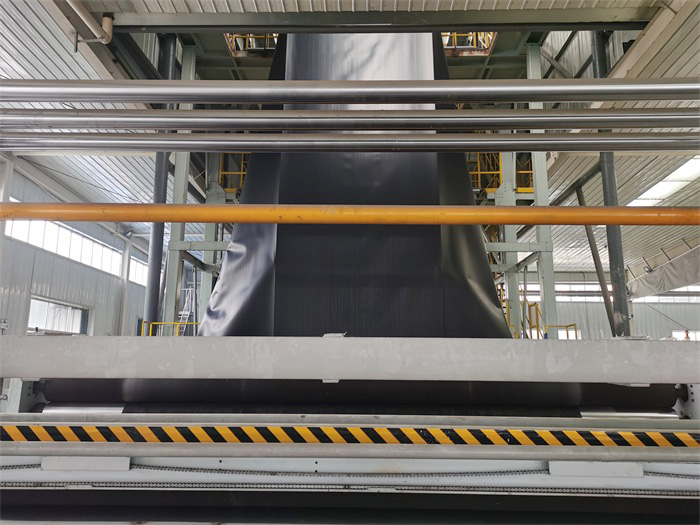
At Shandong Hongyue, we employ automated, high-volume production lines that handle every stage from raw polymer compounding to web formation and needle-punching. This integration minimizes manual handling, resulting in consistent physical properties across batches and low operational overhead. Our direct access to local raw chemical supply chains ensures stable material costs and uninterrupted operations, even during global supply chain fluctuations.
Our facility's location in Dezhou, Shandong Province, provides direct access to high-speed transport networks and deep-water ports. This logistics network supports efficient scheduling and shipping for high-volume orders, reducing transit times and port clearance delays.
How we process raw polymers into high-performance civil engineering fabrics through rigorous quality-controlled phases.
Polyester chips (PET), polypropylene filament (PP), and viscose fiber are inspected, sorted, and dried to maintain raw material purity and consistency.
Polymers undergo thermal extrusion using high-precision screw extruders, where additives and fibers are blended to form a homogeneous melt phase.
The extrusion head sprays uniform filaments onto a continuous conveyor system, establishing the initial fiber orientation and web thickness.
The fibrous network undergoes needle-punching or thermal bonding to interlock fibers, maximizing physical strength, stability, and pore size uniformity.
Cured geotextile sheets are trimmed to exact dimensions, rolled under consistent tension, and sealed in weather-proof packaging.
Every batch undergoes testing in our laboratories to confirm physical and hydraulic parameters (tensile strength, permittivity, thickness) prior to dispatch.
How our geosynthetic materials perform in hydraulic projects, landfill containment, and structural civil engineering projects.
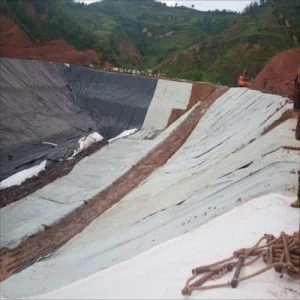
Reservoirs and channels are built over varied geological strata, where subgrade shifting can lead to seepage and water loss. Our composite geomembranes and geotextiles provide anti-seepage control, isolating the water body and protecting the embankment from internal erosion.
By placing high-strength geotextile filters beneath the geomembrane layer, we protect the barrier from sharp subgrade gravel while venting under-liner gas and water pressures, which reduces the risk of liner ballooning.
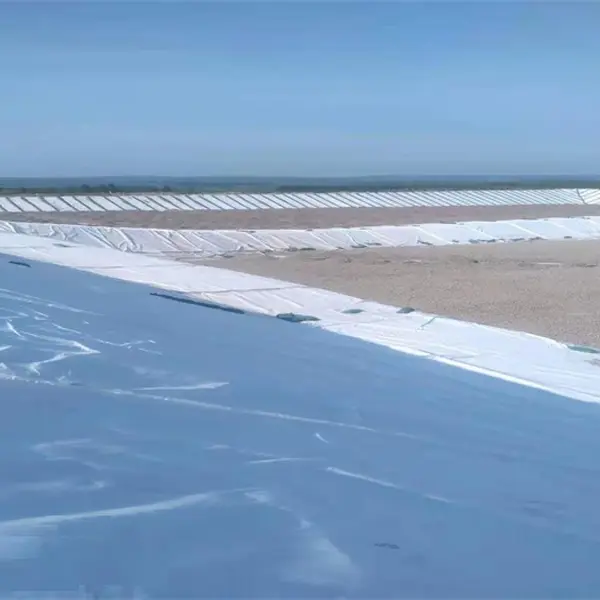
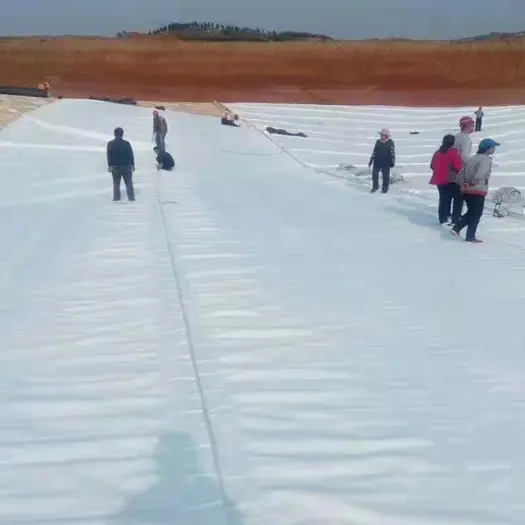
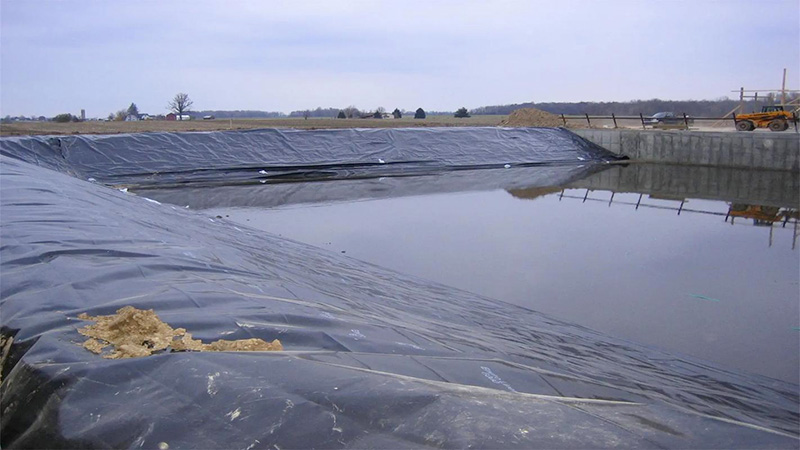
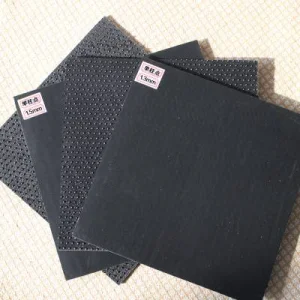
Landfill construction requires robust barriers to prevent toxic leachates from contaminating local groundwater. In these designs, geomembranes and needle-punched nonwoven geotextiles work together to form a multi-layered barrier system.
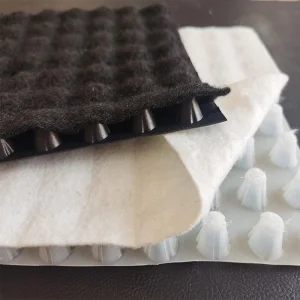
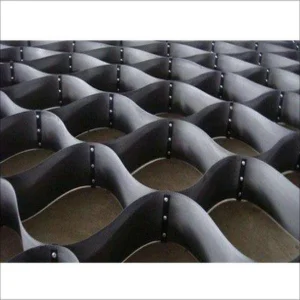
The thick nonwoven geotextiles act as cushion layers, protecting the primary HDPE geomembrane from mechanical puncture by municipal waste. Additionally, our 3D composite drainage networks drain leachate and surface runoff to treatment systems, maintaining barrier stability.
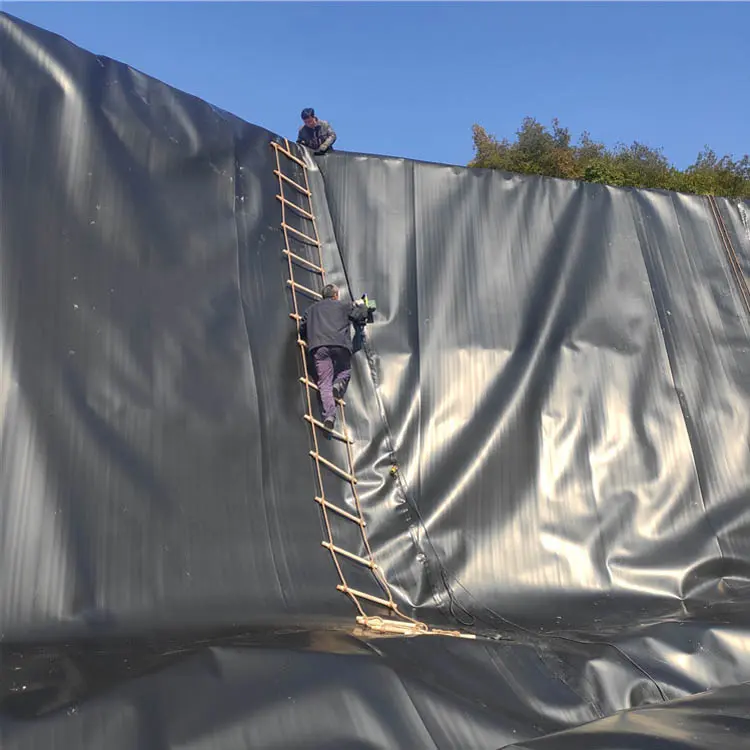
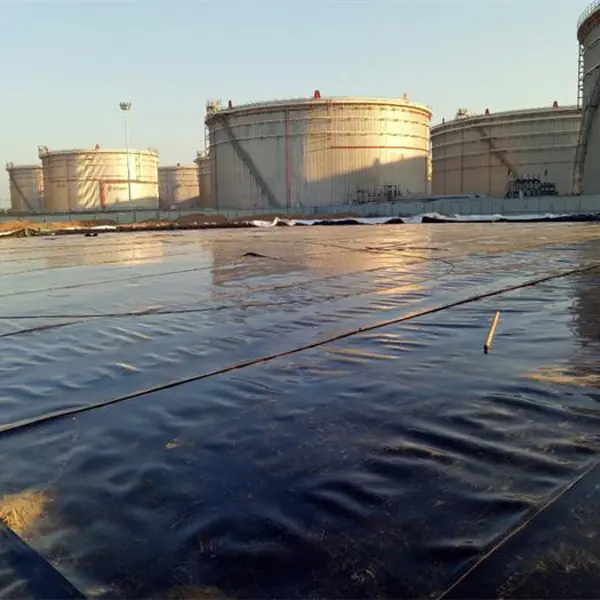
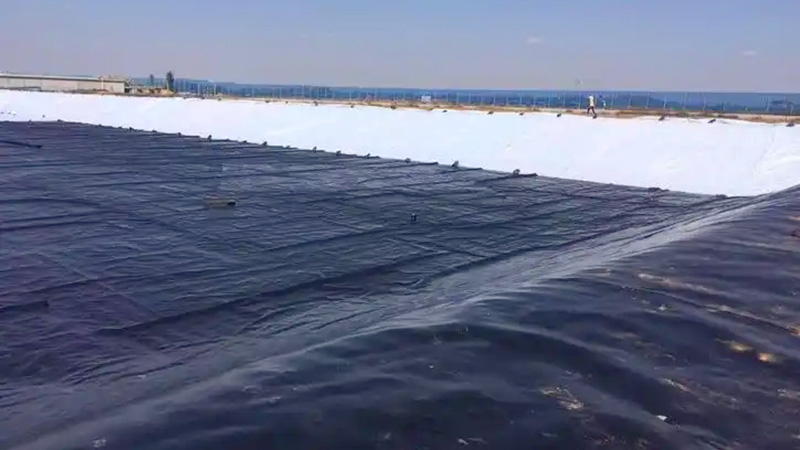
Laying geomembranes requires strict surface preparation and proper welding protocols. The subgrade must be compacted and cleared of sharp rocks or debris that could puncture the liner. We recommend double-track hot wedge welding for primary seams, which leaves an air channel for pressure testing and quality verification. For complex details and repairs, extrusion welding with matching polymer rods ensures strong, watertight bonds.
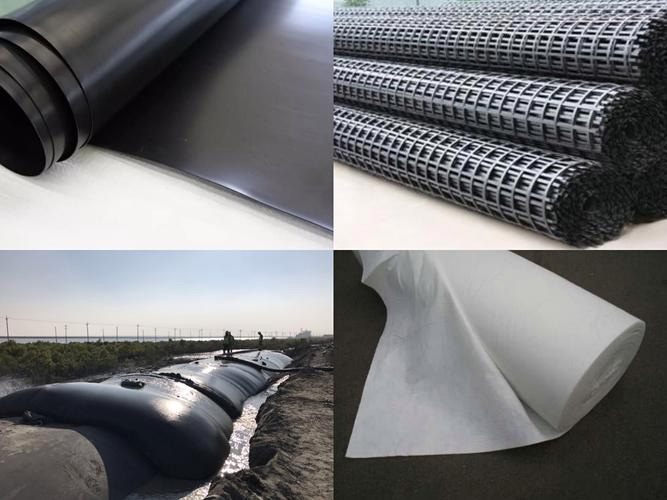
Our quality control facilities monitor material consistency through standardized testing. Each production lot is evaluated for physical, mechanical, and hydraulic properties. Our laboratories utilize precision testing equipment to measure grab tensile strength, multi-axial strain resistance, and long-term chemical durability under simulated field conditions.
Our products are certified by the China National Testing Center, and we run regular quality audits to confirm compliance with international project guidelines.
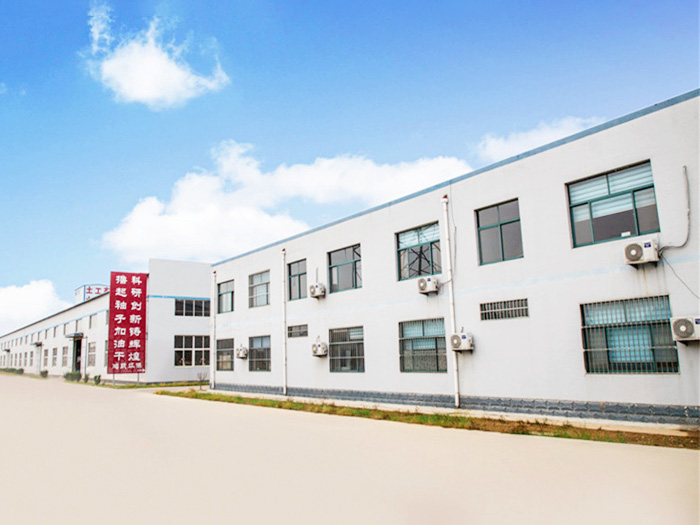
A visual overview of Shandong Hongyue's production facilities, advanced machinery, and storage capacity.
Essential technical information and support details for infrastructure engineers and procurement managers.
Review our specialized geosynthetic materials for drainage, filtration, and containment applications.
 Hongyue