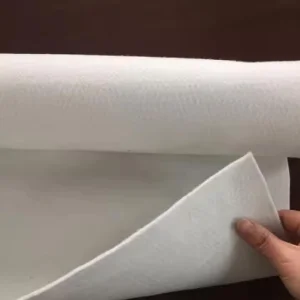
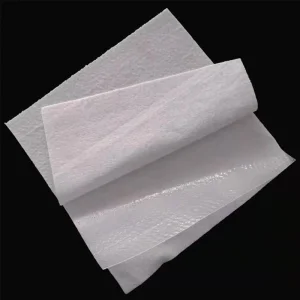
In the modern era of civil engineering, infrastructural longevity depends critically on subgrade stability, fluid dynamics control, and soil separation. Geotextile 90g/m² (grams per square meter) represents a highly optimized, lightweight non-woven material that strikes the perfect equilibrium between mechanical tensile capabilities and exceptional hydraulic transmissivity.
As a leading standard in modern construction, this material plays a key role as a filter, separator, and reinforcement element. Whether preventing fine soil migration in subsurface drains or acting as a protective cushion under heavy geomembranes, the 90g/m² configuration is a critical engineering component. For global buyers seeking customized solutions, securing a direct partnership with an ODM (Original Design Manufacturer) factory in China ensures tailored tensile properties, raw material variations (Polypropylene vs. Polyester), and unmatched price-to-performance efficiency.
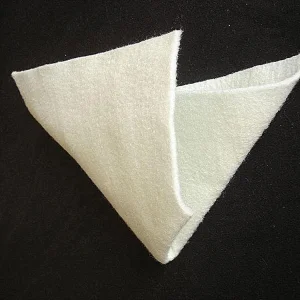
At 90 grams per square meter, non-woven needle-punched geotextiles deliver optimal filtration properties because their pore sizes mimic natural sandy-loamy filters. This prevents clogging while allowing water to pass smoothly through the system, alleviating hydrostatic pressure that otherwise compromises structures.
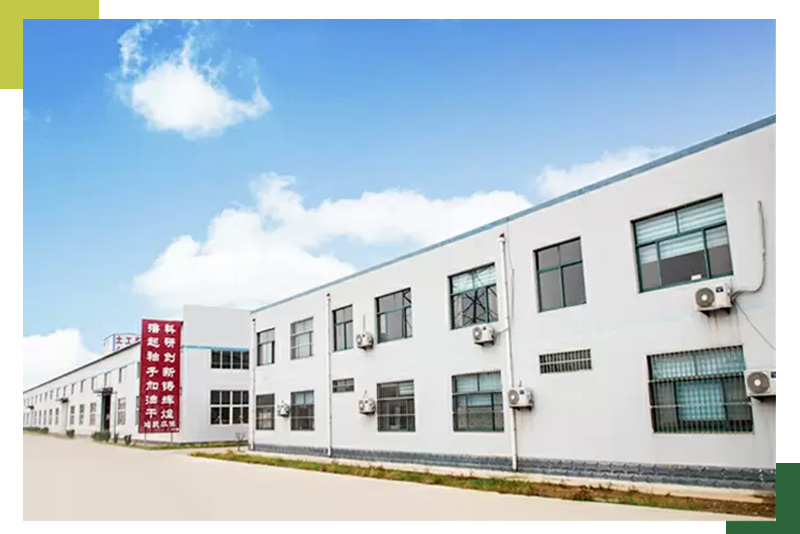
Established with a massive registered capital of 105 million yuan, Shandong Hongyue Environmental Engineering Co., Ltd. is positioned at the north end of Fufeng Street, Lingcheng District, Dezhou, Shandong Province, China. We operate as one of the largest and most technologically advanced geotechnical material production bases in the nation.
We are a scientific and technological geotechnical material manufacturer integrating state-of-the-art material production, global sales, customized engineering design, and comprehensive construction services.
Located in the Lingcheng District of Dezhou, Shandong Province, we enjoy a superior geographical location with convenient logistics pathways linking directly to major international shipping ports like Qingdao and Tianjin.
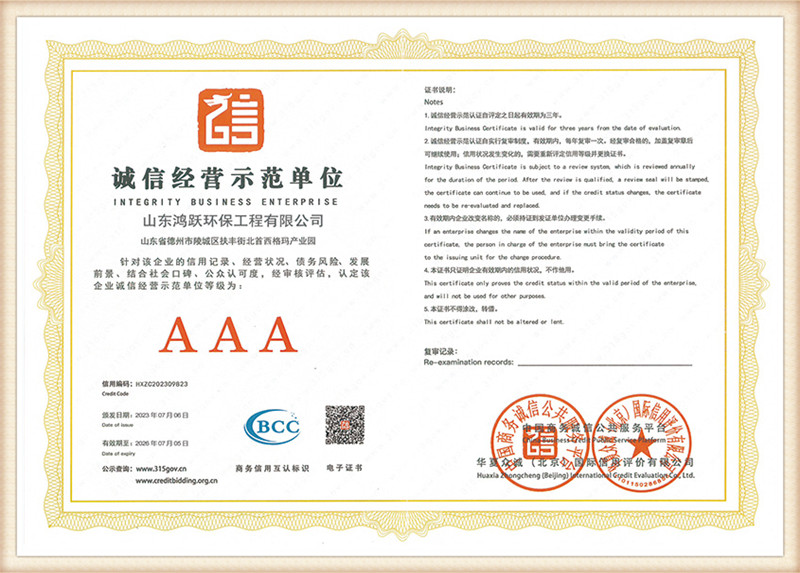
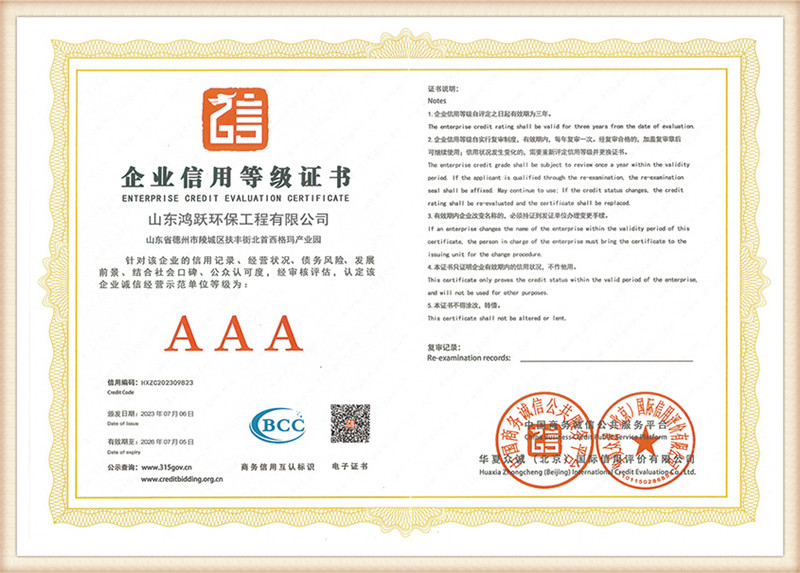
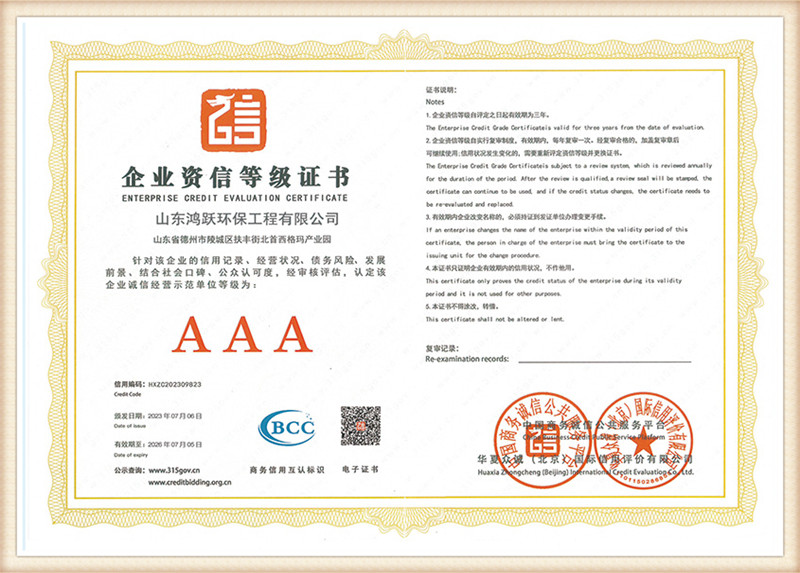
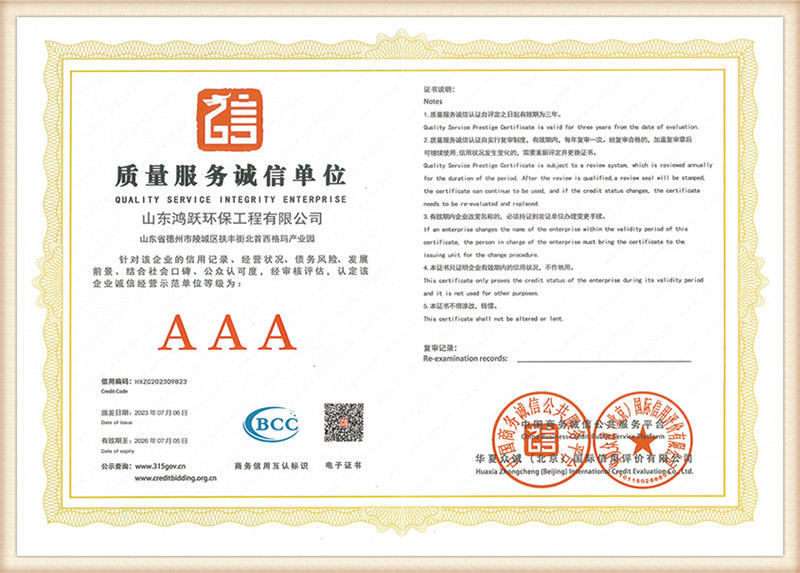
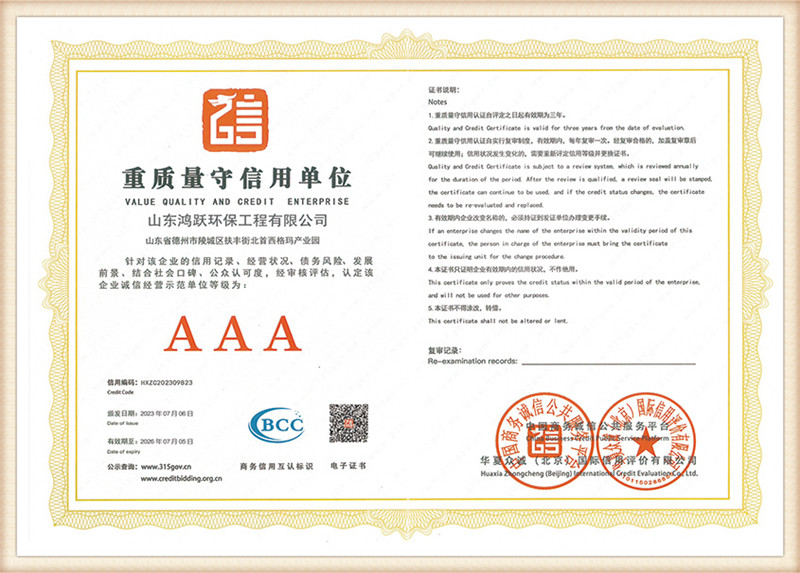
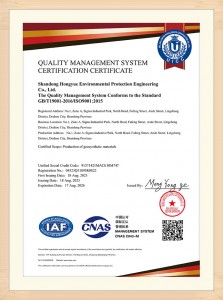
Shandong Hongyue has successfully achieved ISO9001 international quality system certification, ISO14000 environmental management certification, and ISO45001 occupational health and safety management certification.
Every civil project presents unique environmental, soil-composition, and hydraulic constraints. Here is how our ODM 90g/m² non-woven geotextile provides critical structural protection across specialized localized applications.
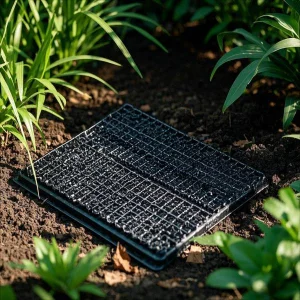
In municipal agriculture and landscaping, excess moisture can choke plant root structures and lead to surface water pooling. Enveloping aggregate channels with 90g/m² geotextile prevents clay and silt particles from migrating into the gravel core, ensuring a high-performance flow corridor over decades. The 90g configuration provides optimal permeability, preventing hydraulic blockage (blinding) while ensuring rapid drawdown of local groundwater levels.
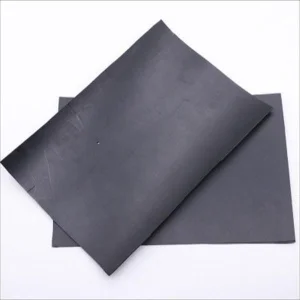
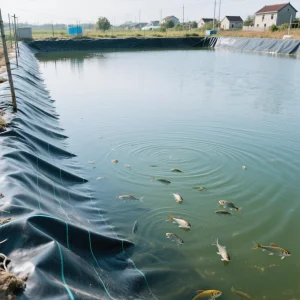
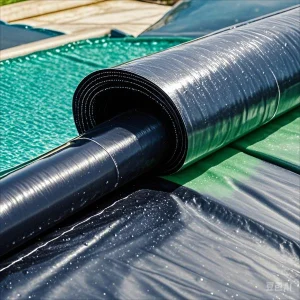
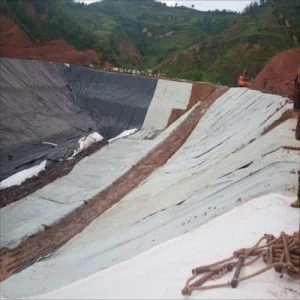
For applications involving landfill containment cells, industrial effluent lagoons, or fish pond anti-seepage systems, geomembranes are highly susceptible to localized punctures from structural subgrades. Placing a 90g/m² needle-punched non-woven geotextile below and above the geomembrane acts as a robust mechanical barrier. It absorbs local point stresses and protects the impervious barrier against sharp aggregate elements, ensuring environmental compliance and longevity.
Soft clay subgrades can interact with heavy, aggregate base courses, resulting in roadway cracking, sinkholes, and rutting under traffic. Our 90g/m² geotextile serves as an effective separation layer, preventing the coarse aggregates from sinking into the fine-grained silty soils. This preserves the structural load distribution of the roadway, cuts structural maintenance costs, and extends the overall functional lifespan of highways and municipal transport grids.
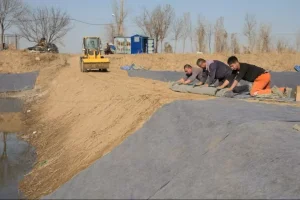
Along canal banks and coastal zones, constant wave action can gradually wash away bank soils behind concrete block revetments or rip-rap. An ODM geotextile layer acts as an engineering filter beneath armor stone. Water easily passes back into the canal, relieving hydrostatic pressure, while the soil particles are held firmly in place, successfully halting bank retreat and preventing structural collapse along rivers and drainage channels.
Producing consistent 90g/m² geotextile requires state-of-the-art machinery and rigorous parameter control at every phase. The following details map out the industrial production process utilized by Shandong Hongyue to ensure global product compliance.
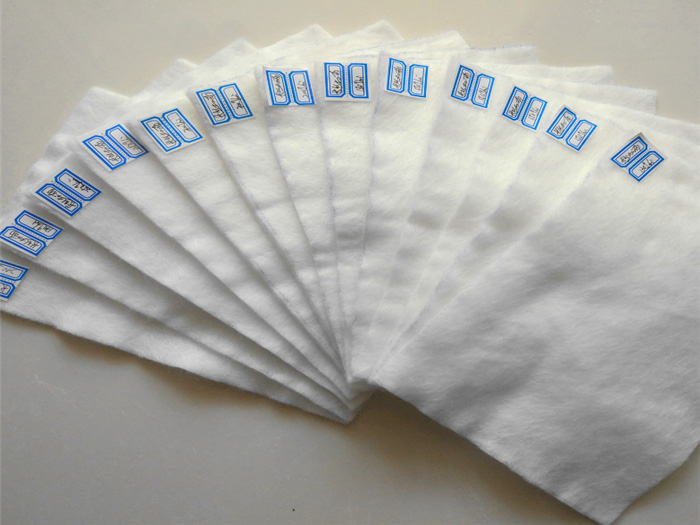
The manufacturing process begins with high-grade polyester (PET) chips, polypropylene (PP) filament, or viscose fibers. We perform thorough chemical and physical inspections on raw polymers to ensure purity, molecular weight distribution, and high UV resistance, storing only qualified materials for subsequent melting.
Polyester or polypropylene chips are fed into a computerized screw extruder. Under precise high temperatures, the chips convert into a molten fluid. For specialty blends, viscose or other structural additives are blended to adjust tensile elongation and degradation profiles. System pressure is maintained to avoid filament voids.
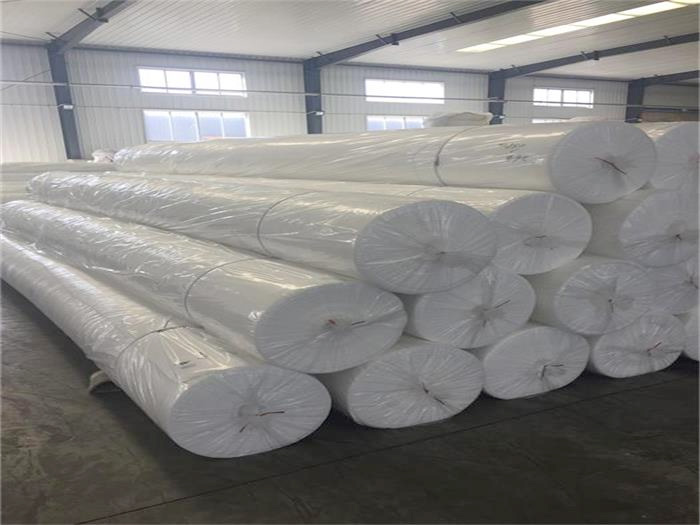
The molten polymer is extruded through high-precision spinnerets, forming micro-fine fibers. These filaments are deposited onto a continuous moving belt in a randomized, overlapping arrangement. The loose web passes into needle-punching stations where thousands of barbed needles interlock the fibers mechanically, creating the distinctive 90g/m² non-woven texture.
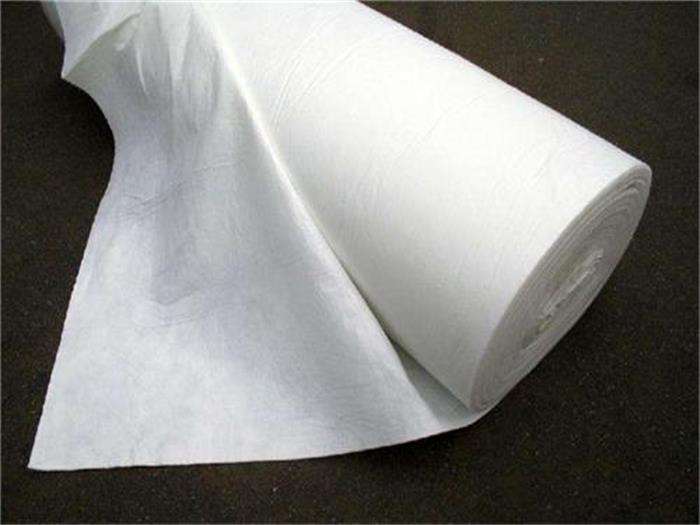
Following fiber locking, the geotextile is structural-cured using heated calibration rollers. We carefully adjust the cooling speed and roll pressure to maintain a highly uniform thickness and density. The finished roll is labeled with batch codes, wrapped in protective UV-resistant films, and transferred to the warehouse.
The international market for geotechnical materials has experienced a major paradigm shift toward lighter, high-performance, cost-effective solutions. Lightweight geotextiles like the 90g/m² variety are leading this transition.
Global infrastructure investments are at an all-time high, especially across Europe, North America, and rapidly developing regions in Southeast Asia. Project engineers are actively shifting away from traditional gravel filters in favor of synthetic geotextiles to reduce transport costs and accelerate installation timelines.
Heavy-duty geotextiles (above 200g/m²) are often unnecessary for basic drainage, subgrade separation, and agricultural filtering. The 90g/m² non-woven option offers a highly cost-efficient solution, allowing builders to save up to 40% in raw material expenses while comfortably meeting design specs.
Modern developers prioritize reducing their project carbon footprint. Our factory utilizes high-grade, recycled PET polymers to manufacture our geotextiles, lowering carbon emissions and helping projects earn green building certifications globally.
Partnering directly with a leading Chinese geosynthetic factory like Shandong Hongyue delivers major advantages in supply security, product consistency, and global export capability.
1. Advanced Production Lines & Output Speed
With automated production facilities and cutting-edge needle-punch technology, Shandong Hongyue can manufacture millions of square meters of non-woven geotextile monthly. This high capacity ensures fast turnaround times and prevents costly project delays.
2. Comprehensive Customization (ODM and OEM)
Whether your project demands specific roll dimensions, enhanced UV protection, high tensile strength profiles, or hybrid fiber mixtures (polyester and polypropylene), our technical team can formulate the exact product parameters required.
3. Strategic Logistics & Port Proximity
Dezhou sits at a key logistics hub in Northern China. With direct rail and highway links, we quickly transfer materials to Qingdao or Tianjin port, guaranteeing smooth container booking, fast customs clearing, and reliable international delivery.
4. Uncompromising Compliance and Testing Protocols
We test every batch of geotextile for mass per unit area, thickness, wide-width tensile properties, puncture resistance, and permeability. Every delivery includes a complete quality assurance report verified by the China National Testing Center.
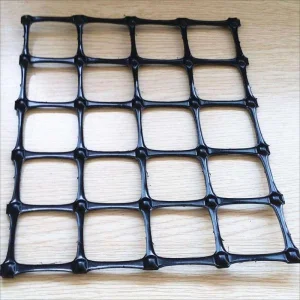
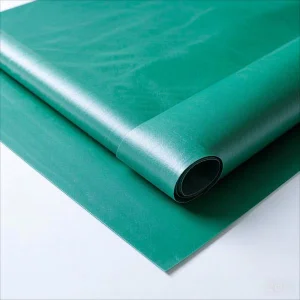
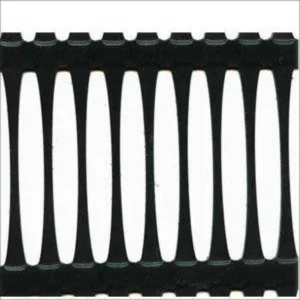
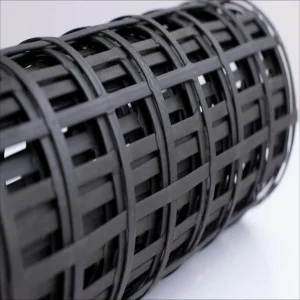
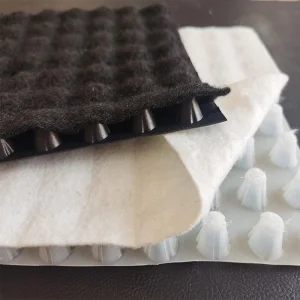
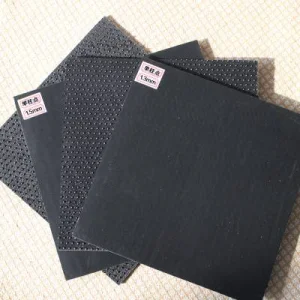
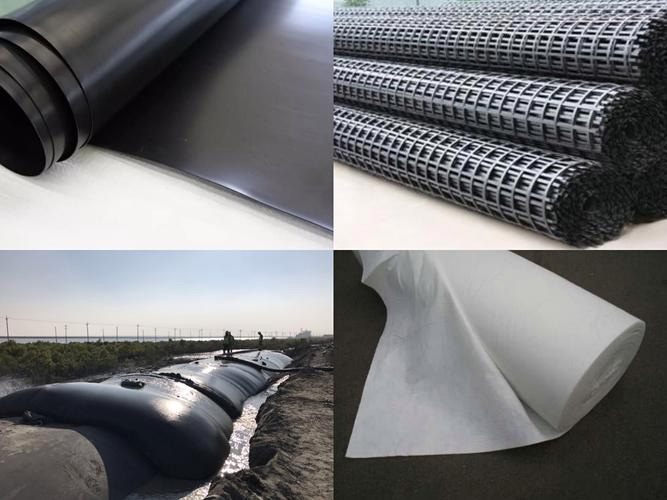
Shandong Hongyue provides fully integrated engineering systems, supplying geotextiles, geomembranes, geogrids, and drainage boards to deliver robust waterproofing, erosion control, and subgrade stabilization.
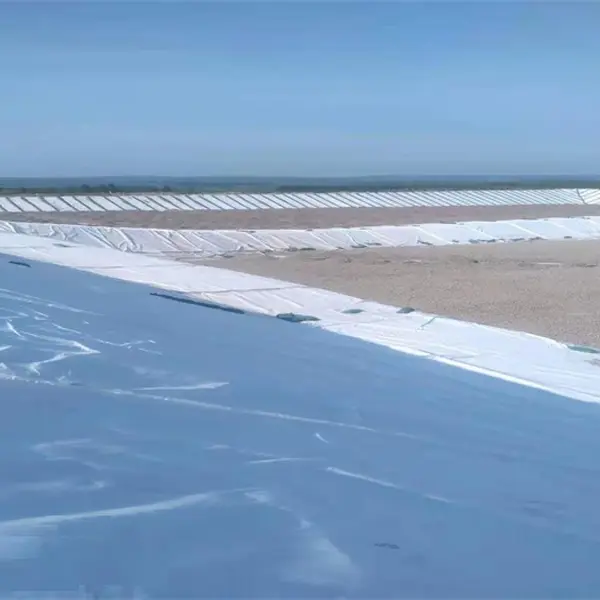
Our geotextiles act as a crucial protective wrap around geomembranes in high-pressure water conservancy projects, preventing punctures and structural failures caused by aggregate shifting.
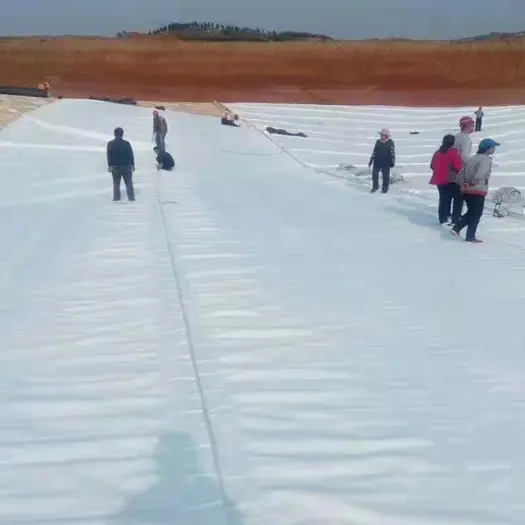
Engineered layers for riverbanks and channels. Combining 90g/m² non-woven filtration layers with durable geomembranes stops embankment erosion and prevents water loss.
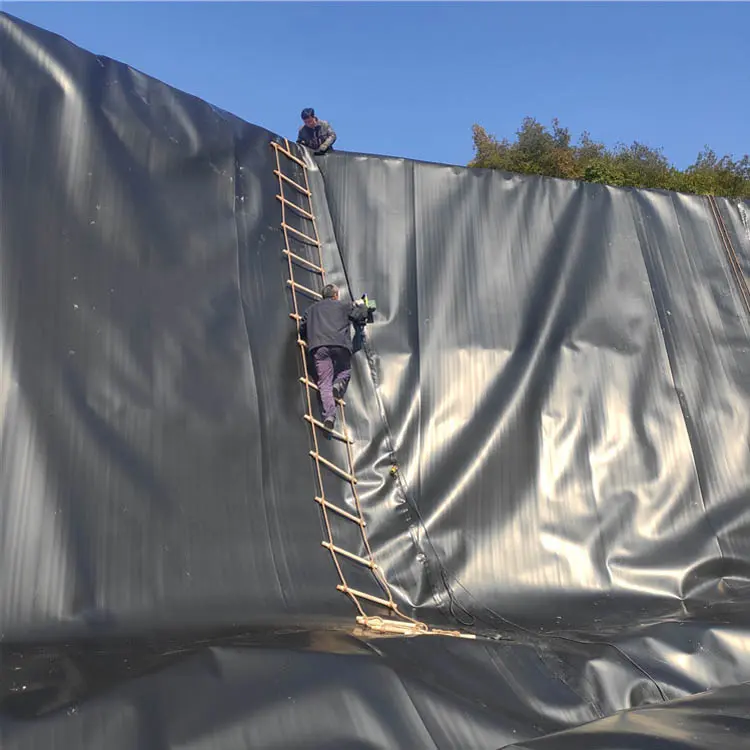
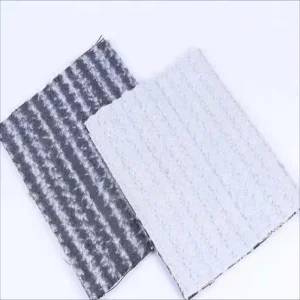
Multi-layered lining systems incorporating geosynthetic clay liners (GCL), geomembranes, and non-woven geotextiles to protect local groundwater from leachate contamination.
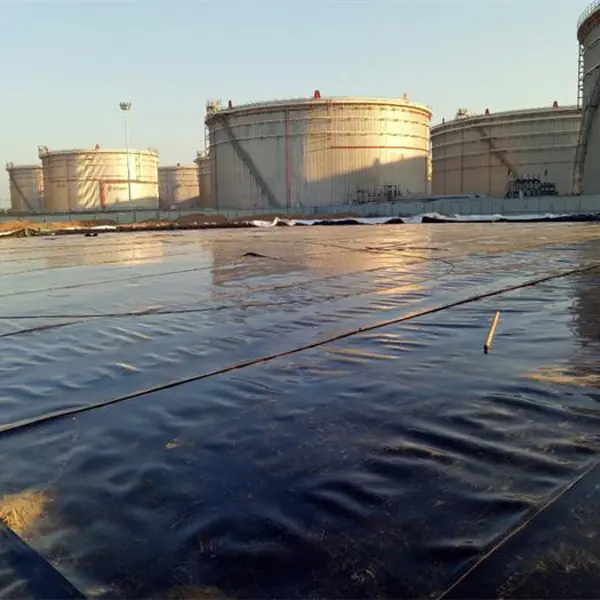
Secondary containment structures utilizing reinforced geosynthetic barriers, protecting industrial sites against hazardous fluid leaks and chemical spills.
The geotechnical industry is evolving rapidly, driven by advanced material science, smart monitoring technologies, and global sustainability standards.
We are actively researching smart geotextiles embedded with micro-fiber-optic sensors. These advanced materials can monitor subgrade stress, temperature changes, and structural shifting in real time, alerting engineers to potential failures before they occur in critical structures like dams and highways.
For temporary civil applications, such as seasonal agricultural drainage or vegetation establishment, we are developing a new line of biodegradable geotextiles. Designed to decompose naturally after 12-24 months, these materials support soil stability during construction and disappear once native vegetation takes root.
To continuously improve the tensile strength of lightweight materials like our 90g/m² geotextile, we are refining our manufacturing process with ultra-fine multi-point needle patterns. This technique delivers higher mechanical strength without increasing material thickness or weight.
Aligning with global net-zero goals, Shandong Hongyue is updating our production facilities with solar energy systems and high-efficiency heat recovery units. This transition allows us to reduce our overall carbon footprint while maintaining competitive product pricing.
Every production batch undergoes a rigorous testing sequence in our on-site laboratory to confirm mechanical and hydraulic performance before shipment.
We evaluate longitudinal and transverse tensile strength using advanced multi-axis pull testing equipment, ensuring our geotextiles can withstand high installation stress.
Static puncture testing (CBR) simulates the impact of sharp stones and rocky subgrades, guaranteeing that the geotextile remains undamaged under localized loads.
By measuring the vertical hydraulic conductivity of our geotextile, we ensure it maintains optimal flow rates and prevents hydrostatic pressure buildup.
A1: Our 90g/m² non-woven geotextiles are primarily manufactured using high-purity Polyester (PET) chips or Polypropylene (PP) filaments. Polyester is typically preferred for cost-efficiency and excellent UV resistance, while polypropylene offers superior acid and alkali resistance, making it ideal for high-salinity or acidic soil conditions.
A2: Non-woven geotextiles are made by mechanically interlocking random fibers with needle punches, creating a highly permeable, three-dimensional structure that is ideal for filtration and drainage. Woven geotextiles, on the other hand, feature a flat, intersecting grid pattern with high tensile strength but low permeability, making them better suited for soil reinforcement rather than drainage.
A3: Yes. As an ODM and OEM factory, Shandong Hongyue can customize roll widths ranging from 1 to 6 meters, and roll lengths from 50 to 200 meters. Custom sizing helps reduce installation waste and speeds up deployment on-site.
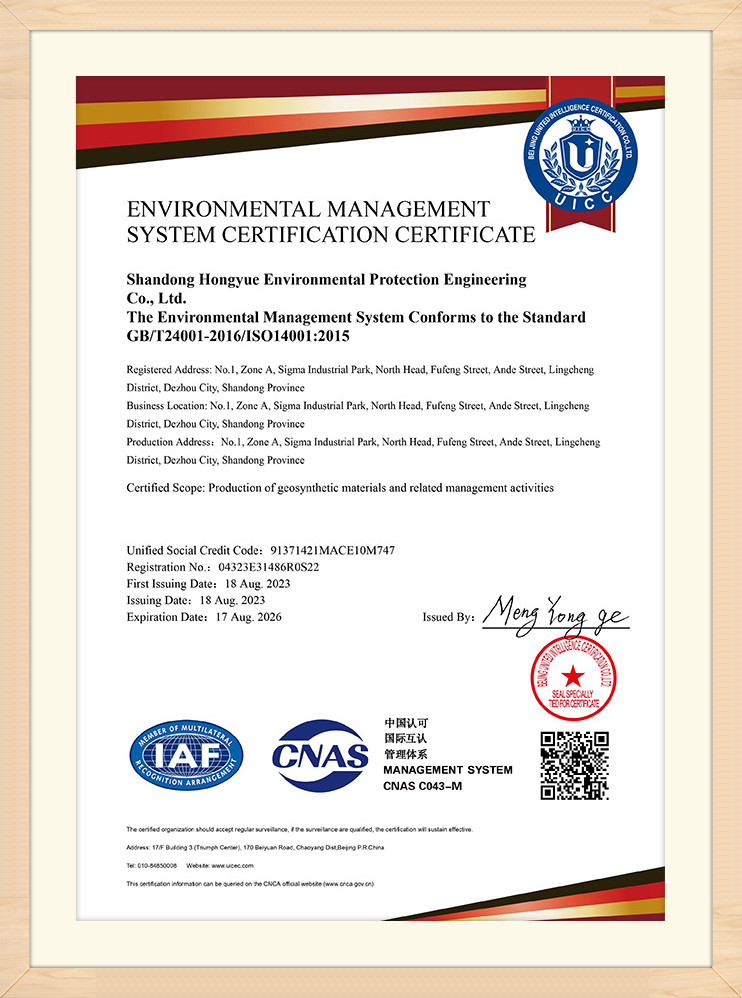
A4: Shandong Hongyue holds ISO9001 (Quality Management), ISO14001 (Environmental Management), and ISO45001 (Occupational Health & Safety) certifications. Our materials are tested to meet ASTM and EN standards, and each shipment includes a certified quality inspection report.
A5: The needle-punching process creates a tortuous path of micro-pores. These pores allow water to flow freely while retaining fine soil particles on the upstream side. Over time, a stable, natural soil filter develops against the geotextile, preventing fine silt from washing into and clogging the drainage pipe.
A6: When buried and protected from direct sunlight, our high-quality PET and PP geotextiles are chemically stable and resistant to biological degradation. They are designed to last for over 50 years in typical civil engineering applications.
 Hongyue