Engineered solutions for filtration, reinforcement, subgrade containment, and advanced drainage systems.
Modern civil infrastructure initiatives require long-term structural integrity and material efficiency. Globally, municipal planners and highway contractors are moving away from traditional, resource-intensive aggregate layers. Instead, they are turning to advanced cellular confinement systems, commonly referred to as Geocells. These structures are critical for stabilizing soft subgrades and controlling soil erosion in diverse climates.
Engineering specifications in the United States and Canada are strict. They demand compliance with AASHTO and ASTM standards for cell wall junction efficiency, environmental stress cracking resistance (ESCR >500 hours), and high-temperature dynamic mechanical performance. Sourcing agents prioritize ODM suppliers capable of proving physical durability through independent laboratory verifications.
Projects in Europe focus heavily on carbon footprints and long-term durability. CE marking is mandatory, alongside third-party life-cycle assessments (LCA). Geocells must perform predictably across a temperature range of -40°C to +80°C. Sourcing centers look for manufacturers with ISO 14001 certification to satisfy environmental criteria.
Massive highway developments in Western and Southern Asia require robust logistical support and high manufacturing capacity. Meanwhile, desert road works in the Middle East require high UV stabilization. To prevent chemical breakdown in high-salinity and high-temperature environments, geocells must contain at least 2.0% carbon black.
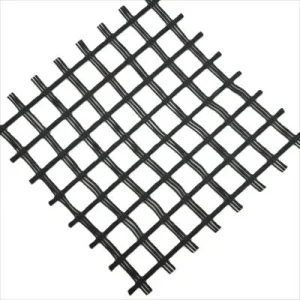
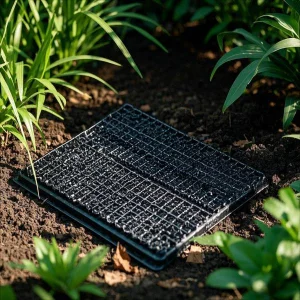
Cellular confinement technology relies on the mechanical interlocking of infill material within a three-dimensional polymeric matrix. When a heavy axle load is applied, the cell walls generate lateral confinement. This restricts particle movement and increases the shear strength of the overall subbase.
| Civil Engineering Challenge | Geosynthetic System Solution | Underlying Physical Mechanism |
|---|---|---|
| Low Bearing Capacity Subgrade | High-Density Polyethylene (HDPE) Geocells | Distributes heavy point loads across a wider base, reducing vertical stress. |
| Slope Erosion and Infill Washout | Perforated Geocells filled with topsoil | Traps infill material, mitigates runoff velocity, and encourages root growth. |
| Hydraulic Channel Protection | Geocells filled with concrete or gravel | Provides flexible, durable protection against hydraulic shear forces. |
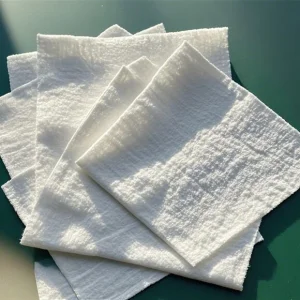
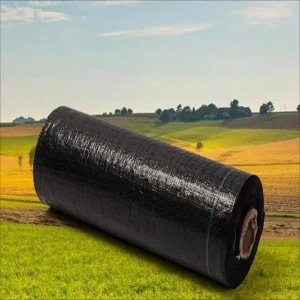
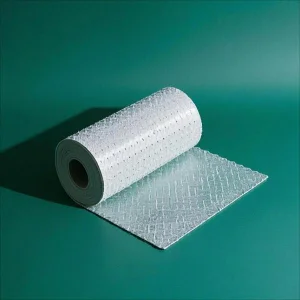
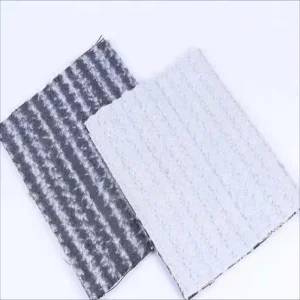
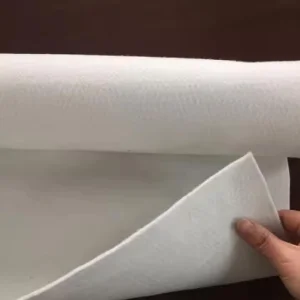
| Subbase Aggregate Mixing | Non-Woven Geotextile underlayment | Separates subgrade clay from base gravel, maintaining drainage and structural integrity. |
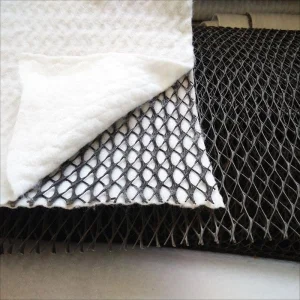
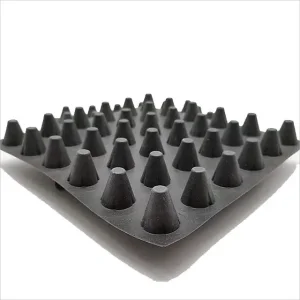
| High Hydrostatic Pressure | 3D Composite Drainage Network | Relieves pore water pressure, routing seepage away from pavement structures. |
"By confining non-cohesive aggregates within high-tensile HDPE cell walls, engineers can use local, lower-grade fill materials. This reduces transport costs and material consumption, without sacrificing load-bearing capacity."
— Shandong Hongyue Engineering Technical Advisory Group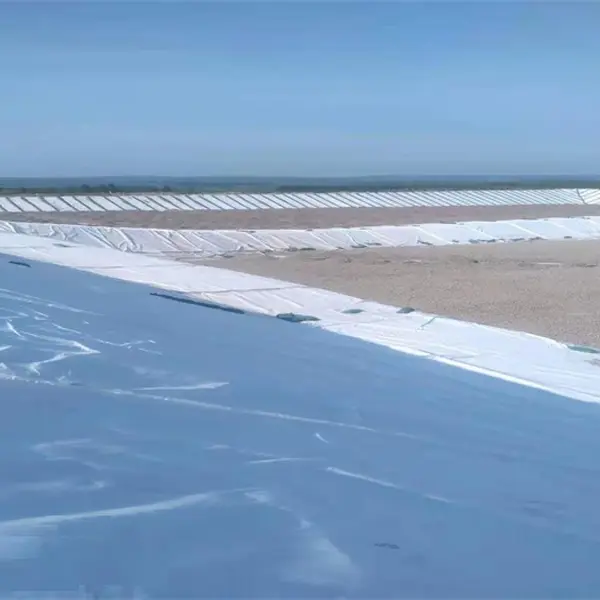
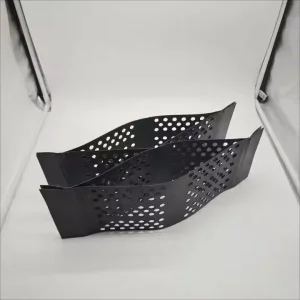
High-performance geocells are manufactured by extruding polyethylene sheets, texturing them to increase surface friction, and creating patterns of perforations. These sheets are then ultrasonically welded at precise intervals (weld spacing ranging from 330mm to 1000mm) to form 3D cell matrices.
Ultrasonic welding is used to fuse the joints of high-quality geocells. To prevent cell separation under load, the weld joint peel strength must meet or exceed 140 kN/m. These joints are regularly tested using tension-testing equipment to ensure consistent performance.
The surface of geocell walls features a textured pattern. This texture increases friction between the cell wall and the infill material, which helps prevent soil shifting and movement under cyclical traffic loads.
Perforated cell walls allow water to drain horizontally through the confined layers. This prevents water build-up, reduces pore water pressure, and maintains soil stability in wet conditions.
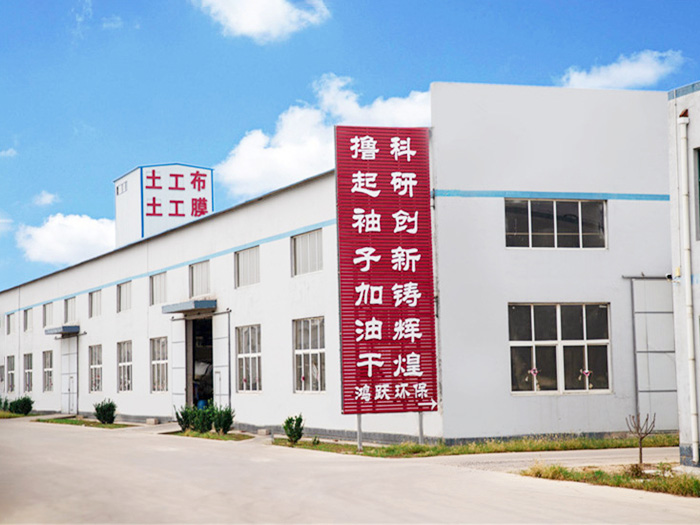
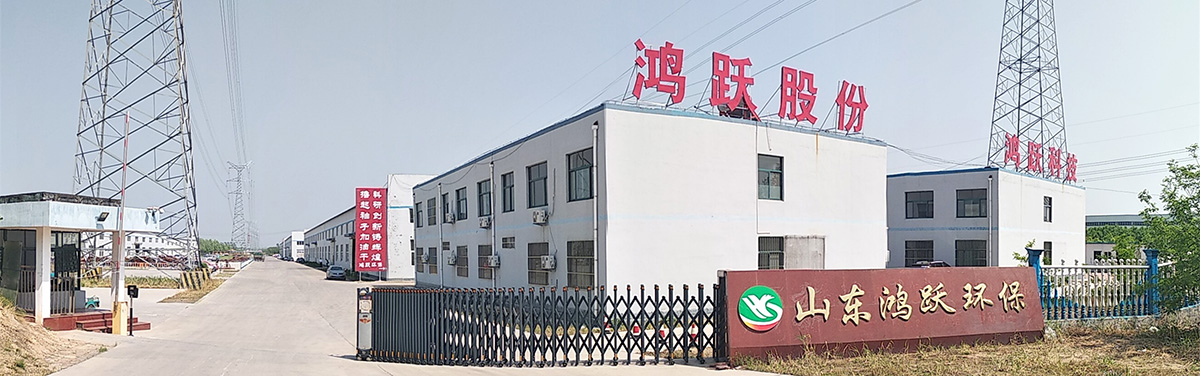
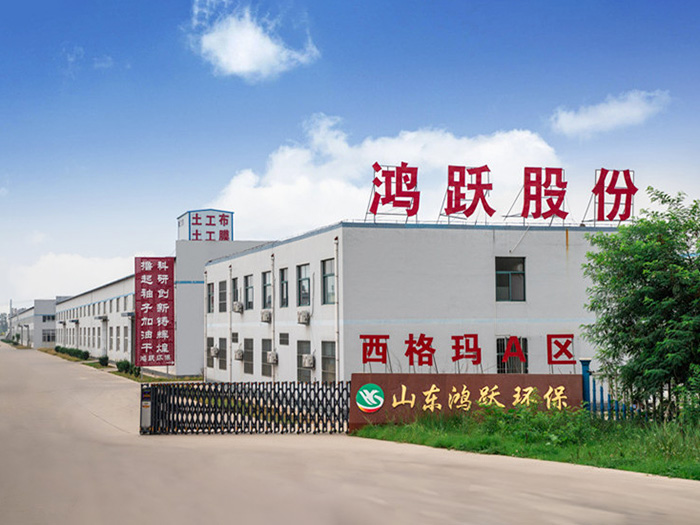
Established in April 2023 and located in Dezhou, Shandong Province, Shandong Hongyue Environmental Engineering Co., Ltd. operates a high-capacity manufacturing base for geotechnical materials in China. With a registered capital of 105 million yuan, the company provides engineering materials, custom fabrication, and technical support services.
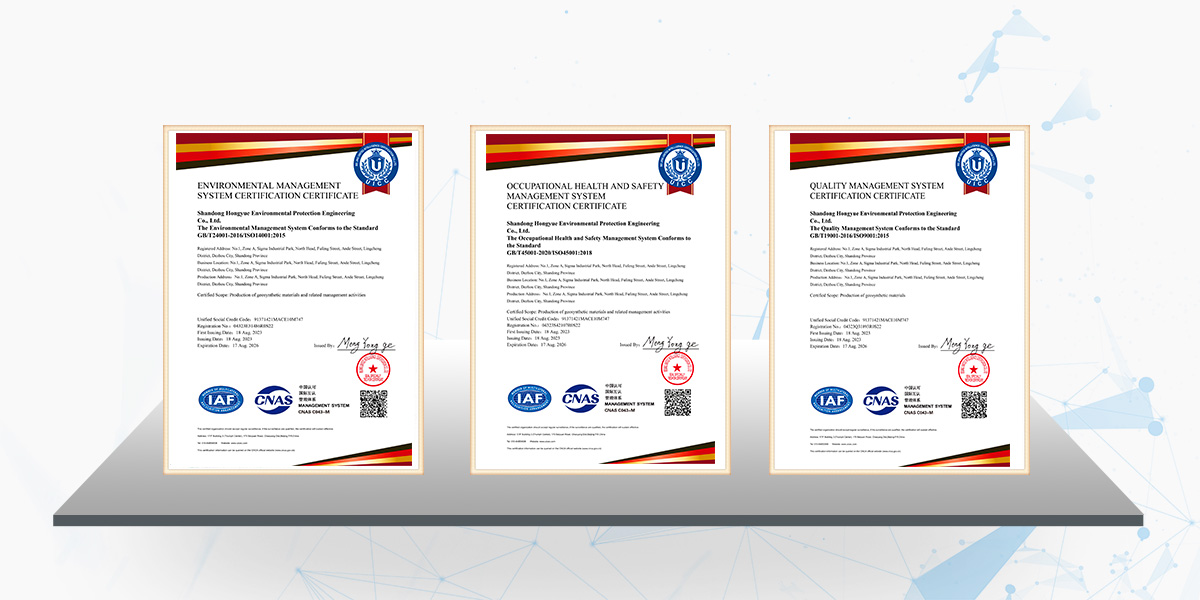
"We manage our construction sites, test materials, and coordinate engineering support under an integrated quality system certified to ISO9001, ISO14001, and ISO45001 standards."
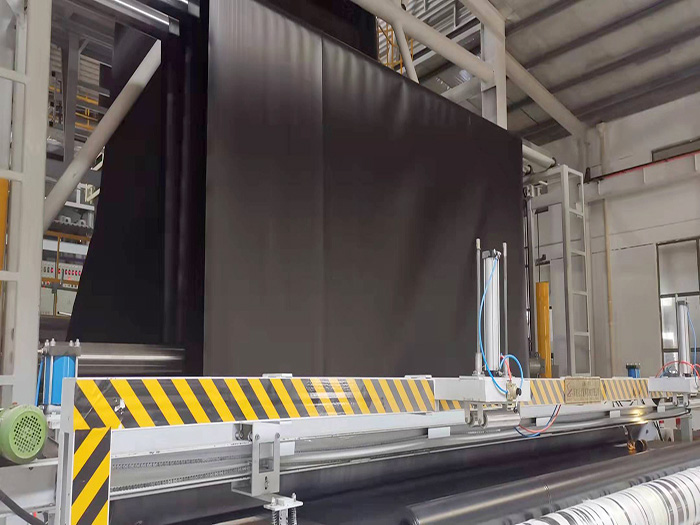
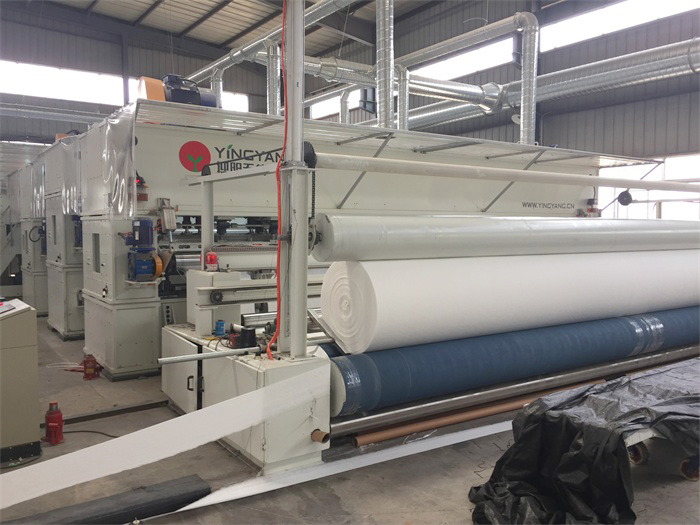
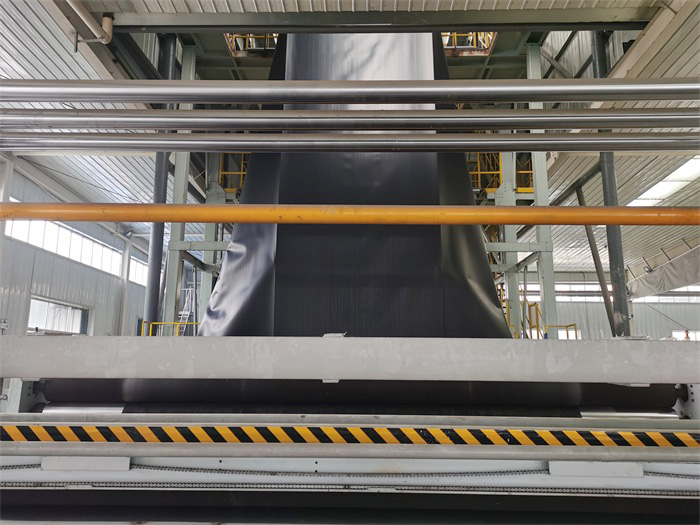
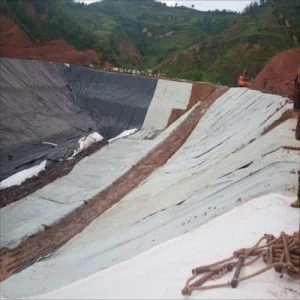
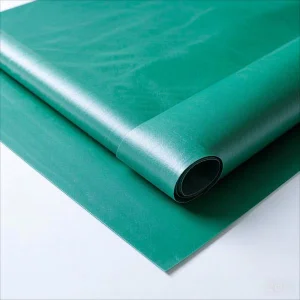
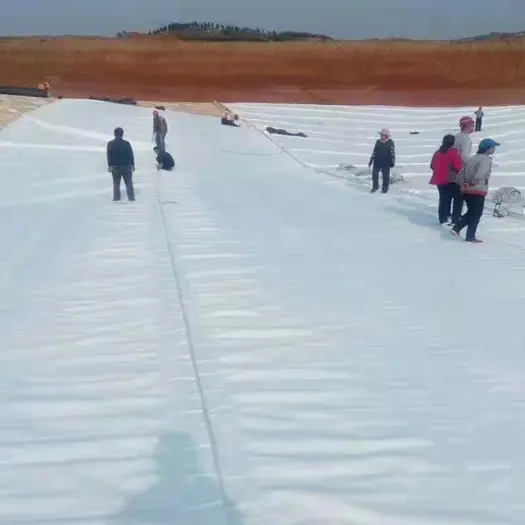
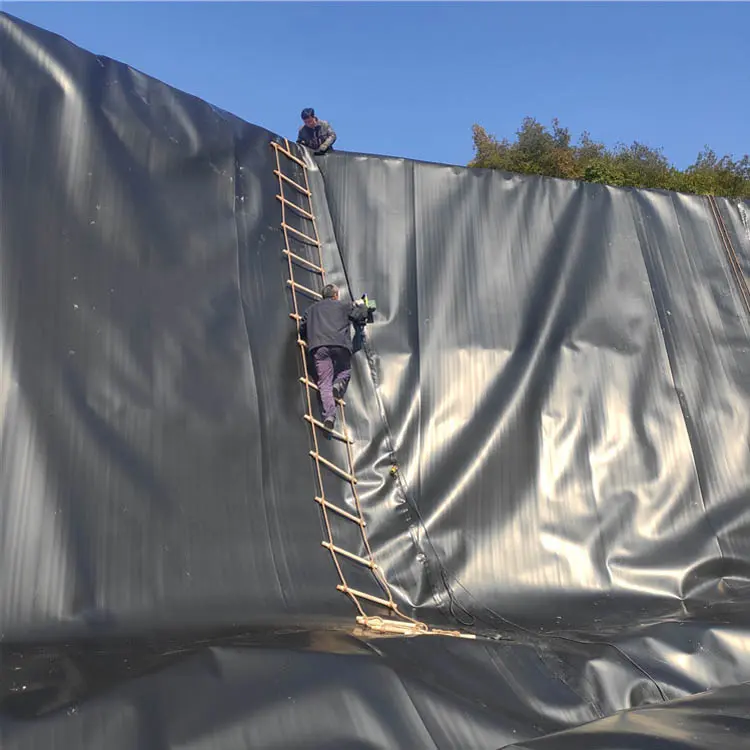
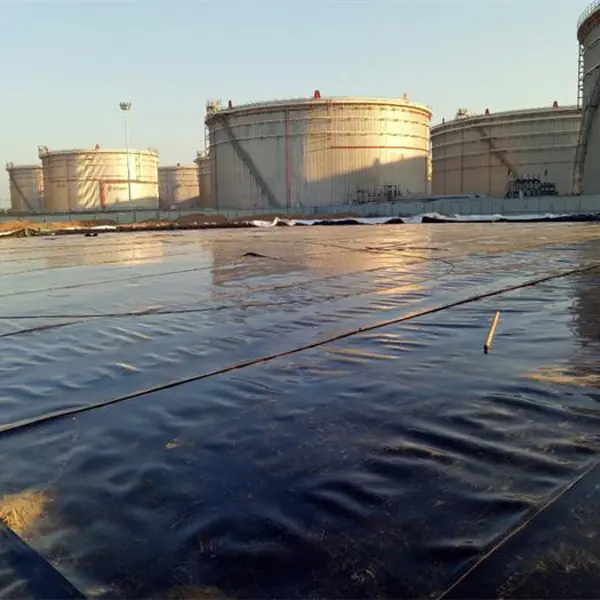
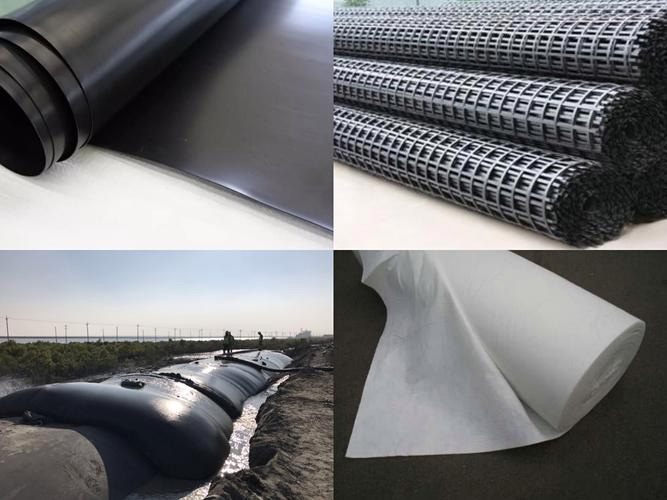
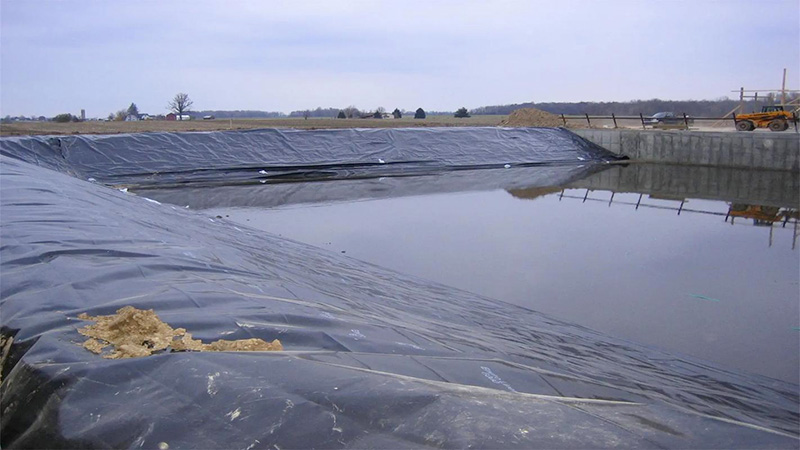
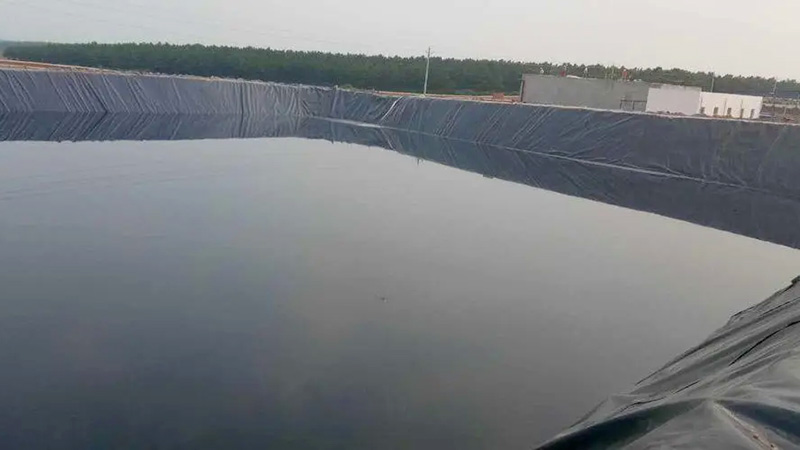
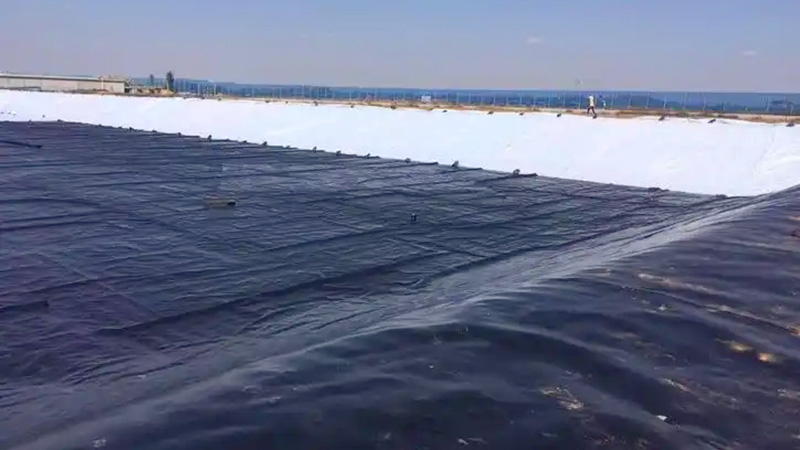
Geomembranes are used in environmental and hydraulic projects to provide containment, seepage control, and structural isolation. Proper installation and material selection are essential to ensure the longevity of these barrier systems.
Select the formulation (HDPE, LLDPE, or PVC) based on project chemical exposure, UV contact, and required flexibility. Thicknesses typically range from 0.3mm for basic liners to 2.0mm for hazardous containment. Verify that the material meets specified permeability standards.
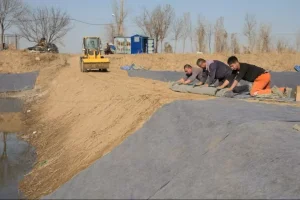
Prepare and grade the subgrade, removing sharp rocks and debris. Lay panels with appropriate overlap. Weld joints using hot-wedge or extrusion welding, and conduct non-destructive testing (such as air-channel pressure tests) on all seams.
Clean the exposed liner surface periodically to remove silt and debris. Run electrical leak location tests or visual inspections to detect and repair punctures, and restrict heavy machinery movement over un-backfilled membrane layers.
Shandong Hongyue works with municipal authorities, engineering design institutes, and B2B procurement partners in North America, the European Union, Australia, and various parts of the country. Products are evaluated against national and international standards, including commissioning audits conducted by the China National Testing Center.
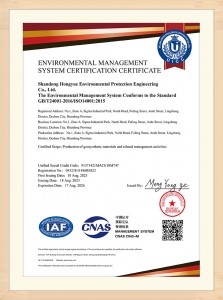
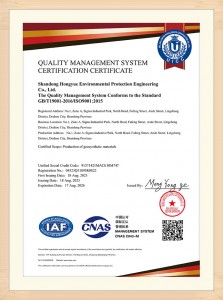
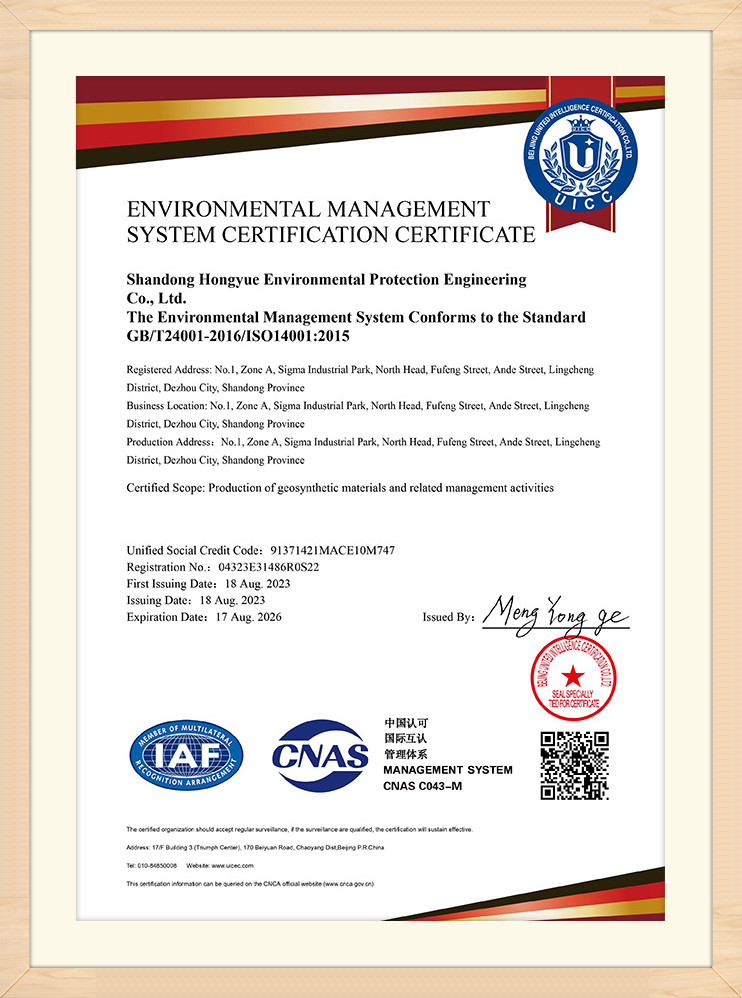
Our manufacturing processes are certified to ISO 9001:2015 (Quality Management System), ISO 14001:2015 (Environmental Management System), and ISO 45001:2018 (Occupational Health & Safety System). This framework supports traceability from raw resin to finished product.
Our quality control lab conducts testing on material batches. Key evaluations include Carbon Black dispersion tests (ASTM D5596), Wide-width tensile tests (ASTM D6637), and Junction peel strength testing to verify geocell seam integrity under load.
Located in Dezhou, Shandong Province, the facility has access to regional transport networks, supporting delivery to major domestic ports. Our engineering team provides technical support, site design assistance, and installation guidance for complex projects.
Frequently asked questions regarding geocell design, cell sizing, material parameters, and installation guidelines.
Additional products for subgrade reinforcement, environmental barrier protection, and water management projects.
 Hongyue