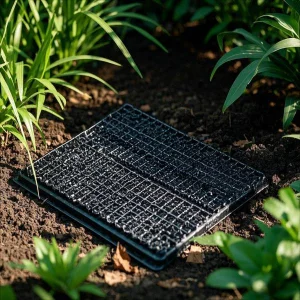
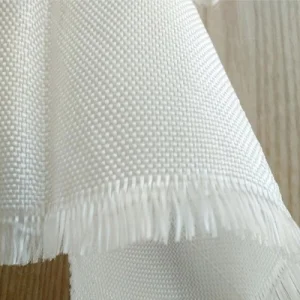
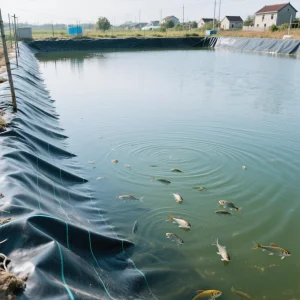
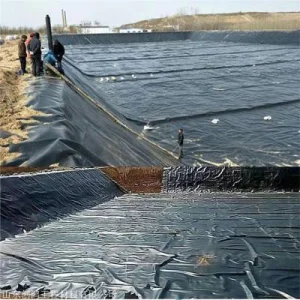
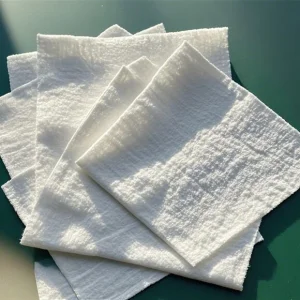
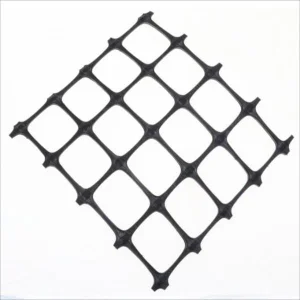
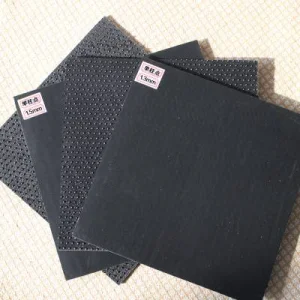
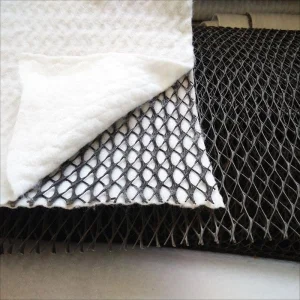
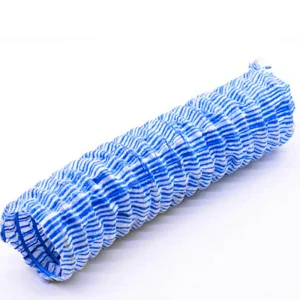
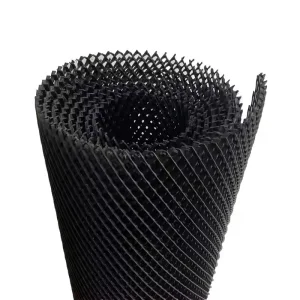
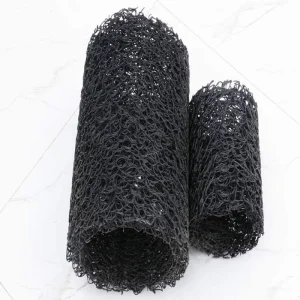
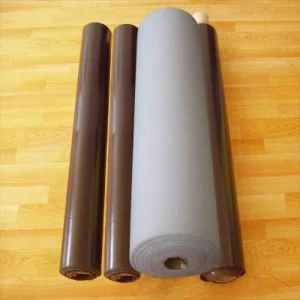
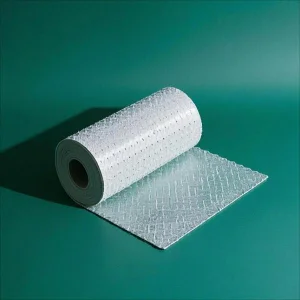
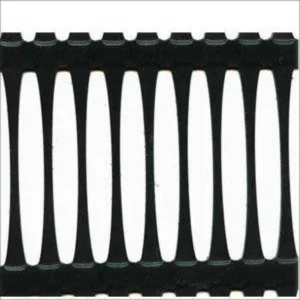
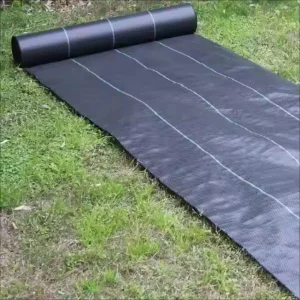
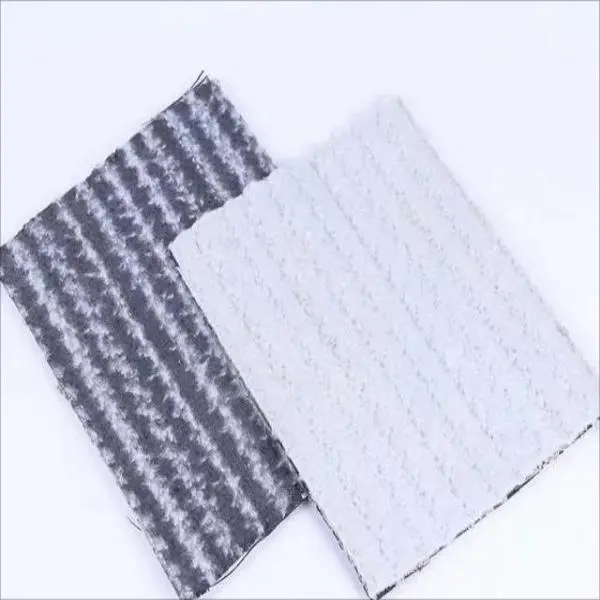
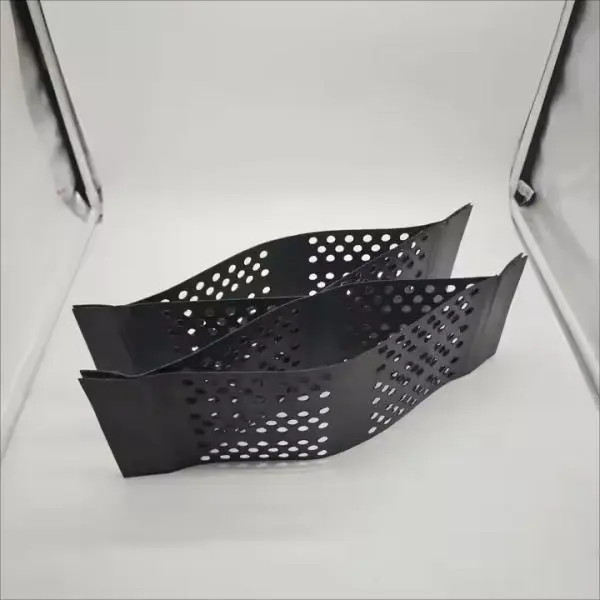
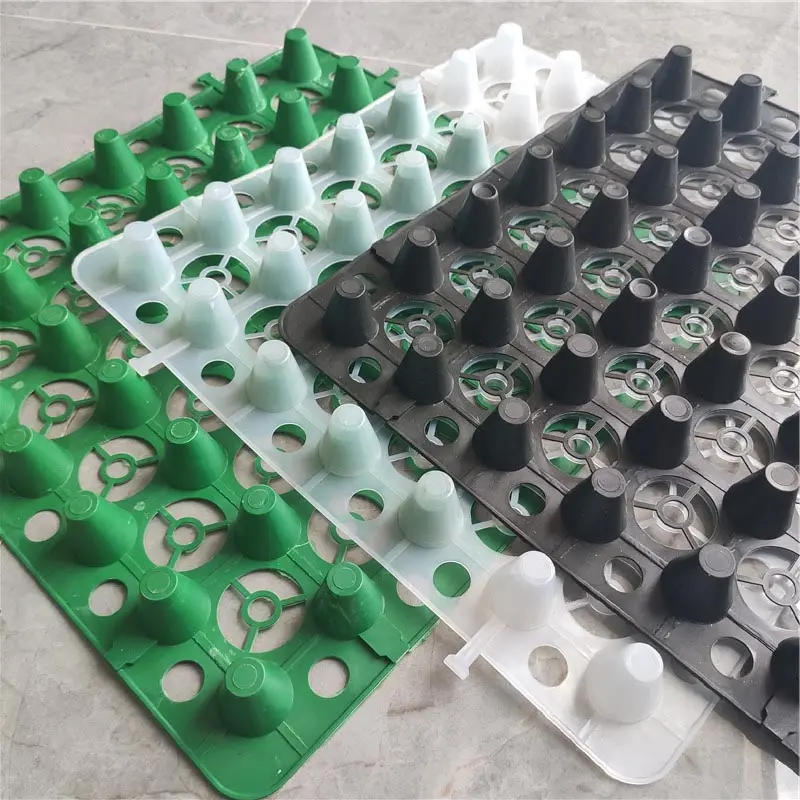
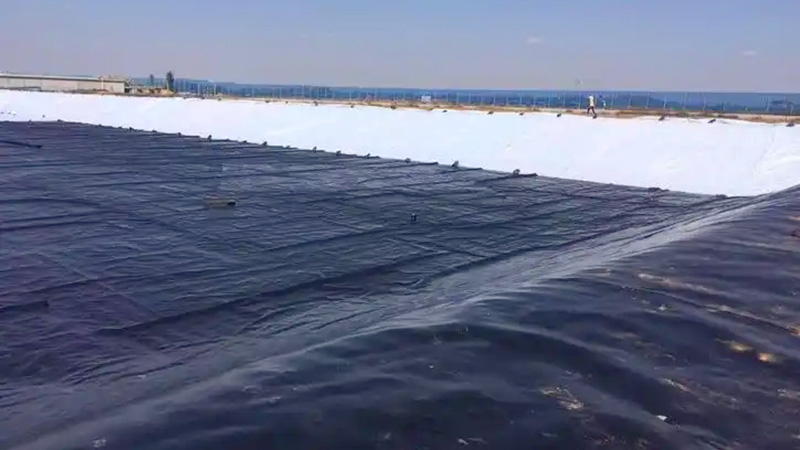
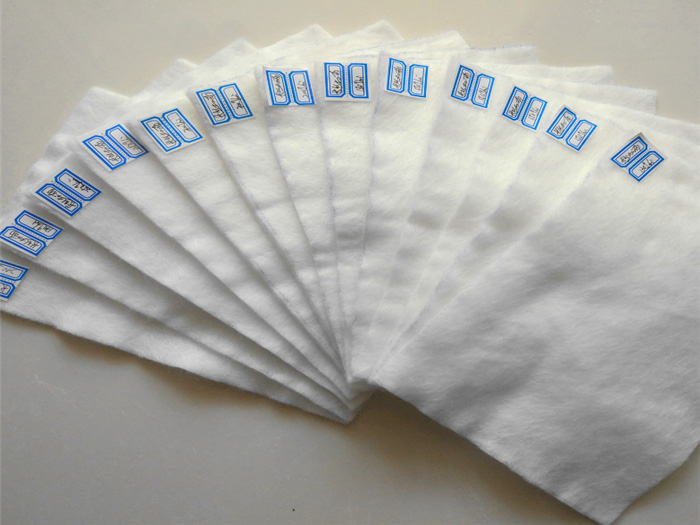
Explore our high-performance geotechnical inventory including sheet drainage boards, reinforced spun polyester filament woven geotextiles, and low-permeability geomembranes engineered to meet strict international hydraulic and transport standards.
Composite geotextiles represent a revolutionary class of synthetic civil engineering materials designed to perform multiple functions simultaneously: filtration, drainage, separation, reinforcement, and barrier protection. Unlike basic mono-layer polymer products, composite geotextiles combine the high tensile strength of geogrids, woven fabrics, or non-woven matrix structures with specialized geomembrane cores or geonets. This structural synergy allows project designers to bypass multi-layer placement sequences, effectively slashing installation time and cost on site.
The primary raw materials used are premium polyester (PET) chips, polypropylene (PP) filament, and viscose fibers. Every incoming batch is rigorously tested for molecular weight consistency and mechanical characteristics.
Polyester slices undergo high-temperature melting and are extruded through high-precision screw extruders. Polypropylene filament is blended under strict temperature controls to ensure structural uniformity.
The molten polymer is expelled via high-density spinnerets to form uniform fibrous structures over continuous conveyor belts, establishing precise fiber orientation metrics for optimal biaxial strength.
The continuous web is drawn and thermal-cured. Exact speed, draw ratios, and temperature calibrations determine the ultimate tensile elongation profiles before the final product is packed and rolled.
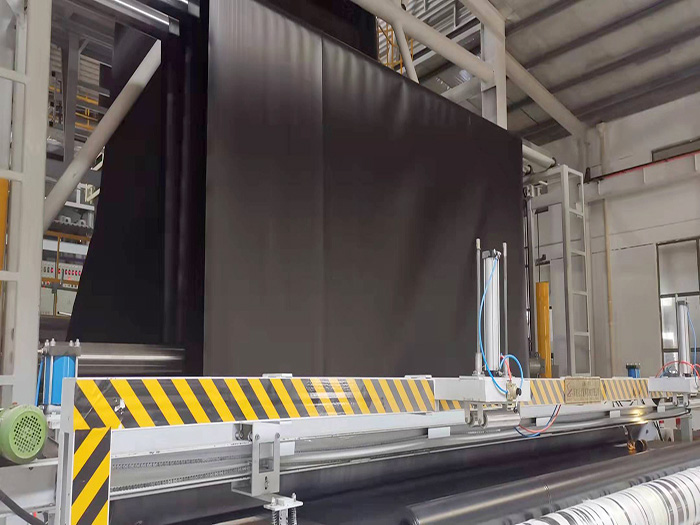
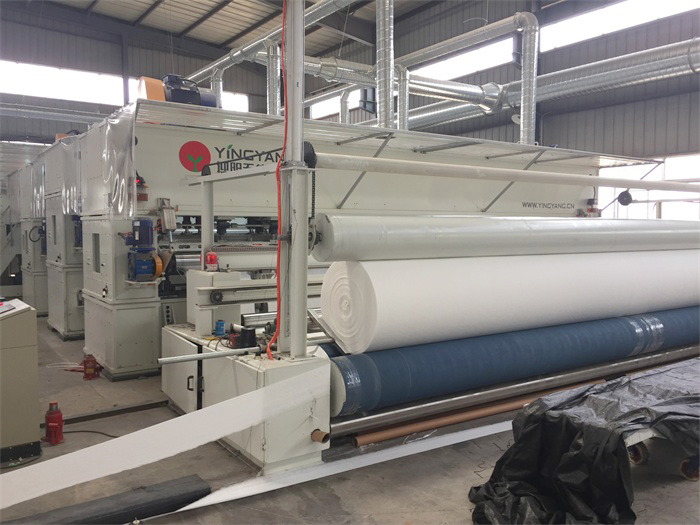
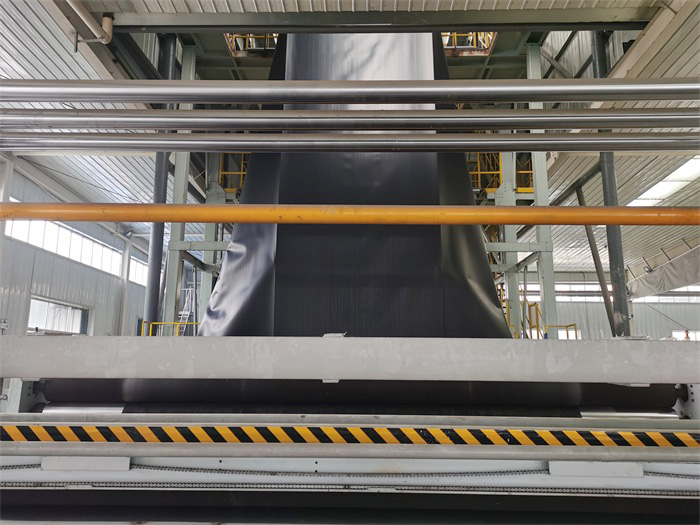
The international demand for geosynthetics is experiencing a major expansion driven by large-scale public transit projects, mining containment protocols, and climate-adaptive water conservancy infrastructure. Asia-Pacific continues to lead the global volume footprint due to fast urban development and agricultural protection plans. Concurrently, North American and European regulatory bodies are tightening environmental compliance laws (such as strict liner guidelines for toxic landfill basins and petrochemical tanks), driving the adoption of high-performance composite geomembranes over legacy clay lining practices.
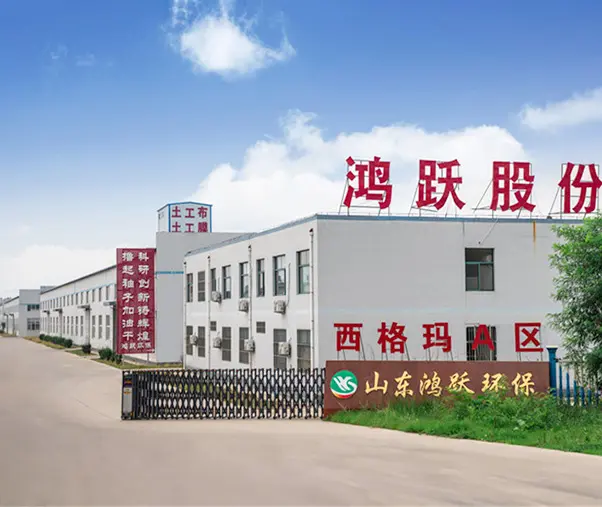
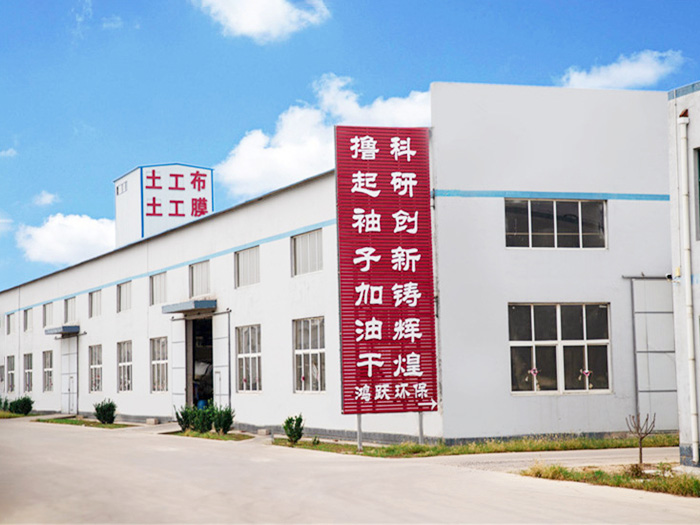
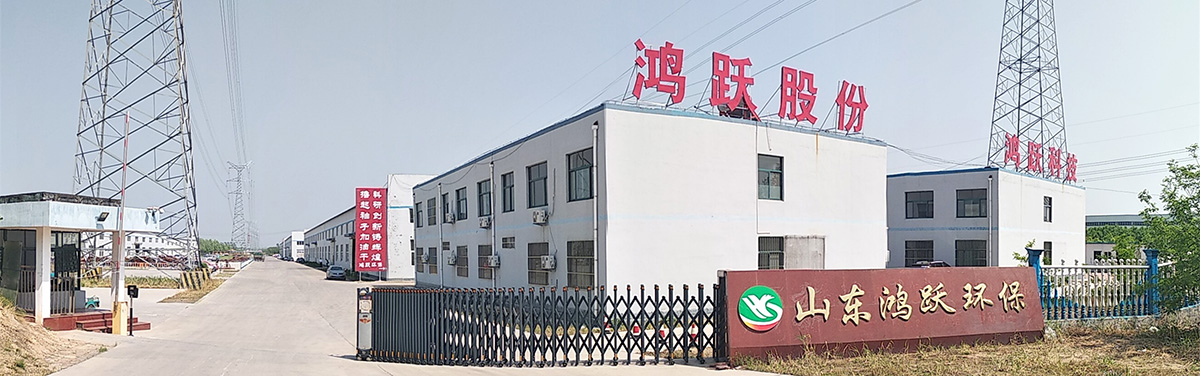
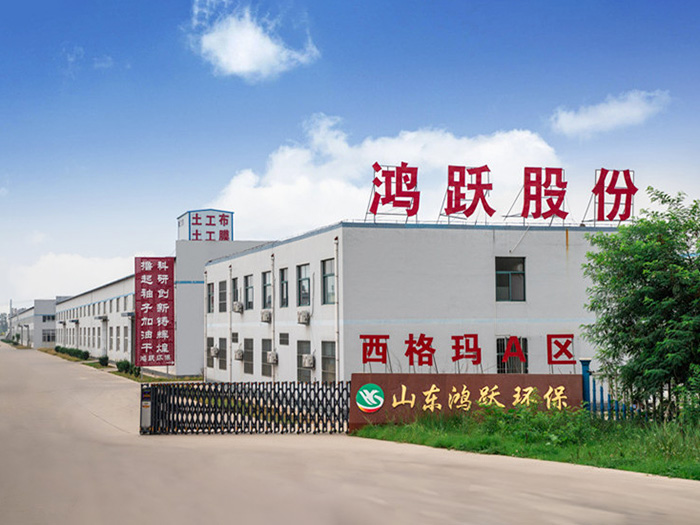
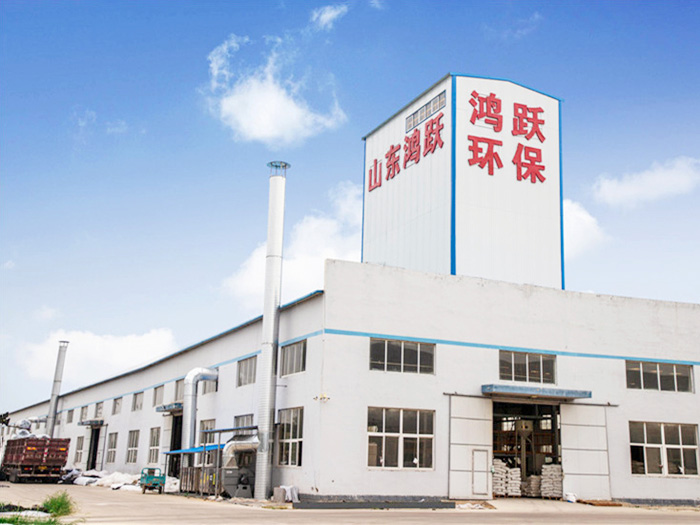
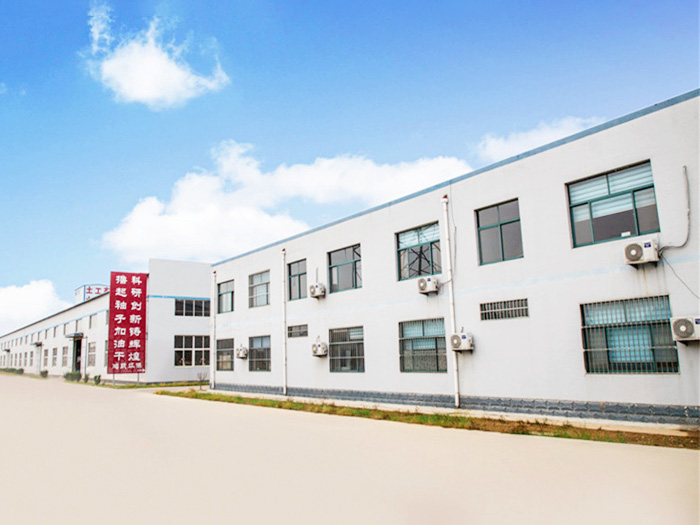
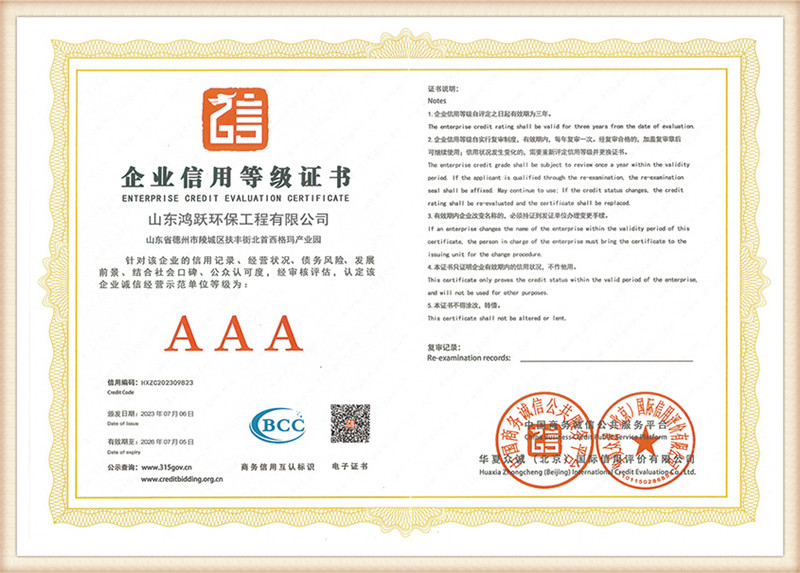
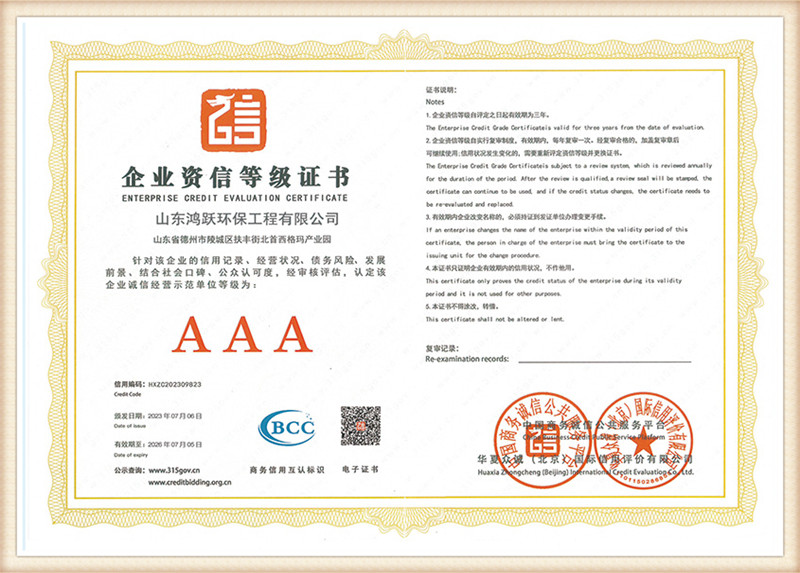
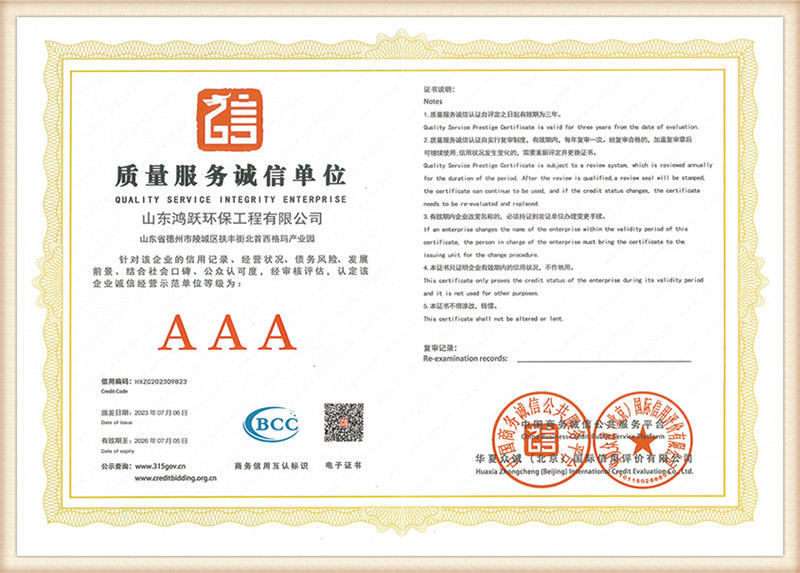
An emerging trend is the integration of recycled polymer structures without compromising tensile integrity, aligning with the global push for circular economy standards in civil construction. Leading operators prioritize high E-E-A-T markers: verifiable product origin, certified laboratory testing reports, and extensive on-site installation support. As a manufacturer located in Dezhou, Shandong Province (a globally recognized hub for geotechnical materials), Shandong Hongyue Environmental Engineering Co., Ltd. leverages local supply-chain depth to offer competitive pricing on ODM and OEM products while meeting rigid ASTM, ISO, and CE certification metrics.
Procuring composite geotextiles involves balancing physical requirements with cost constraints. Quotes are calculated based on raw material fluctuations (PP vs. PET), total weight per unit area ($g/m^2$), and customized layering configurations (e.g., non-woven protective layer + HDPE core + non-woven protective layer).
| Composite Geotextile Type | Core Composition Options | Standard Weight Range | Tensile Strength (MD/CD) | Estimated Base Quote Range |
|---|---|---|---|---|
| Geotextile-Geomembrane (Single Layer) | PET Non-woven + HDPE Smooth Film | 400g - 1000g/m² | ≥ 12 kN/m | Contact Factory for Custom Quotes |
| Double Geotextile-Geomembrane | PET Non-woven + HDPE + PET Non-woven | 600g - 1500g/m² | ≥ 25 kN/m | Volume-Dependent ODM Pricing |
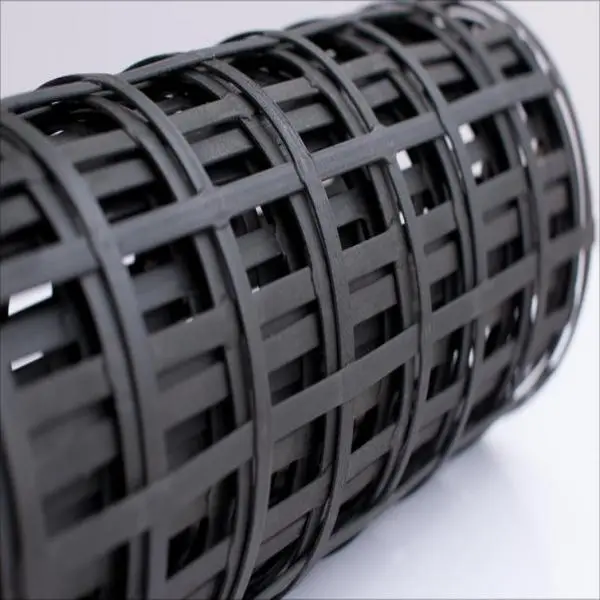
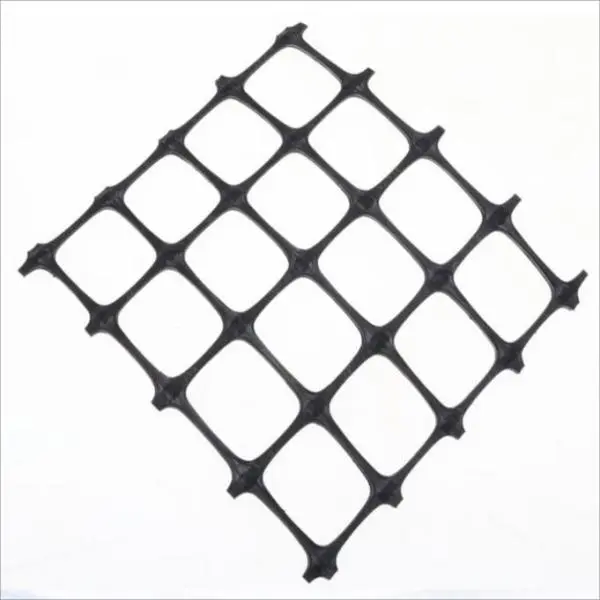
| Reinforced Grid Composite | Biaxial Geogrid + Spunbond Woven Filament | 300g - 800g/m² | ≥ 50 kN/m | Project-Specific Customization |
| 3D Drainage Composite Geonet | HDPE Tri-Dimension Net Core + Non-woven | 800g - 2000g/m² | ≥ 18 kN/m | Wholesale / FCL Volume Discounts |
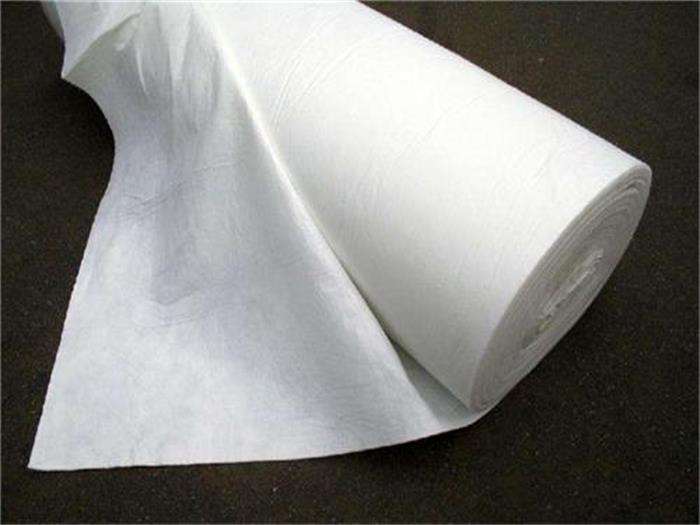
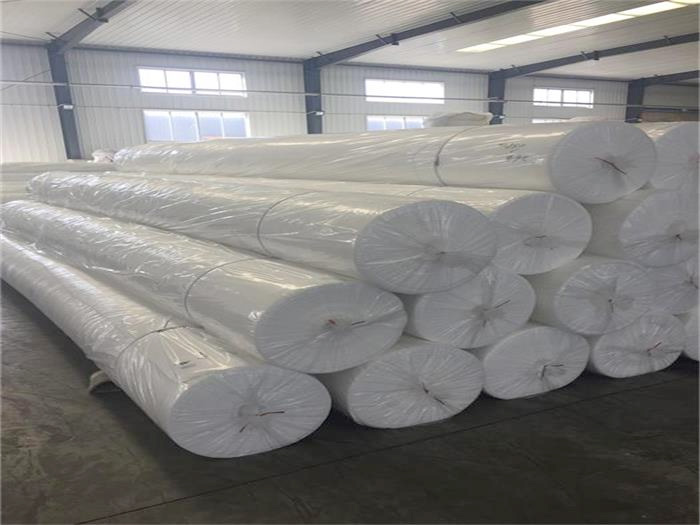
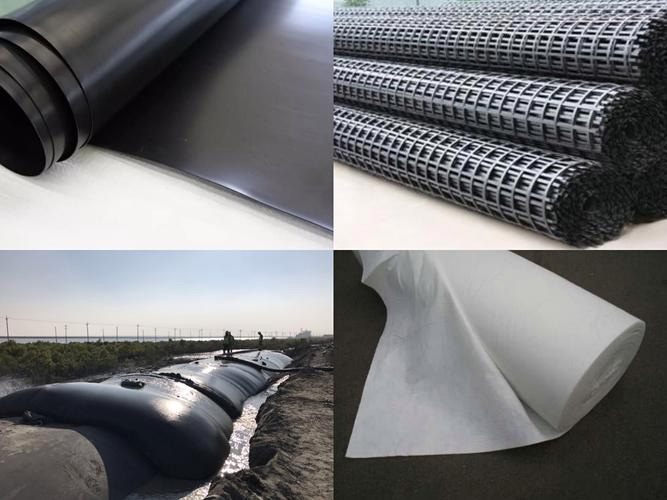
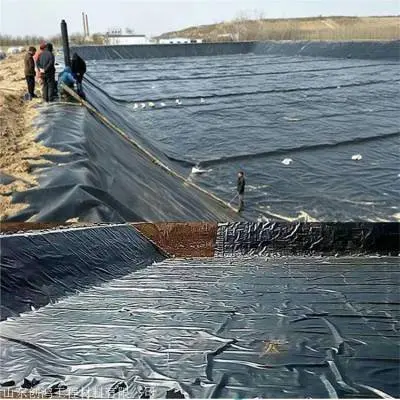
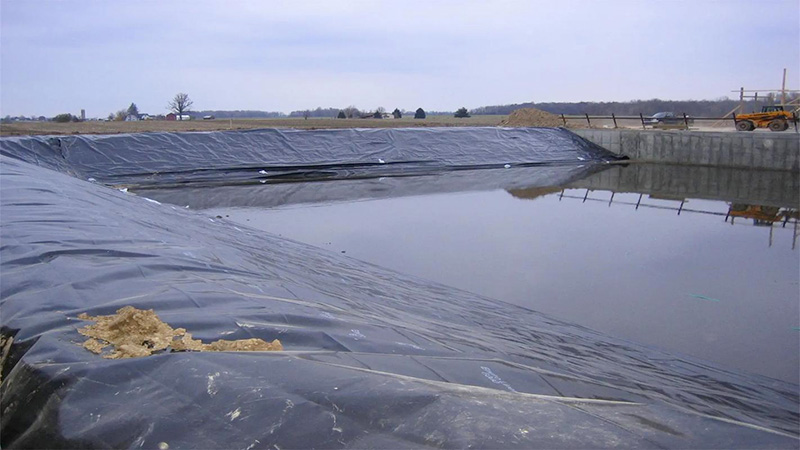
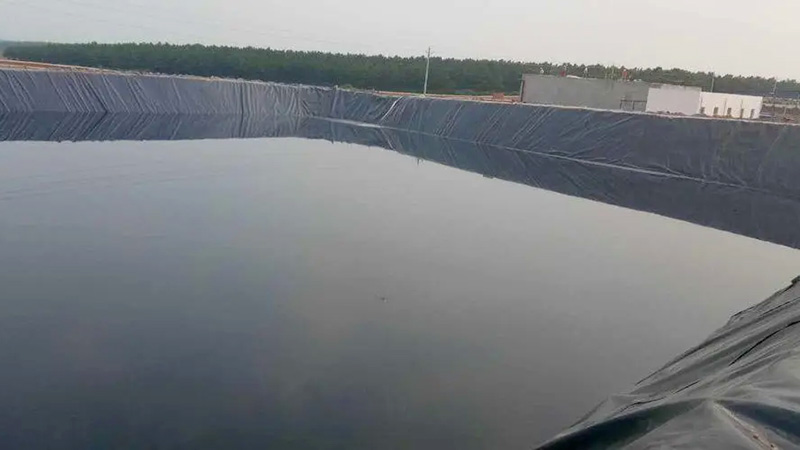
Different engineering environments present distinct design challenges. Composite geomembranes serve as reliable barriers in containment and stabilization systems.
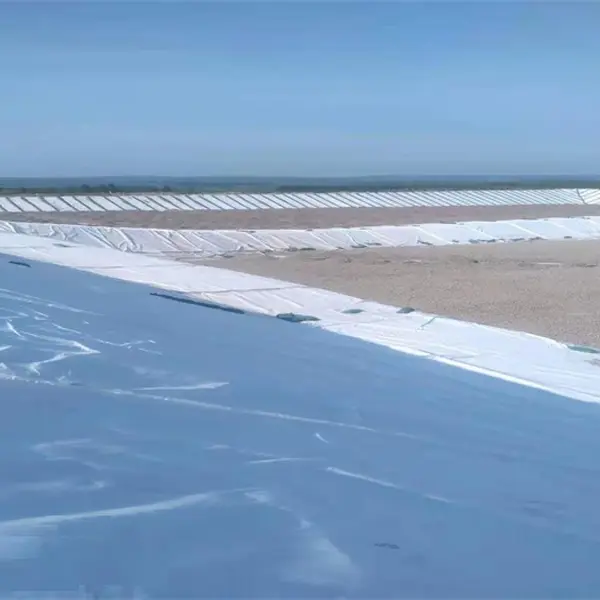
Used in reservoirs, channels, and canal beds to restrict water loss through subgrade faults. The non-woven layer protects the liner core from sharp rock formations.
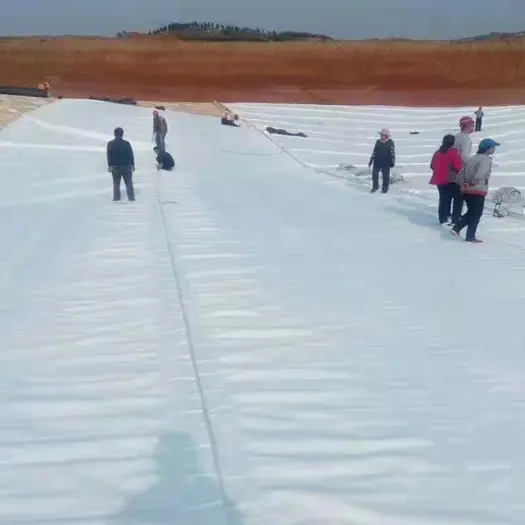
Enables active flow regulation without losing volume to base-channel absorption. Excellent for municipal ecology and agricultural canal networks.
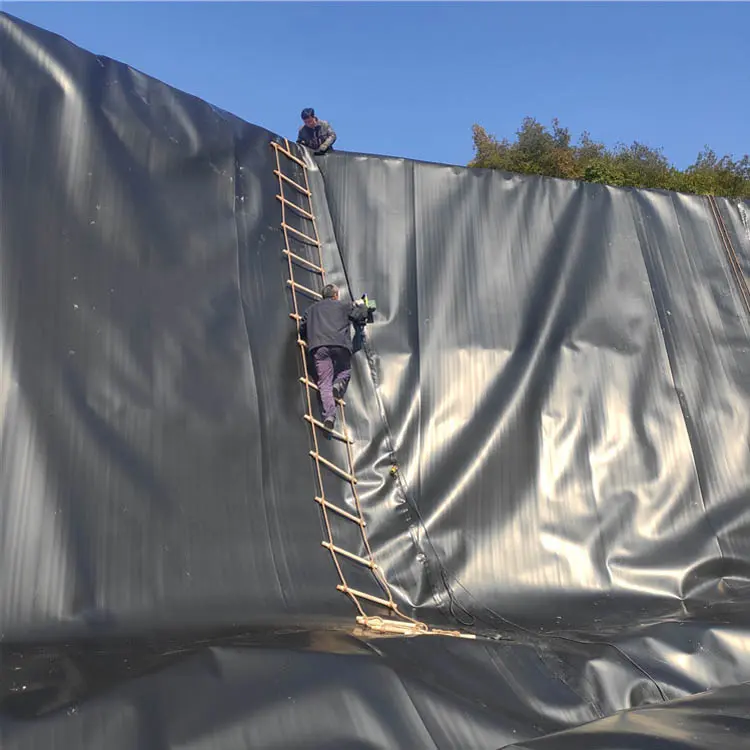
Acts as a primary barrier against chemical runoff. Provides containment for municipal solid waste and hazardous chemical containment pits.
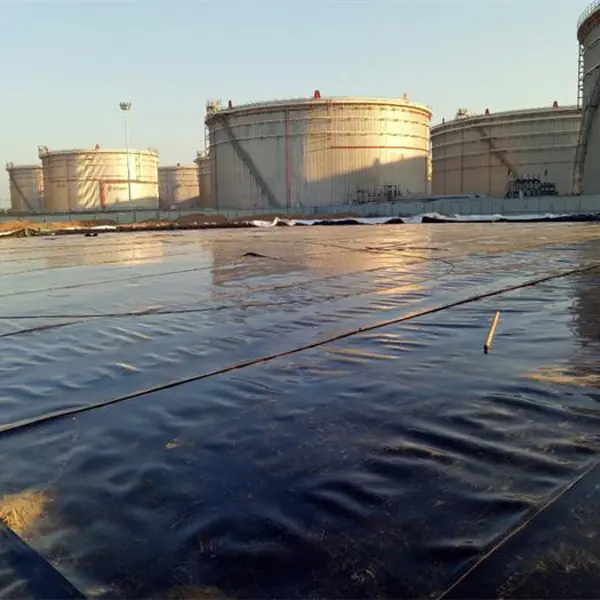
Engineered to resist hydrocarbons and chemical agents. Installed in surrounding secondary containment basins to protect groundwater tables.
The future of composite geotextiles lies in technological integration and sustainable formulations. Our R&D team targets two main development tracks:
Investigating bio-sourced polymer bases and optimizing thermal extrusion processes to reduce overall carbon intensity ($CO_2/ton$). The goal is to provide sustainable geotextiles that meet carbon-crediting protocols for public infrastructure.
Integrating conductive fibers directly into the non-woven composite matrix during netting. This allows operators to monitor structural health, strain, and leakage points remotely in real-time.
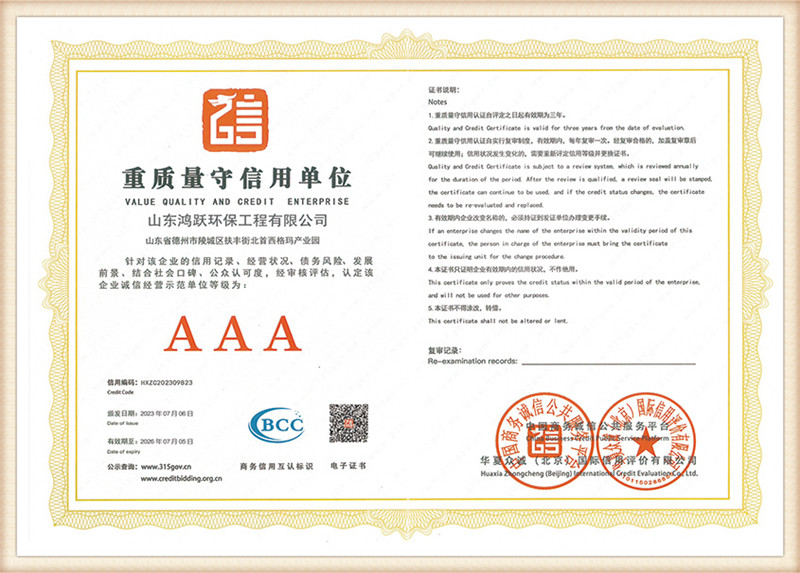
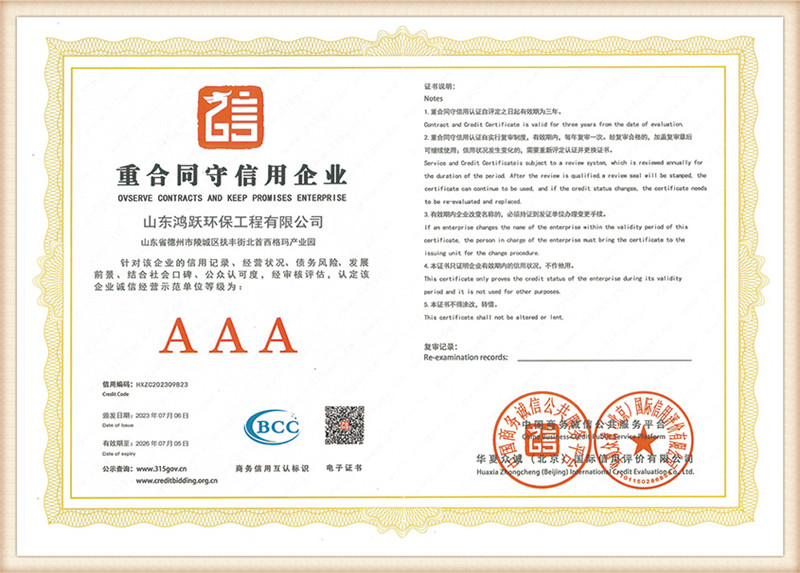
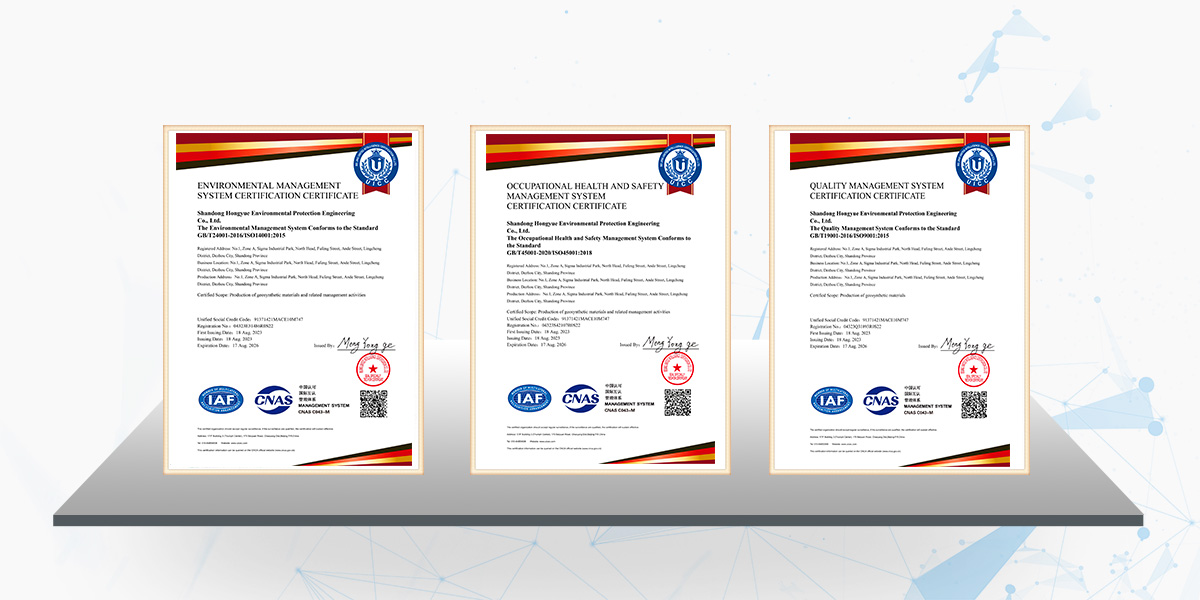
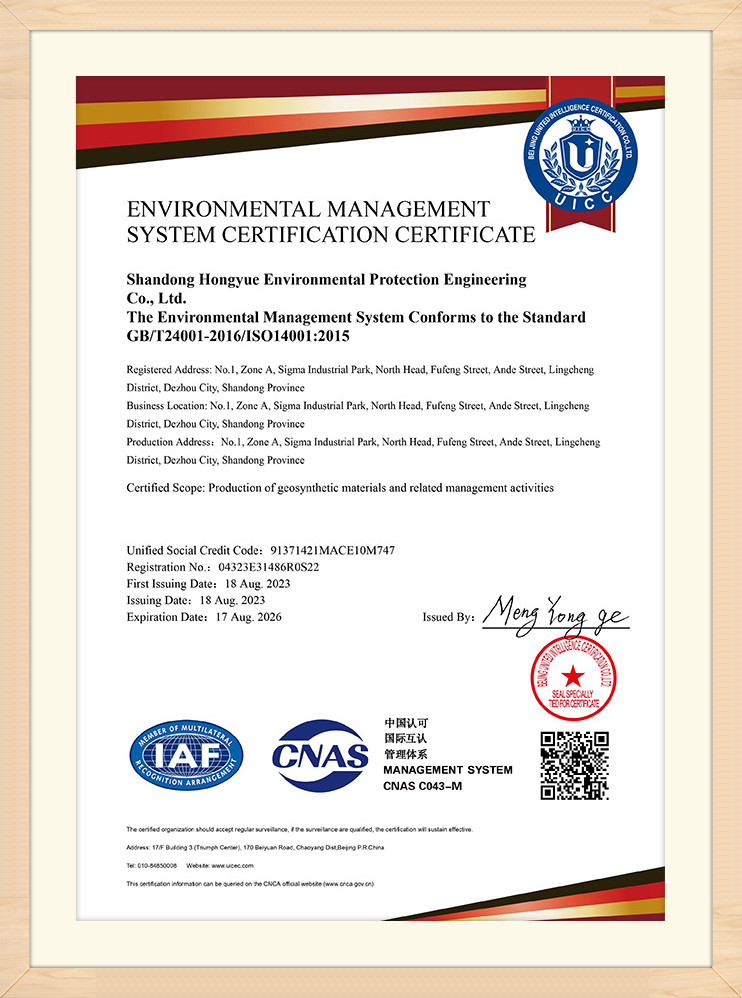
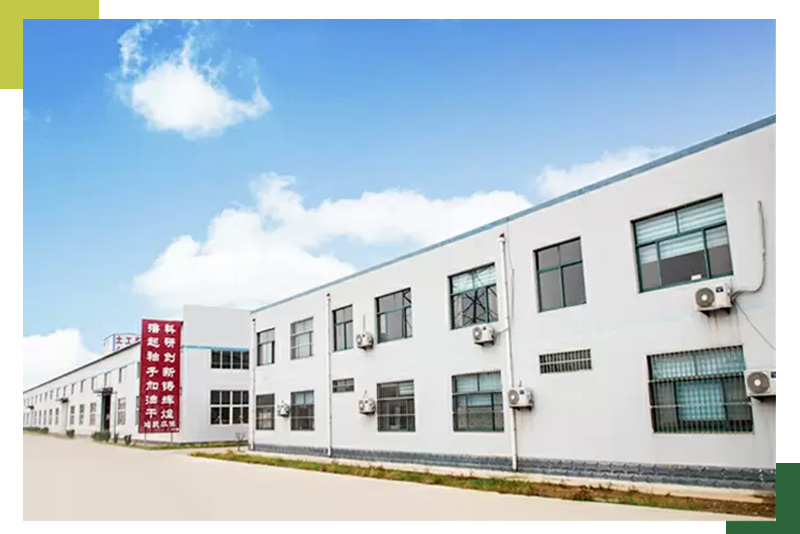
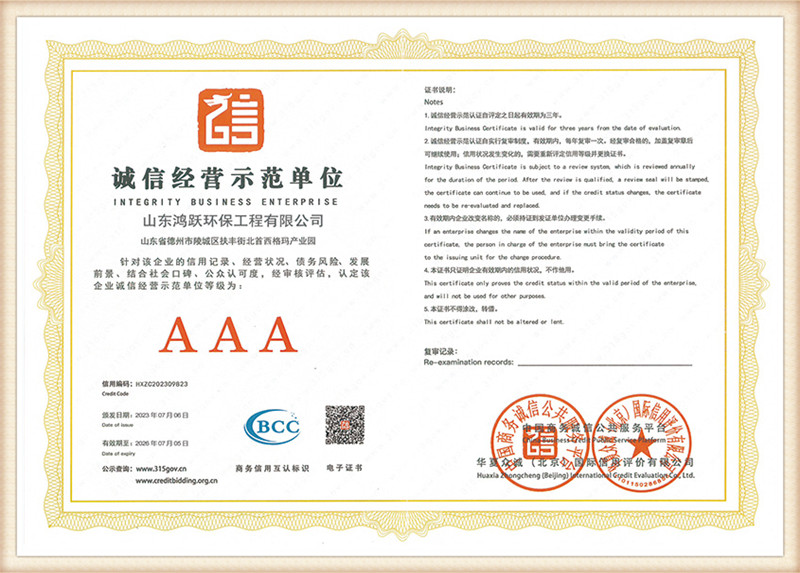
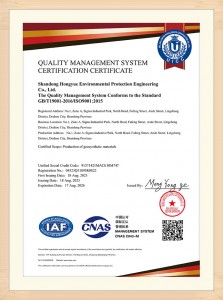
Every batch of composite geotextiles produced at our 105 million RMB Dezhou production facility is subjected to rigorous quality controls. We comply with international certification systems including ISO9001 (Quality Management), ISO14000 (Environmental System), and ISO45001 (Occupational Health and Safety).
Our internal laboratory coordinates testing protocols for physical, hydraulic, and endurance properties, verifying parameters such as:
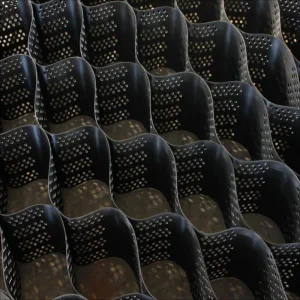
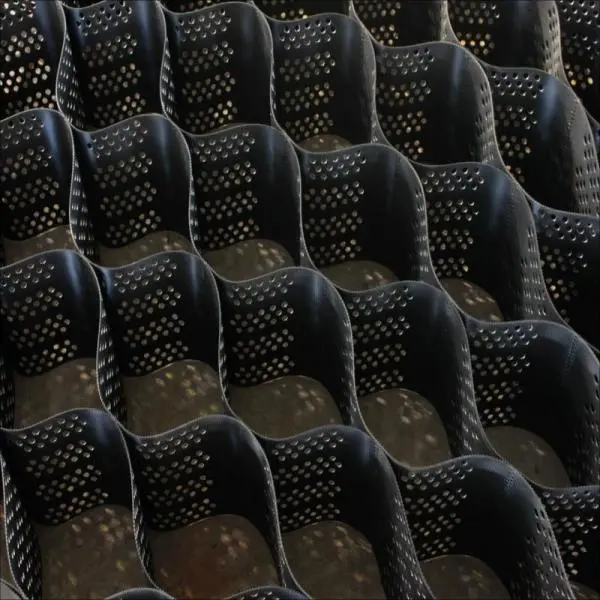
Browse our comprehensive selection of specialized geotechnical products, including spring-type underground drainage hoses, tri-dimensional geonet cores, high-quality PVC geomembranes, and structurally reinforced geocells.
 Hongyue