Explore our premium selection of structural stabilization, environmental containment, and erosion mitigation solutions, designed for high-performance global projects.
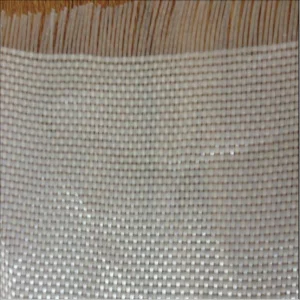
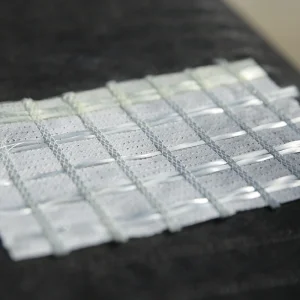
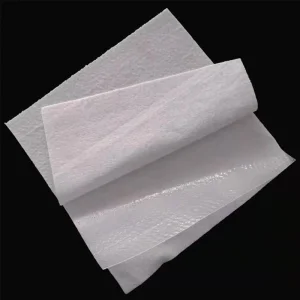
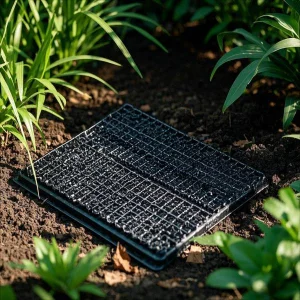
The global demand for environmental remediation and structural reinforcement materials has seen exponential growth over the past decade. Geotextile Coir, processed from organic coconut husks, alongside high-performance synthetic equivalents, represents a major category of modern environmental engineering solutions. Coir geotextiles and fiber blankets provide a highly sustainable, biodegradable matrix for soil stabilization, vegetation propagation, and coastal engineering projects.
Unlike synthetic alternatives, natural geotextile coir operates by degrading over a 3 to 5-year cycle, slowly returning organic matter to the soil substrate while facilitating permanent root-zone development. Global infrastructure developers, particularly across Europe, North America, and Australia, are shifting toward hybrid designs. These projects combine natural fiber blankets with robust, long-term synthetic barriers like LLDPE/HDPE geomembranes and three-dimensional composite geonets to construct resilient ecological barriers.
This industry transition highlights the critical need for integrated suppliers capable of offering both high-quality organic mats (such as coir-based fiber plants blankets) and advanced synthetic systems. This ensures infrastructure durability while meeting modern environmental criteria.
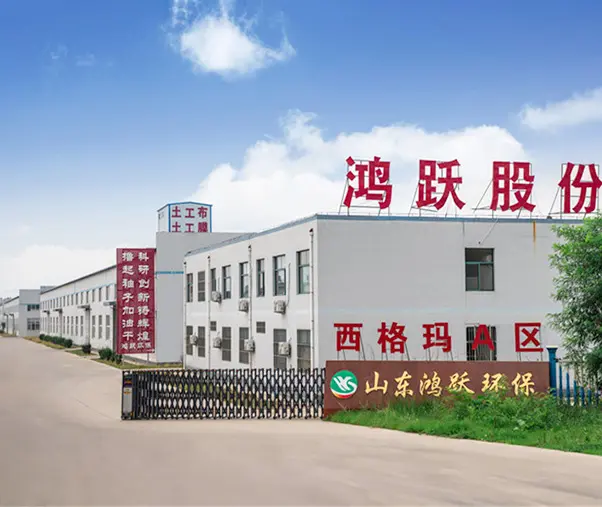
A scientific, technological, and geotechnical material giant with deep roots in engineering materials production, design, and construction services.
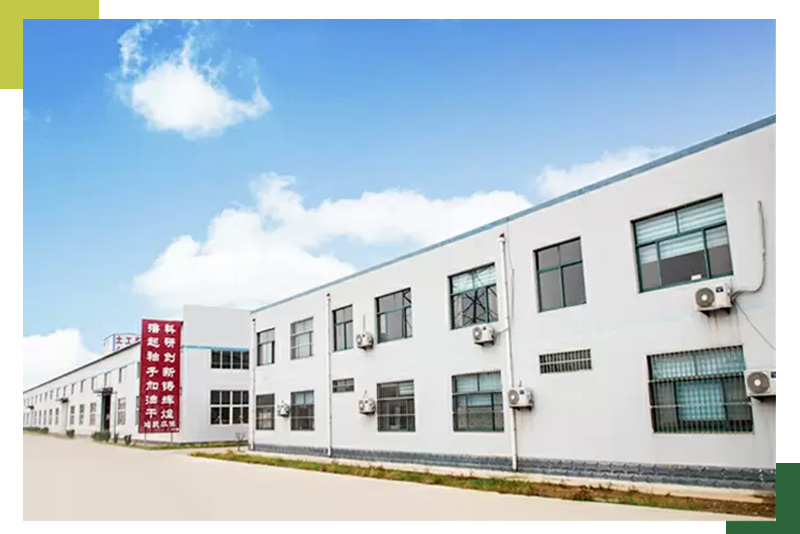
Located at the north end of Fufeng Street, Lingcheng District, Dezhou, Shandong Province, Shandong Hongyue Environmental Engineering Co., Ltd. is a leading Chinese manufacturer integrating high-performance material production, sales, design, and onsite installation services. The company was registered under the Lingcheng District Market Supervision and Administration Bureau of Dezhou City on April 6, 2023, with a substantial registered capital of 105 million yuan.
Our production facility in Shandong serves as one of the largest manufacturing hubs for geotechnical and erosion control materials in China. Dezhou provides a strategic geographical location with highly integrated raw material access and advanced transport networks. This enables efficient deliveries to major domestic logistics ports and overseas container terminals.
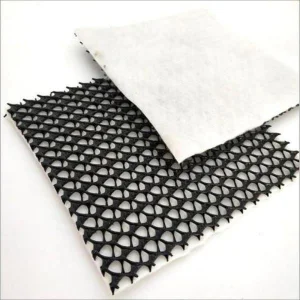
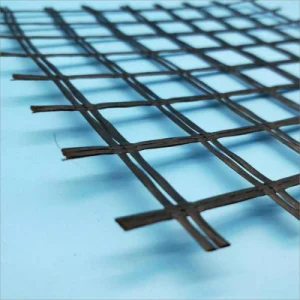
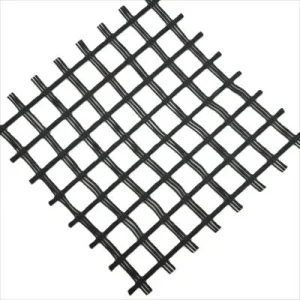
Our comprehensive portfolio spans organic fiber blankets, geotextiles, geomembranes, composite membranes, waterproof boards, bentonite waterproof blankets (GCL), 3D composite drainage systems, geogrids, geocells, and cement blankets. As an active member of the Dezhou Geotextile Association, we maintain a dedicated technical team to guarantee that our products comply with complex civil engineering guidelines globally.
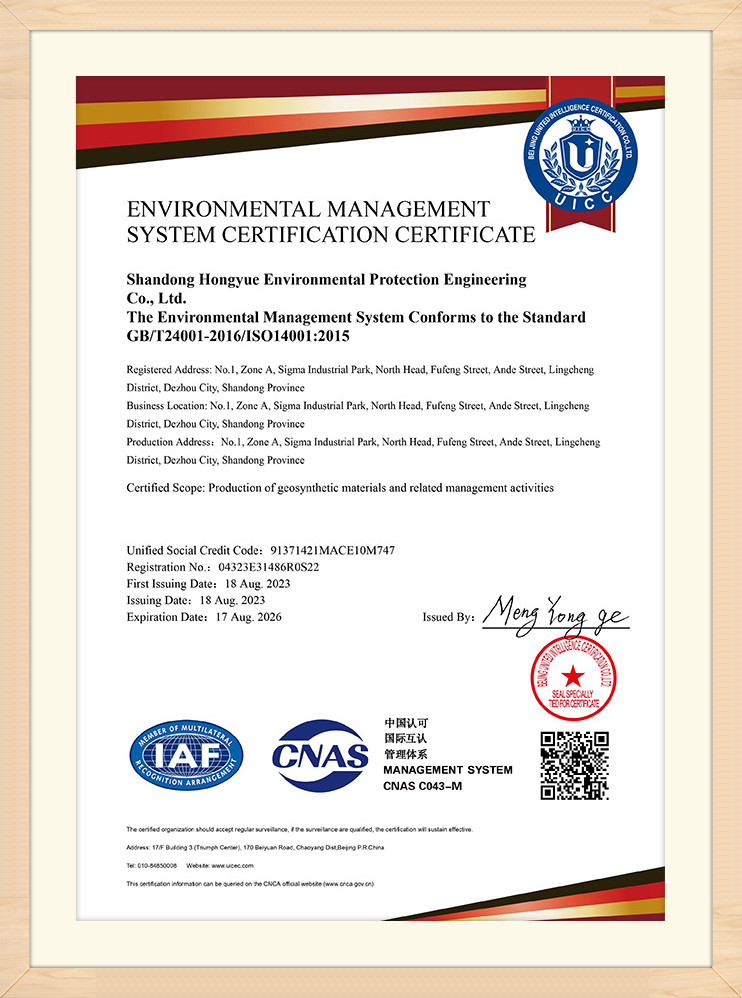
Fully certified under the ISO9001 International Quality System, ISO14000 Environmental Management, and ISO45001 Occupational Health and Safety management systems.
Products regularly pass random verification checks conducted by the China National Testing Center and the State Administration of Quality Supervision.
Established sales networks spanning across 40 large-and-medium Chinese cities, with long-term distribution agreements in Europe, North America, and Australia.
Delivering world-class materials and integrated construction services across the globe.
Understanding the manufacturing steps ensures high tensile strength and predictable performance in demanding environments.
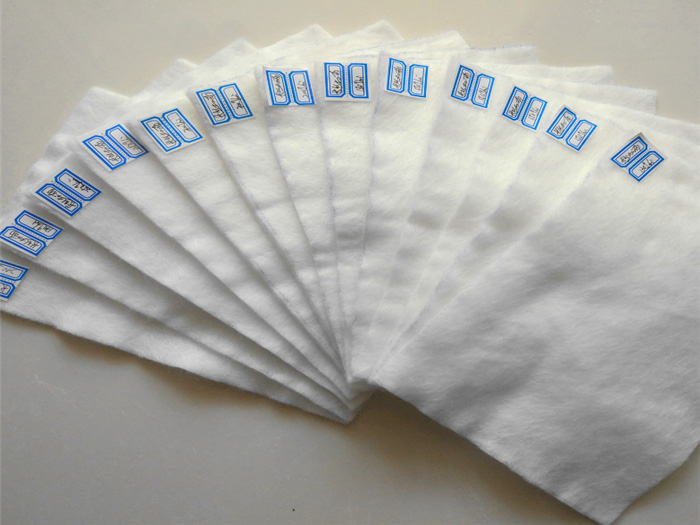
Our raw materials consist of high-grade polyester chips, premium polypropylene filament, and viscose fibers. These materials undergo rigorous testing before entering the production line. For synthetic geotextiles and membranes, polyester is melted at high temperatures and extruded through a multi-screw extruder to achieve a uniform melt state.
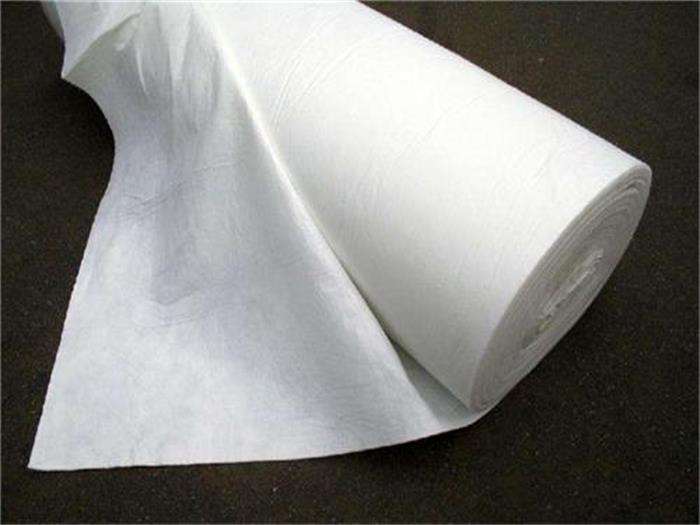
The molten mixture is extruded through precision spinnerets to form a dense web of fibers. This web is laid onto a continuous conveyor system to form a uniform mat structure. During this stage, we monitor fiber orientation, thickness, and distribution. Draft curing then stabilizes these fibers under controlled temperatures to maximize tensile strength.
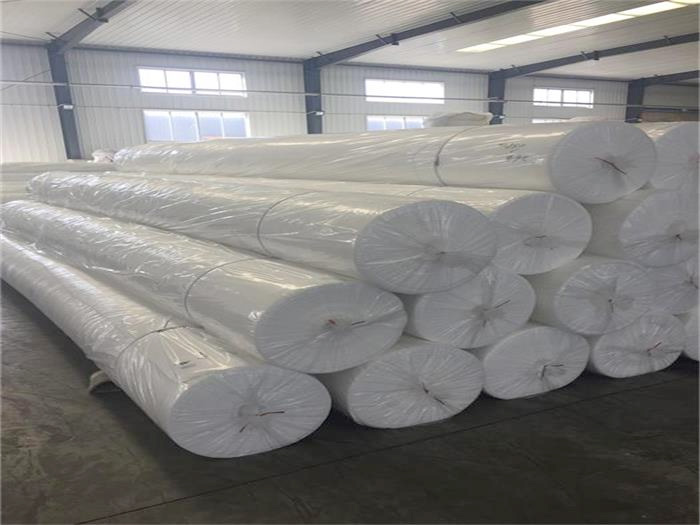
Once cured, the geotextile is measured, trimmed to exact widths, and rolled. Every batch undergoes a series of physical, hydraulic, and chemical tests. Samples are tested for grab tensile strength, puncture resistance, and flow rate to confirm compliance with ASTM and ISO specifications.
Proper deployment, welding, and maintenance are critical to ensuring the longevity of barrier systems in hydraulic projects.
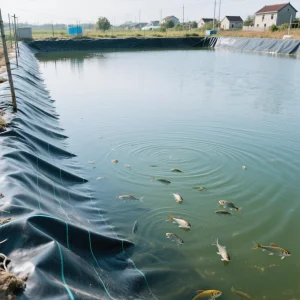
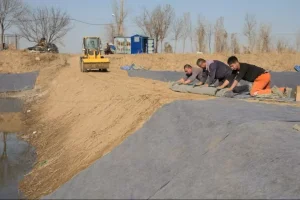
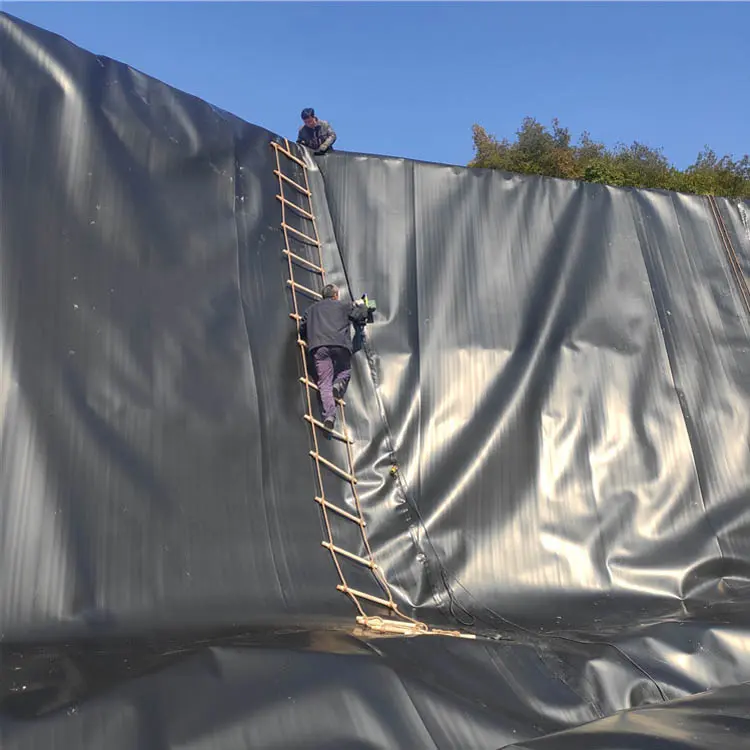
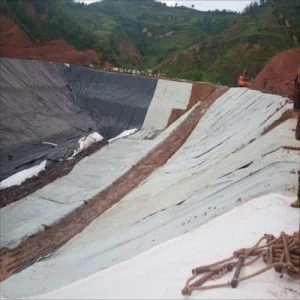
Anti-seepage systems require precise engineering and careful installation. Geomembrane application technology spans material selection, site preparation, welding, and long-term maintenance:
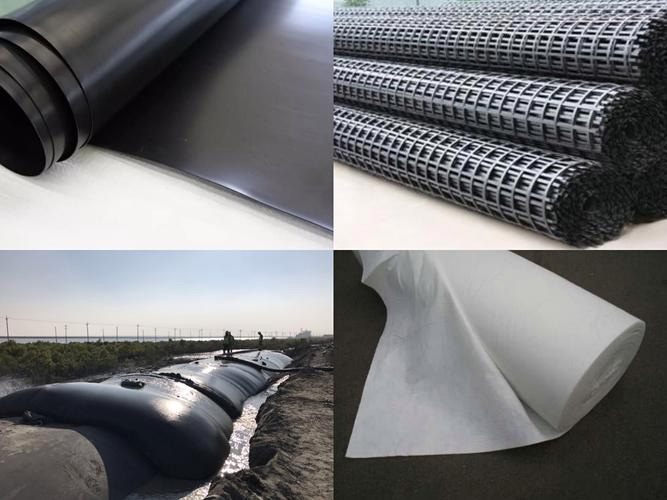
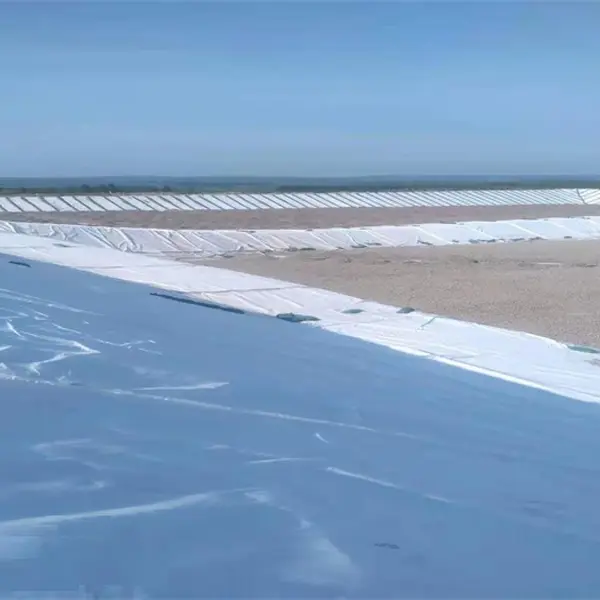
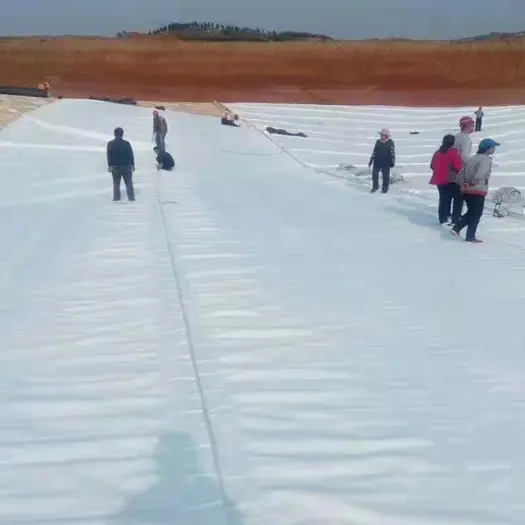
How Chinese manufacturing clusters optimize procurement costs for international engineering buyers.
Sourcing geotextile coir and synthetic geosynthetics from major manufacturing centers like Dezhou offers key commercial advantages for global buyers:
When drafting project specifications, specify coir geotextiles for short-to-medium term biological stabilization (e.g., slope restoration). For long-term structural applications (e.g., foundation stabilization or waste containment), use nonwoven polyester geotextiles or HDPE geomembranes to ensure the necessary durability and physical performance.
Below is a reference guide outlining typical specifications and estimated pricing structures for bulk international procurement.
| Material Classification | Common Specifications (GSM / Thickness) | Tensile Strength (kN/m) | Est. Price Range (FOB China Port USD) | Primary Infrastructure Application |
|---|---|---|---|---|
| Coir Geotextile Matting | 400 GSM - 900 GSM | 8.0 - 20.0 (Dry) | $0.65 - $1.80 / sqm | Slope erosion protection, riverbank vegetation |
| Woven Geotextile | 100 GSM - 600 GSM | 20.0 - 150.0 | $0.40 - $2.10 / sqm | Subgrade reinforcement, railway ballast foundation |
| Nonwoven Geotextile | 100 GSM - 800 GSM | 6.0 - 60.0 | $0.35 - $2.40 / sqm | Filtration, protection backing, subsoil drainage |
| HDPE Geomembrane | 0.5 mm - 2.0 mm | Yield: 15.0 - 30.0 | $0.80 - $3.50 / sqm | Reservoirs, chemical tanks, hazardous landfills |
| Bentonite GCL | 4000 GSM - 5500 GSM | ≥ 6.0 | $1.80 - $3.80 / sqm | Artificial lakes, canal liners, municipal works |
| 3D Drainage Network | 5.0 mm - 8.0 mm (Thickness) | 15.0 - 25.0 | $1.50 - $4.00 / sqm | Underground structural roofs, landfill drainage |
*Disclaimer: The prices above represent standard ranges. Final quotes vary based on raw material costs, order volume, customized properties, and testing requirements.
Addressing key technical questions regarding specifications, applications, and durability.
Explore our advanced structural drainage, confinement, and subgrade reinforcement systems for industrial engineering applications.

 Hongyue