High-performance stabilization, drainage, and barrier products engineered to meet international construction standards.
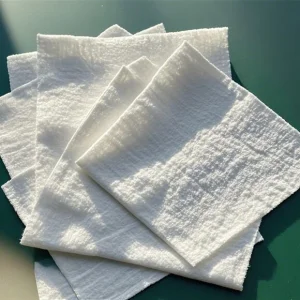
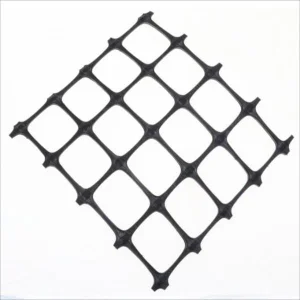
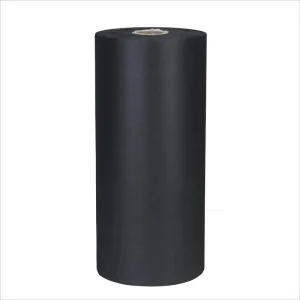
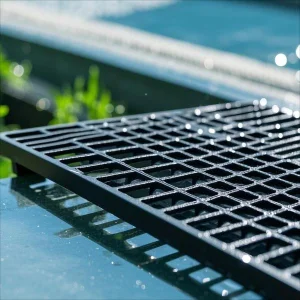
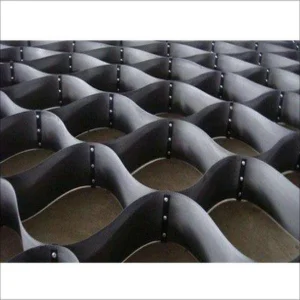
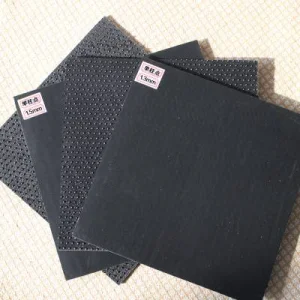
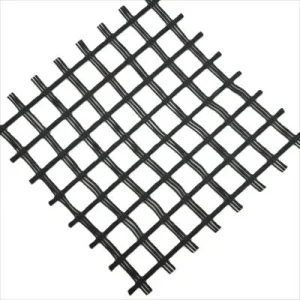
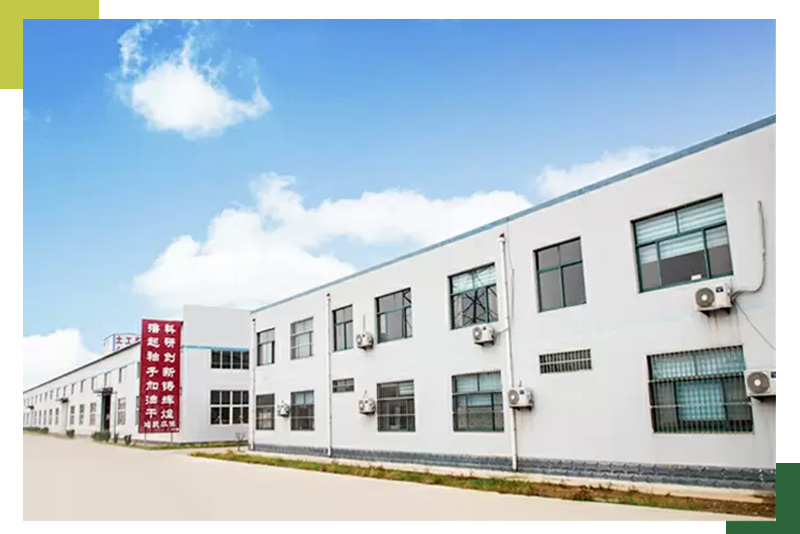
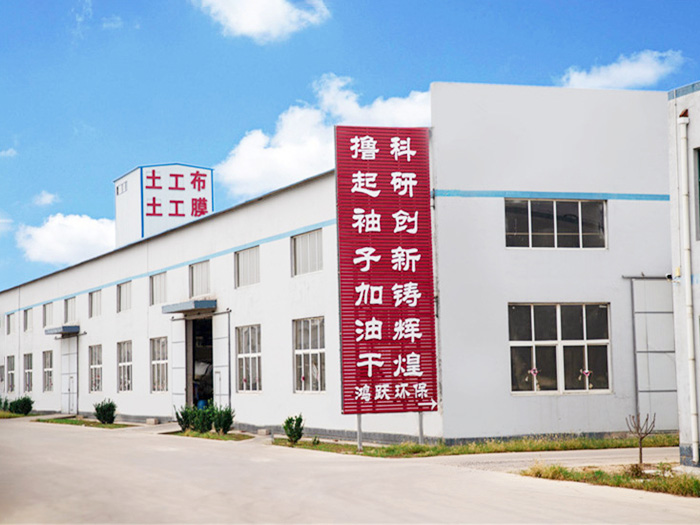
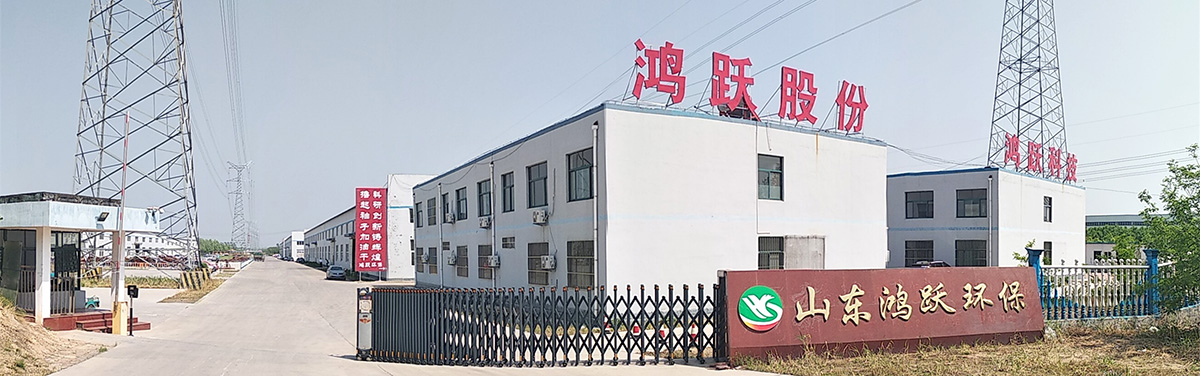
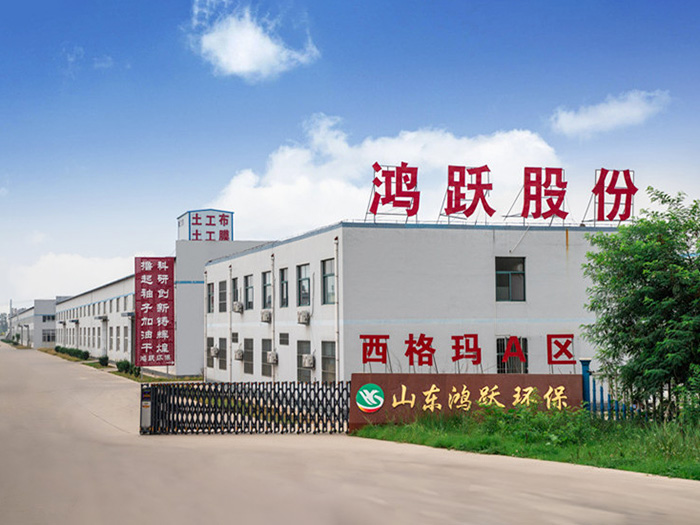
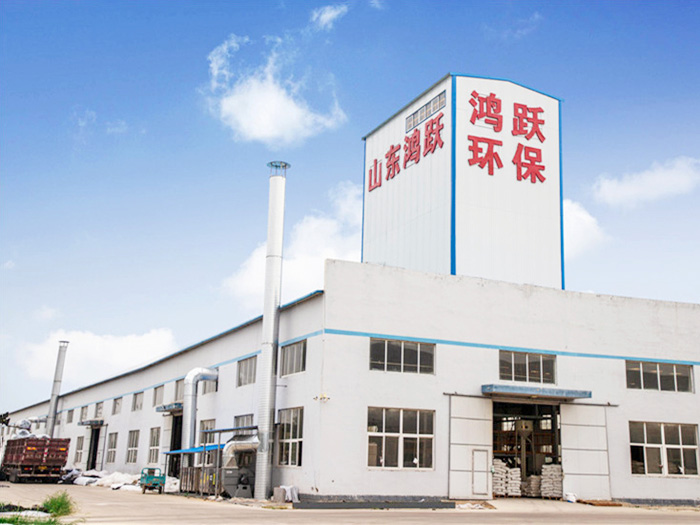
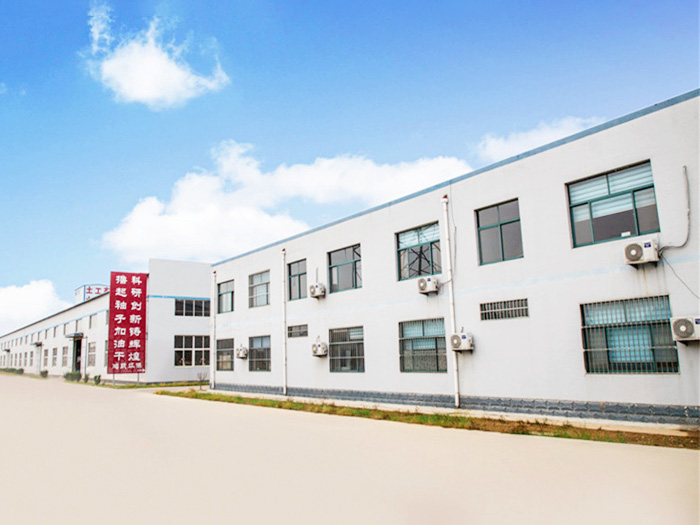
Located at the north end of Fufeng Street, Lingcheng District, Dezhou, Shandong Province, Shandong Hongyue Environmental Engineering Co., Ltd. is a scientific and technological geotechnical material manufacturer integrating engineering material production, sales, design and construction services. The company was registered in Lingcheng District Market Supervision and Administration Bureau of Dezhou City on April 6, 2023, with a registered capital of 105 million yuan. It stands today as one of the largest and most technologically advanced production bases of geotechnical materials in China, benefitting from a superior geographical location and convenient transportation.
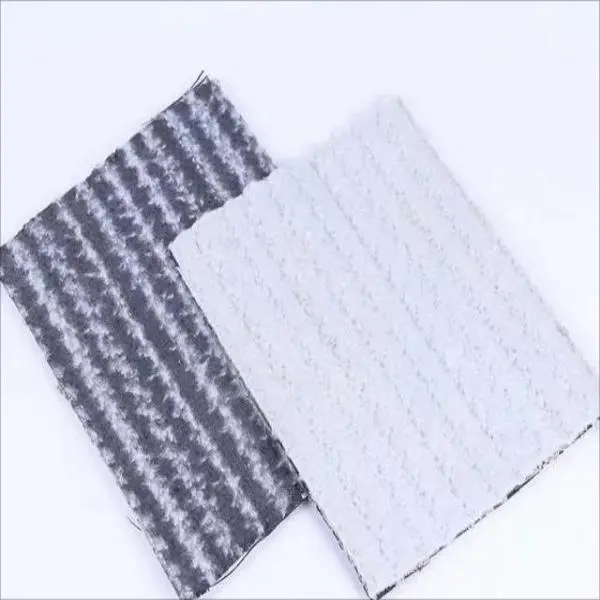
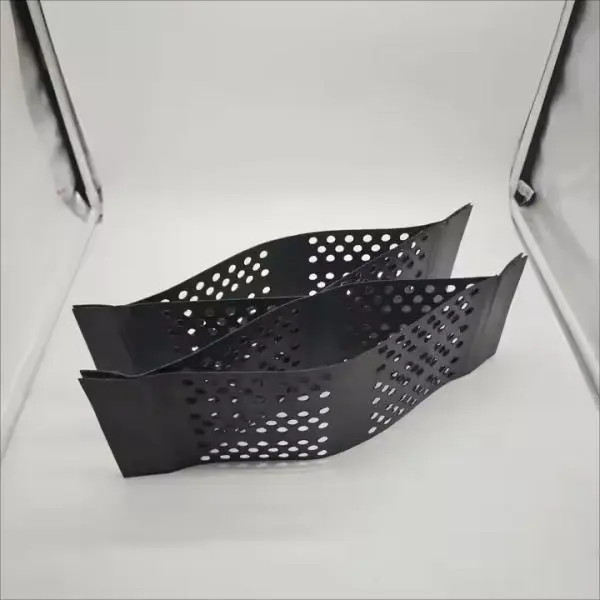
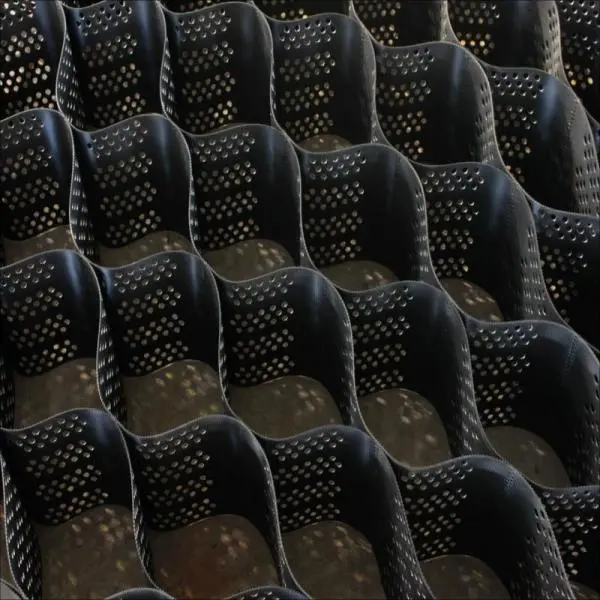
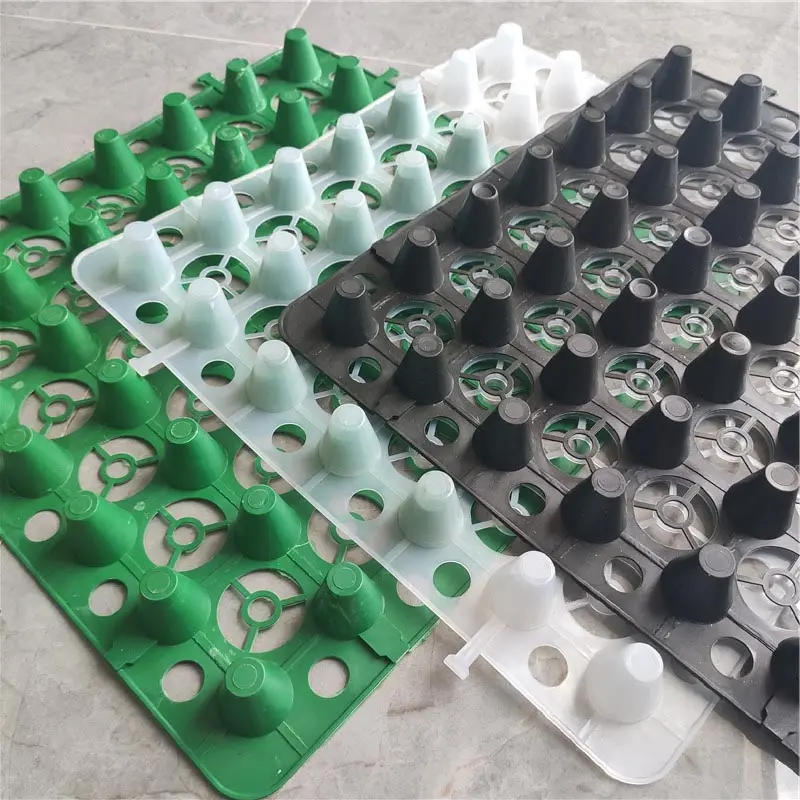
Since our establishment, we have achieved rapid growth. We manufacture and distribute an extensive portfolio, including geotextiles, geomembranes, composite geomembranes, waterproof boards, bentonite waterproof blankets (GCL), 3D composite drainage networks, drainage boards, woven and non-woven grass-proof cloths, geocells, concrete blankets, and flexible pervious pipes. Our geosynthetics are widely implemented in expressways, high-speed railways, bridges, tunnels, municipal environmental landfills, water conservancy channels, artificial lakes, mining tailings containment, and modern agriculture.
An in-depth exploration of geotechnical material performance, manufacturing efficiencies in China, and regional application specs.
In modern civil and landscape engineering, geogrids have evolved from specialized slope-reinforcement components to critical architectural and structural base infrastructure. By providing high tensile stiffness, structural integrity, and confinement of particulate fills, geogrids redistribute localized stresses across wider areas. This tensile support mechanism allows engineers to build steep reinforced slopes, retaining walls (Mechanically Stabilized Earth walls), load-bearing access roads, and foundation bases on weak organic subgrades.
The global market for geosynthetics is experiencing rapid growth, driven by massive infrastructure upgrades and stricter environmental mandates worldwide. In the Americas, Canada and the United States utilize geogrids extensively to mitigate soil erosion, manage subgrade stability in regions experiencing harsh freeze-thaw cycles, and build resilient commercial retaining walls. In the European Union, the integration of green roofs, sustainable urban drainage systems (SuDS), and slope-reinforcement layouts aligns with the EU Green Deal and local biodiversity regulations. Geogrids enable the greening of steep slopes by securing soil matrices and allowing deep vegetative root penetration while preventing massive slope failure.
China's geotechnical manufacturing sector is centered around Dezhou in Shandong Province. This specialized cluster yields profound efficiency advantages for international contractors and buyers. Shandong Hongyue Environmental Engineering Co., Ltd. capitalizes on this concentrated industrial ecosystem to offer significant commercial and technical advantages:
Geosynthetic design requires precise localization based on local geomorphology, climate zones, and structural demands.
| Region | Primary Application | Environmental Factors Addressed | Recommended Geosynthetic Specification |
|---|---|---|---|
| North America | Highways, commercial retaining walls, municipal infrastructure | Extreme freeze-thaw cycles, high dynamic traffic loads | Biaxial PP Geogrids & High-Stiffness HDPE Geocells |
| Europe | Eco-corridors, green roofs, alpine road stabilization | Strict ecological directives, high rainfall, aesthetic requirements | Polyester Geogrids with Biodegradable/Eco-safe coatings & Non-woven Geotextiles |
| Middle East & Africa | Desert highways, railway subgrades, dune stabilization | Intense UV exposure, ambient temperatures up to 50°C, sandy soils | UV-Stabilized HDPE Geomembranes & High-Strength Geogrids |
| APAC & South America | Aquaculture containment, coastal protection, high-speed rail | Monsoon seasons, high seismic activity, soft coastal subgrades | High-strength Filament Geotextiles & Composite Drainage Networks |
The geosynthetics industry is shifting rapidly toward carbon neutrality, intelligent materials, and high-durability polymers:
Our four-pillar approach ensures your project demands are met on schedule, within budget, and to precise technical standards.
Focusing on the production of a complete spectrum of advanced anti-seepage, reinforcement, and stabilization engineering materials.
Our factory is dedicated to providing professional services, tailored custom designs, and dedicated technical support.
Capitalizing on our prime geographic location, robust national highways, and deepwater port routes for rapid global shipping.
Our materials are widely specified in civil works, mining operations, agricultural works, and green landscaping projects worldwide.
Step inside our high-capacity production floors equipped with state-of-the-art extrusion, knitting, and quality monitoring systems.
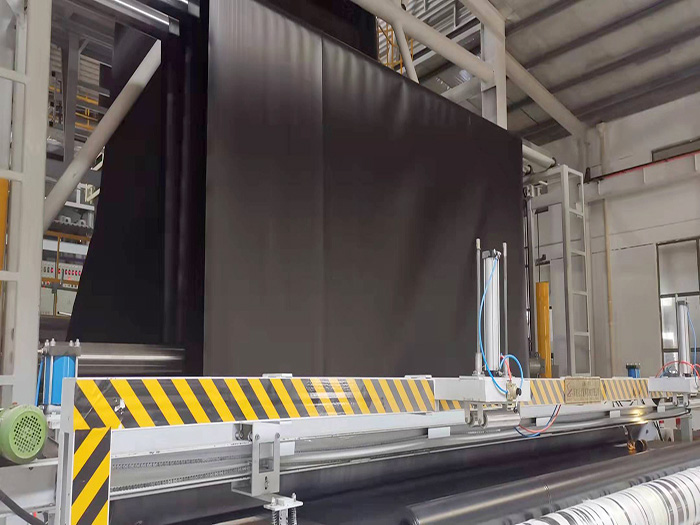
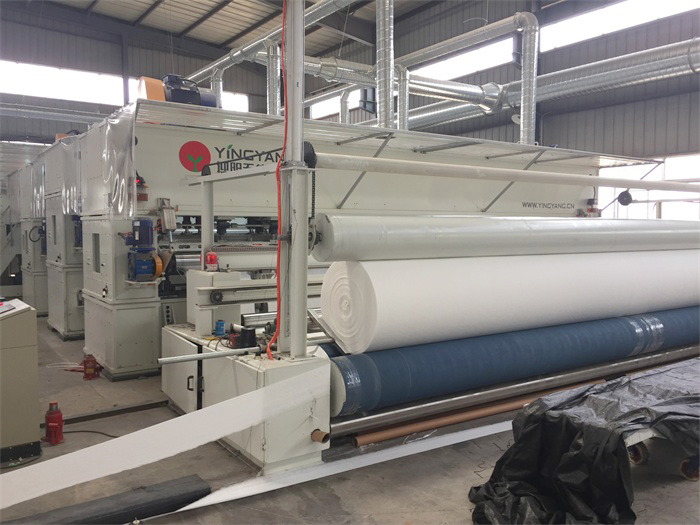
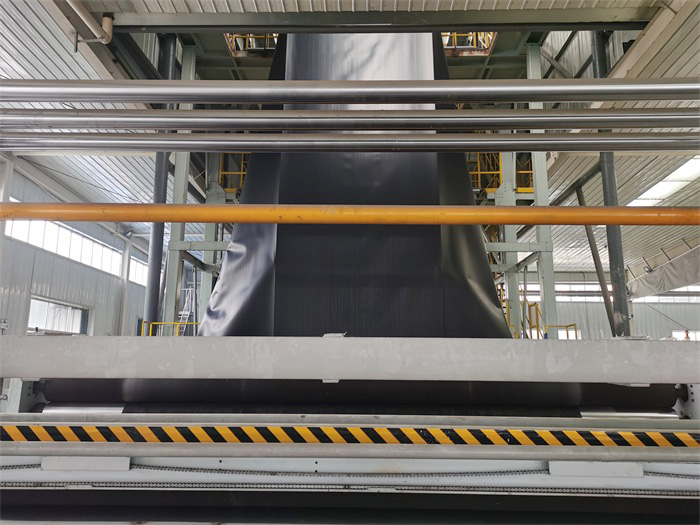
Our specialized formulations address load distribution, chemical protection, and drainage requirements.
Our products are engineered to solve challenging civil engineering, hydraulic protection, and waste containment problems globally.
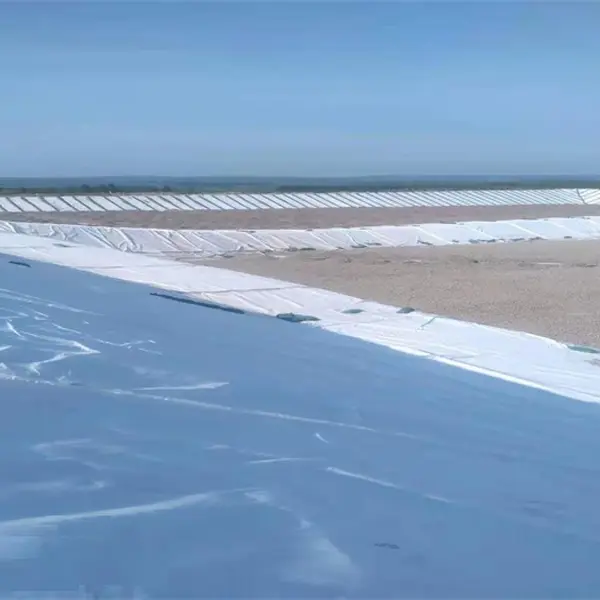
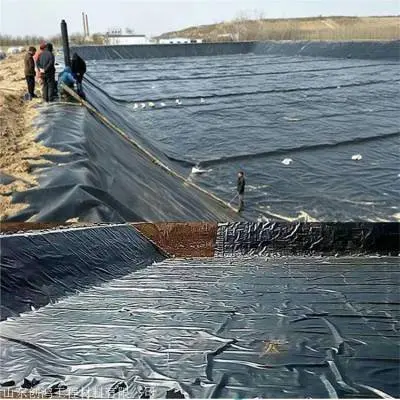
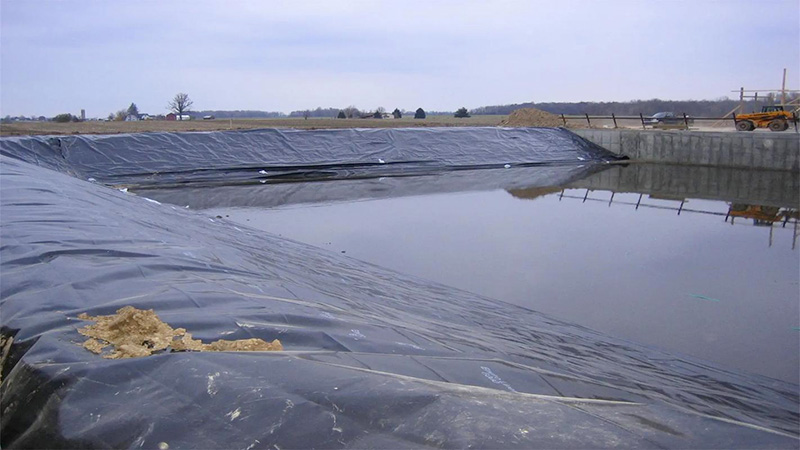
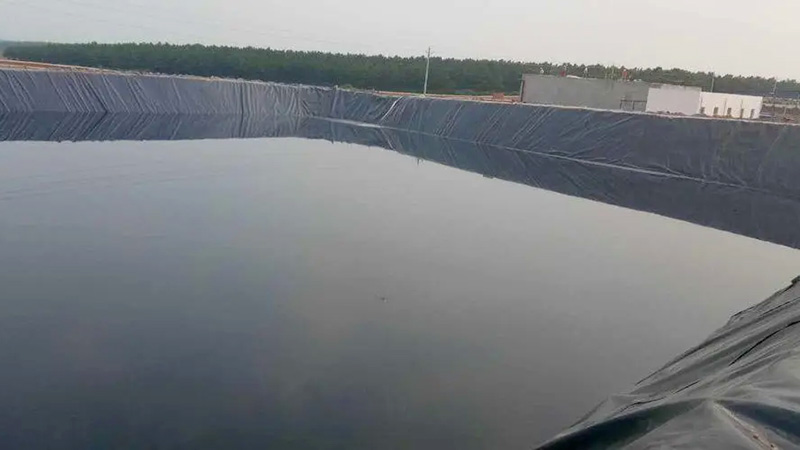
Efficient anti-seepage barriers play a vital role in water conservancy projects. Their low cost and simple construction processes make geomembranes indispensable for reservoir and dam safety.
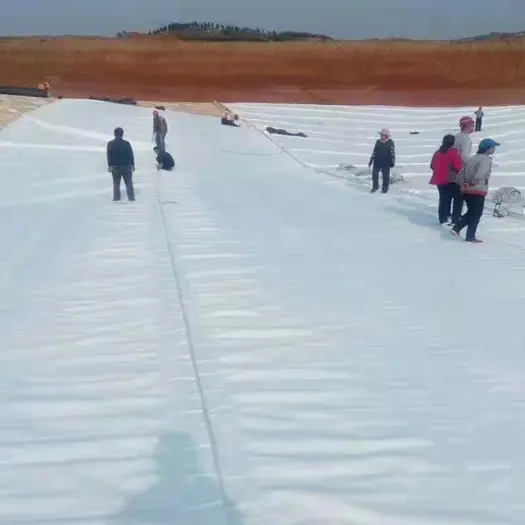
Reinforcing canals and rivers to manage flow, prevent subgrade washout, control water loss, and safeguard surrounding agricultural zones.
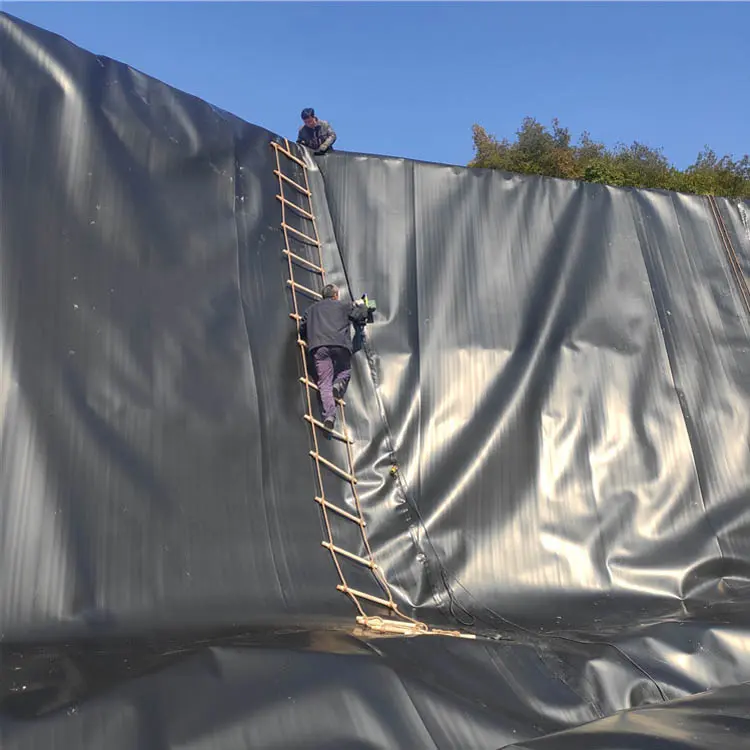
Highly impermeable barrier layouts designed to block leachate transmission into underground aquifers, ensuring strict environmental compliance.
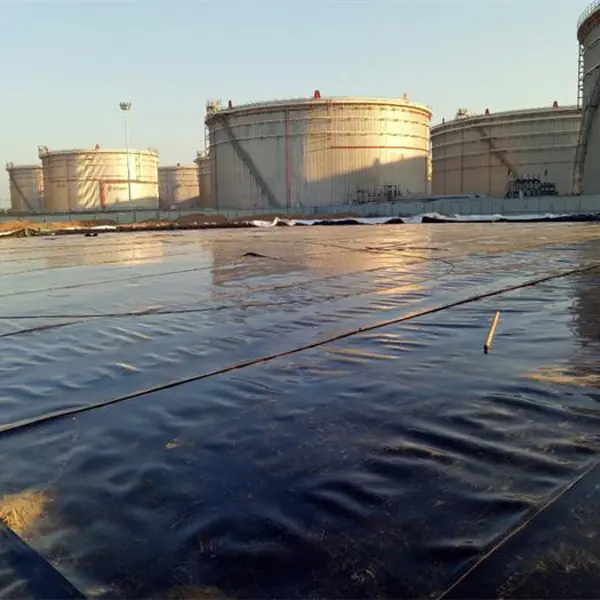
Chemical-resistant secondary containment liners designed for petrochemical storage tank farms, safeguarding soils from hazardous fluid leaks.
Our manufacturing sequence leverages state-of-the-art machinery to ensure optimal tensile strength, uniformity, and durability.
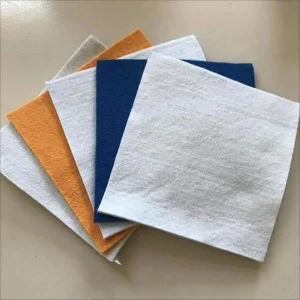
The production of geotextile begins with selecting high-grade raw materials, primarily polyester chips, polypropylene filament, and viscose fibers. These materials undergo strict entry inspection, storage classification, and batch tracking to guarantee physical and chemical stability.
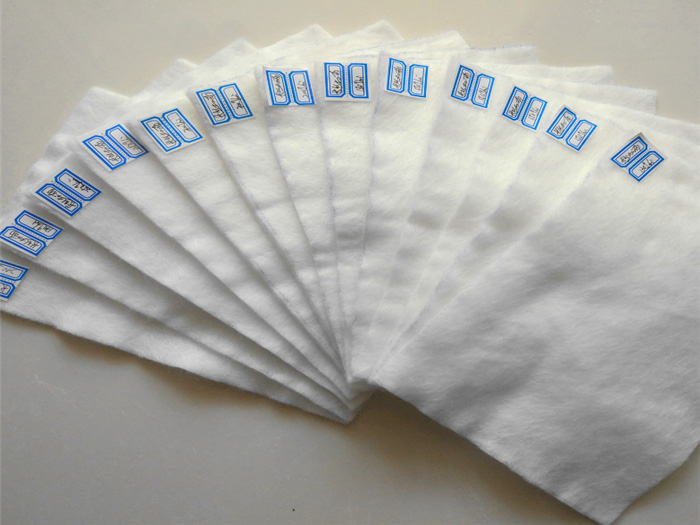
Polyester chips are heated to a molten state in high-temperature screw extruders. Polypropylene filament and viscose fibers are mixed in precise ratios. Extrusion temperature, pressure, and flow rates are continuously monitored to maintain melt uniformity.
The homogenized melt is forced through high-precision spinnerets to produce continuous micro-filaments. These filaments are deposited onto moving conveyor beds to form a uniform web structure, setting the initial thickness, density, and orientation of the geotextile.
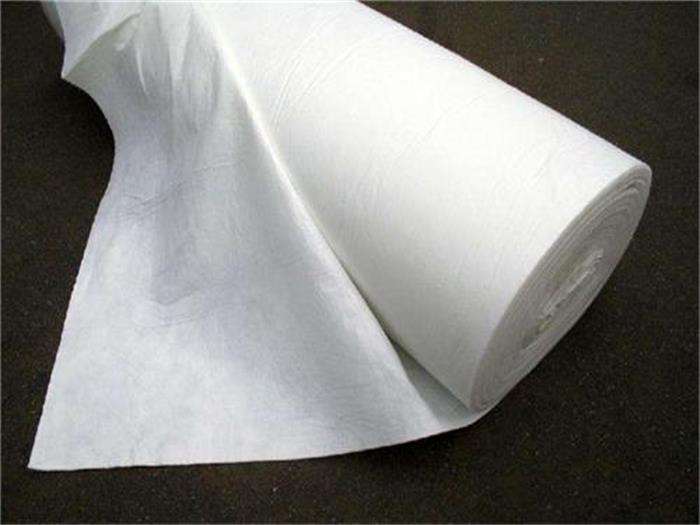
The raw web is fed through mechanical carding and heavy-duty needle punching stations. This mechanical interlocking process, combined with thermal calendar rollers, significantly improves the tensile strength, puncture resistance, and elongation properties of the sheet.
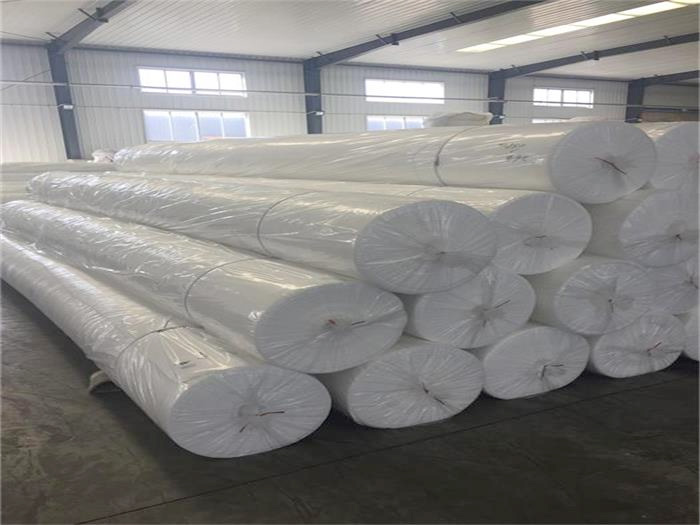
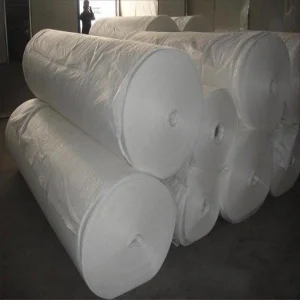
The cured geotextiles are measured for width, length, and mass per unit area. Once confirmed, they are wound into rolls on automated spools and wrapped in protective geotextile sleeves to prevent UV degradation during transit and storage.
We conduct comprehensive physical and chemical tests on samples from each production run. These tests verify tensile strength, puncture resistance, permeability, and chemical stability. Only certified batches are cleared for distribution.
Maximizing performance in seepage prevention, barrier isolation, and reinforcement through proper field installation.
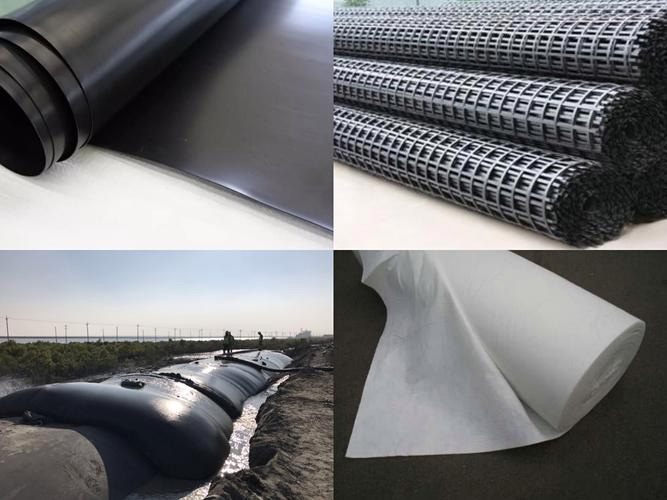
1. Material Selection: Select materials according to specific engineering requirements. High-density polyethylene (HDPE) provides excellent chemical resistance and durability, while linear low-density polyethylene (LLDPE) offers greater flexibility. Typical thicknesses range from 0.3mm for light drainage layers to 2.0mm for critical waste containment liners.
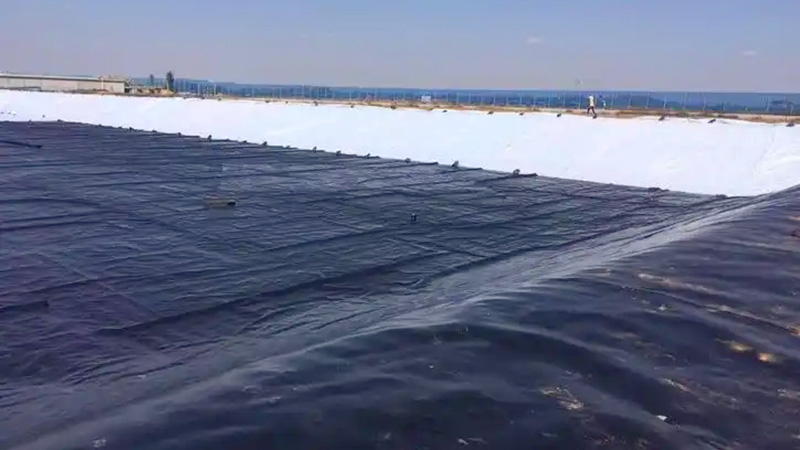
2. Site Preparation & Laying: Subgrades must be level, compacted, and free of rocks, roots, or sharp debris. Choose either flat laying or pre-folded configurations depending on the terrain. Use reliable welding protocols at all overlaps and secure the geomembrane edges in anchor trenches.
3. Preventative Maintenance: Clean the membrane surface periodically to remove silt and debris. Run electrical leak location tests or visual inspections to detect and repair damage, and prevent heavy machinery or sharp tools from coming into contact with the liner.
Our operations comply with international quality, environmental, and occupational safety frameworks.
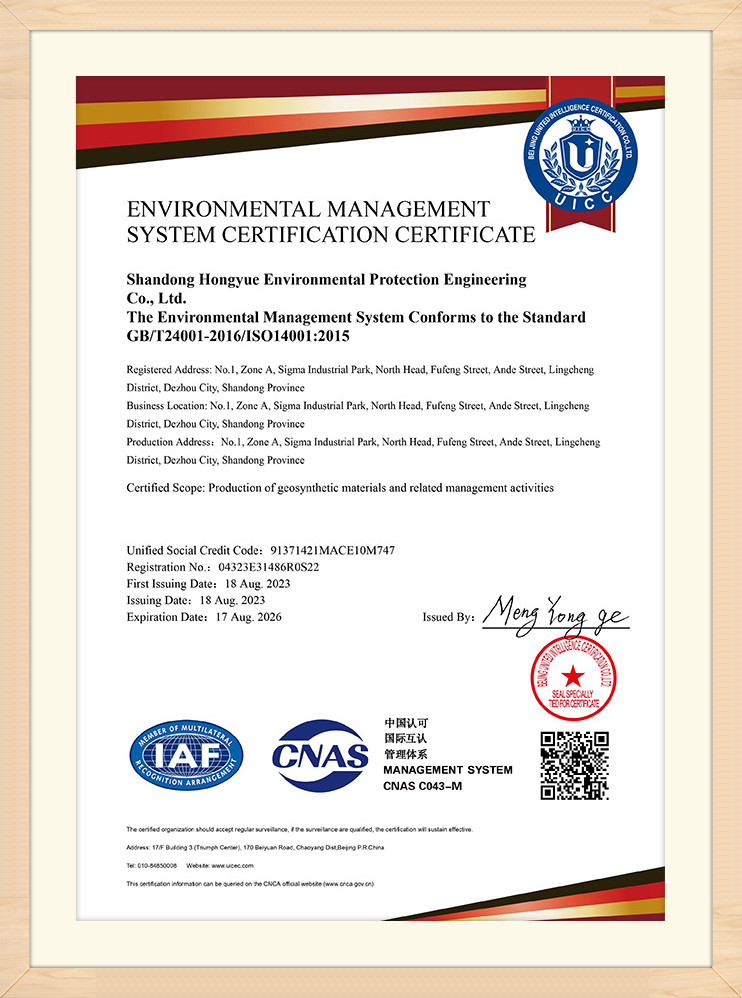
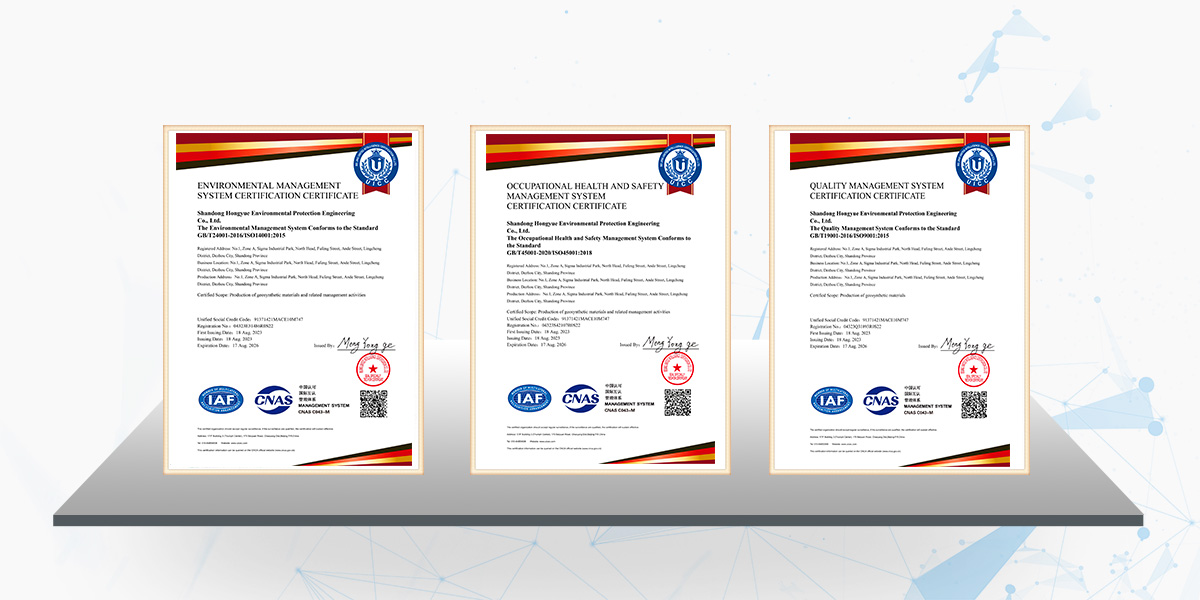
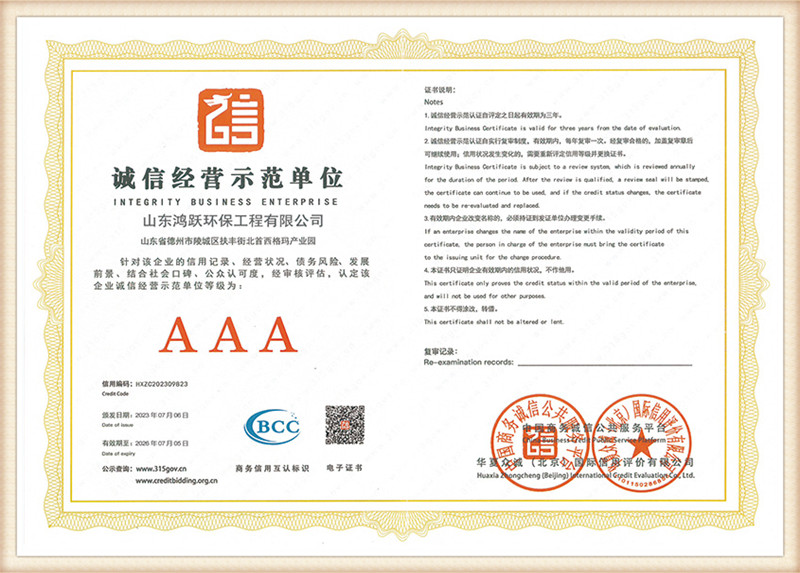
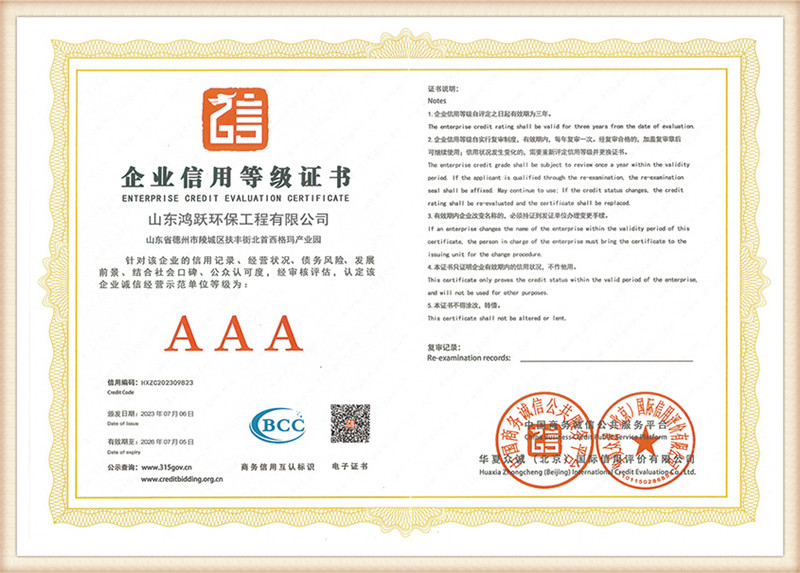
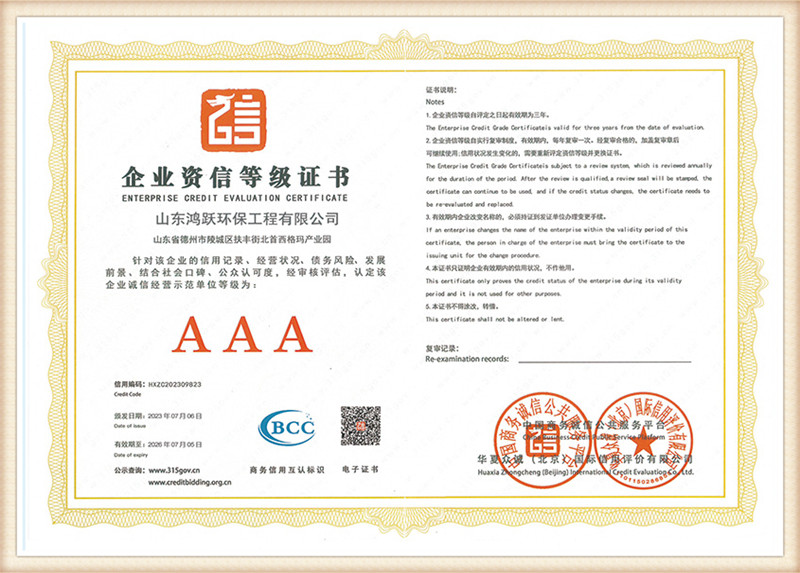
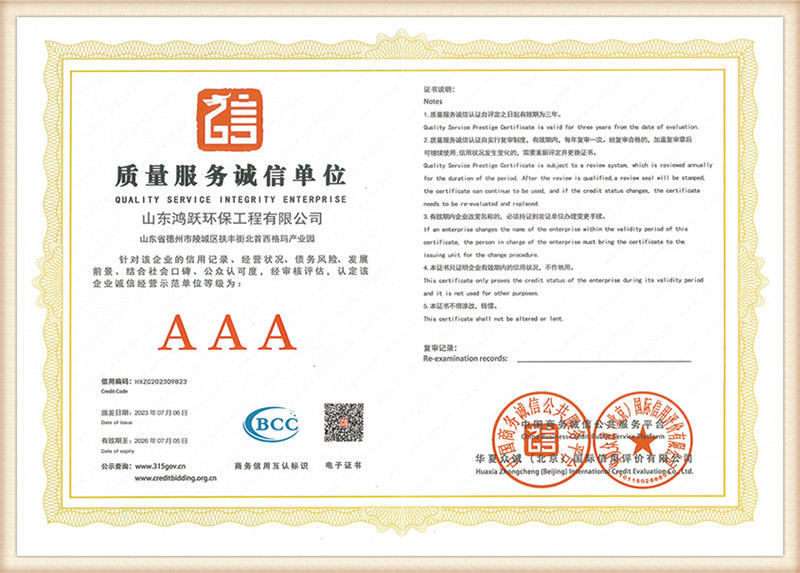
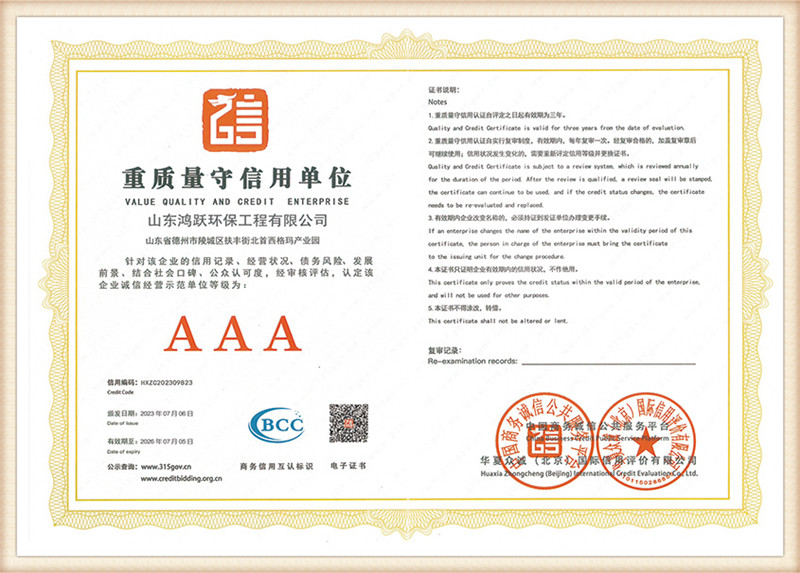
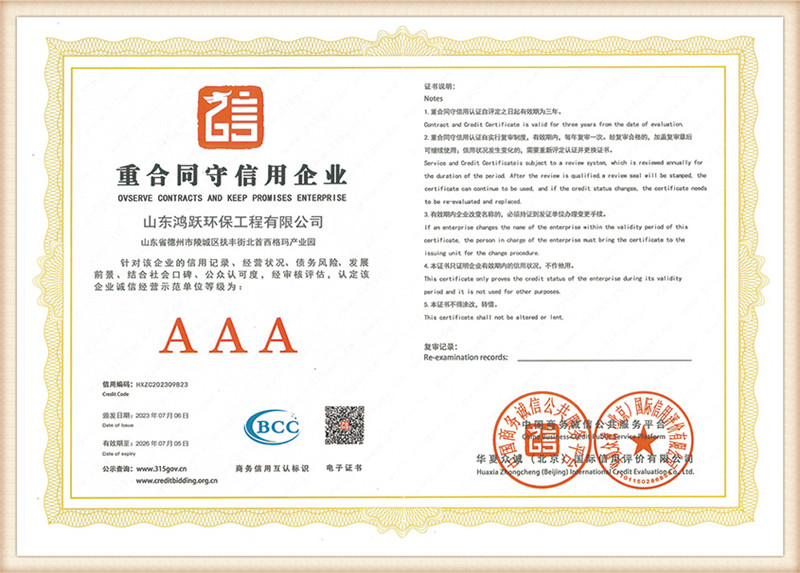
Shandong Hongyue Environmental Engineering Co., Ltd. operates under a strict, scientific management system. We have passed the ISO9001 International Quality Management System certification, ISO14001 Environmental Management System certification, and ISO45001 Occupational Health and Safety Management System certification. Over the years, the company has won multiple national honors, including "Green and Environmentally Friendly Building Materials Products", "No Consumer Complaints", "Famous Chinese Brand", "High-Tech Enterprise", and "Quality Service Double Excellent Unit".
Our quality control program utilizes advanced laboratory testing equipment to run continuous testing on physical properties, chemical compatibility, and durability. Every production batch is tested to meet or exceed national and international standards. All products are verified by the China National Testing Center and are subject to random quality checks by state inspectors, ensuring reliable performance in demanding environments.
Our materials in active civil, hydraulic, and environmental protection projects across multiple provinces and countries.
Our experts address the most common questions from procurement managers, engineering firms, and civil contractors.
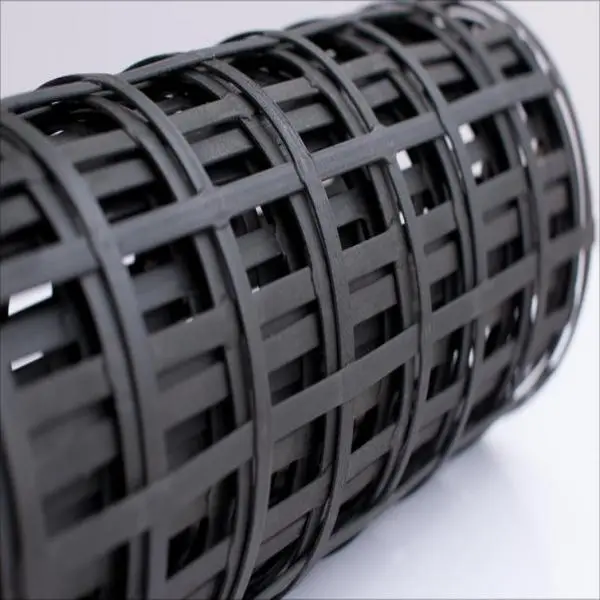
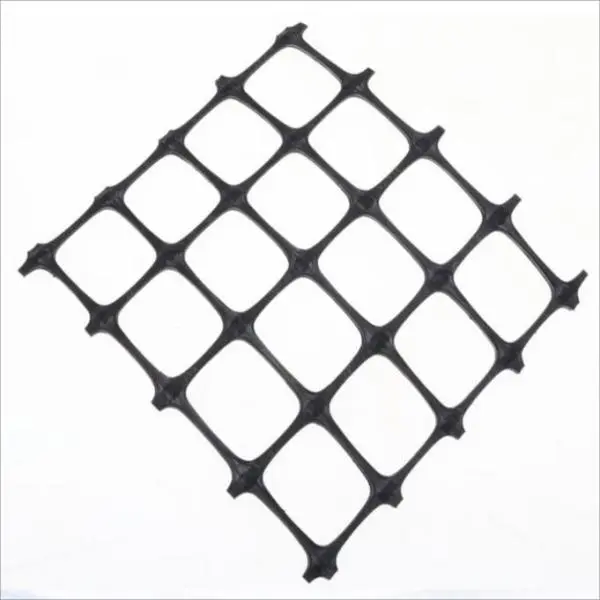
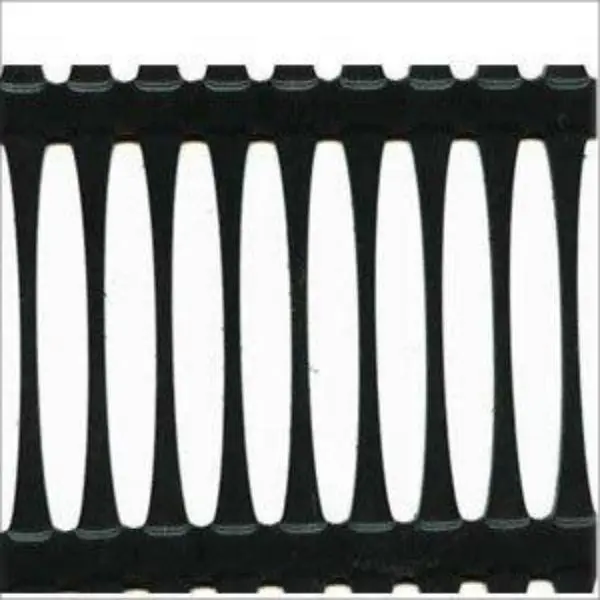
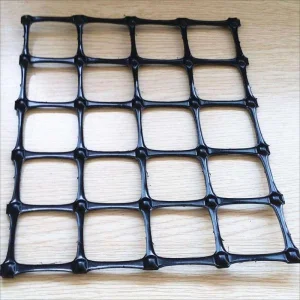
Uniaxial geogrids are engineered to handle primary tensile loads along a single direction, making them ideal for retaining walls, steep slopes, and embankment reinforcement. Biaxial geogrids distribute tensile stresses in two perpendicular directions, which is suitable for stabilizing road subgrades, parking lots, and building foundations.
Geogrids confine the infill material within their aperture openings. This mechanical interlocking prevents soil from sliding downslope under rain or wind forces. It also supports vegetation roots to create a stable, natural slope protection matrix.
The thickness depends on the environmental risks and subgrade quality. For aquaculture pond liners, a thickness of 0.5mm to 0.75mm is typically sufficient. In contrast, landfills, mining operations, and chemical tanks require a thickness of 1.5mm to 2.0mm to withstand high stresses and puncture risks.
Our products are certified to ISO 9001, ISO 14001, and ISO 45001 standards. We test all materials to meet or exceed international ASTM and EN standards. This includes verifying tensile strength, elongation, tear resistance, and UV stability.
Dezhou is a major hub for China's geosynthetic manufacturing industry. It offers a consolidated supply chain of raw materials, advanced extrusion systems, and convenient transport to major ports like Qingdao. This allows us to supply high-quality materials at competitive prices.
Our geomembranes are formulated with high-quality virgin resins and carbon black stabilizers to resist UV exposure, chemical degradation, and oxidation. When properly installed and covered, they are designed to perform reliably for over 50 years.
Browse our full range of geotextiles, geomembranes, and geocells engineered for structural and environmental performance.
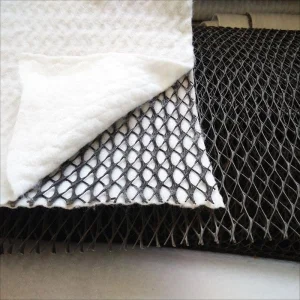
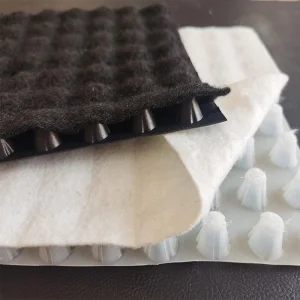
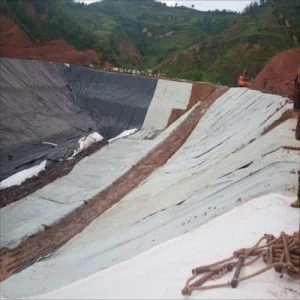
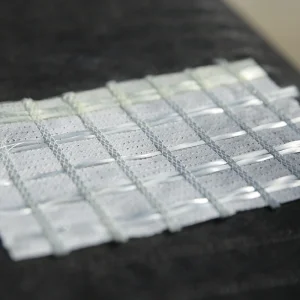
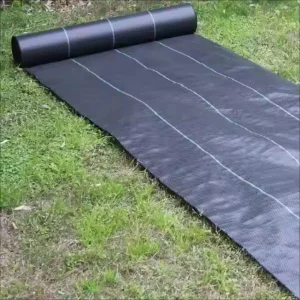
Since the establishment of the company, Shandong Hongyue Environmental Engineering Co., Ltd. has developed rapidly, and our business footprint continues to grow and expand. We have a professional sales and technical team that supports our products and engineering projects. Our company belongs to the Dezhou Geotextile Association. Our products are widely used in highways, railways, bridges, tunnels, reservoir and canal water conservancy, artificial lakes, environmental protection, aviation, mining, agriculture, and other fields.
The company has strong technical strength and rich construction experience, with the capability to undertake various challenging anti-seepage projects. We have standardized our construction site management, anti-seepage materials, and construction teams while providing integrated engineering after-sales support. We prioritize the principles of being "customer-centered, innovative as a means, and survival through quality." We continuously work to improve our core competitiveness and establish Shandong Hongyue as a reliable brand in environmental protection. Shandong Hongyue Environmental Protection Technology Co., Ltd. is dedicated to providing you with high-quality products and first-class services!
 Hongyue