Select engineering-grade reinforcement, drainage, and barrier geotextile solutions directly from the manufacturing plant.
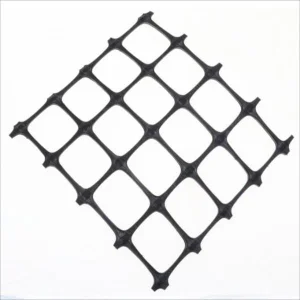
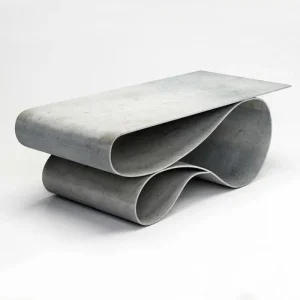
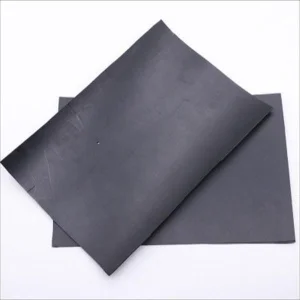
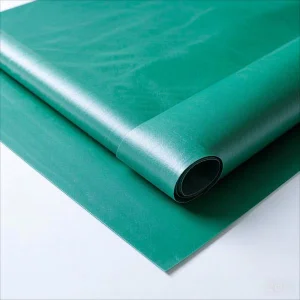
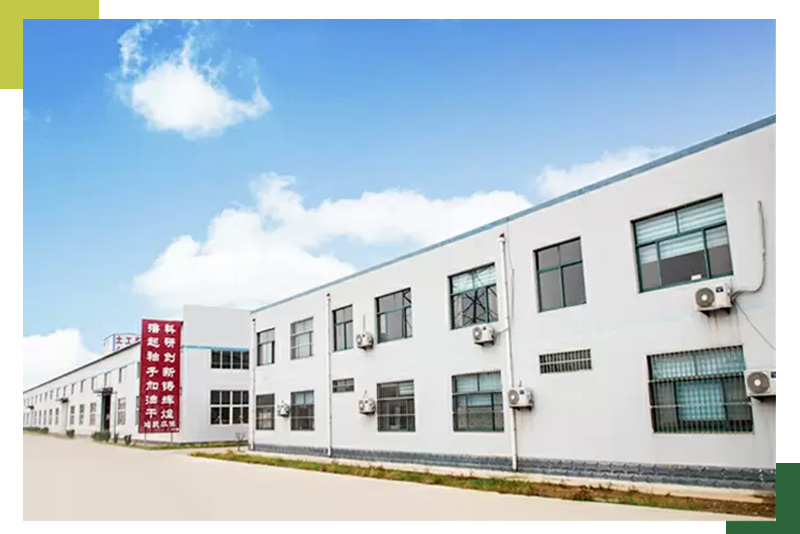
Shandong Hongyue Environmental Engineering Co., Ltd., strategically positioned at the northern terminal of Fufeng Street, Lingcheng District, Dezhou City, Shandong Province, stands as a major beacon of geotechnical materials innovation. Established on April 6, 2023, under the strict supervision of the Lingcheng District Market Supervision and Administration Bureau of Dezhou City, the company boasts a massive registered capital of 105 million RMB.
As one of China's premier and largest production bases for high-end geosynthetics, Shandong Hongyue integrates advanced material production, wholesale supply chains, design-phase engineering consultancy, and specialized execution services. Benefiting from convenient logistics and premium geographic proximity, the company bridges the gap between massive manufacturing capabilities and fast global distribution.
E-E-A-T Benchmark: Our integration within the Dezhou Geotextile Association reflects our deep regional expertise, enabling us to deliver certified solutions spanning high-speed railways, municipal landfills, structural hydraulic canals, and heavy commercial highways.
Addressing civil engineering requirements across Europe, North America, Australia, and dynamic emerging economies.
Modern infrastructure requires material solutions that can withstand severe environmental conditions, structural loads, and chemical exposure. Geotextiles, geomembranes, and geocells have shifted from simple separation sheets to multi-functional components essential for structural integrity, erosion control, and environmental protection.
Rapid industrialization, urban expansion, and environmental protection regulations drive the demand for geosynthetic barrier networks. Global projects require strict compliance with regulatory standards such as ASTM International, CEN/European standards, and AASHTO guidelines.
Understanding the geotextile pricelist is critical for project budgeting. Material cost is determined by polymer base (PP/PET), virgin vs. recycled resins, weight per unit area (gsm), and logistics optimization. Sourcing directly from Dezhou factories minimizes intermediary costs.
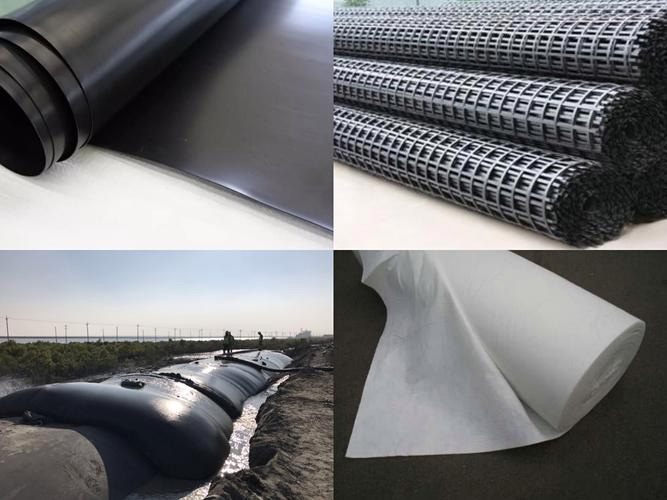
Our integrated product portfolio includes geotextiles, geomembranes, composite geomembranes, bentonite waterproof blankets (GCL), 3D composite drainage nets, geocells, flexible pervious pipes, and concrete canvas structures designed for specific hydraulic performance requirements.
As a leading geotechnical materials manufacturer, Shandong Hongyue supports global clients through our wholesale distribution framework and site-specific engineering designs. By maintaining a high-performance inventory and state-of-the-art production lines, we ensure steady supply chains for international projects, reducing lead times and overall project costs.
Precise manufacturing from polymer extrusion to final quality assurance verification.
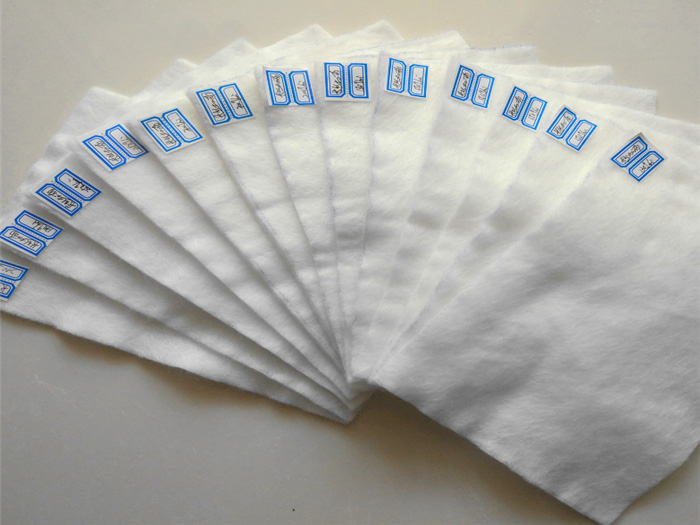
The primary raw materials used in high-grade geotextiles are polyester chips, polypropylene filaments, and viscose fibers. These materials undergo strict testing, classification, and moisture controls to ensure stability and chemical purity before entering the melt extrusion stage.
Polyester slices are melted at high temperatures and extruded through a screw extruder. Polypropylene filament and viscose fiber are added to create a homogenous mix. Temperature, pressure, and flow rates are monitored to maintain polymer chain uniformity.
The molten mixture is pushed through micro-spinnerets to form a dense curtain of continuous filaments. These filaments are deposited onto a conveyor system to form a uniform web. Fiber orientation and density profile are adjusted to achieve isotropic mechanical strength.
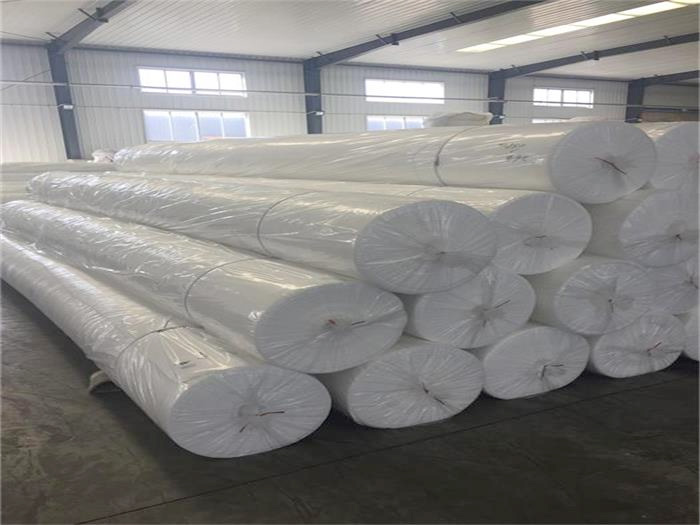
The loose web undergoes thermal bonding, needle-punching, or chemical curing depending on the final design requirements. Controlling the line speed and temperature profile is critical to achieving high puncture resistance, tensile properties, and permeability.
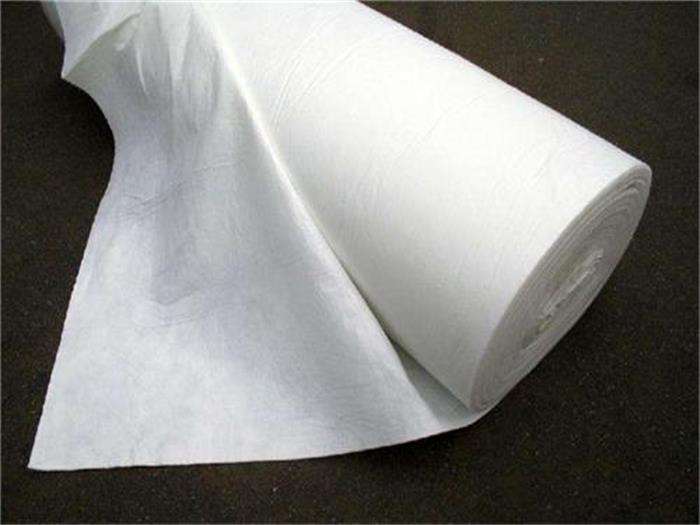
Once cured, the geotextile is measured for length, width, and thickness compliance. It is then wound onto high-strength cores, wrapped in UV-protective film, and labeled with batch numbers for tracking. This prevents damage during storage and shipping.
Every batch of material is tested in our laboratory. Quality control technicians test physical properties (thickness, mass per unit area), mechanical properties (tensile strength, CBR puncture), and hydraulic characteristics (permittivity, apparent opening size) to ensure compliance with global standards.
Proper field installation is essential for the long-term performance of geosynthetics in harsh environments. Engineering specifications must be followed to prevent punctures, seam failures, and structural instability.
Select the material based on the project's requirements. High-density polyethylene (HDPE) is preferred for municipal landfills and chemical storage areas due to its chemical resistance, while linear low-density polyethylene (LLDPE) provides the flexibility needed for irregular topography and settlement areas.
Ensure the subgrade is level and free of sharp rocks, roots, or debris. Lay the geosynthetic sheets in a relaxed state without tension. Use flat or shingled overlap structures, overlapping sheets by at least 150mm to 300mm depending on site-specific engineering guidelines.
Treat the seams to ensure a continuous barrier. For geomembranes, use dual-track hot-wedge welding or extrusion welding on details. Perform non-destructive testing, such as air-pressure testing on dual-track seams or vacuum box testing on details, to confirm seam integrity.
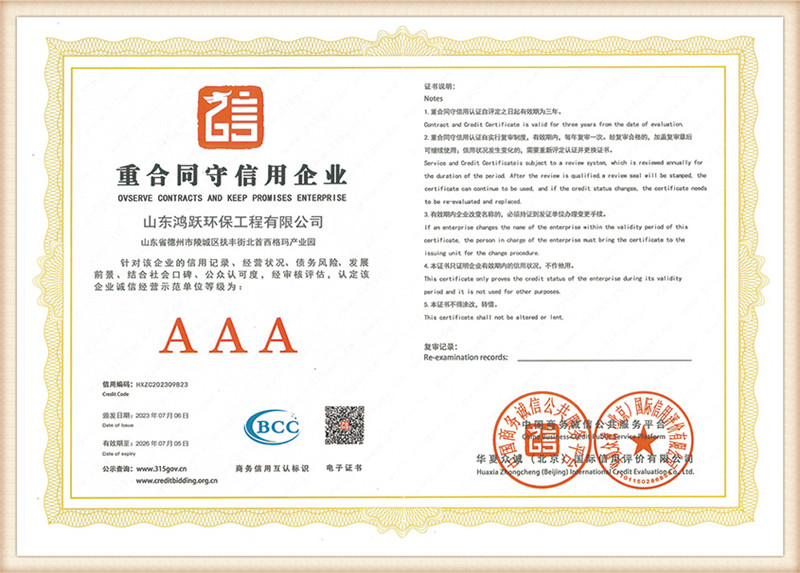
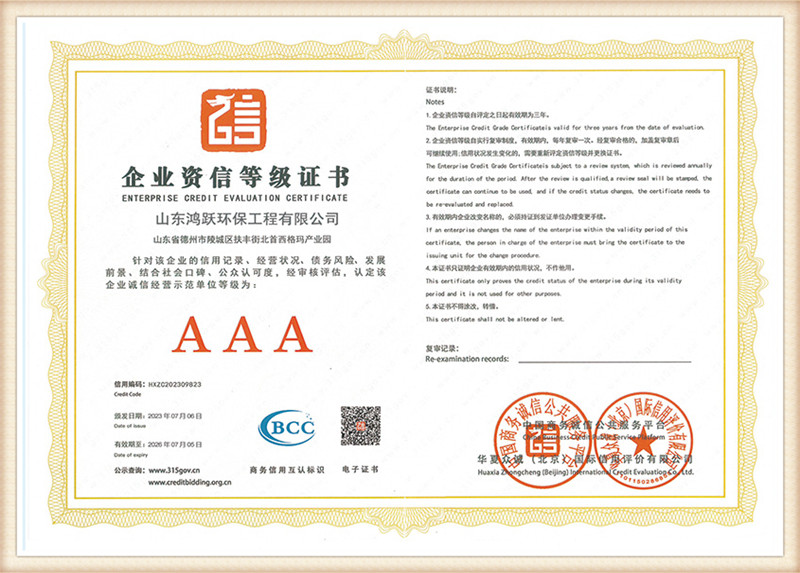
Our commitment to quality control is verified by ISO certifications and international testing bodies.
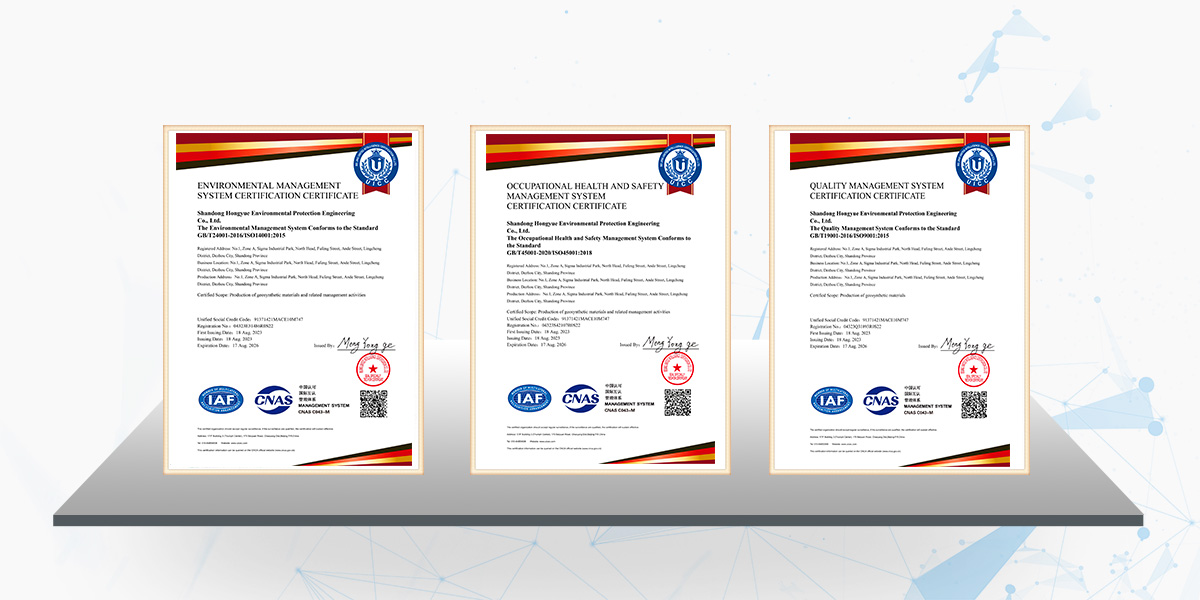
Shandong Hongyue has implemented a comprehensive quality management system, obtaining ISO9001:2015 International Quality Management System, ISO14001:2015 Environmental Management System, and ISO45001:2018 Occupational Health and Safety Management System certifications. Additionally, our materials have been awarded the "Green and Environmentally Friendly Building Material Products" status, demonstrating our commitment to environmental performance.
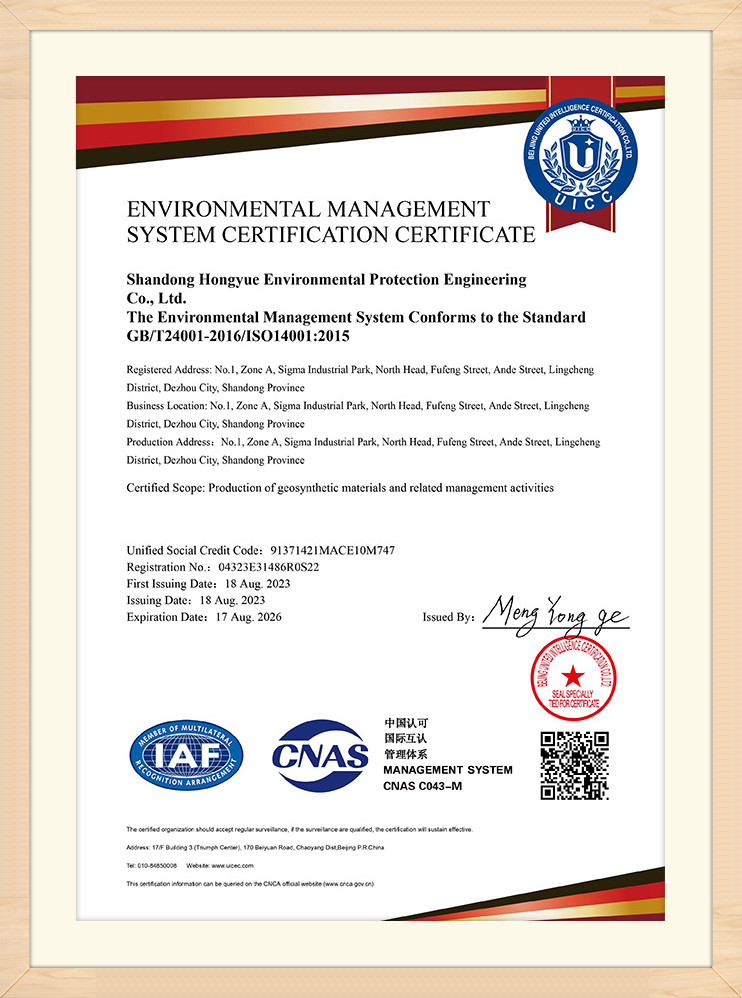
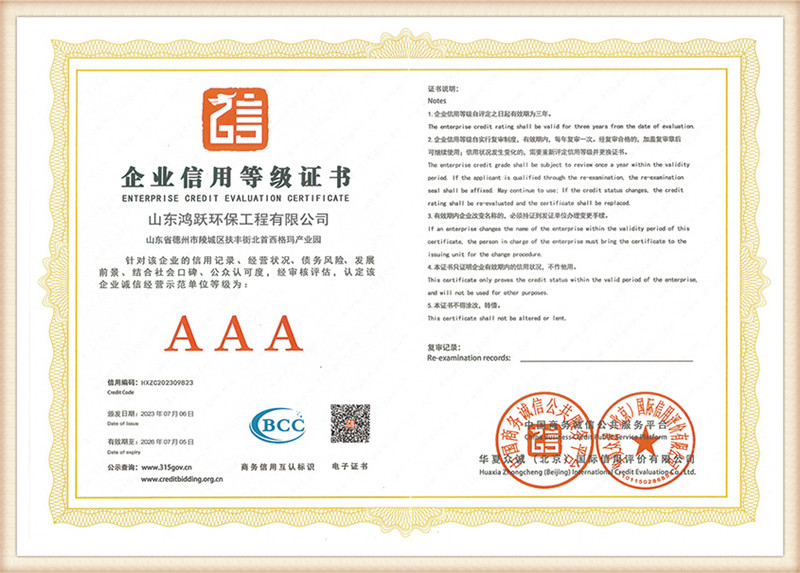
All geotextiles, geomembranes, and geocells manufactured by Shandong Hongyue meet or exceed national and international standards. Our materials undergo regular verification testing at the China National Testing Center, ensuring consistent product performance.
Preventing seepage, reinforcing embankments, and managing erosion in major water conservancy works.
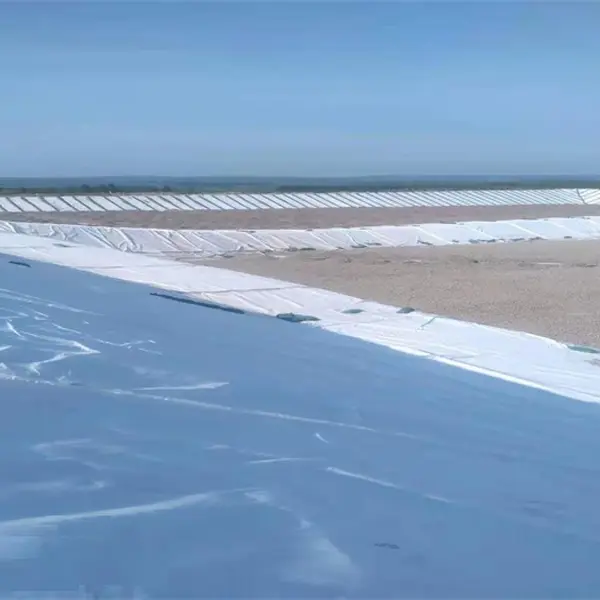
Reservoirs built in valleys require barrier systems to prevent water loss through joints and fissures. Polyethylene geomembranes create a continuous barrier across complex geologic structures, reducing seepage loss.
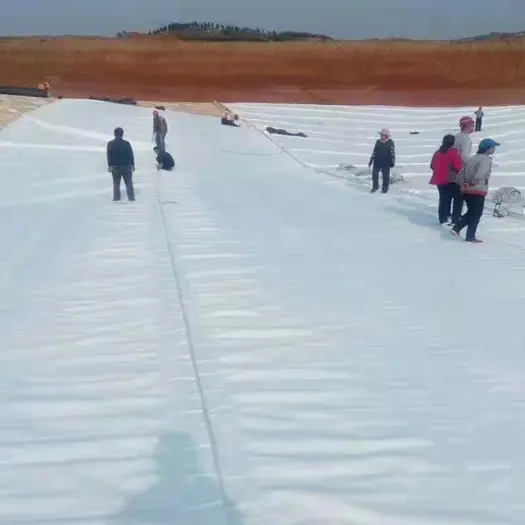
Irrigation canals and transport waterways lose large volumes of water through infiltration. Composite geomembranes, protected by geotextiles, prevent this water loss while stabilizing the canal banks.
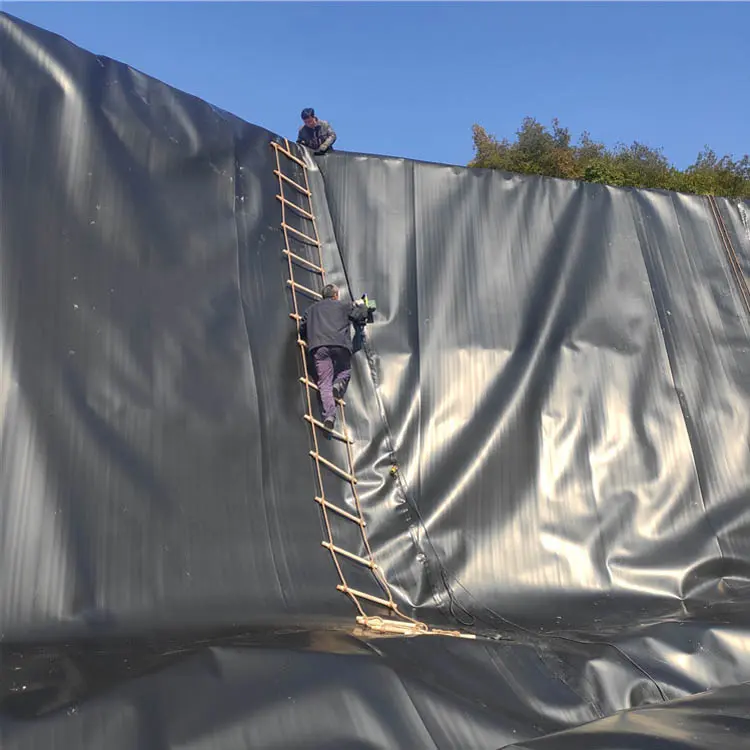
Preventing leachate migration into groundwater is a critical environmental requirement. Our multi-layer liner systems, combining geomembranes, GCLs, and geotextiles, protect local aquifers.
In addition to these scenarios, our materials are used in mining tailings ponds, artificial lakes, industrial containment, highway subgrade protection, and coastal defense works. By using our high-strength woven and non-woven geotextiles, engineers can stabilize subgrades, control erosion, and build secure containment structures.
Driving next-generation geosynthetic design through material science and sustainability.
The geosynthetics industry is shifting toward materials with longer service lives, lower environmental impact, and functional smart systems. Shandong Hongyue is investing in research to meet the changing performance and regulatory requirements of the global market.
Our research focuses on adding nano-clays and advanced carbon black structures to our HDPE and PP polymer chains. This increases tensile modulus and improves resistance to chemical attack and UV degradation, extending the service life of geomembranes in exposed environments.
We are studying the integration of conductive carbon filaments and optical fiber lines directly into our needle-punched non-woven geotextile structures. These smart systems can detect local strain, temperature changes, and chemical leaks in real-time, sending data to project monitoring platforms.
For applications where short-term stability is needed followed by natural vegetation growth, we are developing biodegradable geotextiles. Made from polylactic acid (PLA) and natural fiber blends, these materials provide erosion control and then degrade without leaving synthetic residues in the soil.
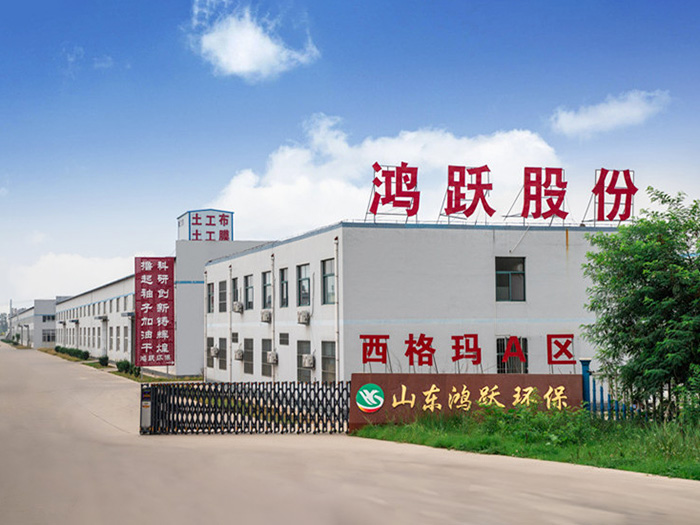
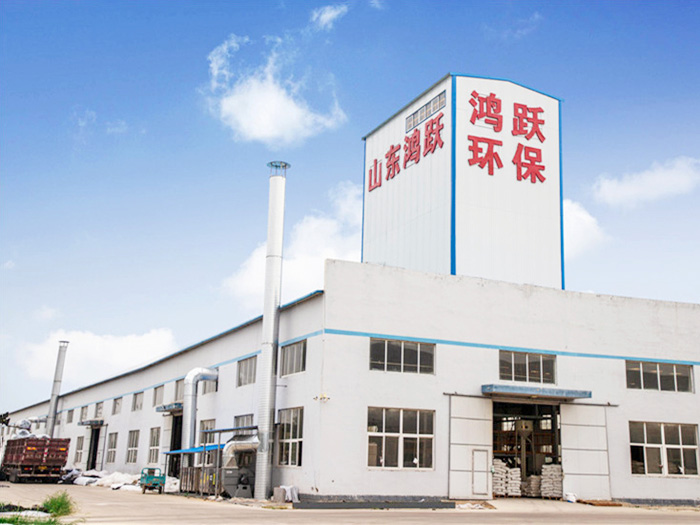
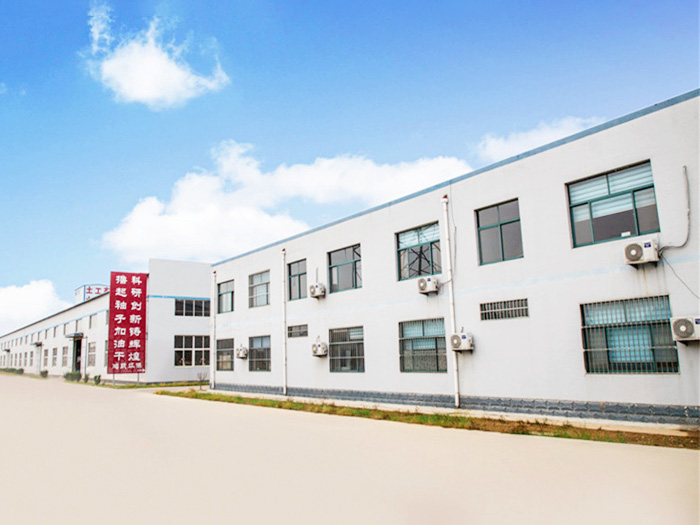
Tour our production facility, showcasing raw material storage, extrusion machinery, and logistics facilities.
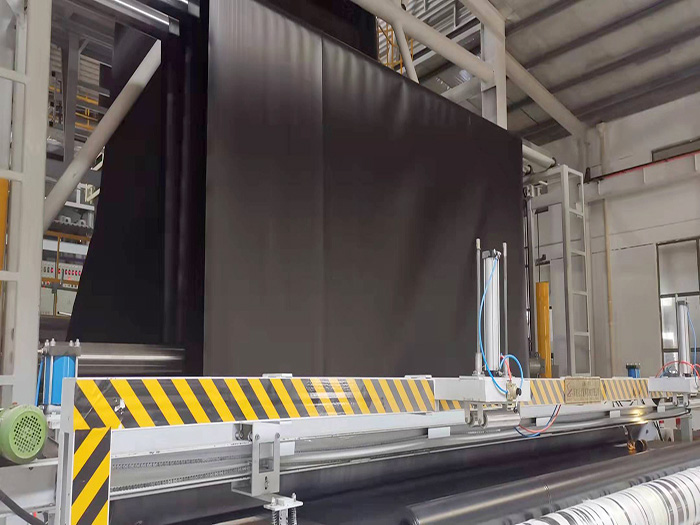
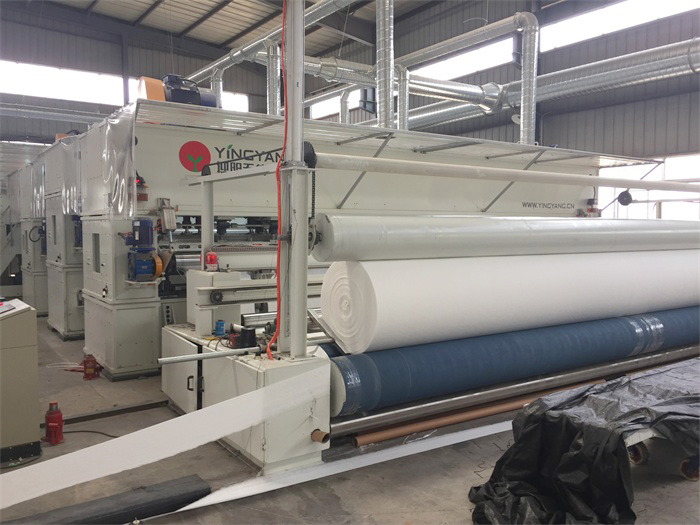
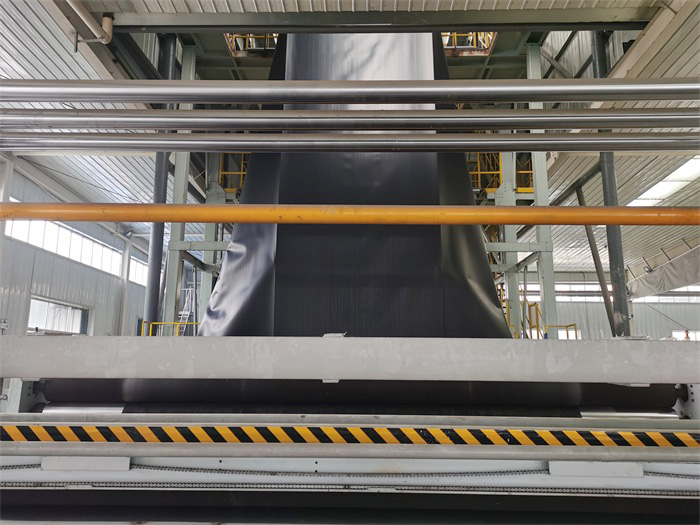
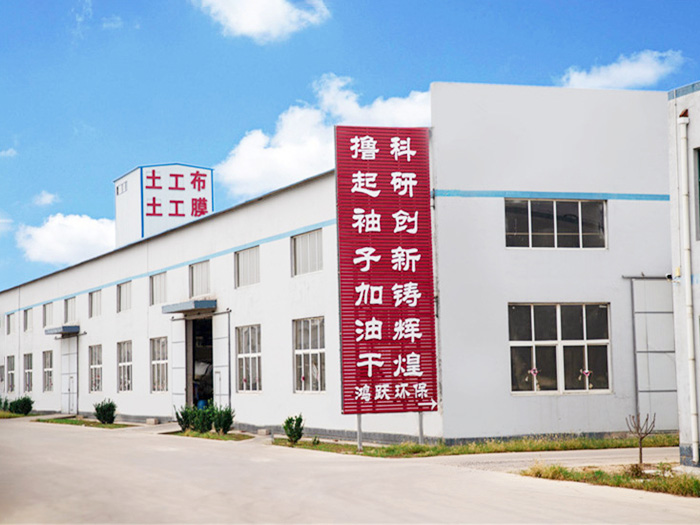
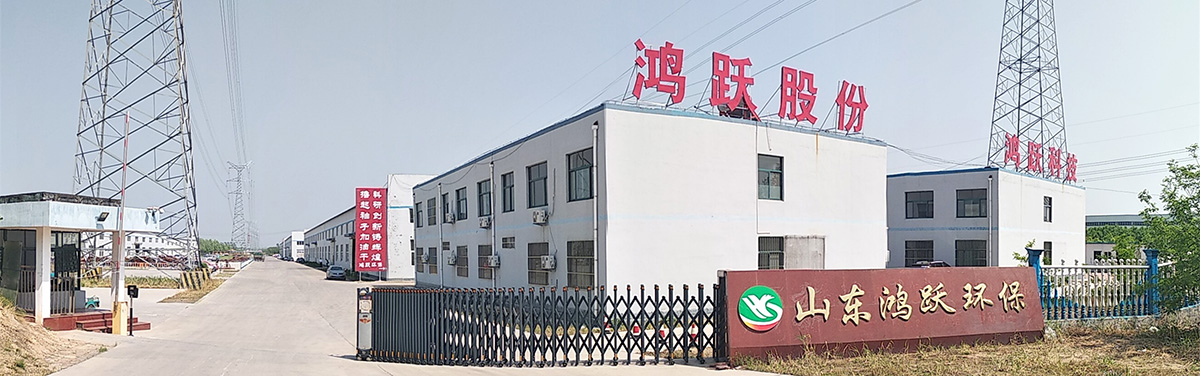
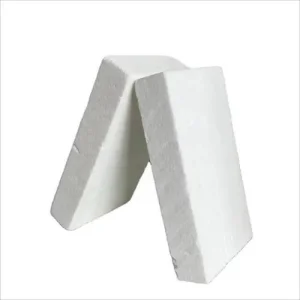
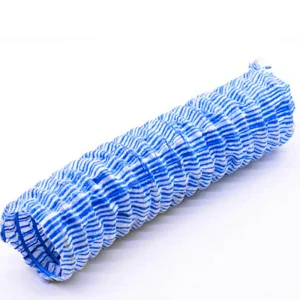
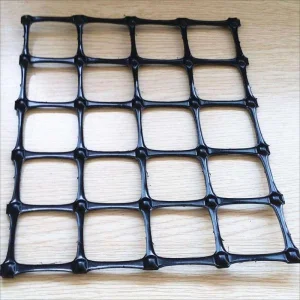
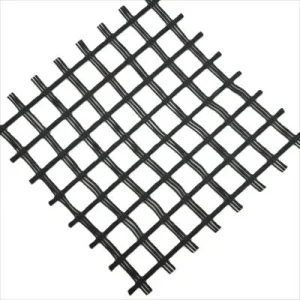
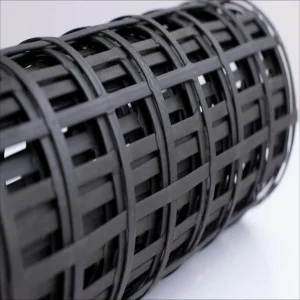
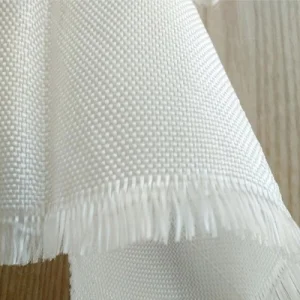
Additional civil engineering solutions, including drainage hoses, clay liners, and woven geosynthetics.

Answers to technical and commercial questions about geotextile and geomembrane procurement.
Our geotextile pricelist is calculated based on: (1) Raw material selection (Virgin PP vs. PET polymers); (2) Roll weight or mass per unit area (ranging from 100gsm up to 1000gsm); (3) Roll width and diameter dimensions; (4) Total order volume; and (5) Specific physical performance certifications (e.g., CE, ISO, ASTM). Standard specifications can be quoted quickly by our sales team, while custom roll sizes or weights require processing time for an accurate quotation.
PP geotextiles are lightweight and provide excellent chemical stability in highly alkaline soils, making them suitable for subgrade reinforcement and separation. PET geotextiles have a higher melting point and high tensile strength at low strain levels, making them preferred for long-term creep resistance in large embankment foundations and steep slope structural support.
We maintain full compliance with: ISO9001:2015 for quality management, ISO14001:2015 for environmental protection, and ISO45001:2018 for occupational health and safety. Our products are certified by the China National Testing Center and are exported globally with CE marking to meet European regulatory requirements.
For standard dimensions and colors, production and dispatch take between 7 to 10 working days from payment confirmation. For custom specifications (e.g., custom composite configurations or specific additive packages), the lead time is typically 15 to 20 working days. Our location in Dezhou allows for quick transit to major domestic shipping ports, ensuring efficient logistics.
We provide remote technical support, including detailed installation guides, jointing and welding diagrams, and troubleshooting documentation. For large-scale or complex civil projects, we can coordinate with regional agencies to provide field technical consultants to assist with subgrade preparation and quality control testing.
 Hongyue