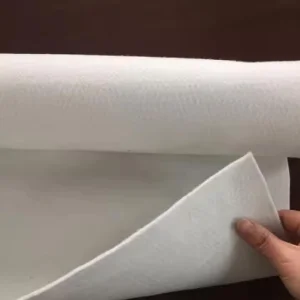
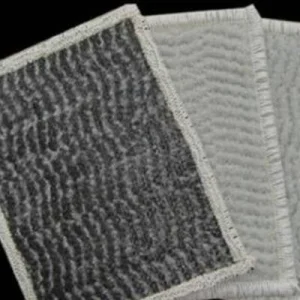
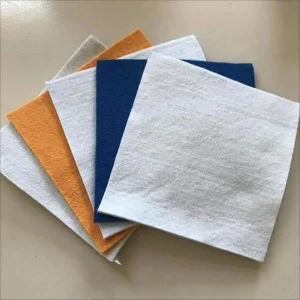
In modern civil, environmental, and hydraulic engineering, the term "geotextile membrane" refers to a sophisticated class of polymeric materials designed to interact with soil, rock, and water. These materials perform critical engineering functions, primarily categorized into filtration, separation, drainage, reinforcement, and fluid containment barriers. The global demand for these structures has transitioned from simple physical barriers to advanced, long-term functional systems designed to endure harsh chemical exposures, extreme mechanical stresses, and severe environmental cycles.
From the perspective of major international procurement groups and engineering authorities, obtaining accurate famous geotextile membrane quotes involves much more than comparing unit costs per square meter. It requires a profound evaluation of the manufacturer's technological infrastructure, chemical compatibility indices, and localized compliance certifications. Choosing the right exporter guarantees that large-scale municipal, regional, and national projects can safely operate for design lifespans exceeding fifty to one hundred years.
"The incorporation of geotextile systems into foundational earthworks reduces standard maintenance cycles by up to 60% and lowers initial aggregate costs by minimizing the required thickness of structural base layers." — Geosynthetics Engineering Association Framework.
This document provides an exhaustive, industry-grade analysis of geotextile membrane manufacturing systems, physical properties, global distribution capabilities, and specific localized engineering applications. As a premier technological partner, Shandong Hongyue Environmental Engineering Co., Ltd. sits at the forefront of this sector, delivering both standard configurations and tailor-made formulations to critical projects worldwide.
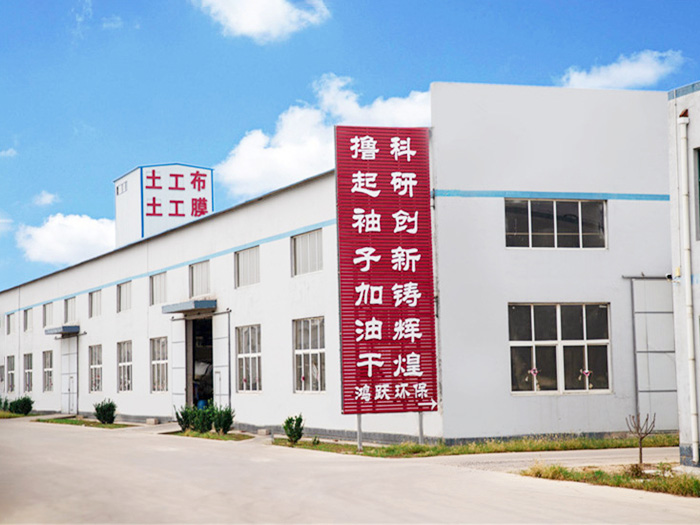
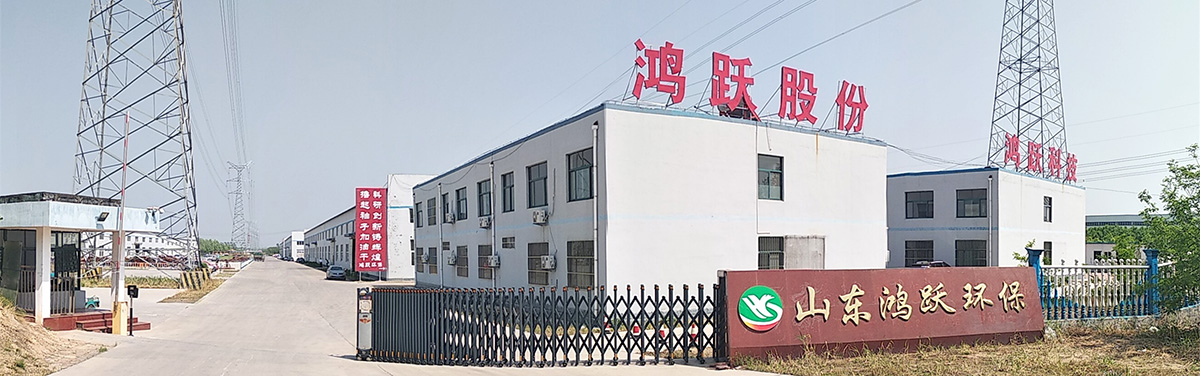
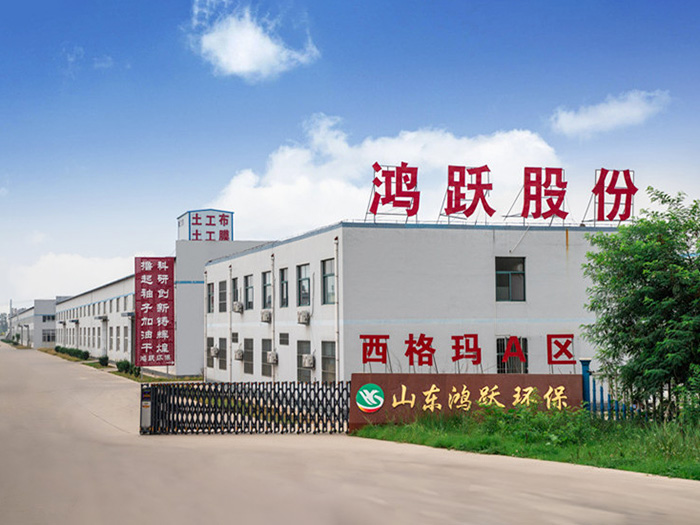
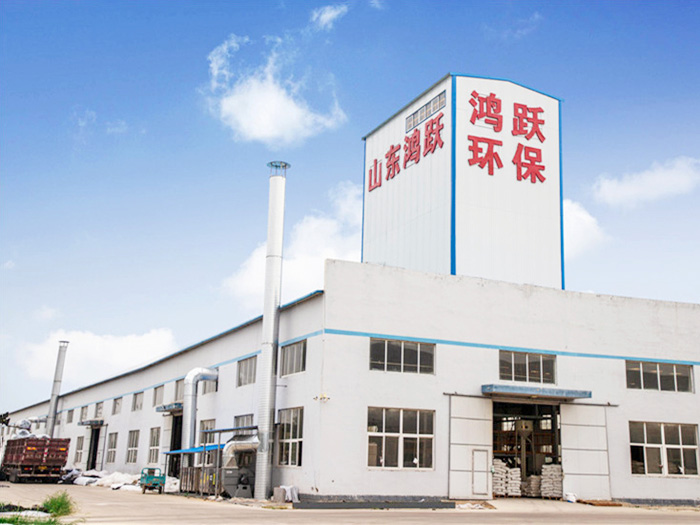
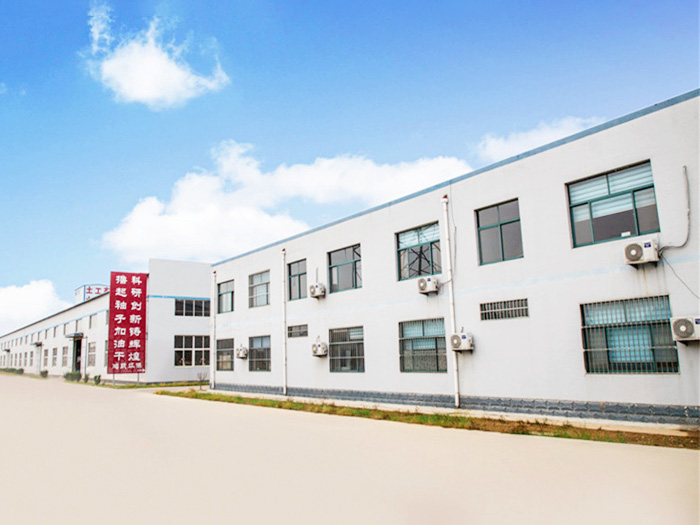
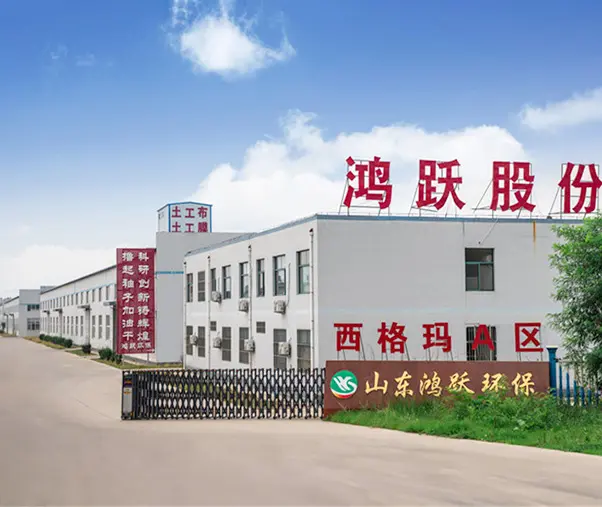
Located at the north end of Fufeng Street, Lingcheng District, Dezhou, Shandong Province, Shandong Hongyue Environmental Engineering Co., Ltd. is a scientific and technological geotechnical material manufacturer integrating engineering material production, sales, design, and construction services. The company was registered in the Lingcheng District Market Supervision and Administration Bureau of Dezhou City on April 6, 2023, with a registered capital of 105 million yuan. Today, it stands as one of the largest production bases of geotechnical materials in China, benefiting from a superior geographical location and highly convenient transportation networks.
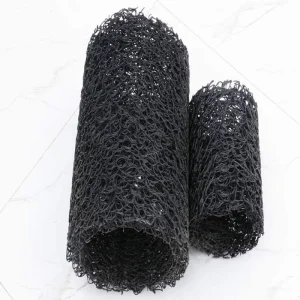
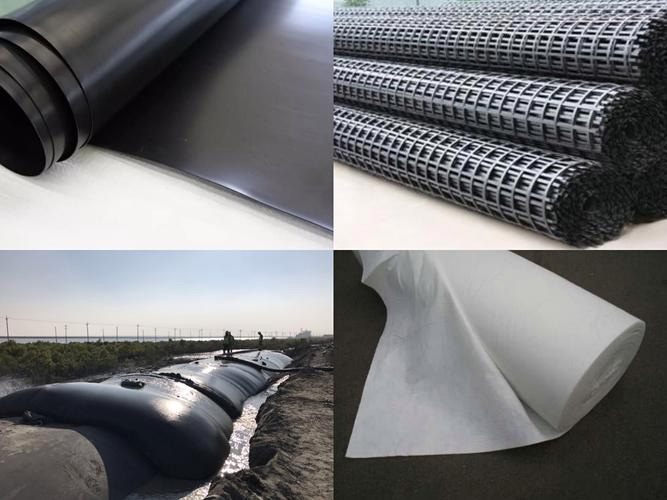
Since the establishment of the company, our business has developed rapidly, continuously growing and expanding. Our extensive material inventory and manufacturing capability include: geotextiles, geomembranes, composite geomembranes, waterproof boards, bentonite waterproof blankets, 3D composite drainage nets, (composite) drainage boards, weaving cloths, woven cloths, membrane bags, blind ditches, waterproof and drainage combinations, woven bags, ecological bags, cement blankets, fiber plants blankets, flexible pervious pipes, and related geosynthetic solutions.
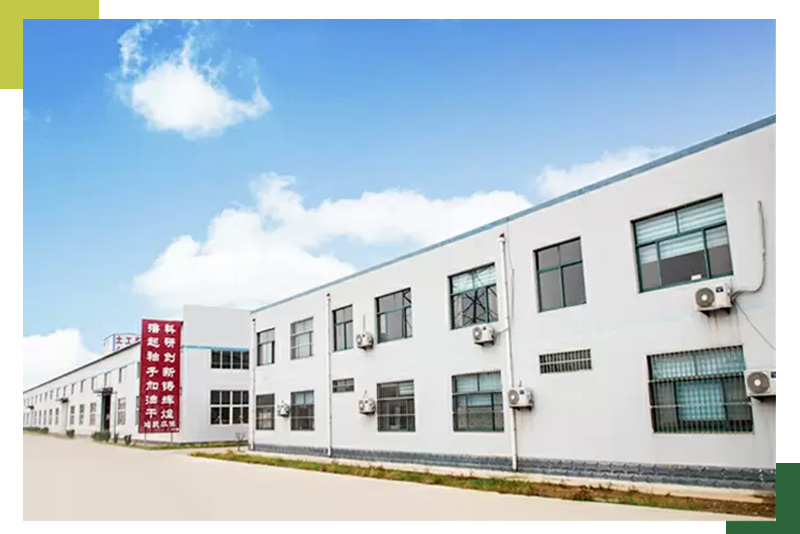
Our company is a proud, key member of the Dezhou Geotextile Association. Our products are widely utilized in major domestic and global engineering developments, including highways, railways, bridges, tunnels, water conservancy reservoirs, irrigation canals, artificial lakes, municipal environmental projects, civil aviation, mining sites, and high-efficiency agricultural infrastructure. We back every project with high-quality products and a professional sales and technical team to guarantee engineering security at every stage.
The performance of a geotextile membrane depends heavily on the thermal and mechanical history it undergoes during manufacturing. Any variation in temperature, pressure, or raw material blending index directly compromises physical values, such as grab tensile strength, Mullen burst capacity, and apparent opening size (AOS). Shandong Hongyue operates automated, modern production lines to produce materials that consistently exceed international minimum design requirements.
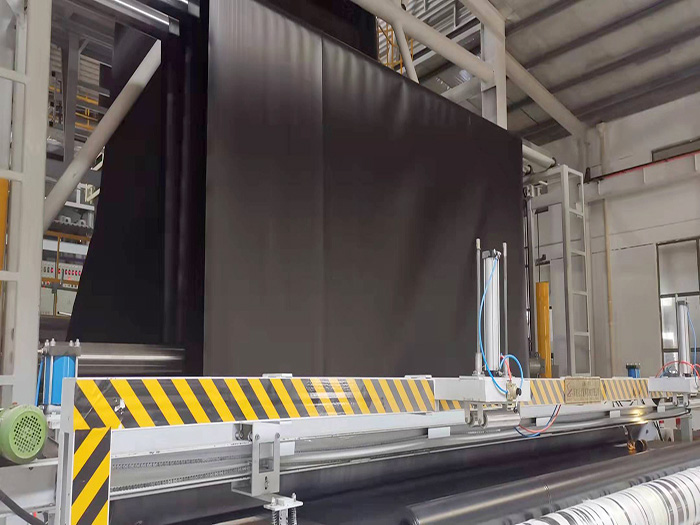
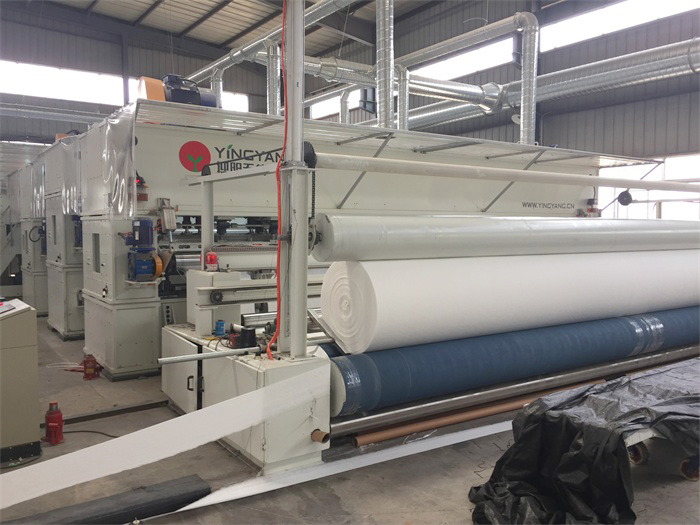
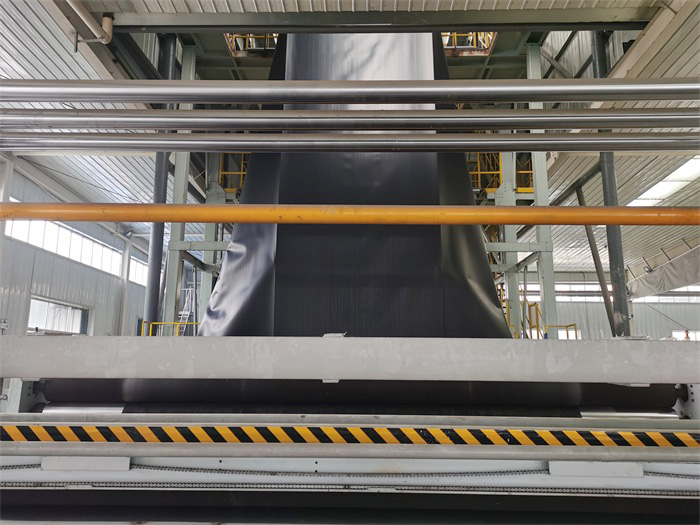
The primary raw material building blocks consist of premium polyester (PET) chips, polypropylene (PP) filament, and viscose fibers. Every incoming polymer batch undergoes strict inspections, including melt flow index (MFI) verification and density checks, to ensure raw material consistency.
Polyester and polypropylene chips are heated to a molten state, then extruded under high pressure using specialized twin-screw extruders. Modifiers and stabilizers, such as carbon black for UV protection, are mixed directly into the melt to ensure uniform distribution throughout the polymer matrix.
The molten polymer is forced through micro-spinneret nozzles to form continuous, fine filaments. These filaments are laid down onto a continuously moving conveyor system, creating a highly uniform, multidirectional network structure. Web density and filament orientation are monitored continuously.
The loose web of filaments passes through needle-punching machinery, where thousands of barbed needles interlock the fibers mechanically. Alternatively, thermal bonding rollers are applied. Precise draft ratios and temperature controls ensure high dimensional stability and isotropic strength profiles.
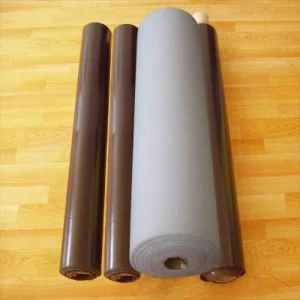
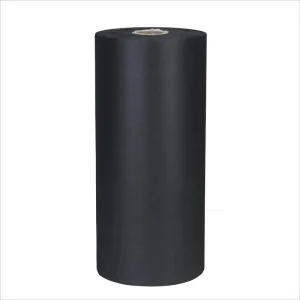
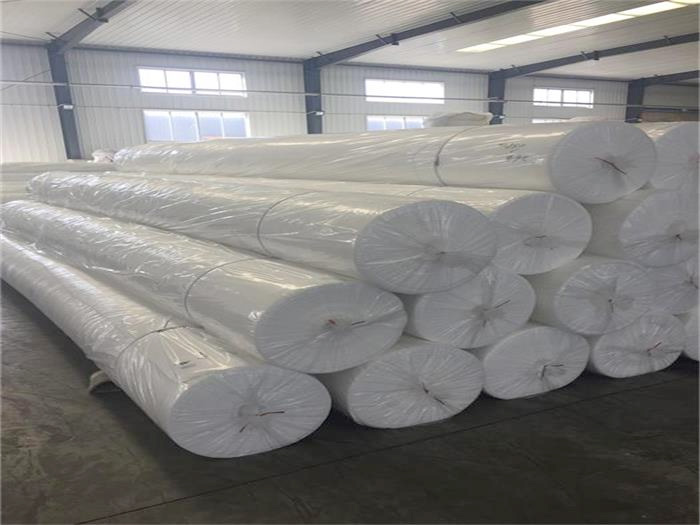
The cured geotextile rolls are wound to exact design lengths and widths. Roll edges are trimmed, and each unit is wrapped in heavy-duty, UV-resistant protective film to prevent contamination or damage during transport and site storage.
Before leaving the facility, samples are cut from each roll and tested in our in-house QC laboratory. Key parameters measured include mass per unit area, grab tensile strength, tear strength, puncture resistance, permeability, and apparent opening size (AOS).
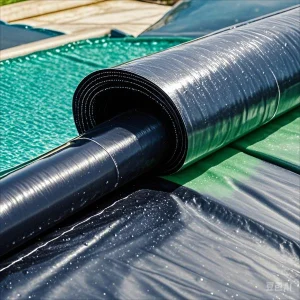
Geomembranes serve as impermeable barriers to contain liquids and gases. Selecting the proper polymer formulation and thickness requires matching the material's properties with the physical demands and chemical environment of the project site.
We supply high-density polyethylene (HDPE) for projects requiring excellent chemical resistance and UV endurance, and linear low-density polyethylene (LLDPE) for applications needing high flexibility and elongation to accommodate subgrade settlement. Thicknesses range from 0.3mm for basic water containment up to 2.0mm+ for hazardous waste landfills.
Subgrade soils must be graded, compacted, and cleared of rocks, roots, or sharp objects that could puncture the liner. Panels are unrolled using custom spreader bars, minimizing wrinkles and tension. Contractors must offset panel joints in a staggered pattern to prevent multi-panel intersections at a single point.
Longitudinal seams are joined using dual-track hot wedge welding, creating an air channel that allows for non-destructive pressure testing. Detail areas, pipe penetrations, and patches are completed using extrusion welding. Technicians monitor welding temperatures, speeds, and wedge pressures constantly.
Note on Joint Integrity: The quality of field welded joints is the single most critical factor in environmental containment performance. Dual-track fusion welding allows the air channel to be pressurized to verify leak-free performance along the entire seam length.
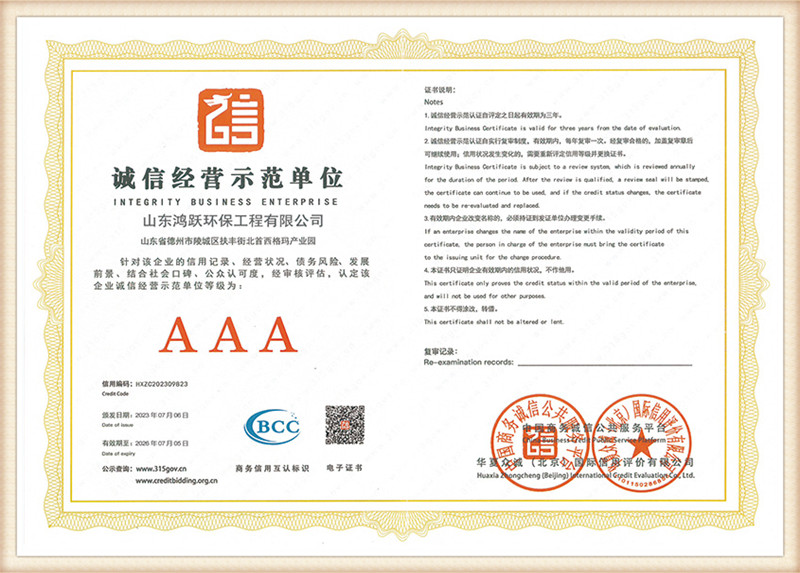
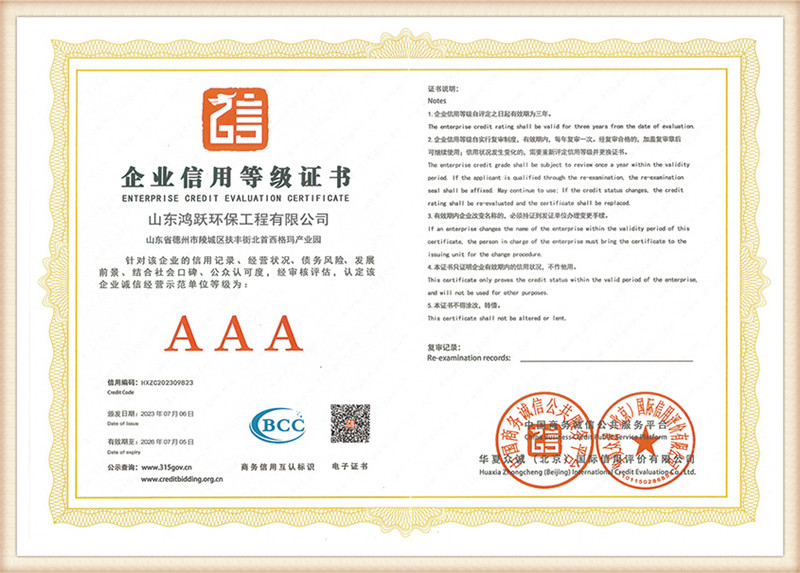
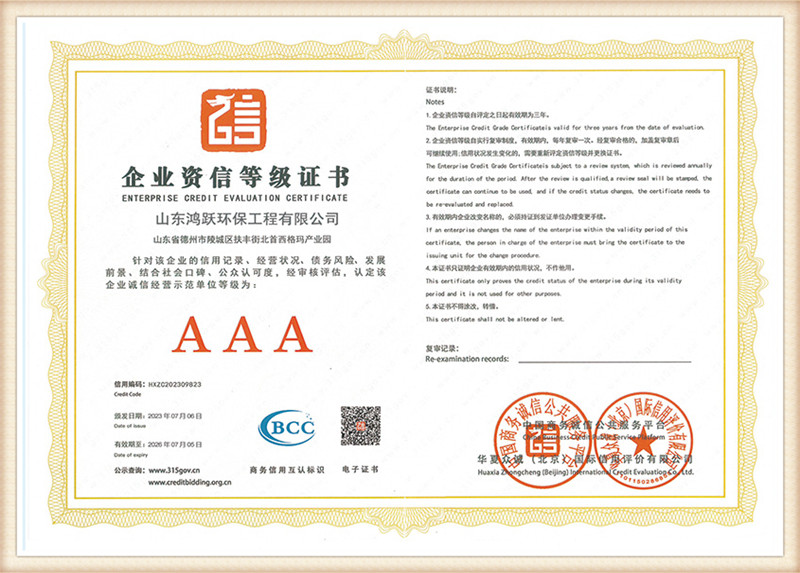
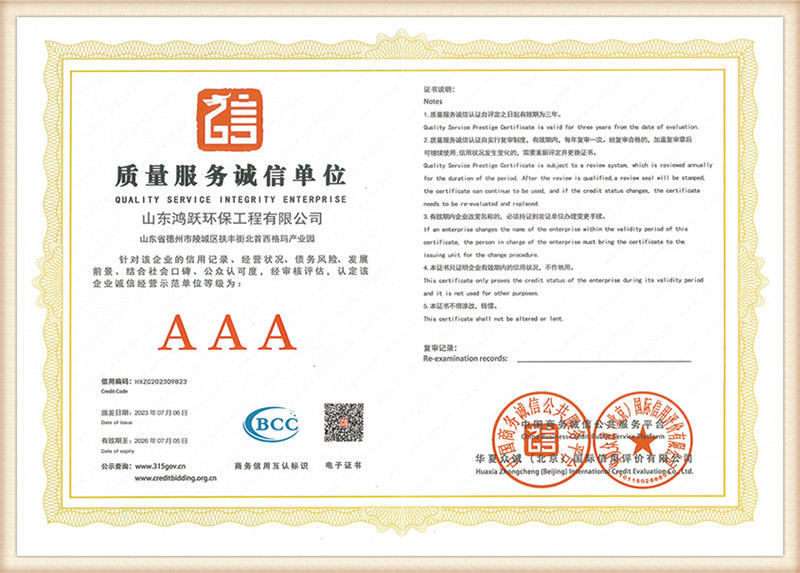
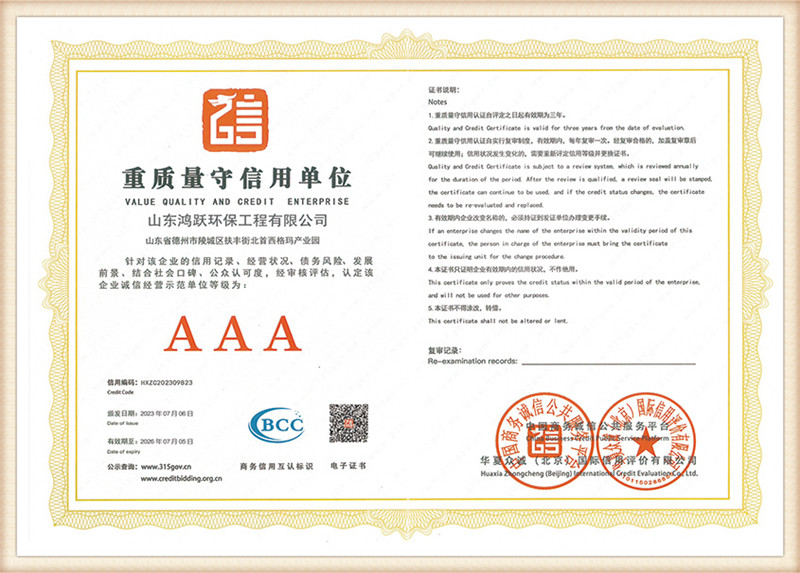
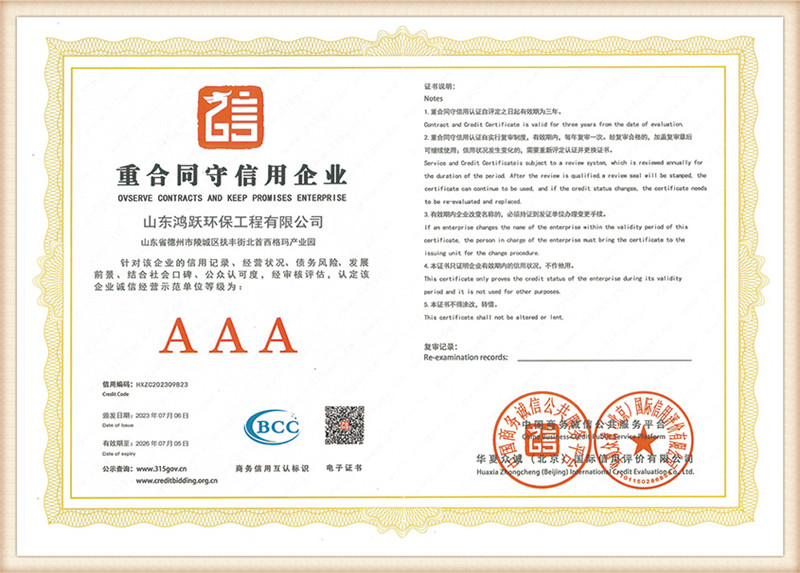
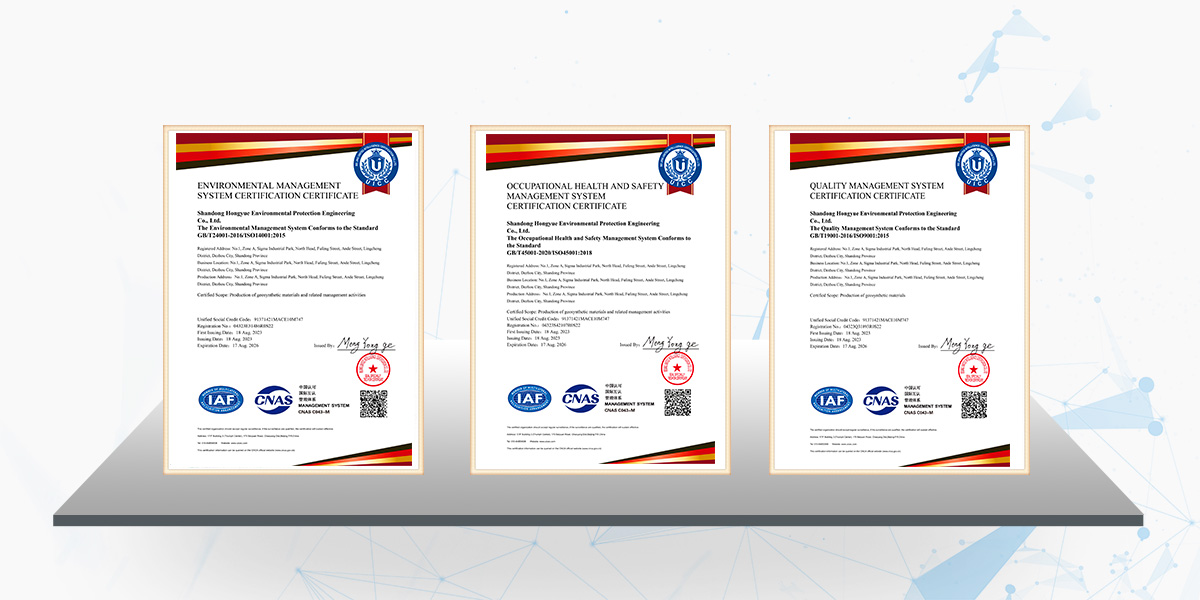
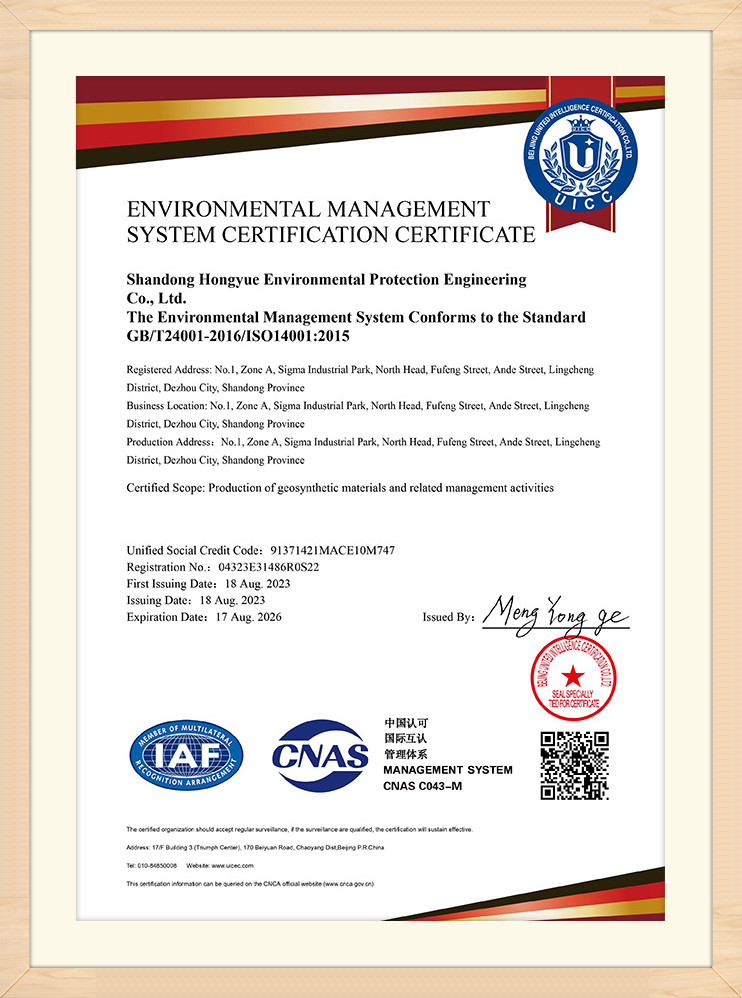
Shandong Hongyue maintains a comprehensive quality management system certified to ISO9001 (Quality Management), ISO14000 (Environmental System), and ISO45001 (Occupational Health & Safety). Our geosynthetic materials meet or exceed major international regulatory standards, including ASTM and European Norms (EN). Our products are regularly verified by the China National Testing Center and undergo random quality audits by the State Administration of Quality Supervision and Inspection.
For international buyers and engineers, comparing Chinese national test standards (GB/T) with international standards like ASTM is crucial. We supply full technical datasheets cross-referencing ASTM test methods (e.g., ASTM D5199 for thickness, ASTM D6693 for tensile properties, and ASTM D5887 for GCL flux index) to simplify compliance reviews for international projects.
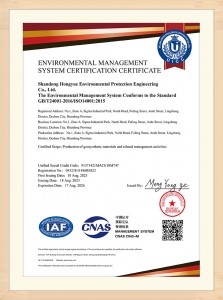
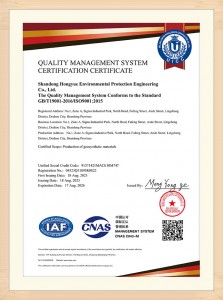
Geomembranes and composite geotextiles perform critical functions in modern hydraulic installations, municipal systems, and ecological structures. Below are three primary application areas where our materials are widely used:
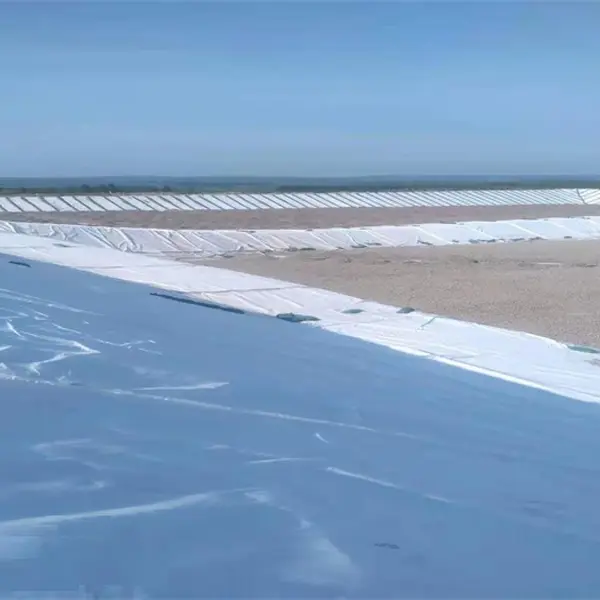
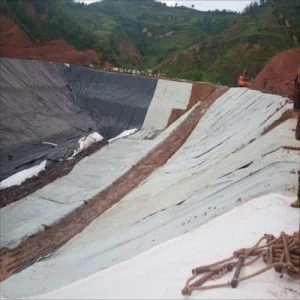
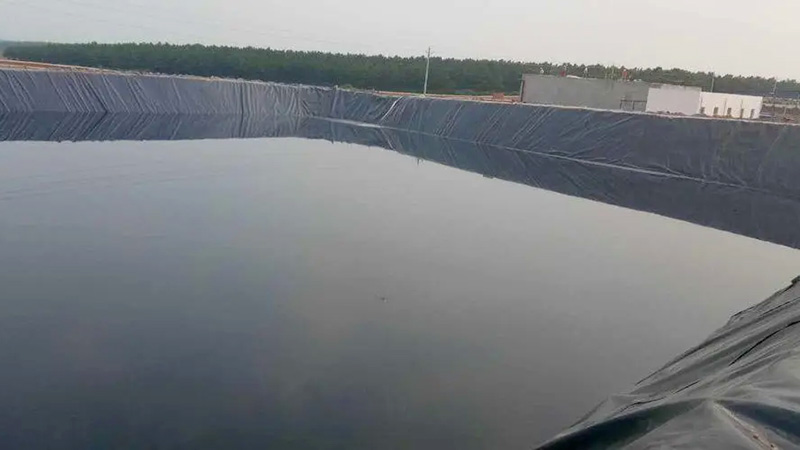
Reservoirs are often built over complex, permeable geological formations. Installing a high-performance geomembrane barrier minimizes seepage losses through the reservoir floor, preserves stored water volumes, and protects adjacent foundations from rising groundwater tables.
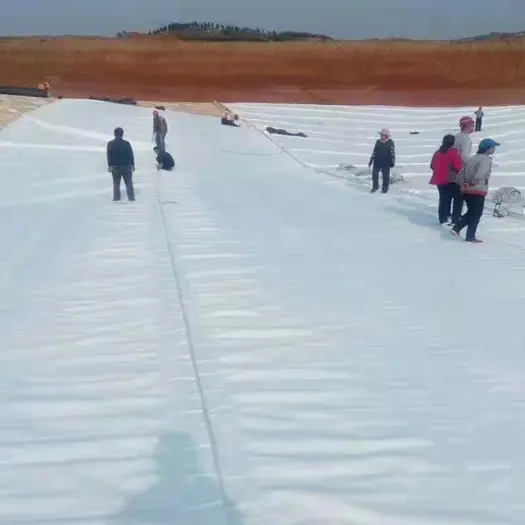
Irrigation canals running through sandy or porous soils lose significant water volume to infiltration. Liners act as a continuous barrier, helping maintain design flow velocities, reducing soil erosion along canal banks, and optimizing water delivery to agricultural zones.
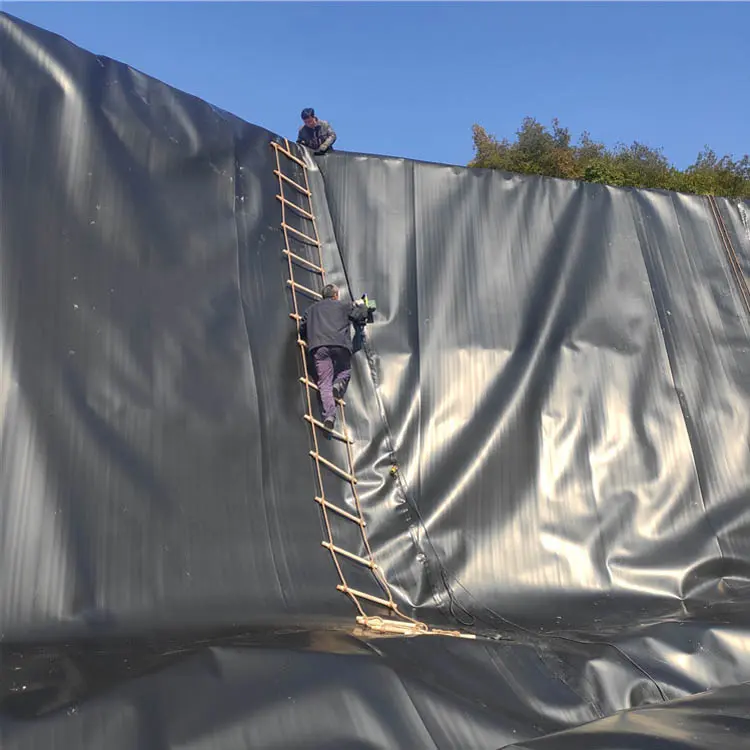
Modern municipal landfills require composite lining systems. Combining our HDPE geomembranes with non-woven geotextile protection layers and GCLs creates an impermeable barrier that prevents leachate from migrating into local groundwater resources.
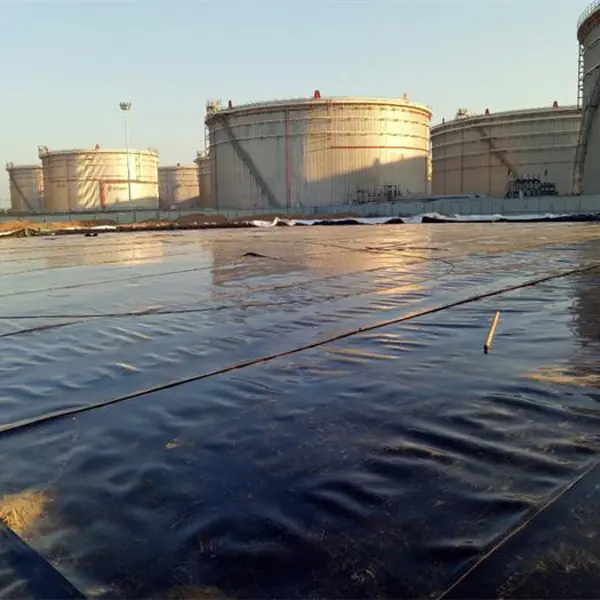
Petrochemical tank farms require reliable secondary containment. Geomembranes lining the concrete or earthen bunds contain potential spills, preventing hydrocarbon contamination of surrounding soils.
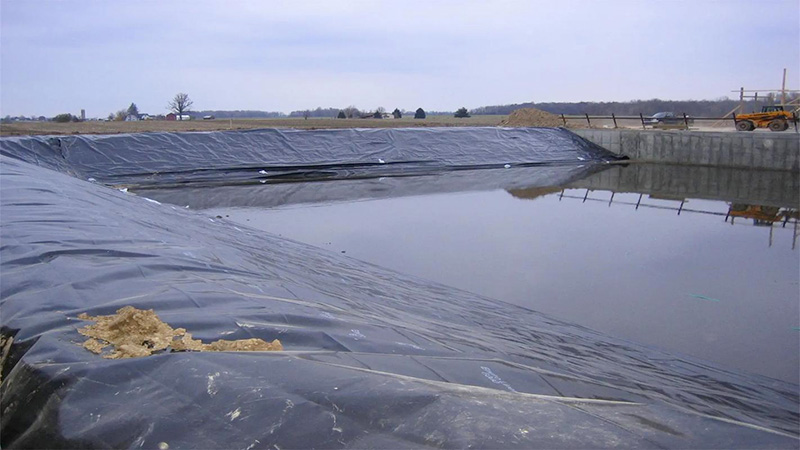
Installing geomembranes inside earthen dikes blocks internal water seepage. This controls piping failure modes, stabilizes the slope, and protects downstream areas from flood risks.
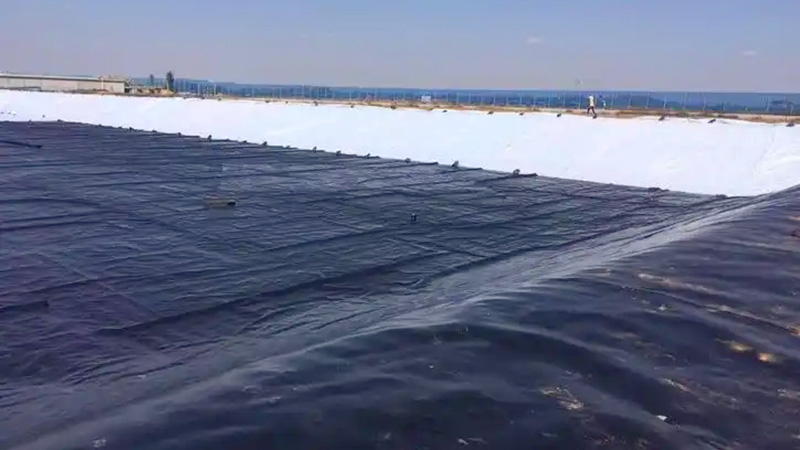
Shandong Province, particularly the Lingcheng District in Dezhou, is recognized globally as a primary industrial cluster for geotextile and geomembrane manufacturing. This concentration of raw material suppliers, machinery manufacturers, and logistics providers gives Shandong Hongyue distinct competitive advantages that directly benefit our international partners:
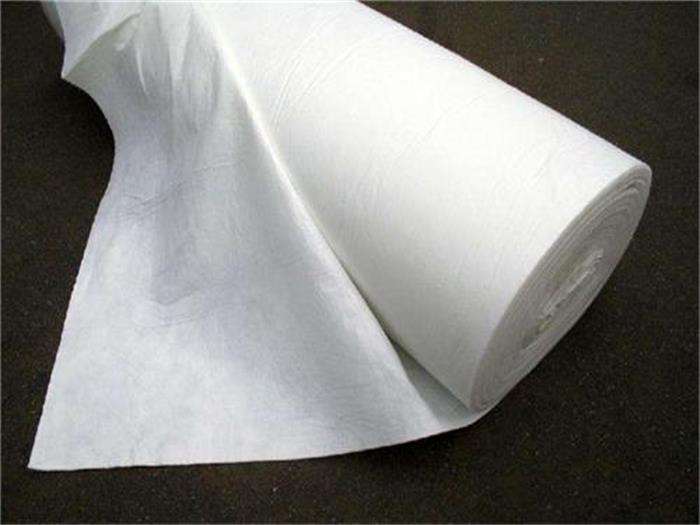
Woven geotextiles are made by weaving individual polymer monofilaments or split-films together, resulting in high tensile strength and low elongation. This makes them ideal for subgrade reinforcement, load distribution, and soil stabilization. Non-woven geotextiles are produced by mechanically needle-punching or thermally bonding loose fibers together, creating a highly permeable structure with high elongation. They are primarily used for filtration, separation, and protecting geomembranes from punctures.
HDPE (High-Density Polyethylene) provides superior chemical resistance, particularly to organic solvents, acidic leachates, and aggressive chemical solutions found in municipal waste. It also offers excellent UV resistance and long-term durability. PVC is more flexible and conforms better to uneven subgrades, but it is more susceptible to chemical degradation and plasticizer migration over long containment cycles. For hazardous waste containment, HDPE remains the industry standard globally.
Seam integrity is verified using both non-destructive and destructive testing methods. Dual-track hot wedge seams are tested non-destructively by sealing both ends of the seam and pressurizing the air channel between the two welds. The pressure is monitored for 5 minutes; a stable pressure reading confirms a leak-free weld. Extrusion welds are tested using vacuum box testing or spark testing. Destructive tests are performed on sample cutouts to verify shear and peel strength in a field tensiometer.
UV radiation breaks down the polymer chains in unprotected geotextiles, causing brittleness and loss of tensile strength. To prevent this, we incorporate specialized stabilizers, including carbon black and UV inhibitors, into the polymer melt during extrusion. This slows UV degradation, allowing the material to remain exposed to sunlight during installation. For long-term performance, geotextiles should be covered with soil, riprap, or backfill within specified timeframes.
A GCL consists of a layer of high-swelling sodium bentonite clay sandwiched between two geotextiles. When it contacts water, the bentonite hydrates and swells to form a low-permeability clay barrier. In a composite lining system, the GCL is placed directly beneath the HDPE geomembrane. If the geomembrane is punctured, the hydrated bentonite swells to seal the leak, significantly reducing leachate migration compared to using a geomembrane alone.
Transmissivity represents the in-plane water flow capacity of a geosynthetic drainage material. Designers calculate the required transmissivity by dividing the expected peak hydraulic flow rate by the hydraulic gradient of the slope. Safety factors are then applied to account for potential reductions in flow capacity caused by soil intrusion, chemical clogging, biological growth, and compressive creep under high loads over the design life of the project.
In addition to our primary lining membranes, Shandong Hongyue manufactures a complete range of support components designed to resolve site-specific water control and soil stability challenges:
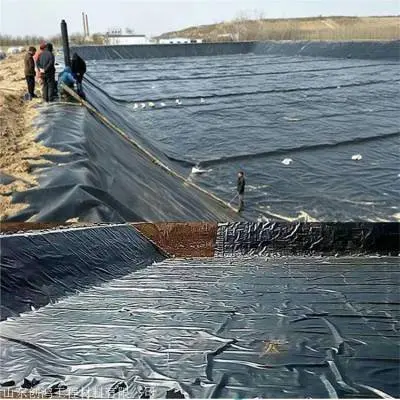
Specifically formulated to be non-toxic to aquatic life. These liners provide a puncture-resistant barrier that retains pond volumes, simplifies cleaning, and prevents wastewater infiltration into adjacent subsoils. Constructed using premium grade raw materials.
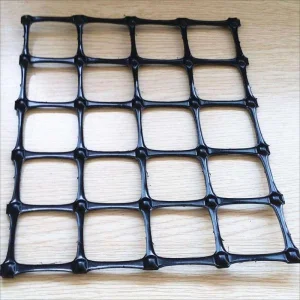
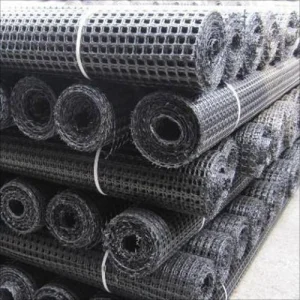
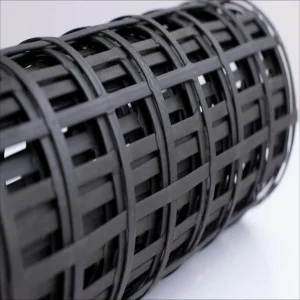
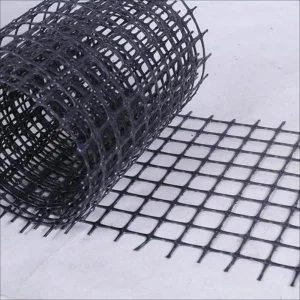
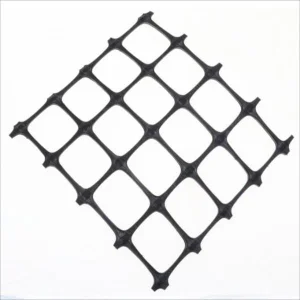
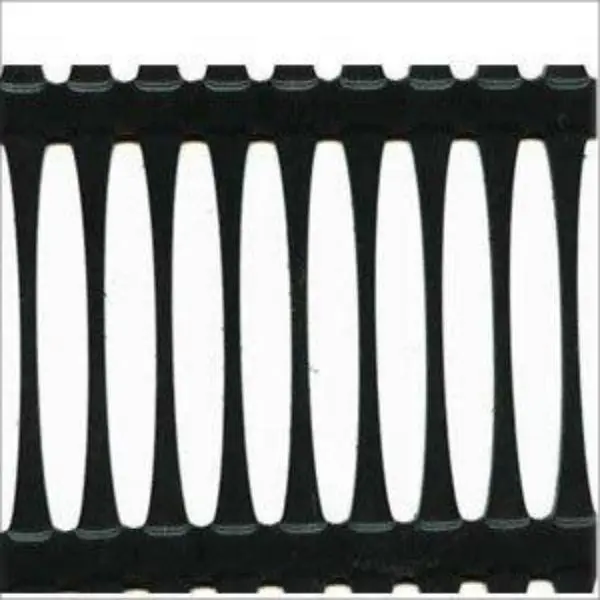
High-strength reinforcement components designed to stabilize base soils and reinforce retaining walls. These geogrids lock soil particles within their apertures, increasing load-bearing capacities and preventing lateral soil movement.
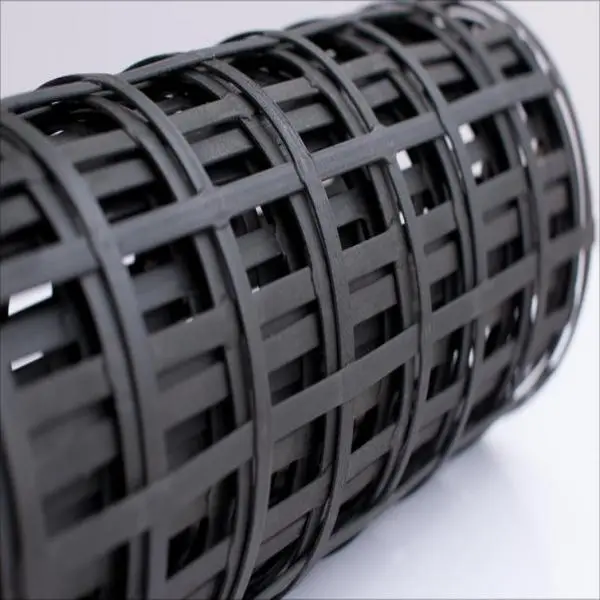
Biaxially and uniaxially oriented polymer sheets designed to reinforce civil infrastructure, pavement overlays, and heavy transport foundations.
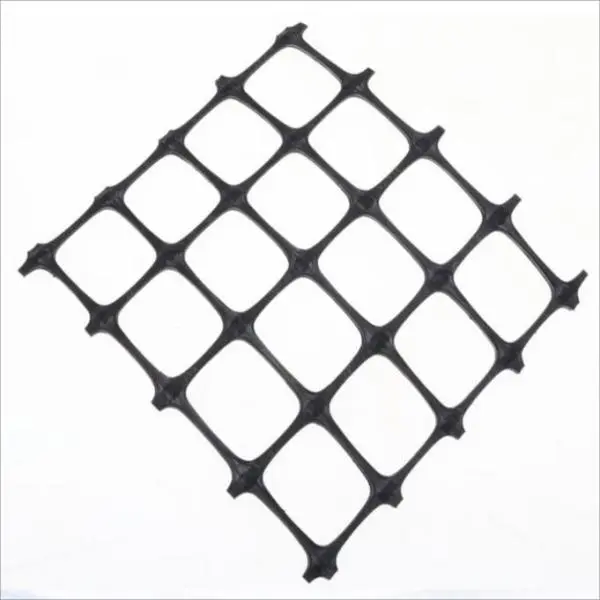
Engineered to support high uni-directional loads, making them ideal for retaining walls, steep slopes, and landfill embankment reinforcements.
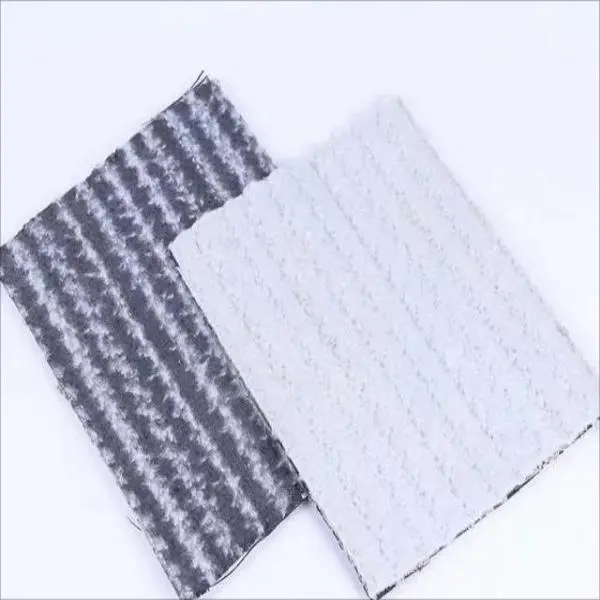
A composite material consisting of geotextiles and a dry cement mixture. When hydrated, it hardens into a durable, concrete protective layer for slope and channel protection.
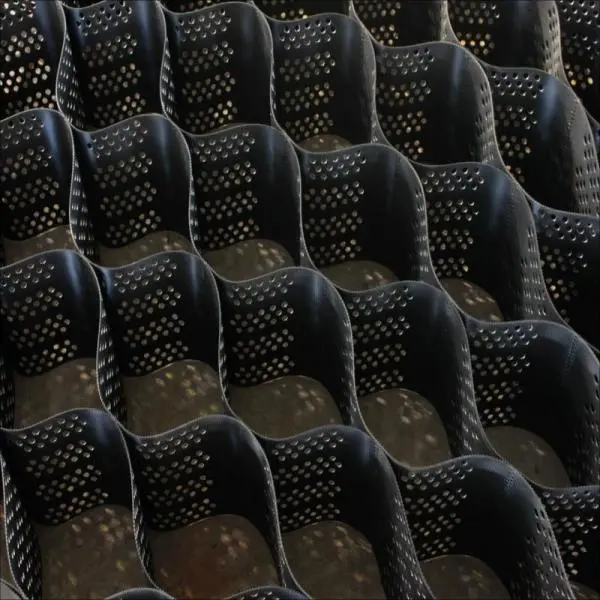
Three-dimensional cellular confinement systems designed to contain soil, gravel, or concrete infills, providing erosion control on steep slopes.
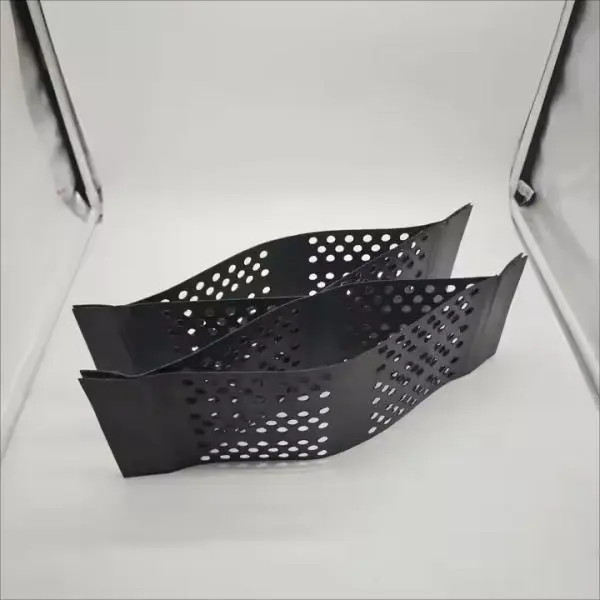
Heavy-duty high-density polyethylene confinement structures, engineered for stabilizing soft road bases and reinforcing load-bearing platforms.
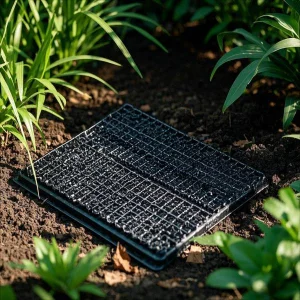
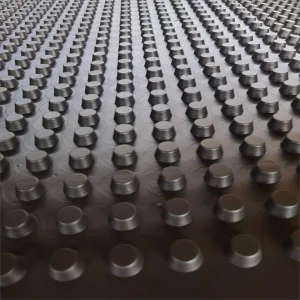
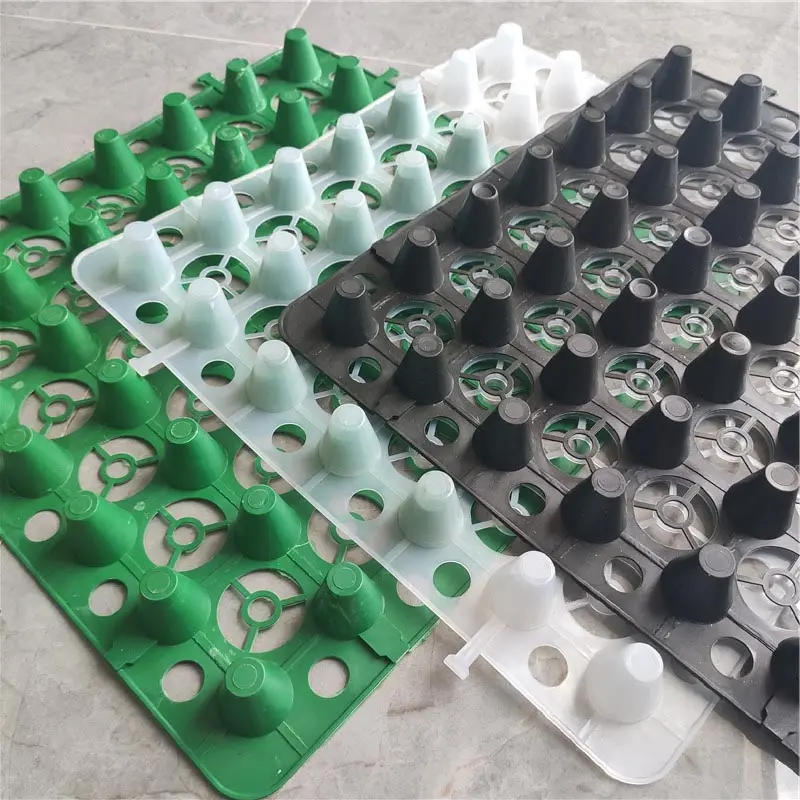
Dimpled plastic core boards laminated with non-woven filter fabrics, designed to route water efficiently away from subsurface structures.
 Hongyue