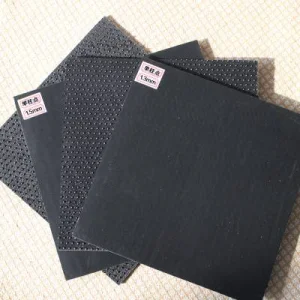
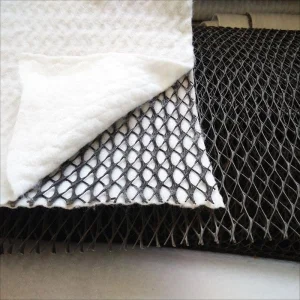
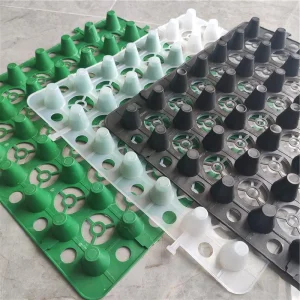
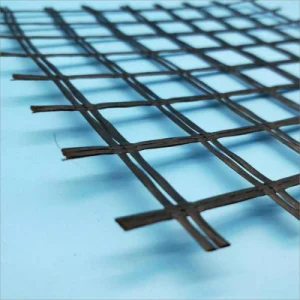
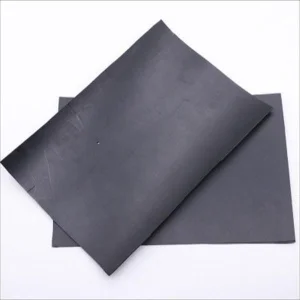
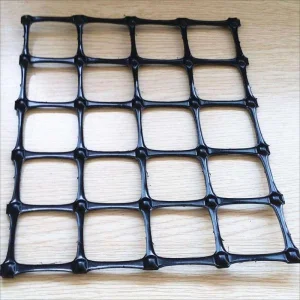
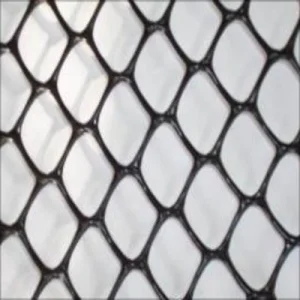
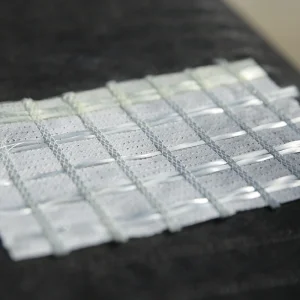
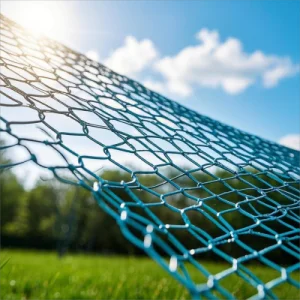
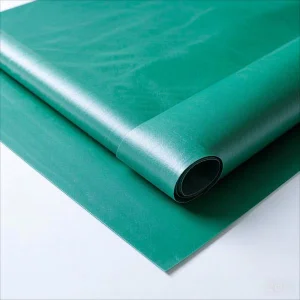
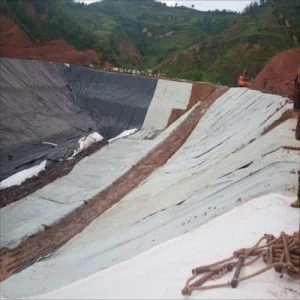
Premium geo-materials engineered for separation, filtration, drainage, and structural reinforcement.
Modern civil engineering demands structural materials that can withstand environmental variables while providing cost-effective stability. Soil stabilization is a cornerstone of infrastructure longevity, dealing directly with issues like shear failure, erosion, and poor subgrade load distribution. High-performance geotextile fabrics are engineered synthetic textiles designed to alter the physical characteristics of soil structures dynamically.
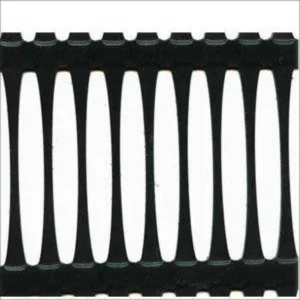
These engineered fabrics are manufactured from high-quality polymers (primarily polypropylene and polyester) to serve multiple vital functions: separation of distinct soil layers to avoid contamination, high-efficiency filtration to manage hydraulic stresses, mechanical reinforcement to distribute shear stresses, and reliable lateral drainage routes. Using geotextile fabrics ensures that subgrades maintain their structural integrity under heavy cyclic loads, dramatically reducing maintenance costs over the project lifecycle.
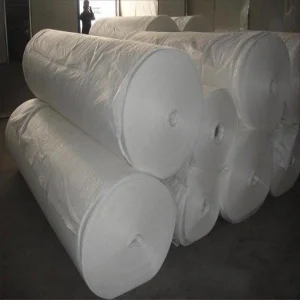
Prevents mixing of subgrade soils and base stone aggregates.
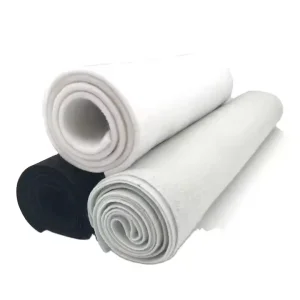
Allows free liquid flow while trapping fine soil particles.
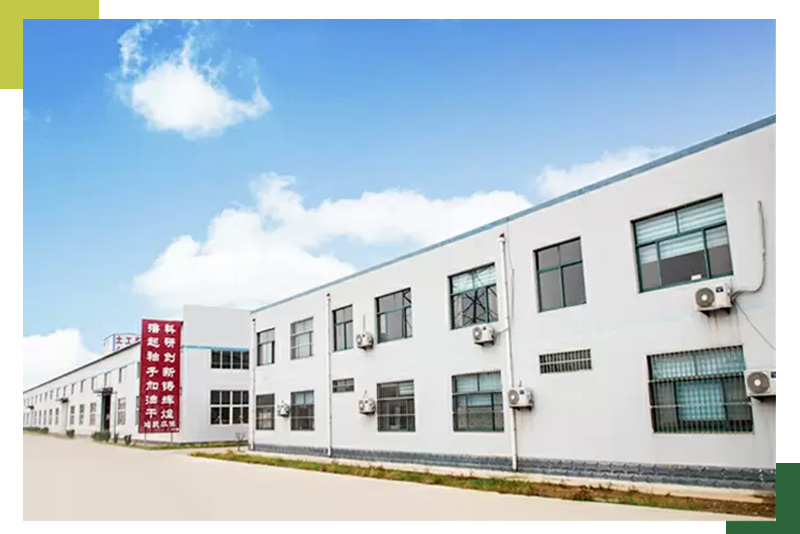
A look into our state-of-the-art facility in Shandong, registered with a capital of 105 million yuan.
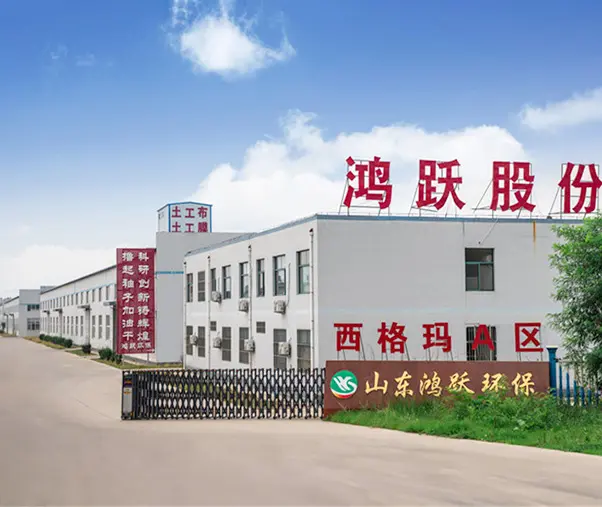
Shandong Hongyue Environmental Engineering Co., Ltd., located at the north end of Fufeng Street, Lingcheng District, Dezhou, Shandong Province, is a scientific and technological geotechnical material manufacturer integrating engineering material production, sales, design, and construction services. The company was registered under the Lingcheng District Market Supervision and Administration Bureau of Dezhou City with a robust registered capital of 105 million yuan.
We stand today as one of the largest production bases of geotechnical materials in China. Our geographical location in Shandong provides convenient access to global transport networks, allowing us to serve international clients quickly and efficiently. Since our inception, our portfolio has expanded to include high-quality geotextiles, geomembranes, composite geomembranes, waterproof boards, bentonite waterproof blankets, 3D composite drainage networks, composite drainage boards, weaving cloths, membrane bags, and flexible pervious pipes.
Our solutions are utilized worldwide in projects spanning municipal roads, expressways, high-speed railways, aviation runways, mining sites, agricultural irrigation systems, and ecological remediation projects.
Our production facilities operate 24/7, utilising advanced computerized extrusion and thermal bonding systems. This ensures that every roll meets stringent structural parameters, providing optimal tensile strength, elongation limits, and puncture resistance.
Why Dezhou, Shandong is the preferred sourcing destination for global infrastructure projects.
As active members of the Dezhou Geotextile Association, our proximity to raw material providers minimizes logistics lead times and guarantees constant feedstocks. This cluster effect results in highly competitive cost structures that benefit our global clients.
Our expansive production lines feature advanced extruders capable of processing multi-width geotextiles and high-density geomembranes concurrently. We easily accommodate large-scale public work orders that standard operations struggle to fulfill.
Our location in Lingcheng District features direct transport linkages to primary shipping corridors, enabling streamlined routes to Qingdao, Tianjin, and Shanghai ports. This provides international buyers with transparent shipping schedules and lower transport costs.
A detailed look at the meticulous production steps required to meet international regulatory standards.
The process begins with high-quality polymer feeds: polyester chips, polypropylene filament, and viscose fiber. We strictly inspect these raw materials before warehousing to ensure uniform molecular density and optimal processing characteristics.
Polyester slices are melted at high temperatures and extruded using precise screw mechanisms. Polypropylene and viscose fibers are introduced, controlling temperature and output pressure to prevent thermal degradation of the polymers.
The melted polymer blend is fed through precision spinnerets to form continuous fibers. These fibers form a uniform network on a moving conveyor belt, where we carefully adjust alignment to establish optimal multi-directional strength.
The fiber network undergoes mechanical calendering and draft curing. Controlling roll temperature, speed, and stretching ratios defines the final thickness, structural stability, and opening sizes of the geotextile fabric.
Cured geotextiles are rolled to precise lengths and widths specified by project blueprints. Automated sensors continuously monitor tension to ensure rolls do not warp or wrinkle during packing.
We test final samples in our on-site lab to verify physical properties (tensile strength, thickness, puncture resistance) and chemical properties (UV resistance, oxidation index). We approve only fully compliant batches for delivery.
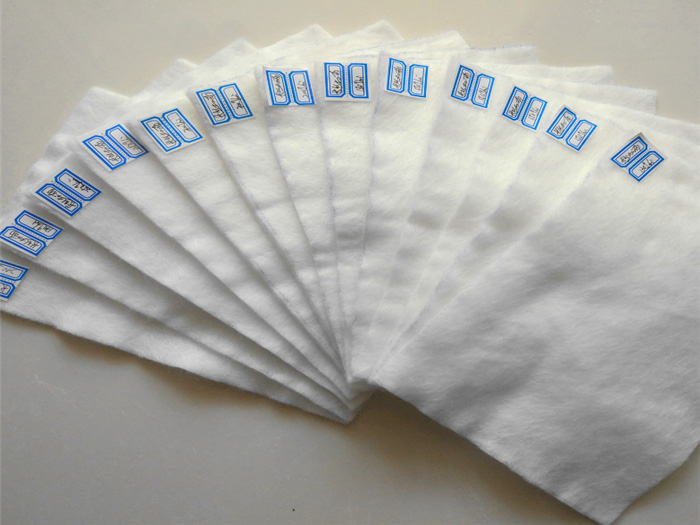
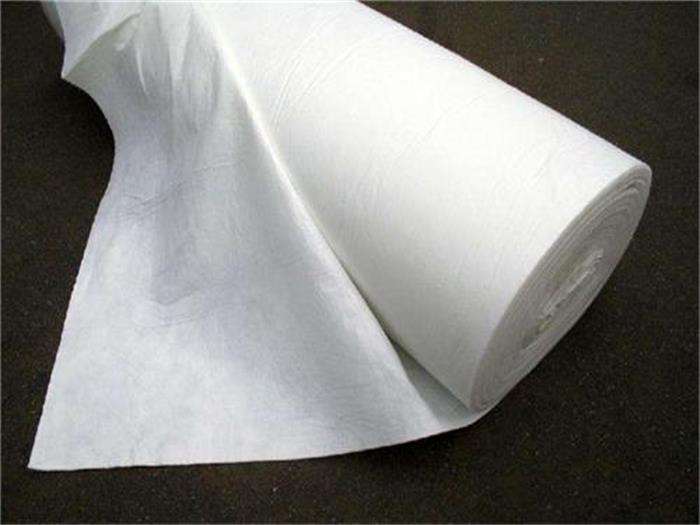
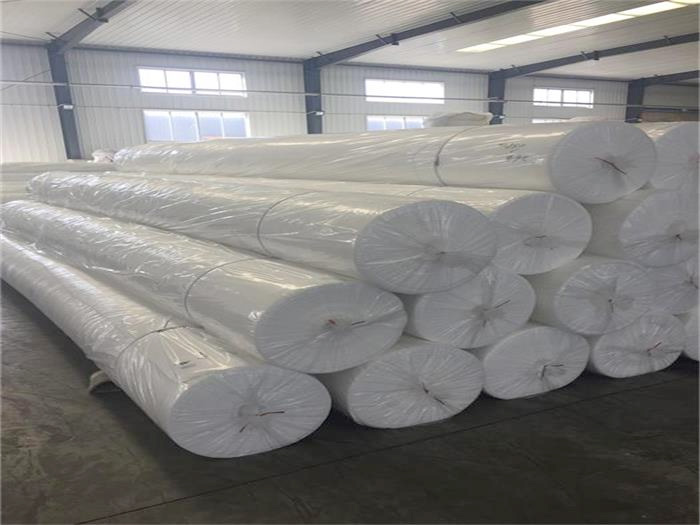
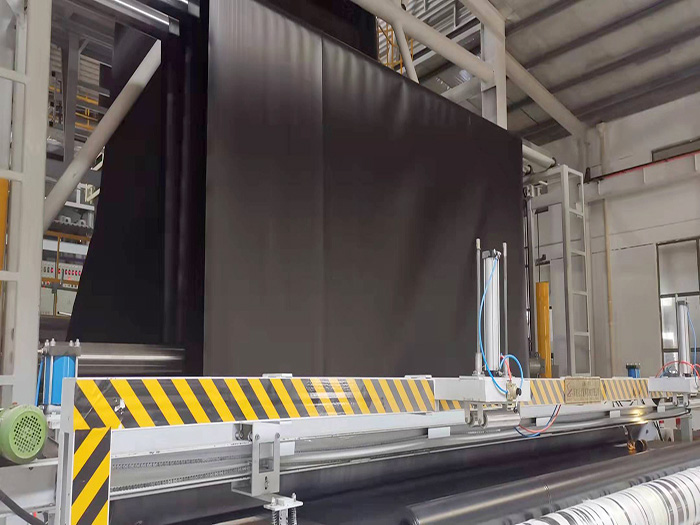
Proper soil stabilization relies as much on installation expertise as it does on raw material quality. When deploying geomembranes and geotextiles, engineers must select the right polymer (HDPE vs. LLDPE) and grade based on chemical, thermal, and mechanical project requirements.
Our technical support team recommends following structured steps during site preparation: clear all sharp objects and debris from the base, flatten the ground surface, align overlapping sections according to design guidelines, and weld joints using dual-track hot-wedge machines for a leak-proof seal. Finally, anchor trenches must be correctly dimensioned and backfilled to prevent shifting under structural loads.
Over time, silt accumulation can impact drainage performance. Regularly inspect drainage outlets and keep composite sheets clear of mud. If geomembranes suffer physical damage, use hot-air welding guns to apply patches that extend the outer edges by at least 150mm beyond the damaged area. This proactive maintenance preserves the integrity of the barrier system for decades.
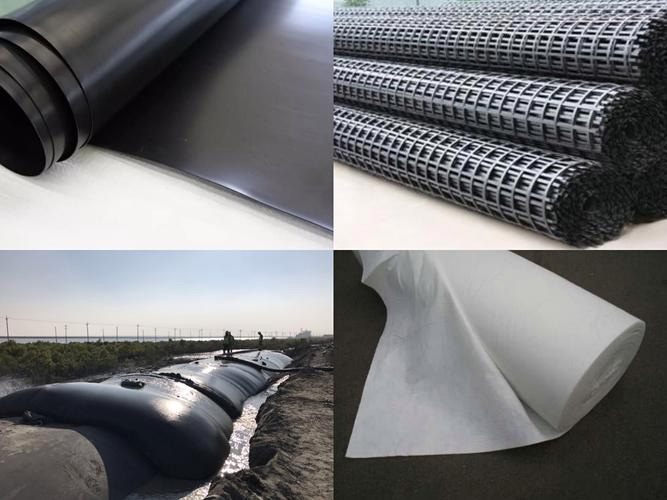
See how our materials are implemented in major water conservancy, environmental protection, and infrastructure projects.
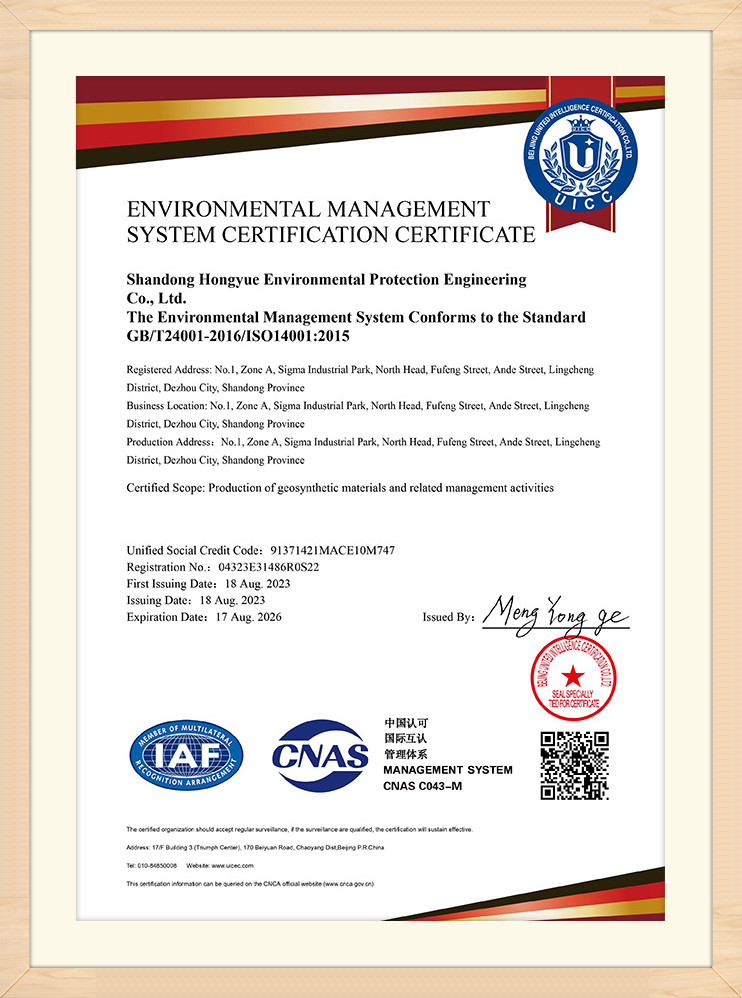
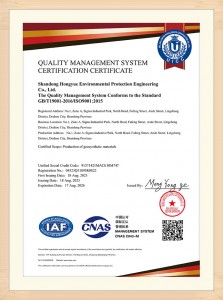
International procurement managers prioritize compliance and certification above all else. At Shandong Hongyue, we design all products to meet or exceed strict global standards. Our facility holds ISO9001 Quality Management, ISO14001 Environmental Management, and ISO45001 Occupational Health and Safety certifications.
Additionally, our materials carry CE marks for the European Union and undergo testing by the China National Testing Center, as well as routine sampling by the State Administration of Quality Supervision and Inspection. Whether you need ASTM-compliant geotextiles for North America or CE-certified geomembranes for Europe, our logistics and engineering teams ensure full regulatory alignment, seamless customs clearance, and straightforward site audits.
How technological innovation is shaping the future of soil stabilization and environmental management.
The demand for green construction materials is driving the development of biodegradable and highly recyclable geotextiles. These reduce the carbon footprint of public infrastructure without compromising mechanical strength.
Modern stabilizers now incorporate advanced UV blockers and antioxidants. This prevents early material degradation, ensuring that underground installations remain stable for over 100 years.
Integrating optical fibers and sensors into geotextiles allows for real-time monitoring of soil movement, moisture, and temperature. This smart data helps operators detect potential slope or base failures early.
Get technical answers to common queries regarding geotextiles, geomembranes, and soil stabilization.
Woven geotextiles are manufactured by weaving synthetic fibers together, giving them high tensile strength and load capacity. This makes them ideal for structural reinforcement and stabilization in roads and rail subgrades. Non-woven geotextiles are made by bonding fibers together mechanically or thermally, offering excellent water permeability. This makes them best suited for filtration, separation, and drainage projects.
Sheet thickness determines the puncture resistance, tear strength, and expected lifespan of the liner. Thinner materials (0.3mm to 0.75mm) work well for light agricultural projects like farm ponds. Thicker profiles (1.0mm to 2.0mm+) are required for demanding civil engineering tasks, such as municipal landfills, industrial waste ponds, and deep tunnel waterproofing, where shear stresses are higher.
Yes. We tailor our geotextiles and geomembranes to your project specifications. We can adjust the roll dimensions, thickness, polymer type, UV resistance package, and tensile strength, helping you balance performance requirements and budget constraints.
Our location in Shandong gives us quick access to primary ports like Qingdao and Tianjin. We offer flexible shipping arrangements (FOB, CIF, CFR, DDP) and handle all customs documentation, ensuring hassle-free logistics for your project.
High-performance stabilization materials engineered to withstand environmental stresses and protect structures.
 Hongyue