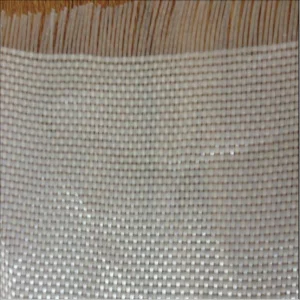
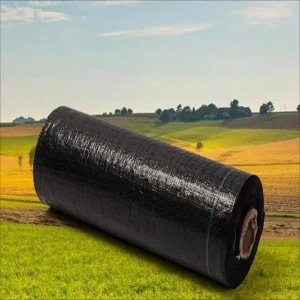
Engineered solutions for environmental protection, civil infrastructure, and sustainable land reclamation.
Established as a core technological anchor in China's geotechnical manufacturing sector, Shandong Hongyue Environmental Engineering Co., Ltd. (located at the north end of Fufeng Street, Lingcheng District, Dezhou, Shandong Province) manages a total registered capital of 105 million yuan. Under official registration on April 6, 2023, the organization has scaled rapidly to become one of the premier industrial production bases for specialized geosynthetic and anti-seepage materials in mainland China.
Our core competence centers on the research, custom engineering, and integration of polymeric and composite materials designed to withstand extreme shear forces, corrosive chemical attacks, and dynamic hydrological pressures. By maintaining deep integration with the Dezhou Geotextile Association, we lead regional innovation, standardizing material supply chains to ensure high-performance outputs that meet rigorous national and international benchmarks.
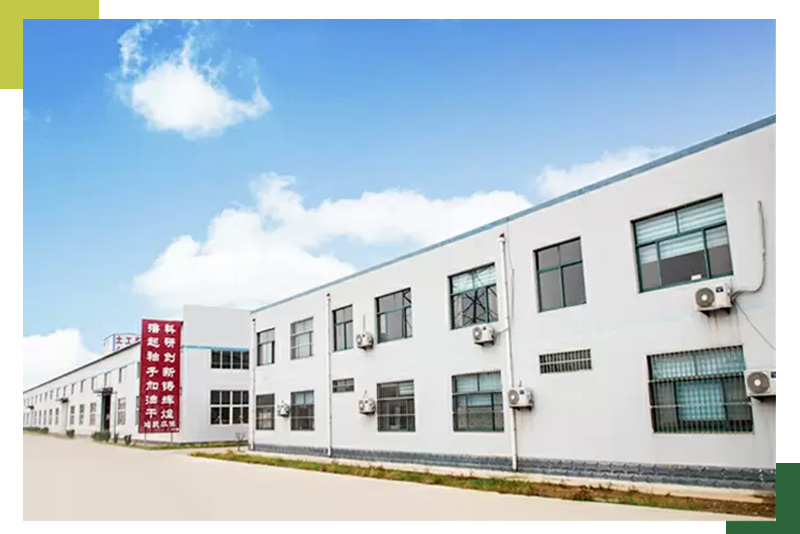
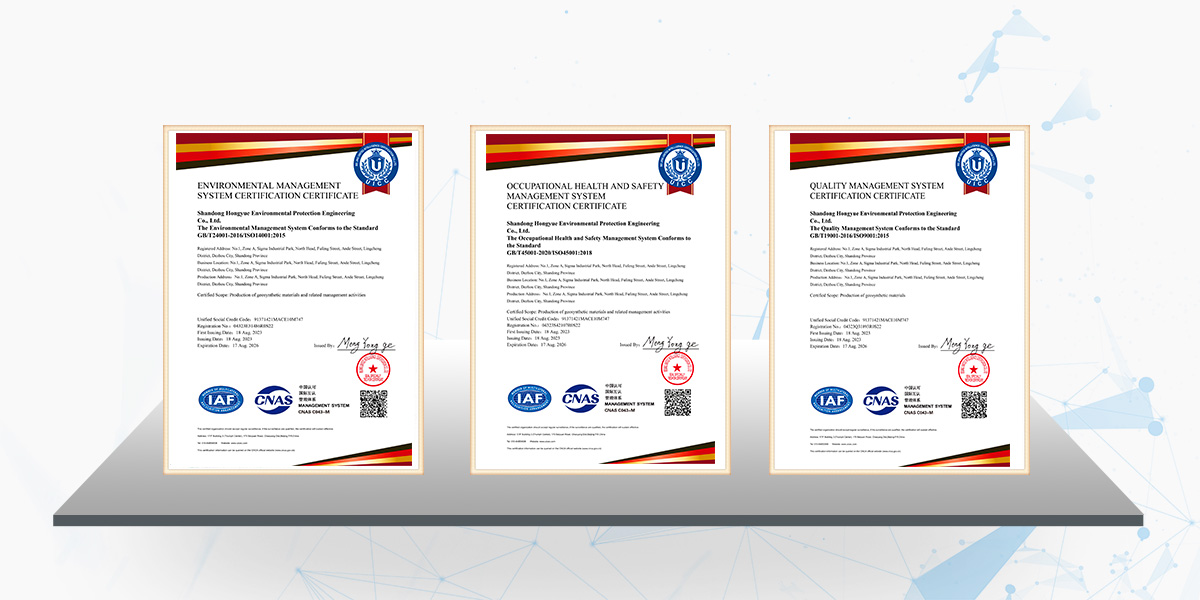
Our operations strictly match international standards, ensuring that raw material selection, production lines, and environmental footprints meet modern infrastructure demands.
Full integration of ISO9001:2015 standards, meaning every batch of geomembrane, geogrid, or drainage network undergoes rigorous trace-ability testing and thickness tolerance controls.
Strict environmental and occupational safety protocols. All extrusion and drawing lines utilize closed-loop heat recovery to minimize emissions and resource waste.
Exceeding international standard configurations, our products undergo regular independent monitoring by national-level research institutes, certifying tensile limits and aging resistances.
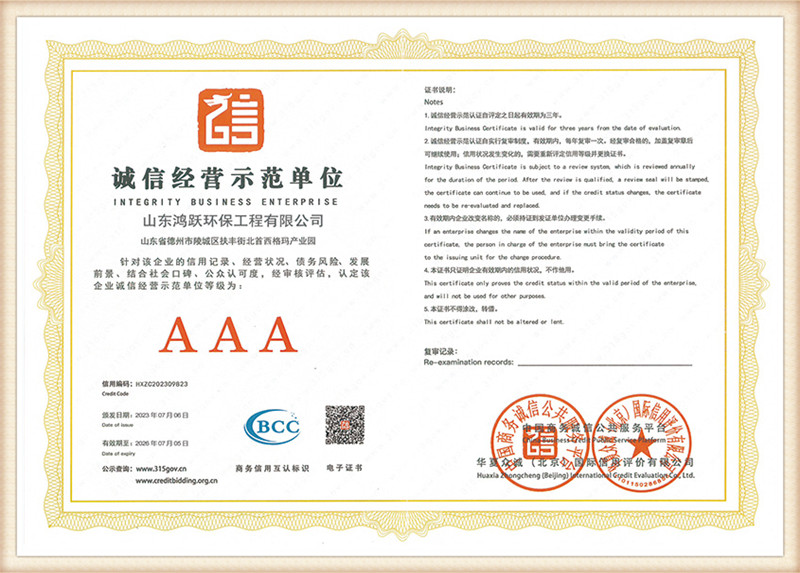
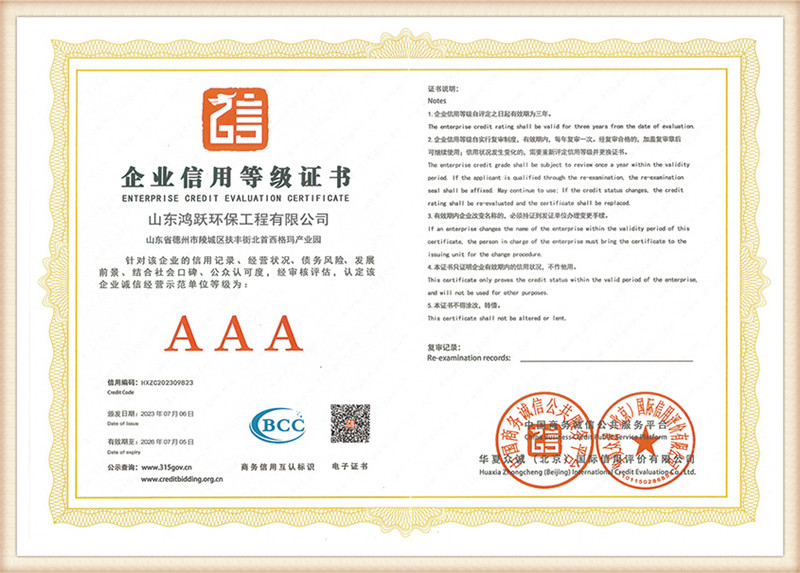
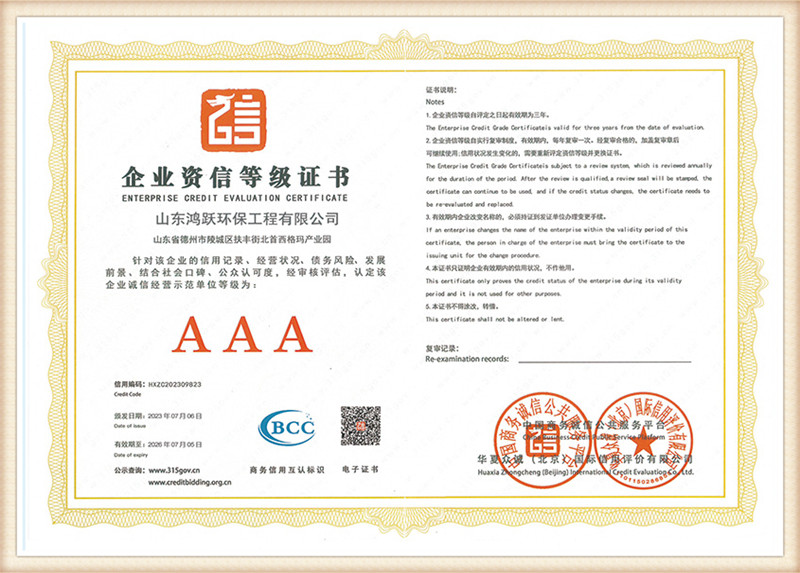
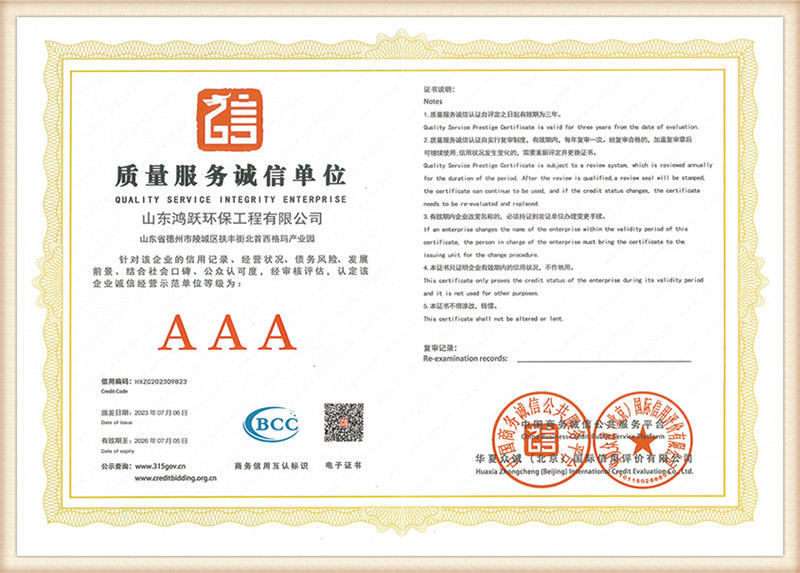
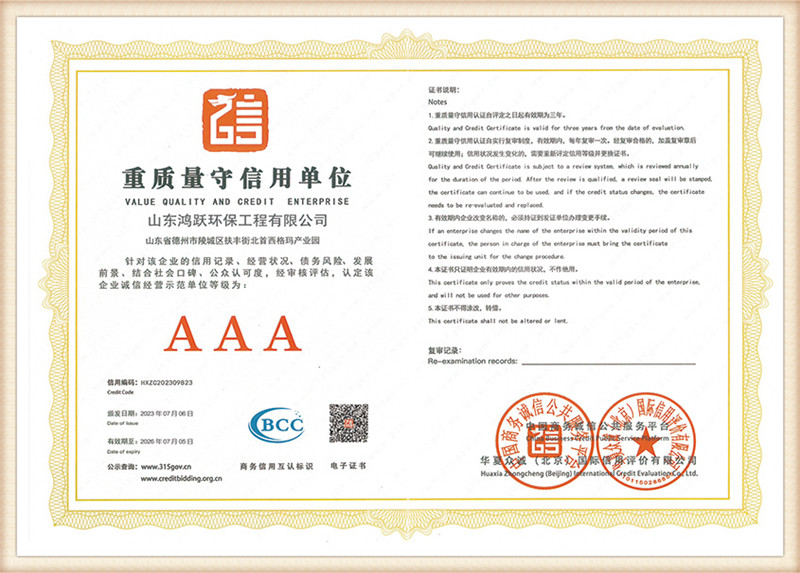
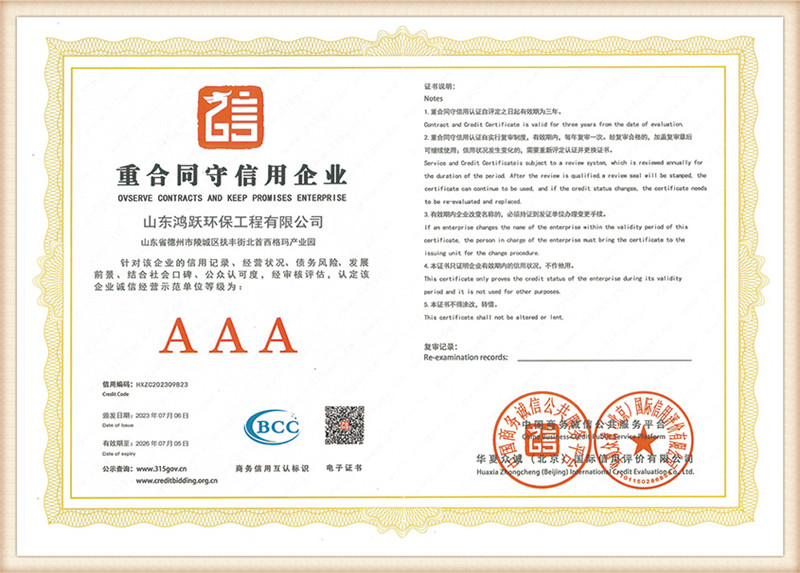
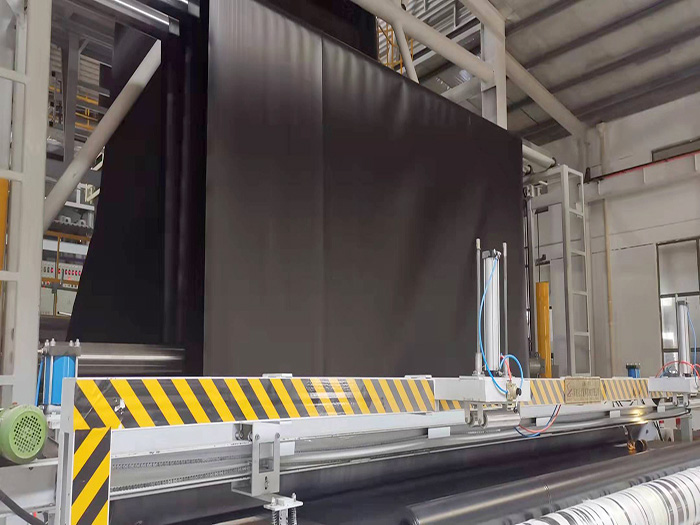
Our manufacturing processes are engineered to deliver precise structural performance, ensuring load-bearing capability and durability under high geotechnical stress.
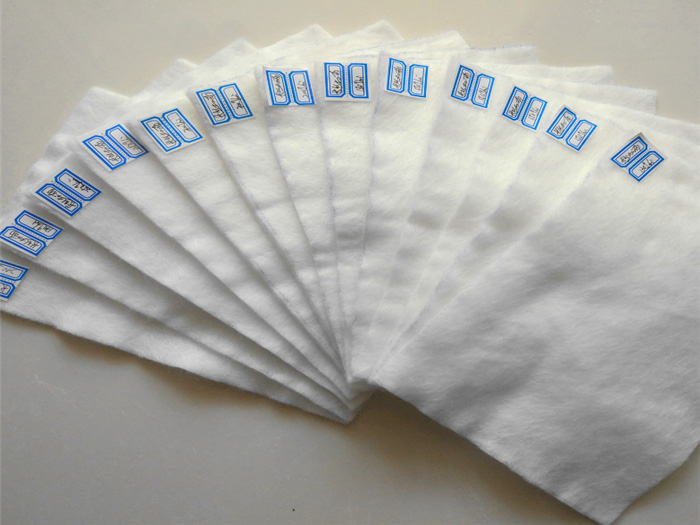
The structural properties of geotextiles and geogrids depend heavily on molecular weight distribution and raw polymer purity. We process premium polyester chips (PET), polypropylene filament (PP), and high-density polyethylene (HDPE). These compounds undergo rigorous density testing and drying steps to prevent moisture-induced hydrolysis during high-temperature extrusion, ensuring the final material exhibits optimal tensile strength and minimal elongation.
Using advanced co-rotating screw extruders, polymers are processed at temperatures from 230°C to 280°C to achieve a consistent molten phase. For composite sheets, functional additives such as carbon black (minimum 2-3% concentration for UV stability) and anti-aging agents are integrated during this phase. This prevents thermo-oxidative degradation and ensures uniform wall thickness and physical property distribution across the entire sheet width.
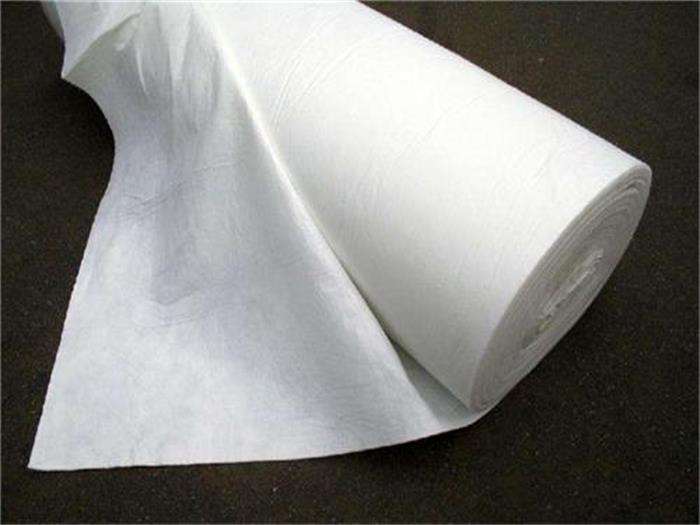
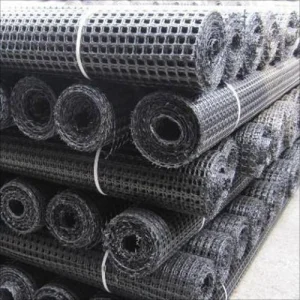
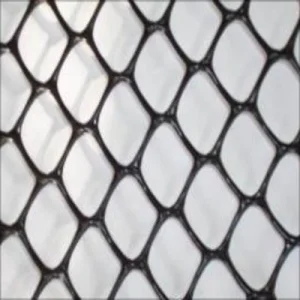
For geogrids, punching machinery creates precise aperture layouts on the extruded sheet. The sheet then undergoes heated stretch processes (uniaxially or biaxially) to align the polymer chains along the direction of stress. This molecular orientation increases the material's tensile modulus. After stretching, the structural grid is annealed through draft-curing rollers to lock in the dimensions and prevent post-installation shrinkage.
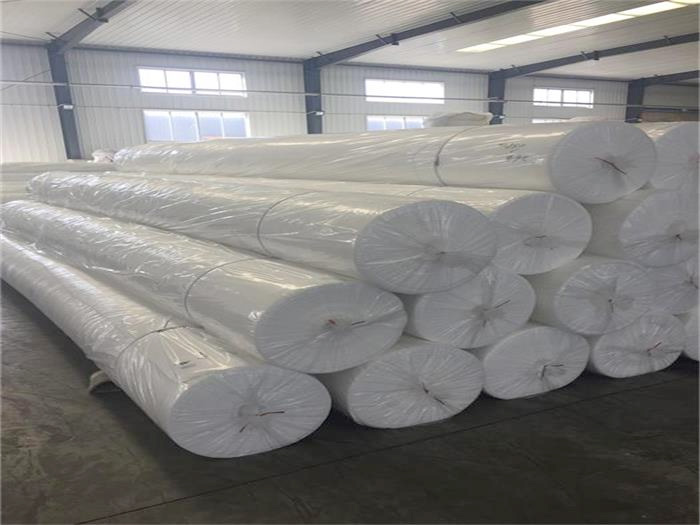
Every production run is monitored by automated ultrasonic and laser sensors that check for gauge variance and surface consistency. Sample coupons from every batch undergo mechanical testing, including wide-width tensile tests (ASTM D4595), puncture resistance tests (ASTM D6241), and carbon black dispersion checks. Once approved, the finished materials are rolled onto reinforced structural cores, labeled for traceability, and packaged in protective woven wraps for transit.
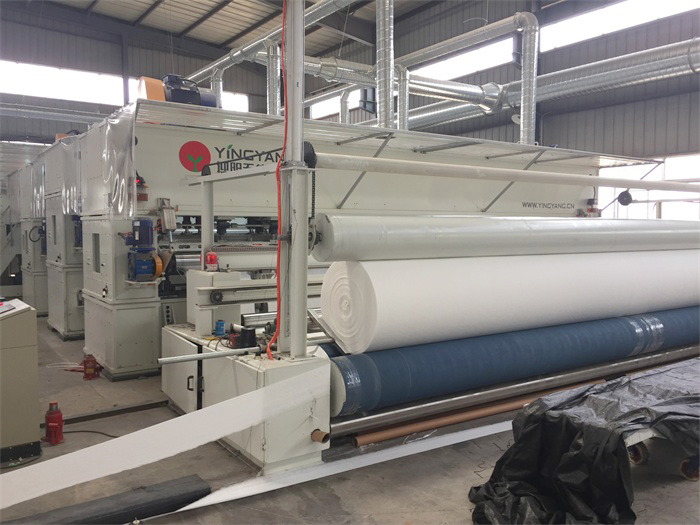
Our manufacturing facility in Shandong provides global buyers with structural supply chain and engineering advantages.
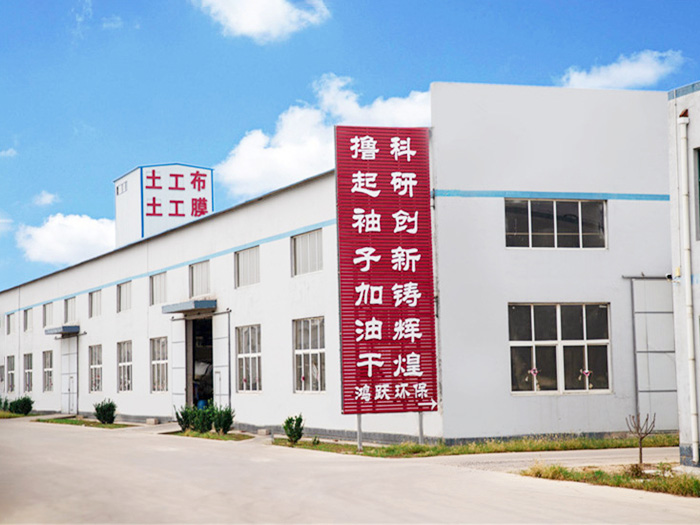
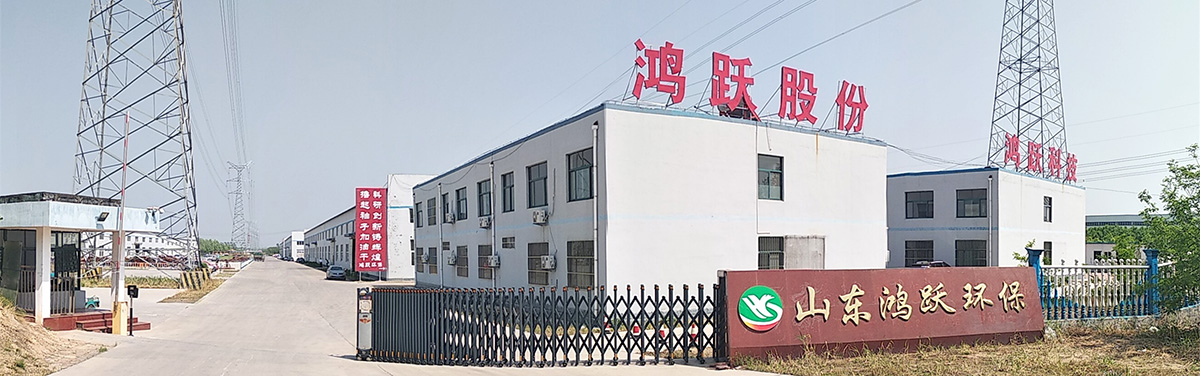
Located in Lingcheng District, Dezhou, our factory is part of a leading domestic geosynthetic manufacturing cluster. This regional proximity integrates downstream chemical suppliers, testing labs, and raw polymer feedstocks, reducing transport times and raw material costs.
Operating with a registered capital of 105 million yuan and high-capacity extrusion lines, we process high-volume bulk runs. This setup lowers per-unit manufacturing costs without compromising material thickness, tensile strength, or carbon black dispersion.
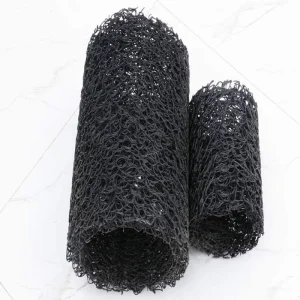
We configure apertures, tensile parameters, and roll dimensions to meet specific project needs. Our technicians adjust structural grids to design demands (e.g., custom uniaxial geogrids for retaining walls or specific multi-layer drainage networks).
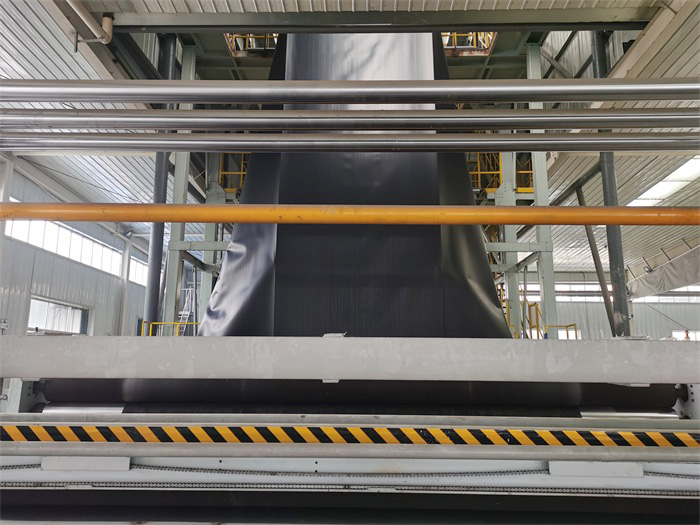
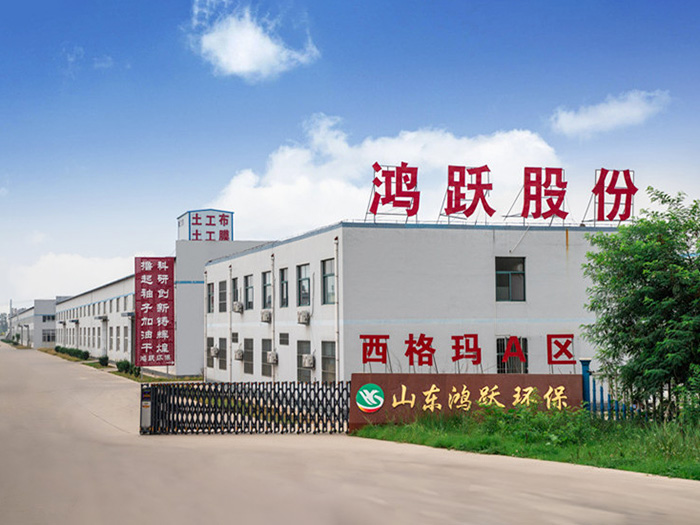
Our geosynthetic systems are engineered for subgrade reinforcement, containment liners, and groundwater control.
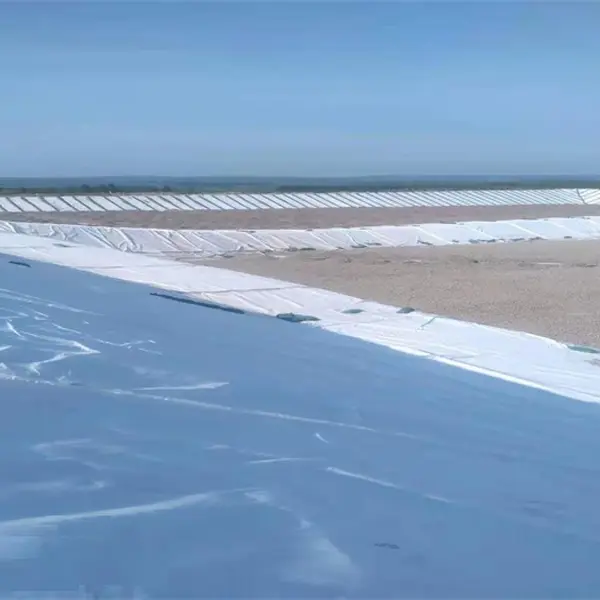
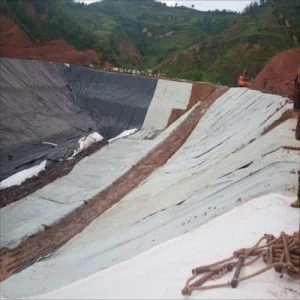
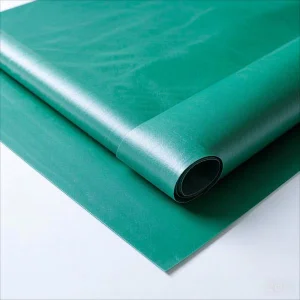
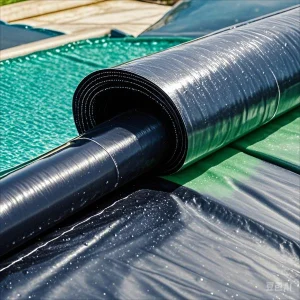
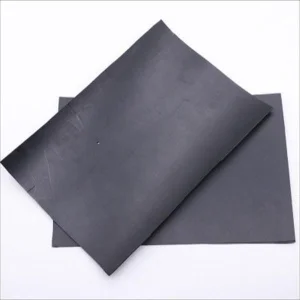
Our geomembranes and composite structures provide impermeability barriers for artificial reservoirs, agricultural irrigation networks, and municipal water conservation systems. They minimize seepage losses, stabilize dams against internal erosion, and resist microbial and chemical degradation in long-term submersed conditions.
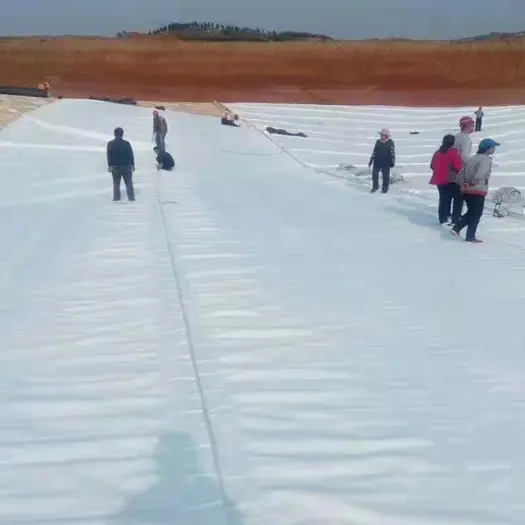
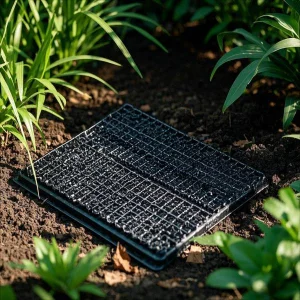
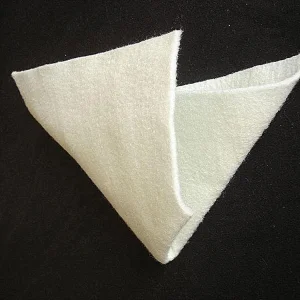
For municipal channels and river containment basins, we supply composite geosynthetic systems (geomembranes bonded to nonwoven geotextiles). These systems prevent side-slope failures, direct fluid flows safely, and isolate sub-base soils from dynamic current shear forces, preventing structural erosion.
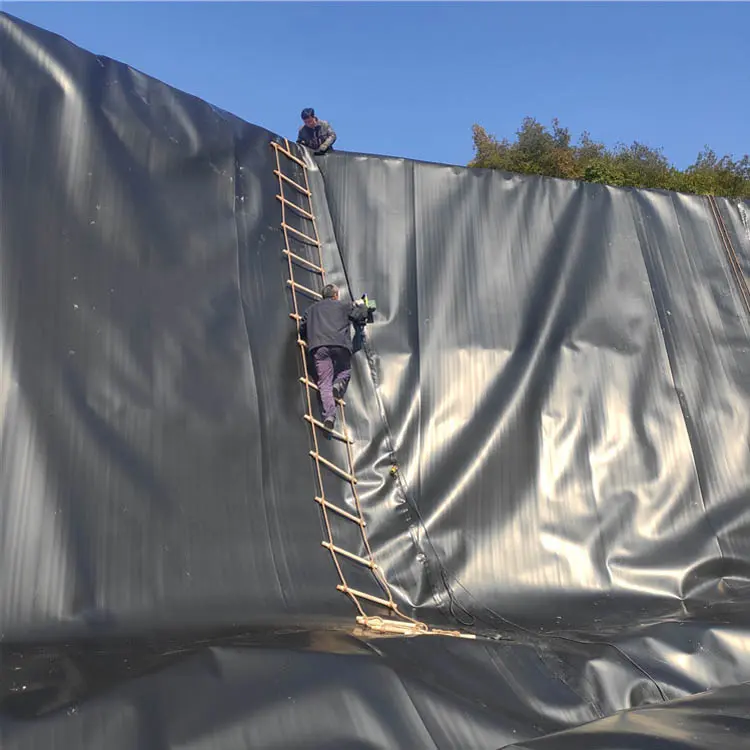
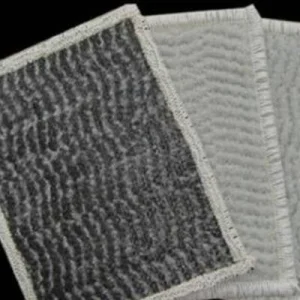
In municipal waste management, environmental containment is critical. Our double-barrier containment systems—combining high-density polyethylene (HDPE) geomembranes and geosynthetic clay liners (GCL/bentonite blankets)—prevent chemical leachate from migrating into local groundwater tables.
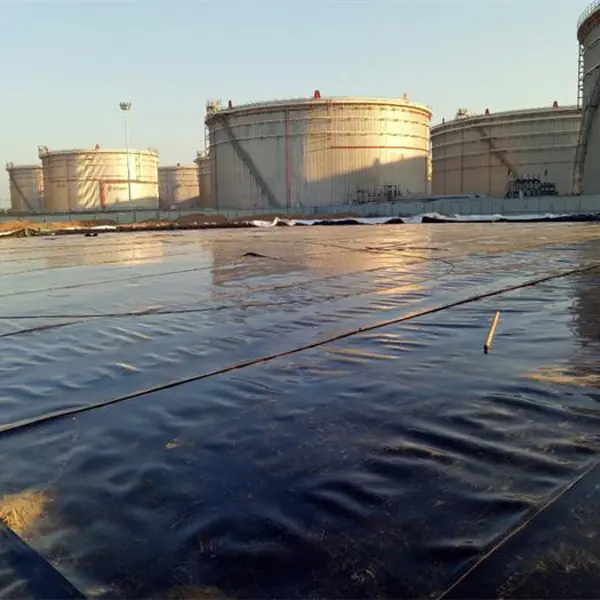
Our chemically resistant geomembranes are used in tank terminals, refining plants, and mining leach pads. They form secondary containment fields that resist hydrocarbon exposure, preventing environmental contamination from storage tank spills.
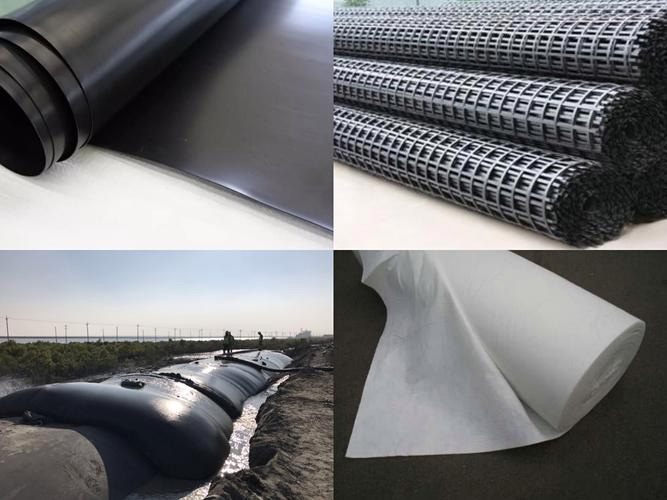
For global civil engineering consultants and municipal developers, procurement requires verification of international performance standards. Shandong Hongyue meets these requirements with a systematic supply chain framework:
We supply complete technical documentation, including raw material certificates, quality control records, and installation guides, to support municipal approvals.
Our R&D initiatives focus on sustainability, material durability, and functional integration.
We work to reduce embedded carbon by optimizing energy consumption during high-temperature extrusion and incorporating eco-stabilizers. Our long-lasting materials reduce the need for frequent replacements, lowering life-cycle emissions for infrastructure projects.
We are researching sensor-embedded geogrids that monitor real-time mechanical strain, deformation, and moisture levels within subgrade soils. This data helps engineers detect early signs of structural failure and plan targeted maintenance.
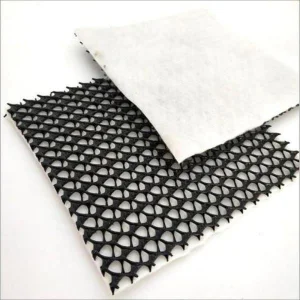
We are expanding production of multi-functional composites that bond high-modulus geogrids directly to nonwoven geotextiles. These products reinforce soils, filter fine particulates, and drain water in a single installation step, reducing labor costs.
Direct answers to common engineering, specifications, and manufacturing questions for geosynthetic products.
Uniaxial geogrids are engineered to handle primary tensile loads in a single direction (machine direction). They are commonly used in retaining walls, steep slopes, and landfill containment embankments. Biaxial geogrids provide equal tensile strength in both directions (machine and cross-machine directions). They are typically used for base stabilization and subgrade reinforcement in roads, railways, and industrial foundations.
We blend fine-particle carbon black (minimum 2.0% to 3.0% by weight) and specialized chemical antioxidants (such as HALS—Hindered Amine Light Stabilizers) into our polyethylene formulations. This prevents photo-oxidation caused by solar UV radiation, extending the service life of exposed liners in canals and reservoirs.
Every production batch is tested for thickness uniformity, tensile strength and elongation (ASTM D4595/D6637), CBR puncture resistance (ASTM D6241), carbon black content, and interface shear friction coefficients. All shipments are accompanied by a factory certificate of compliance.
Bentonite waterproof blankets (Geosynthetic Clay Liners, or GCLs) encapsulate high-swelling sodium bentonite clay between needle-punched geotextiles. When hydrated, the bentonite swells to form a low-permeability clay barrier. GCLs offer equivalent hydraulic protection to thick compacted clay liners while reducing installation time, footprint, and hauling costs.
Yes. We manufacture geotextile rolls in widths up to 6 meters and geomembrane rolls in widths up to 8 meters. Roll lengths can also be customized to match your installation layout, helping to minimize on-site welding seams and material waste.
Our complete line of drainage, reinforcement, and barrier materials for global civil works.
 Hongyue