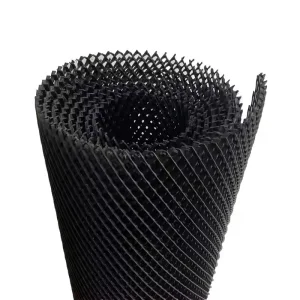
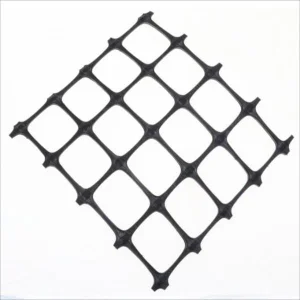
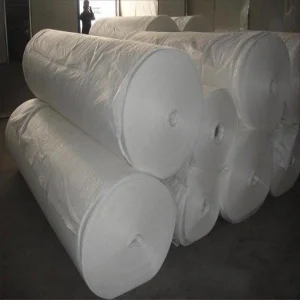
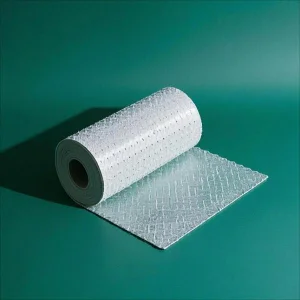
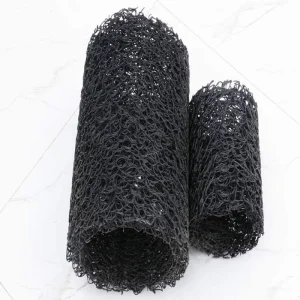
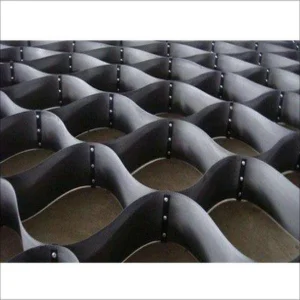
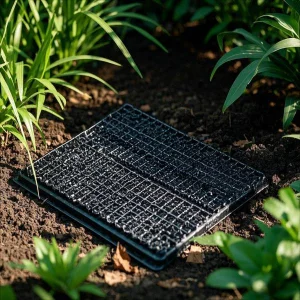
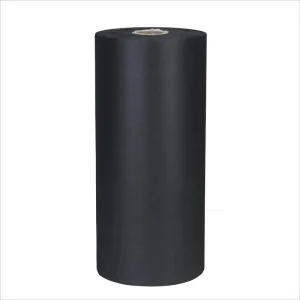
Explore our foundational range of premium geocomposites, membranes, and drainage fabrics engineered for high hydraulic transmissivity, robust separation, and severe subgrade conditions.
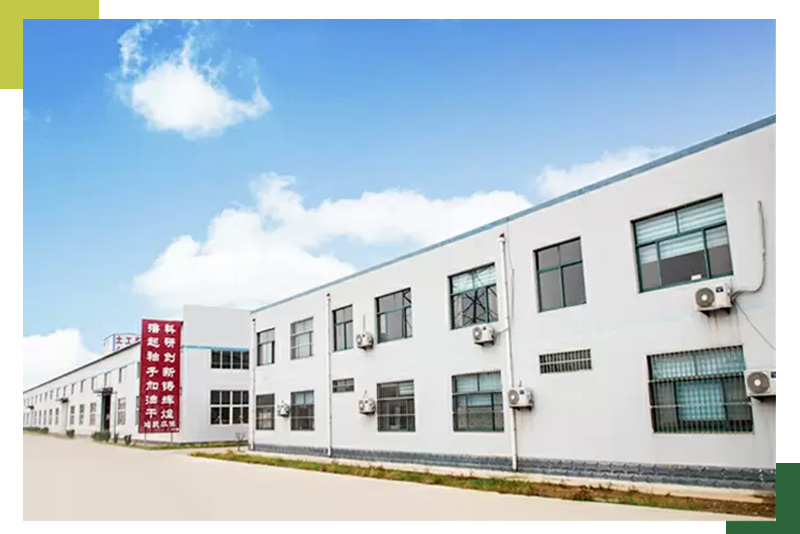
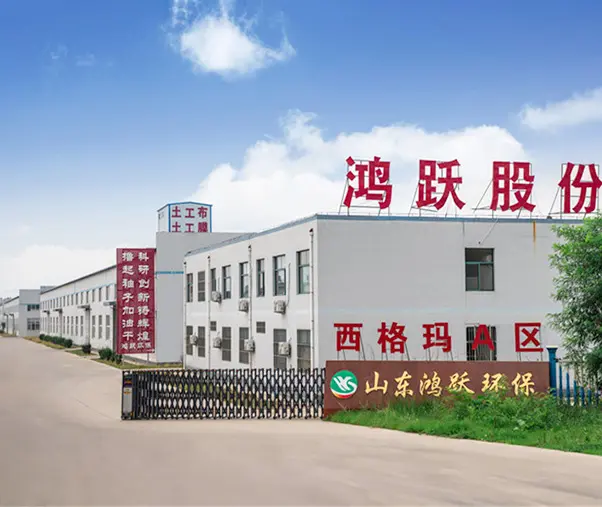
Shandong Hongyue Environmental Engineering Co., Ltd., located at the north end of Fufeng Street, Lingcheng District, Dezhou, Shandong Province, is a scientific and technological geotechnical material manufacturer integrating engineering material production, sales, design and construction services. The company was registered in Lingcheng District Market Supervision and Administration Bureau of Dezhou City on April 6, 2023, with a registered capital of 105 million yuan. It stands today as one of the largest production bases of geotechnical materials in China, benefiting from a superior geographical location and exceptionally convenient transportation logistics.
We manage a comprehensive portfolio of key georesources, ensuring a stable structural supply for large-scale municipal, ecological, hydraulic, and highway projects worldwide. Through advanced scientific management, our engineering teams bridge the gap between high-yield industrial output and customized design parameters required by international contractors.
Understanding the micro-mechanisms, layer interaction, and hydrodynamic properties that govern modern subsurface water drainage and earth reinforcement structures.
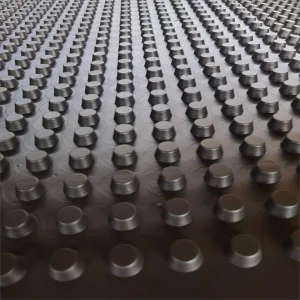
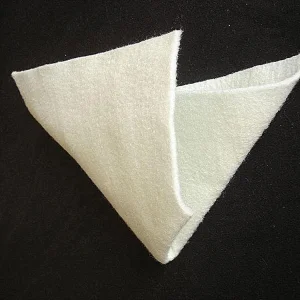
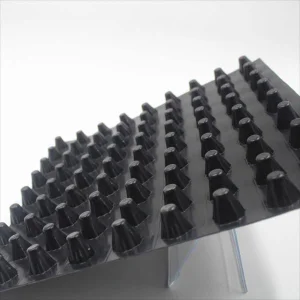
Modern civil engineering mandates that drainage structures prevent soil migration while facilitating steady liquid discharge. Drainage geotextile membranes achieve this dual-purpose function by combining a robust polymeric barrier with high-pervious geotextile filter fabrics. The non-woven geotextile element prevents microscopic soil siltation, while the structural drainage core (dimpled board or tri-dimensional net) routes the water away from structural foundations.
Our specialized manufacturing processes leverage advanced melt-spun polypropylene (PP) and high-density polyethylene (HDPE) filaments. These polymeric compositions ensure long-term resistance to biological decomposition, chemical leaching, and oxidative stress when buried under highly compressed soils. Consequently, our systems provide structural longevity exceeding 50 years.
Key Functions:
Dezhou, Shandong stands as the epicentre of geotechnical material fabrication globally, merging industrial scale, logistical advantages, and engineering sophistication.
Being based in Dezhou’s specialized geotechnical manufacturing zone allows Shandong Hongyue to optimize raw material sourcing, lowering production cycle times. We operate multiple heavy-duty extruders and state-of-the-art needle punching arrays to guarantee continuous high-volume output.
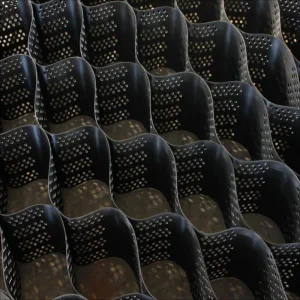
We boast a wide suite of OEM and ODM options. From non-standard weights (100g/m² to 1500g/m²) to composite formulations integrating HDPE geocells, weed control fabrics, and self-adhesive layers, our laboratory tailors structural properties to your project's design envelope.
We implement a strict inspection protocol covering raw material verification, melt-pressure stability, and mechanical strength testing. Our laboratory is equipped with advanced CBR puncture and flow-transmissivity apparatuses, meeting both ASTM and CEN international guidelines.
Peek inside Shandong Hongyue’s manufacturing units where continuous R&D is transformed into certified geotechnical solutions for major global projects.
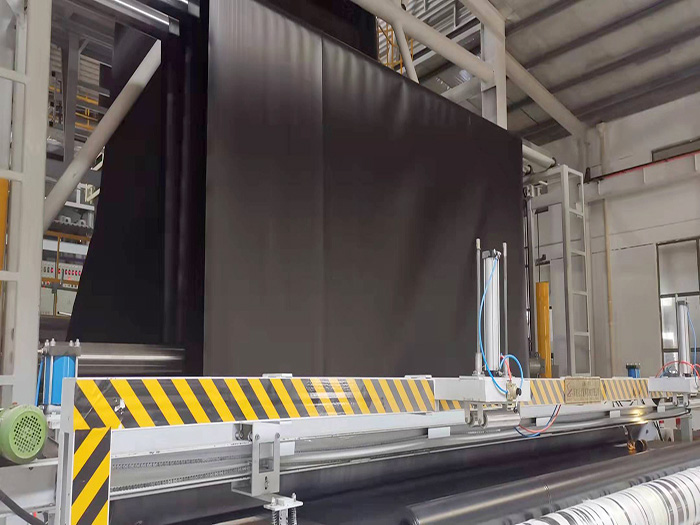
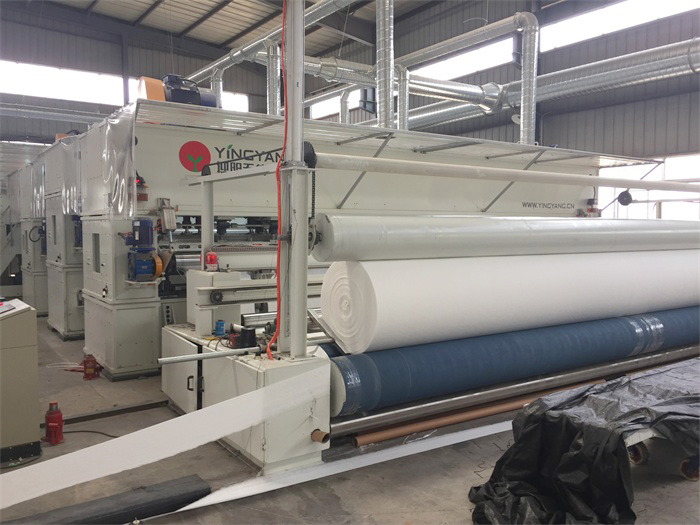
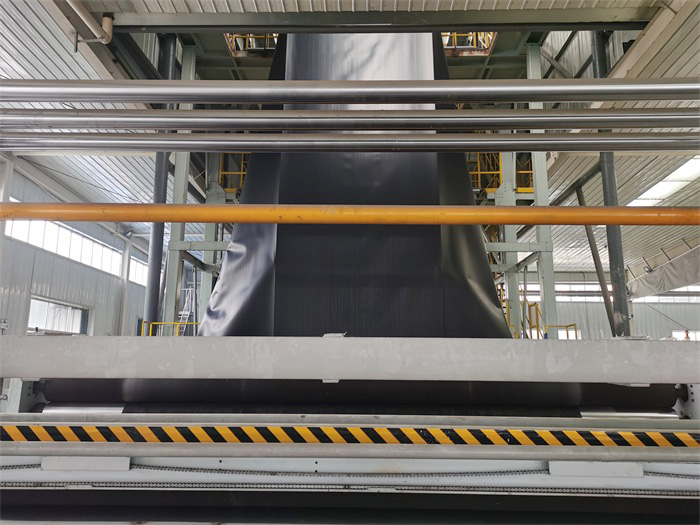
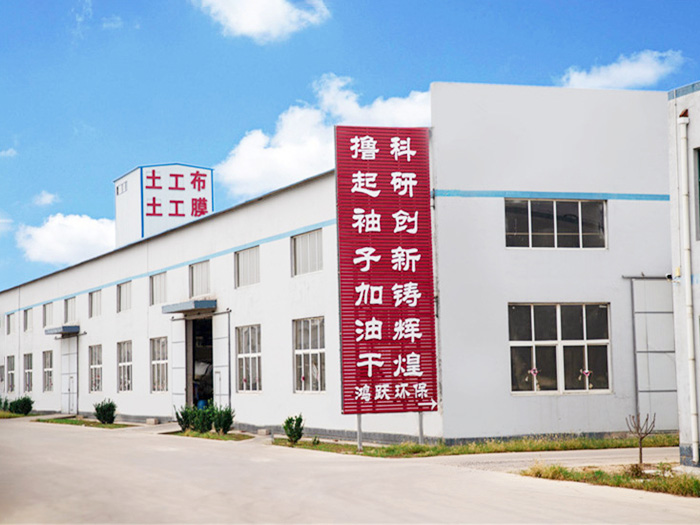
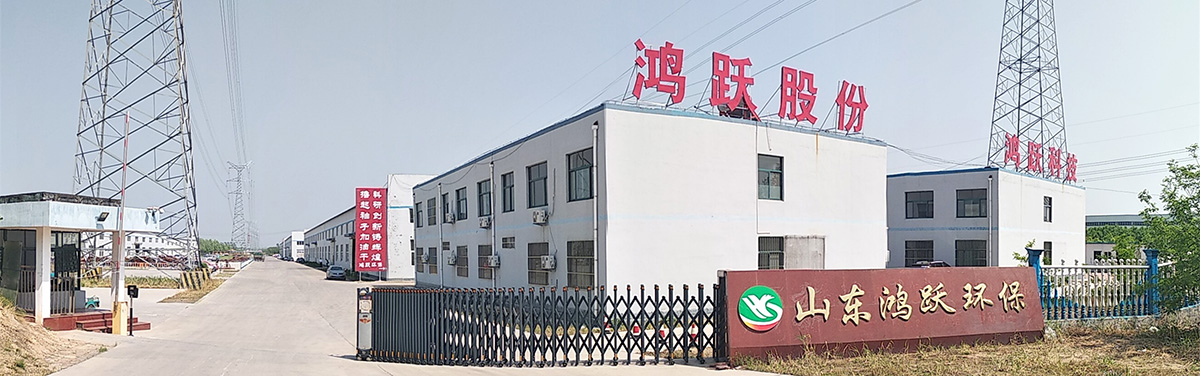
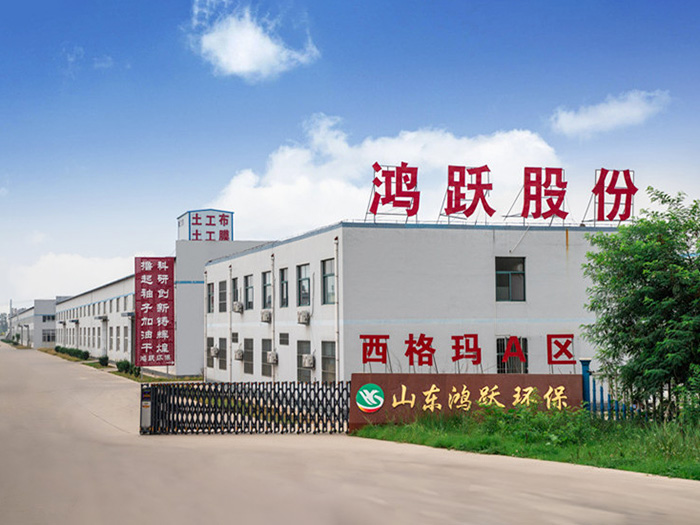
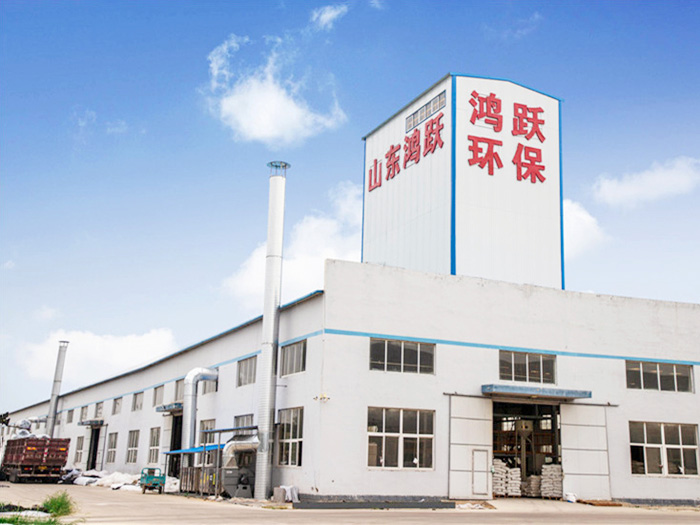
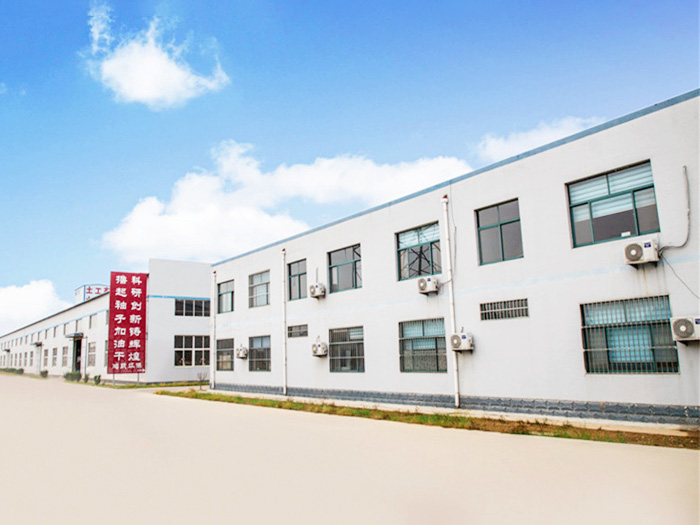
Our production pipeline fuses quality virgin resins with high-tensile bonding configurations to produce superior drainage products.
The primary raw materials used for our geotextiles include high-purity polyester (PET) chips, polypropylene (PP) filaments, and targeted stabilizer additives. These components undergo strict compositional tests to verify environmental resistance before processing.
Polyester and polypropylene chips are melted under high, controlled temperatures and fed through a high-precision screw extruder. Mixed under high pressure, the molten polymer is forced through micro-spinnerets to form structural continuous filaments.
The extruded filaments are systematically directed onto conveyor systems by airflow distributors, forming a uniform web structure. We strictly monitor web thickness, mass distribution, and fiber layout orientation to achieve consistent physical performance.
The unbonded fiber web is fed through multi-roll drafting assemblies and custom needle-punch arrays. Mechanical interlocking and thermobonding calendars lock the fibers into place, increasing dimensional stability and puncture resistance.
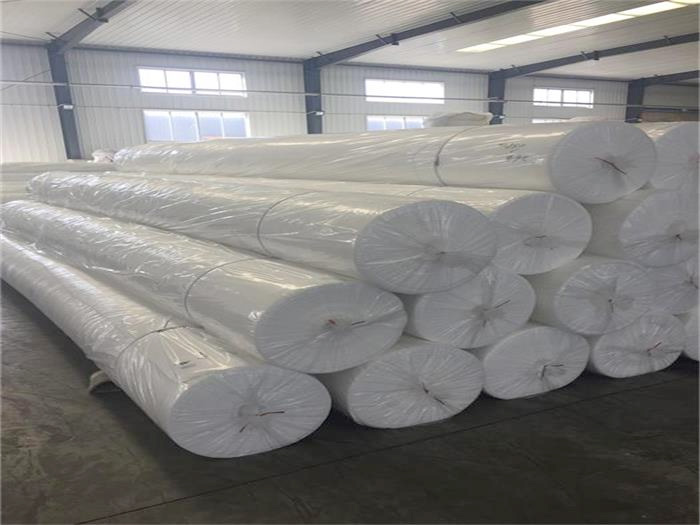
The cured geotextile sheets are trimmed to standard widths and rolled under steady tension. Automated packaging machines wrap each roll in heavy protective UV-resistant film to prevent mechanical damage and degradation during transit.
Each batch undergoes testing in our facility. Technicians verify tensile strength, elongation limits, apparent opening size (AOS), and hydraulic flow rate to guarantee the materials meet our internal and international requirements.
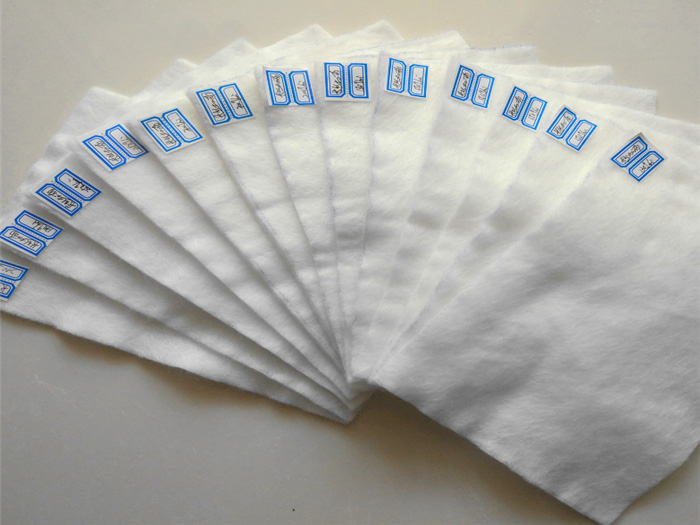
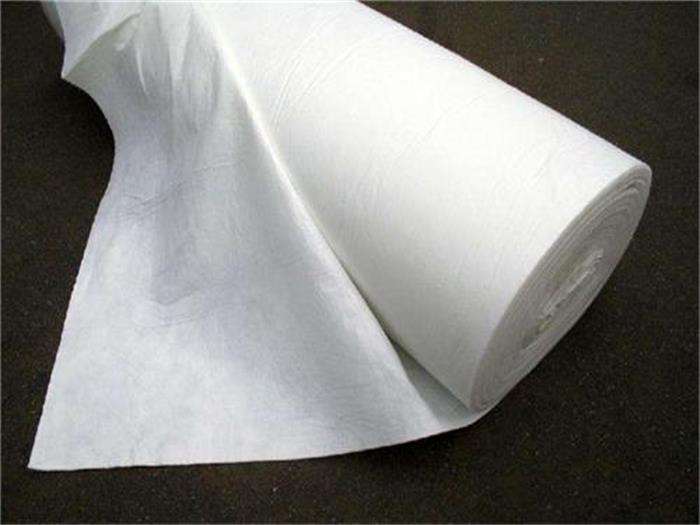
Using drainage membranes effectively requires proper material selection, preparation, installation, and regular inspection. Here are the core guidelines:
1. Select the Right Material: Materials differ by application. HDPE provides high chemical resistance for landfills, while LLDPE offers flexibility for irregular contours. Match structural thickness (0.3mm to 2.0mm) to the predicted load, and verify the required flow transmissivity.
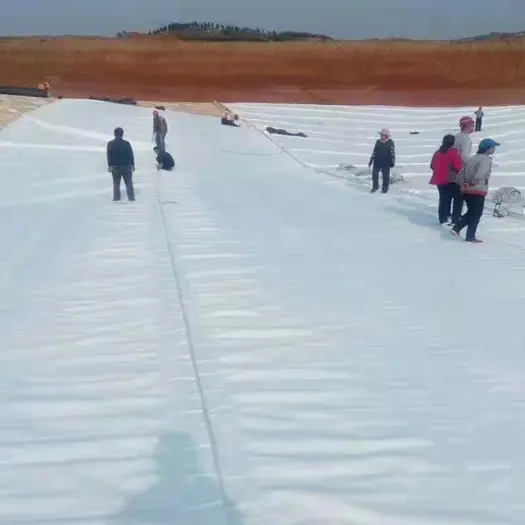
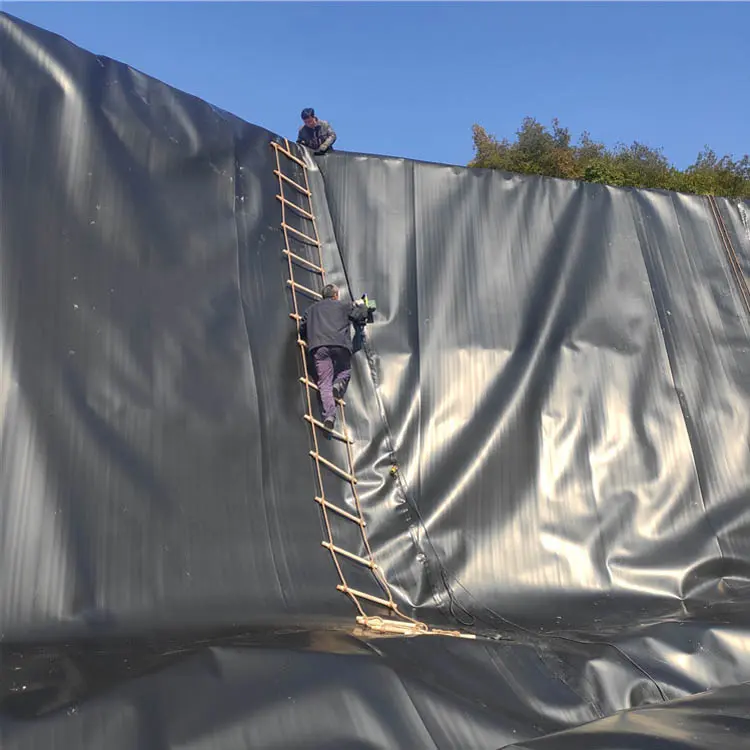
2. Proper Installation: Clear the work area of sharp rocks and roots. Lay sheets flat, leaving slack to allow for thermal expansion. Join sheets using thermal fusion welding or specialty adhesives, and test all seams to ensure they are watertight.
3. Regular Maintenance: Inspect exposed sections periodically for UV degradation or mechanical stress. Clear debris to prevent clogging, and repair any damaged areas immediately to keep the drainage system functioning properly.
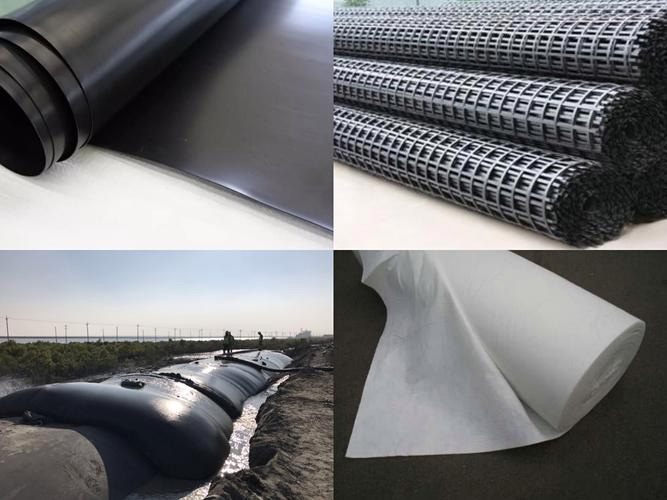
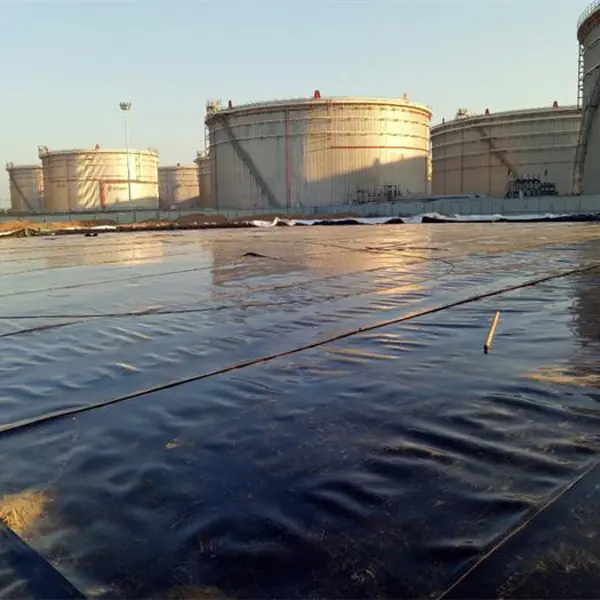
Our drainage and liner systems are engineered for diverse environments, including hydraulic works, environmental containment, and urban infrastructure.
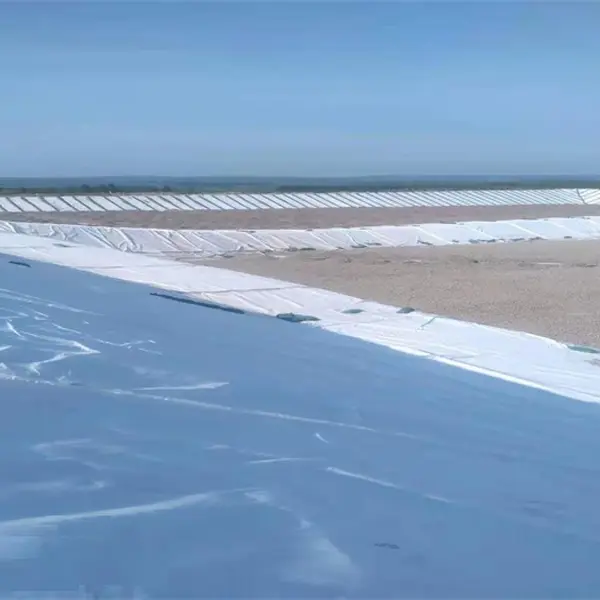
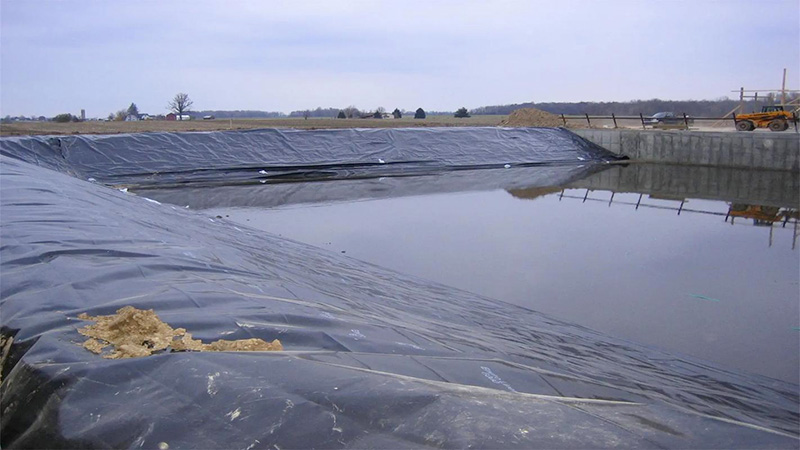
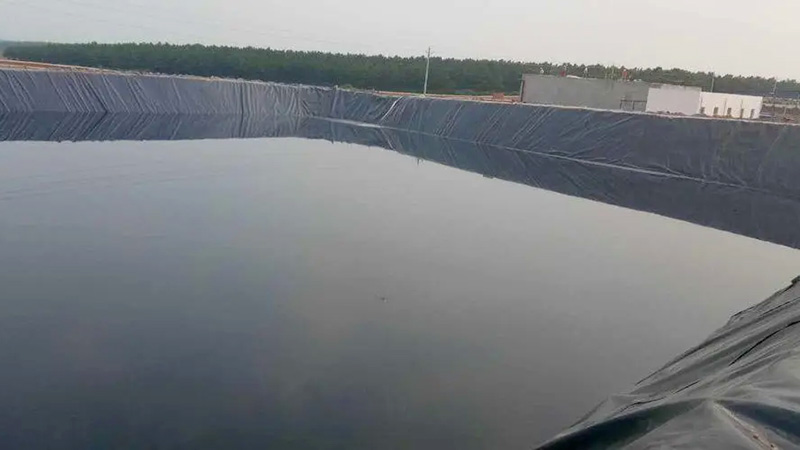
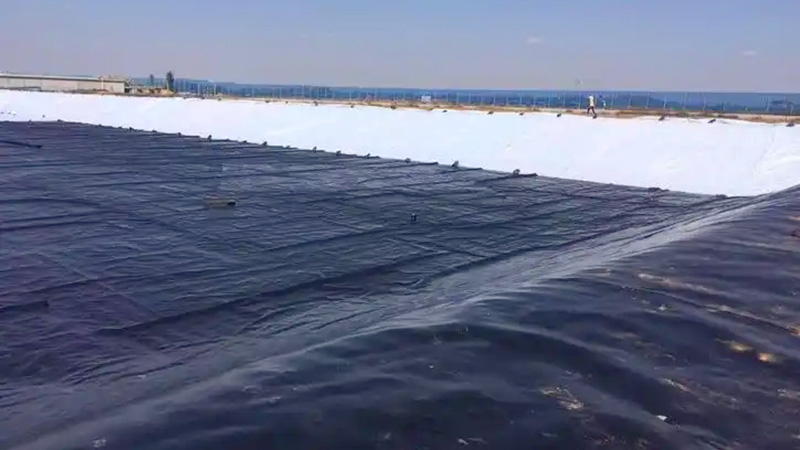
Reservoirs built in valleys require robust anti-seepage control. By combining high-density geomembranes with protective non-woven geotextiles, engineers prevent water loss and protect the foundation from erosion.
Levees require reliable internal drainage to manage floodwaters and prevent structural weakening. Inserting composite geocomposites helps relieve hydrostatic pressure, stabilizing the embankment.
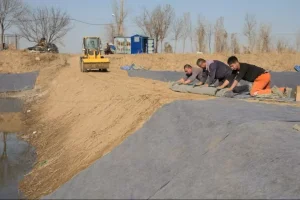
River systems are prone to soil loss along their banks. Laying drainage membranes protected by geotextiles controls water flow and stabilizes the slope, preventing erosion while supporting local plant growth.
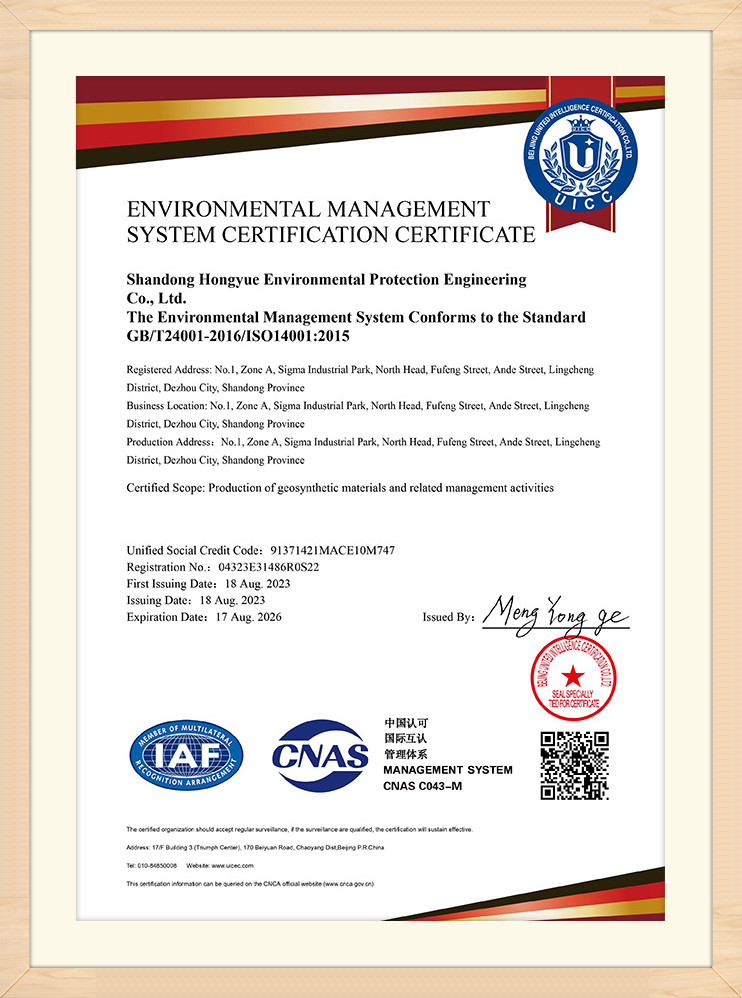
At Shandong Hongyue, quality control is integrated into every step of our process. Our facilities use specialized equipment to test tensile strength, puncture resistance, and flow rates under variable pressure.
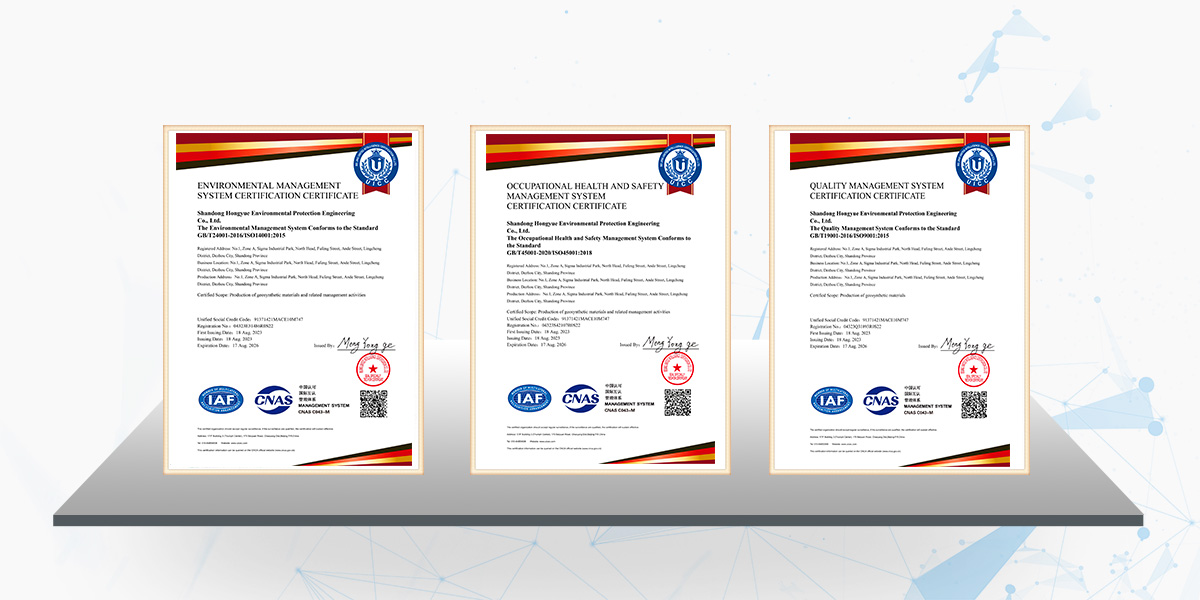
Our products meet or exceed Chinese national standards and have been verified by the China National Testing Center. Additionally, all materials undergo regular, independent testing commissioned by the State Administration of Quality Supervision and Inspection.
This strict quality management program ensures our geomembranes, bentonite clay liners, and drainage boards perform reliably in demanding civil and environmental applications.
How Shandong Hongyue supports international EPC contractors, engineering partners, and wholesale purchasers from consultation to project delivery.
Send us your project specifications, drawings, and environmental requirements. Our technical team will review the parameters to recommend the appropriate material composition, thickness, and tensile strength.
We supply custom product samples for laboratory testing and field verification. This step ensures the material matches your project's technical specifications and local regulatory requirements.
Our factories schedule and monitor production to meet delivery deadlines. For complex projects, our engineers can provide on-site technical support to assist with installation, welding, and quality checks.
Shandong Hongyue has built a skilled technical team, with our engineers and technicians bringing over a decade of experience to both domestic and international civil engineering projects.
We have established regional service offices in major cities to provide technical support, product customization, and delivery updates. Working closely with our Dezhou headquarters, our local teams help ensure that projects receive prompt support and reliable service.
Detailed technical answers to common queries regarding drainage geotextile membranes, installation methods, and quality standards.
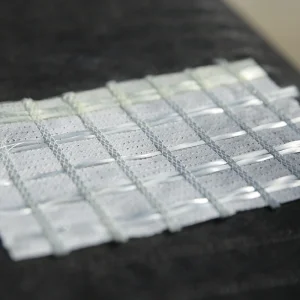
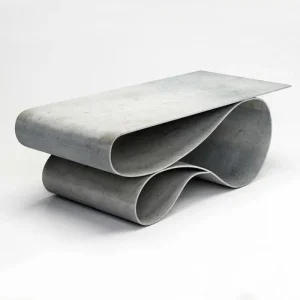
Explore our secondary line of specialized materials, including blind ditches, weed control fabrics, and composite concrete canvas options.
 Hongyue