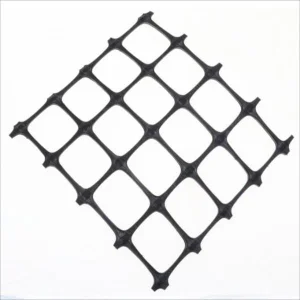
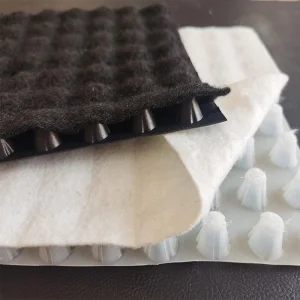
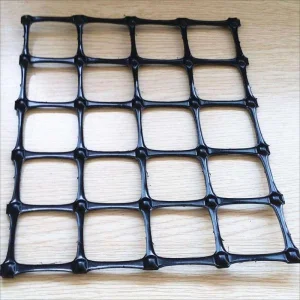
Explore our high-performance geotechnical engineering materials engineered for erosion control, weed prevention, soil stabilization, and waterproof drainage systems.
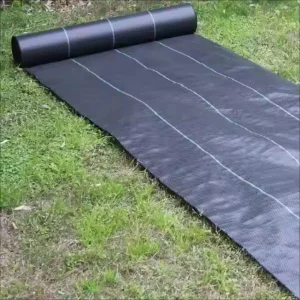
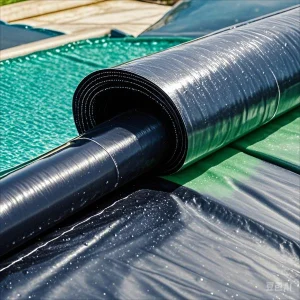
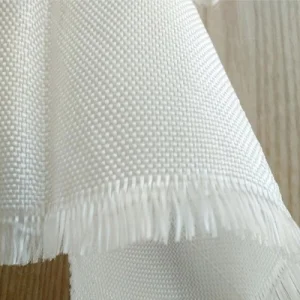
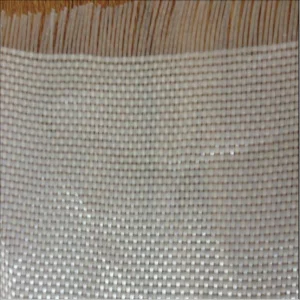
In modern agriculture, commercial horticulture, and civil infrastructure, ecological weed management and moisture retention have become paramount. Custom Plastic Woven Fabric Weedproof Cloth, also widely known as woven ground cover or weed barrier fabric, is a highly engineered geotextile designed to address these requirements. Manufactured utilizing premium polypropylene (PP) or polyethylene (PE) polymers, this heavy-duty material is woven using state-of-the-art circular looms to form a high-tensile, air-permeable, and hydrophilic structure.
The primary mechanism of action relies on blocking Photosynthetically Active Radiation (PAR). By denying weeds the light necessary for chlorophyll synthesis, the fabric effectively suppresses weed growth without the use of chemical herbicides. Furthermore, its micro-porous structure is designed to allow critical inputs like water, liquid fertilizers, and oxygen to permeate seamlessly, preserving the underlying micro-climate and soil structural integrity.
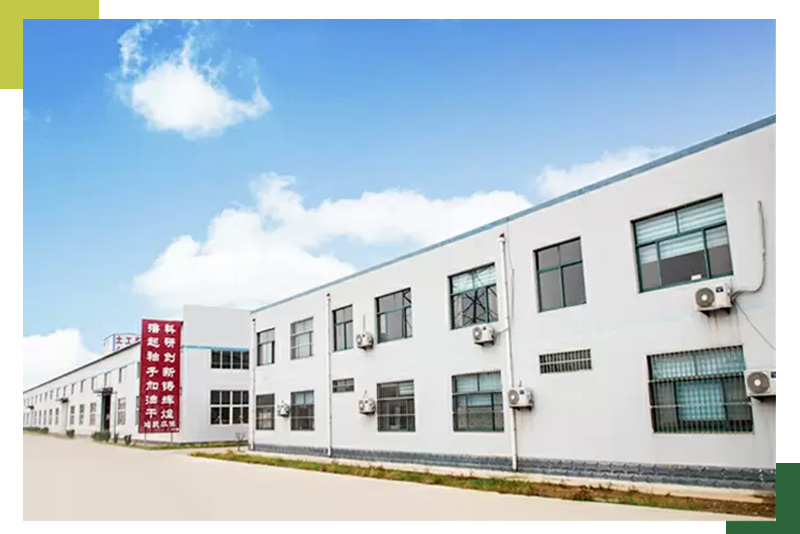
A leading force in China's geotechnical and ecological material industry, delivering engineering excellence globally.
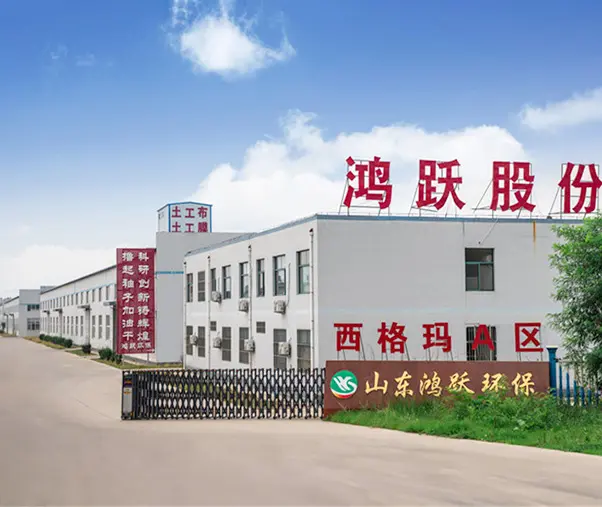
Shandong Hongyue Environmental Engineering Co., Ltd., located at the north end of Fufeng Street, Lingcheng District, Dezhou, Shandong Province, is a scientific and technological geotechnical material manufacturer integrating engineering material production, sales, design, and construction services. The company was registered in Lingcheng District Market Supervision and Administration Bureau of Dezhou City on April 6, 2023, with a registered capital of 105 million yuan. As one of the largest production bases of geotechnical materials in China, Shandong Hongyue benefits from a superior geographical location and highly convenient transportation networks.
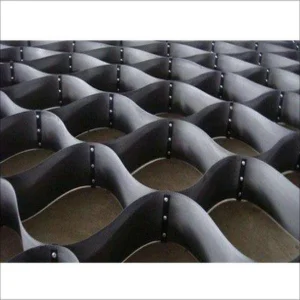
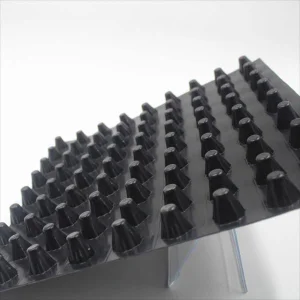
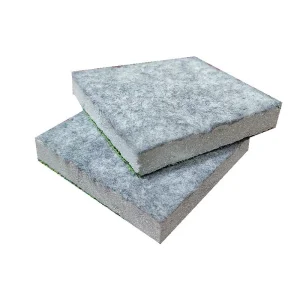
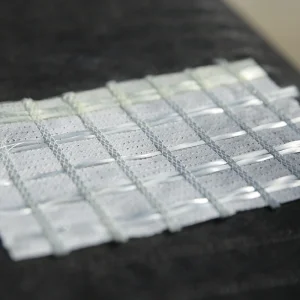
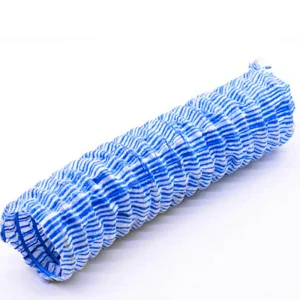
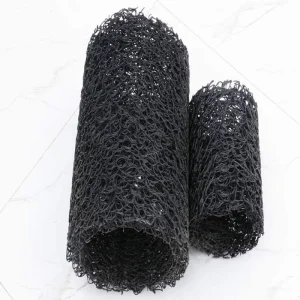
Since our establishment, we have experienced rapid growth. Our expansive product portfolio includes geotextiles, geomembranes, composite geomembranes, waterproof boards, bentonite waterproof blankets, 3D composite drainage nets, (composite) drainage boards, weaving cloth, woven cloth, membrane bags, blind ditches, waterproof and drainage combinations, woven bags, ecological bags, cement blankets, fiber plant blankets, and flexible pervious pipes. Backed by high-quality products and a professional sales and technical support team, we are a proud member of the Dezhou Geotextile Association.
Why international buyers choose Chinese manufacturers like Shandong Hongyue for bulk procurement of woven fabrics and geotextiles.
Shandong's Dezhou region is recognized as China's geotechnical material manufacturing capital. This industrial clustering offers optimized upstream raw material sourcing (high-grade PP and PE polymers) and downstream logistics networks, drastically reducing overhead costs and turnaround times.
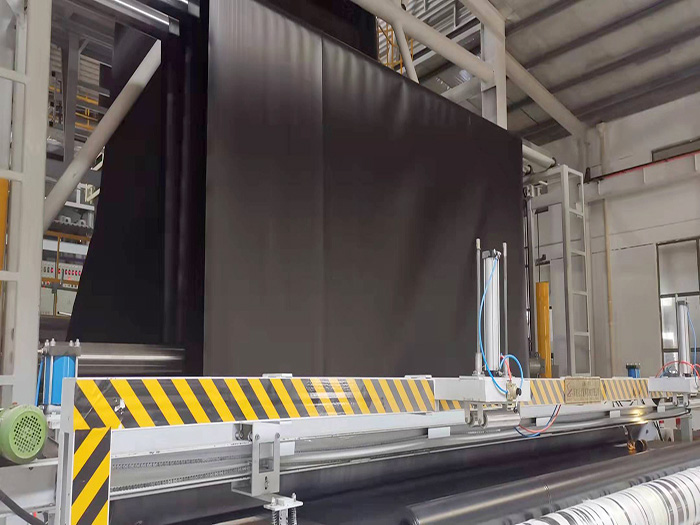
Our facility houses high-speed circular weaving machinery and melt-extrusion setups that guarantee highly uniform density and weave consistency. This technology increases tensile resistance (both MD and CD direction) and ensures standard dimensional tolerances across massive production batches.
We provide full customization options tailored to diverse agricultural and engineering designs. Clients can specify widths up to 8 meters, custom grammage (from 70 GSM to over 200 GSM), color combinations, layout grid lines, and enhanced UV stabilizer ratios for extreme environments.
A rigorous step-by-step overview of our scientific manufacturing methods to ensure peak physical performance.
The main raw materials of geotextiles are polyester chips, polypropylene filament, and viscose fibers. These raw materials undergo meticulous inspection, arrangement, and storage. Only raw materials meeting precise chemical indices and melt-flow rates are qualified for production.
Polyester chips are melted at high temperatures and extruded into a molten state by a screw extruder. Polypropylene filament and viscose fibers are introduced and mixed. Precision instruments control the temperature and extrusion pressure to guarantee structural uniformity.
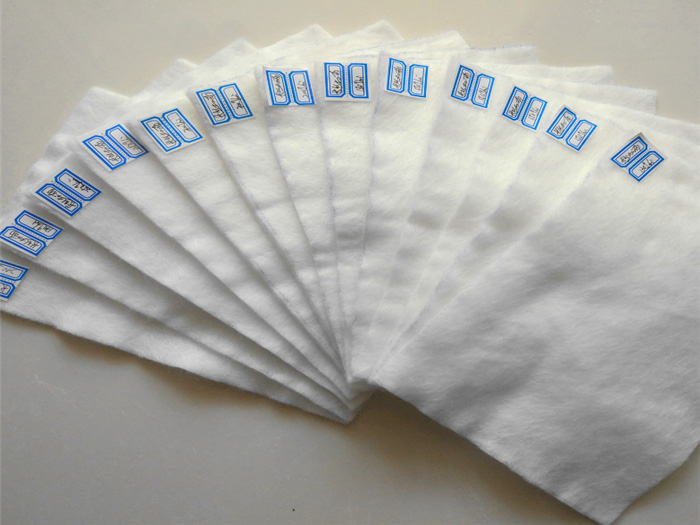
After thorough mixing, the melt is sprayed through precision spinnerets to form a fibrous web. These fibers construct a uniform network on the moving conveyor belt. Staff continuously monitor fiber thickness, density, and orientation at this stage.
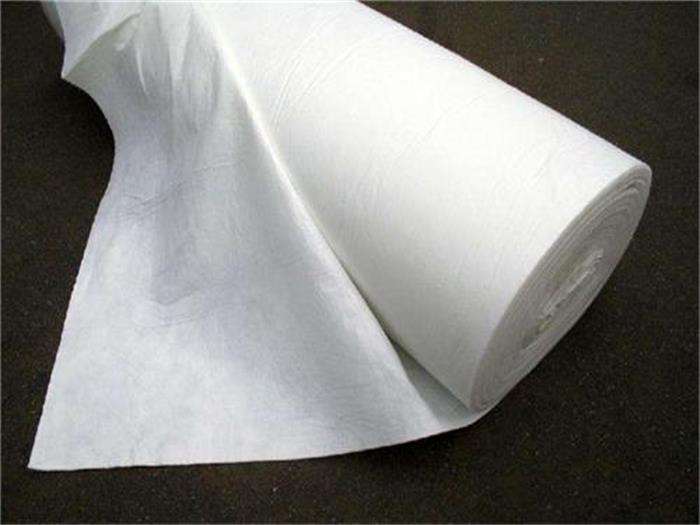
Following fiber deposition, the web is rolled and moves to the draft curing section. Precise adjustments of temperature, machine speed, and the draft ratio ensure the dimensional stability and final mechanical strength of the geotextiles.
The cured geotextiles are rolled into standard lengths and widths. During packaging, automated sensors verify the length, width, and thickness parameters to confirm compliance with technical design drawings.
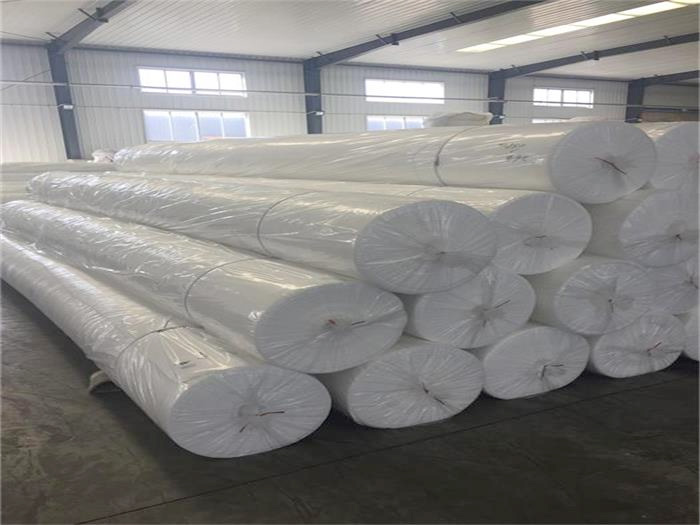
Quality control operates throughout every step. In our testing lab, finished products are subjected to rigorous physical testing (puncture resistance, elongation, grab tensile), chemical testing (UV degradation curve, oxidation induction time), and optical inspection.
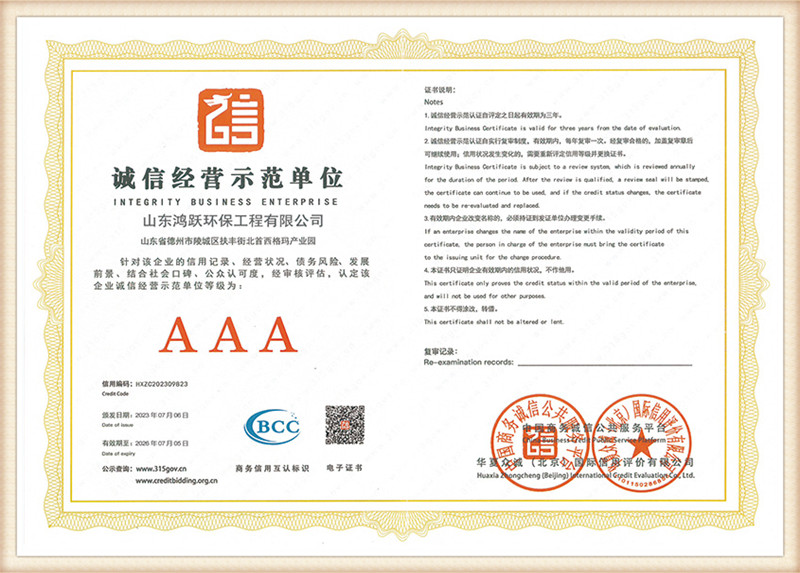
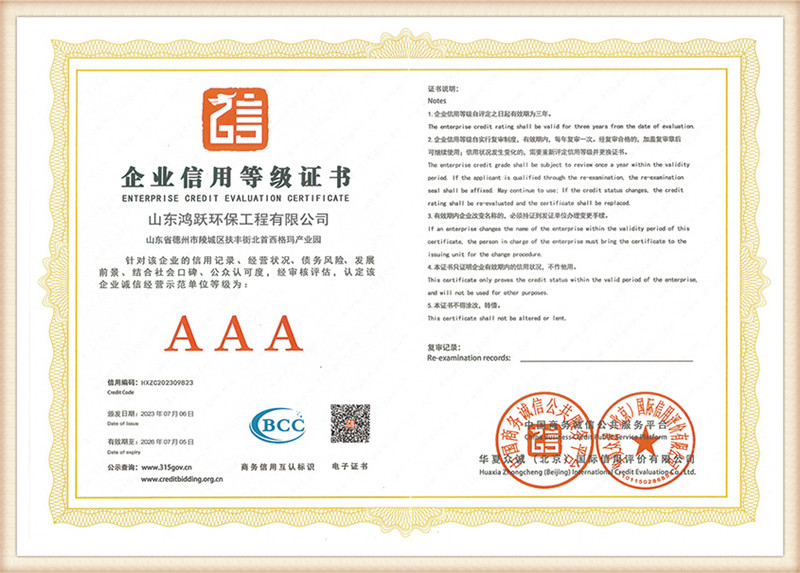
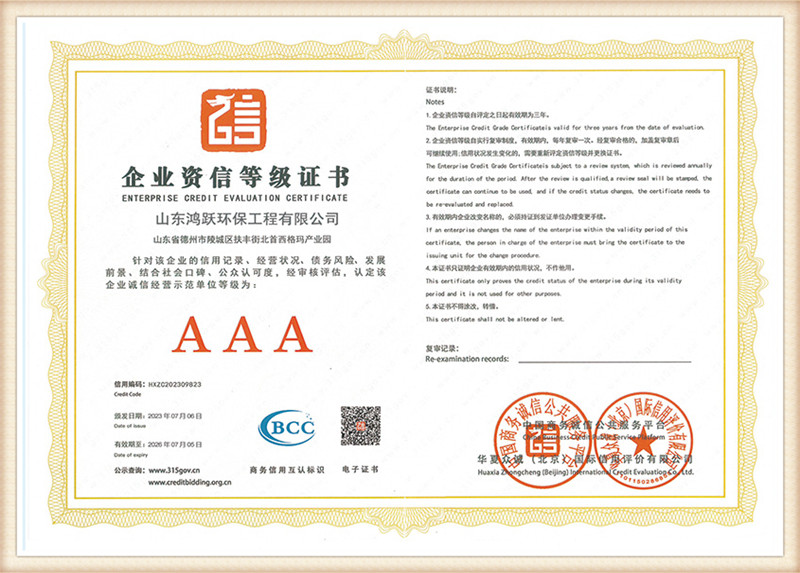
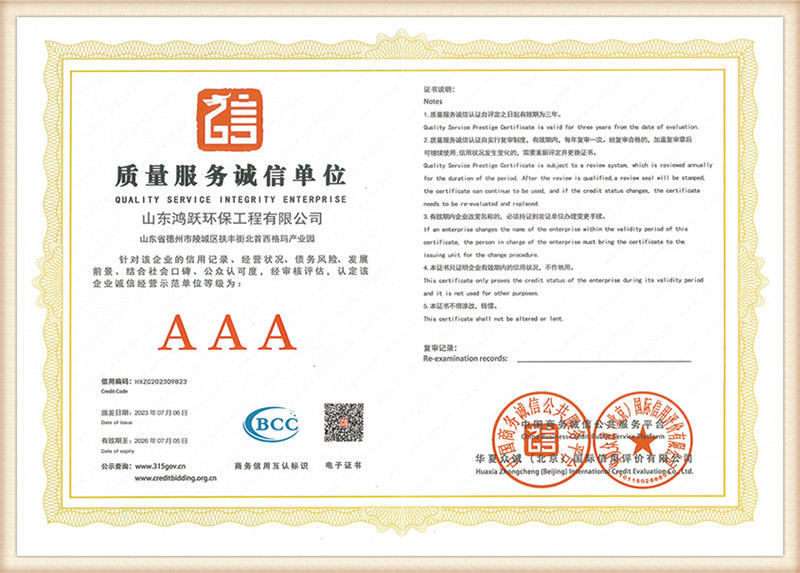
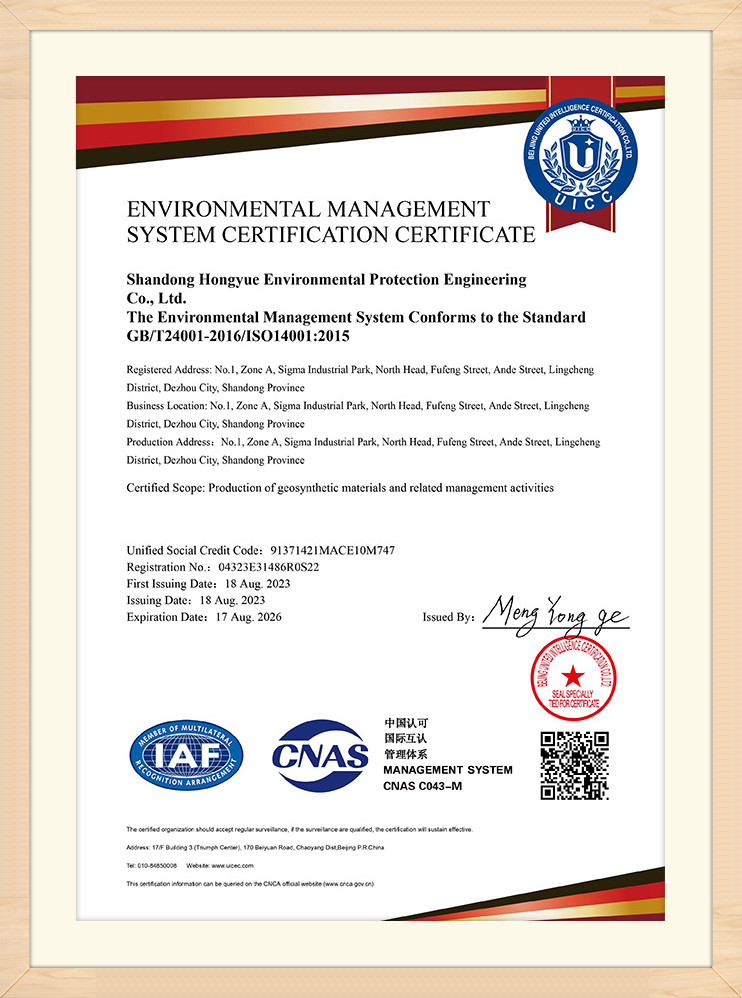
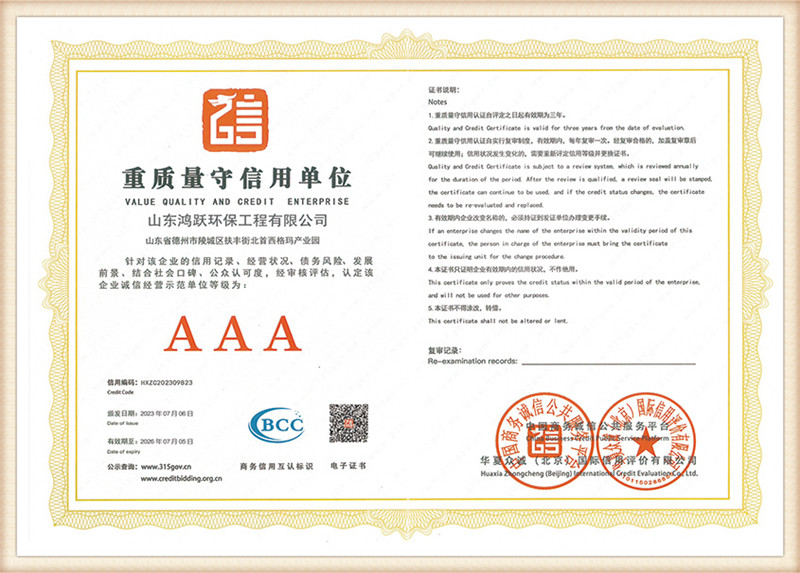
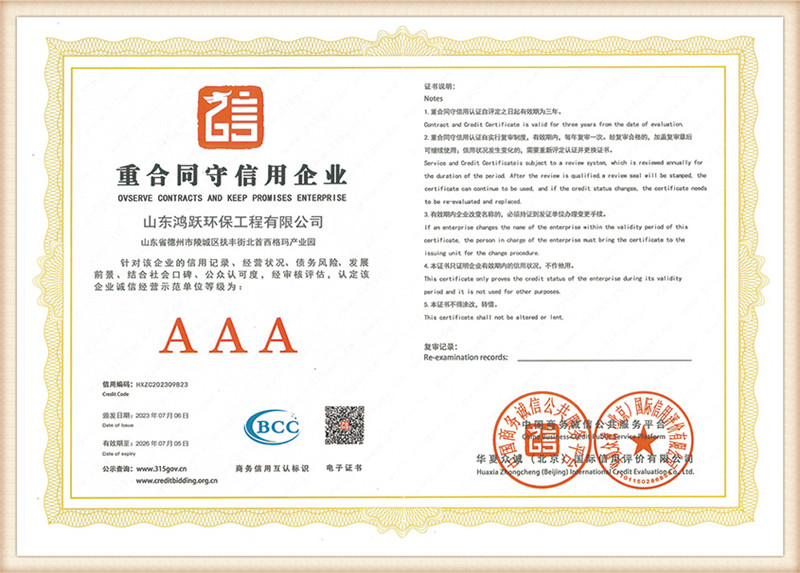
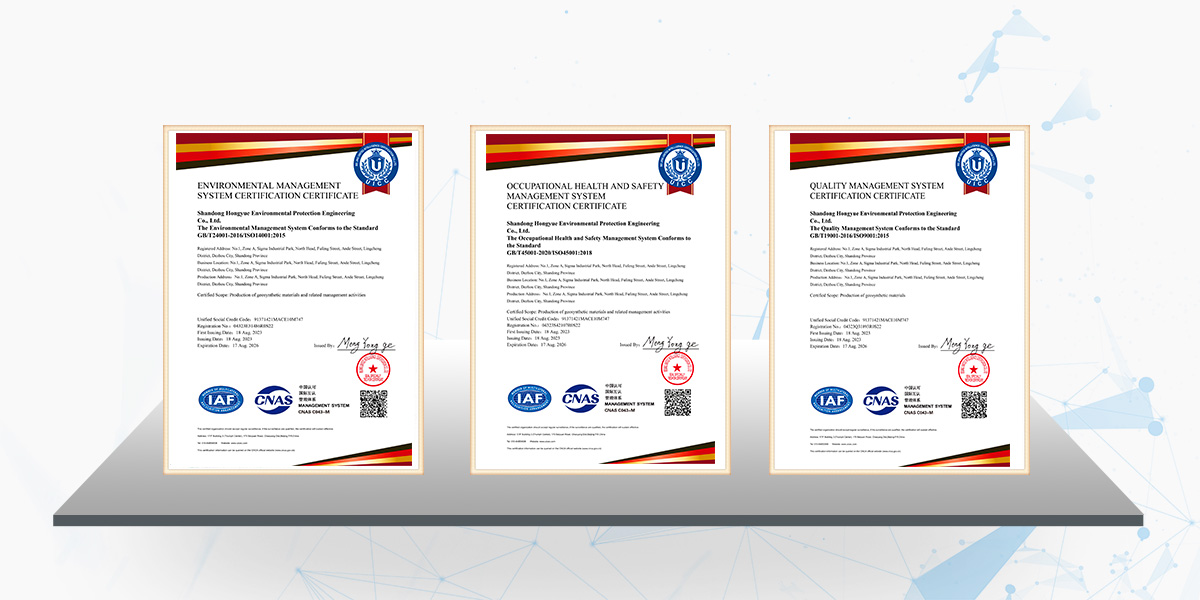
Shandong Hongyue Environmental Engineering Co., Ltd. operates under a complete and scientific quality management framework. We have obtained ISO9001 international quality system certification, ISO14001 environmental management system certification, and ISO45001 occupational health and safety management system certification. We have been awarded honors such as "Green Building Materials Products", "China Famous Brand", "High-tech Industry", and "Provincial Poverty Alleviation Leading Enterprise".
Our production facilities leverage state-of-the-art technology alongside precise, calibrated inspection instruments. Every batch of woven weedproof fabric, geomembrane, and geocell complies with and exceeds both national and international standards. All products are verified by the China National Testing Center and have passed all national quality supervision and sampling inspections conducted by the State Administration of Quality Supervision and Inspection.
Comprehensive engineering directives for selection, installation, and long-term maintenance of geosynthetic barriers.
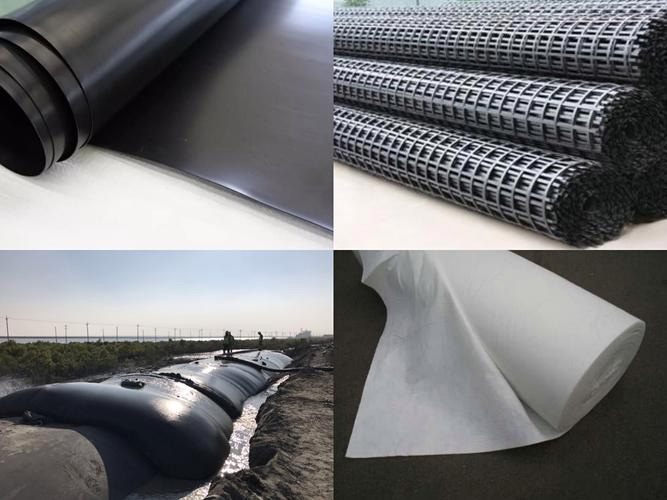
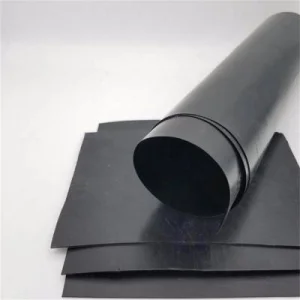
Selecting the correct material is critical to structural performance. Geomembranes fall into distinct polymer groups, including High-Density Polyethylene (HDPE) and Linear Low-Density Polyethylene (LLDPE). Designers should match material physical profiles to soil conditions, chemical exposure, and load requirements. Thickness parameters generally span 0.3mm to 2.0mm. High-strength woven fabrics are optimized for tensile load distribution and light block, whereas impermeable membranes are targeted for hydraulic sealing.
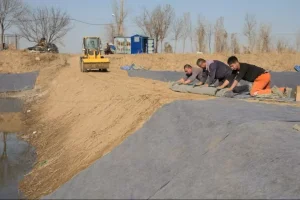
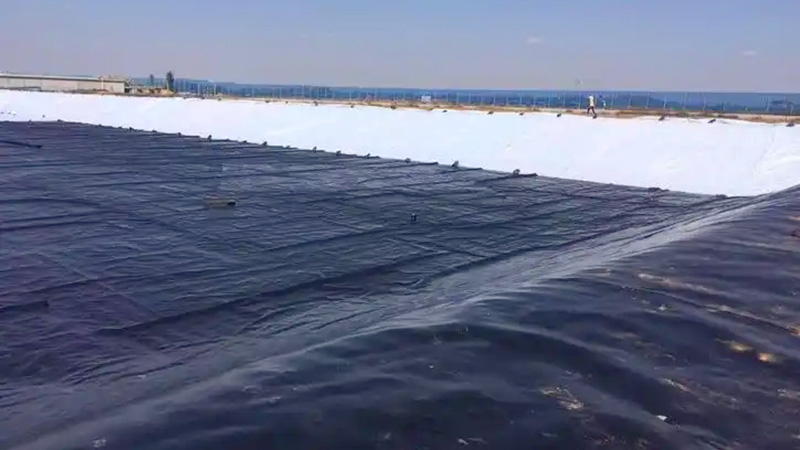
Site ground prep must ensure the laying area is level, clean, and free of sharp rocks, tree roots, or debris that could puncture the material. Depending on specifications, geomembranes are laid using flat cover or folded deployment styles. Secure alignment using anchor trenches and structural fixings ensures close ground contact, minimizing wind uplift and sliding risks.
Joint and seam sealing is critical for leak-free installations. Dual-track hot-wedge welding or extrusion welding is utilized for HDPE membranes, and overlap seaming with specialized pins is used for woven ground covers. Non-destructive pressure tests are conducted along welded channels to confirm seam integrity. Regularly clean and inspect exposed fabrics for mechanical damage or weathering, ensuring timely patch repairs to prolong lifecycle utility.
An inside look at our modern manufacturing infrastructure, warehousing, and testing centers in Dezhou, Shandong.
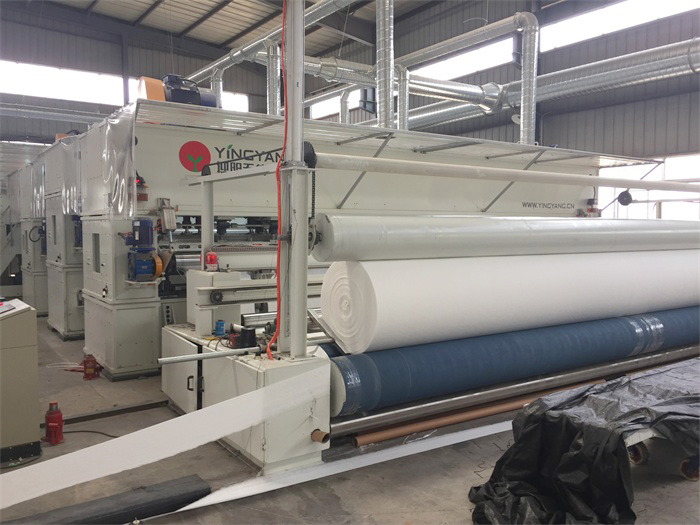
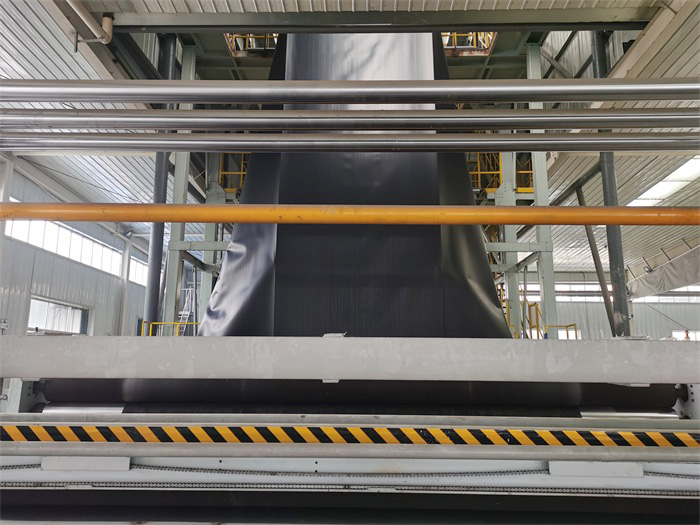
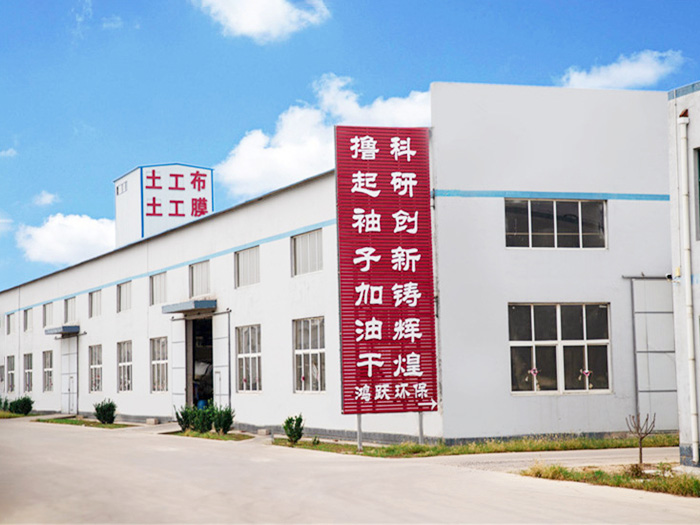
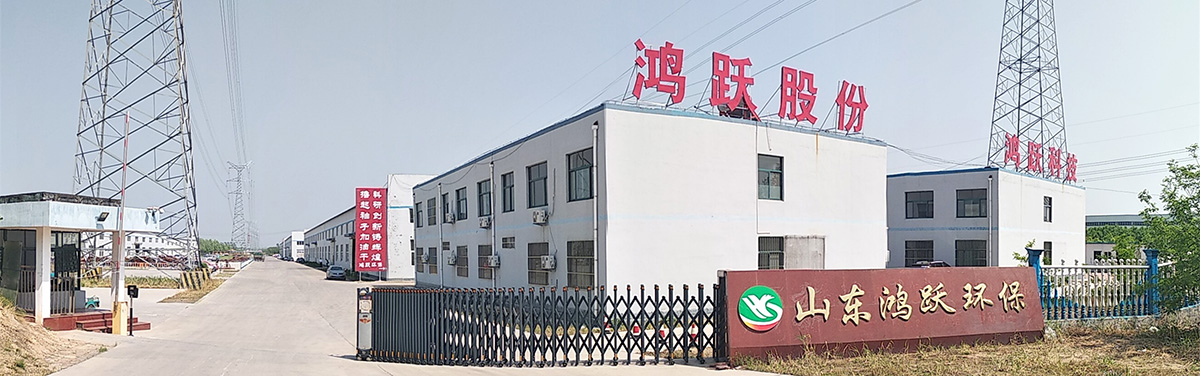
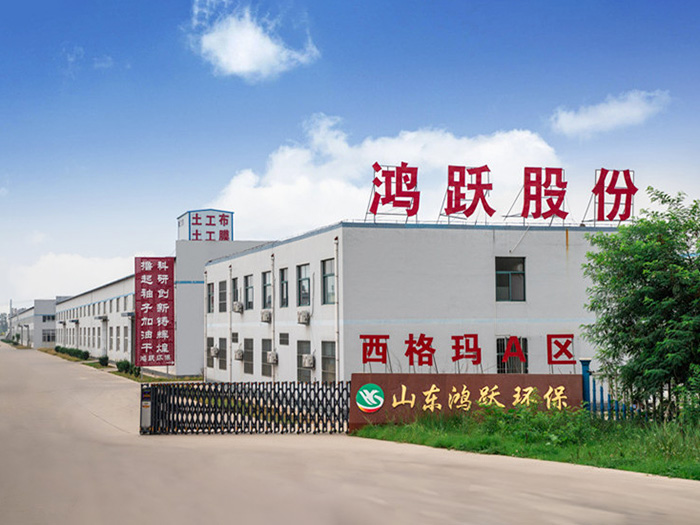
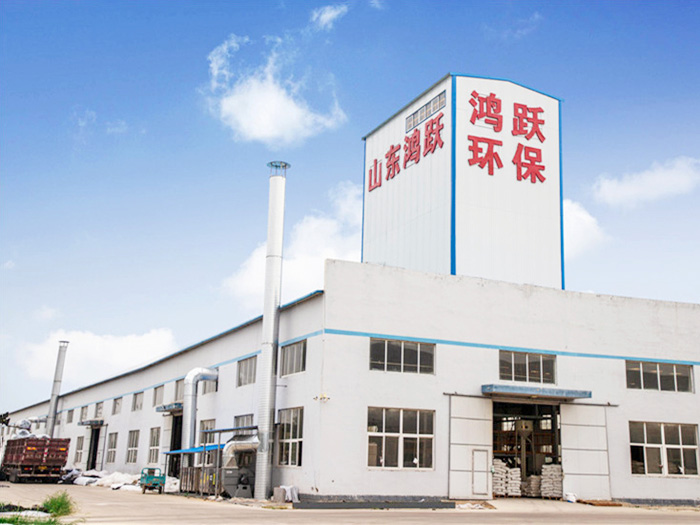
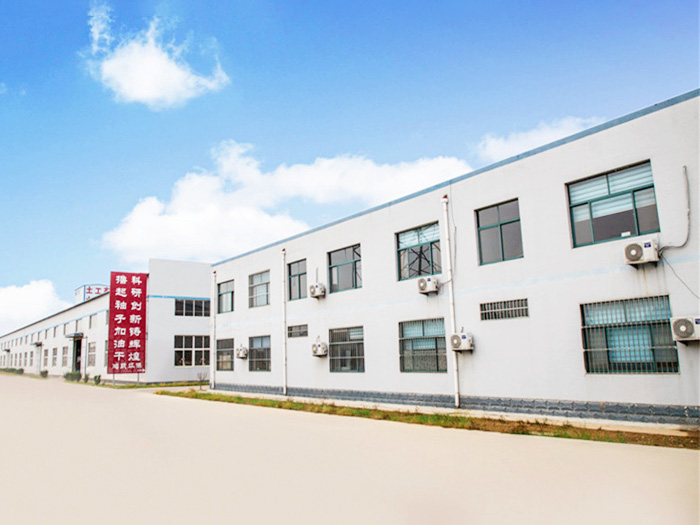
Discover how our customized geotextiles and membranes are deployed in complex civil, hydraulic, and environmental engineering works worldwide.
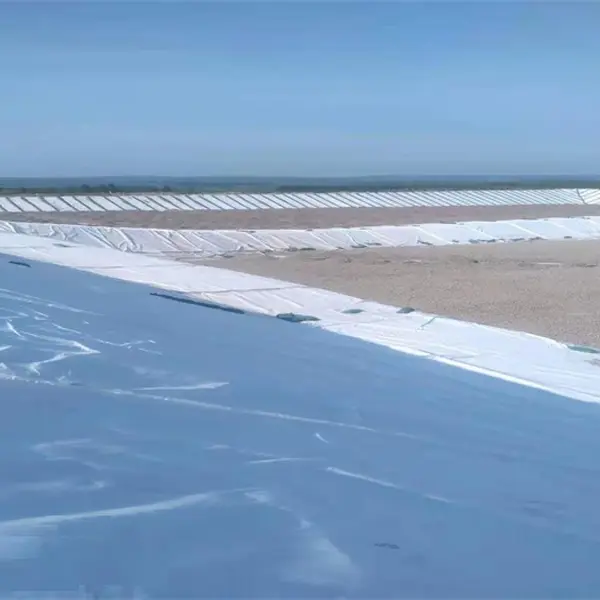
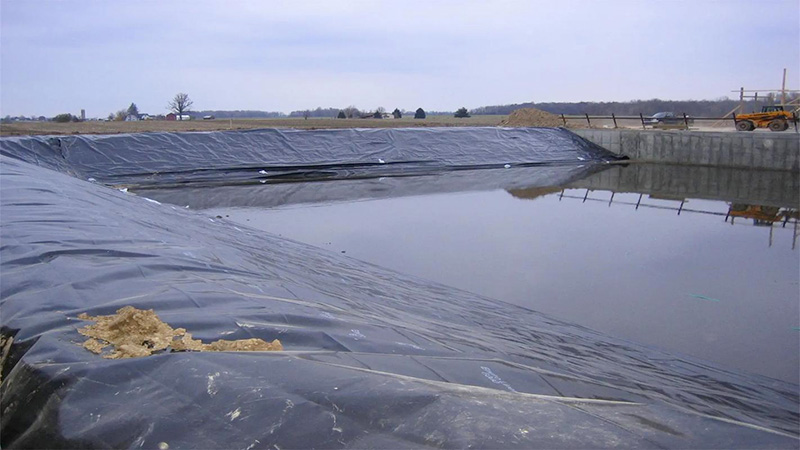
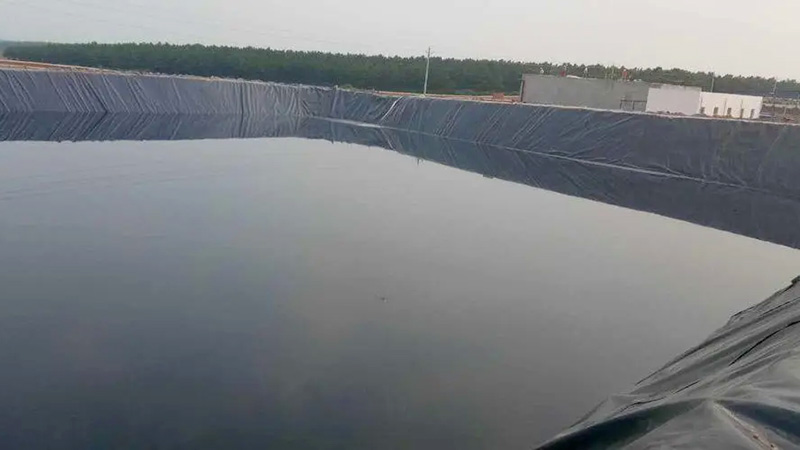
Geomembranes serve as reliable barriers in hydraulic structures, including reservoirs and artificial lakes, preventing seepage loss and stabilizing subgrades.
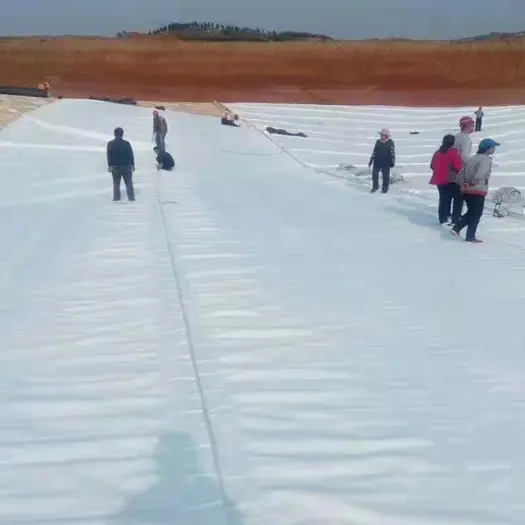
Our lining systems reduce water loss in canal networks, direct flow paths, and mitigate lateral soil erosion in river channel stabilization projects.
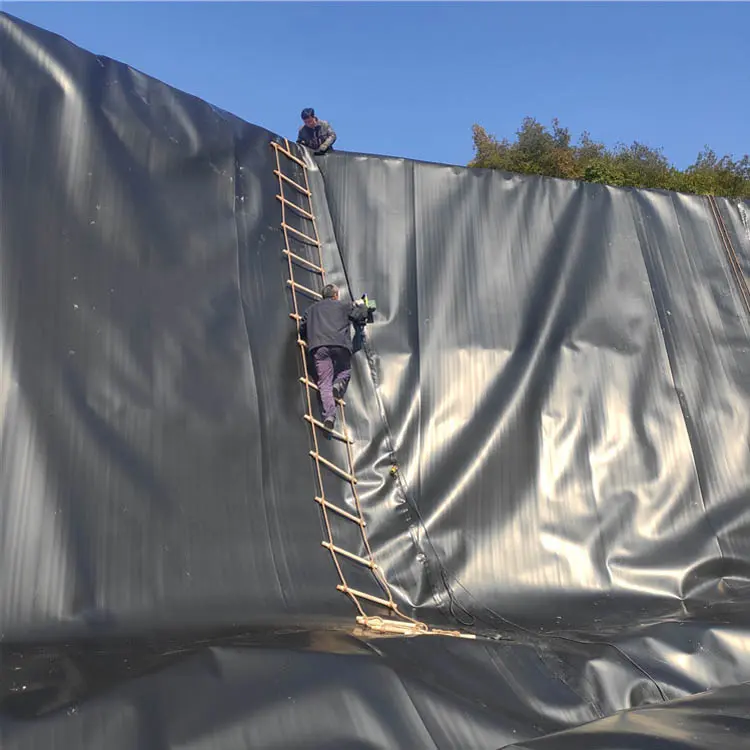
Engineered composite lining systems prevent municipal and hazardous leachate from migrating into groundwater reserves, meeting strict regulatory compliance.
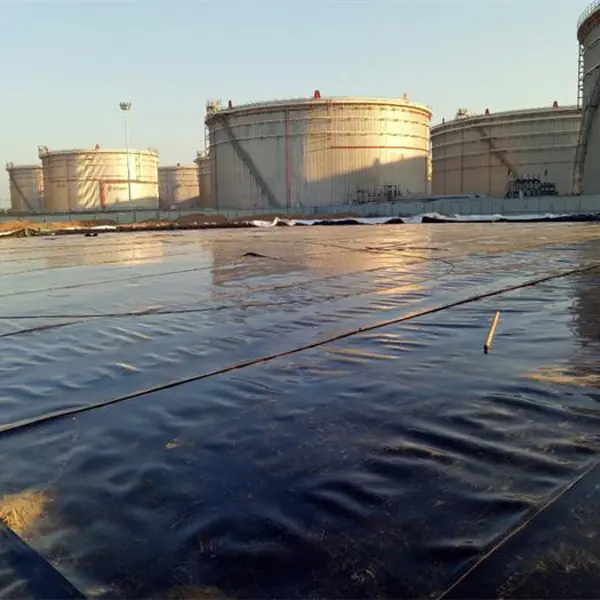
Specialized chemical-resistant membranes provide secondary containment in petrochemical tank fields, containing hazardous spills and protecting soil health.
In-depth analysis of the shift toward sustainable agriculture and structural engineering technologies.
Global consumer demand for organic crops and chemical-free agriculture has led to a phase-out of traditional synthetic herbicides. Farmers and viticulturists are pivoting to custom plastic woven fabric weedproof cloth to suppress competitive weeds while maintaining soil moisture. This shift aligns with modern ESG initiatives, enabling farms to lower environmental footprints and qualify for organic trade certifications.
As large-scale agricultural projects expand into regions with high solar radiation—such as Western Australia, the American Southwest, and Southern Europe—standard ground covers can degrade within a single season. The industry is responding with advanced UV-stabilized formulations. Manufacturers now blend Hindered Amine Light Stabilizers (HALS) and Carbon Black directly into PP polymers during melt extrusion, extending the outdoor service life of ground covers to 5+ years.
International buyers seek to minimize shipping and handling overhead by ordering direct-from-factory containers. To optimize container space, buyers require variable roll widths (from 1 meter to 5.4 meters, or up to 8 meters for specialized civil works) and customized roll lengths (e.g., 100m, 500m, or 1000m). Shandong Hongyue provides custom packaging and loading profiles to maximize freight density, reducing shipping costs per square meter.
Essential technical questions and answers regarding product specs, custom manufacturing, and global shipping policies.
Complete your site requirements with our integrated geosynthetic materials for drainage, filtration, reinforcement, and containment.
 Hongyue