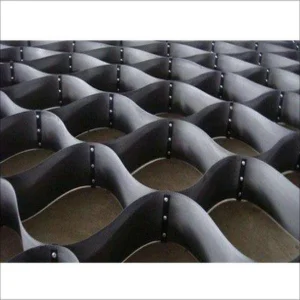
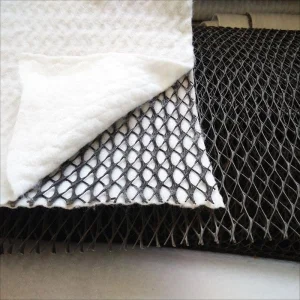
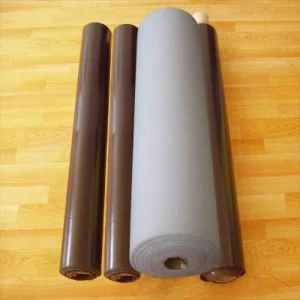
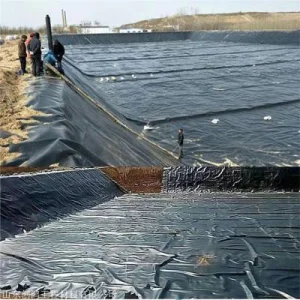
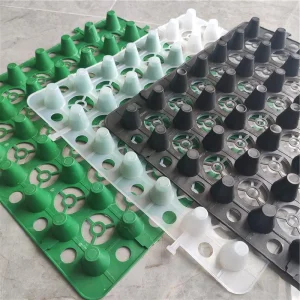
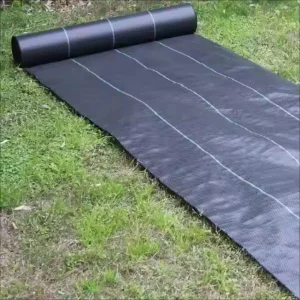
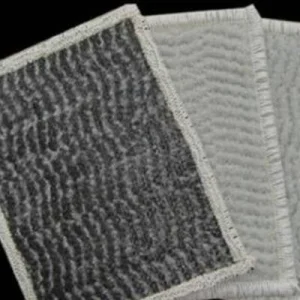
Explore our highly specified product line designed to protect critical infrastructures, civil works, and water conservancy projects worldwide.
In hydraulic engineering and marine coastal defense structures, riprap is placed as an external shield to protect shorelines, embankments, and bridge abutments from severe erosion caused by wave action, river currents, and turbulent flow. However, without a scientifically calculated buffer underneath, riprap fails. Dynamic water pressures wash out fine subgrade soils through the spaces between the rocks, causing settlement, structural voids, and eventual collapse. This phenomenon is known as subgrade erosion or internal soil piping.
Using the correct custom geotextile involves a precise calculation of three main engineering parameters: Permittivity (ensuring fluid flow is faster than subgrade migration), Apparent Opening Size (AOS) (to ensure soil particles of the specific subgrade type are physically blocked), and Tensile Strength / Puncture Resistance (to withstand the destructive impact of heavy stones being dropped during construction phase).
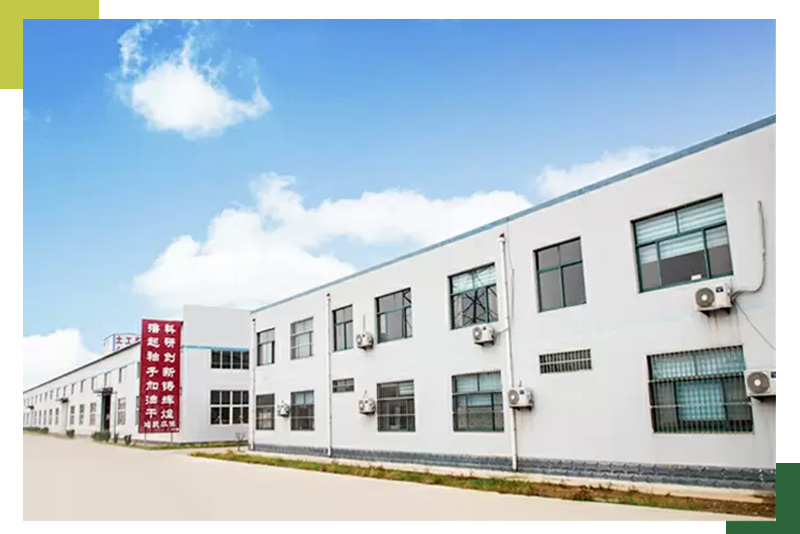
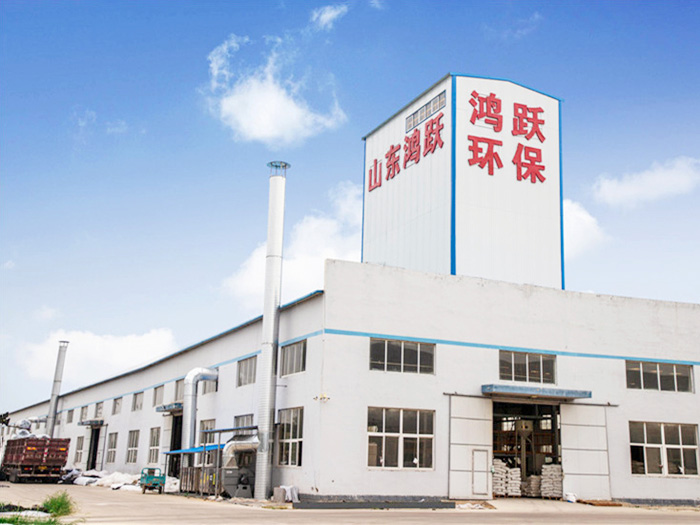
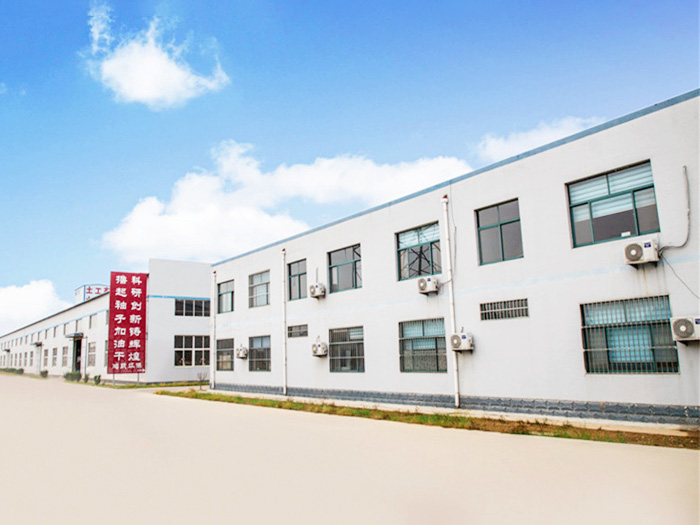
Shandong Hongyue Environmental Engineering Co., Ltd. is a high-tech geocomposite and geotechnical materials manufacturer integrating production, sales, professional custom design, and construction services. Registered on April 6, 2023, with a registered capital of 105 million yuan, we stand as one of the largest modern production bases of geotechnical materials in China. Our facility is situated at the north end of Fufeng Street, Lingcheng District, Dezhou, Shandong Province, a world-famous cluster for geotextile and geomembrane manufacturing.
Our location offers superior geographical logistics, enabling expedited container dispatch to Qingdao Port, Tianjin Port, and various other transport terminals across northern China. We utilize advanced melt-extrusion, needle-punching, and composite lamination machinery, catering to global engineering groups, national water conservancy agencies, and large-scale EPC constructors.
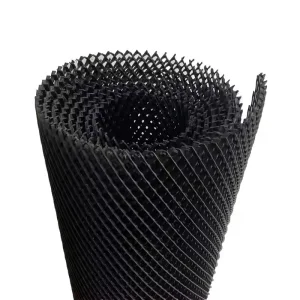
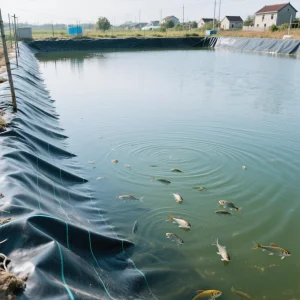
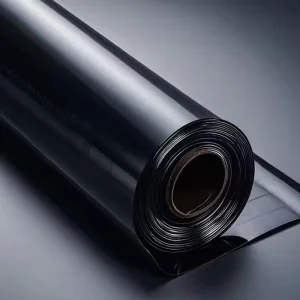
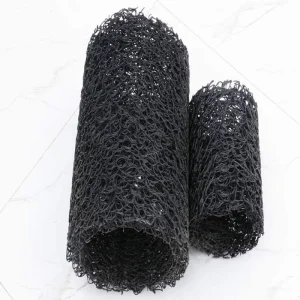
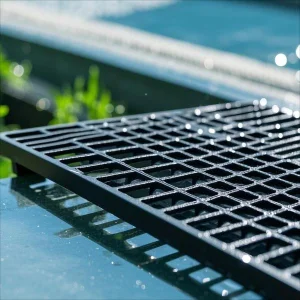
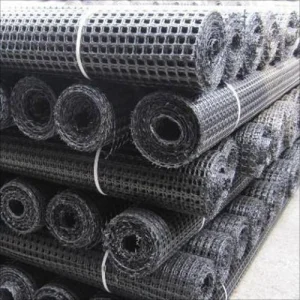
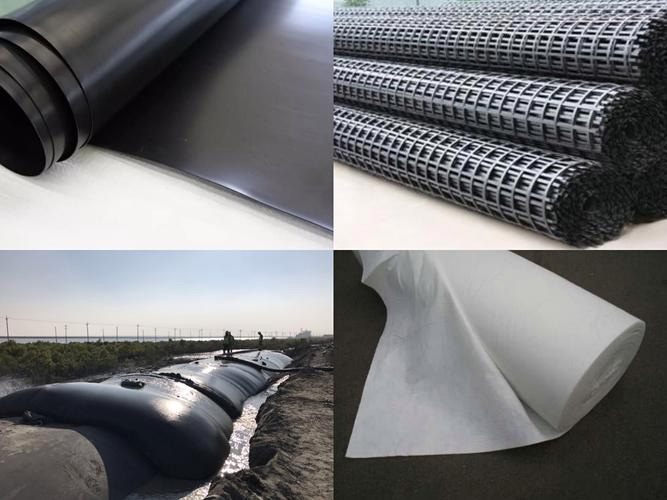
Since the establishment of the company, our business has grown rapidly to offer a comprehensive range of products, including geotextiles, geomembranes, composite geomembranes, waterproof boards, bentonite waterproof blankets (GCL), 3D composite drainage nets, composite drainage boards, woven and nonwoven geofabrics, membrane bags, plastic blind ditches, ecological bags, cement blankets, and flexible pervious pipes. Our materials are highly demanded in highways, railways, bridges, tunnels, reservoir and canal water conservancy, landfill systems, tailings containment, mining, and agricultural drainage networks.
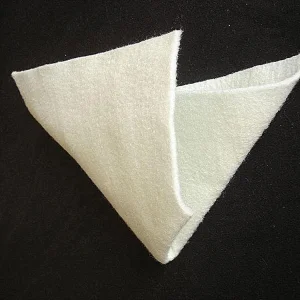
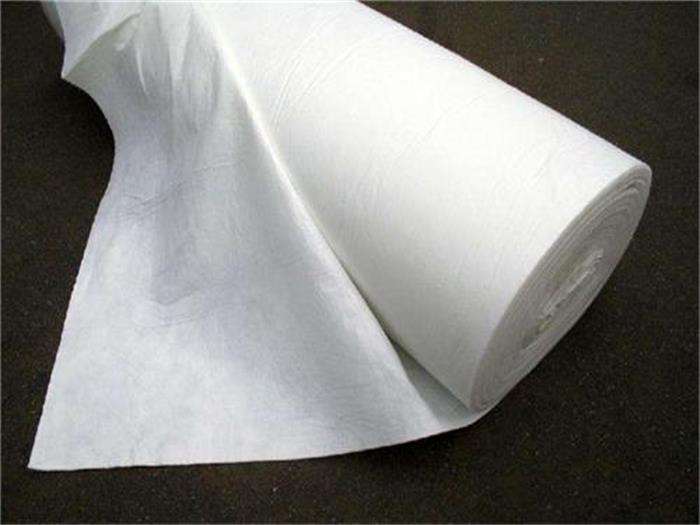
Geotextiles used under riprap are categorized into nonwoven needle-punched geotextiles and high-strength woven geotextiles. Depending on the soil conditions and the water body's flow speed, custom weights and polymer formulations must be specified:
| Property Parameter | Light Duty (Erosion Control) | Heavy Duty (Coastal Revetment) | Extra Heavy Duty (Dynamic Flow) |
|---|---|---|---|
| Weight Range (g/m²) | 200 g/m² - 350 g/m² | 400 g/m² - 600 g/m² | 700 g/m² - 1200 g/m² |
| CBR Puncture Resistance | ≥ 2.0 kN | ≥ 4.5 kN | ≥ 7.5 kN |
| Grab Tensile Strength | ≥ 800 N | ≥ 1800 N | ≥ 3000 N |
| Permittivity (sec⁻¹) | 0.7 - 1.2 | 0.4 - 0.9 | 0.2 - 0.6 |
| Apparent Opening Size (AOS) | 0.075 mm - 0.25 mm | 0.075 mm - 0.18 mm | 0.06 mm - 0.15 mm |
Choosing the right fabric requires balancing mechanical survivability (retaining its molecular structure when sharp rocks are placed over it) and hydraulic compatibility (ensuring it doesn't clog over time due to fine silts). That's why custom geotextile composition, using 100% virgin polypropylene (PP) or high-molecular polyester (PET) fibers with added carbon black for UV stability, is vital for long-term project viability.
Step-by-step look at how raw polymers are transformed into high-durability civil engineering materials at the Shandong Hongyue facility.
High-grade virgin polyester (PET) chips and polypropylene (PP) filaments are analyzed and stored. To prevent UV degradation in severe outdoor riprap applications, our engineers blend specific ratios of carbon black and anti-aging compounds.
Polyester and polypropylene matrices are melted at precise temperatures, then extruded through advanced spinnerets. High-velocity air currents stretch the molten filaments into ultra-fine, continuous micro-fibers, ensuring uniform molecular orientation.
The continuous filaments are laid down on high-speed moving belts in cross-directional patterns. This step ensures that the tensile strength of the resulting geotextile is equally high in both the machine direction (MD) and cross-machine direction (CMD).
Thousands of barbed needles stroke down through the web, interlocking the loose fibers. This process forms a strong, flexible, and highly porous physical network. It maintains high water permeability while ensuring excellent tensile strength.
For custom geotextiles requiring high stiffness or specific pore sizes, the fabric undergoes heat-setting and calendering. In this step, the geotextile is passed through heated steel rollers to fuse surface fibers and control thickness.
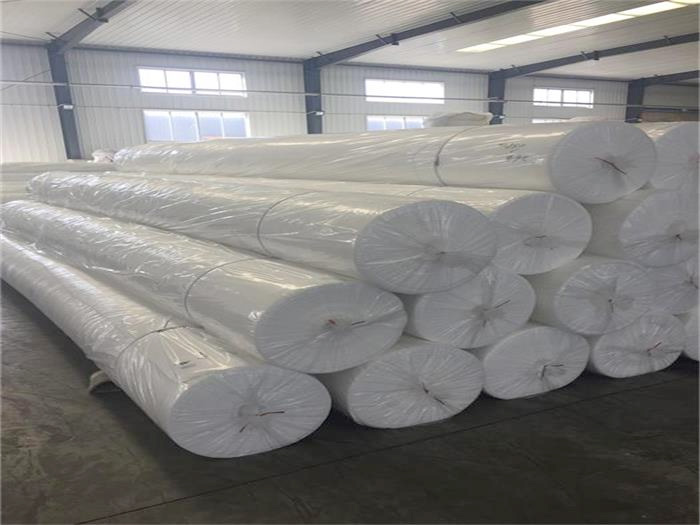
Every production roll is tested in our laboratory for tensile strength, elongation, tear resistance, and puncture resistance. We match products to the strict requirements of China National Testing Center, ASTM, and CE certifications before dispatch.
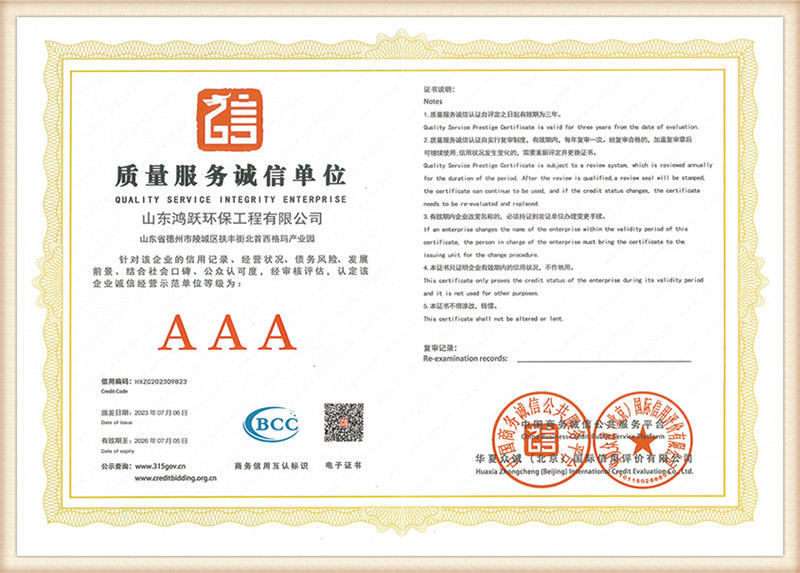
As a global EPC contractor or importer, sourcing custom geotextile under riprap from Dezhou, Shandong, offers several clear advantages:
Detailed look at how these materials perform across challenging municipal, industrial, and coastal installations.
In coastal structures, tides and storm surges create dynamic, double-directional hydraulic loads. Geotextiles must be durable enough to withstand the abrasive movement of large armor stones. They must also have a high filtration capacity to prevent sandy shorelines from eroding. Our heavyweight nonwoven geotextiles (typically >600 g/m²) provide the high puncture resistance and permeability needed for these harsh marine conditions.
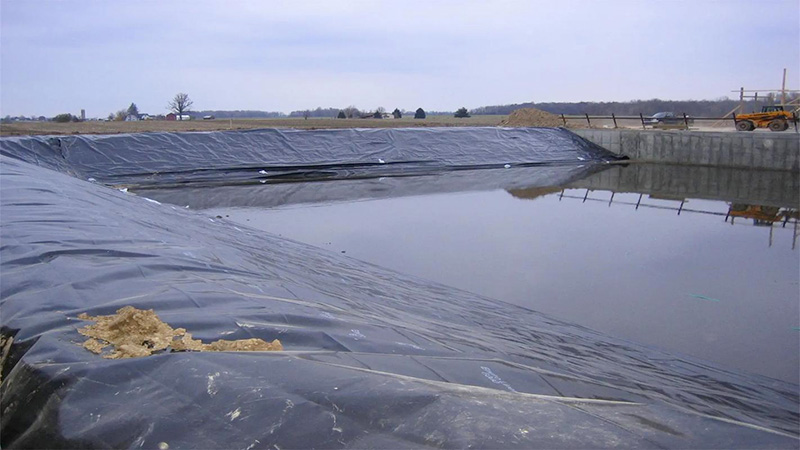
Reservoirs undergo frequent water level fluctuations. When the reservoir level drops, water stored in the subgrade soil drains outward, which can cause slope sliding. Installing a geotextile underlayment below the riprap protects the slope, allowing subgrade water to drain safely and prevent slides.
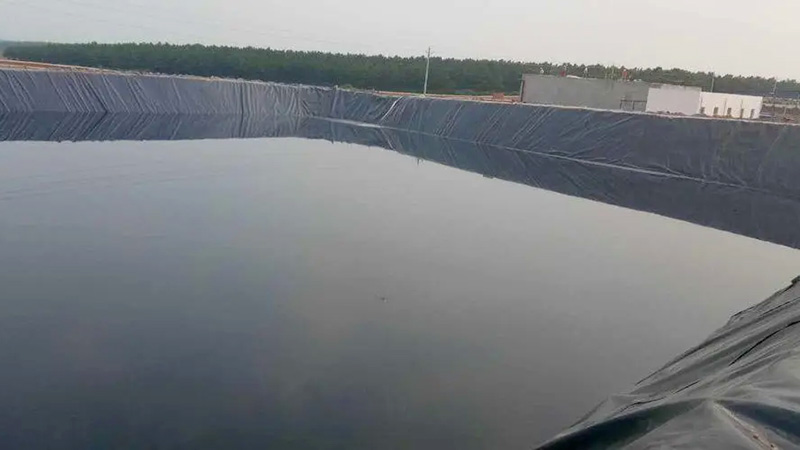
For flood control channels, municipal canals, and irrigation networks, riprap is commonly used to protect riverbeds from erosion. The geotextile under riprap prevents the loss of underlying soil, keeping the channel dimensions stable and reducing the need for costly dredging and maintenance.
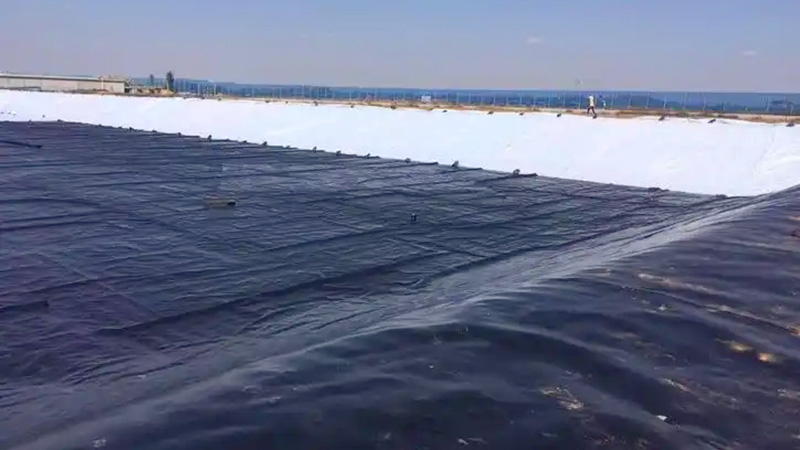
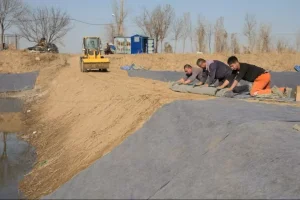
Even the highest-quality geotextile will fail if installed incorrectly. Designers and contractors should follow these essential guidelines during planning and installation:
Technical answers to common engineering questions regarding geotextile selection, performance, and sourcing.
Explore the rest of our product range for environmental containment, lining, waterproofing, and drainage applications.
 Hongyue