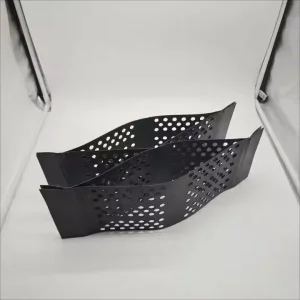
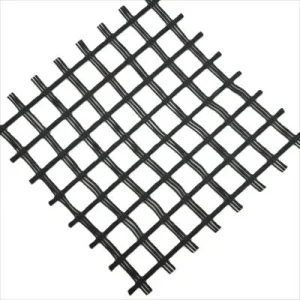
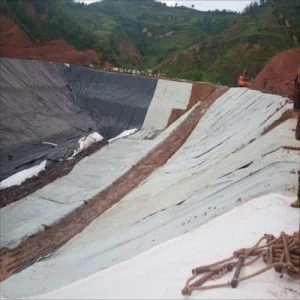
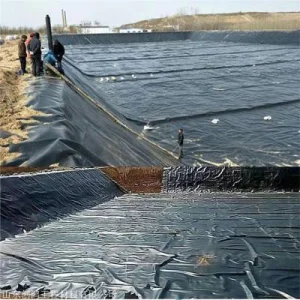
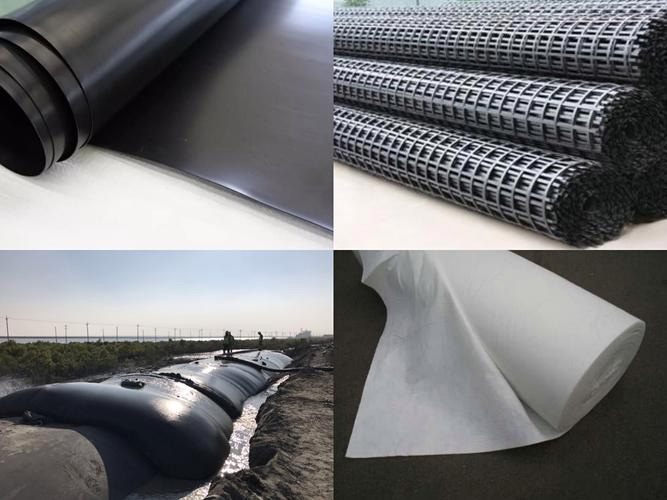
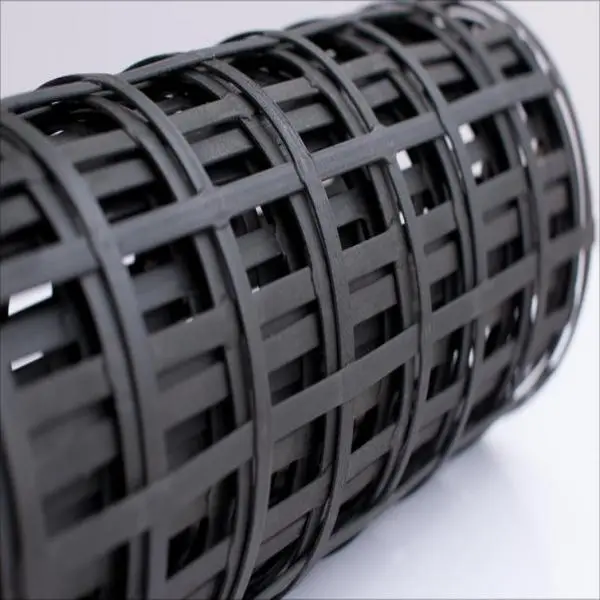
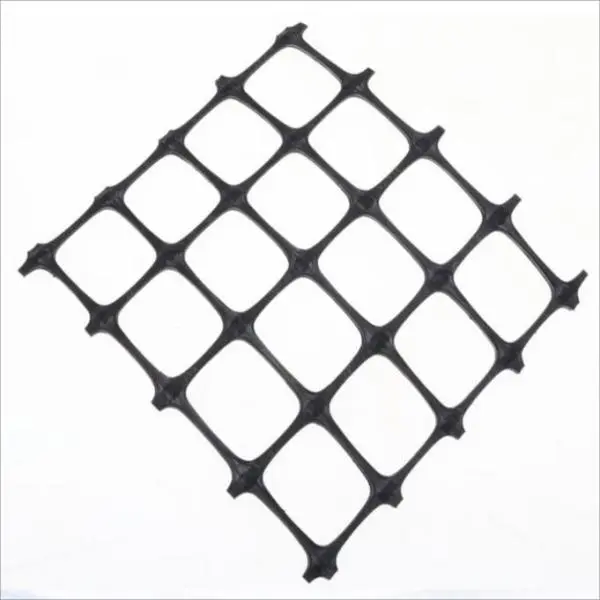
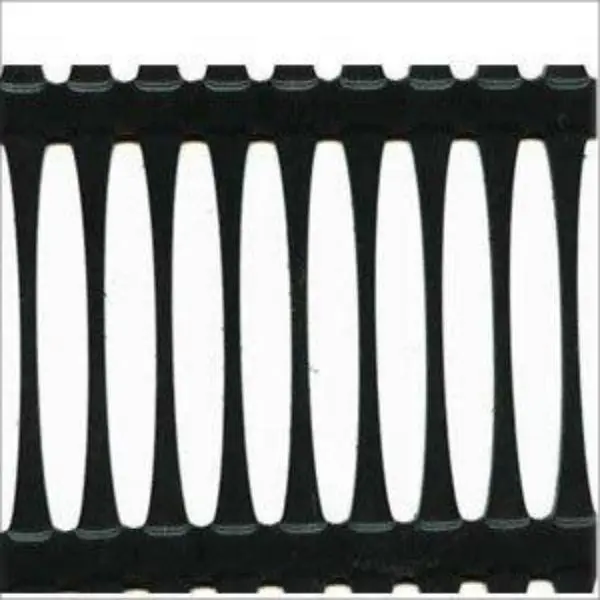
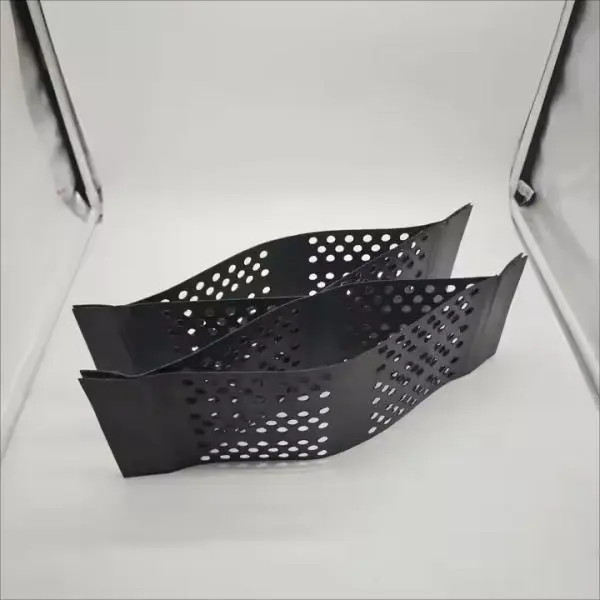
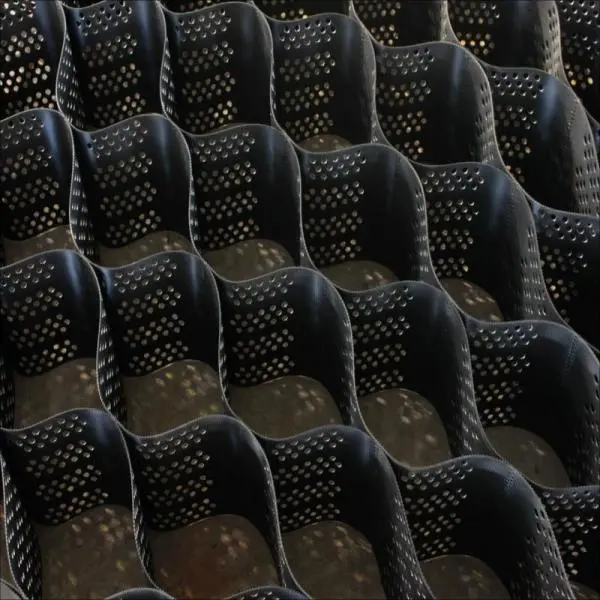
High performance engineering fabrics, cellular confinement networks, and hydraulic barriers certified for international infrastructure standards.
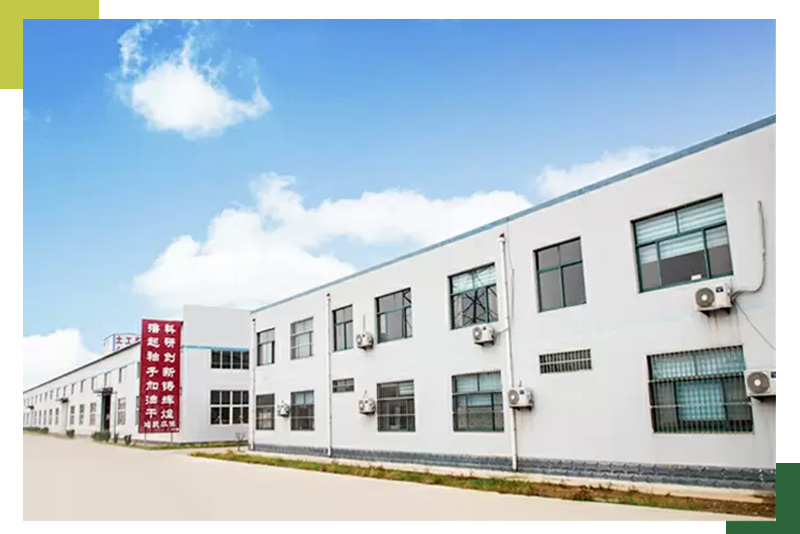
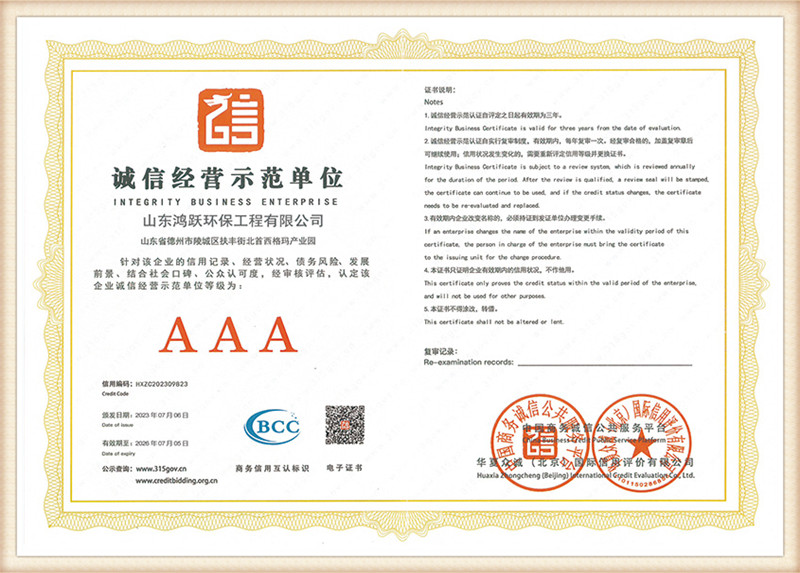
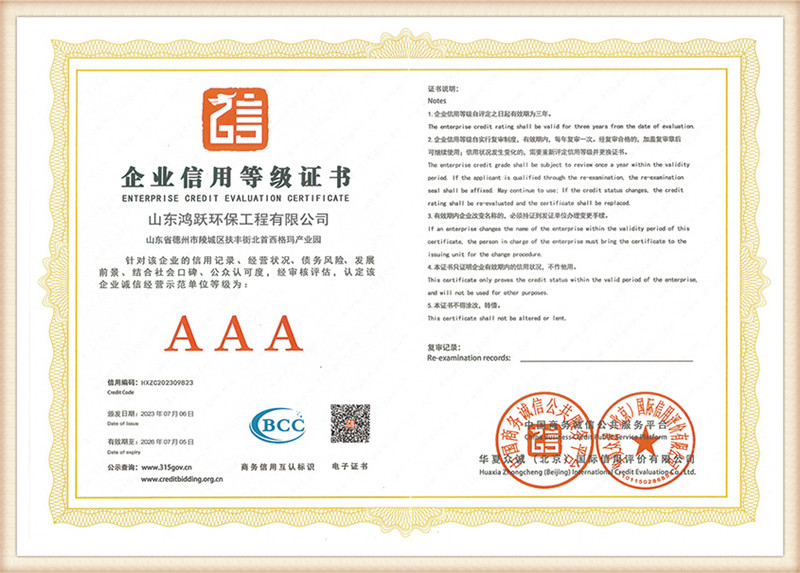
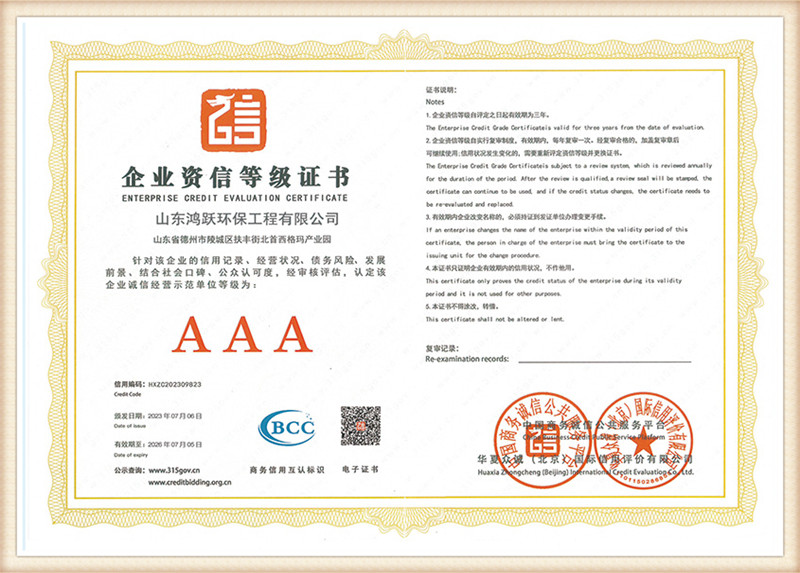
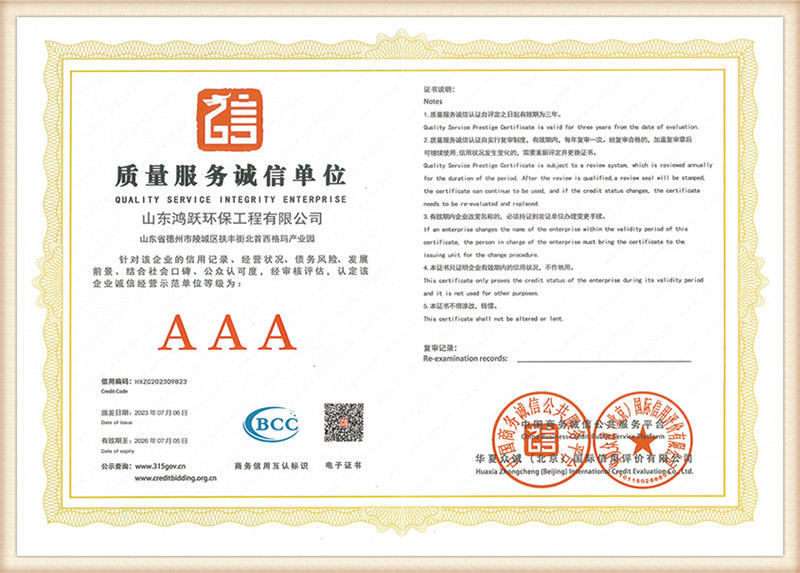
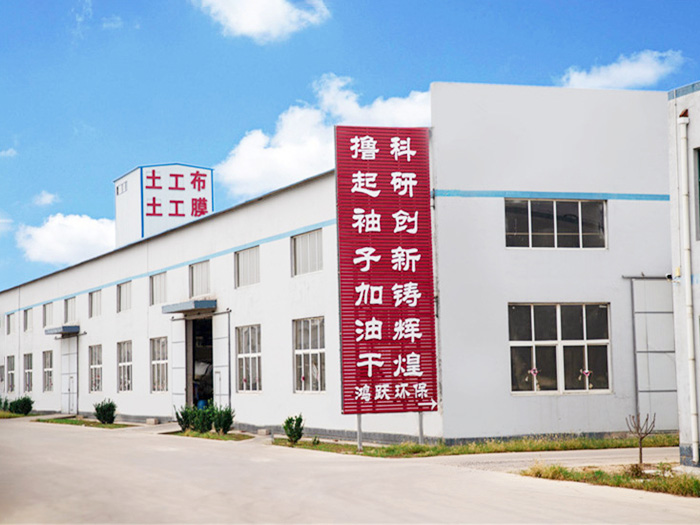
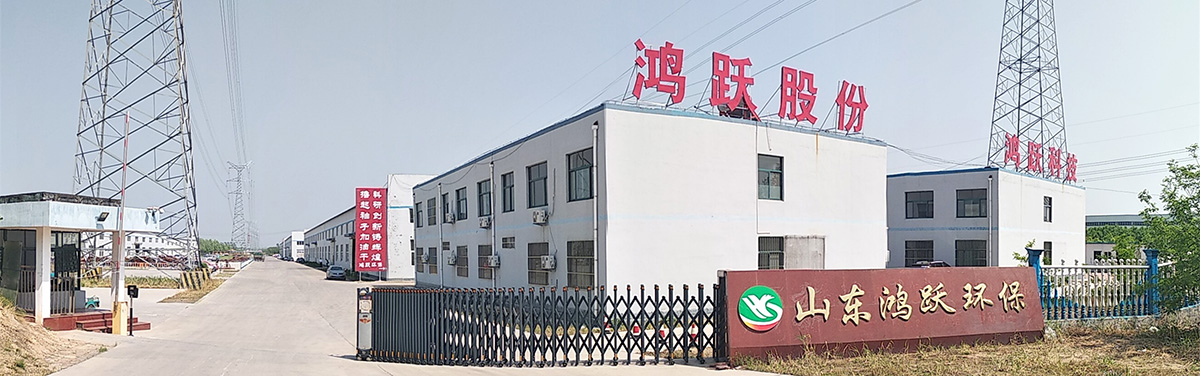
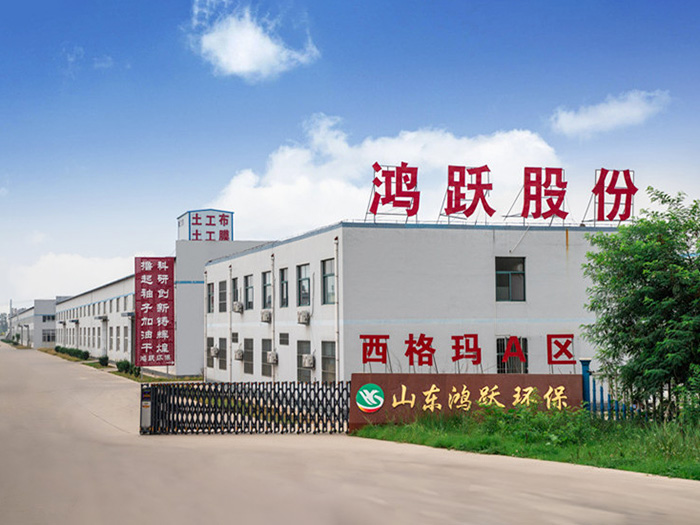
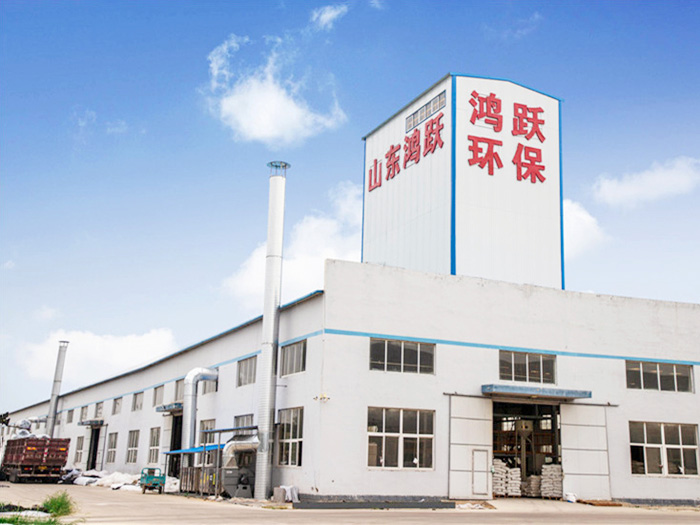
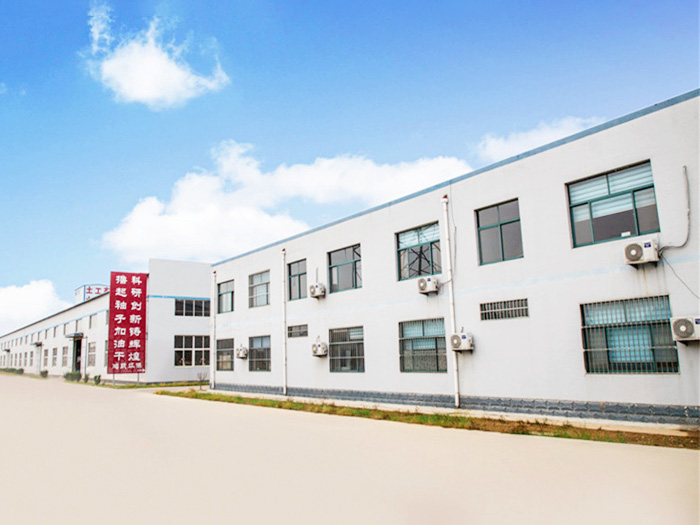
Located at the north end of Fufeng Street, Lingcheng District, Dezhou, Shandong Province, Shandong Hongyue is a scientific and technological geotechnical material manufacturer integrating engineering material production, sales, design and construction services. The company was registered in Lingcheng District Market Supervision and Administration Bureau of Dezhou City on April 6, 2023, with a registered capital of 105 million yuan.
It stands as one of the largest production bases of geotechnical materials in China at present, enjoying a superior geographical location and convenient transportation links to primary sea corridors. We have developed rapidly since establishment, building high quality products and a professional sales and technical team. We belong to the Dezhou Geotextile Association, with systems utilized extensively in highways, railways, bridges, tunnels, water conservancy networks, artificial lakes, environmental protection, aviation, mining, and agriculture.
Scientific exploration of custom geotextile drainage membrane functionality in extreme geotechnical load environments.
In modern civil and environmental engineering, groundwater management is an optimization puzzle involving hydraulic gradient, soil confinement pressure, and polymer longevity. A geotextile drainage membrane acts as a selective 3D filter. Structurally, it must balance two opposing parameters: Permittivity (the volumetric flow rate of water perpendicular to the fabric cross-section) and Apparent Opening Size (AOS) (the size of the largest soil particles allowed to pass without causing complete channel occlusion or downstream migration).
When designing custom geotextile drainage membranes, the chemical configuration of the polymer chain defines its resistance to environmental decay. High-Density Polyethylene (HDPE) and Polypropylene (PP) formulas are stabilized with carbon black additives to counter long-term ultraviolet (UV) degradation. Furthermore, in acidic landfill leachates or alkaline railway sub-ballasts, these custom structures resist chemical attack. Our engineers utilize advanced non-woven needle-punched techniques to generate multi-directional pore structures, guaranteeing stable in-plane flow transmissivity even under compressive stresses exceeding 300 kPa.
Calculated pore structures match local soil profiles, preventing fine grain washout while facilitating rapid hydrodynamic relief.
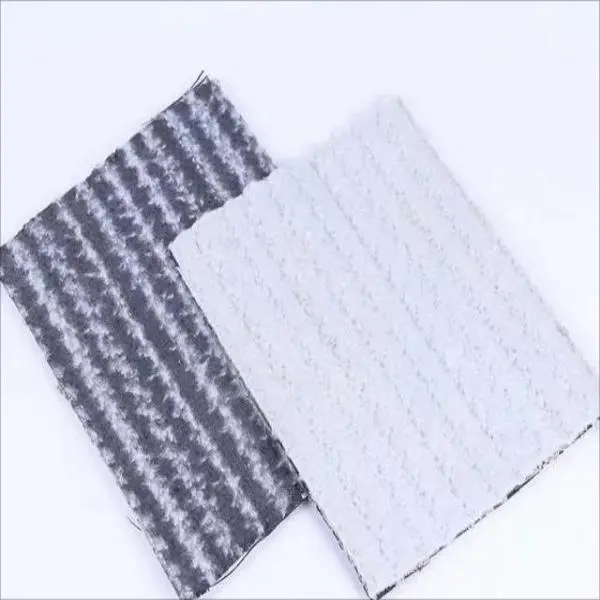
Our composite membranes form stable lateral flow pathways. This efficiently redirects sub-surface runoffs in heavy retaining wall configurations.
Constructed with specialized additives to resist landfill leachate, alkaline concrete water contact, and biological microbial environments.
A granular review of manufacturing control stages and precision field deployment strategies.
Geotextile production requires continuous extrusion thermal management and mechanic consolidation. Modern production lines utilize precise melt parameters to build multi-axial strength:
Ensures consistent virgin polypropylene/polyester chip viscosity, preventing thermal anomalies during downstream extrusion.
Chips are melted at high temperatures and extruded through micro-spinnerets. This forms continuous multi-direction filaments.
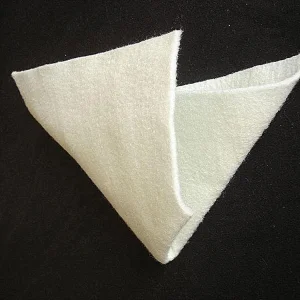
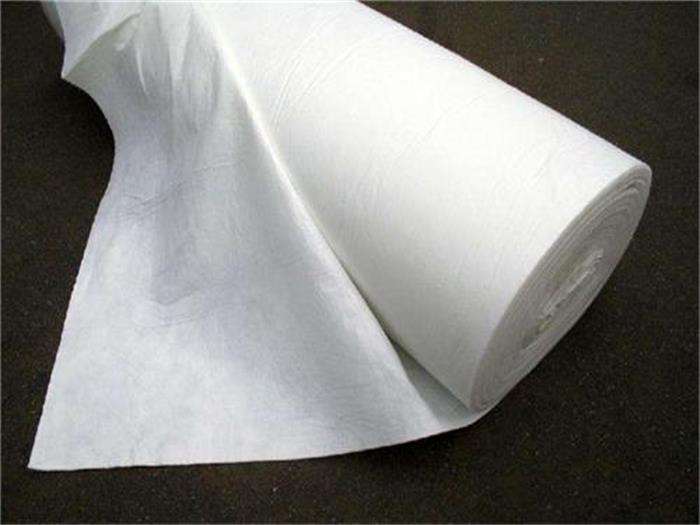
Thousands of barbed needles interlock the random filament array, creating a thick, highly permeable 3D web structure.
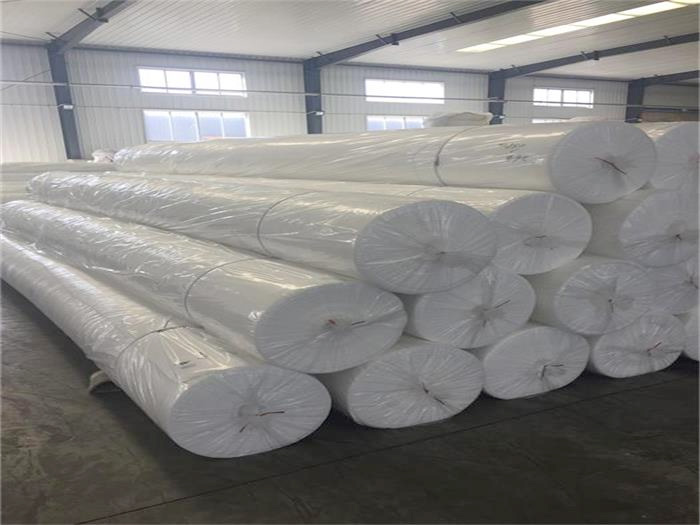
Applying barrier and drainage membranes in civil systems demands meticulous site management. An imperfect seam compromises the structural barrier, rendering local drainage zones obsolete:
How Dezhou's manufacturing ecosystem enables Shandong Hongyue to provide unparalleled cost-to-performance advantages.
Lingcheng District in Dezhou, Shandong Province, is historically established as the premier manufacturing hub for geotextiles and geomembranes in China. The consolidation of raw material refineries, machinery tool plants, and testing institutes within Shandong creates a unique regional cluster effect. This translates directly to significant global sourcing benefits:
Backed by our 105 million yuan registered capital and massive multi-machine footprint, our production schedules remain agile under urgent project scopes.
Proximity to key raw material chemical processors reduces domestic haulage fees, keeping our pricing structurally competitive.
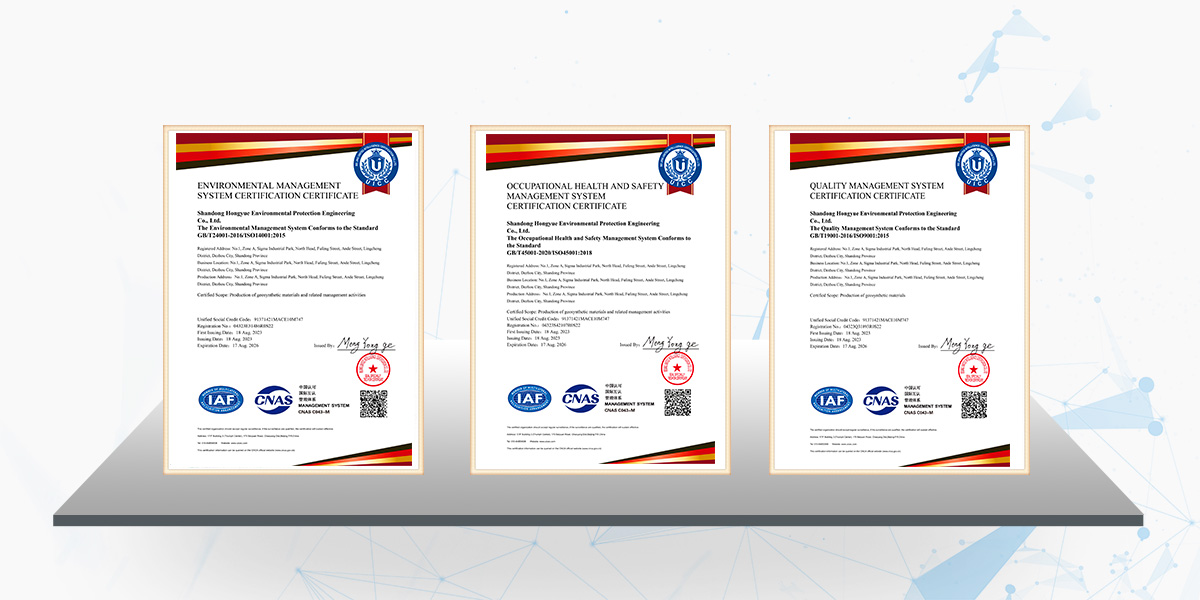
Every batch undergo rigorous evaluation. Our laboratory works in synchronization with the China National Testing Center to ensure compliance with ASTM and EN codes.
How Hongyue geosynthetic systems protect critical environmental assets and municipal infrastructure.
Mitigates internal erosion inside earth-fill dams. By using composite liners under rip-rap faces, it prevents structural core collapse.
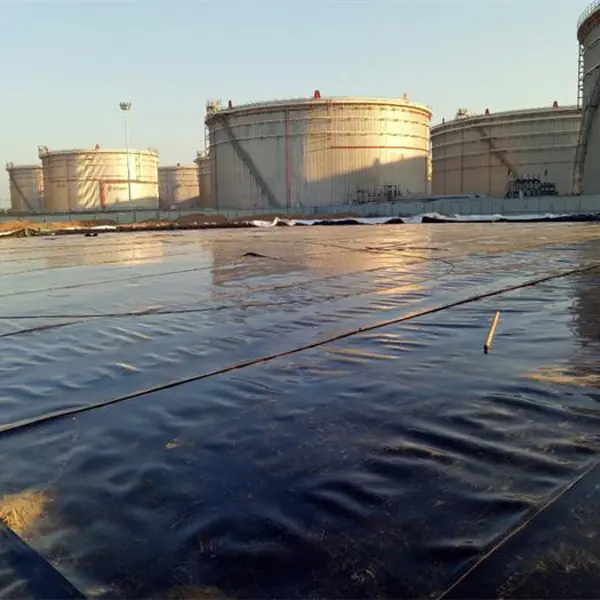
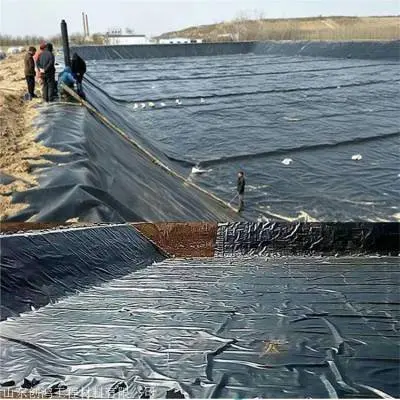
Double-lined barrier systems integrate bentonite blankets, geomembranes, and geonets. This isolates leachate, preventing shallow aquifer contamination.
Distributes heavy vehicular wheel loads across unstable clay subgrades. This prevents ballast migration, extending highway operational life.
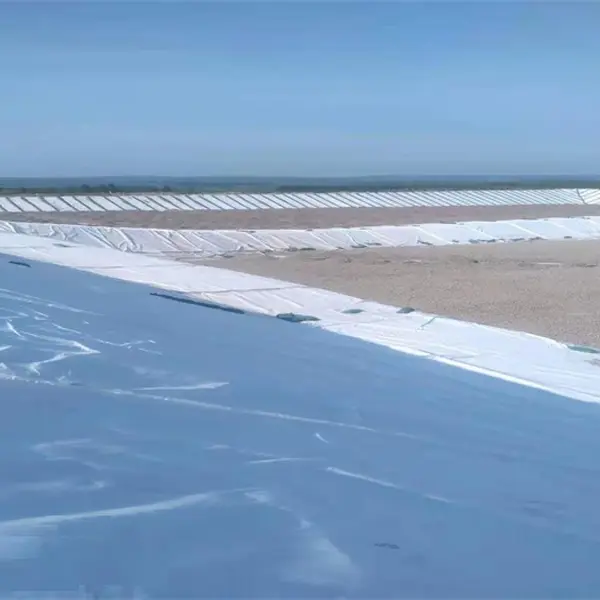
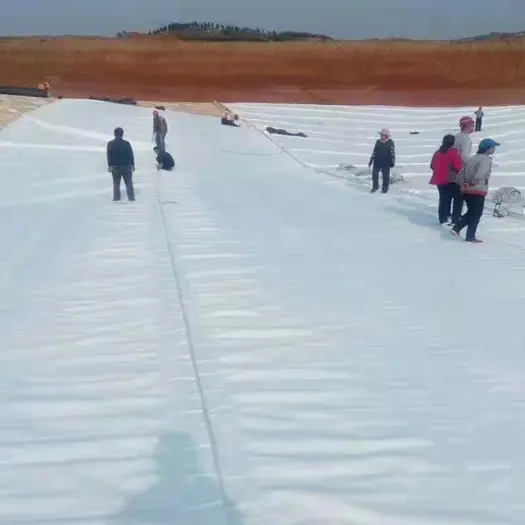
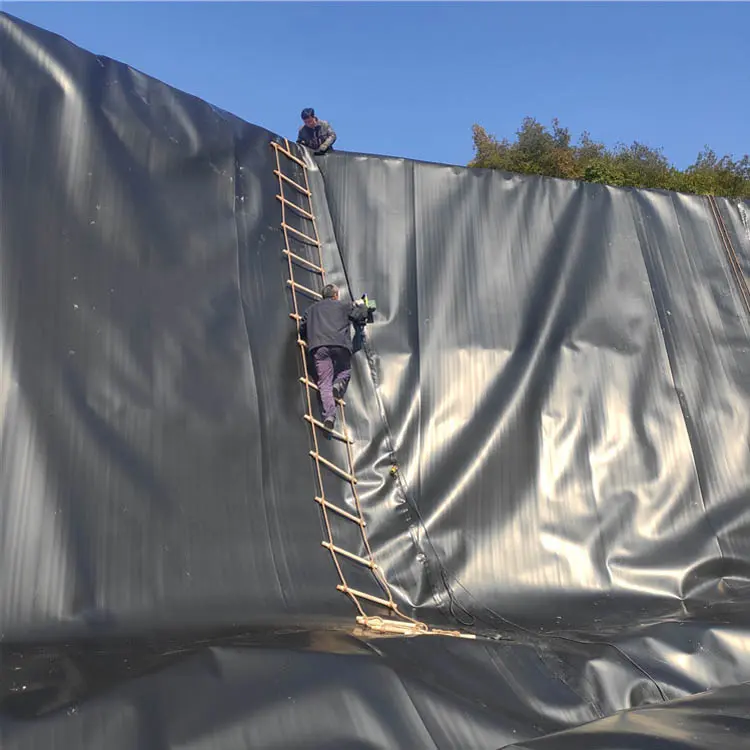
Navigating the global shift toward decarbonization, green geotextiles, and technical specification protocols.
The geosynthetics sector is moving toward high-performance composites and circular economy compliance. Global procurement managers are no longer evaluating materials solely on immediate shear strength or tensile values. The primary objective is to secure long-term performance while minimizing the project's carbon footprint.
Three primary trends are redefining the international market:
| Property Parameter | Testing Reference | Standard Geotextile Value | Custom Geotextile drainage membrane Value |
|---|---|---|---|
| Mass Per Unit Area | ASTM D5261 | 200 g/m² - 600 g/m² | Customizable up to 1200 g/m² | Grab Tensile Strength (MD) | ASTM D4632 | ≥ 0.8 kN | ≥ 2.5 kN (High Tensile Series) |
| Apparent Opening Size (AOS) | ASTM M4751 | 0.075 mm - 0.3 mm | Micro-porous configurations tailored to specific local soil profiles |
| Puncture Resistance (CBR) | ASTM D6241 | ≥ 1.5 kN | ≥ 4.5 kN (Reinforced base line) |
| Permittivity (Water Flow) | ASTM D4491 | 0.02 - 0.22 sec⁻¹ | Advanced high-flow design optimized to prevent fine silting |
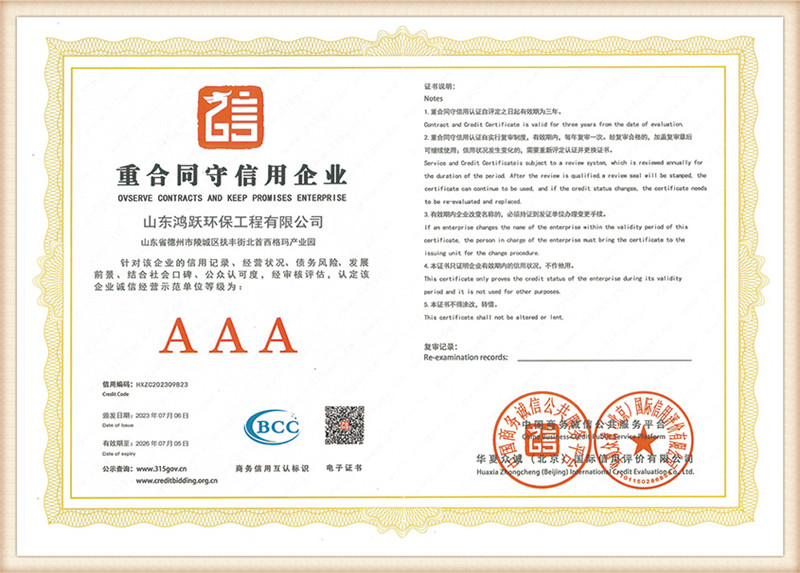
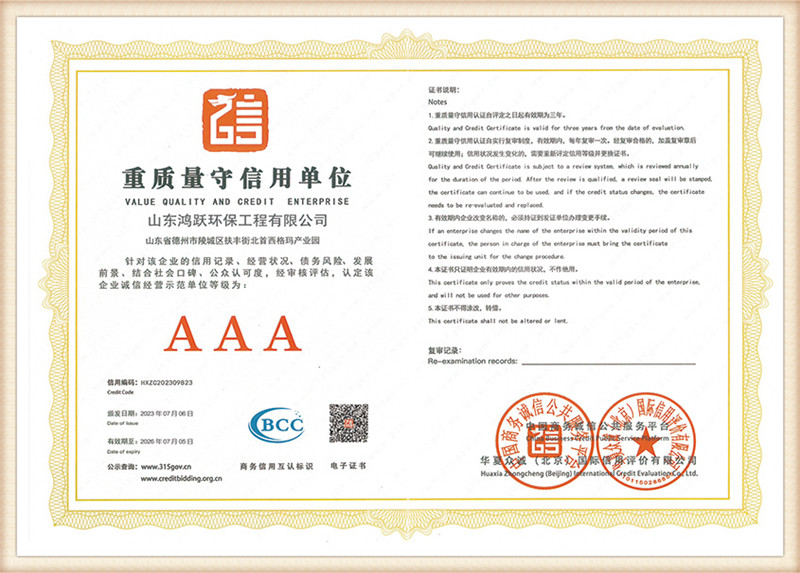
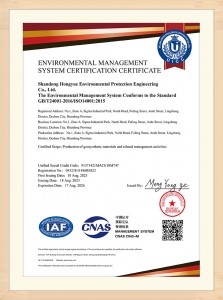
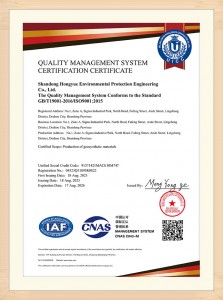
Clear, direct technical answers addressing design calculations, logistics, and material behavior.
Our engineers run complex soil-fabric filtration compatibility tests. By adjusting the needle-punching stroke density and fiber distribution, we customize the Apparent Opening Size (AOS) of the drainage membrane. This allows water to pass through freely while preventing fine clay particles from blinding the fabric interface.
For aggressive chemical leachates, we recommend High-Density Polyethylene (HDPE) geomembranes. These are manufactured with specialized carbon black stabilizers and high molecular weight polymers. This configuration offers superior chemical resistance compared to standard PVC or LLDPE.
Yes. Our state-of-the-art wide-width calendar lines can produce seamless widths up to 8 meters. This reduces the number of onsite seams and installation risk. Roll lengths can also be customized to match your equipment handling capacity.
Our strong financial backing allows us to secure large polymer shipments, maintaining stable production even during market fluctuations. It also funds our strict quality control laboratory, ensuring we meet all specifications.
Onsite testing should focus on structural integrity. We recommend ASTM D6241 CBR puncture resistance, ASTM D4632 grab tensile tests, and ASTM D4491 cross-plane permeability testing. We provide full certificate compliance sheets with each batch for validation.
Our facility in Dezhou, Shandong, is strategically linked by rail and highway networks to both Qingdao and Tianjin ports. This enables efficient dispatch to major international hubs with minimal delay.
Inside our heavy machinery facilities where modern polymer processing meets global standards.
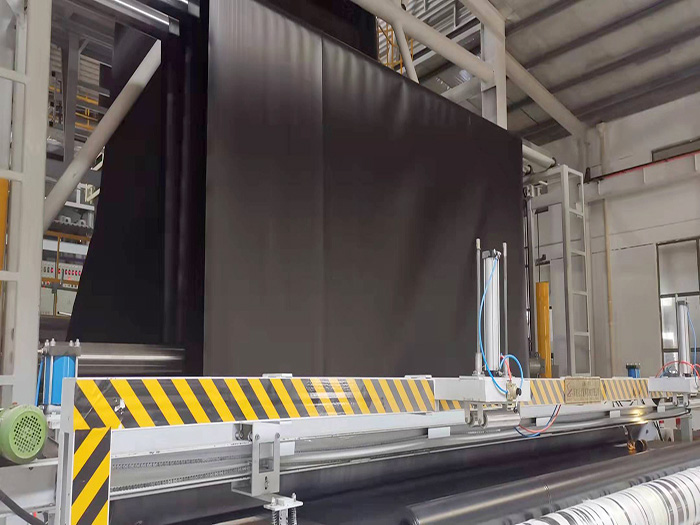
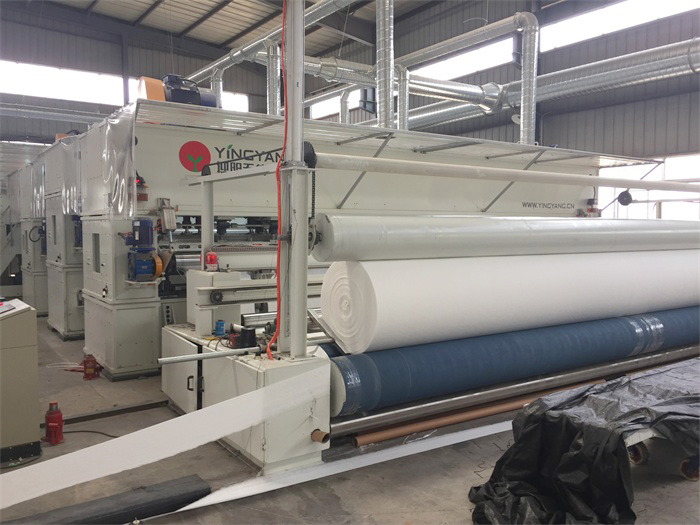
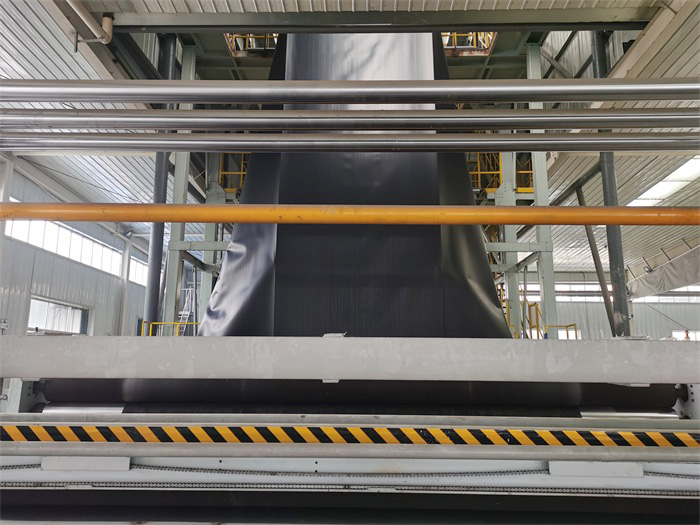
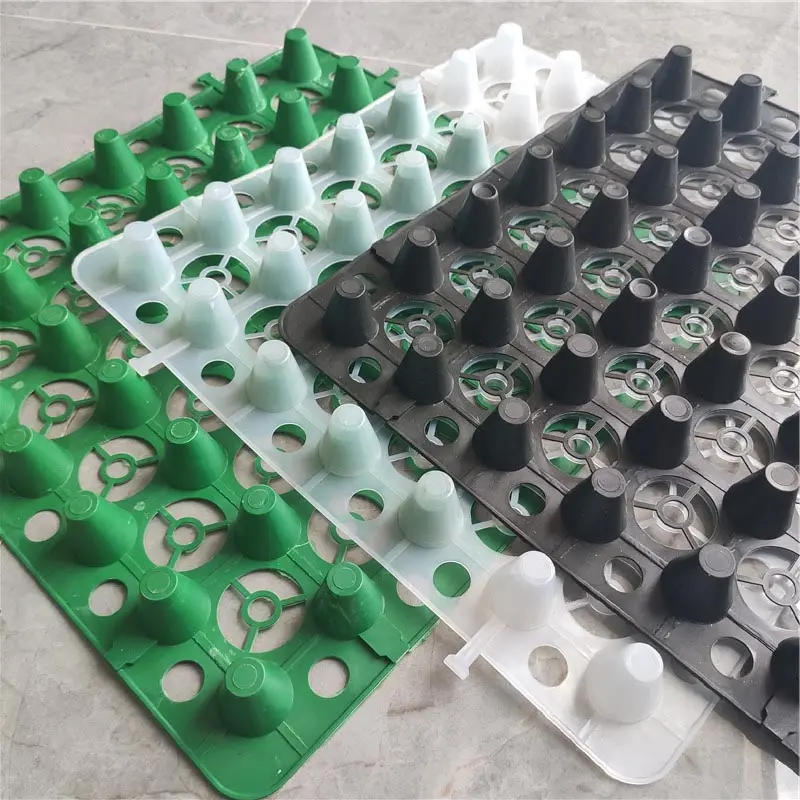
High performance engineering fabrics, cellular confinement networks, and hydraulic barriers certified for international infrastructure standards.
 Hongyue