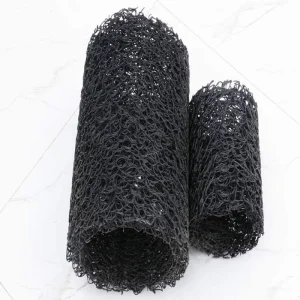
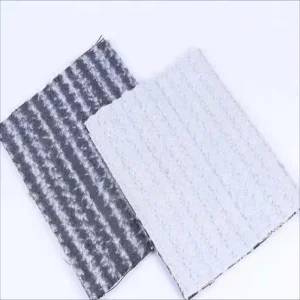
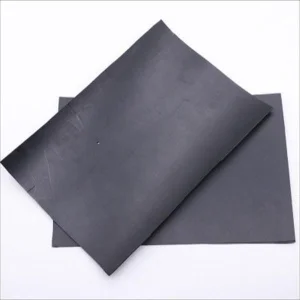
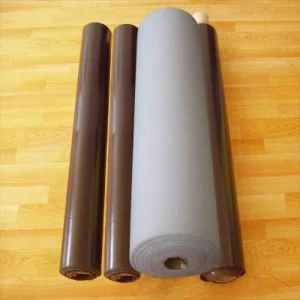
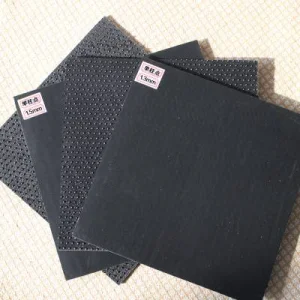
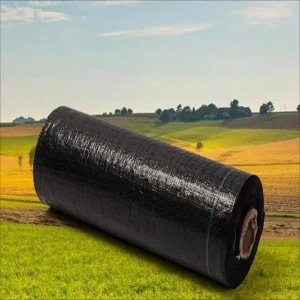
Explore our elite range of structural stabilization, drainage filtration, and advanced impermeable barrier materials.
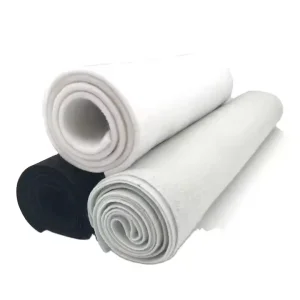
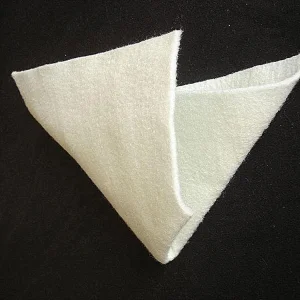
In modern geotechnical engineering, selecting materials with optimal density, physical durability, and hydraulic characteristics is crucial to the longevity of civil infrastructure. Nonwoven needle-punched geotextiles engineered to 300g/m² (grams per square meter) represent one of the most versatile engineering standards globally. Acting as the ultimate balance between structural filtration capacity and tensile strength, this specific grade of geosynthetic material provides critical physical protection, subgrade stabilization, drainage efficiency, and material separation layer properties.
Whether utilized beneath high-load transportation lines, integrated within complex hydraulic canals, or deployed as protective cushioning interfaces for impermeable geomembranes in environmental landfills, the 300g/m² specification ensures mechanical integrity under extreme loads. As premier manufacturers and global exporters, our engineered fabrics meet rigorous international test methods (ASTM, ISO, and EN standards) to guarantee reliable site performance across diverse environmental zones.
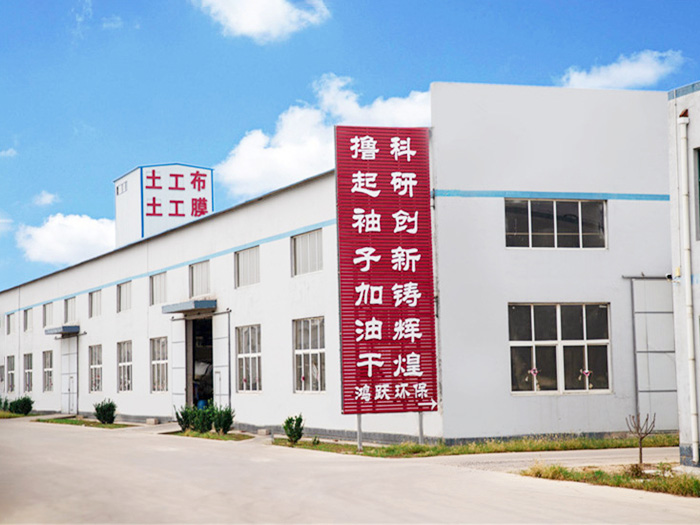
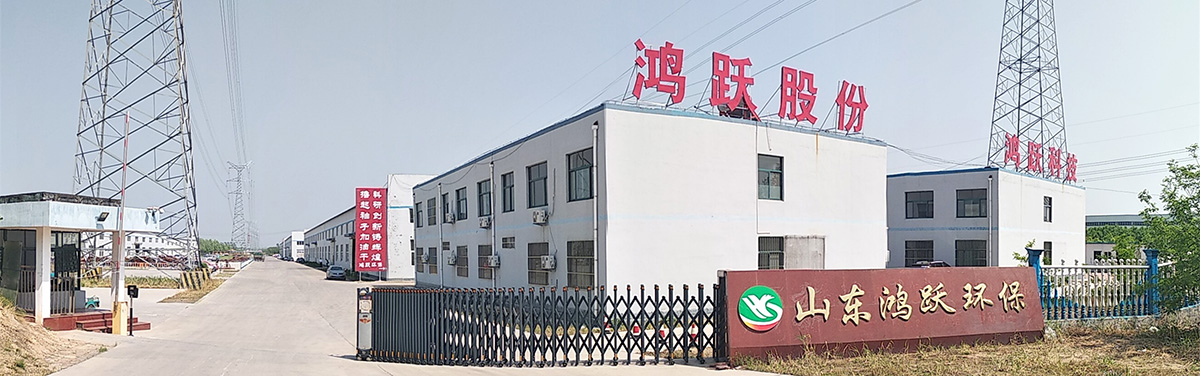
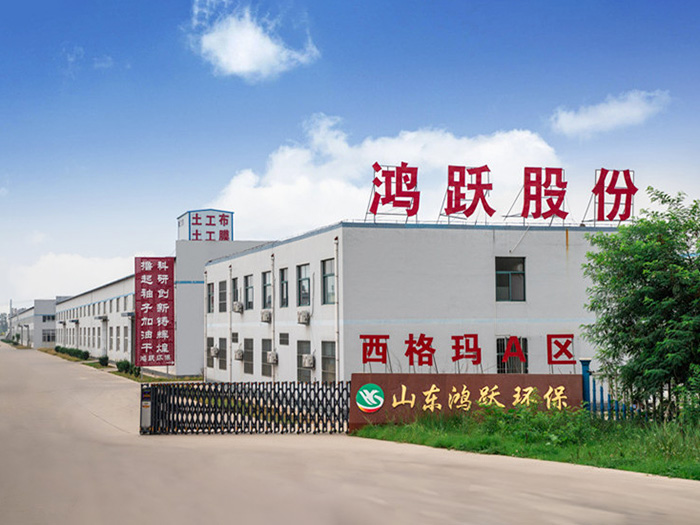
Shandong Hongyue Environmental Engineering Co., Ltd., located at the north end of Fufeng Street, Lingcheng District, Dezhou, Shandong Province, stands as a major scientific and technological geotechnical material manufacturing enterprise in China. Registered with the Lingcheng District Market Supervision and Administration Bureau of Dezhou City on April 6, 2023, and backed by a substantial registered capital of 105 million yuan, we operate one of the largest modern manufacturing and export hubs for advanced geosynthetics.
Our location in Shandong Province places us in China's prime industrial manufacturing hub. With streamlined domestic transport channels and direct access to major ocean export ports like Qingdao and Tianjin, we guarantee fast, dependable international shipping solutions for large-scale enterprise procurements. Our business scope covers the full lifecycle of geosynthetics—integrating raw material formulation, customized product design, modern roll extrusion, laboratory testing, global sales, and professional engineering site guidance.
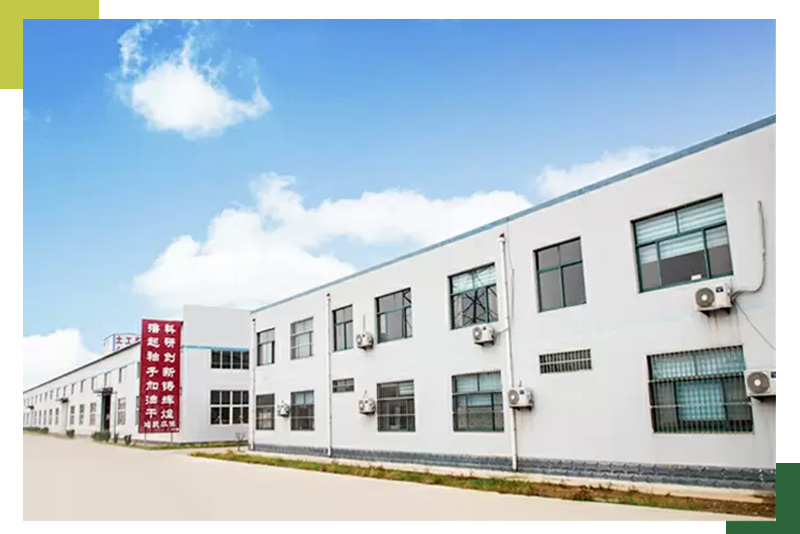
"Our company belongs to the Dezhou Geotextile Association. We have high-quality products and professional sales and technical teams. Our production parameters are designed to exceed industry benchmarks, providing unparalleled structural resistance and high-permeability performance."
Global procurement specialists choose Chinese manufacturers like Shandong Hongyue due to structural advantages that balance cost-efficiency, technical compliance, and sheer production capacity:
Proximity to major petrochemical processing zones guarantees a stable, premium supply of raw Polyester (PET) chips and Polypropylene (PP) resins. This minimizes raw material cost volatility, ensuring steady pricing structures for long-term project planning.
Operating multiple high-speed nonwoven needle-punching production lines simultaneously allows us to fulfill bulk orders for large-scale national infrastructure projects within tight delivery windows that smaller regional suppliers cannot meet.
From custom widths (up to 6.0 meters or more) to specific roll lengths and targeted UV-stabilization formulations, our engineering laboratories can tailor products to fit custom project parameters.
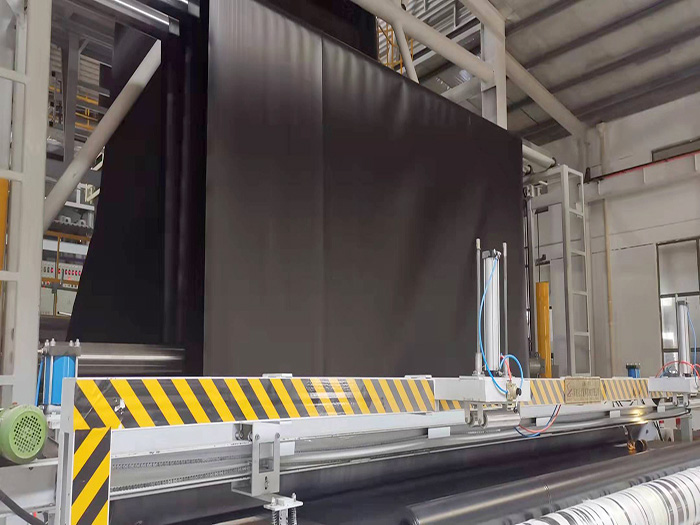
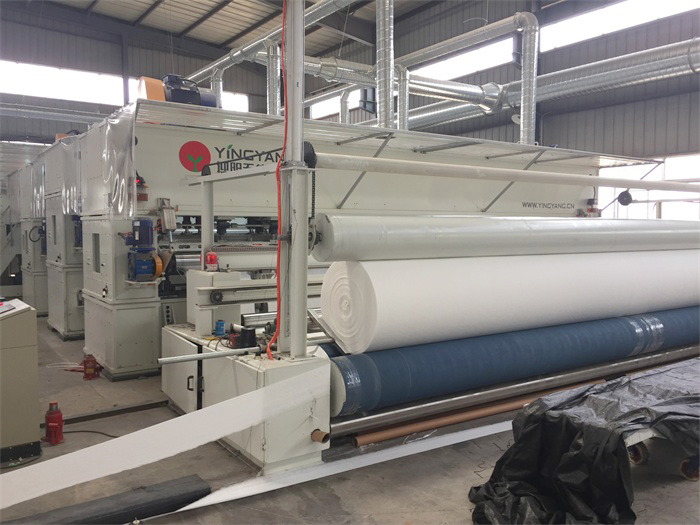
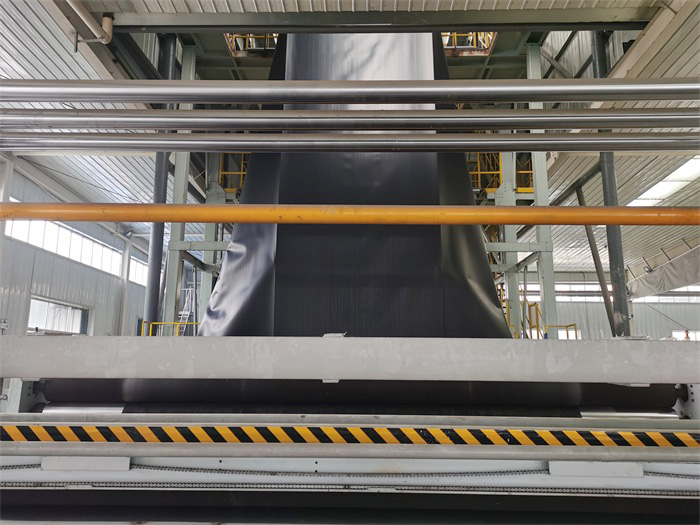
The performance of a 300g/m² nonwoven geotextile depends heavily on the consistency of its internal fiber matrix. Our production facilities deploy state-of-the-art computer-controlled needle-punching lines that turn raw polymer chips into high-strength, isotropic engineering fabrics. Our manufacturing process follows six key steps to ensure optimal product quality:
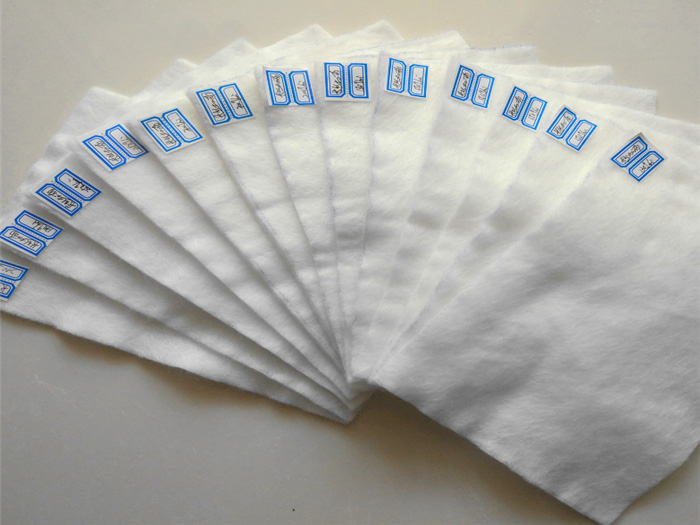
High-grade polyester chips and polypropylene filaments are melted and extruded into uniform, fine fibers.
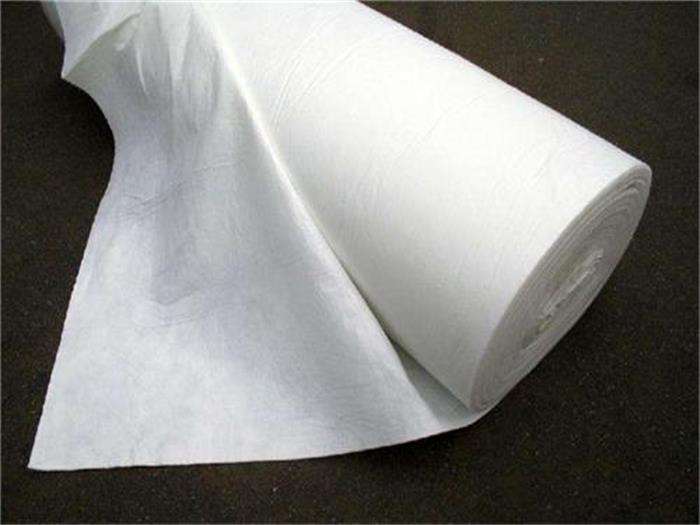
Fibers are laid into a cross-lapped web, and then needle-punched to lock them into a strong 3D structure.
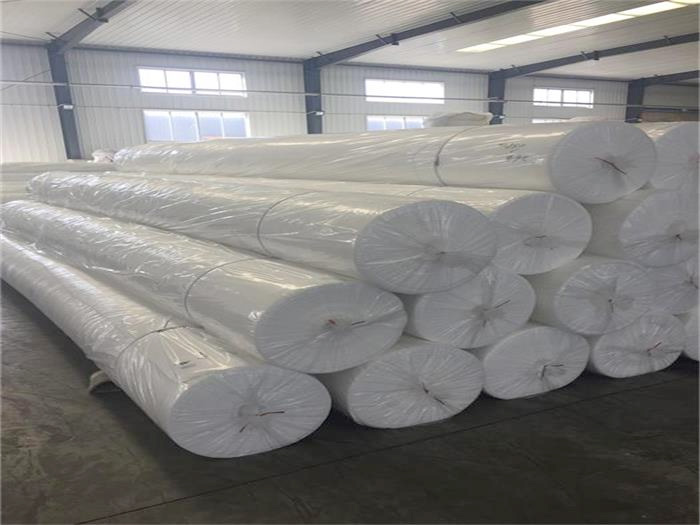
The finished fabric is heat-treated for stability, roll-wound, packaged in protective wrap, and tested in our lab.
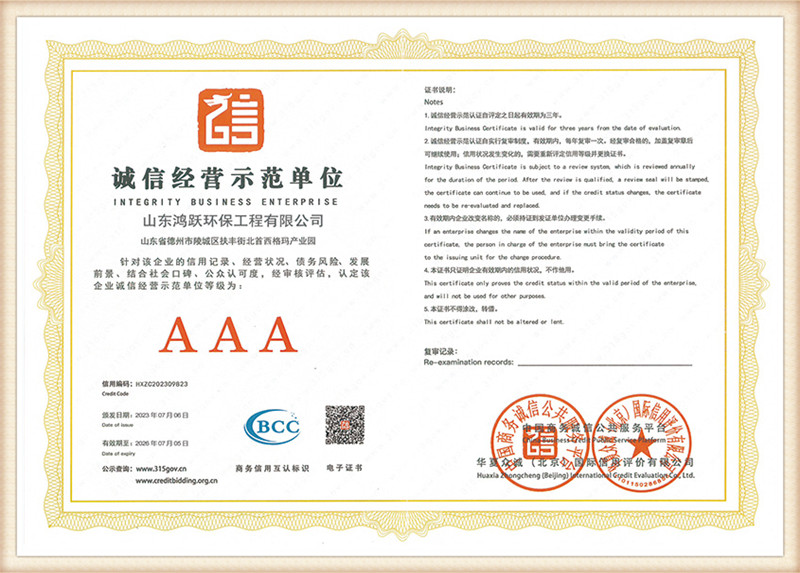
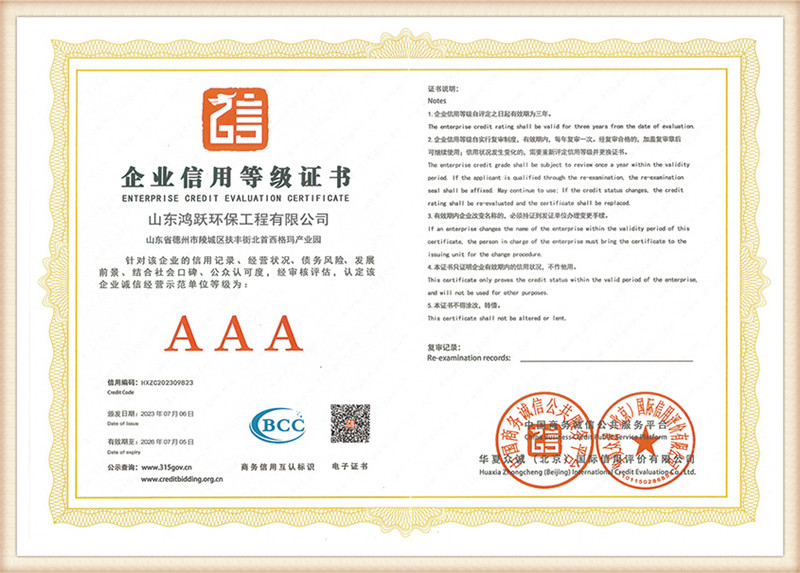
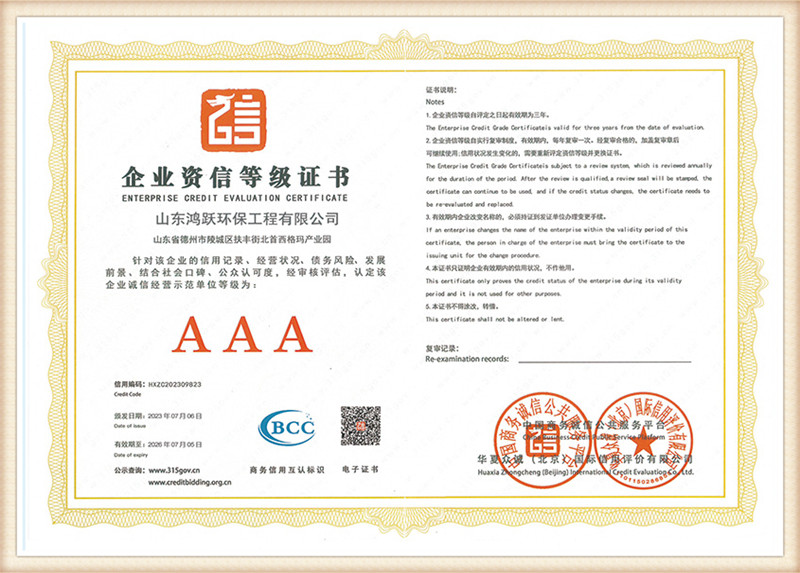
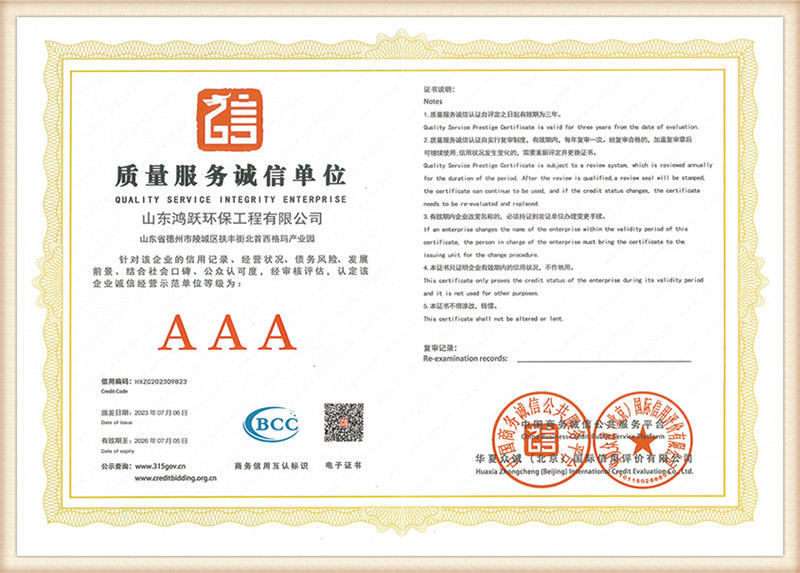
To support projects worldwide, Shandong Hongyue maintains a comprehensive quality management system that satisfies European, American, Australian, and Asian engineering standards. Our facility has passed ISO9001 International Quality Management System Certification, ISO14001 Environmental Management System Certification, and ISO45001 Occupational Health and Safety Management System Certification.
Our geotextiles carry the CE Mark, confirming full compliance with European Union construction products regulations. Our products also meet the standards of the China National Testing Center and undergo regular audits by the State Administration of Quality Supervision and Inspection. This robust compliance program guarantees that our materials can be imported and installed on any regulated infrastructure site globally.
Below are the standard technical specifications for our 300g/m² nonwoven needle-punched geotextiles. We can adjust tensile strength, elongation, and permeability profiles to match specific regional project parameters.
| Property / Characteristic | Test Standard (ASTM/ISO) | Polyester (PET) Typical Value | Polypropylene (PP) Typical Value |
|---|---|---|---|
| Mass Per Unit Area | ASTM D5261 / ISO 9864 | 300 g/m² (±5%) | 300 g/m² (±5%) |
| Tensile Strength (MD) | ASTM D4632 / ISO 10319 | ≥ 9.5 kN/m | ≥ 15.0 kN/m |
| Tensile Strength (CMD) | ASTM D4632 / ISO 10319 | ≥ 8.5 kN/m | ≥ 13.5 kN/m |
| Elongation at Break | ASTM D4632 | 50% - 80% | 40% - 70% |
| CBR Puncture Resistance | ASTM D6241 / ISO 12236 | ≥ 1600 N | ≥ 2400 N |
| Apparent Opening Size (AOS) | ASTM D4751 / ISO 12956 | 0.07 - 0.20 mm | 0.07 - 0.18 mm |
| Water Permeability | ASTM D4491 / ISO 11058 | 3.5 x 10⁻¹ cm/s | 4.2 x 10⁻¹ cm/s |
| UV Resistance (after 500h) | ASTM D4355 | ≥ 70% strength retained | ≥ 80% strength retained (UV stabilized) |
A 300g/m² nonwoven geotextile provides vital mechanical support and protection across a wide range of infrastructure applications:
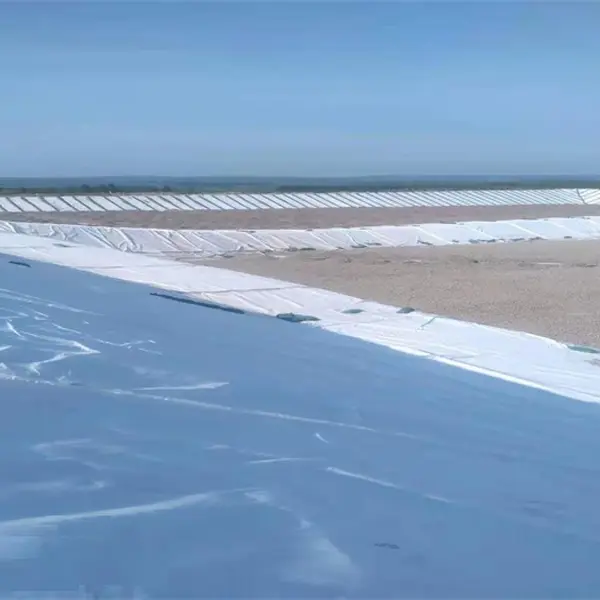
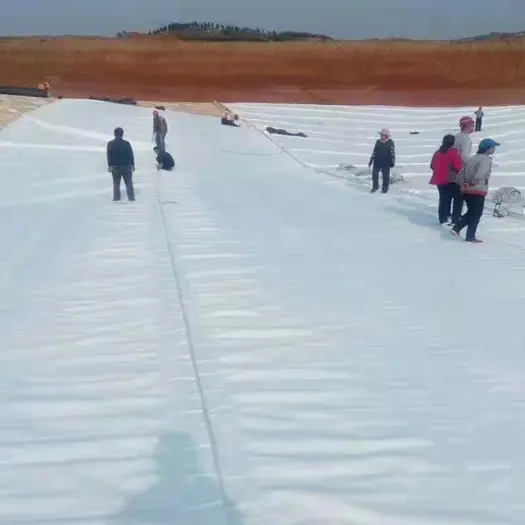
Placed between the subgrade soil and aggregate base, the geotextile prevents soft soil from mixing with the stone base. This preserves structural strength, prevents rutting, and extends the road's lifespan under heavy traffic.
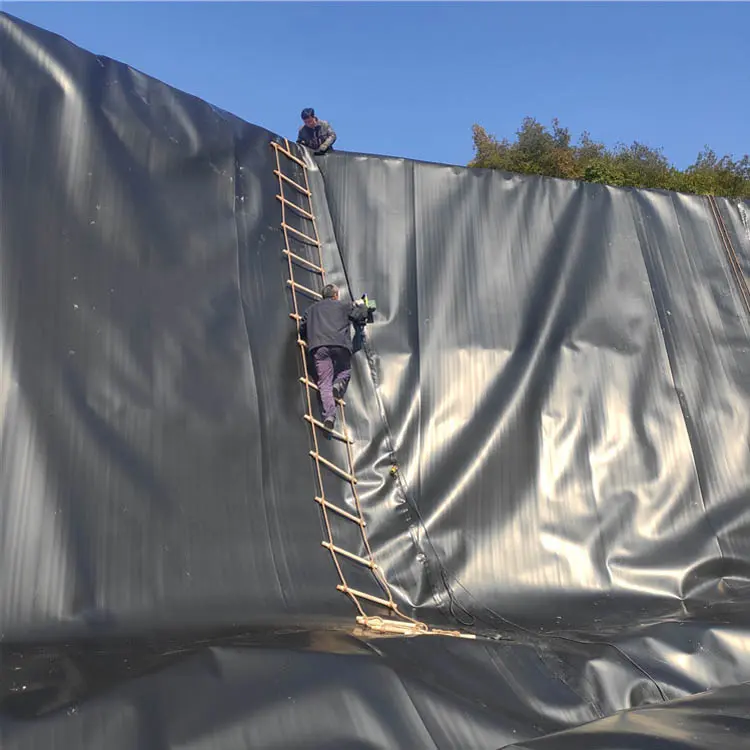
In environmental waste projects, the 300g/m² geotextile serves as a heavy protective cushion. Placed directly against HDPE geomembranes, it prevents sharp stones or waste materials from puncturing the primary containment barrier.
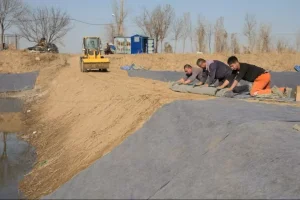
Used in dams, riverbanks, and canals, the fabric allows water to drain freely while retaining fine soil particles. This prevents erosion behind retaining walls, rip-rap, or concrete linings.
The global geosynthetics market is shifting rapidly toward carbon-neutral production, long-term durability, and smart materials. Shandong Hongyue is adapting to these trends by implementing resource-efficient practices in our facility. By recycling heat energy during the melt extrusion process and optimizing fiber extrusion rates, we reduce the carbon footprint of every roll we manufacture.
To meet the demands of global enterprise procurement managers, we focus on logistical and product customization:
Polyester (PET) geotextiles offer a high melting point, excellent creep resistance, and high tensile strength under long-term structural loads. They are ideal for general road base reinforcement, subgrade separation, and drainage projects. Polypropylene (PP) geotextiles provide superior chemical resistance in highly alkaline or acidic environments (such as municipal landfills or chemical storage sites). PP is also lighter and has higher wet strength, though it is more sensitive to long-term UV exposure without stabilizers.
The thick, fibrous matrix of the needle-punched nonwoven geotextile acts as a protective cushion. When placed directly against a smooth or textured HDPE geomembrane, the 300g/m² fabric absorbs local shear stresses and point loads from rocks, subgrade irregularities, or gravel drainage layers. This prevents punctures and preserves the integrity of the environmental containment barrier.
For standard subgrade preparation on stable soil, overlaps should be between 300mm and 500mm. On soft, saturated, or unstable soils (such as marshlands or peat), overlaps should be increased to 500mm to 1000mm, or the panels should be sewn together. Sewing the seams provides continuous tensile strength across the entire coverage area and reduces total material overlap waste.
Yes. Both our Polyester (PET) and Polypropylene (PP) geotextiles are highly resistant to chemical breakdown. Polyester remains stable in neutral to moderately alkaline environments. For projects with direct, continuous contact with high-pH concrete slurry or alkaline soils, we recommend our specialized Polypropylene (PP) geotextiles, which offer superior resistance to chemical degradation.
Our ISO-certified facility features a testing laboratory where we check samples from every production run. We test mass per unit area (ISO 9864), wide-width tensile strength (ISO 10319), CBR puncture resistance (ISO 12236), and water permeability (ISO 11058). We can supply test reports and certificates of compliance for every batch shipped.
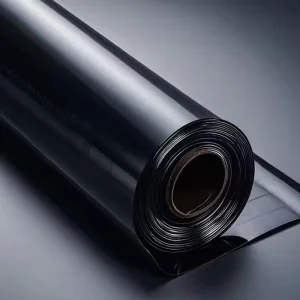
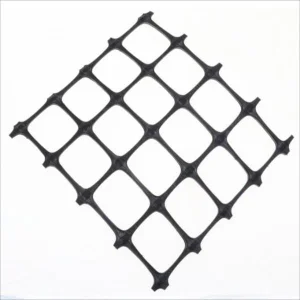
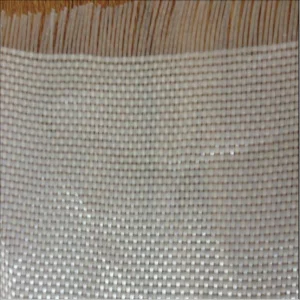
We supply a complete selection of geosynthetic materials to ensure system integrity, efficient water control, and robust erosion prevention.
 Hongyue