Explore our certified geosynthetic solutions deployed in national water conservancy, mining, and municipal projects globally.
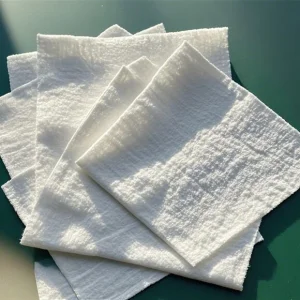
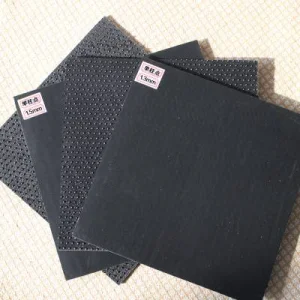
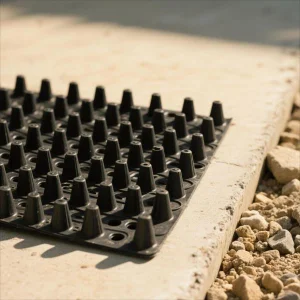
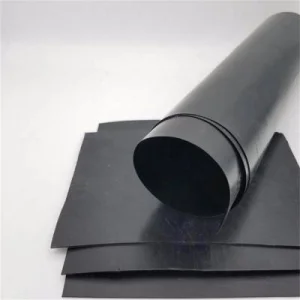
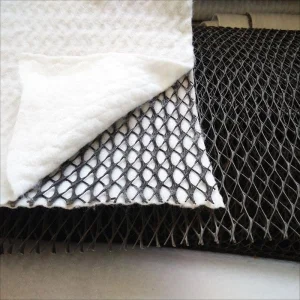
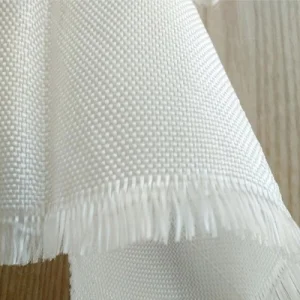
A Custom Geotextile 150g is a specifically engineered geosynthetic material composed of premium synthetic fibers (predominantly virgin polyester or polypropylene). Formulated precisely at a mass-per-unit-area of 150g/m², this material strikes a critical balance between hydraulic flow rates and high mechanical stress capacities. In structural civil engineering, it functions as a filtration, reinforcement, separation, and protection barrier.
By employing needle-punching or thermo-bonded manufacturing processes, individual polymer filaments are organized into a three-dimensional porous matrix. This enables the fabric to permit the unimpeded passage of water while preventing fine soil particulates from migrating. It preserves structural stability and mitigates sub-surface erosion in major public works projects.
| Property Parameter | Typical Value (Polypropylene PP) | Typical Value (Polyester PET) | Standard Test Method |
|---|---|---|---|
| Mass Per Unit Area | 150 g/m² ± 5% | 150 g/m² ± 6% | ASTM D5261 / ISO 9864 |
| Tensile Strength (MD) | ≥ 11.5 kN/m | ≥ 9.5 kN/m | ASTM D4595 / ISO 10319 |
| Tensile Strength (CMD) | ≥ 10.0 kN/m | ≥ 8.2 kN/m | ASTM D4595 / ISO 10319 |
| CBR Puncture Resistance | ≥ 1.8 kN | ≥ 1.5 kN | ASTM D6241 / ISO 12236 |
| Apparent Opening Size (AOS) | 0.07 - 0.12 mm | 0.08 - 0.15 mm | ASTM D4751 / ISO 12956 |
| Water Permeability (H50) | ≥ 4.5 x 10⁻¹ cm/s | ≥ 3.2 x 10⁻¹ cm/s | ASTM D4491 / ISO 11058 |
How Geotextile 150g serves as the foundation for modern global civil works and environmental defense systems.
In river channel governance, dam reinforcement, and reservoir linings, the 150g geotextile acts as an essential back-filtration layer. It prevents fine soil components from being washed out by fluctuating hydraulic pressures while allowing natural groundwater release, thereby preventing catastrophic bank collapse.
In railway and highway infrastructure, clay contamination of granular base courses destroys pavement longevity. Placing a custom 150g geotextile at the subgrade interface prevents migration of cohesive soil particles upward, distributing heavy loads uniformly and preventing localized structural rutting.
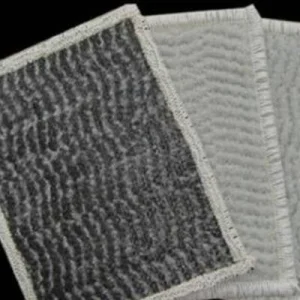
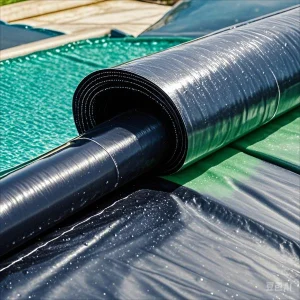
In hazardous municipal waste landfills, the 150g non-woven geotextile forms a double protection barrier alongside bentonite waterproof blankets and thick HDPE geomembranes. It buffers the impermeable membrane from puncture damage from sharp subgrade gravel or structural weight.
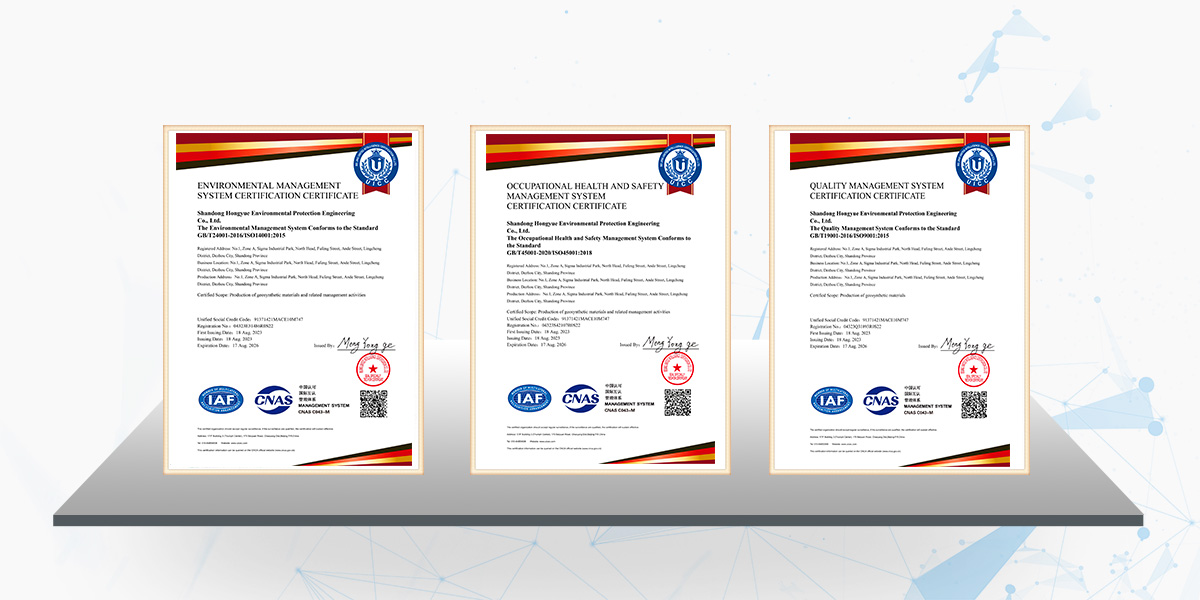
As construction projects scale globally, the geosynthetics industry faces stricter regulatory requirements. In Europe, Australia, and North America, civil engineers require rigorous certifications to ensure performance reliability over a projected design life of 50 to 100 years.
The manufacturing plants of Shandong Hongyue Environmental Engineering Co., Ltd. satisfy these standards. By combining state-of-the-art production systems with raw materials tested to ISO and ASTM protocols, we deliver consistent quality in roll dimensions, thickness, and hydraulic performance. This reliability makes our custom 150g geotextiles a preferred choice for global contractors executing large-scale public bidding projects.
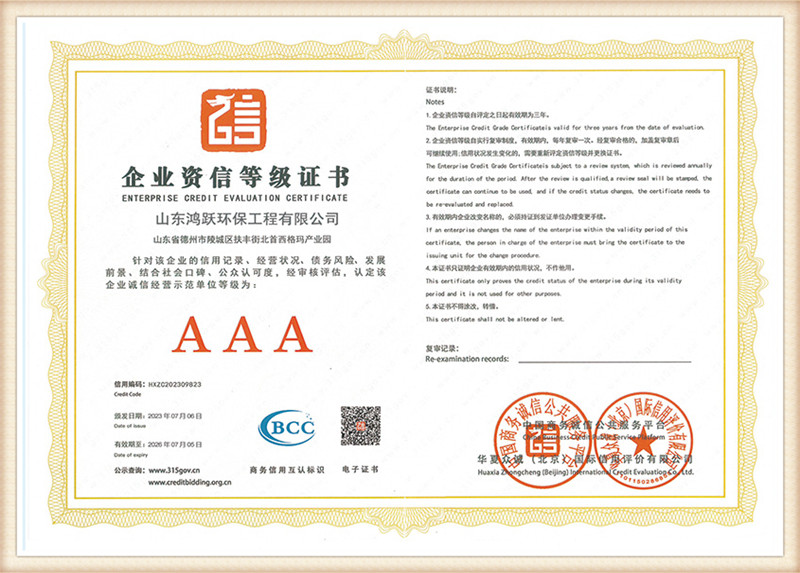
Furthermore, our compliance is verified through complete international quality management system credentials, ensuring full alignment with local municipal engineering codes across Europe, the Americas, and Australia.
Located at the north end of Fufeng Street, Lingcheng District, Dezhou, Shandong Province, Shandong Hongyue Environmental Engineering Co., Ltd. is a leading manufacturer of geotechnical engineering materials. Established on April 6, 2023, with a registered capital of 105 million yuan, we have developed into one of China's largest production bases for geosynthetics. Our geographical position in Dezhou offers superior transport links, enabling rapid dispatch to international seaports and domestic project sites.
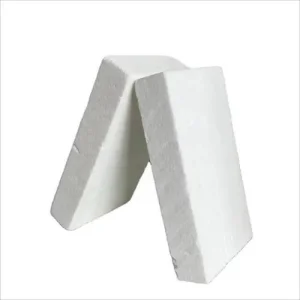
As a key member of the Dezhou Geotextile Association, Shandong Hongyue is a trusted supplier of geotextiles, geomembranes, composite geomembranes, waterproof boards, bentonite waterproof blankets (GCL), 3D composite drainage networks, drainage boards, geogrids, ecological bags, and cement blankets. We support key infrastructural segments, including railways, highways, bridges, tunnels, water conservancy canals, municipal environmental landfills, mining operations, and modern agricultural setups.
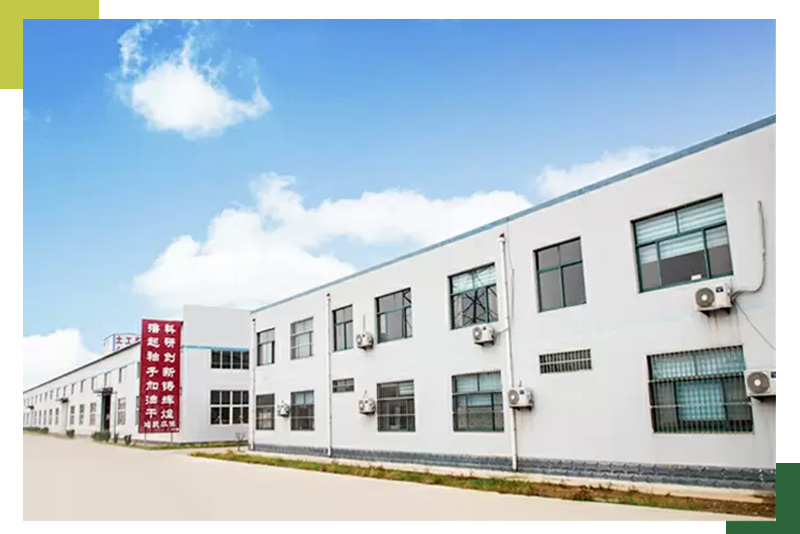
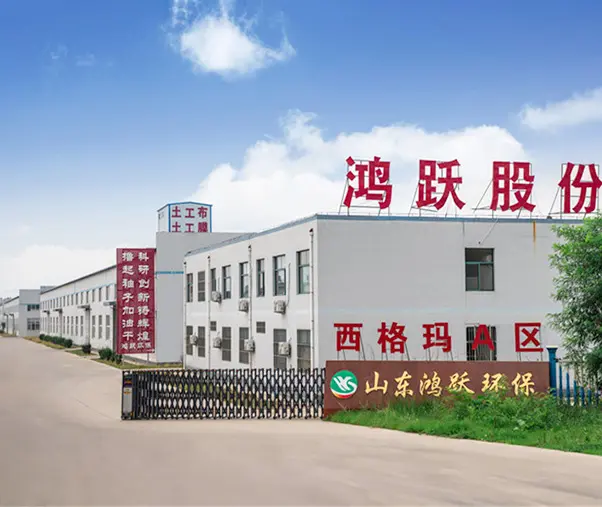
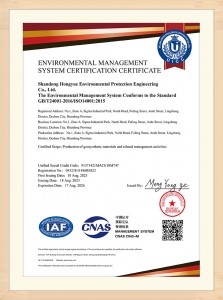
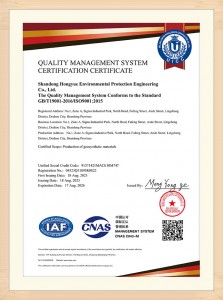
The company maintains high quality standards across its product range. We have passed the ISO9001 International Quality System Certification, ISO14000 Environmental System Certification, and ISO45001 Occupational Health and Safety Management System Certification.
Our commitment to standards has earned us several recognitions, including the titles of "Green and Environmentally Friendly Building Materials Products," "No Consumer Complaints," "Famous Chinese Brands," "High-Tech Industries," and "Quality Service Double Excellent Units." With a comprehensive sales and technical service network established in over 40 large cities, including Shanghai and Beijing, our products are regularly exported to Europe, the United States, Australia, and parts of Asia.
The step-by-step manufacturing of Custom Geotextile 150g, ensuring consistent physical properties and structural performance.
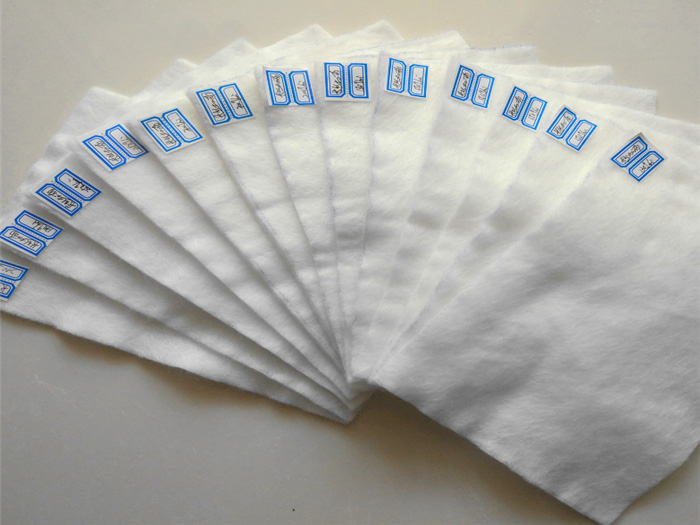
The manufacture of non-woven needle-punched geotextiles relies on continuous thermal-mechanical operations. Shandong Hongyue operates modern high-output production lines that control fiber density, orientation, and entanglement. This ensures that every square meter of our 150g geotextile performs reliably under high tensile loads.
Our process uses virgin polymer chips (polypropylene and polyester) to avoid polymer degradation commonly associated with low-grade recycled plastics, delivering high durability and UV degradation resistance in open construction sites.
Our primary raw materials consist of high-purity polyester (PET) chips, polypropylene (PP) filament, and specialized viscose fibers. Incoming materials undergo chemical and structural testing to ensure consistent polymer molecular weight and mechanical properties.
The polymer chips are processed in a screw extruder at high temperatures to produce a homogeneous melt. During this step, temperature and pressure are controlled to ensure consistent viscosity, preventing micro-structural defects in the extruded filaments.
The molten polymer is extruded through high-precision spinnerets to form continuous fibers. These fibers are laid onto a conveyor belt using air-flow drafting systems, forming a uniform three-dimensional network. This web formation phase determines the uniform thickness and multi-directional strength of the geotextile.
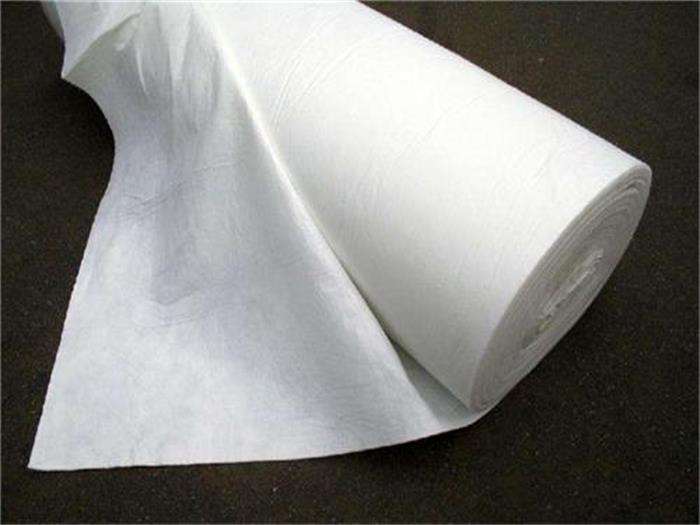
The loose fiber web is consolidated through multiple high-speed needle-punching stations. Thousands of barbed needles pierce the web, interlocking the fibers mechanically. The material is then processed through thermal and mechanical drafting rollers to set its final tensile strength and hydraulic properties.
Once draft curing is complete, the geotextile is rolled to standard lengths (typically 50m to 100m) and cut to required widths. It is then wrapped in protective, UV-resistant film to prevent degradation during shipping and on-site storage.
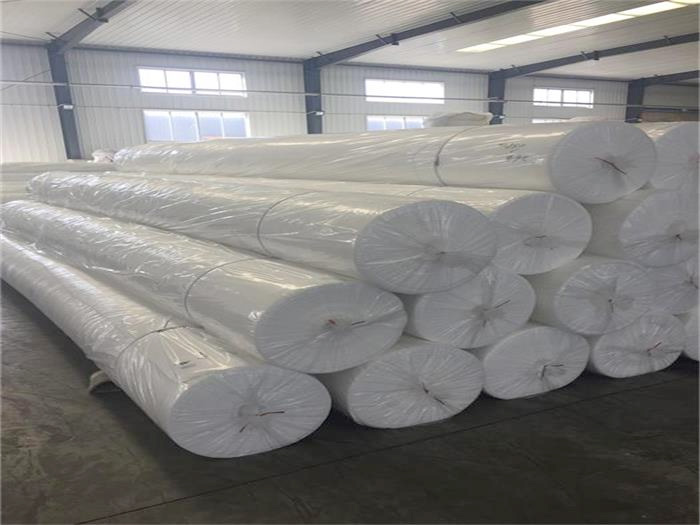
Every production batch undergoes testing at our on-site laboratory. Samples are verified for mass-per-unit-area (150g/m²), grab tensile strength, tear strength, CBR puncture resistance, apparent opening size, and water permeability. Only certified batches are approved for dispatch.
Comprehensive engineering practices to ensure long-term performance of geotextiles and geomembranes in the field.
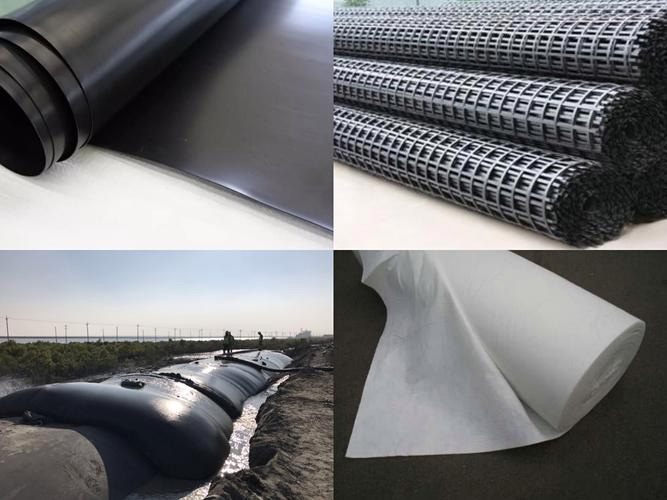
Proper selection and installation are critical to the performance of geosynthetic systems. Shandong Hongyue provides design and technical support for anti-seepage projects, municipal containment basins, and retaining walls.
Engineers must match the geotextile to site-specific conditions, considering the local soil's particle distribution (AOS requirements) and anticipated hydraulic loads (permittivity). For anti-seepage applications, the geotextile is typically paired with geomembranes (thicknesses from 0.3mm to 2.0mm) to provide mechanical protection.
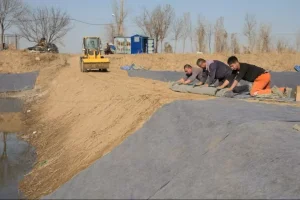
The laying area must be level, cleared of sharp stones, roots, and standing water. The geotextile rolls are laid manually or mechanically, ensuring smooth coverage without folds or wrinkles to prevent localized stress concentration.
Joints should overlap by at least 300mm to 500mm, depending on soil stability. For critical separation layers, seams are sewn or thermally welded. Adjacent geomembrane liners are hot-wedge welded, and double-track welds are pressure-tested to ensure leak-free seams.
Geosynthetics should be covered with soil or aggregate within the specified exposure window to prevent UV degradation. Heavy machinery must not drive directly on the exposed fabric to avoid mechanical damage.
Real-world applications of our custom 150g geotextile, geomembranes, and drainage boards across diverse municipal and geological conditions.
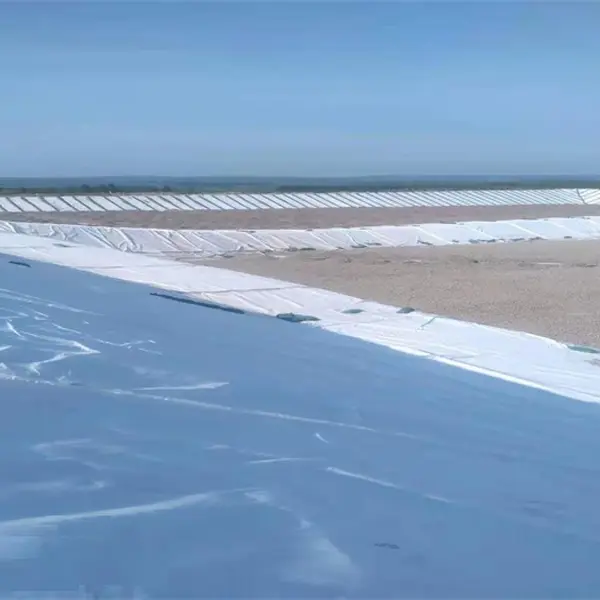
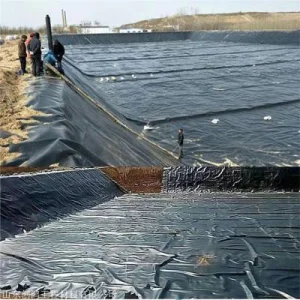
In municipal reservoirs, custom 150g geotextile is paired with anti-seepage geomembranes. Acting as a cushion layer, it prevents the geomembrane from puncturing against rock surfaces. The system restricts reservoir water loss, helping stabilize local water supply infrastructure.
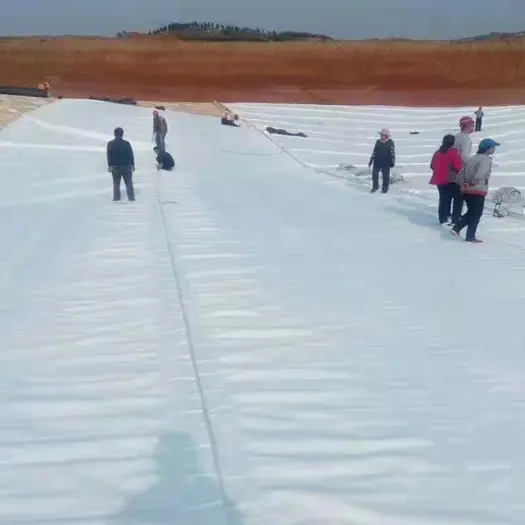
For canal rehabilitation projects, our non-woven geotextile serves as an underlayment for concrete armor blocks. This construction prevents soil erosion beneath the concrete blocks while allowing groundwater release, reducing hydrostatic uplift pressure and bank deformation.
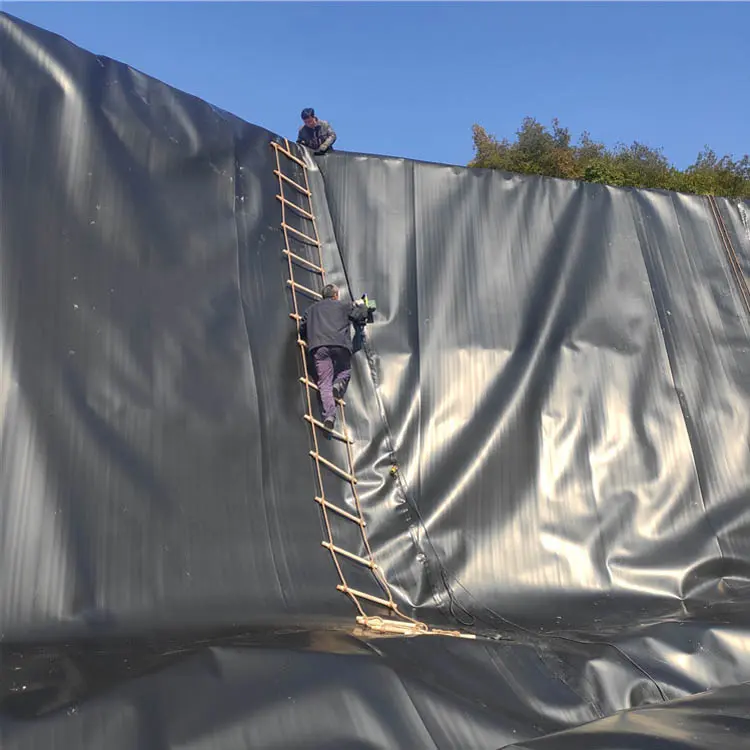
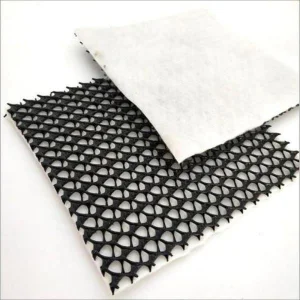
In municipal landfills, the 150g geotextile filters leachate, preventing fine waste particles from clogging drainage pipes. It works alongside 3D composite geonets to guide wastewater to treatment tanks while protecting underlying composite clay liners.
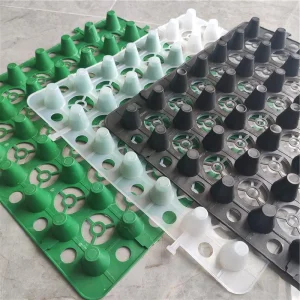
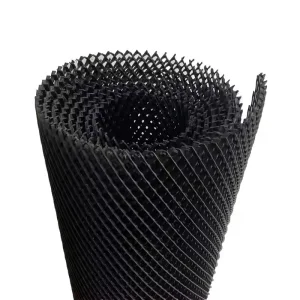
Other applications include underground garage roof drainage systems. In these projects, our famous storage and drainage boards and composite geonets are layered with 150g geotextiles. The geotextile filters out soil particles from the garden soil layer, while the drainage board stores water for plants and channels excess rainfall away. This prevents structural load issues and water leakage into the concrete slab.
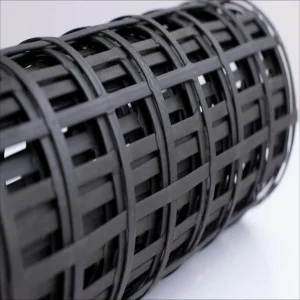
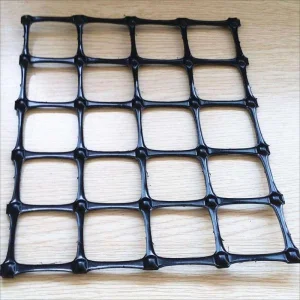
In civil and transportation projects, geocells and geogrids work with geotextiles to reinforce soft ground. The geotextile acts as a separation barrier to prevent soil mixing, while the geogrid confines soil laterally. This combination increases the load-bearing capacity of roads and structural foundations.
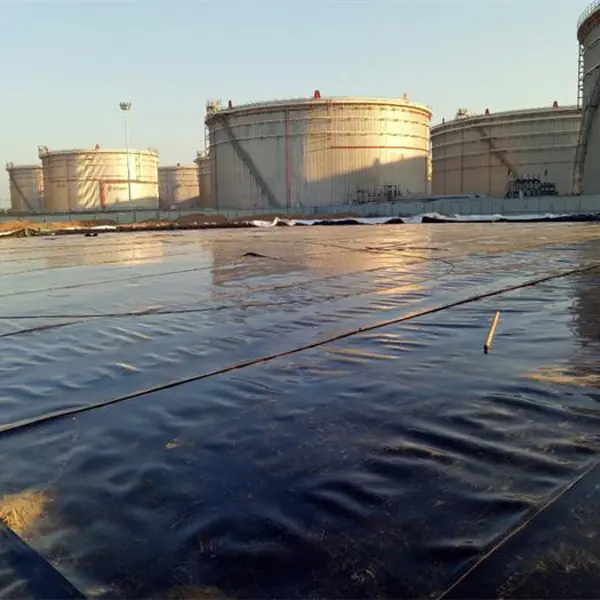
Shandong Hongyue operates a dedicated testing laboratory equipped to verify the mechanical and hydraulic properties of every production run.
Our quality control protocol monitors production from raw materials to final packaging. Standard testing includes grab and strip tensile strength evaluation, CBR static puncture resistance, water permeability, and UV stability under simulated weathering conditions.
All finished products are tested to meet or exceed national and international standards. Our materials are regularly certified by China's National Testing Center and undergo third-party sampling and verification. This focus on compliance ensures reliable performance in major civil engineering projects globally.
Developing next-generation smart geosynthetics with a focus on ecological safety and digital system monitoring.
Research is underway into biodegradable geotextiles for temporary civil applications, such as agricultural slope stabilization and erosion control. These materials degrade naturally after plants establish root systems, reducing long-term synthetic residues in the soil.
The integration of conductive threads and fiber-optic sensors into non-woven matrices is a focus for future development. These smart geotextiles can monitor internal subgrade stress, deformation, and moisture levels, providing real-time data to help prevent structural failures in railways and dams.
We are developing ways to integrate high-strength recycled polymers without compromising physical properties, aiming to reduce the carbon footprint of geosynthetic manufacturing to support green public works projects.
Technical information and answers to common engineering questions regarding the use, selection, and testing of 150g geotextiles.
Polyester (PET) geotextiles offer high tensile strength, creep resistance, and thermal stability. Polypropylene (PP) geotextiles provide superior chemical resistance in highly alkaline or acidic environments (such as municipal soils and mining tailings) and have lower specific gravity, though they are more sensitive to long-term UV exposure without stabilizers.
A 150g geotextile works well as a separator and cushion under moderate loads with small aggregates. For heavy gravel subgrades or deep landfills with high hydrostatic pressures, heavier geotextiles (such as 300g/m² to 600g/m²) are typically specified to provide sufficient puncture protection for the geomembrane.
AOS is measured using standard dry sieving tests (such as ASTM D4751). Glass beads of known sizes are shaken on the fabric, and the opening size is determined by the bead size where 95% are retained (O95 value). This measurement is used to select a fabric that allows water passage while retaining soil particles.
Standard untreated geotextiles degrade if exposed to direct sunlight for extended periods. Our custom 150g geotextiles contain UV stabilizers that retain over 70% of their baseline tensile strength after 150 to 500 hours of weatherometer exposure (per ASTM D4355). It is recommended to cover the material within 14 days of installation.
Rolls can be joined by overlapping them by 300mm to 500mm on prepared subgrades. For projects requiring continuous structural integrity, seams are joined using handheld industrial sewing machines with high-strength polymer thread, or thermally bonded using hot-air equipment.
Yes, but soil conditions must be evaluated. In silty or clayey soils, the geotextile must be designed with the correct permittivity and filtration characteristics to allow water flow while preventing fine particles from clogging the pore structure.
Each shipment includes a Manufacturer's Quality Certificate (MQC) stating the raw material batch details, roll numbers, and lab test results for unit weight, thickness, tensile strength, and puncture resistance, confirming compliance with project specifications.
When buried and protected from UV light and mechanical damage, high-quality polyester or stabilized polypropylene geotextiles have a design life exceeding 50 to 100 years in typical soil pH ranges (4 to 9).
Our extended line of geocells, composite drainage networks, and specialized barriers for comprehensive engineering support.
 Hongyue