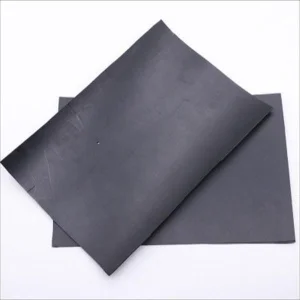
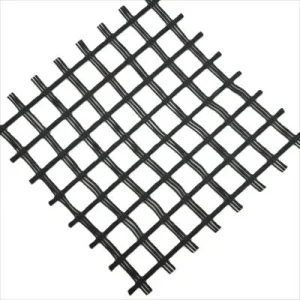
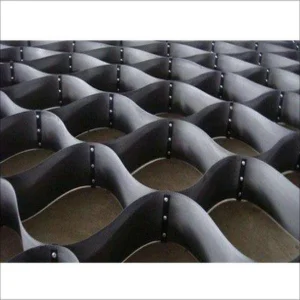
Explore our industry-standard geotextiles, geogrids, and geomembranes engineered for critical infrastructure loads.
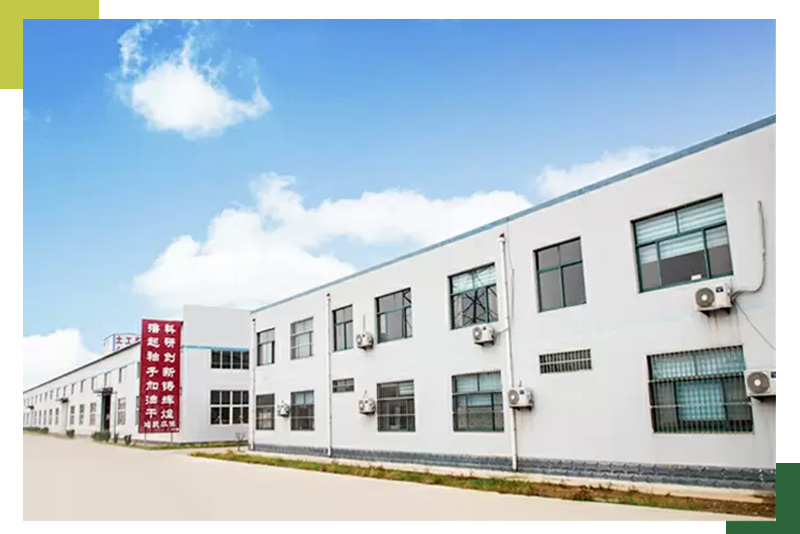
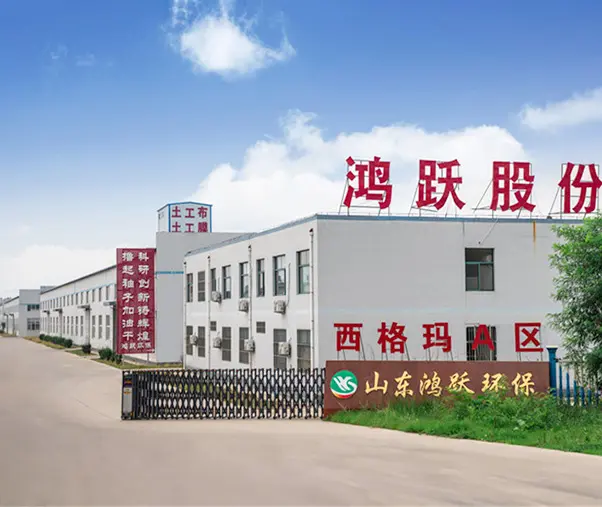
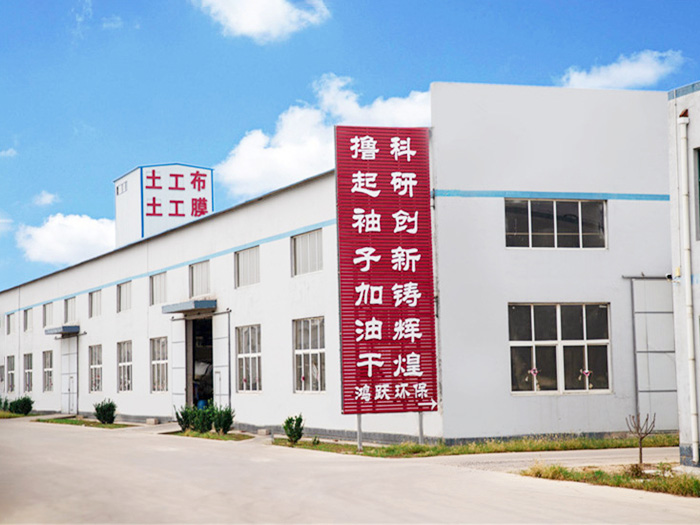
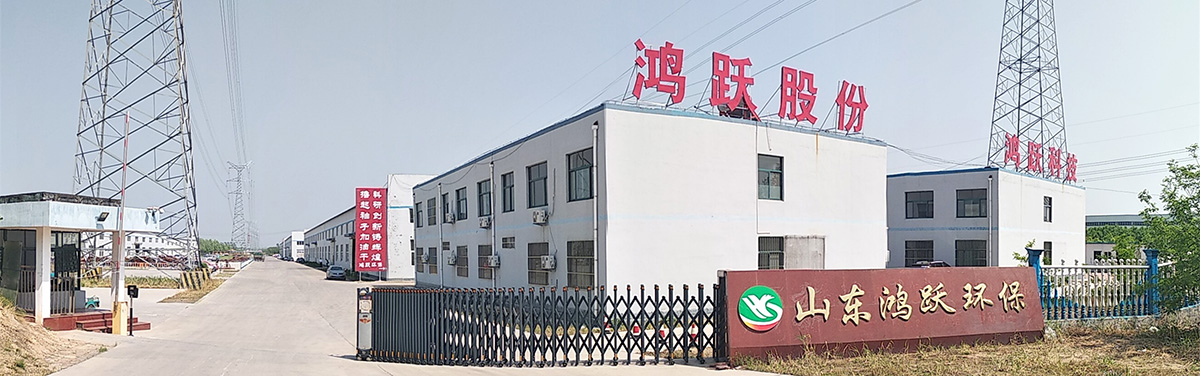
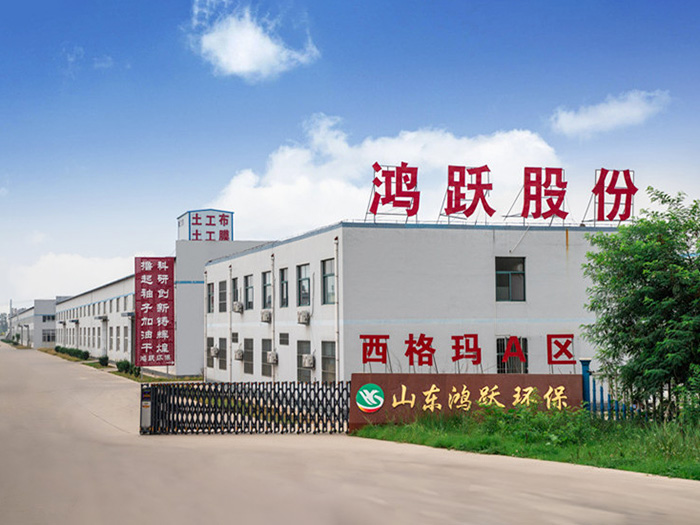
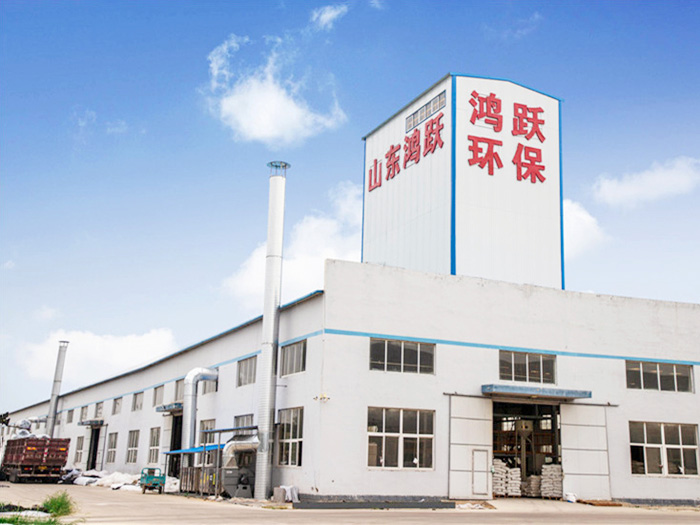
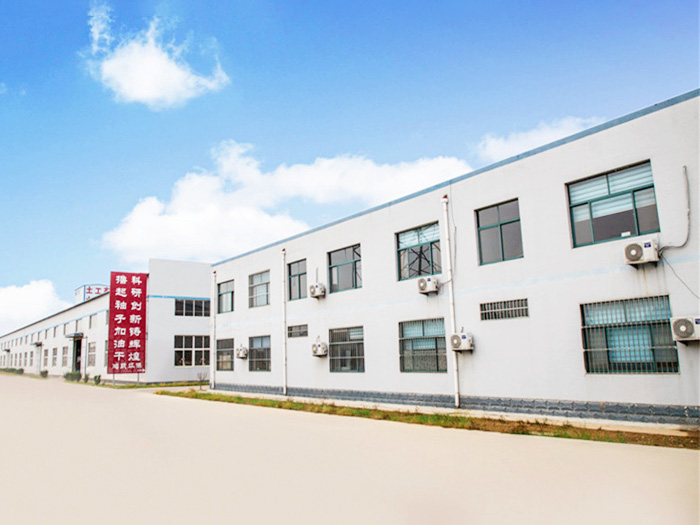
Located at the north end of Fufeng Street, Lingcheng District, Dezhou, Shandong Province, Shandong Hongyue Environmental Engineering Co., Ltd. is a scientific and technological geotechnical material manufacturer integrating engineering material production, sales, design and construction services.
Registered on April 6, 2023, with a robust capital of 105 million yuan, we stand as one of the largest production bases of geotechnical materials in China. Our strategic geographic positioning ensures direct logistics channels to global shipping ports, guaranteeing rapid delivery and competitive transit rates.
An in-depth analysis of lateral earth pressure containment, polymeric performance, and mechanical shear transfer.
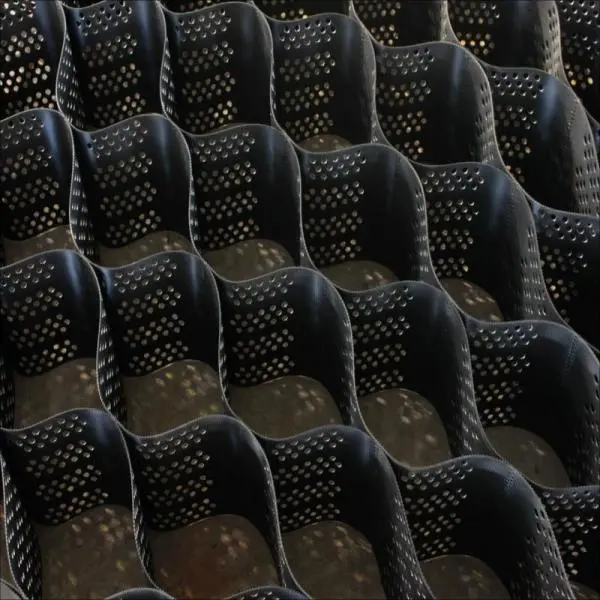
In modern civil infrastructure projects, earth retention and slope stabilization represent key challenges for structural engineers. A Geo Grid Wall, also referred to as a mechanically stabilized earth (MSE) retaining wall system utilizing geosynthetic geocells or geogrids, provides a flexible, high-tensile structure that accommodates settlement much more effectively than conventional rigid concrete walls. By confining soil within three-dimensional cellular polymeric structures (geocells) or interleaving continuous layers of high-strength planar grids (geogrids), these structures exhibit exceptional load distribution and shear strength characteristics.
Understanding the distinct physical behaviors of geocells and geogrids is essential for selecting the appropriate engineering solution:
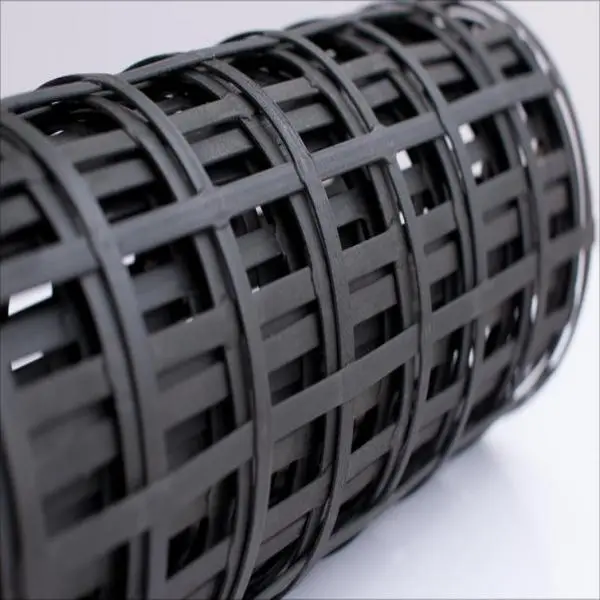
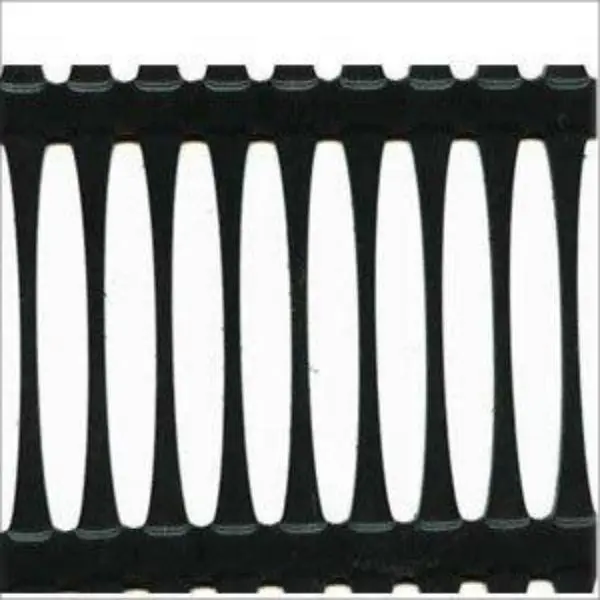
Engineered for high stress-strain performance, providing optimal resistance to localized load distributions and localized slope failures.
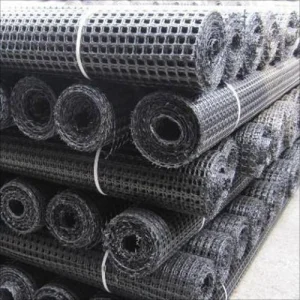
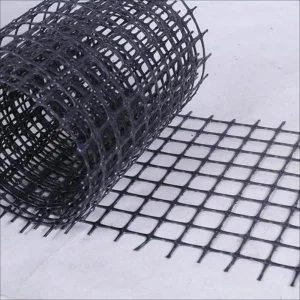
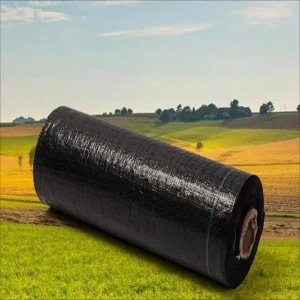
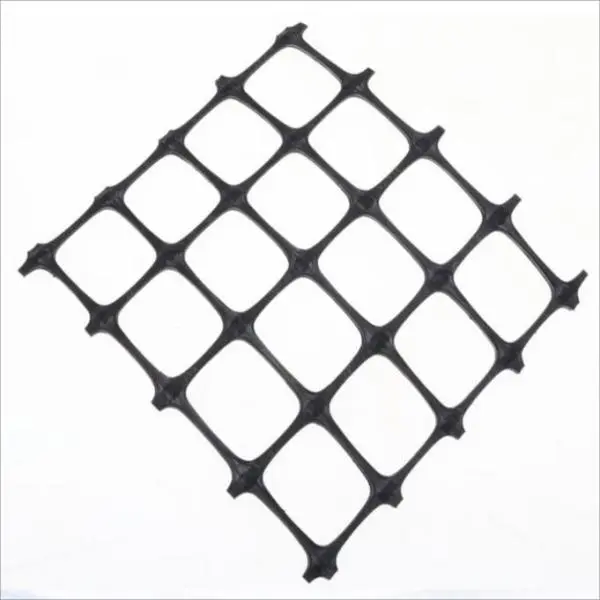
Features equal tensile strength in both machine and cross-machine directions, stabilizing subgrades against multi-axial stresses.
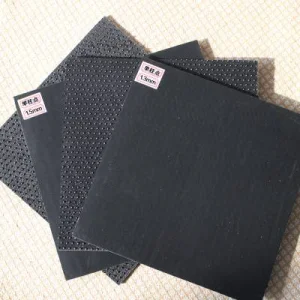
Delivers high-performance fluid impermeability and high shear interface friction angles for heavy lining applications.
As a global hub for geosynthetics production, China—specifically the specialized industrial cluster in Dezhou, Shandong Province—offers distinct supply chain and technological advantages for global buyers:
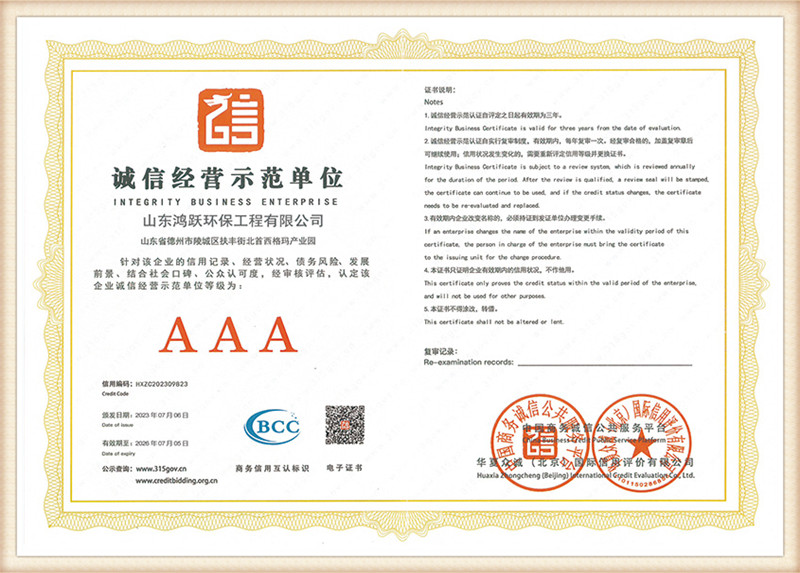
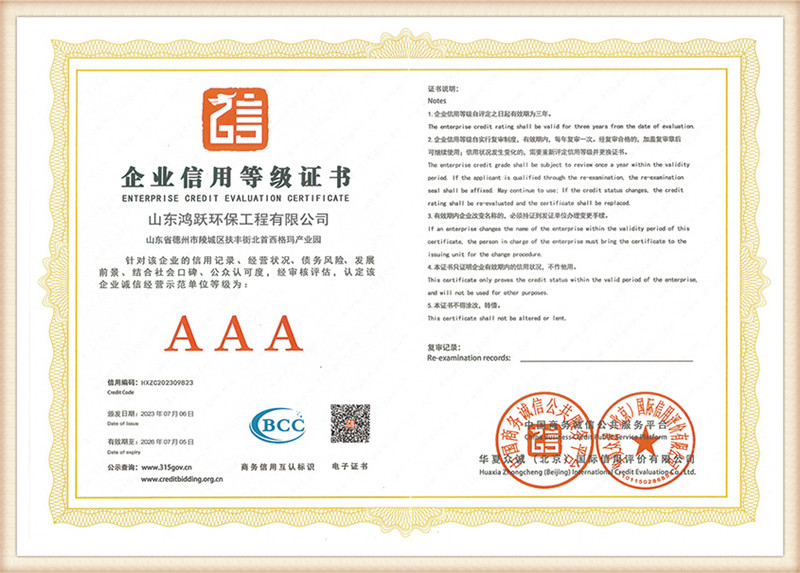
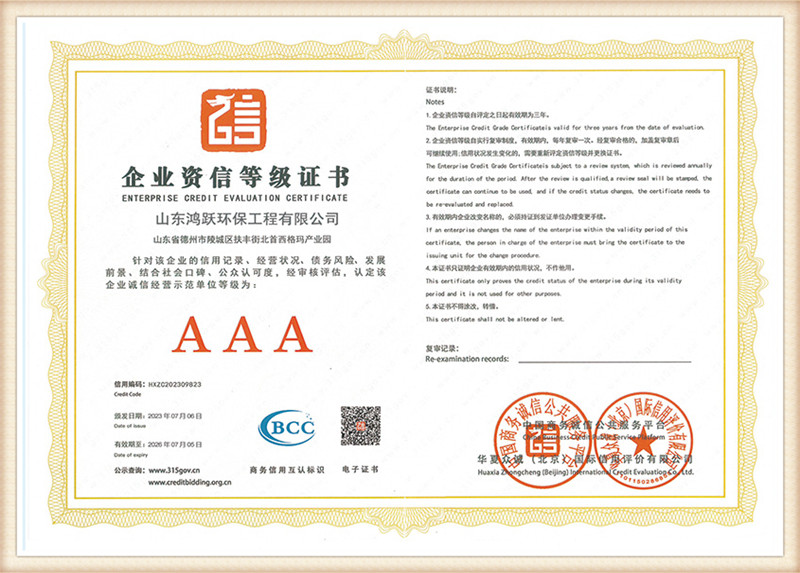
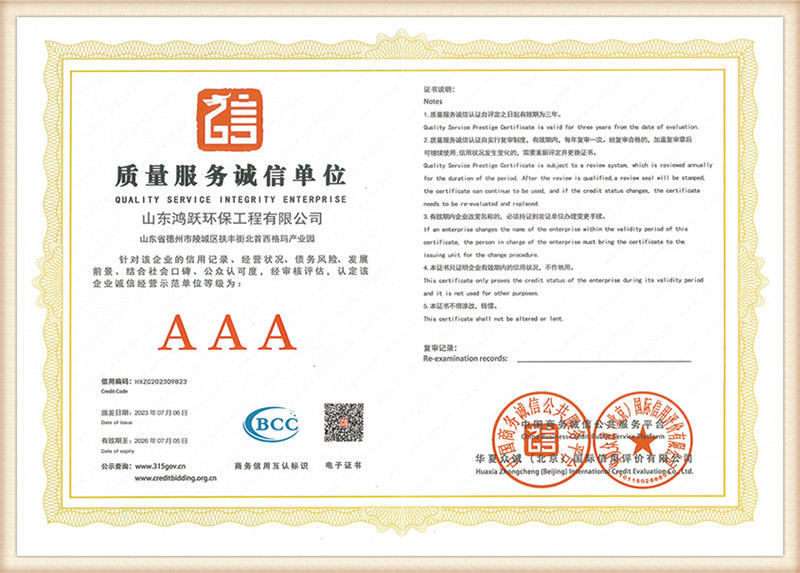
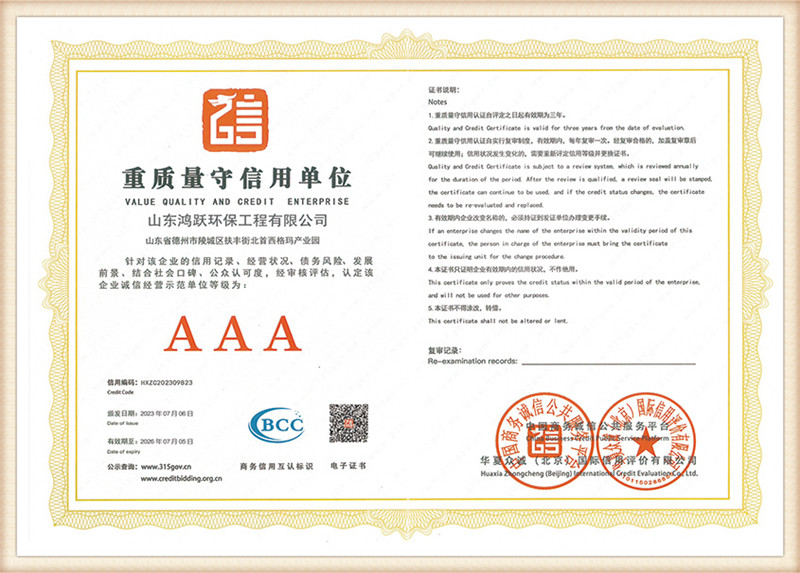
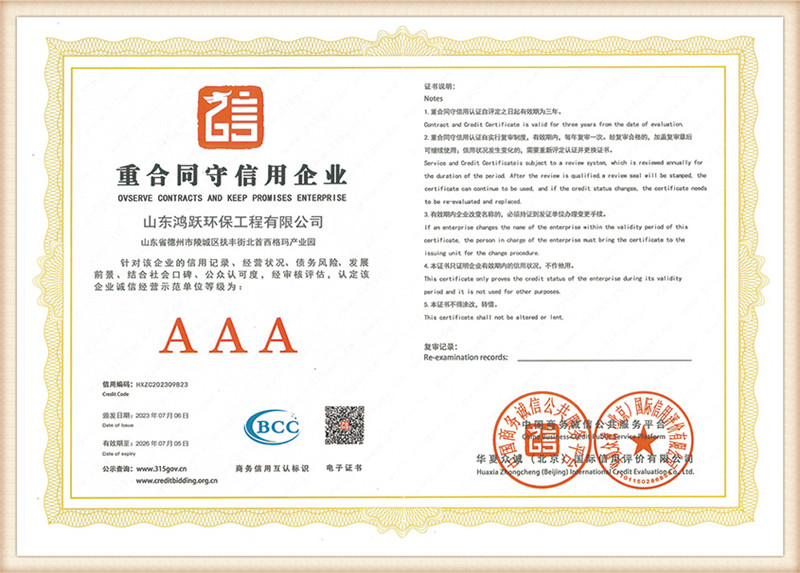
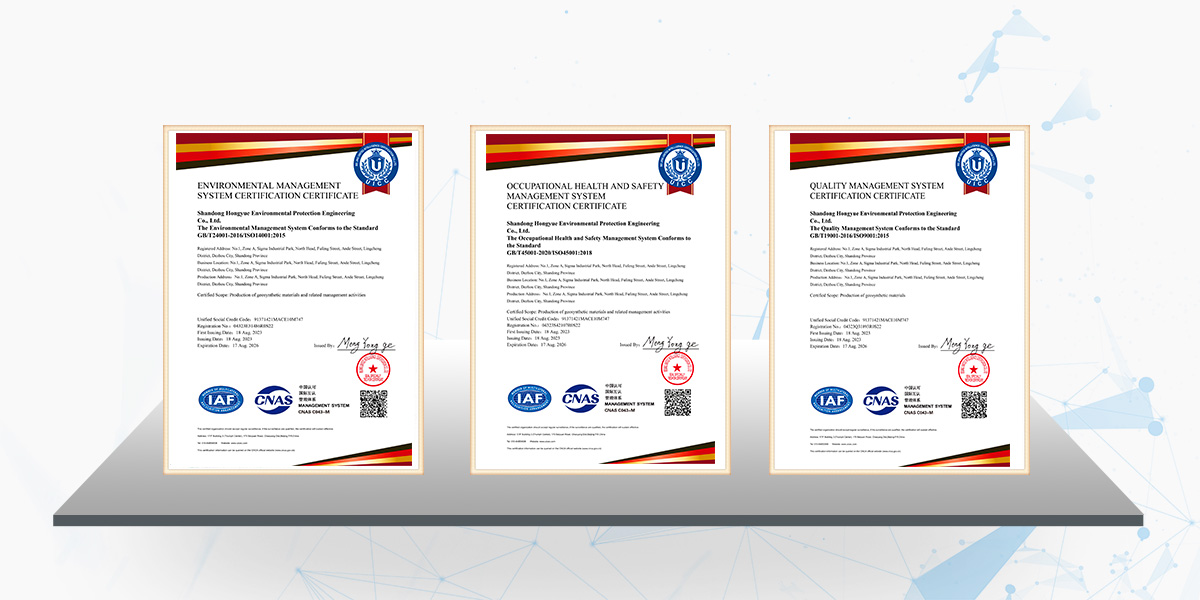
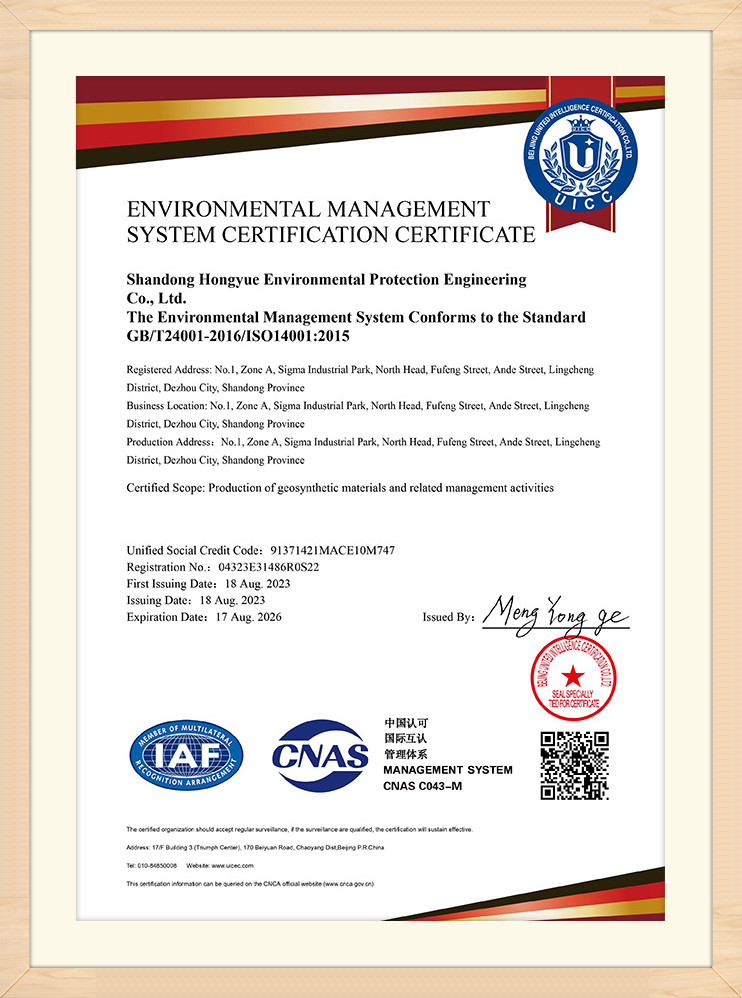
Adhering to strict international standards for environment, health, and structural safety.
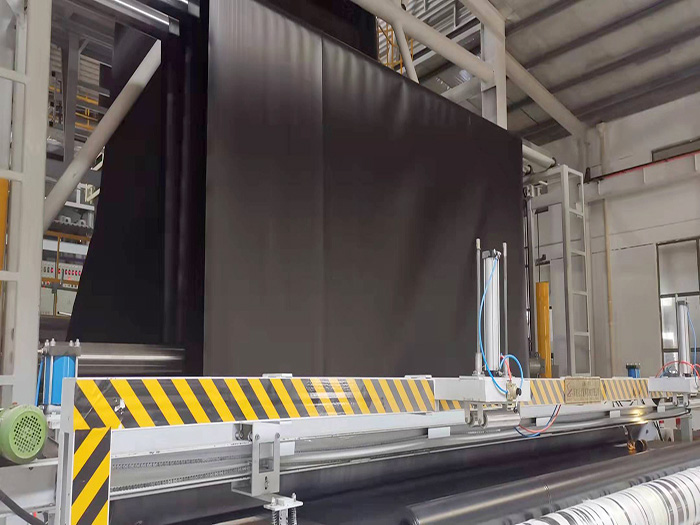
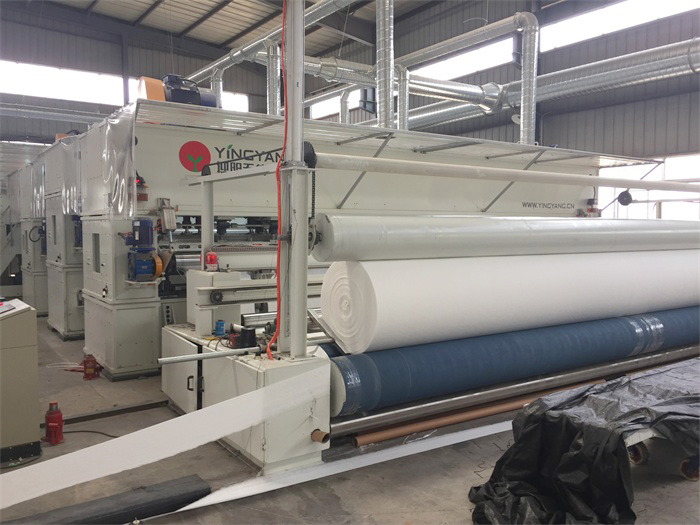
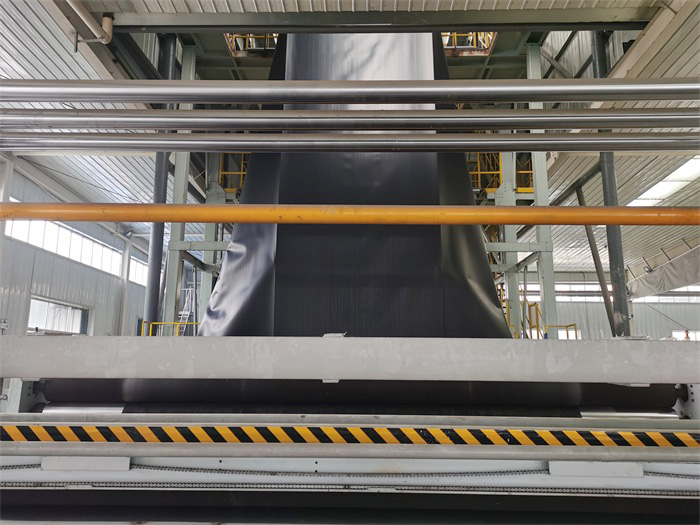
Shandong Hongyue Environmental Engineering Co., Ltd. has established a complete and scientific management system. The company adopts advanced production technology and equipment processes, and features precise inspection equipment to ensure that our geotextiles, geomembranes, and geocells maintain high performance. The quality of all products meets or exceeds international standards and has passed the certification of China National Testing Center, as well as national quality supervision and sampling inspections commissioned by the State Administration of Quality Supervision and Inspection.
Optimizing earthwork durability, drainage paths, and hydraulic integrity in civil infrastructure.
The application of geosynthetic products extends beyond basic road reinforcing. Modern urban development, environmental remediation, and heavy transport infrastructure require customized multi-component solutions:
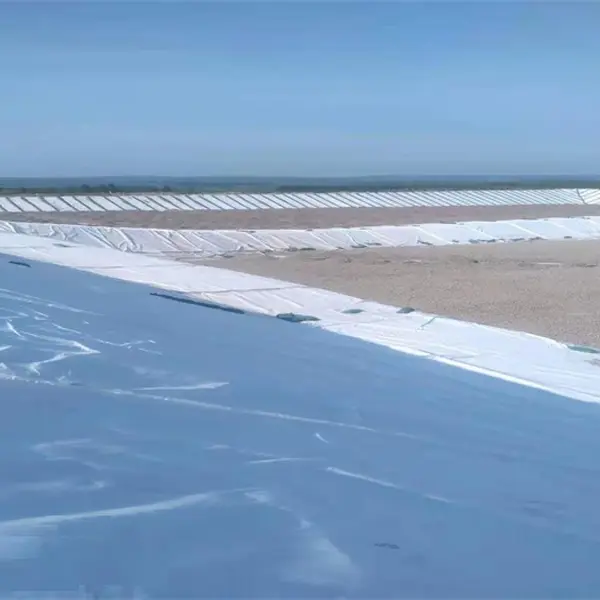
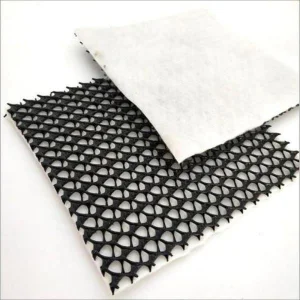
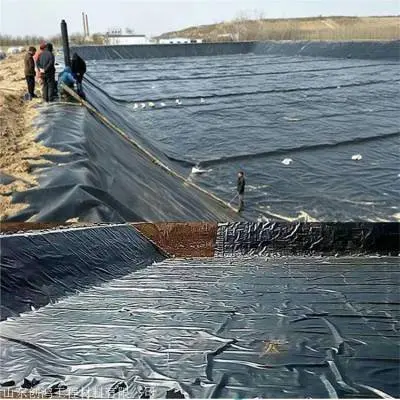
Combining textured geomembranes with composite drainage geonets prevents subgrade saturation and water loss. Used in reservoirs, canals, and artificial lakes.
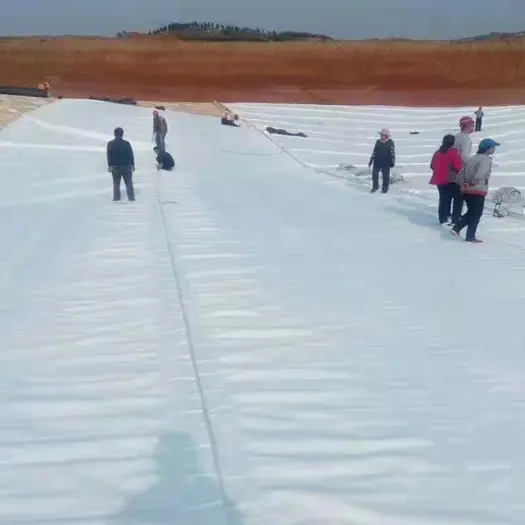
Implements continuous containment geotextiles and reinforced geomembranes to manage water flow, prevent bank erosion, and stabilize surrounding geological features.
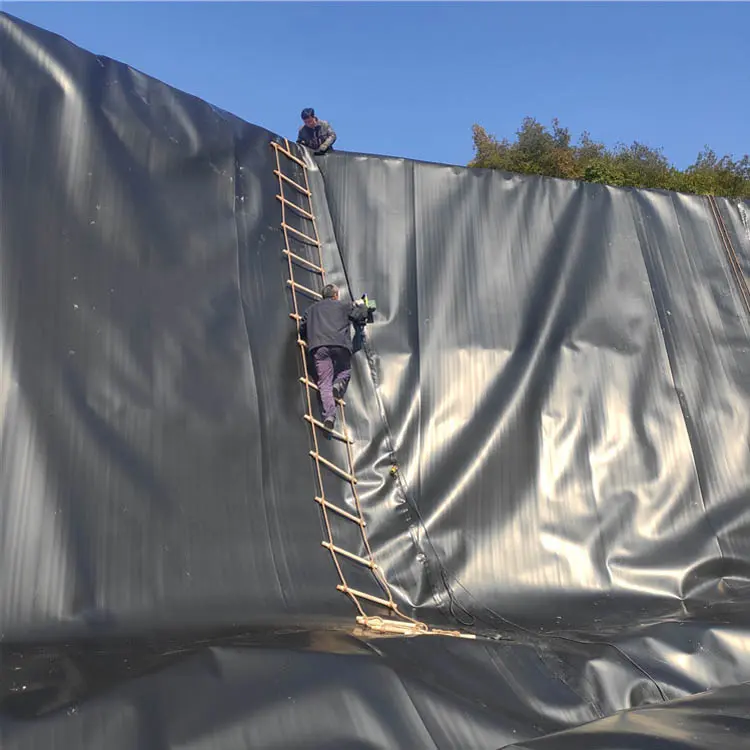
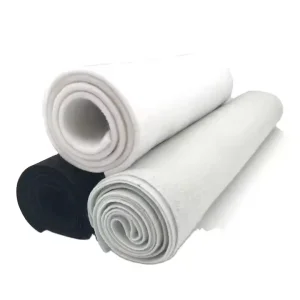
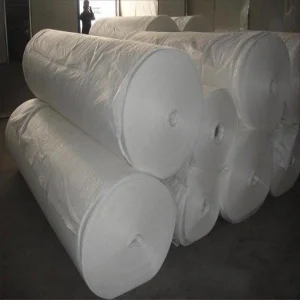
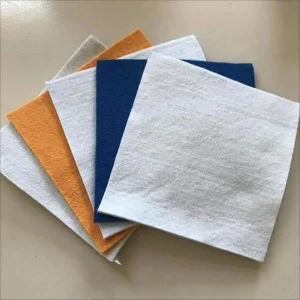
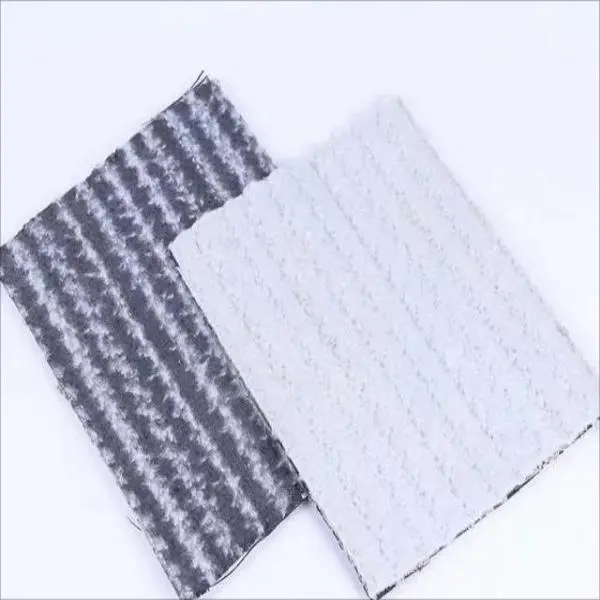
Multi-barrier protection systems utilizing bentonite clay blankets (GCL), anti-seepage geomembranes, and heavy-duty protective non-woven geotextiles.
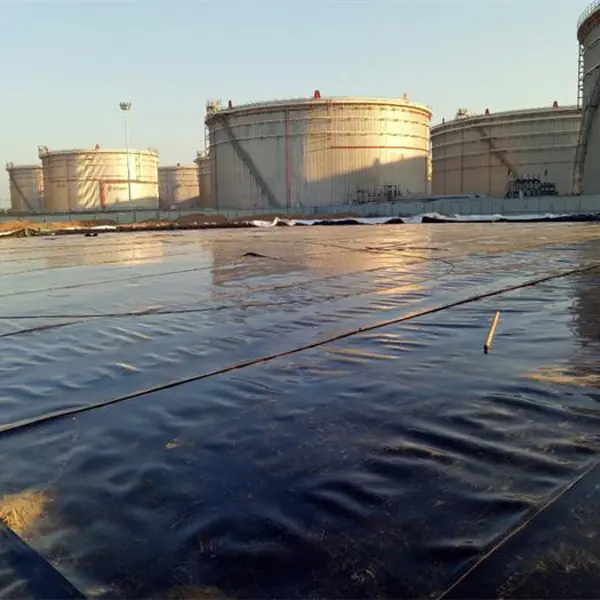
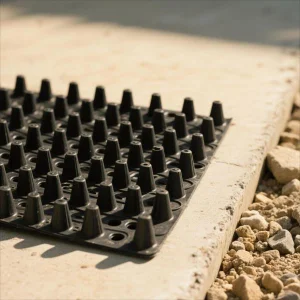
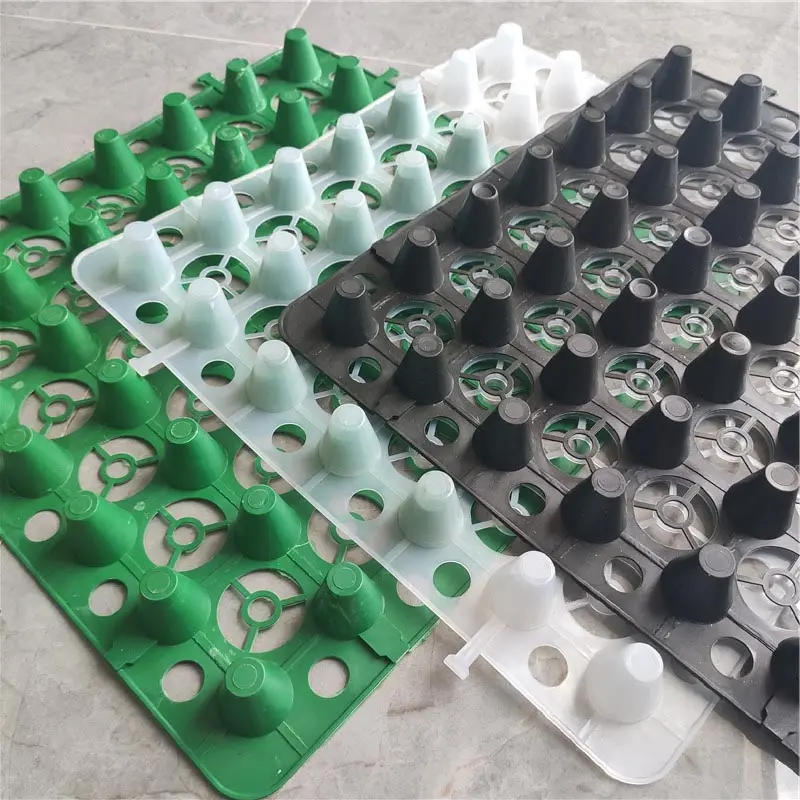
Secondary containment is critical in oil storage fields. Our chemical-resistant HDPE geomembranes and protective underlayments prevent hazardous chemicals from infiltrating local water tables. We also manufacture and supply underground garage roof storage and drainage boards to manage urban storm runoff.
Following a controlled 6-step manufacturing workflow to ensure structural uniformity and long-term durability.
Polypropylene chips, polyester chips, and fiber stabilizers are inspected and moisture-monitored before processing.
Polymers are melted at high temperatures and extruded into sheets or filaments through precision dies.
Extruded sheets are perforated or web-aligned to build the foundation of geogrid structures.
Molecular alignment is achieved by heating and stretching the material, maximizing the tensile modulus.
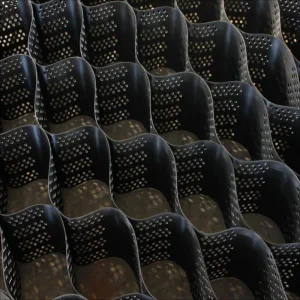
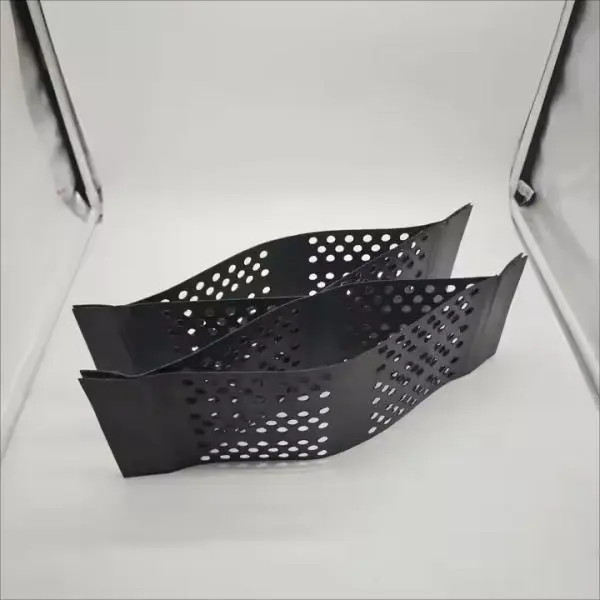
For geocells, strips are welded together at precise, computer-controlled intervals, then wound and labeled.
Samples undergo testing for junction efficiency, environmental stress cracking, and carbon black dispersion.
Step-by-step engineering guidelines for site preparation, cell deployment, and joint treatment.
Ensure that the foundation surface is level, compacted, and cleared of sharp objects, large stones, or roots. Unstable areas should be replaced with structurally sound aggregate.
Unfold or expand the geocells to their specified dimensions. Secure the outer edges of the sections using anchoring stakes (metal or plastic pins) to maintain tension during aggregate backfilling.
Adjacent geocell and geomembrane sections must be joined securely. Geomembranes are wedge-welded or extrusion-welded to create a continuous anti-seepage layer. Joint testing (air channel pressure tests) should be conducted to verify weld integrity.
Backfill the cells with aggregate, concrete, or vegetated soil based on structural specifications. Perform step-compaction using light machinery to prevent displacement of the cell walls.
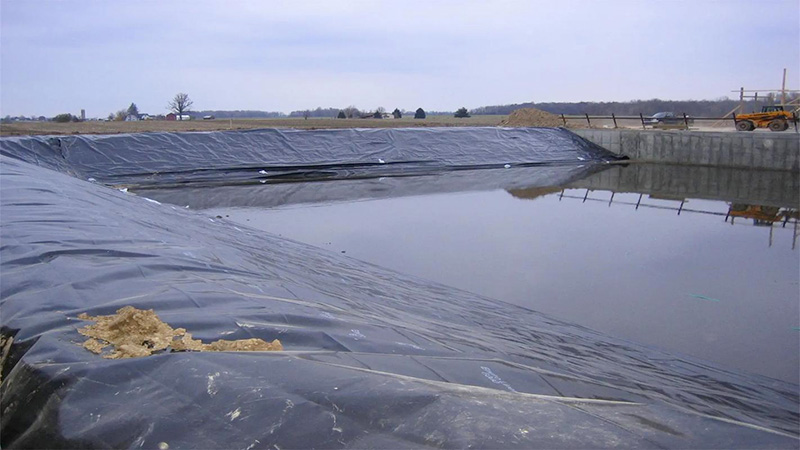
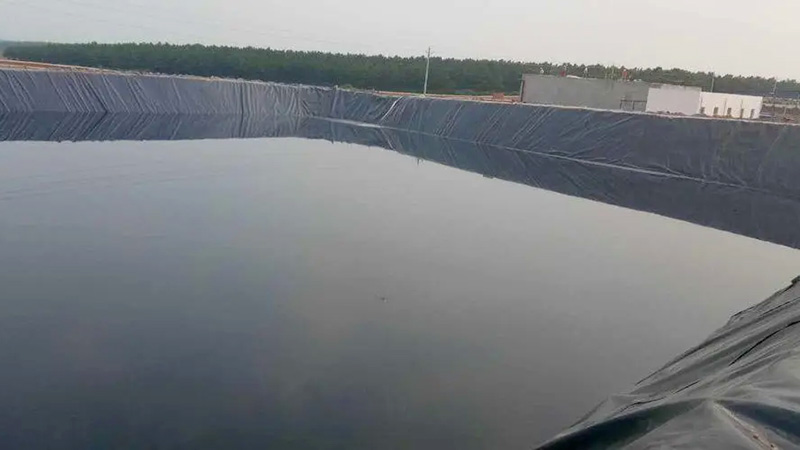
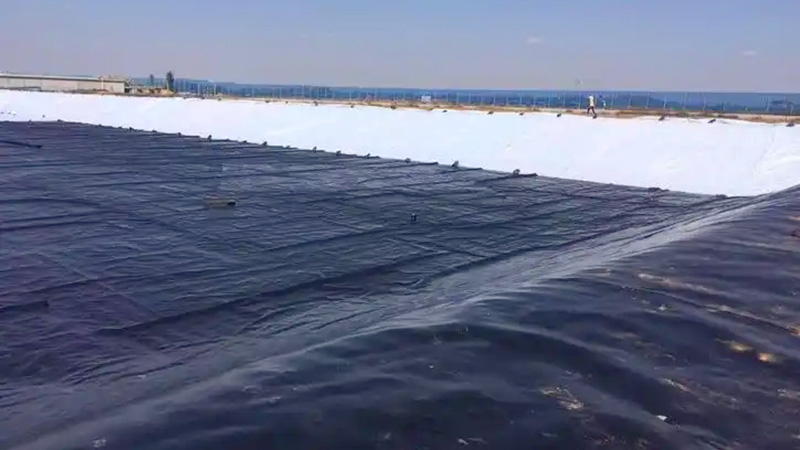
Reference engineering specifications for high-density polyethylene (HDPE) geocells and geogrids.
| Material Property | Testing Standard | HDPE Geocell Wall | Biaxial Plastic Geogrid |
|---|---|---|---|
| Carbon Black Content | ASTM D1603 | 1.5% - 2.5% | 2.0% - 3.0% |
| Seam Weld Peel Strength | ASTM D5199 / U.S. Army Corps | > 1000 N to 1420 N per cell height | N/A (Junction Strength: >95%) |
| Yield Tensile Strength | ASTM D6693 | ≥ 22 kN/m | ≥ 30 kN/m (Biaxial) |
| Environmental Stress Cracking | ASTM D1693 (SP-NCTL) | > 500 hours | N/A |
Answers to common structural design and procurement questions.
Quotes are primarily based on raw material mass (virgin HDPE or PP polymers), required cell height (e.g., 100mm, 150mm), wall thickness (commonly 1.0mm to 1.5mm), and the specific welding distance (such as 330mm, 400mm, or 500mm). Local logistics costs and volume requirements also play a significant role.
Polymeric walls are exposed to chemical and environmental factors. High ESCR (measured under ASTM D1693) prevents localized cracking along stress concentration points, ensuring a design life of over 50 years when properly backfilled and protected from direct, long-term UV exposure.
Textured surfaces increase the interface friction angle with backfill aggregate. Perforations allow lateral drainage through the cells, preventing hydrostatic pressure buildup and promoting root growth for vegetated slope retention.
Global engineering contracts typically require ISO 9001 quality management certificates, ISO 14001 environmental management certificates, and CE marking for European projects. Shandong Hongyue provides full trace reports alongside Mill Test Certificates (MTC) for all shipments.
High-performance reinforcement fabrics and containment geomembranes for structural engineering projects.
Original images verifying production processes, onsite installations, and certs.
 Hongyue