Explore our core product lineup featuring high mechanical resistance, optimized hydraulic permeability, and extreme durability against chemical and biological degradation.
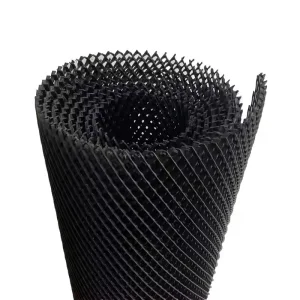
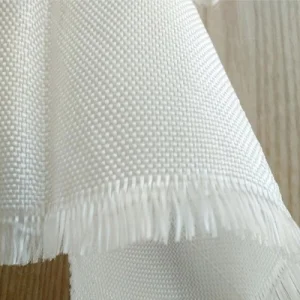
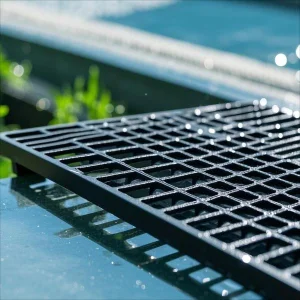
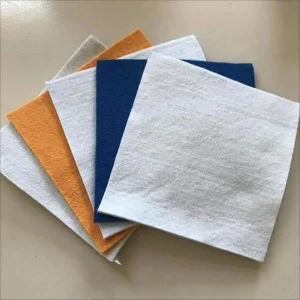
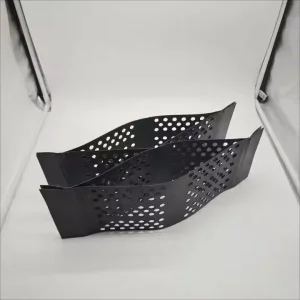
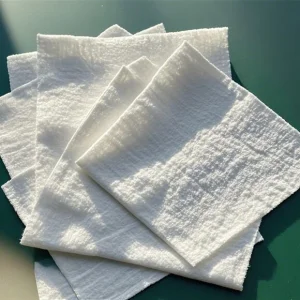
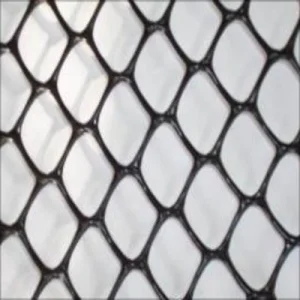
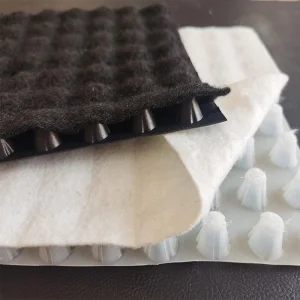
In international civil engineering and geotechnical procurement, the term "Natte Geotextile" (derived from European and French technical nomenclature, often representing robust woven or needle-punched non-woven filter geotextiles and composite drainage mats) signifies a highly engineered permeable textile designed to stabilize, filter, reinforce, drain, and protect soils.
As modern civil structures face escalating environmental challenges, sourcing high-performance Natte Geotextiles from specialized manufacturers in China has become a cornerstone of cost-efficient, high-integrity project execution. Shandong Hongyue Environmental Engineering Co., Ltd. stands at the forefront of this manufacturing cluster, deploying advanced polymer extrusion and needle-punching lines to produce geotextiles that meet rigid global specifications.
Prevents fine soil particles from migrating while allowing fluids to pass freely. Crucial for retaining soil structure behind retaining walls and in drainage trenches without clogging.
Distributes heavy structural loads over broader areas, reducing localized stress and preventing subgrade failure in high-speed railways, highway embankments, and heavy haul yards.
Serves as a robust cushioning layer when combined with geomembranes, shielding vulnerable waterproofing barriers from sharp geological objects and heavy compaction forces.
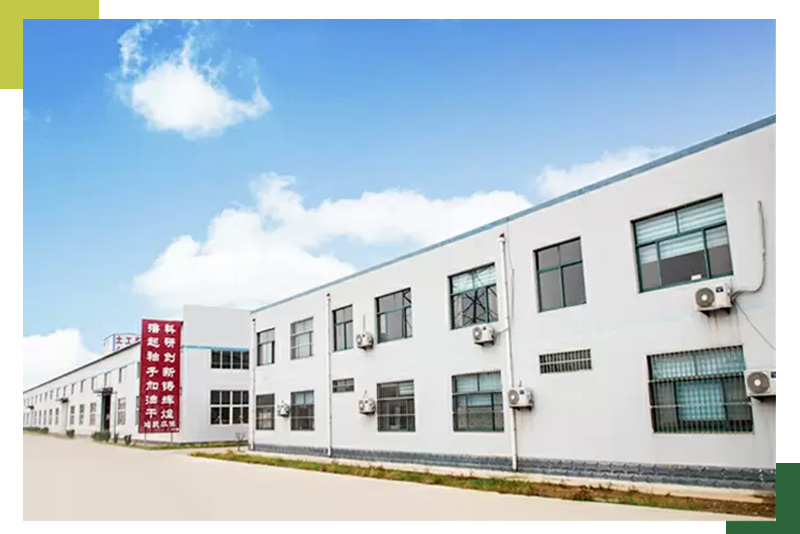
Established on April 6, 2023, and registered with the Lingcheng District Market Supervision and Administration Bureau of Dezhou City, Shandong Province, Shandong Hongyue Environmental Engineering Co., Ltd. has rapidly scaled into one of China's primary manufacturing bases for advanced geotechnical engineering materials. Operating with a registered capital of 105 million Yuan, our facility enjoys an advantageous geographical location in Dezhou, offering seamless logistical links to major domestic shipping ports and cross-border rail links.
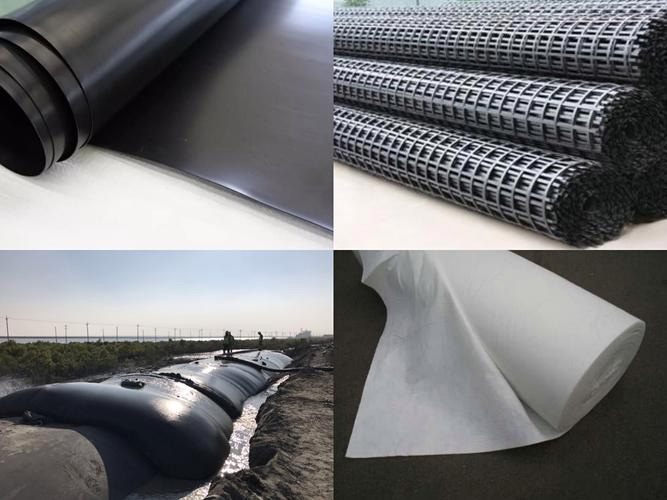
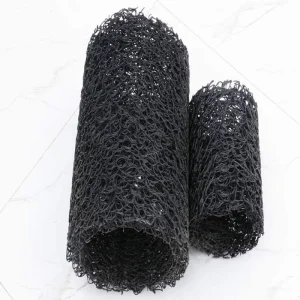
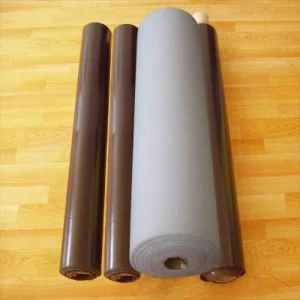
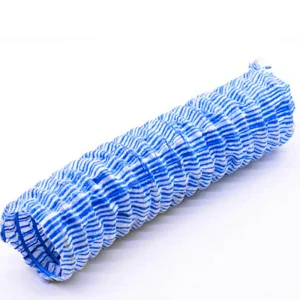
We operate as a science-and-technology-driven manufacturer integrating engineering material design, production, global sales, and specialized project installation services. Our comprehensive material catalogue spans geotextiles, geomembranes, composite structures, waterproofing boards, geosynthetic clay liners (bentonite blankets), 3D composite drainage networks, drainage boards, geomembrane bags, flexible pervious pipes, and environmental protection bags.
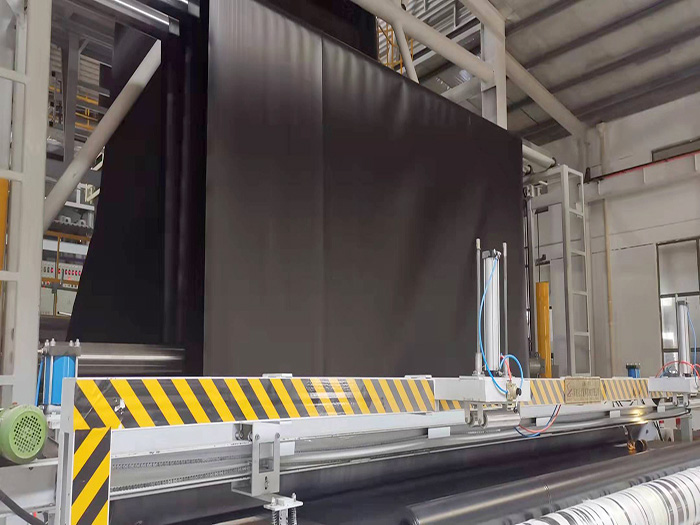
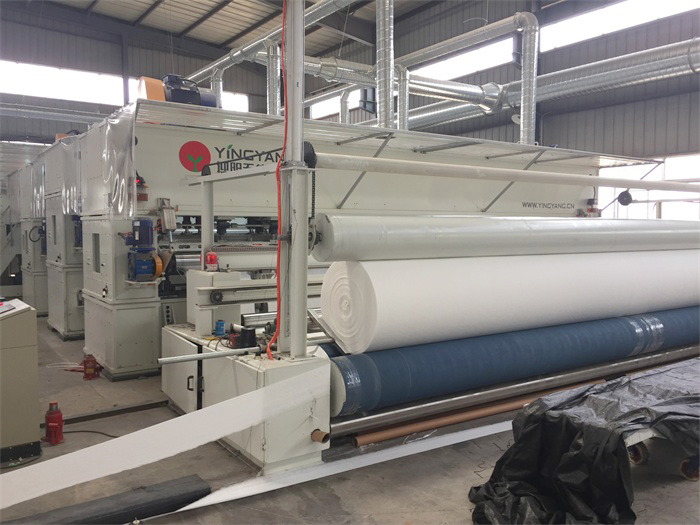
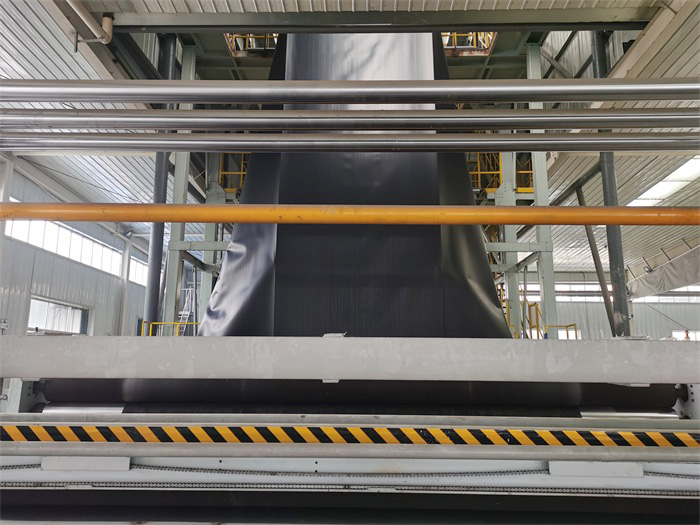
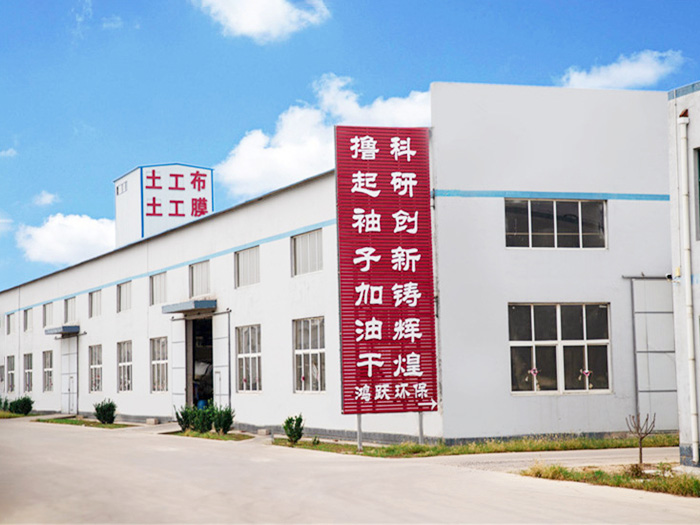
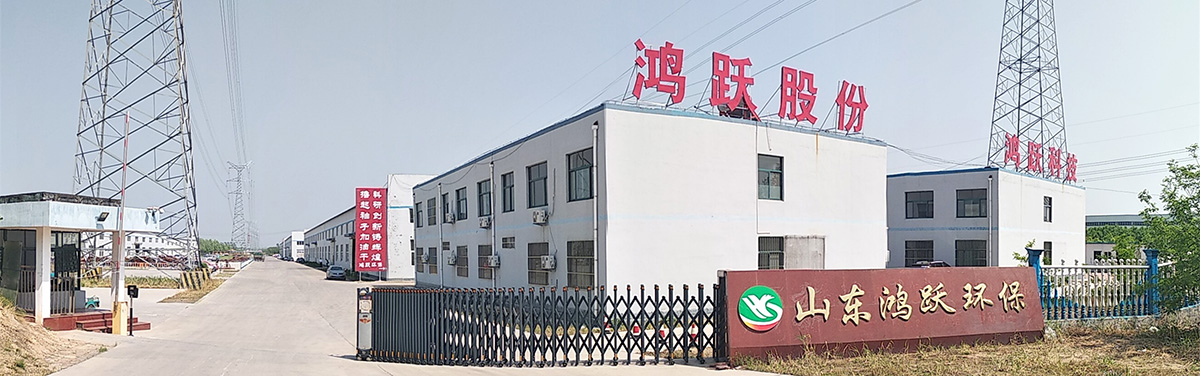
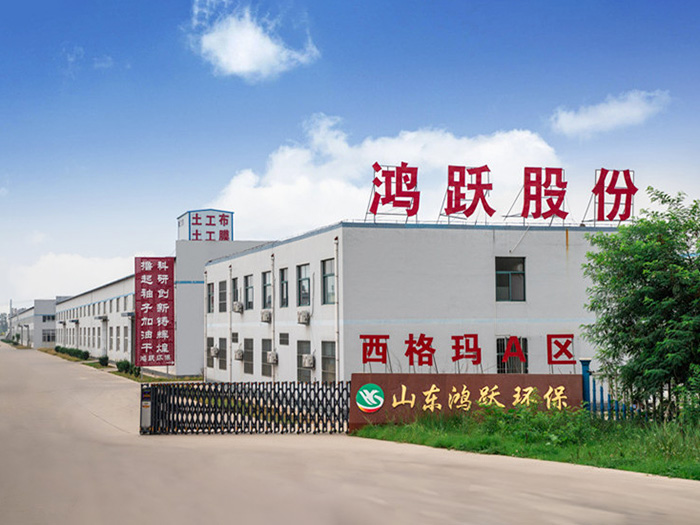
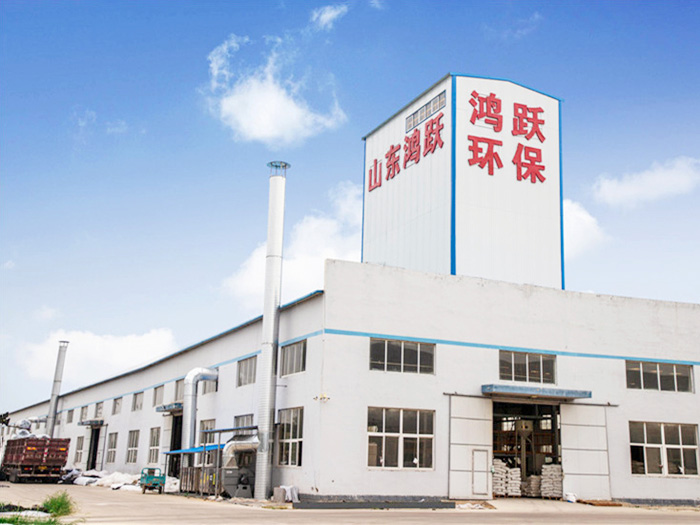
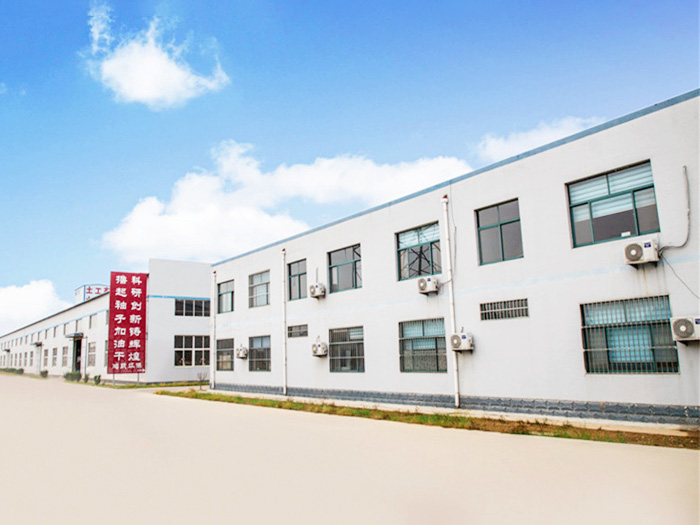
Our fully automated lines ensure high consistency in fiber density, thickness, and hydraulic properties. Here is our standardized workflow:
We process virgin polyester (PET) chips, high-tenacity polypropylene (PP) filament, and specialized viscose fibers. Every batch undergoes density and melt flow index (MFI) verification before entering production.
Polyester chips are heated via precision-controlled screw extruders. Polypropylene filaments are mixed under specific heat and pressure profiles, maintaining polymer chain integrity and high durability.
Extruded polymer flows through spinnerets to produce continuous filaments. These are systematically laid on a distributor belt in a multi-directional mesh structure, ensuring uniform isotropic strength.
The loose fiber layer undergoes intensive mechanical needle-punching. The barbs on the needles entangle the fibers, forming a highly robust, flexible fabric with high hydraulic conductivity.
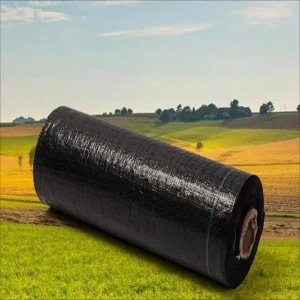
Cured geotextiles are rolled onto structural cores, trimmed, and sealed in weather-resistant poly-wrap bags. Real-time width, roll length, and thickness values are stamped onto each roll for complete tracebility.
We perform ASTM-compliant tests for grab tensile strength, static puncture resistance (CBR), pore size distribution (O95), and vertical water permeability, certifying compliance prior to shipping.
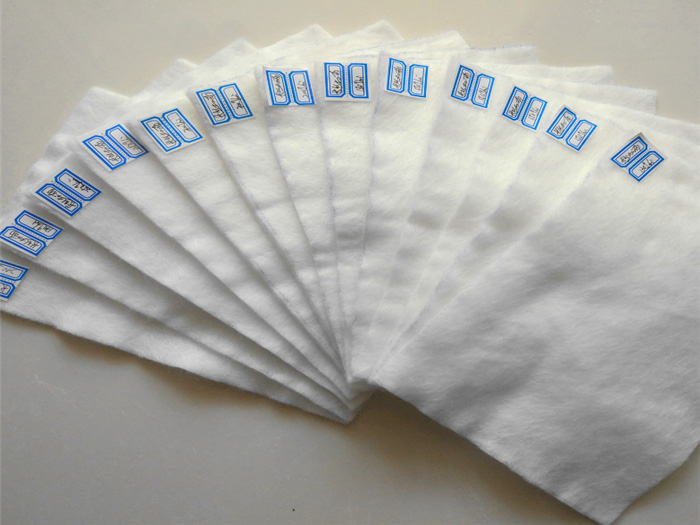
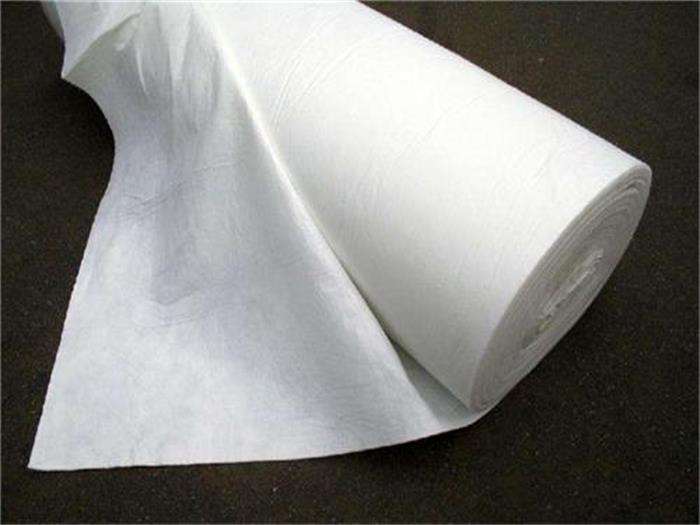
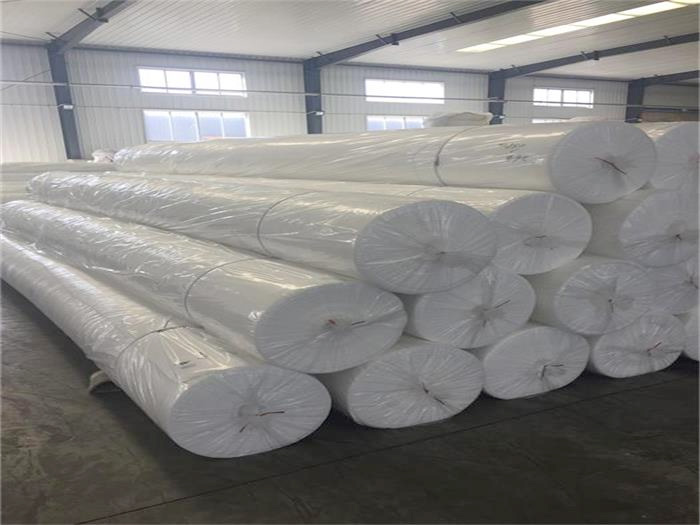
An effective geotechnical barrier system requires a synergistic combination of a protective geotextile cushion and an impermeable geomembrane. Applying correct field installation methods directly determines the success of long-term environmental containment.
Choosing the correct polymer and structure is essential:
Correct deployment minimizes structural stress and prevents punctures:
Ensuring long-term integrity requires regular inspection:
Our products form integrated systems providing filtration, erosion protection, and liquid containment across diverse operating environments.
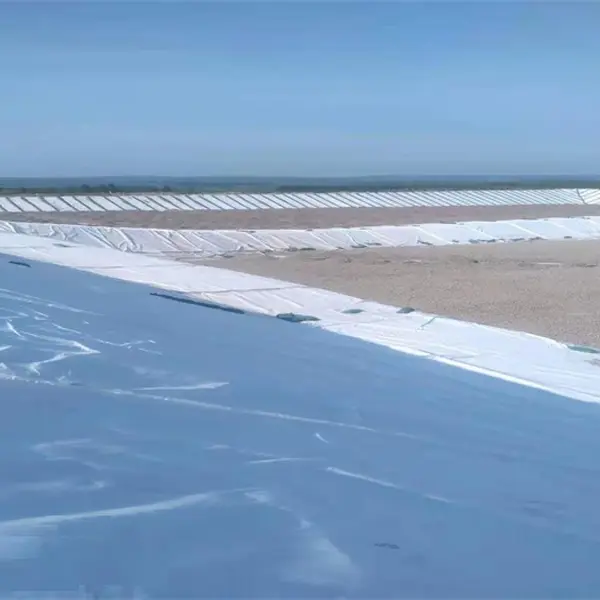
Preventing water loss in agricultural canals and critical municipal aqueduct networks.
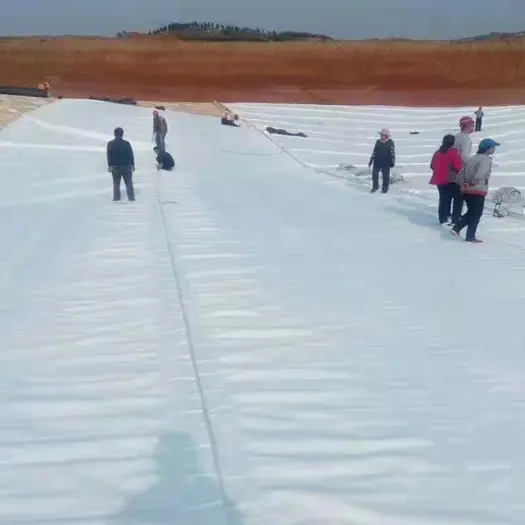
Stabilizing natural river channels, preventing bank erosion, and controlling lateral seepage.
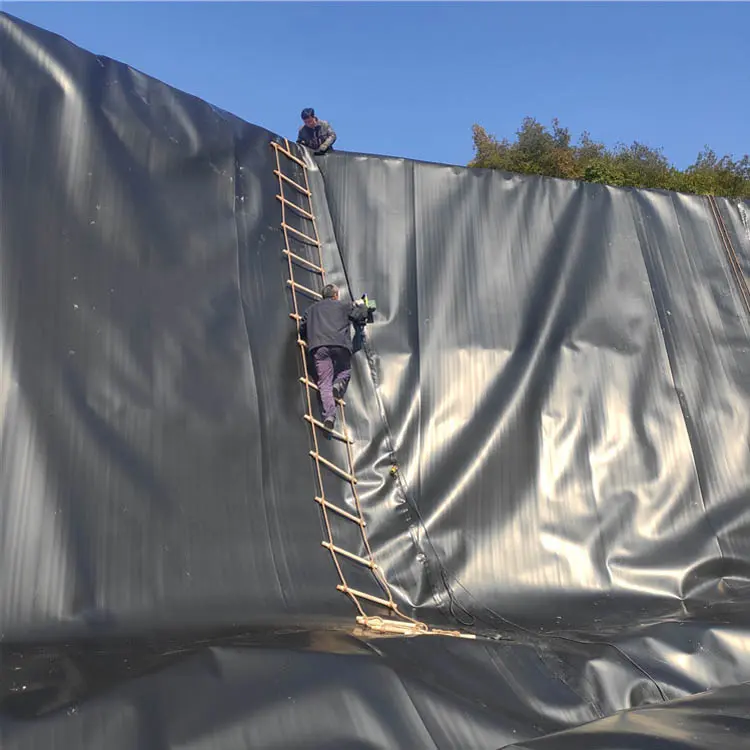
Engineered double-liner systems preventing chemical and biological leachate migration.
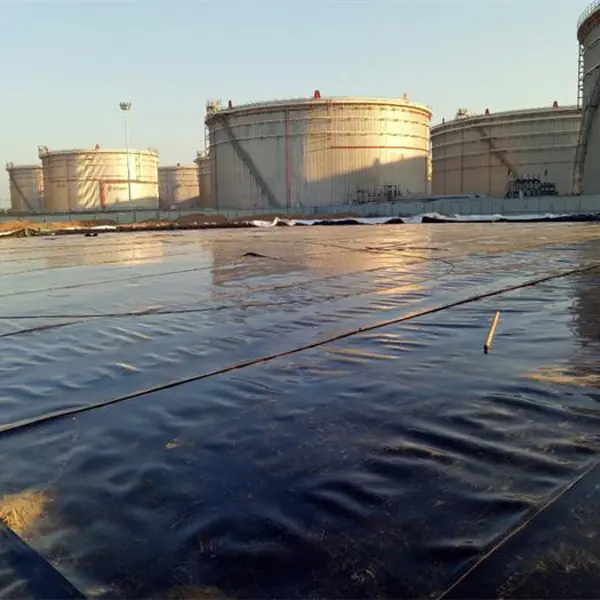
Secondary spill containment linings for petrochemical storage terminals and refining tanks.
In large-scale water conservancy construction, geotextiles and geomembranes prevent excessive seepage, protect structural elements, and lower overall maintenance overheads:
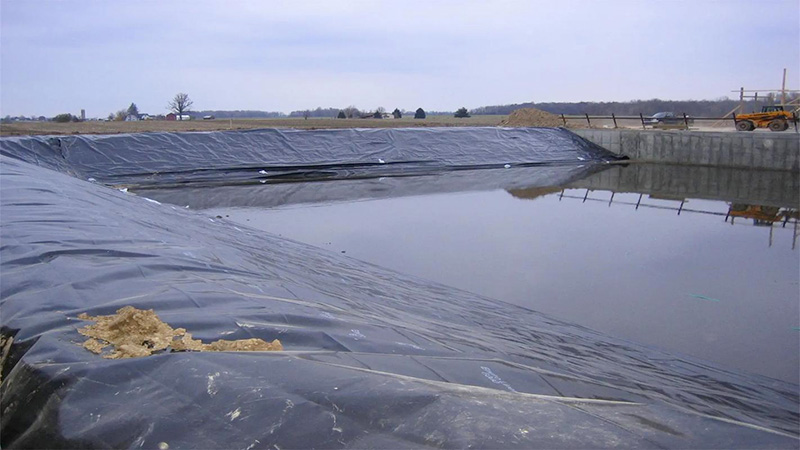
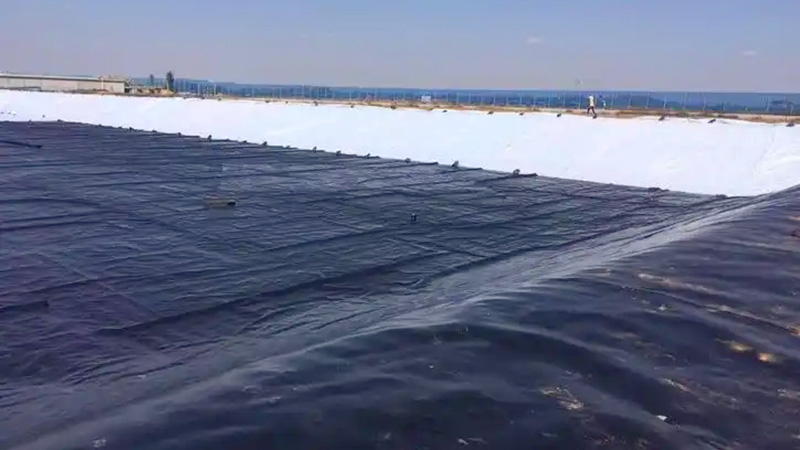
Quality assurance is maintained through strict process monitoring and certified laboratory verification. Every batch is traceable from base polymer to the installed sheet.
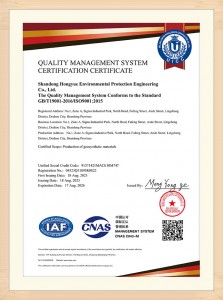
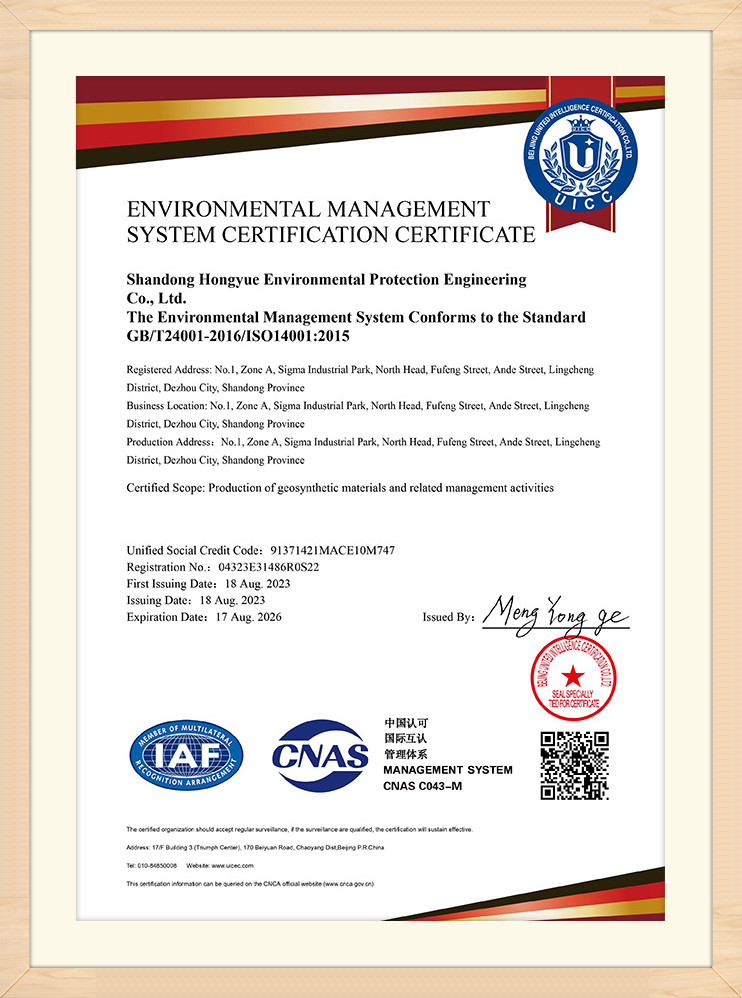
Shandong Hongyue Environmental Engineering Co., Ltd. operates in accordance with internationally certified quality systems. We maintain compliance with:
Our in-house laboratories utilize advanced testing apparatus to measure cross-machine direction (CD) and machine direction (MD) tensile loads, index puncture resistance, and hydraulic transmissivity. All products are verified by the China National Testing Center and conform to both national and international civil standards, ensuring high performance in demanding installations.
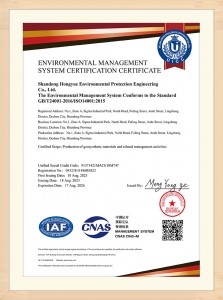
We manufacture in accordance with ASTM and EN ISO specifications. Below are standard guidelines for industrial and municipal civil engineering projects:
| Property | Test Method | Unit | Woven High-Strength Geotextile | Needle-Punched Non-Woven (Natte) |
|---|---|---|---|---|
| Mass Per Unit Area | ASTM D5261 | g/m² | 200 – 800 | 150 – 1200 |
| Grab Tensile Strength | ASTM D4632 | N | 1200 – 4500 | 600 – 3200 |
| CBR Puncture Strength | ASTM D6241 | N | 3500 – 9500 | 1500 – 7500 |
| Apparent Opening Size (AOS) | ASTM D4751 | mm | 0.075 – 0.425 | 0.050 – 0.220 |
| Water Permeability Coeff. | ASTM D4491 | cm/s | 1.0 x 10⁻¹ to 10⁻² | 1.0 x 10⁻¹ to 10⁻³ |
| UV Resistance (after 500h) | ASTM D4355 | % | > 70% Retained | > 70% Retained |
Engineering procurement teams in the EU, North America, and Australia prioritize regulatory compliance and certified performance consistency. Shandong Hongyue supports global clients through our specialized regional sales networks in over 40 cities, including hub locations in Shanghai and Beijing, offering direct logistics, custom labeling, and multi-language documentation.
The global geosynthetics sector is transitioning toward sustainability, structural intelligence, and extended design lives. Our R&D team at Shandong Hongyue is currently executing a clear technological development path:
Developing non-woven geotextiles using recycled PET bottle chips and biodegradable polylactic acid (PLA) blends. This reduces carbon footprint while maintaining engineering-grade tensile properties.
Embedding micro-fiber optic cables and conductive carbon threads within geotextiles. This enables real-time monitoring of subgrade strain, temperature variations, and moisture seepage in critical dams.
Enhancing additive packages to extend the service life of exposed geosynthetics in extreme, high-insolation environments, such as desert containment ponds and high-altitude road cuts.
Get clear, professional answers to common technical, design, and sourcing questions regarding Natte Geotextiles and geomembrane barrier systems.
Key parameters include mass per unit area (g/m²), grab tensile strength, static puncture resistance (CBR value), apparent opening size (AOS), and permeability. For demanding applications like landfill bases and hydraulic filtration, needle-punched non-woven geotextiles with a high CBR value are typically specified.
Polyester (PET) geotextiles provide excellent creep resistance, higher tensile strength at low strains, and stability at elevated temperatures. Polypropylene (PP) offers superior chemical resistance in highly alkaline soils (e.g., in contact with concrete or lime-stabilized subgrades).
Shandong Hongyue's registered capital of 105 million Yuan demonstrates the scale of our production capacity, our financial stability, and our capability to fulfill large-scale municipal, railway, and international infrastructure projects without supply delays.
Overlapping edges (typically 10-15 cm) are welded using a double-track hot wedge machine. This creates a continuous weld with an enclosed air channel, which is then pressurized to verify weld integrity and seal performance.
Explore our specialized drainage, filtration, and containment products engineered to meet challenging project specifications globally.
 Hongyue