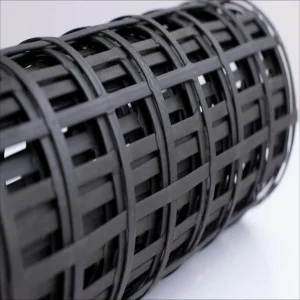
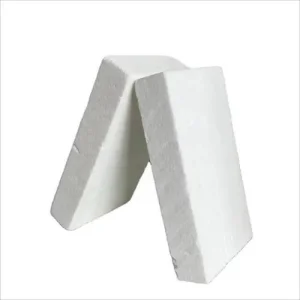
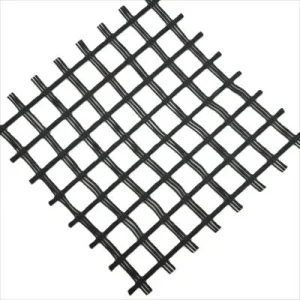
Industrial-Grade Membranes, Grids, and Drainage Solutions Engineered for Maximum Containment and Stability
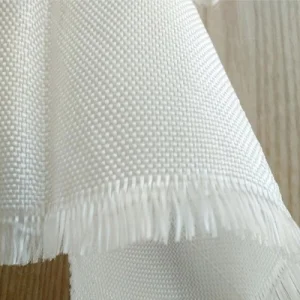
High-Performance Infrastructure & Sustainable Environmental Containment
The global geosynthetics market has entered an era of rapid transition. Driven by strict environmental regulations, massive urbanization initiatives, and the critical need to preserve freshwater reserves, materials like geomembranes and geotextiles are no longer optional auxiliary products. They form the foundational fabric of modern civil engineering, mining barrier structures, municipal solid waste (MSW) landfills, and hydraulic management projects.
As containment threats evolve—such as extreme weather events, high chemical acidity in mineral leaching pads, and persistent leachate mitigation challenges—the demand for highly advanced engineering polymers has escalated. Exporters from China have risen to meet this demand, leading the global supply chain by coupling state-of-the-art polymer extrusion technology with unmatched scale efficiency.
Multi-barrier composite systems securing soils from hazardous chemical waste percolation.
Canal lining and reservoir reinforcement preventing localized water loss.
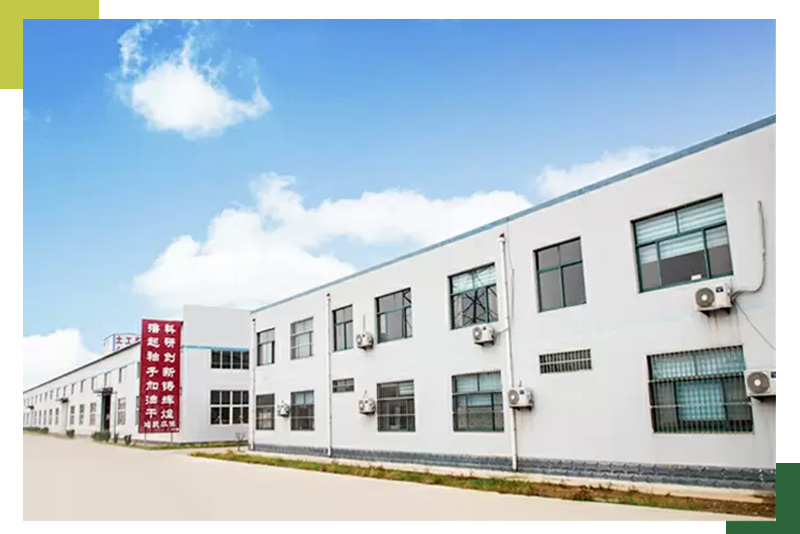
A Certified Leader in Engineering Material Production, Design, and Structural Service Integration
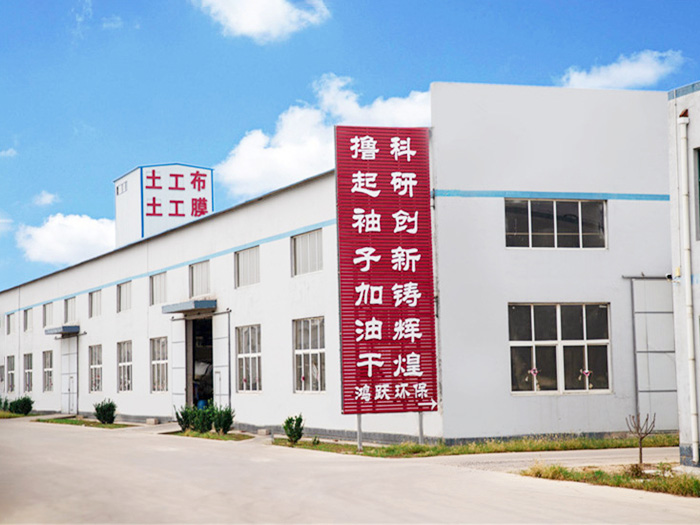
Established on April 6, 2023, and registered under the Lingcheng District Market Supervision and Administration Bureau of Dezhou City, Shandong Province, Shandong Hongyue Environmental Engineering Co., Ltd. has rapidly emerged as a preeminent scientific and technological geotechnical material manufacturer. Bolstered by a registered capital of 105 million yuan, the company commands one of the most sophisticated and logistically sound production footprints in China.
Shandong Hongyue integrates the entire product lifecycle—from raw material formulation and high-speed extrusion to complex civil engineering design and onsite installation consultation services. Our products are actively utilized in demanding projects spanning highways, railways, bridges, structural tunnels, artificial water bodies, high-yield agriculture, and industrial mining.
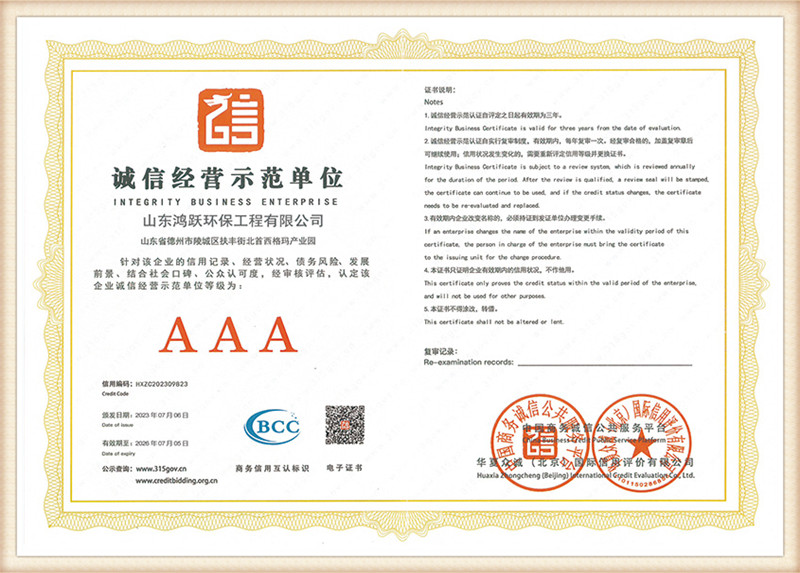
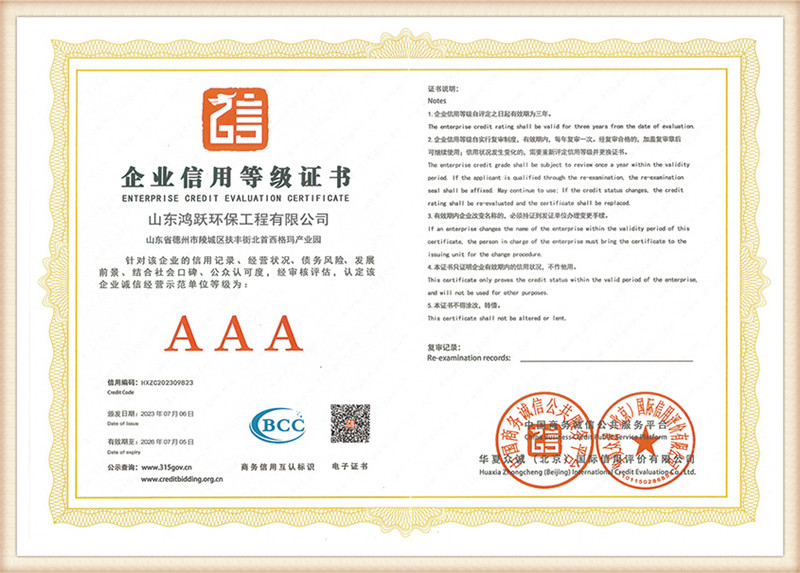
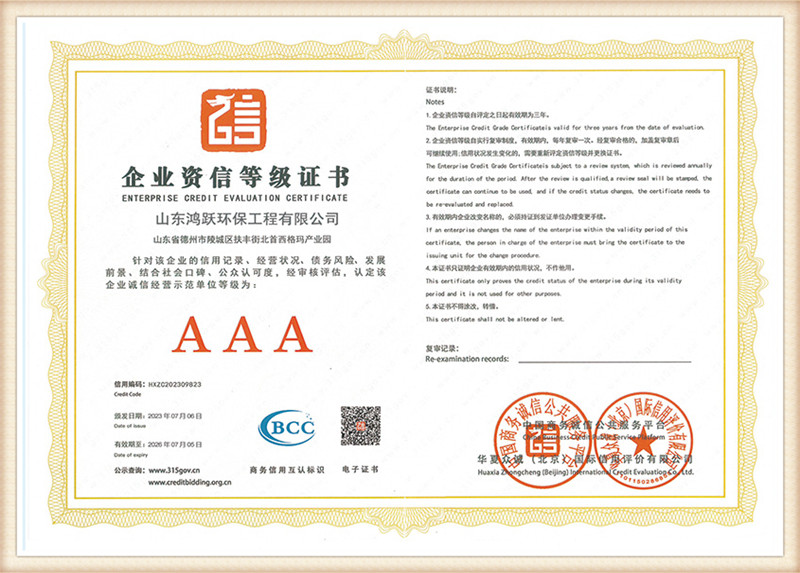
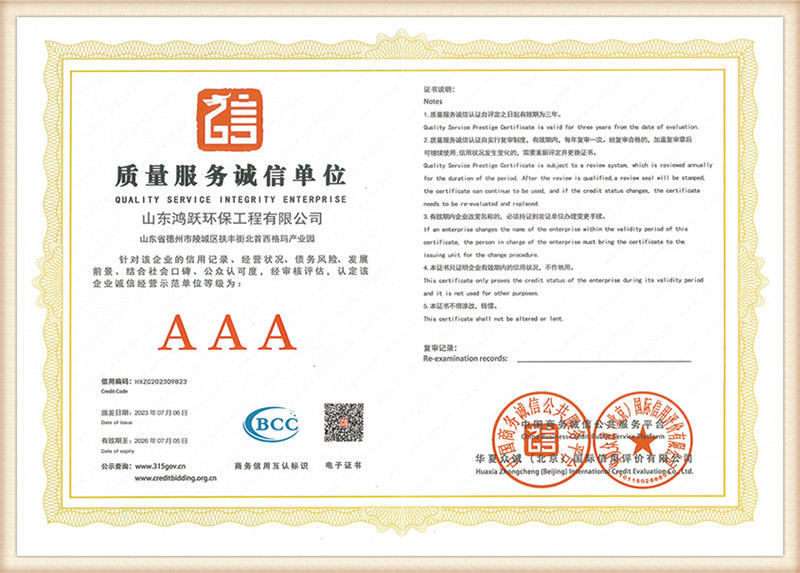
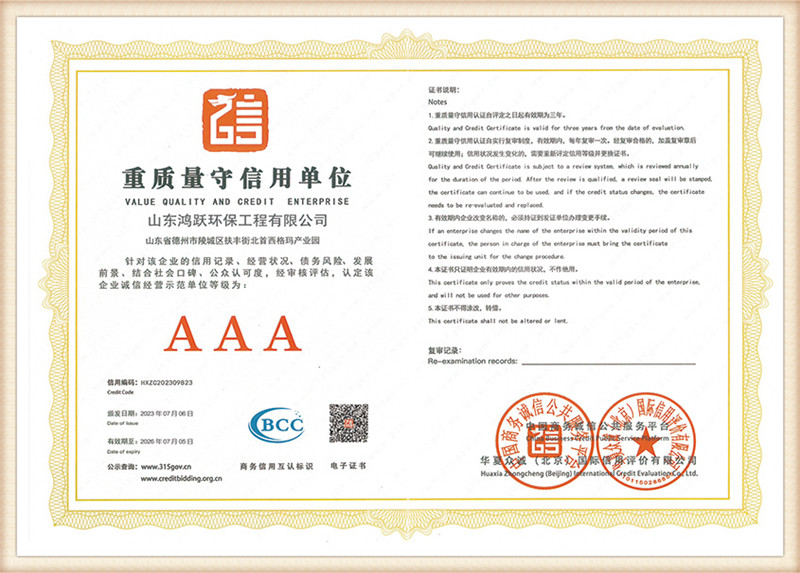
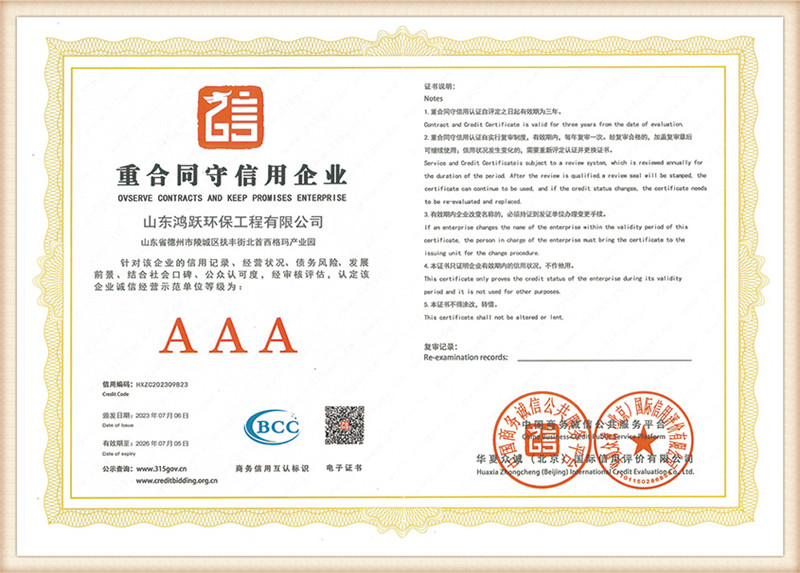
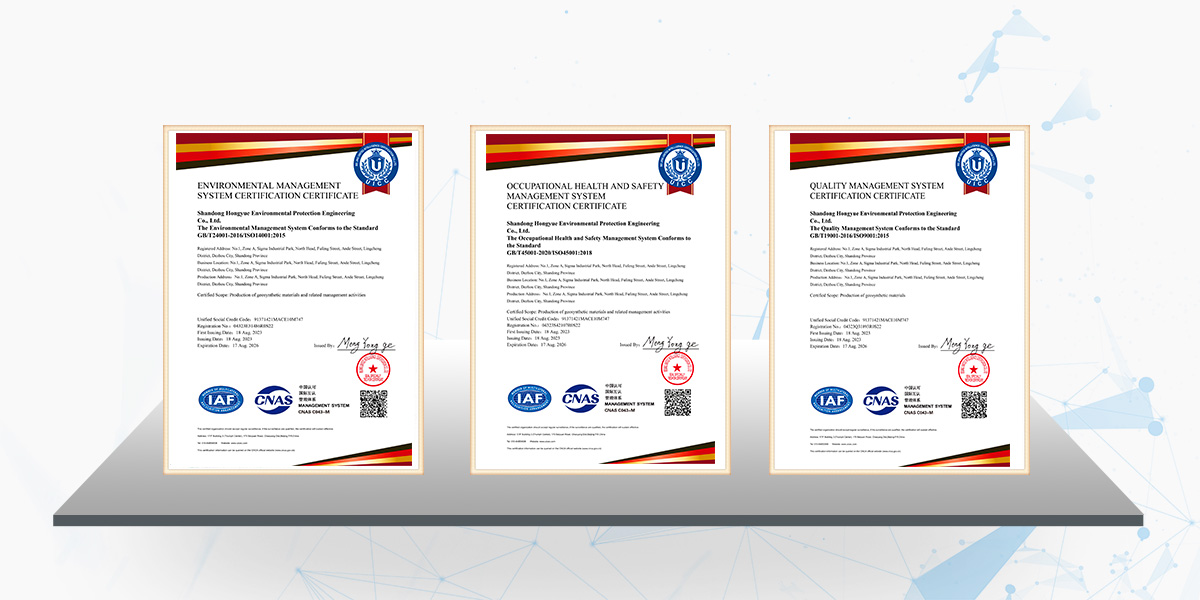
Demonstrating absolute technical compliance, Shandong Hongyue is certified under the ISO9001 international quality management system, the ISO14000 environmental management system, and the ISO45001 occupational health and safety standard. Recognized with honors such as "Green and Environmentally Friendly Building Materials Products," "Famous Chinese Brand," and as an official member of the Dezhou Geotextile Association, our products have successfully cleared rigorous audits conducted by the China National Testing Center.
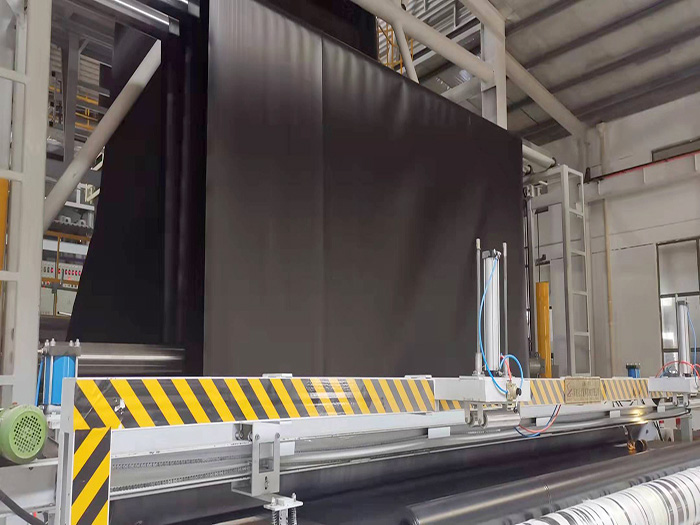
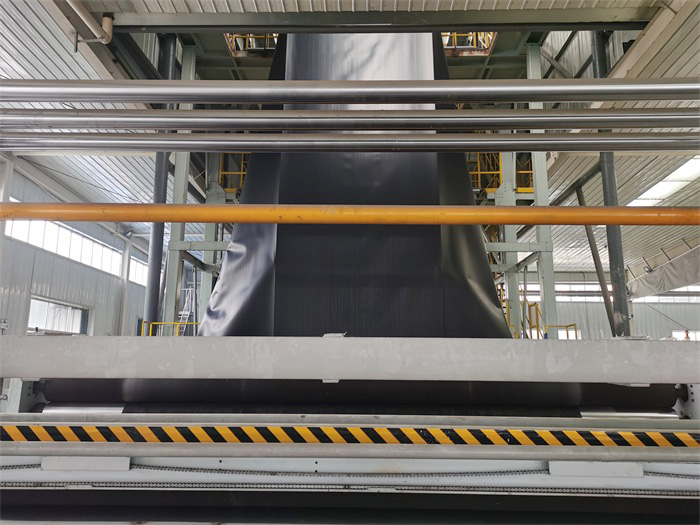
Ultra-wide blowing and flat extrusion lines guarantee precise thickness control and raw polymer density.
On-site testing laboratories ensure tension strength, puncture resistance, and elongation characteristics match ASTM metrics.
Located in Dezhou, Shandong Province, with immediate connectivity to China's major deepwater ports for rapid container dispatch.
Behind the Scenes of High-Strength Non-woven Filament and Woven Materials Fabrication
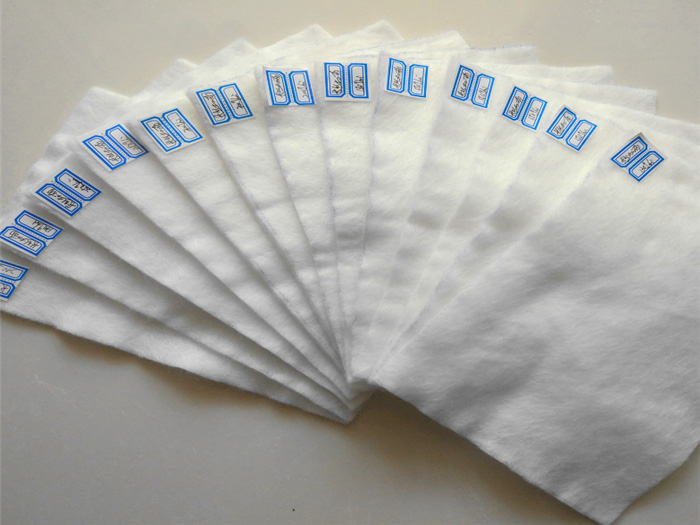
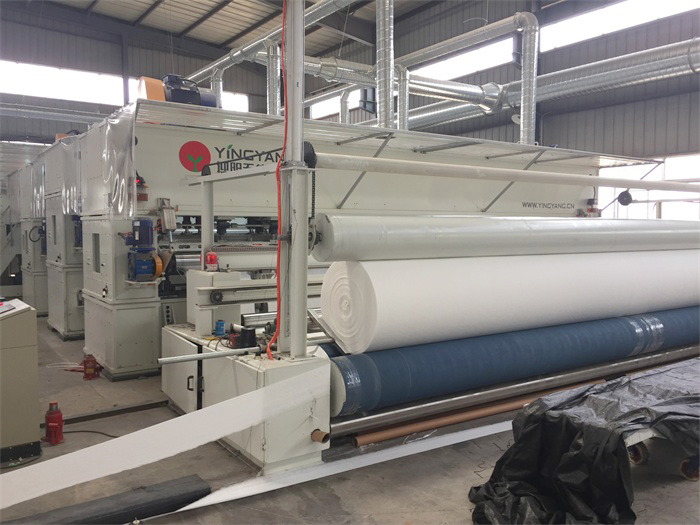
Modern geotextiles serve vital hydraulic and physical reinforcement roles: filtration, separation, drainage, protection, and stabilization. Achieving these capabilities requires meticulously managed production phases. The Dezhou manufacturing facilities of Shandong Hongyue apply advanced technology to polymer preparation, ensuring consistent results.
High-purity polyester chips (PET), polypropylene filament (PP), and specialty viscose fibers are selected. Comprehensive quality audits are performed on each batch to verify molecular weight distribution and prevent contamination before processing.
Polyester or polypropylene resins are melted at high temperatures and extruded through high-precision spinnerets via single or twin-screw extruders. Temperature curves and output pressures are monitored continuously to maintain uniform molten flow.
Extruded fibers are drawn and distributed onto a continuous conveyor belt. This forms a web structure where fiber orientation and density are closely controlled to optimize multi-directional mechanical performance.
The loose web undergoes mechanical needle-punching or thermal bonding. This interlocking phase secures the fibers, creating a stable, porous structure capable of handling tensile loads and shear stress.
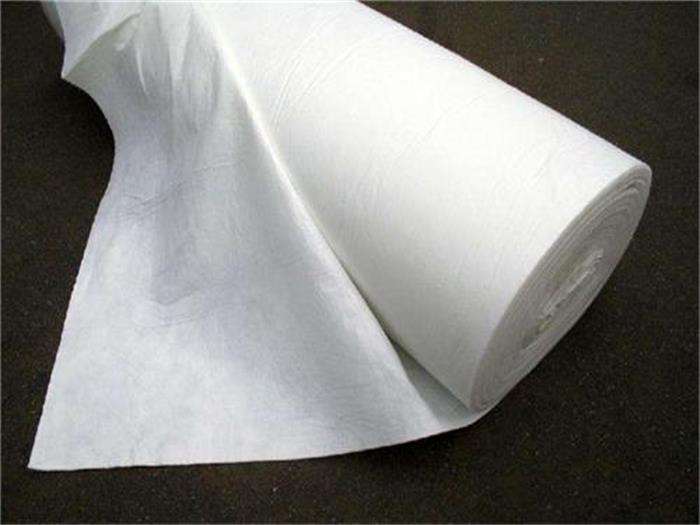
Finished geotextile layers are rolled on heavy-duty cores. Rolls are trimmed, measured, and wrapped in protective geotextile packaging to prevent moisture and UV degradation during transport.
Engineered Guidelines for Subgrade Selection, Joint Seam Welding, and Longevity Optimization
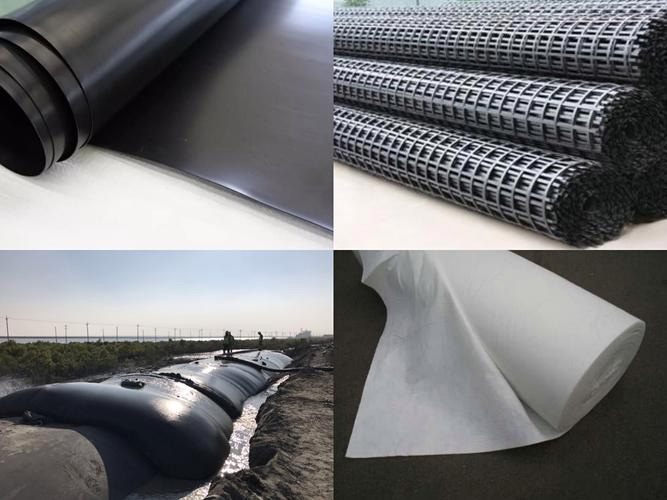
The barrier performance of a geomembrane depends heavily on correct material selection, structural installation, and field quality assurance. A small leak from a poorly welded seam can compromise an entire environmental containment project.
Shandong Hongyue provides comprehensive technical guidance. This support covers everything from matching chemical compatibility to detailing optimal welding temperatures and testing practices for field technicians.
From Municipal Waste Containment to Critical Hydraulic Infrastructure Projects
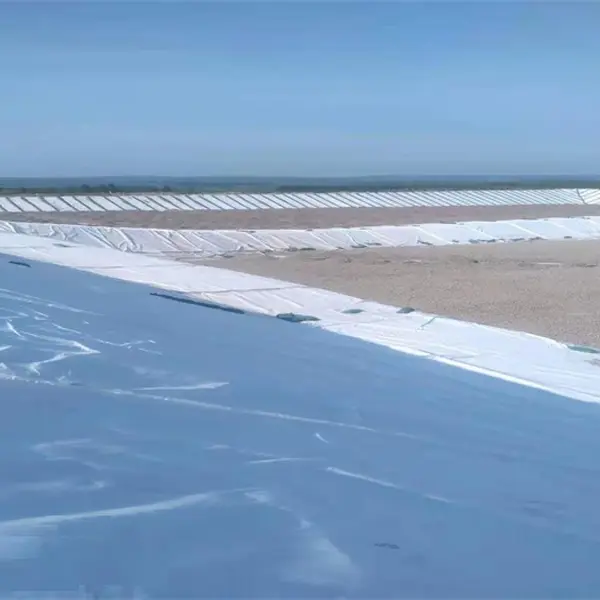
High-durability HDPE and composite membranes are used as impermeable liners in large reservoirs and supply canals. These materials prevent water loss through seepage, helping to stabilize regional water distribution networks.
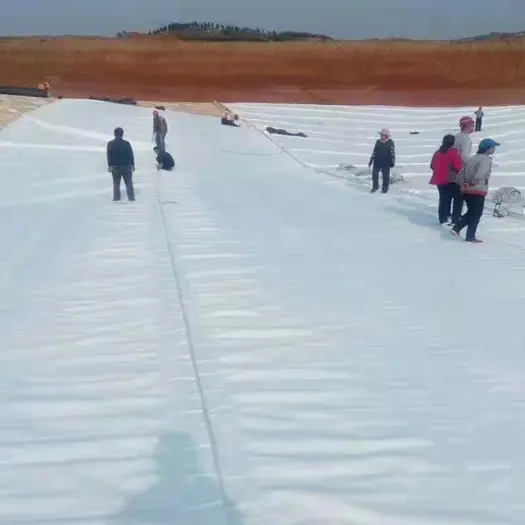
Geosynthetics help control water flow and prevent erosion along canal banks and riverbanks. They stabilize slopes, reducing soil degradation and erosion during high-flow conditions.
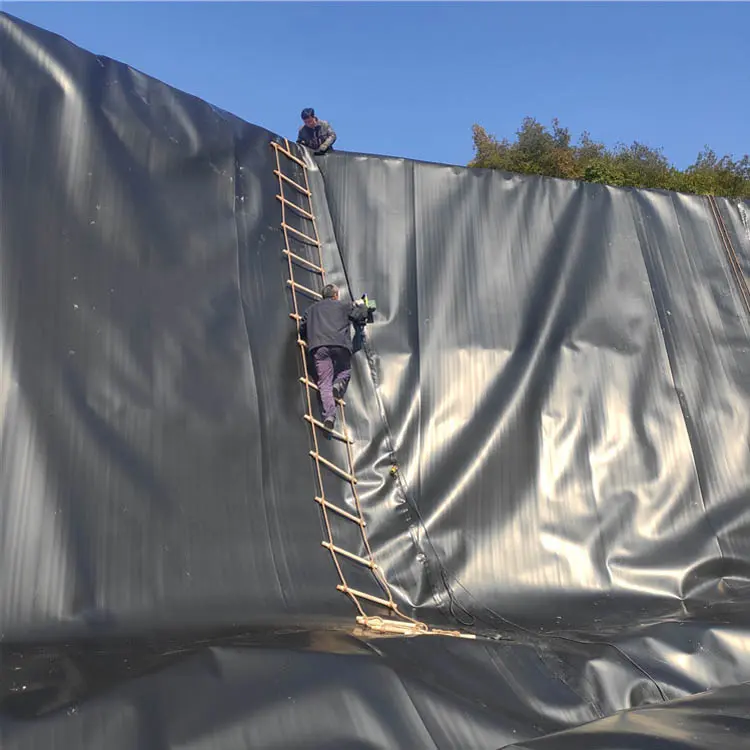
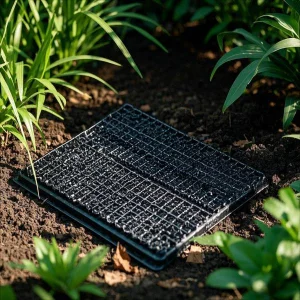
Thick geomembranes are combined with geocells and drainage layers to isolate leachate from nearby soil and groundwater. These barrier systems are designed to withstand long-term chemical exposure.
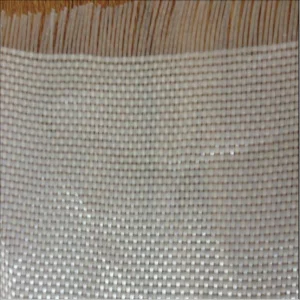
For industrial and municipal projects, selecting the right geosynthetics is critical. High-density polyethylene (HDPE) is typically chosen for chemical containment applications, while linear low-density polyethylene (LLDPE) is preferred for projects requiring high flexibility and conformability. Woven and non-woven geotextiles provide essential filtration, separating soil layers and protecting geomembranes from mechanical damage.
Scale Efficiency, Strategic Logistics, and High Technical Integrity in Dezhou's Industrial Cluster
B2B buyers, EPC contractors, and municipal authorities face a common challenge: balancing regulatory compliance and long-term durability with budget limits. Choosing materials from Shandong, China's center for geosynthetic production, offers significant supply chain advantages.
Shandong Hongyue leverages this regional ecosystem to deliver cost-effective solutions without compromising quality. With a registered capital of 105 million yuan and high-speed manufacturing lines, we manage raw material sourcing efficiently to provide reliable, high-volume supply.
Our logistics network supports smooth global distribution. Dezhou's rail and highway connections allow for fast transport to ports like Qingdao and Tianjin, helping international clients meet tight project schedules.
Insights on Procurement, Standard Compliance, Welding Processes, and Customization
Pricing is primarily determined by raw polymer costs (HDPE, PP, or PET), material thickness (ranging from 0.3mm to 2.0mm), and weight per square meter. Large orders and custom formulations, such as enhanced UV resistance or textured finishes, can also affect final pricing.
Our facilities follow ISO 9001, 14000, and 45001 standards. We conduct regular testing on tensile strength, puncture resistance, and thickness. Products are verified to meet or exceed national standards and have cleared evaluations by the China National Testing Center.
HDPE offers excellent chemical resistance and durability, making it the industry standard for landfills, chemical ponds, and mining projects. LLDPE provides greater flexibility and elongation, making it better suited for irregular subgrades or projects prone to structural settlement.
Panels are typically joined using dual-track hot-wedge welding. Welds are checked using non-destructive air-pressure testing in the channel between the welds. For complex geometries and repairs, extrusion welding is used and verified via vacuum testing.
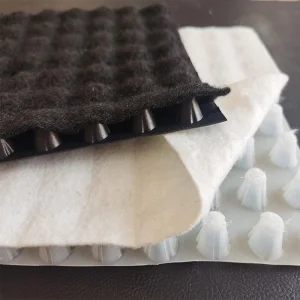
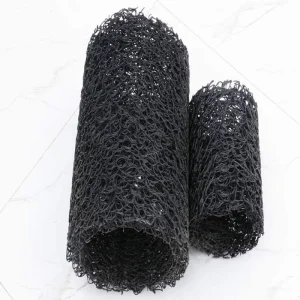
We offer custom thickness configurations, roll dimensions (up to 8 meters wide to reduce seams), UV stabilizers, textured finishes for slope stability, and composite materials that combine membranes with geotextiles or geonets.
Explore Our Specialized Solutions for Soil Stabilization, Filtration, and Water Flow Control
 Hongyue