Premium impermeable barriers, containment systems, and composite drainage layers produced under stringent automated continuous-thickness monitoring.
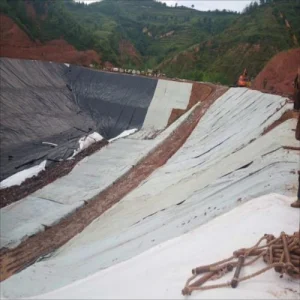

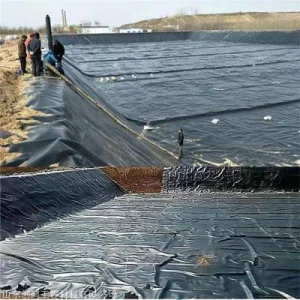
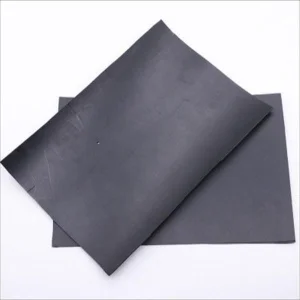
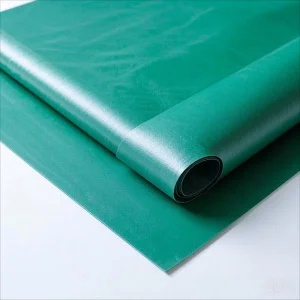
A specialized high-tech geotechnical production cluster with a registered capital of 105 million RMB.
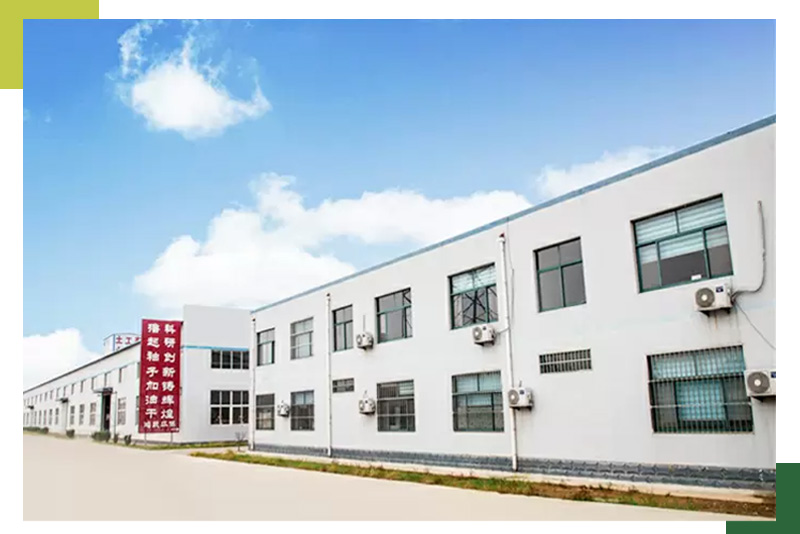
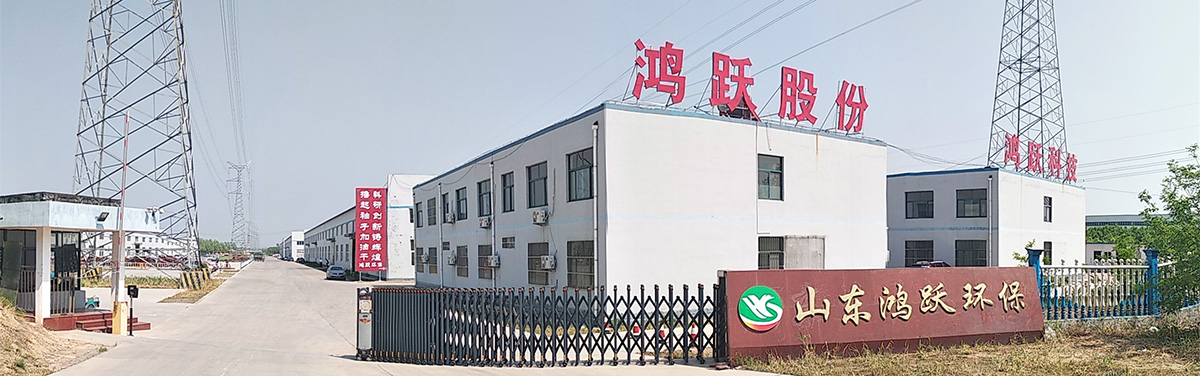
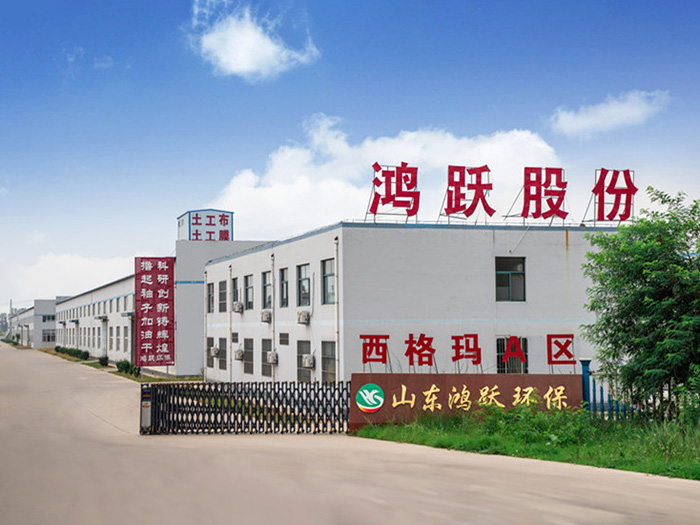
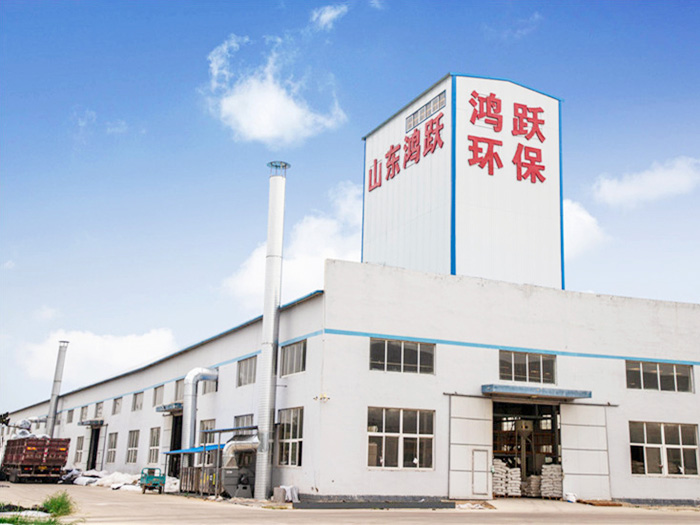
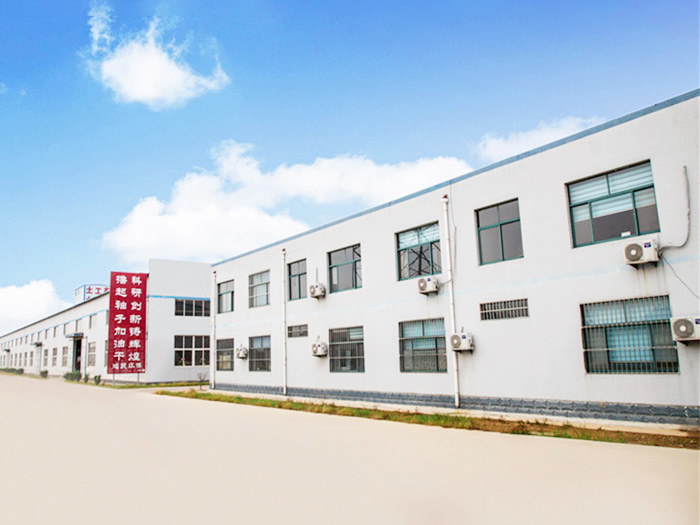
Located at the north end of Fufeng Street, Lingcheng District, Dezhou, Shandong Province, Shandong Hongyue Environmental Engineering Co., Ltd. is an advanced scientific and technological geotechnical material manufacturer integrating engineering material production, sales, design, and construction services. Officially registered with the Lingcheng District Market Supervision and Administration Bureau of Dezhou City on April 6, 2023, the enterprise stands today as one of the largest integrated production bases of geotechnical materials in China, benefiting from exceptional regional transport connectivity and dedicated freight corridors.
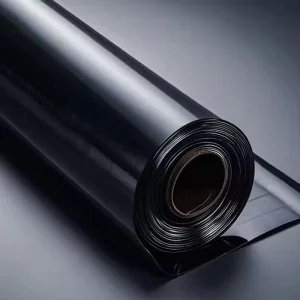
Our operation combines heavy blow molding and flat-die extrusion lines to manufacture impermeable membranes, geotextiles, composite barriers, and civil drainage panels that exceed ASTM and GRI-GM13 industrial baselines.
Real-time thermodynamic melt stabilization, gravimetric batching, and automated thickness profiling.
Ultra-dense polyethylene chips, stabilization masterbatches, and 2-3% furnace-grade Carbon Black undergo rigorous spectral verification to prevent thermal degradation during subsequent mechanical plasticizing.
Through continuous multizone screw extruders, the polymer reaches an exact rheological liquid state. Microprocessor pressure control eliminates molecular chain shear, retaining ultimate tensile yield.
Heavy air-ring tooling expands the molten bubble uniformly up to 8 meters lay-flat width. Real-time ultrasonic and radioactive scanners sweep 360 degrees to ensure tolerance within ±3% nominal thickness.
Controlled cooling rolls relieve crystalline stress, ensuring planar dimensional stability and high isotropic puncture resistance before multi-axis winding.
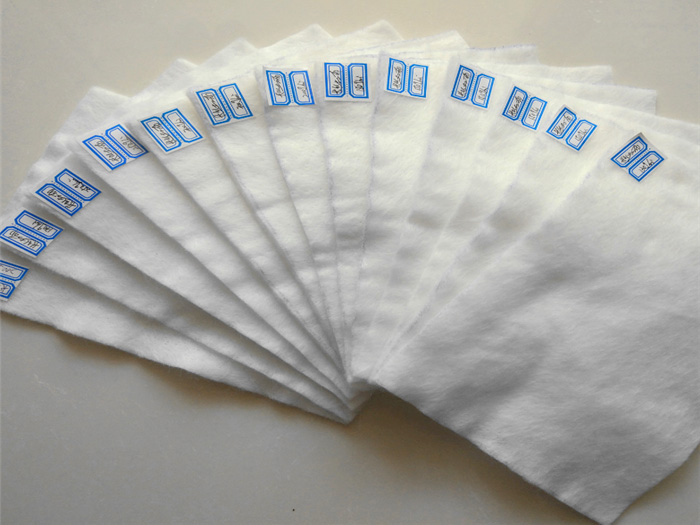
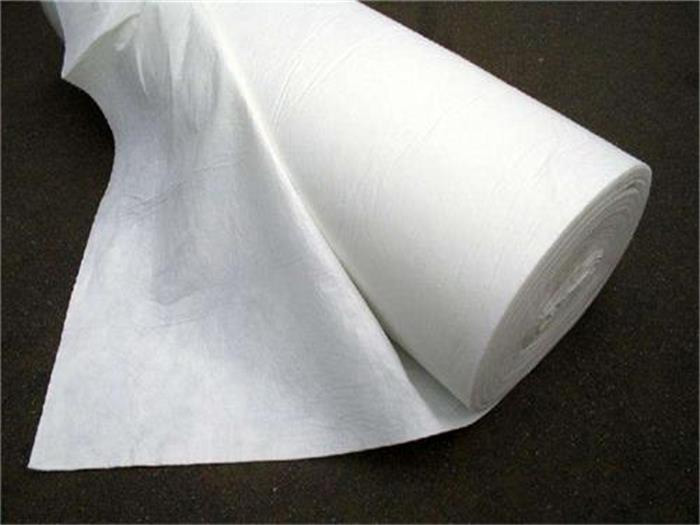
Short staple and filament needle-punched geotextiles are processed through high-speed needle looms and draft curing ovens, forming high-tensile filtration layers.
Every roll undergoes high-voltage spark testing for micropore detection, alongside destructive ASTM D5199 (thickness), ASTM D6693 (tensile), and ASTM D5397 (stress crack) validation.
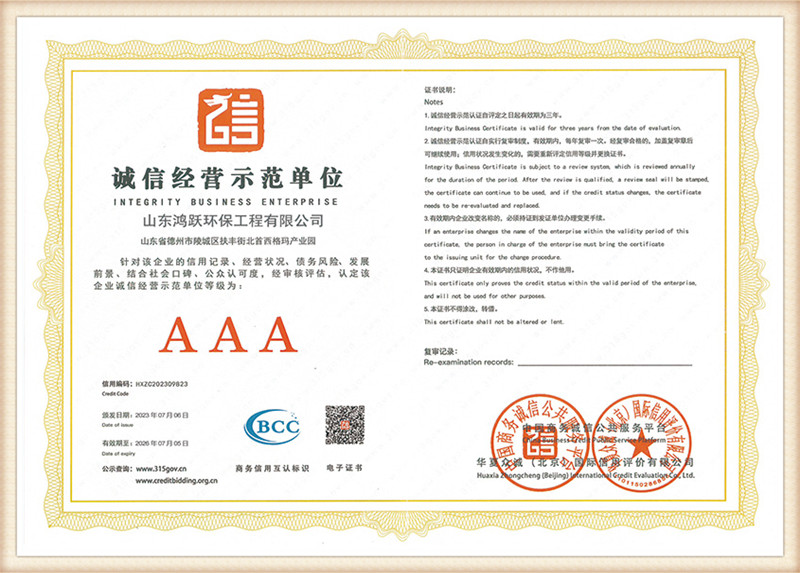
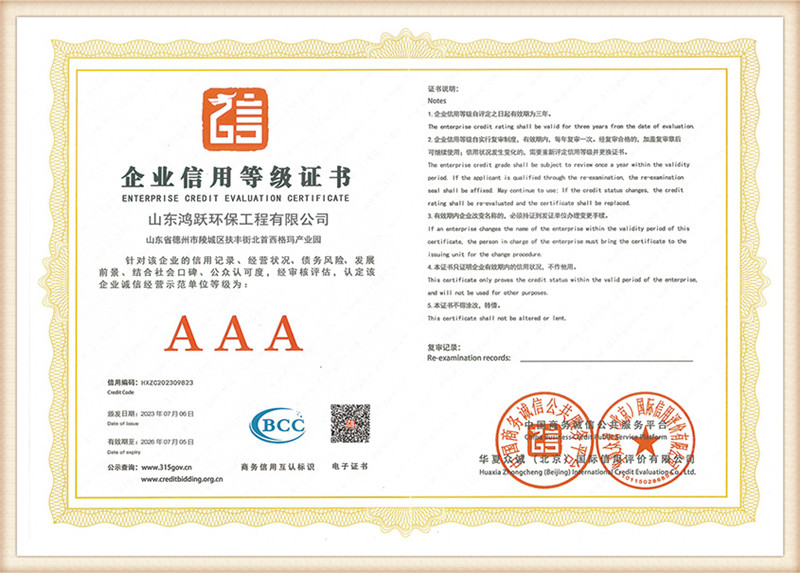
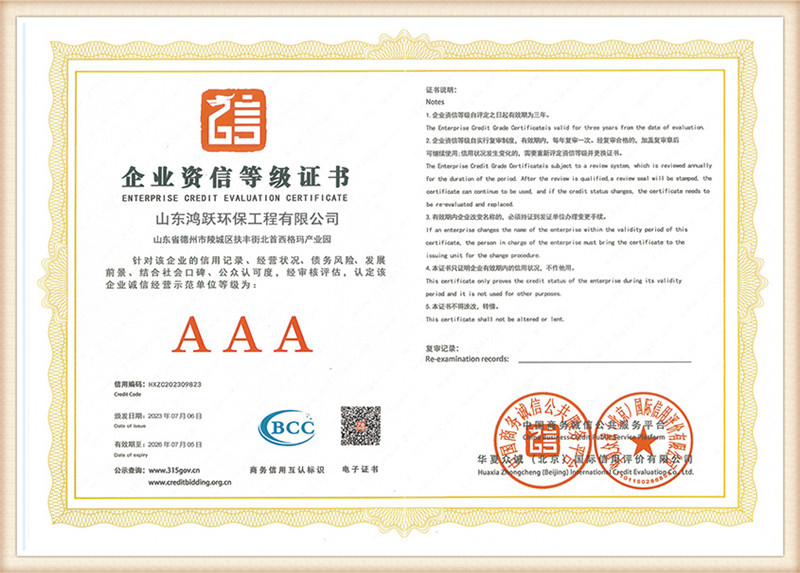
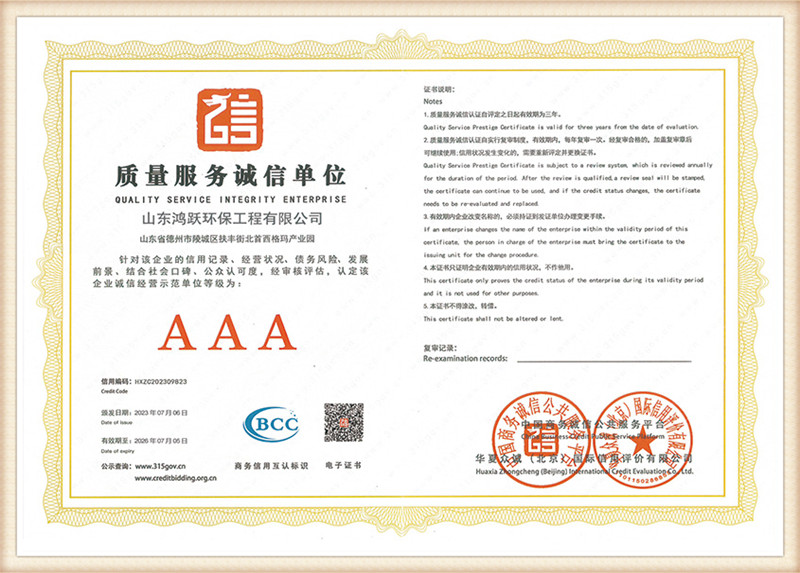
Physical, mechanical, and longevity specifications verified by the National Research Center for Certified Geotechnical Testing.
| Property Parameter | Testing Method | Nominal 1.0 mm (40 mil) | Nominal 1.5 mm (60 mil) | Nominal 2.0 mm (80 mil) |
|---|---|---|---|---|
| Density (Min. Resin g/cm³) | ASTM D1505 / D792 | ≥ 0.940 | ≥ 0.940 | ≥ 0.940 |
| Tensile Strength at Yield (kN/m) | ASTM D6693 (Type IV) | ≥ 15 | ≥ 22 | ≥ 29 |
| Tensile Strength at Break (kN/m) | ASTM D6693 (Type IV) | ≥ 27 | ≥ 40 | ≥ 53 |
| Elongation at Yield (%) | ASTM D6693 | ≥ 12 | ≥ 12 | ≥ 12 |
| Elongation at Break (%) | ASTM D6693 | ≥ 700 | ≥ 700 | ≥ 700 |
| Tear Resistance (N) | ASTM D1004 | ≥ 125 | ≥ 187 | ≥ 249 |
| Puncture Resistance (N) | ASTM D4833 | ≥ 320 | ≥ 480 | ≥ 640 |
| Carbon Black Dispersion | ASTM D5596 | Category 1 or 2 | Category 1 or 2 | Category 1 or 2 |
| Stress Crack Resistance (SP-NCTL, hrs) | ASTM D5397 | ≥ 500 | ≥ 500 | ≥ 500 |
| Standard OIT (Minutes) | ASTM D3895 | ≥ 100 | ≥ 100 | ≥ 100 |
Analyzing critical macroeconomic vectors driving high-density geomembrane deployments worldwide.
Global environmental protections (such as EPA Subtitle D and European Directive 1999/31/EC) mandate zero-tolerance subterranean contamination, making composite double-lining standard practice.
Modern copper, gold, and lithium mining operations across South America and Central Asia require robust chemical liners capable of resisting high hydrostatic heads and aggressive pH acids.
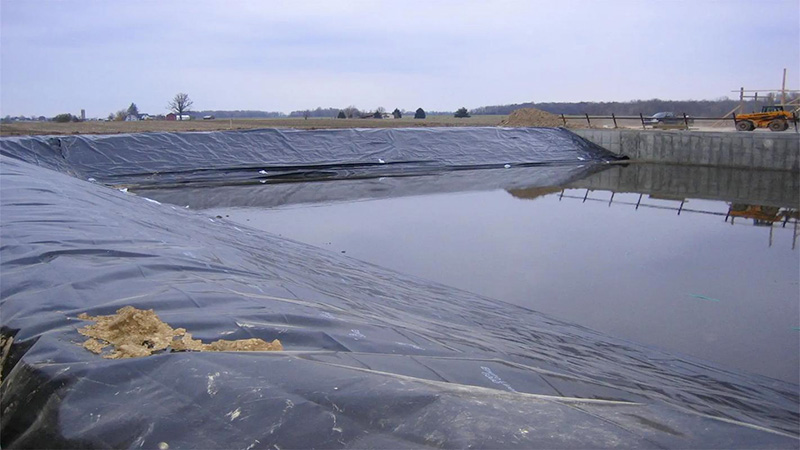
Arid agricultural zones rely on HDPE canals and terminal storage reservoirs to cut seepage losses by up to 98%, safeguarding vital resources against climate-induced drought.
Tailored barrier topologies designed for high subgrade deflection, severe temperature shifts, and aggressive chemical exposure.
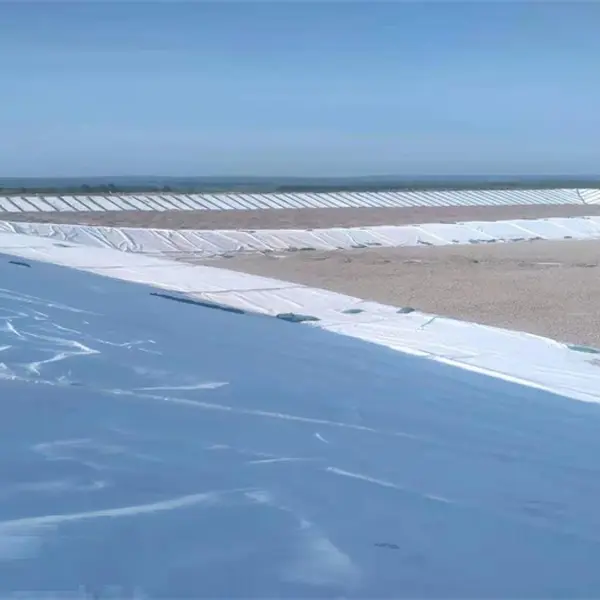
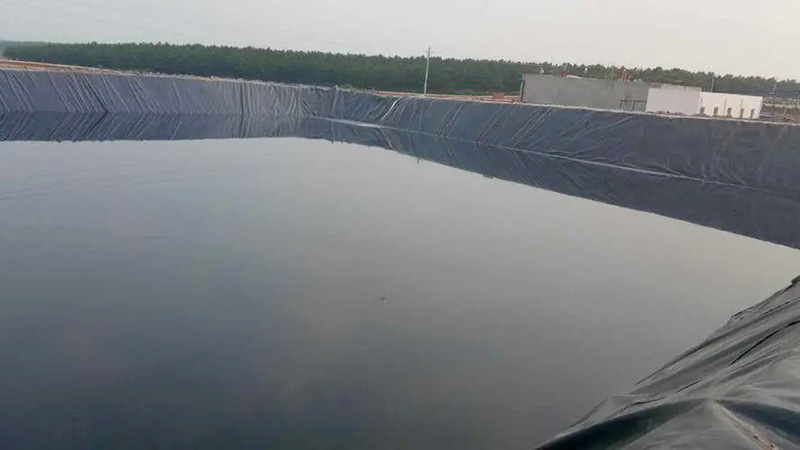
Reservoir bottoms engineered across valleys experience high localized settlements. Flexible HDPE liners adapt to differential movement without shear cracking, preventing critical seepage into karst rock foundations.
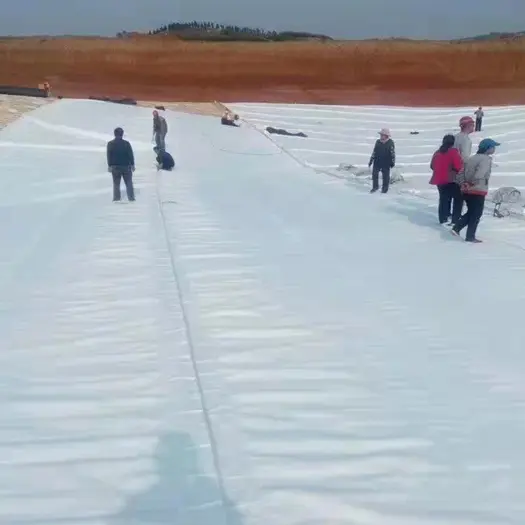
Rapid channel velocities cause subgrade scouring. Long-roll HDPE sheets underlaid with nonwoven geotextiles stabilize levees, control dynamic pore pressures, and stop flood overtopping blowouts.
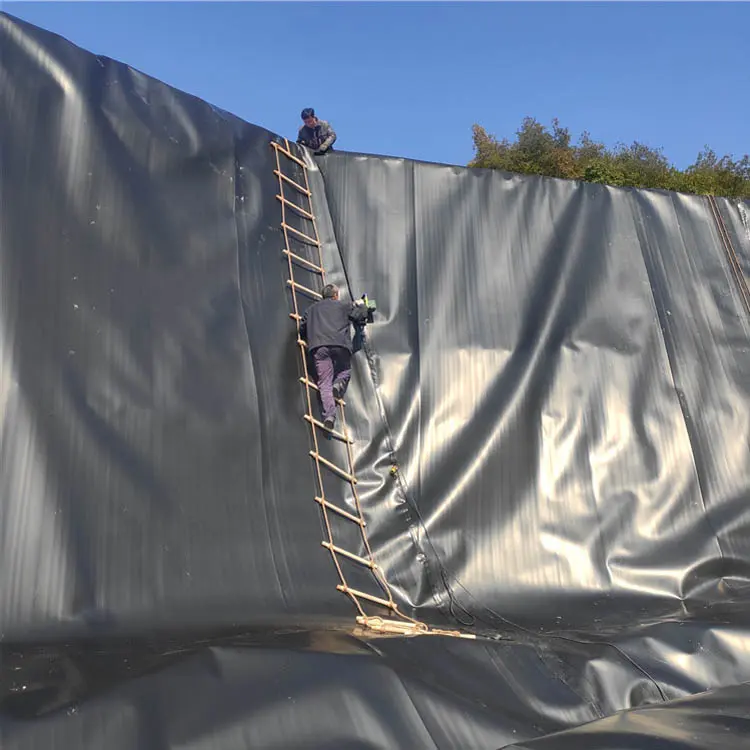
Sanitary municipal and industrial containment designs combine 2.0mm smooth/textured HDPE geomembranes with GCL blankets to form impermeable leachate cutoffs with multi-decade containment guarantees.
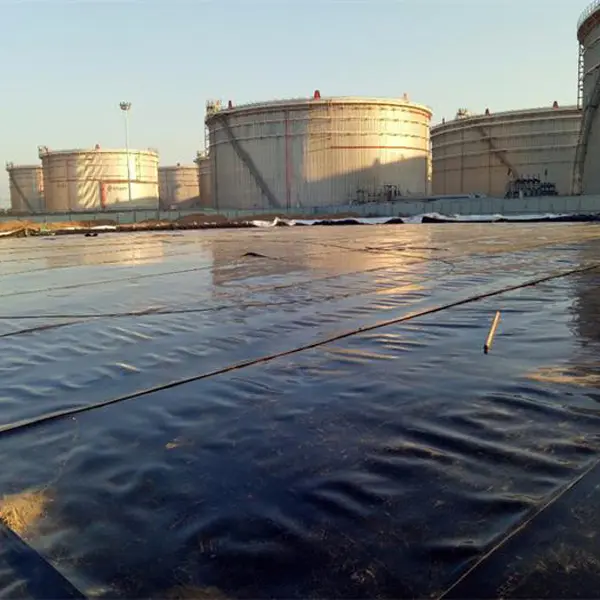
Refinery tank farms and brine lagoons require chemical inertness against hydrocarbons and solvents. Our geomembranes prevent catastrophic soil pollution during emergency vessel breaches.
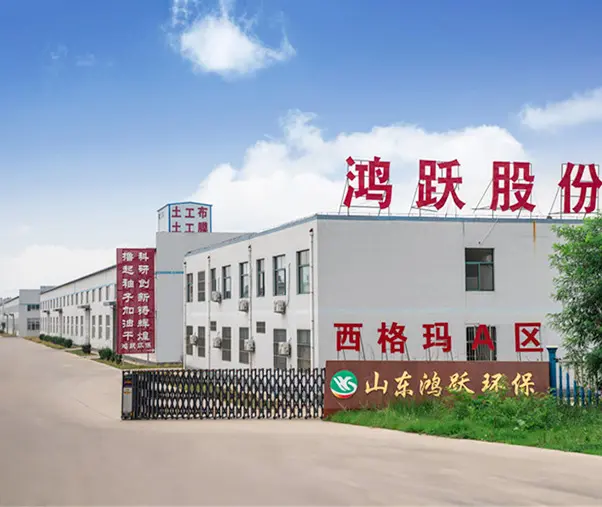
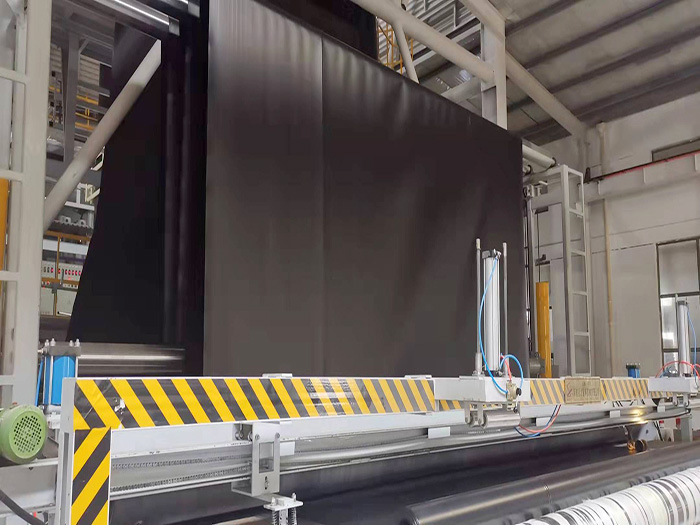
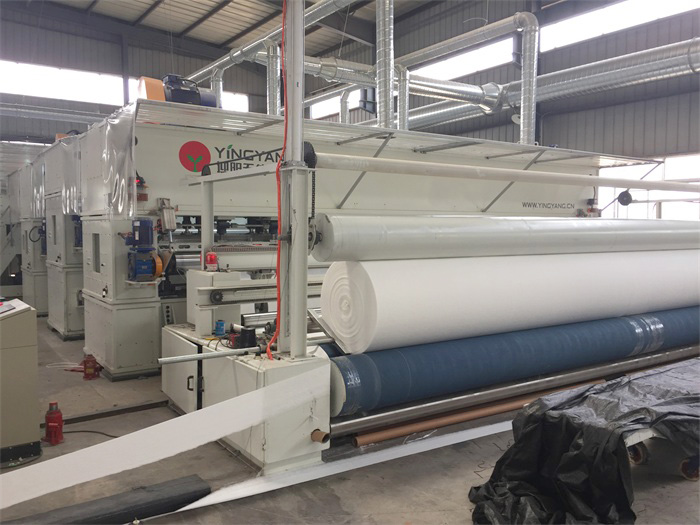
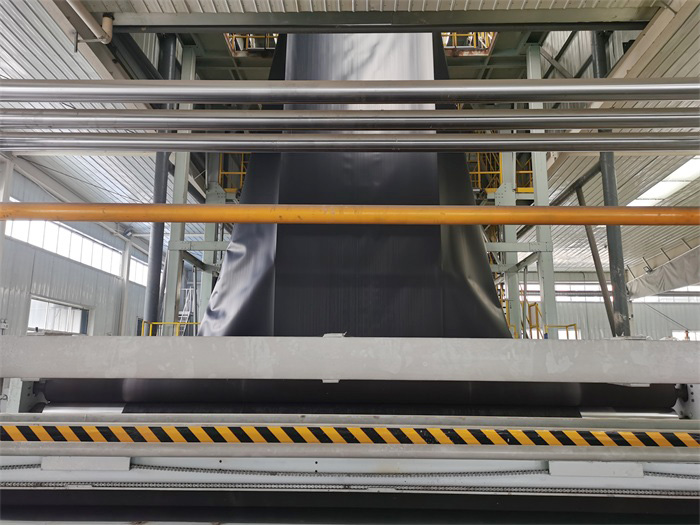
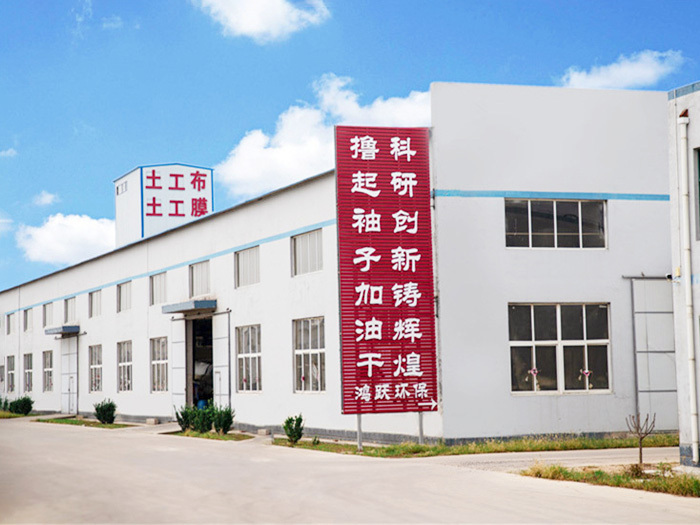
A closer look inside our Lingcheng production base, equipment lines, and finished goods inventories.
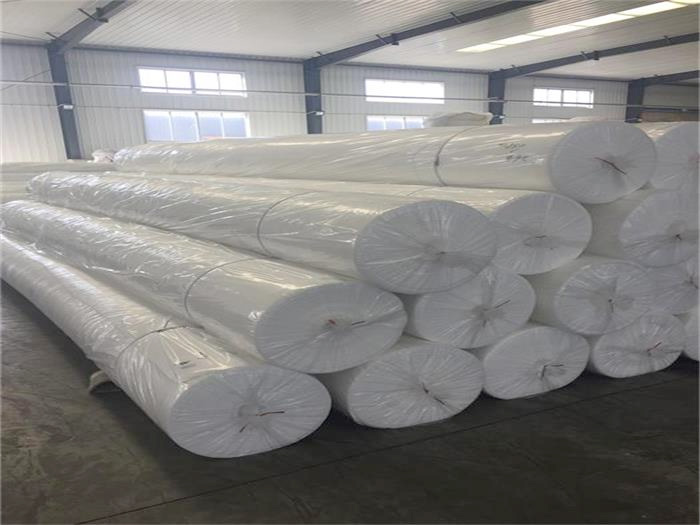
Strategic logistics, high-volume raw material reserves, and streamlined port delivery.
Long-term strategic contracts with petrochemical refiners give our facility preferred batch access to Sinopec, PetroChina, and Sabic high-purity resin grades, mitigating spot price fluctuations for end-users.
Our Dezhou manufacturing base maintains quick highway corridors to Qingdao Port and Tianjin Port, ensuring low overland hauling costs and fast shipping window availability for 20GP and 40HQ container runs.
With multiple synchronized heavy extrusion systems operating round the clock, we can complete orders of 500,000+ square meters within short engineering timelines, preventing site downtime.
Advancing geomembrane systems for higher safety, reliability, and real-time monitoring.
Integrated co-extruded micro-conductive carbon layers allow automated, non-destructive spark spark/dipole leak surveys over 100% of the installed footprint without water flooding.
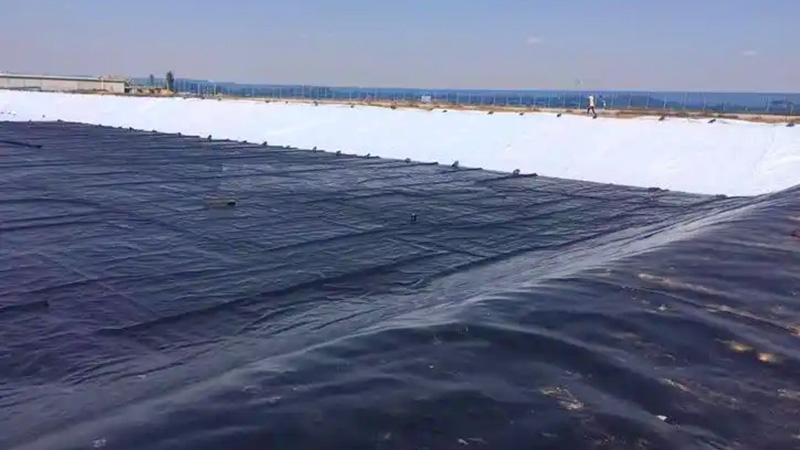
Dual-color co-extrusion incorporates a UV-stabilized white upper layer, lowering membrane surface temperature by up to 25°C. This limits wrinkle formation and simplifies field visual QC.
Modified bimodal resins engineered for aggressive mining leachate up to 85°C, offering improved high-temperature OIT and resistance against oxidative embrittlement.
A geomembrane liner is only as dependable as its welded seams. Our certified field specialists supply comprehensive quality protocols for hot-wedge and extrusion welding:
Subgrade Preparation: The surface must be rolled flat, free of sharp stones (>5mm), vegetated root balls, mud, and water pooling prior to unrolling.
Dual-Track Wedge Fusion: Automated hot-wedge welders create a continuous central test channel between two thermal weld tracks, providing an enclosed space for non-destructive air-pressure testing.
Air Pressure Testing (ASTM D5820): Air channels are sealed, pressurized to 200–250 kPa, and observed for 5 minutes. A pressure drop ≤10% confirms seam integrity.
Extrusion Detail Fillets: Complex pipe penetrations, boots, sumps, and patching are secured using hand extrusion guns with matching parent rod material, followed by vacuum box testing.
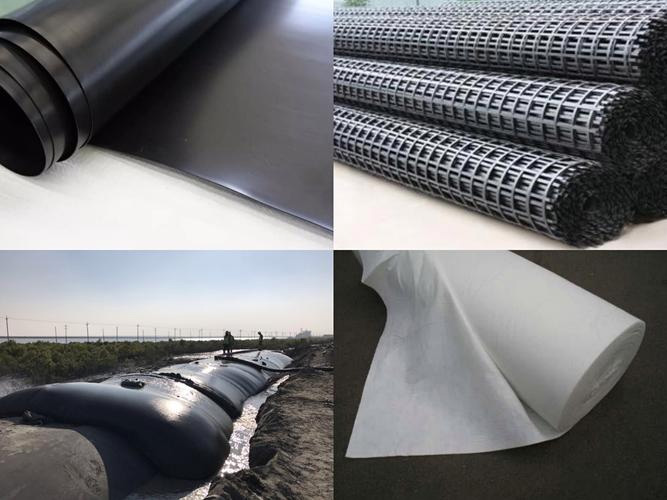
Explore auxiliary reinforcements, structural geocells, and synthetic blankets available from our integrated hub.
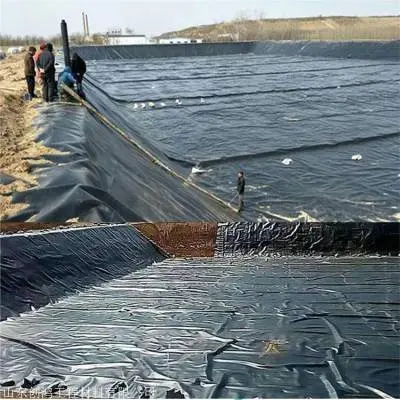
Non-toxic, food-grade verified virgin liners preventing bank erosion and water seepage in shrimp and fish farming operations.
High-modulus steel wire strands encased in polyolefin jackets for foundation stabilization and MSE retaining structures.
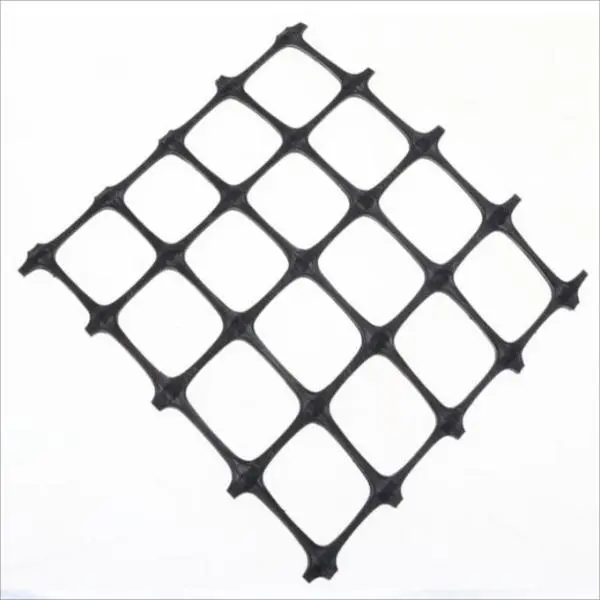
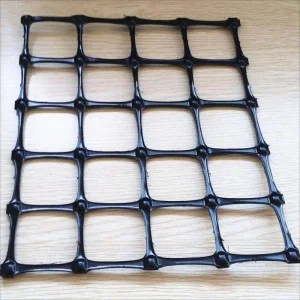
Interlocking aperture matrices for roadway base stabilization, railway ballast reinforcement, and soft ground improvement.
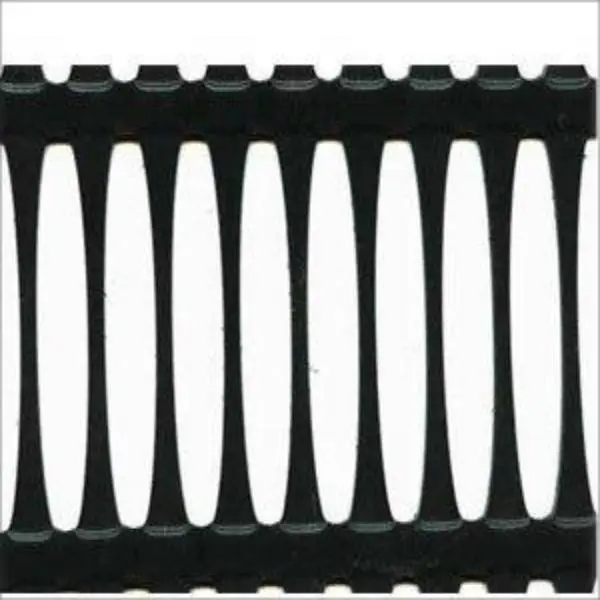
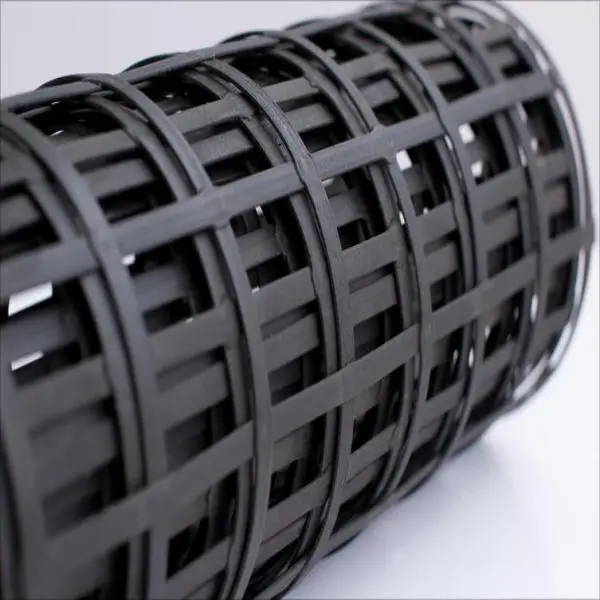
Directional tensile structures designed for high-load retaining walls, highway slope revetments, and reinforced soil embankments.
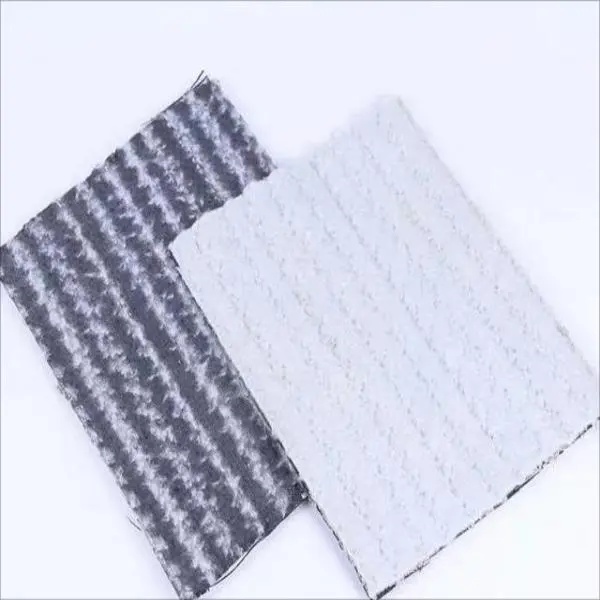
Rapid hardening geosynthetic composite cloth hardening on hydration, delivering durable concrete channel linings without mixers.
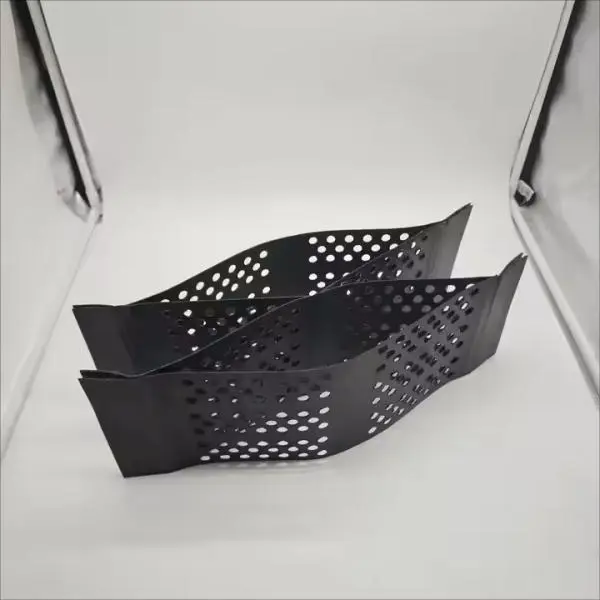
Ultrasonically-welded structural honeycomb cells for rapid erosion control, slope revegetation, and heavy load dispersal.
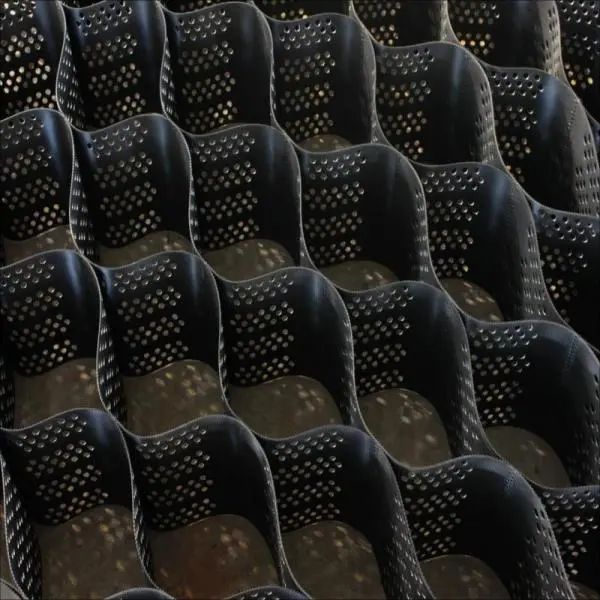
Enhanced friction-wall cellular matrices promoting horizontal drainage while holding soil matrices on steep angles.
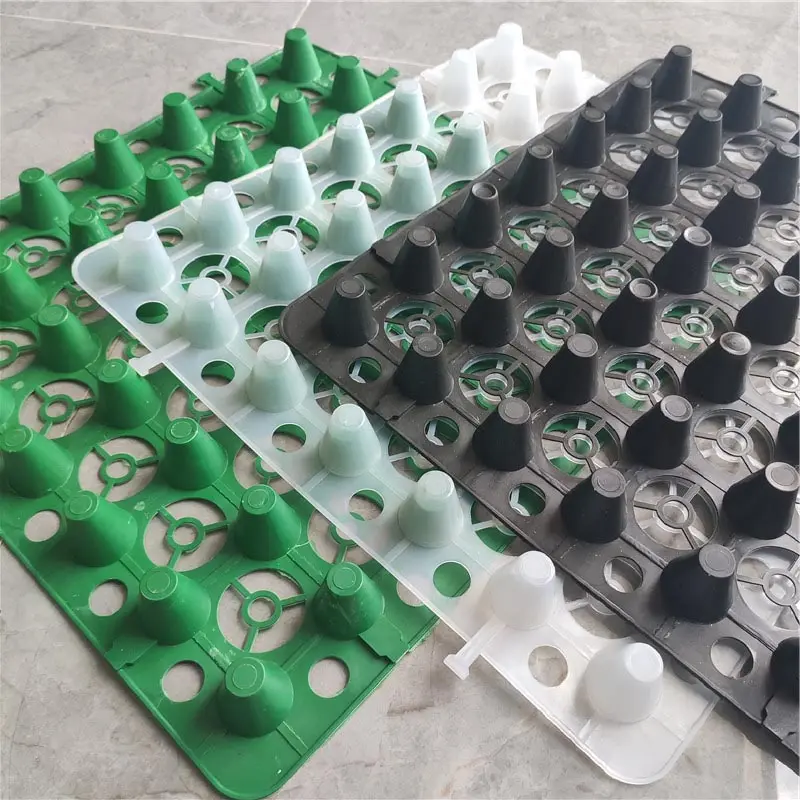
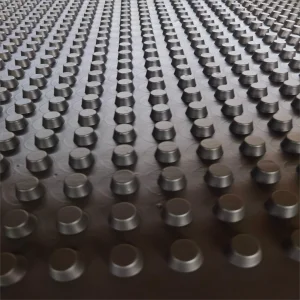
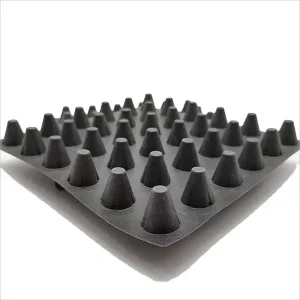
Dimpled HDPE drainage cores for commercial rooftop gardens, subterranean basements, and podium plaza civil water collection.
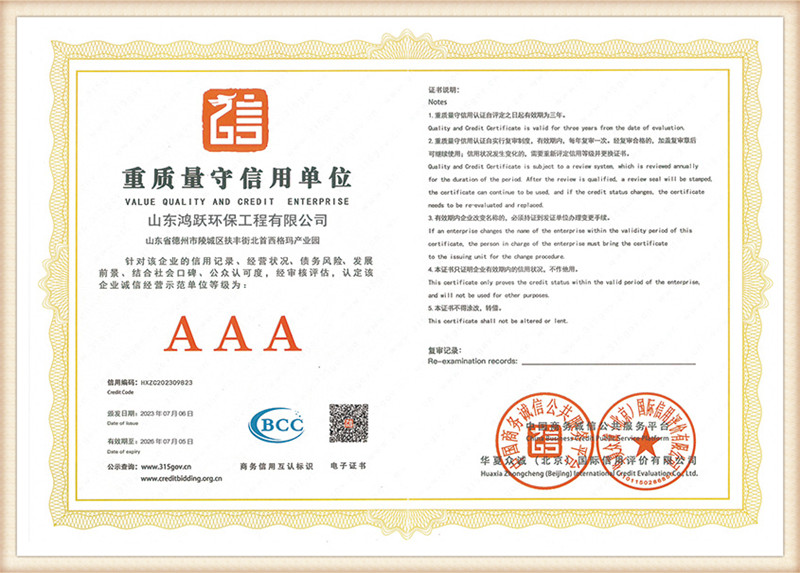
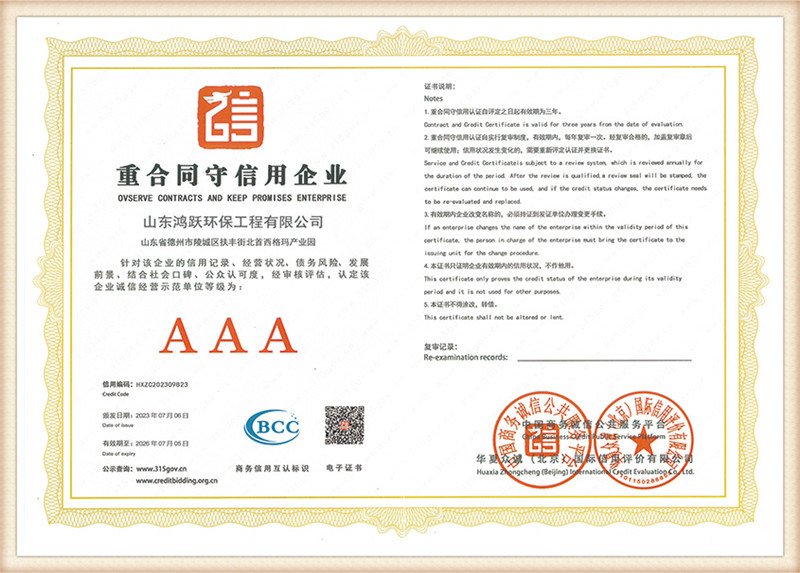
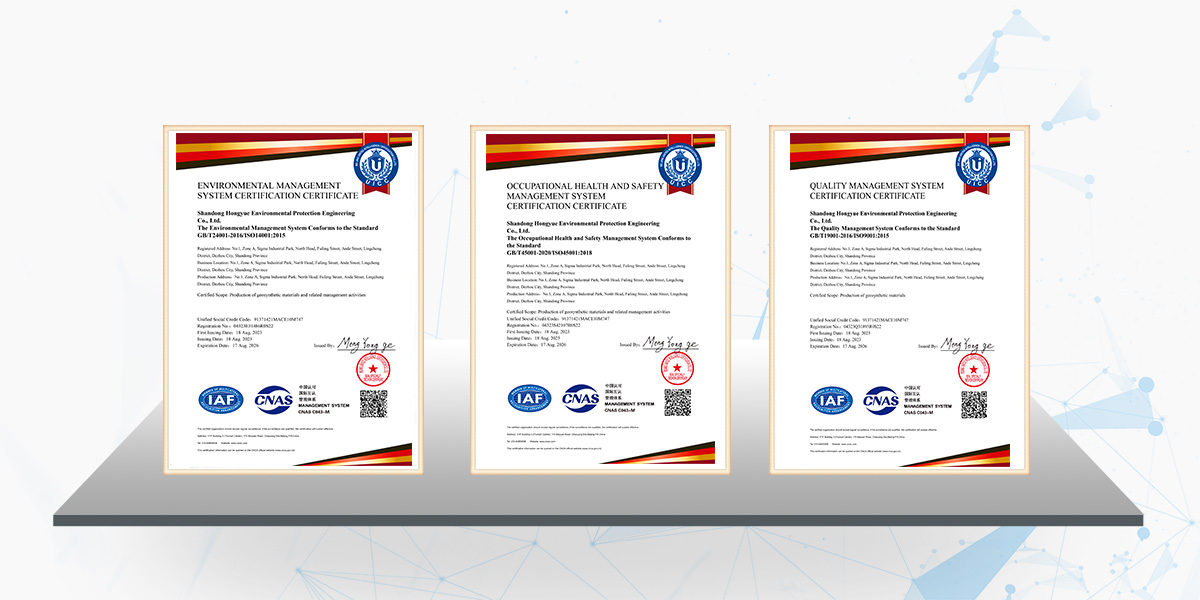
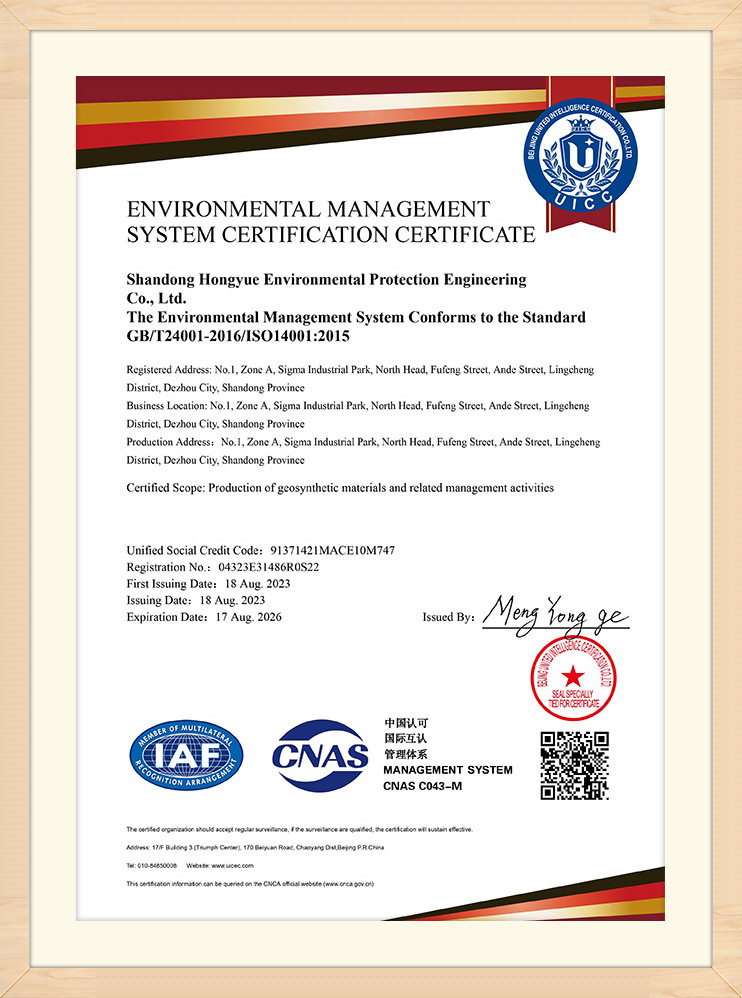
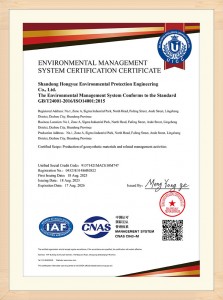
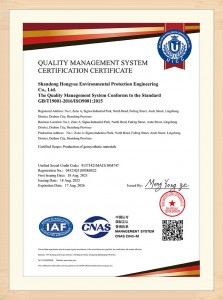
Full batch tracking, third-party lab verification, and ISO-certified management systems.
Our quality management, environmental safety, and operational standards are fully accredited and audited annually by international standard bodies.
Certified under European Construction Products Regulation (EU) No 305/2011 for civil anti-seepage and environmental protection installations.
Every production master-roll is archived with factory test certificates (MTC) detailing density, tensile, tear, and oxidative induction properties.
Essential guidance on resin specifications, thickness selection, field testing, and global logistics.
High-Density Polyethylene (HDPE) provides higher chemical resistance, elevated tensile yield strength, and lower permeability, making it the industry standard for landfills, hazardous waste, and mining applications. Linear Low-Density Polyethylene (LLDPE) offers greater flexibility and elongation at yield (>16%), making it preferable for projects with expected subgrade settlement, steep slope contours, or caps subject to differential ground subsidence.
Every master batch at Shandong Hongyue is produced with 100% virgin polyethylene resin containing ≥97% pure polymer and 2.0–3.0% furnace carbon black, with zero added post-consumer regrind. We strictly verify standard OIT (>100 min), High-Pressure OIT (>400 min), and Single-Point Notched Constant Tensile Load (SP-NCTL ≥ 500 hrs) in accordance with the Geosynthetic Institute's GM13 international benchmarks.
Standard thicknesses range from 0.3mm to 3.0mm (12 mil to 120 mil). Typical roll widths are 5.8m (for convenient double-stacking in standard 20GP containers) or 7.0m to 8.0m (to maximize container volume in 40HQ containers). Custom roll lengths from 50m to 200m+ are packaged with protective woven geotextile wraps and heavy sling straps for safe dockside offloading.
Yes. Smooth geomembranes are typically chosen for flat reservoir floors and baseline containment cells where flow velocity and high planar shear are not critical. Textured geomembranes (manufactured via nitrogen-blown or co-extruded structuration) provide friction angles up to 28–32 degrees against geotextiles and soils, providing slope stability on landfill side slopes and dam walls.
Each shipment is dispatched with a formal Factory Quality Test Report (MTC) detailing batch-specific density, melt index, thickness profile, tensile and break points, tear/puncture performance, and carbon content. Third-party testing verifications from SGS, Intertek, or TRI Environmental are also available upon request.
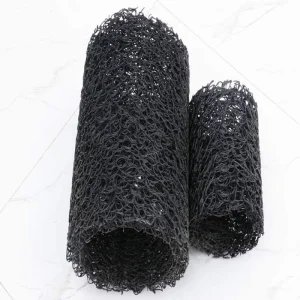
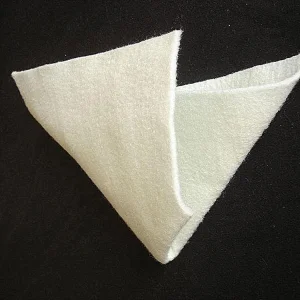
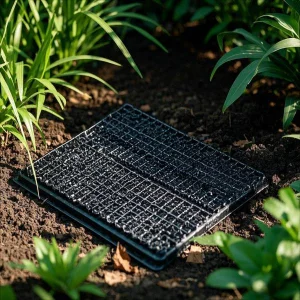
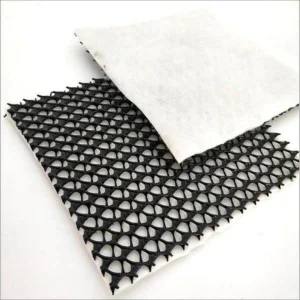
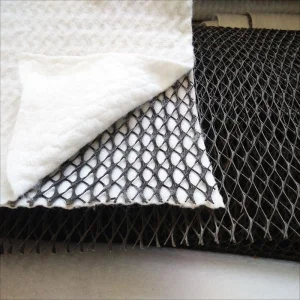
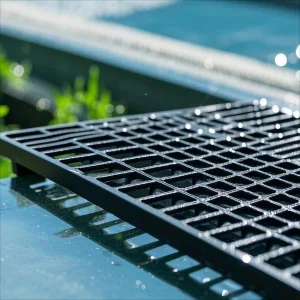
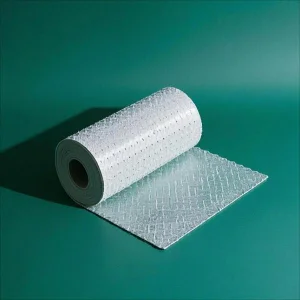
Advanced subsurface drainage boards, geonets, and needle-punched geotextile layers available for integrated containerized delivery.
Connect directly with our engineering sales desk for full specification evaluations, container logistics optimization, and competitive FOB/CIF quotation schedules.
 Hongyue