High-performance polymeric formulations engineered for slope stability, containment consolidation, subgrade reinforcement, and drainage efficiency.
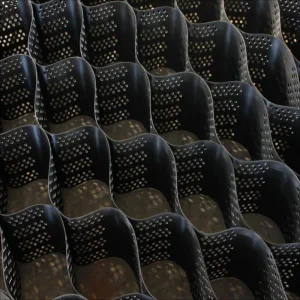
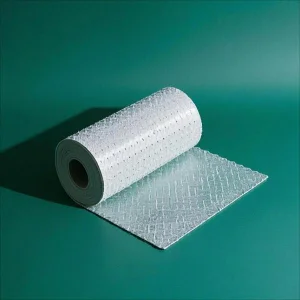
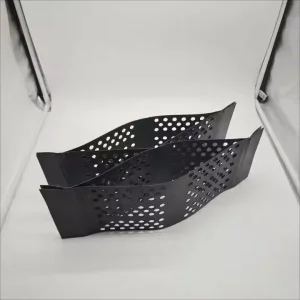
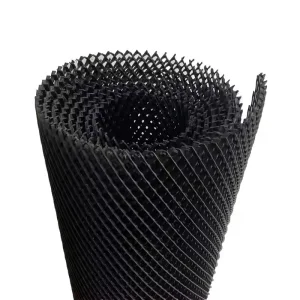
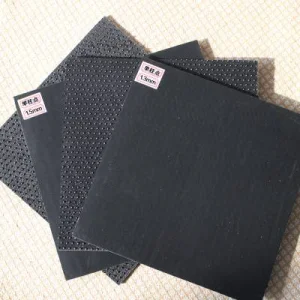
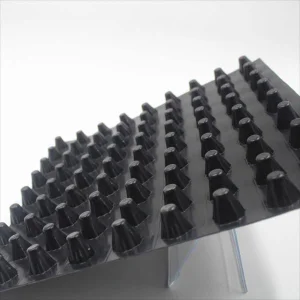
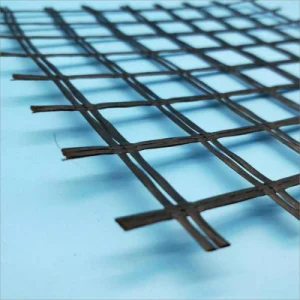
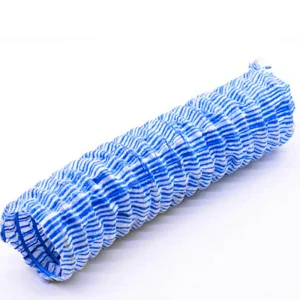
The global demand for soil stabilization and civil reinforcement systems is experiencing a paradigm shift. Due to escalating climate challenges, intense precipitation events, and rapid urban extension, conventional retaining walls and bio-stabilization methods no longer suffice. Infrastructure projects require highly robust, durable, and chemically inert geosynthetic materials to handle extreme structural loads and prevent critical mass transport failures.
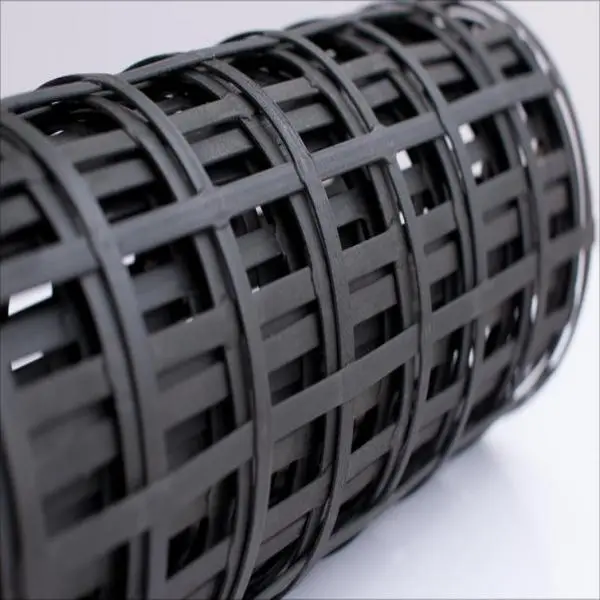
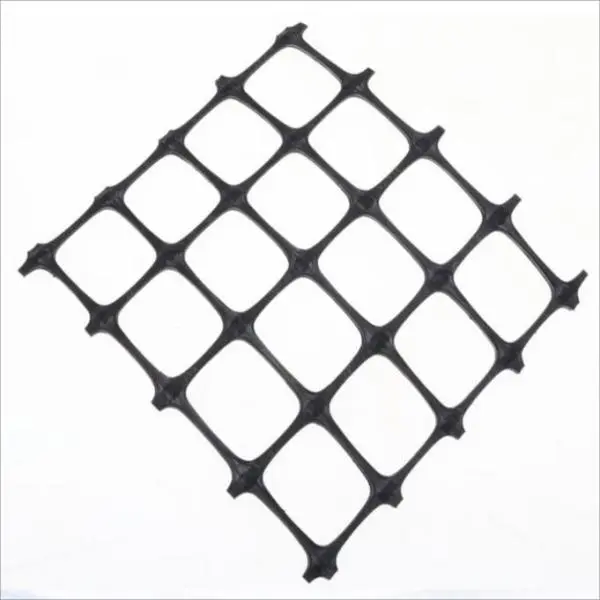
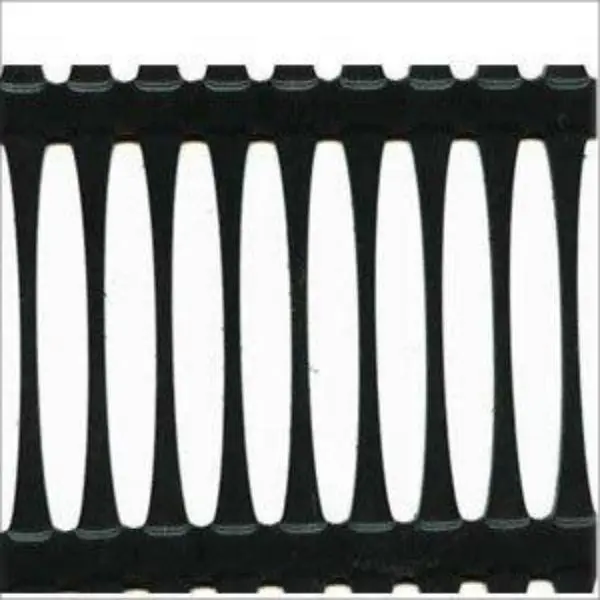
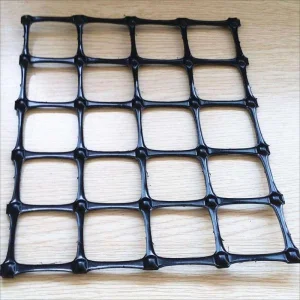
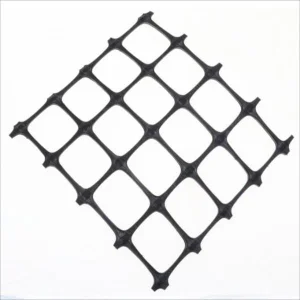
As a leading China Geogrid Erosion Control Exporter, Shandong Hongyue Environmental Engineering Co., Ltd. addresses this dynamic through micro-engineered polymeric structures. By using specialized high-density polyethylene (HDPE), polypropylene (PP), and fiberglass raw materials, our geogrids form a mechanical interlocking mechanism with surrounding aggregate or soil, transforming loose soil bodies into highly stable, cohesive composite structures.
From highway subgrades in water-saturated environments to large-scale municipal landfill linings, our products mitigate erosion, control surface runoff, and reinforce foundations with exceptional reliability. This technical approach optimizes material consumption while extending the design life of civil structures.
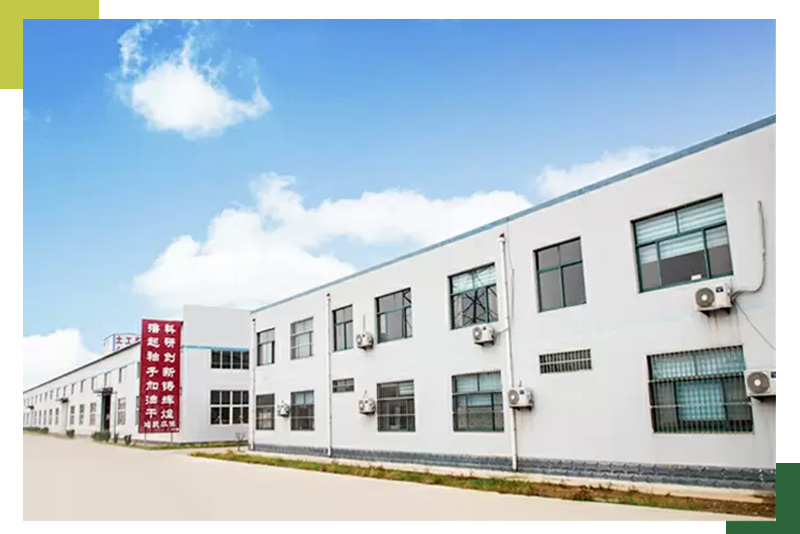
Operating as a specialized manufacturer and exporter of environmental and geotechnical materials, we offer fully integrated production, testing, design, and construction consultation.
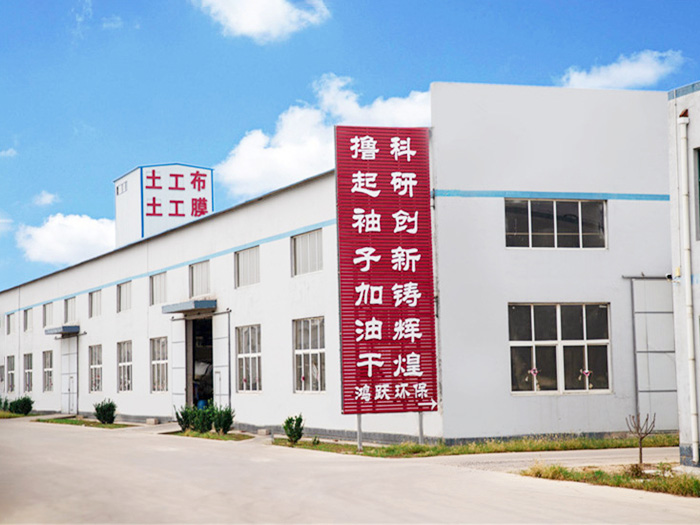
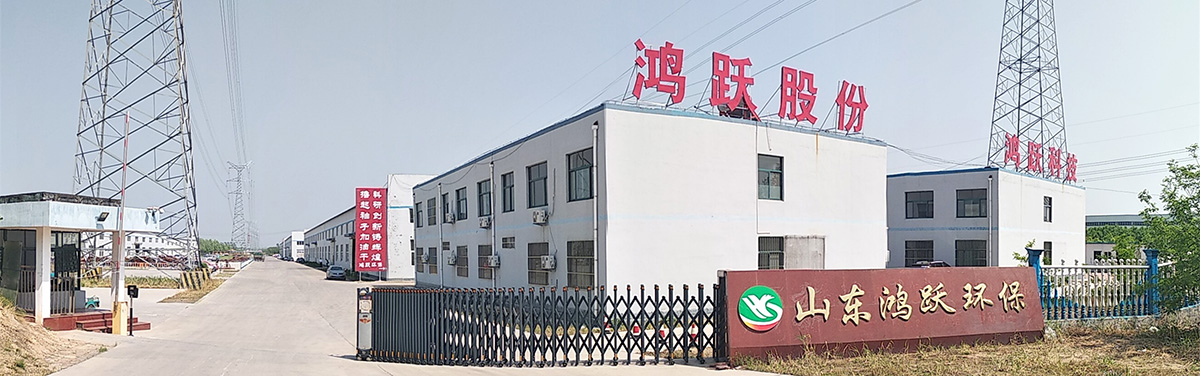
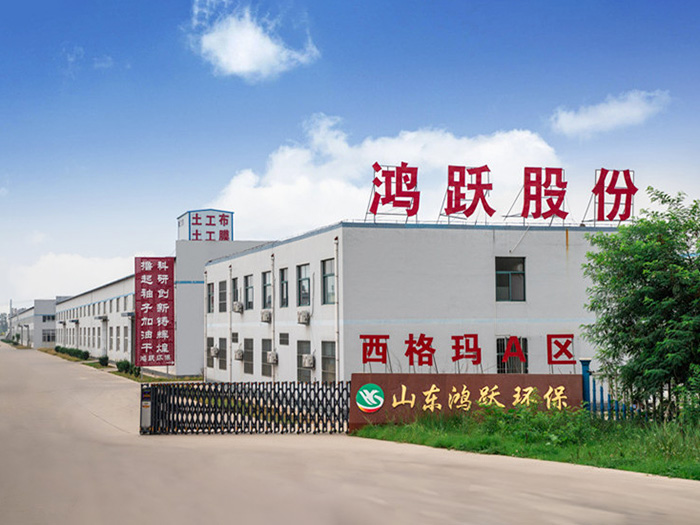
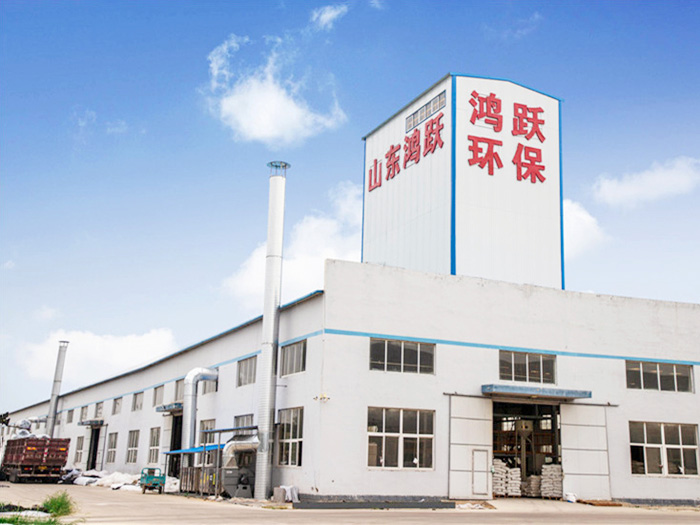
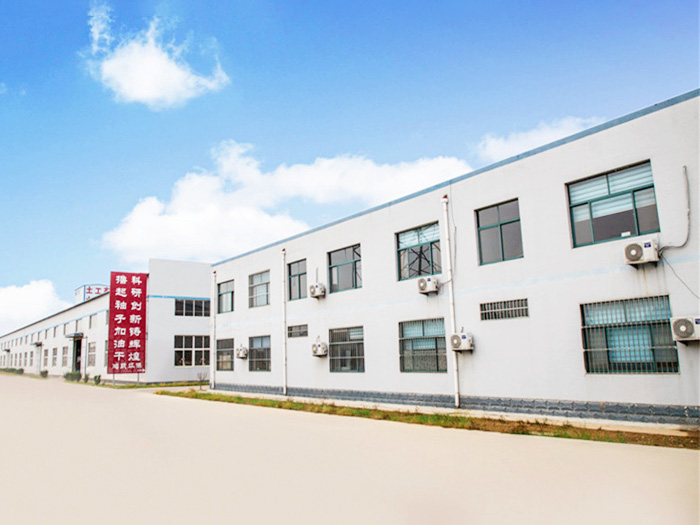
Shandong Hongyue Environmental Engineering Co., Ltd., located at the north end of Fufeng Street, Lingcheng District, Dezhou City, Shandong Province, is one of China's premier production hubs for high-performance geosynthetics. Registered with a capital of 105 million Yuan, our facility integrates advanced environmental science with heavy civil engineering solutions. Positioned dynamically within Dezhou's key transportation and logistics corridors, our geographical presence facilitates rapid containerized shipments worldwide.
As a key member of the Dezhou Geotextile Association, Hongyue maintains deep partnerships with academic and industrial research labs. We hold multiple internationally recognized credentials, including ISO9001 International Quality System Certification, ISO14000 Environmental Management Certification, and ISO45001 Occupational Health and Safety Management System Certification. Our products undergo rigorous evaluation to meet ASTM, EN, and ISO testing standards, ensuring performance under variable loading, chemical exposure, and temperature cycles.
With an established service network stretching across major Chinese transport centers like Shanghai and Beijing, our international trading arm exports high-grade geogrids, geocells, and geomembranes to Europe, North America, Australia, Southeast Asia, and the Middle East. We specialize in providing engineered solutions for infrastructure projects, including high-speed railways, municipal landfills, environmental mining, and maritime embankments.
Our state-of-the-art facility uses precise processing parameters to guarantee polymer alignment and maximum tensile resistance.
High-grade polyester chips, virgin polypropylene filament, and viscose fibers are thoroughly verified for purity, molecular weight distribution, and moisture levels before extrusion.
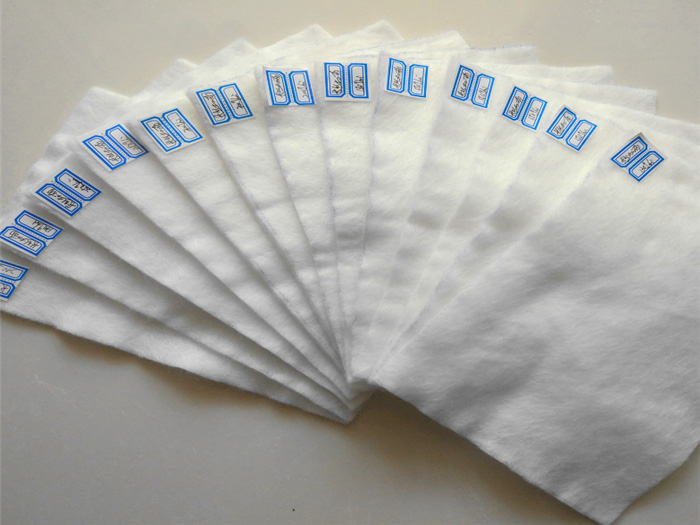
The polymers are processed in single or twin-screw extruders under precise temperatures to melt the composition without degrading the chains, which are then passed to spinnerets.
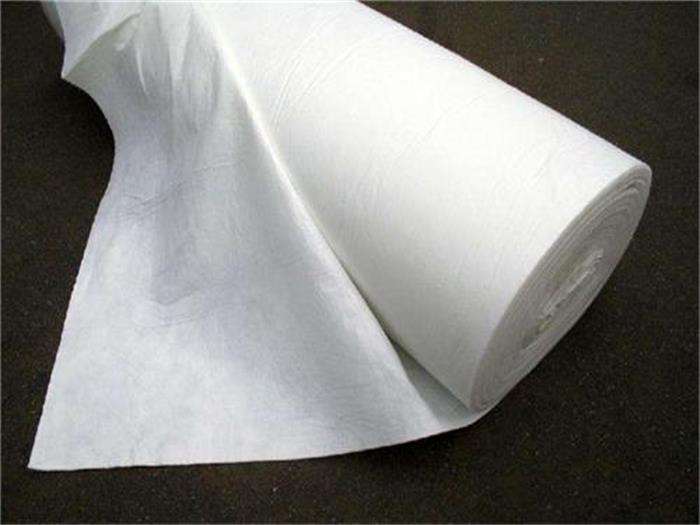
Drawn fibers undergo thermal setting to align the macromolecular structure. The geogrids and geotextiles are rolled, measured for gauge thickness, and prepared for final packaging.
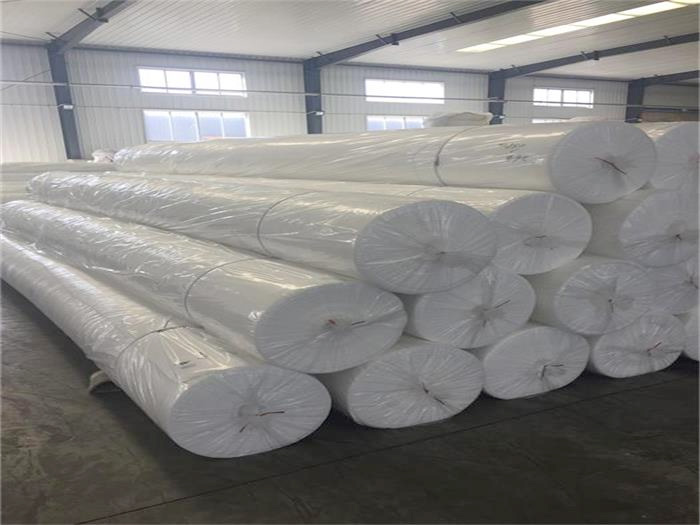
Explore our structural geosynthetics engineered for diverse engineering applications, from heavy load support to containment linings.
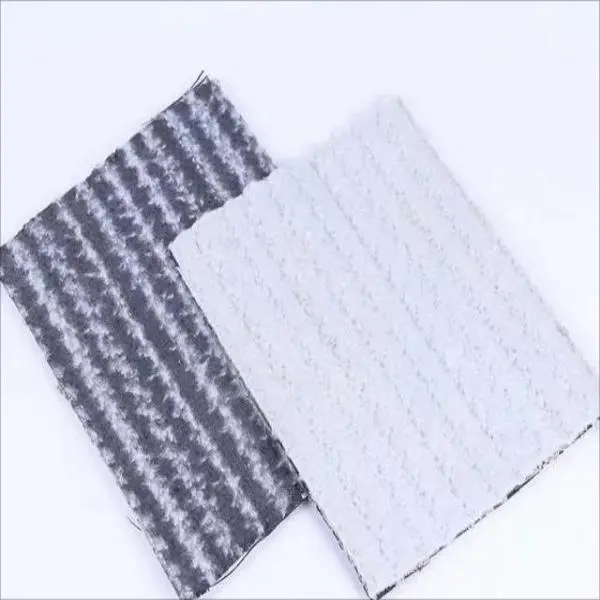
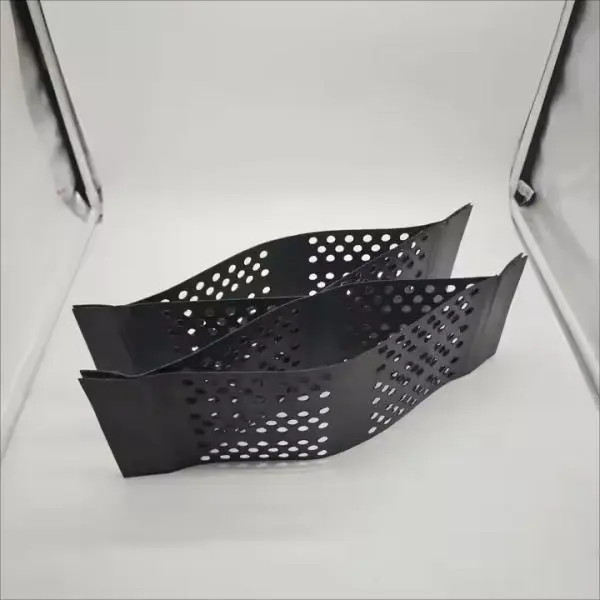
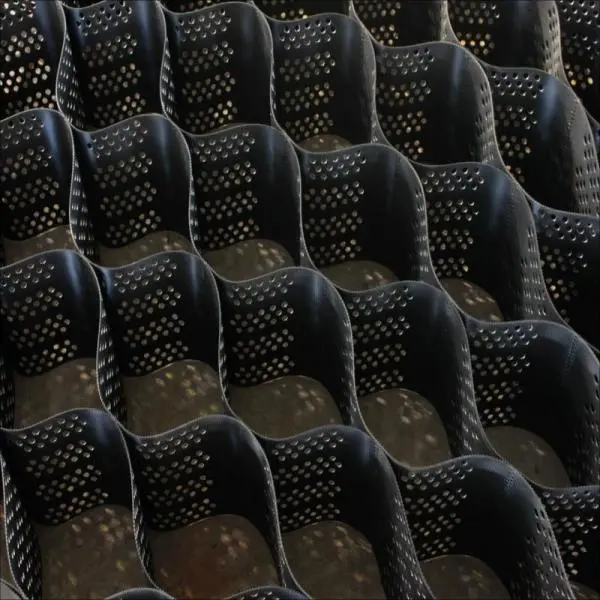
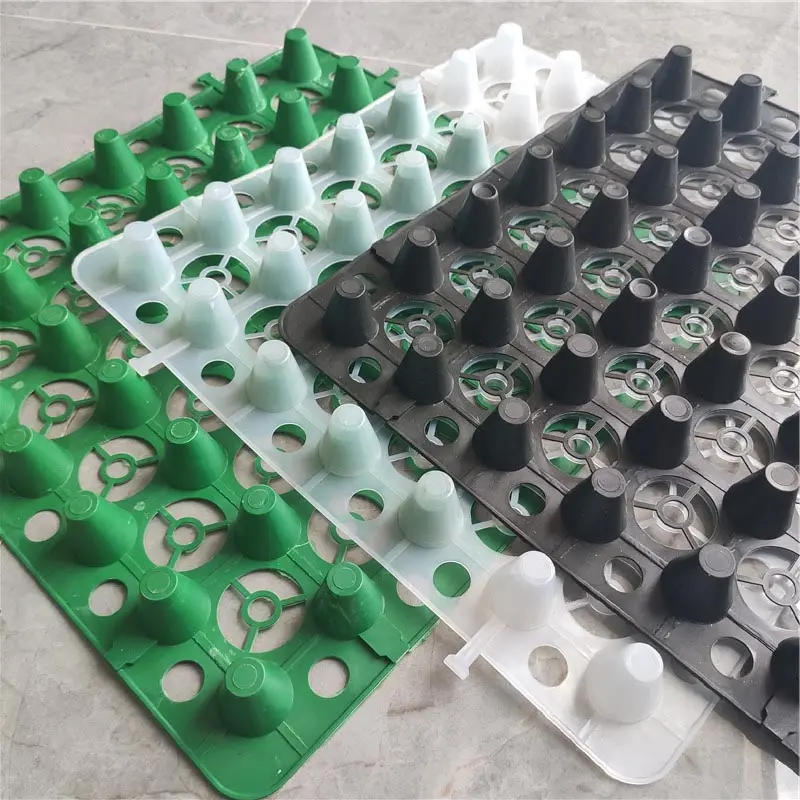
Proper on-site installation determines the long-term shear strength and permeability of geosynthetic installations. Shandong Hongyue provides comprehensive field engineering support for international implementations. The standard installation workflow follows three critical phases:
The base terrain must be graded, compacted, and cleared of all sharp aggregates, roots, standing water, and structural obstructions. This prevents mechanical puncture of the geosynthetic under dynamic loading cycles.
Geogrids and geomembranes are deployed along the pre-calculated principal stress axis. Subgrade geogrids must be pre-tensioned to eliminate slack, allowing the grid apertures to immediately interlock with the fill material upon backfilling.
For impermeable geomembranes, we use dual-track hot wedge welding to ensure watertight, pressure-testable seams. Geogrids are secured at overlap intervals using heavy-duty polymeric cable ties or metal U-pegs, ensuring consistent alignment during aggregate placement.
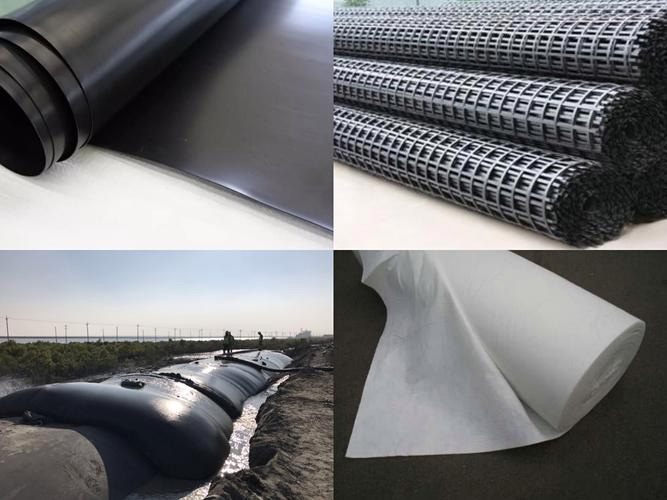
Our technicians monitor quality parameters, ensuring consistent barrier integrity in variable field conditions.
We deliver tailored solutions across various environments, from municipal landfills to critical hydraulic barriers.
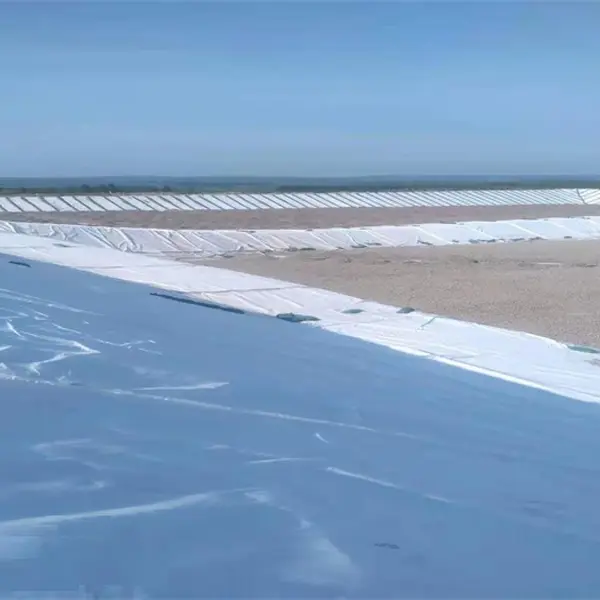
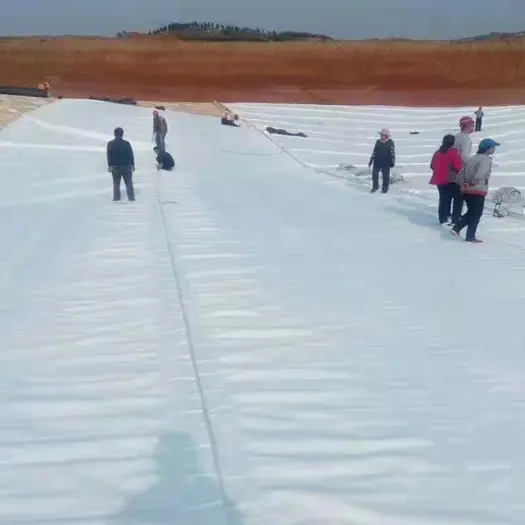
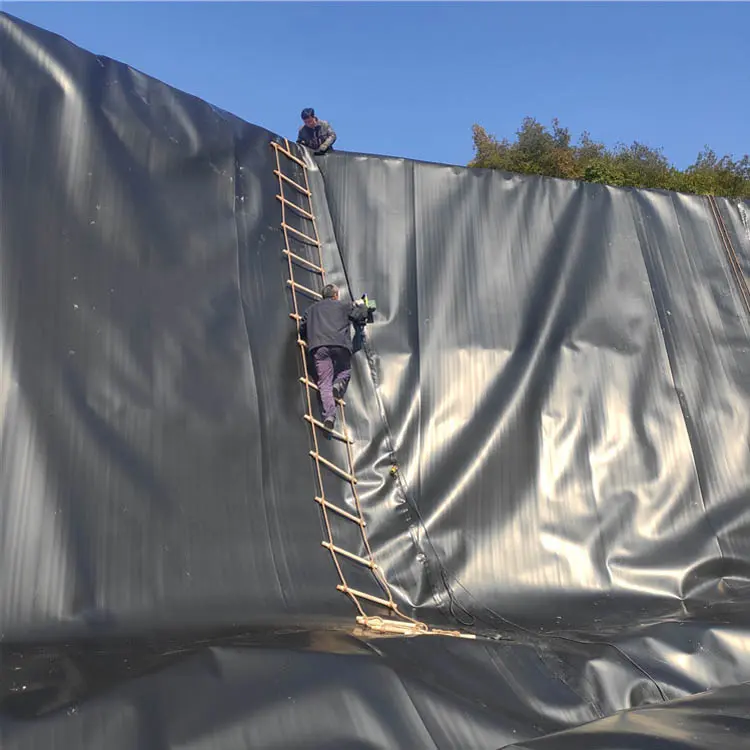
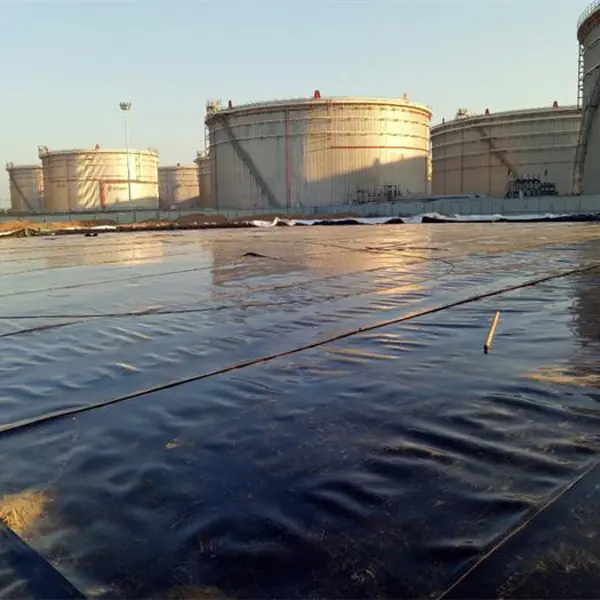
How polymeric barriers stabilize water flow and prevent water losses in global water conservation projects.
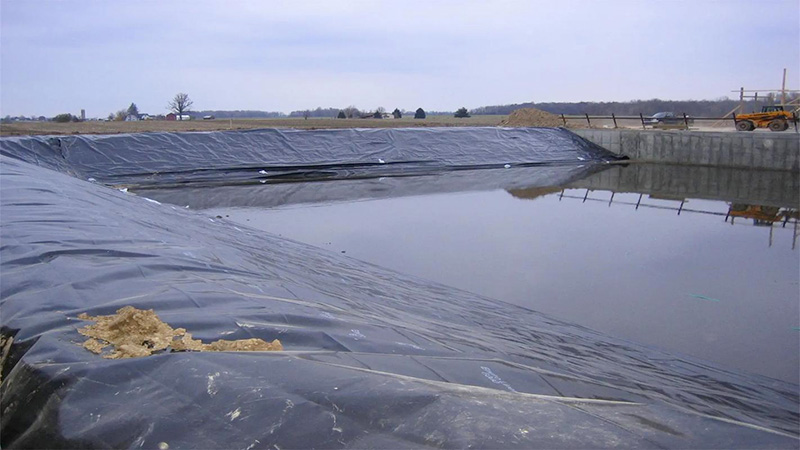
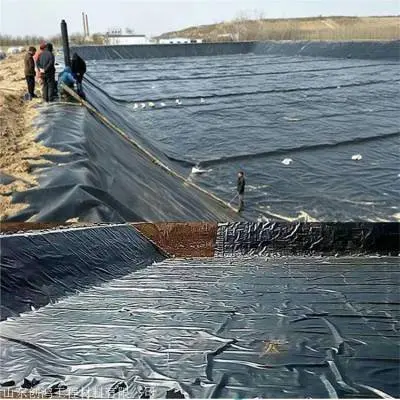
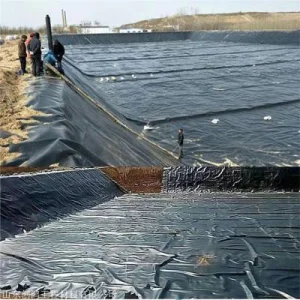
Reservoir Slope Stabilization: Geomembrane membranes act as a low-permeability barrier, preventing water loss through porous geological substrata.
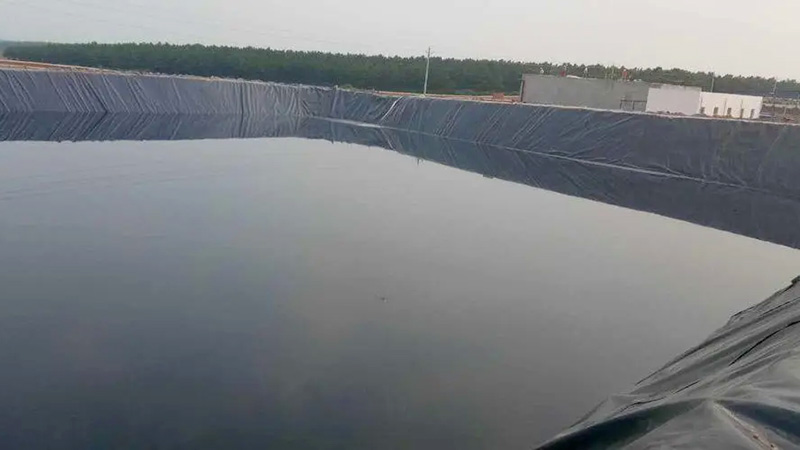
Levee Reinforcement: Minimizes internal erosion risk and prevents piping failure under varying hydrostatic pressures.
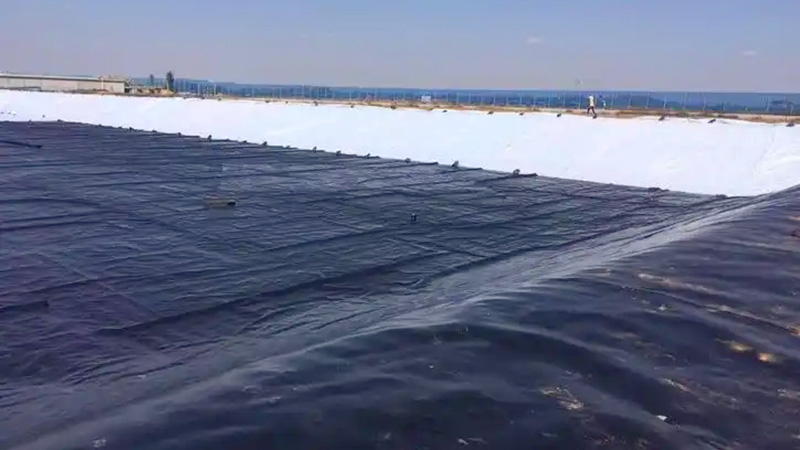
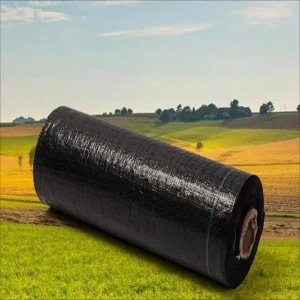
Canal Lining Projects: Optimizes water conservation networks, reducing channel friction losses and preventing weed overgrowth.
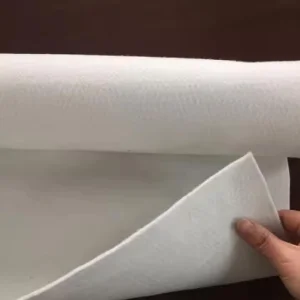
In large-scale water conservancy projects, soil instability and sub-surface leakage pose structural and environmental risks. Using composite geosynthetics, Shandong Hongyue supports project owners in sealing channels, dikes, and reservoirs. The geomembrane acts as an impermeable barrier against hydrostatic pressure, while the integrated geonet or geotextile provides drainage, relieving gas and pore water pressure beneath the liner.
This design helps prevent localized bulging and puncture failure of the main liner. Our composite liners reduce installation complexity, eliminating the need for thick clay layers and reducing transport costs, especially in remote regions.
Strict testing protocols are implemented from incoming raw materials to final product dispatch.
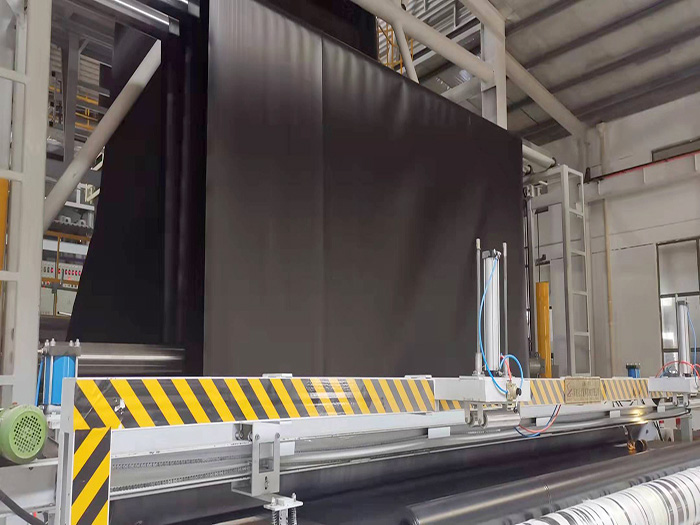
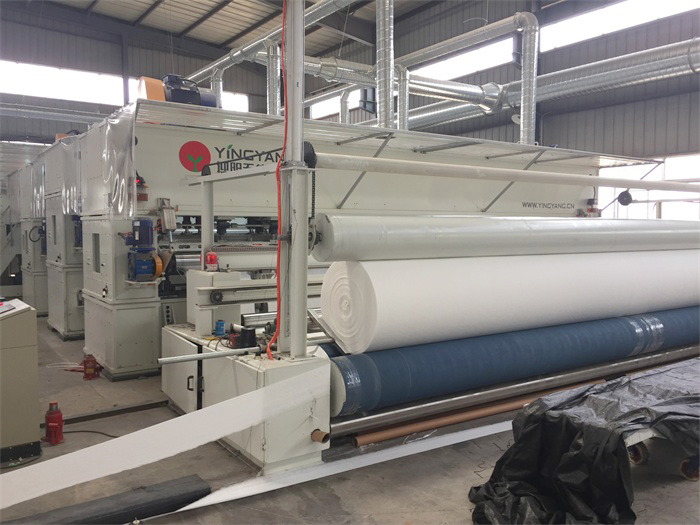
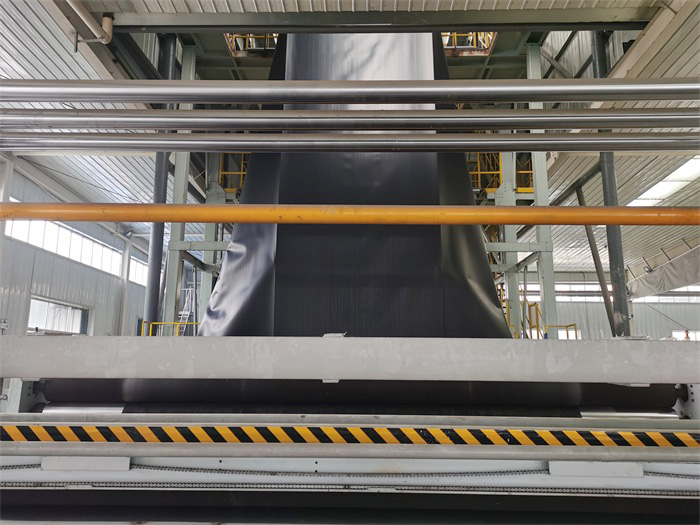
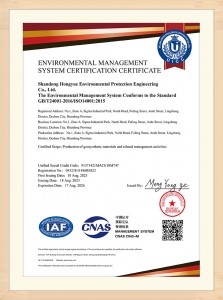
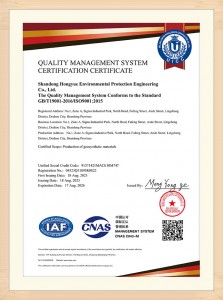
Our quality control system ensures that physical properties, including tensile strength, multi-axial elongation, aperture geometry, and carbon black UV stabilization, meet international testing standards.
Expert answers to common queries regarding design specifications, installation, and material selection.
Additional specialized materials for roadbeds, foundations, agricultural barriers, and subgrade stabilization.
 Hongyue