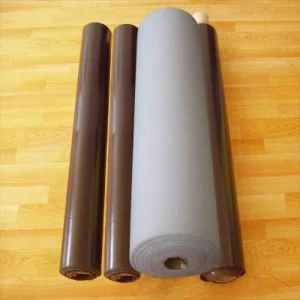
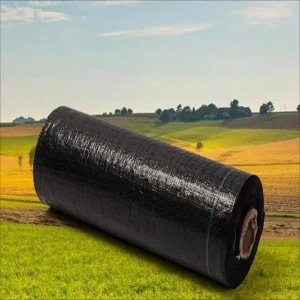
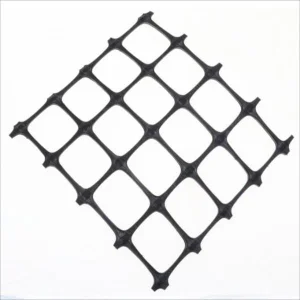
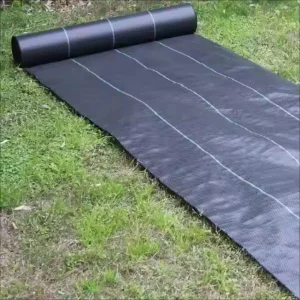
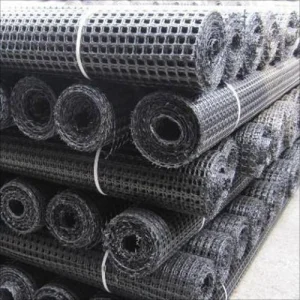
Explore our industrial-grade geotextiles, geomembranes, and specialized drainage systems engineered for extreme civil applications.
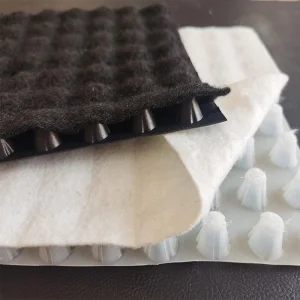
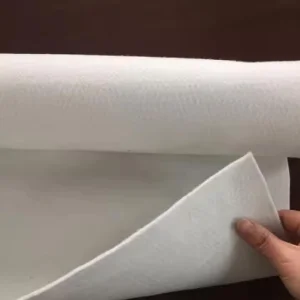
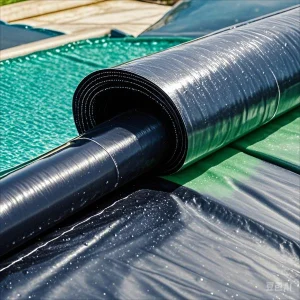
Geotextile fabrics have evolved from simple separation barriers to complex, highly engineered polymers designed to provide multi-functional capabilities: filtration, drainage, separation, reinforcement, and barrier protection. As a dominant category, Black Geotextile Fabric owes its color and superior performance properties to the inclusion of Carbon Black masterbatches during the extrusion process.
Carbon Black serves as a vital ultraviolet (UV) light stabilizer. When raw polymers such as Polypropylene (PP) or Polyester (PET) are exposed to UV radiation from the sun, photo-degradation occurs. The UV rays break down the molecular chains of the polymer, leading to brittleness, loss of tensile strength, and eventual structural failure. By integrating high-quality Carbon Black, the light energy is absorbed and dissipated as heat, preserving the polymer's integrity for decades of buried or exposed service life.
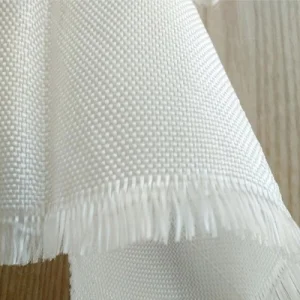
Typically offered in both woven and non-woven configurations, black geotextiles solve critical geotech challenges. Non-woven variants, manufactured through needle-punching or thermal bonding, provide high water permeability and excellent filtration profiles, making them optimal for subsurface drainage. Woven black geotextiles, conversely, are engineered for high tensile modulus and ultimate load bearing, making them the default choice for soil reinforcement and stabilization in heavy infrastructure.
Prevents the intermixing of adjacent soil layers (e.g., subgrade and aggregate base) to preserve the structural capacity and life expectancy of roads, runways, and railways.
Allows water to pass freely through the geotextile plane while holding back fine soil particles, preventing piping failures and ensuring long-term drainage system performance.
Distributes tensile stresses across a wider area, reducing local deformation and shear failure in embankments, retaining walls, and soft foundation terrains.
A Premier Scientific and Technological Geotechnical Manufacturer Integrating Production, Design, & Construction Services
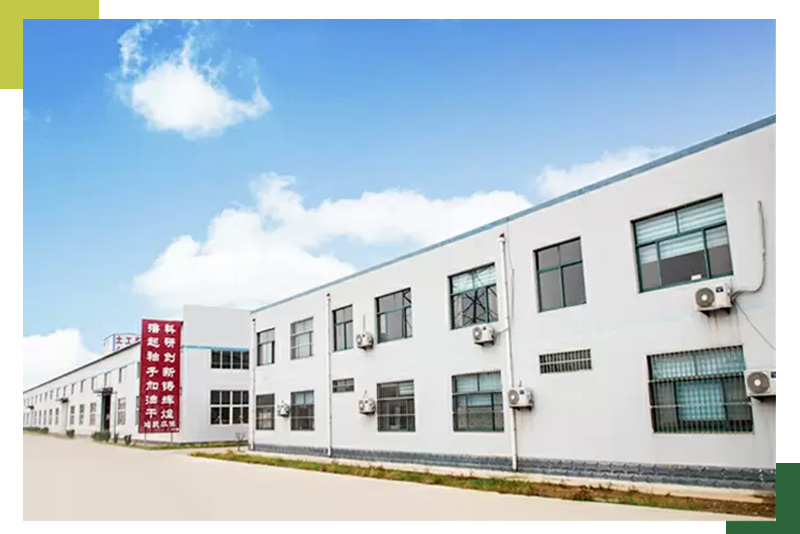
Established on April 6, 2023, and registered with the Lingcheng District Market Supervision and Administration Bureau of Dezhou City, Shandong Hongyue Environmental Engineering Co., Ltd. stands as one of the largest modern manufacturing bases of geotechnical materials in China. With a substantial registered capital of 105 million yuan, our company is strategically situated in Lingcheng District, Dezhou, Shandong Province—a geographic hub optimized for global logistics and heavy freight transport.
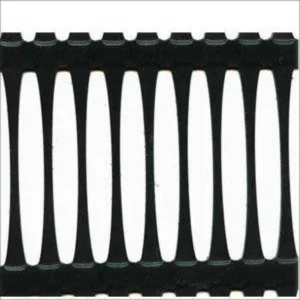
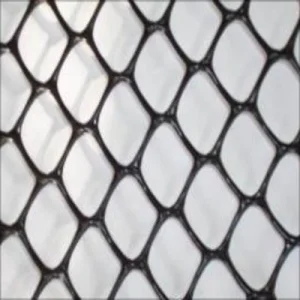
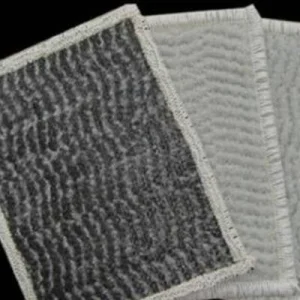
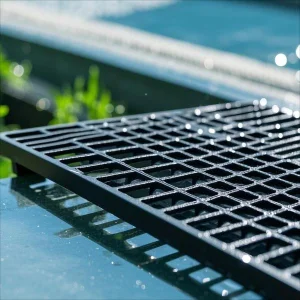
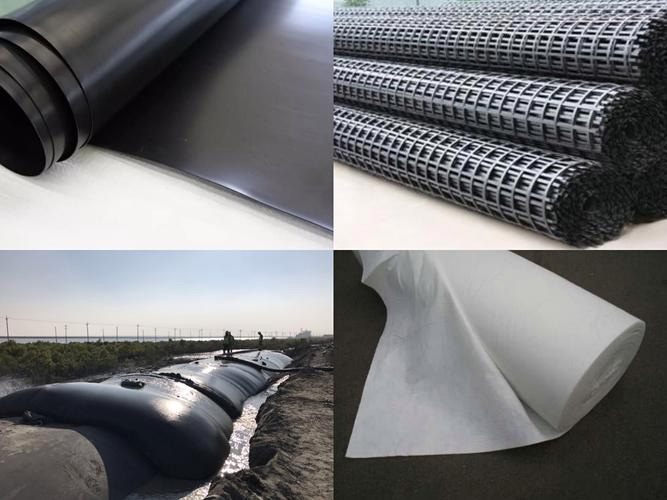
Our rapid growth is fueled by a comprehensive engineering material matrix. We design, produce, and sell geotextiles, geomembranes, composite geomembranes, waterproof boards, bentonite waterproof blankets, 3D composite drainage nets, (composite) drainage boards, weaving and woven fabrics, membrane bags, blind ditches, waterproof/drainage combinations, woven and ecological bags, cement blankets, fiber plant blankets, and flexible pervious pipes.
With an experienced technical staff possessing over 10 years of field engineering expertise, Shandong Hongyue bridges the gap between pure material supply and complex turn-key engineering solutions. We service critical infrastructure segments including highways, railways, bridges, tunnels, water conservancy canals, artificial lakes, municipal landfills, mining containment, and agricultural seepage control.
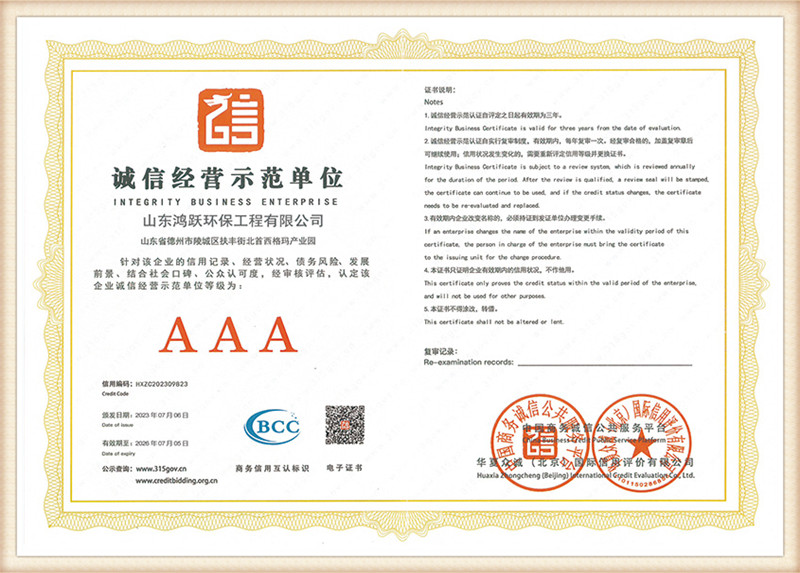
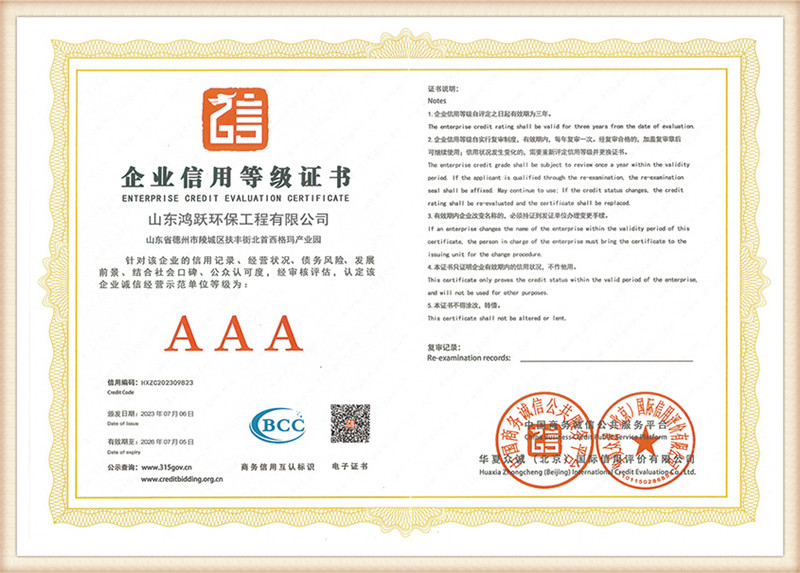
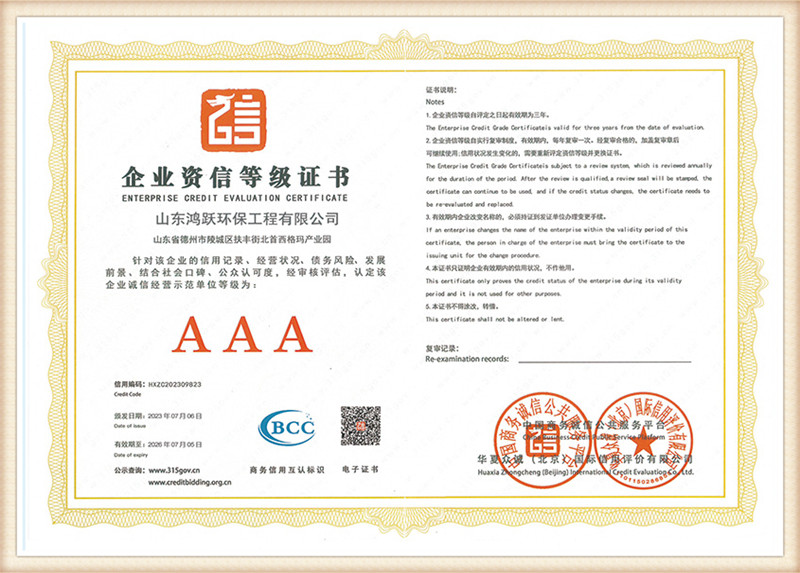
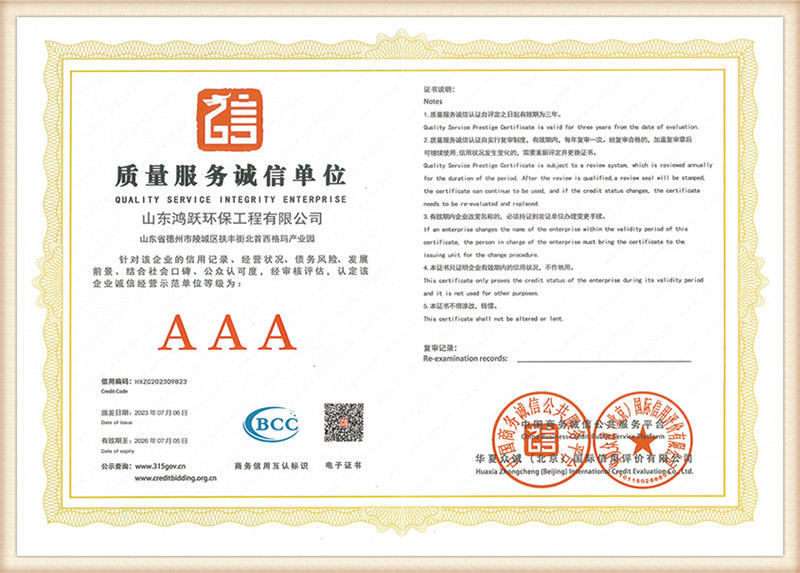
How Shandong Hongyue leverages automated production to guarantee batch consistency, cost-effectiveness, and rapid supply schedules.
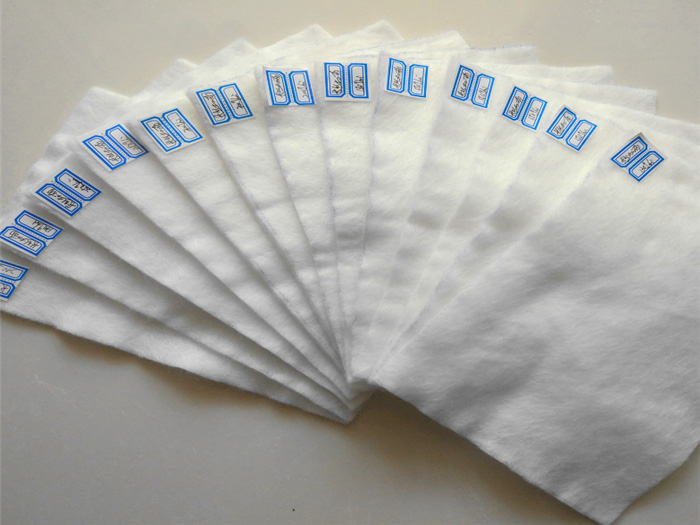
Maintaining a stable, high-throughput supply chain of geotextiles requires state-of-the-art process controls. Our production facility implements Industry 4.0 standards to align polymer chemistry with mechanical reliability. Modern extrusion and cross-laying needle-punched lines optimize molecular orientation, delivering fabrics with high multi-directional tensile profiles.
By automating the blending of virgin polypropylene chips, carbon black masterbatches, and anti-oxidant additives, we eliminate variations in UV resistance. The result is a robust fabric that complies with rigorous international testing standards, ensuring predictable field performance.
Primary polymers (polyester chips, polypropylene filament, and viscose fibers) are inspected, cataloged, and pneumatic-conveyed to drying hoppers to guarantee dryness and zero contamination.
The raw chips are melted in a high-temperature screw extruder. Molten polymers are filtered and forced through custom spinnerets to form continuous micro-filaments under precise thermal and pressure controls.
Extruded filaments are drawn, cooled, and distributed uniformly onto a continuous collector belt. The thickness, web density, and fiber orientation are managed using real-time laser measurement systems.
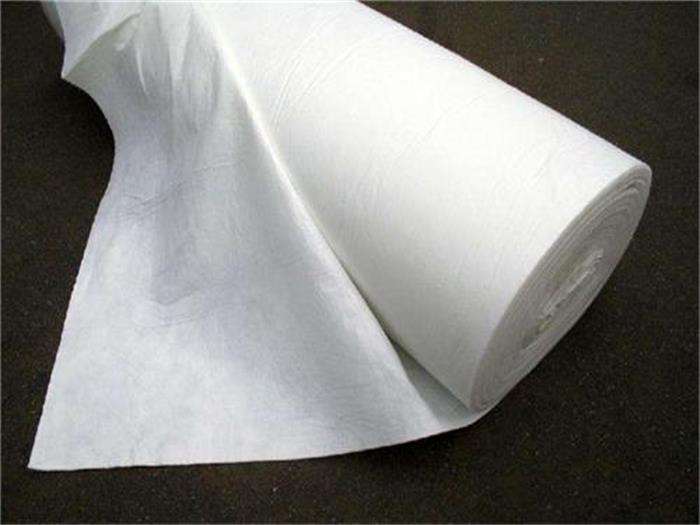
The loose web is fed through mechanical needle-punching stations. Thousands of barbed needles entangle the fibers, building mechanical interlocking forces to achieve the targeted thickness and tensile strength.
Finished black geotextile sheets undergo final width trim, are wound onto heavy-duty cardboard cores, and sealed in UV-protective polyethylene wrap for transport.
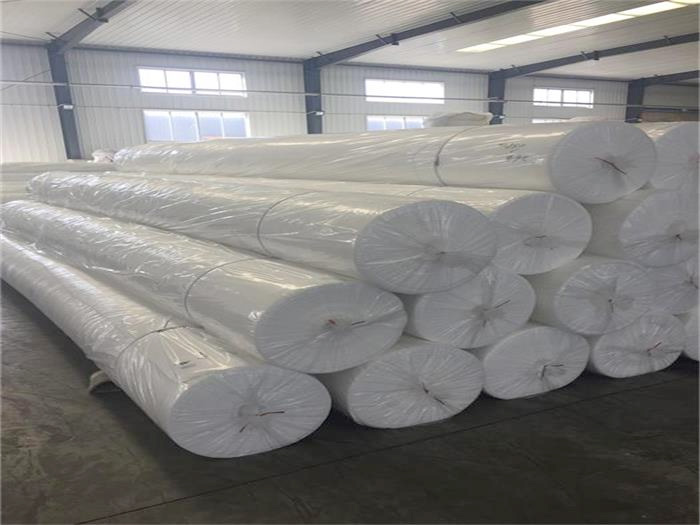
Every lot is subjected to physical, hydraulic, and mechanical verification inside our certified QA laboratory. Testing protocols cover key metrics: mass per unit area (ASTM D5261), wide-width tensile properties (ASTM D4595), CBR puncture resistance (ASTM D6241), and apparent opening size (ASTM D4751). Only products that clear these thresholds receive a certificate of conformity.
Strategic geosynthetic engineering designs resolving challenging drainage, containment, and reinforcement criteria globally.
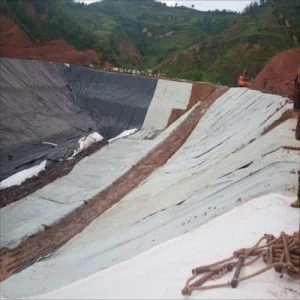
In hydraulic systems like reservoirs, canals, dams, and dykes, water currents constantly apply hydrodynamic stresses to the underlying soils. Over time, this leads to structural erosion, piping, and eventual failure of the protective masonry or concrete linings.
Shandong Hongyue provides customized solutions by integrating black geotextile filters beneath rock rip-rap or concrete blocks. The geotextile retains fine silts while allowing hydrostatic pressures to dissipate, eliminating sub-armor erosion and ensuring structural stability.
Environmental regulations demand positive barrier controls in solid waste landfills, industrial ash ponds, and heap leach pads. In these applications, geomembranes serve as the main fluid barrier, but they are vulnerable to puncture damage from rocky subgrades and sub-base aggregates.
Our heavy-weight non-woven black geotextiles act as cushion layers. Installed directly adjacent to geomembranes, they absorb local stresses, protect the barrier from sharp stones, and channel leachate safely through the system's plane.
Soft clay subgrades present engineering challenges for highways, railways, and cargo ports. Heavy axle loads induce high pore pressures, leading to subgrade pumping and structural cracking in the pavement layers.
By placing high-modulus black woven geotextiles at the subgrade-aggregate interface, tensile loads are distributed, subgrade migration is halted, and aggregate interlock is improved. This structural support reduces the required gravel base thickness by up to 30%, lowering material costs.
| Application Field | Primary Technical Challenge | Geosynthetic System Solution | Long-term Value Derived |
|---|---|---|---|
| Hydraulic Engineering | Rip-rap erosion and bank scouring under fluctuating wave action. | Non-woven black geotextile + high-performance geomembrane underlay. | Decades of seepage control; preserves structural profile. |
| Landfill & Mining | Geomembrane punctures and hazardous leachate leakage. | Heavy needle-punched geotextiles (cushion) + GCL composite barriers. | Complies with environmental rules; prevents groundwater pollution. |
| Roads & Railways | Soft subgrade failure and sub-base contamination. | Woven geotextile separation layers + geogrids. | Extends road life; decreases gravel base requirements. |
| Agricultural Control | Weed infiltration, moisture loss, and soil erosion. | UV-stabilized black polyethylene grass-proof fabric. | Minimizes chemical weed control; retains soil humidity. |
A rigorous review of material selection, site preparation, joint welding, and long-term QA/QC practices.
Engineers must match geotextile properties to the soil type and load requirements:
• Permeability (k): Should exceed the surrounding soil's permeability to prevent water buildup.
• Apparent Opening Size (AOS): Must be small enough to retain soil particles, yet large enough to prevent clogging.
• Puncture/Burst Strengths: Must withstand aggregate installation stresses.
The subgrade must be level and free of sharp rocks, roots, or debris. Geotextile panels are rolled out in the direction of anticipated stress. Overlaps should follow design specifications (typically 300mm to 500mm). Temporary sandbags or pins keep panels in place before cover material is placed to prevent wind lift.
For applications requiring high tensile continuity or filtration integrity, seams must be mechanically sewn or thermally welded rather than simply overlapped. We recommend double-thread chain stitch sewing using high-strength UV-resistant threads. All seams are visually checked to verify zero gaps or skips.
In modern seepage barrier systems, geomembranes are rarely used alone. They are paired with protective geotextile layers to form high-performance composite barriers. The geotextile shields the geomembrane from mechanical punctures, while its planar structure channels water and gas away from the barrier, preventing pressure buildup.
Primary Composite Integration Steps:
Aligning Chinese manufacturing capabilities with strict global engineering standards (ASTM, EN, ISO).
Global procurement teams must balance cost targets with strict engineering standards. sourcing geotextiles from China offers clear cost and capacity advantages, but compliance with design specifications remains critical.
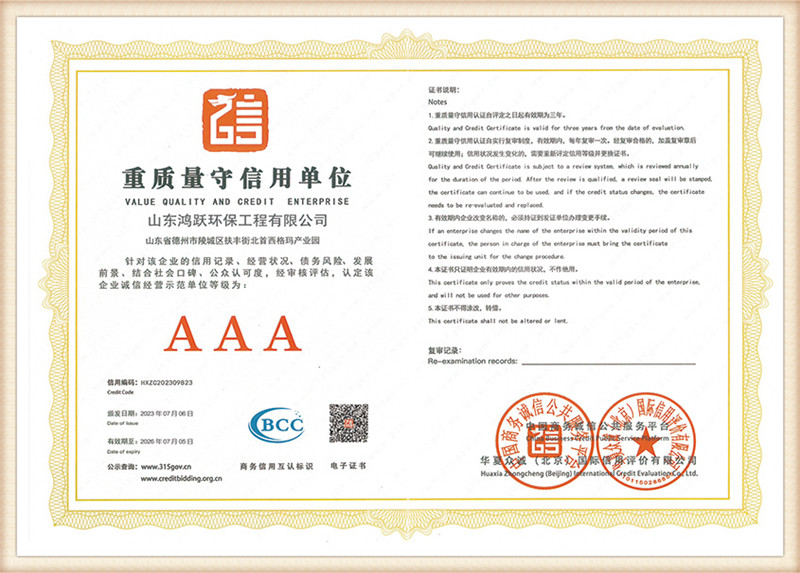
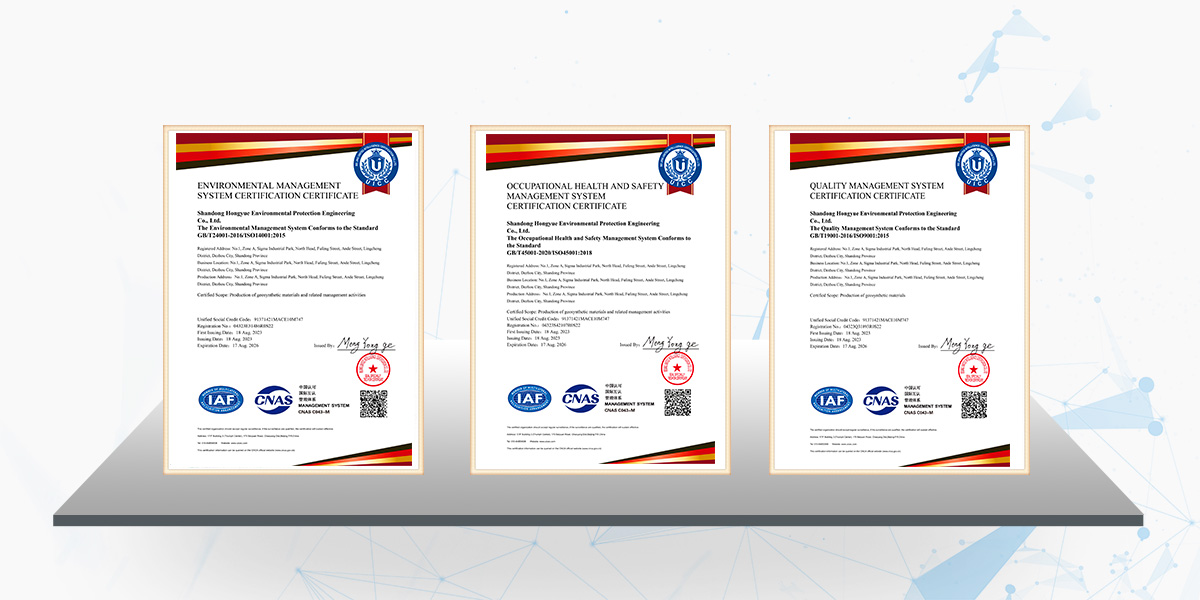
At Shandong Hongyue, our quality assurance systems are certified under ISO9001 (Quality), ISO14000 (Environmental), and ISO45001 (Occupational Health and Safety). Our products undergo comprehensive independent testing by the China National Testing Center, ensuring they meet or exceed international standards like ASTM, EN, and ISO. Whether your project requires specific wide-width tensile strengths (ASTM D4595) or precise opening sizes (ASTM D4751), we provide full traceability and detailed test documentation for every production batch.
Innovation in polymer science: the shift toward smart geosynthetics and circular economy materials.
The next generation of geotextiles will integrate distributed fiber-optic sensors (DFOS) directly into the woven grid. This enables real-time structural health monitoring, allowing infrastructure operators to detect strain anomalies, soil shifts, or internal piping in dams and railways before failures occur.
To reduce embodied carbon in civil engineering, we are developing geotextiles using post-consumer recycled polymers and biodegradable natural fibers. These eco-friendly alternatives provide temporary stabilization on steep slopes and river banks, degrading naturally once vegetation is established.
Answering key technical questions regarding the specification, performance, and installation of black geotextiles.
Explore our full range of civil materials, including geogrids, geomembranes, and specialized drainage networks.
 Hongyue