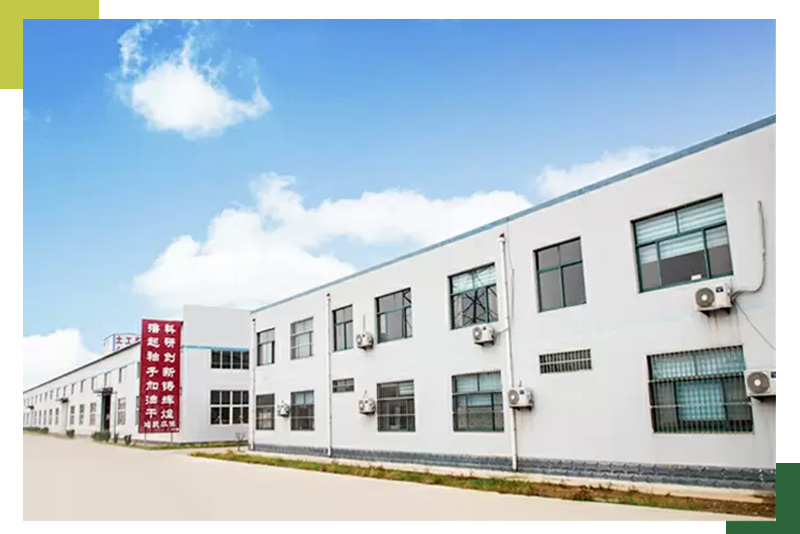
Shandong Hongyue Environmental Engineering Co., Ltd., located at the north end of Fufeng Street, Lingcheng District, Dezhou, Shandong Province, is a scientific and technological geotechnical material manufacturer integrating engineering material production, sales, design, and construction services. The company was registered in the Lingcheng District Market Supervision and Administration Bureau of Dezhou City on April 6, 2023, with a registered capital of 105 million yuan.
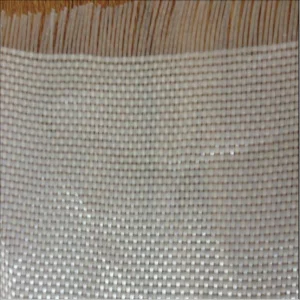
As one of the largest production bases of geotechnical materials in China at present, our strategic geographical location in Dezhou, Shandong Province, grants us superior access to nationwide transport arteries, enabling hyper-efficient logistics to international seaports. We specialize in producing CE-certified nonwoven and woven geotextiles (such as the standard 400g/m² variants), geomembranes, composite linings, and multi-functional drainage networks.
In the international civil engineering, transport infrastructure, and environmental preservation sectors, geosynthetics must satisfy rigorous regulatory criteria before deployment. The European Union's CE Certification serves as a mandatory benchmark of structural reliability, environmental safety, and material durability. For high-demand applications, a 400g/m² geotextile strikes the absolute optimum balance between hydraulic permeability and physical protection.
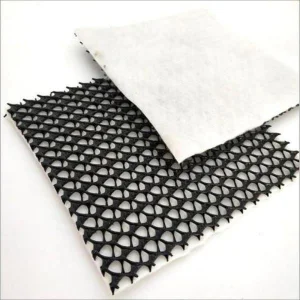
With 400g/m² density, this nonwoven needle-punched fabric yields high CBR puncture resistance values, shielding underlying geomembranes against angular aggregate friction and structural loads.
Engineered structural pore sizes facilitate maximum liquid flow rates perpendicular to the plane while securely retaining fine soil particulates under dynamic pressure.
Certified compliant with European standard regulations (EN 13249 to EN 13257, and EN 13265), guaranteeing seamless customs clearance and safety approvals on all infrastructure works.
Geotextile is widely used in civil engineering materials, with filtration, isolation, reinforcement, protection and other functions. Its production process includes raw material preparation, melt extrusion, mesh rolling, draft curing, winding packaging and inspection steps. It requires precise configuration controls and advanced technological lines. Modern production equipment and technology have been widely used, making the production efficiency and quality of geotextiles significantly improved.
The main raw materials of geotextiles are polyester chips (PET), polypropylene filament (PP), and viscose fiber. These raw materials need to be inspected, arranged, and stored to ensure their high mechanical quality, chemical purity, and thermal stability.
After the polyester slice is melted at high temperatures, it is extruded into a molten state by a screw extruder. Polypropylene filament and viscose fiber are added for mixing. In this process, the temperature, pressure and other parameters need to be precisely controlled to ensure the uniformity and stability of the melting state.
After mixing, the melt is sprayed through the spinneret to form a fibrous substance and form a uniform network structure on the conveyor belt. At this time, it is necessary to control the thickness, uniformity and fiber orientation of the mesh to ensure the physical properties and stability of the geotextile.
After laying the net into rolls, it is necessary to carry out draft curing treatment. In this process, the temperature, speed and draft ratio need to be precisely controlled to ensure the strength and stability of the geotextile.
The geotextile after draft curing needs to be rolled up and packed for subsequent construction. In this process, the length, width and thickness of the geotextile need to be measured to ensure that it meets the design requirements.
At the end of each production link, the quality of geotextile needs to be inspected. The inspection contents include physical property tests, chemical property tests, and appearance quality tests. Only geotextiles that meet the quality requirements can be distributed.
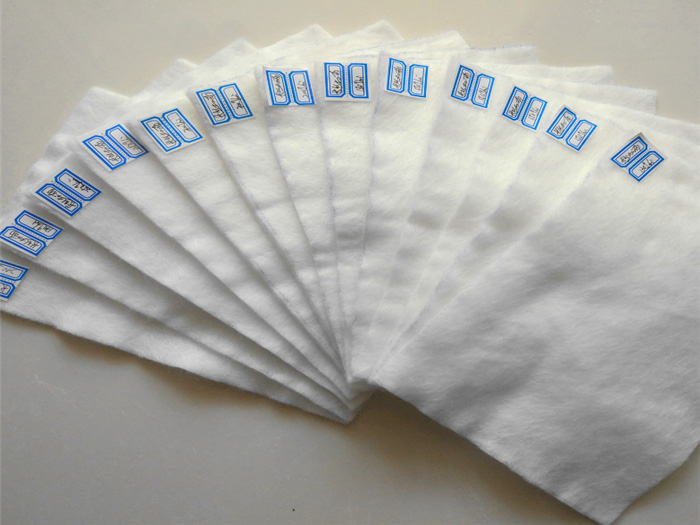
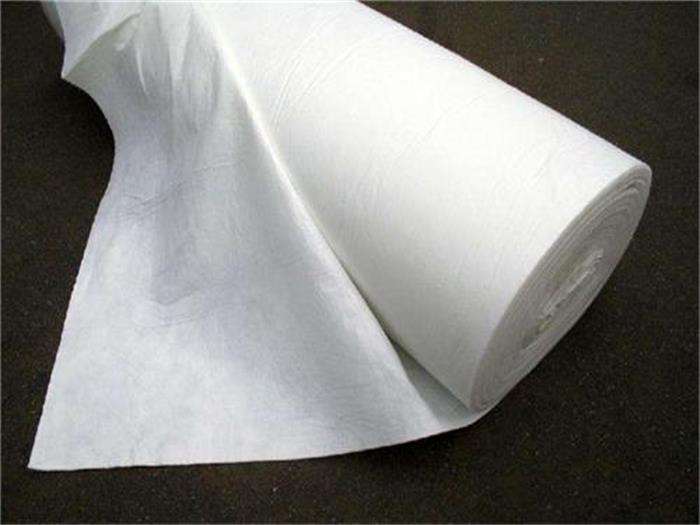
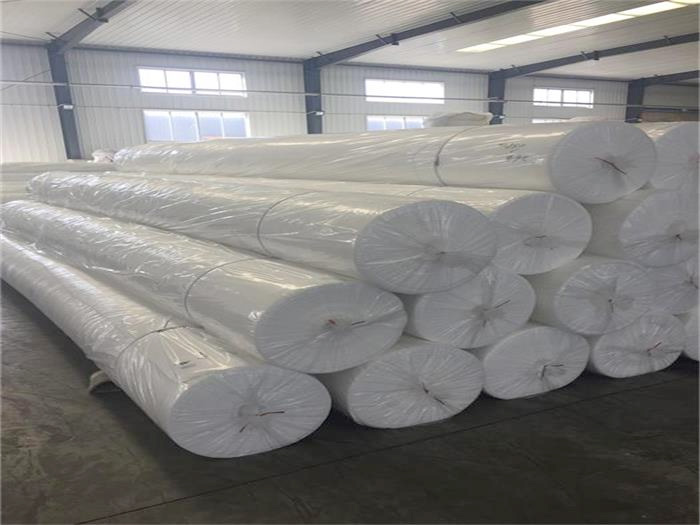
Depending on the local soil mechanics, geological conditions, and environmental requirements, the engineering functions of the 400g/m² geotextile change. In Europe, CE certifications ensure compliance in public tenders, whereas in mining regions of Australia or South America, chemical resistance is the primary driver. Here are the core field-tested applications:
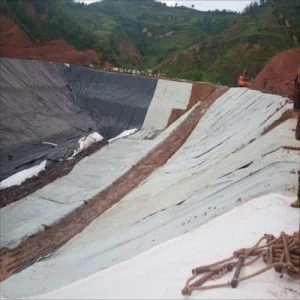
Used extensively in reservoir lining preservation, canal protection, and river embankments. It acts as a defense system, dispersing water pressure, preventing underground piping, and safeguarding synthetic geomembranes.
Placed between the subgrade soil and coarse ballast. It stabilizes the sub-ballast structural layer under heavy mechanical loads, preventing mud pumping while preserving moisture dissipation.
Functions as a protective layer within double-lined municipal waste cells. It prevents coarse gravel in the drainage layer from puncturing the primary leachate containment membranes.
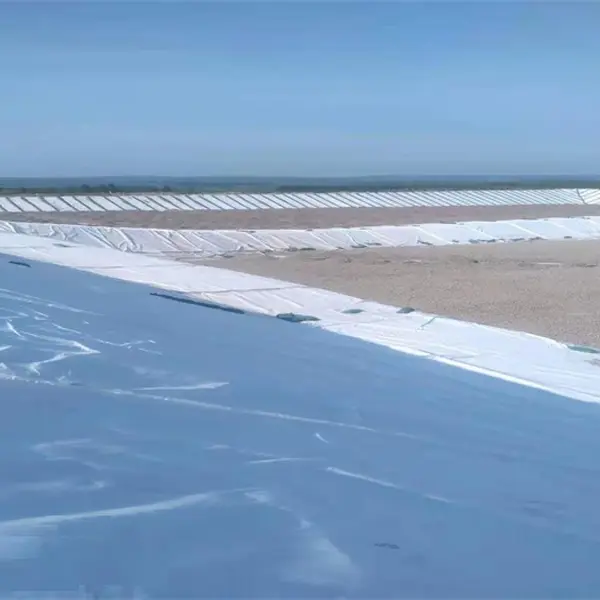
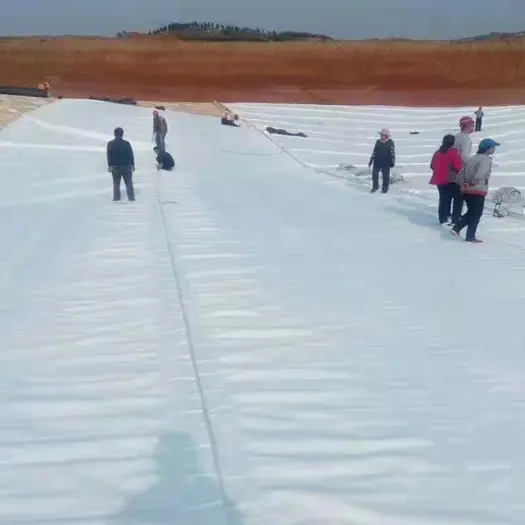
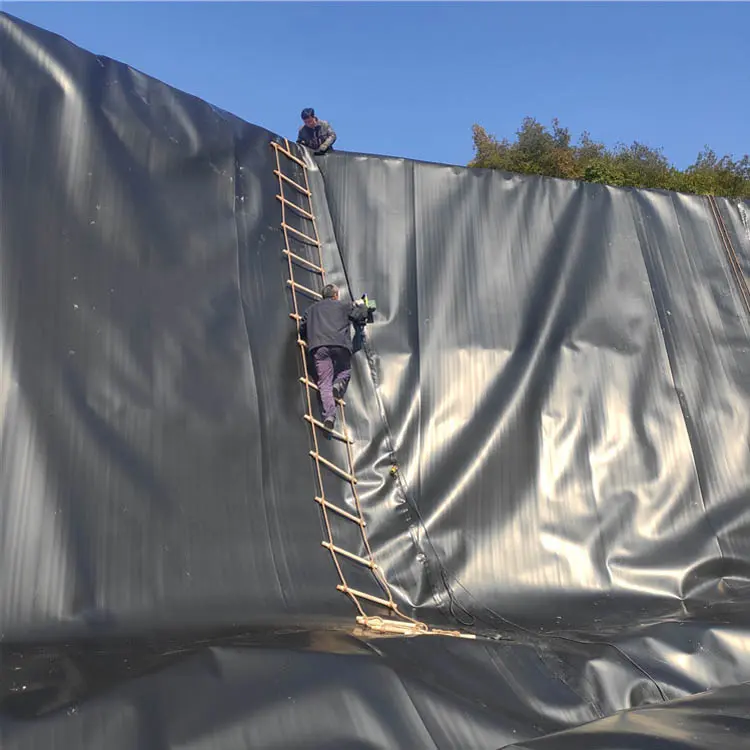
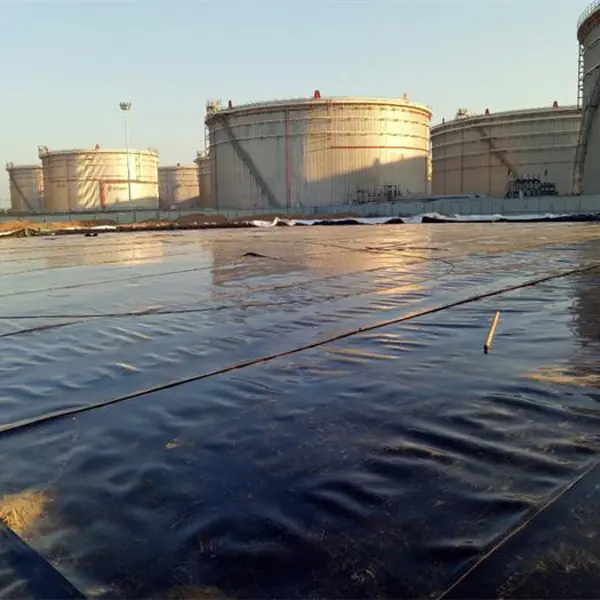
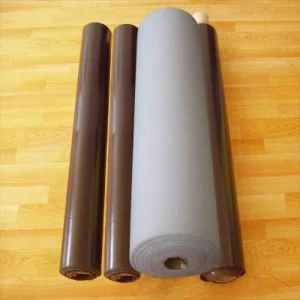
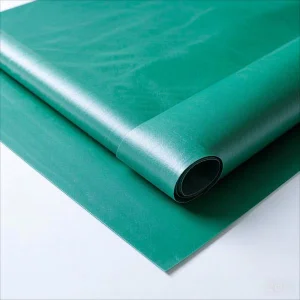
Geomembrane is a material widely used in engineering projects, providing seepage prevention, isolation, and reinforcement. A comprehensive installation strategy includes precise selection, laying, joint sealing, and maintenance.
- Material properties: Classified into High-Density Polyethylene (HDPE) and Linear Low-Density Polyethylene (LLDPE). Choose based on tensile profile requirements.
- Thickness: Choose 0.3mm to 2.0mm thickness depending on structural load.
- Impermeability: Secure high hydraulic resistivity values to prevent soil migration.
- Land preparation: Ensure laying substrates are level, clean, and free of angular debris.
- Laying configuration: Choose between cover laying and folder laying depending on grade topography.
- Joint treatment: Thermal extrusion welding secures leak-free joints.
- Fixing method: Secure borders using anchor trenches or mechanical fasteners.
- Cleaning: Routinely clean surfaces of dirt and silt to protect flow permeability.
- Inspection: Regularly check for structural fatigue, cracking, or punctures. Repair immediately.
- Physical safety: Avoid direct contact with heavy construction machinery or sharp tools.
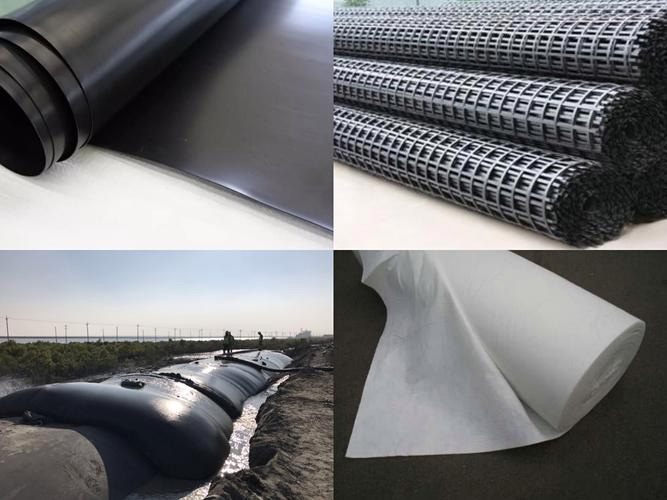
The integration of geomembranes with a protection cushion like 400g/m² nonwoven geotextiles is the industry standard for environmental safety. Together, they create a robust barrier system that prevents leakage in critical applications.
Proper installation and maintenance extend the service life of these barriers, ensuring they continue to perform in landfills, reservoirs, and mining sites for decades.
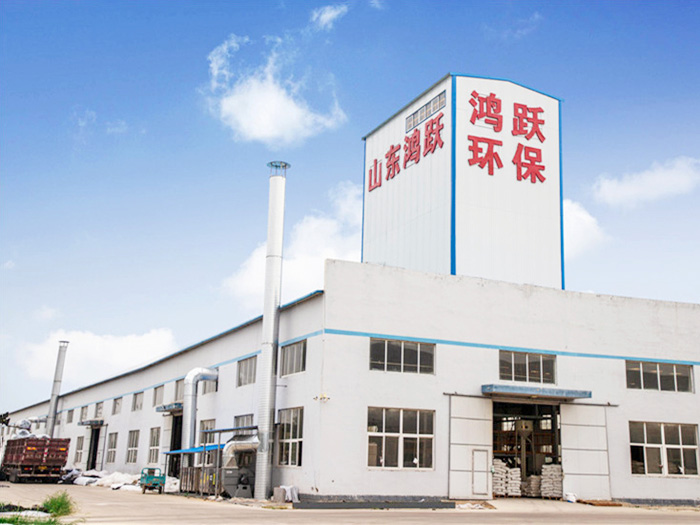
Our facility in Dezhou, Shandong Province, leverages vertical supply chain integration to maintain reliable production schedules. With access to nearby raw material refineries and regional transport links, we ensure competitive pricing and consistent supply availability.
Our state-of-the-art facilities produce nonwoven geotextiles, woven fabrics, geomembranes, bentonite waterproof blankets, and geogrids. This integrated manufacturing model helps us manage raw material costs and guarantee consistent product quality.
As a member of the Dezhou Geotextile Association, Shandong Hongyue meets international engineering standards. Our logistical pathways connect directly to primary maritime shipping hubs like Qingdao and Tianjin, enabling reliable global delivery.
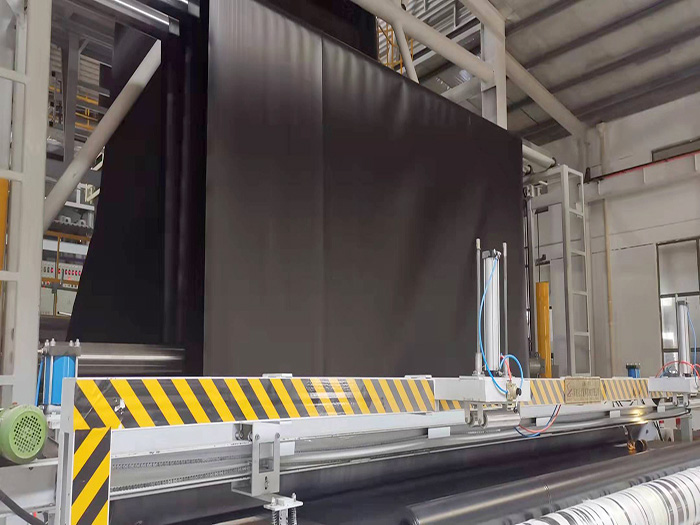
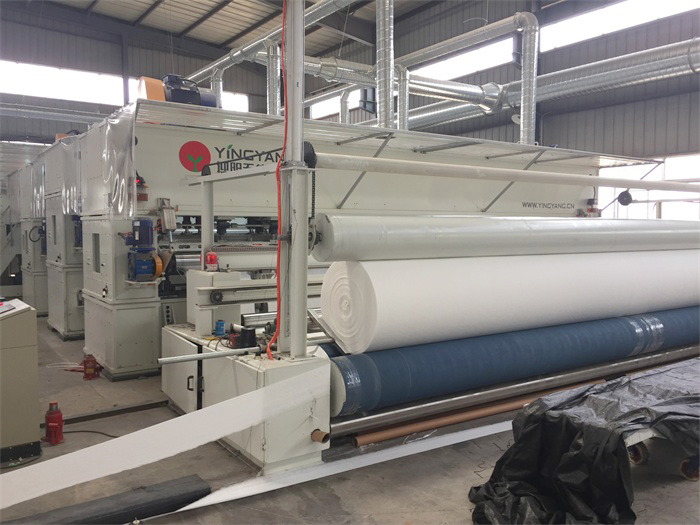
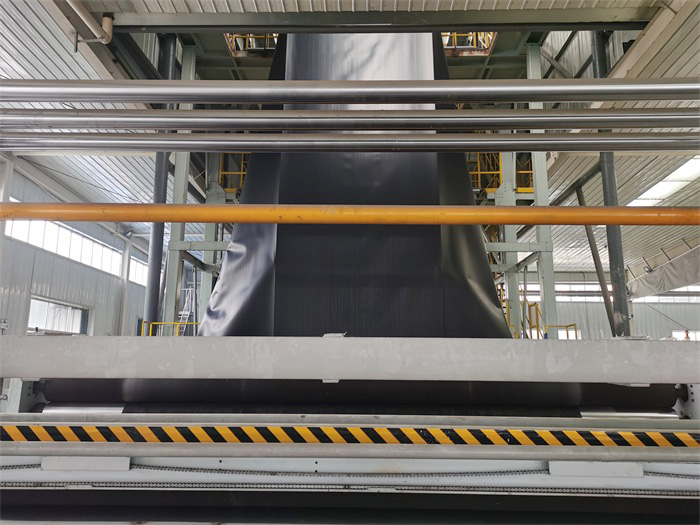
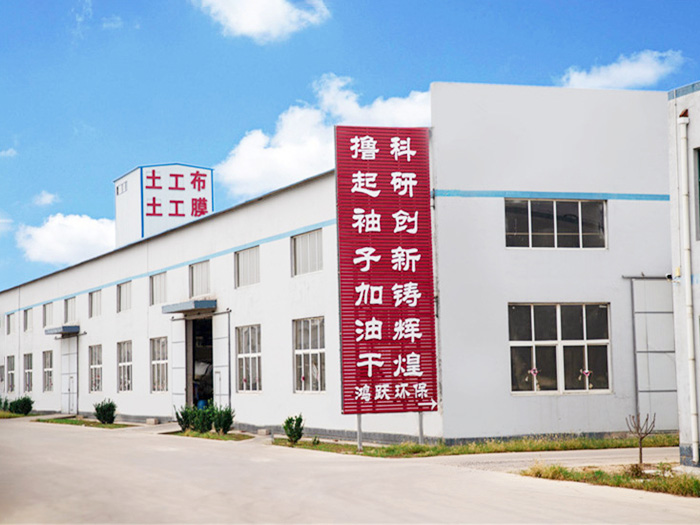
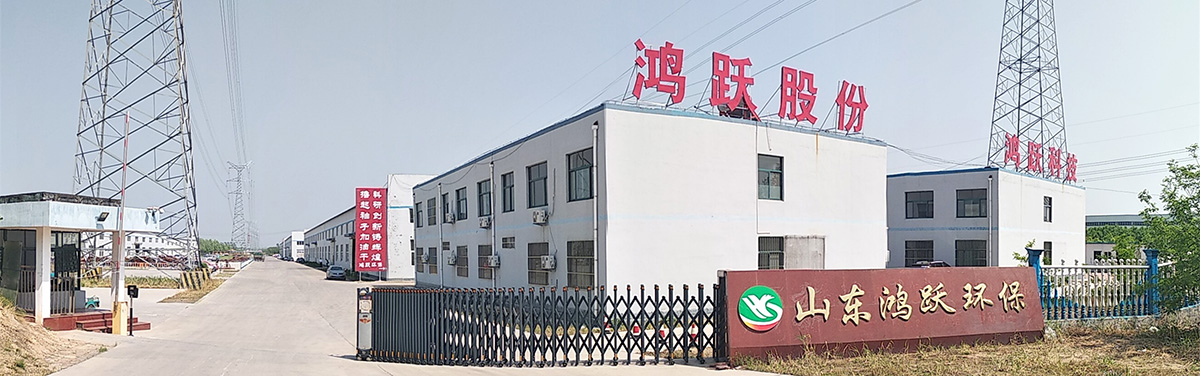
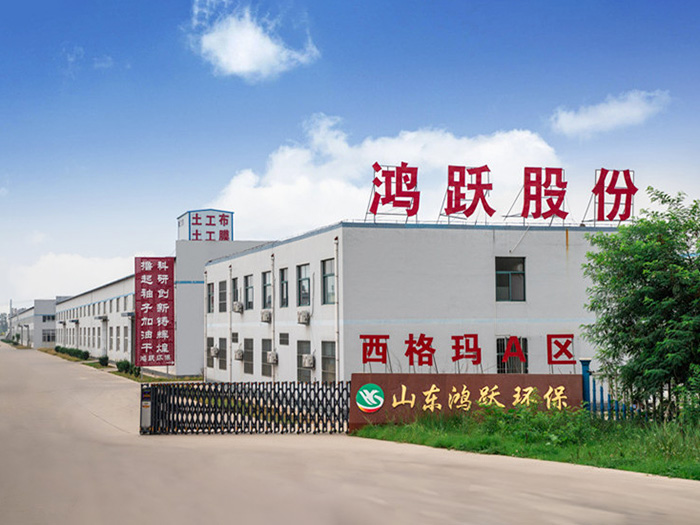
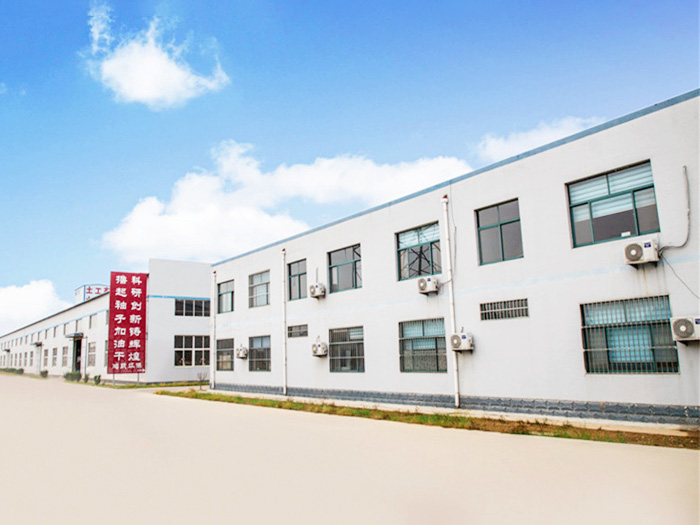
Our quality control labs monitor physical performance metrics, chemical composition, and material durability. All production batches undergo inspection to verify weight distribution, thickness, CBR puncture resistance, and tensile strength before shipment.
This detailed inspection process ensures our products meet international performance standards, providing reliable geosynthetic materials for global infrastructure projects.
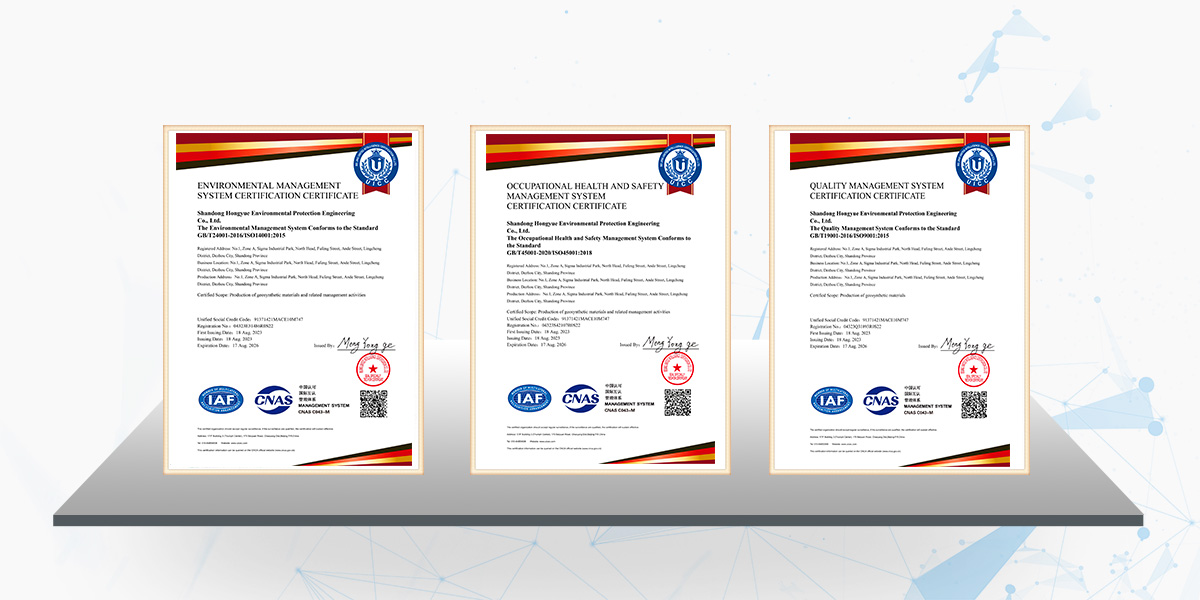
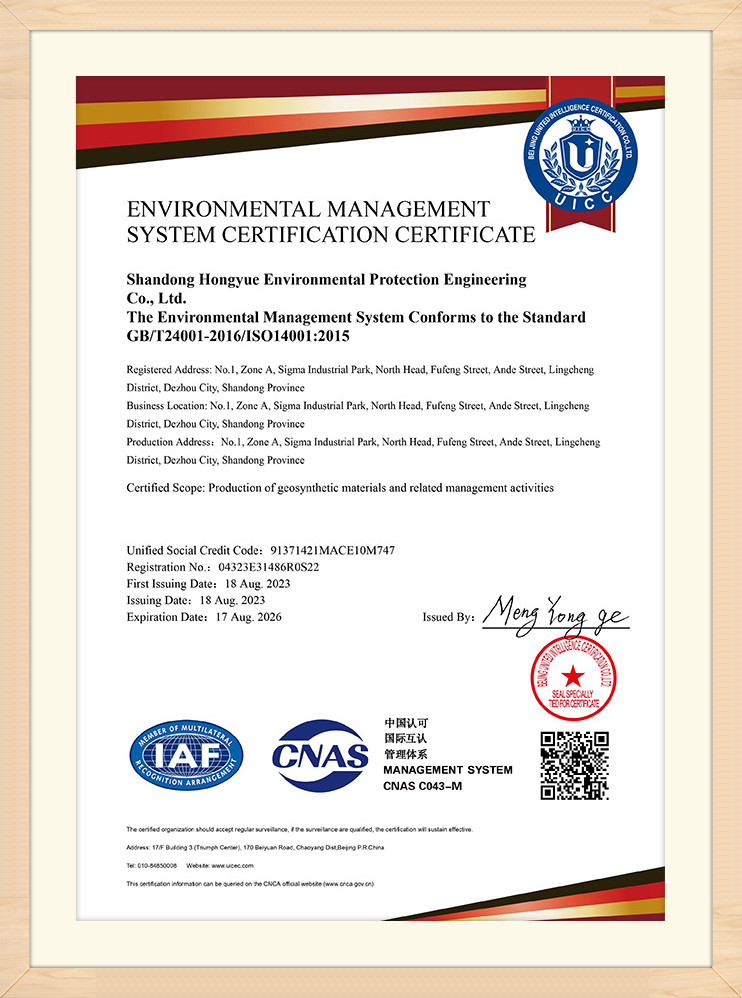
Our manufacturing facility has established a quality management framework certified to ISO9001, ISO14000 Environmental Management, and ISO45001 Occupational Health and Safety standards.
We use advanced production lines and testing equipment to monitor material properties. All products meet or exceed domestic and international standards, having passed evaluation by the China National Testing Center and national quality inspections.
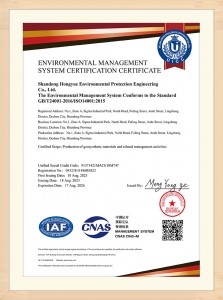
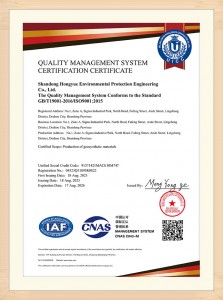
Our quality certifications, environmental compliance documentation, and test reports are available for client review, providing verification of product specifications for key infrastructure projects.
Our research and development program focuses on enhancing the durability, environmental profile, and functionality of geosynthetics. Our technical roadmap addresses three primary areas:
We are working to integrate post-industrial recycled polymers into nonwoven geotextiles. This initiative aims to maintain raw mechanical performance while reducing carbon emissions associated with virgin material synthesis.
We are developing stabilizer packages to extend the service life of materials exposed to sunlight. This research supports long-term durability in open-air applications such as slope protection and retention ponds.
We are investigating the integration of fiber-optic sensors within geotextile layers to monitor strain, temperature, and structural integrity. This technology supports real-time monitoring of critical infrastructure.
To support our international clients, we have established service networks and regional agencies. We offer guidance on local regulatory requirements, project specification compliance, and environmental standards.
Our engineering team offers 24-hour product consulting and technical support to assist with material selection, installation guidelines, and project specifications.
We provide comprehensive project documentation, including test reports and quality certificates, to support engineering validation and site audits.
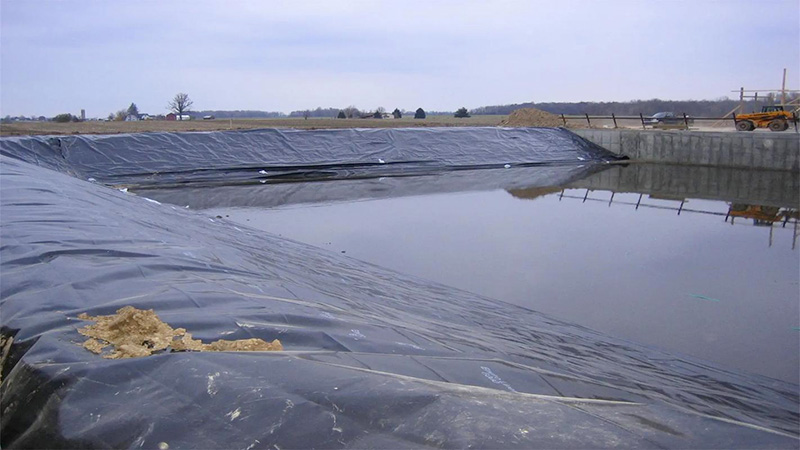
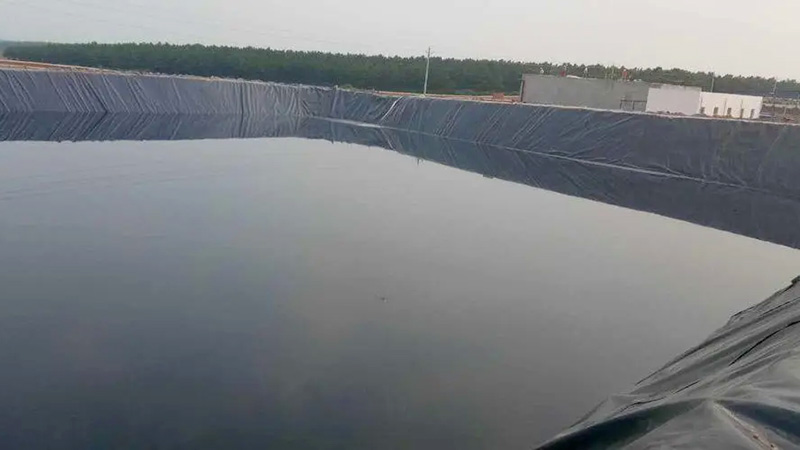
CE Certification verifies that the geotextile complies with European Union safety, health, and environmental protection standards (including EN 13249 through EN 13257). It indicates that the product's tensile strength, water permeability, and puncture resistance have been tested and verified to meet these regulatory standards.
Polyester (PET) geotextiles offer high tensile strength, creep resistance, and thermal stability. Polypropylene (PP) geotextiles are lighter and offer high chemical resistance in acidic or alkaline soils. We produce both materials to suit different project specifications.
A weight rating of 400g/m² provides a robust material profile suitable for heavy-duty applications. It offers high CBR puncture resistance and tensile strength, making it suitable for soil separation, filtration under heavy rock armor, and protecting geomembranes in landfills or reservoirs.
Yes. We can customize roll widths (up to 6 meters) and lengths according to project specifications. This helps reduce onsite cutting and overlapping, minimizing material waste and installation time.
When buried in soil and protected from direct UV exposure, our geotextiles are designed to perform for over 50 years. We use high-quality raw materials with anti-aging stabilizers to ensure long-term durability in varied subterranean conditions.
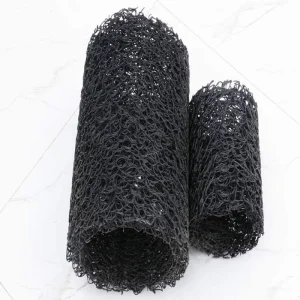
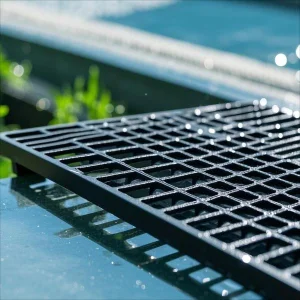
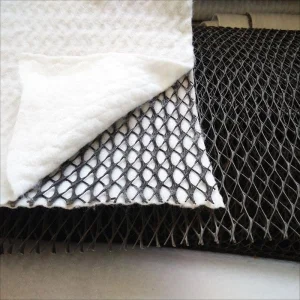
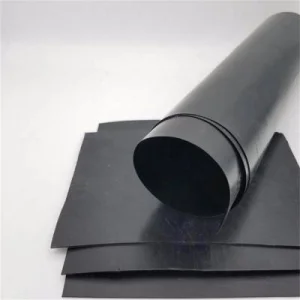
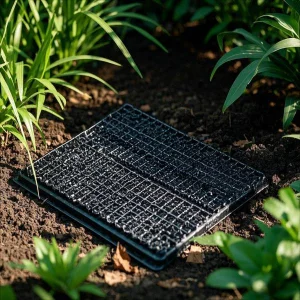
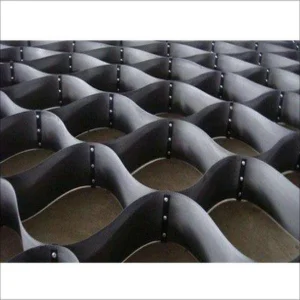
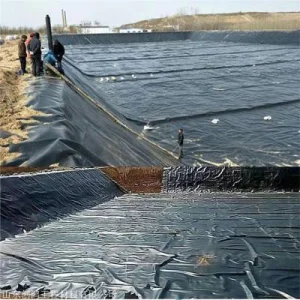
Shandong Hongyue supplies an integrated range of engineering materials, including geotextiles, geomembranes, composite linings, bentonite waterproof blankets, and geogrids. We offer comprehensive solutions for environmental protection, water conservancy, and transport infrastructure projects.
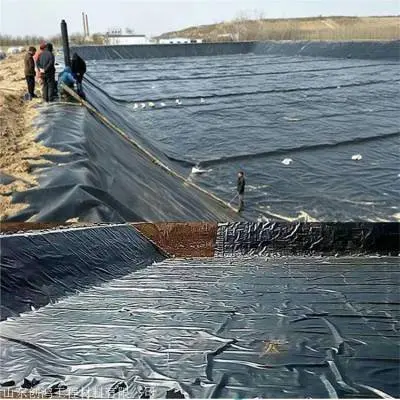
Specialized containment liners designed to prevent water loss and soil erosion in aquaculture ponds.
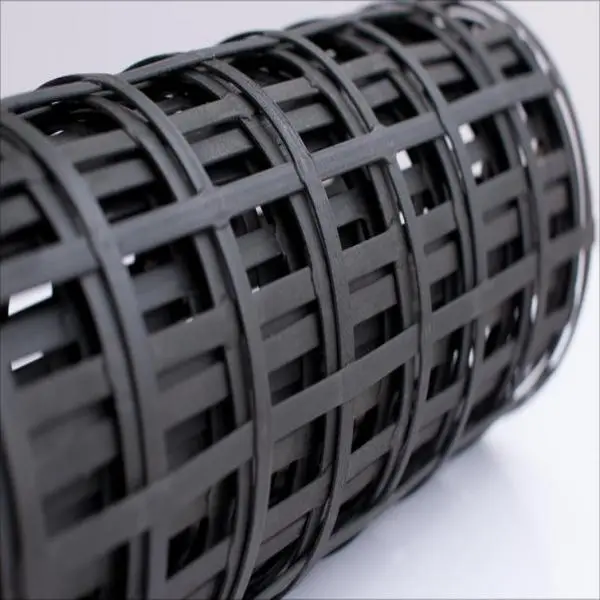
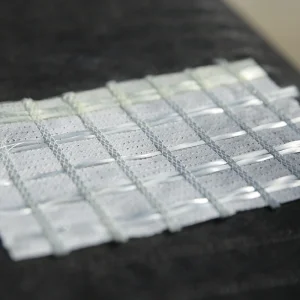
High-strength composite reinforcement for soil stabilization and slope protection.
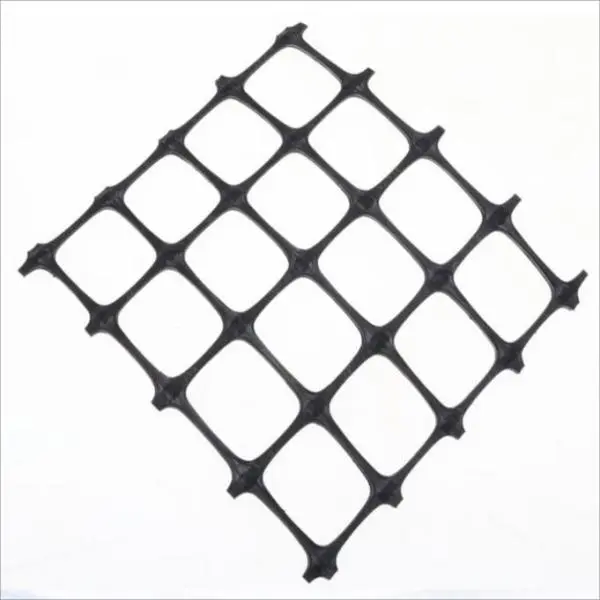
Extruded polymer grids designed for soil reinforcement and load distribution in subgrades.
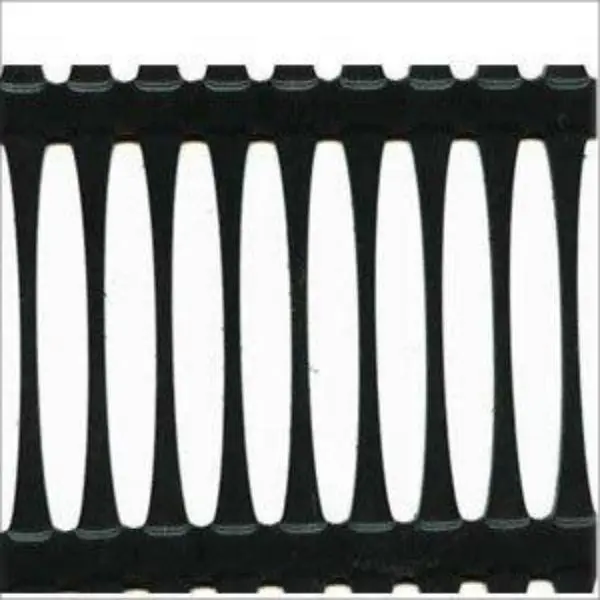
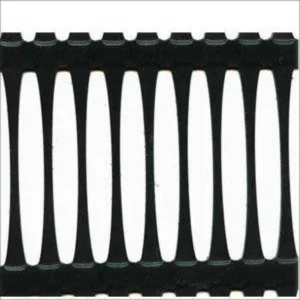
Unidirectional tension grids engineered for high-load retaining walls and steep slopes.
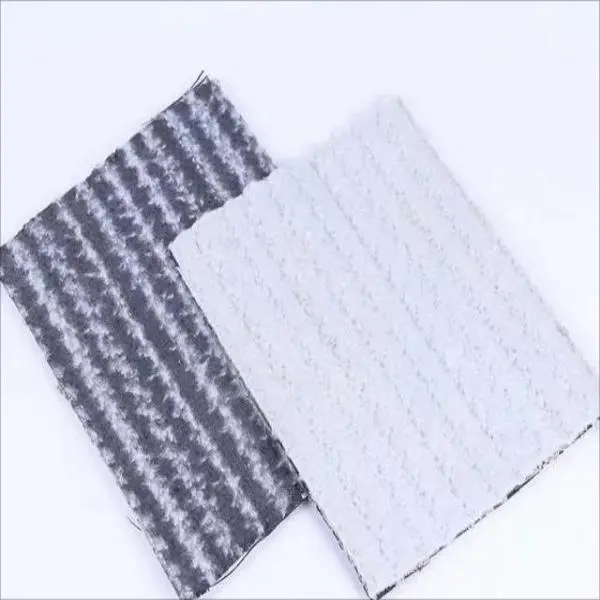
Flexible concrete-impregnated fabric that hardens upon hydration to provide erosion control.
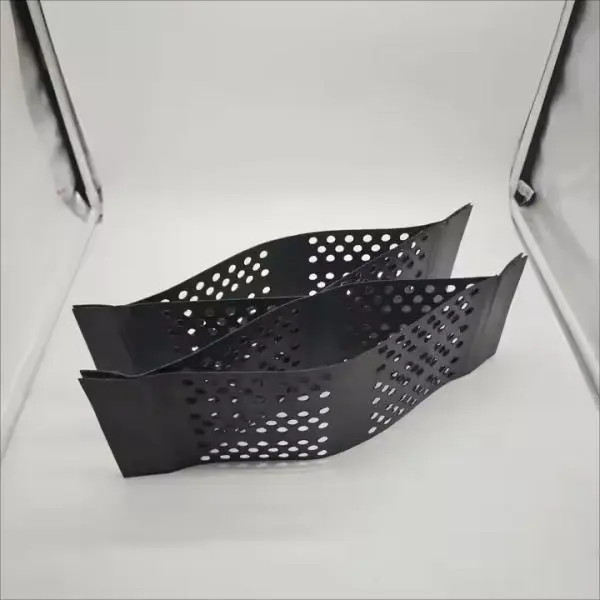
Three-dimensional cellular confinement systems for soil stabilization and channel lining.
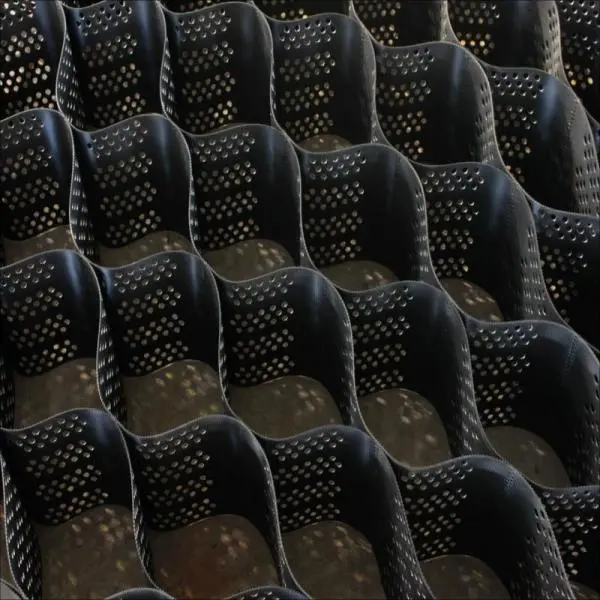
High-Density Polyethylene confinement structures designed for slope stability and load support.
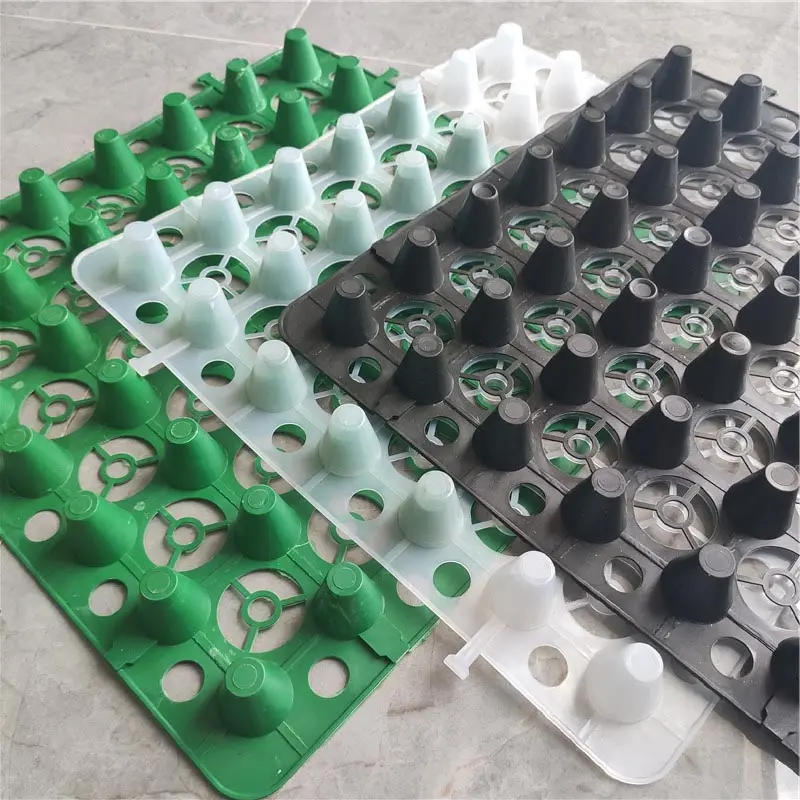
Dimpled drainage sheets designed to manage water flow on underground roofs and foundations.
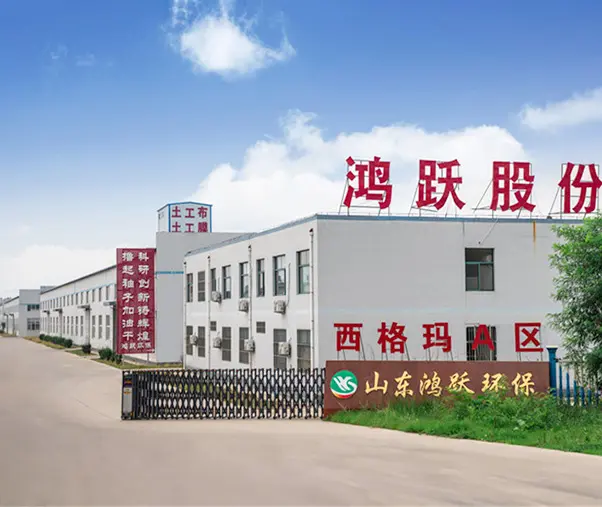
 Hongyue