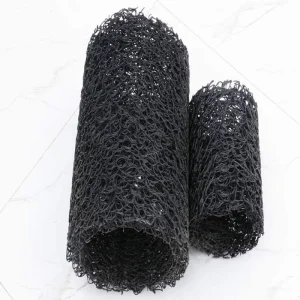
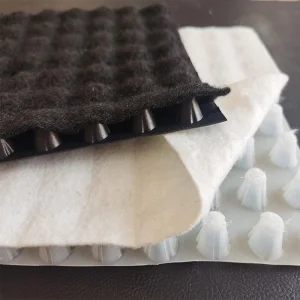
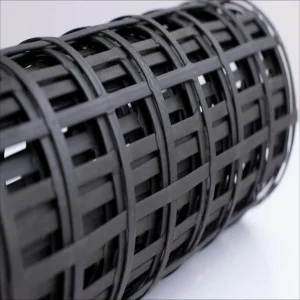
Explore our high-performance stabilizing meshes, drainage networks, and containment systems tailored for heavy traffic loads and civil infrastructure.
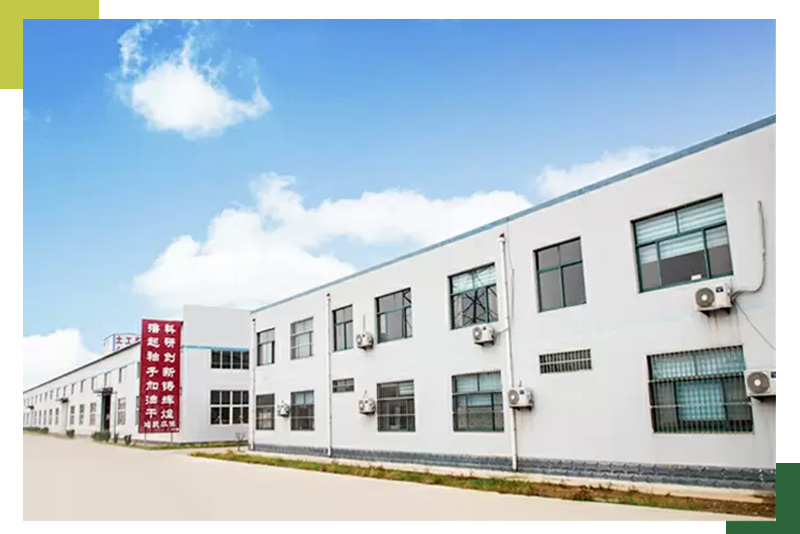
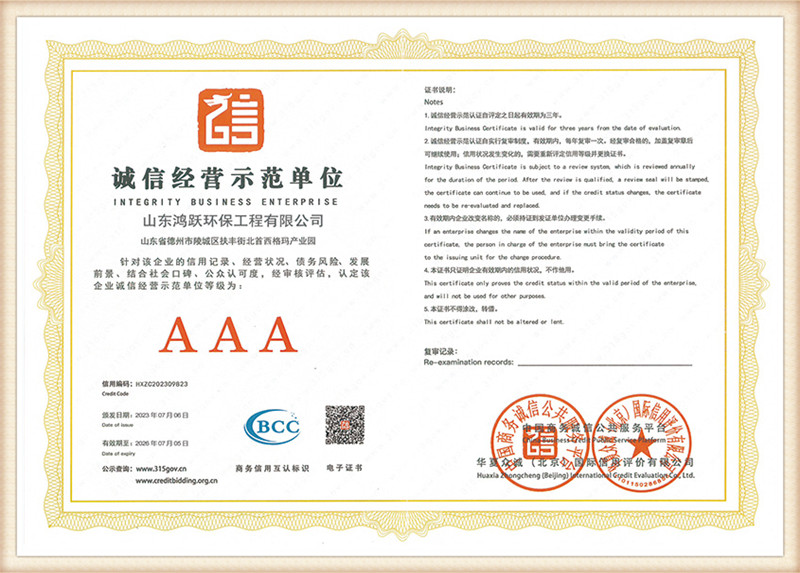
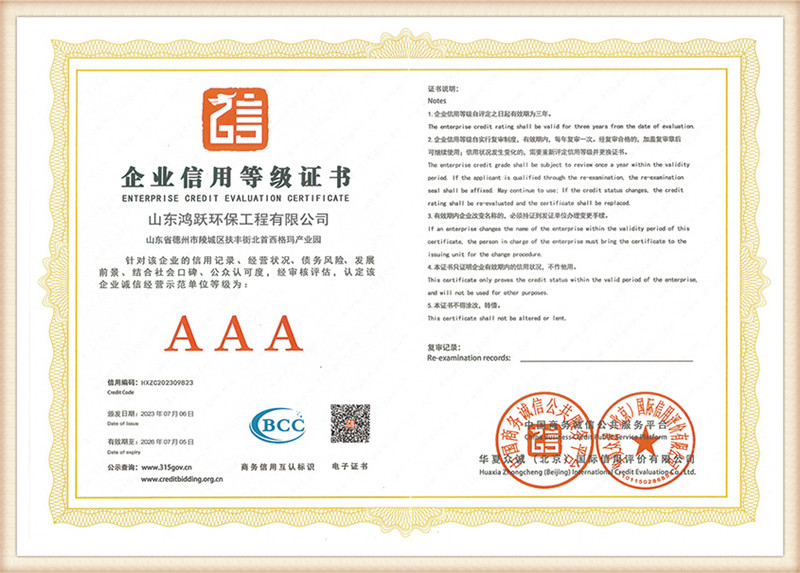
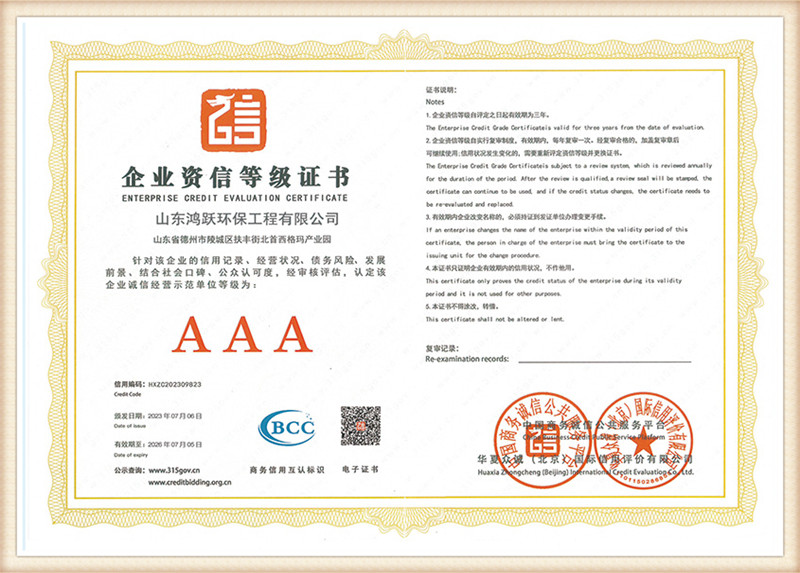
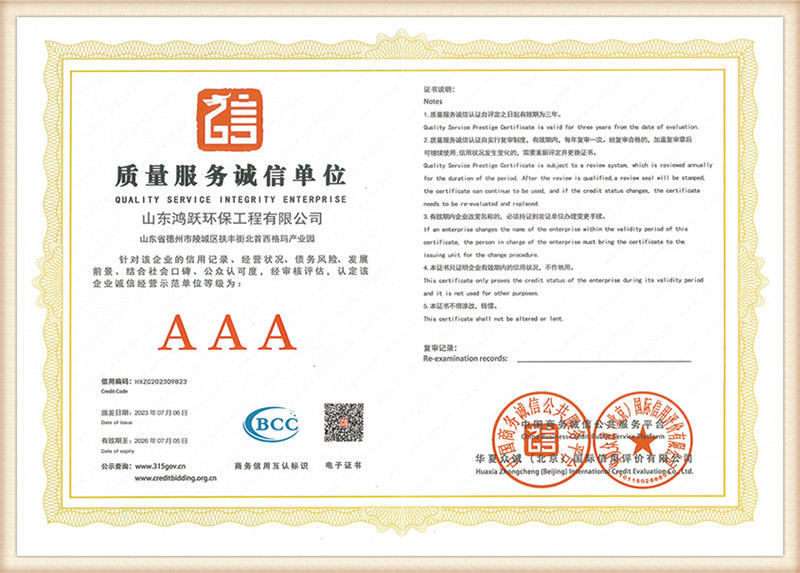
Located at the north end of Fufeng Street, Lingcheng District, Dezhou, Shandong Province, Shandong Hongyue Environmental Engineering Co., Ltd. is a scientific and technological geotechnical material manufacturer integrating engineering material production, sales, design, and construction services. The company was registered in the Lingcheng District Market Supervision and Administration Bureau of Dezhou City on April 6, 2023, with a registered capital of 105 million yuan.
At present, it stands as one of the largest production bases of geotechnical materials in China, benefiting from a superior geographical location and highly convenient transportation networks. We have built our global footprint based on rigid engineering specifications, ensuring that our infrastructure solutions withstand heavy vehicular loads, environmental stress, and shear forces.
In modern civil engineering, driveway construction faces ongoing challenges from shifting subgrades, heavy wheel loads, and severe weather conditions. Traditional driveways built on standard aggregate bases are highly prone to lateral shifting, rutting, and eventual structural collapse. Shandong Hongyue Environmental Engineering Co., Ltd. addresses this issue through its CE-certified High-Density Polyethylene (HDPE) Geocell Confinement Systems.
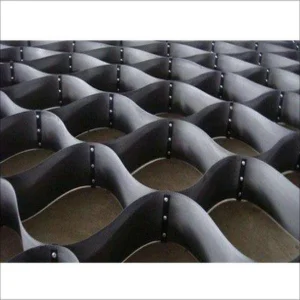
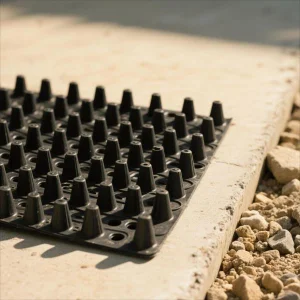
A Geocell is a three-dimensional honeycomb-like structure composed of ultrasonic-welded plastic strips. When filled with granular materials such as sand, gravel, aggregate, or local soil, it creates a composite material with high structural stiffness and load-bearing capacity. By confining the fill material, the Geocell system prevents lateral displacement of aggregate particles under heavy load forces. This structure redistributes point loads from vehicle wheels over a much wider surface area, reducing contact pressure on the underlying subgrade.
Using geocells in gravel driveways, concrete pavement bases, or grass parking lots allows designers to reduce base thickness by up to 50% without compromising structural integrity. This translates directly to reduced excavation costs, lower aggregate material requirements, and minimized environmental disturbance.
For international procurement managers, civil engineers, and construction contractors, sourcing Geocells from specialized Chinese factories—specifically Shandong Dezhou’s geotechnical cluster—presents significant cost, quality, and supply chain benefits:
With a registered capital of 105 million yuan, Shandong Hongyue manages high-throughput extrusion lines and advanced ultrasonic welding stations. This keeps raw material costs stable and guarantees large-scale, consistent production.
Our geocell lines carry full CE Mark Certification for civil engineering applications. Products pass testing under ASTM standards for tensile strength, environmental stress cracking resistance (ESCR), and seam peel strength.
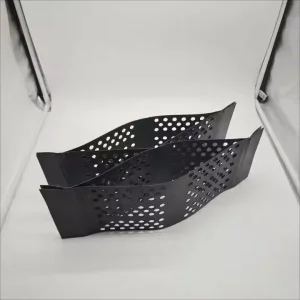
We supply textured or smooth surface finishes, perforated or non-perforated cell walls, and cell depths from 50mm to 200mm. We tailor cell parameters to match your project's specific soil characteristics and expected weight loads.
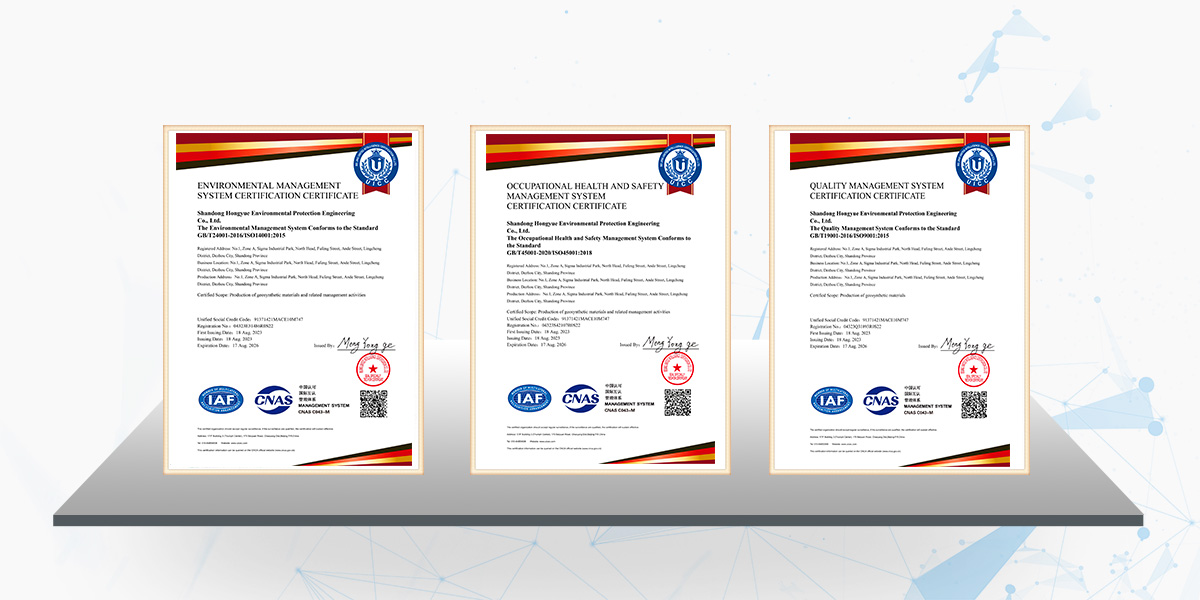
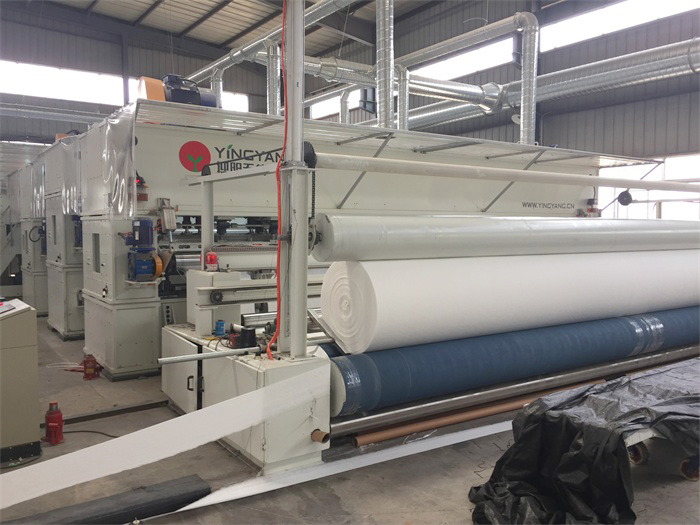
Manufacturing high-grade geocells and geotextiles requires precise thermo-mechanical controls. Quality control procedures must follow ISO 9001 and CE frameworks to ensure stability and durability under prolonged outdoor exposure. Below is our standard manufacturing process for geosynthetics:
Virgin high-density polyethylene (HDPE) chips, polypropylene filament, or polyester chips are selected. Specialized additives, including carbon black and UV stabilizers, are integrated to protect the finished product from UV degradation and environmental stress cracking.
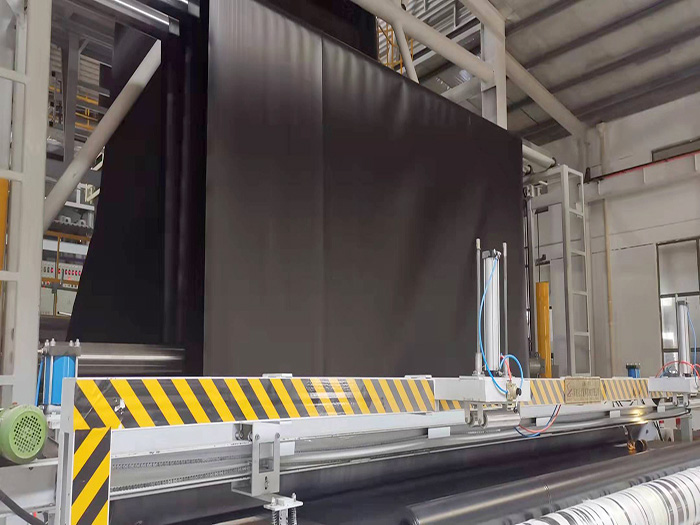
The plastic chips are heated and extruded through a screw extruder. The molten plastic passes through structured rollers to emboss the surface with a diamond pattern, which increases friction against soil and gravel. It is then perforated to allow water drainage.
The textured sheets are aligned and welded ultrasonically at precise intervals. The weld spacing determines the final cell size (e.g., 330mm to 712mm). This weld must withstand peel forces exceeding 100-140 kN/m to maintain structural integrity under load.
Samples from each batch undergo tensile, dimensional, and seam strength testing. The finalized sections are packaged into compact, collapsible bundles, ready for efficient container shipping and easy onsite deployment.
The geosynthetics industry is shifting focus toward low-carbon construction, sustainable infrastructure, and materials that offer longer performance lifespans. As climate volatility increases, traditional asphalt and concrete driveways are prone to cracking, washouts, and heat absorption. In response, modern design trends emphasize permeable infrastructure, such as permeable gravel driveways and vegetated turf driveways supported by geocell cores.
By enabling the use of local, lower-grade fill materials (like native sandy soil or recycled aggregates) instead of high-cost quarried crushed stone, geocells lower the carbon footprint of transport and extraction. Furthermore, geocell-confined gravel or soil surfaces retain water permeability, allowing rainwater to drain directly into the local groundwater. This reduces runoff, mitigates flood risks in urban developments, and helps projects earn green building certifications such as LEED.
Shandong Hongyue remains at the forefront of this trend. We are expanding research into recycled polymers and composite materials to deliver high-performance solutions that balance load-bearing requirements with long-term environmental durability.
Achieving the full load-bearing capacity of an HDPE geocell system requires proper onsite installation. Below is the standard engineering layout sequence:
Deploying nonwoven geotextiles as a separation sub-base.
Spreading granular material evenly over cell grids.
Compacting aggregate to achieve maximum load distribution.
Our geosynthetic systems are engineered for diverse municipal, environmental, and private infrastructure applications.
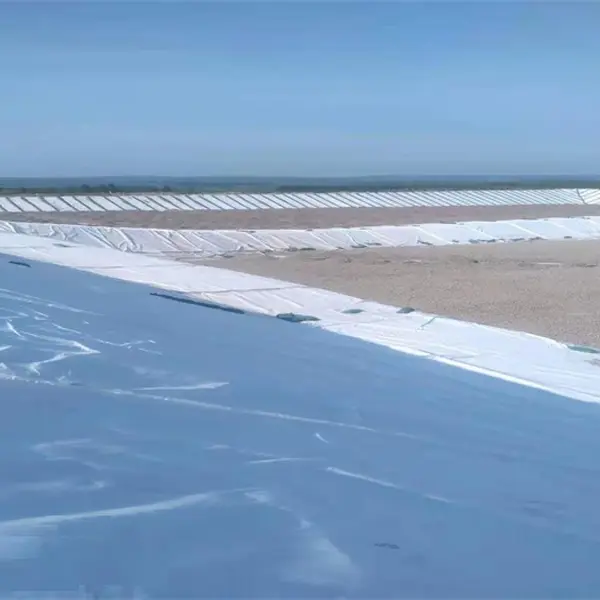
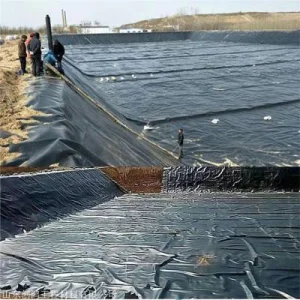
Geocells stabilize the soil along reservoir banks and canal embankments. They prevent water erosion and wave scour, while geomembranes act as impermeable liners to prevent water loss.
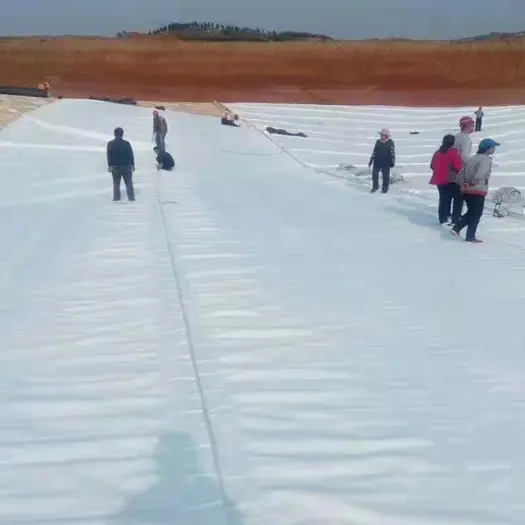
Integrated geomembrane and geocell liners seal and reinforce riverbeds and irrigation channels. This design reduces water seepage in sandy or porous soils and protects against embankment washouts.
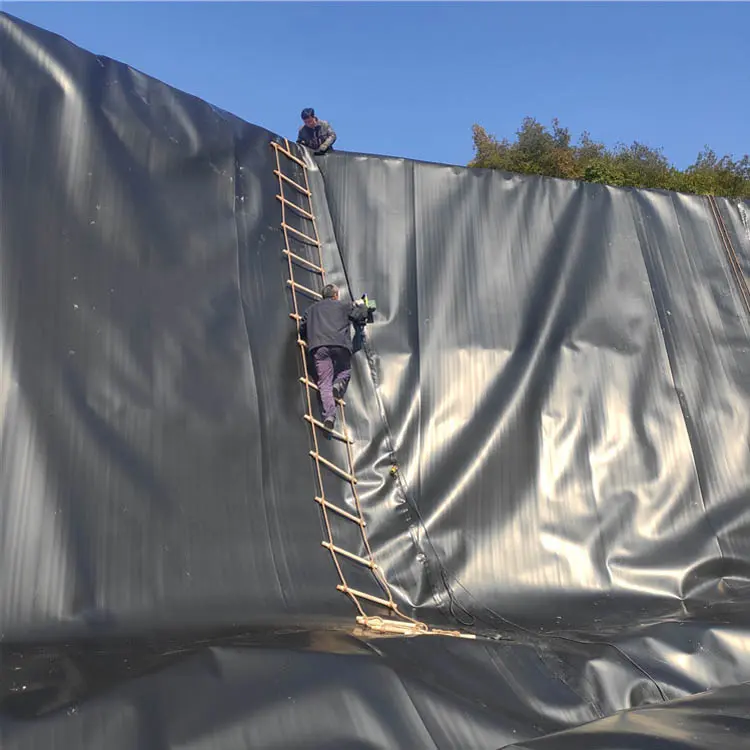
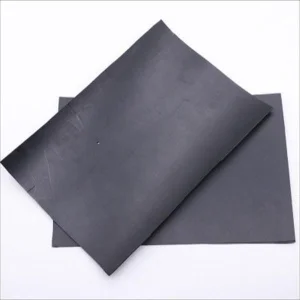
Designed to protect municipal and hazardous waste sites, these multi-layered systems use high-density geomembranes and geocells to contain leachate, prevent groundwater contamination, and stabilize cover slopes.
In-depth technical answers addressing common queries from civil engineers, procurement managers, and contractors.
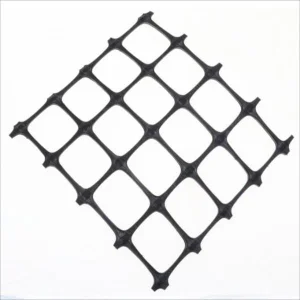
Advanced geotextiles, geogrids, and composite membranes designed to protect against subgrade deformation and soil shifting.
 Hongyue