High-performance structural reinforcement, filtration, and containment solutions engineered for longevity and ecological integration.
Under the contemporary global framework of carbon neutrality and ecological preservation, modern civil and environmental engineering projects require materials that do not simply exist within the environment, but actively support and restore it. CE Certified Eco Friendly Bags (Ecological Bags) stand at the forefront of this industrial shift, offering sustainable containment systems that mitigate soil erosion, stabilize riverbanks, and facilitate vegetation growth.
As the need for environmentally safe, high-tensile geotechnical systems increases, procurement managers and project designers are focusing on standardized certifications. CE certification ensures these eco-friendly bags meet European Union standards for safety, durability, and environmental protection. This white paper analyzes the engineering principles, manufacturing precision, and global application of modern ecological bags and geomaterials, highlighting why selecting a certified manufacturer is crucial for major infrastructure projects.
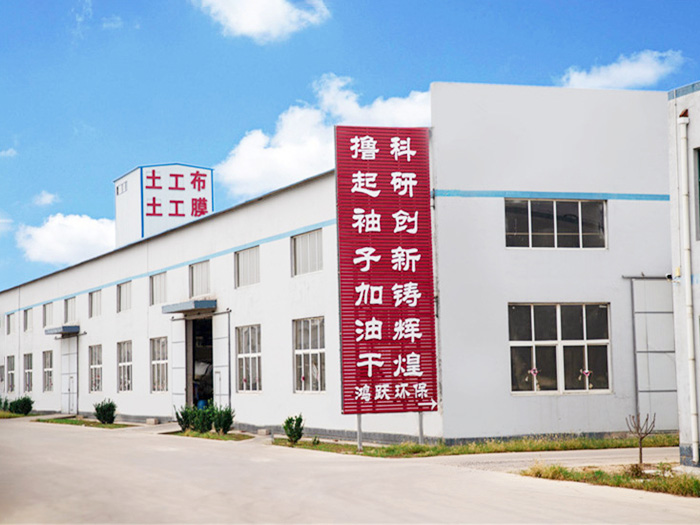
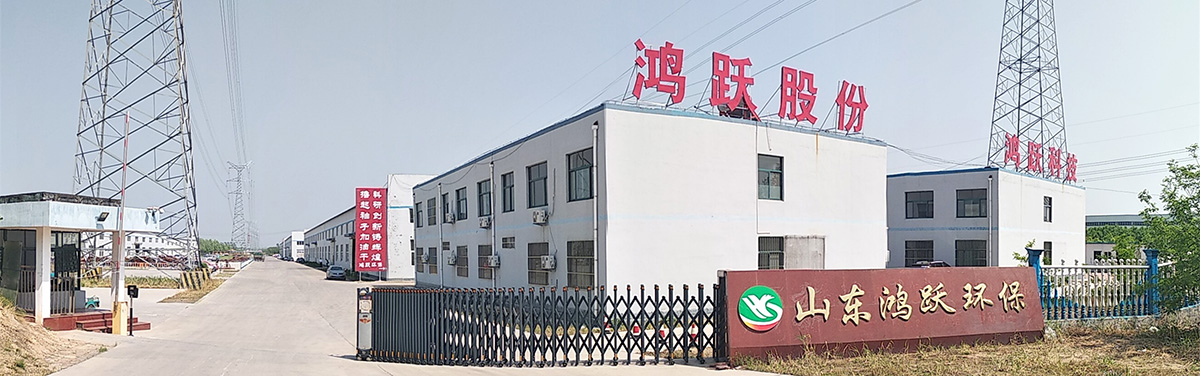
Shandong Hongyue Environmental Engineering Co., Ltd., located at the north end of Fufeng Street, Lingcheng District, Dezhou, Shandong Province, is a scientific and technological geotechnical material manufacturer integrating engineering material production, sales, design, and construction services. Registered in the Lingcheng District Market Supervision and Administration Bureau of Dezhou City on April 6, 2023, with a substantial registered capital of 105 million yuan, the company has emerged as one of the largest production bases of geotechnical materials in China, benefiting from a superior geographical location and convenient transportation links.
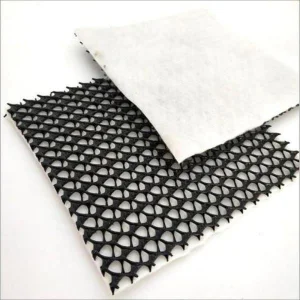
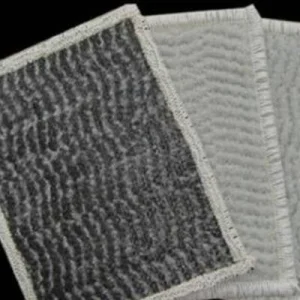
Since its establishment, Shandong Hongyue has grown rapidly to meet global demand. Our comprehensive portfolio includes geotextiles, geomembranes, composite geomembranes, waterproof boards, bentonite waterproof blankets (GCL), 3D composite drainage networks, grass-proof cloth, membrane bags, blind ditches, ecological bags, cement blankets, fiber plant blankets, and flexible pervious pipes. We serve projects in highway construction, high-speed rail lines, bridges, tunnels, water conservancy reservoirs, artificial lakes, environmental protection, aviation, mining, and agriculture.
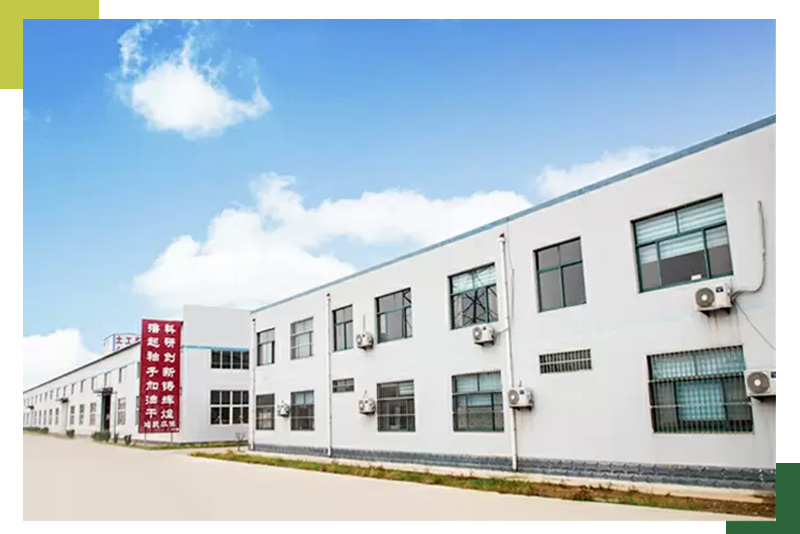
How regional integration, chemical engineering clusters, and automated manufacturing make Chinese production the global standard.
Our factory is located in Dezhou, Shandong, the hub of Chinese geosynthetic manufacturing. This provides immediate access to high-polymer raw materials, dedicated testing centers, and specialized logistics, significantly lowering raw material acquisition costs.
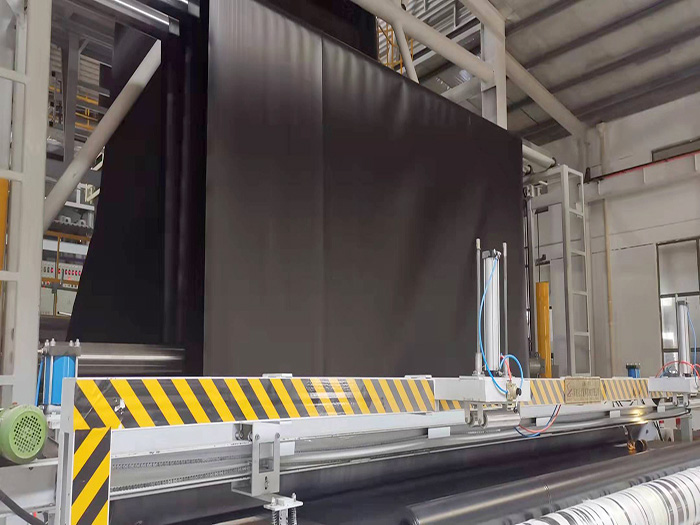
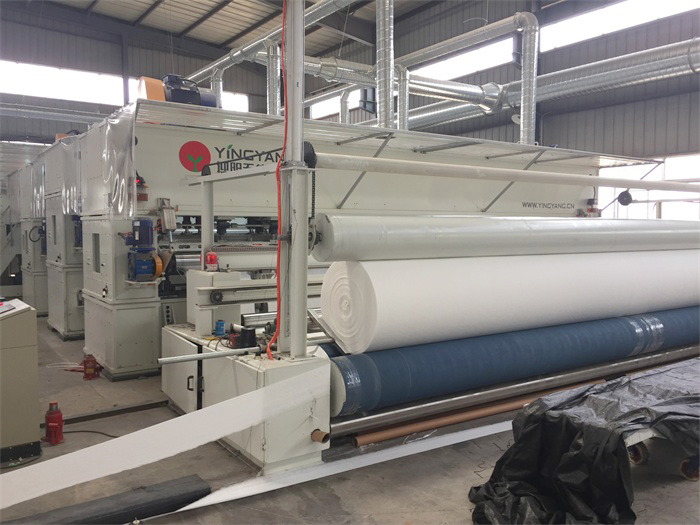
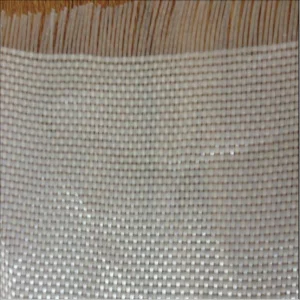
We utilize automated needle-punching lines and computerized weaving processes. We can customize the GSM (grams per square meter), dimensions, UV stability profiles, and tensile strengths to match specific engineering needs.
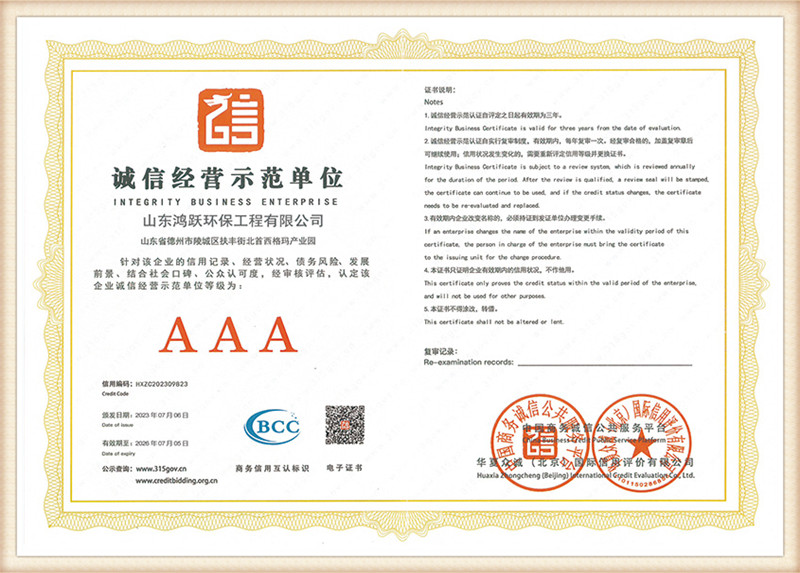
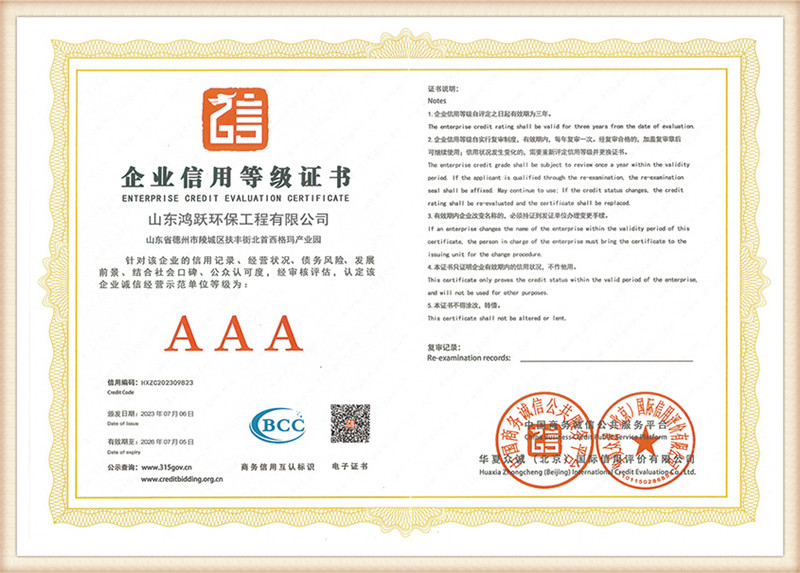
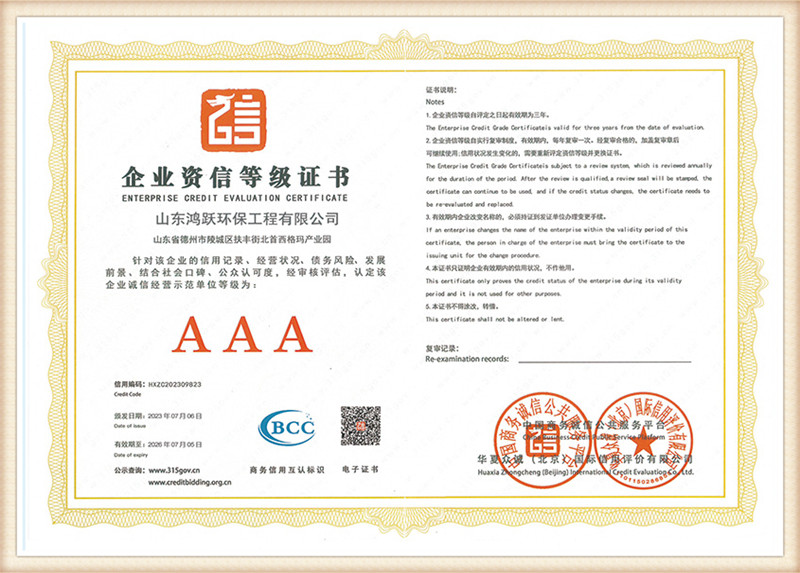
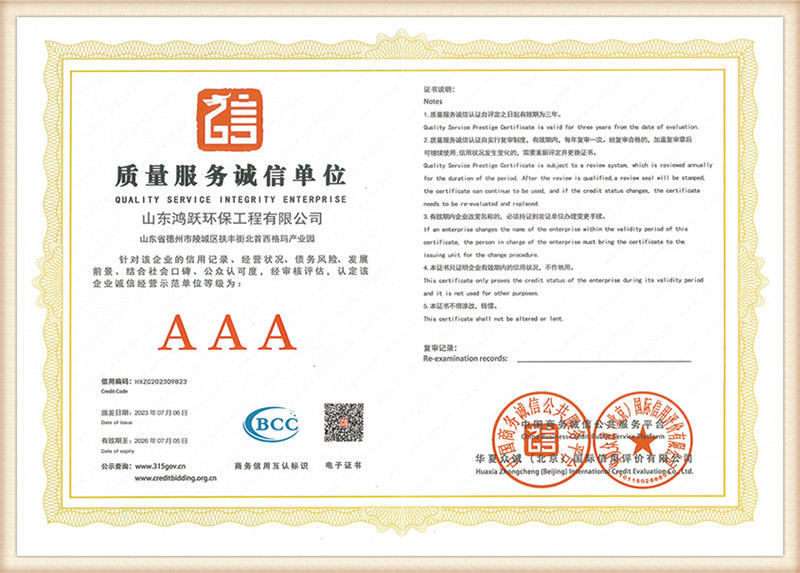
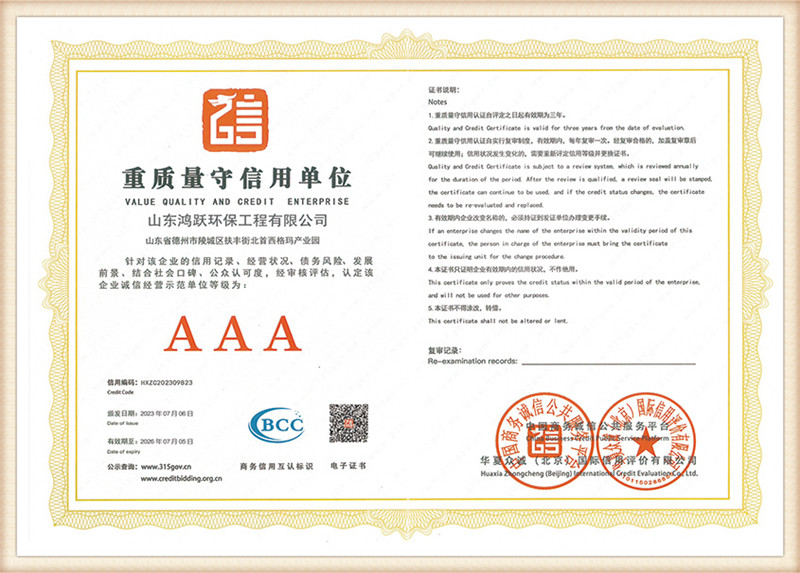
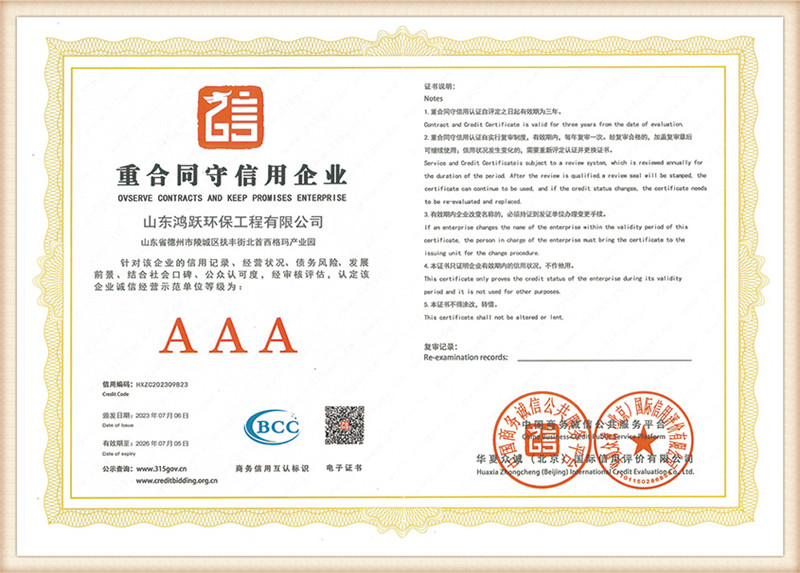
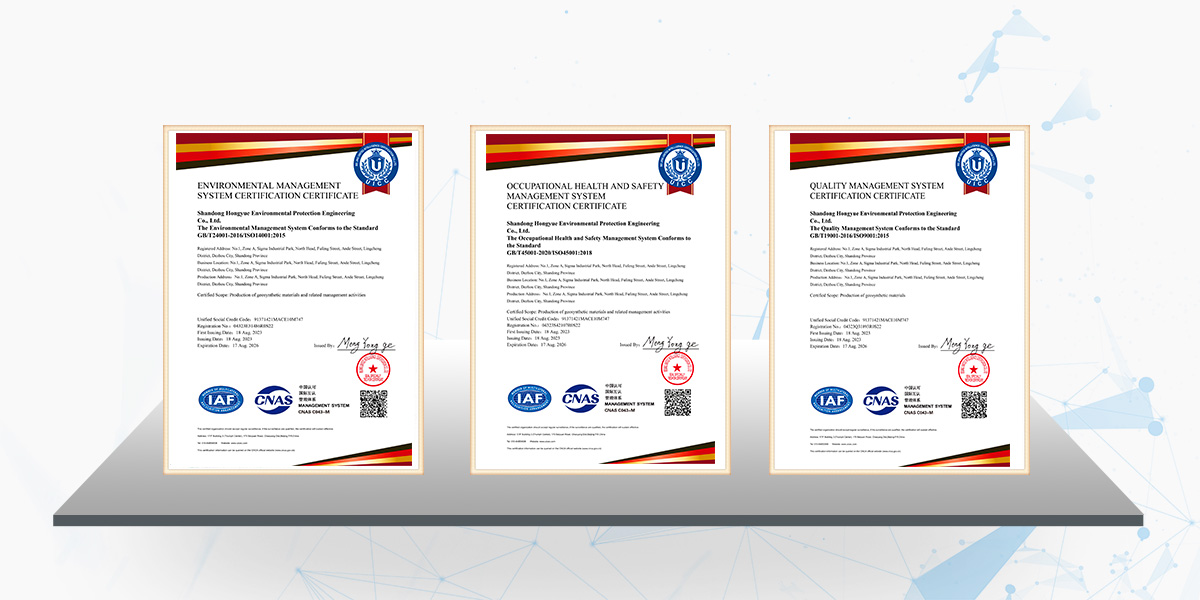
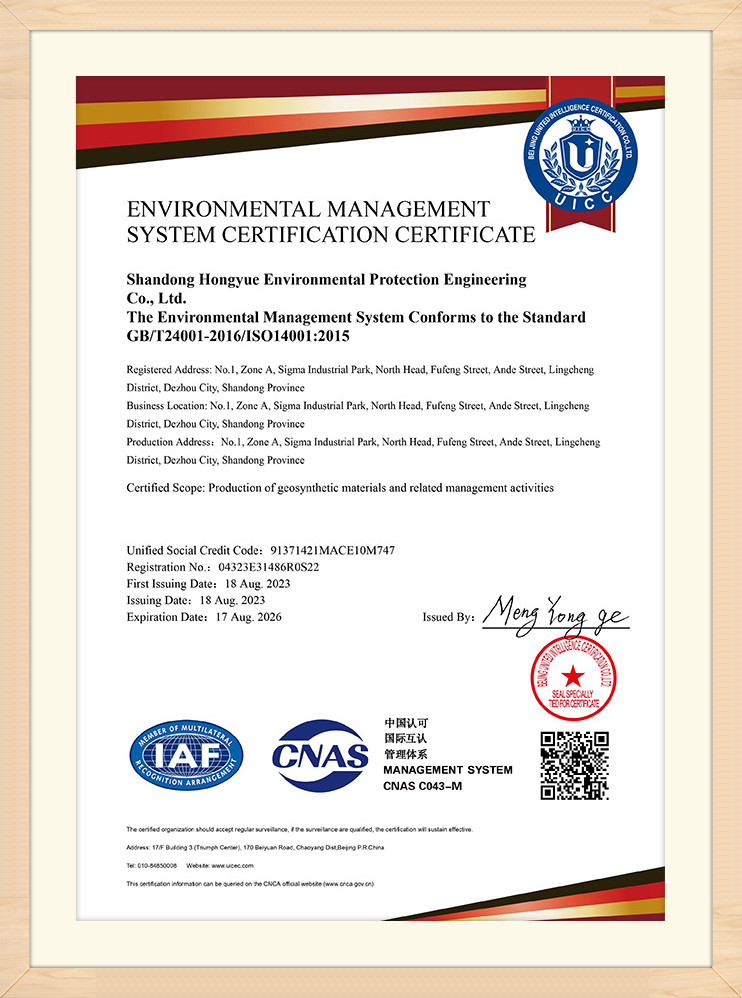
With ISO9001, ISO14000, and ISO45001 certifications, our production processes are carefully monitored. Raw polymers are tested for chemical purity and physical consistency before entering the extrusion phase, ensuring high quality.
Understanding the engineering behind our high-performance non-woven materials.
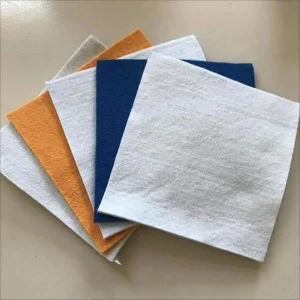
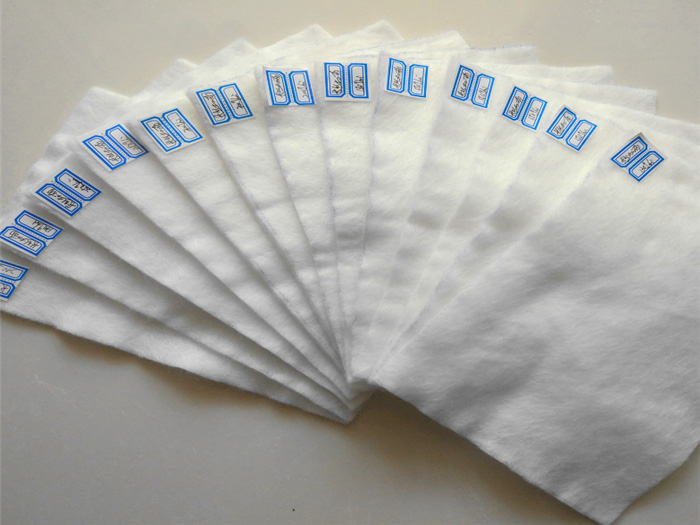
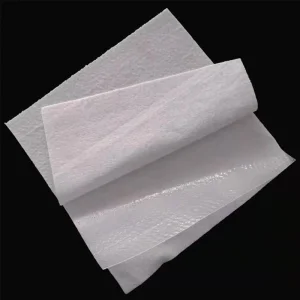
Our geotextiles utilize polyester chips, polypropylene filament, and viscose fiber. Raw materials are checked for molecular weight distribution, impurity level, and thermal stability to ensure consistent output.
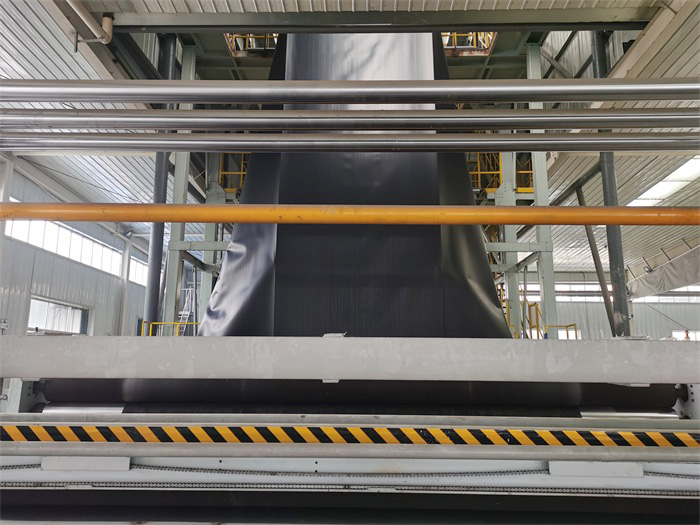
Polyester and polypropylene chips are melted at precise temperatures. The molten polymer is forced through a screw extruder where specialized mixing screws homogenize the materials before extrusion through fine spinnerets.
The extruded filaments are drawn by air currents and deposited onto a moving conveyor belt, forming a uniform, multidirectional network structure. We monitor density profiles continuously to prevent weak spots.
The fibrous web is fed into a needle-punching loom. Thousands of barbed needles interlock the fibers mechanically. It is then thermally bonded or draft-cured under tension to optimize its tensile strength and puncture resistance.
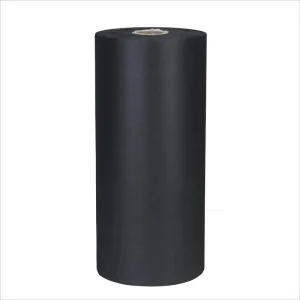
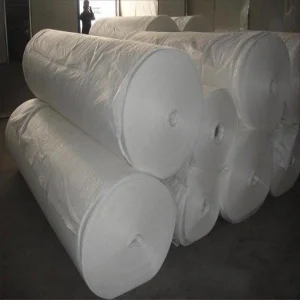
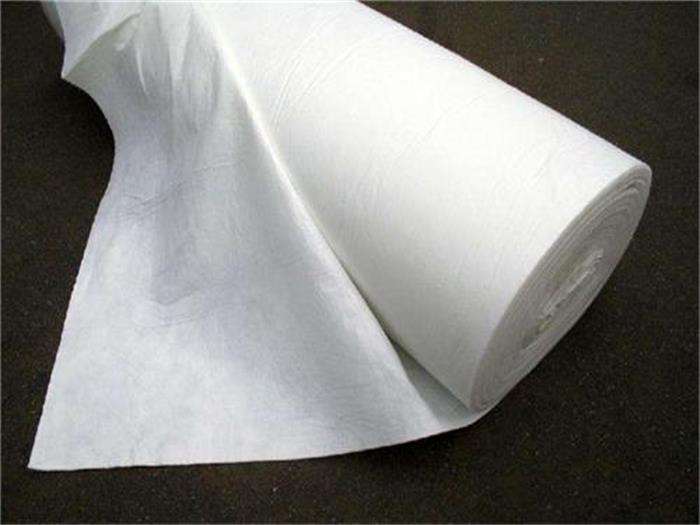
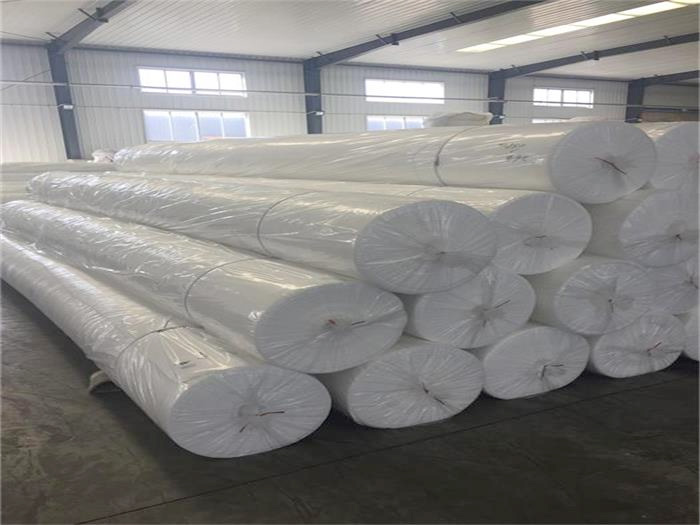
The cured geotextiles are trimmed, slit to precise dimensions, and wound onto heavy-duty cores. Rolls are wrapped in UV-protective polyethylene film to prevent degradation during storage and transport.
Samples from each production run undergo laboratory testing. We verify physical and chemical properties, including grab tensile strength, CBR puncture resistance, equivalent opening size (EOS), and water permeability.
Professional engineering support is essential for long-term project performance. Here is our field installation framework.
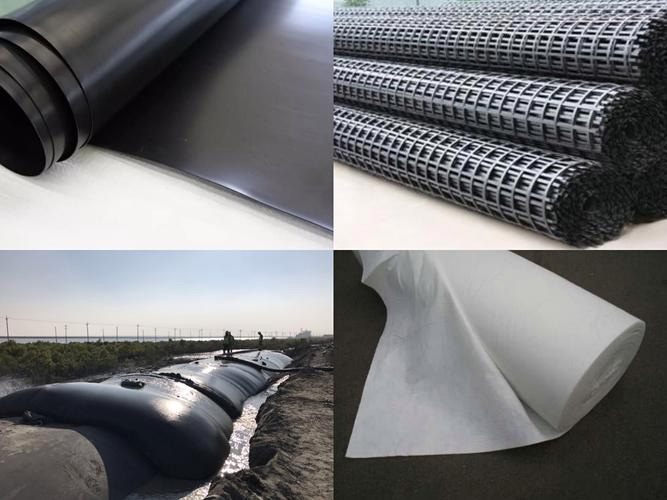
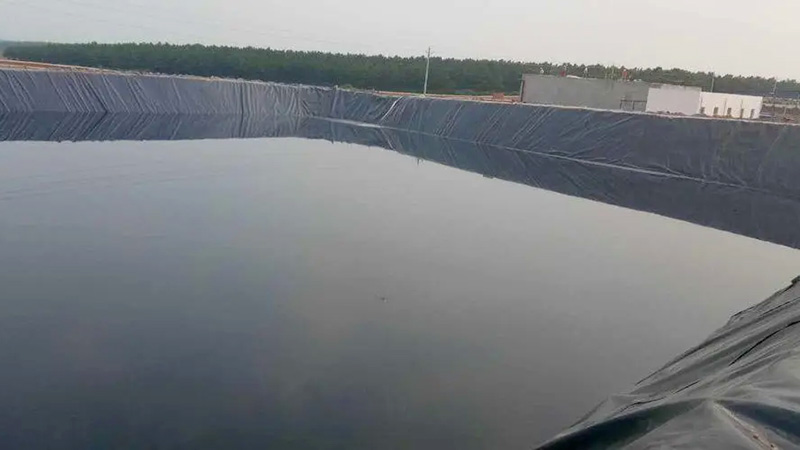
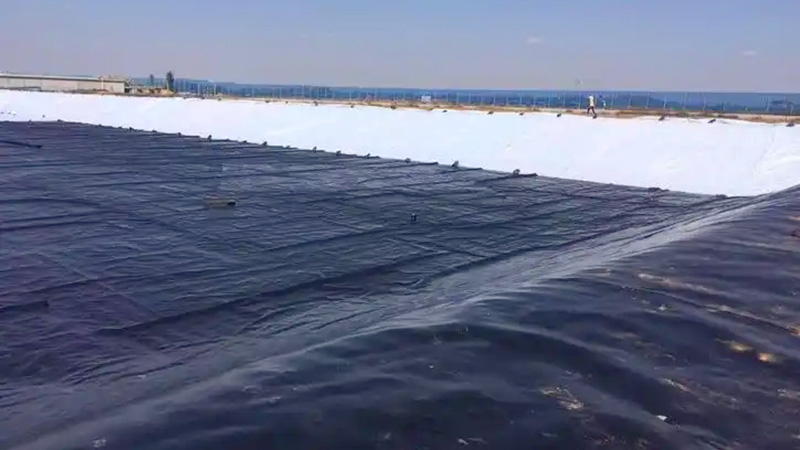
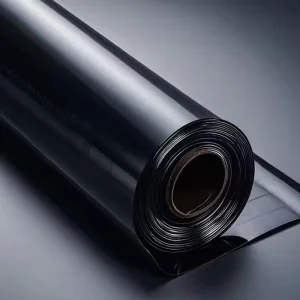
Geomembranes are used for containment, isolation, and reinforcement in heavy infrastructure. Selecting the correct material, thickness, and structure is vital:
We maintain a comprehensive quality management system certified to international standards.
Our quality control center is equipped with advanced testing devices to measure tensile properties, puncture resistance, hydrostatic pressure limits, and chemical resistance. Our testing protocols comply with both national Chinese standards (GB/T) and international benchmarks (ASTM, EN ISO).
Our materials have been certified by the China National Testing Center, consistently passing national quality supervision and sampling inspections. These certified materials are widely used in hydraulic structures, high-speed rail base stabilization, and environmental containment projects globally.
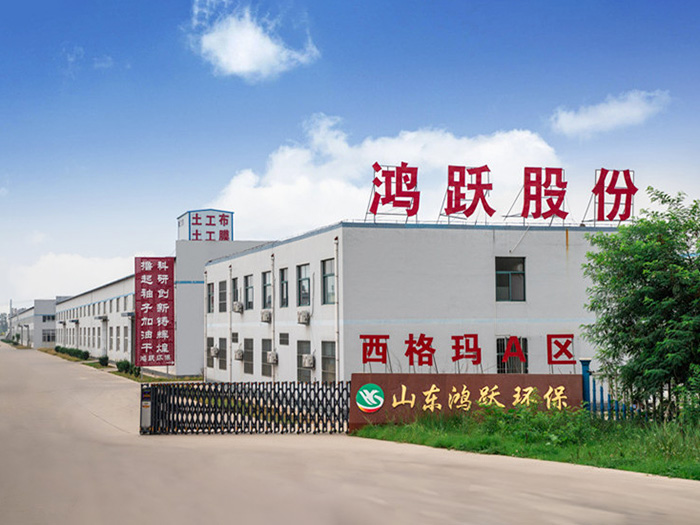
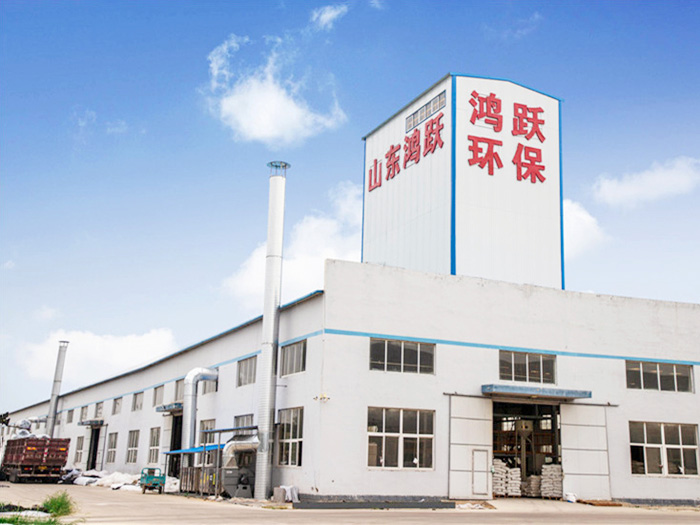
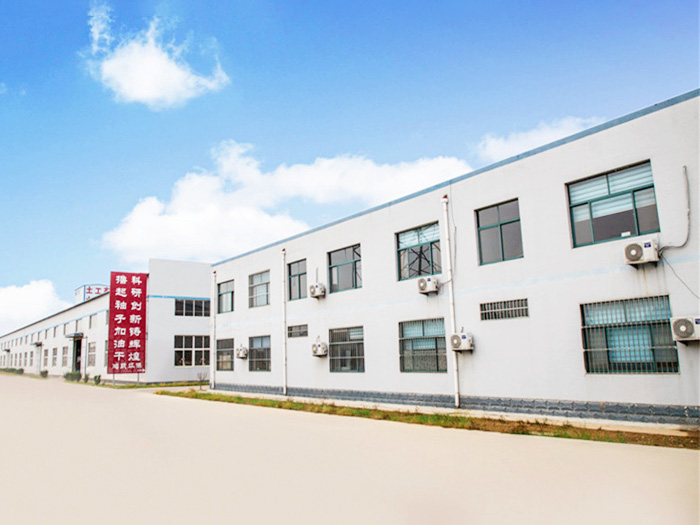
Geosynthetic systems provide solutions for infrastructure safety, environmental protection, and land reclamation.
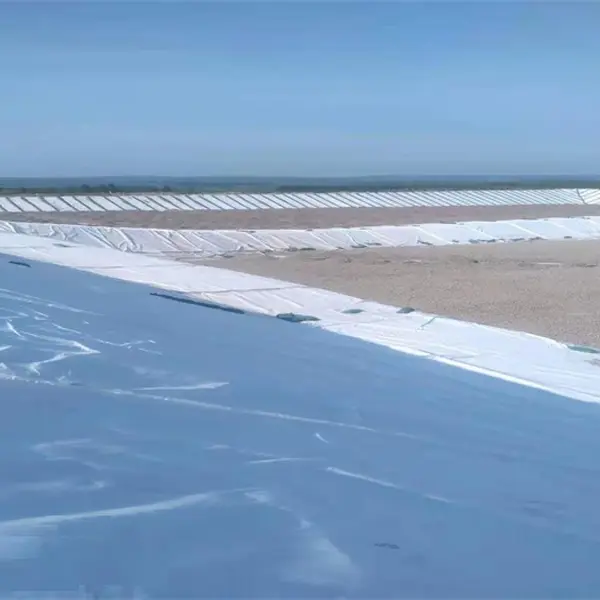
Geomembranes and composite structures prevent seepage in reservoirs, irrigation canals, and dams, reducing water loss and protecting structural stability.
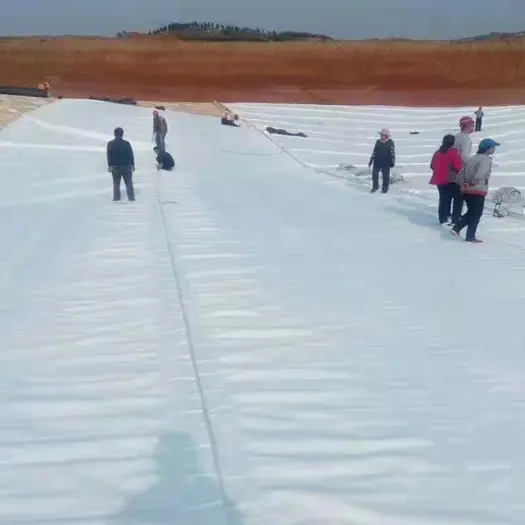
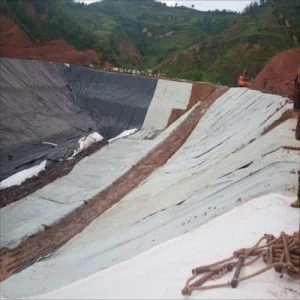
River channel restoration using eco-friendly bags and geotextiles controls erosion while allowing vegetation to establish, supporting natural river ecosystems.
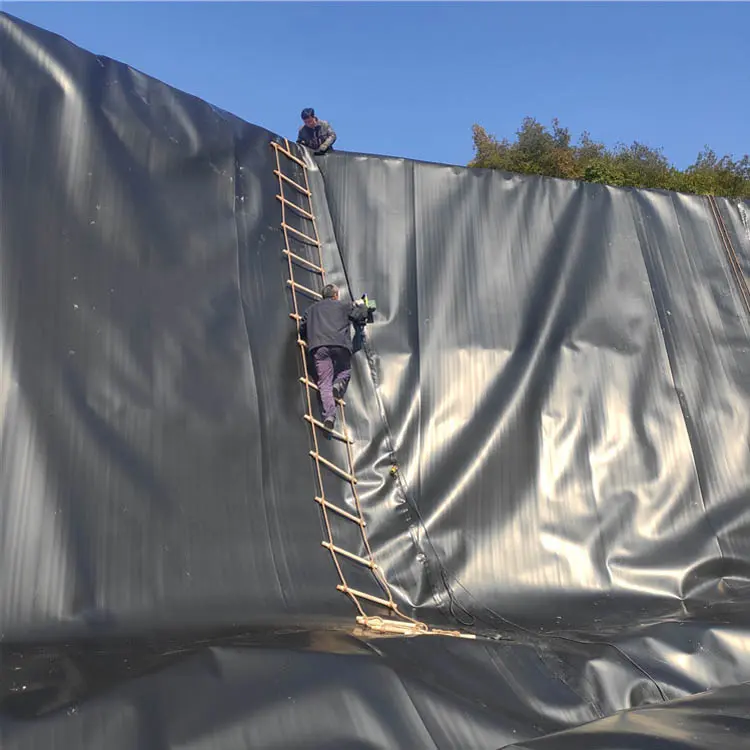
Multi-layer liner systems combining HDPE geomembranes, GCL, and drainage networks isolate municipal and industrial waste, protecting local groundwater.
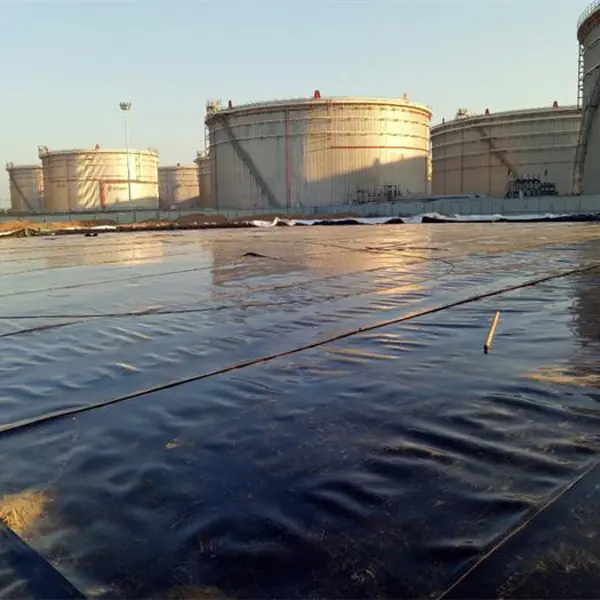
Secondary containment liners for petrochemical storage areas provide a secure barrier against chemical spills, protecting local soils.
In municipal river engineering, managing variable water flow and soil saturation is key to stability. Using traditional concrete lining prevents erosion but disrupts the local habitat, preventing plant growth and reducing water quality.
By implementing a system of Hongyue Ecological Bags filled with localized soil and seeds, and backed by a non-woven polyester geotextile filter layer, the slope is stabilized. The geotextile allows groundwater to drain freely, preventing pore-water pressure buildup, while retaining soil fines. The eco-bags protect the slope from surface erosion during high-water events. Within months, root systems penetrate the bag walls, locking the structure into the subgrade. This turns the engineered slope into a living green barrier that filters runoff and supports local biodiversity.
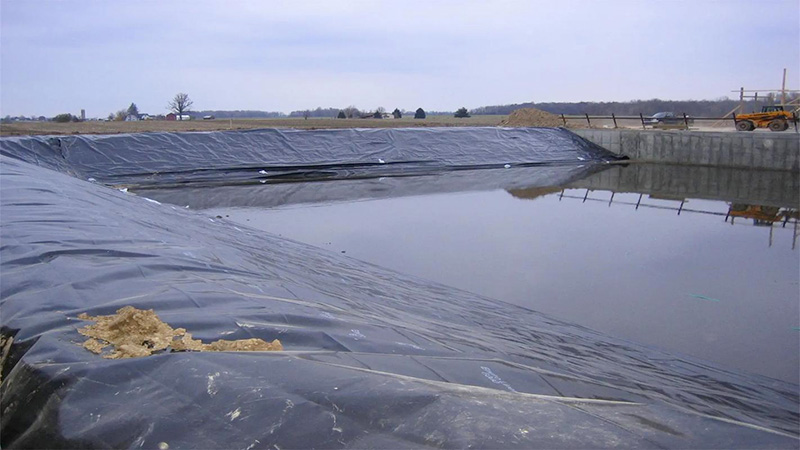
A quick reference guide for environmental engineers to match site conditions with the correct geosynthetic material class.
| Application Focus | Primary Geosynthetic Material | Critical Properties Required | Standard Reference |
|---|---|---|---|
| Slope Stabilization & Green Walls | Eco-Friendly Bags (Ecological Bags) | High UV Resistance, Permeability, Root-Friendly Fiber Matrix | ISO 10319 / EN 12224 |
| Landfill Base Seepage Barrier | HDPE Geomembrane (1.5mm - 2.0mm) | Stress Crack Resistance, Chemical Inertness, Low Permeability | ASTM D5397 / GRI GM13 |
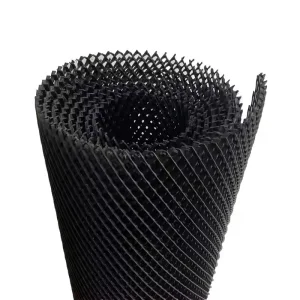
| Soil Filtration & Road Drainage | Non-Woven Polyester Geotextile | Water Permeability, Apparent Opening Size (AOS), Puncture Strength | ASTM D4751 / EN ISO 11058 |
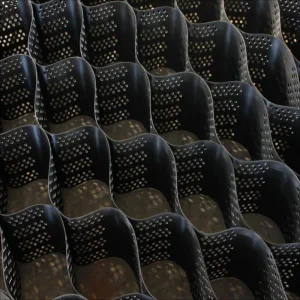
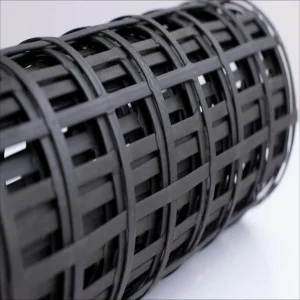
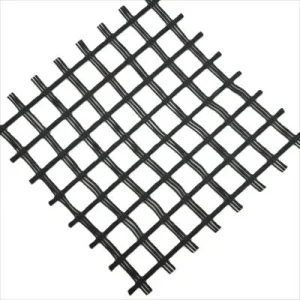
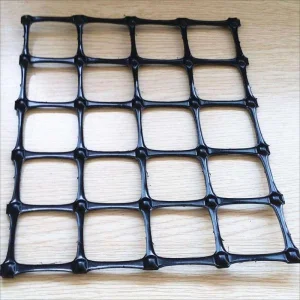
| Subgrade Load Distribution | HDPE Geocell / Steel-Plastic Geogrid | Junction Strength, Elastic Modulus, Dimensional Stability | ASTM D6693 / GRI GG4 |
| High-Velocity Flow Channels | Slope Protection Cement Blanket | Flexural Strength, Rapid Setting, Compressive Resistance | ASTM D8329 / EN 14487 |
Our engineering department provides custom technical consulting to assist clients in selecting materials that meet specific project site conditions. Factors such as soil pH, expected chemical exposure, local hydraulic flow rates, and slope angle are analyzed to determine the optimal polymer formulation and structural design.
Expert answers regarding certifications, material performance, and global logistics for large-scale geosynthetic procurement.
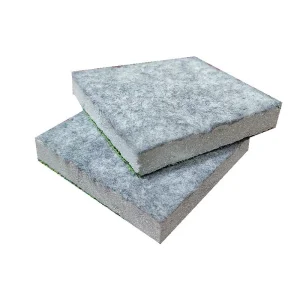
Explore our specialized materials developed for challenging soil containment, reinforcement, and drainage applications.
 Hongyue