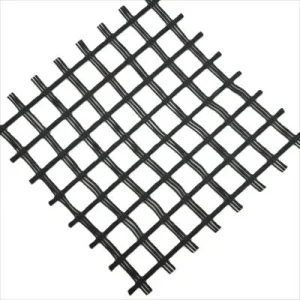
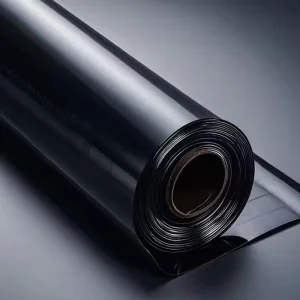
Engineered barriers, stabilization fabrics, and composite reinforcement matrixes certified for global civil engineering applications.
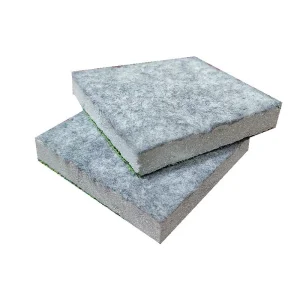
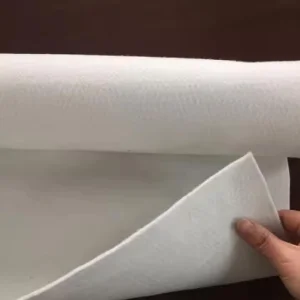
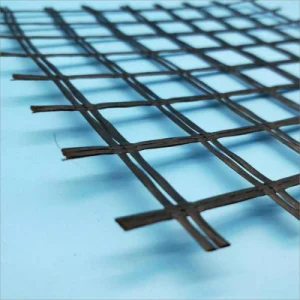
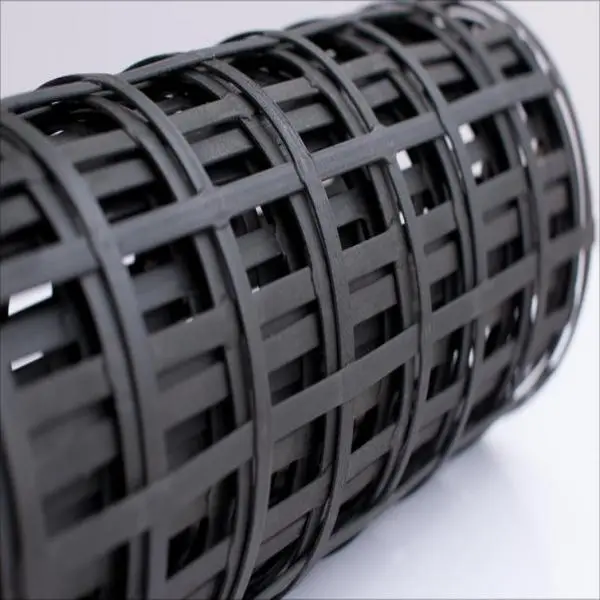
Modern civil engineering requires materials that mitigate structural deformation, manage high-stress loads, and provide longevity in variable environments. Steel-Plastic Geogrids have emerged as the industry gold standard for load-bearing reinforcement in road construction, subgrade stabilization, and earth retention structures. By bonding high-tensile steel wire with a specialized high-density polyethylene (HDPE) polymer coating, these composites leverage the structural rigidity of steel with the chemical inertia of polymers.
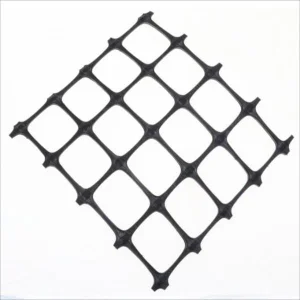
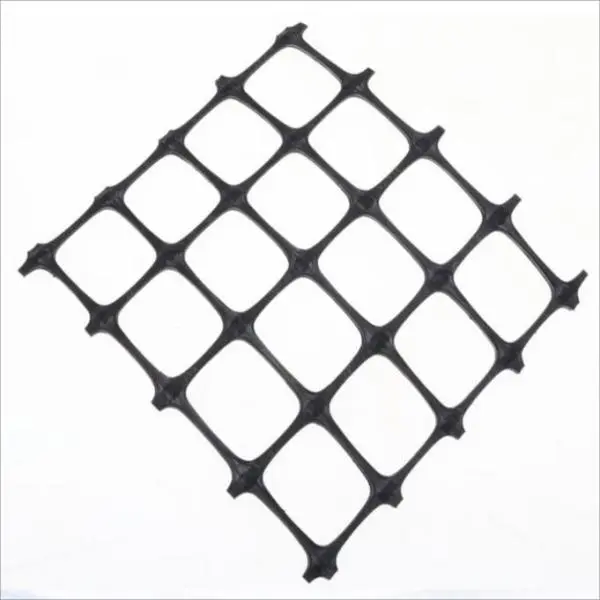
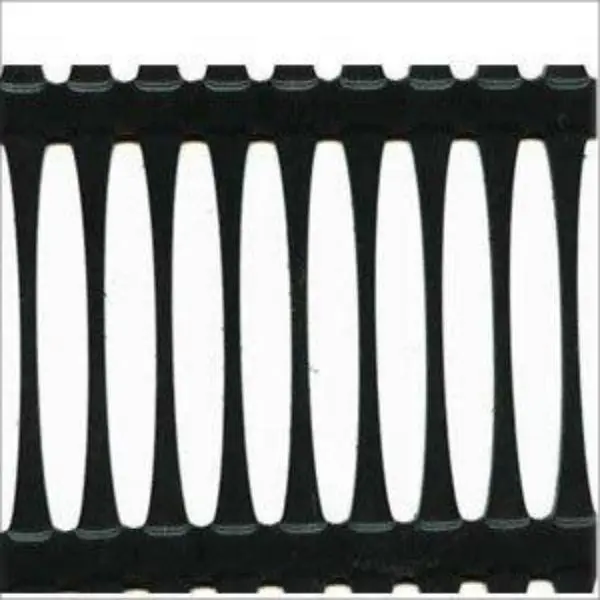
While standard geogrids rely purely on polymeric tension (such as PP or PET), steel-plastic geogrids utilize micro-embedded carbon steel wires as the primary tensile element. The surrounding polymer sheath acts not just as a defensive barrier against acidic/alkaline soils, but also forms grid-textured structural junctions that mechanically lock with soil aggregates to prevent shifting.
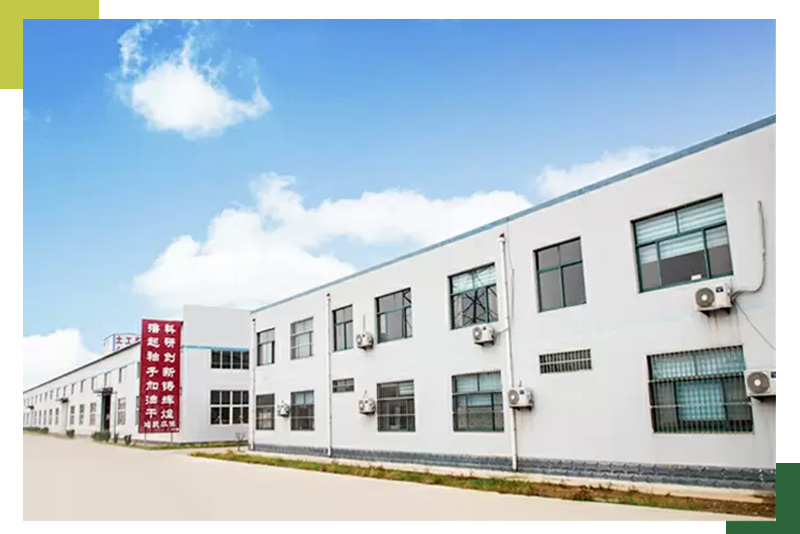
Registered with a capital of 105 million yuan in Dezhou City, Shandong Province, Shandong Hongyue Environmental Engineering Co., Ltd. represents one of China's most comprehensive geotechnical manufacturing hubs. Spanning across advanced production lines, design departments, and on-site engineering services, we produce structural elements deployed in transcontinental infrastructure.
Our core product line addresses full-scale soil reinforcement, fluid containment, and stabilization strategies. We utilize raw materials tested against ISO 9001 and CE certifications, allowing our engineering teams to consult and support complex projects in Europe, the United States, Australia, and Asia.
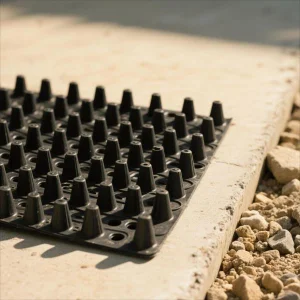
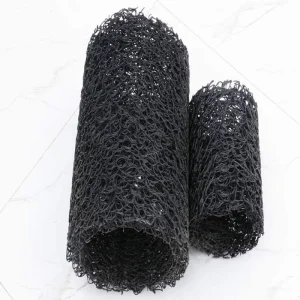
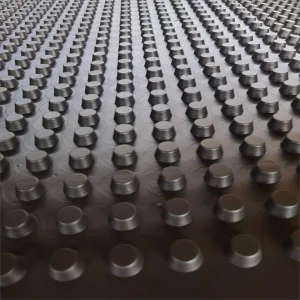
Since the establishment of the company, the business continues to grow and expand. Our enterprise mainly deals in geotextiles, geomembrane, composite geomembrane, waterproof board, bentonite waterproof blanket, 3D composite drainage net, drainage board, weaving cloth, geotextile tubes, membrane bags, blind ditches, ecological bags, cement blankets, and flexible pervious pipes. Backed by a professional technical and sales team belonging to the Dezhou Geotextile Association, our solutions are widely used in highways, railways, bridges, tunnels, canals, and artificial lakes.
Procurement analysis based on tensile strength, roll size, material coating, and industrial volume pricing. Prices listed reflect estimated FOB Qingdao rates for global shipping.
| Model Designation | Tensile Strength (MD/CD) | Aperture Size (mm) | HDPE Coating thickness | Roll Width/Length | Estimated Price Range (FOB/sqm) |
|---|---|---|---|---|---|
| HY-SPG 30/30 | ≥ 30 kN/m | 40 x 40 / 50 x 50 | 0.8mm - 1.0mm | 4.0m x 50m | $0.55 - $0.72 USD |
| HY-SPG 50/50 | ≥ 50 kN/m | 40 x 40 / 60 x 60 | 1.0mm - 1.2mm | 4.0m x 50m | $0.85 - $1.05 USD |
| HY-SPG 80/80 | ≥ 80 kN/m | 50 x 50 / 80 x 80 | 1.2mm - 1.5mm | 4.0m x 50m | $1.30 - $1.65 USD |
| HY-SPG 100/100 | ≥ 100 kN/m | 60 x 60 / 100 x 100 | 1.5mm - 1.8mm | 4.0m x 50m | $1.85 - $2.20 USD |
| HY-SPG 150/150 | ≥ 150 kN/m | 70 x 70 / 120 x 120 | 1.8mm - 2.2mm | 3.95m x 50m | $2.80 - $3.40 USD |
Note on Custom Specifications: Pricing is highly dependent on raw steel wire commodities, polymer index adjustments, and specialized ultraviolet (UV) stabilizing masterbatches. High-density polyethylene coating provides corrosion protection; for landfills or high-salinity marine subgrades, specify thick sheathing (1.5mm+) to optimize the geogrid design life for up to 120 years. Large bulk projects exceeding 50,000 m² qualify for factory volume rebates.
How local soil environments, climate conditions, and load distributions influence steel-plastic geogrid implementation globally.
In regions with soft-clay foundations, standard heavy-haul transport vehicles generate dynamic settlement. High-tensile steel-plastic geogrids provide a rigid confining force that limits lateral displacement of subgrade aggregates, transferring vertical load forces uniformly across the structure. This increases pavement lifespan by over 200%.
Reinforcing heavy mine access roads requires resistance to severe wheel-load shear. The thick polymer nodes of our composite grid withstand continuous physical abrasion, preventing subgrade erosion under 400-ton mining transport fleets.
Mechanically Stabilized Earth (MSE) walls demand geogrids with zero-creep performance under long-term tension. While pure polymer grids may experience creep elongation over decades, the internal steel wire cores ensure stable, long-term tensile structures.
Step-by-step insight into the engineering behind our high-performance filtration and separation geotextiles.
Geotextile is widely used in civil engineering for filtration, isolation, reinforcement, and protection. Our production lines process raw polymer chips through precise melt extrusion and draft curing. Modern technological controls monitor consistency to optimize hydraulic permittivity and physical tensile profiles.
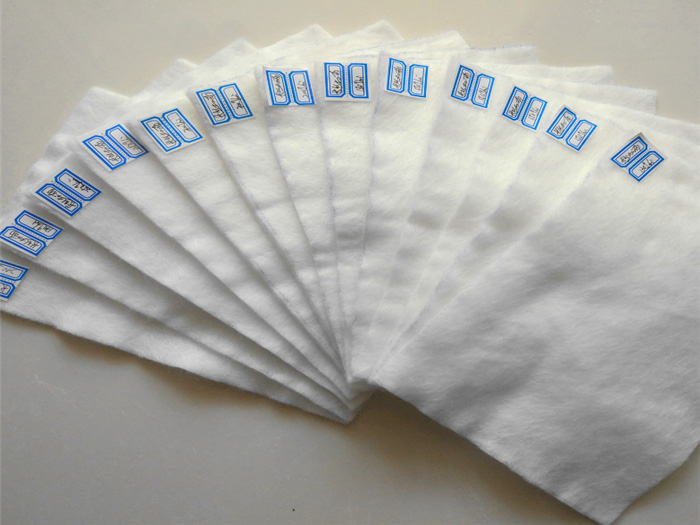
Polyester chips, polypropylene filament, and viscose fibers undergo inspection and storage processing to ensure chemical purity and stable tensile baselines.
Chips melt at high temperatures and are extruded via screw machinery, blending polypropylene filament and fibers under precise temperature and pressure controls.
The molten mix passes through high-density spinnerets to form a uniform web structure on conveyors, ensuring targeted fiber orientation.
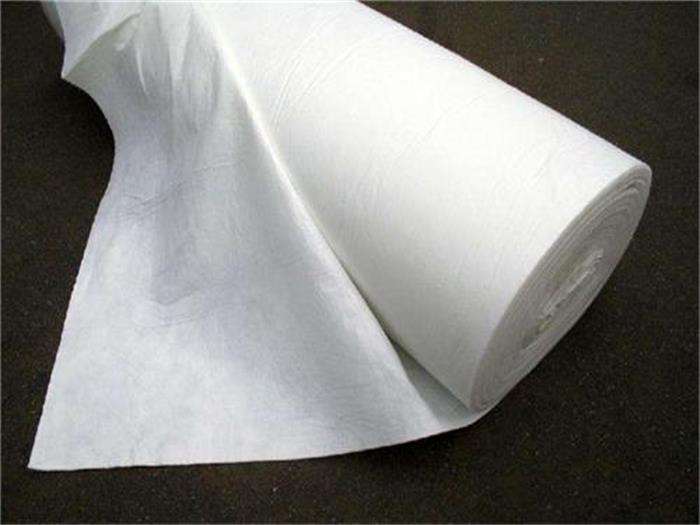
The fiber layers pass through mechanical rollers under precise speed and draft ratios to align molecules and lock physical strength.
Cured geotextile sheets are measured for length, width, and thickness to verify compliance before rolling and protective packaging.
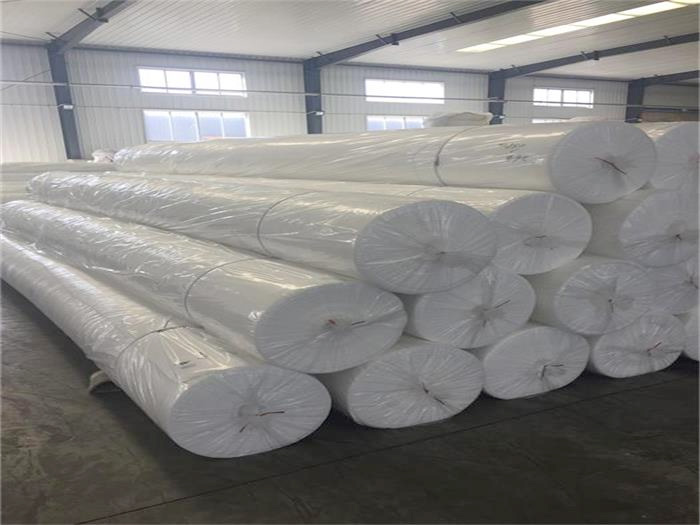
Every batch undergoes testing in our QC laboratories, focusing on tensile strength, puncture resistance, and hydraulic permittivity.
Best practices for containment, barrier systems, and environmental protection projects.
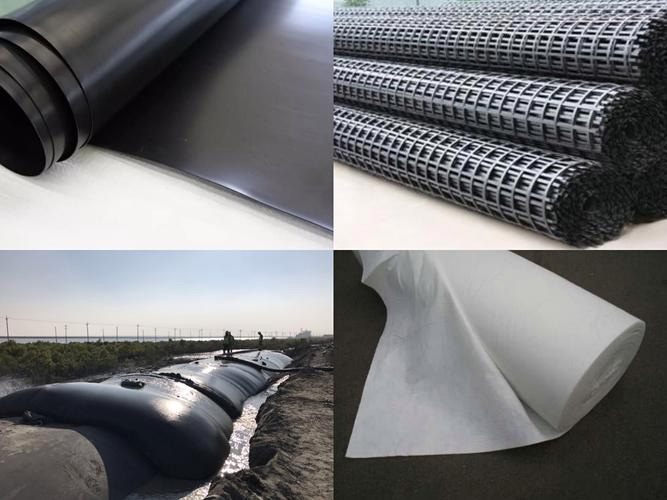
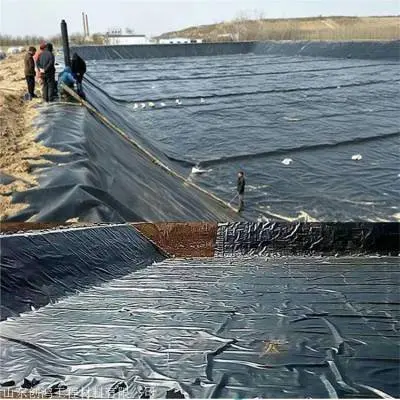
Selecting appropriate materials is vital. Our HDPE (High-Density Polyethylene) liners suit chemical retention, landfills, and industrial ponds due to high resistance to acidity and UV light. LLDPE (Linear Low-Density Polyethylene) provides the flexibility needed for irregular topography and high settlement risk areas. The thickness varies from 0.3mm to 2.0mm depending on site loads.
Prepare the subgrade by removing rocks and debris. Joints are welded using dual-track hot wedge fusion machines, creating a pressure channel to test seal integrity. Use anchor trenches to secure the geomembrane edges against wind uplift.
Conduct regular electrical leak location surveys (ell) to identify micro-punctures. Keep the surface clear of heavy equipment and sharp objects to ensure long-term containment integrity.
Case studies of geosynthetic barriers applied across hydraulic, agricultural, and hazardous containment fields.
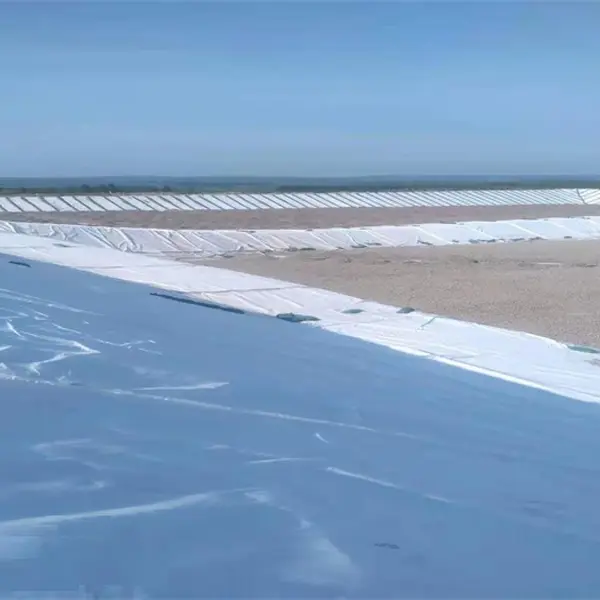
Mitigates seepage loss in complex valleys and geological faults, stabilizing reservoir storage capacity.
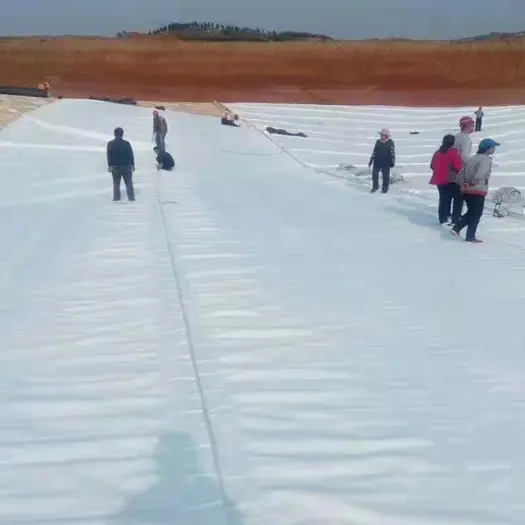
Reinforces river banks and canal channels, preventing erosion and localized subgrade failure during floods.
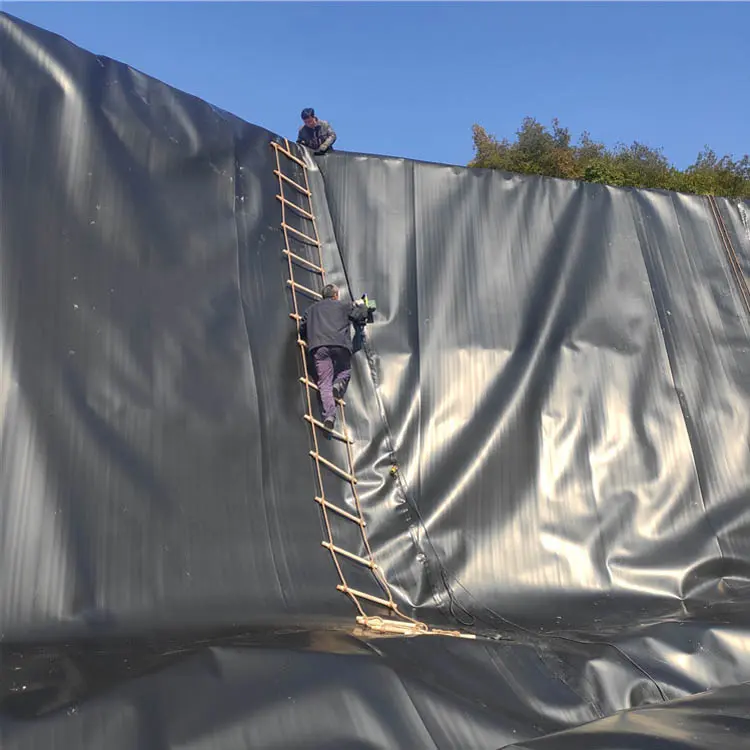
Double containment liners with leakage detection networks block leachate migration into local aquifers.
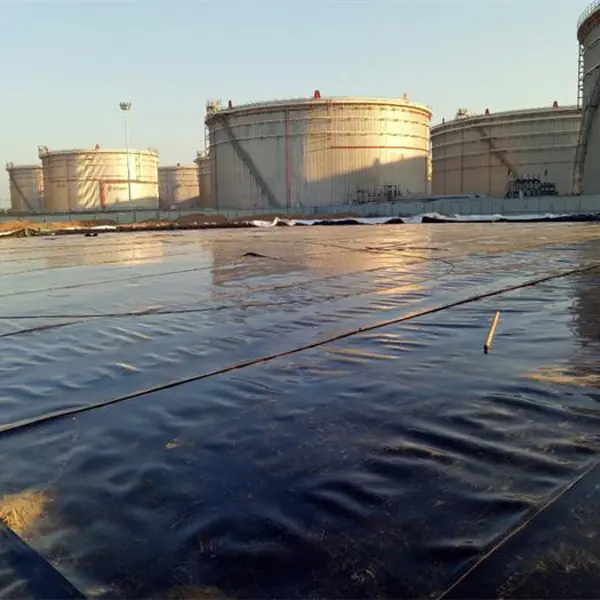
Secondary containment zones in petrochemical storage facilities prevent environmental soil pollution.
Dezhou City, located in Shandong Province, serves as China's primary hub for geosynthetic materials. This industrial concentration creates supply chain advantages that lower the total cost of ownership for overseas buyers.
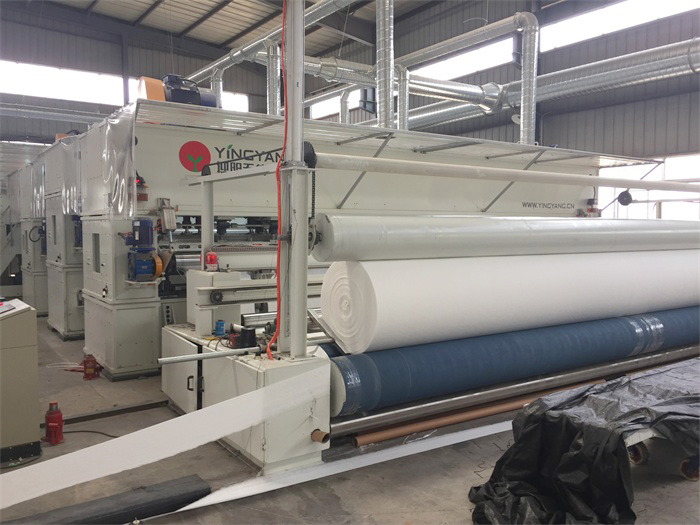
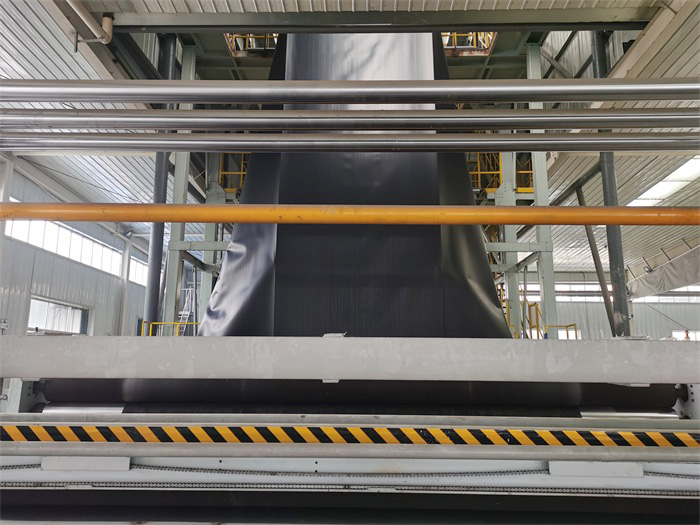
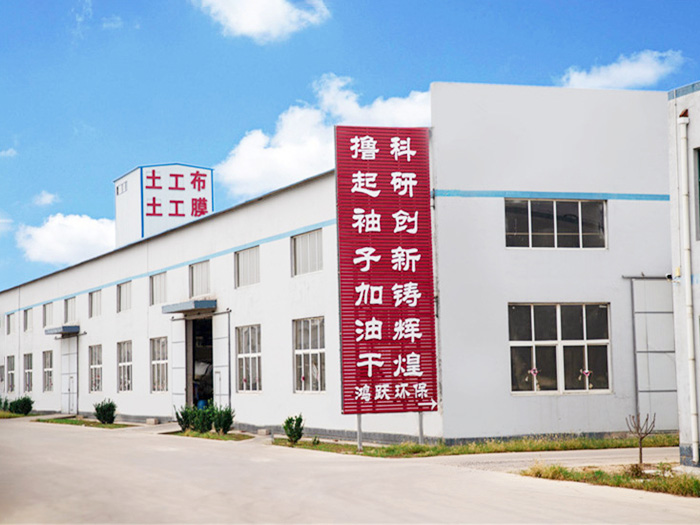
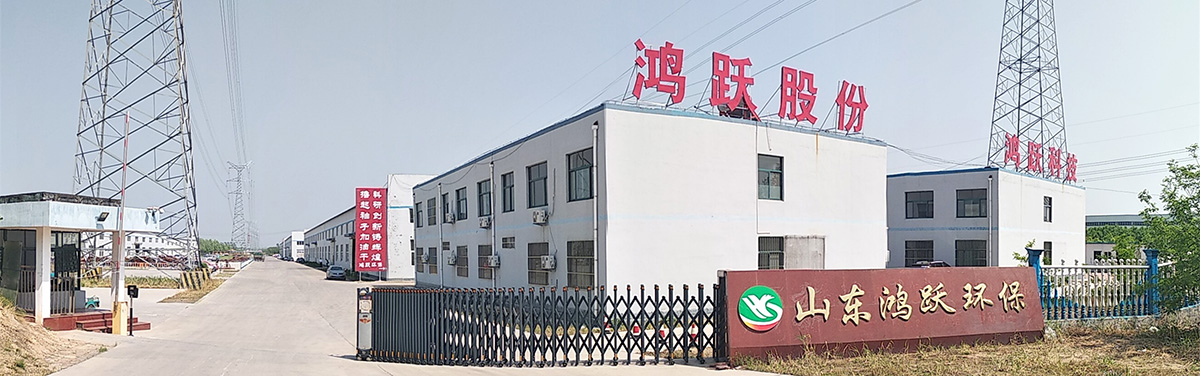
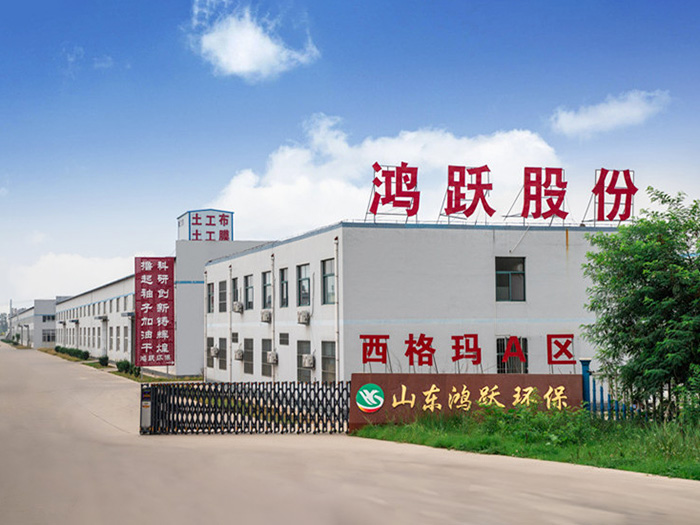
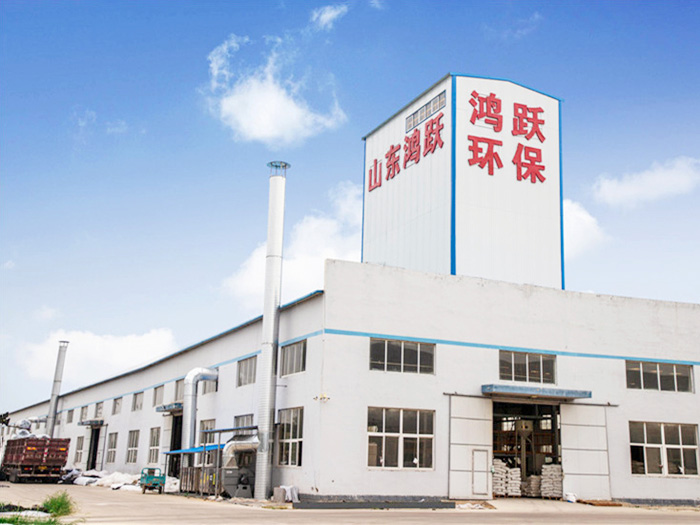
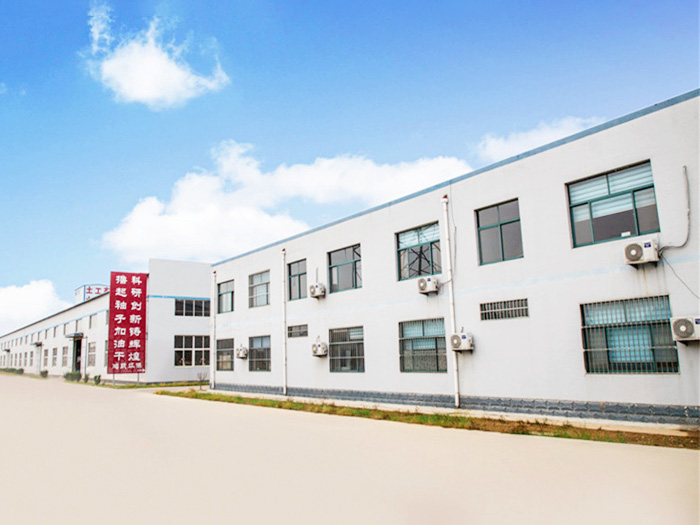
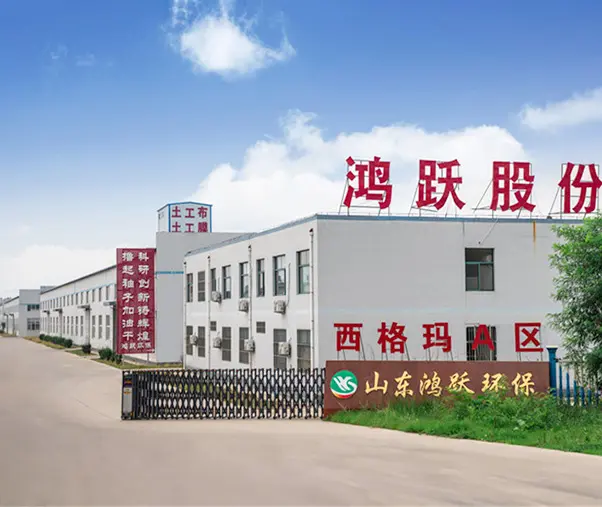
A visual tour through our production workshops, material storage, and heavy machinery installations in Dezhou.
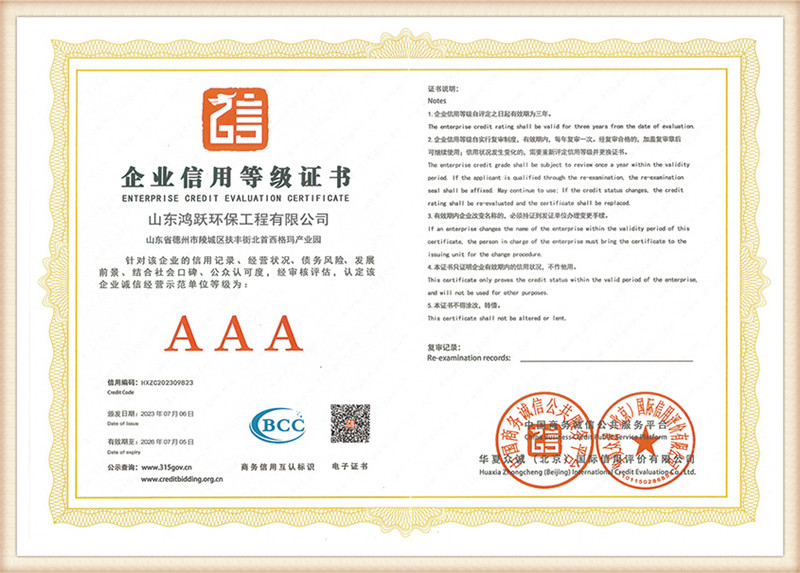
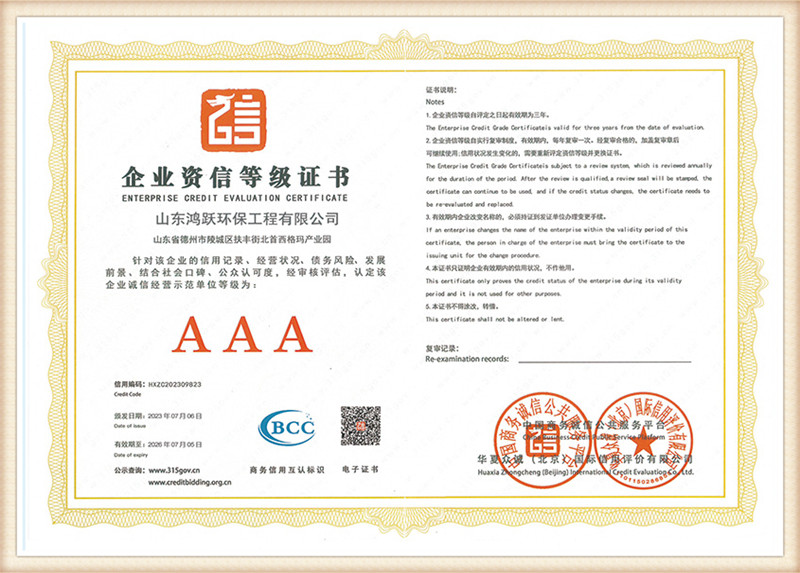
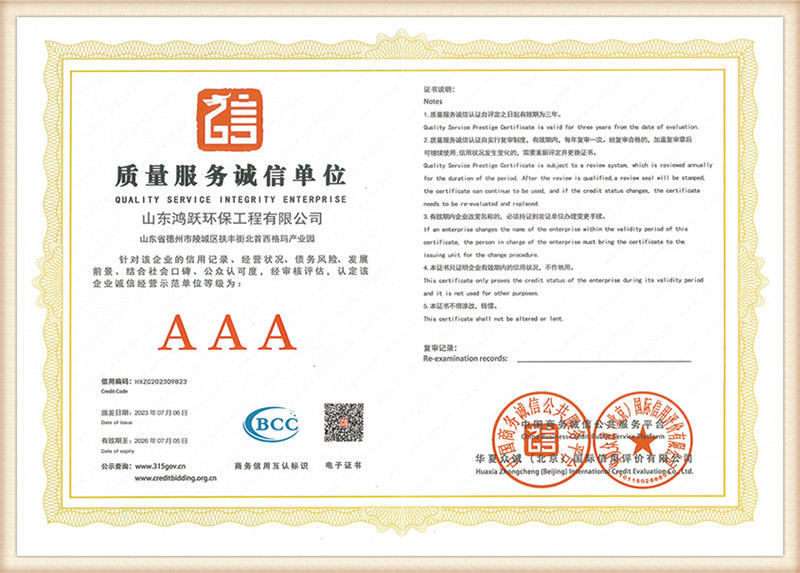
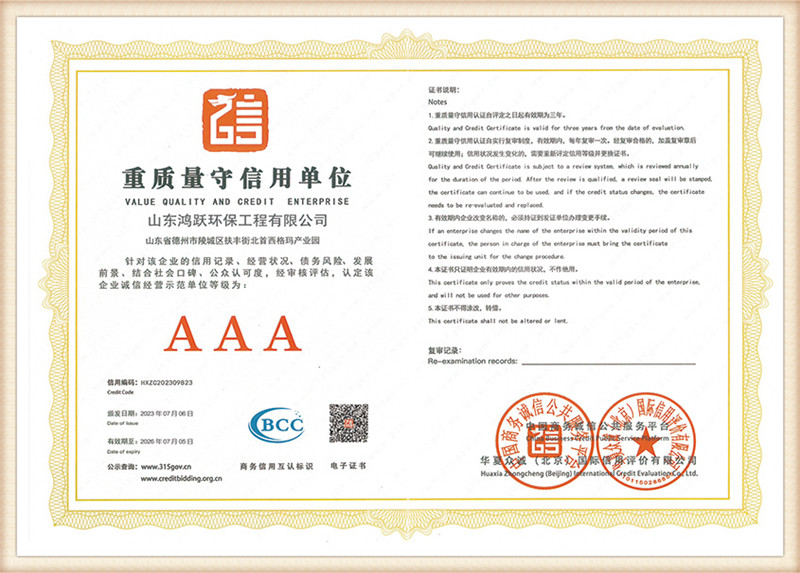
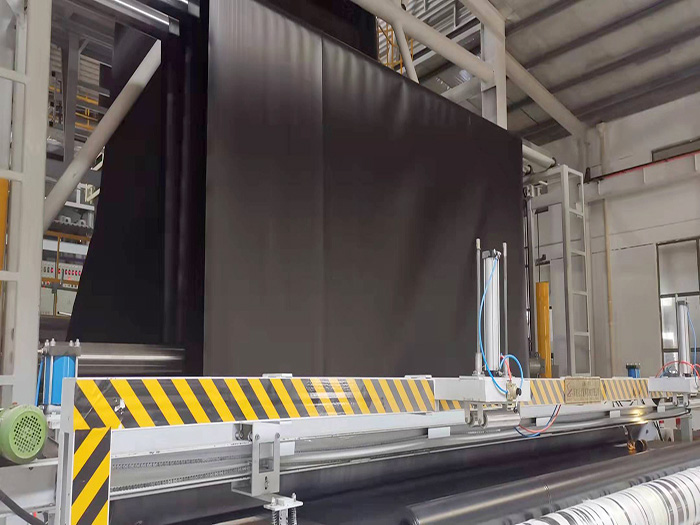
We maintain advanced mechanical extrusion facilities and calibrated quality assurance test systems.
Clear answers on design configurations, raw materials, and ordering procedures.
Steel-plastic geogrids offer higher tensile stiffness at low strains (typically <2% or 5%) compared to fiberglass. While fiberglass geogrids are suitable for asphalt overlay cracking prevention, steel-plastic composites excel in heavy-duty soil reinforcement, retaining walls, and railway ballast stabilization. The outer HDPE sheath provides chemical resistance, ensuring performance in high-salinity coastal environments and alkaline soils.
Junction efficiency represents the strength of the intersecting ribs relative to the tensile strength of the ribs. We employ high-pressure ultrasonic fusion welding to bond the warp and weft polymer-encased steel belts. This process creates solid junctions that prevent tearing or deformation when heavy rocks are compacted onto the grid.
Yes. Our Dezhou factory can customize tensile strength configurations from 30 kN/m to 200 kN/m. Aperture sizes can be adjusted (e.g., 40x40mm, 50x50mm, 60x60mm) to match the gradation curve of your project's backfill material, optimizing aggregate interlock.
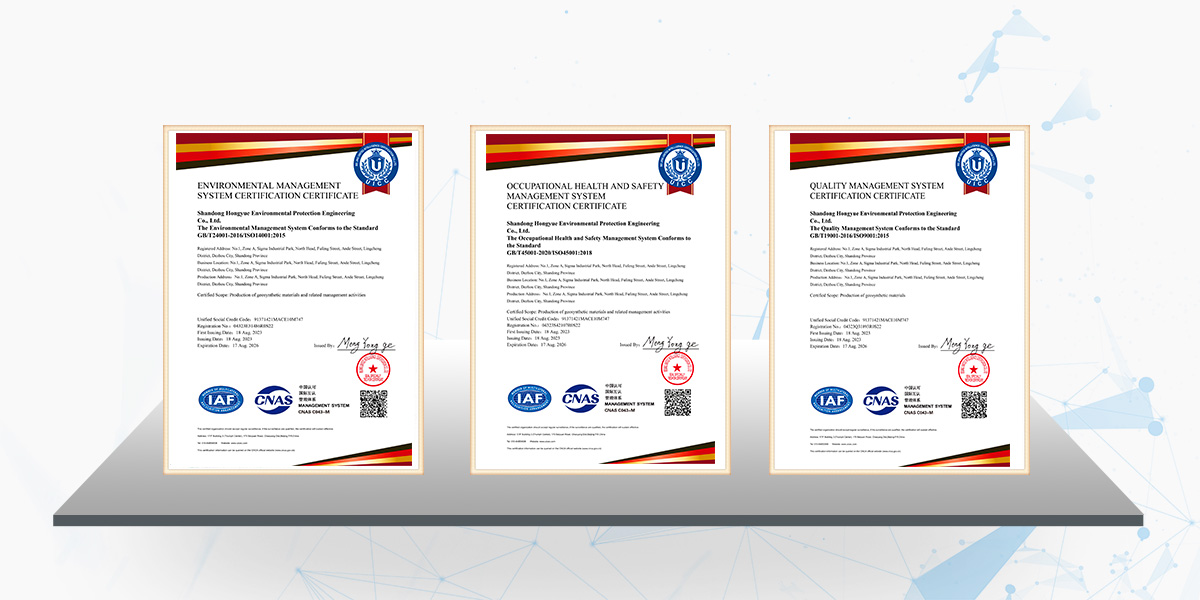
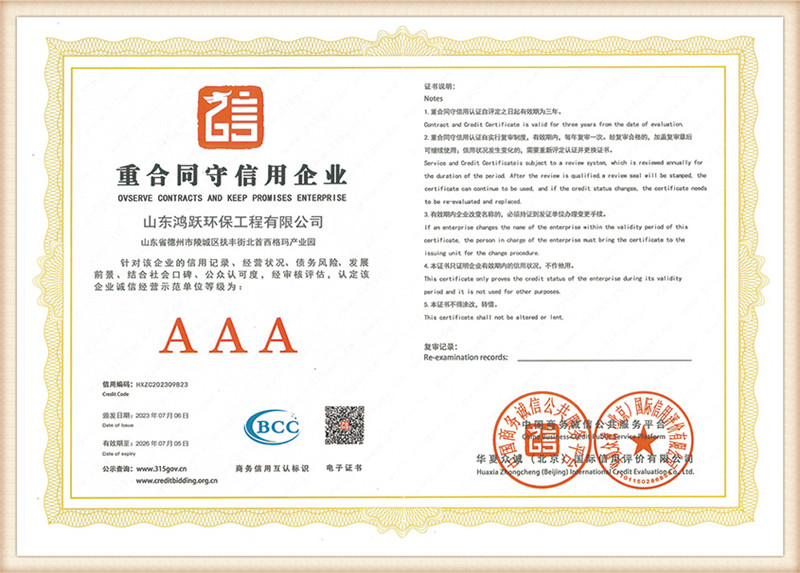
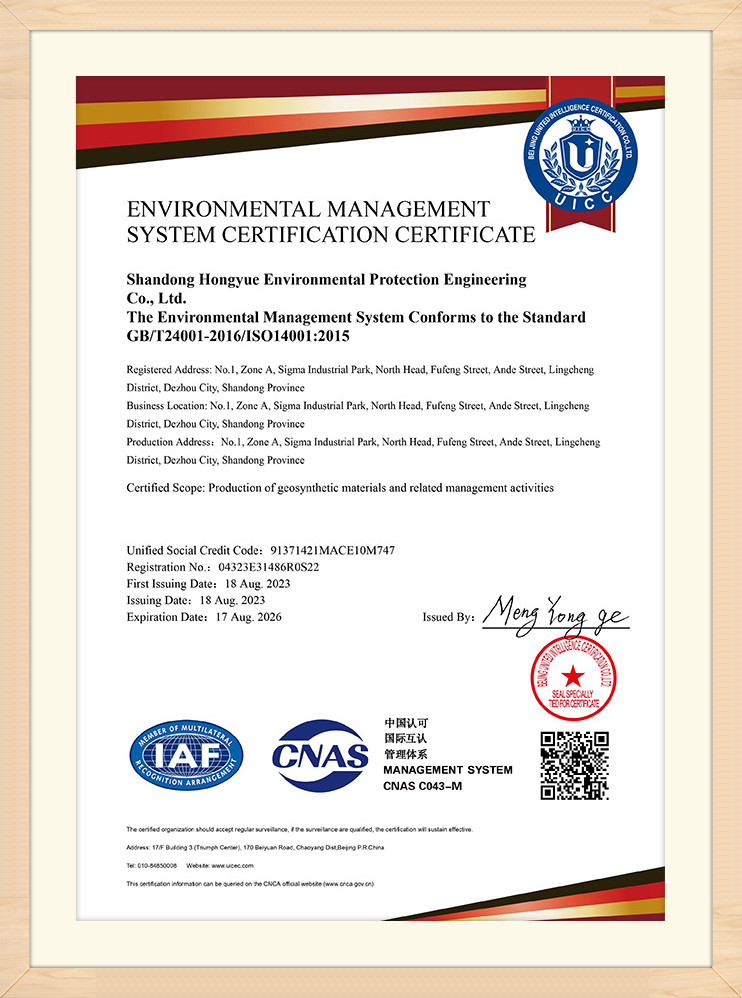
Shandong Hongyue operates under ISO 9001:2015, ISO 14001:2015, and ISO 45001:2018 management systems. Our geogrids, geomembranes, and geotextiles carry European CE certification, confirming compliance with construction safety and quality standards.
Our standard factory production lead time is 7 to 12 days from deposit receipt. Port delivery to Qingdao takes approximately 24 to 48 hours, facilitating prompt shipping.
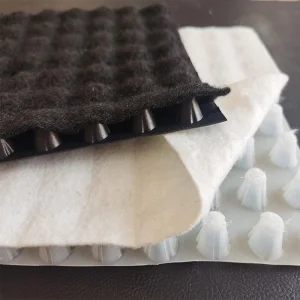
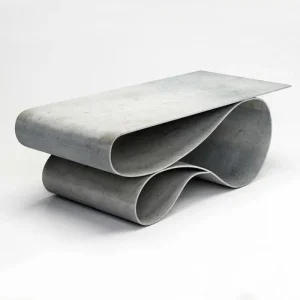
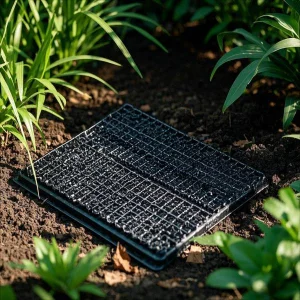
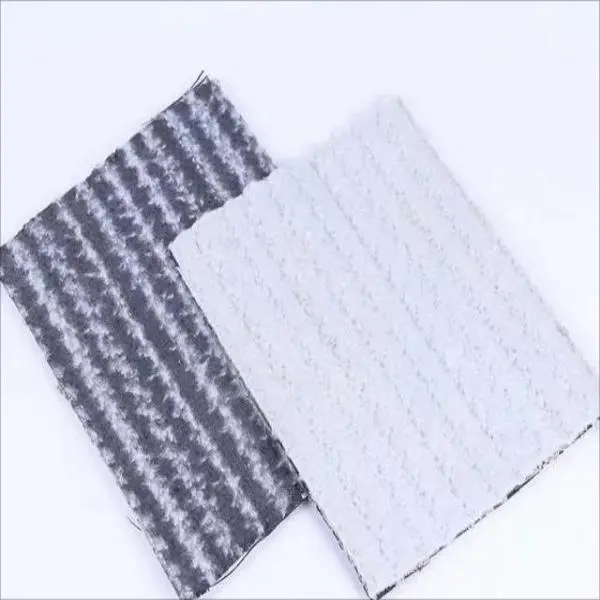
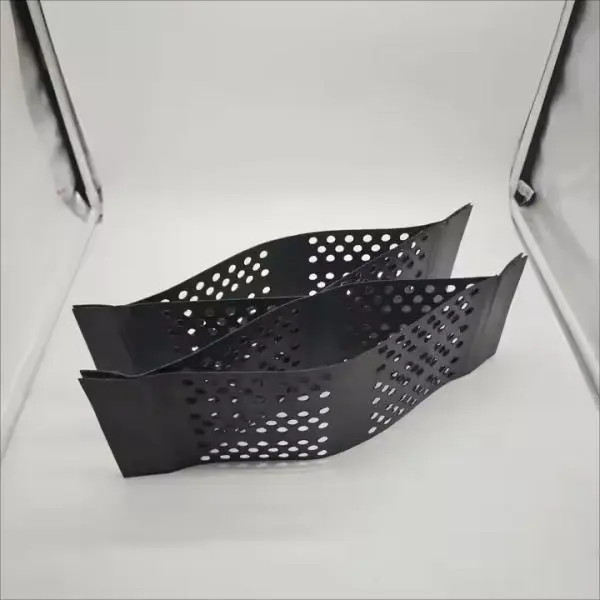
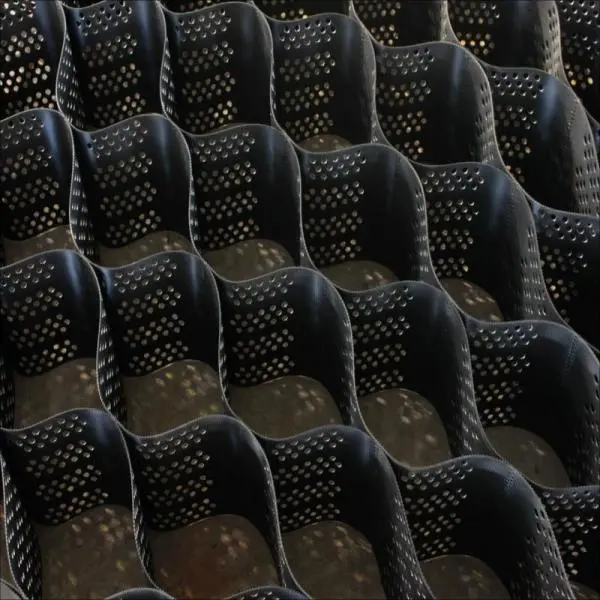
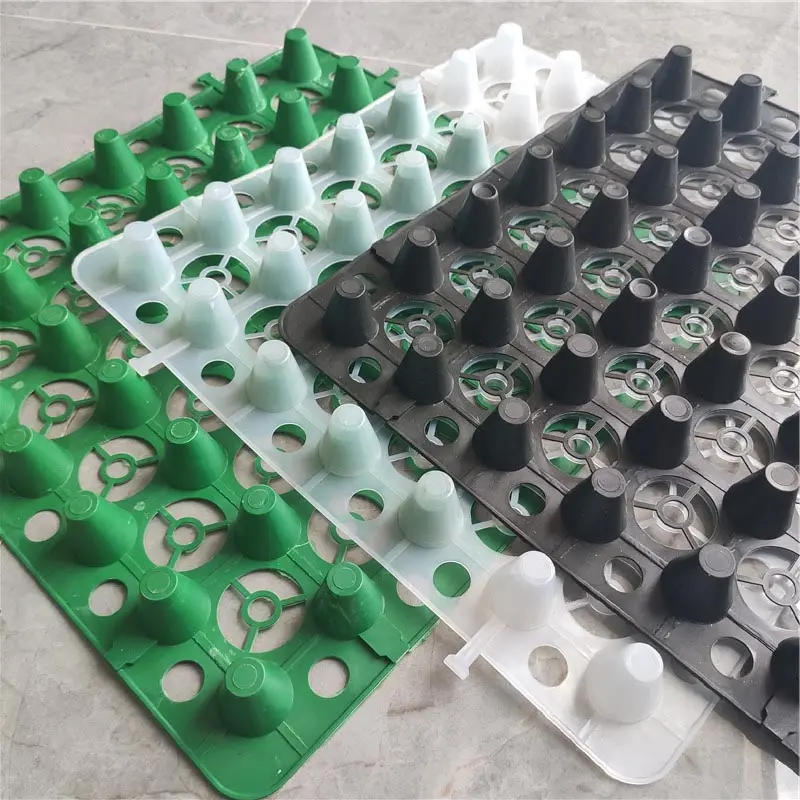
Visual reference of specialized applications including geocells, concrete blankets, and drainage boards.
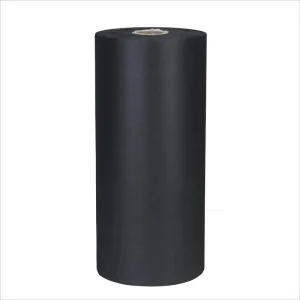
Our large roll stockyards house ready-to-ship geotextiles and membranes, ensuring prompt delivery for high-demand projects.
Self-sealing needle-punched Geosynthetic Clay Liners (GCL) designed to protect local groundwater from environmental contaminants.
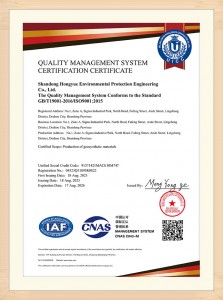
Flat die calendered HDPE sheets offer consistent thickness tolerances, ensuring reliable barrier performance in containment projects.
Complete structural lineup including warp-knitted composites, drainage networks, geomembranes, and geocells.
High Quality Geosynthetic Material Options for Project Site Integration.
 Hongyue