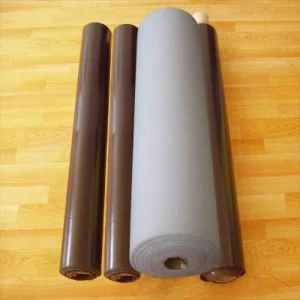
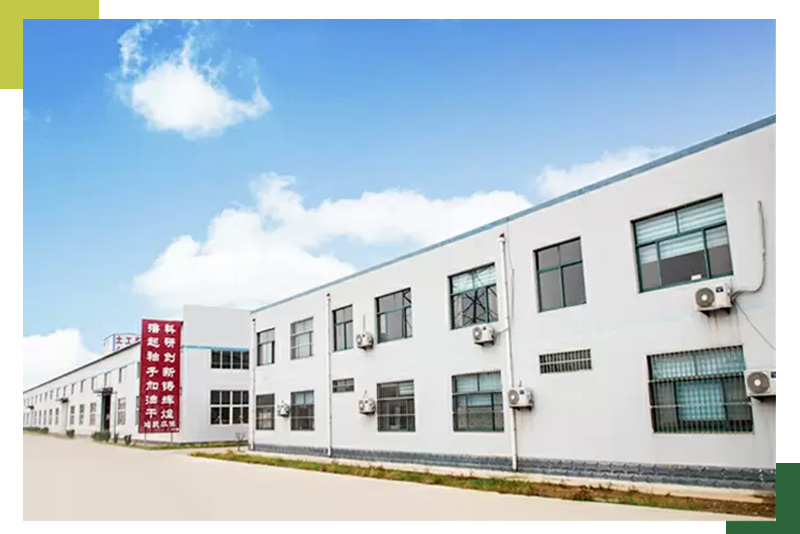
Founded on a foundation of scientific innovation and rigorous engineering values, Shandong Hongyue Environmental Engineering Co., Ltd. is a leading technological geotechnical material manufacturer. We seamlessly integrate materials production, global sales, engineering design, and professional construction services. Located at the northern section of Fufeng Street, Lingcheng District, Dezhou, Shandong Province, China, our company boasts a strategic geographical location with direct access to critical logistics nodes, allowing for rapid international delivery.
Registered with a capital of 105 million Yuan, Shandong Hongyue is currently one of China's largest production bases for high-performance geosynthetics. Our state-of-the-art facilities produce premium Geotextile 150g M2, advanced geomembranes, and hybrid composite barrier materials that safeguard infrastructure and environments globally.
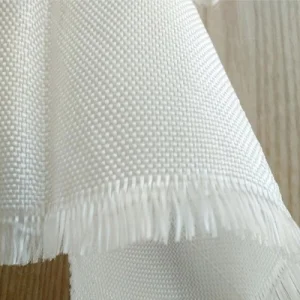
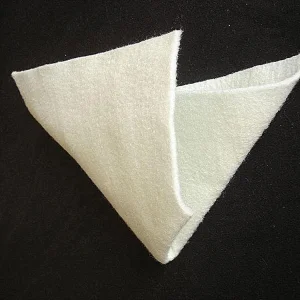
The 150g/m² non-woven needle-punched geotextile represents the global industry benchmark for civil engineering projects requiring filtration, separation, reinforcement, and drainage. By utilizing premium-grade polyester (PET) or polypropylene (PP) continuous filaments or short fibers, our manufacturing process creates a three-dimensional, highly permeable fibrous matrix. This complex structure optimizes water flow while preventing fine soil particles from migrating, thus maintaining structural integrity in roadbeds, embankments, and containment facilities.
| Property / Characteristic | Polyester (PET) Spunbond Filament (150g) | Short Fiber Needle-Punched (150g) | Testing Standards | |
|---|---|---|---|---|
| Tensile Strength (MD/CD) | ≥ 9.5 kN/m / ≥ 8.0 kN/m | ≥ 4.5 kN/m / ≥ 4.0 kN/m | ASTM D4632 / GB/T 17639 | ISO 9863-1 / ASTM D5199 |
| CBR Puncture Strength | ≥ 1.5 kN | ≥ 0.8 kN | ASTM D6241 / ISO 12236 | |
| Permeability Coefficient (K) | 1.0 × 10⁻¹ to 9.9 × 10⁻³ cm/s | 1.0 × 10⁻¹ to 5.0 × 10⁻³ cm/s | ASTM D4491 / ISO 11058 | |
| Apparent Opening Size (O90) | 0.07 - 0.2 mm | 0.08 - 0.22 mm | ASTM D4751 / ISO 12956 | |
| UV Resistance (Retention) | ≥ 70% (After 500 hrs exposure) | ≥ 70% (After 150 hrs exposure) | ASTM D4355 |
B2B buyers, municipal engineers, and global contractors prioritize Geotextile 150g M2 due to its optimal balance of mechanical strength and high hydraulic performance. Whether deployed as a protective cushion under geomembranes or as a filtration layer in highway drainage trenches, this product ensures predictable, long-term engineering success.
Understanding the pricing structure of Geotextile 150g M2 requires an analytical look at international supply chains, raw material indexes, and logistics overheads. The global market price fluctuates based on several core elements:
The cost of raw materials (virgin polyester chips and polypropylene granules) is highly correlated with global petrochemical indices. When crude oil prices change, the price per square meter of geotextile is adjusted accordingly.
Filament geotextiles demand a higher price compared to short-fiber products due to their superior tensile parameters and structural longevity. Selecting the correct type prevents costly over-specification.
Located in Dezhou, Shandong Province, we offer optimization of packaging configurations (compressed rolls) to minimize ocean freight costs per square meter. Our proximity to Qingdao Port enables cost-effective logistics.
For custom engineering projects requiring high UV resistance or specialized width variations (up to 8 meters), Shandong Hongyue provides tailored quotations. Our integration with the Dezhou Geotextile Association ensures our pricing remains competitive, reflecting structural optimizations and massive production scale advantages.
Ensuring that every roll of Geotextile 150g M2 meets global performance parameters requires a highly controlled, automated manufacturing process. Our facility integrates precision instrumentation to oversee each step:
We source premium polyester chips and polypropylene fibers. Each batch undergoes chemical purity testing to guarantee long-term stability and environmental safety.
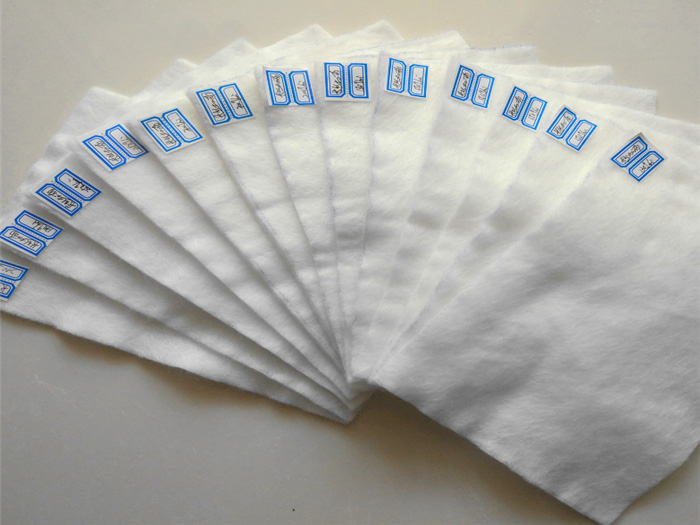
Polyester chips are melted at high temperatures and extruded through micro-spinnerets. Polypropylene filaments may be added to form a homogeneous molten state under precise pressure control.
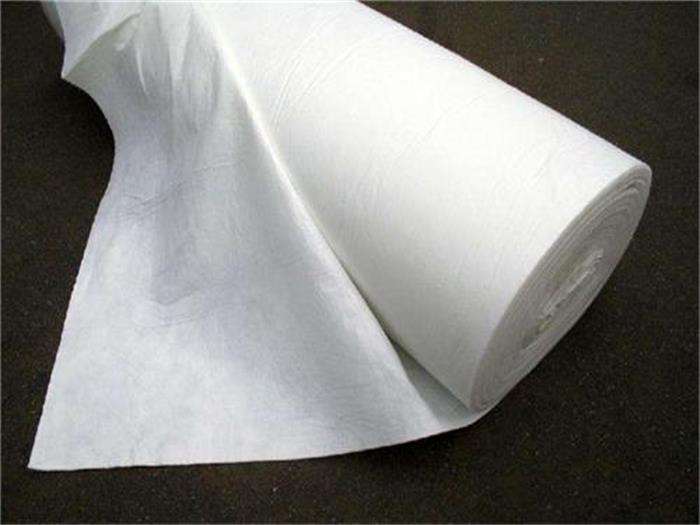
The extruded fibers are laid down on conveyor belts to form a uniform web. Multiple rows of high-speed needle boards punch the web, interlocking the fibers to form a resilient 3D matrix.
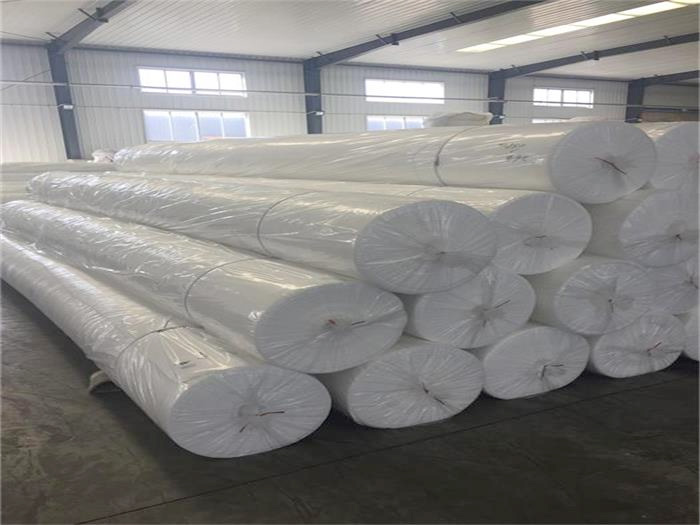
Geosynthetic installations are key to modern civil, environmental, and hydraulic infrastructure. In collaboration with engineering partners, Shandong Hongyue delivers integrated system solutions:
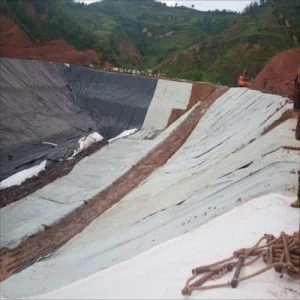
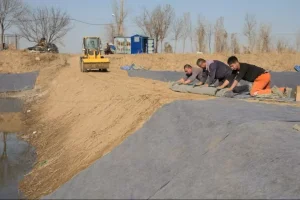
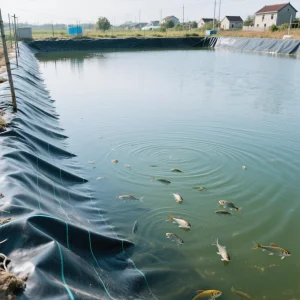
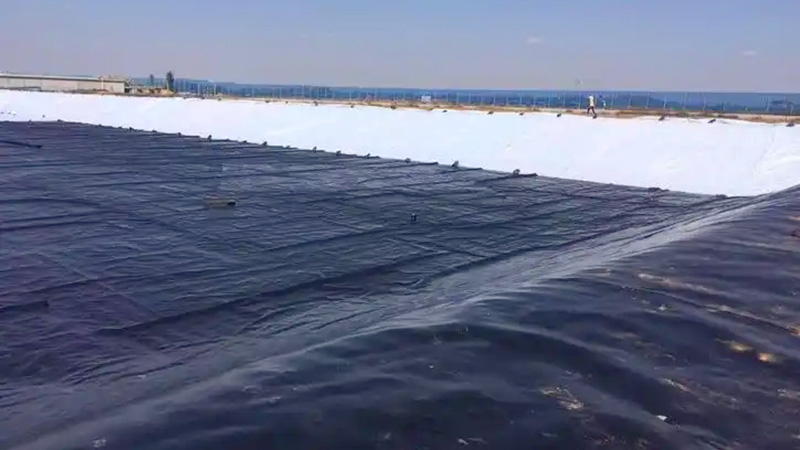
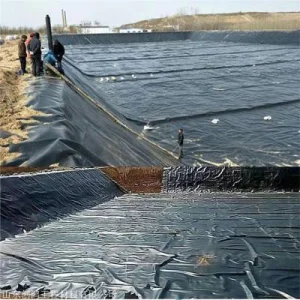
In municipal reservoirs, channels, and watercourse seepage prevention works, non-woven geotextiles serve as critical defense interfaces. Water structures face continuous hydraulic pressures that threaten soil stability. Placing a 150g/m² geotextile under geomembranes acts as a robust puncture-resistant shield, protecting the barrier from sharp rock formations while relieving hydrostatic stress.
Furthermore, in riverbank protection and canal reconstruction projects, our geotextiles allow water to drain freely while holding back fine sediment, preventing erosion and localized structural failure.
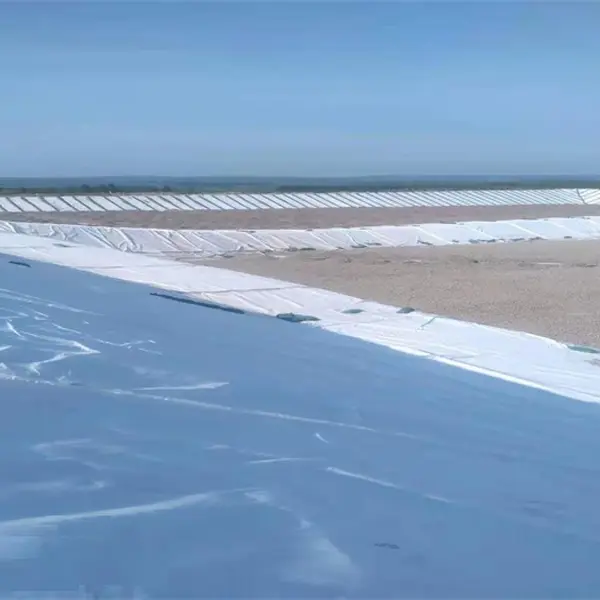
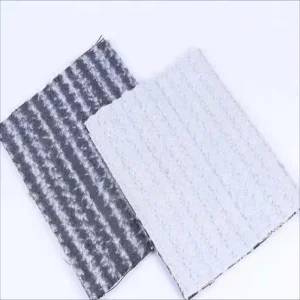
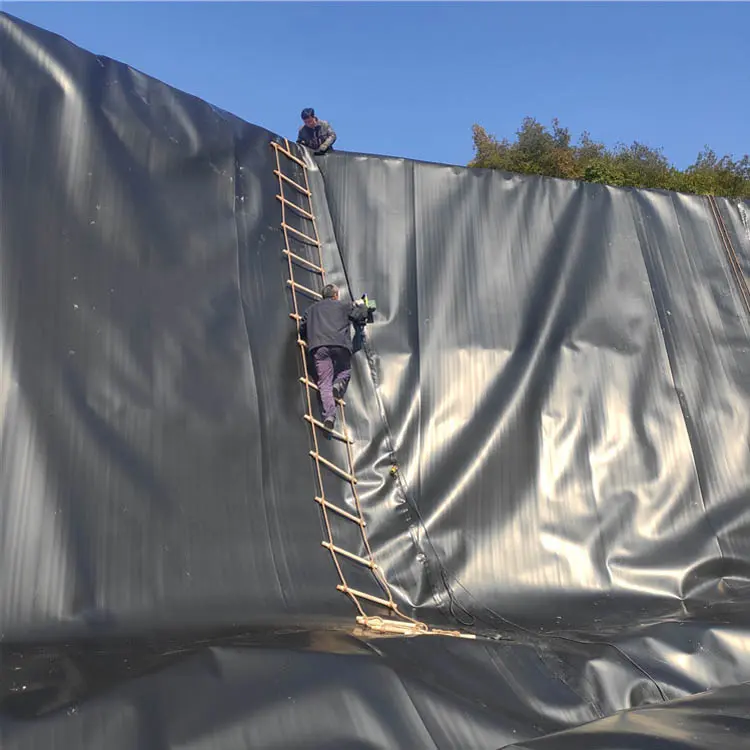
Modern municipal landfills and petrochemical oil tank containment areas demand absolute environmental containment. In these critical sites, a composite liner system is deployed: combining geomembranes with Geosynthetic Clay Liners (GCL) and protective geotextile cushions. The 150g/m² geotextile prevents waste aggregates from scraping the primary geomembrane liner, ensuring zero-leakage compliance over decades of service.
As international construction codes place greater emphasis on carbon reduction and sustainability, the geotechnical materials sector is undergoing a rapid evolution. Shandong Hongyue is leading this transformation through several core R&D initiatives:
Developing biodegradable needle-punched geotextiles for temporary agricultural works and erosion control. These materials degrade naturally once permanent vegetation has established, eliminating plastic residues.
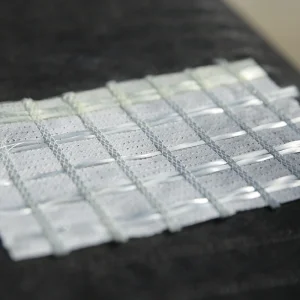
Embedding fiber-optic sensors into filament geotextiles to enable real-time strain monitoring of structural embankments, detecting soil slippage before visible damage occurs.
Formulating novel, non-toxic carbon black blends to extend the performance lifecycle of exposed geotextiles under high-intensity ultraviolet radiation environments.
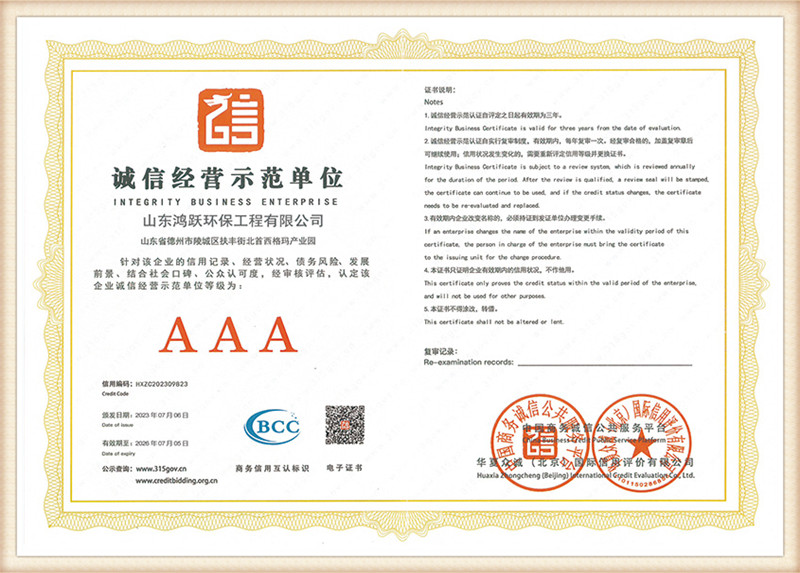
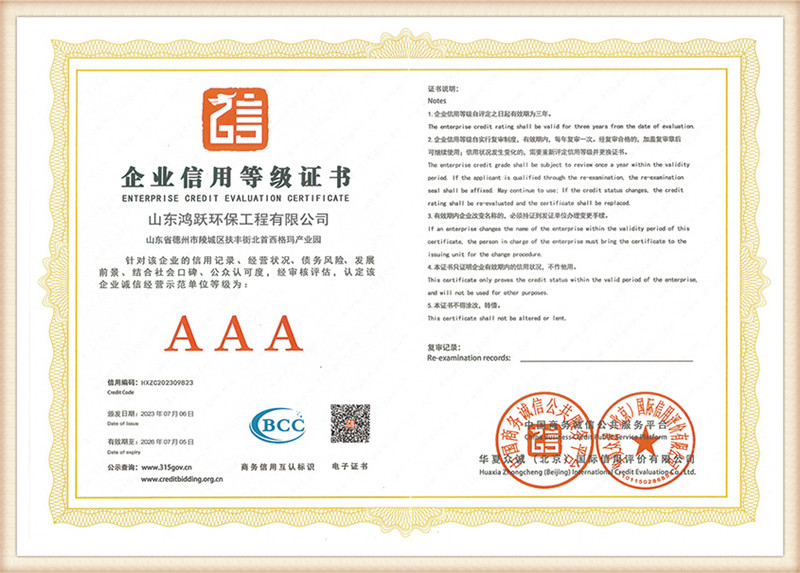
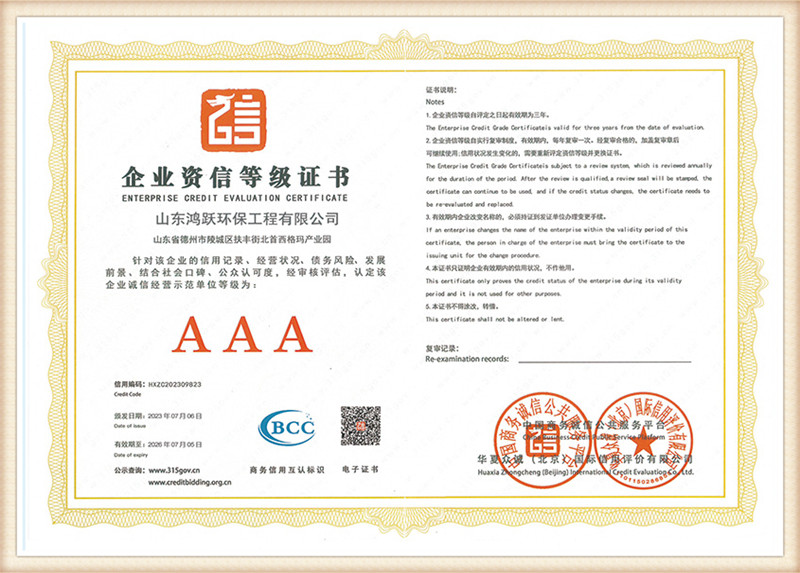
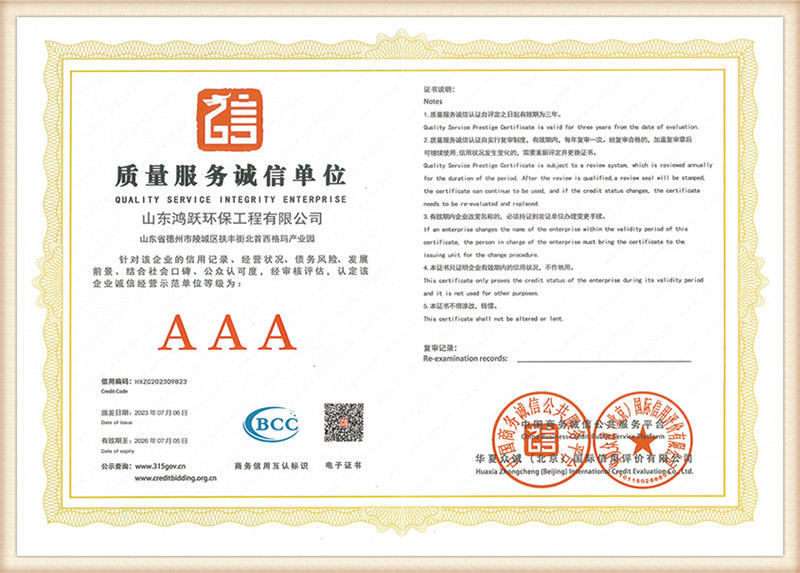
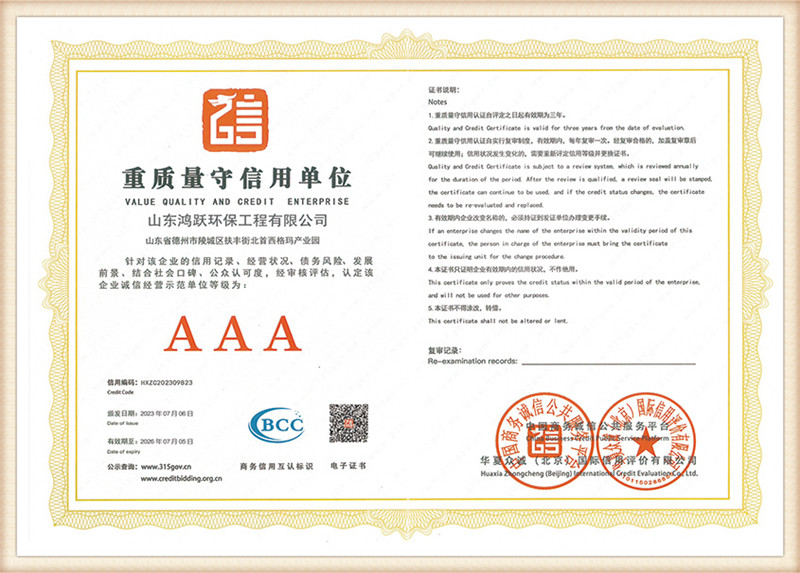
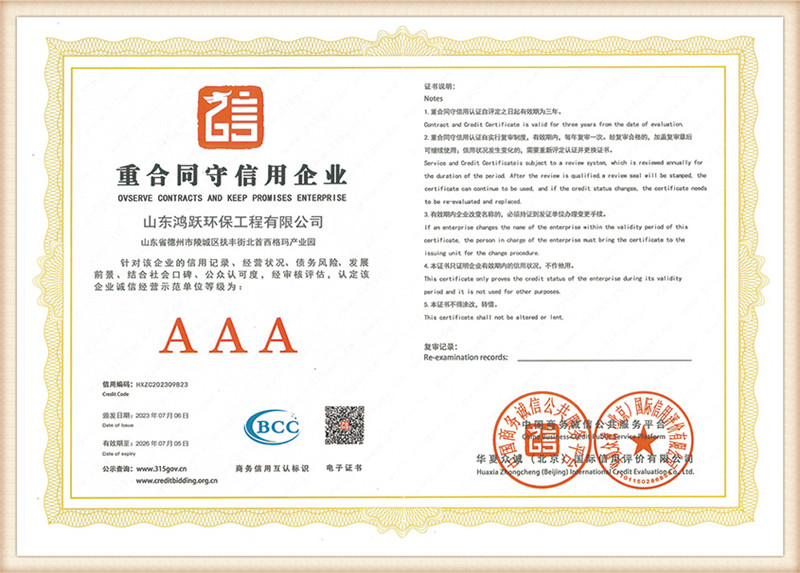
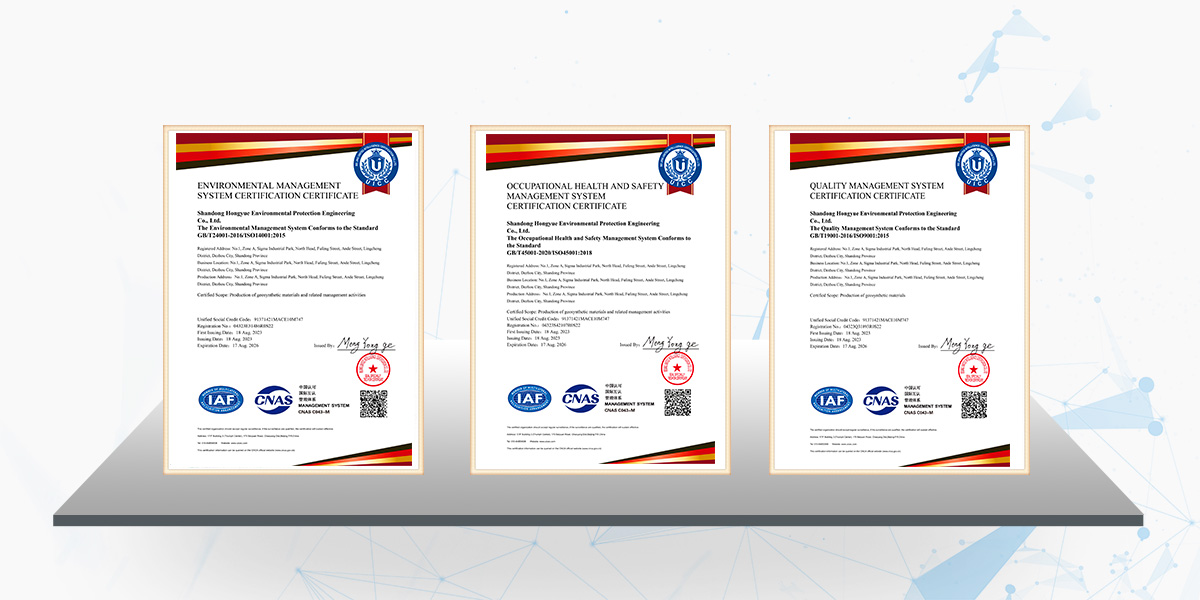
At Shandong Hongyue, quality is not a promise; it is a system. Our production facilities operate under strict management systems to ensure compliance in European, American, Australian, and Asian markets.
Our quality management workflow has been certified to meet the following international frameworks:
Every single shipment is accompanied by a Factory Quality Certificate (FQC) detailing tensile limits, water permeability rates, puncture resistance, and thickness verification. Shandong Hongyue materials are regularly audited by third-party testing centers, including SGS, TRI, and national testing agencies, ensuring alignment with ASTM, EN, and ISO methodologies.
PET (Polyester) geotextiles have a higher melting point (approx 260°C) and excellent creep resistance, making them ideal for high-stress civil projects. PP (Polypropylene) geotextiles have a lower melting point (approx 165°C) but offer exceptional chemical resistance to acids and alkalis, making them the preferred choice for landfills, mining leach pads, and highly alkaline soil environments.
Pricing is calculated per square meter. It depends on: 1) Filament vs. Short-Fiber configurations; 2) Order volume (larger runs reduce production overhead); 3) Roll length and customized width requirements; 4) Shipping configurations and current raw material costs. Contact our sales office for a comprehensive price sheet.
While 150g/m² geotextile is suitable for filtration and minor separation, putting heavy rocks (rip-rap) directly on it may puncture the material. We recommend placing a gravel cushion layer first, or upgrading to a heavier weight geotextile (300g/m² or above) for high-impact protection.
Filtration capacity is verified through ASTM D4491 (Permeability) and ASTM D4751 (AOS) tests. Our internal quality control lab tests sample runs from every batch to ensure the permeability coefficient matches hydraulic designs while preventing soil piping.
 Hongyue