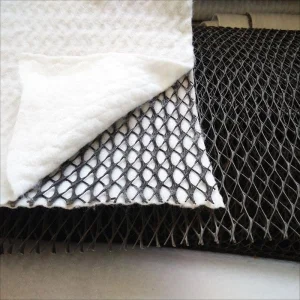
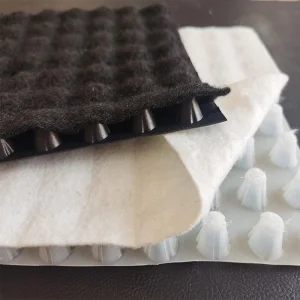
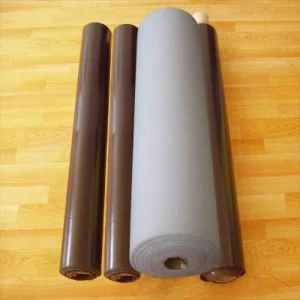
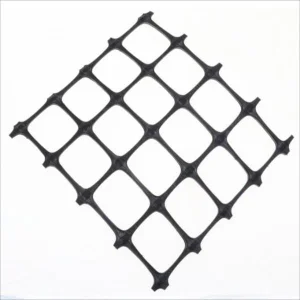
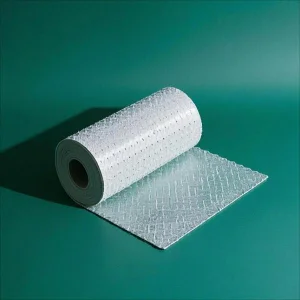
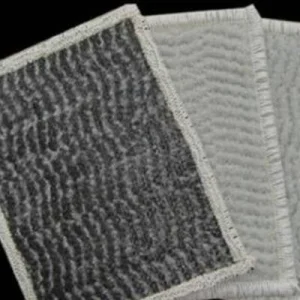
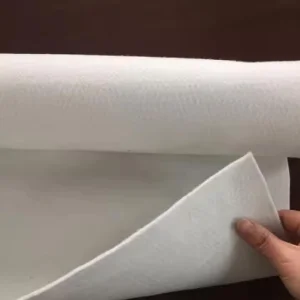
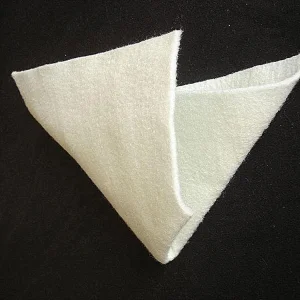
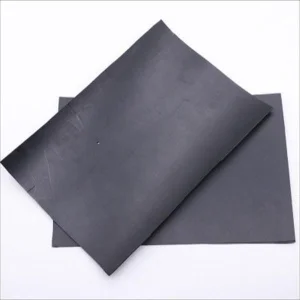
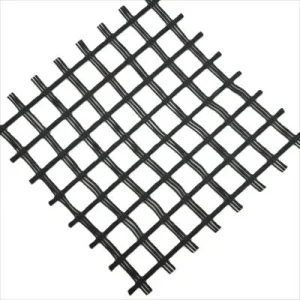
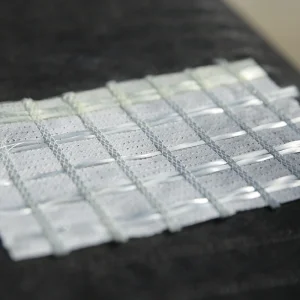
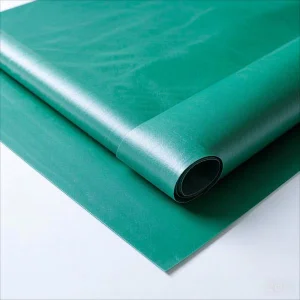
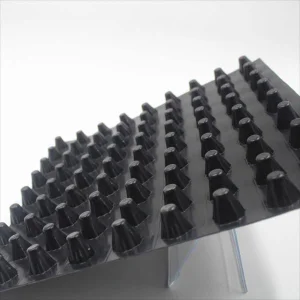
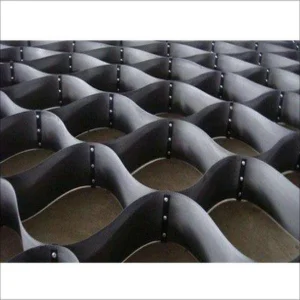
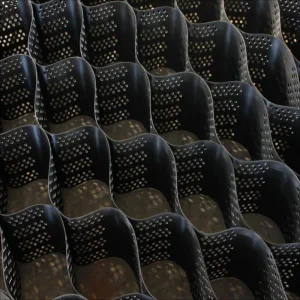
Explore our industrial-grade geotextiles, geomembranes, and geocells engineered for extreme durability and environmental compliance.
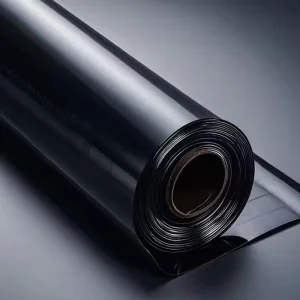
The global construction and environmental engineering sectors are undergoing a massive transition towards sustainable, highly resilient infrastructure. Within this macro-environmental trend, the demand for 140g m² non-woven geotextiles has experienced exponential growth. As a highly versatile material grade (equivalent to roughly 4.1 ounces per square yard), the 140g/m² specification offers the optimal balance between mechanical tensile strength, hydraulic conductivity, and cost-efficiency.
Historically, heavy civil infrastructure projects relied on thick gravel layers for soil filtration and separation. However, modern geotechnical analysis proves that incorporating a needle-punched non-woven geotextile drastically improves project longevity while reducing carbon footprint and aggregate consumption. Globally, industrial projects—ranging from high-speed railway networks in Europe and the Belt and Road initiative transit routes in Central Asia, to massive waste management containment yards in North America—mandate the inclusion of certified geosynthetic separators to prevent subgrade contamination and ensure sustainable drainage pathways.
Leveraging 140g m² non-woven fabrics to address environmental containment, hydraulic control, and structural load distribution challenges.
Placed along river banks, canals, and agricultural drainage canals, the 140g/m² geotextile filters out fine particles while permitting high-rate water passage. This prevents internal soil erosion (piping) and maintains structural stability under high hydraulic pressure.
Acts as an indispensable protective layer. Positioned between sharp aggregate bases and HDPE geomembrane liners, it absorbs localized stresses and prevents geomembrane puncture from sharp gravel, extending containment cell lifetimes.
By preventing the migration of fine subgrade silt into the coarse aggregate base layer, the geotextile preserves the structural integrity and load-bearing capacity of highways, runways, and access pathways, preventing rutting and cracking.
Registered Capital (RMB Yuan)
Export Countries & Regions
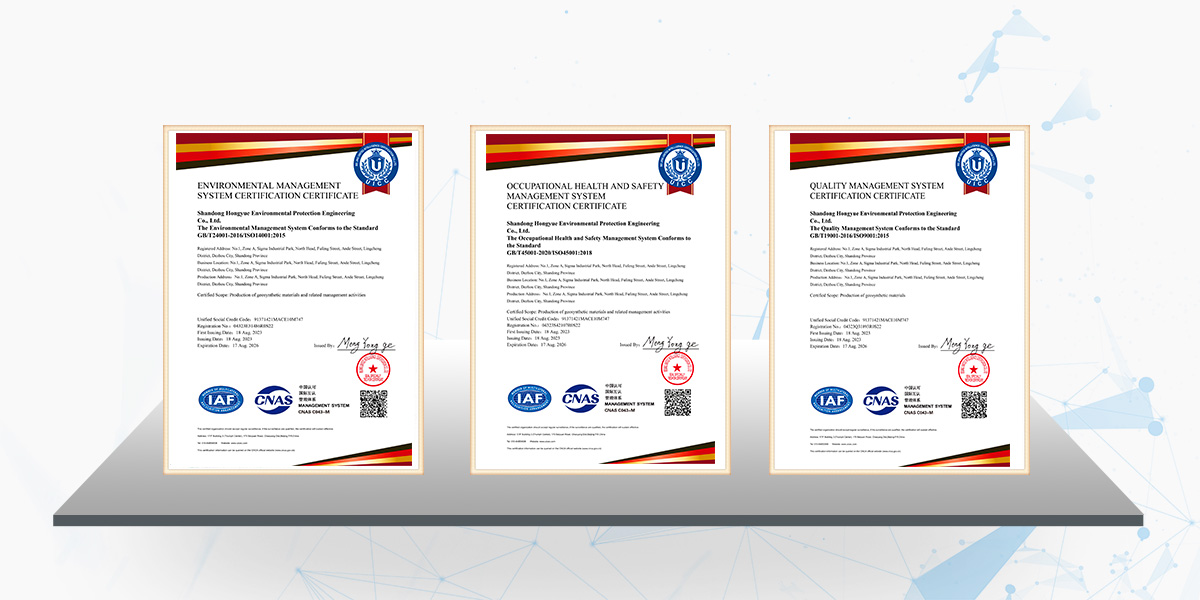
9001, 14000, 45001 Certified
Raw Virgin Polymer Base
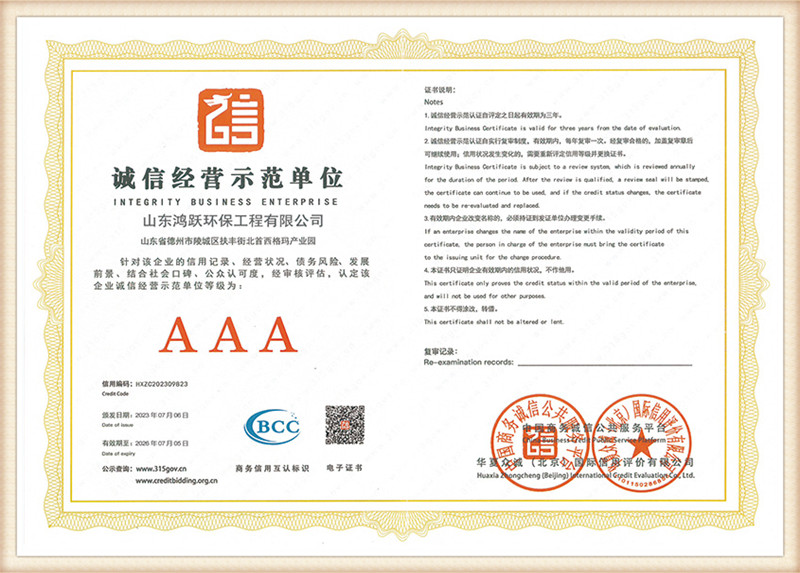
Shandong Hongyue Environmental Engineering Co., Ltd., located at the north end of Fufeng Street, Lingcheng District, Dezhou, Shandong Province, is a scientific and technological geotechnical material manufacturer integrating engineering material production, sales, design, and construction services. The company was registered in the Lingcheng District Market Supervision and Administration Bureau of Dezhou City on April 6, 2023, with a registered capital of 105 million yuan. It is one of the largest production bases of geotechnical materials in China at present, located in the Lingcheng District, Dezhou, Shandong Province, with a superior geographical location and convenient transportation access to major ports.
Since the establishment of the company, it has developed rapidly; our business continues to grow and expand. Our company mainly deals in geotextiles, geomembrane, composite geomembrane, waterproof board, bentonite waterproof blanket, 3D composite drainage net, (composite) drainage board, weaving cloth, woven cloth, membrane bags, blind ditches, waterproof and drainage combinations, woven bags, ecological bags, cement blankets, fiber plants blankets, and flexible pervious pipes. Our business includes geosynthetics and waterproofing membrane production, sales, construction, and the import and export of goods. We possess high-quality products and a professional sales and technical team. Our company belongs to the Dezhou Geotextile Association, and our products are widely used in highways, railways, bridges, tunnels, reservoirs, canals, water conservancy projects, artificial lakes, environmental protection, aviation, mining, agriculture, and other fields.
A look into our manufacturing pipeline ensuring strict mechanical and hydraulic performance standards.
The main raw materials of geotextile are polyester chips (PET), polypropylene filament (PP), and viscose fiber. These raw materials undergo rigorous quality control inspections, chemical characterization, and systematic storage to ensure their purity, stability, and UV resilience from the outset.
After the raw polyester chips are melted at high temperatures, they are extruded into a molten state by a screw extruder. Polypropylene filament and viscose fibers are mixed in precise ratios. Temperature, hydraulic pressure, and throughput speed are monitored digitally to maintain homogeneous polymer distribution.
The molten mixture is extruded through ultra-fine spinnerets to form individual continuous micro-fibers, which are immediately deposited onto a continuous moving conveyor belt to form a uniform, multi-layered web structure. Orientation, depth, and density are controlled via localized air currents.
The loose fiber web is routed through heavy-duty industrial needle punching looms. Thousands of barbed needles strike the web, interlocking the fibers mechanically to provide high structural stability. The web is draft-cured under precise thermal conditions to stabilize physical characteristics.
The finished non-woven geotextile is trimmed to standard or custom widths (ranging from 1m to 6m) and wound onto heavy-duty cardboard cores. Every roll is measured for length, thickness, and total weight, ensuring exact alignment with customer purchase specifications.
Samples from every production batch undergo comprehensive laboratory testing. Properties analyzed include mass per unit area (140g/m² +/- 5%), tensile strength (MD and CMD), hydraulic permeability, and CBR static puncture resistance before final warehouse staging.
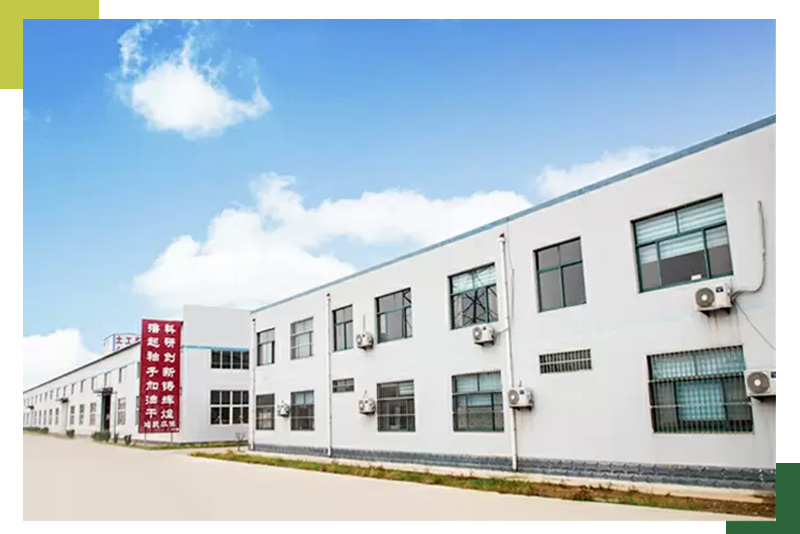
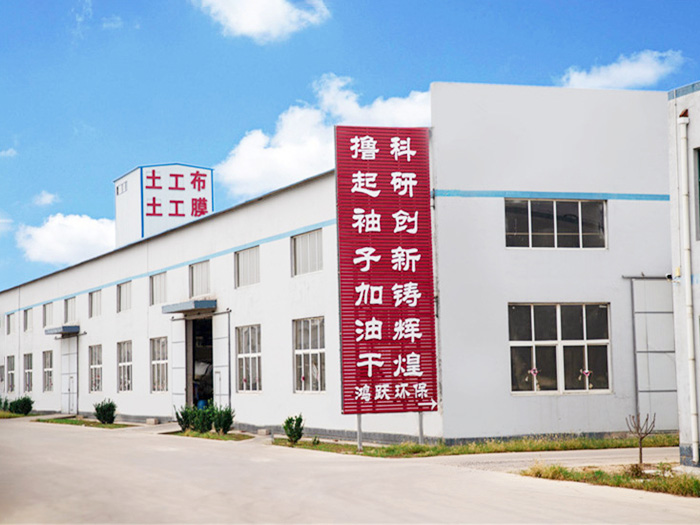
Visualizing our clean, high-output industrial environment and testing machinery in Dezhou, Shandong Province.
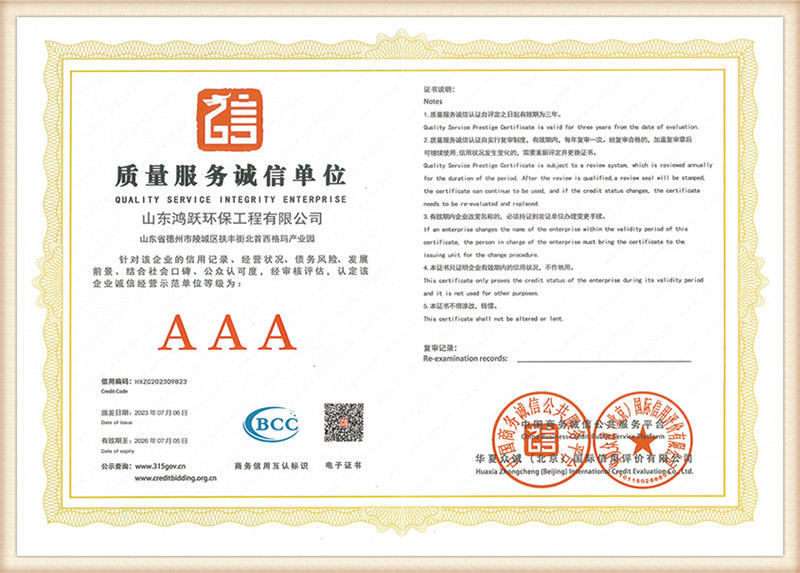
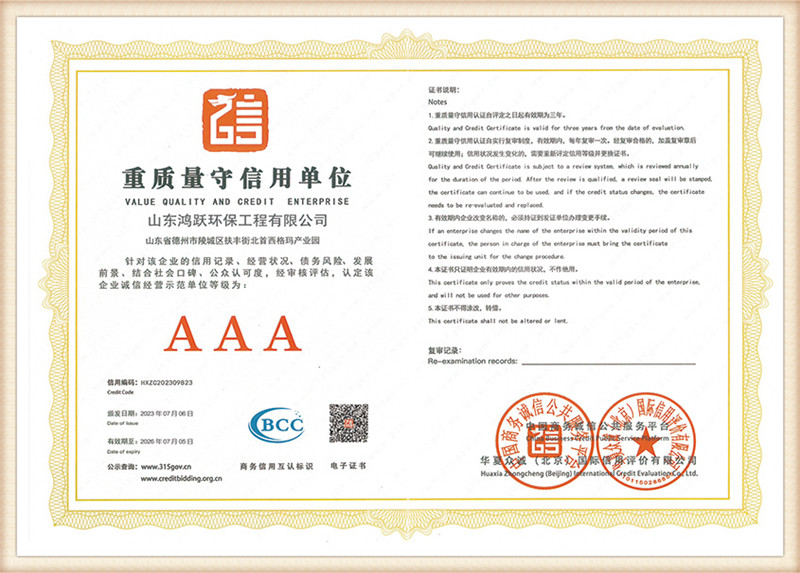
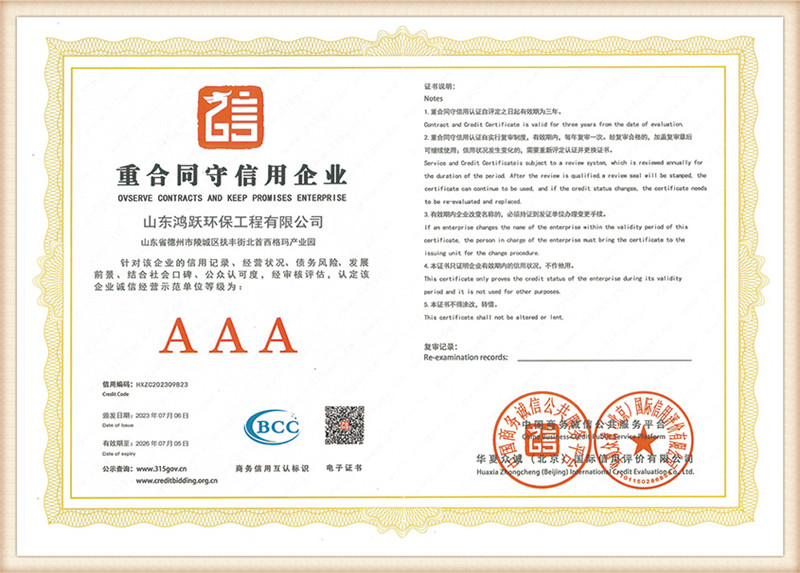
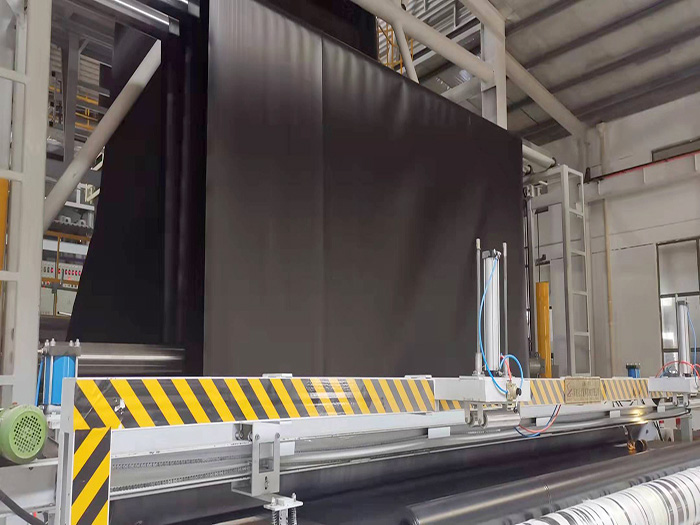
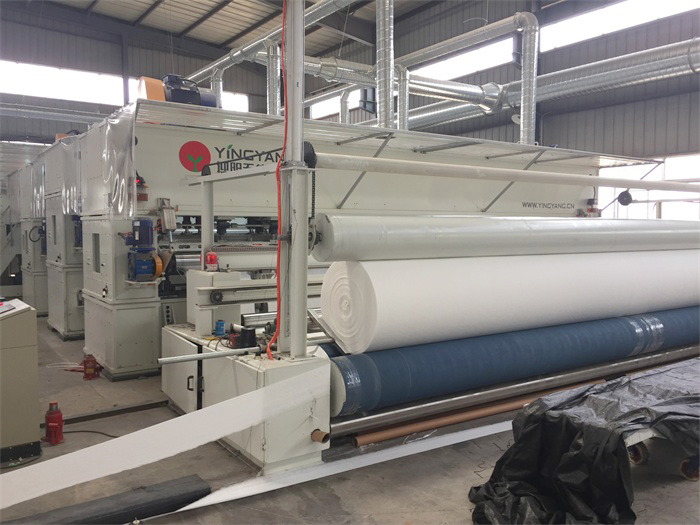
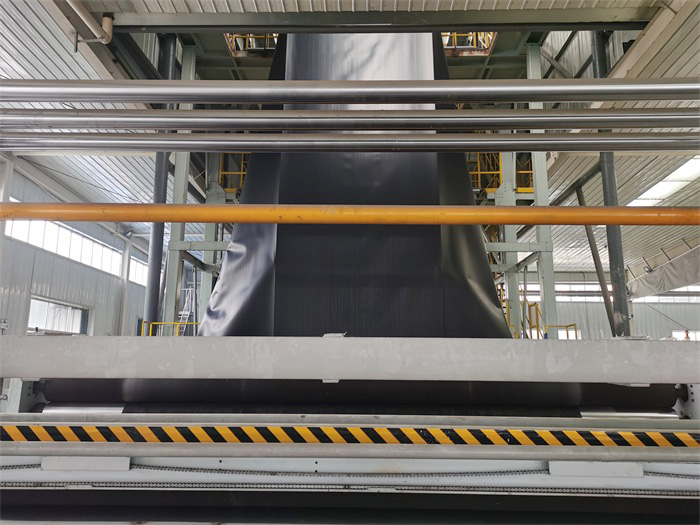
While 140g m² non-woven geotextiles represent a core product line, their application is frequently coupled with geomembranes to form composite anti-seepage structures. The geomembrane acts as an absolute hydraulic barrier, while the non-woven geotextile serves as a mechanical cushion, shielding the membrane from mechanical damage and relieving local pore water pressures.
Proper field execution is vital to achieving the intended service life of these systems:
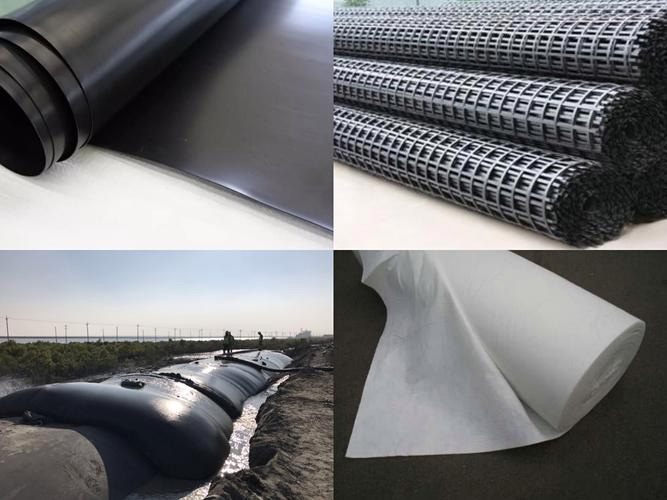
Understanding chemical properties, mechanical strengths, and environmental longevity to select the correct geotextile formulation.
| Technical Characteristic | PET (Polyester) 140g M² | PP (Polypropylene) 140g M² | Application Selection Rule |
|---|---|---|---|
| Tensile Strength (MD) | ≥ 9.5 kN/m | ≥ 11.5 kN/m | PP is preferred for high-stress road subgrades. |
| Elongation at Break | 50% - 80% | 45% - 70% | PET exhibits higher flexibility in uneven foundations. |
| CBR Puncture Resistance | ≥ 1.5 kN | ≥ 1.8 kN | PP offers superior resistance to sharp aggregate drop damage. |
| Acid & Alkali Resistance | Good (Weak to strong acids) | Excellent (Highly resilient to all pH ranges) | PP is recommended for high pH chemical waste landfills. |
| UV Resistance (500 Hrs) | ≥ 70% strength retention | ≥ 70% (Must contain carbon black stabilizers) | PET is naturally more UV-stable than unstabilized PP. |
| Water Permeability | ≥ 4.0 x 10^-1 cm/s | ≥ 3.5 x 10^-1 cm/s | Both perform exceptionally for drainage filtration. |
How our engineering materials perform in large-scale infrastructure and environmental preservation works.
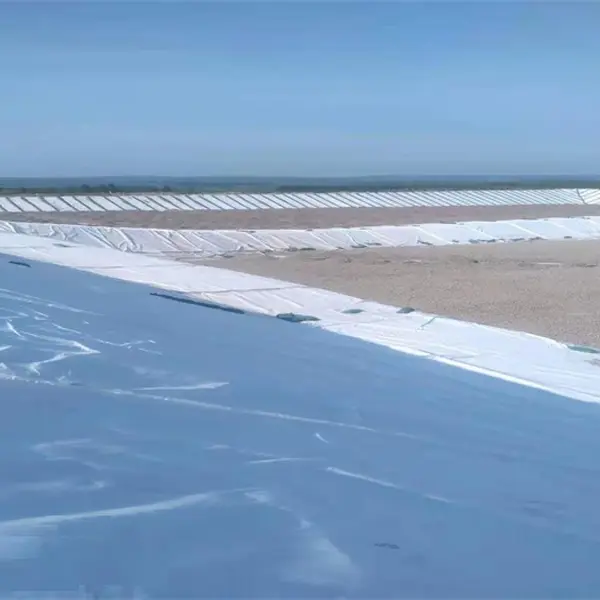
Securing reservoirs against leakage and foundation migration.
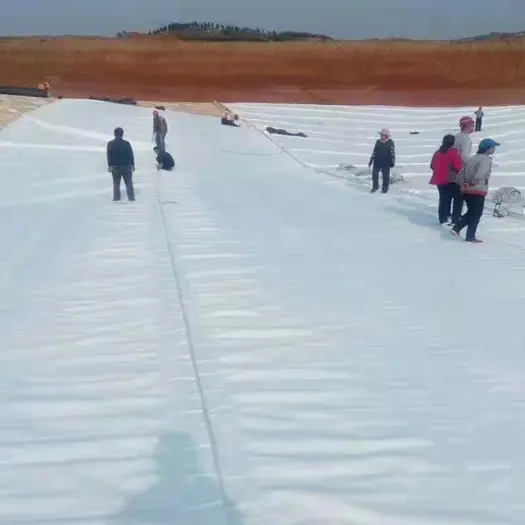
Enhancing agricultural delivery efficiency and preventing erosion.
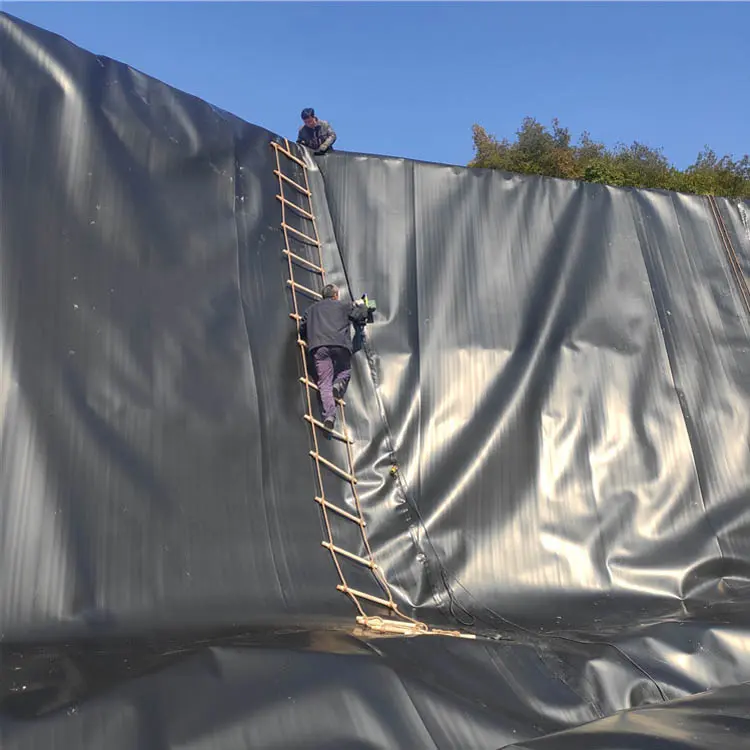
Protecting local aquifers from hazardous waste runoff.
At Shandong Hongyue Environmental Engineering Co., Ltd., we recognize that international projects require more than just raw materials; they demand compliance with local standards and reliable shipping logistics. We have established localized technical support channels and agency networks in over 40 large and medium-sized cities globally, including hubs like Shanghai and Beijing. This allows us to offer 24-hour consultation, custom packaging, and field technical guidance.
Our materials conform to international testing frameworks, including ASTM (US), EN ISO (Europe), and AS/NZS (Australia). Our logistics department handles customs clearance, optimizes container load configurations to prevent roll damage during shipping, and provides all necessary certifications, including CE marks. This ensures our shipments arrive at your project site ready for immediate installation.
How we are advancing manufacturing processes to match the demands of next-generation infrastructure projects.
Integrating optical fibers and conductive elements directly into the needle-punched matrix of our 140g m² fabric. This enables real-time monitoring of subgrade strain, temperature, and moisture variations, helping to detect potential failures early.
Adapting our manufacturing lines to process bio-derived and chemically recycled polyester resins. This reduces our dependence on fossil-fuel polymers while keeping the tensile strength and filtration performance of our geotextiles intact.
Developing new additive packages to improve resistance to UV degradation. This extends the permissible outdoor exposure window for our geotextiles during construction delays without risking structural breakdown.
Get answers to common engineering, costing, and installation questions about 140g m² non-woven geotextiles.
PET (Polyester) geotextiles offer a higher melting point, greater long-term creep resistance, and better natural UV stability. PP (Polypropylene) geotextiles are lighter, have superior chemical resistance in highly alkaline or acidic environments, and provide slightly higher tensile strength per unit weight. Choose PET for general municipal work and PP for chemical containment, landfills, or highly alkaline soils.
Pricing is based on the current cost of raw polymer chips (PET/PP), the choice of virgin or recycled raw materials, total order volume, and any special additives (like UV inhibitors). Buying directly from a manufacturer like Shandong Hongyue ensures competitive pricing by eliminating third-party distribution markups.
Our standard roll width is 2 to 6 meters, and roll lengths range from 50 to 100 meters. We can also customize roll dimensions to match your site specifications, helping to reduce on-site cutting waste and installation time.
Yes. Our 140g m² (approx. 4.1 oz/yd²) non-woven geotextile meets AASHTO M288 Class 3 specifications for subsurface drainage, separation, and permanent erosion control applications under moderate survivability conditions.
Absolutely. The needle-punched structure of our 140g/m² fabric makes it an ideal protective barrier for geomembranes. It absorbs local puncture stresses from stone subgrades, preventing damage to the primary containment lining.
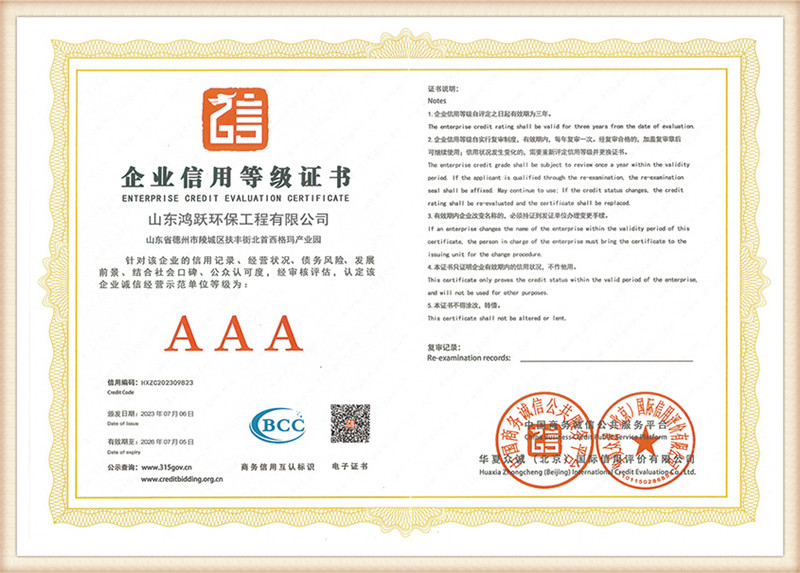
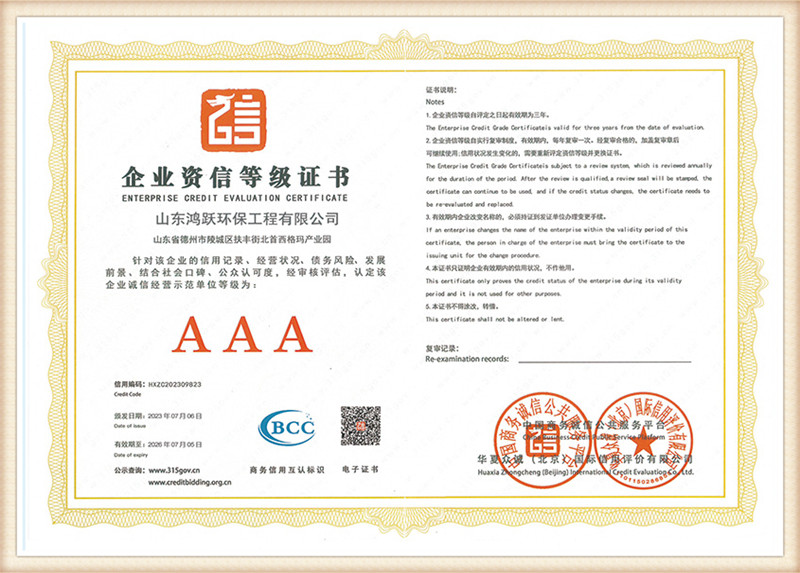
Every shipment is accompanied by a manufacturer test certificate (MTC) showing the batch's weight, thickness, grab tensile strength, and water permeability. All products meet CE standards and are backed by our ISO9001, ISO14000, and ISO45001 facility certifications.
Browse our full catalog of high-performance geocells, composite drainage boards, and engineered geotextiles.
 Hongyue