Explore our state-of-the-art products manufactured to achieve high tensile resistance and subgrade stabilization.
A comprehensive analysis of market forces, technical demands, and commercial trends driving modern soil reinforcement systems.
The global geotechnical engineering market is undergoing a major transition. As public infrastructure faces increasing demands from environmental changes and rising load factors, the use of high-performance geogrids has changed from an optional support material to an engineering requirement. Geogrids provide critical lateral confinement, preventing horizontal movement of soil particles and reinforcing aggregate layers. This directly increases the load-bearing capacity of subgrades in highways, railways, and commercial developments.
According to industry research, the global geogrid market is projected to grow substantially over the next decade. This growth is driven by the rapid expansion of transport networks across Asia, North America, and Europe. In response to carbon-neutral goals, governments are prioritizing geosynthetic solutions like geogrids because they drastically reduce the need for aggregate extraction and transport, minimizing the project's overall carbon footprint.
By reinforcing soil structures using high-tensile polymer matrices instead of heavy concrete mass, projects achieve up to a 45% reduction in carbon emissions and a 30% reduction in direct material costs. This is a primary driver behind the adoption of structural polymer geogrids in global civil designs.
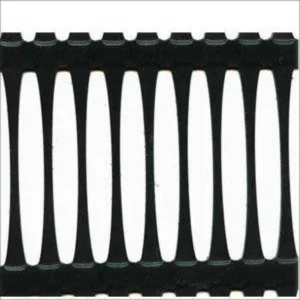
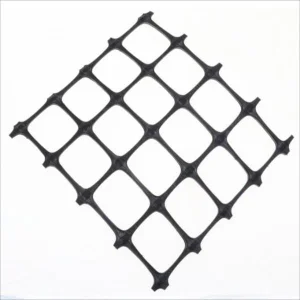
Geogrids are classified based on their manufacturing process and orientation: Uniaxial Geogrids are optimized to bear high tensile loads along a single direction, making them ideal for retaining walls, steep slopes, and landfill construction. On the other hand, Biaxial Geogrids distribute loads in two directions, making them suitable for road base stabilization, railway ballasts, and paved areas over soft soils.
How high-tensile geogrids and geosynthetics resolve critical geological and environmental challenges across various industries.
On soft clays, biaxial and triaxial geogrids confine the base aggregate, preventing lateral spreading and rutting. This increases the life expectancy of asphalt layers and reduces maintenance cycles.
Using uniaxial geogrids enables the construction of stable retaining walls and steepened slopes, allowing projects to maximize usable land area and reduce excavation requirements.
Heavy-duty geomembranes and geogrids work together in landfill lining and capping systems. The geogrid provides structural support to the lining materials over irregular surfaces.
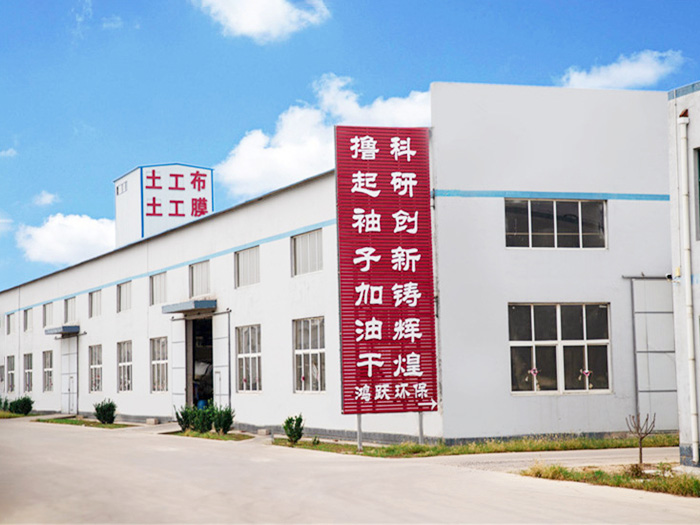
Shandong Hongyue Environmental Engineering Co., Ltd.
Located at the north end of Fufeng Street, Lingcheng District, Dezhou, Shandong Province, we are a scientific and technological geotechnical material manufacturer integrating engineering material production, sales, design, and construction services. The company was registered in the Lingcheng District Market Supervision and Administration Bureau of Dezhou City on April 6, 2023, with a registered capital of 105 million yuan. It stands as one of the largest production bases of geotechnical materials in China, benefiting from a superior geographical location and convenient transport networks.
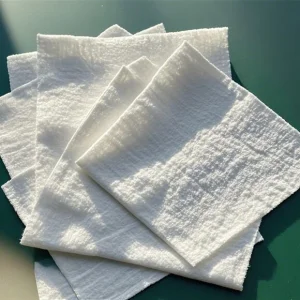
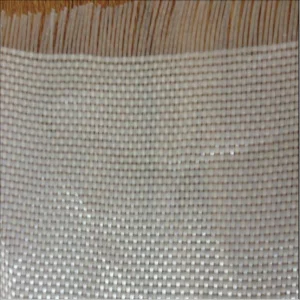
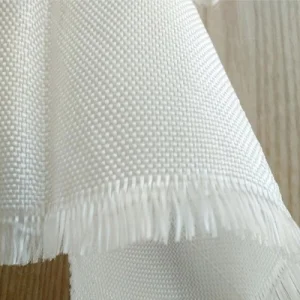
Since our establishment, we have expanded our operations to supply a comprehensive portfolio of geosynthetics. Our catalog includes geotextiles, geomembranes, composite geomembranes, waterproof boards, bentonite waterproof blankets, 3D composite drainage nets, drainage boards, woven fabrics, membrane bags, plastic blind ditches, ecological bags, cement blankets, fiber plant blankets, and flexible pervious pipes.
We are an active member of the Dezhou Geotextile Association. Our products are widely used in highways, railways, bridges, tunnels, water conservancy channels, artificial lakes, environmental protection engineering, aviation, mining, and agricultural systems.
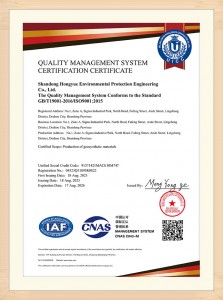
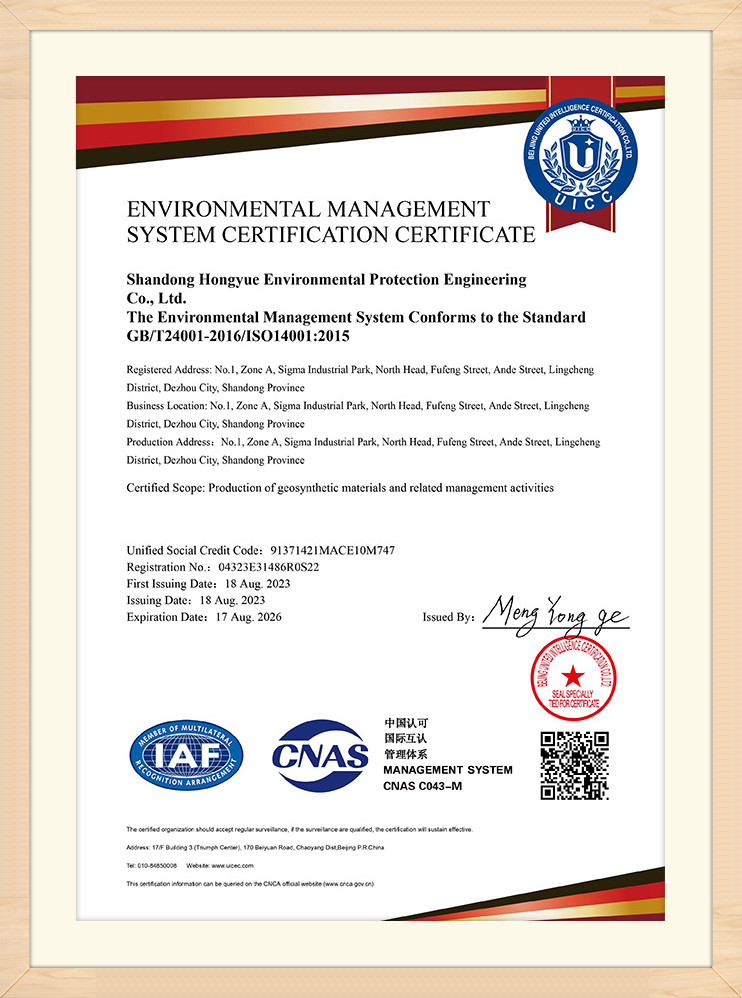
Our quality management is certified to ISO9001, ISO14000, and ISO45001. We maintain robust quality standards so that all products meet or exceed international geotechnical requirements.
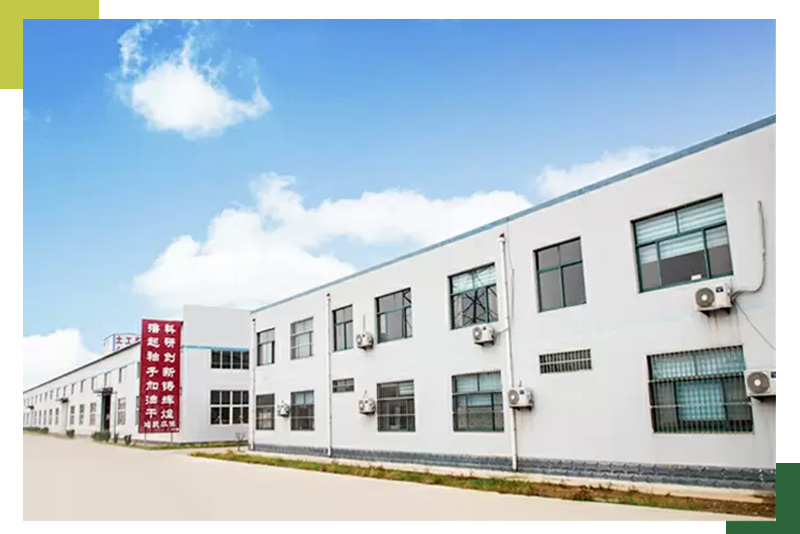
Take an inside look at our advanced manufacturing lines, where precision extrusion meets high-capacity production.
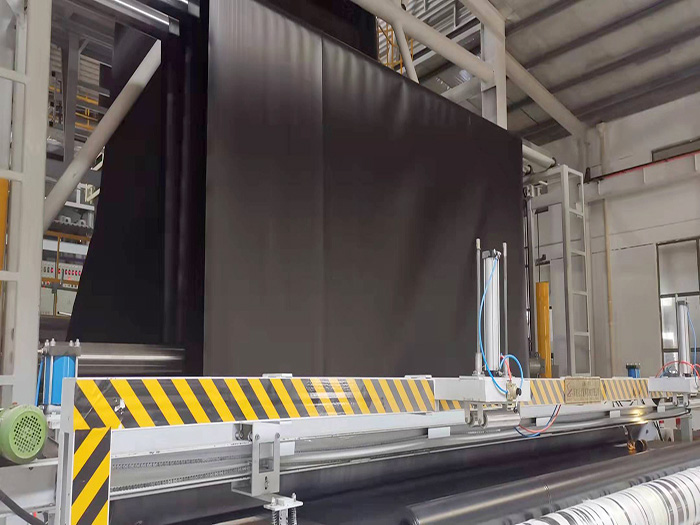
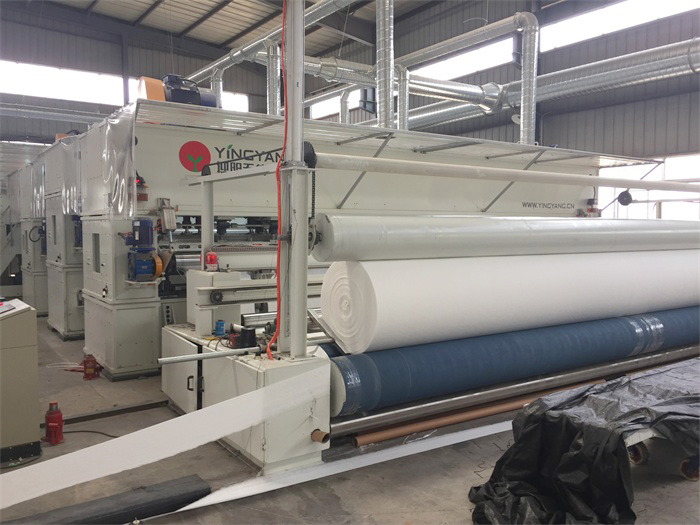
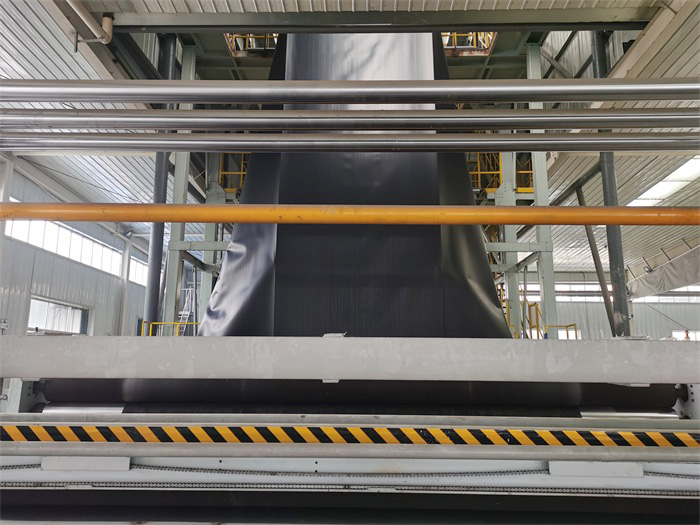
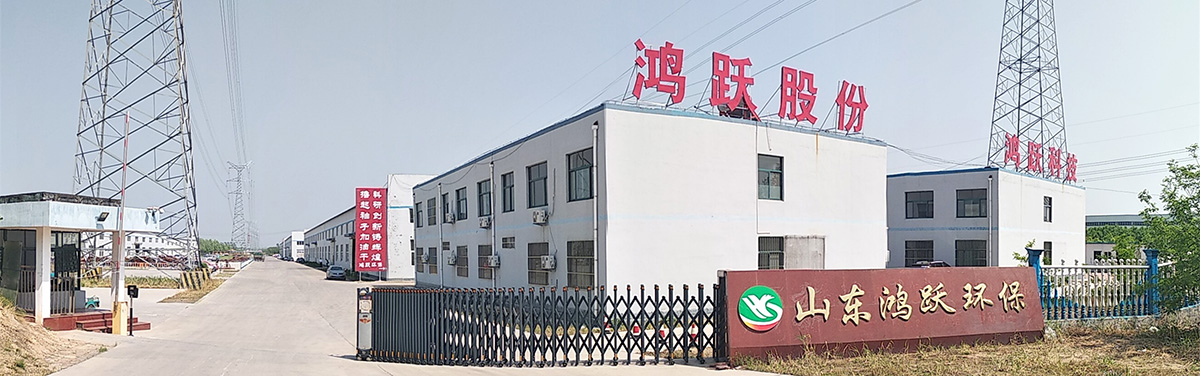
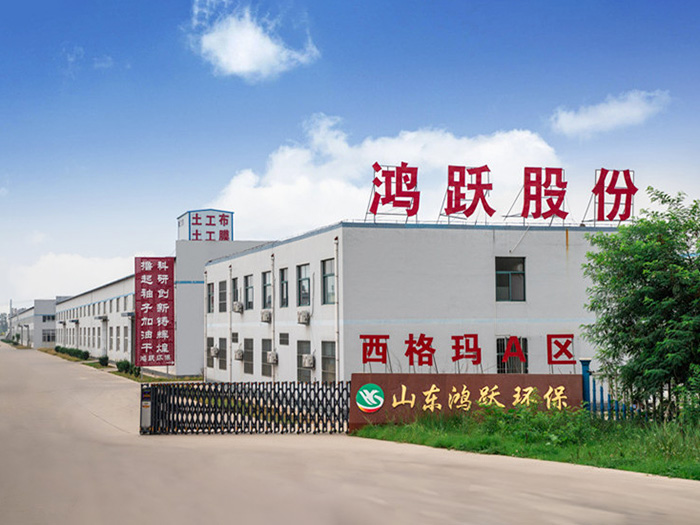
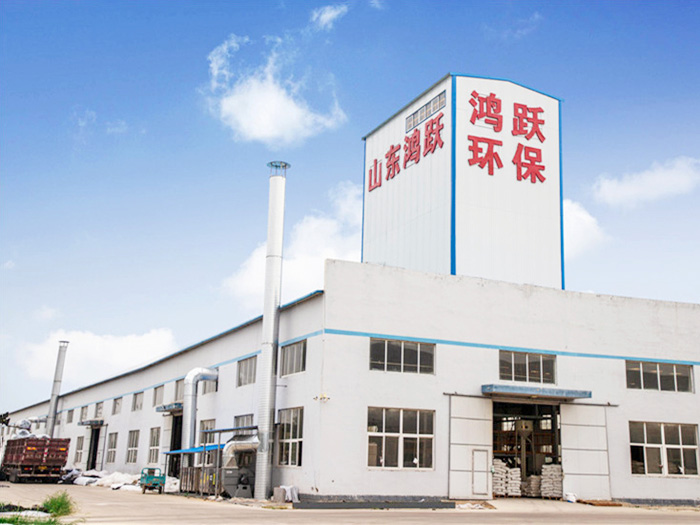
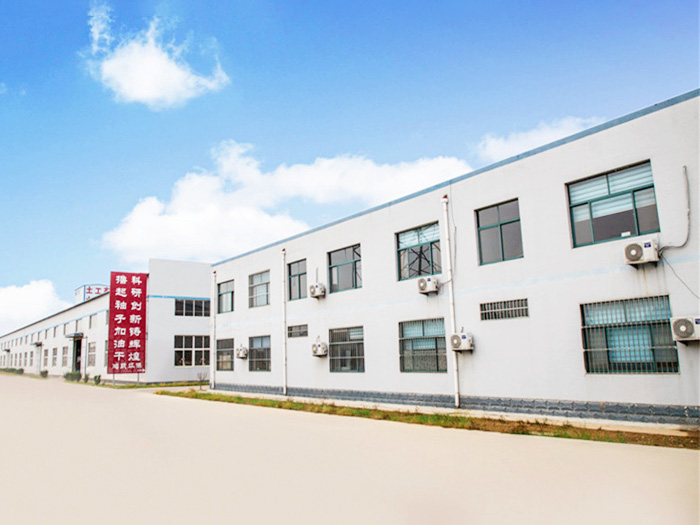
We control every step of production to ensure consistency, high performance, and compliance with industry standards.
High-grade polyester chips, polypropylene filament, and viscose fibers are inspected and stored. Testing is performed on the raw polymers to verify chemical stability and purity.
Polyester and polypropylene chips are melted at high temperatures and extruded into a molten state through a screw extruder. Heat and pressure parameters are monitored to ensure uniform flow.
The extruded melt is sprayed through fine spinnerets to form fibers, which are laid down on a continuous conveyor belt to create a uniform network structure.
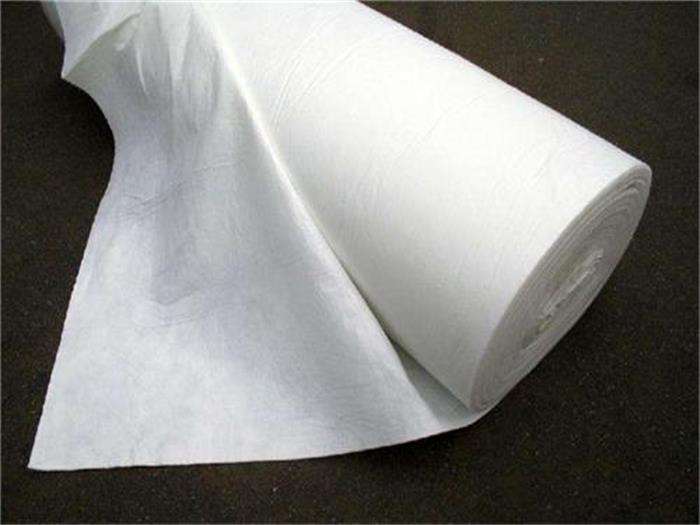
The fiber web undergoes mechanical draft curing. In this step, speed, draft ratios, and temperatures are controlled to align the fibers and increase the material's mechanical strength.
The cured material is rolled, measured for length, width, and thickness, and wrapped in protective layers. It is then cataloged and prepared for shipment.
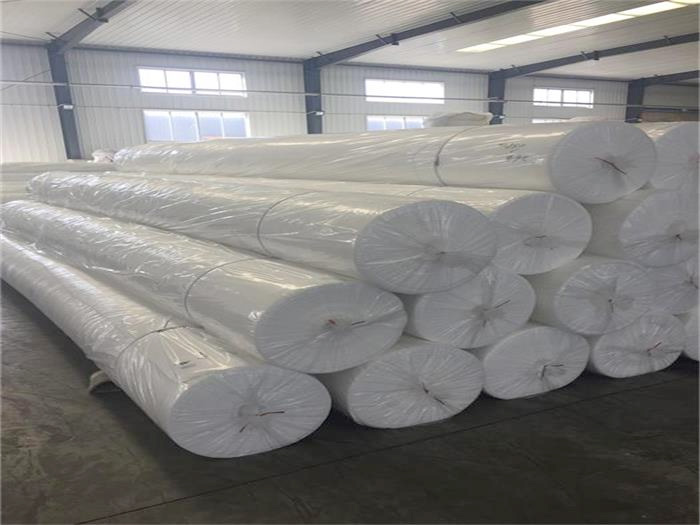
Samples are taken from each batch to test physical and chemical properties (tensile strength, puncture resistance, and permeability) in our labs before shipping.
Our core geogrid and geocell products engineered for high performance in major infrastructure works.
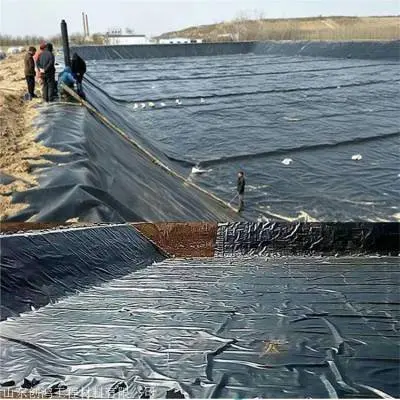
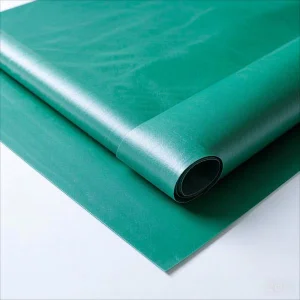
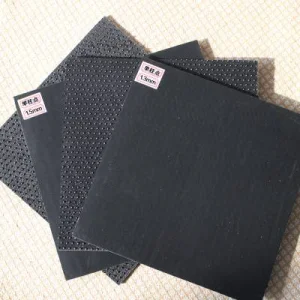
High-density polyethylene (HDPE) liner engineered for water containment. Highly resistant to UV and chemical degradation.
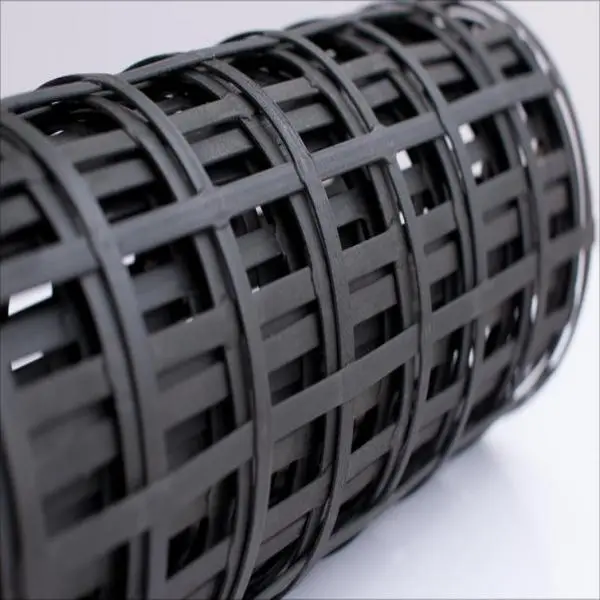
Composite structure using high-tensile steel wire wrapped in a protective polymer sheath. Designed for heavy-duty earth reinforcement.
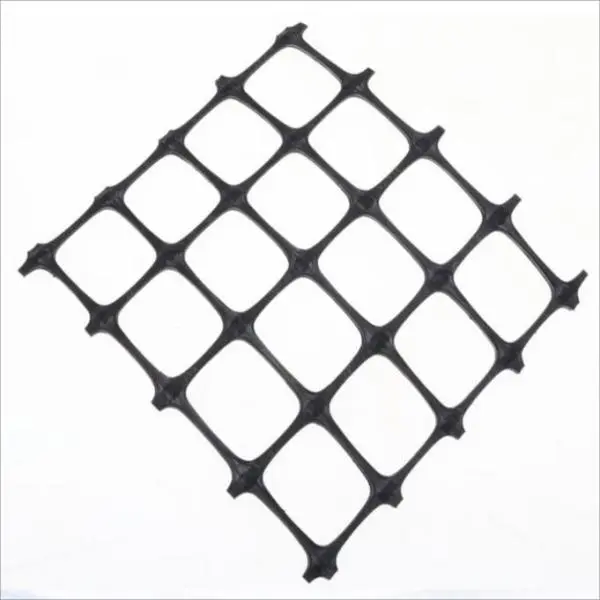
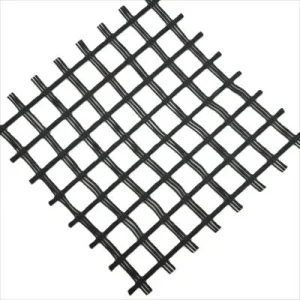
Extruded PP/HDPE biaxial geogrids. Ideal for stabilizing subgrades in roadways and paved surfaces.
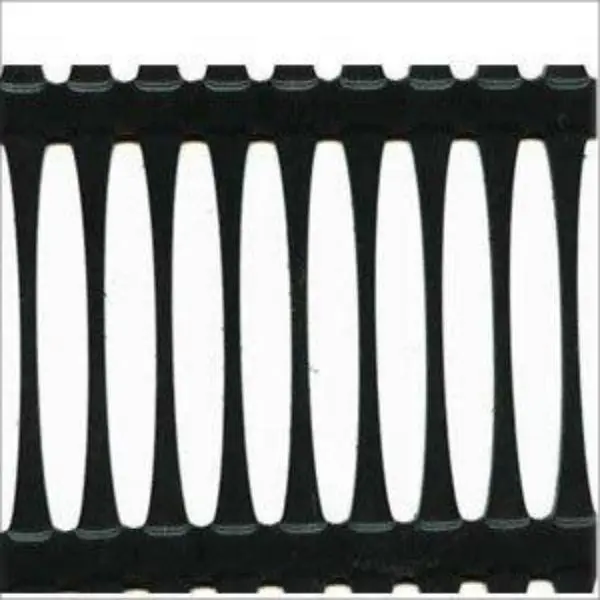
Stretched in one direction to provide maximum tensile strength. Engineered for retaining walls, slopes, and embankments.
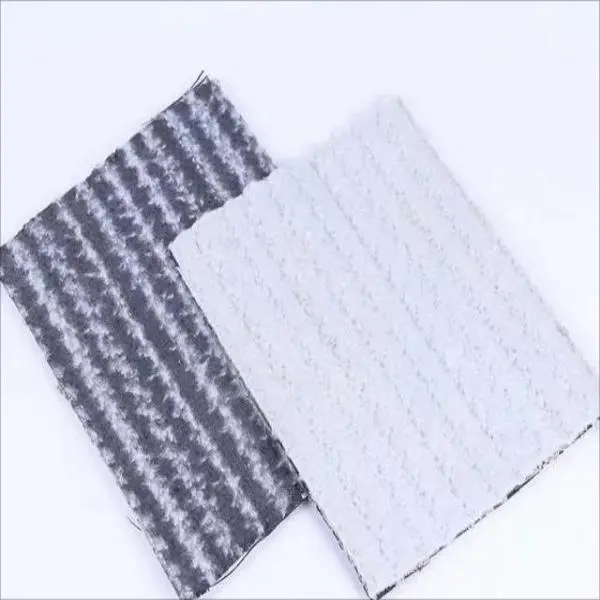
A concrete-impregnated geotextile structure that hardens when hydrated, providing rapid and durable slope protection.
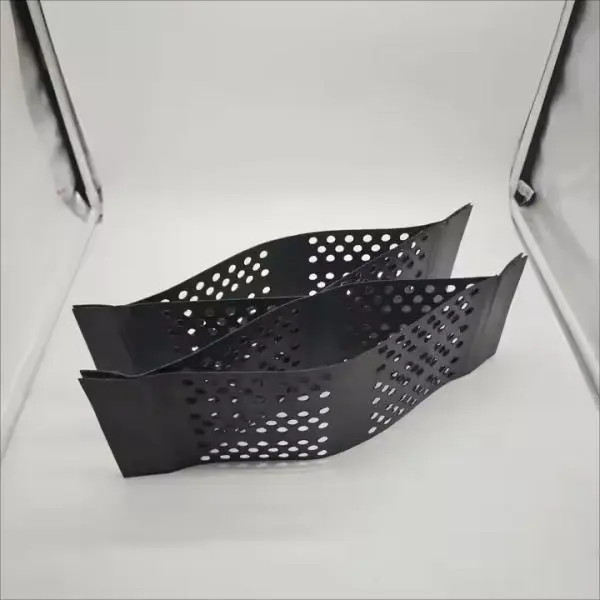
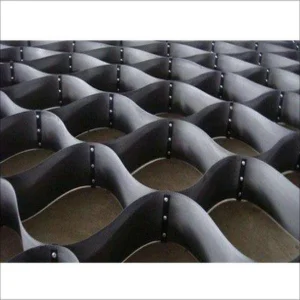
Three-dimensional cellular confinement systems designed to contain fill material, providing slope protection and soil stabilization.
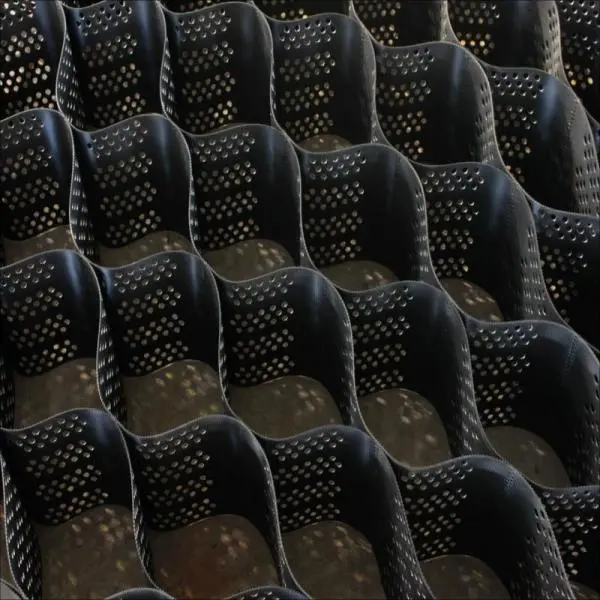
Heavy-duty cell structures that confine soils, aggregate, or concrete to improve base support on weak subgrades.
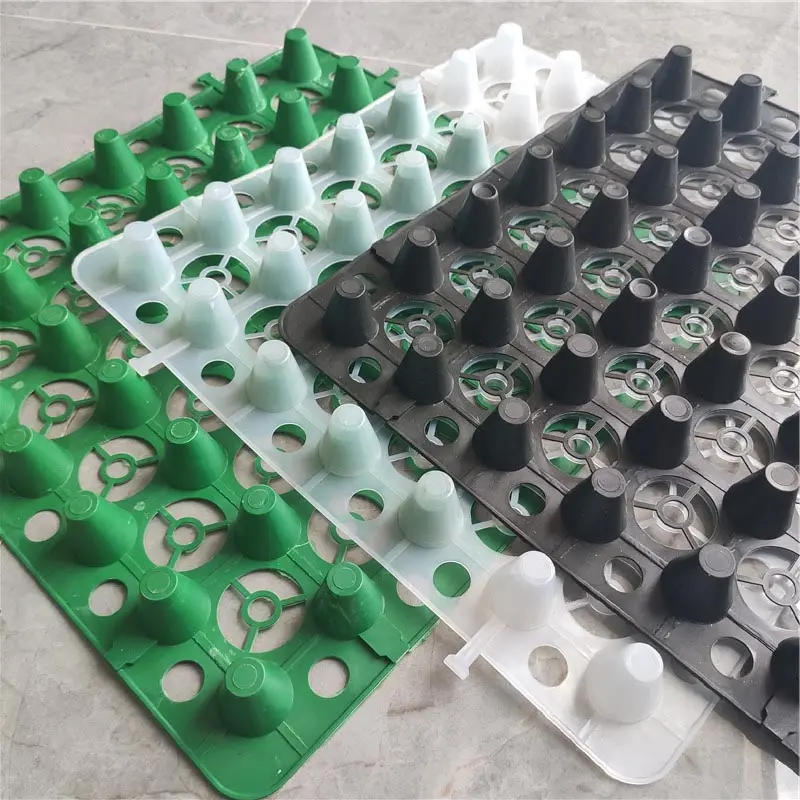
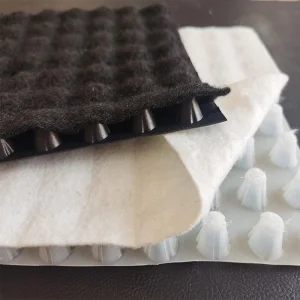
Specifically designed to collect, store, and drain excess water on underground garage roofs and green roof assemblies.
We deliver integrated, end-to-end solutions for hydraulic barriers, environmental containment, and soil stabilization.
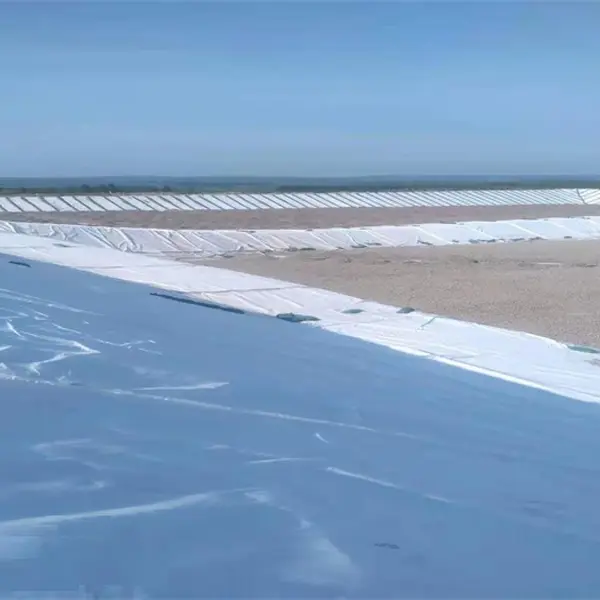
Geomembranes serve as high-performance barriers, minimizing seepage loss in channels, reservoirs, and dams.
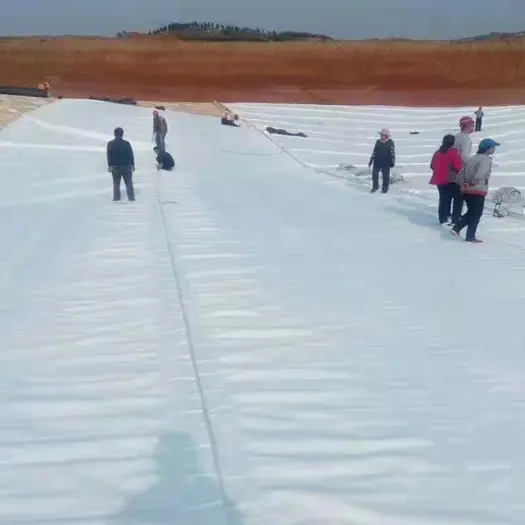
Liners protect local water resources, preventing contamination and erosion along active riverbeds.
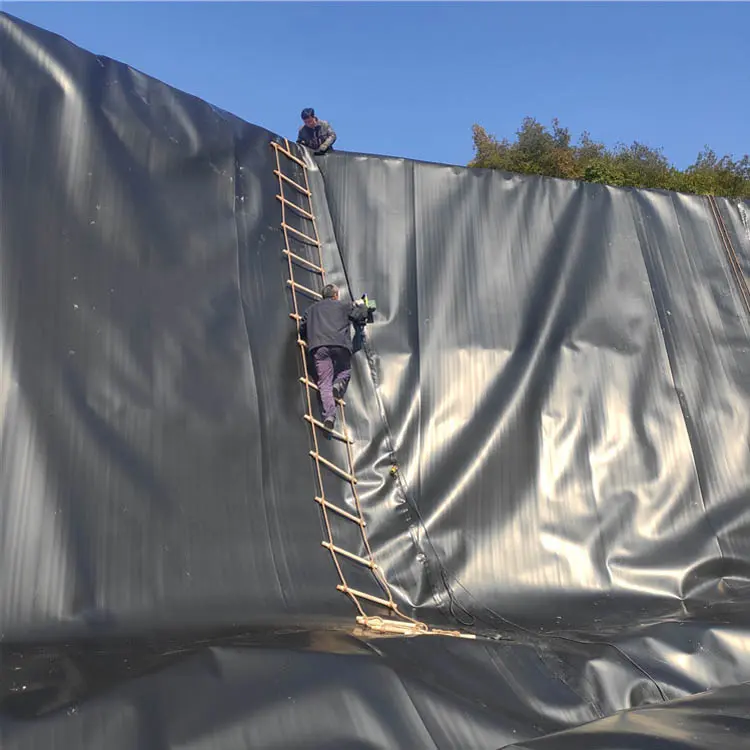
Composite systems using geomembranes and geotextiles seal waste containment cells, protecting nearby groundwater.
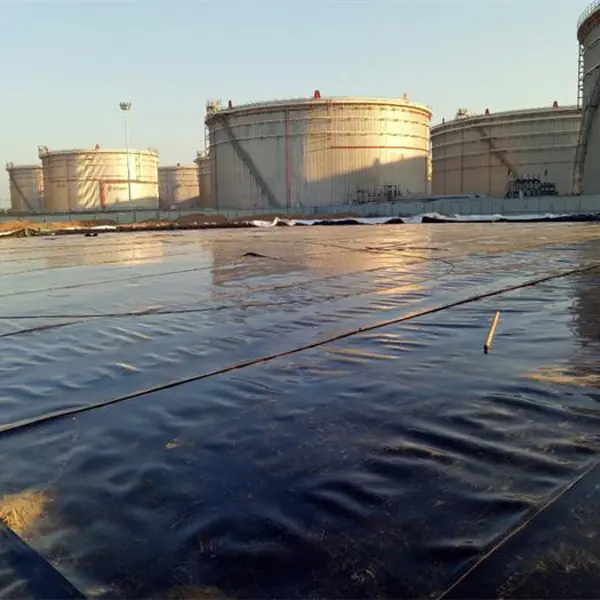
Impervious linings deployed around petrochemical storage areas provide a secondary barrier against chemical spills.
Best practices for material selection, installation, and long-term maintenance of geosynthetic structures.
Designing with geomembranes requires careful evaluation of site-specific factors like base soil profile, expected loads, chemical exposures, and temperature changes. Selecting the appropriate polymer—such as High-Density Polyethylene (HDPE) for high chemical resistance or Linear Low-Density Polyethylene (LLDPE) for superior flexibility—is critical to project success.
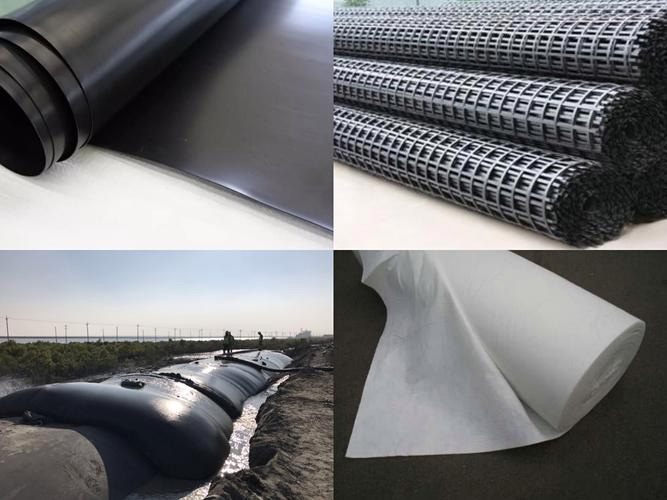
In addition to geomembranes, combining geotextiles and geogrids creates reinforced soil structures. Non-woven geotextiles act as cushion layers, protecting geomembranes from puncture by nearby aggregates, while geogrids provide the tensile strength required to stabilize the soil mass.
We maintain a comprehensive quality management system, checking each batch against ASTM and international testing standards.
Shandong Hongyue uses automated testing equipment to verify the physical properties of our products. Our quality control team measures properties such as wide-width tensile strength, creep resistance, carbon black dispersion, and puncture resistance.
Our production lines are equipped with sensors that monitor extrusion temperatures and stretching ratios in real-time, helping to prevent structural defects in the geogrid ribs and junctions.
Our materials are field-tested in complex engineering environments worldwide, providing reliable containment and reinforcement.
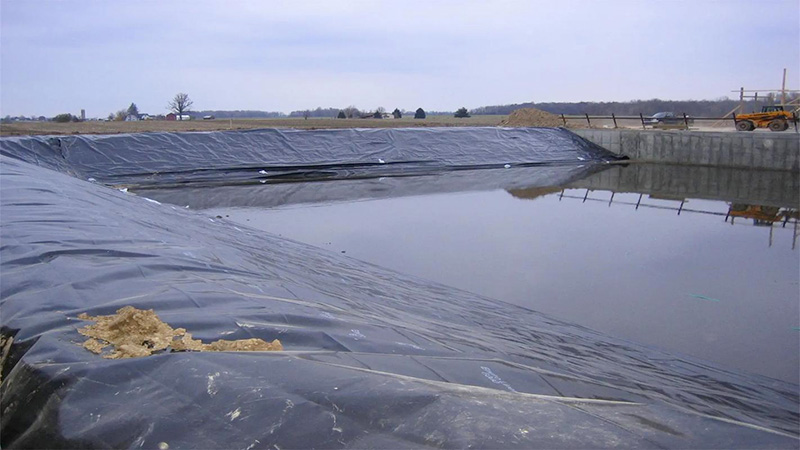
Extruded geomembranes deployed across valley reservoirs prevent water loss through joints in rock formations and soft soils.
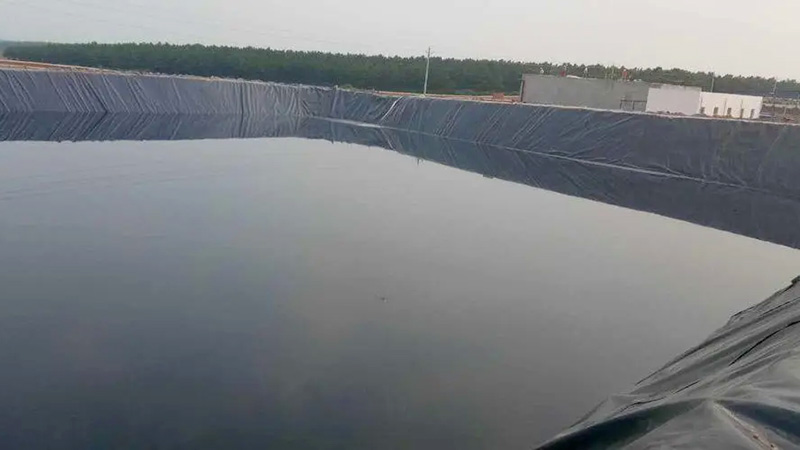
Reinforced geocells and geogrids stabilize embankments, helping them withstand flood conditions and water velocity changes.
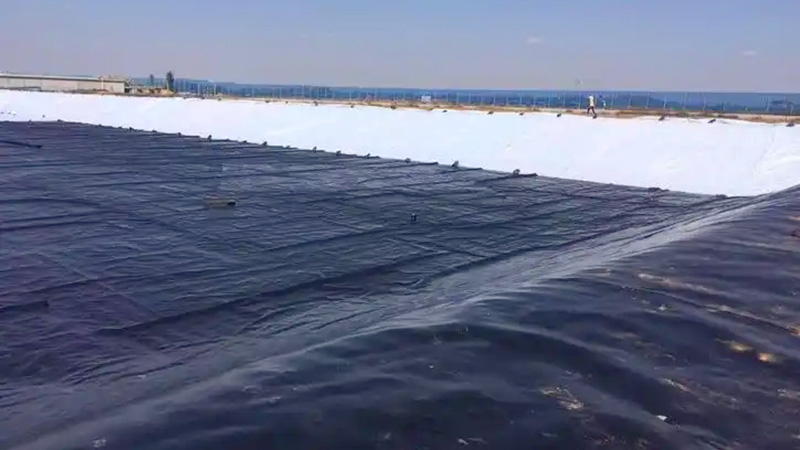
Geosynthetic clay liners and geogrids help prevent bank erosion, stabilizing riverbanks while supporting vegetation growth.
Technical answers to help engineers, contractors, and project managers select and design with geogrids.
Click below to view detailed specifications and request tailored quotes from our engineering team.
 Hongyue