Modern ecological engineering requires systems that harmonize geological stability with environmental preservation. The Ecosack (ecological geotextile bag) represents a breakthrough in bio-engineering, providing a structural medium that supports vegetation while resisting hydraulic shear stresses. In civil engineering, landfill design, and municipal containment systems, selecting high-performance geotextiles, geomembranes, and GCLs (Geosynthetic Clay Liners) determines the success of long-term structural integrity.
Unlike standard non-woven bags, high-grade Ecosacks are fabricated from polymer matrices that are chemically stabilized against Ultraviolet (UV) degradation and biological hydrolysis. The incorporation of carbon black and antioxidants ensures that when exposed to harsh solar radiation and acidic soils, the structural mesh maintains more than 80% of its tensile strength over a design life exceeding 50 years.
Shandong Hongyue Environmental Engineering Co., Ltd., situated in Dezhou, Shandong Province, sits at the epicenter of China’s advanced geotechnical manufacturing cluster. As a key member of the Dezhou Geotextile Association, Hongyue leverages vertical integration to source premium-grade polymers, optimize large-scale melt-extrusion, and manage state-of-the-art weaving facilities. This industrial cluster reduces transit costs of bulk chemical additives and accelerates the deployment of new products, enabling Hongyue to provide globally competitive pricing alongside robust quality control.
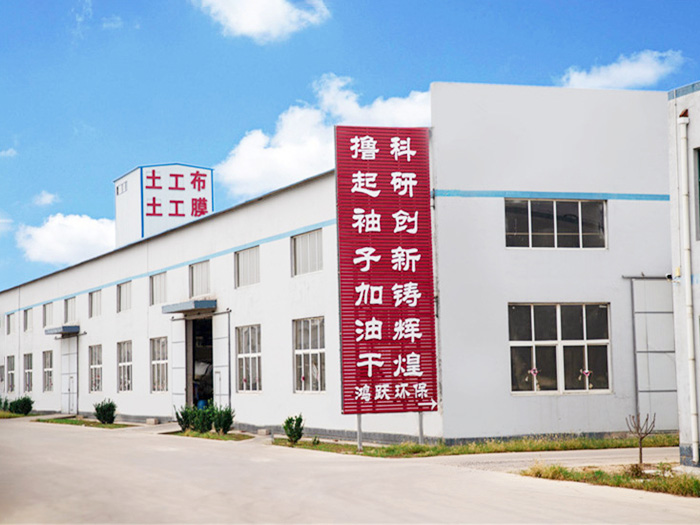
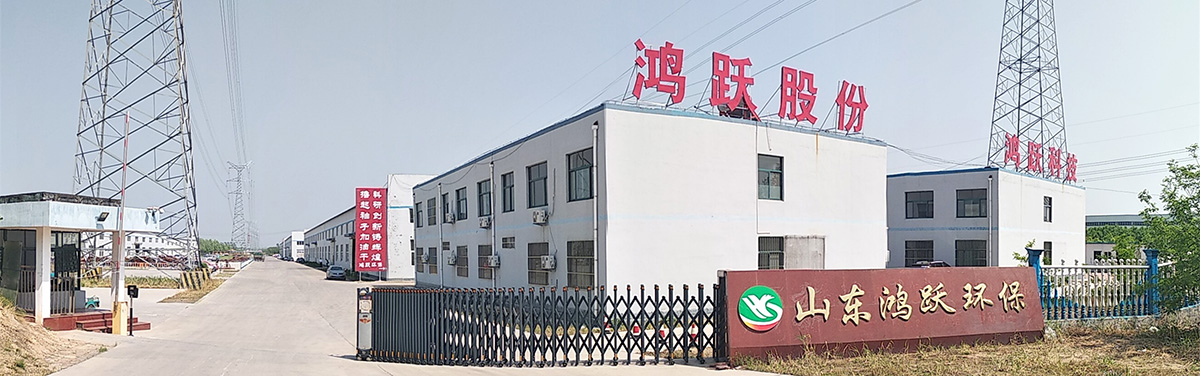
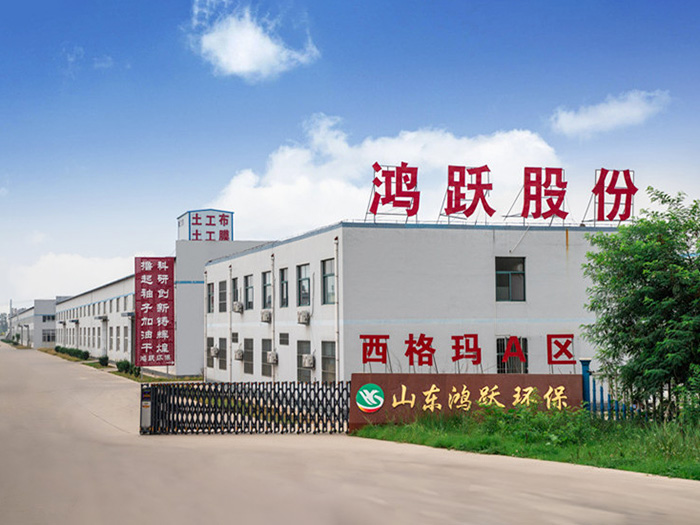
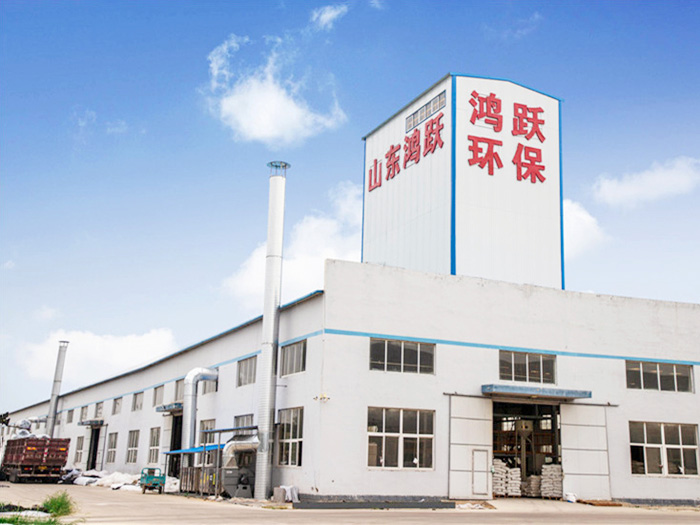
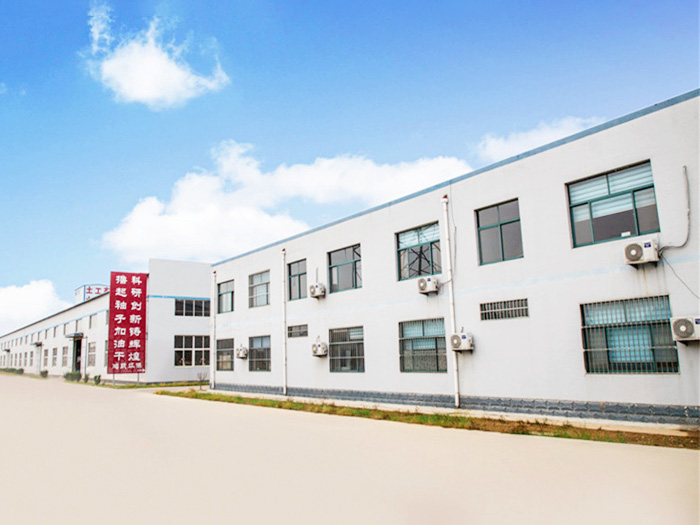
Shandong Hongyue Environmental Engineering Co., Ltd., located at the north end of Fufeng Street, Lingcheng District, Dezhou, Shandong Province, is a scientific and technological geotechnical material manufacturer integrating engineering material production, sales, design and construction services. The company was registered in Lingcheng District Market Supervision and Administration Bureau of Dezhou City on April 6, 2023, with a registered capital of 105 million yuan. It is one of the largest production bases of geotechnical materials in China at present, located in Lingcheng District, Dezhou, Shandong Province, with superior geographical location and convenient transportation.
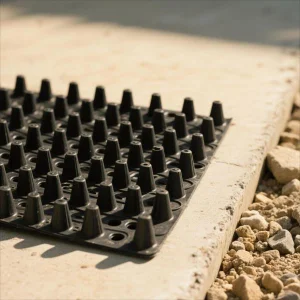
Since its establishment, the company has developed rapidly, business continues to grow and expand. Our main operations include geotextiles, geomembranes, composite geomembranes, waterproof boards, bentonite waterproof blankets (GCL), 3D composite drainage nets, (composite) drainage boards, weaving cloths, woven cloths, membrane bags, blind ditches, waterproof and drainage combinations, woven bags, ecological bags (Ecosacks), cement blankets, fiber plant blankets, and flexible pervious pipes.
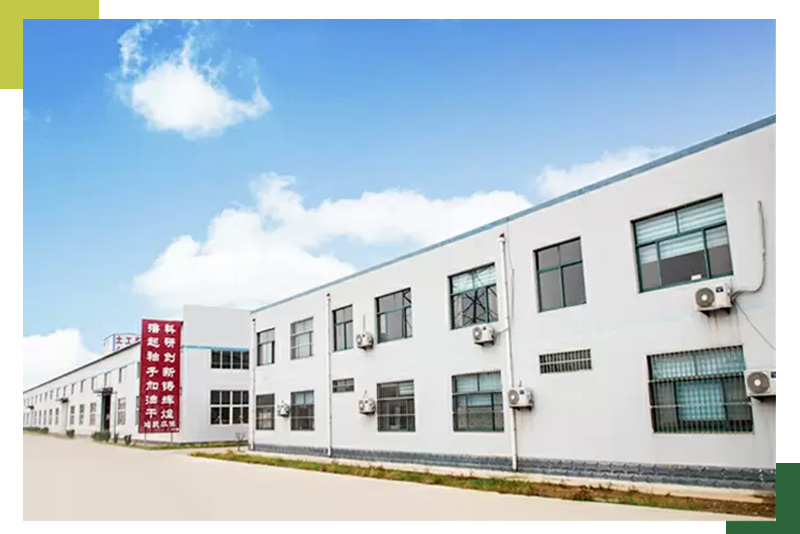
Our manufacturing complex is equipped with state-of-the-art automated lines designed for high-capacity production of geosynthetics, ensuring consistency in mass orders. We welcome international engineering inspectors to evaluate our plant operations, raw material preparation, and finish-product stress testing laboratories.
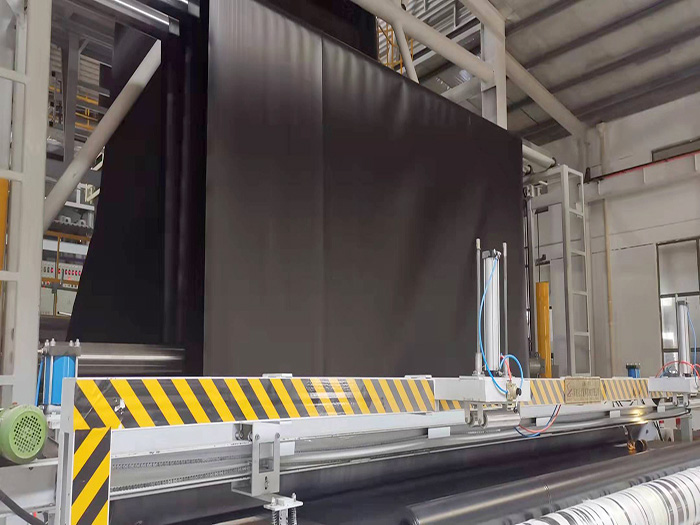
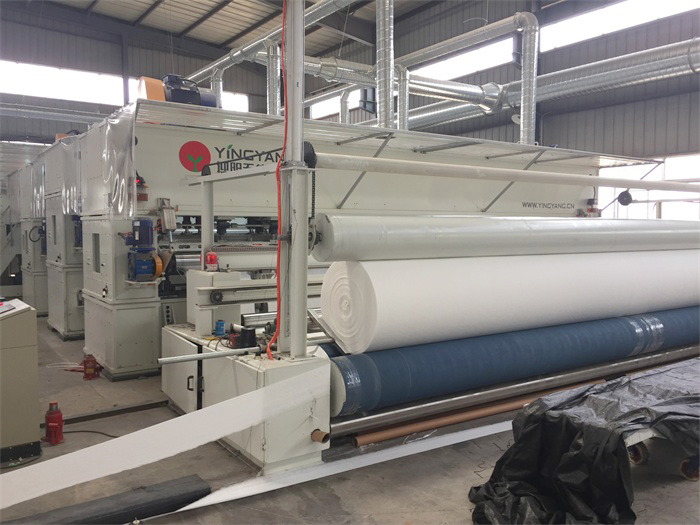
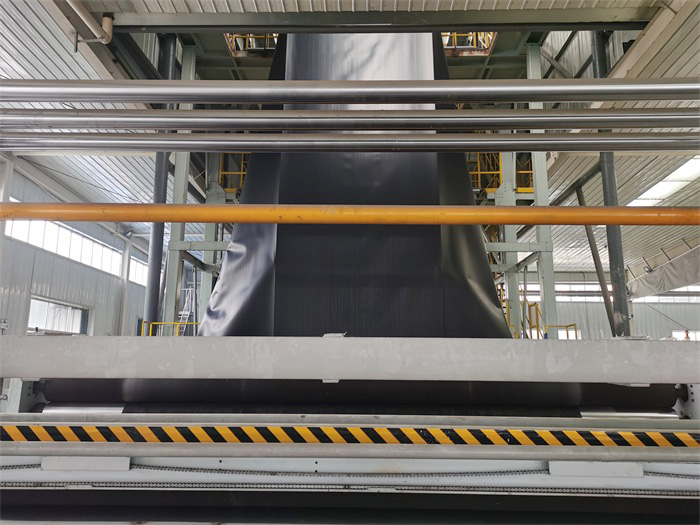
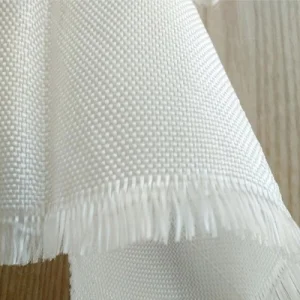
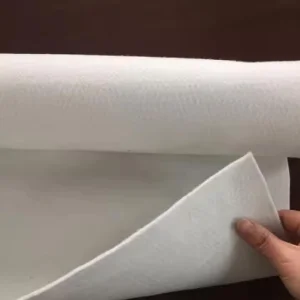
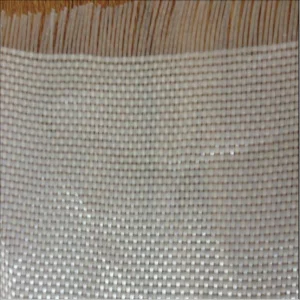
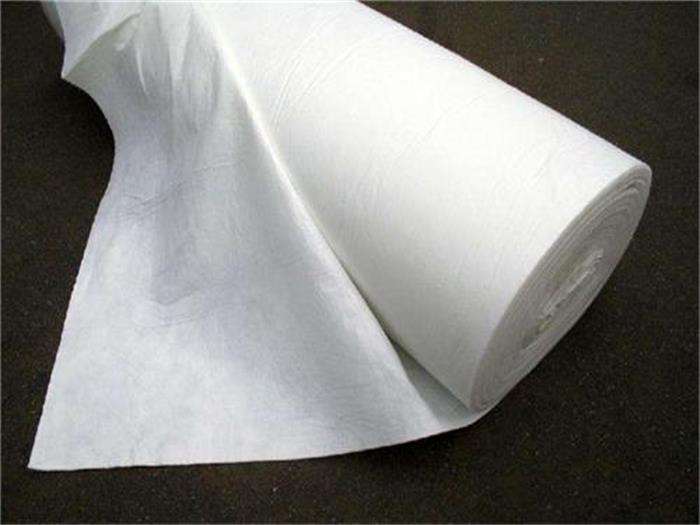
Geotextile is widely used in civil engineering projects, offering separation, filtration, reinforcement, protection, and drainage. Producing high-grade geosynthetic systems demands precise parameter control and processing steps:
Polyester (PET) chips, polypropylene (PP) filament, and viscose fibers are inspected and compound-formulated with UV-inhibitors and carbon black. This stabilizes the polymers against premature mechanical degradation.
PET/PP chips are heated in a screw extruder until fully molten. Continuous filaments are extruded through high-precision spinnerets to ensure consistent fiber diameters and physical properties.
The extruded filaments are laid in a uniform cross-laminated web on a moving conveyor belt. Web orientation is continuously calibrated to optimize tensile strength in both machine and cross-machine directions.
Mechanical needle punching entangles the fibers, creating a strong, permeable structural bond. Optional thermal bonding (curing) is applied to enhance hydraulic filtration characteristics.
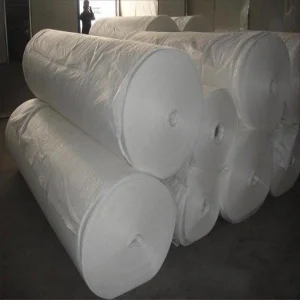
Finished sheets are slit, rolled onto heavy cardboard cores, and wrapped in protective UV-resistant films to prevent shipping damage and environmental exposure before onsite installation.
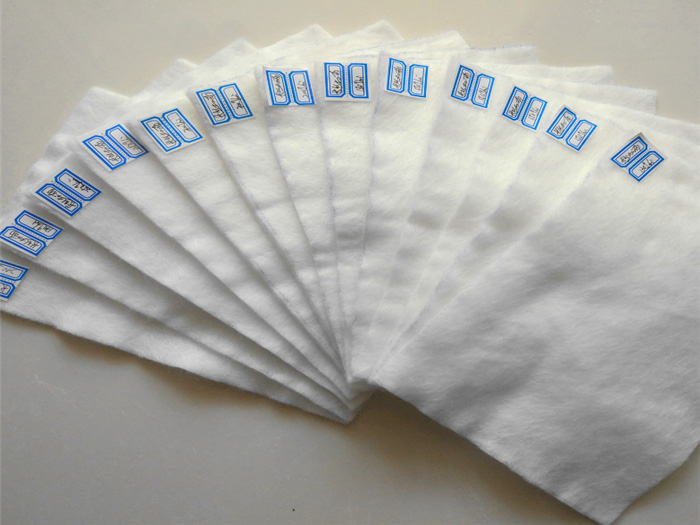
Every production run undergoes strict lab testing. This includes measuring weight (GSM), thickness, CBR puncture resistance, grab tensile strength, and pore size distribution to confirm the batch meets global standards.
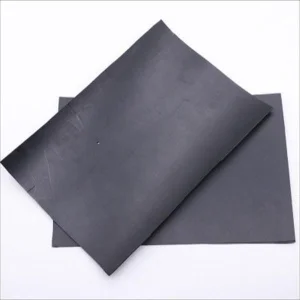
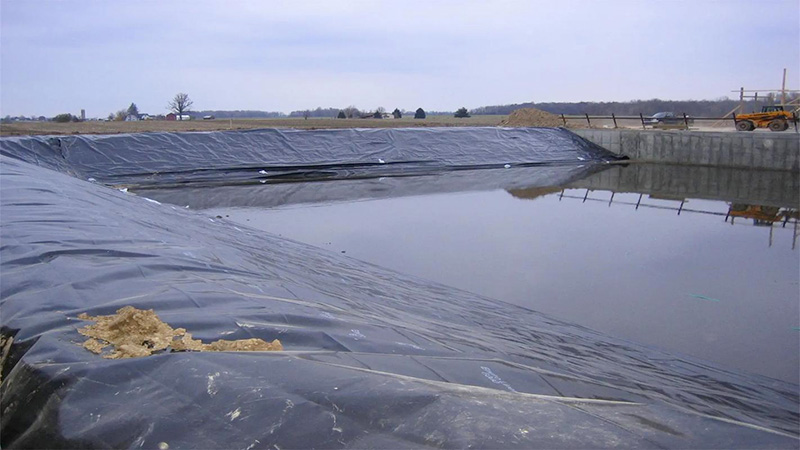
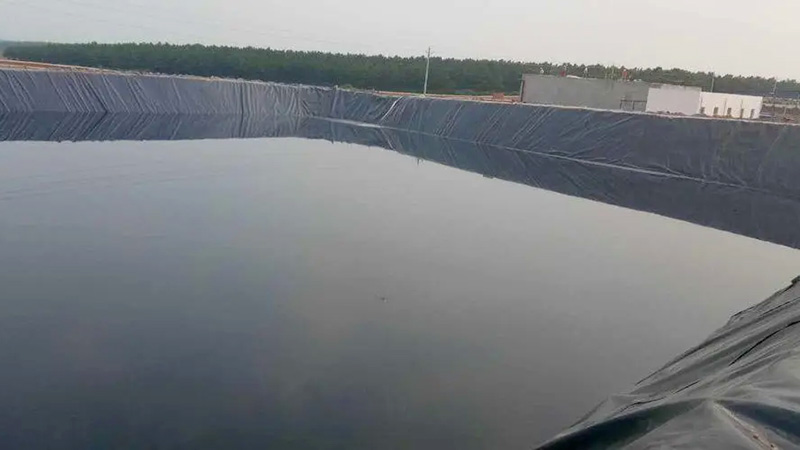
Engineered geomembrane barrier systems prevent seepage in civil, containment, and environmental structures. Proper installation is critical to ensure the liner prevents leakage throughout its design life.
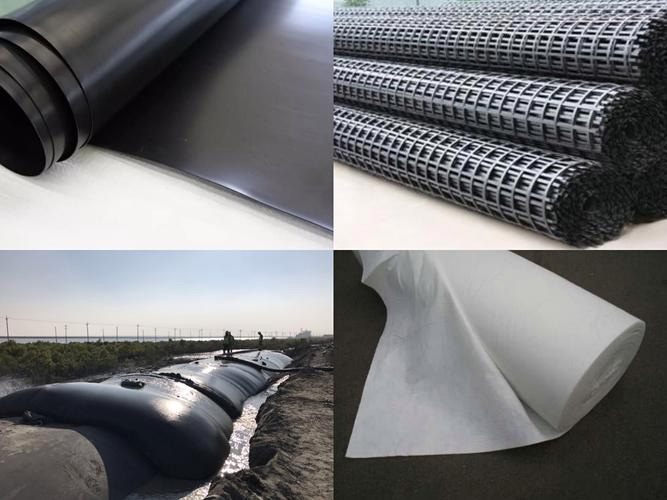
Engineers must select the right polymer and thickness based on the project requirements:
• HDPE (High-Density Polyethylene): Excellent chemical resistance and durability, ideal for landfills and waste containment.
• LLDPE (Linear Low-Density Polyethylene): High flexibility, perfect for complex slopes and sites prone to differential settlement.
• Thickness range: Typically 0.3mm to 3.0mm, chosen to withstand mechanical stresses during installation.
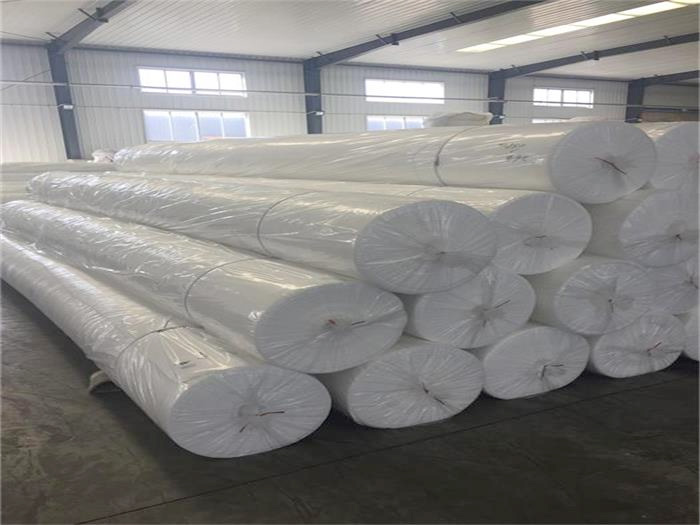
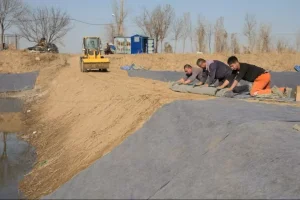
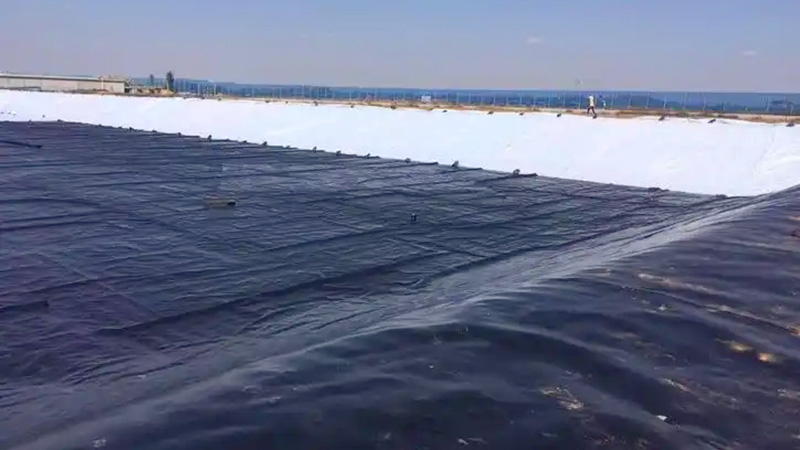
Before laying the geomembrane, the subgrade must be compacted and cleared of rocks, roots, or sharp debris. Geotextiles are typically placed beneath the geomembrane as a protective cushion. During deployment, panels are aligned to minimize seams and allow for thermal expansion and contraction.
We recommend using hot-wedge welding for straight seams and extrusion welding for patches and complex details. All seams must undergo non-destructive testing, such as air-pressure testing on dual-track welds or vacuum box testing on single-track welds, to ensure leak-free performance.
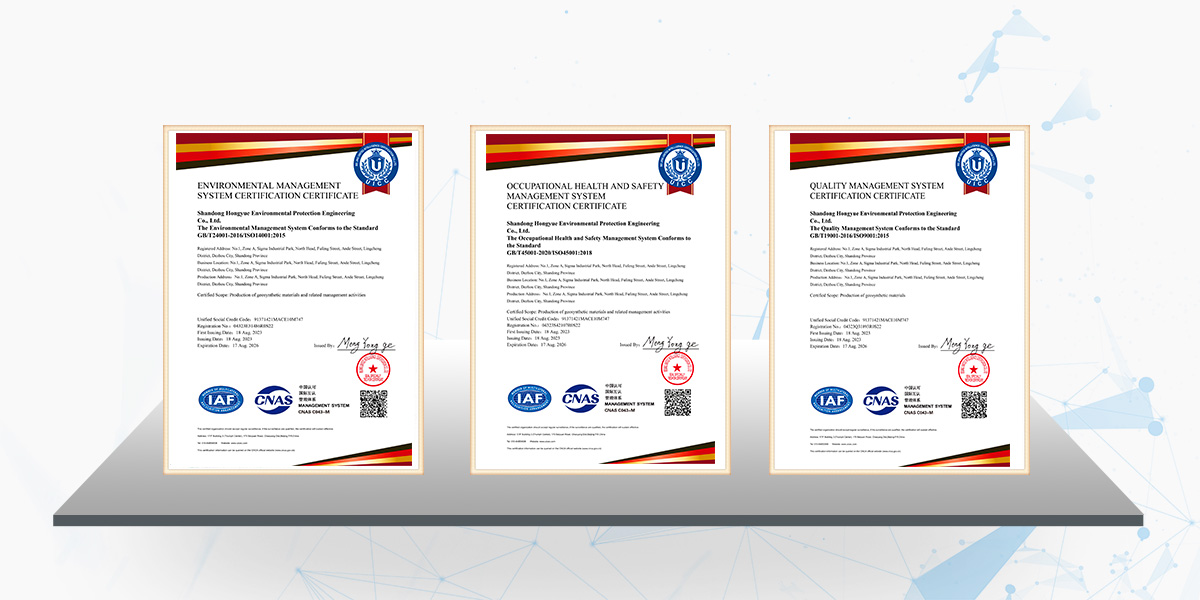
Our quality management system governs every step of production. Shandong Hongyue is ISO 9001, ISO 14001, and ISO 45001 certified. Our products meet or exceed ASTM and EN testing standards, as verified by the China National Testing Center.
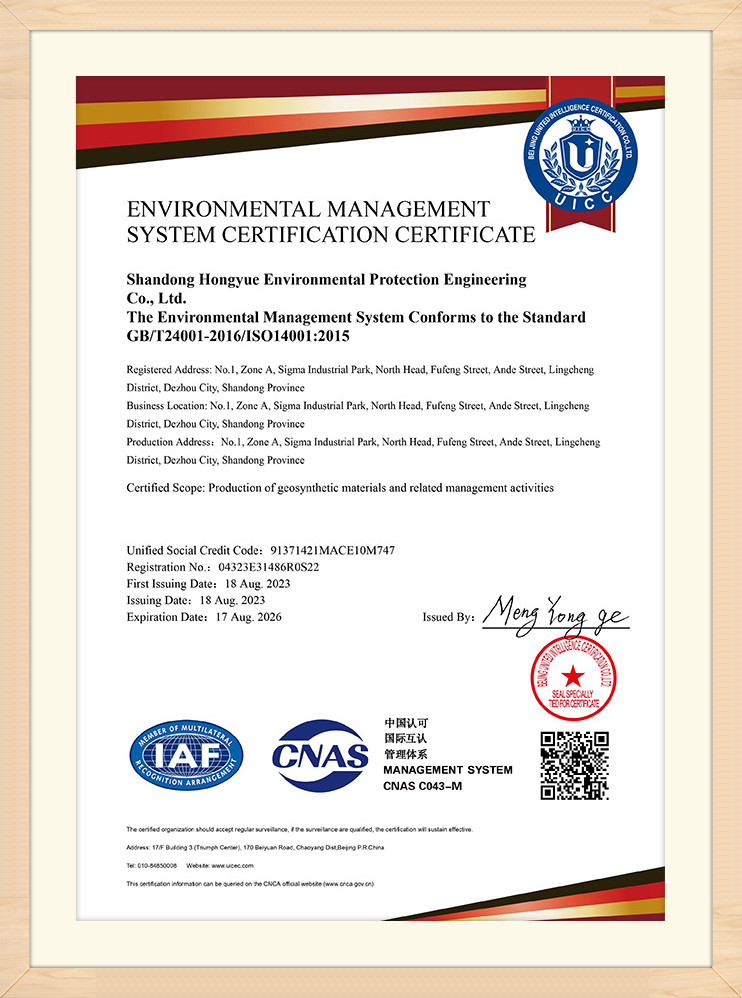
| Product System | Key Parameters Checked | International Standard |
|---|---|---|
| Ecosack (Ecological Bag) | Tensile Strength, UV Resistance (150hr-500hr retention) | ASTM D4355 / ASTM D5035 |
| Geomembrane (HDPE/LLDPE) | Carbon Black Content, Puncture Resistance, Stress Crack Resistance | GRI GM13 / ASTM D5199 |
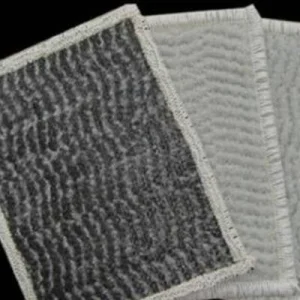
| Bentonite Waterproof Blanket (GCL) | Bentonite Mass/Area, Fluid Loss, Peel Strength | ASTM D5887 / ASTM D6496 |
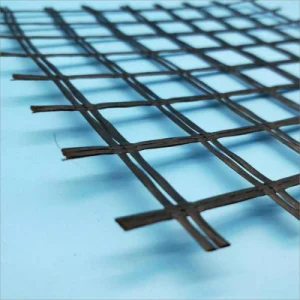
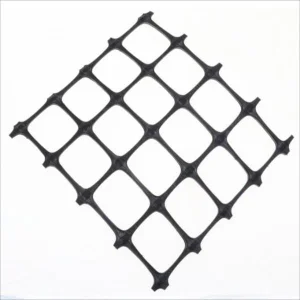
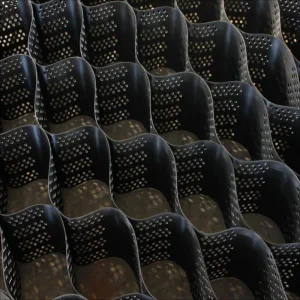
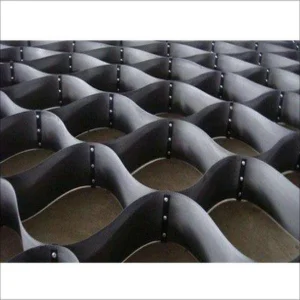
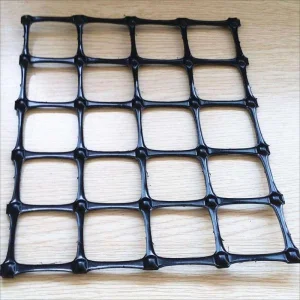
| HDPE Geocell & Geogrids | Seam Peel Strength, Tensile Modulus, Junction Efficiency | ASTM D6637 / US ACE Guidelines |
Our geotextile and barrier systems are engineered for diverse environments, from coastal revetments and heavy-rail subgrades to municipal landfills and mining containment pads.
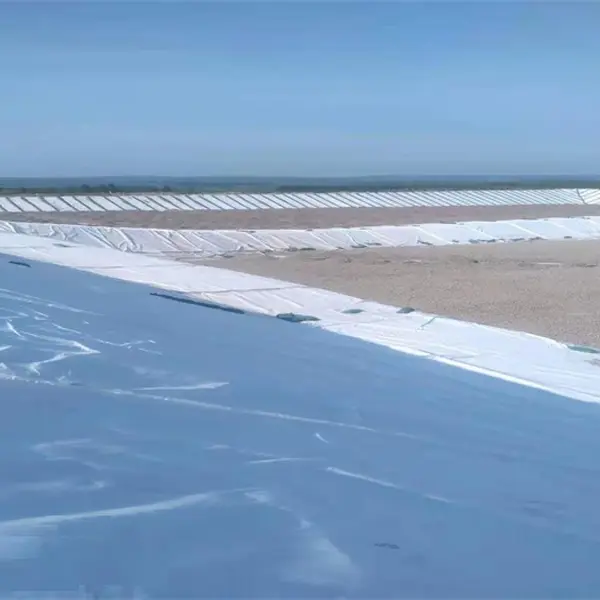
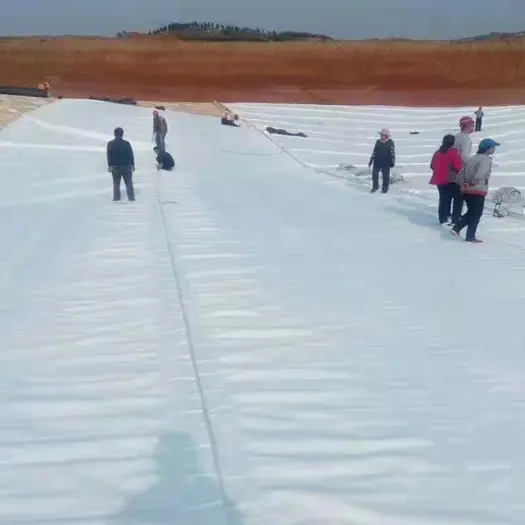
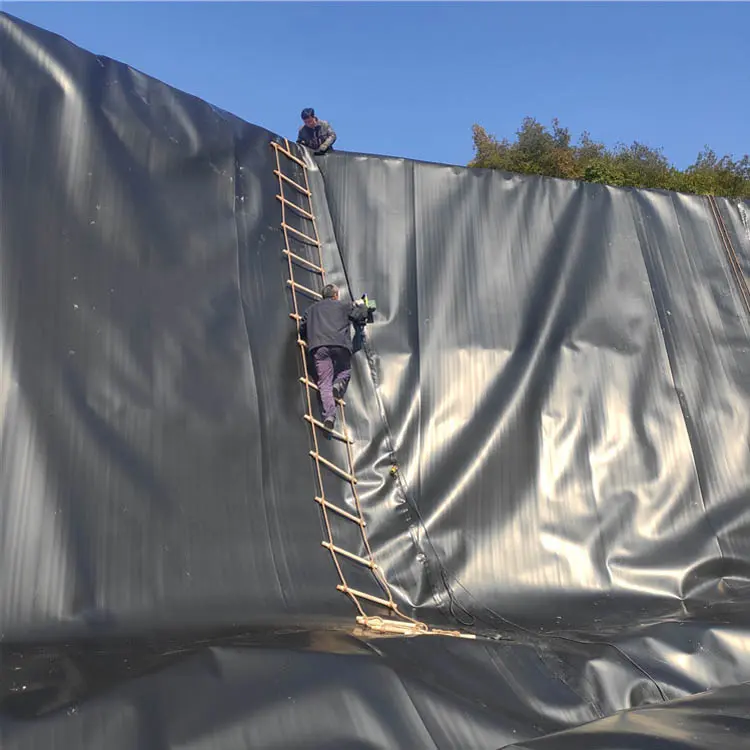
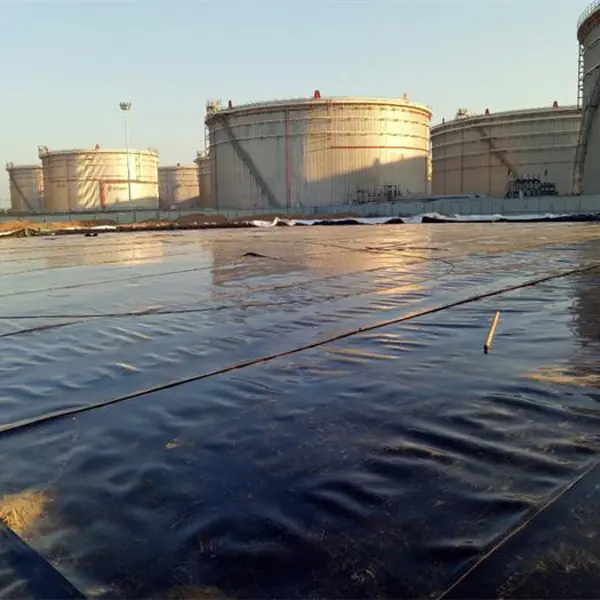
Procuring geosynthetics for large-scale municipal, transportation, and industrial projects requires balancing material performance with cost efficiency. Global EPC (Engineering, Procurement, and Construction) contractors must consider several factors beyond the base price per square meter:
The upfront purchase price of geotextiles or Ecosacks represents only a fraction of total life-cycle costs. High-durability materials reduce maintenance, minimize repair costs from slope failures, and extend the lifespan of the containment system, offering better long-term value.
Environmental containment projects are subject to strict regulatory oversight. Suppliers must provide complete traceability documentation, including raw material certificates, manufacturing logs, and independent lab test reports (CBR, tensile, and chemical compatibility tests).
Large projects require reliable material delivery schedules. Shandong Hongyue’s strategically located factory in Dezhou, Shandong, provides direct access to rail and port logistics, ensuring steady supply chains and minimizing delays for bulk orders.
The global construction sector is shifting toward sustainable geosynthetics with a focus on carbon reduction. Engineers are increasingly choosing eco-friendly materials like Ecosacks, which combine structural stability with natural vegetation growth. This approach helps lower the carbon footprint of civil projects compared to traditional concrete and steel installations, supporting carbon neutrality goals.
 Hongyue