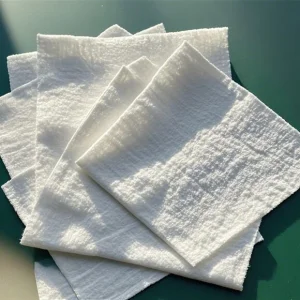
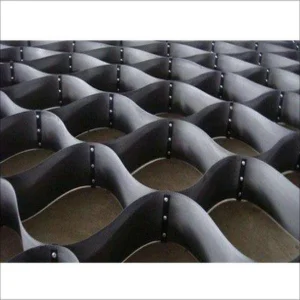
High-Tech Agro-textiles, Supply Chain Resilience & Geo-Material Engineering Solutions
Discover our top-performing weed barrier geotextiles and agricultural membrane systems engineered for long-term soil health, high UV-resistance, and optimum drainage characteristics across Vietnam and global export zones.
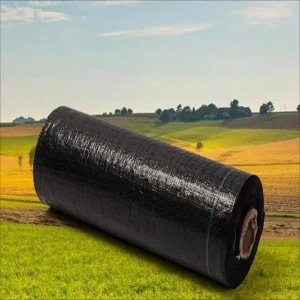
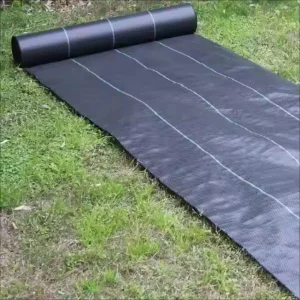
Hanoi, the capital of Vietnam, is rapidly evolving into a pivotal regional logistics hub for Southeast Asian industrial trade. The integration of high-performance agricultural textiles—most notably weed control cloth and specialized geomembranes—is transforming the landscape of agricultural modernization and infrastructure projects across the Red River Delta. As sustainable farming practices shift away from toxic chemical herbicides, agricultural operations are adopting physical weed barriers to conserve soil moisture, prevent erosion, and maximize yields.
The local commercial infrastructure in Hanoi connects northern factories directly to international shipping routes via Haiphong Port. This geographical efficiency, combined with regional trade agreements like the EVFTA and RCEP, establishes Hanoi as a highly strategic zone for global procurement managers seeking to import heavy-duty woven and non-woven ground covers. Local modern farming initiatives in districts like Gia Lam, Dong Anh, and Ba Vi require advanced geo-materials that can withstand subtropical UV degradation, heavy monsoonal rains, and high soil microbial activity.
In 2024, our high-strength woven PE grass-proof cloth was deployed across 150 hectares of organic fruit plantations in the outskirts of Hanoi. The application demonstrated a **92% reduction in manual labor hours** and successfully prevented soil erosion during the annual flood season, preserving the topsoil integrity and maintaining stable thermal conditions for roots.
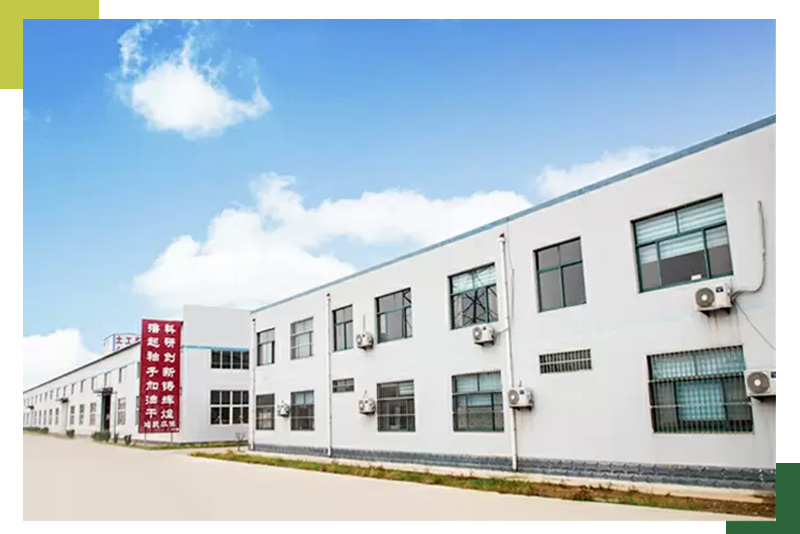
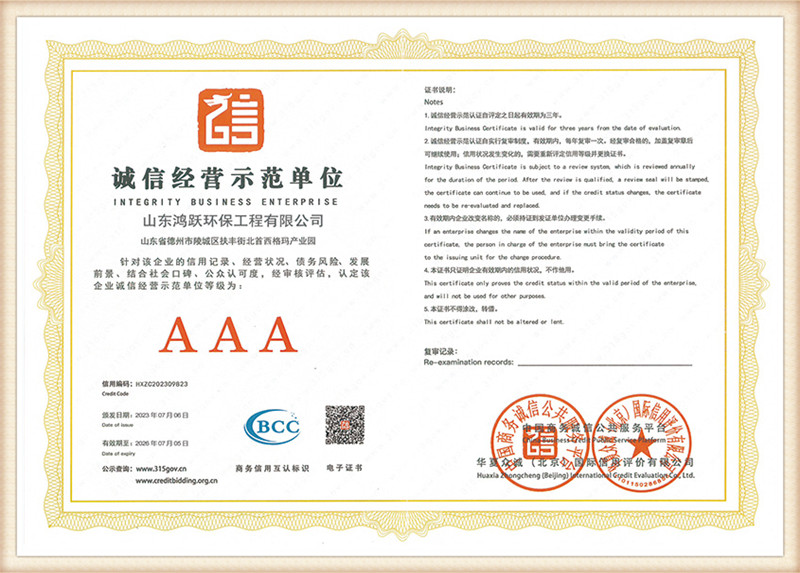
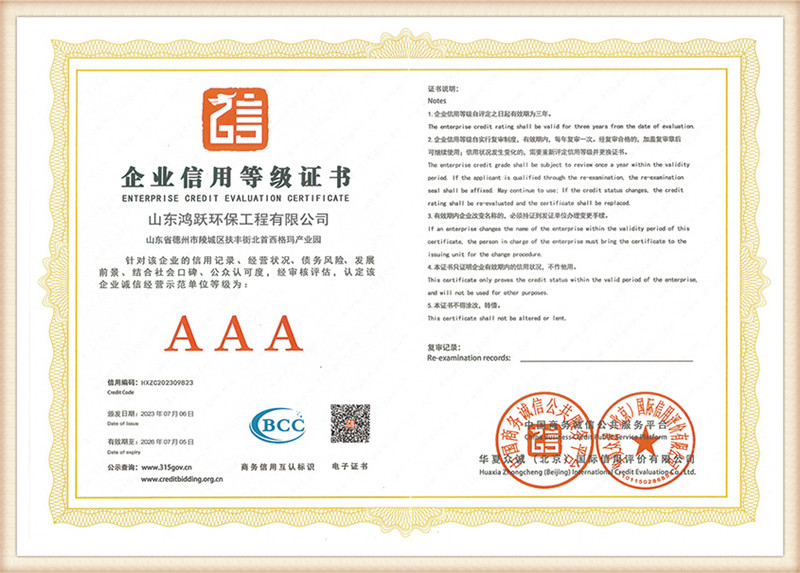
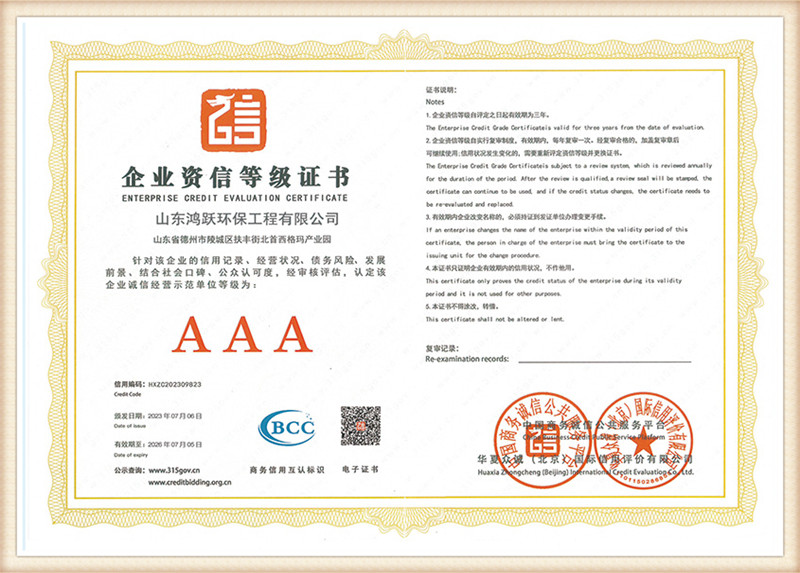
As a premier developer of geotechnical materials, Shandong Hongyue Environmental Engineering Co., Ltd. operates one of the largest geo-materials and agro-textile production bases in China. Located in Lingcheng District, Dezhou, Shandong Province, and backed by a registered capital of 105 million Yuan, we combine smart manufacturing with global distribution logistics to serve export markets through hubs like Hanoi.
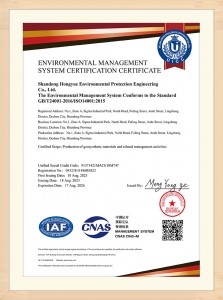
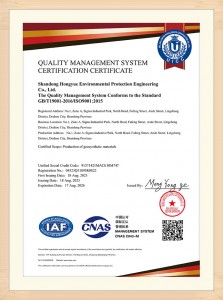
With ISO9001, ISO14000, and ISO45001 certifications, Hongyue leverages Industry 4.0 automation. This includes real-time tension controllers, computerized extrusion lines, and advanced raw material blending systems. Our integration ensures that every roll of weed control cloth, geomembrane, and geocell complies with strict international environmental standards, guaranteeing superior tensile strengths and chemical resistances required by the most demanding geotechnical works.
Using premium virgin polyester chips, polypropylene filament, and custom formulation batches containing UV inhibitors. Every incoming raw material batch undergoes strict physical testing to ensure consistent polymer density and mechanical baseline properties.
The polymer chips are melted at optimized temperatures (220°C to 260°C) within our screw extruders. Additives are distributed evenly within the melt to ensure uniform ultraviolet resistance and mechanical performance across the entire surface.
For woven fabrics, high-speed circular looms weave the split-yarn tapes into dense, uniform sheets. For non-woven variants, the melt is extruded through spinnerets, creating fine fibers that form an isotropic mesh network on high-precision conveyors.
The woven or non-woven web passes through heated calendering rolls for draft curing. This thermal bonding step controls fabric thickness, enhances dimensional stability under heat, and locks the fibers to achieve specified tensile levels.
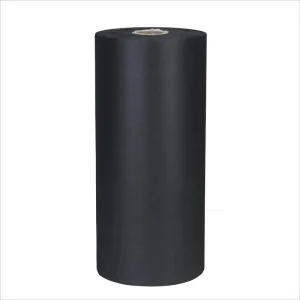
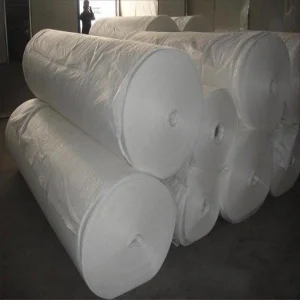
Cured geotextile and weed control fabrics are measured, slit, and tightly wound into industrial-sized rolls. Every roll is wrapped in protective, water-impervious film to shield the materials from dust and light during warehouse storage and transport.
Our laboratory extracts samples from each production run to verify grab tensile strength, puncture resistance, permeability rate, and thickness. The finished goods are released for export to Hanoi and global channels only upon passing all quality gates.
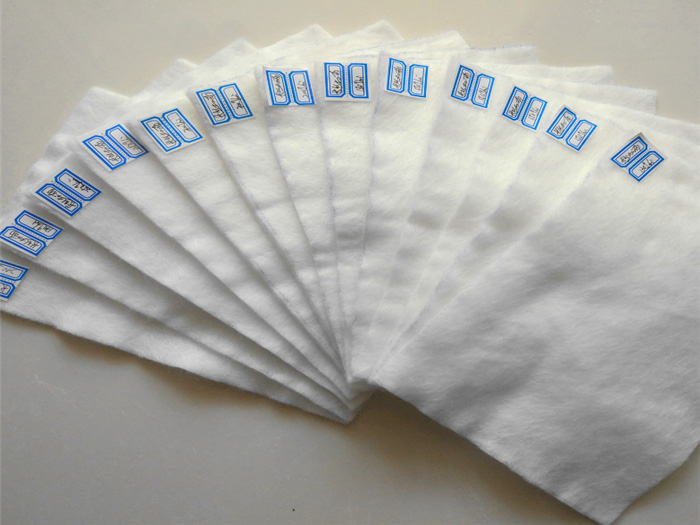
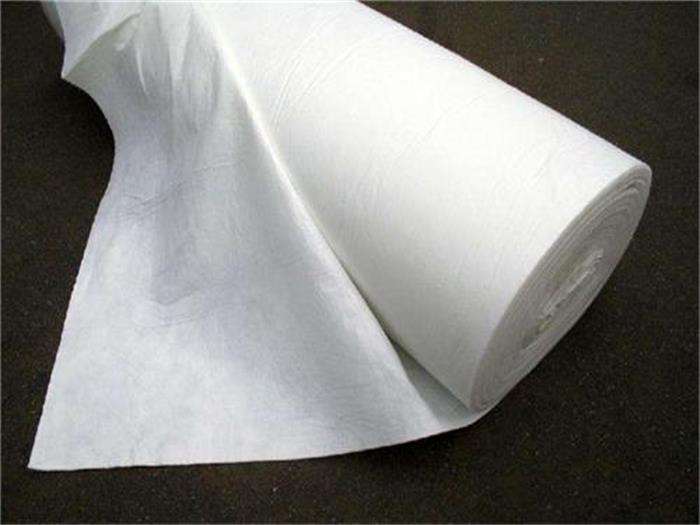
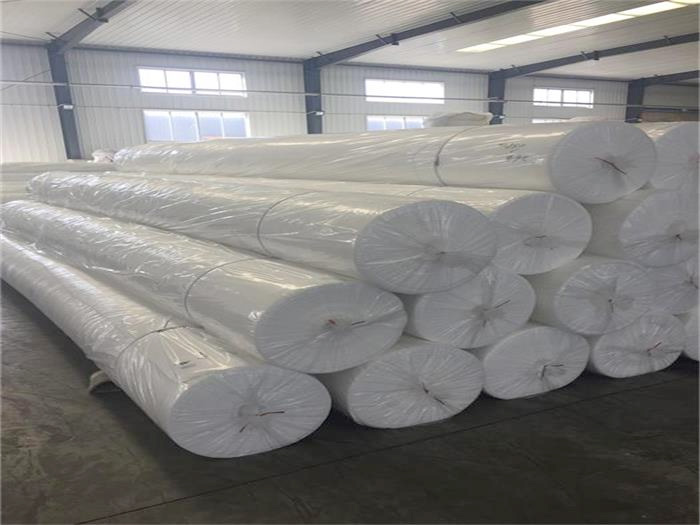
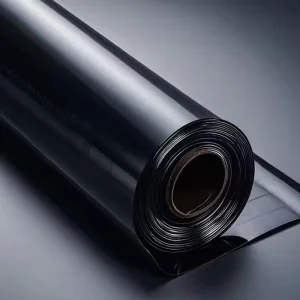
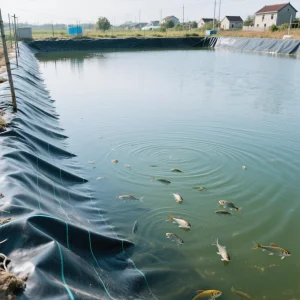
Beyond surface agricultural coverings, Shandong Hongyue manufactures heavy-duty geomembranes that serve as impervious liners for agricultural ponds, industrial canals, and waste management sites across Vietnam. Proper selection, preparation, and deployment are crucial for ensuring system integrity and preventing soil contamination.
High-Density Polyethylene (HDPE) provides excellent chemical resistance and mechanical durability, making it ideal for large aquaculture ponds and municipal landfills. Linear Low-Density Polyethylene (LLDPE) offers superior flexibility and elongation properties, allowing it to adapt to uneven soil beds and complex geometric contours without cracking.
The deployment surface must be thoroughly leveled, compacted, and cleared of sharp rocks, roots, or debris. The geomembrane is unrolled carefully without dragging to prevent surface scratches. Adjacent panels must overlap by a minimum of 100mm to 150mm to prepare for hot-wedge welding, which forms dual-track seams for air-pressure testing.
Regularly inspect exposed geomembrane surfaces for physical damage or silt accumulation. Keeping the surface clean maintains its UV performance, while monitoring joints with non-destructive testing ensures that agricultural or industrial reservoirs remain leak-free over decades of operation.
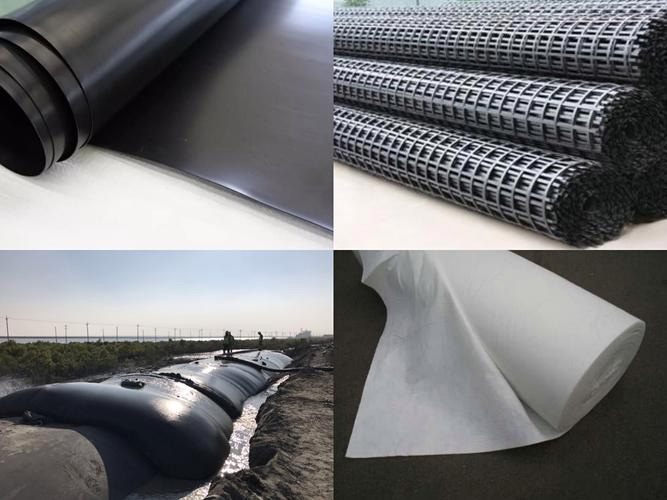
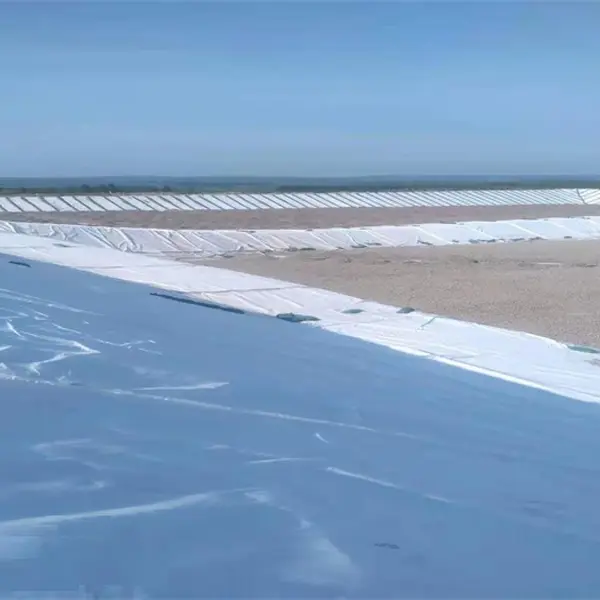
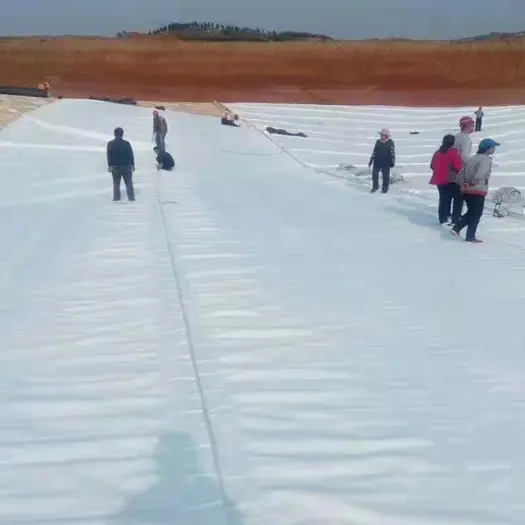
Quality is our baseline standard. Shandong Hongyue Environmental Engineering Co., Ltd. employs a comprehensive internal tracking system that monitors materials from incoming polymer resins to final product shipment. Our testing laboratory features advanced universal testing machines, hydrostatic pressure cells, and carbon black dispersion analyzers to ensure full compliance with international ASTM standards.
Our geo-materials consistently meet or exceed national Chinese and international ISO standards. We carry certifications from the China National Testing Center, and our products undergo regular, independent testing commissioned by the State Administration of Quality Supervision and Inspection. This absolute compliance guarantees that our clients in Hanoi and worldwide receive materials that perform under the most severe environmental stresses.
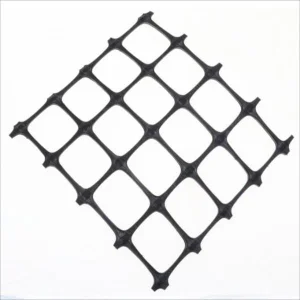
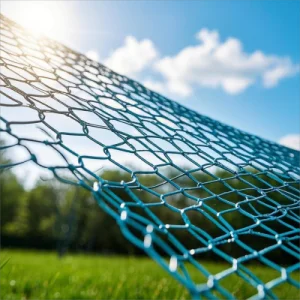
Our technology goes beyond agricultural applications. We supply integrated geosynthetics systems for structural reinforcement, channel lining, and environmental containment. Utilizing geomembranes, geogrids, and composite nets, we provide robust solutions that prevent soil movement, control seepage, and secure critical infrastructures.
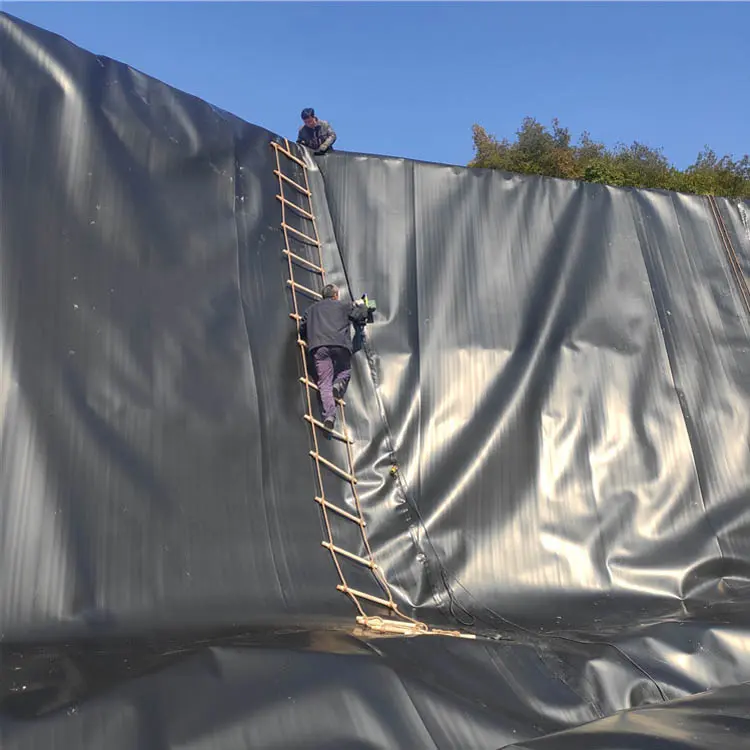
Installing thick HDPE geomembranes to create robust bottom liners, effectively preventing hazardous leachate from contaminating local groundwater tables in suburban landfills.
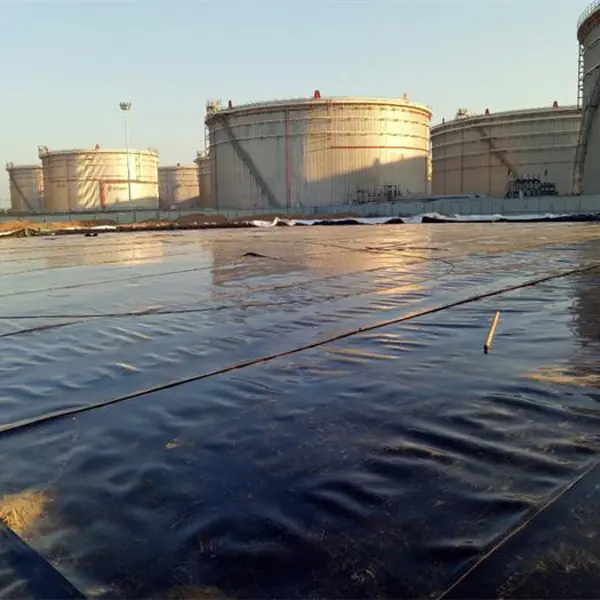
Deploying chemical-resistant geomembrane barriers to form secondary containment layers for industrial chemical and oil storage facilities around Hanoi ports.
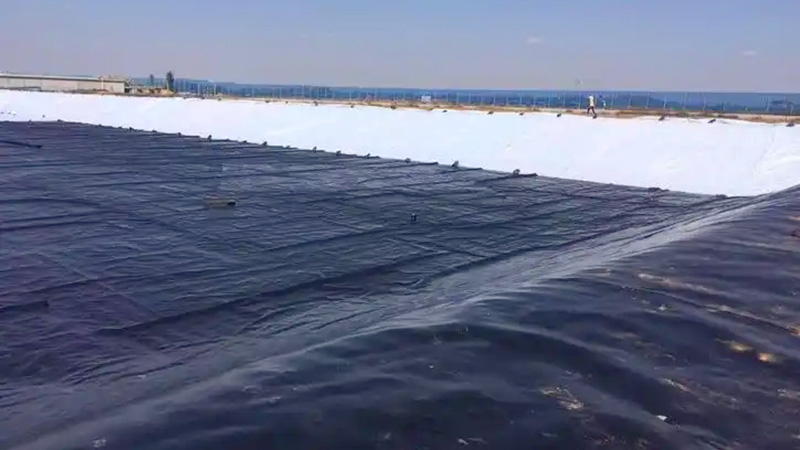
Applying high-strength geotextiles along river channel slopes to prevent soil erosion from strong currents, while allowing natural vegetation to reclaim the bank lines.
Get authoritative answers on product technical specifications, selection standards, and shipping procedures from Shandong factories to Hanoi distribution hubs.
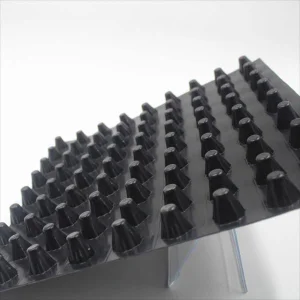
Explore our comprehensive inventory of engineering materials, including high-strength drainage boards, multi-axial geogrids, structural geocells, and high-performance geotextiles optimized for commercial applications in Hanoi.
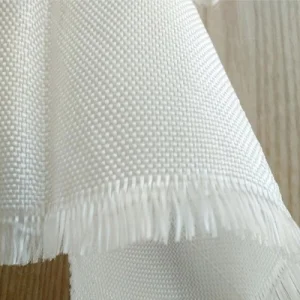
Partner with Shandong Hongyue Environmental Protection Engineering Co., Ltd. for direct industrial pricing, customized material configurations (GSM, roll width, UV stabilization packages), and seamless delivery to Hanoi and global sites.
 Hongyue