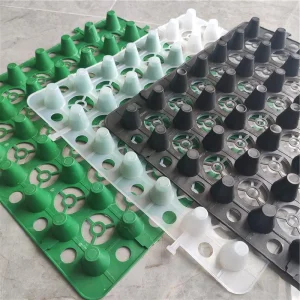
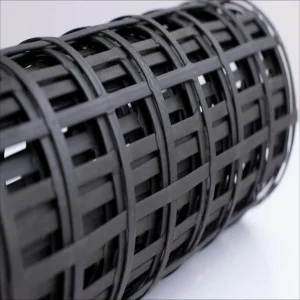
High-performance stabilization, filtration, and waterproofing systems specifically certified and adapted for regional infrastructure projects.
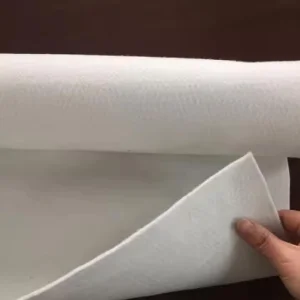
Understanding the engineering demands of high-humidity and soft clay terrains.
Thailand's central plain, particularly the metropolitan areas surrounding Bangkok, consists of a thick layer of marine soft clay known academically as "Bangkok Clay." This geological formation features low shear strength and high compressibility. Civil projects such as highways, railways, and industrial foundations built on this terrain face extreme challenges regarding ground settlement and load-bearing capacity.
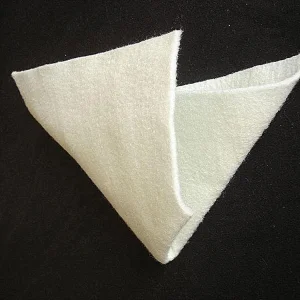
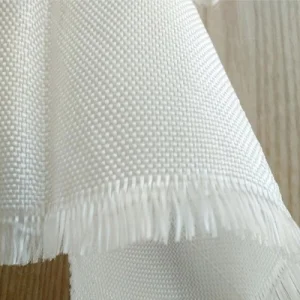
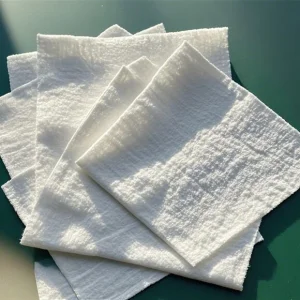
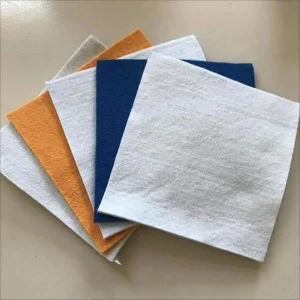
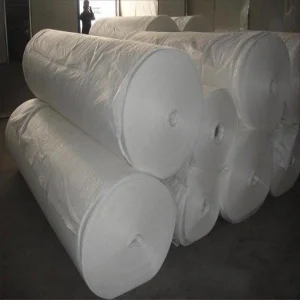
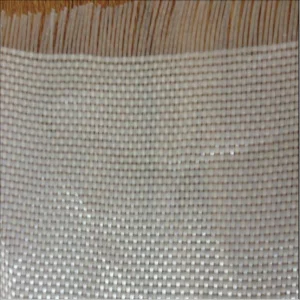
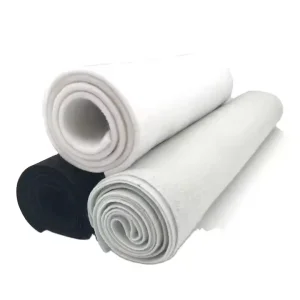
As a leading supplier, we engineered specialized high-strength woven geotextiles and PET needle-punched non-woven geotextiles. These materials provide exceptional reinforcement and filtration parameters, facilitating rapid pore water dissipation while containing lateral soil movement. This stabilizes base soils during infrastructure development across the Chao Phraya River basin.
The Eastern Economic Corridor development plan in Chonburi, Rayong, and Chachoengsao represents Thailand's industrial future. The construction of massive deep-sea ports, high-speed rail lines, and petrochemical plants requires high-durability geosynthetics. Our ISO-certified production lines supply the EEC with heavy-duty geogrids, geocells, and geomembranes designed to withstand harsh coastal environments, acidic soils, and heavy cyclic industrial loads.
By preventing subgrade contamination and enhancing slope stability on mountainous road linkages, our geosynthetics ensure the long-term structural integrity of key corridors throughout Southeast Asia.
Technical Insight: For high-humidity tropical environments like Thailand, UV stabilization and biological resistance are critical. Our polyester (PET) and polypropylene (PP) geotextiles are formulated with premium carbon black and stabilizers to prevent degradation caused by intense tropical sunlight and soil microbes, maintaining design tensile strength for over 50 years.
Pioneering smart materials, carbon footprint reduction, and high-performance polymers.
The global geosynthetics market is undergoing a rapid transition toward ecological sustainability and smart engineering. The integration of recycled polymer formulations and the optimization of carbon-neutral manufacturing processes have become industry benchmarks. Modern civil engineering demands materials that not only perform physically but also support green building certifications like LEED and local green ratings in Thailand.
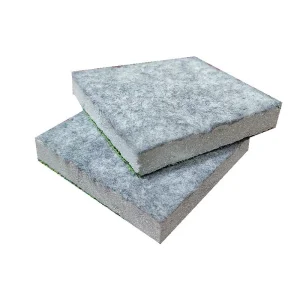
Our commitment to R&D has led to several product upgrades, including the formulation of high-performance composite drainage nets and cement blankets that significantly reduce concrete usage. This actively supports environmental preservation while speeding up installation timelines in hydraulic channels and municipal landfills.
Deployment of specialized high-tenacity PET fibers and heat-bonded non-woven polymers to achieve high permeability combined with precise pore-size containment.
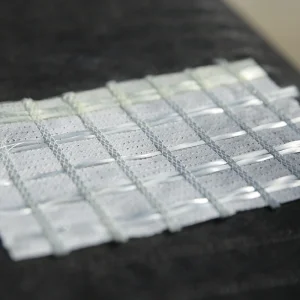
Integrating geotextiles with smart sensors or reinforcing grids (Warp-knitted structures) to provide multi-axial stabilization and real-time stress feedback.
Formulating biodegradable erosion control mats and fully recyclable high-barrier geomembranes that naturally assimilate into restoration zones after consolidation.
A Leading Chinese Geotechnical Material Manufacturer Integrating Production, Design & Engineering Service.
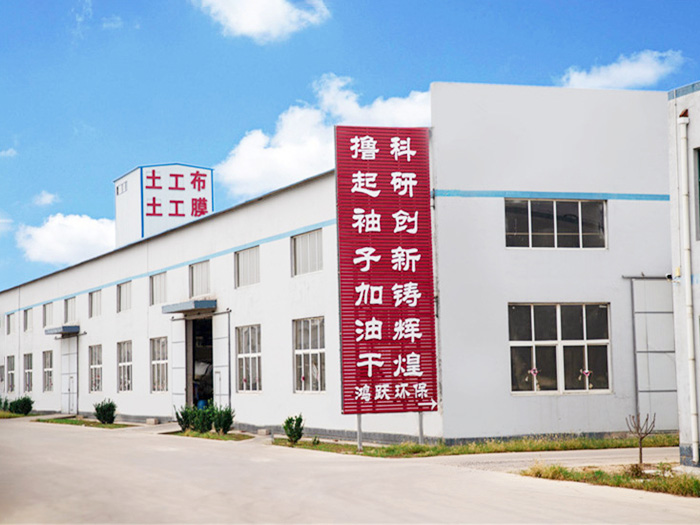
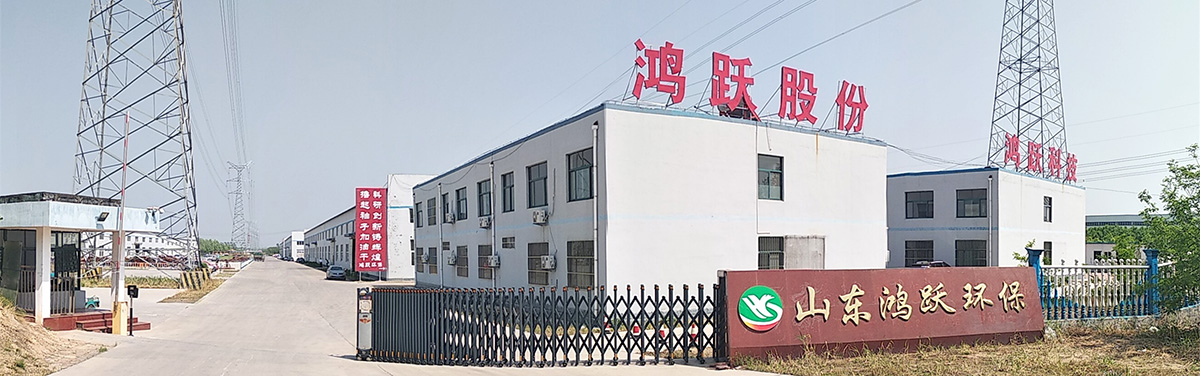
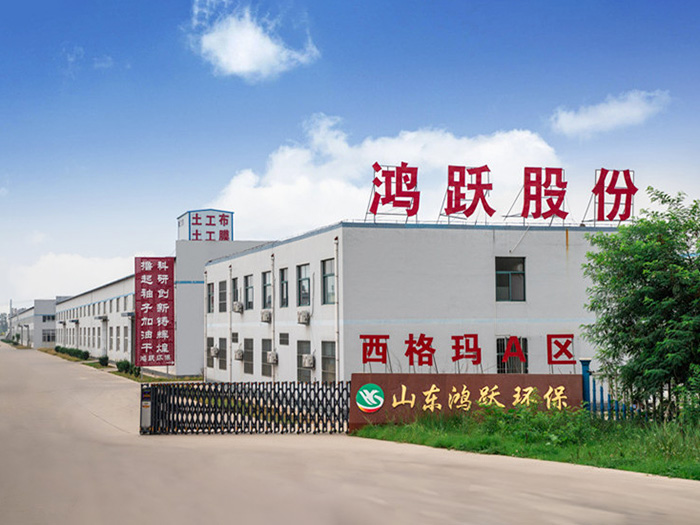
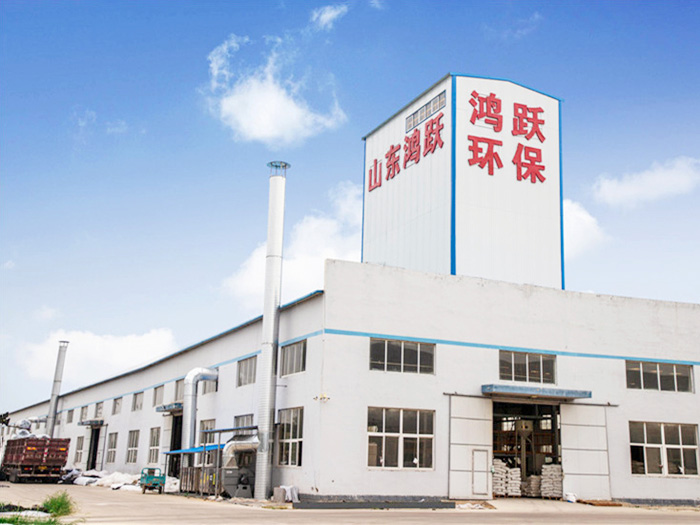
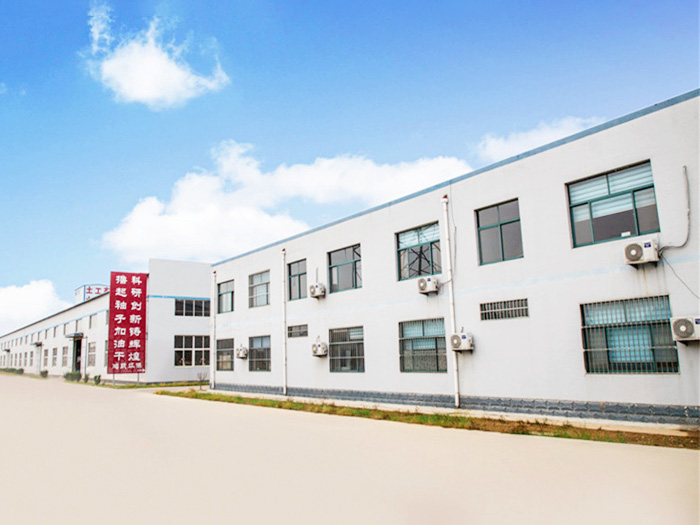
Shandong Hongyue Environmental Engineering Co., Ltd., located at the north end of Fufeng Street, Lingcheng District, Dezhou, Shandong Province, is a scientific and technological geotechnical material manufacturer integrating engineering material production, sales, design and construction services. The company was registered in Lingcheng District Market Supervision and Administration Bureau of Dezhou City on April 6, 2023, with a registered capital of 105 million yuan. It is one of the largest production bases of geotechnical materials in China at present, located in Lingcheng District, Dezhou, Shandong Province, with superior geographical location and convenient transportation.
Since the establishment of the company has developed rapidly, business continues to grow and expand, our company mainly deals in geotextiles, geomembrane, composite geomembrane, waterproof board, bentonite waterproof blanket, 3D composite drainage net, (composite) drainage board, weaving cloth, woven cloth, geotextiles, geotextiles, geotextiles, geotextiles, geotextiles, geotextiles, geotextiles, geotextiles, membrane bags, blind ditches, waterproof and drainage combinations, woven bags, ecological bags, cement blankets, fiber plants blankets, geotextiles, flexible pervious pipes, business includes geosynthetics, waterproofing membrane production, sales, construction, import and export of goods (according to the law must be approved by the relevant departments before starting business activities).
We have high quality products and professional sales and technical team, our company belongs to Dezhou Geotextile Association, products are widely used in highways, railways, bridges and tunnels, reservoirs and Canals Water Conservancy, artificial lakes, environmental protection, aviation, mining, agriculture and other fields.
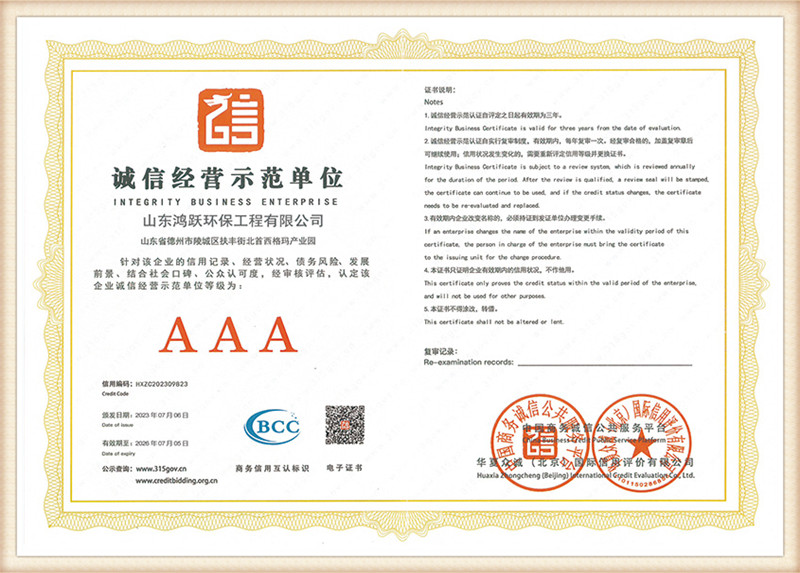
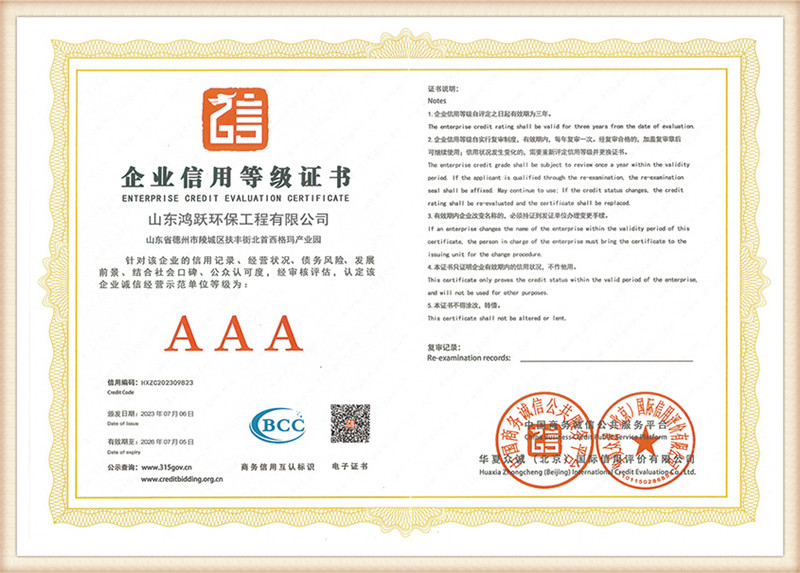
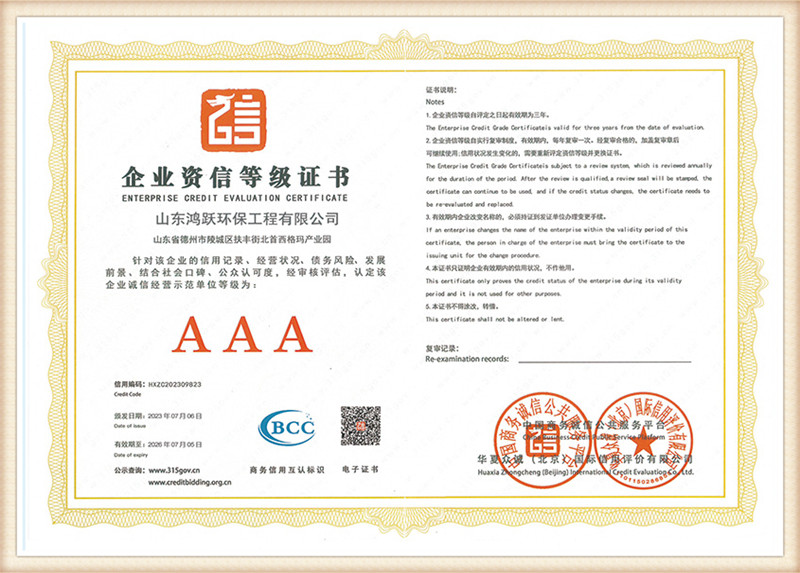
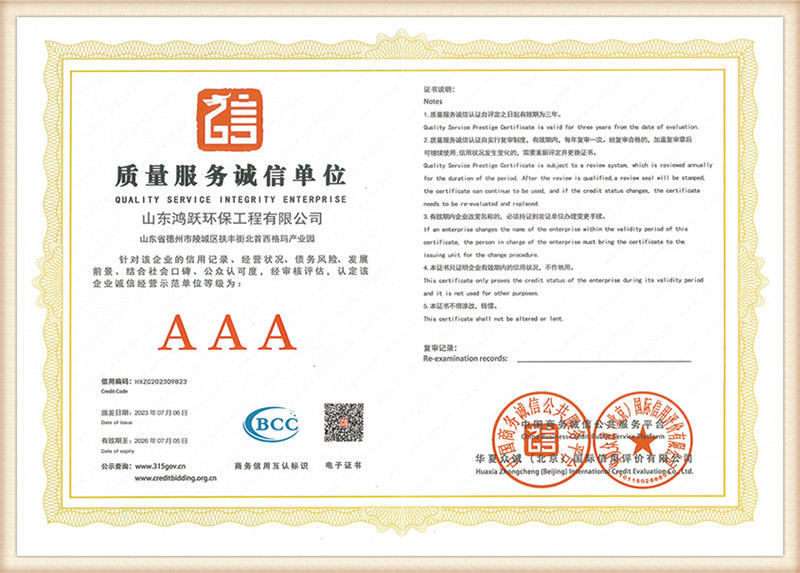
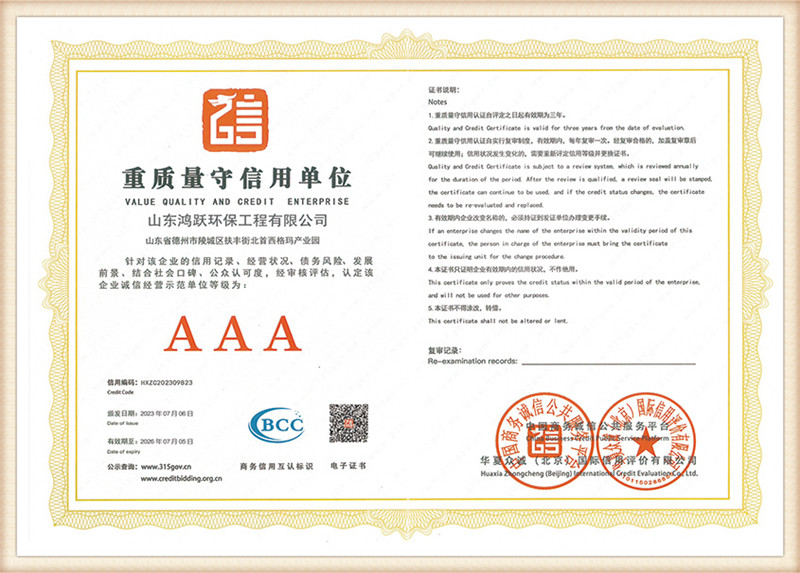
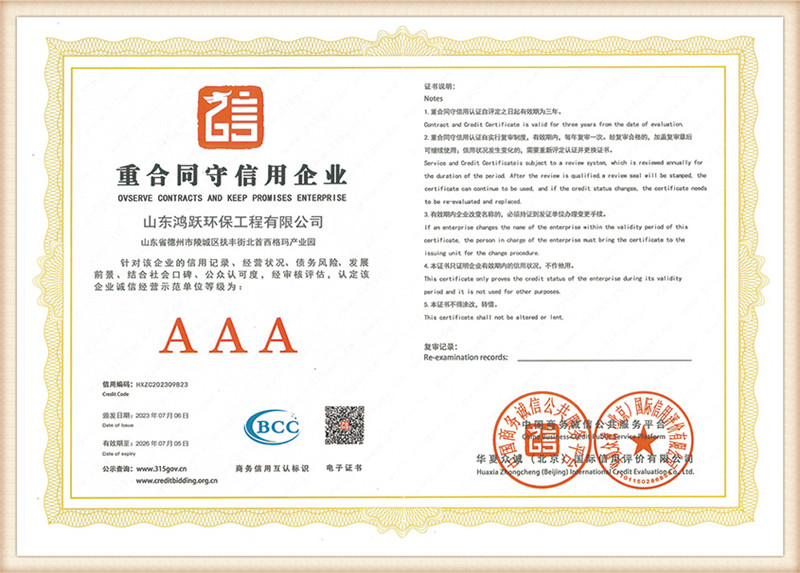
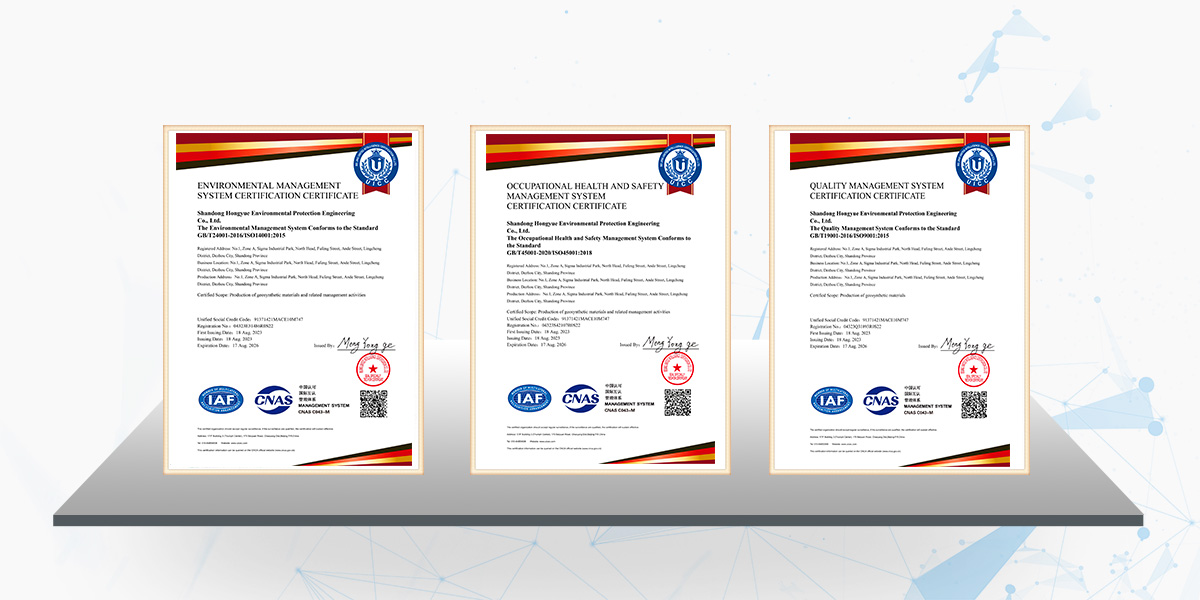
The company has successively passed the ISO9001 international quality system certification, ISO14000 environmental system certification, and ISO45001 occupational health and safety management system certification, and has won multiple honors such as "green and environmentally friendly building materials products", "no consumer complaints", "famous Chinese brands", "high-tech industries", "quality service double excellent units", and "provincial-level poverty alleviation leading enterprises".
The company has established sales networks or agency agencies in more than 40 large and medium-sized cities such as Shanghai and Beijing, and its products are exported to multiple countries such as Europe, the United States, Australia, and various parts of the country. The products are widely used in key projects in various provinces and cities. The products are widely used in various fields such as highways, railways, bridges and tunnels, reservoir and canal water conservancy, artificial lakes, environmental protection, aviation, mining, agriculture, etc.
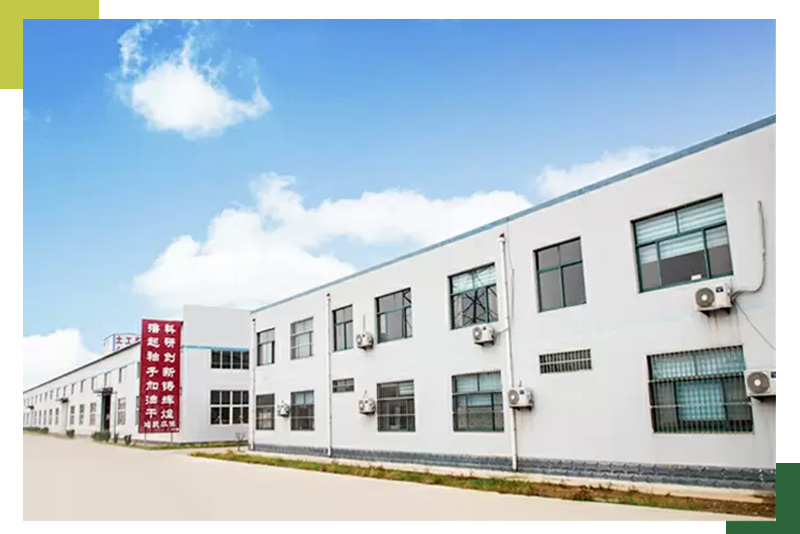
Uncompromising precision at every manufacturing stage for maximum field performance.
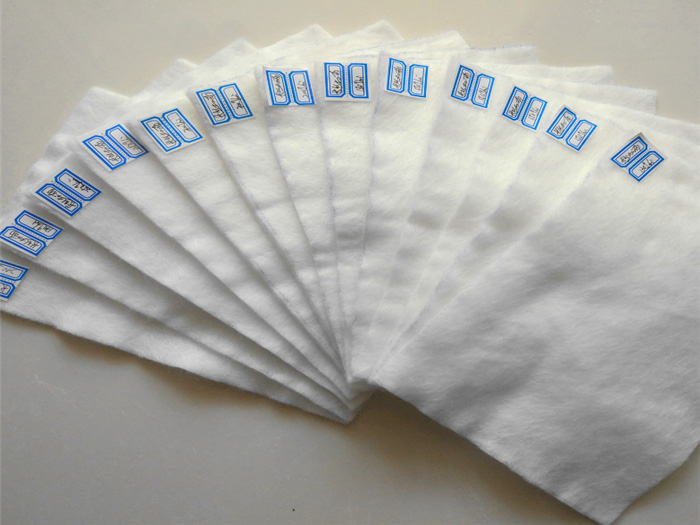
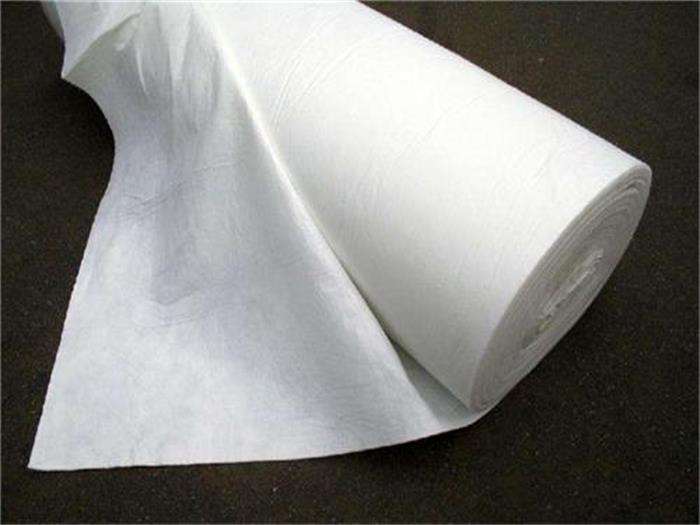
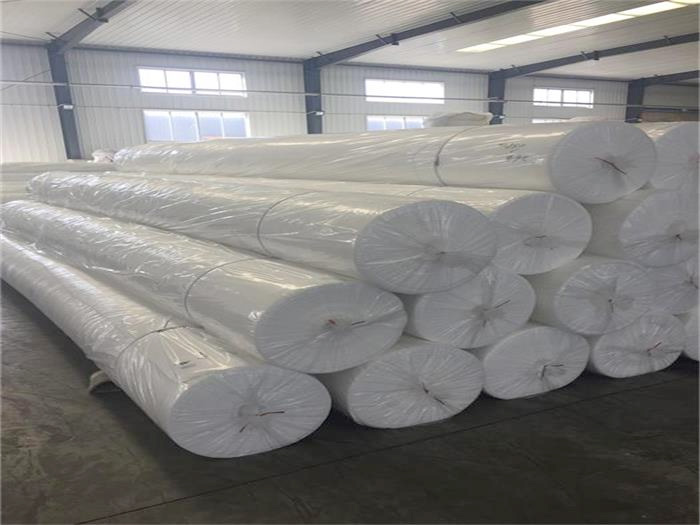
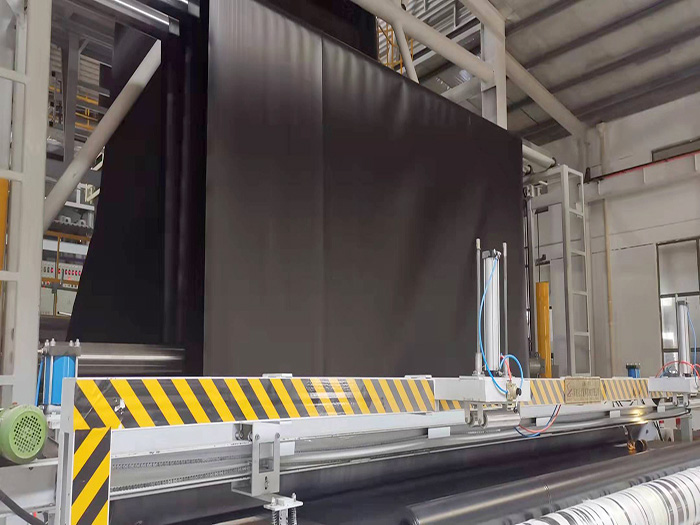
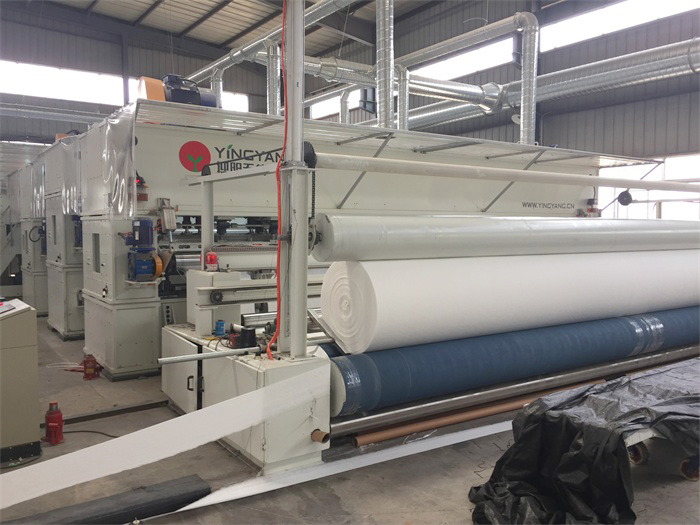
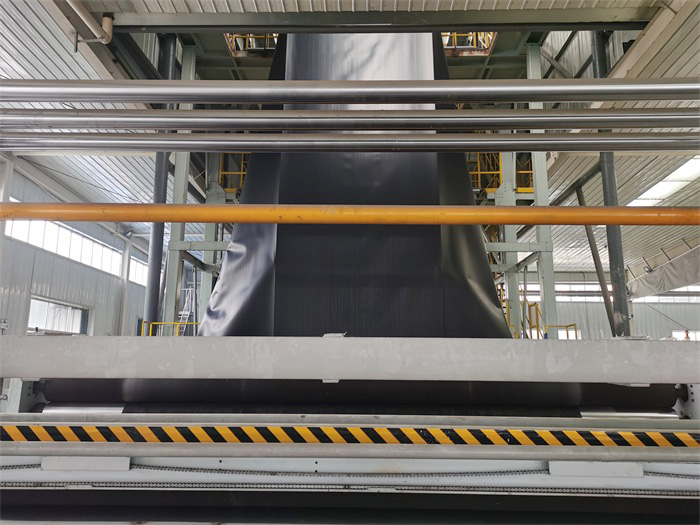
Geotextile is widely used in civil engineering materials, with filtration, isolation, reinforcement, protection and other functions. Its production process includes raw material preparation, melt extrusion, mesh rolling, draft curing, winding packaging and inspection steps. It requires processing and control across multiple stages, while also considering environmental protection and durability. Modern production equipment and technology are widely used at our facility, significantly improving the production efficiency and quality of our geotextiles.
Technical selection, installation guidelines, and systematic maintenance protocols.
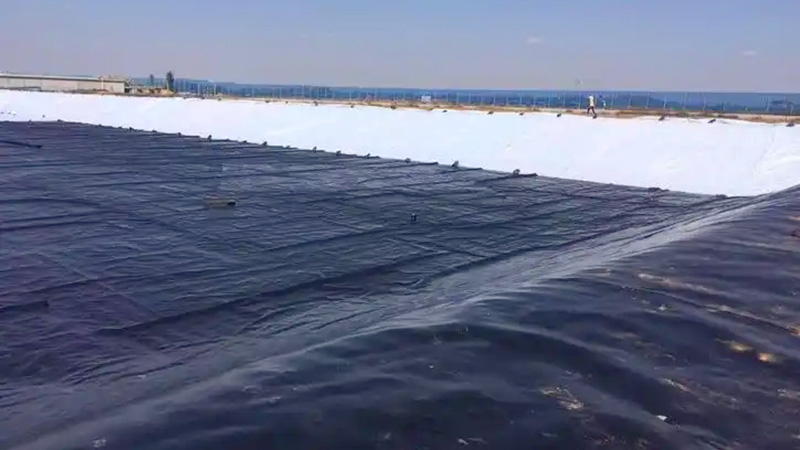
Geomembrane is a kind of material widely used in engineering projects, which has the functions of seepage prevention, isolation and reinforcement. Understanding correct application technology—including selection, laying, and maintenance—is crucial to achieving the desired design lifespan.
It is very important to choose the suitable geomembrane. Key selection parameters include:
Installing geomembranes requires specialized equipment and methods:
Maintaining geomembranes extends operational life:
Summary: Selecting the correct material, applying proper field welding techniques, and conducting regular quality control checks are essential to prevent leaks and structural failures in environmental lining projects.
Strict manufacturing standards validated by international testing laboratories.
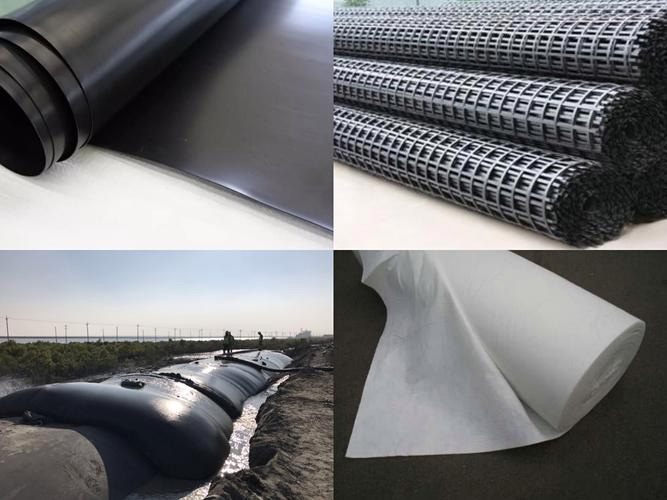
Shandong Hongyue Environmental Protection Engineering Co., Ltd. mainly produces various types and specifications of geotextile, geomembrane, composite geomembrane, waterproof plate, bentonite waterproof blanket, composite geomembrane drainage network, anti-drainage board, waterproof roll, geogrille, water stop, permeable pipe and other products, forming four material systems of impermeability, environmental protection, protection, reinforcement and water stop, integrated supply.
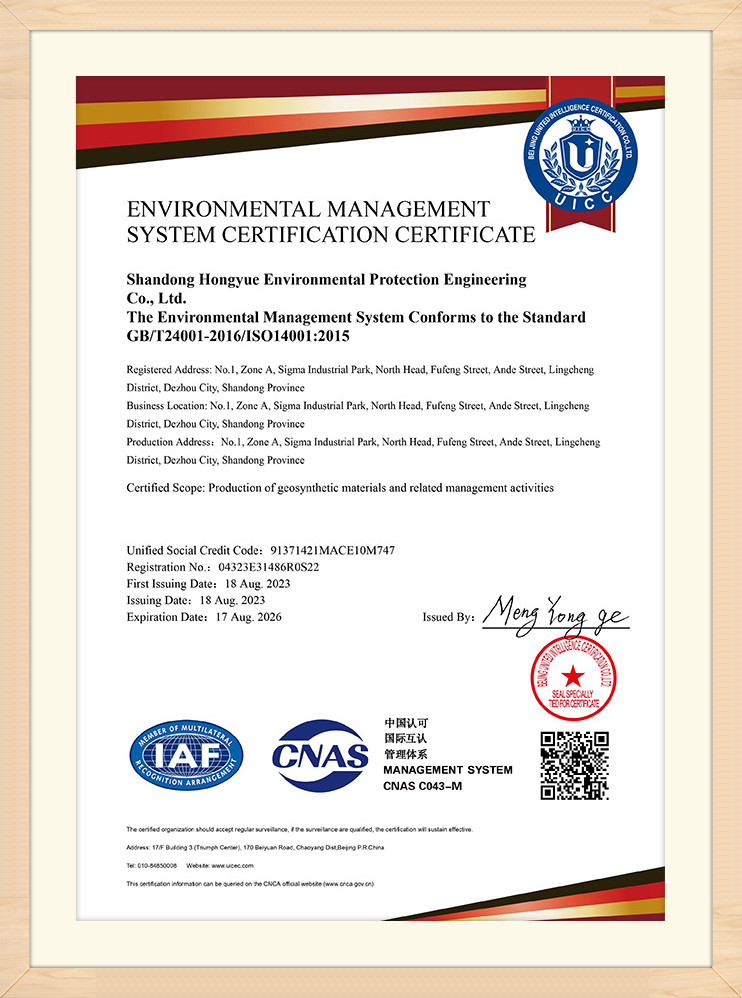
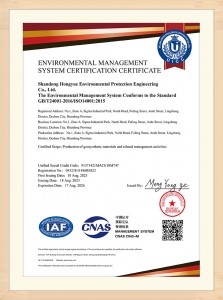
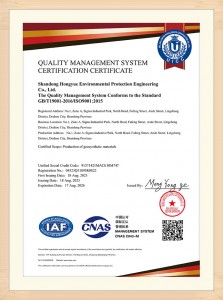
Shandong Hongyue Environmental Protection Engineering Co., Ltd. has a complete and scientific management system, has passed the ISO9001 international quality system certification, ISO14000 environmental system certification, ISO45001 occupational health and safety management system certification. It has won many honors such as "Green building Materials Products", "No consumer complaints", "China Famous Brand", "High-tech Industry", "Quality Service Double excellent Unit", "Provincial poverty alleviation Leading Enterprise" and so on. The company adopts the most advanced production technology and equipment process, and has perfect detection means and precision inspection equipment to ensure that the products always maintain excellent performance. The quality of all products produced by the company has reached or exceeded international standards, and passed the certification of China National Testing Center, and all passed the national quality supervision and sampling inspection commissioned by the State Administration of Quality Supervision and Inspection.
We have built a team of sophisticated engineers and technicians with more than ten years of experience, serving domestic and foreign large-scale engineering construction sites. The company has gradually established offices in large and medium-sized cities, engaged in material consulting, project follow-up, construction design, marketing management and other services, under the cooperation of the headquarters, to provide our customers with 24-hour comprehensive service and product technical consultation.
With continuous market development and stable, reliable, high-performance geomaterials products, as well as scientific, economic solutions and deep, comprehensive technical support, Shandong Hongyue has accumulated rich experience in engineering design, product development and construction and many other aspects, the company's integrity, strength and product quality is gaining more and more project owners and engineering parties recognition.
Integrated engineering solutions for water conservancy, environmental protection, and containment.
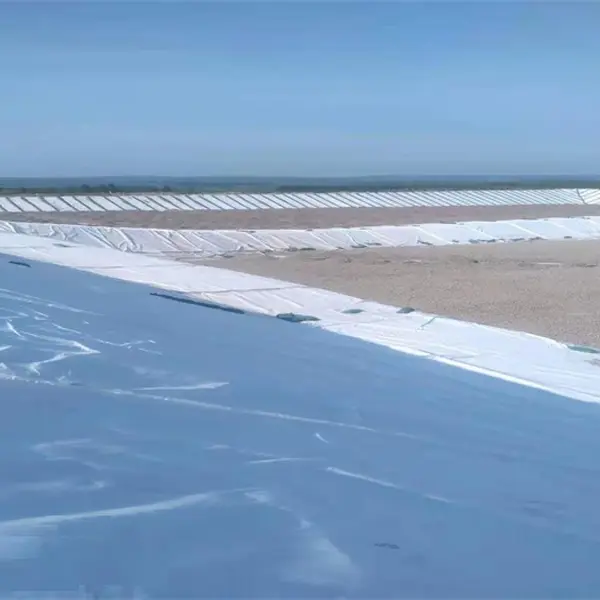
Geomembrane, as an efficient anti-seepage material, plays a vital role in water conservancy projects. Its excellent anti-seepage performance, light weight, easy construction characteristics and relatively low cost make geomembrane an indispensable part of water conservancy projects. It is widely used to prevent seepage in dams, dykes, and irrigation structures.
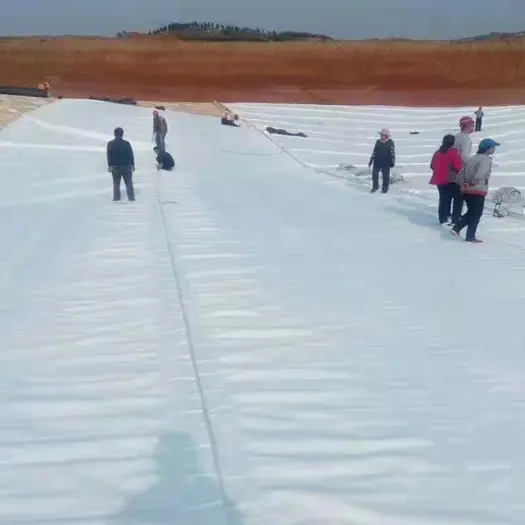
Rivers and channels are very important components of water conservancy projects; they regulate water flow, protect agricultural land and urban infrastructure, and support the ecological balance of the region. During governance and rehabilitation, using geomembrane helps prevent structural erosion, land degradation, and uncontrolled leakage.
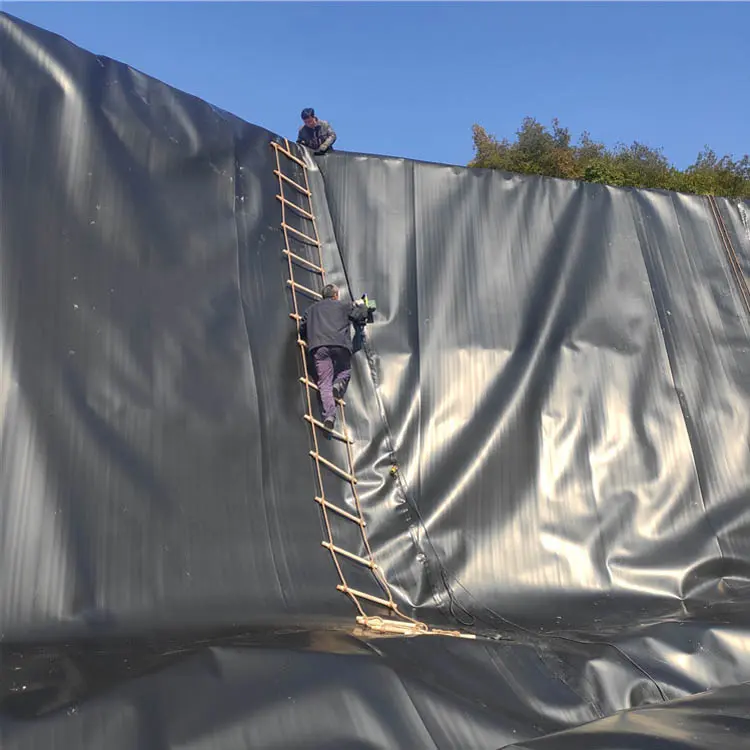
Protecting regional groundwater tables from toxic municipal and industrial leachate is a priority. Combining bentonite clay blankets (GCLs), high-performance HDPE geomembranes, and non-woven filter geotextiles creates a secure, long-lasting barrier system that isolates waste and contains contaminated runoff.
Reservoir and Levee Protection: In reservoir construction, geomembranes prevent seepage through complex bedrock or soft alluvial structures, enhancing overall reservoir stability. For levees and flood-control barriers, geomembranes provide a dependable barrier that mitigates the risk of internal erosion and piping failures during high-water events.
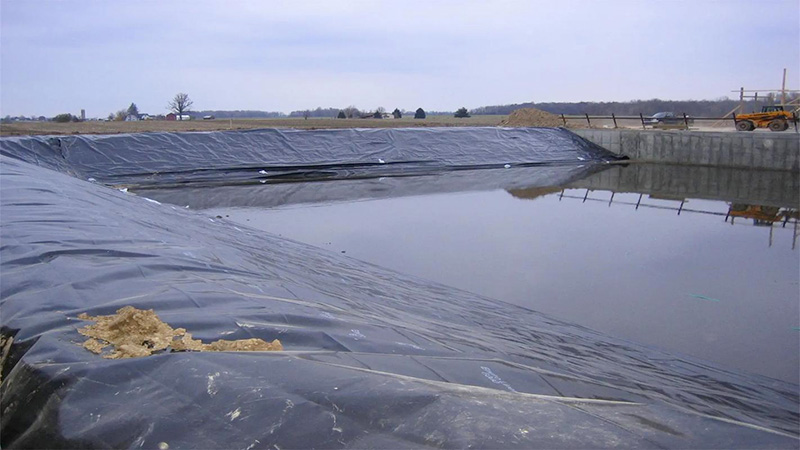
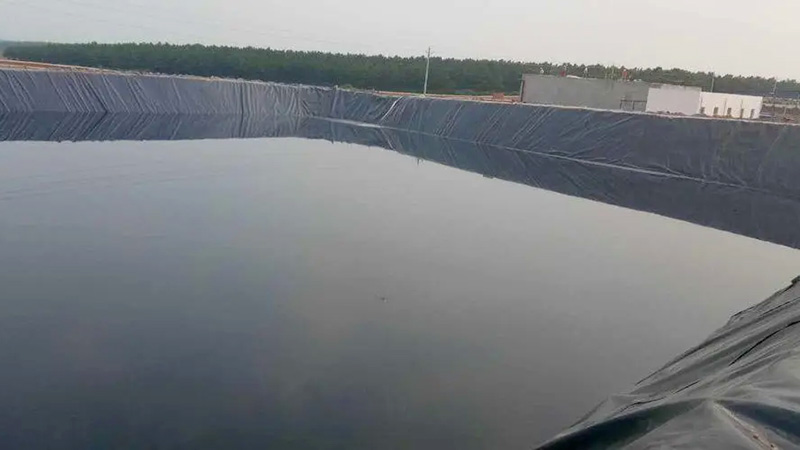
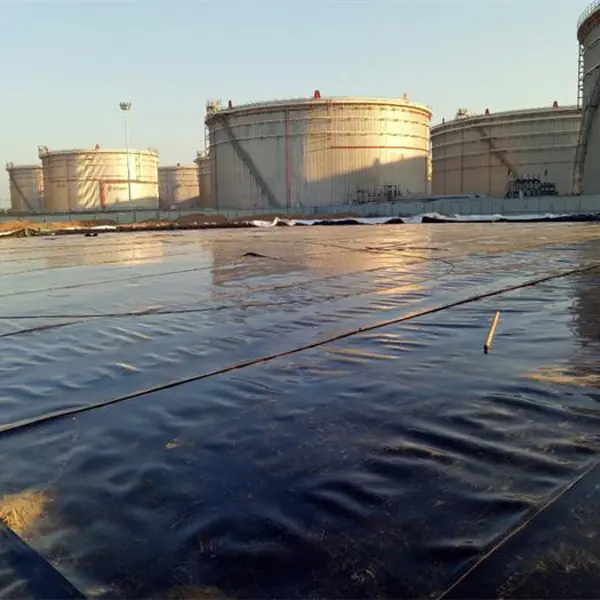
Industrial Seepage Prevention: From chemical tank containment to mining heap leach pads, our high-density geomembranes offer chemical resistance and durability. They prevent hazardous fluids from escaping into adjacent ecosystems, helping projects meet environmental regulations.
Technical answers regarding sourcing, specifications, and installation for the Thailand market.
Explore our specialized drainage, reinforcement, and anti-seepage systems for complex civil layouts.
 Hongyue