Engineered to withstand Australia's harshest environments, our high-density polyethylene drainage solutions provide superior hydraulic capacity and long-term durability.
Australia presents some of the most challenging geotechnical conditions in the world. From the hyper-arid, expansive clays of the interior outback to the high-rainfall regions along the Eastern seaboard, civil infrastructure demands drainage solutions that are highly robust, chemically stable, and capable of operating under massive overburden pressures.
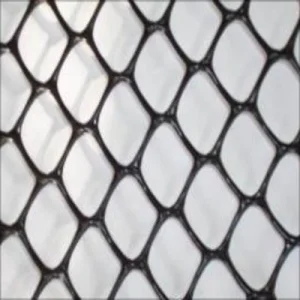
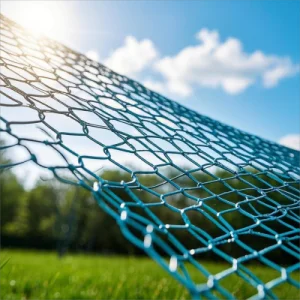
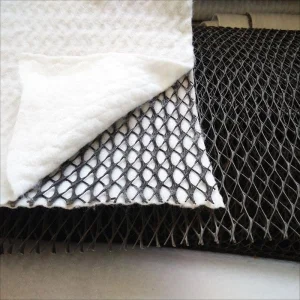
Geonets—specifically three-dimensional HDPE drainage cores laminated with non-woven geotextiles—have become standard specifications across mining heap leach pads, municipal solid waste landfills, major transport networks, and coastal defense structures. With strict environmental mandates regulated by local EPAs across Western Australia (WA), Queensland (QLD), and New South Wales (NSW), selecting the correct geonet is a critical decision that influences the structural integrity and environmental safety of large-scale civil assets.
Furthermore, Australia's harsh solar profile demands high UV stabilization. High-Density Polyethylene (HDPE) structures from leading manufacturers incorporate specific carbon black and antioxidant formulations designed to prevent premature degradation during long construction phases before backfilling or geomembrane placement occurs.
Traditional drainage methods using aggregate or gravel layers are highly labor-intensive, carbon-heavy to transport, and prone to silting. Modern geonets provide equivalent hydraulic flow capacities at a fraction of the structural thickness and spatial footprint, drastically reducing site excavation requirements and heavy hauling costs across remote Australian operations.
Australian construction schedules are highly sensitive to logistics delays. Procuring geonets from robust Chinese manufacturing nodes like Shandong Hongyue ensures massive production throughputs, stable lead times, and competitive direct-from-factory pricing options to support tight infrastructure budgets.
Understanding how geonets perform under the distinct geological and industrial demands of the Australian continent.
In the vast mining operations of Western Australia and Queensland, heap leach pads and tailings storage facilities (TSFs) require extremely robust leak detection and drainage designs. High-strength bi-planar and tri-planar geonets serve as the primary liquid containment collection and leak-detection layers under extreme compressive loads from millions of tonnes of mineral ore.
Under the guidance of the environmental protection agencies (EPA Victoria, NSW EPA), modern landfills must execute safe gas and leachate management. Our geocomposite networks act as lateral gas venting layers beneath capping systems and drainage layers over basal liners, ensuring no environmental pollution occurs within adjacent aquifers.
Moisture control is critical for road subgrade stability across the clay-rich soils of Victoria and New South Wales. Geonets interlayed within the pavement structure accelerate the removal of infiltrated stormwater, preventing subgrade softening, base erosion, and premature potholing under heavy freight traffic load cycles.
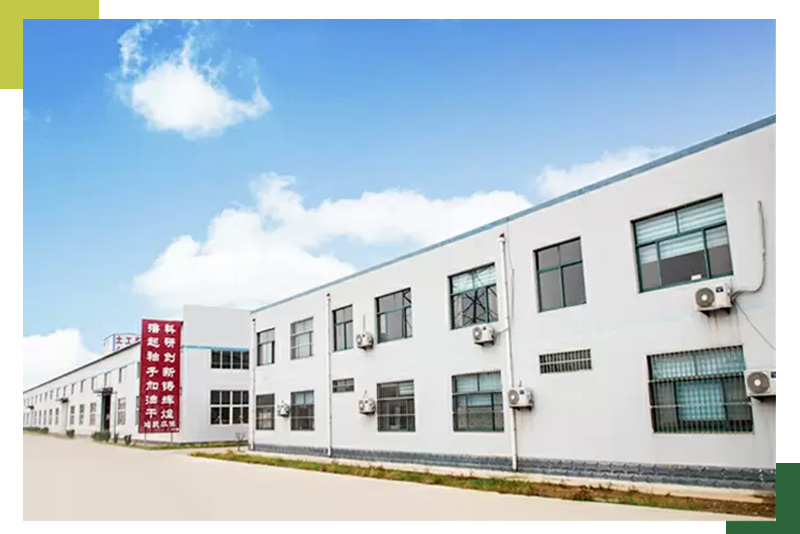
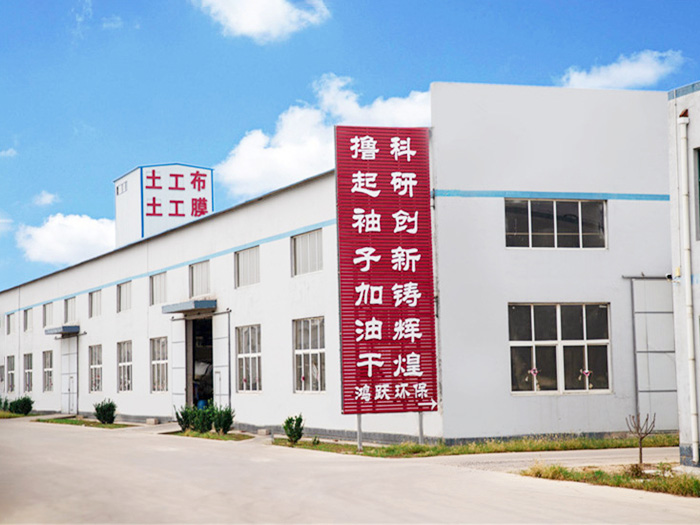
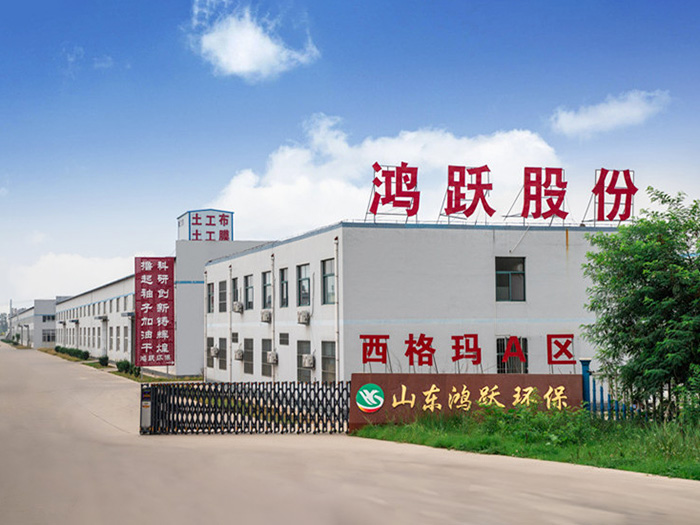
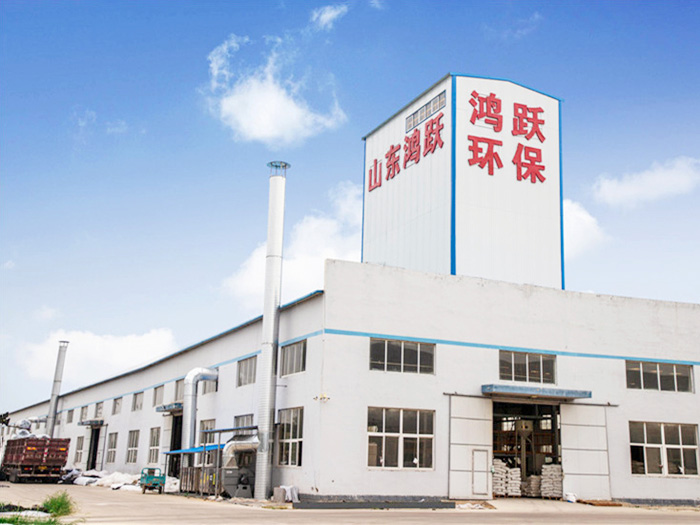
Located at the north end of Fufeng Street, Lingcheng District, Dezhou, Shandong Province, Shandong Hongyue Environmental Engineering Co., Ltd. is a scientific and technological geotechnical material manufacturer integrating engineering material production, sales, design and construction services. The company was registered in Lingcheng District Market Supervision and Administration Bureau of Dezhou City on April 6, 2023, with a registered capital of 105 million yuan. It is one of the largest production bases of geotechnical materials in China at present.
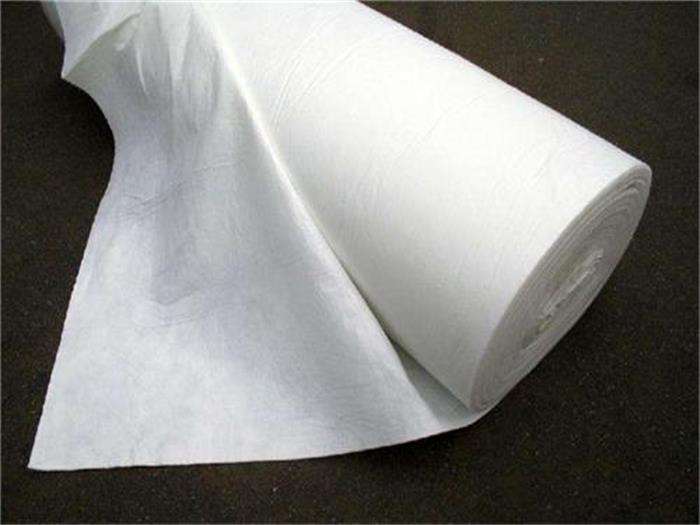
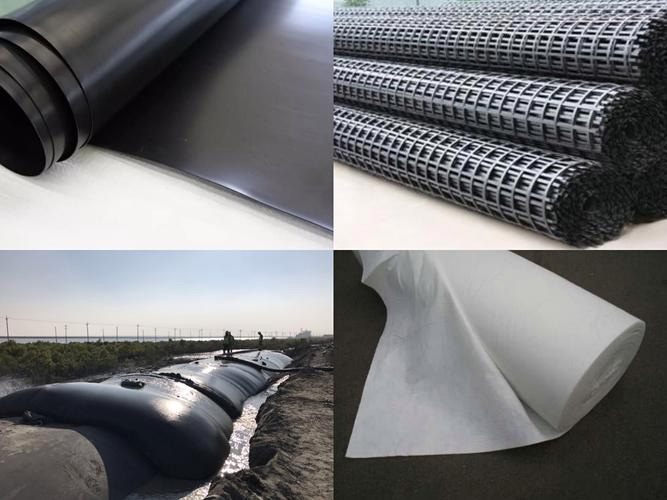
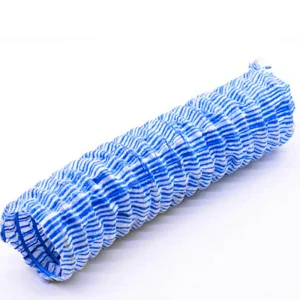
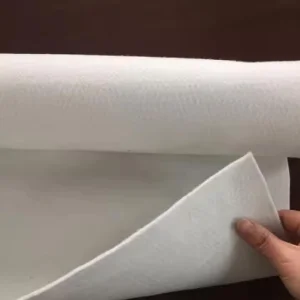
Since the establishment of the company has developed rapidly, business continues to grow and expand. We mainly deal in geotextiles, geomembrane, composite geomembrane, waterproof board, bentonite waterproof blanket, 3D composite drainage net, (composite) drainage board, weaving cloth, woven cloth, membrane bags, blind ditches, waterproof and drainage combinations, woven bags, ecological bags, cement blankets, fiber plant blankets, and flexible pervious pipes.
We have a high quality products and professional sales and technical team. Our company belongs to Dezhou Geotextile Association, products are widely used in highways, railways, bridges and tunnels, reservoirs and canals water conservancy, artificial lakes, environmental protection, aviation, mining, agriculture and other fields.
Our commitment to internationally accredited performance ensures our materials satisfy the stringent standards of Australian asset owners.
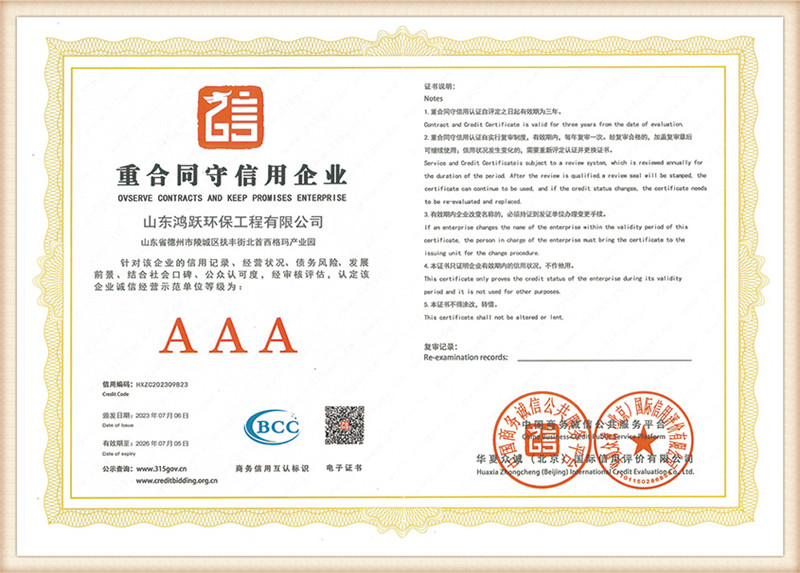
The company has successively passed the ISO9001 international quality system certification, ISO14000 environmental system certification, and ISO45001 occupational health and safety management system certification, and has won multiple honors such as "green and environmentally friendly building materials products", "no consumer complaints", "famous Chinese brands", "high-tech industries", "quality service double excellent units", and "provincial-level poverty alleviation leading enterprises".
The company has established sales networks or agency agencies in more than 40 large and medium-sized cities such as Shanghai and Beijing, and its products are exported to multiple countries such as Europe, the United States, Australia, and various parts of the country. The products are widely used in key projects in various provinces and cities. The products are widely used in various fields such as highways, railways, bridges and tunnels, reservoir and canal water conservancy, artificial lakes, environmental protection, aviation, mining, agriculture, etc.
We adopt the most advanced production technology and equipment process, and have perfect detection means and precision inspection equipment to ensure that the products always maintain excellent performance. The quality of all products produced by the company has reached or exceeded international standards, and passed the certification of China National Testing Center, and all passed the national quality supervision and sampling inspection commissioned by the State Administration of Quality Supervision and Inspection.
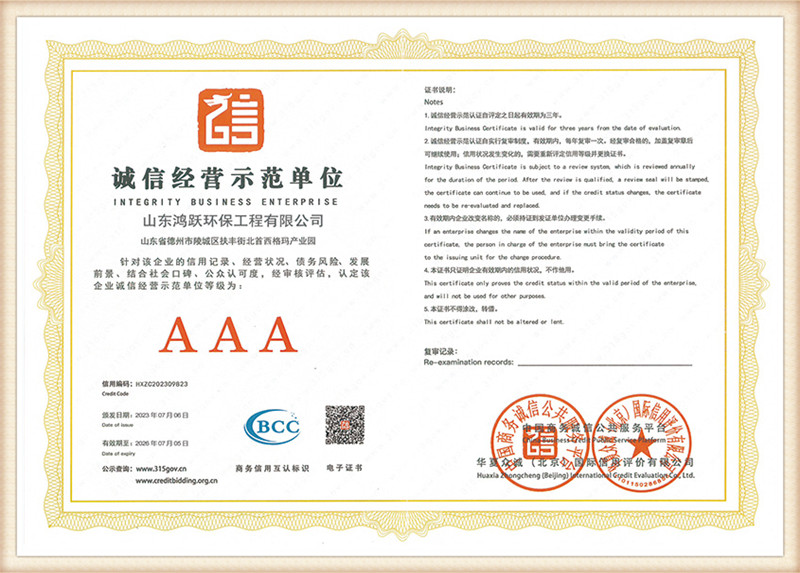
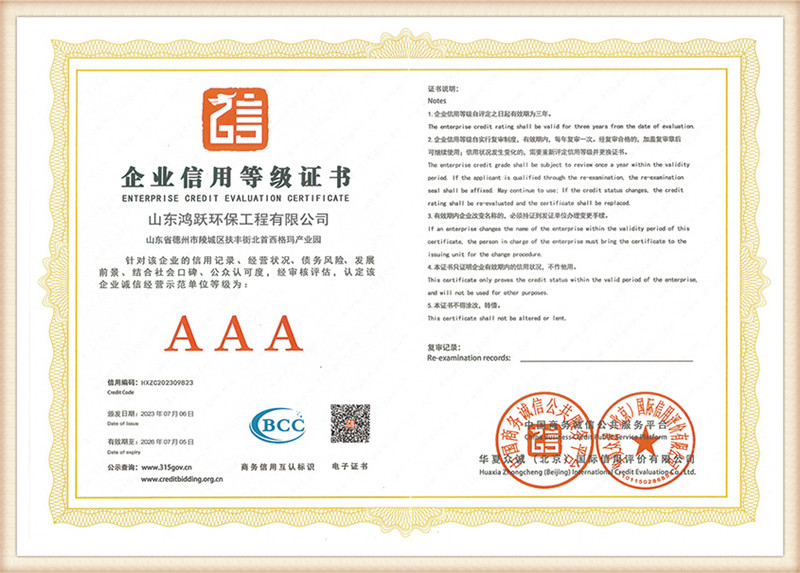
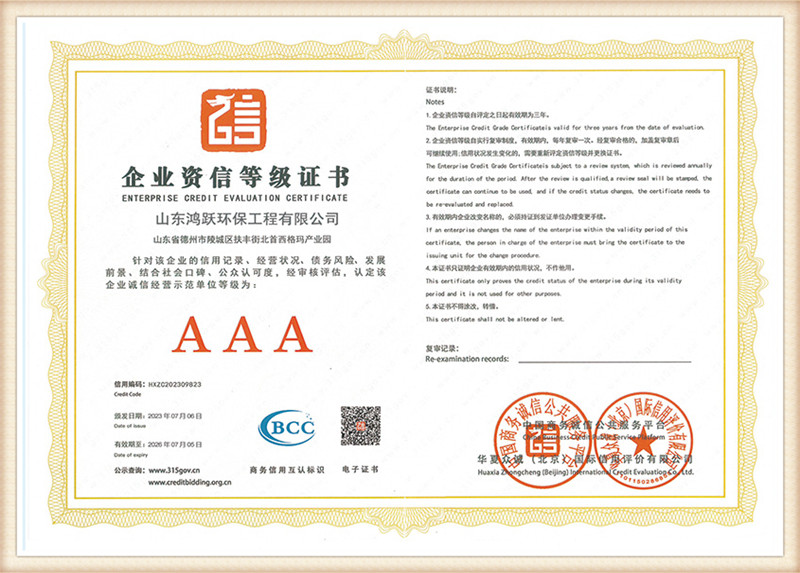
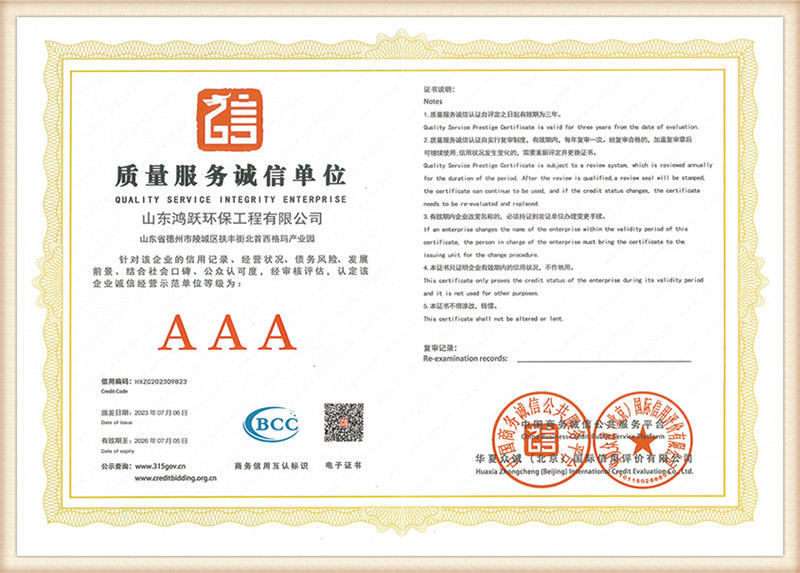
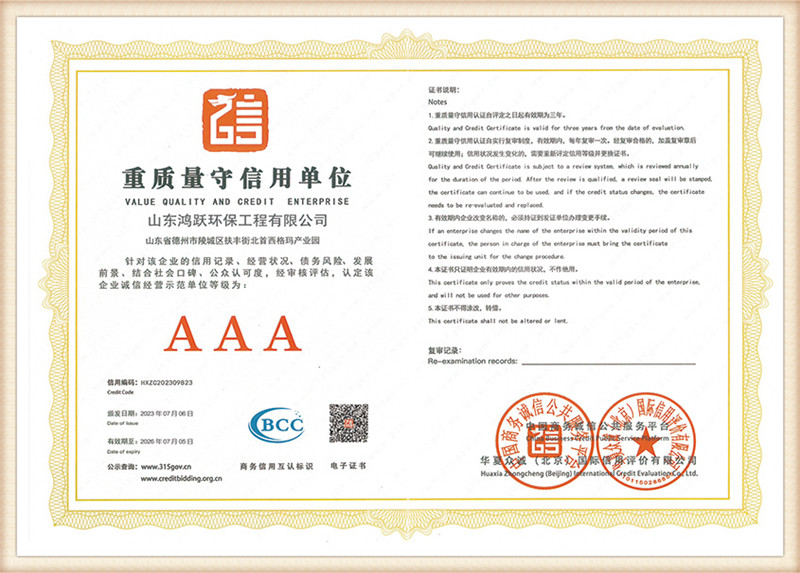
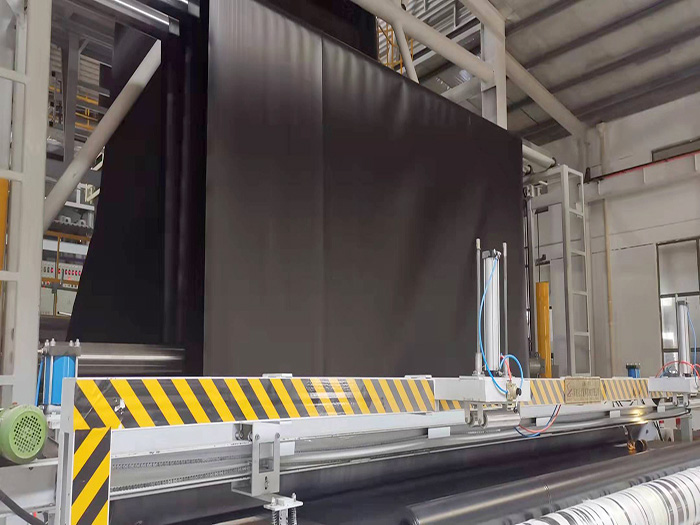
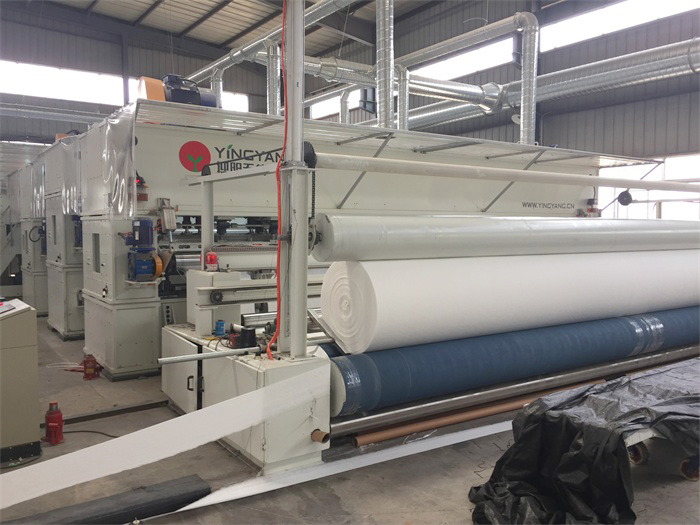
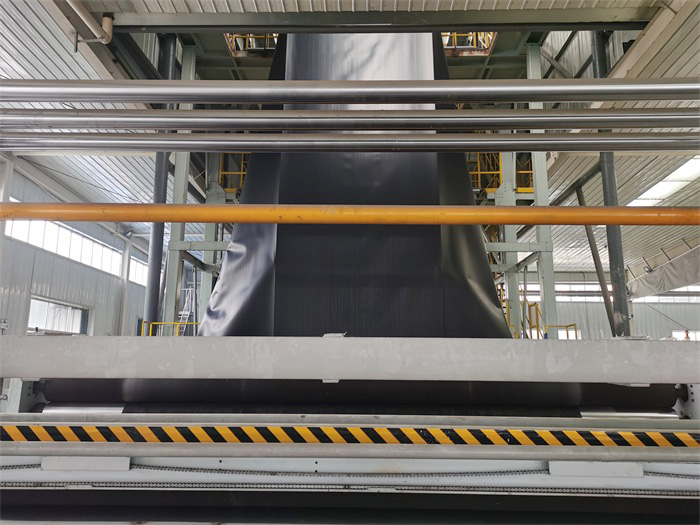
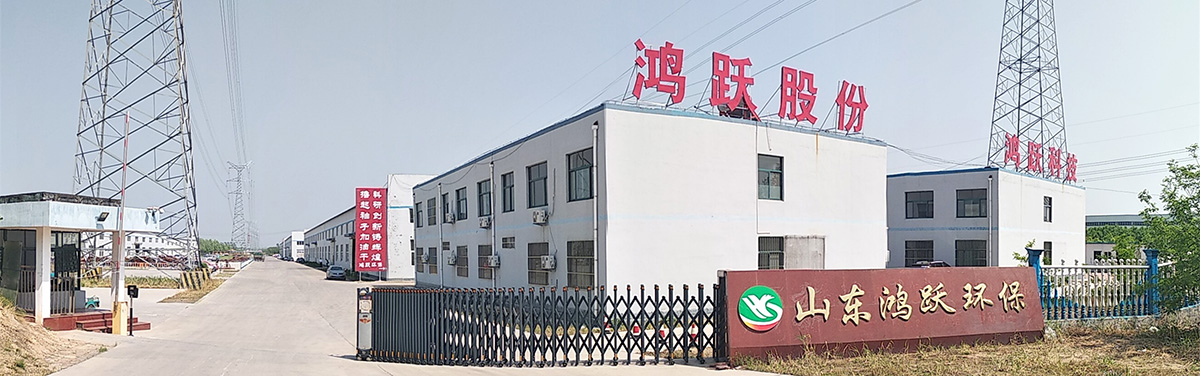
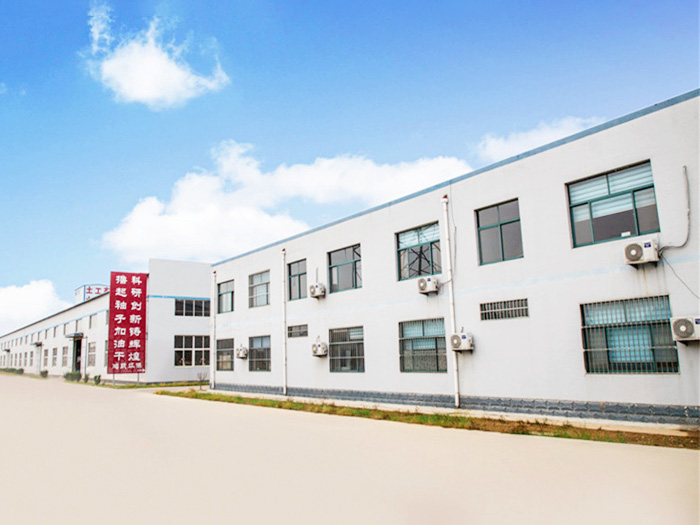
Inside Shandong Hongyue's state-of-the-art production complex and ISO-accredited laboratory facilities.
A transparent look at our advanced manufacturing steps that assure consistent tensile strength and high hydraulic transmissivity.
The main raw materials of geotextile and geonets are high-grade virgin polyester chips, polypropylene filament, and HDPE polymer pellets. All raw materials undergo incoming inspection to guarantee melt index consistency and density standards.
Polymer chips are melted at high temperatures and extruded through a precise screw extruder. For compound structures, polypropylene filament and specialized viscose fibers are integrated. Temperature and extrusion pressure are kept under micro-computer loop control.
The molten polymer is distributed through custom spinnerets or dies to form a uniform grid mesh structure on the conveyor belt. Precise mechanical controls define the rib thickness, spacing, and three-dimensional matrix geometry.
After structural grid formation, the web undergoes draft curing under tension. This thermal drawing process aligns the polymer molecules, enhancing the product's ultimate tensile strength and creep resistance under sustained mechanical loads.
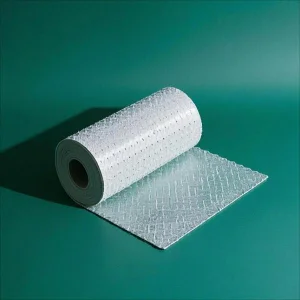
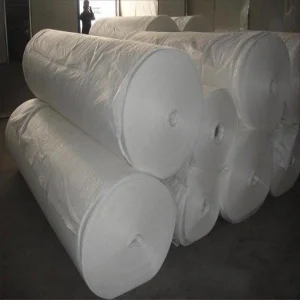
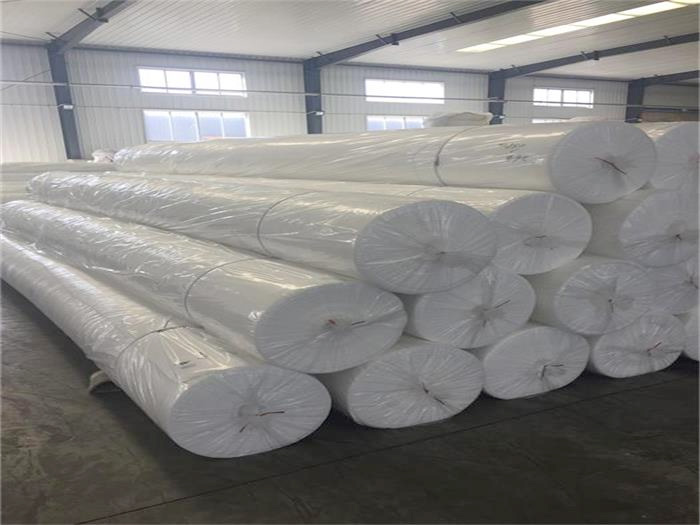
The finished geonet or geocomposite is wound into standard construction rolls. Accurate inline instrumentation monitors width, thickness, and roll length to ensure compliance with the dimensional criteria requested by civil engineers.
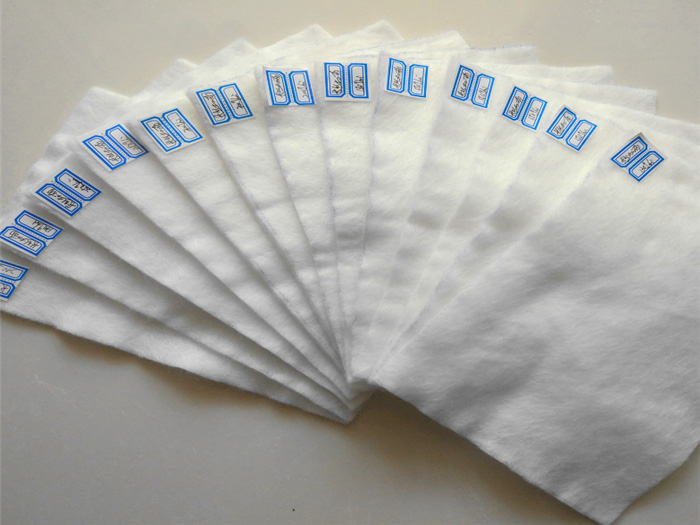
Before leaving the factory, samples from every batch undergo physical and chemical testing (transmissivity, tensile load, carbon black dispersion, and thickness variation) in our in-house facility.
Correct installation determines the service life of drainage barrier networks. Explore our system-engineered application advice.
Australian projects require careful balance of raw material characteristics. For high acid/alkali environments (mining heap leaches), High-Density Polyethylene (HDPE) cores are essential. For containment linings requiring elevated flexibility, Linear Low Density Polyethylene (LLDPE) may be selected. Standard thickness specifications range from 0.3mm to 2.0mm depending on flow rate demands and anticipated structural loading.
Prior to laying, subgrades must be compacted and cleared of sharp rocks, sticks, or root structures that could puncture the overlying geocomposites. Laying should be planned in the direction of the water flow. At joints, geonets must be overlapped by a minimum of 100mm to 150mm and tied securely using plastic zip-ties spaced at recommended intervals to prevent shifting during aggregate placement.
Prolonged UV exposure before backfilling must be avoided. The geonet should be backfilled with gravel or soils as soon as possible after installation. When handling geotextile-laminated geocomposites, care must be taken to prevent tearing of the filter geotextile, which could allow sediment infiltration and reduce overall hydraulic flow capacity.
Applying standardized site installation and joint welding protocols minimizes the risk of system leaks or clogging. Our engineering team provides detailed project-specific drawings, installation checklists, and weld-testing advice to guarantee long-term field performance.
A reference guide to budget metrics for bulk procurement. Please note all figures are estimates and vary based on raw polymer rates, freight corridors, and custom specifications.
| Product Code / Description | Material Core Type | Thickness / Spec | FOB China Est. (USD / m²) | Typical Aus Landed Range (AUD / m²) | Primary Application |
|---|---|---|---|---|---|
| HY-GN-2D200 | Bi-planar HDPE | 5.0 mm Core / 200g geotextile | $1.85 - $2.45 | $3.80 - $4.90 | Sub-base road drainage |
| HY-GN-3D300 | Tri-planar HDPE | 6.0 mm Core / 300g geotextile | $2.60 - $3.25 | $5.10 - $6.50 | Landfill leachate collection |
| HY-GN-M20 | High-load 3D Matrix | 8.0 mm Core / High Flow | $3.80 - $4.50 | $7.20 - $8.90 | Mining heap leach pads |
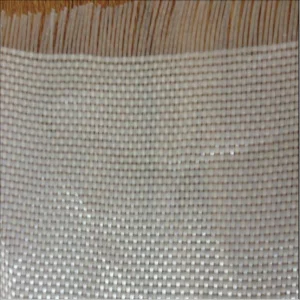
| HY-GT-PET150 | Filament Woven PET | 150 g/m² high-strength | $0.45 - $0.75 | $1.10 - $1.65 | Slope stability & separation |
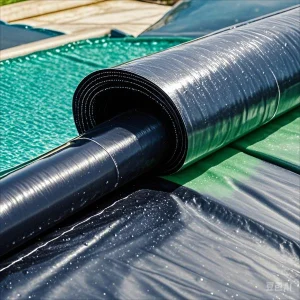
| HY-GM-HD15 | HDPE Geomembrane | 1.5 mm smooth / textured | $1.90 - $2.60 | $4.00 - $5.30 | Pond liners & gas capping |
Note on Pricing Factors:
1. **Raw Material Rates:** High-Density Polyethylene (HDPE) prices are tied directly to global petrochemical indexes.
2. **Logistical Surcharges:** Sea freight charges to main Australian ports (Fremantle, Melbourne, Sydney, Brisbane) depend on global container demand.
3. **Customization:** Integration of specific UV-inhibitor compounds or non-standard roll dimensions may adjust unit pricing metrics.
How Shandong Hongyue bridges the gap between massive manufacturing capability and reliable local delivery in Australia.
Procuring geosynthetics for major civil works is not just a question of unit price; it is heavily dependent on supply chain resilience and production capacity. Large infrastructure works require thousands of square meters of geocomposites delivered in strict stages to coordinate with earthmoving schedules. If material deliveries halt, site equipment sits idle, incurring massive penalty costs.
Shandong Hongyue's factory complex, with a registered capital of 105 million yuan, houses multiple high-speed production lines operating 24/7. This scale allows us to buffer raw material supplies and rapidly ramp production to fulfill large-scale project calls. Furthermore, being based in the established chemical industrial cluster of Shandong, China, grants us direct access to high-quality polymers, eliminating local raw material supply constraints.
For our Australian clients, we provide integrated customs processing, export packing, and door-to-port scheduling. Our team coordinates with global maritime lines to ensure container shipments arrive in synchronization with on-site construction schedules, mitigating local warehousing bottlenecks.
Practical illustrations of how our systems perform when deployed in real-world environmental protection projects.
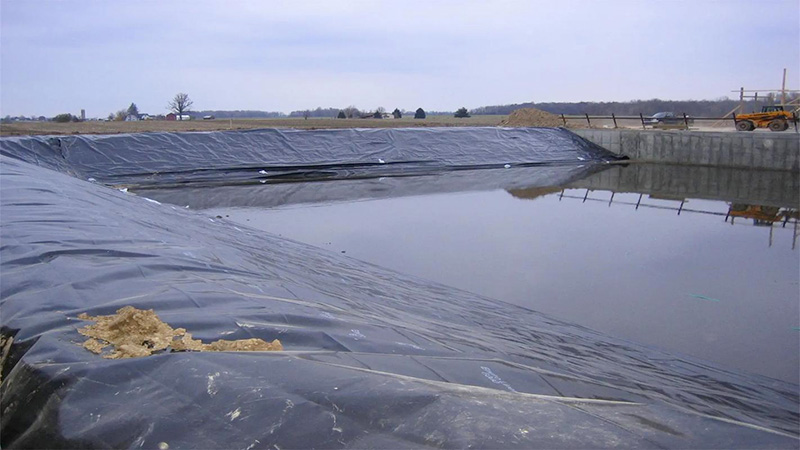
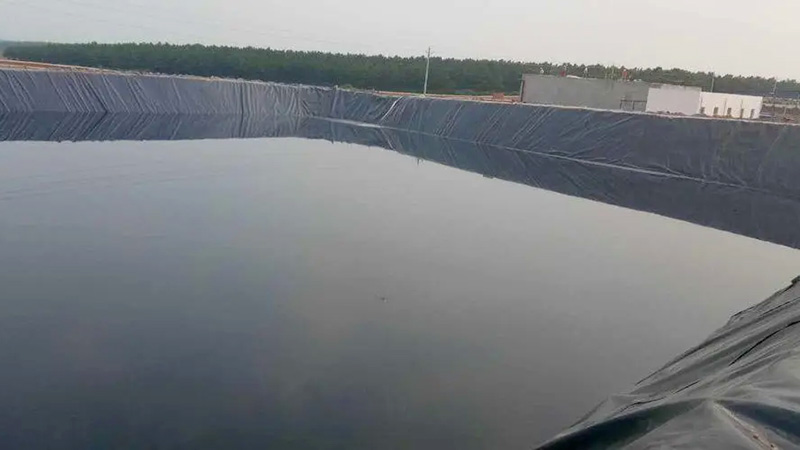
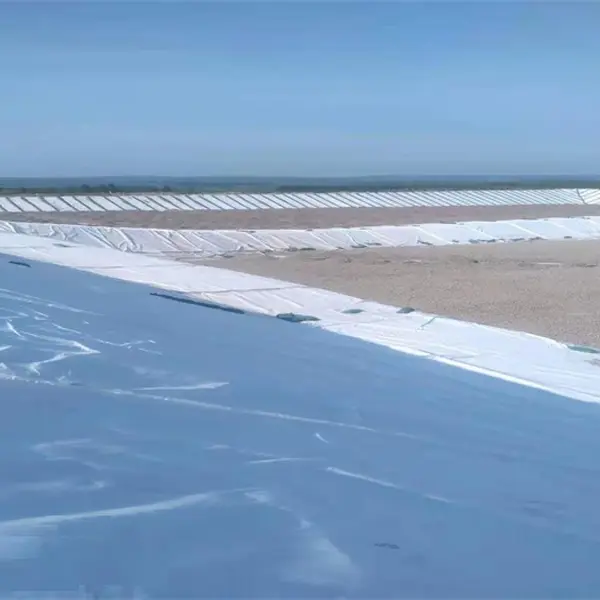
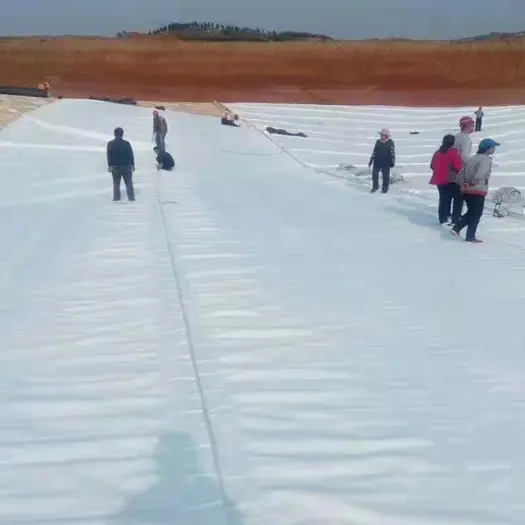
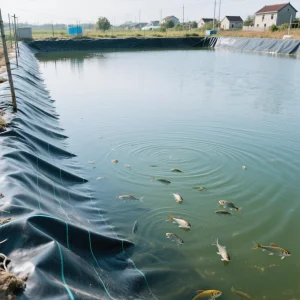
Laying drainage networks under reservoirs to intercept groundwater seepage and manage base pressure uplift.
Protecting banks and channel linings from erosion using combined geotextile and HDPE geocell arrays.
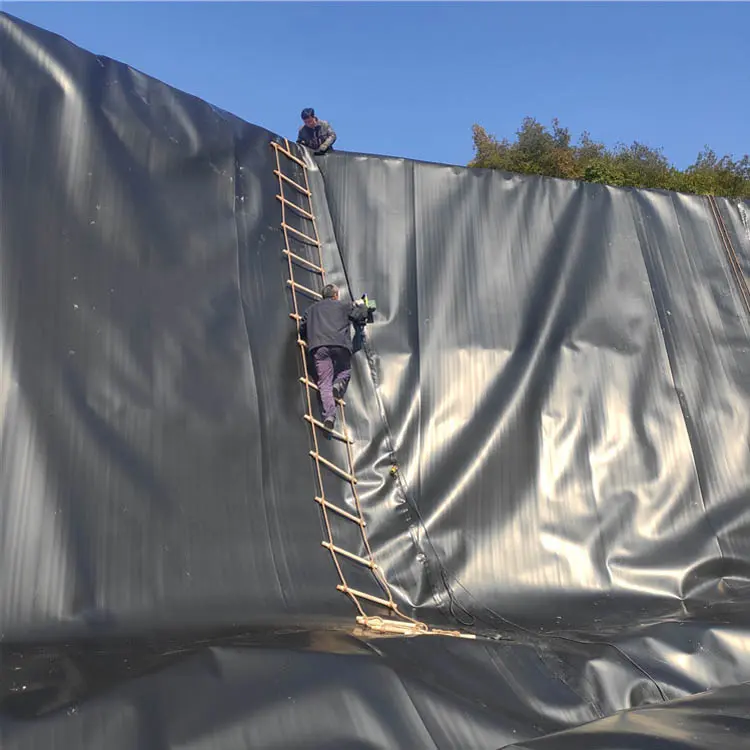
High-performance double composite barriers ensuring toxic leachates are drained directly to treatment vaults.
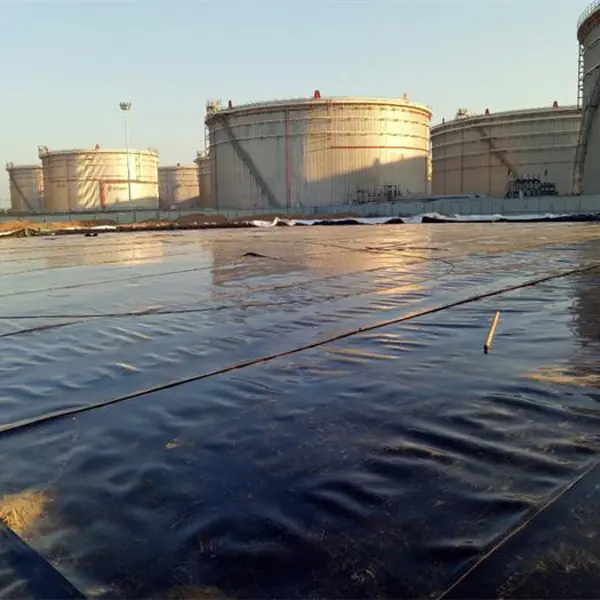
Secondary chemical bund drainage systems under fuel storage depots to collect accidental tank spills.
Where is the industry heading? Discover the next generation of drainage materials and circular economy innovations.
The global push for reduced embodied carbon is reshaping polymer chemistry. Research is accelerating towards bio-based resins and post-consumer recycled HDPE. The challenge remains to match the long-term creep performance and tensile behavior of virgin polymers, which our team is actively addressing in our R&D center.
Future geotechnical monitoring requires real-time data. "Smart" geocomposites incorporating micro-sensors or fiber optic lines can monitor strain changes, shifts, temperature differentials, and drainage clogging, warning site managers before failures occur.
With solar indices increasing in regions like northern Western Australia and the Northern Territory, we are testing advanced chemical antioxidant pack combinations to guarantee longer exposure limits during civil staging periods.
Our in-house design and engineering department collaborates with university partners in structural polymers to continually test and refine product performance, maintaining Shandong Hongyue's leading technological position.
Get answers to common technical queries regarding geonets and drainage design standards for Australian applications.
Our products undergo testing using equivalent ASTM and ISO protocols (e.g., ASTM D4716 for hydraulic transmissivity and ASTM D5199 for thickness). We provide batch-specific Quality Assurance (QA) data sheets and certifications that align with testing standards requested by Australian engineers.
Bi-planar geonets feature two sets of intersecting ribs, providing high flow capacity along the main channels. Tri-planar geonets feature a central horizontal rib layer flanked by angled outer layers, which prevents geotextile intrusion under extreme vertical compressive loads, ensuring stable hydraulic flow paths.
Production lead times range from 7 to 15 days depending on roll volumes and customization demands. Shipping transit times from Qingdao or Tianjin ports to Melbourne, Sydney, or Fremantle range from 14 to 22 days, allowing for prompt delivery to Australian sites.
Yes. We can laminate non-woven geotextiles ranging from 100g/m² up to 400g/m² (polyester or polypropylene) on one or both sides of the geonet core, matching the specific filtration demands of your project's subgrade soils.
Review our extended list of engineered products available for bulk export to Australian logistics hubs.
 Hongyue