Geonet Manufacturers & Exporters in the Seoul Market

High-Performance Geosynthetic Drainage and Containment Systems Engineered for Urban Infrastructure, Landfills, and Civil Projects in South Korea

Send Inquiry Now

Primary Drainage & Waterproofing Solutions

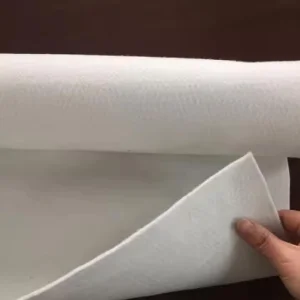
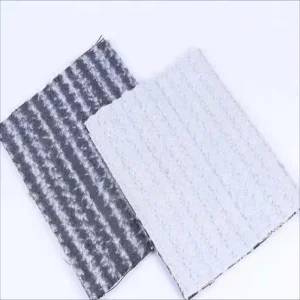
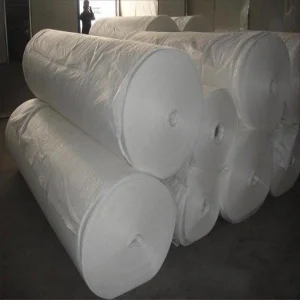
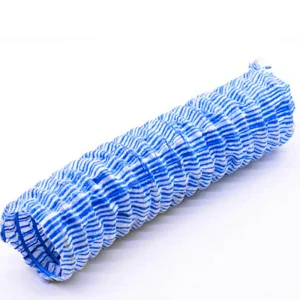
Premium geosynthetic materials selected for key civil engineering and urban municipal specifications in Seoul and Gyeonggi-do.

Geosynthetic Engineering White Paper

A comprehensive analysis of Geonets and Geosynthetics applications, localized challenges, and industrial supply line dynamics within the Seoul Capital Area.

1. Executive Summary & The Seoul Market Context

Seoul, the heart of South Korea’s metropolitan economy, faces unique engineering challenges. Characterized by high density urban planning, complex underground transit systems, and mountainous peripheral geography (such as Gwanaksan and Bukhansan), municipal developers demand highly robust civil solutions. Geonets—specifically High-Density Polyethylene (HDPE) systems—play a critical role in subterranean drainage, structural reinforcement, and environmental barrier control.

With the rapid progress of urban renewal initiatives and the ongoing expansion of the Seoul Metropolitan Subway networks, the requirement for high-performance geonets and composite geosynthetics has grown exponentially. Project specifications in the Seoul market demand materials that withstand strict mechanical shear forces, possess superior chemical stability against acidic soils, and offer high planar transmissivity.
Key Market Driver: South Korea's strict compliance guidelines (such as Korean Industrial Standards - KS) mandate that drainage systems perform reliably under continuous heavy traffic loads and extreme temperature cycles, highlighting the need for premium-grade, certified geonets.
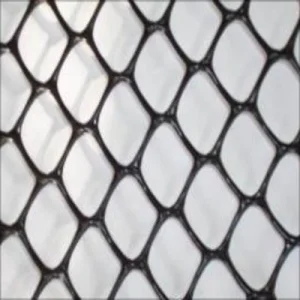
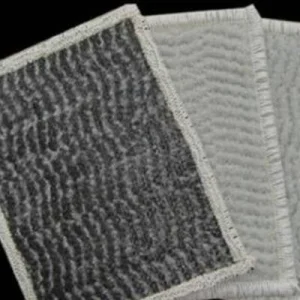
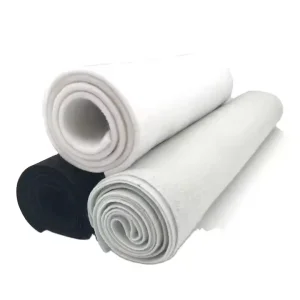
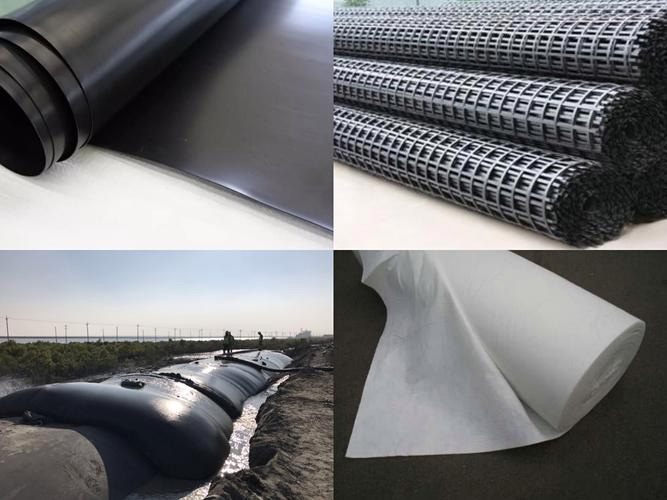
Seoul Infrastructure Project Materials

2. Localized Application Scenarios in Seoul Metropolitan Area

Our geonets and related geotextiles are custom-engineered for specific municipal and industrial applications across Seoul, Incheon, and the surrounding Gyeonggi-do area:

  • Underground Utility Tunnels & Subways: The construction of deep underground logistics and utility lines (gonggu-gu) requires state-of-the-art water collection layers. Our composite drainage networks prevent moisture buildup against concrete structures, reducing the risk of structural deterioration.
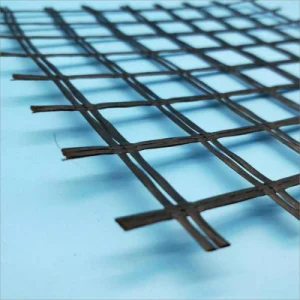
  • Mountainous Slope Drainage & Landslide Mitigation: With Seoul's mountainous topography, rain seasons bring significant risk of slope erosion and mudslides. Installing high-strength geogrids and 3D geonets stabilizes topsoil and manages heavy stormwater runoff effectively.
  • Sudokwon Landfill Extensions & Waste Containment: Located nearby, the Sudokwon Landfill is one of the world's largest waste processing zones. We supply advanced double-planar geonets and geomembranes that guarantee chemical-resistant leachate collection, preventing hazardous groundwater contamination.
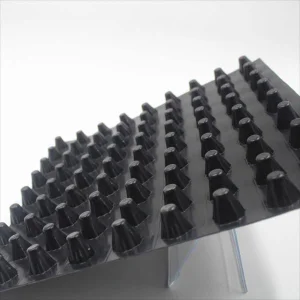
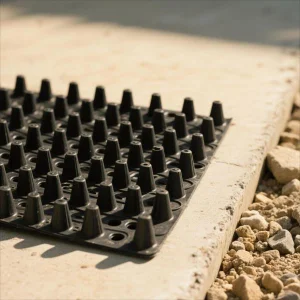
  • Urban Eco-Roofing & Plaza Drainage: Under Seoul's "Green Smart City" initiative, modern commercial developments incorporate green rooftops. Our lightweight self-adhesive drainage boards and geonets are key to structural root protection and balanced drainage.

3. Technical Roadmap: Material Science & Advanced Manufacturing

The production of high-durability geonets involves polymer extrusion of the highest caliber. At our state-of-the-art facility, we process prime virgin HDPE resins to manufacture bi-planar and tri-planar geonets designed to handle high compressive stresses.

Resin Optimization

We incorporate high-quality Carbon Black (2.0% to 3.0%) and specialized anti-oxidants to enhance UV resistance and ensure a service life of over 100 years in underground conditions.

Compressive Strength

Our structures are optimized to withstand up to 300 kPa of sustained compressive load, preserving at least 60% of original transmissivity under high overburden pressures.

Tri-Planar Design

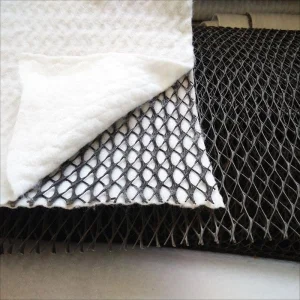
Features centralized vertical ribs that optimize direct hydraulic flow, flanked by diagonal rib patterns that prevent geotextile intrusion under heavy soil loads.

Shandong Hongyue Environmental Engineering Co., Ltd.

Located at the north end of Fufeng Street, Lingcheng District, Dezhou, Shandong Province, Shandong Hongyue is a scientific and technological geotechnical material manufacturer integrating engineering material production, sales, design, and professional construction services.

Registered in Dezhou City with a capital of 105 million yuan, our enterprise has established itself as one of the largest and most reliable production bases of geotechnical materials in China. Our strategic geographic positioning ensures direct and streamlined logistics routes to key global shipping hubs.

Contact our Technical Sales Team
105M
Registered Capital (¥)
24hr
Technical Consultation
40+
Major Export Destinations
100%
ISO Standard Compliance
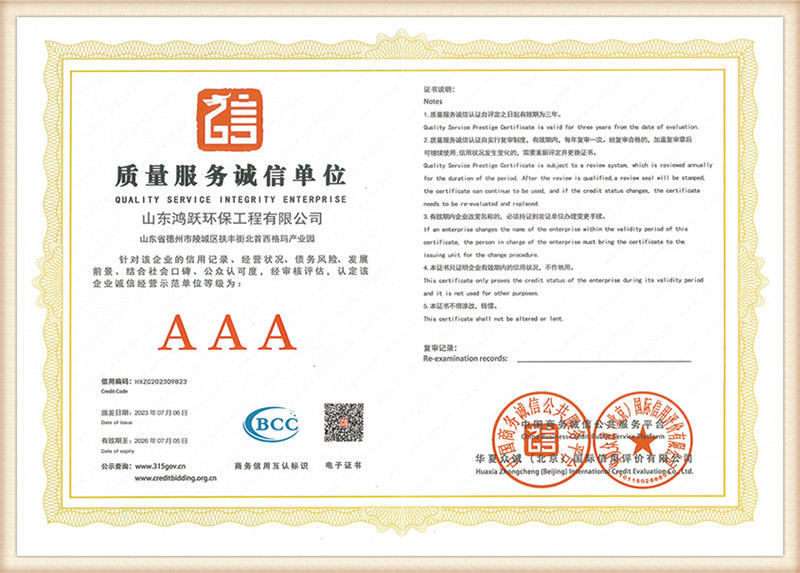
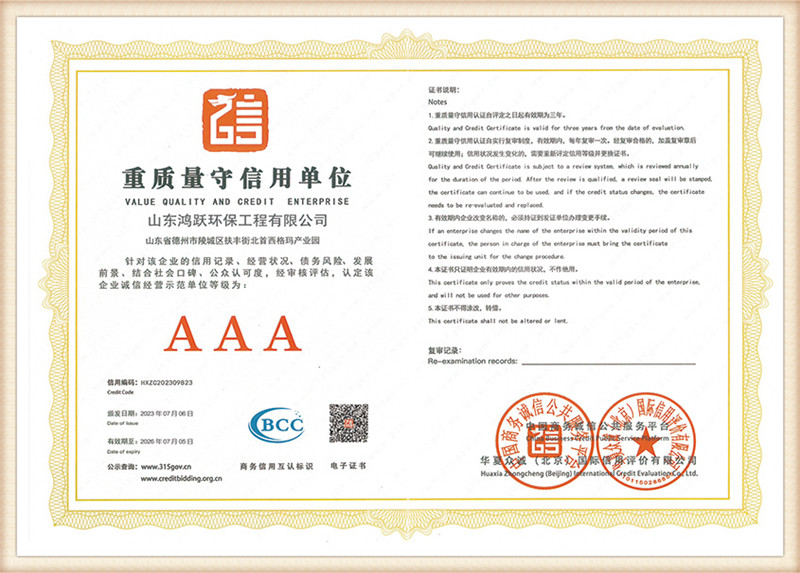
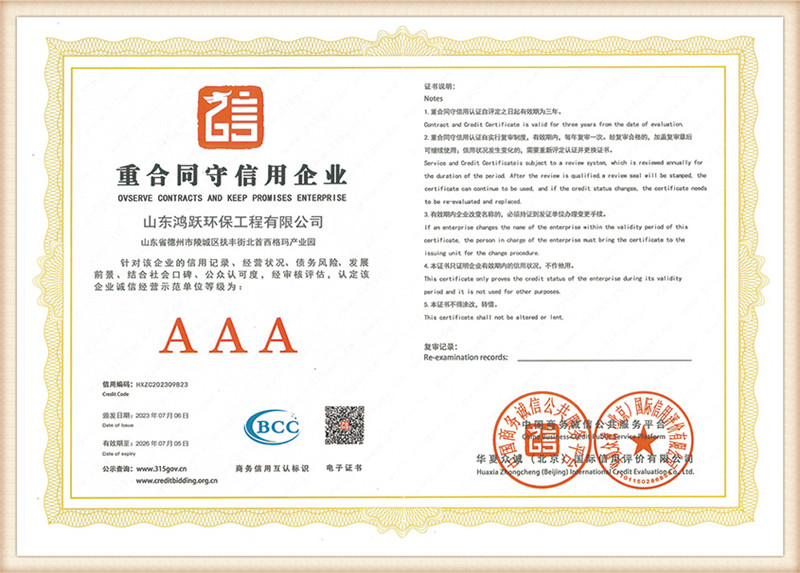
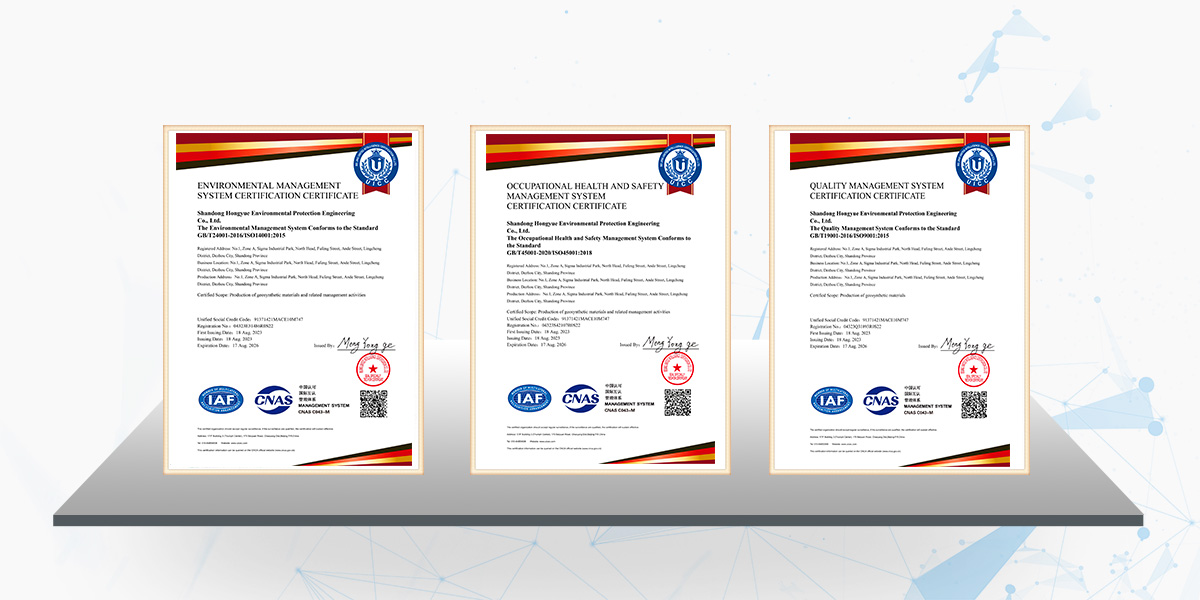
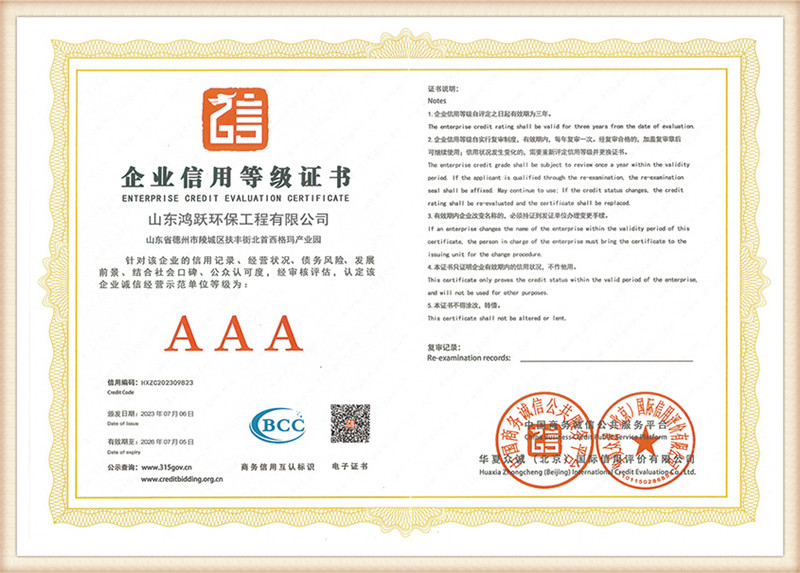
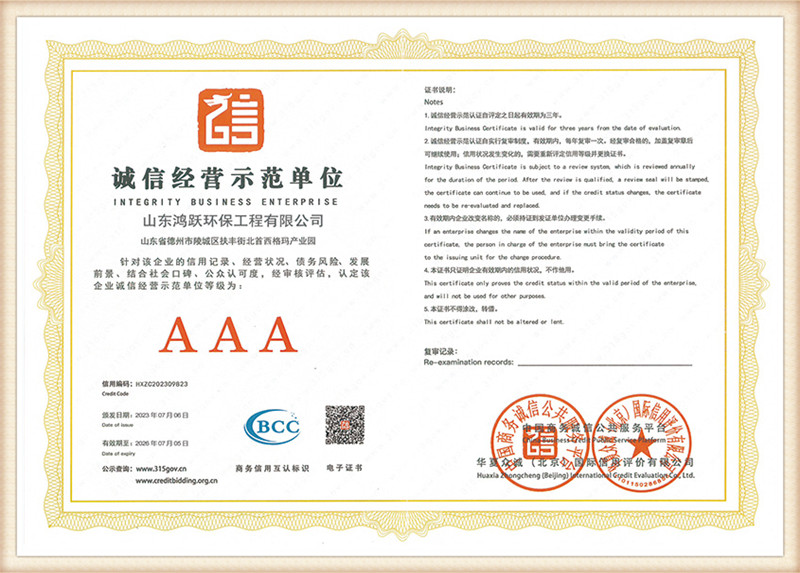
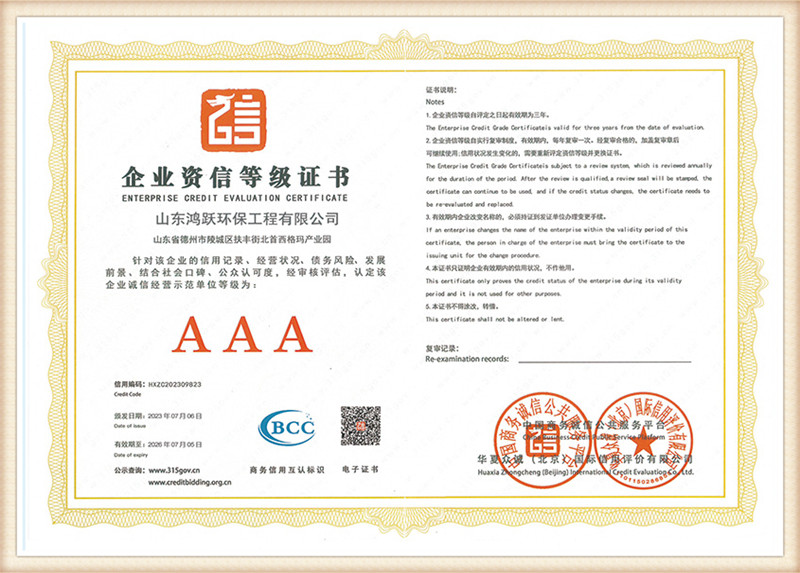
International Certifications Held:

ISO9001:2015 International Quality Management System
ISO14001:2015 Environmental Management System Standard
ISO45001:2018 Occupational Health & Safety Management System

Advanced Geotextile & Geonet Production Processes

A rigorous manufacturing pipeline ensures mechanical consistency and structural durability for major construction environments.
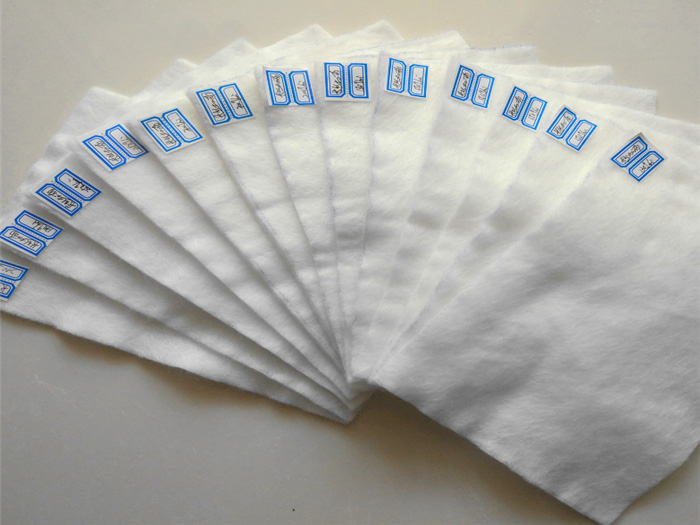
Raw Material Preparation

1. Raw Material Prep & Extrusion

Polymer chips, polyester, and polypropylene fibers are selected and tested for purity. Extruders melt materials under precision temperature control to guarantee uniform viscosity.
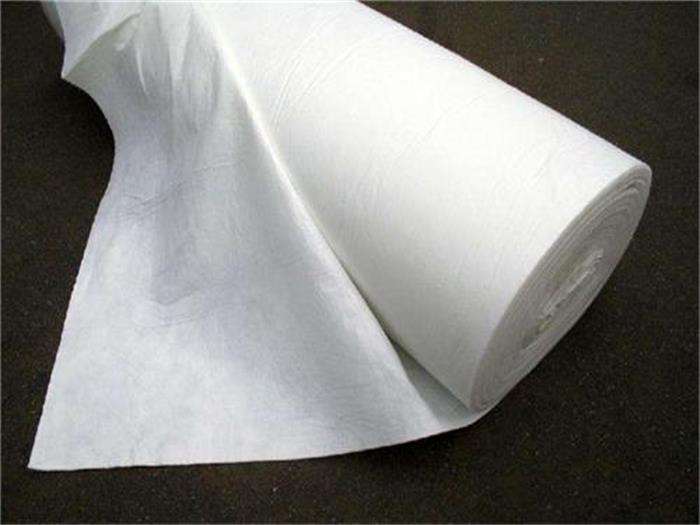
Roll the Net

2. Rolling & Net Formation

The melted polymer is sprayed via specialized spinneret blocks to lay a grid. Rib directions are controlled dynamically to achieve optimal tensile strengths in both machine and cross directions.
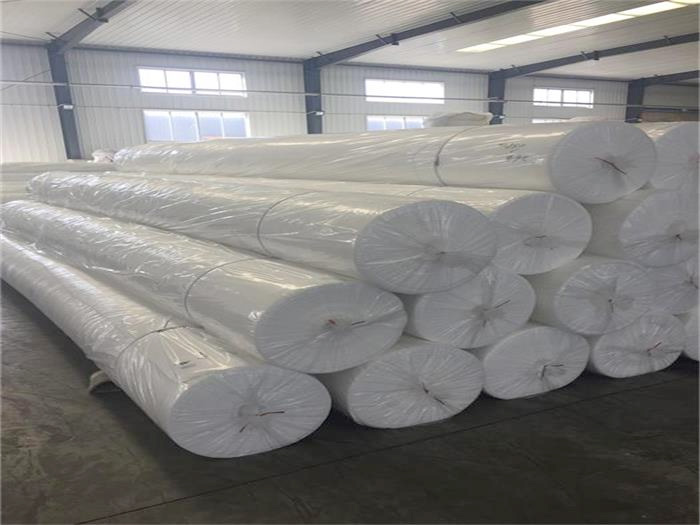
Draft Curing & Quality Control

3. Curing, Packaging & Testing

After structural drafting and thermal curing, geonet products undergo physical and chemical testing. Only rolls meeting strict international performance benchmarks are prepared for export.

Need customized specifications for a Seoul municipal bid?

We provide tailored OEM and ODM solutions, matching the exact flow capacities and load requirements of your project specifications.

Get Free Engineering Consultation
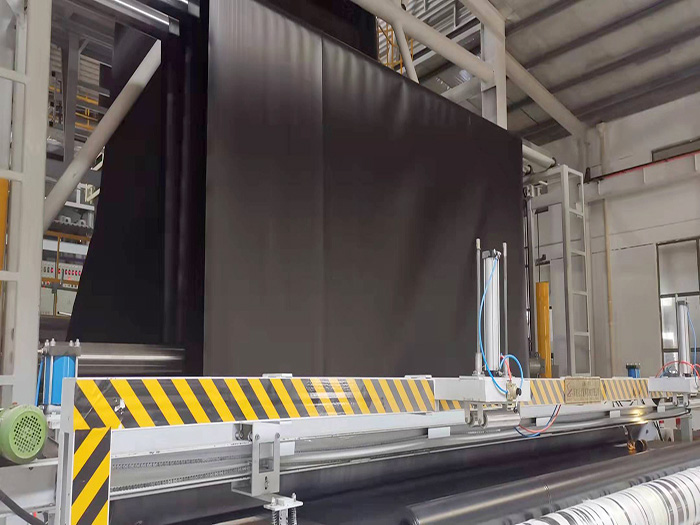
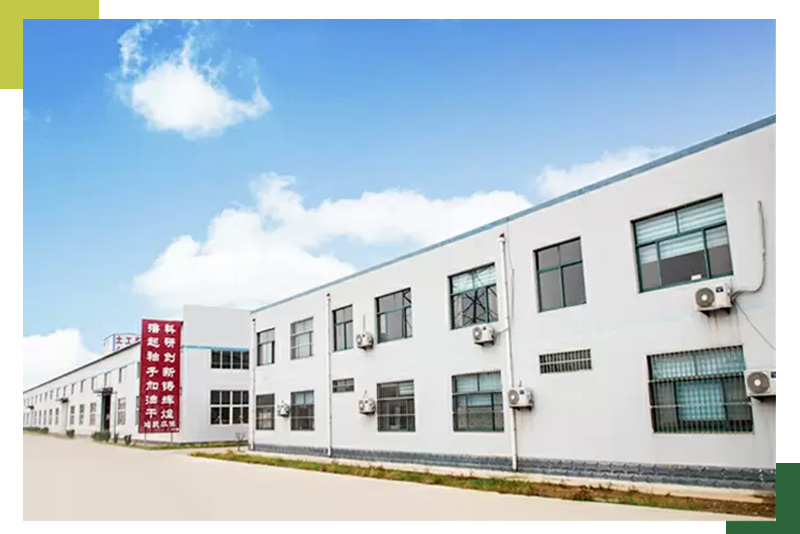
Advanced Geosynthetic Manufacturing Plant

4. Chinese Supply Chain Resiliency & Cost Advantages for Seoul Importers

When delivering geonets and geotextiles to the fast-moving construction sites of the Seoul Capital Area, procurement timeline reliability is paramount. Located in Shandong Province, China, our manufacturing complex offers clear logistical advantages. Our proximity to major shipping hubs, such as the Qingdao and Tianjin ports, guarantees short transit times to critical Korean entry points: Incheon Port and Busan Port.

Because we manage raw material synthesis and final packaging within a single industrial campus, we eliminate supply chain bottlenecks typical of smaller suppliers. This vertical integration allows us to offer:

  • Optimized Cost Structures: Scale production allows us to secure raw polymer resins at bulk rates, translating directly to cost savings for Korean developers.
  • Flexible Dispatch Times: With standard shipping lines from Qingdao to Incheon taking less than 48 hours, we can rapidly fulfill bulk orders to meet tight deadlines.
  • Robust Quality Auditing: Every batch is backed by mill-specific test reports from our in-house lab, ensuring consistency before the vessel departs.

Strict Quality Monitoring & Factory Facility

Our production facilities utilize modern machinery and strict testing frameworks to ensure that our geosynthetics consistently meet or exceed international standards.
Hongyue Geotextile Factory Floor
Hongyue Geosynthetics Testing Lab
Geonets Production Line
Geomembranes Quality Control
Geotextile Rolls Ready for Delivery
Factory Storage and Logistics
Geomembrane Production Control Room

Technical Installation Support & Best Practices

Correct installation determines the final performance and lifespan of geosynthetic systems. Follow these key steps for optimal results.
Geomembrane & Geonet Laying Steps:

  1. Surface Preparation: Ensure the subgrade is level and free of sharp rocks, roots, or debris that could puncture the liner. Compact the base soil to specified densities.
  2. Correct Laying Method: Roll out the geonets flat and without tension. When applying composite geonets (geonet bonded with geotextiles), ensure the filter fabric faces the direction of soil contact to prevent clogging.
  3. Welding & Joint Security: Secure joints with professional hot-wedge welding or thermal bonding. Maintain an overlap of 10-15 cm to prevent movement during backfilling.
  4. Fixing: Secure the boundaries in an anchor trench to prevent slippage on steep slopes. Use sandbags to temporarily weight down material during installation.
Geomembrane Laying Site
Important Maintenance Tip: Perform regular inspections before backfilling. If puncture damage is found, patch the area using a section of geomembrane/geonet extending at least 30 cm beyond the tear, and secure it with heat welding or chemical adhesive.

Technical Q&A / Frequently Asked Questions

Clear, direct answers regarding the performance, logistics, and compliance of our geonet products in South Korea.

Q1: How do your geonets comply with Korean Industrial Standards (KS) and local Seoul codes?
Our manufacturing processes follow strict quality standards equivalent to ISO9001 and ISO14001. For South Korean civil engineering projects, our materials can be sent to domestic certification bodies (such as the FITI Testing & Research Institute) to verify compliance with tensile strength, flow capacity, and chemical resistance parameters.
Q2: What is the typical lead time for shipping from Shandong to the Port of Incheon?
Due to our location in Lingcheng District, Dezhou, Shandong, we enjoy direct highway access to Qingdao and Tianjin ports. Shipping transit times to the Port of Incheon or Port of Busan are typically 2 to 4 days, with customs clearance completed shortly thereafter.
Q3: Can you manufacture bi-planar and tri-planar geonets with customized dimensions?
Yes. We offer OEM and ODM capabilities, adjusting roll widths (up to 6 meters), lengths, core thicknesses (from 3mm to 8mm), and specific geotextile bonding (single-sided or double-sided) to fit your project requirements.
Q4: How does HDPE perform against chemicals found in landfill leachates?
High-Density Polyethylene (HDPE) is highly resistant to chemical attack. Our geonets resist common landfill chemicals, organic solvents, and acids, making them ideal for heavy containment projects like the Sudokwon Landfill extensions.
Q5: What support options do you offer for field installation?
We provide comprehensive installation manuals, CAD detail drawings, and digital consultations. For larger projects in the Gyeonggi-do or Seoul area, we can supply detailed layouts and guidance to help your local contracting team achieve correct overlaps and anchor points.

Launch Your Infrastructure Project with Shandong Hongyue

Get in touch with our team of engineers to receive technical specification sheets, product samples, and a competitive custom quote.
Send Inquiry Now