Engineered specifically for structural integrity under challenging Northern European marine clay and sandy subgrades. Explore our leading geogrid configurations with integrated links and original specifications.
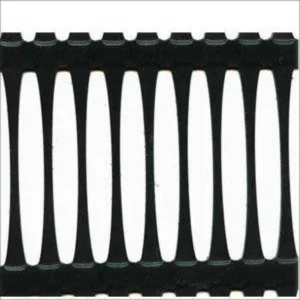
High creep resistance and longitudinal tensile strength for heavy-haul railways and dyke slope reinforcement.
View Technical Specifications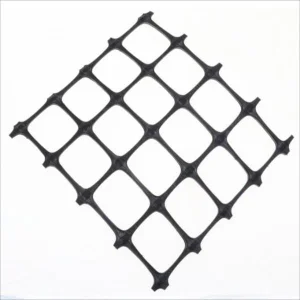
Optimal aperture design offering multi-directional load distribution for container yards and heavy traffic pavements.
View Technical Specifications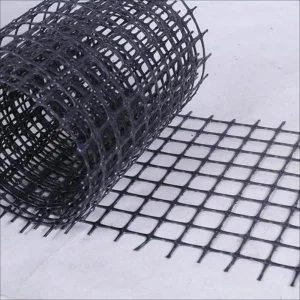
Advanced polymers configured to reduce aggregate layer thickness up to 40% while preserving load capacity.
View Technical Specifications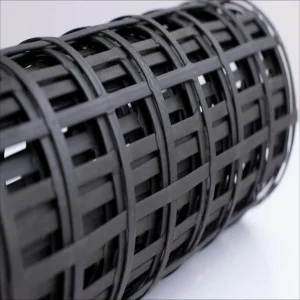
Ultra-high modulus reinforcement with steel wire cores encapsulated in HDPE for extreme stress resistance.
View Technical SpecificationsHamburg, as Germany's largest port city and a key logistics hub in Central Europe, is continuously expanding its transportation networks, port container terminals, and industrial structures. However, engineers in the Elbe region face major challenges: high clay and silt deposits, low bearing capacity, and high groundwater tables. Constructing highways, rail corridors, and massive warehouse facilities on soft marine clay requires reliable stabilization solutions.
Traditional deep foundation methods (such as soil replacement or massive concrete piling) involve long construction periods, high environmental impacts, and high costs. Our structural biaxial and uniaxial geogrids provide a cost-effective, sustainable solution. By confining aggregates within the geogrid apertures, they form a stabilized composite layer. This layer increases bearing capacity, minimizes differential settlement, and reduces the required thickness of structural aggregate layers, meeting Germany's structural safety standards.
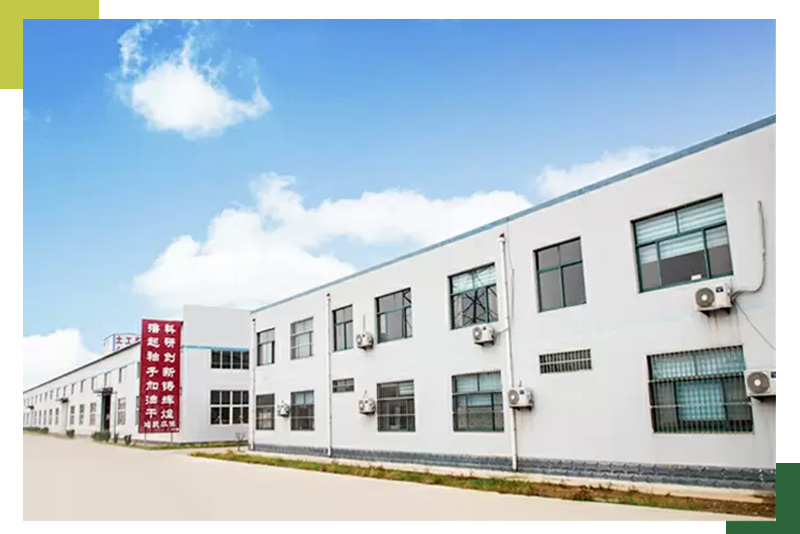
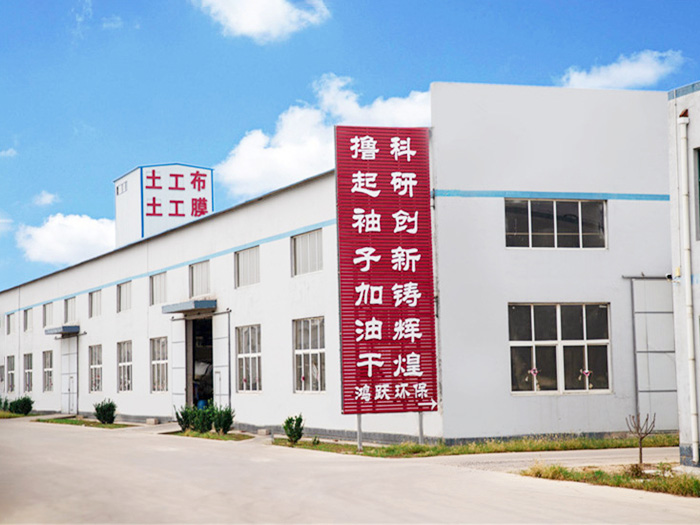
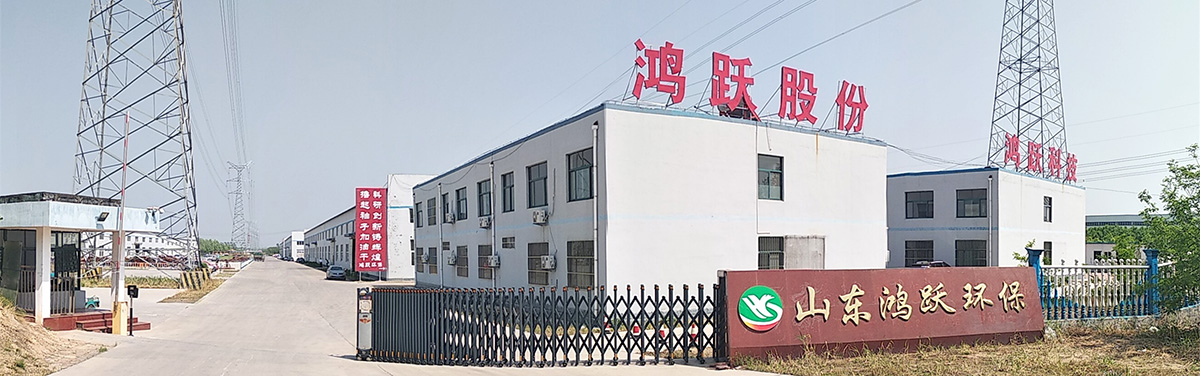
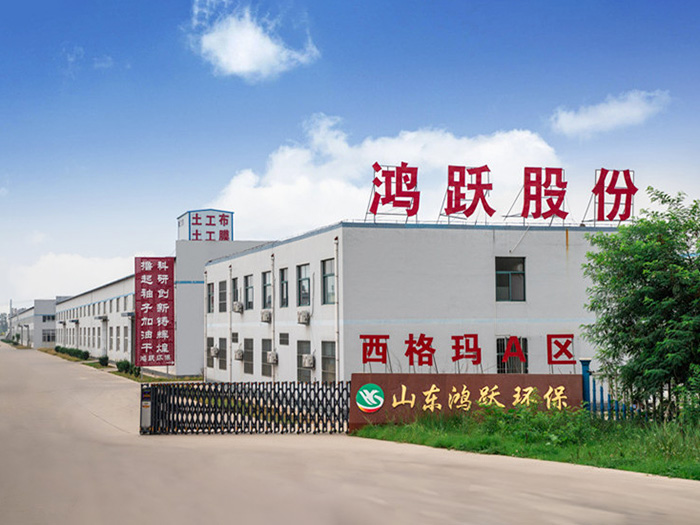
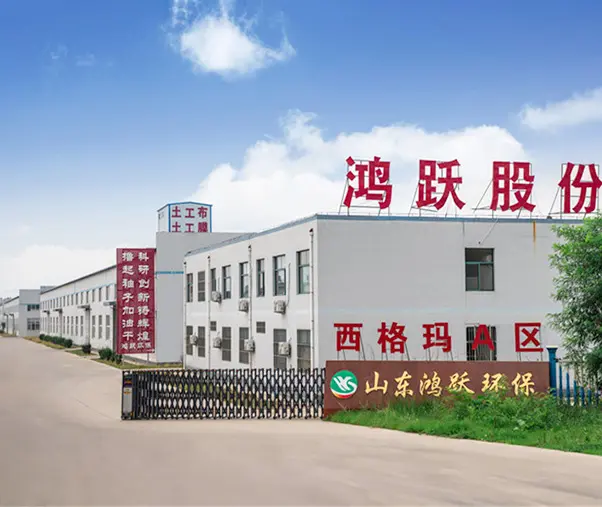
Shandong Hongyue Environmental Engineering Co., Ltd., located at the north end of Fufeng Street, Lingcheng District, Dezhou, Shandong Province, is a scientific and technological geotechnical material manufacturer integrating engineering material production, sales, design and construction services. The company was registered in the Lingcheng District Market Supervision and Administration Bureau of Dezhou City on April 6, 2023, with a registered capital of 105 million yuan. It stands as one of the largest production bases of geotechnical materials in China, benefiting from a superior geographical location and convenient shipping corridors to global ports, including the Port of Hamburg.
We supply a wide range of geosynthetic products, including geotextiles, geomembranes, composite geomembranes, waterproof boards, bentonite waterproof blankets (GCL), 3D composite drainage nets, geogrids, cement blankets, and flexible permeable pipes.
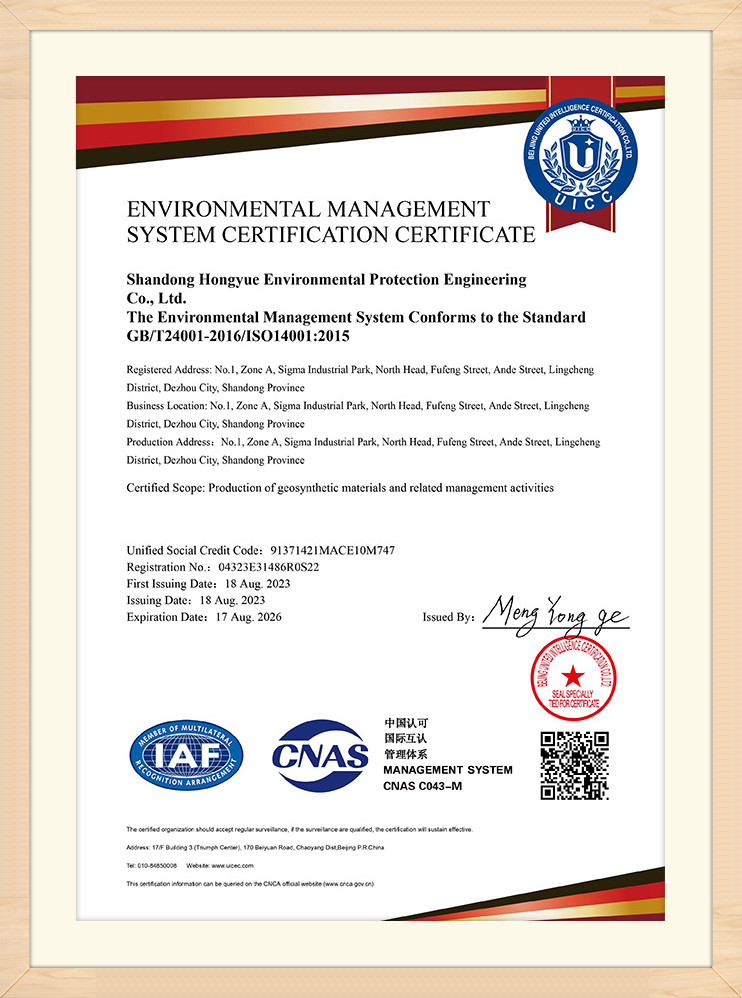
Our quality system is verified by international standards. Using advanced testing equipment, every batch of geogrids and geotextiles is tested for tensile strength, junction efficiency, and UV degradation to meet or exceed international standards.
With an engineering and technical team averaging over ten years of experience, we provide structural designs, subgrade calculation advice, and onsite installation guidance to secure international projects.
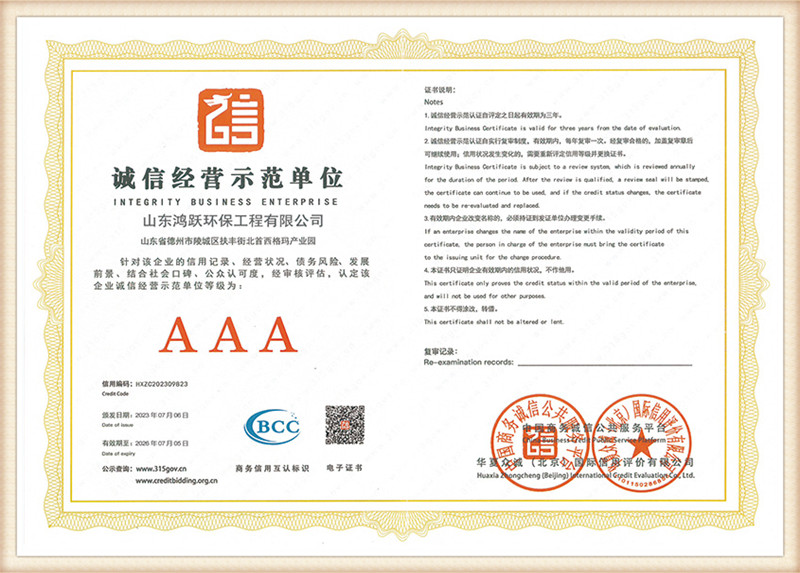
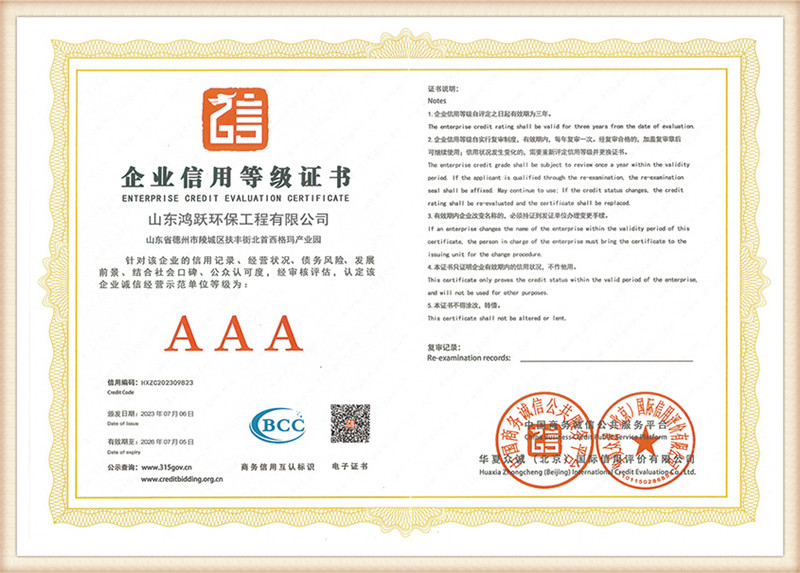
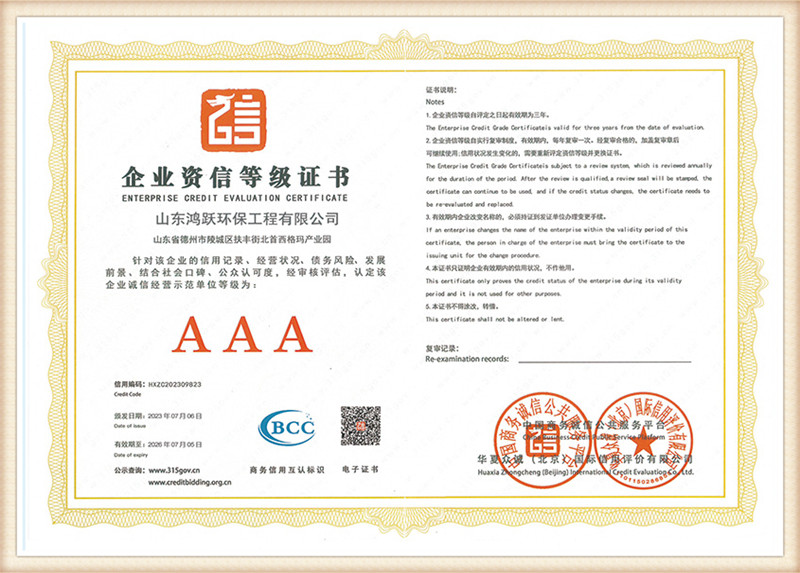
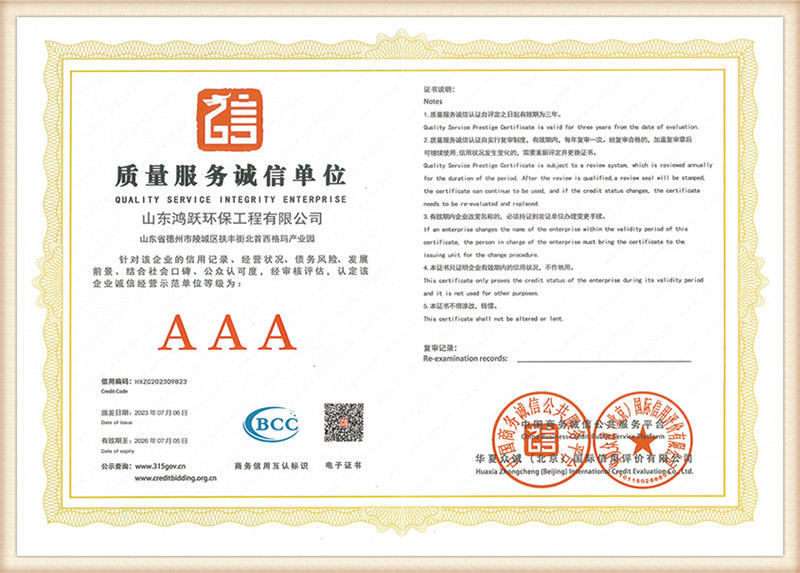
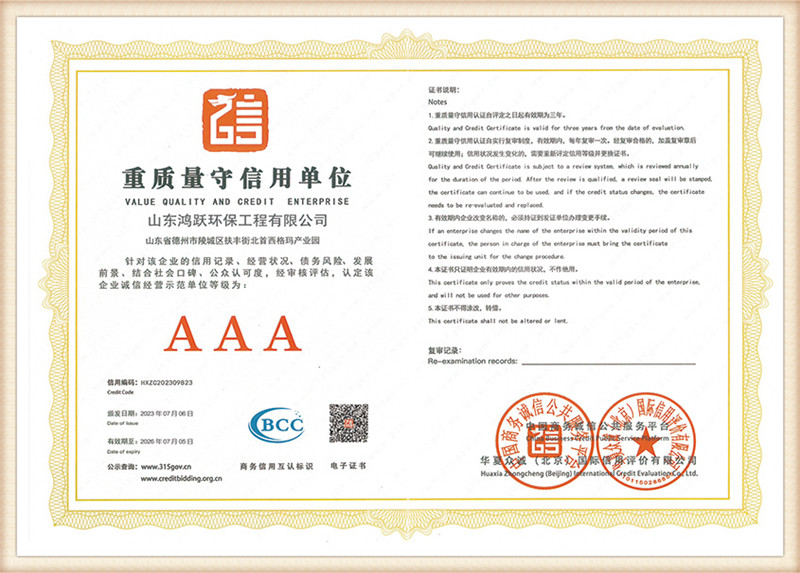
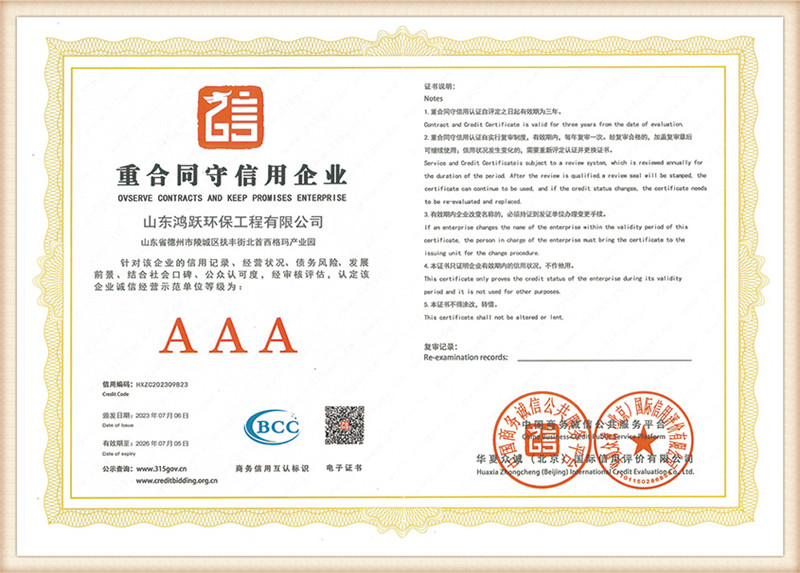
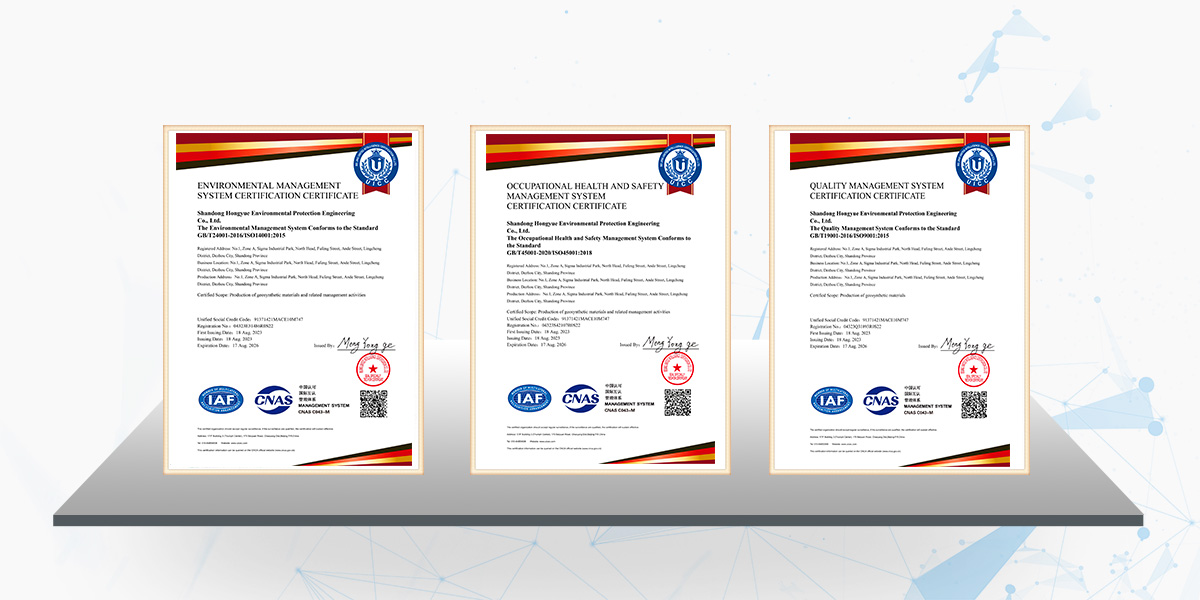
Entering the German market, especially for large public works in Hamburg governed by the Federal Railway Authority (EBA) and state road administrations (LSBG), requires strict compliance with European technical guidelines. Our geogrid products are designed to meet all necessary DIN standards, including DIN EN 13249 (geotextiles and geogrids for roads) and DIN EN 13250 (for railways).
Our in-house QC laboratory continuously tests structural variables:
Additionally, we supply CE documentation, independent third-party test reports from Chinese National Testing Centers, and Environmental Product Declarations (EPD) to support sustainable public tenders in Germany.
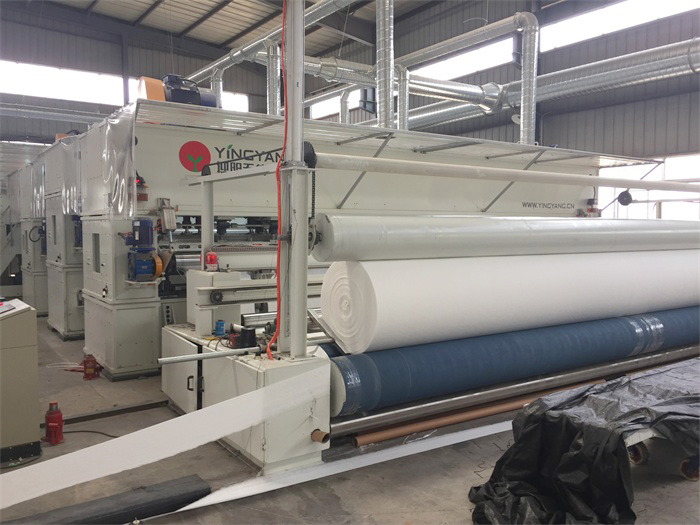
Operating from our 105 million RMB capitalization plant in Dezhou, Shandong, Hongyue combines production capacity with smart logistics. Our Factory 4.0 integration includes automated extrusion lines, computer-controlled punching and stretching systems, and real-time thickness and weight monitoring.
By managing the entire production process—from melt extrusion of high-grade raw polymers to final structural curing—we reduce material waste and control costs. This cost efficiency is passed directly to our Hamburg engineering clients, providing high-quality geotextiles and geogrids at competitive prices.
For global logistics, our location allows quick inland transport to major Chinese ports like Qingdao and Tianjin. We work with leading ocean carriers to offer reliable shipping schedules, container tracking, and customs clearance support, ensuring our products arrive on time at the Port of Hamburg.
As Germany aims for climate neutrality by 2045, civil projects are prioritizing low-carbon building materials. Our technology roadmap focuses on environmental compatibility and product durability.
We are researching and testing biopolymer formulations and recycled PET/PP to lower the carbon footprint of our geogrids while maintaining long-term tensile performance.
Our raw polymers are processed to resist physical abrasion, chemical weathering, and microplastic shedding, ensuring protection for local groundwater systems.
We are studying the integration of fiber-optic sensors into geogrid ribs. These smart grids will monitor structural deformation and strain in real time, helping to protect critical Hamburg infrastructure like Elbe dikes and bridges.
Our geosynthetic solutions address structural, environmental, and hydraulic engineering challenges.
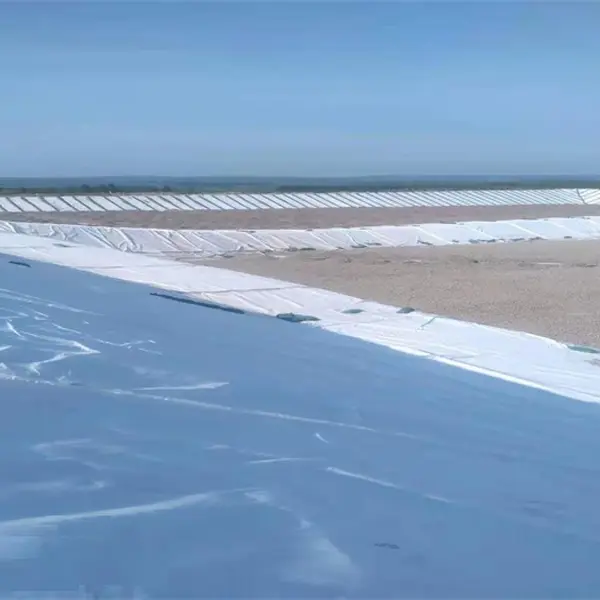
Geomembranes and geosynthetic clay liners are used in reservoirs, canals, and stormwater retention basins to prevent water loss and protect subgrades.
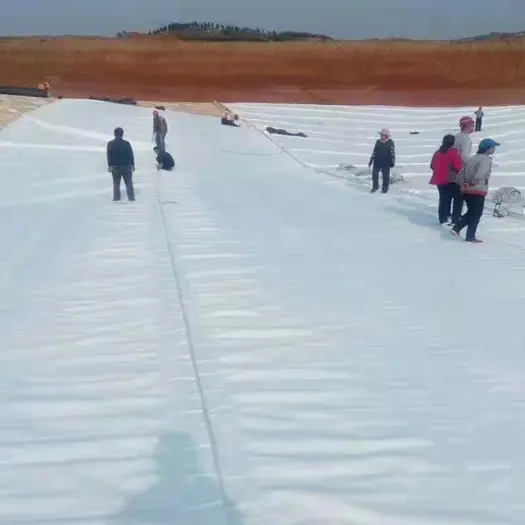
Combining woven geotextiles with rip-rap armor stabilizes riverbanks and coastal channels against tidal flows and heavy vessel wake along the Elbe.
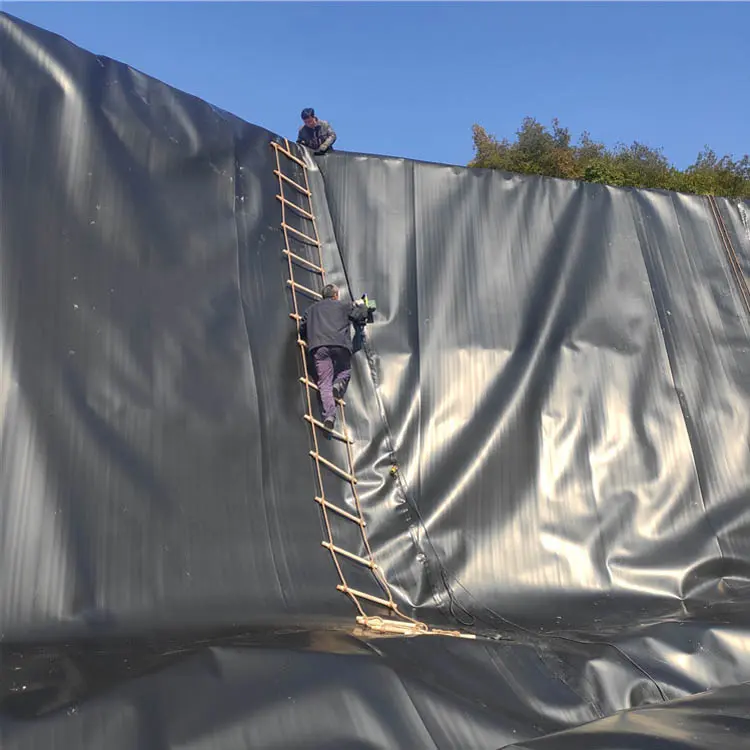
We supply composite barrier systems—geomembranes, geotextiles, and drainage nets—to contain municipal waste and protect surrounding groundwater.
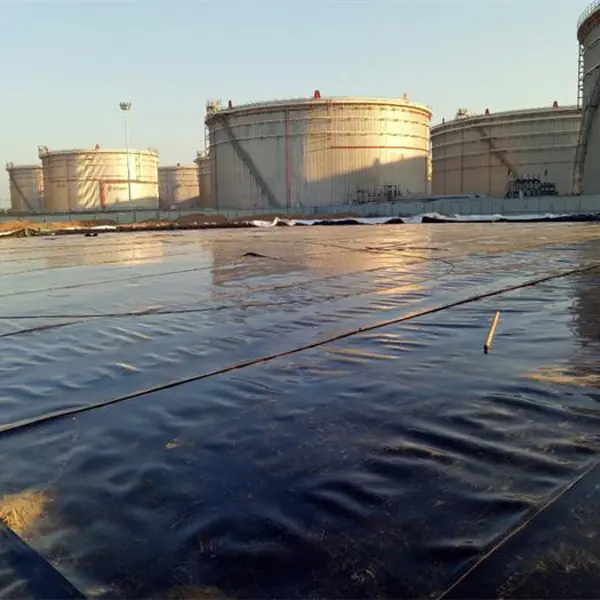
Chemical-resistant HDPE geomembranes provide secondary containment in oil refineries, chemical storage areas, and port fuel terminals.
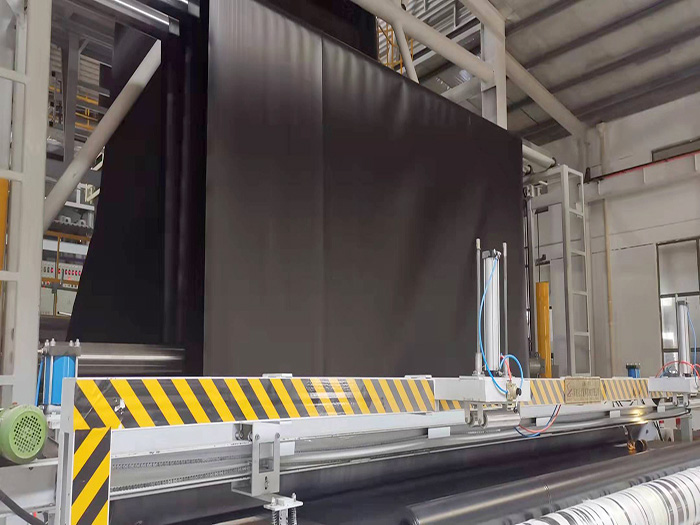
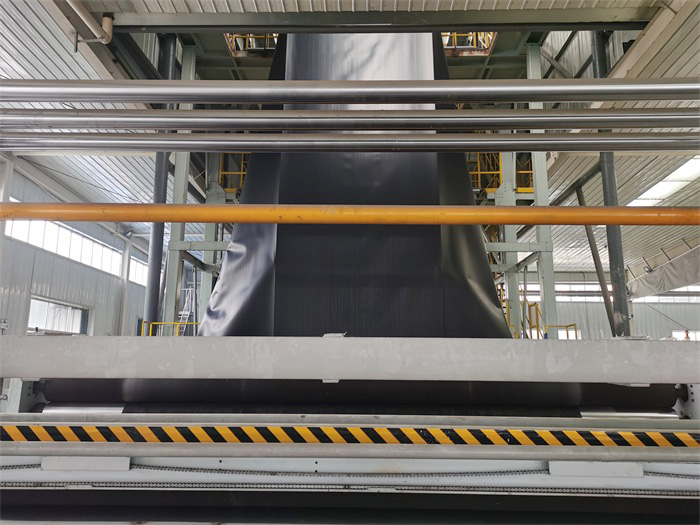
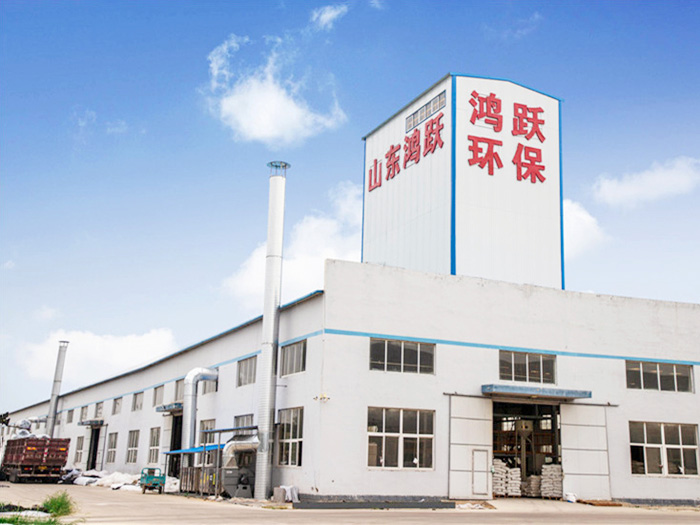
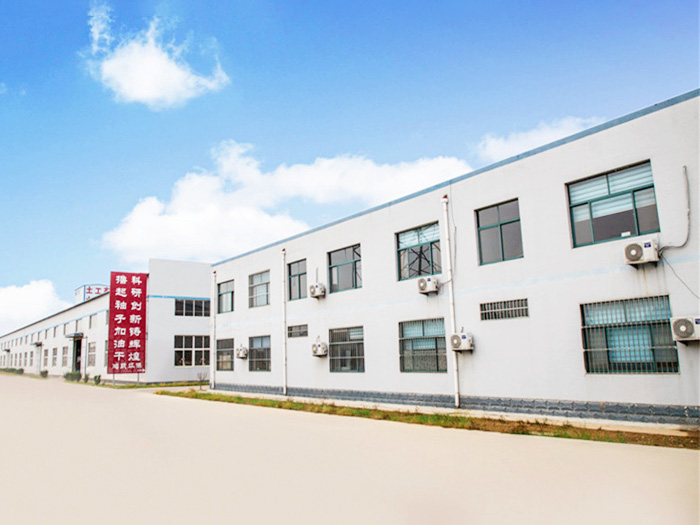
Our Dezhou production base features high-precision machinery and strict quality control at every stage, from raw polymer processing to final product testing.
High-density polyethylene (HDPE) or polypropylene (PP) chips are melted and extruded into flat sheets. We control temperature and pressure to ensure uniform thickness across the sheet.
The extruded polymer sheets are punched with a precise hole pattern and stretched under controlled temperatures. This aligns the molecular chains of the polymer, increasing the geogrid's tensile strength.
Stretched geogrids are cooled to stabilize their dimensions. We then test physical properties, including tensile strength, aperture size, and junction efficiency, before rolling and packaging.
Choosing the right geogrid is only the first step. Proper installation is critical to achieving the design performance. Our technical team recommends the following best practices for soft ground reinforcement in Hamburg:
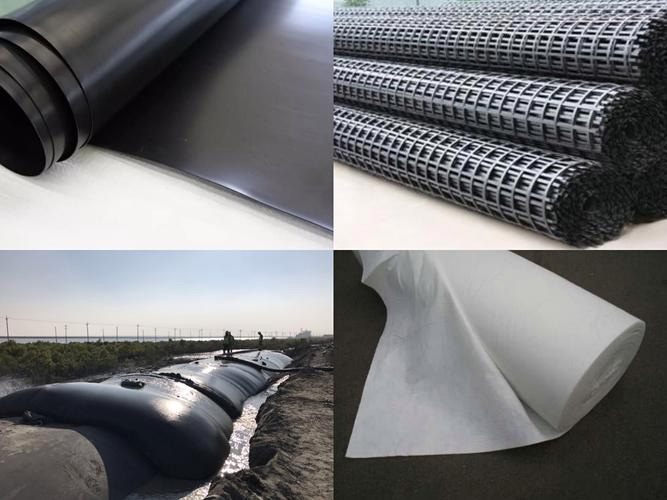
We offer a complete range of geosynthetics to support Hamburg infrastructure projects, from railway stabilization to coastal dike protection.
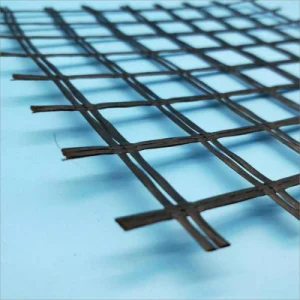
High-modulus, low-creep glass fiber grid designed to reinforce asphalt overlays and prevent reflective cracking.
View Technical Specifications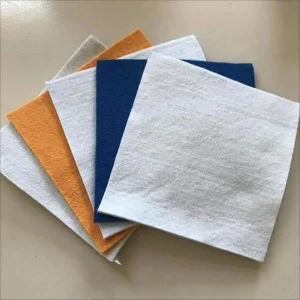
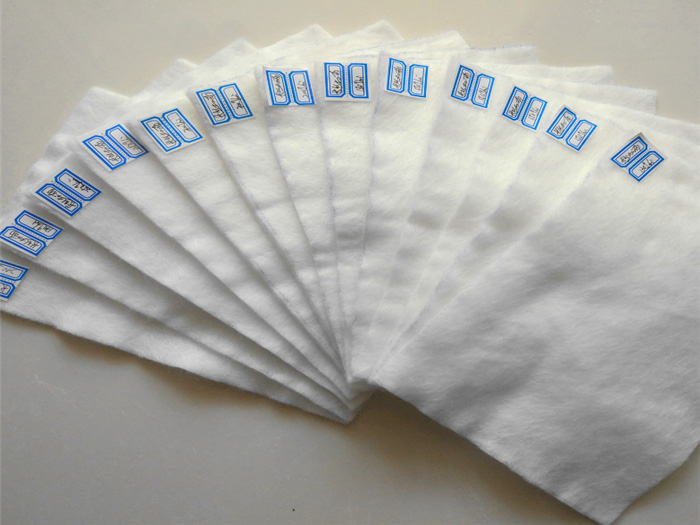
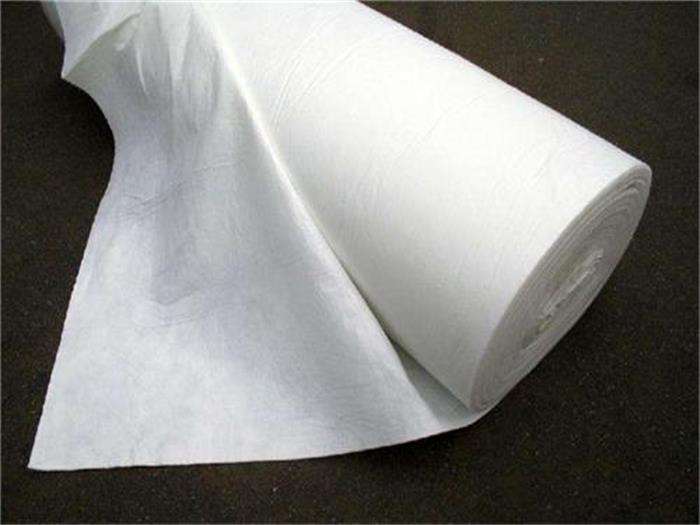
High-permeability, non-woven geotextile providing filtration and soil separation in marine environments.
View Technical Specifications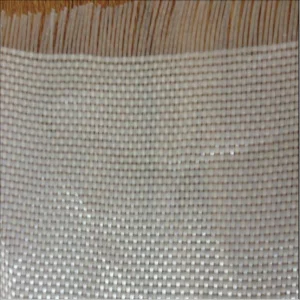
High-strength woven geotextile for soil reinforcement, separation, and subgrade stabilization.
View Technical Specifications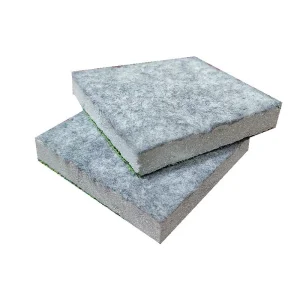
Flexible concrete-impregnated fabric that hardens upon hydration, providing rapid erosion control.
View Technical Specifications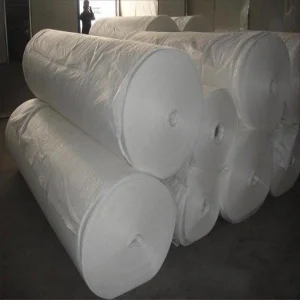
Needle-punched non-woven geotextile designed to facilitate water drainage while preventing soil migration.
View Technical Specifications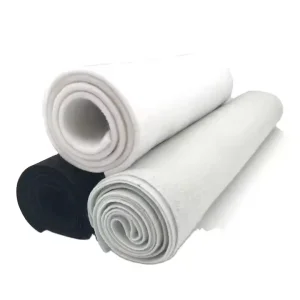
High-durability geotextile optimized to protect geomembranes from puncture in critical landfills.
View Technical Specifications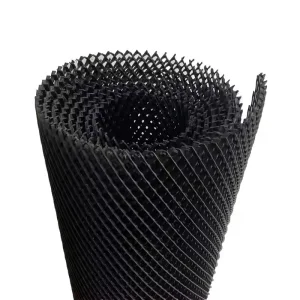
Three-dimensional structure designed for high-flow drainage under high surcharge loads.
View Technical Specifications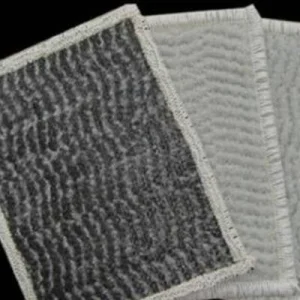
Self-sealing sodium bentonite geosynthetic clay liner offering low hydraulic conductivity.
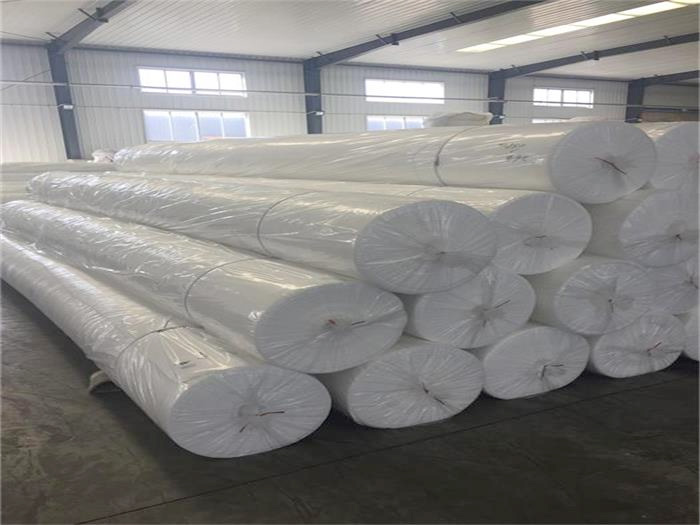
View Technical SpecificationsWe manage advanced manufacturing facilities in Dezhou, Shandong, to produce reliable geosynthetic materials. Here is a look inside our production and storage operations:
Ensures precise polymer blending and feeding for consistent sheet properties.
Forms smooth, uniform sheets and rolls designed to resist structural deformation.
Maintains optimal cooling rates to lock in tensile properties and structural stability.
Automatically rolls and labels geosynthetics with batch numbers to ensure full traceability.
Our logistics team handles export paperwork and coordinates shipments to global destinations, including direct sea freight routes to Hamburg.
Find answers to common questions about geogrid specifications, delivery timelines to Hamburg, and European compliance.
 Hongyue