Engineered soil confinement panels optimizing load distribution, structural integrity, and drainage across industrial developments in Nagoya.
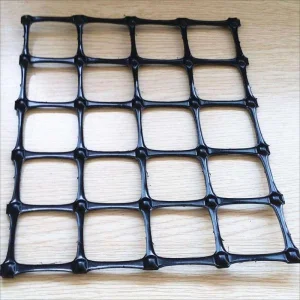
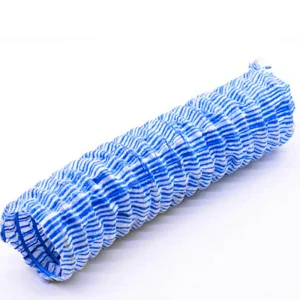
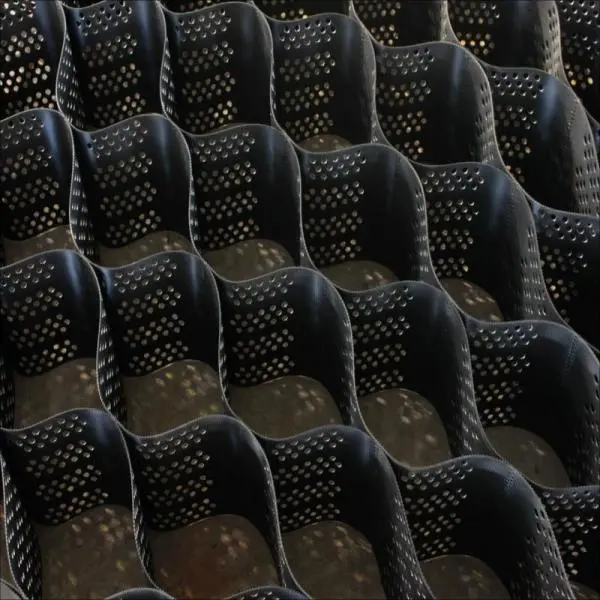
High-density polyethylene (HDPE) cell configuration customized to handle soft alluvial clay dynamics in the Nagoya port district.
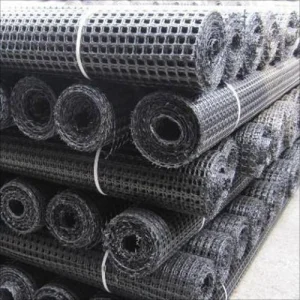
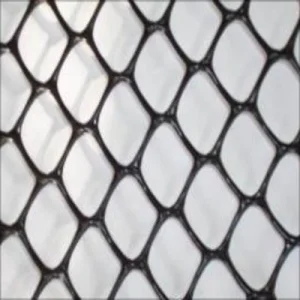
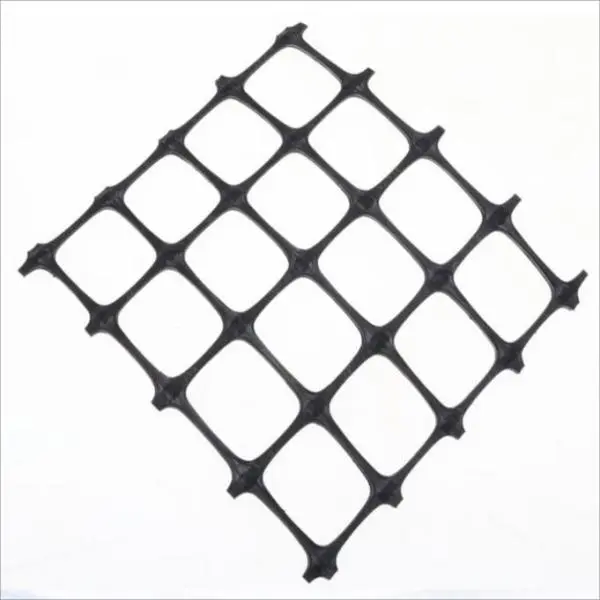
Enhanced junction-strength polypropylene panels offering high chemical stability and resilience to cyclic coastal tidal loads.
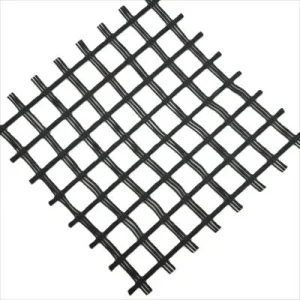
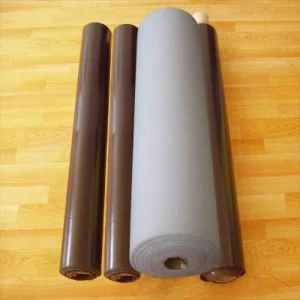
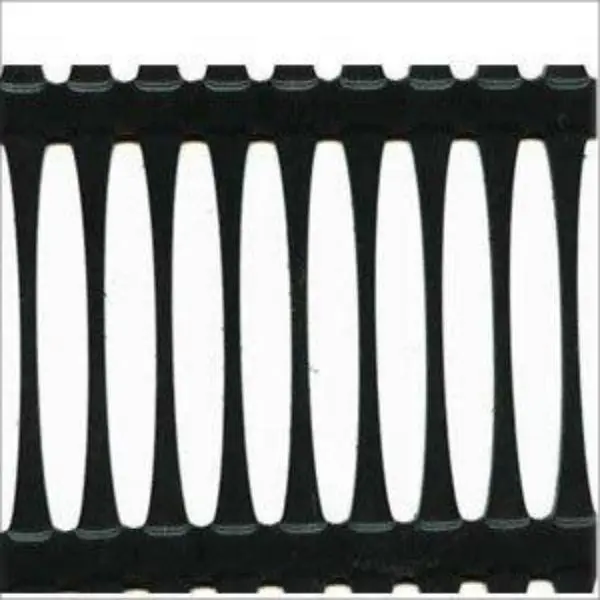
Exceptional tensile modulus fiberglass reinforcement engineered for high-temperature asphalt foundations and retaining walls.
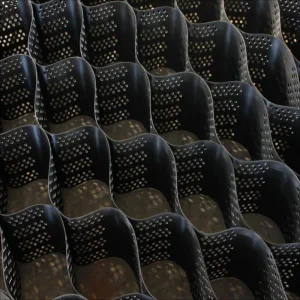
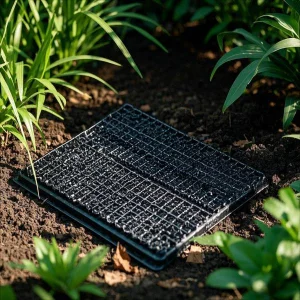
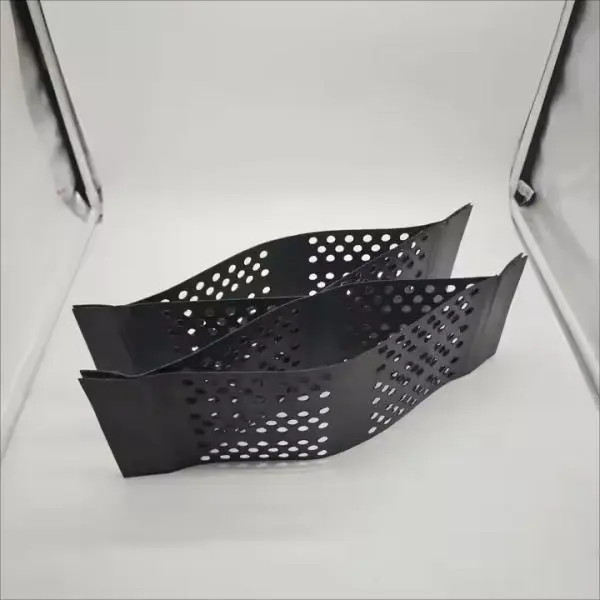
Textured and perforated HDPE systems prioritizing rapid lateral drainage and optimized structural load transfer rates.
Nagoya, the capital of Aichi Prefecture, serves as Japan’s primary industrial powerhouse, centering the automotive, aerospace, and heavy manufacturing sectors. However, this dense industrial profile is built upon a highly challenging geographical foundation. The Nagoya metropolitan region is historically situated on the alluvial plains of the Nobi Plain, bounded by the Kiso, Ibi, and Nagara rivers. Consequently, geotechnical engineers frequently encounter deep strata of soft, saturated, and highly compressible clay and silt deposits. Infrastructure construction—ranging from logistics terminals around the Nagoya Port to high-speed rail expansions and manufacturing facilities—constantly battles subgrade deformation, differential settlement, and seismic vulnerabilities.
Moreover, the Chubu region experiences heavy seasonal rainfalls and typhoons. Unreinforced soils, particularly on the sloped embankments of transport corridors (such as the Tomei and Shin-Tomei Expressways), are prone to severe erosion, mudslides, and structural washouts. Implementing 3D honeycomb geocells is no longer a luxury but an engineering mandate to transition from conventional high-carbon concrete retaining systems to ecological, high-tensile, and carbon-negative subgrade confinement solutions.
The global geocell market is undergoing rapid evolution. Driven by strict environmental regulations and the rising cost of traditional construction materials like aggregate and cement, project developers are shifting toward polymeric soil confinement. Internationally, ASTM and ISO standards govern parameters like Environmental Stress Crack Resistance (ESCR), tensile strength, and junction weld integrity. In Japan, these demands are augmented by the stringent guidelines of the Japanese Industrial Standards (JIS) and the Public Works Research Institute (PWRI).
A key difference between the Japanese domestic market and global trends lies in the localized demand for long-term sustainability and performance under high cyclic thermal variations. The Nagoya market requires geosynthetics that maintain structural parameters across hot, humid summers and freezing winters. The demand for geocells in Japan has transitioned from simple soil retention to smart infrastructure applications. This includes vegetative retaining walls that blend with regional ecosystems and composite roadbases that reduce the required thickness of expensive imported base aggregates by up to 50%.
Integrating state-of-the-art polymer manufacturing with professional design and construction services to serve the global geotechnical sector.
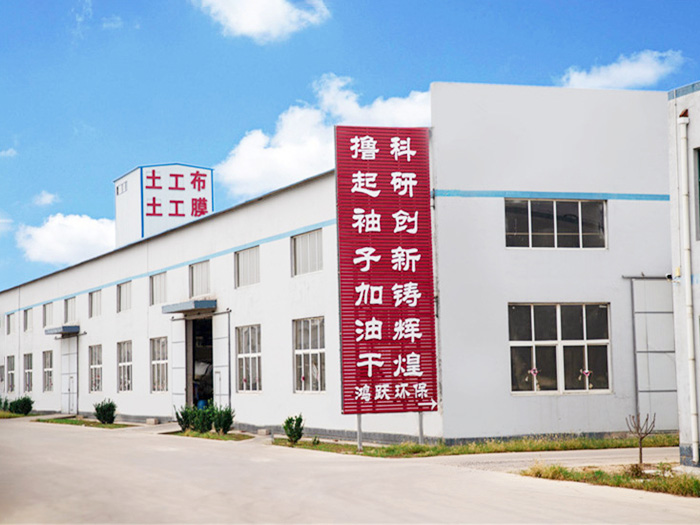
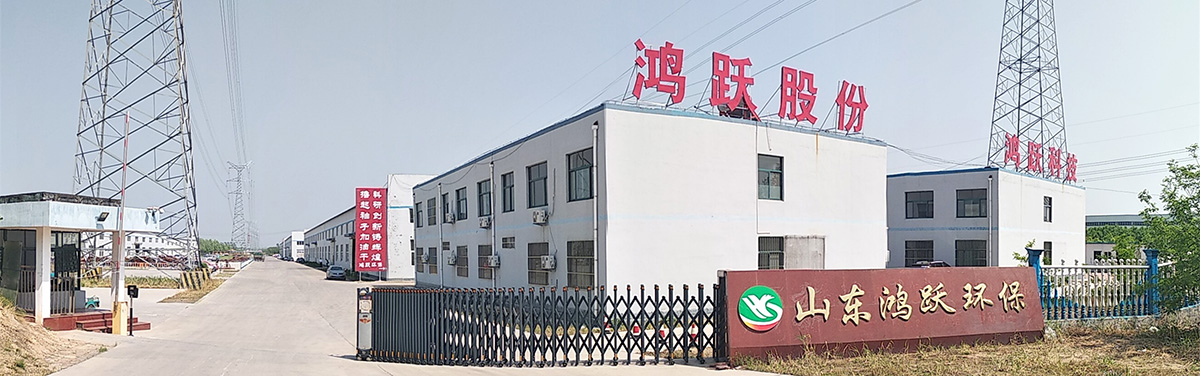
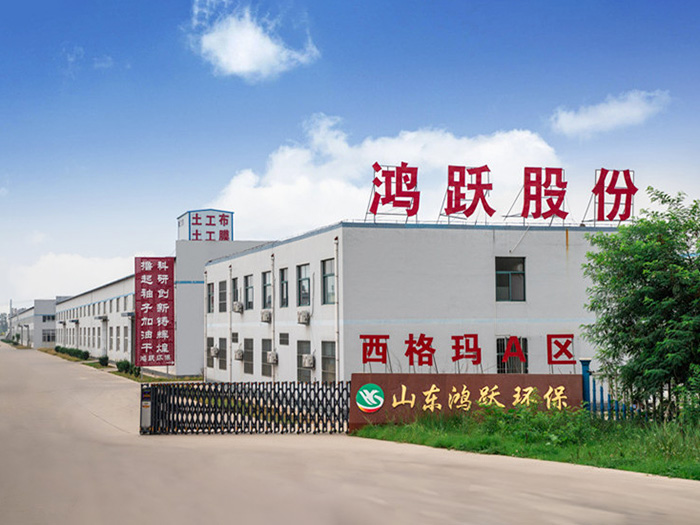
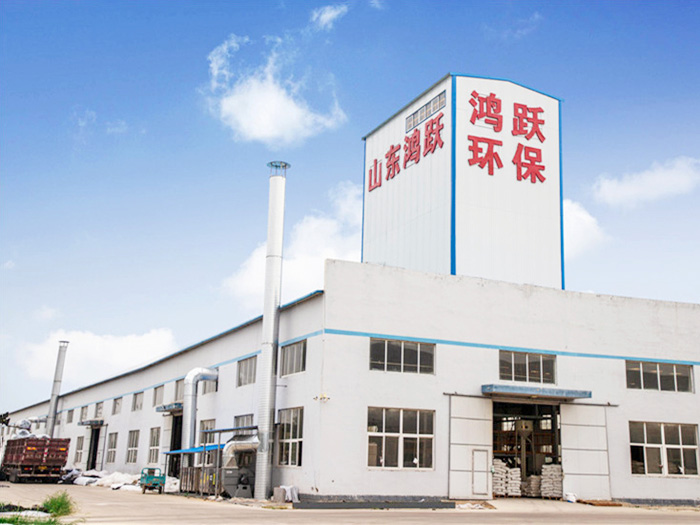
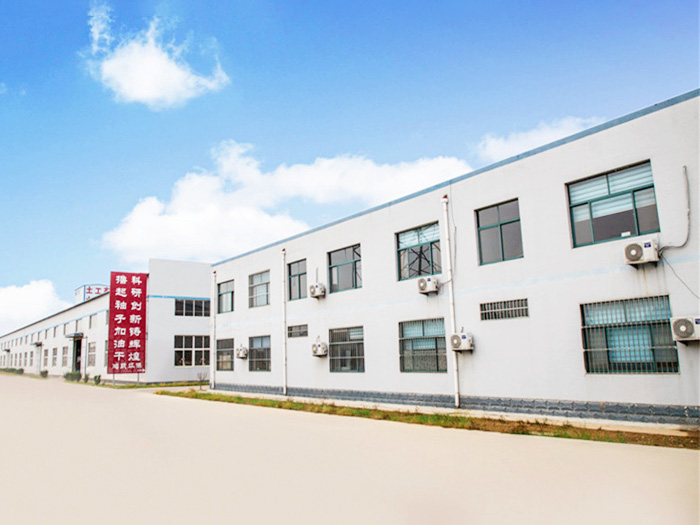
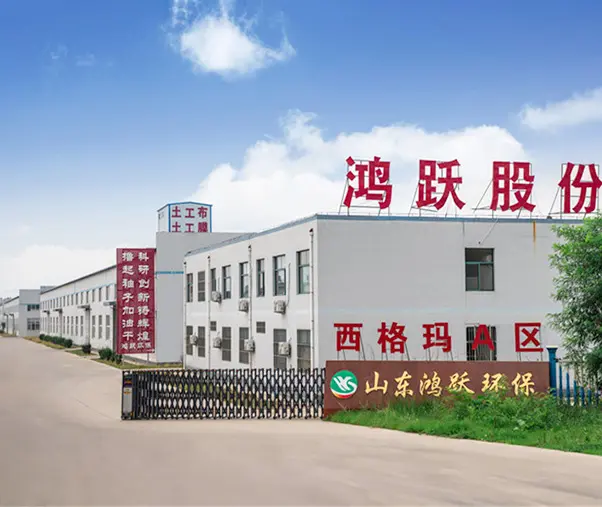
Shandong Hongyue Environmental Engineering Co., Ltd., located at the north end of Fufeng Street, Lingcheng District, Dezhou, Shandong Province, is a scientific and technological geotechnical material manufacturer integrating engineering material production, sales, design and construction services. The company was registered in Lingcheng District Market Supervision and Administration Bureau of Dezhou City on April 6, 2023, with a registered capital of 105 million yuan. It is one of the largest production bases of geotechnical materials in China at present, located in Lingcheng District, Dezhou, Shandong Province, with superior geographical location and convenient transportation.
Since the establishment of the company has developed rapidly, business continues to grow and expand, our company mainly deals in geotextiles, geomembrane, composite geomembrane, waterproof board, bentonite waterproof blanket, 3D composite drainage net, (composite) drainage board, weaving cloth, woven cloth, membrane bags, blind ditches, waterproof and drainage combinations, woven bags, ecological bags, cement blankets, fiber plants blankets, flexible pervious pipes. Our business includes geosynthetics, waterproofing membrane production, sales, construction, import and export of goods. We have high quality products and professional sales and technical team. Our company belongs to Dezhou Geotextile Association, and products are widely used in highways, railways, bridges and tunnels, reservoirs and canals water conservancy, artificial lakes, environmental protection, aviation, mining, agriculture and other fields.
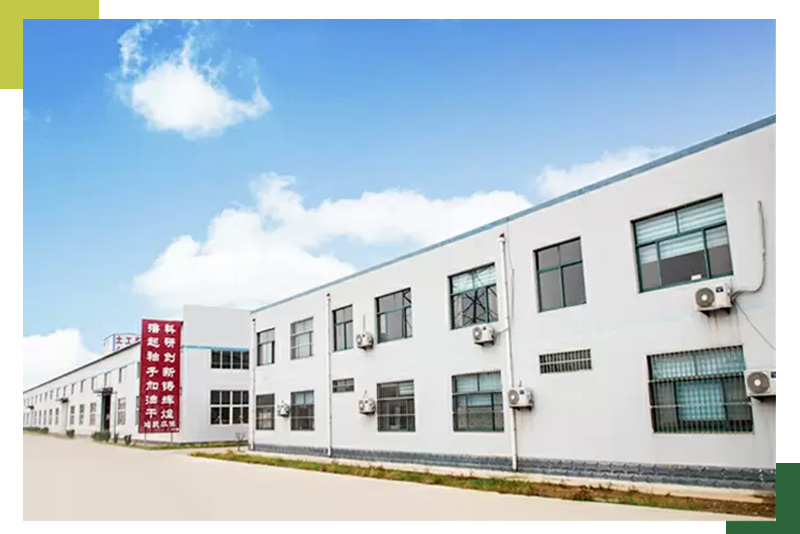
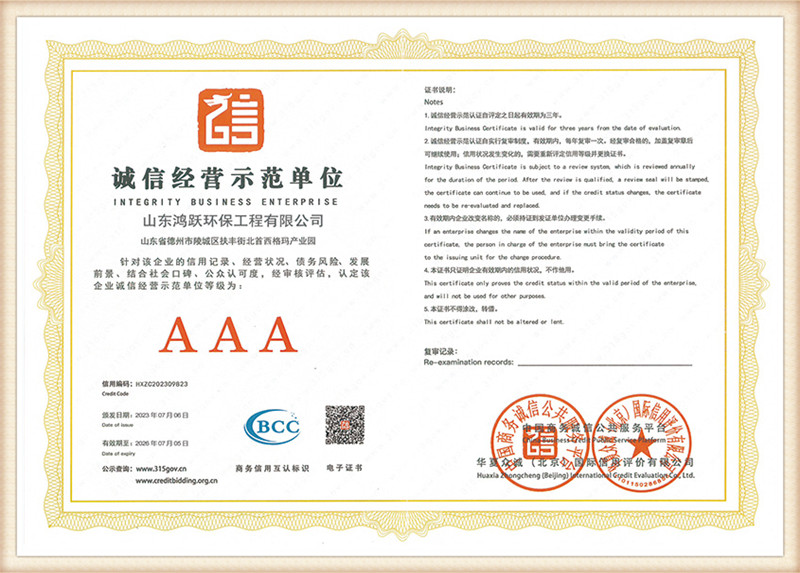
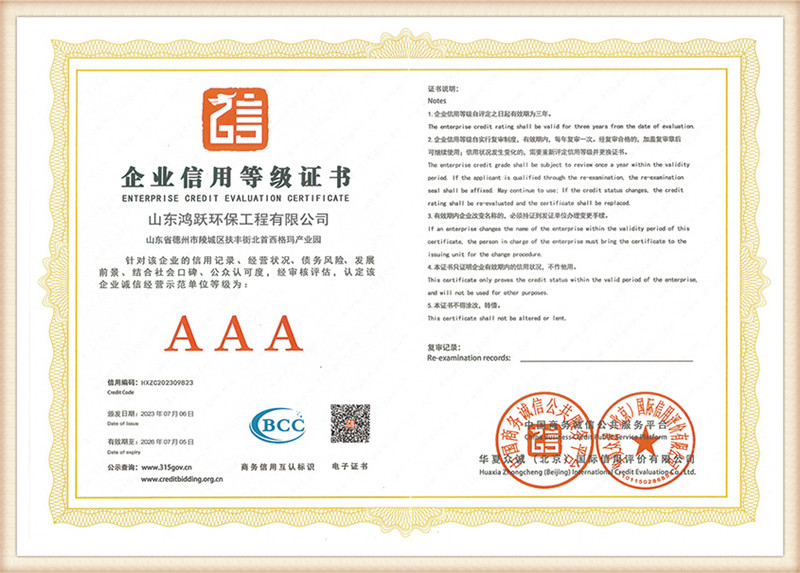
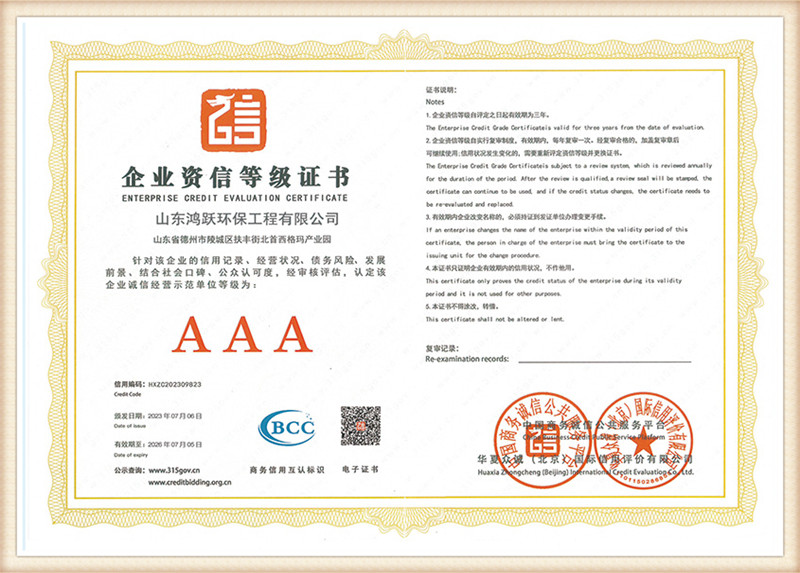
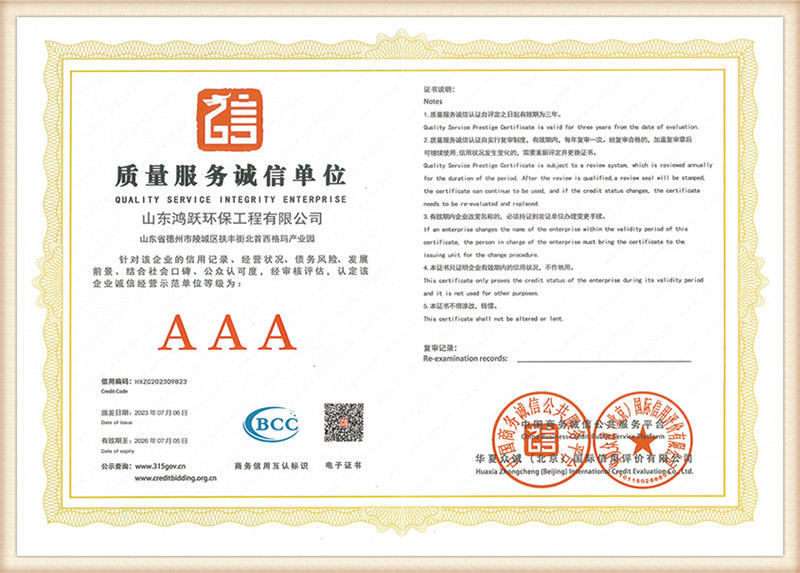
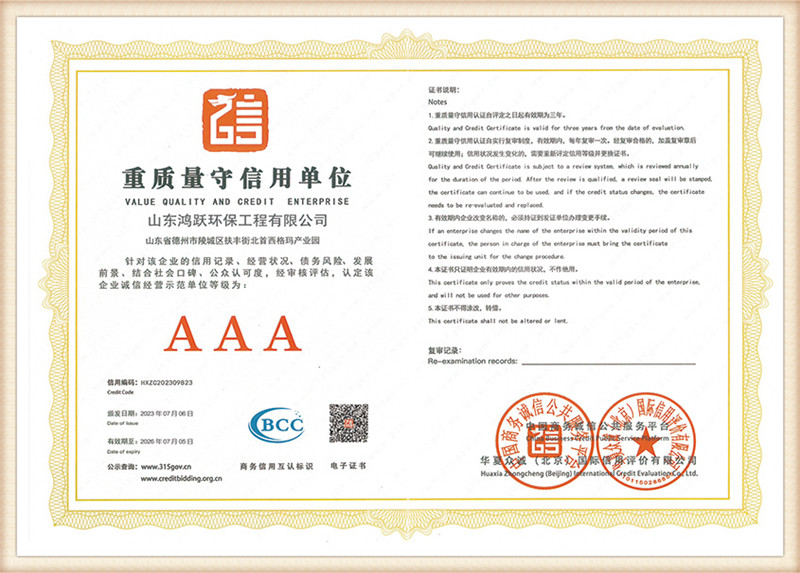
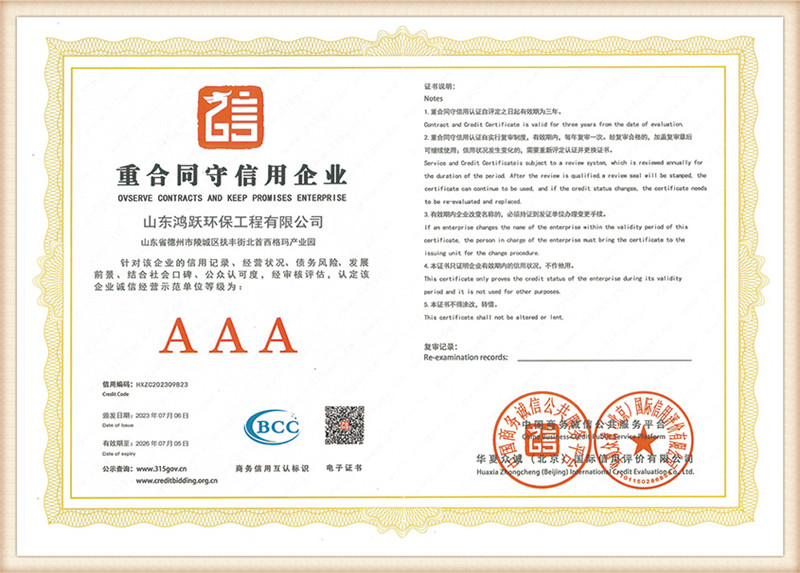
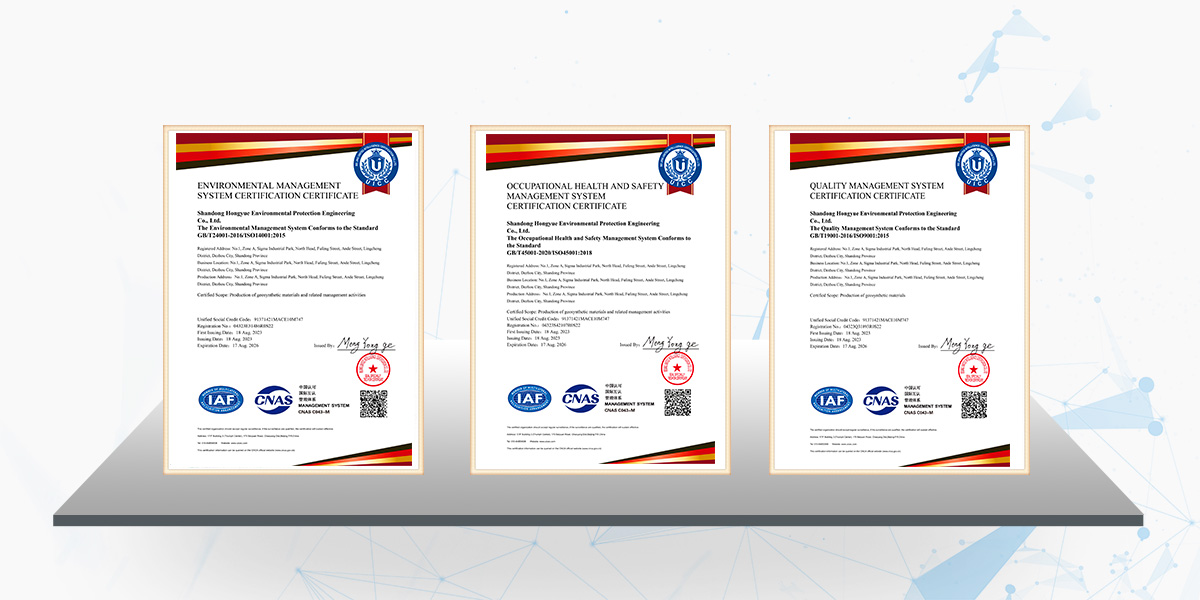
The company has successively passed the ISO9001 international quality system certification, ISO14000 environmental system certification, and ISO45001 occupational health and safety management system certification, and has won multiple honors such as "green and environmentally friendly building materials products", "no consumer complaints", "famous Chinese brands", "high-tech industries", "quality service double excellent units", and "provincial-level poverty alleviation leading enterprises". The company has established sales networks or agency agencies in more than 40 large and medium-sized cities such as Shanghai and Beijing, and its products are exported to multiple countries such as Europe, the United States, Australia, and various parts of the country. The products are widely used in key projects in various provinces and cities.
A look inside our state-of-the-art facilities, focusing on precision manufacturing of geotextiles, geomembranes, and geocells.
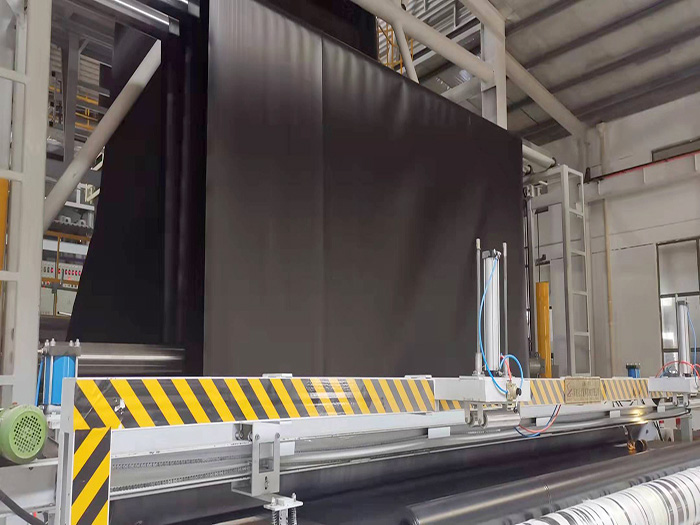
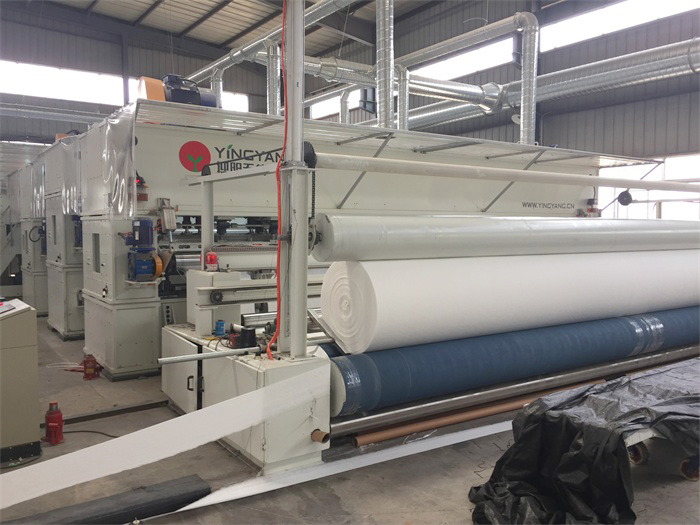
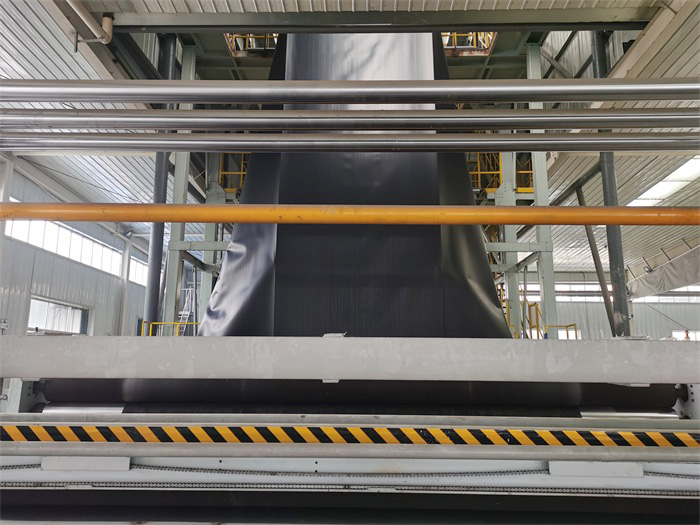
Geotextile is widely used in civil engineering materials, with filtration, isolation, reinforcement, protection and other functions, its production process includes raw material preparation, melt extrusion, mesh rolling, draft curing, winding packaging and inspection steps, need to go through multiple links of processing and control, but also need to consider its environmental protection and durability and other factors. Modern production equipment and technology have been widely used, making the production efficiency and quality of geotextiles have been significantly improved.
1. Raw material preparation: The main raw materials of geotextile are polyester chips, polypropylene filament and viscose fiber. These raw materials need to be inspected, arranged and stored to ensure their quality and stability.
2. Melt extrusion: After the polyester slice is melted at high temperatures, it is extruded into a molten state by a screw extruder, and polypropylene filament and viscose fiber are added for mixing. In this process, the temperature, pressure and other parameters need to be precisely controlled to ensure the uniformity and stability of the melting state.
3. Roll the net: After mixing, the melt is sprayed through the spinneret to form a fibrous substance and form a uniform network structure on the conveyor belt. At this time, it is necessary to control the thickness, uniformity and fiber orientation of the mesh to ensure the physical properties and stability of the geotextile.
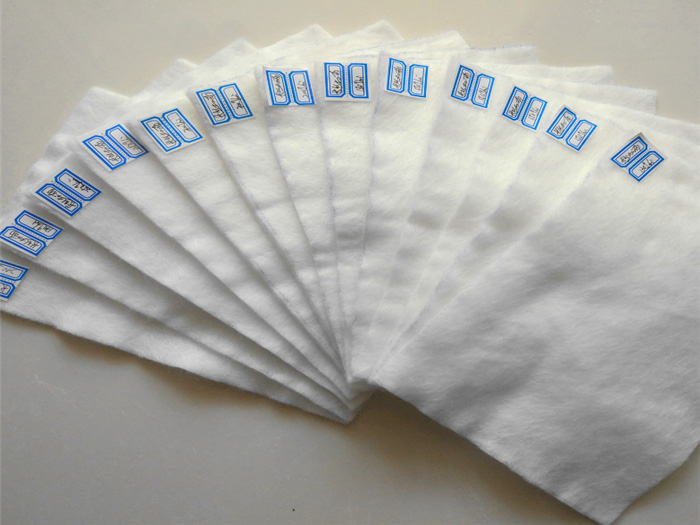
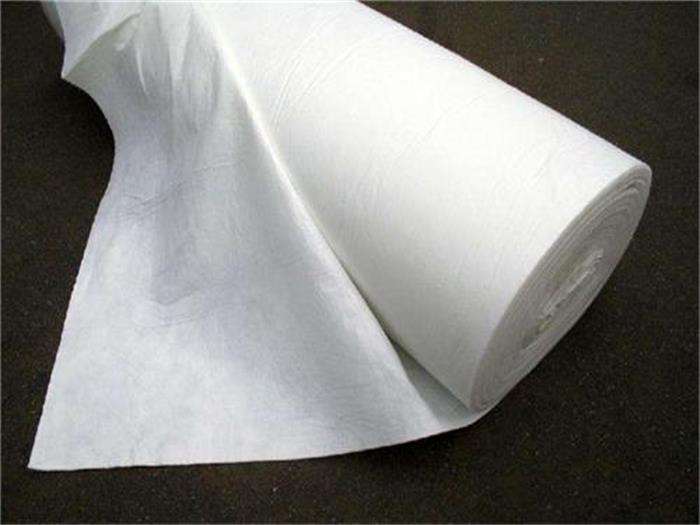
4. Draft curing: After laying the net into rolls, it is necessary to carry out draft curing treatment. In this process, the temperature, speed and draft ratio need to be precisely controlled to ensure the strength and stability of the geotextile.
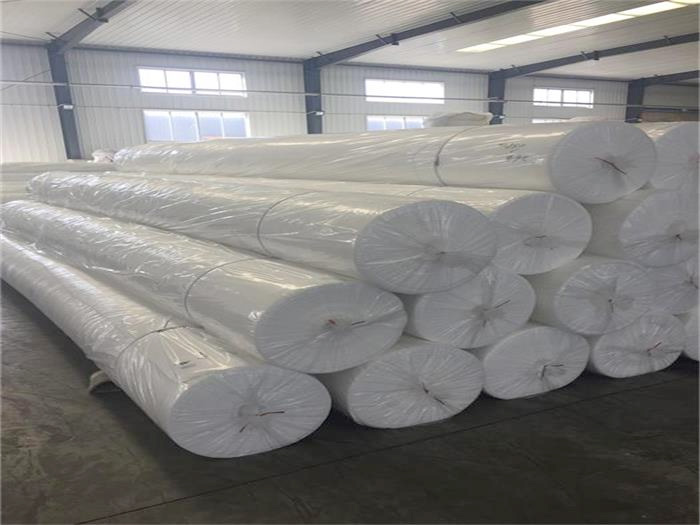
5. Roll and pack: The geotextile after draft curing needs to be rolled up and packed for subsequent construction. In this process, the length, width and thickness of the geotextile need to be measured to ensure that it meets the design requirements.
6. Quality inspection: At the end of each production link, the quality of geotextile needs to be inspected. The inspection contents include physical property test, chemical property test and appearance quality test. Only geotextiles that meet the quality requirements can be used in the market.
Guidelines for Selecting, Laying, and Maintaining High-Integrity Containment Barriers.
Geomembrane is a kind of material widely used in engineering projects, which has the functions of seepage prevention, isolation and reinforcement. This paper will introduce the application technology of geomembrane, including selection, laying and maintenance.
1. Select geomembrane: It is very important to choose the suitable geomembrane. Here are some key points to choose geomembrane:
2. Geomembrane laying: The laying of geomembrane needs to follow certain steps and techniques:
3. Maintenance of geomembrane: Maintenance of geomembrane can extend its service life and function:
Shandong Hongyue guarantees consistent product characteristics through strict compliance and testing protocols.
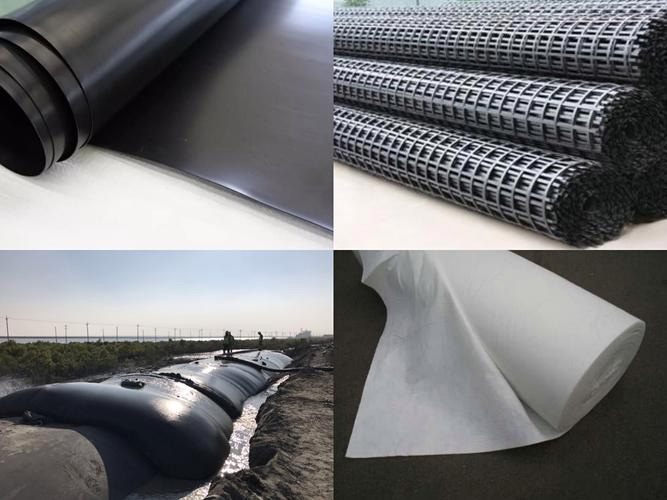
Shandong Hongyue Environmental Protection Engineering Co., Ltd. mainly produces various types and specifications of geotextile, geomembrane, composite geomembrane, waterproof plate, bentonite waterproof blanket, composite geomembrane drainage network, anti-drainage board, waterproof roll, geogrille, water stop, permeable pipe and other products, forming four material systems of impermeability, environmental protection, protection, reinforcement and water stop, integrated supply.
Shandong Hongyue Environmental Protection Engineering Co., Ltd. has a complete and scientific management system, has passed the ISO9001 international quality system certification, ISO14000 environmental system certification, ISO45001 occupational health and safety management system certification. It has won many honors such as "Green building Materials Products", "No consumer complaints", "China Famous Brand", "High-tech Industry", "Quality Service Double excellent Unit", "Provincial poverty alleviation Leading Enterprise" and so on. The company adopts the most advanced production technology and equipment process, and has perfect detection means and precision inspection equipment to ensure that the products always maintain excellent performance. The quality of all products produced by the company has reached or exceeded international standards, and passed the certification of China National Testing Center, and all passed the national quality supervision and sampling inspection commissioned by the State Administration of Quality Supervision and Inspection.
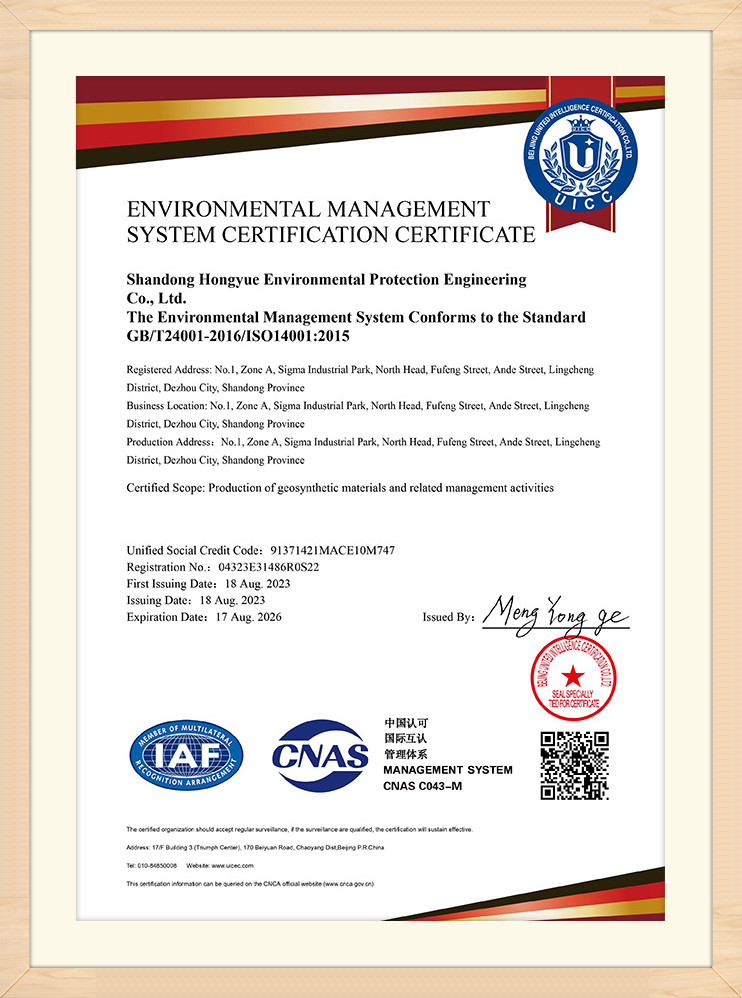
Shandong Hongyue Environmental Protection Engineering Co., Ltd. has built a group of sophisticated technology, experienced production technology and market service team, engineers and technicians have more than ten years of experience, several years to serve domestic and foreign large-scale engineering construction sites. The company has gradually established offices in large and medium-sized cities across the country, engaged in material consulting, project follow-up, construction design, marketing management and other services, under the cooperation of the headquarters, to provide our customers with 24-hour comprehensive service and product technical consultation.
With continuous market development and stable, reliable, high-performance geomaterials products, as well as scientific, economic solutions and deep, comprehensive technical support, Shandong Hongyue has accumulated rich experience in engineering design, product development and construction and many other aspects, the company's integrity, strength and product quality is gaining more and more project owners and engineering parties recognition.
Integrating impermeable barriers to protect public infrastructure, canals, and reservoirs.
Geomembrane, as an efficient anti-seepage material, plays a vital role in water conservancy projects. Its excellent anti-seepage performance, light and easy construction characteristics and relatively low cost make geomembrane become an indispensable part of water conservancy projects.
Reservoir Seepage Prevention: First of all, in the construction of reservoirs, geomembrane can play a very good anti-seepage role. Because reservoirs are usually built in valleys or low-lying areas, the geological conditions are more complex, so effective measures need to be taken to avoid leakage between the bottom of the reservoir and the surrounding rock. The use of geomembrane can effectively solve this problem, and can also improve the safety and stability of the whole reservoir.
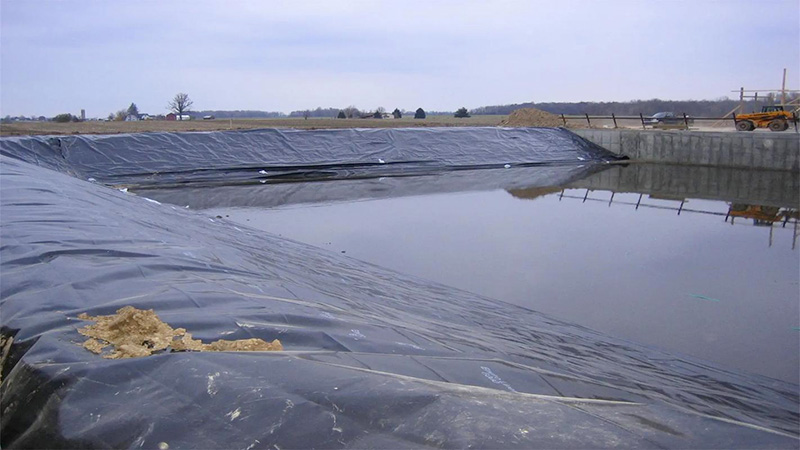
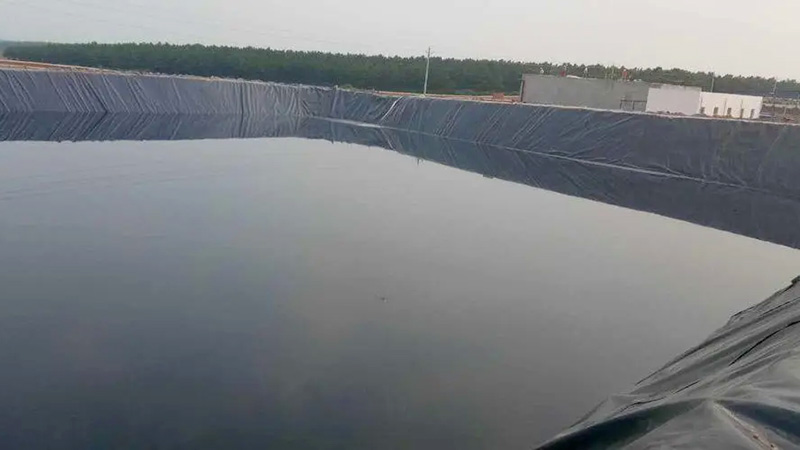
Dike and Levee Strengthening: Secondly, it is also necessary to use geomembrane to strengthen the anti-seepage effect during the construction of levees. A dike is a man-made structure whose main purpose is to protect the downstream area from flooding. However, in the construction process, there will be many unpredictable factors leading to loopholes, at this time, it is necessary to use geomembrane for remedial measures.
River and Canal Governance: Third, in the river and channel governance, geomembrane also has a wide range of applications. Rivers and channels are very important components of water conservancy projects, they can not only regulate water flow, protect farmland and urban infrastructure, but also improve the ecological environment of the entire region. However, in the governance process will encounter some difficult problems, such as loopholes, landslides and so on. At this time the use of geomembrane can be a good solution to these problems.
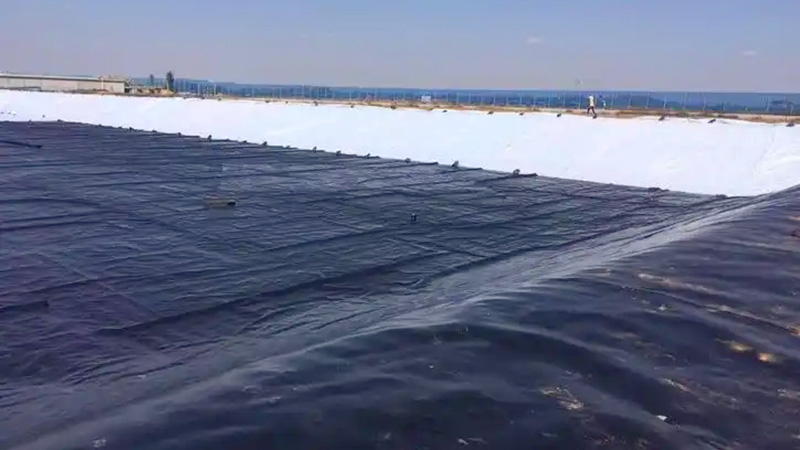
Integrating geocells, geomembranes, and drainage networks to deliver comprehensive structural stability across Nagoya's diverse topographies.
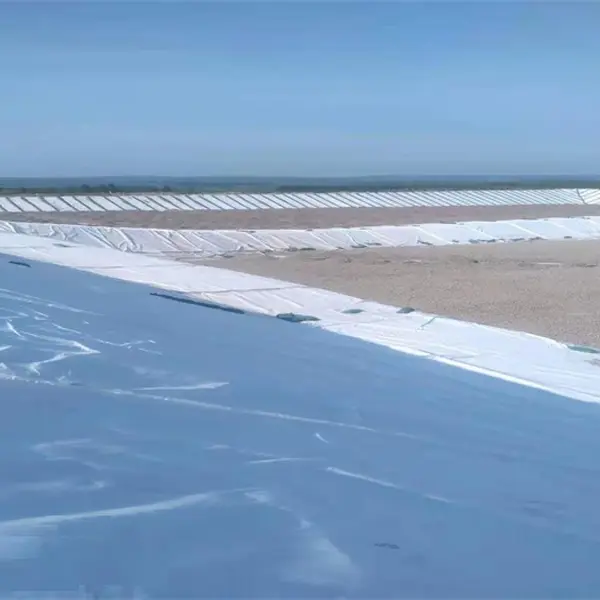
High-integrity containment layers designed for agricultural water reservoirs in Aichi Prefecture.
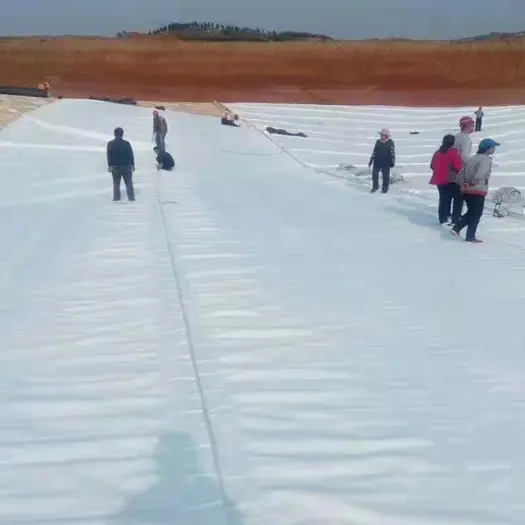
Integrated bank stabilization combining nonwoven geotextiles and reinforced composite geocells.
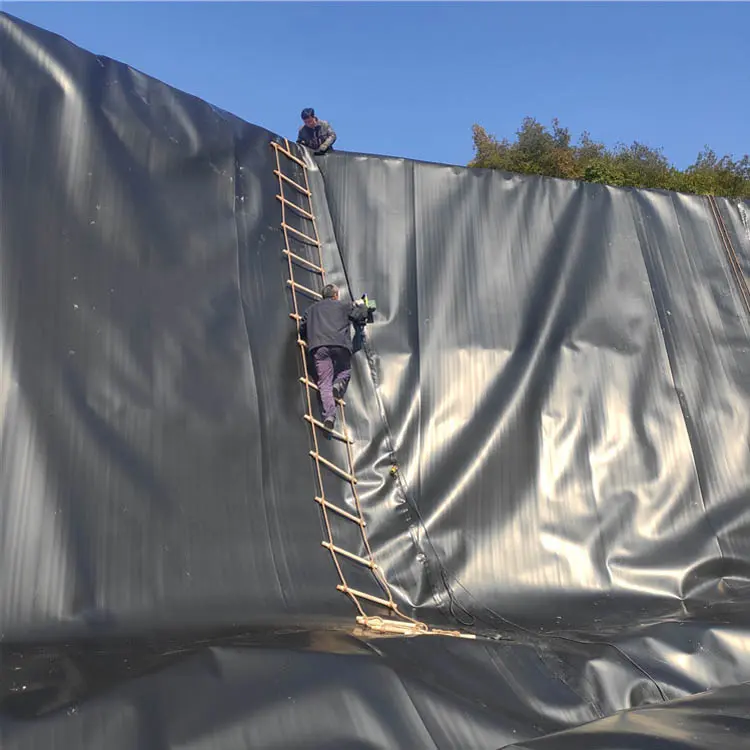
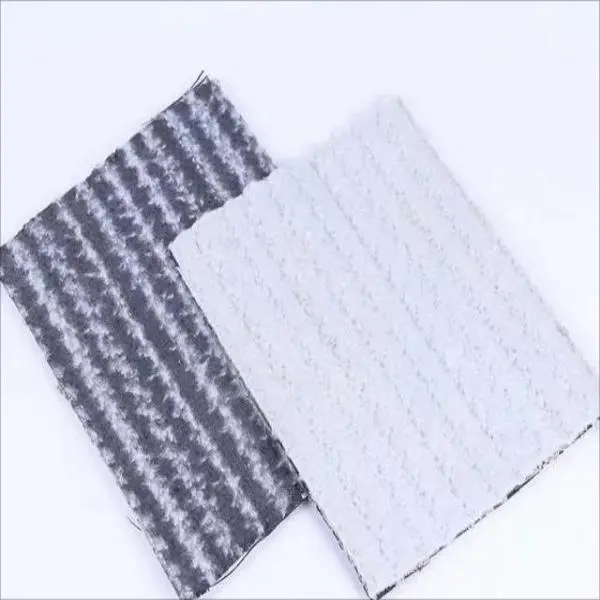
Multilayer composite lining utilizing high-density geomembranes and GCL blankets to isolate chemical runoff.
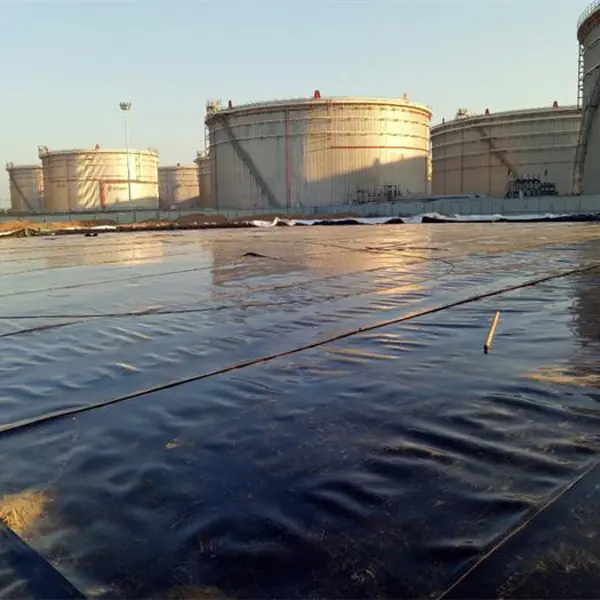
High-performance hydrocarbon containment zones for portside petro-chemical depots.
In Nagoya's urban road expansion projects, subgrade stabilization was historically achieved via cement deep mixing (CDM) or replacement with heavy concrete foundations. These methods are carbon-intensive and exhibit limited flexural durability during seismic occurrences. Our HDPE Geocell systems offer three-dimensional confinement that transforms the aggregate infill into a rigid composite slab. Below is a comparative representation of the structural parameters:
| Parameter / Attribute | Conventional Concrete/Gravel Subgrade | Hongyue HDPE Geocell Reinforcement |
|---|---|---|
| Subgrade Bearing Capacity (BC) | Baseline value (high dependency on aggregate purity) | Increase by 150% - 250% via hoop-stress confinement |
| Response to Seismic Shock (Tokai Scenario) | Rigid failure / crack propagation under shear forces | Flexible 3D joints dissipate energy, preventing liquefaction |
| Installation Carbon Footprint | High (heavy machinery, cement carbon output) | Reduced by up to 60% (uses local soil infill) |
| Design Lifespan (JIS equivalent) | 15-20 years (subject to erosion & washout) | Exceeds 50 years (excellent polymer stability) |
As smart cities and ecological restorations dominate modern infrastructure, the role of geosynthetics is transforming. At Shandong Hongyue Environmental Engineering Co., Ltd., our engineering roadmap focuses on three technological developments:
1. Bio-Polymer and Recycled Composite Systems: In alignment with Japan’s Green Growth Strategy, we are developing geocells made from recycled post-consumer polymers combined with plant-fiber-based matrices. These systems provide structural stability during initial engineering lifespans and gradually degrade into bio-compatible nutrients once root systems fully anchor the soil.
2. Smart Sensors Integration: Future geocells will not just sit passively in the ground. By embedding micro-optical fiber strain sensors directly into the HDPE cell wall junctions, engineers can monitor subgrade stresses in real-time. Under Nagoya's seismic monitoring systems, these "smart geocells" transmit strain data to municipal maintenance hubs, warning of early deformation or slope failures long before visual signs appear.
3. Advanced Carbon Black Dispersion Technologies: To combat extreme UV degradation on sloped installations, our laboratory is refining nanometer-scale carbon black dispersion processes. This ensures an even absorption of ultraviolet radiation, raising the expected outdoor lifespan of exposed geocell channels to over 75 years without loss of junction weld integrity.
Showcasing our products in hydraulic, environmental, and infrastructure projects globally.
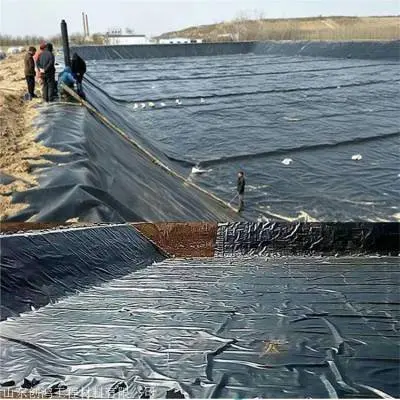
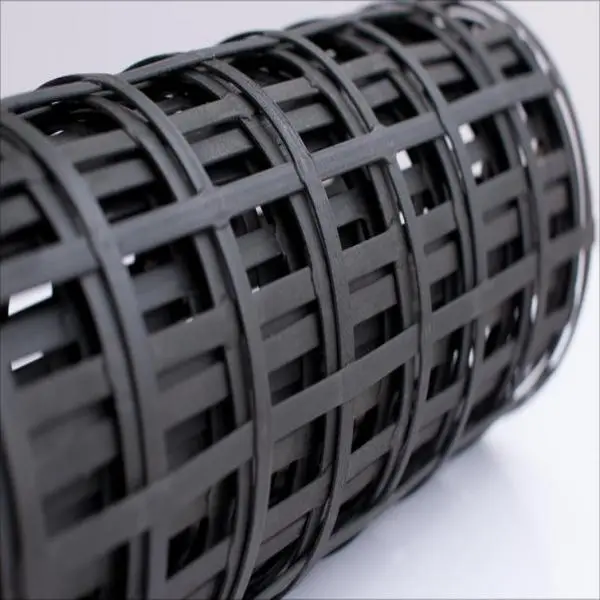
Answering the primary technical questions posed by Japanese procurement agents, civil planners, and design firms.
During seismic shear waves, loose saturated sands undergo pore-water pressure spikes, leading to structural liquefaction. By enclosing granular infills within three-dimensional HDPE cells, the geocell network restricts dynamic soil grain displacements. The soil within the cell acts as a semi-rigid monolith that absorbs shear waves and distributes localized stresses over a wide footprint, preventing structural deformation.
Yes. A primary economic benefit of geocells is the ability to utilize local, on-site infills—including sandy loam, cohesive clay, and recycled asphalt/concrete. Rather than importing expensive graded gravel aggregates, the structural confinement properties of our HDPE panels elevate the mechanical strength of poor soils, reducing structural aggregate shipping costs.
Our products undergo manufacturing protocols certified by ISO9001, ISO14000, and ISO45001. We routinely test geocells under ASTM and ISO standards for tensile weld strength, environmental stress cracking resistance (ESCR) using ASTM D5397 (noting values exceeding 500 hours), and carbon black dispersion (conforming to Japanese standards for UV stabilization).
Our geocells are manufactured from 100% virgin HDPE polymers combined with specialized UV-inhibiting additives (exceeding 2.0% carbon black content). This formulation guarantees a design life of over 50 years in permanent underground configurations and high chemical stability (pH 2 to 12), ensuring performance in acidic mountain soils and coastal environments.
High-Density Polyethylene has a low glass transition temperature (-70°C). Our geocells remain flexible in winter and resist structural warping in hot summer conditions, absorbing freeze-thaw expansions without cell deformation.
Explore our complete range of high-performance civil materials, including composite geocells, geomembranes, and advanced drainage solutions.
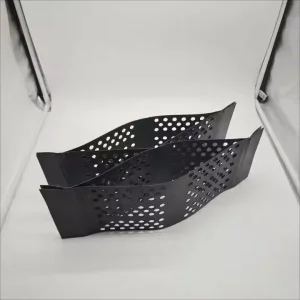
Advanced composite polymers offering high resistance to long-term creep and chemical degradation.
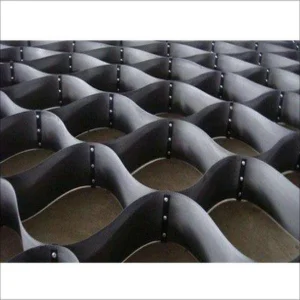
Ideal for high-velocity water channels requiring low resistance to boundary layer flows.
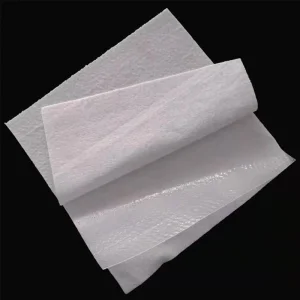
Composite system incorporating robust geotextile protection layers with impermeable geomembranes.
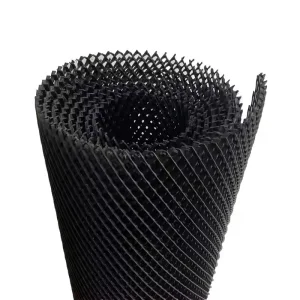
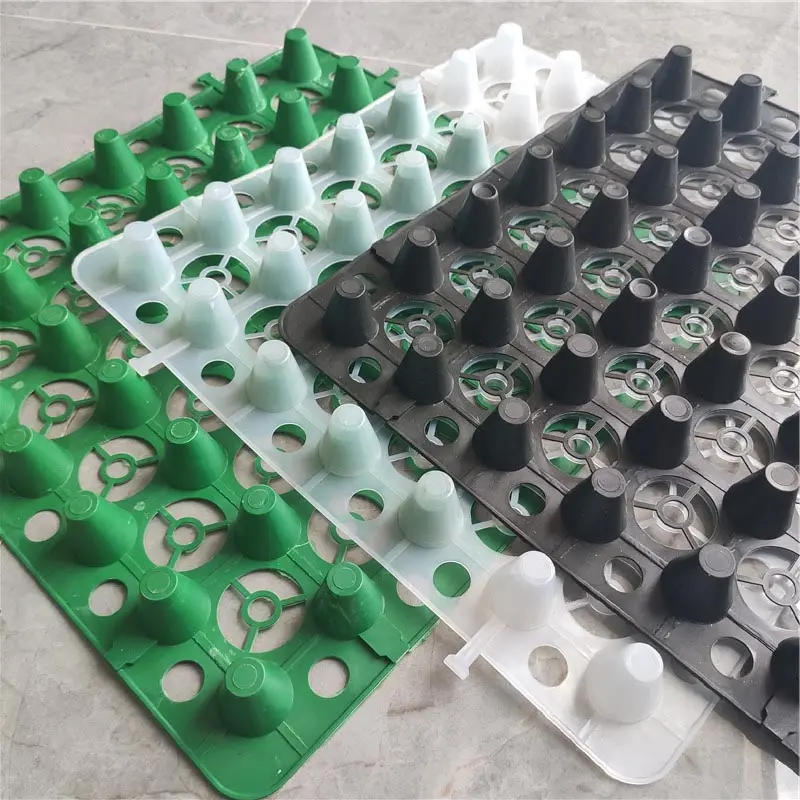
Excellent hydraulic transmissivity, crucial for managing sub-base groundwater tables.
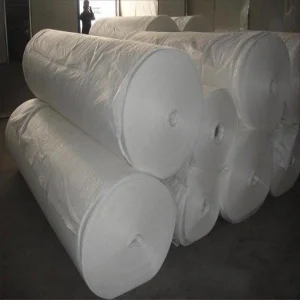
High permeability and soil filtration characteristics, ideal for marine foundation separation.
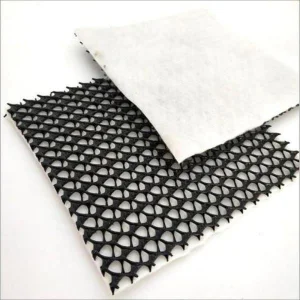
Prevents water pooling under high load pavements and airport runways.
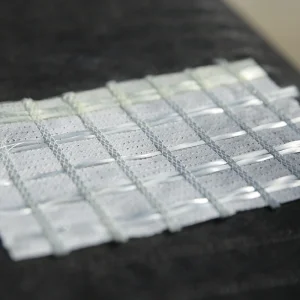
High modulus reinforcement that prevents reflective cracking in heavy transport roads.
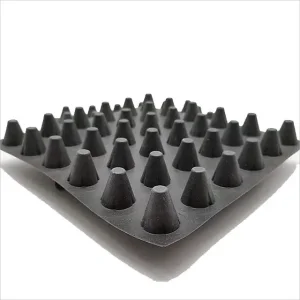
Heavy-load support structures for underground civil foundations and drainage paths.
 Hongyue