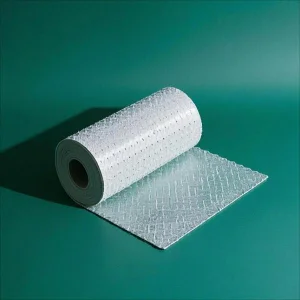
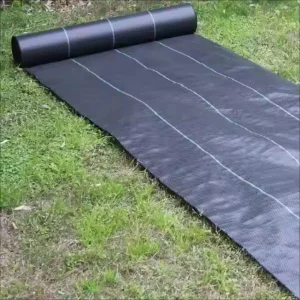
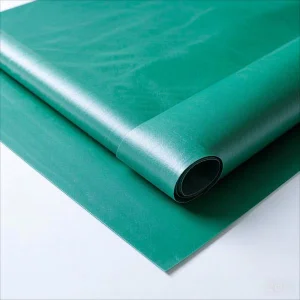
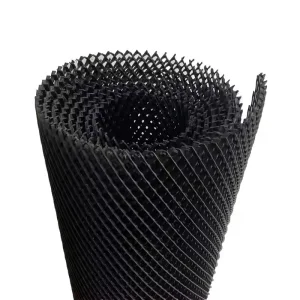
Explore our certified range of geo-membranes, drainage systems, and soil reinforcement materials.
Soil instability represents one of the most critical structural hazards in modern civil engineering. Unconsolidated subgrades, moisture fluctuation, and load-bearing variations compromise civil assets, causing premature pavement fatigue, structural settlement, and slope failure. Ground stabilisation membranes serve as the fundamental barrier that redistributes dynamic loads, filters fine soils to prevent siltation, and separates incompatible aggregate layers.
As a leading force in high-performance geosynthetics, Shandong Hongyue Environmental Engineering Co., Ltd. addresses these critical issues. By manufacturing specialized stabilising membranes with precise engineering specifications, we provide global projects with enhanced durability and long-term cost containment. Based in the industrial production hub of Dezhou, Shandong Province, we specialize in high-tensile geotextiles, geomembranes, and geocells tailored to withstand high dynamic loading conditions.
Our structural materials act as hydraulic filters while providing high puncture resistance. This specialized design improves the overall California Bearing Ratio (CBR) of roads, railway tracks, and heavy-duty storage yards. Under the rigorous frameworks of contemporary structural compliance, selecting the correct ground stabilisation membrane is a crucial factor in building durable infrastructure.
Enterprise capacity, global distribution footprint, and technical infrastructure statistics.
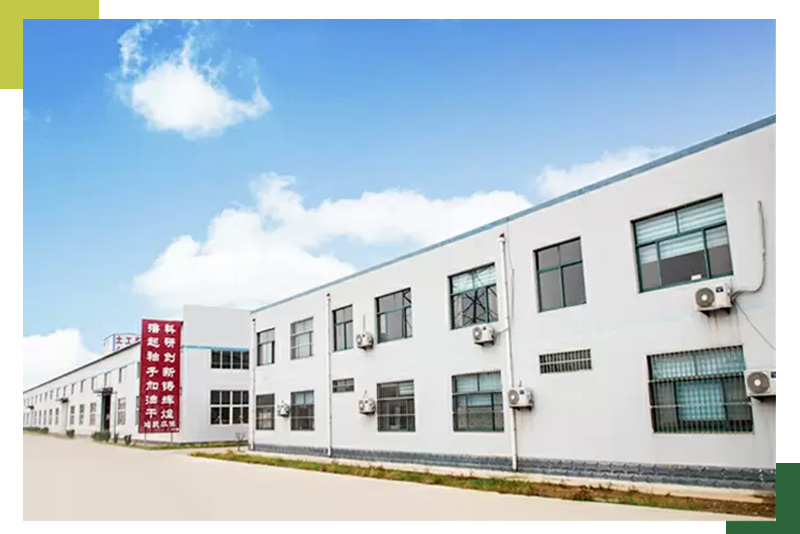
Established on April 6, 2023, and registered under the Lingcheng District Market Supervision and Administration Bureau of Dezhou City, our manufacturing plant has quickly grown to become one of China's primary supply chains for advanced geotechnical materials.
How quality materials are processed and controlled to deliver high performance on-site.
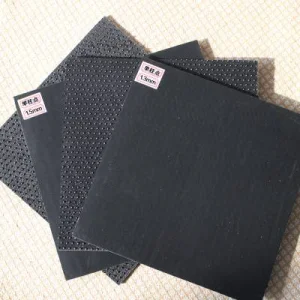
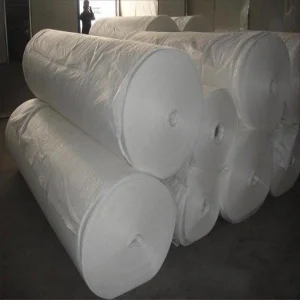
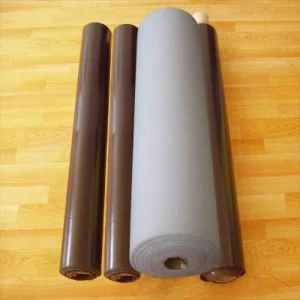
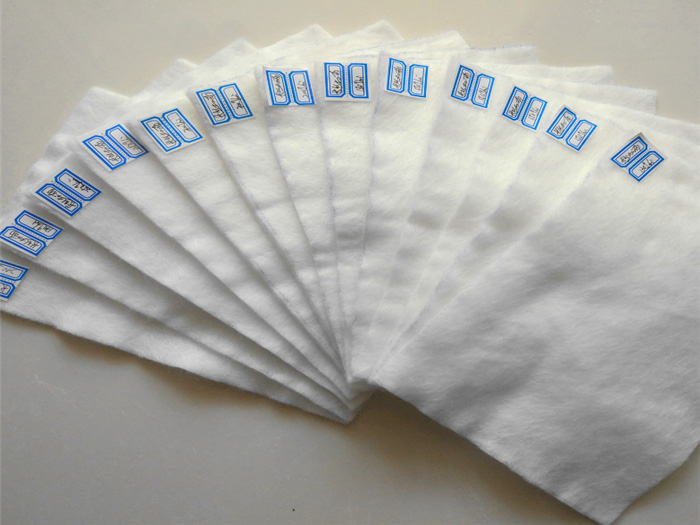
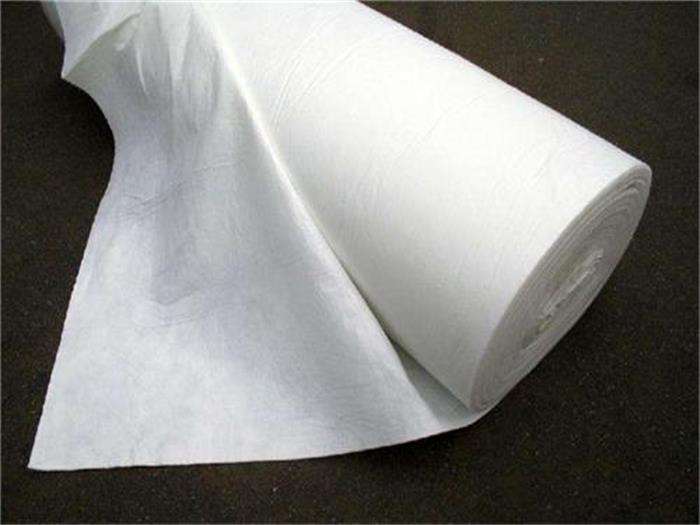
The performance of a ground stabilisation membrane depends on the precision of its manufacturing process. At Hongyue, we utilize high-grade polypropylene (PP) and polyester (PET) chips to produce stable, needle-punched non-woven geotextiles and HDPE geomembranes ranging from 0.3mm to 2.0mm thickness. These materials offer superior chemical resistance, ensuring durability in soils with high acidity or alkalinity.
We source premium polyester chips, polypropylene filament, and viscose fibers. These materials undergo strict entry inspections to verify density, polymer consistency, and mechanical stability before processing.
Polymer chips are melted at high temperatures and extruded using screw extruders. The temperature and pressure parameters are monitored to ensure uniform blend density and physical integrity.
The melted polymer is sprayed through spinnerets, forming a structured fiber network on the conveyor belt. Thickness, density, and fiber orientation are controlled at this stage.
The fibrous network is needle-punched and thermally bonded to align the polymer chains, significantly increasing tensile strength and puncture resistance.
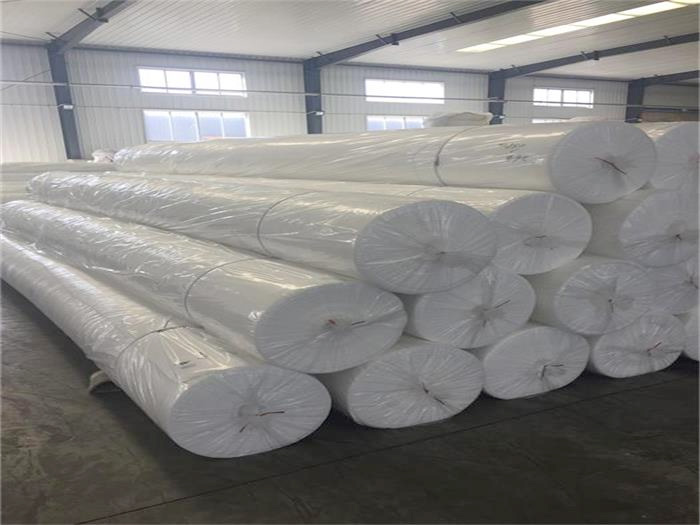
The cured geotextiles are rolled, measured for length, width, and thickness compliance, and packed using weather-resistant wrapping to protect them during transport.
Each batch undergoes physical (tensile strength, hydraulic permittivity, tear resistance) and chemical testing at our in-house lab before shipment.
Why international EPC contractors choose Dezhou's manufacturing ecosystem for large-scale infrastructure projects.
Dezhou, Shandong is widely recognized as the center of China’s geotextile and geosynthetics industry. Operating in this cluster allows Shandong Hongyue to source high-grade polymers efficiently, minimizing upstream logistics delays. We pass these cost and speed advantages directly to our international clients.
We manage the entire production process, from raw materials to final quality testing. This vertical integration allows us to customize roll lengths, sheet widths, and thicknesses to match the specific structural requirements of different projects.
Our factory’s location in Dezhou provides convenient access to major shipping ports like Qingdao and Tianjin. This proximity simplifies international container logistics, ensuring reliable transit times to key markets in Europe, the Americas, Australia, and Southeast Asia.
With a registered capital of 105 million yuan, we maintain the operational capacity to manufacture and deliver large-volume orders for major public works, environmental containment facilities, and municipal road networks.
Providing verified data and certified quality standards for international engineering compliance.
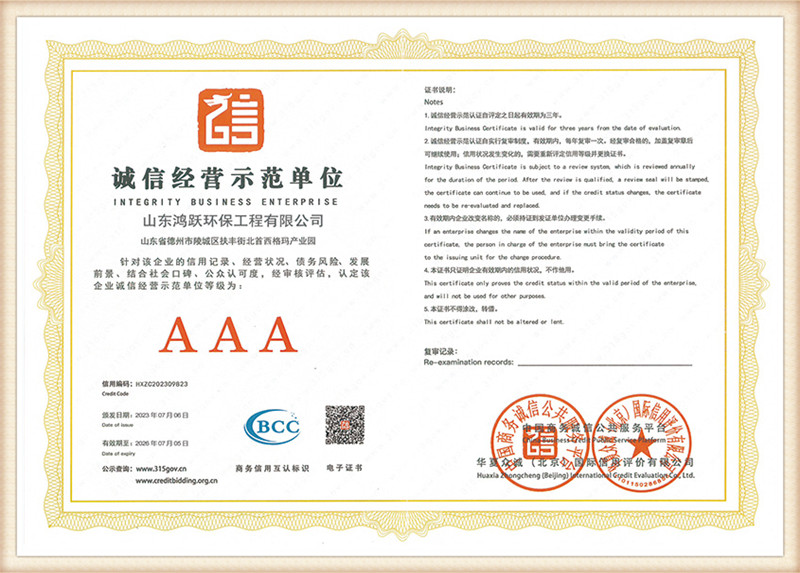
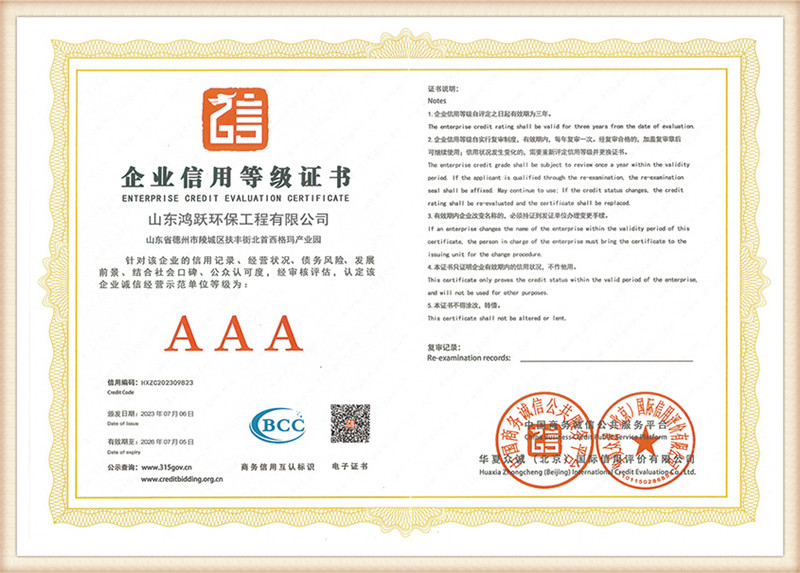
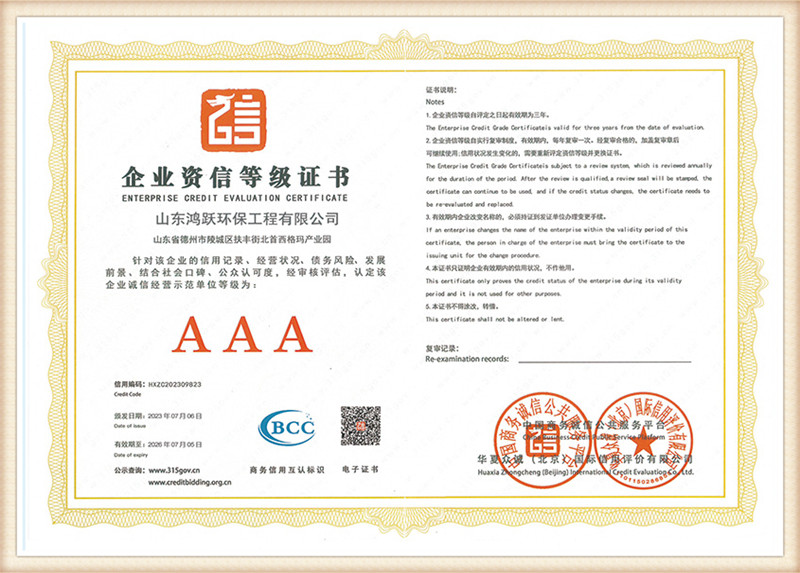
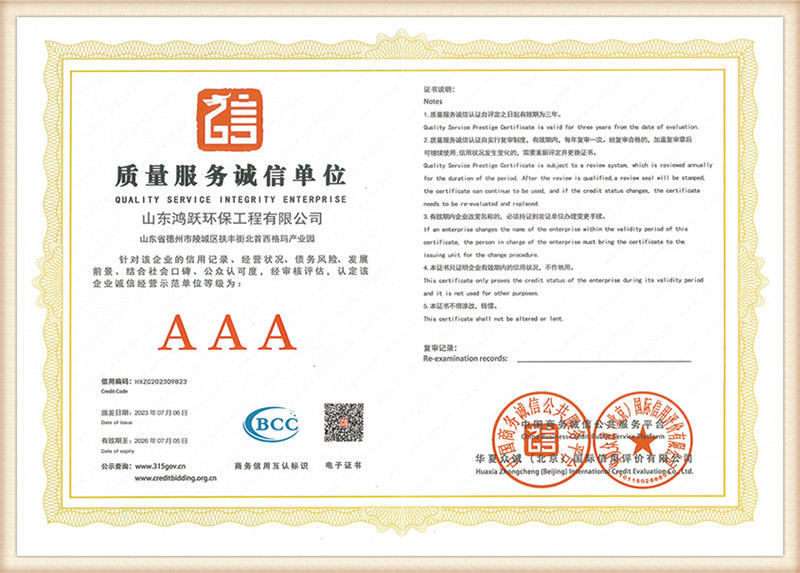
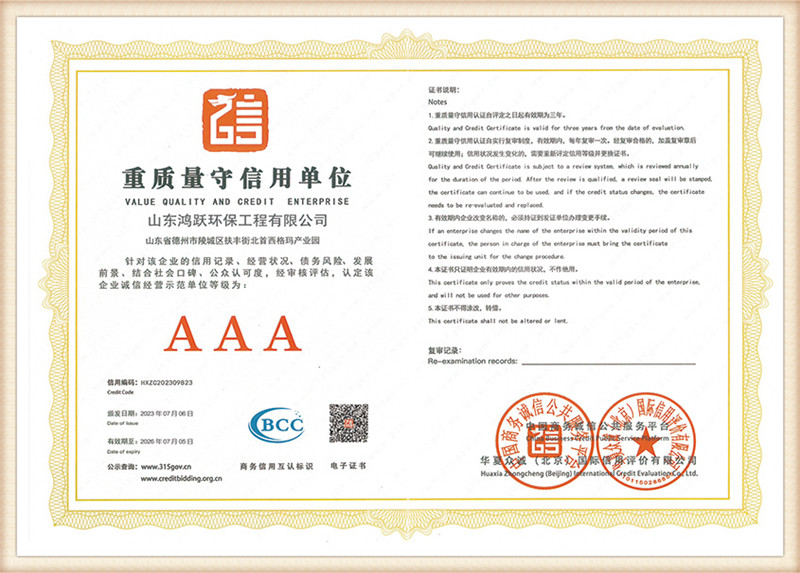
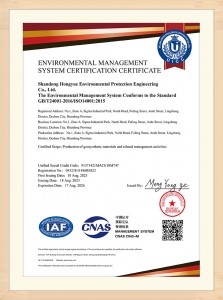
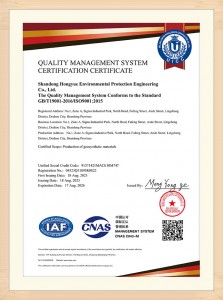
Our facilities are certified under ISO9001 (Quality Management), ISO14001 (Environmental Protection), and ISO45001 (Occupational Health & Safety), ensuring safe and reliable production workflows.
All products are certified by the China National Testing Center and undergo regular random sampling by the State Administration of Quality Supervision and Inspection.
We supply CE-marked products engineered to meet European, American (ASTM), and Australian (AS/NZS) standards for filtration, reinforcement, and chemical resistance.
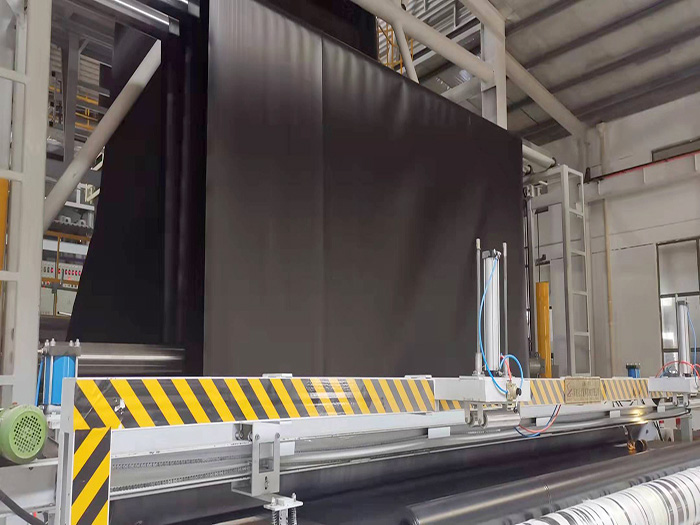
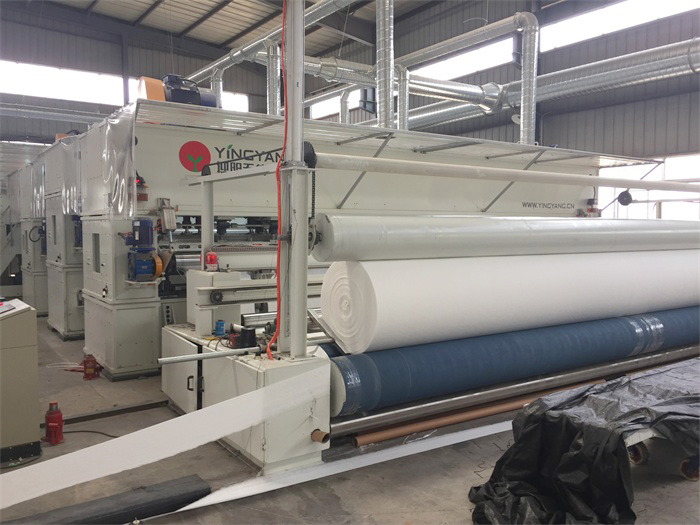
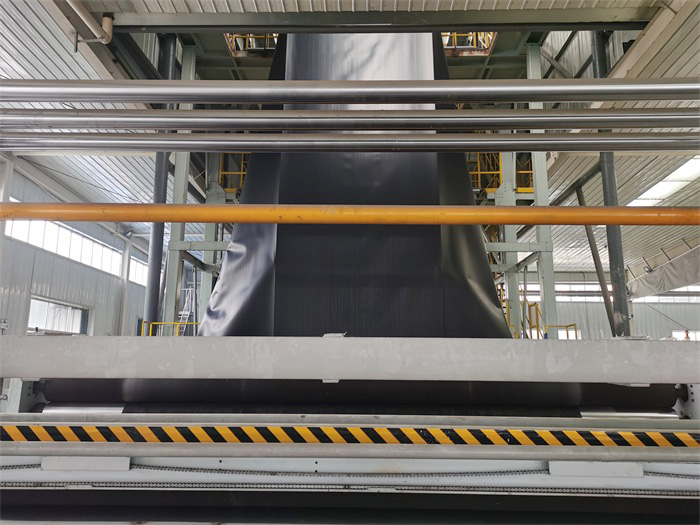
A look inside Shandong Hongyue's large-scale production facilities in Dezhou, Shandong Province.
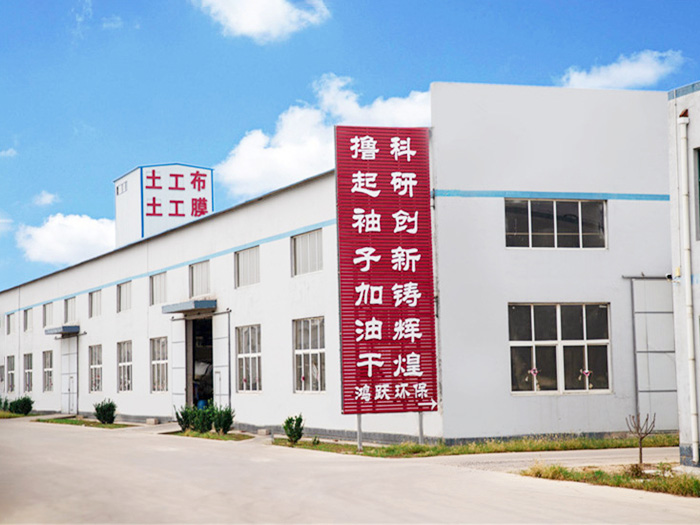
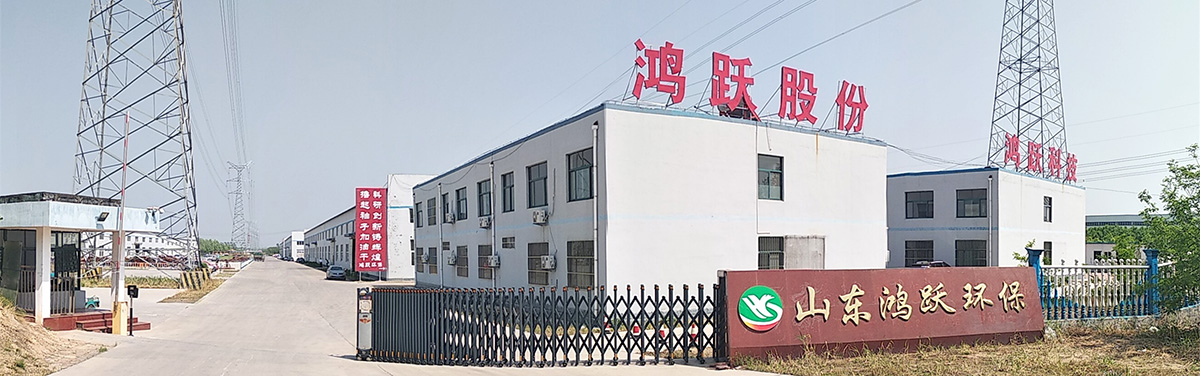
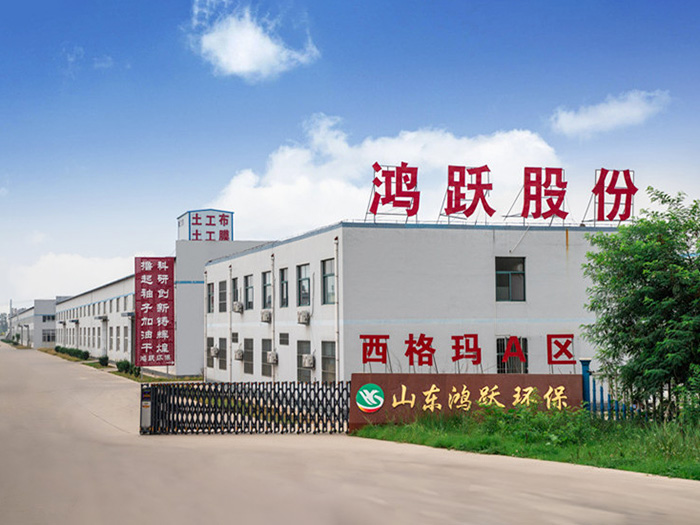
Practical integration of stabilising membranes, geogrids, and geomembranes in key civil infrastructure sectors.
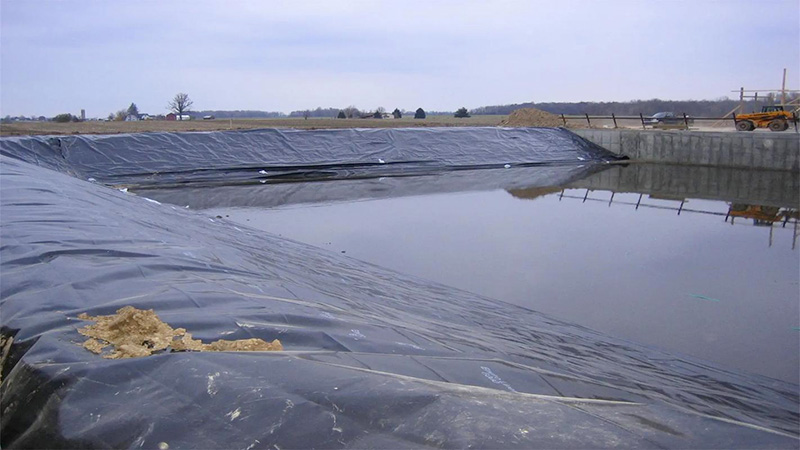
In water conservancy projects, geomembranes are used to prevent seepage and protect structural foundations. Complex geological conditions in reservoirs, canal beds, and river banks require reliable barriers to prevent water loss and subgrade erosion.
Hongyue geomembranes are engineered with high mechanical resistance to withstand hydrostatic pressure. They improve reservoir safety by sealing permeable soil and rock formations, preventing structural washouts and leakage.
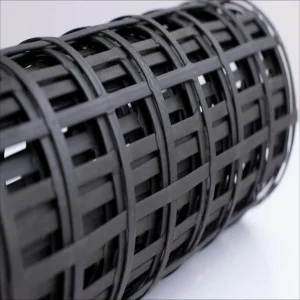
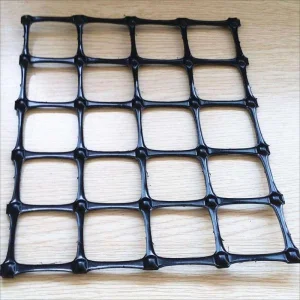
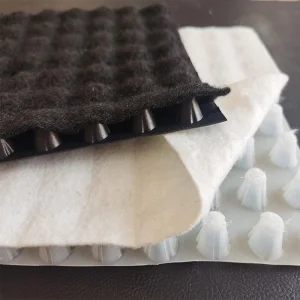
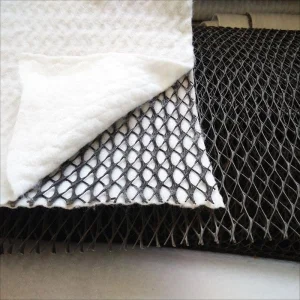
For road embankments and canal slopes, geomembranes combined with geogrids and 3D composite networks provide effective stabilization. This multi-layered approach helps prevent slope failures and controls erosion caused by surface runoff.
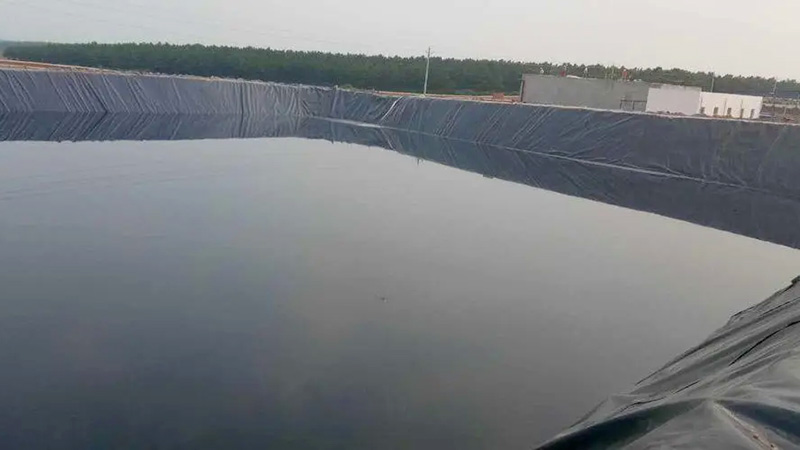
Dynamic wheel loading can cause subgrade soil to mix with the aggregate base, leading to rutting and asphalt failure. Using non-woven ground stabilisation membranes separates these layers, helping preserve the structural integrity of the road.
By distributing wheel loads over a wider area, these membranes reduce subgrade stress. This improves the structural lifespan of highways and high-speed rail lines, helping lower long-term maintenance costs.
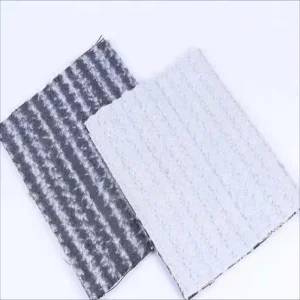
Protecting groundwater from municipal waste and hazardous chemicals is a key environmental requirement. Our double-lined geomembrane configurations and bentonite waterproof blankets provide robust chemical resistance to safely contain leachate and runoff in industrial facilities.
In-house testing capabilities that ensure compliance with global engineering specifications.
Shandong Hongyue operates a dedicated testing laboratory equipped to verify the mechanical and hydraulic properties of our products. Our technical staff has over a decade of experience in geotechnical testing, supporting major public works and industrial containment installations.
We regularly test parameters such as tensile strength, puncture resistance, hydraulic flow rates, and UV degradation. This continuous testing ensures that our products maintain stable, long-term performance in diverse site conditions, including high chemical exposure and extreme temperatures.
Key design considerations and field practices for ground stabilisation membranes.
Before installation, the subgrade must be graded and cleared of sharp stones, roots, and debris. Ruts or depressions should be filled and compacted to create a uniform foundation.
Membranes are laid flat without wrinkles. Adjacent rolls should overlap by 300mm to 500mm, depending on soil stability. In wet or unstable conditions, overlaps may require heat-seaming or mechanical stitching.
Base aggregate should be dumped and spread away from the working edge. Avoid driving construction equipment directly on the exposed membrane to prevent puncture damage.
Direct answers to technical queries from site engineers and procurement departments.
Complete your site requirements with our certified drainage nets, concrete blankets, and erosion control systems.
 Hongyue