Industrial-strength geosynthetic solutions verified by ISO certifications and globally recognized quality inspections.
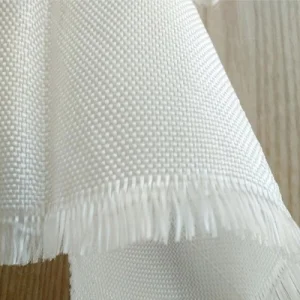
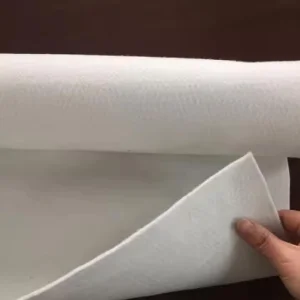
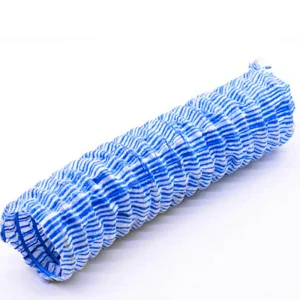
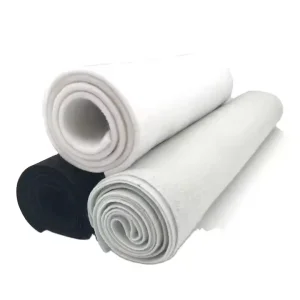
In large-scale civil infrastructure projects, efficiency is measured in labor hours, transport logistics, and joint integrity. The 4m X 50m (200m²) geotextile roll specification has emerged as the definitive global standard for soil separation, filtration, reinforcement, and drainage.
By offering a width of 4 meters, this profile dramatically reduces the number of overlaps required across expansive surfaces. Since overlap seams require an safety margin of 30cm to 50cm, wider rolls yield massive material savings. The 50-meter length keeps roll weight within safe operational limits for standard mechanical deployment rigs, avoiding damage to subgrades from overly heavy rolls, while minimizing manual handling issues on site.
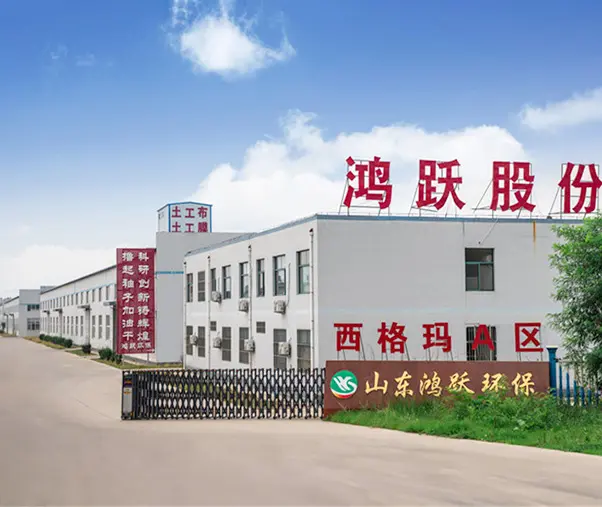
Leading China's Geosynthetic Industry through Tech-Driven Infrastructure Engineering & High-Quality Manufacturing
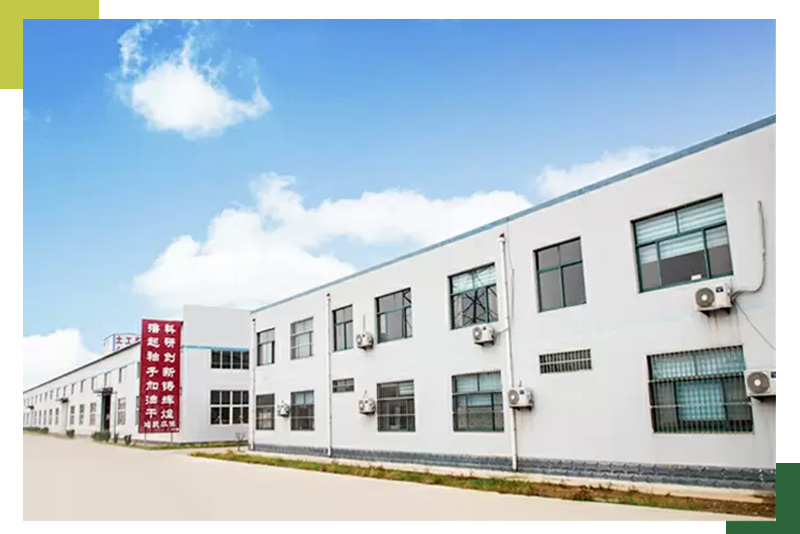
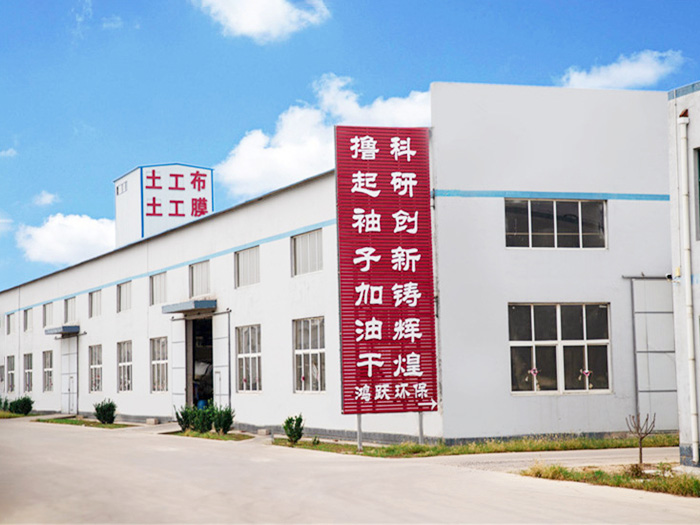
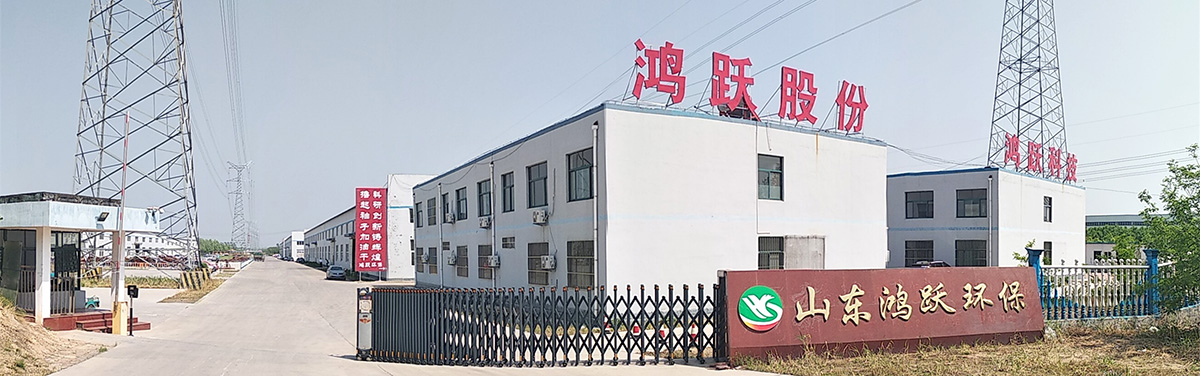
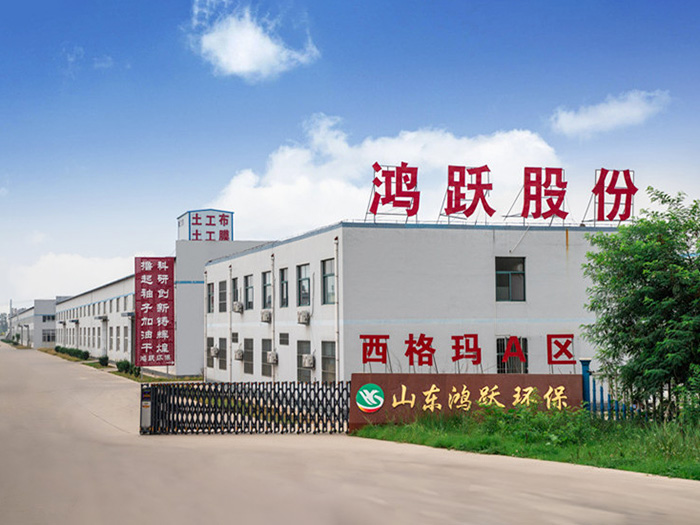
Shandong Hongyue Environmental Engineering Co., Ltd., located at the north end of Fufeng Street, Lingcheng District, Dezhou, Shandong Province, is a scientific and technological geotechnical material manufacturer integrating engineering material production, sales, design, and construction services.
The company was registered in the Lingcheng District Market Supervision and Administration Bureau of Dezhou City on April 6, 2023, with a registered capital of 105 million yuan. It stands today as one of the largest production bases of geotechnical materials in China, benefiting from a superior geographical location and highly convenient logistics networks.
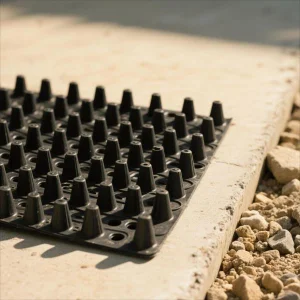
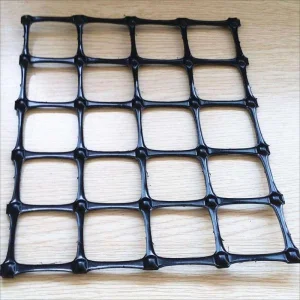
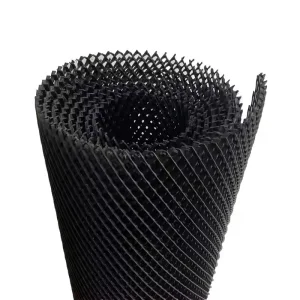
Our core business encompasses a wide variety of engineering solutions: geotextiles, geomembranes, composite geomembranes, waterproof boards, bentonite waterproof blankets (GCL), 3D composite drainage nets, composite drainage boards, weaving cloths, woven cloths, membrane bags, blind ditches, waterproof and drainage combinations, woven bags, ecological bags, cement blankets, fiber plant blankets, and flexible pervious pipes.
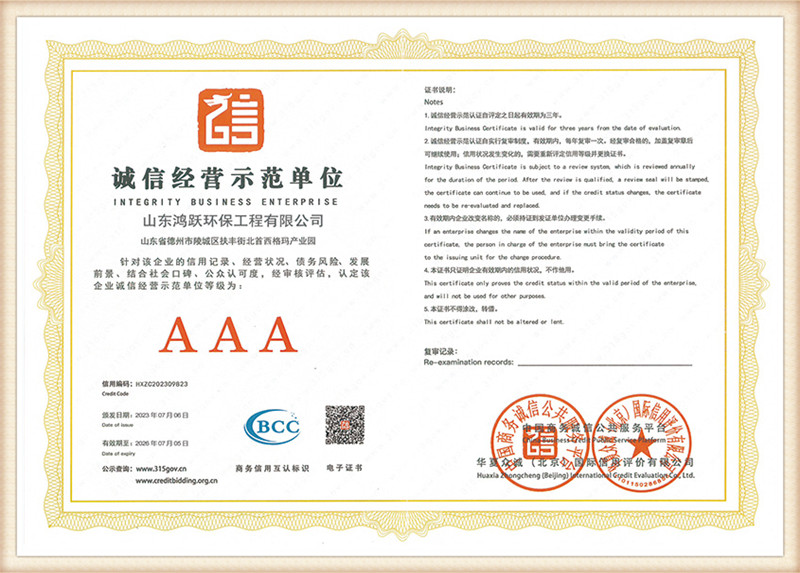
We have successfully attained the ISO9001 international quality management system certification, ISO14000 environmental management system certification, and ISO45001 occupational health and safety management system certification. These standards govern every phase of our manufacturing operations.
Recognized globally and domestically, our products have won prestigious titles such as "Green and Environmentally Friendly Building Materials Products", "No Consumer Complaints Recognition", "China Famous Brand", "High-Tech Industries Showcase Entity", and "Quality Service Double Excellent Unit".
We have built extensive supply and sales agencies in more than 40 large and medium-sized cities, including major logistical hubs like Shanghai and Beijing. Our exports reach key infrastructure contractors in Europe, the United States, Australia, Southeast Asia, and South America.
Strategic localization, raw material integration, and high-capacity manufacturing lines drive global competitiveness.
Shandong Hongyue is an active, prominent member of the Dezhou Geotextile Association. The Dezhou cluster is China’s largest manufacturing hub for geosynthetics. This geographical consolidation ensures a dense supply chain of raw polymers, expert mechanical engineers, and competitive local logistics, significantly reducing lead times.
Through high-volume contracts for direct raw petrochemical materials (Polyethylene, Polyester chips, and Polypropylene filament), our plant achieves significant economies of scale. We pass these cost savings directly to global buyers, securing competitive pricing for large-scale municipal, railway, and hydraulic tenders.
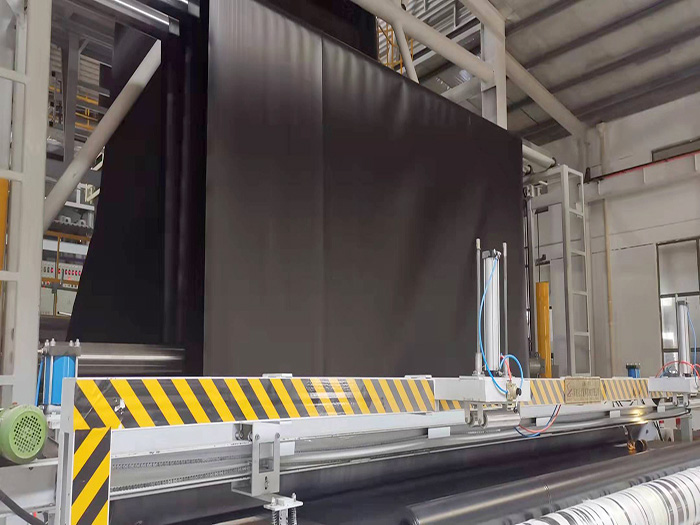
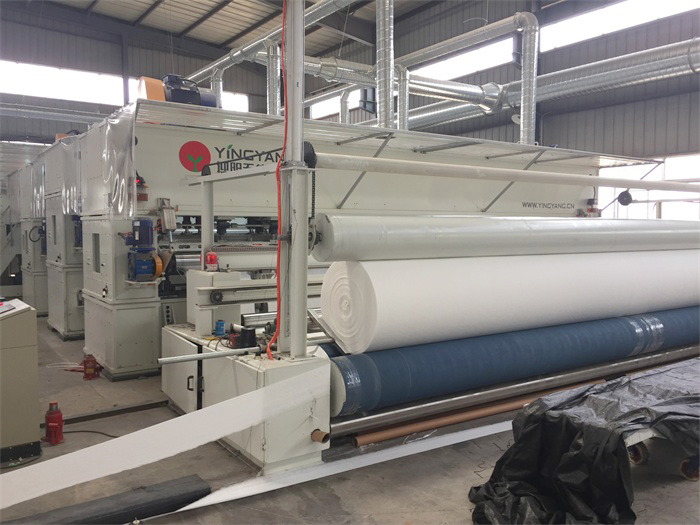
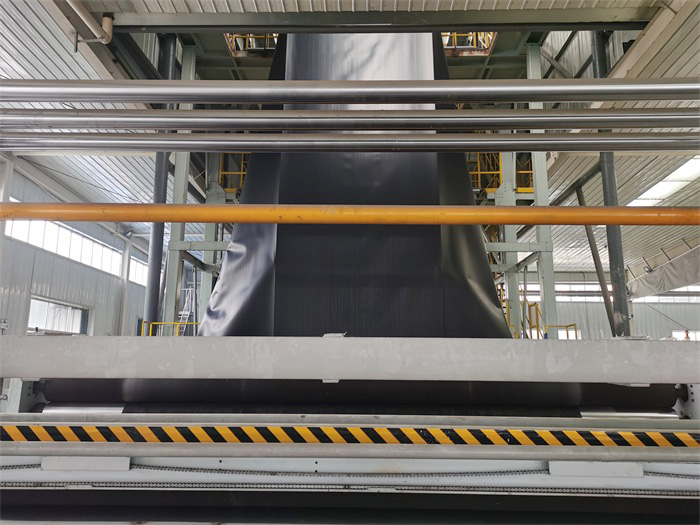
We operate fully automated needle-punch non-woven and high-strength filament extrusion plants. State-of-the-art continuous laser-monitoring arrays detect and flag consistency variances in the fabric thickness, fiber alignment, and puncture resistance in real time during the manufacturing process.
Comprehensive step-by-step engineering overview of our automated geosynthetic manufacturing workflow.
The primary raw materials used in Shandong Hongyue geotextiles are polyester (PET) chips, polypropylene (PP) filaments, and viscose fibers. These raw materials undergo rigorous inbound inspection, sorting, and temperature-controlled storage to guarantee physical and chemical stability before processing.
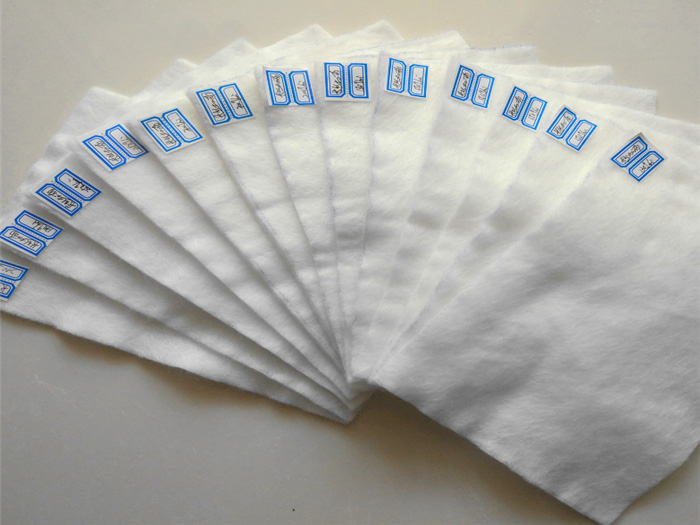
Polyester chips are heated to a molten state in high-temperature chambers and then extruded through precision screw extruders. Concurrently, polypropylene filament and specialized viscose fibers are integrated to form a homogeneous matrix. Temperature, pressure, and viscosity parameters are continuously monitored by computer-controlled PLC arrays.
The molten polymer mix is sprayed through microscopic spinnerets to form extremely fine fibers. These fibers are evenly laid down on an automated conveyor belt system to form a uniform web structure. We control the thickness, orientation, and fiber distribution to ensure isotropic strength across both the machine direction (MD) and cross-machine direction (CMD).
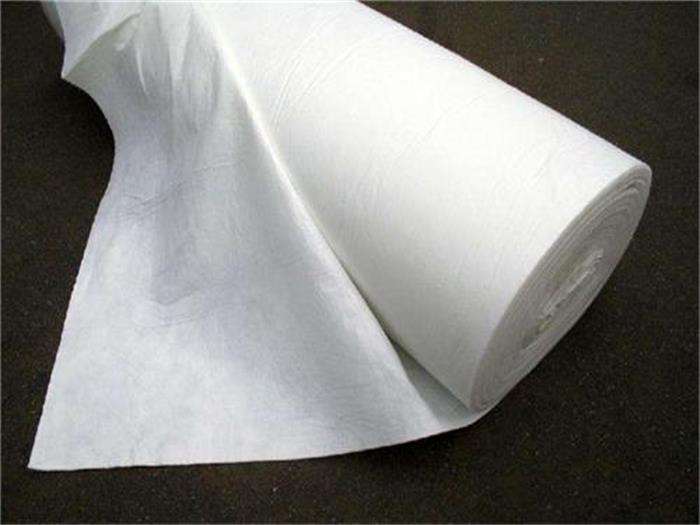
The loose web structure is processed through multi-stage draft curing and consolidation machinery. This utilizes mechanical needle punching, thermal bonding, or chemical binding to lock the fibers into a robust, high-performance material sheet that remains highly permeable while providing superb filtration capability.
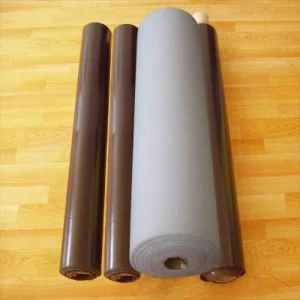
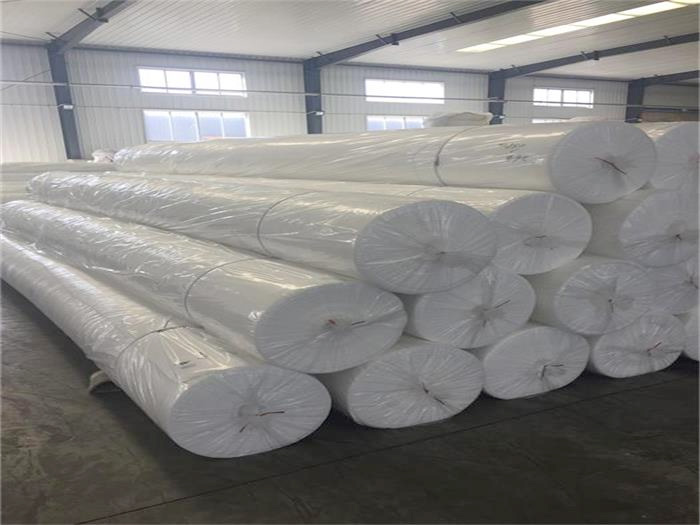
The stabilized geotextile sheet is fed into mechanical rollers that measure and cut the fabric to exact dimensions of 4 meters in width and 50 meters in length. Rolls are wrapped in high-density polyethylene protective film to shield the fabric from moisture, UV radiation, and mechanical abrasions during transit.
Before dispatch, random samples are extracted from each batch and subjected to structural tests at our certified testing facility. Key testing parameters include grab tensile strength, CBR puncture resistance, permittivity, and UV resistance. Only batches that meet or exceed ASTM and ISO specifications receive approval for shipment.
Understanding Selection, Laying, and Long-Term Maintenance for Critical Hydraulic Projects
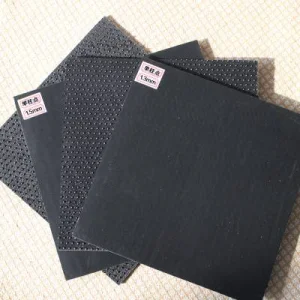
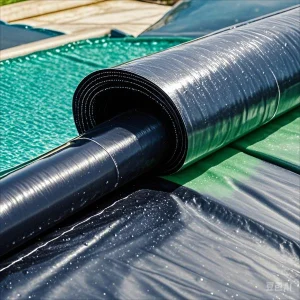
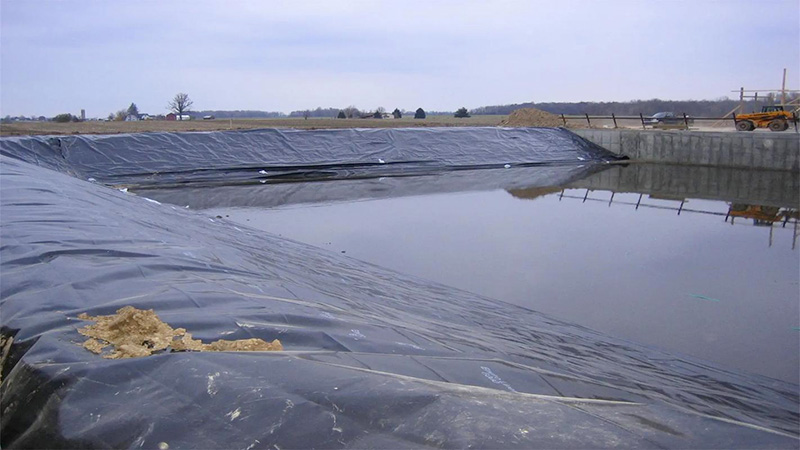
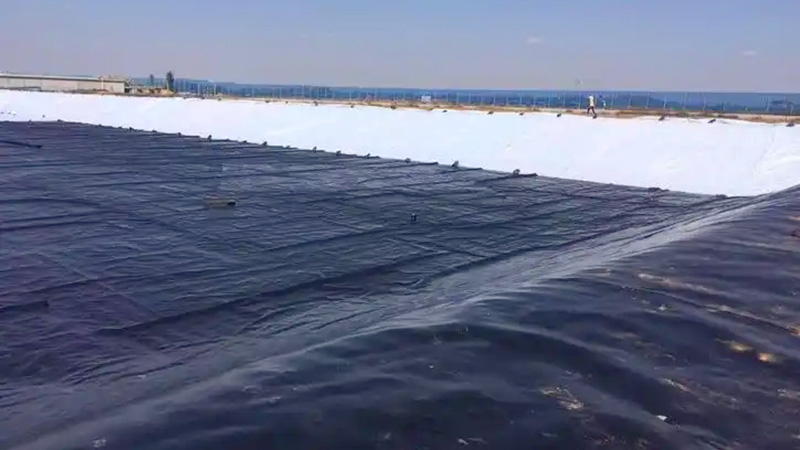
Geomembrane is a key material used in engineering projects, providing vital functions of seepage prevention, isolation, and reinforcement. A successful installation requires combining high-quality 4m x 50m geotextiles (as a cushion layer) with appropriate geomembrane selection, deployment, and protection.
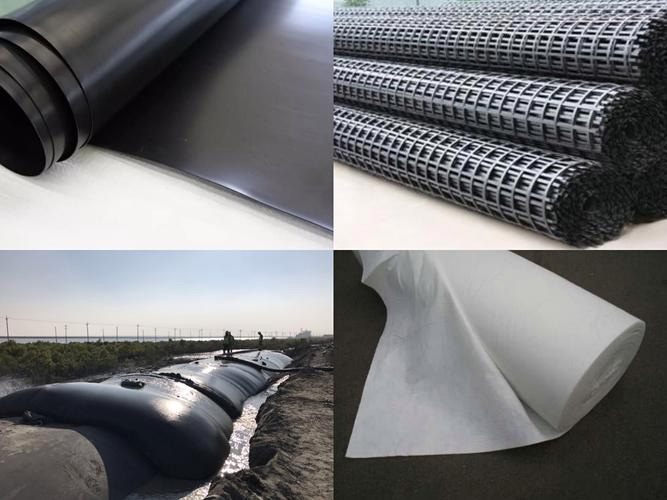
Protecting soils and water tables using high-grade impermeable linings and protective geotextile underlays.
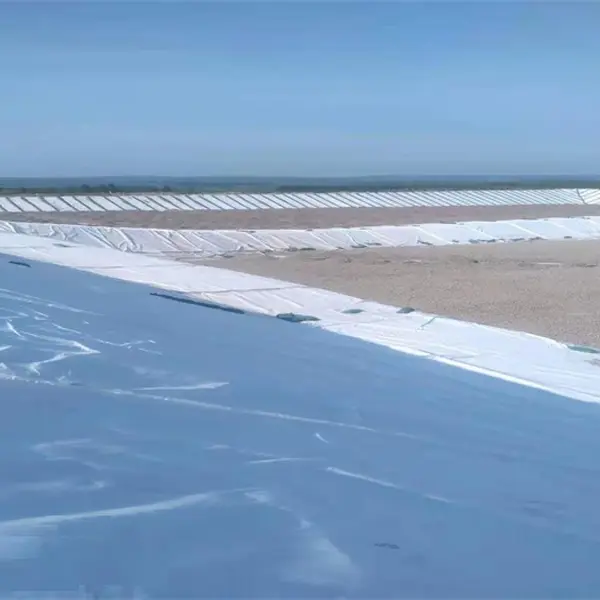
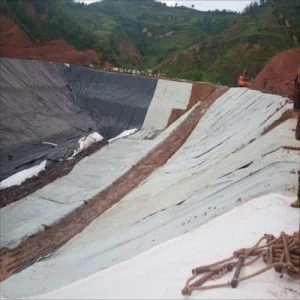
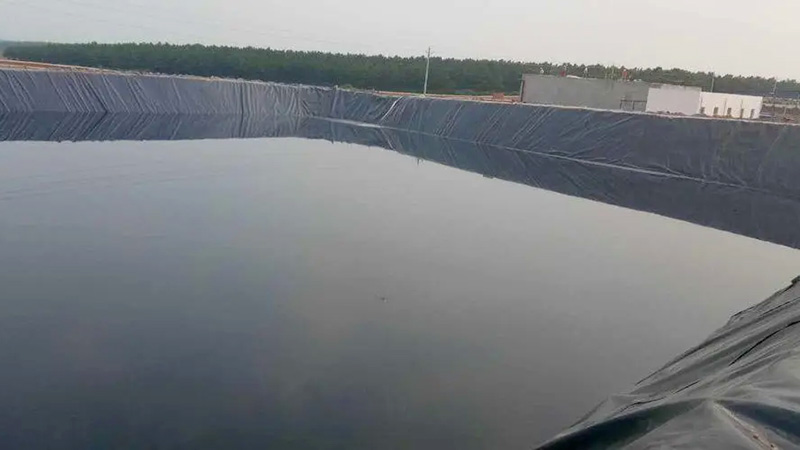
Seepage control in artificial structures and large reservoirs depends on protecting geomembranes from punctures. Using non-woven geotextile layers under and over the barrier protects the liner, prevents punctures, and helps relieve hydrostatic pressure.
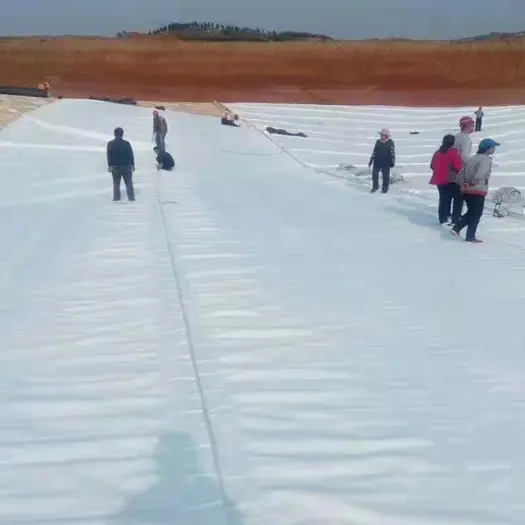
Channels, canals, and river restoration projects benefit from 4-meter wide geotextile and geomembrane systems. The system isolates the moving water from the underlying soil, preventing soil erosion along canal slopes while maintaining consistent channel flow.
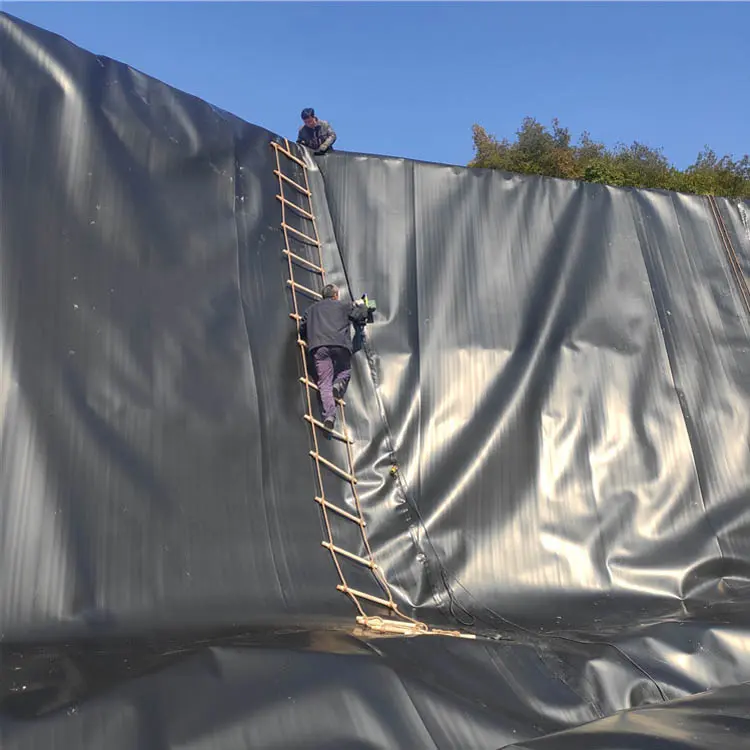
Protecting local aquifers from landfill leachate requires reliable composite linings. Using thick non-woven geotextiles along with bentonite clay liners and HDPE sheets provides robust barrier performance to contain hazardous runoffs.
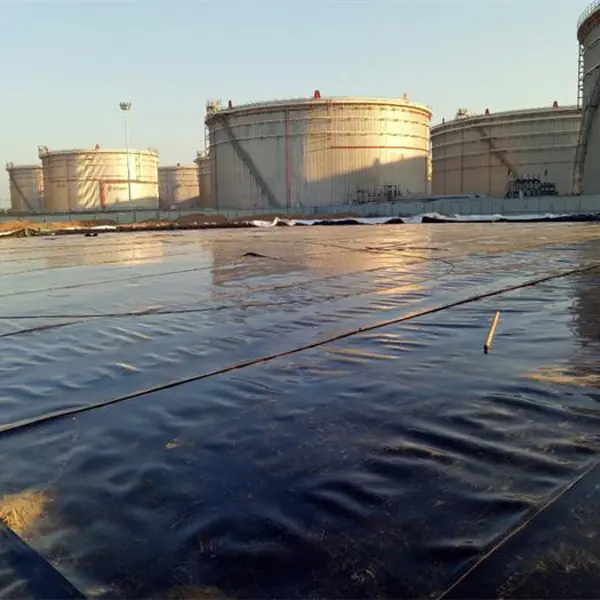
For industrial tank farms, the soil surrounding storage vessels requires protection from potential chemical leaks. Composite geotextile and geomembrane systems line secondary containment zones, preventing contamination in the event of tank failures.
Shandong Hongyue Environmental Engineering Co., Ltd. has established a complete and scientific management system. The company uses advanced production technologies and processes, backed by precision inspection equipment, to ensure consistent product performance.
The quality of all products manufactured in our plant meets or exceeds domestic and international engineering standards. We verify product performance with certifications from the China National Testing Center and complete national quality supervision sampling checks.
Our project support team provides technical advice and guidance on product selection, helping you match materials to your specific design guidelines.
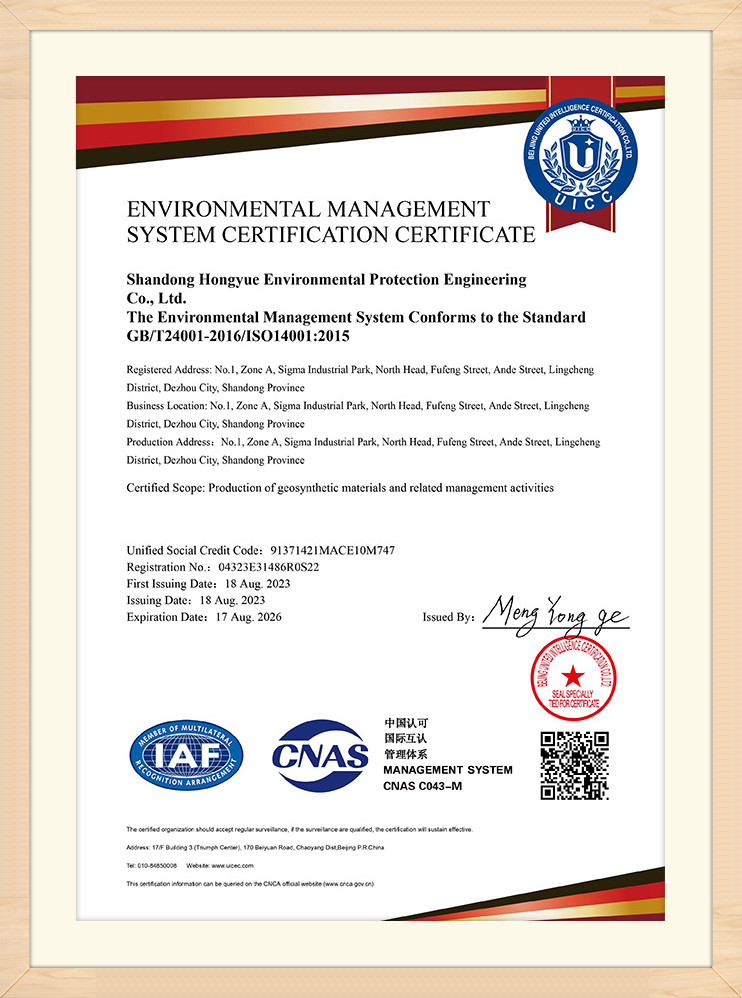
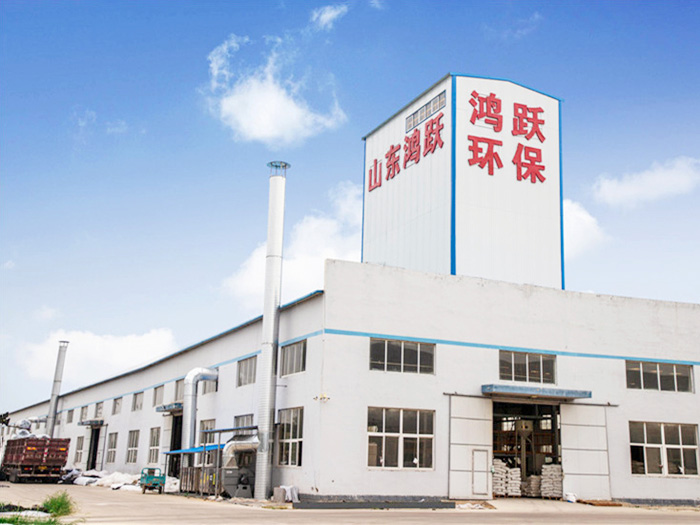
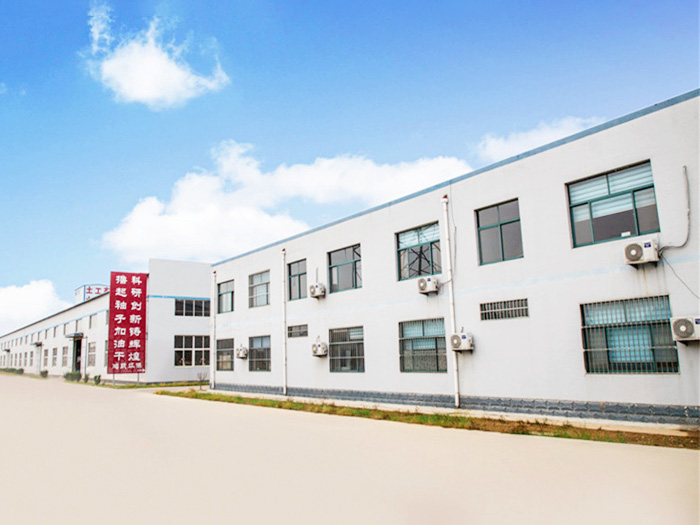
Take a look inside our high-capacity geosynthetics production lines and clean, organized warehouses.
During the construction of levees and river dams, unpredictability in soil density and subgrade shifts can introduce structural vulnerabilities.
By utilizing our geotextiles underneath concrete armor units or rip-rap along riverbanks, developers can prevent soil washouts. High-tensile woven geotextiles serve as reliable reinforcement, stabilizing steep slopes and banks.
For river and channel management, these material layers keep the cross-section stable, helping protect agricultural and municipal zones nearby.
Key Technical Considerations for Global Procurement Managers and Civil Engineers
Gram per Square Meter (GSM) directly indicates the amount of fiber content. For filtration and separation applications, thickness is important but must be evaluated along with mechanical properties like grab tensile strength to ensure appropriate performance.
Ensure that the geotextile’s flow rate and coefficient of permeability match the characteristics of the local soil. The material must allow water to pass through freely while preventing fine soil particles from washing away.
Verify that the material meets the required California Bearing Ratio (CBR) puncture and grab tensile strength specifications. This ensures the geotextile can withstand the impact and mechanical stresses of coarse stone backfilling during installation.
Expert answers regarding installation, performance, custom specifications, and international trade.
Explore our complete range of drainage, containment, and reinforcement solutions manufactured to strict quality standards.
 Hongyue