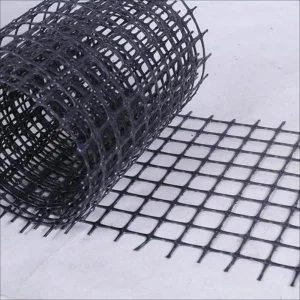
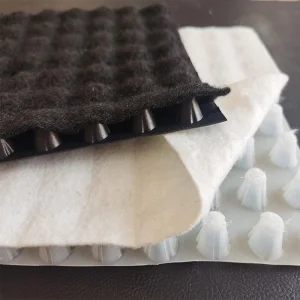
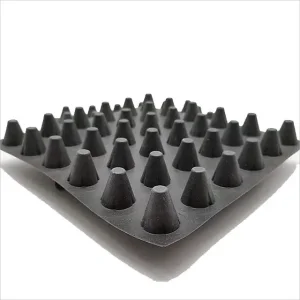
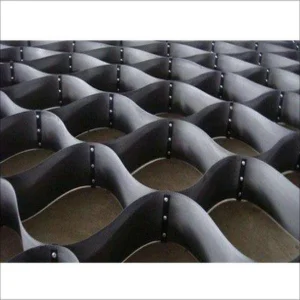
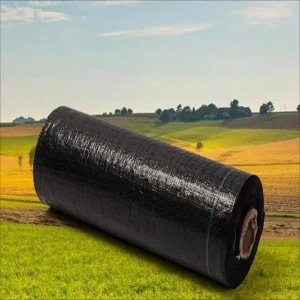
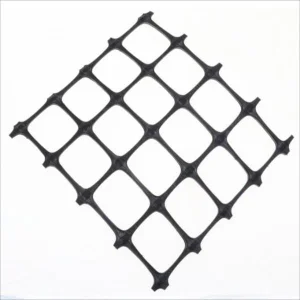
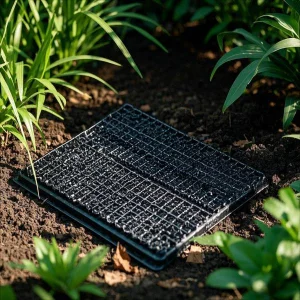
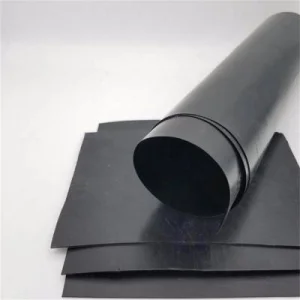
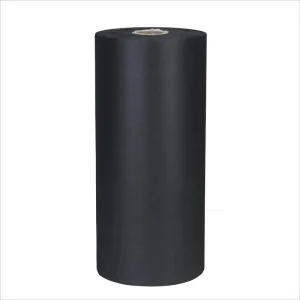
Explore our top industrial solutions for geosynthetic reinforcement, subsurface drainage networks, and high-durability polymer separation systems.
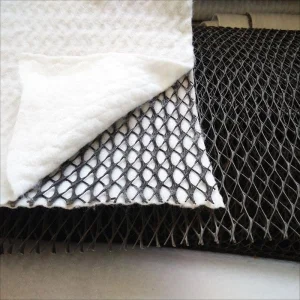
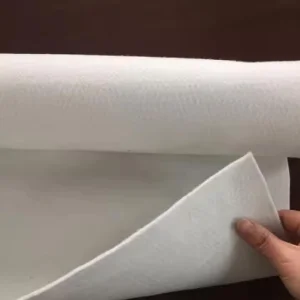
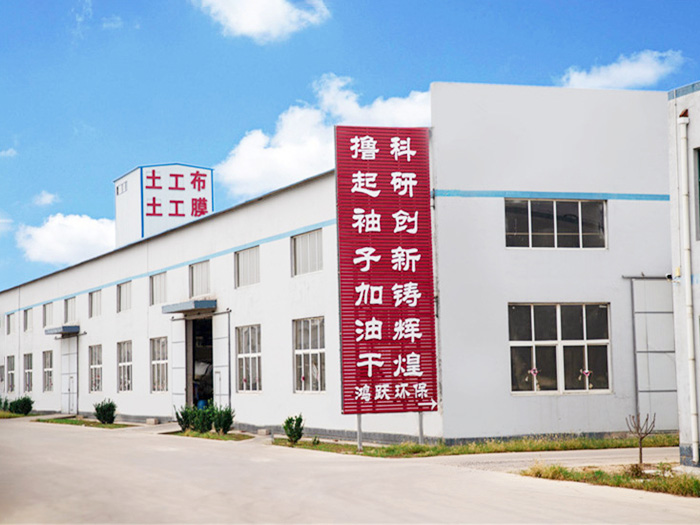
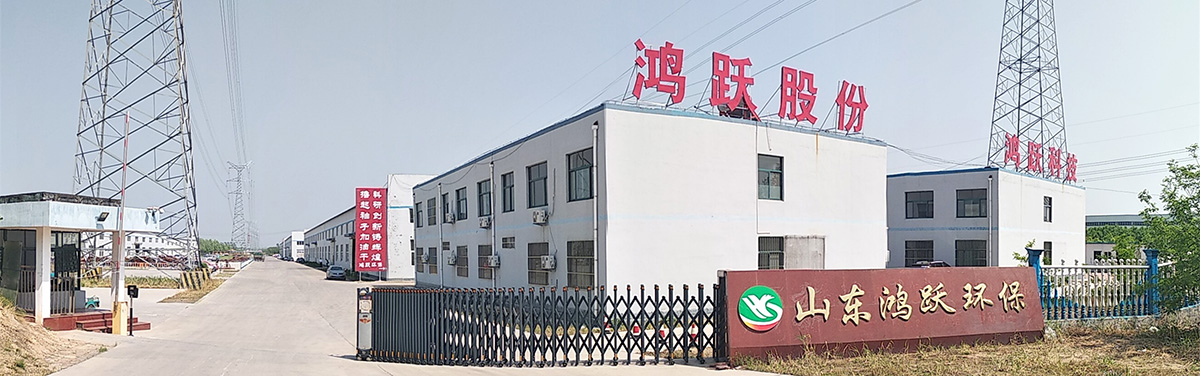
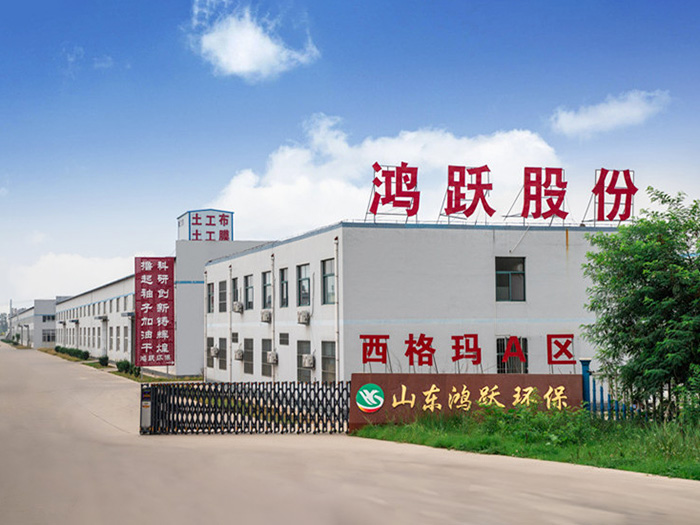
Located at the north end of Fufeng Street, Lingcheng District, Dezhou, Shandong Province, Shandong Hongyue Environmental Engineering Co., Ltd. is a scientific and technological geotechnical material manufacturer integrating engineering material production, sales, design and construction services. The company was registered in Lingcheng District Market Supervision and Administration Bureau of Dezhou City on April 6, 2023. Our premium location provides convenient transportation hubs ensuring fast international delivery.
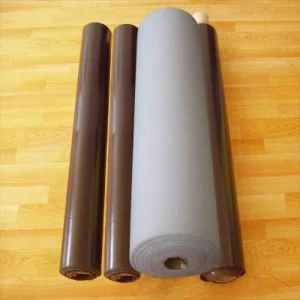
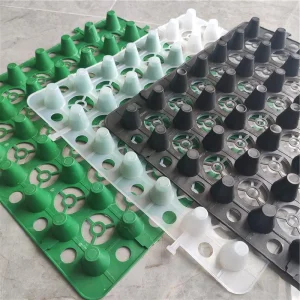
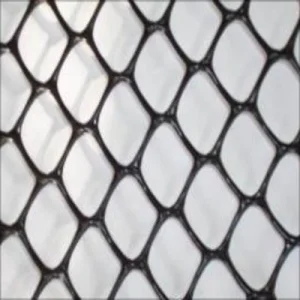
Since establishment, we have expanded our capacity and capabilities, developing into a leading manufacturer dealing in geotextiles, geomembranes, composite geomembranes, waterproof boards, bentonite waterproof blankets, 3D composite drainage networks, (composite) drainage boards, woven and weaving cloth, membrane bags, blind ditches, waterproof/drainage combinations, ecological bags, cement blankets, fiber plant blankets, and flexible pervious pipes.
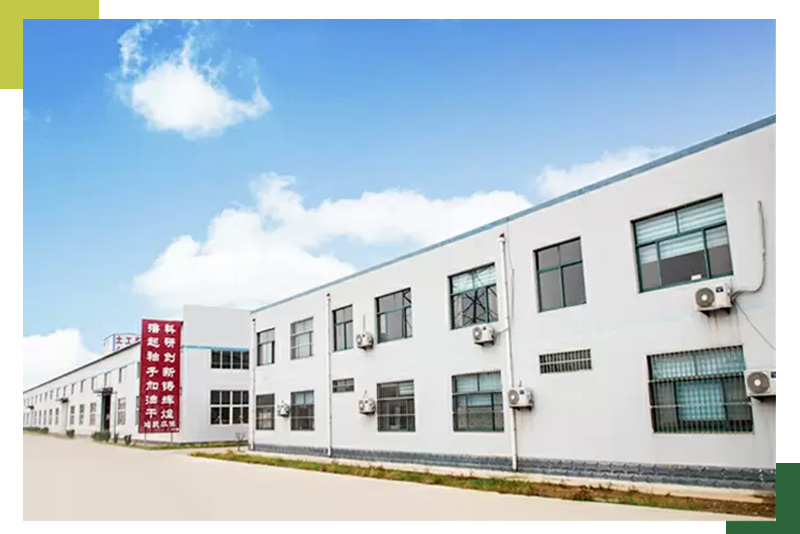
Understanding the strategic shifts, material science breakthroughs, and market growth drivers behind the modern geotextile sector.
Rapid urbanization, climate resilience projects, and transportation expansions dictate the demand for long-life geotextiles. Modern hydraulic engineering and landfill containment require materials that resist chemical corrosion and biological degradation over 50+ years.
White 100% Polyester non-woven geotextiles offer superior UV protection and tensile strength at deep depths, while Polypropylene provides unmatched acid-alkali chemical resistance, making them ideal for heavy civil structures, road dams, and mining heaps.
Increasing environmental enforcement on leachate leaks in landfills and coastal erosion has transformed geotextiles from "optional enhancements" to legally mandated structural elements in global infrastructure tenders.
Engineering procurement is no longer just about the lowest price-per-square-meter. Project managers and structural engineers require detailed verification data: ISO-verified hydraulic transmissivity, ASTM-D standard test results for puncture resistance, and predictable logistics schedules. Our OEM services address these search intents directly by producing custom weight-speculations (from 100g/m² up to 1000g/m²) tailored to specific site soil mechanics and hydraulic loads.
Precision engineering from raw polymer chips to high-density needle-punched finished rolls.
We source premium polyester chips, polypropylene filament, and viscose fibers. Every incoming batch undergoes strict moisture, density, and viscosity verification tests to guarantee base material integrity.
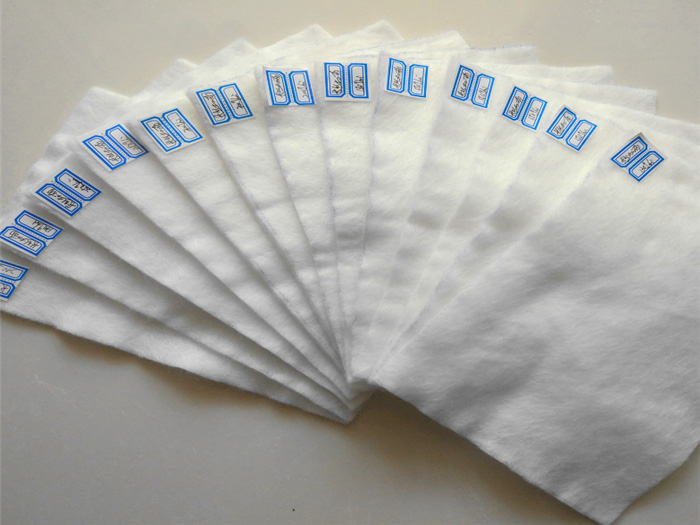
Polyester slices are melted at high temperature and extruded through precision screw extruders, with polypropylene filaments mixed in. Temperature and pressure are monitored in real time for absolute uniformity.
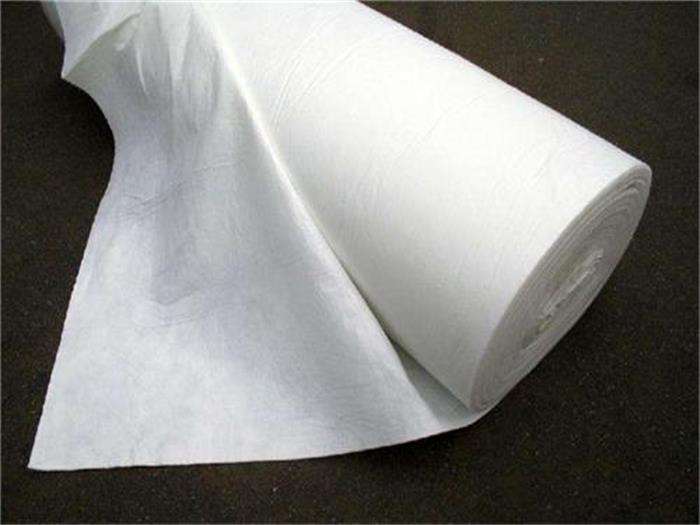
Extruded molten polymers are sprayed through spinnerets, forming micro-fibers laid on continuous conveyors in structured networks. We precisely control fiber orientation, thickness, and density distribution.
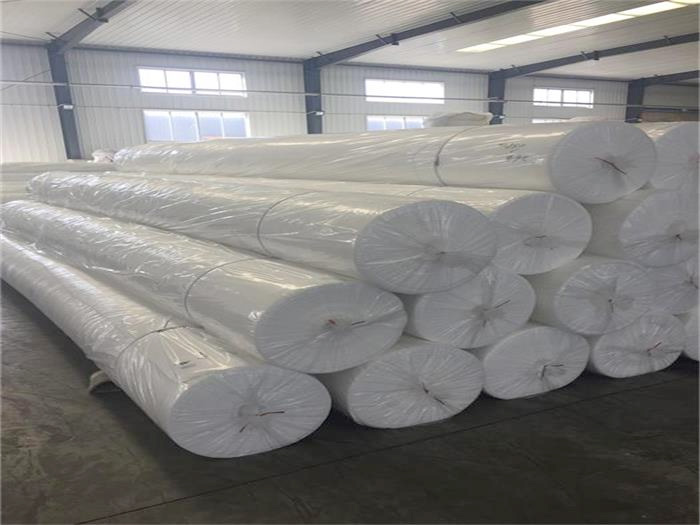
Why global buyers choose Shandong Hongyue for their large-scale municipal, civil, and environmental projects.
Located in Lingcheng District, Dezhou, Shandong Province—widely recognized as China's "Geotechnical Hub"—our factory benefits from a massive regional industrial cluster. This localized ecosystem optimizes raw material sourcing, maintenance of heavy manufacturing machinery, and collaborative logistical frameworks.
By integrating automated high-speed needle-punching lines, we minimize human error and energy consumption. This translates into exceptional cost efficiencies, which we pass directly to our international clients. We can deliver high-volume orders (exceeding 100,000 m²) with much shorter lead times compared to domestic regional factories in the West.
How non-woven geotextiles act as the ultimate protective cushioning layer for impermeable geomembranes in complex sites.
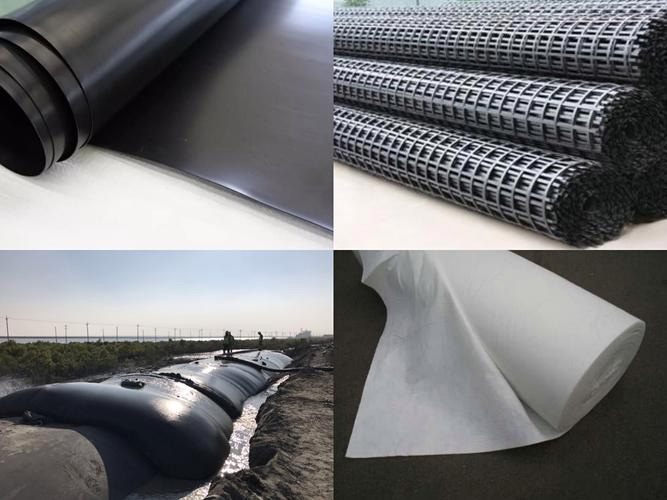
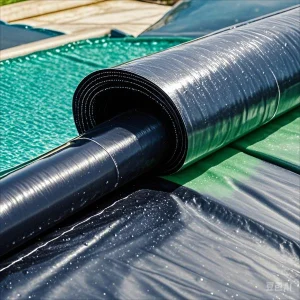
Geomembrane is a class of material widely used in engineering projects, providing critical seepage prevention, isolation, and reinforcement. A robust system, however, relies on combining it with a non-woven geotextile cushion to prevent puncture by stones, root systems, or rough subgrades.
Choose materials according to project parameters: High Density Polyethylene (HDPE) or Linear Low Density Polyethylene (LLDPE), usually ranging in thickness from 0.3mm to 2.0mm. Pair these with non-woven geotextiles of appropriate weight class (e.g., 300g/m² to 600g/m²) to match structural loading and subgrade friction factors.
Prepare land by leveling out sharp rocks and roots. Lay down the non-woven geotextile cushion, followed by the geomembrane layer. Connect joints using hot-wedge welding to ensure hermetic sealing. Anchor edges in trenches to resist wind lift and high hydraulic shearing stresses.
Keep surfaces clean from construction debris. Routinely inspect seams and joints using air-pressure or spark tests prior to backfilling. Avoid direct machinery tracking on exposed synthetics.
Our integrated supply chain operates under world-class quality systems and inspection standards.
Real-world deployment of geosynthetic engineering materials across heavy infrastructure sectors.
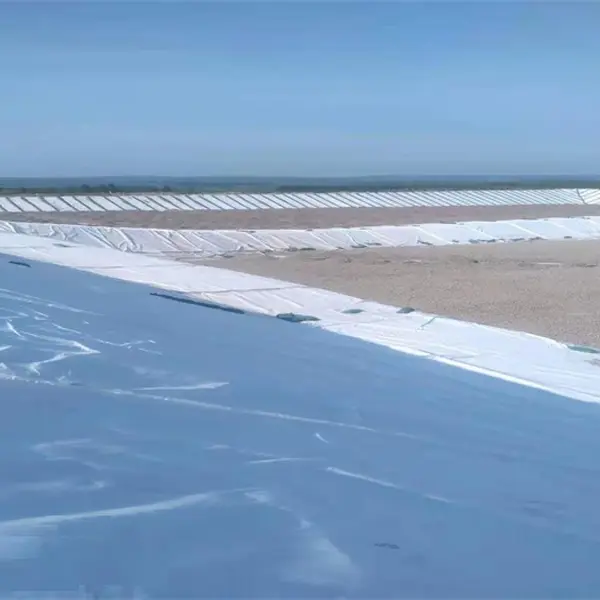
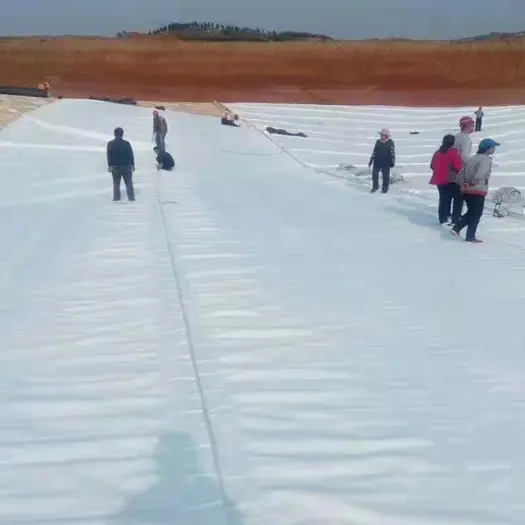
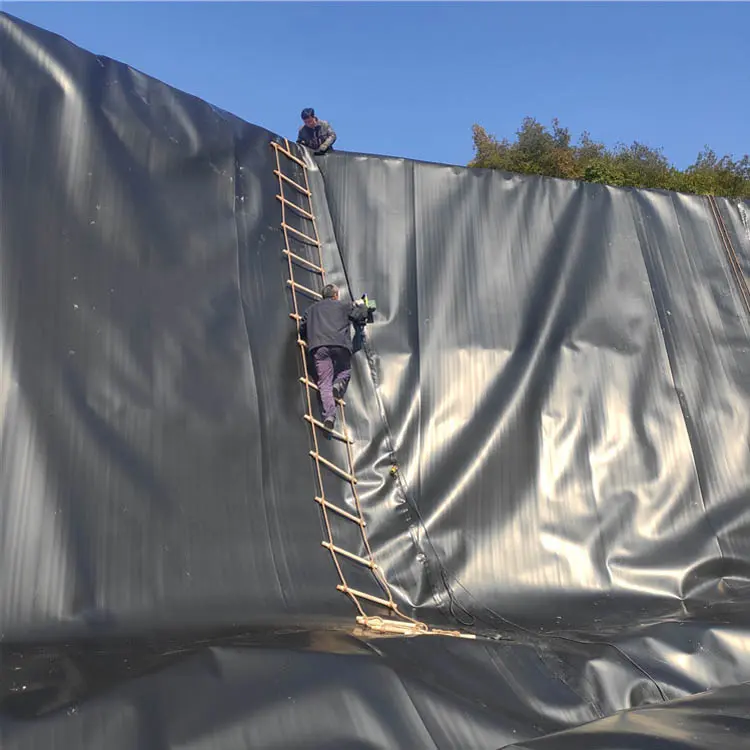
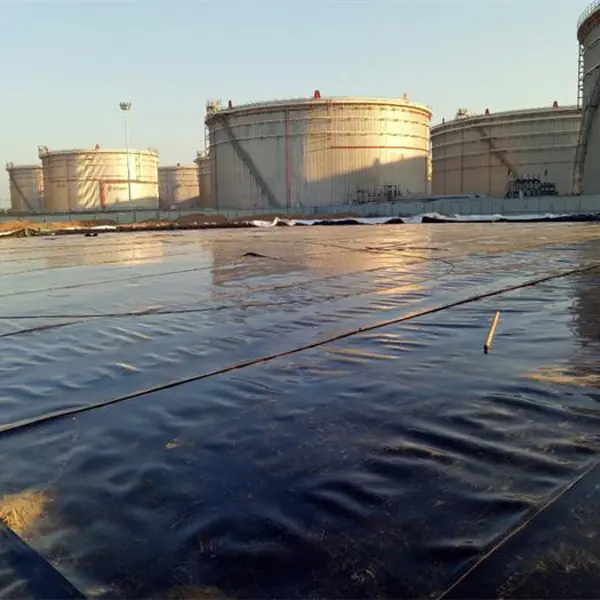
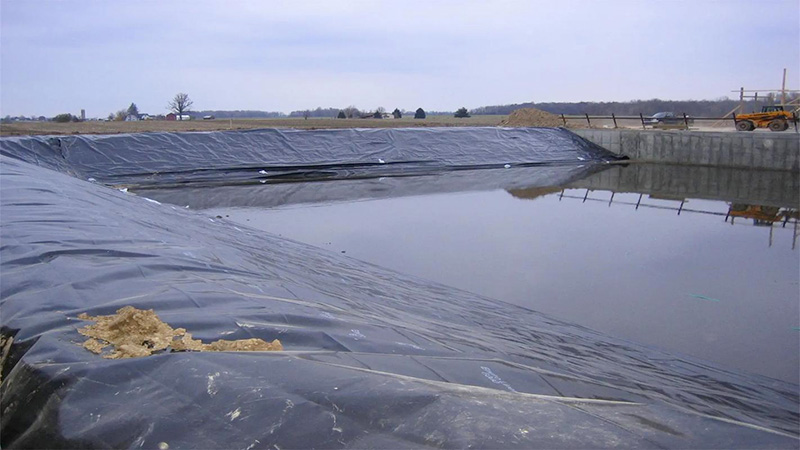
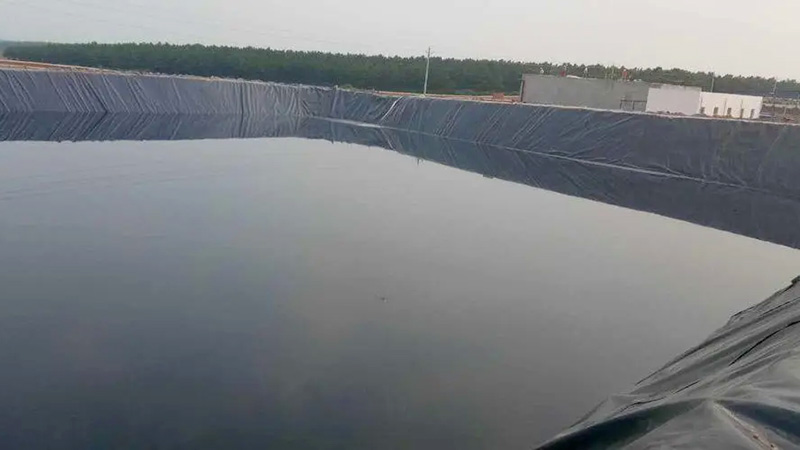
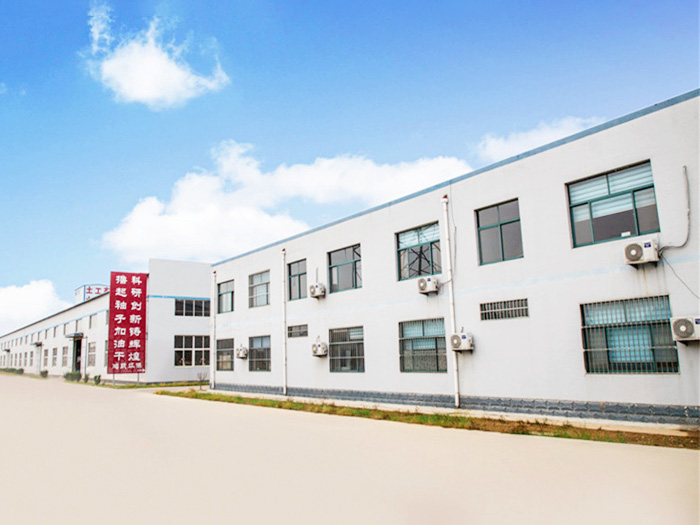
Experience the size and technology behind our state-of-the-art manufacturing facility in Shandong.
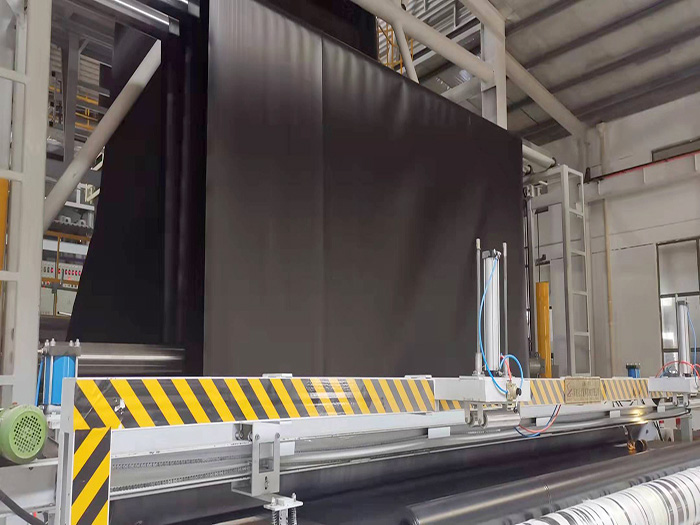
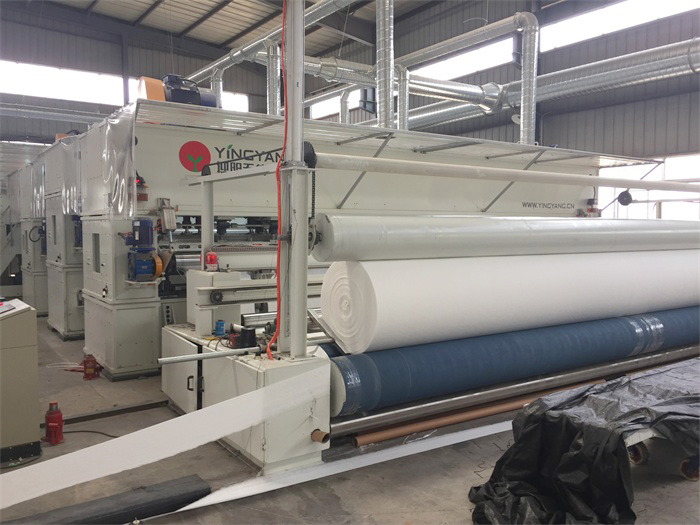
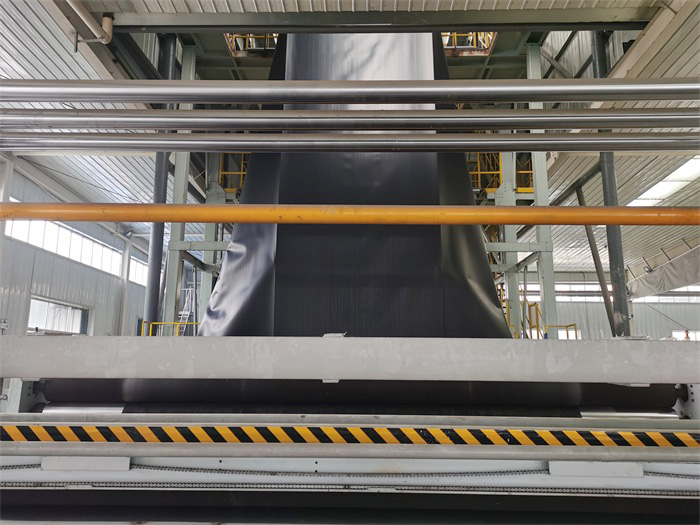
Standard parameters for custom non-woven geotextile rolls manufactured at Shandong Hongyue.
| Property Metric | Test Standard (ASTM) | Unit Values | Performance Range |
|---|---|---|---|
| Mass Per Unit Area | ASTM D5261 | g/m² | 100 – 1000 |
| Grab Tensile Strength | ASTM D4632 | N | 400 – 3200 |
| CBR Puncture Resistance | ASTM D6241 | N | 1100 – 9500 |
| Trapezoid Tearing Strength | ASTM D4533 | N | 180 – 1200 |
| Apparent Opening Size (AOS) | ASTM D4751 | mm | 0.07 – 0.30 |
| Water Permittivity | ASTM D4491 | sec⁻¹ | 0.1 – 3.2 |
| UV Resistance (after 500 hrs) | ASTM D4355 | % Retained | 70 – 85 |
Crucial factors for international procurement teams, civil engineering contractors, and government planners.
International procurement teams require resilient logistics routes. By utilizing our direct rail and maritime container corridors via Qingdao Port, Shandong Hongyue guarantees steady, risk-mitigated supply lines even during fluctuating shipping seasons.
Contractors require exact product variations. We customize fibers for high-heat desert environments (with specialized UV stabilizers) and freeze-thaw cold-region infrastructures, ensuring the geotextile matches localized geological conditions.
The geosynthetics sector is transitioning toward real-world performance monitoring. Future projects will rely on intelligent polymer layers featuring embedded fiber-optic sensors to monitor structural strain, temperature deviations, and local settlement in real time.
Detailed, engineering-backed answers targeting high-intent industrial search inquiries.
Woven geotextiles are manufactured by interlacing synthetic threads, offering high tensile load capacities but limited filtration properties. They are ideal for road base stabilization and soil reinforcement.
Non-woven geotextiles are produced by needle-punching or thermally bonding random fibers, providing high permeability and drainage characteristics. They are the standard for subgrade filtration, soil separation, and protection layers for geomembranes.
We combine advanced carding, cross-lapping, and needle-punching steps on automated lines. We run online thickness-detection scanners and check samples at our testing center every hour to verify mechanical properties conform to global standards.
Key factors include raw polymer choices (PET vs PP), roll thickness (measured in weight per square meter, g/m²), custom widths, UV stabilizer concentrations, and bulk logistics configurations. Higher order volumes significantly optimize production energy costs per unit.
Yes. Our operations are fully certified under ISO9001, ISO14000, and ISO45001. Our materials are proven in infrastructure projects across Europe, North America, Australia, and Asia, consistently passing national quality inspections.
Complete your containment design with our professional line of geomembranes, drainage cores, and stabilization fabrics.
 Hongyue