Explore our top-tier manufacturing list, showcasing advanced composite materials, drainage geonets, and environmental protection barriers certified for international projects.
In today's expanding global market for outdoor recreation, civil infrastructure, and environmental preservation, the demand for high-performance waterproofing systems is surging. The conceptual boundary between consumer-grade outdoor products—such as outdoor picnic mats waterproof—and heavy-duty industrial geomembranes has dissolved. Today's commercial consumers demand materials that inherit the extreme resilience, environmental safety, and thermal consistency of engineering-grade geosynthetics.
From an engineering standpoint, high-quality waterproofing is not merely about surface coating. It requires a meticulous, multi-layer polymer matrix design that withstands hydrostatic pressure, prevents microbiological degradation, and remains stable under persistent UV radiation. As a leading manufacturer with deep roots in global geotechnical engineering, Shandong Hongyue Environmental Engineering Co., Ltd. utilizes industrial-grade polymer extrusion, stabilization, and needle-punch technologies to manufacture waterproofing solutions that set industry benchmarks across both consumer and commercial landscapes.
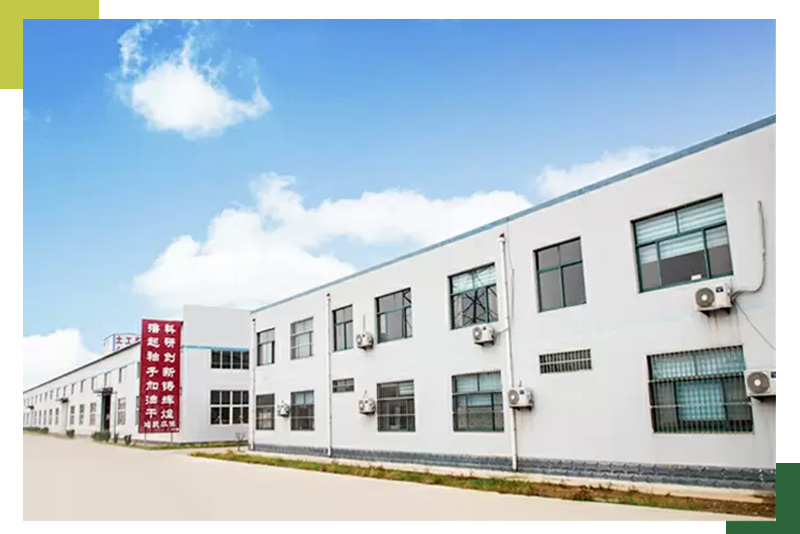
Shandong Hongyue Environmental Engineering Co., Ltd., located at the north end of Fufeng Street, Lingcheng District, Dezhou, Shandong Province, is a scientific and technological geotechnical material manufacturer integrating engineering material production, sales, design, and construction services. The company was registered in the Lingcheng District Market Supervision and Administration Bureau of Dezhou City on April 6, 2023, with a registered capital of 105 million yuan.
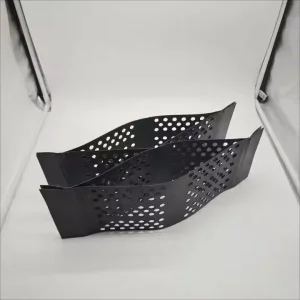
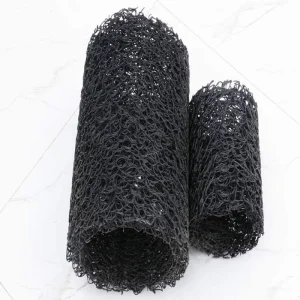
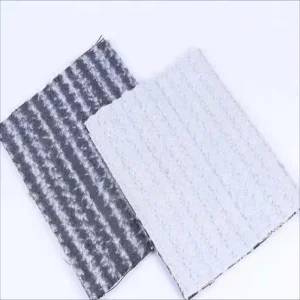
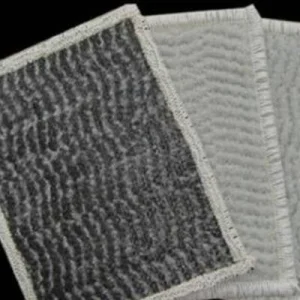
We stand as one of the largest production bases of geotechnical and waterproofing materials in China. Our geographical location in Shandong Province provides superior logistics and convenient transportation, allowing us to seamlessly serve national and international clients. Our product lines extend across geotextiles, geomembranes, composite geomembranes, waterproof boards, bentonite waterproof blankets, 3D composite drainage nets, composite drainage boards, weaving cloths, flexible pervious pipes, and various custom environmental protection materials.
The exceptional barrier integrity of our waterproof membranes and outdoor picnic ground liners lies in our standardized manufacturing processes. Below is our scientific production framework for synthetic fabrics and waterproofing barriers:
The primary raw materials include polyester chips, high-density polypropylene (PP) filament, linear low-density polyethylene (LLDPE), and viscose fiber. Each batch undergoes chemical purity inspection and moisture analysis to ensure structural stability under thermal stress.
After melting polymer resins at precise temperatures exceeding 220°C, the material is processed by a screw extruder. Polypropylene filament and viscose fibers are integrated to form a uniform, flexible polymer matrix that resists tearing and puncture.
The molten mixture is sprayed through micro-spinnerets to form a dense fibrous network. It is distributed across automated conveyor systems where fiber orientation is controlled to maximize multi-directional tensile strength.
The layed net undergoes thermal curing and draft treatment. Precise control over the draft ratio ensures that the material does not shrink or delaminate under fluctuating weather conditions or heavy structural loads.
Once cured, the composite material is rolled and packaged. Automated sensors measure thickness uniformity, roll width, and density, matching exact design requirements for civil engineering and outdoor industrial projects.
Every single batch undergoes rigorous physical, chemical, and hydrostatic testing. Our internal QA laboratory verifies tensile resistance, hydraulic conductivity, and UV degradation markers, ensuring compliance with international benchmarks.
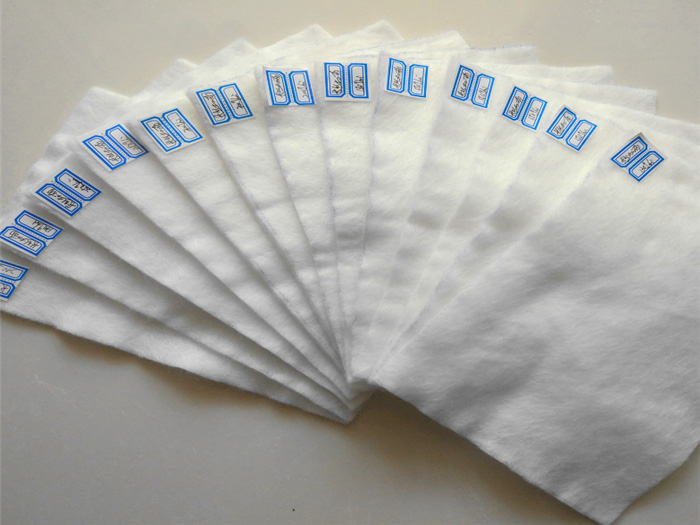
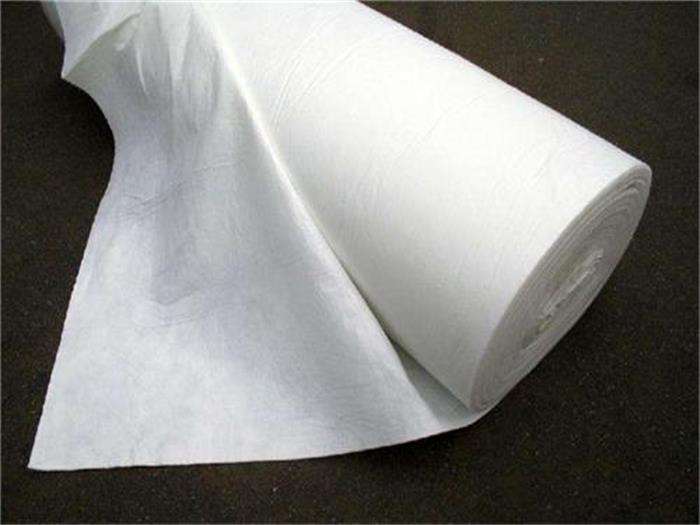
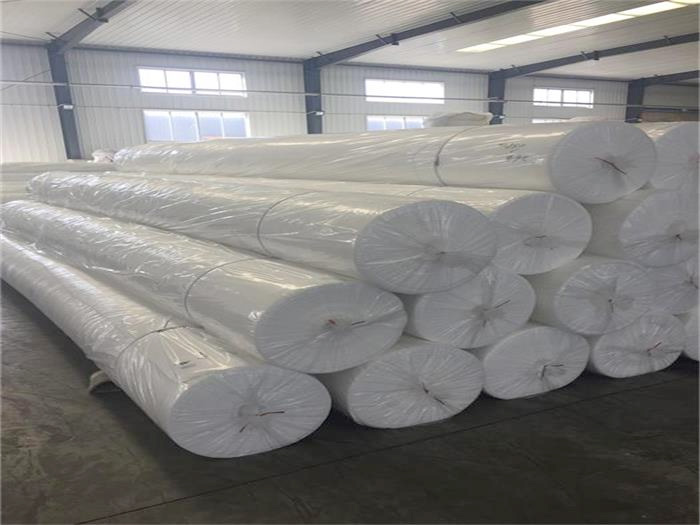
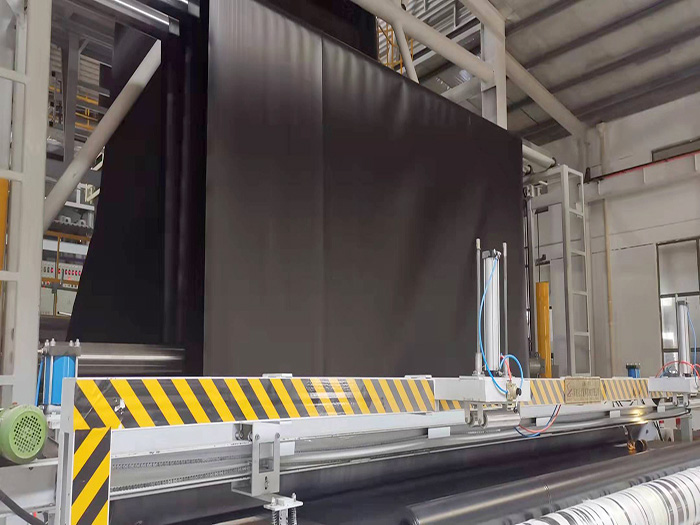
Understanding the material science behind waterproofing is essential for selecting the correct solution. Whether you are engineering a custom outdoor picnic mat or specifying barrier geomembranes for environmental containment, key performance parameters dictate success:
We utilize High-Density Polyethylene (HDPE), Linear Low-Density Polyethylene (LLDPE), and Polyurethane composites. LLDPE offers superior flexibility for ground contours, while HDPE provides unparalleled puncture resistance and chemical inertness.
Our industrial membranes range from 0.3mm to 2.0mm. For recreational consumer applications like heavy-duty outdoor mats, composite designs combine thin-barrier impermeability with padded geotextile backing for optimal comfort and complete dry protection.
True waterproofing requires zero moisture transmission under pressure. Our composite barriers are tested up to 0.6 MPa of hydrostatic head pressure, ensuring zero moisture penetration even when placed on saturated muddy soil or marshlands.
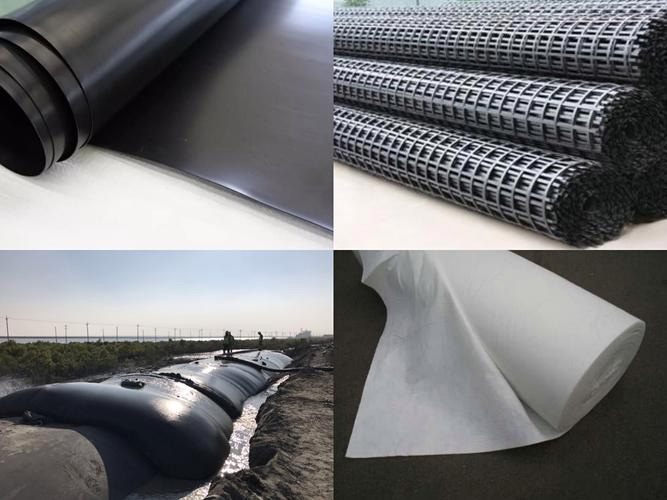
The durability of a waterproofing system is only as strong as its joints. In both industrial reservoirs and large-scale commercial outdoor ground cloths, thermal hot-wedge welding or high-strength adhesive seaming ensures zero-leak performance.
To maximize lifetime utility, Shandong Hongyue recommends regular maintenance: surface cleaning to remove abrasive particulate matter, inspecting thermal joints for structural separation, and keeping sharp rocks or branches away from the primary polymer sheet during installation.
Shandong Hongyue operates as a global supply partner, serving clients in highly regulated environments across Europe, North America, and Australia. Our production framework complies with strict international regulatory regimes.
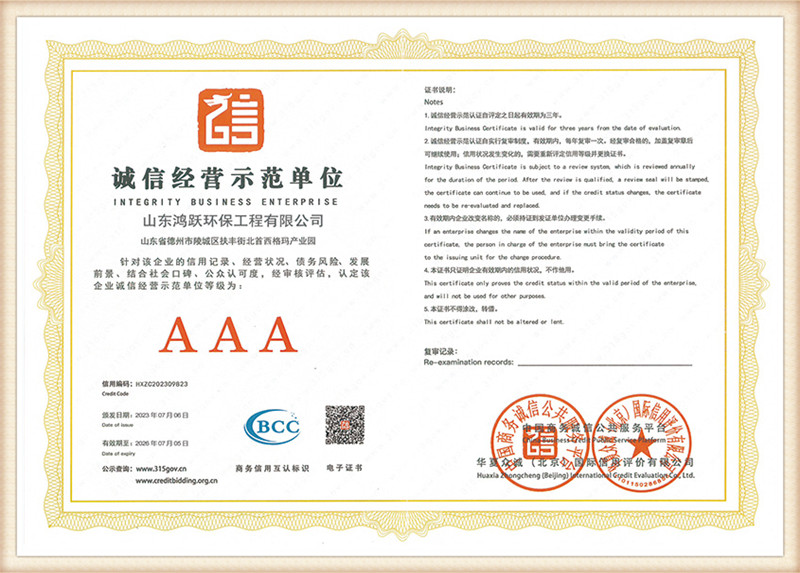
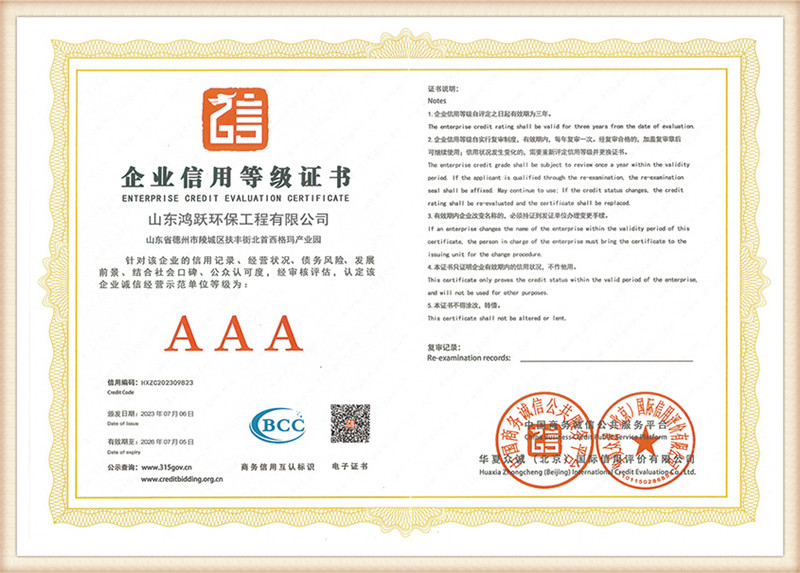
Our facilities are fully certified under ISO9001:2015 (Quality), ISO14001:2015 (Environment), and ISO45001:2018 (Occupational Health & Safety), ensuring strict process controls.
Our products carry full CE Certification for structural civil applications. Materials conform to ASTM specifications for tensile force, elongation capacity, and environmental safety.
Through our comprehensive localized agency networks, we provide engineering consulting, installation supervision, and 24-hour post-purchase support across dozens of regions.
Shandong Hongyue's materials are deployed in both massive civil infrastructure and high-durability commercial applications. Here are the core sectors where our waterproofing technologies excel:
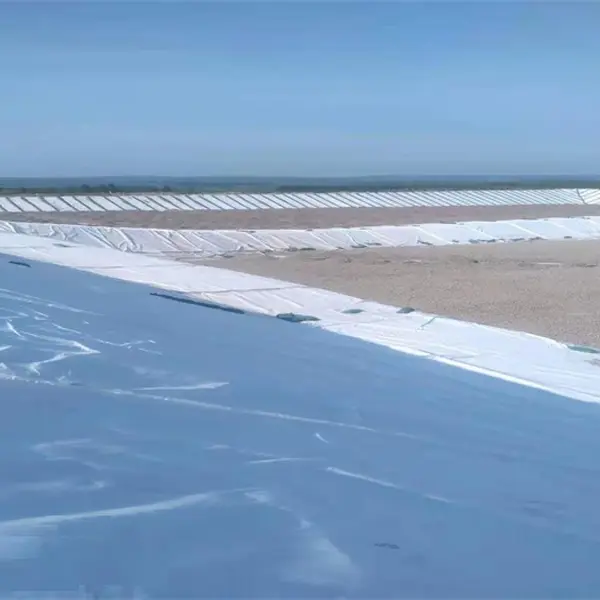
Preventing seepage in large-scale municipal water reservoirs, municipal channels, and artificial lakes using reinforced PE/HDPE membranes.
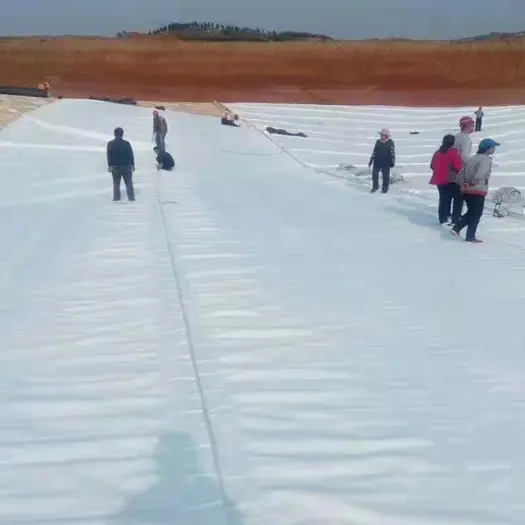
Securing waterways against geological shifts and underground water loss with highly flexible composite geomembranes.
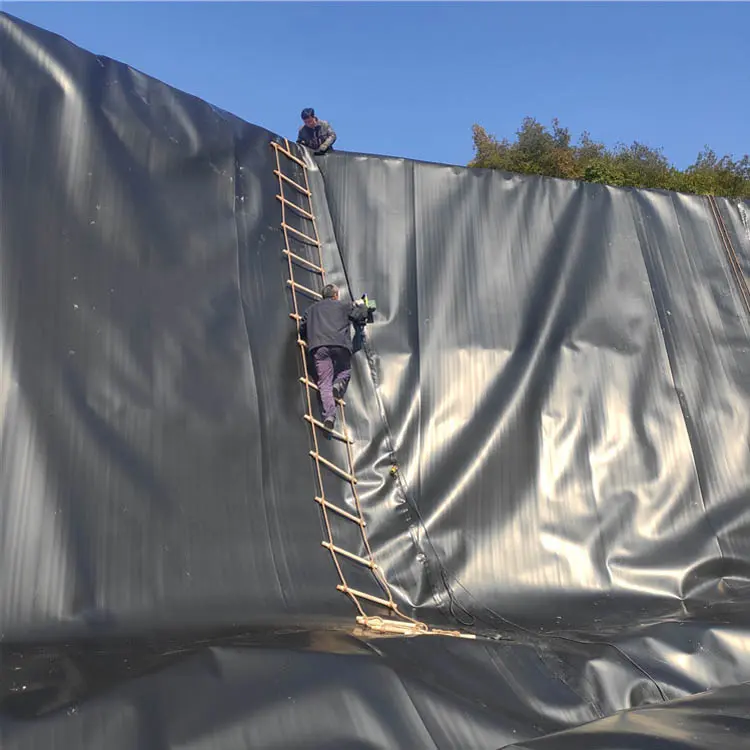
Isolating hazardous pollutants, municipal waste sites, and mining tailing ponds with chemical-resistant geomembrane barriers.
Gain deep technical insights into polymer engineering, material selection, and waterproof design criteria.
High-Density Polyethylene (HDPE) has a highly crystalline structure, offering higher rigidity, Chemical resistance, and tensile strength, making it ideal for landfills and heavy structural containment. Linear Low-Density Polyethylene (LLDPE) features more polymer branching, providing increased flexibility, elongation potential, and tear resistance. This makes LLDPE far more suitable for outdoor picnic mats, flexible ground covers, and applications requiring frequent folding and movement.
In a high-quality composite outdoor picnic mat, the waterproof polymer membrane (often LLDPE or TPU) forms the bottom layer to block moisture from damp soil. A needle-punched geotextile fabric layer is laminated on top. This fabric layer distributes physical loads, resists punctures from gravel or twigs, and provides a comfortable, breathable surface for users, preventing the sweaty feel associated with simple plastic sheets.
Untreated polymers degrade quickly under direct sunlight, leading to embrittlement, cracking, and loss of waterproofing capabilities. To counter this, Shandong Hongyue integrates carbon black and specialized UV stabilizers (HALS - Hindered Amine Light Stabilizers) during the extrusion process. This allows our materials to maintain their tensile integrity and barrier properties for years, even under intense solar exposure.
Yes. High-quality LLDPE and PP polymers are non-toxic, chemically stable, and do not leach plasticizers or VOCs into the environment. These materials are safe for both environmental conservation projects (like fish ponds and agricultural soil protection) and consumer products like picnic mats that come into direct contact with skin and food.
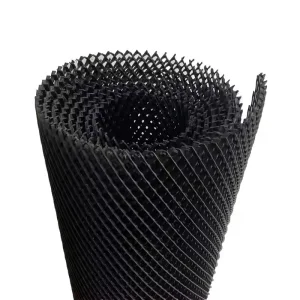
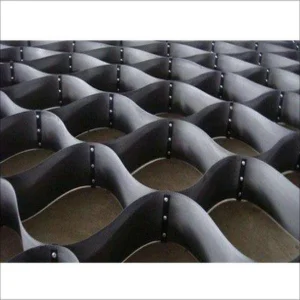
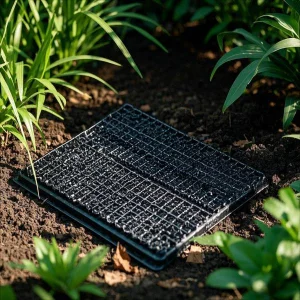
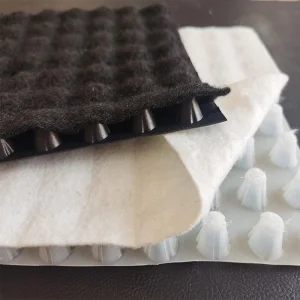
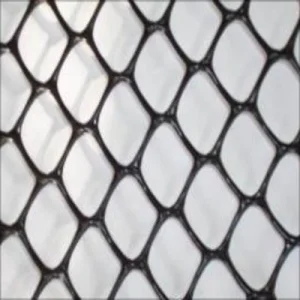
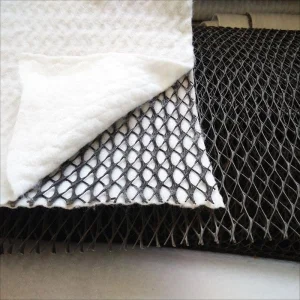
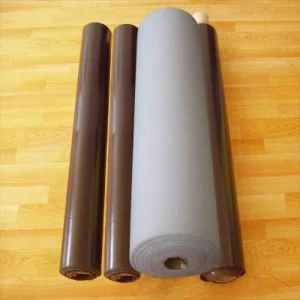
Explore our advanced geosynthetic products, including composite drainage nets, geocells, and high-performance waterproofing boards.
 Hongyue