In modern civil engineering, geotextile soil stabilization has transitioned from an innovative material application to a fundamental specification for sustainable infrastructure. The global market is witnessing an unprecedented surge, driven by rapid urbanization, massive investments in heavy transport networks (high-speed railways and multi-lane highways), and critical environmental remediation projects. As global climates shift, engineering projects increasingly face subgrade instability due to extreme precipitation, permafrost degradation, and expansive clay formations.
Industrially, geotextiles represent a mature yet dynamically evolving segment within the broader geosynthetics sector. By mechanically separating distinct soil layers and reinforcing weak subgrades, these advanced materials distribute dynamic loads, prevent lateral particle migration, and accelerate drainage. This systemic performance reduces aggregate requirements by up to 30%, resulting in significant cost efficiencies and carbon footprint reductions. Suppliers worldwide are now shifting from commodity supply models to integrated, engineering-backed solution partnerships.
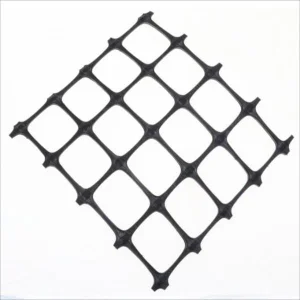
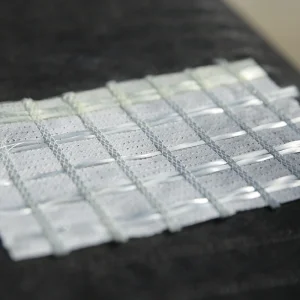
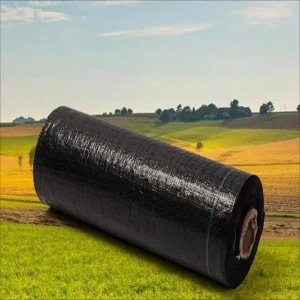
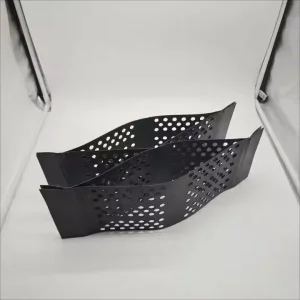
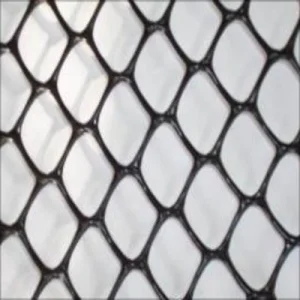
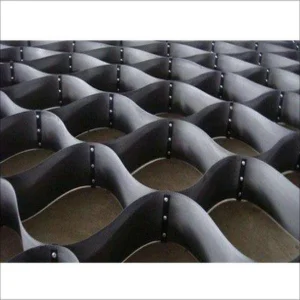
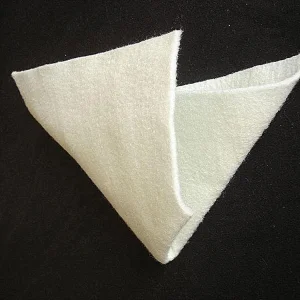
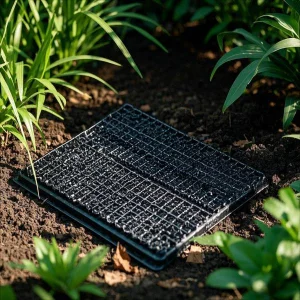
Increases subgrade load-bearing capacity by transferring tensile stresses away from soft, unstable soils.
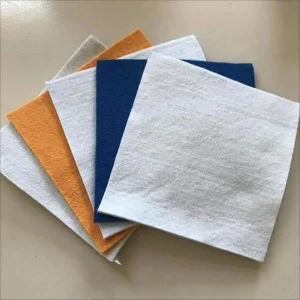
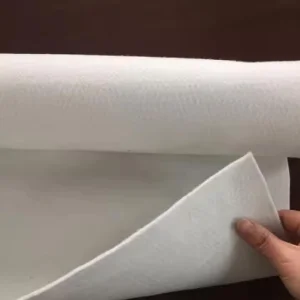
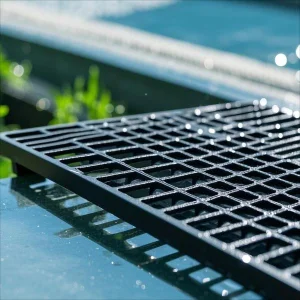
Permits multidirectional fluid flow while retaining fine soil particles, preventing internal piping collapse.
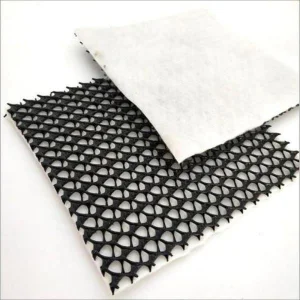
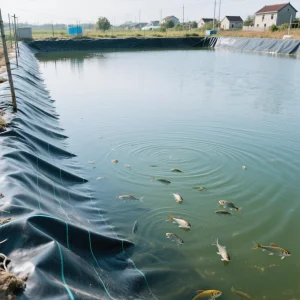
Mitigates soil erosion on steep slopes and acts as an impermeable barrier in toxic containment systems.
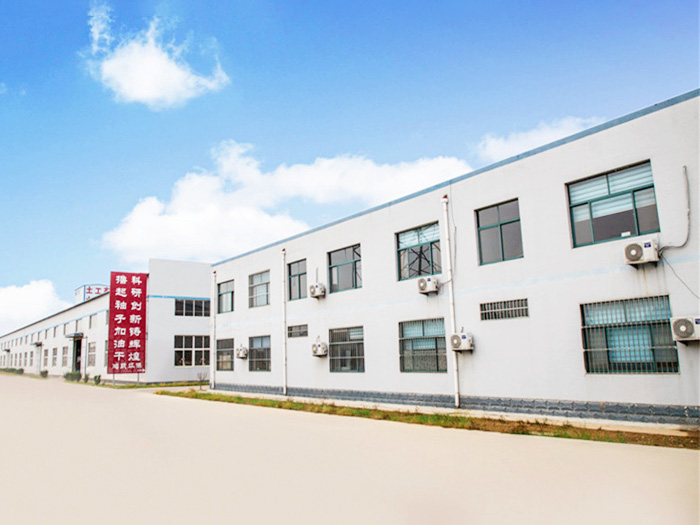
Shandong Hongyue Environmental Engineering Co., Ltd., located at the north end of Fufeng Street, Lingcheng District, Dezhou, Shandong Province, is a scientific and technological geotechnical material manufacturer integrating engineering material production, sales, design and construction services. The company was registered in Lingcheng District Market Supervision and Administration Bureau of Dezhou City on April 6, 2023, with a registered capital of 105 million yuan. It is one of the largest production bases of geotechnical materials in China at present, located in Lingcheng District, Dezhou, Shandong Province, with superior geographical location and convenient transportation.
Since the establishment of the company has developed rapidly, business continues to grow and expand, our company mainly deals in geotextiles, geomembrane, composite geomembrane, waterproof board, bentonite waterproof blanket, 3D composite drainage net, (composite) drainage board, weaving cloth, woven cloth, geotextiles, membrane bags, blind ditches, waterproof and drainage combinations, woven bags, ecological bags, cement blankets, fiber plants blankets, geotextiles, flexible pervious pipes, business includes geosynthetics, waterproofing membrane production, sales, construction, import and export of goods.
"We have high quality products and professional sales and technical team. Our company belongs to Dezhou Geotextile Association, and our products are widely used in highways, railways, bridges and tunnels, reservoirs and Canals Water Conservancy, artificial lakes, environmental protection, aviation, mining, agriculture and other fields."
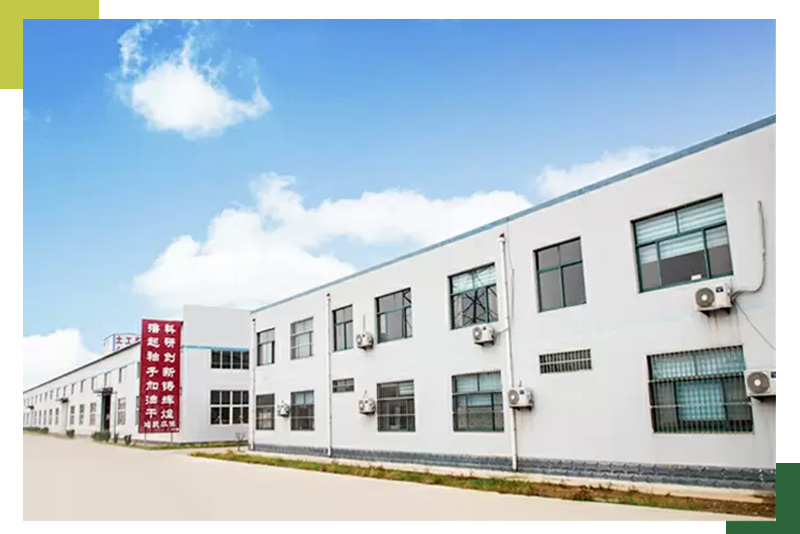
Operating within a highly standardized industrial campus, Shandong Hongyue deploys continuous polymer extrusion, needle-punch non-woven carding, and thermally-bonded geocell assembly lines. The integration of high-precision monitoring guarantees structural stability and consistency. Below is a visual walkthrough of our advanced manufacturing plant:
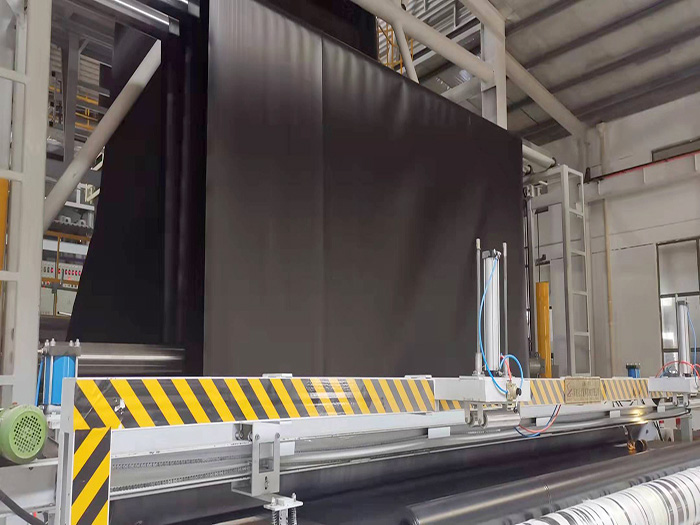
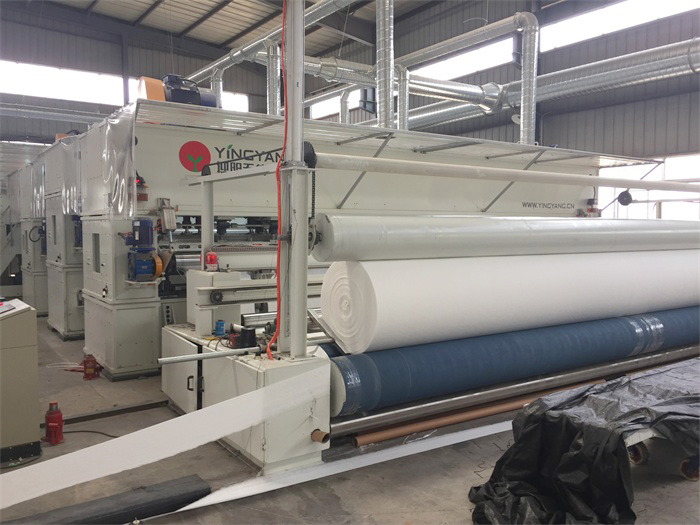
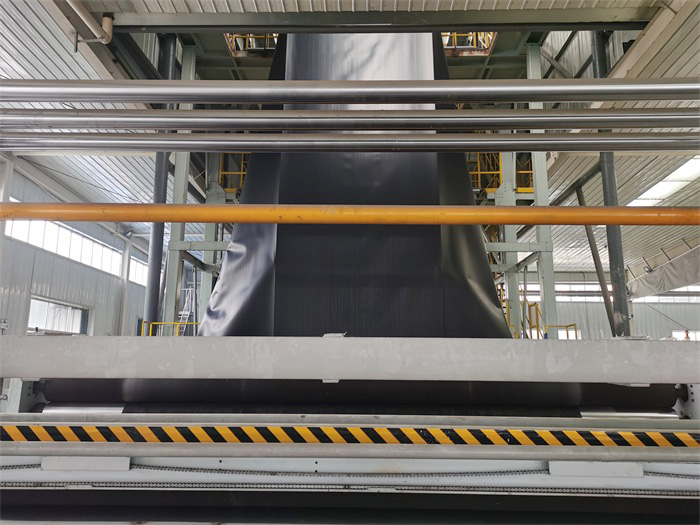
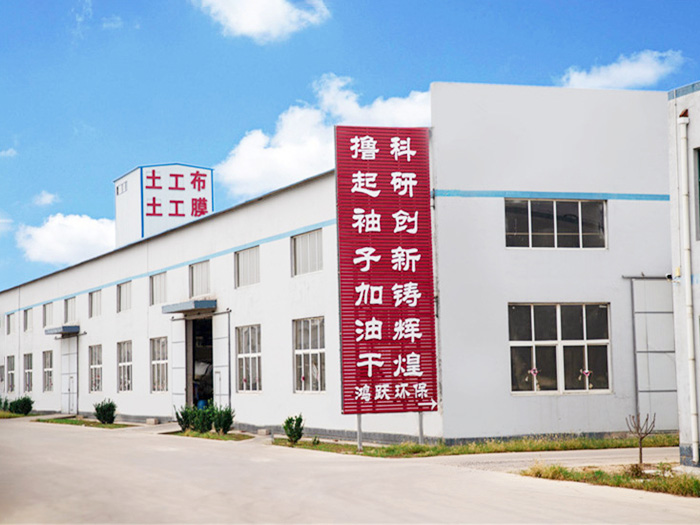
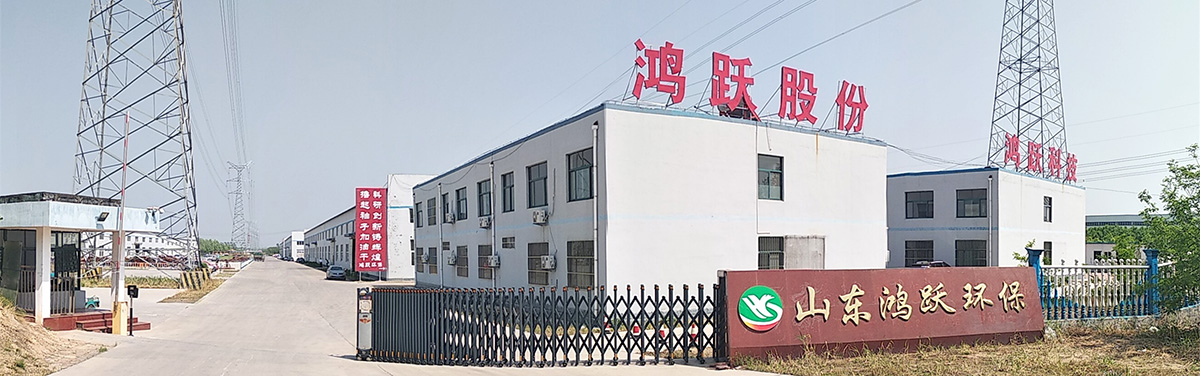
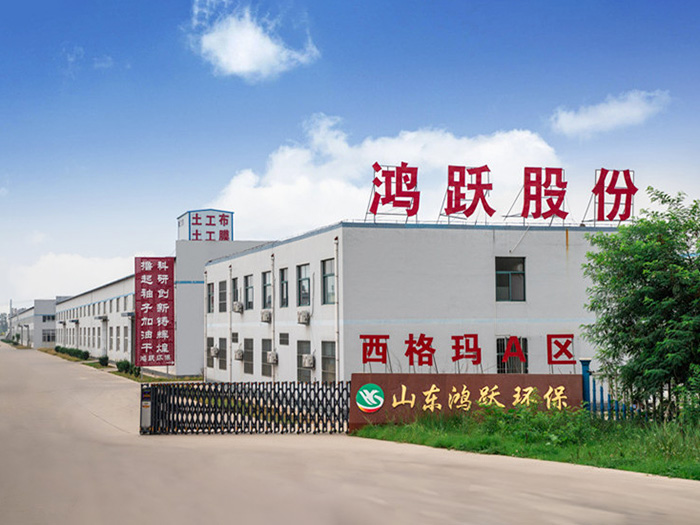
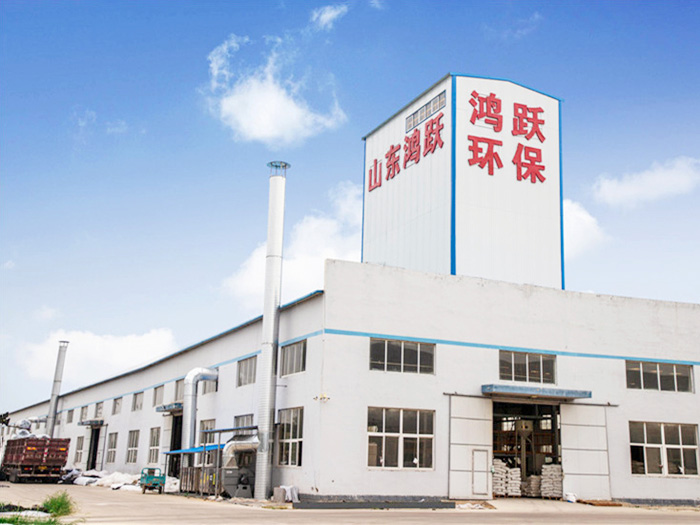
To understand the engineering superiority of Shandong Hongyue products, it is essential to trace the physical and chemical transformation of our raw polymers. Our manufacturing process integrates mechanical, thermal, and chemical controls to produce geotextiles with optimal tear strength, tensile modulus, and pore size distribution.
The main raw materials of geotextile are polyester chips, polypropylene filament, and viscose fiber. These raw materials need to be inspected, arranged, and stored to ensure their quality and stability. We source virgin polymers characterized by uniform molecular weights to ensure thermal compatibility during subsequent processing stages.
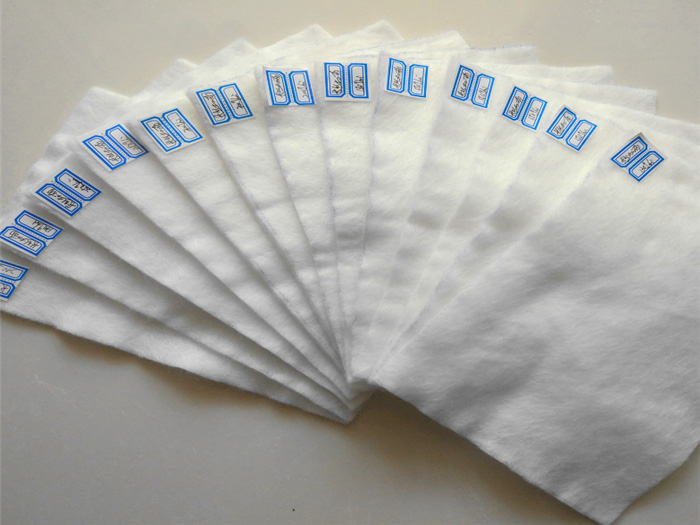
After the polyester slice is melted at high temperatures, it is extruded into a molten state by a screw extruder, and polypropylene filament and viscose fiber are added for mixing. In this process, the temperature, pressure and other parameters need to be precisely controlled to ensure the uniformity and stability of the melting state.
Following extrusion, the melt is sprayed through the spinneret to form a fibrous substance and form a uniform network structure on the conveyor belt. At this time, it is necessary to control the thickness, uniformity and fiber orientation of the mesh to ensure the physical properties and stability of the geotextile.
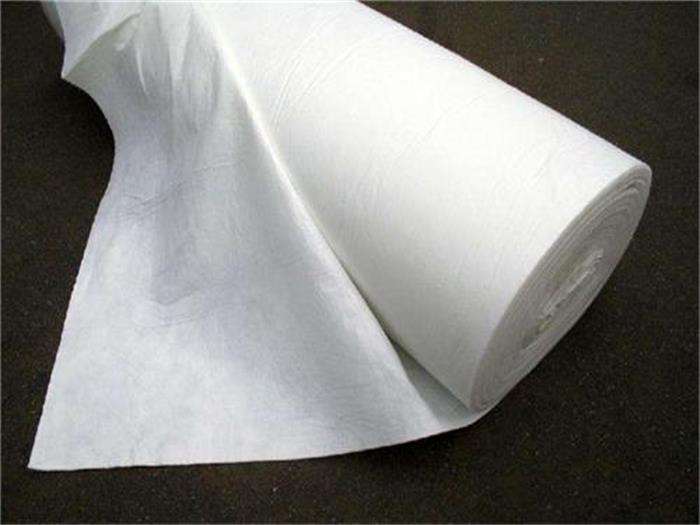
After laying the net into rolls, it is necessary to carry out draft curing treatment. In this process, the temperature, speed and draft ratio need to be precisely controlled to ensure the strength and stability of the geotextile.
The geotextile after draft curing needs to be rolled up and packed for subsequent construction. In this process, the length, width and thickness of the geotextile need to be measured to ensure that it meets the design requirements. Roll dimensions are standardized for optimal container packing and ease of handling on-site.
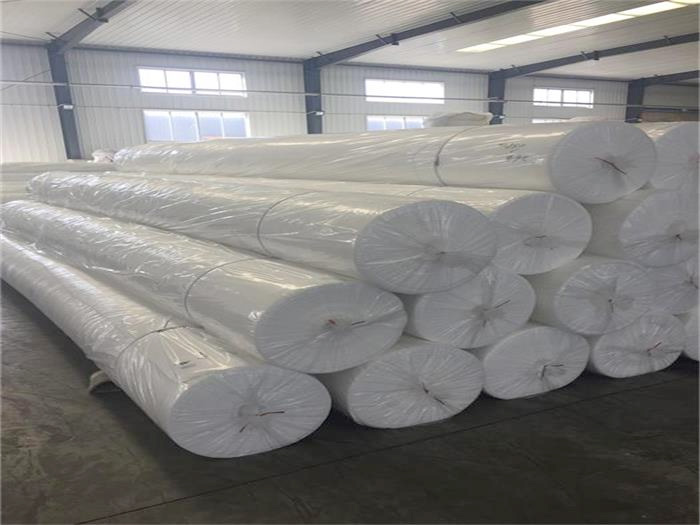
At the end of each production link, the quality of geotextile needs to be inspected. The inspection contents include physical property test (tensile strength, elongation, puncture resistance), chemical property test (UV aging resistance, acid-alkali durability), and appearance quality test. Only geotextiles that meet the quality requirements can be released to the market.
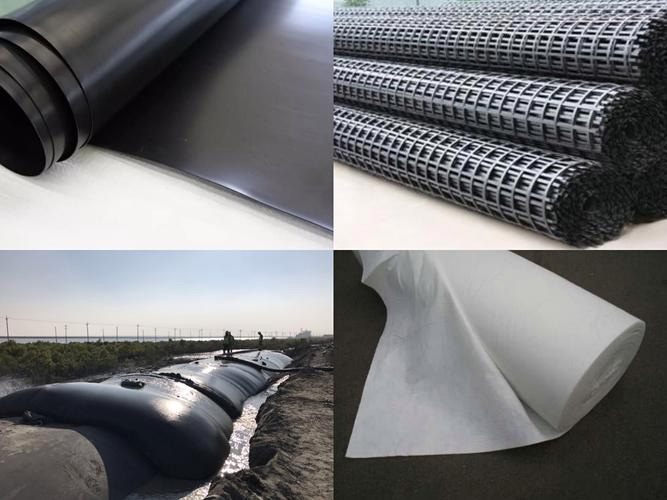
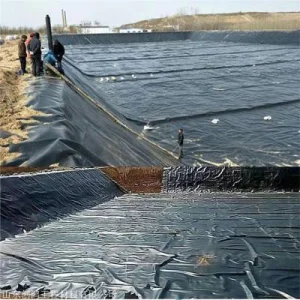
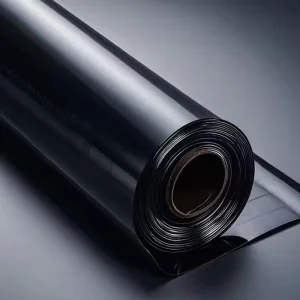
Geomembrane is a kind of material widely used in engineering projects, which has the functions of seepage prevention, isolation and reinforcement. Proper installation and material selection are key parameters for the lifecycle of geotechnical containment designs. Here is our engineering outline for geomembrane engineering application technology:
Selecting the suitable geomembrane is very important.
- Material properties: Geomembranes are divided into different materials, such as high density polyethylene (HDPE) and linear low density polyethylene (LLDPE). Select the appropriate material according to the engineering requirements.
- Thickness: Select the appropriate thickness according to the needs of the project. The thickness of the geomembrane is usually 0.3mm to 2.0mm.
- Impermeability: Ensure that the geomembrane has good impermeability to prevent water in the soil from penetrating into the project.
The laying of geomembrane needs to follow certain steps and techniques:
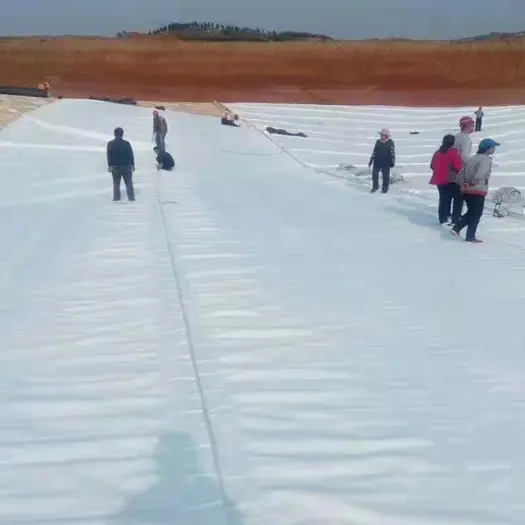
- Land preparation: Ensure that the land where the geomembrane is laid is level and clean, and sharp objects and other obstacles are removed.
- Laying method: Geomembrane can be covered laying or folding laying. Select the appropriate laying method according to the project requirements.
- Joint treatment: Joint treatment is performed at the joint of the geomembrane to ensure that there is no leakage at the joint (utilizing advanced double-track hot wedge welding).
- Fixing method: Use fixed parts to fix the geomembrane and ensure that it is closely attached to the ground.
Maintenance of geomembrane can extend its service life and function:
- Cleaning: Regularly clean the surface of the geomembrane to remove dirt and debris to maintain its impermeability.
- Inspection: Regularly check whether the geomembrane is damaged or aging, repair or replace the damaged part in time.
- Avoid sharp objects: Avoid sharp objects from touching the geomembrane to prevent mechanical damage.
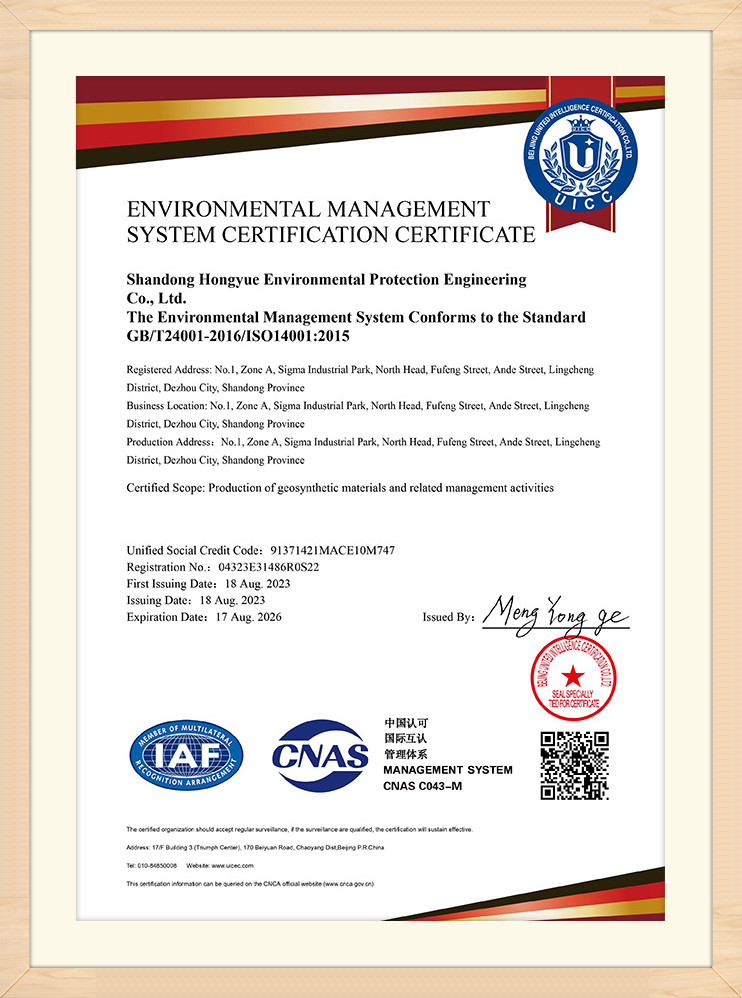
Shandong Hongyue Environmental Engineering Co., Ltd. has a complete and scientific management system, and has passed the ISO9001 international quality system certification, ISO14000 environmental system certification, and ISO45001 occupational health and safety management system certification.
It has won many honors such as "Green building Materials Products", "No consumer complaints", "China Famous Brand", "High-tech Industry", "Quality Service Double excellent Unit", "Provincial poverty alleviation Leading Enterprise" and so on. The company adopts the most advanced production technology and equipment process, and has perfect detection means and precision inspection equipment to ensure that the products always maintain excellent performance.
The quality of all products produced by the company has reached or exceeded international standards, and passed the certification of China National Testing Center, and all passed the national quality supervision and sampling inspection commissioned by the State Administration of Quality Supervision and Inspection.
Shandong Hongyue has built a team of sophisticated technology, experienced production technology, and market service professionals. Our engineers and technicians have more than ten years of experience, serving domestic and foreign large-scale engineering construction sites. The company has gradually established offices in large and medium-sized cities across China to provide our customers with 24-hour comprehensive service and product technical consultation.
Geosynthetics serve as critical functional layers in large-scale infrastructure projects. By integrating composite materials (such as matching geotextiles with geomembranes or geogrids), we address geotechnical instability, seepage, and environmental hazards across diverse scenarios.
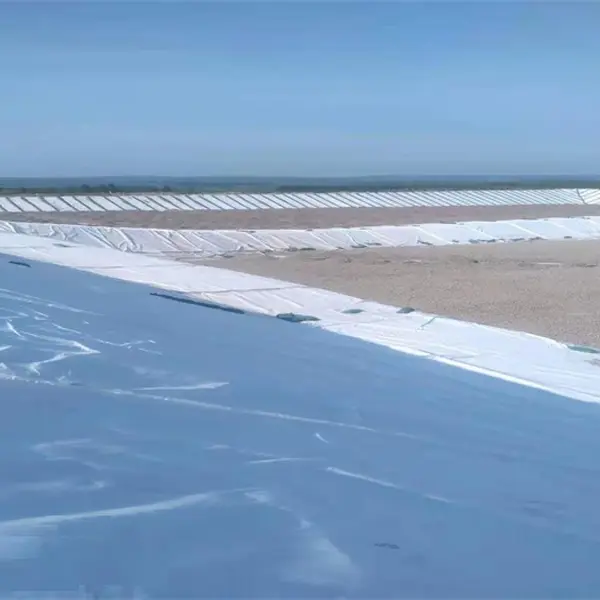
First of all, in the construction of reservoirs, geomembrane can play a very good anti-seepage role. Because reservoirs are usually built in valleys or low-lying areas, the geological conditions are more complex, so effective measures need to be taken to avoid leakage between the bottom of the reservoir and the surrounding rock. The use of geomembrane can effectively solve this problem, and can also improve the safety and stability of the whole reservoir.
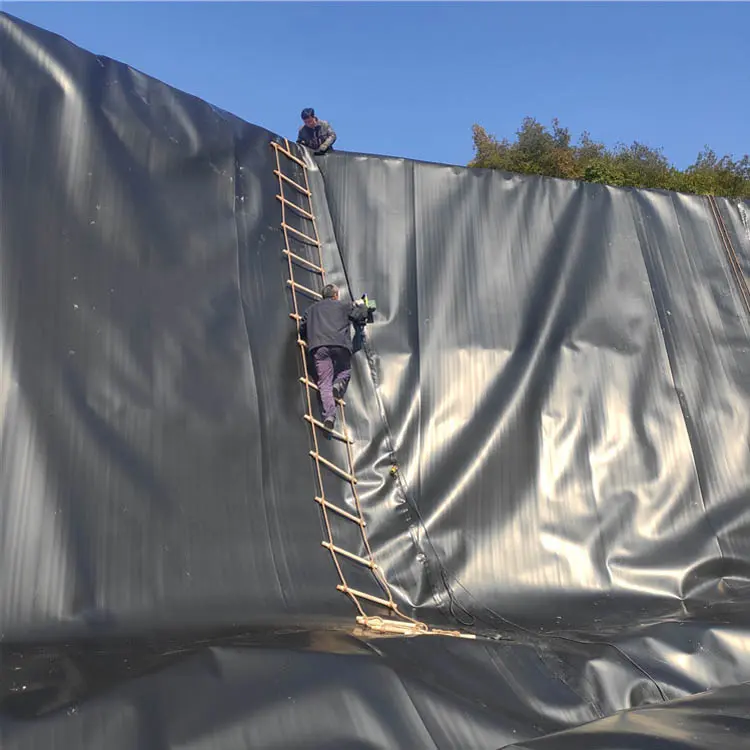
Secondly, it is also necessary to use geomembrane to strengthen the anti-seepage effect during the construction of levees. A dike is a man-made structure whose main purpose is to protect the downstream area from flooding. However, in the construction process, there will be many unpredictable factors leading to loopholes, at this time, it is necessary to use geomembrane for remedial measures.
Third, in the river and channel governance, geomembrane also has a wide range of applications. Rivers and channels are very important components of water conservancy projects, they can not only regulate water flow, protect farmland and urban infrastructure, but also improve the ecological environment of the entire region. The use of geomembrane can prevent chemical contaminants from leaching into aquifers.
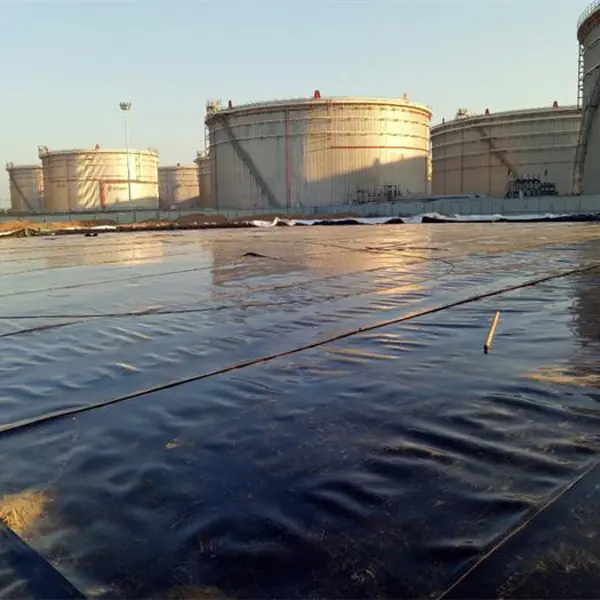
In secondary containment zones, such as fuel storage terminals and petrochemical industrial zones, geomembranes act as critical environmental barrier systems. These synthetic liners prevent hazardous fluids from permeating subsoils in the event of tank rupture or pipeline failure.
Different geographical terrains demand custom geotextile characteristics to address varying soil mechanics:
The future of geotextile soil stabilization centers on environmental sustainability, material longevity, and digital integration. As global infrastructure goals align with carbon-neutral targets, Shandong Hongyue is investing in three key developments:
 Hongyue