Engineered to withstand extreme environmental stresses and provide maximum mechanical reinforcement and chemical containment.
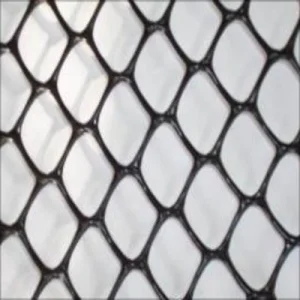

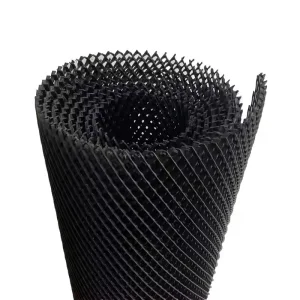
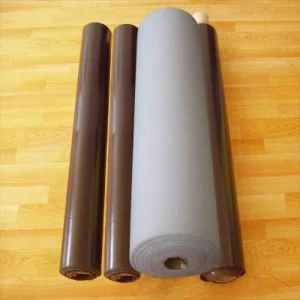
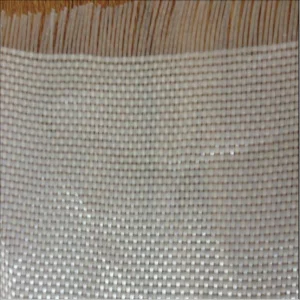
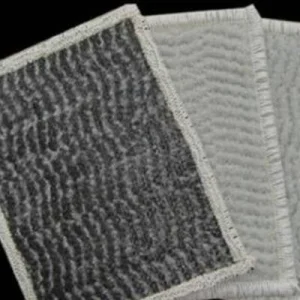
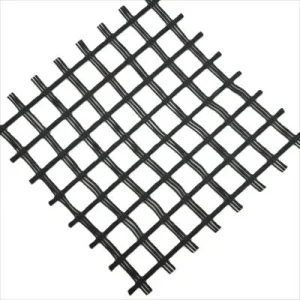
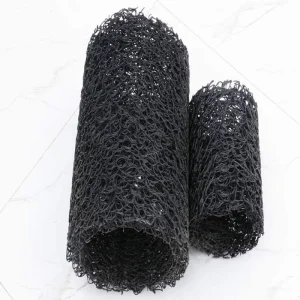
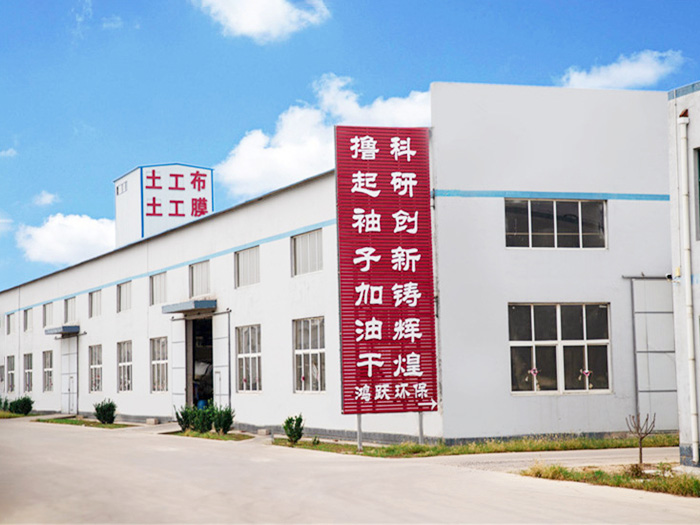
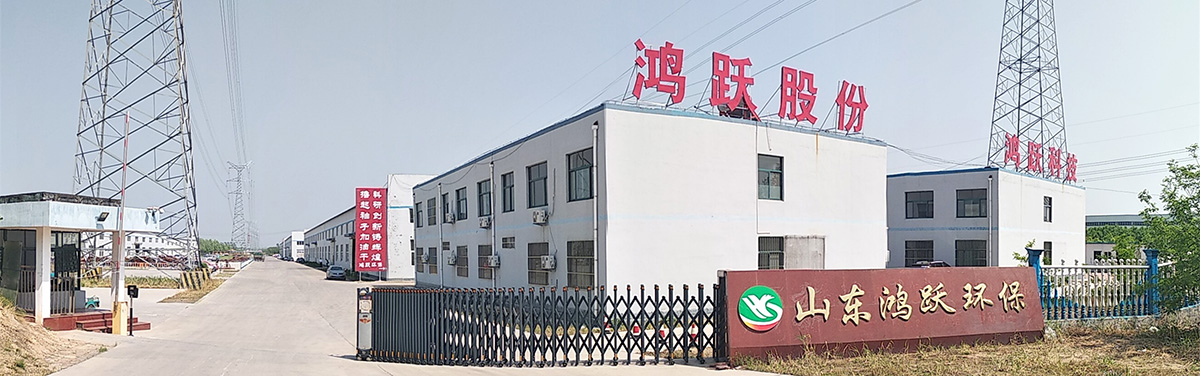
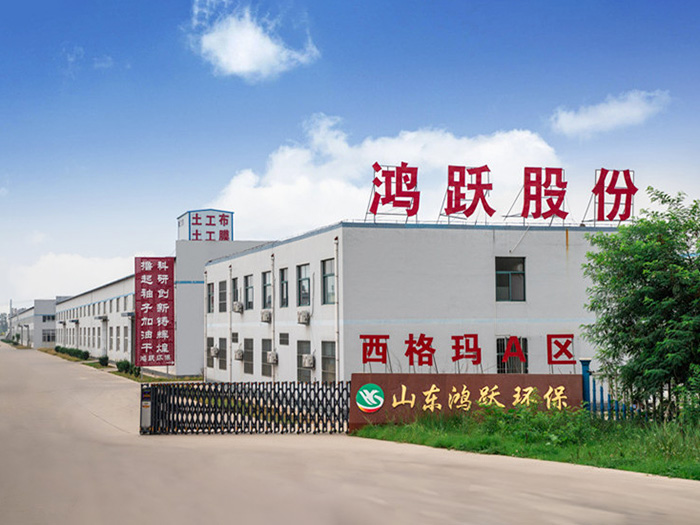
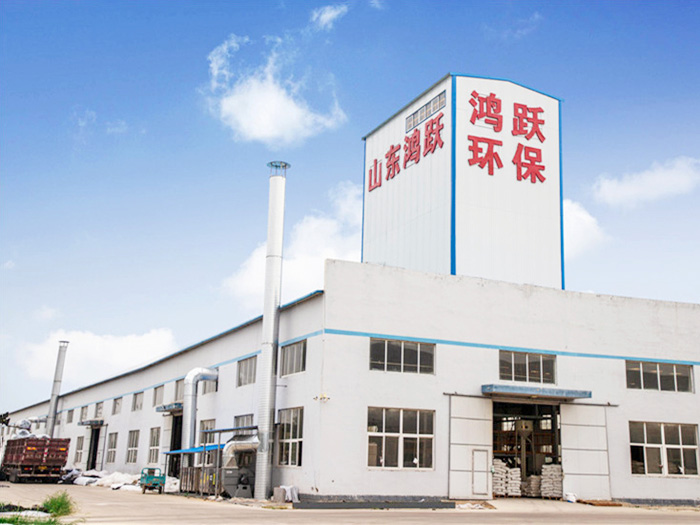
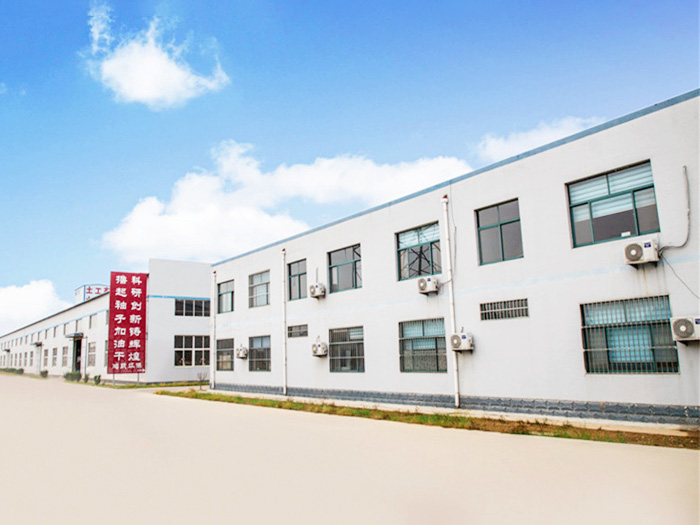
Shandong Hongyue Environmental Engineering Co., Ltd., located at the north end of Fufeng Street, Lingcheng District, Dezhou, Shandong Province, is a scientific and technological geotechnical material manufacturer integrating engineering material production, sales, design and construction services. The company was registered in Lingcheng District Market Supervision and Administration Bureau of Dezhou City on April 6, 2023, with a registered capital of 105 million yuan. It is one of the largest production bases of geotechnical materials in China at present, located in Lingcheng District, Dezhou, Shandong Province, with superior geographical location and convenient transportation.
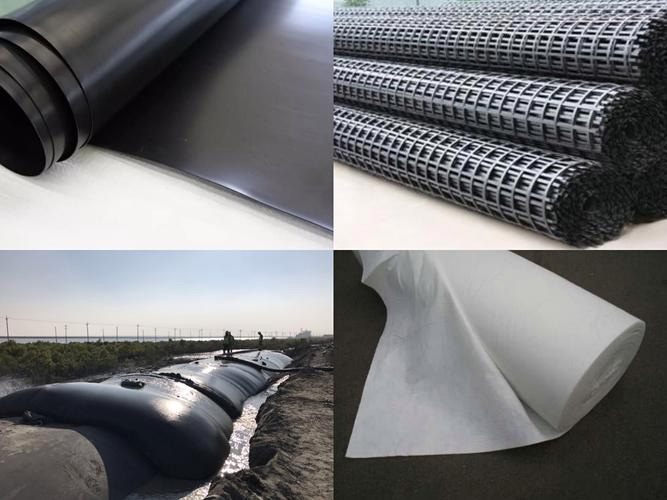
Since the establishment of the company has developed rapidly, business continues to grow and expand, our company mainly deals in geotextiles, geomembrane, composite geomembrane, waterproof board, bentonite waterproof blanket, 3D composite drainage net, (composite) drainage board, weaving cloth, woven cloth, membrane bags, blind ditches, waterproof and drainage combinations, woven bags, ecological bags, cement blankets, fiber plants blankets, flexible pervious pipes.
Analyzing the critical role of geosynthetics in sustainable infrastructure, seepage control, and environmental engineering ecosystems.
Geosynthetic materials represent a profound evolutionary leap in civil and environmental engineering. By replacing or enhancing traditional mineral and soil layouts with synthetic polymers, modern construction achieves significantly longer operational lifespans with lower environmental impacts. Key systems like High-Density Polyethylene (HDPE) geomembranes and non-woven geotextiles create impermeable barriers and highly efficient filtration planes.
In hydraulic projects, such as canals, dams, and reservoirs, controlling soil erosion and subterranean water leakage is paramount. Without proper geosynthetic layers, structural erosion can lead to catastrophic dam failures. Similarly, in highway and railway subgrades, high-strength biaxial geogrids and geocells distribute mechanical loads over a broader area, preventing local shear failure and mitigating differential settlement. This macro-integration forms the backbone of green engineering initiatives globally.
Providing robust, zero-leakage composite lining systems for hazardous waste storage and municipal landfills to safeguard ground aquifers.
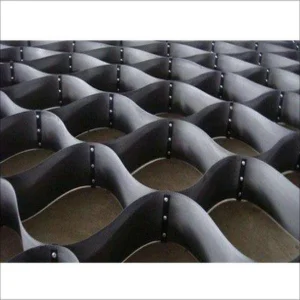
Geogrids and geocells reinforce unstable soils, allowing roadways, railways, and runways to withstand heavy dynamic axle loads.
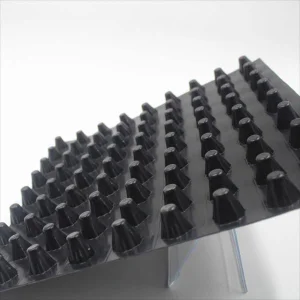
Composite geonets and drainage boards route high-volume flow paths without allowing sediment particles to clog the systems.
Insights into current market demands, structural changes, and export trajectories in the international geosynthetics market.
The global market for geosynthetic materials has transitioned from basic application phases to highly specialized, regulatory-driven ecosystems. Rapid urbanization throughout the Asia-Pacific region, coupled with extensive infrastructure renovation in North America and Western Europe, has created a significant surge in demand. Additionally, environmental agencies worldwide are mandating dual-layer containment systems with strict permeability coefficients, forcing industries to source premium certified materials.
Shandong Hongyue has built extensive sales networks and agency representation in key logistics nodes like Shanghai and Beijing, exporting high-performance geomembranes and geogrids to Europe, the United States, Australia, and parts of Southeast Asia. Industrial and agricultural applications require stable supply chains, volume capacity, and competitive pricing parameters. With a registered capital of 105 million yuan, Shandong Hongyue supports massive production scale to easily satisfy extensive global infrastructure supply mandates.
Our engineered solutions are deployed globally, providing barrier systems, drainage grids, and structural reinforcement.
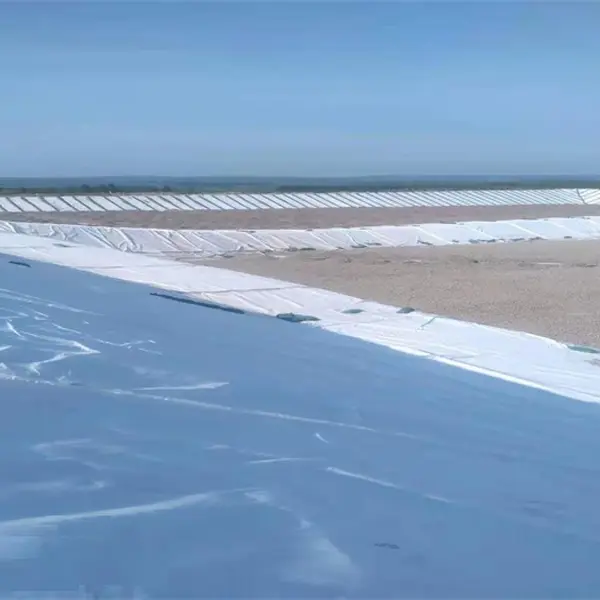
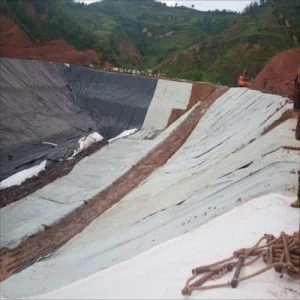
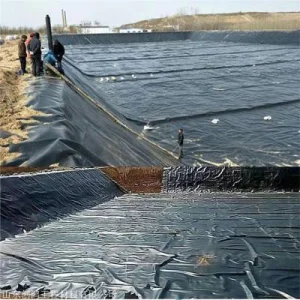
Providing containment systems in high-capacity reservoirs, dams, and secondary canals.
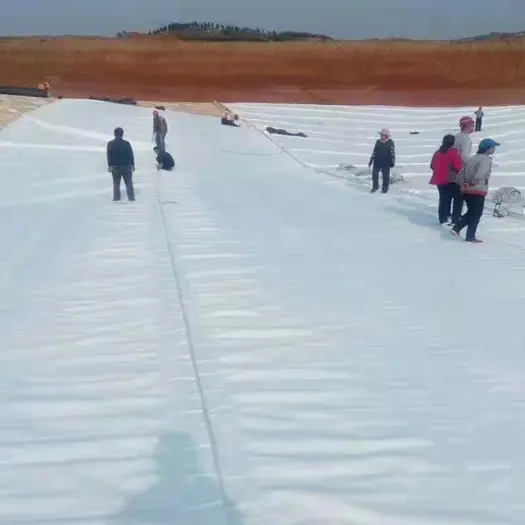
Preventing soil erosion and runoffs on natural and artificial water basins.
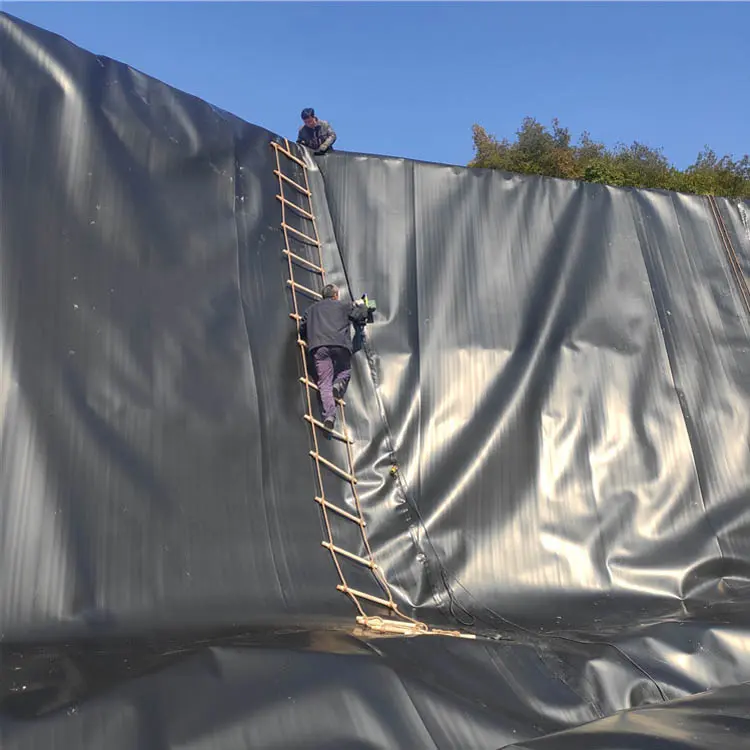
Double-lined protection schemes ensuring zero leachate migration to groundwater.
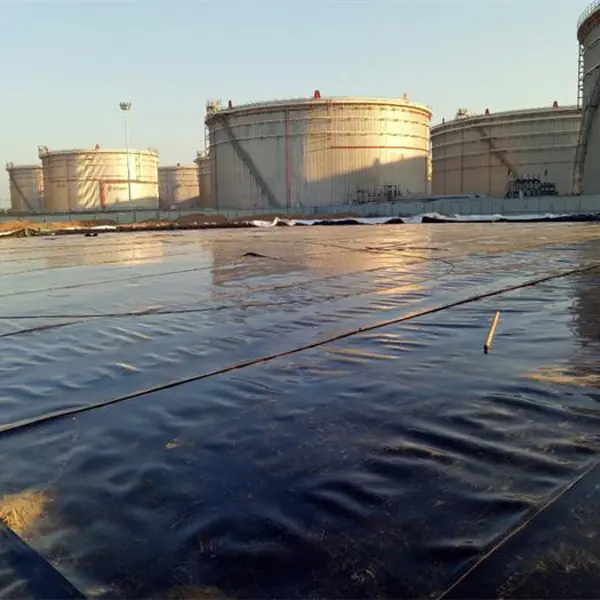
Secondary containment zones designed to capture accidental fuel leakage.
Underlining the rigorous international standard certifications and localization support structures built to serve key global territories.
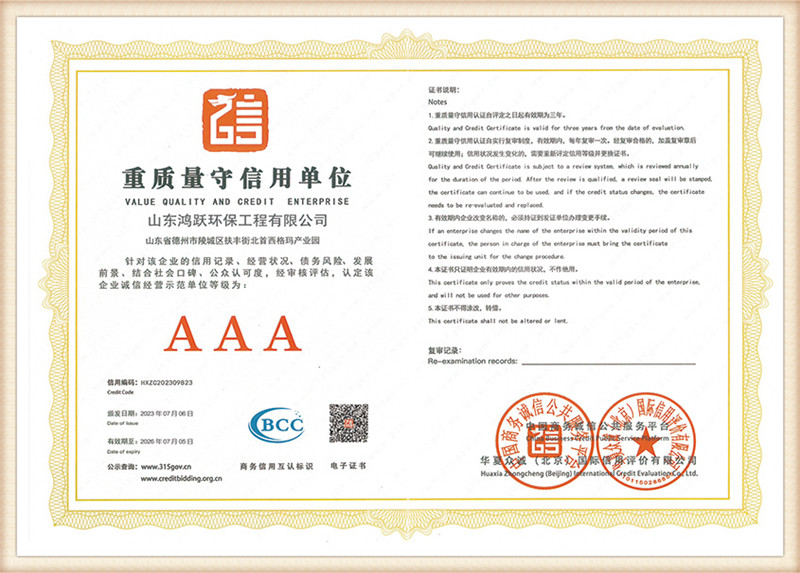
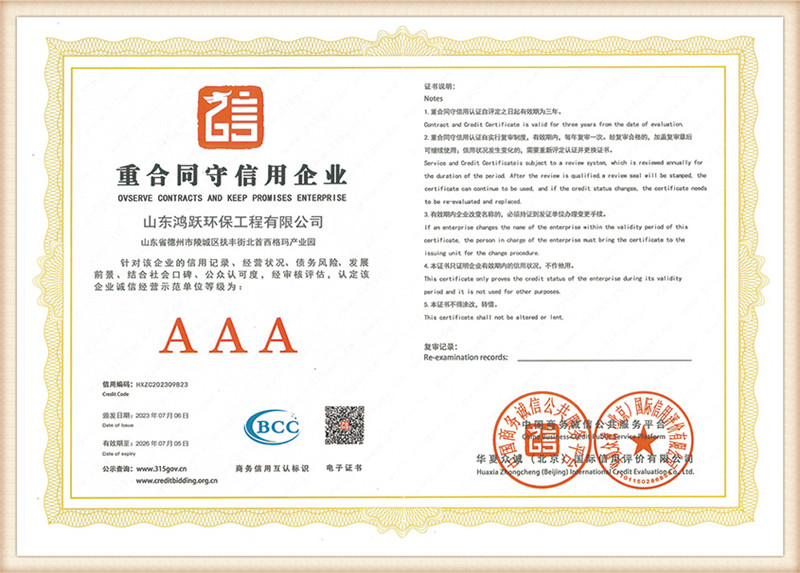
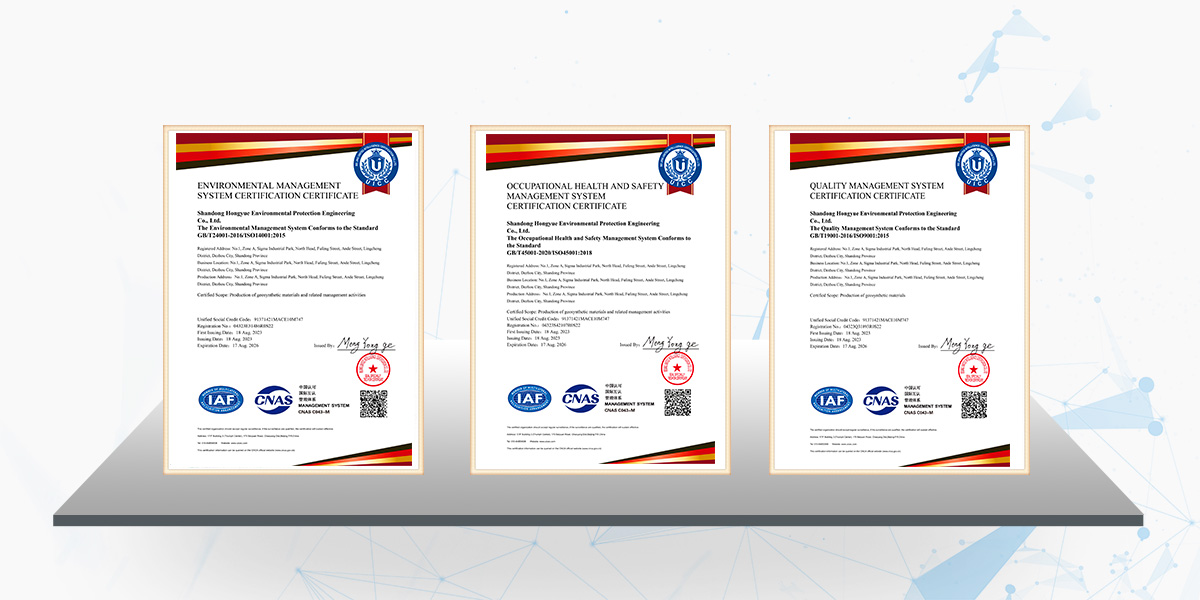
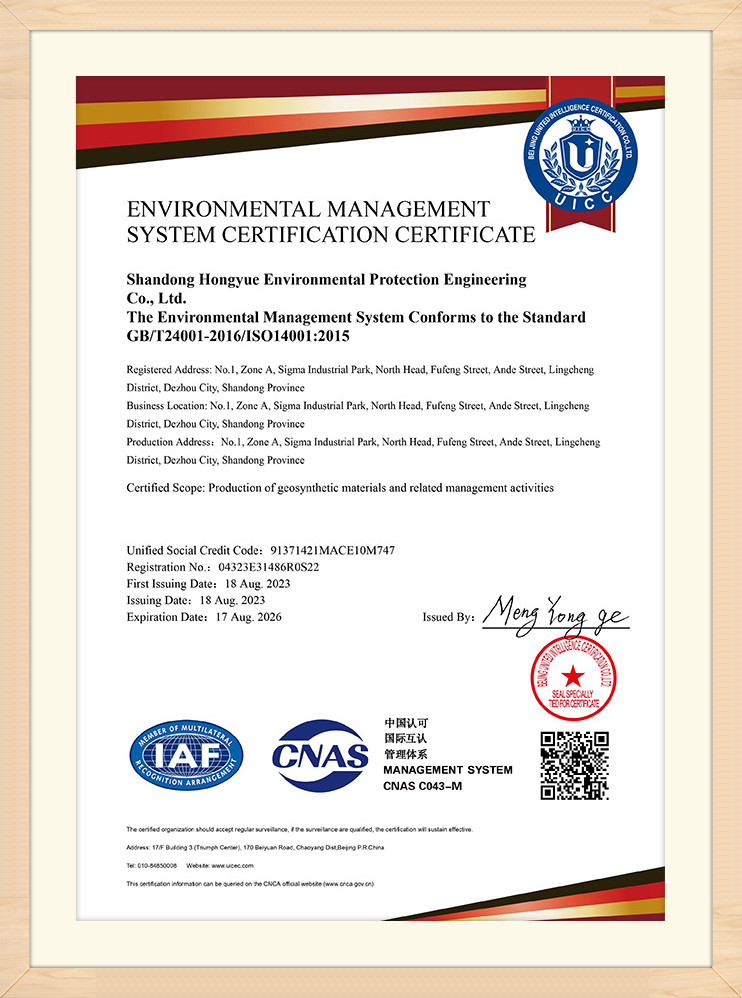
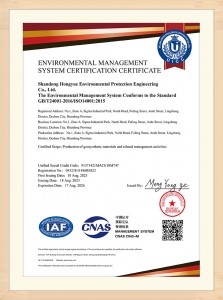
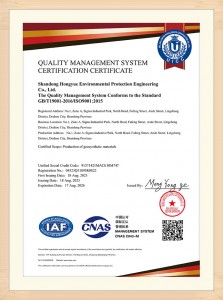
Executing civil infrastructure projects demands strict alignment with local building codes, municipal environmental mandates, and international safety certifications. Shandong Hongyue operates under a comprehensive testing and quality assurance protocol, having successfully passed the ISO9001 International Quality System Certification, ISO14000 Environmental System Certification, and ISO45001 Occupational Health and Safety Management System Certification.
Every batch of geomembranes, geocells, and bentonite blankets undergoes extensive load, stress, and permeability tests. These criteria conform strictly to ASTM, EN, and national ISO standards. Localized technical teams support engineering designs on-site, offering consulting, installation guidelines, and optimal system recommendations to match regional geotechnical conditions.
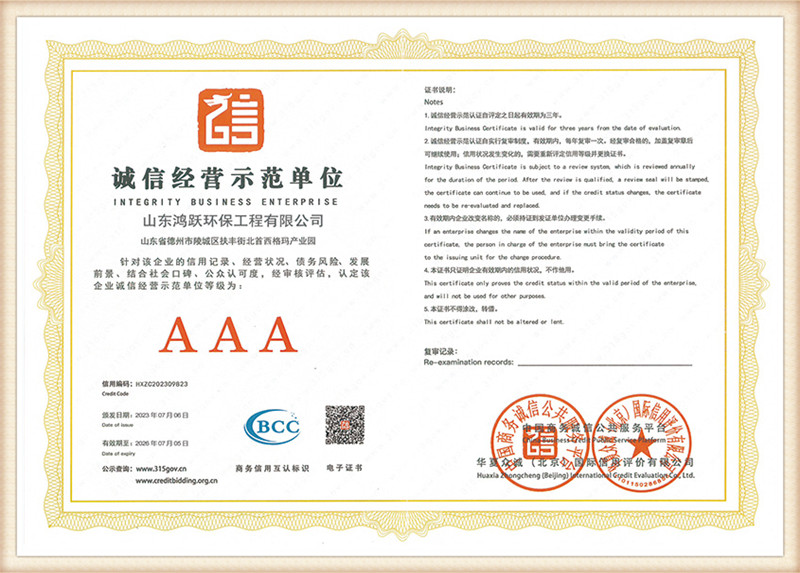
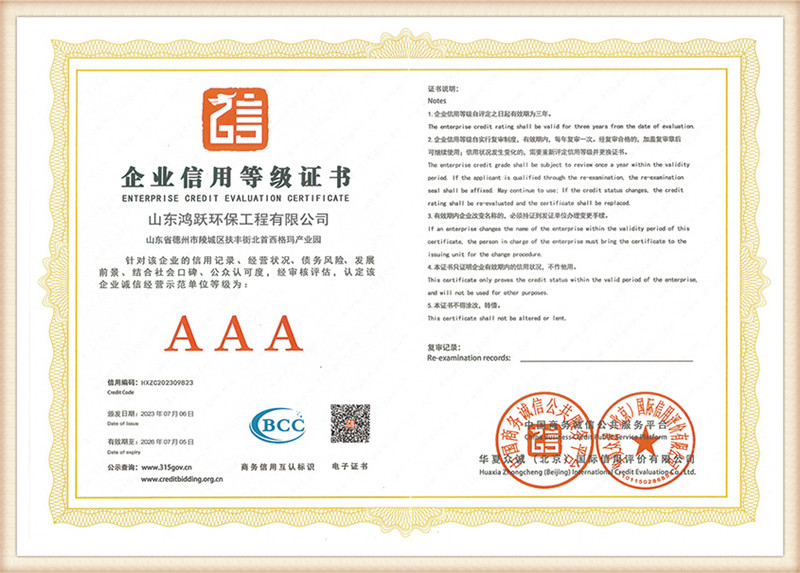
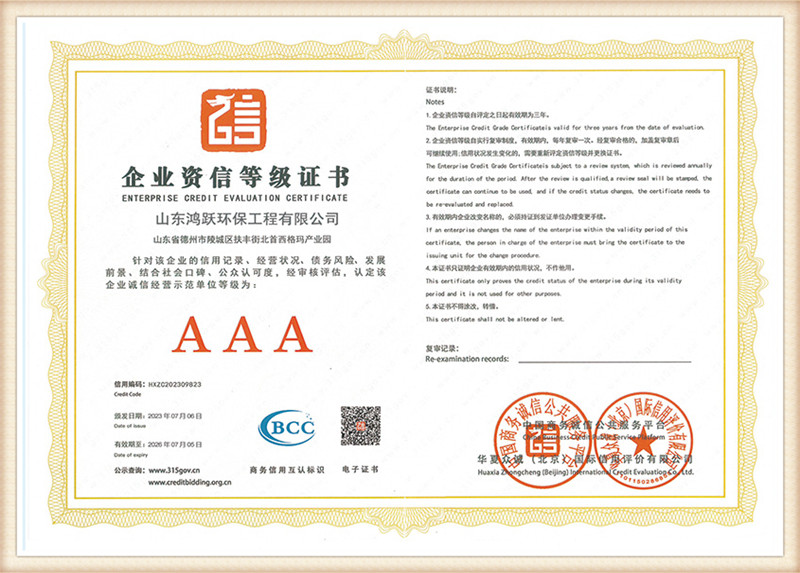
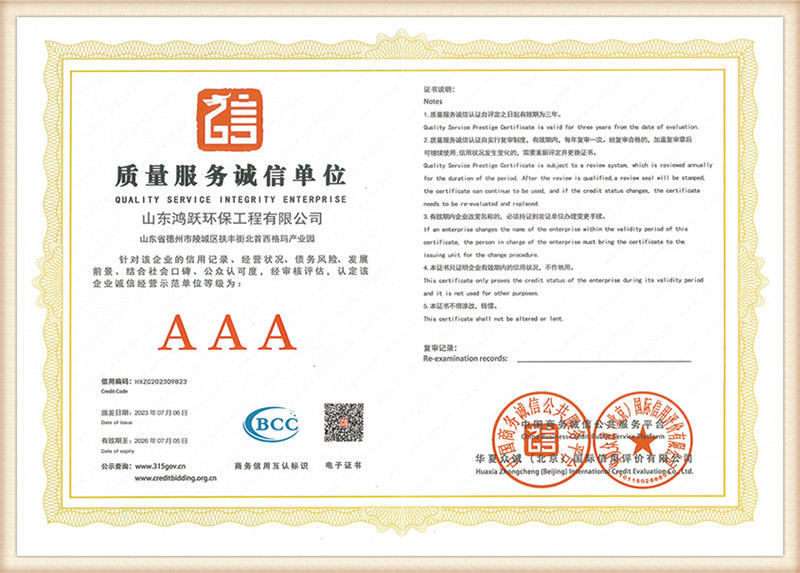
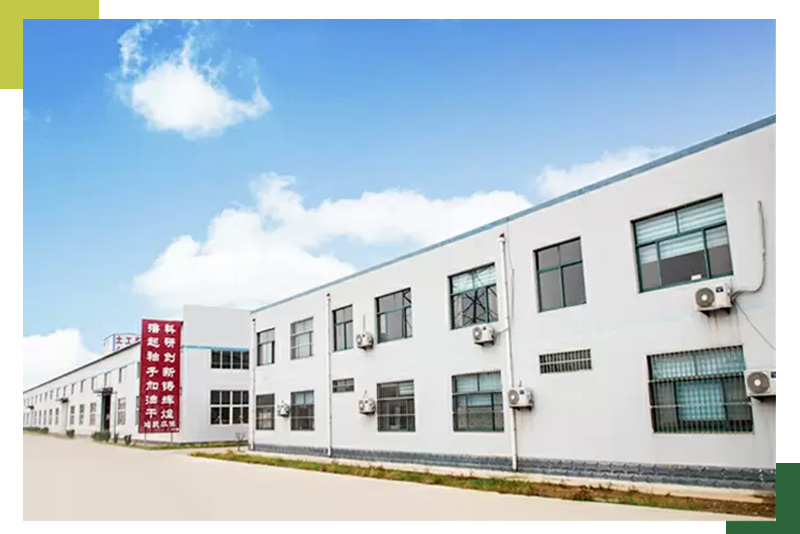
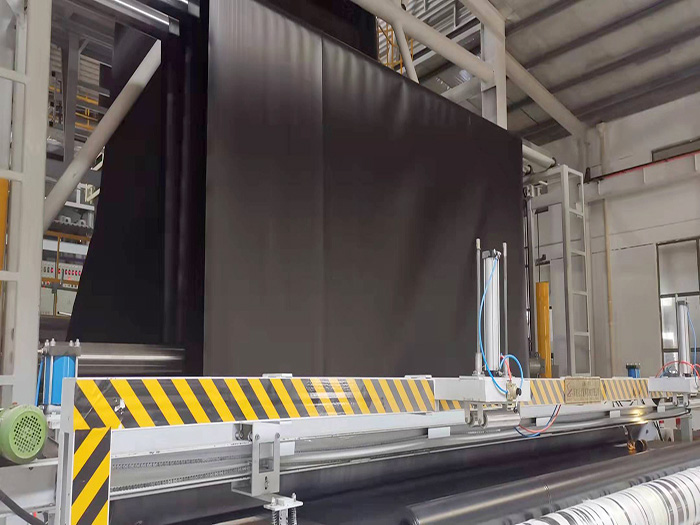
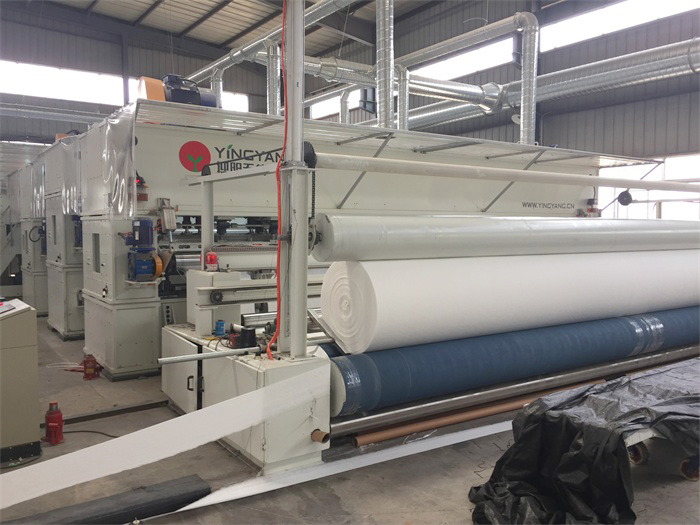
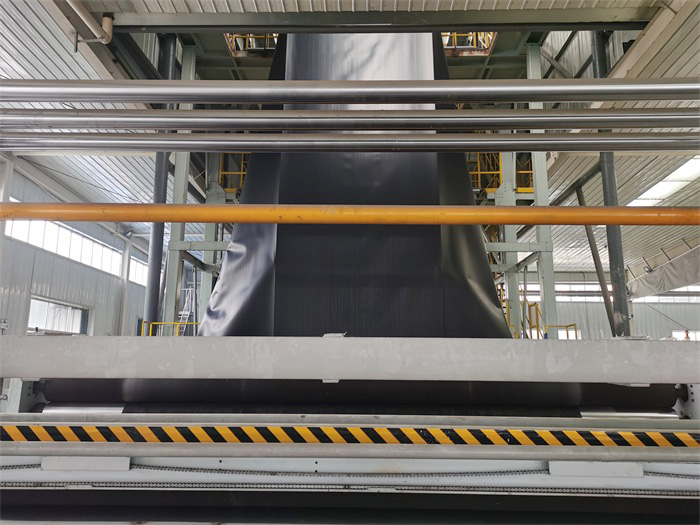
A transparent look inside our state-of-the-art manufacturing facilities, showcasing precision assembly and storage processes.
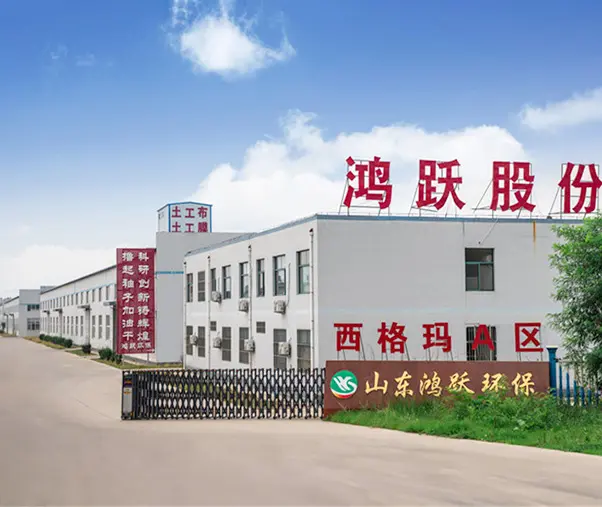
Understanding the application profiles of geotextiles and geomembranes in distinct engineering verticals.
In solid waste containment sites, leachate migration poses a severe threat to subterranean aquifers. The dual integration of a HDPE geomembrane with a sodium bentonite waterproof blanket (GCL) creates a highly impermeable composite barrier system. This barrier prevents toxics and chemical-laden liquids from draining down, while composite geonets route drainage gas and water away safely.
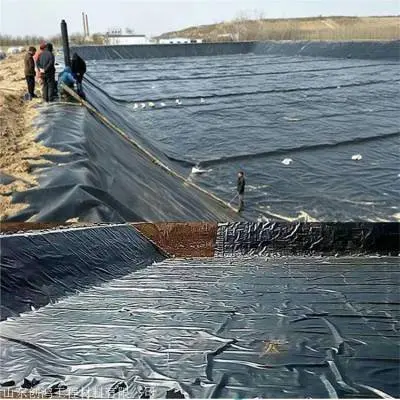
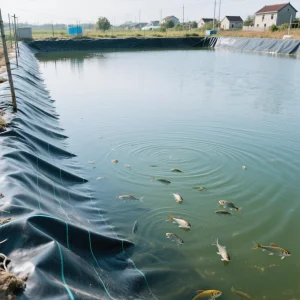
Aquaculture containment demands non-toxic, chemically stable membranes. Custom fish pond anti-seepage membranes prevent water loss while maintaining safe conditions for marine life. In irrigation structures, like lined canals, geosynthetics prevent continuous channel seepage, improving water efficiency in agricultural zones.
Mining heap leaching operations utilize chemical solvents to extract metal values from crushed ore. Strong, chemical-resistant LLDPE geomembranes act as base liners, preventing valuable pregnant solutions from draining into local soils. These membranes must withstand high structural loads and chemical attacks over several years.
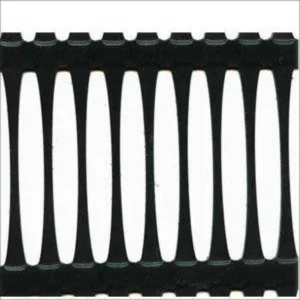
Under dynamic vehicle loads, soft subgrade soils deform rapidly, causing pavement cracks and rail track displacement. Using high-modulus uniaxially or biaxially-stretched plastic geogrids secures and locks aggregate bases, reducing base fatigue, saving raw material costs, and lengthening project lifetime.
Step-by-step documentation showing how raw polymers are processed into high-strength non-woven and woven fabrics.
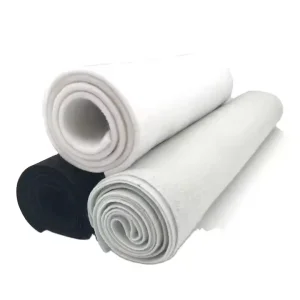
The main raw materials of geotextile are polyester chips, polypropylene filament and viscose fiber. These raw materials need to be inspected, arranged and stored to ensure their quality and stability before feeding into production.
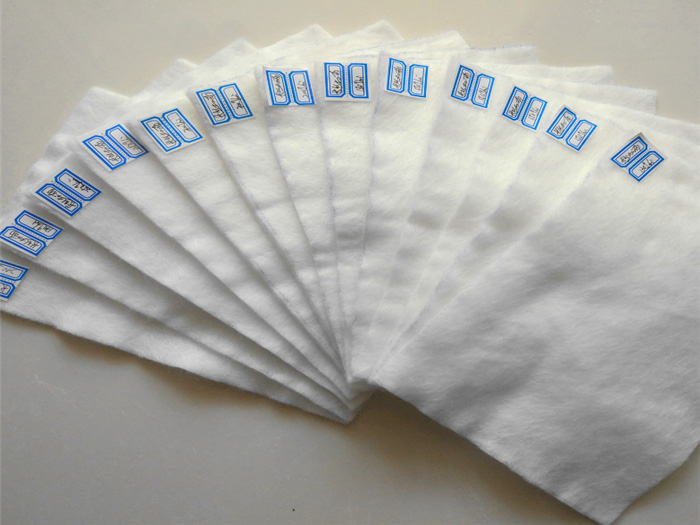
After the polyester slice is melted at high temperatures, it is extruded into a molten state by a screw extruder, and polypropylene filament and viscose fiber are added for mixing. In this process, the temperature, pressure and other parameters need to be precisely controlled to ensure the uniformity and stability of the melting state.
After mixing, the melt is sprayed through the spinneret to form a fibrous substance and form a uniform network structure on the conveyor belt. At this time, it is necessary to control the thickness, uniformity and fiber orientation of the mesh to ensure the physical properties and stability of the geotextile.
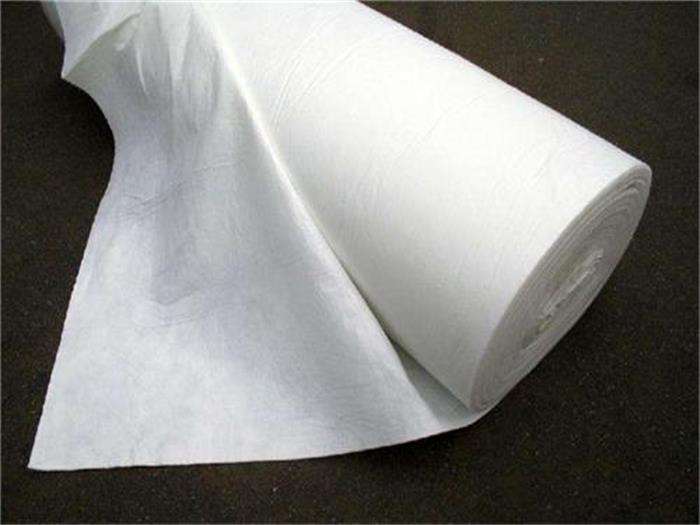
After laying the net into rolls, it is necessary to carry out draft curing treatment. In this process, the temperature, speed and draft ratio need to be precisely controlled to ensure the strength and stability of the geotextile.
The geotextile after draft curing needs to be rolled up and packed for subsequent construction. In this process, the length, width and thickness of the geotextile need to be measured to ensure that it meets the design requirements.
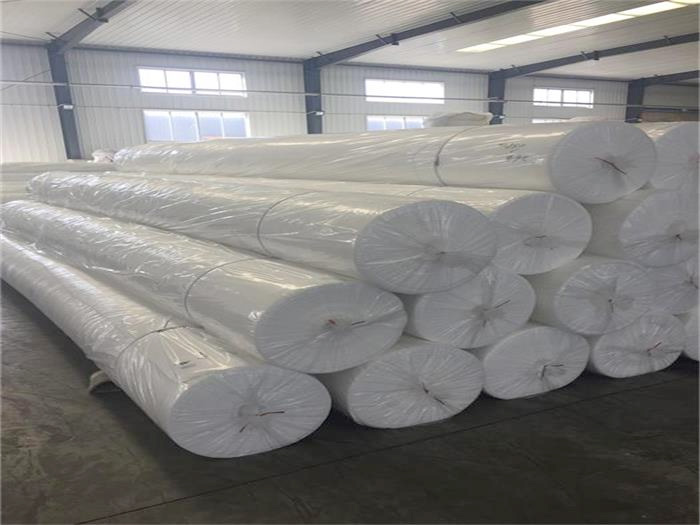
At the end of each production link, the quality of geotextile needs to be inspected. The inspection contents include physical property test, chemical property test and appearance quality test. Only geotextiles that meet the quality requirements can be used in the market.
Comprehensive guidelines for material selection, installation, and long-term asset maintenance.
It is very important to choose the suitable geomembrane. Key factors include:
• Material properties: Different materials like HDPE or LLDPE fit different geotechnical projects.
• Thickness: Usually ranges from 0.3mm to 2.0mm depending on site load pressure.
• Impermeability: Excellent coefficient ratings ensure seepage is completely cut off.
Laying requires strict adherence to specialized site preparation protocols:
• Land preparation: Ground must be clean, flat, and free of any sharp objects or rocks.
• Seam welding: Heat-fusion welding ensures strong, continuous joints.
• Fixing method: Anchor trenches or earth berms secure the lining system in place.
Maintenance guarantees system lifespan:
• Cleaning: Periodically clear debris to maintain direct contact structure.
• Inspection: Perform integrity check-ups to locate potential physical damage or oxidation wear.
• Protection: Cover with soil backfill or geotextiles to protect from direct UV weathering.
Developing next-generation geosynthetic structures featuring smart sensing capabilities and green polymers.
The future of geosynthetic materials lies in the integration of smart systems and sustainable polymers. The industry is currently exploring smart geosynthetics (sensor-embedded systems). By integrating fiber optic networks and conductive polymers directly into geomembranes and geogrids, civil engineers can monitor strain, deformation, and leachate leaks in real time. This proactive sensing warns site operators of potential structural failures before they escalate.
Concurrently, there is a major focus on sustainable raw materials. Manufacturers are researching bio-resins and highly stable recycled polymers to reduce the carbon footprint of geotechnical projects. Shandong Hongyue is committed to developing eco-friendly geosynthetics that offer long-term performance while aligning with global carbon-neutrality targets.
Formulating polymers with advanced UV stabilizers and antioxidant packages to extend underground service life to over 100 years.
Introducing bio-based raw materials and recycled feedstocks to reduce dependencies on petroleum bases.
Integrating conductive backings and smart sensor arrays directly into composite liner setups.
Expert answers addressing the primary design, procurement, and installation queries raised by global geotechnical engineers.
In buried environmental applications (such as municipal landfill base lining systems), high-quality HDPE geomembranes formulated with advanced carbon black and antioxidant packages are projected to exceed a service life of 100 years. Service life is highly dependent on exposure to UV radiation, chemical exposure, thermal variations, and structural stress.
One of the primary benefits of Geosynthetic Clay Liners (GCL) is their self-healing capability. When sodium bentonite encounters moisture, it hydrates and expands up to 15 times its dry volume. This swelling action seals minor punctures or installation damage, maintaining the integrity of the barrier system.
Composite geonets provide higher hydraulic transmissivity than gravel while requiring significantly less space and weight. This maximizes the storage capacity of containment cells like landfills, reduces transportation costs, and simplifies construction on sloped surfaces.
All geosynthetic systems undergo rigorous testing to ensure conformity with international standards. Key parameters include tensile strength (ASTM D6637/D4595), puncture resistance (ASTM D6241), carbon black dispersion (ASTM D5596), and hydraulic flow rate (ASTM D4491).
Direct from our manufacturing facility, offering high-durability polymers designed to meet complex project demands.
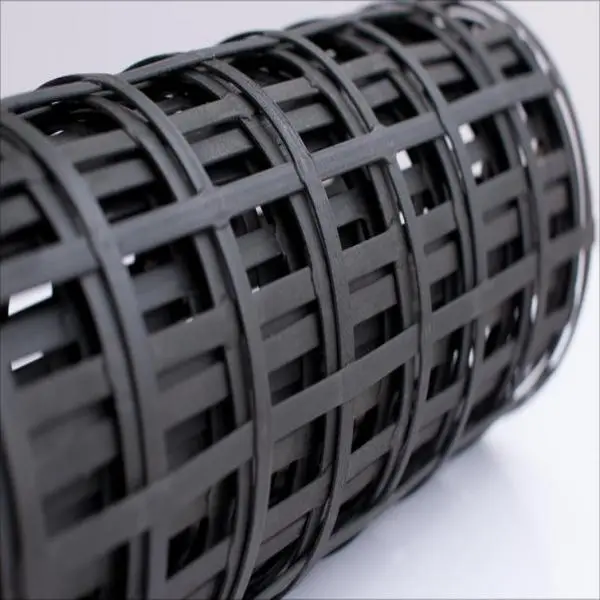
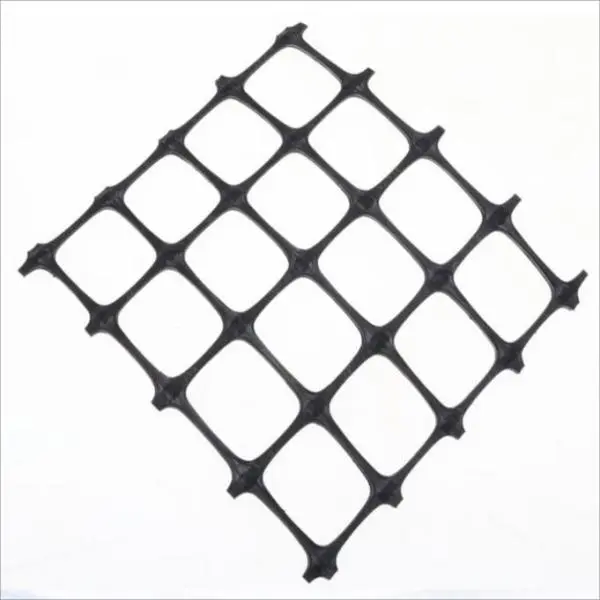
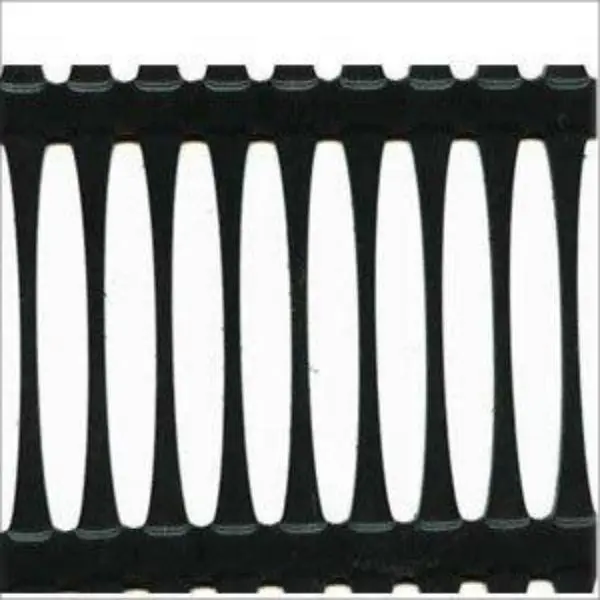
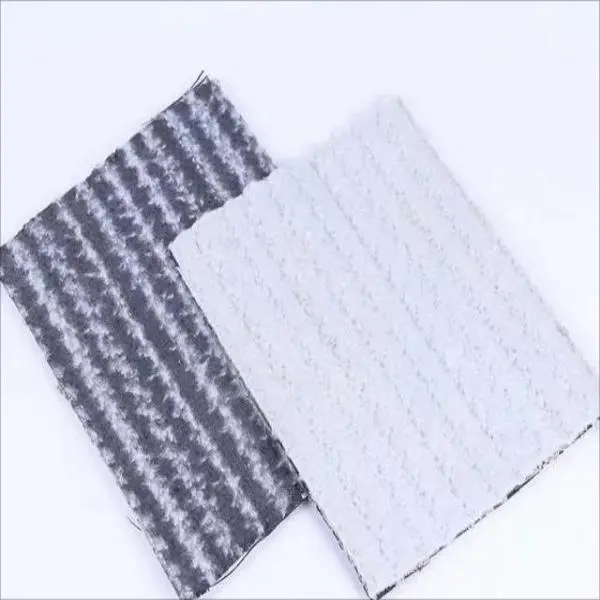
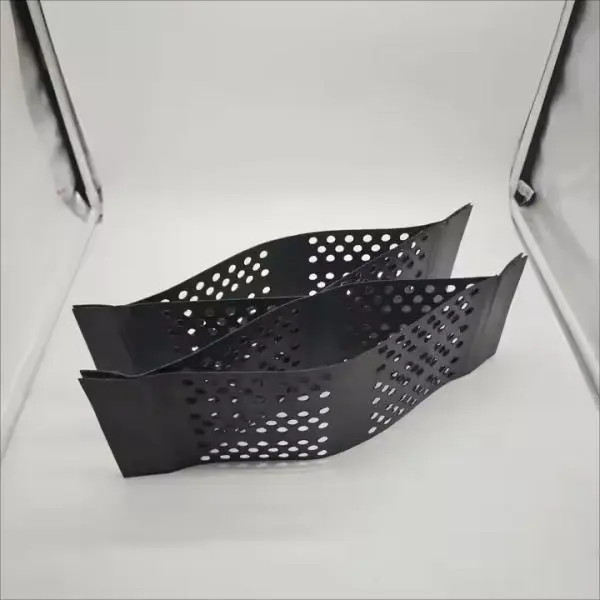
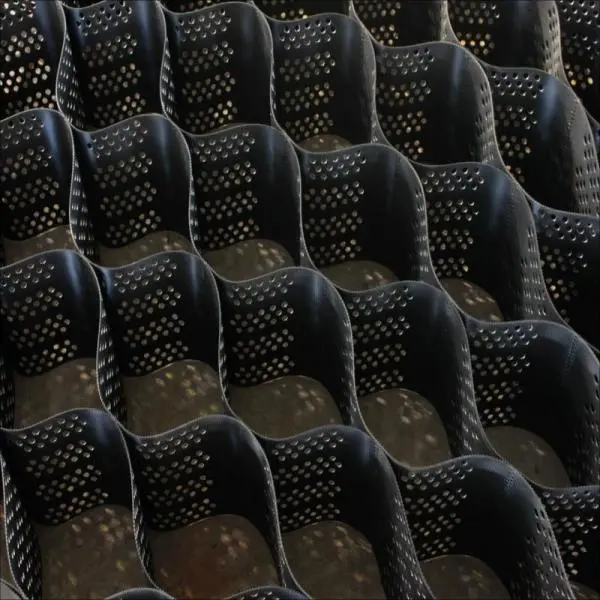
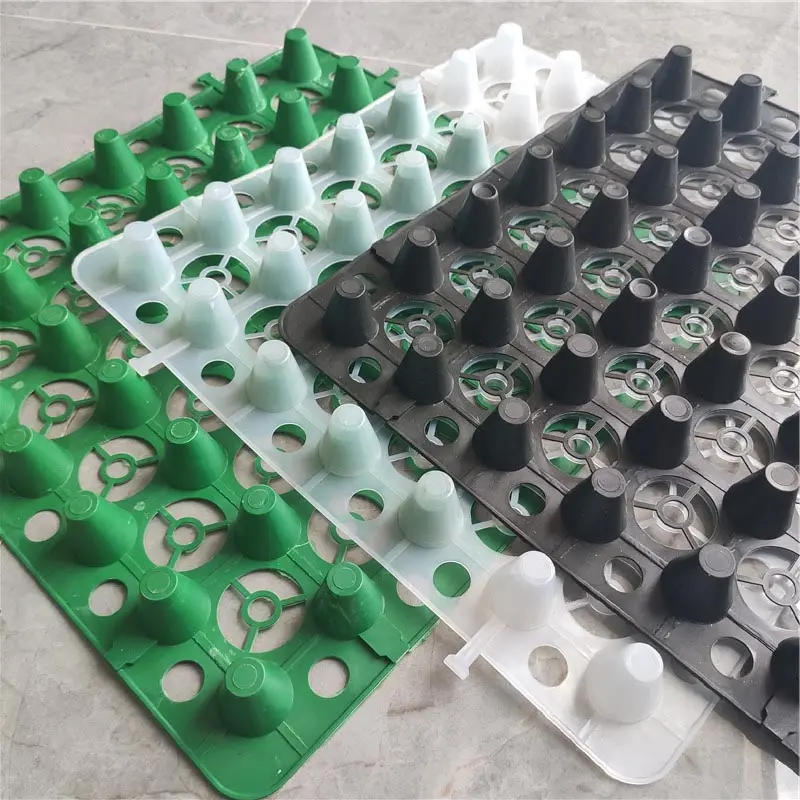
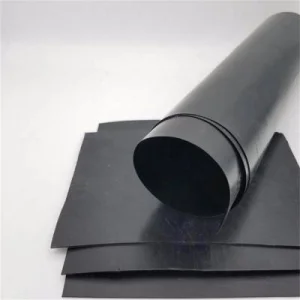
Browse our complete catalog of certified materials, including geogrids, geomembranes, and geocells.
 Hongyue